


At a glance: My top 17 things to do in Poland
Museum of Princes Czartoryski (Krakow)
Museum of Warsaw Rising (Warsaw)
Wawel Castle’s armory (Krakow)
Bialowieza Forest National Park
POLIN Museum of Polish Jews (Warsaw)
Museum of the Second World War (Gdansk)
Outdoor Village Museum (Lublin)
Final thoughts: the best things to do in Poland
It wasn’t easy for me to select the top 17 things to do in Poland. It’s one of the most diverse countries I’ve ever visited. It’s got beaches, mountains, and even the world-famous Wieliczka Salt Mine with chandeliers made out of salt.
But I'm not here to talk about the places themselves, I’m here to tell you about what you can do in them. It’s one thing to look at historical architecture. It was another way to immerse myself in it through an auditory tale, like in Malbork Castle, or crawl through a sewer instead of just reading info in the Museum of Warsaw Rising.
Don’t waste your time with useless tourist traps. Instead, build your trips around the top 17 things to do in Poland, all from my personal experience. Have I ever steered you wrong?
Read more from my Poland travel blog.
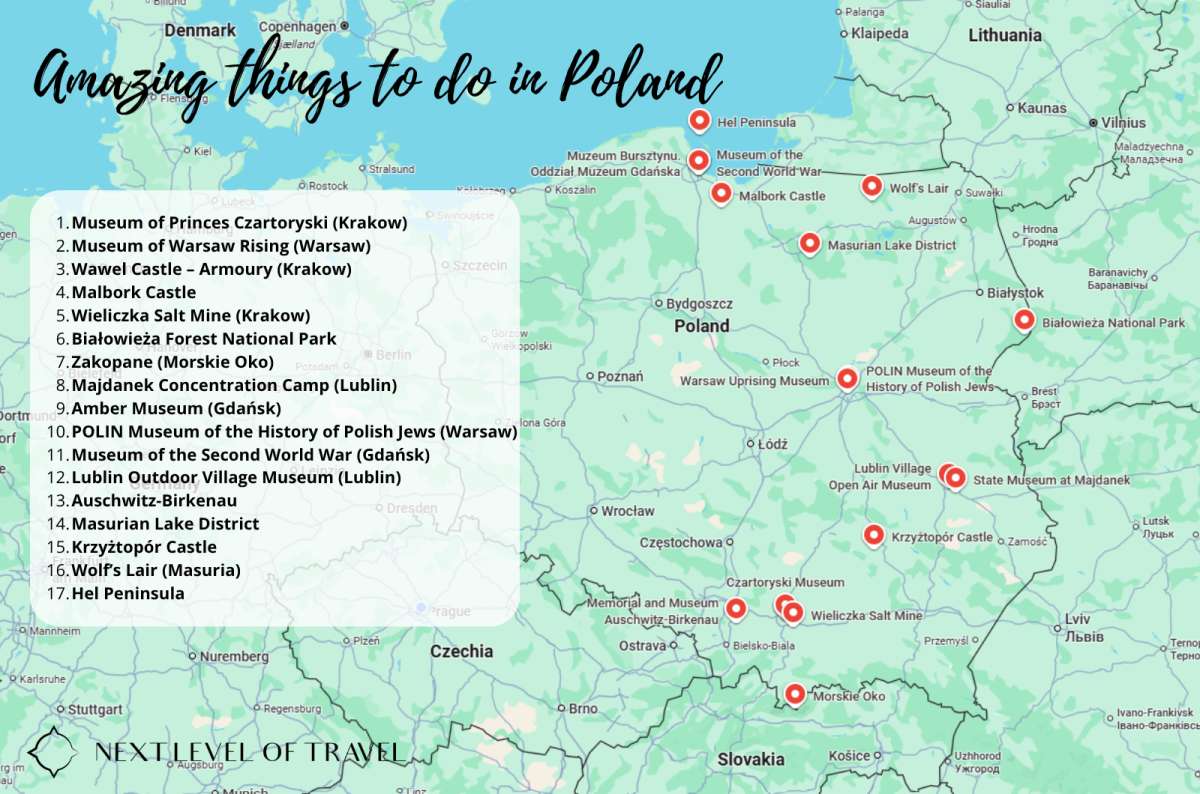
A complete overview of the best things to do in Poland


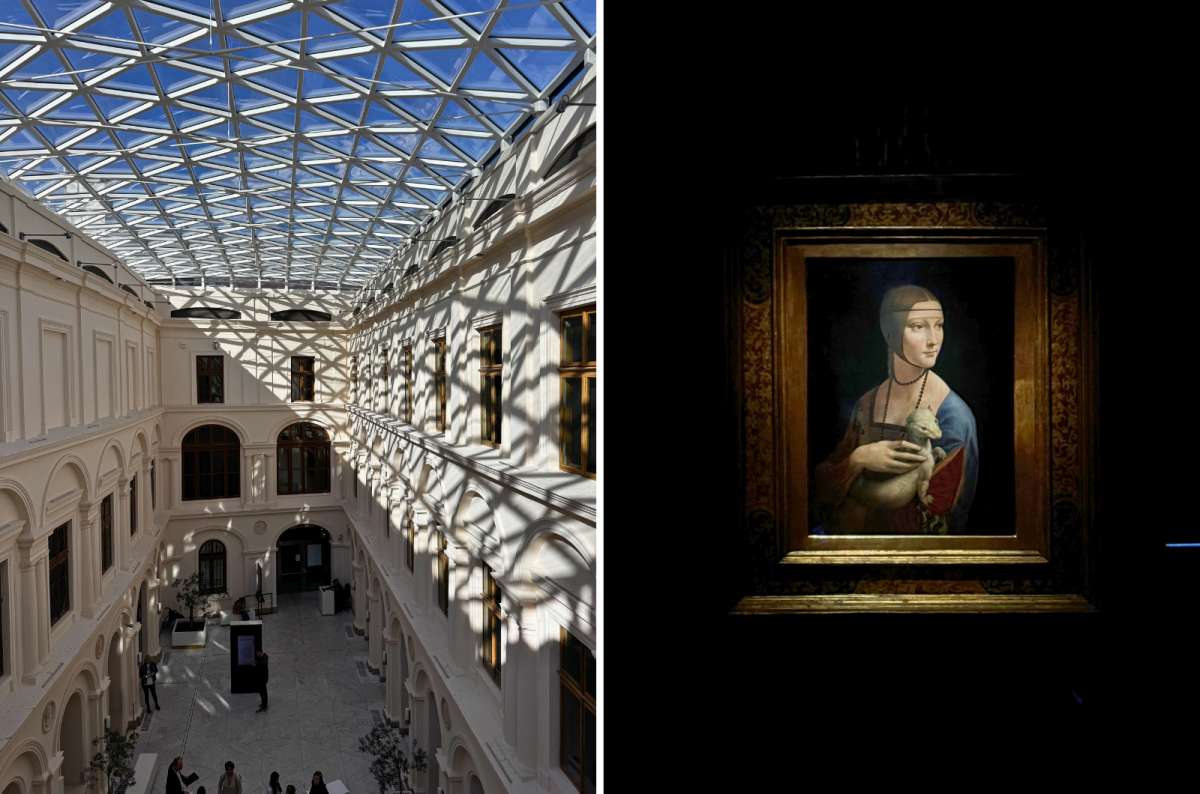
What to see in Poland? What about a real Da Vinci up close @ Museum of Princes Czartoryski
As a huge museum guy, I couldn’t miss one of the oldest and most important museums in the whole country. So, of course, I had to visit the Museum of Princes Czartoryski.
I saw plenty of one-of-a-kind historical artifacts here, but the most famous is the art. That includes two works by Rembrandt. But what really stopped me in my tracks was the Lady with an Ermine—a painting by Da Vinci himself.
Leonardo painted fewer than 20 surviving works, so this is one of the rarest paintings on the planet. And Lady with an Ermine is among his most famous. Iconic is an understatement. Definitely one of the most unique things to do in Poland.
Fun fact: Lady with an Ermine was stolen by the Nazis when the museum was looted in 1939. Selfish assholes, hogging all the art for themselves. Thankfully, it was recovered by American troops and returned to the museum in 1946 for the rest of the world to enjoy.
So if you’re wondering what to see in Poland, I guarantee this is the only place in the world you can see an original painting by Da Vinci and an urn with a bone of Poland’s first king in the same building.

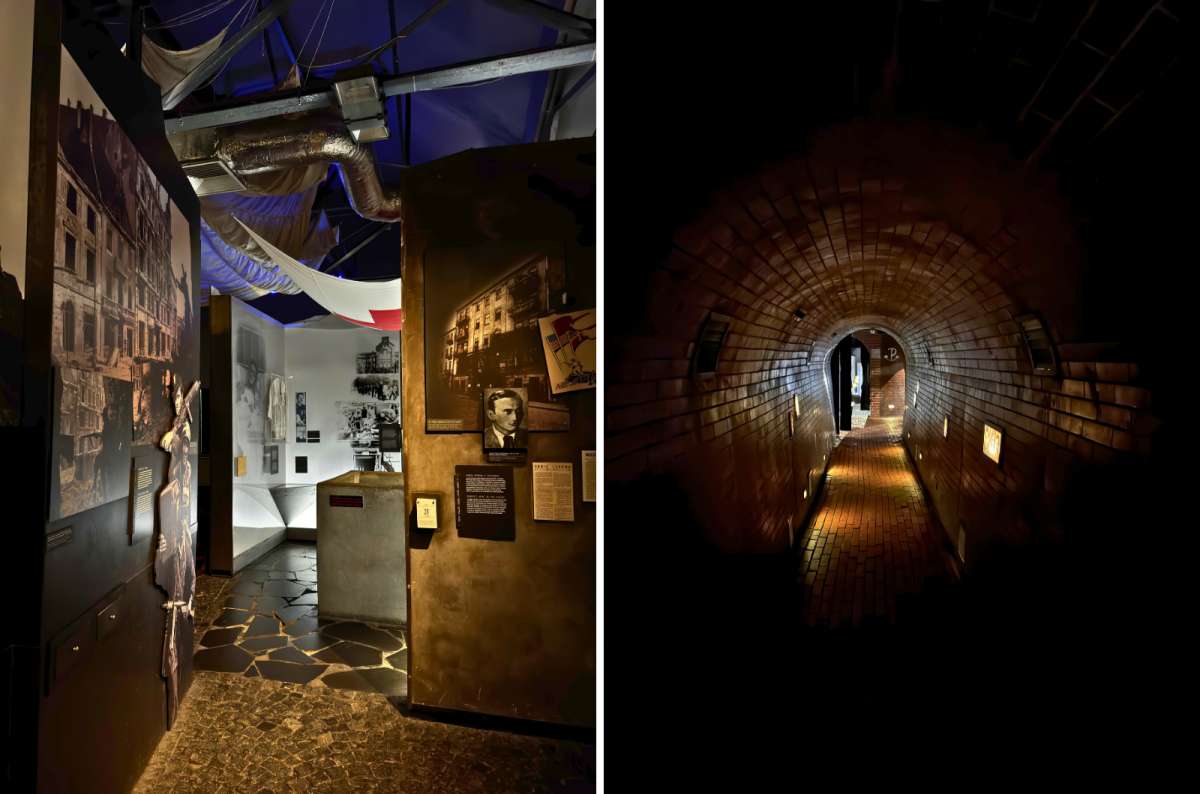
Crawling through a wartime sewer @ the Museum of Warsaw Rising
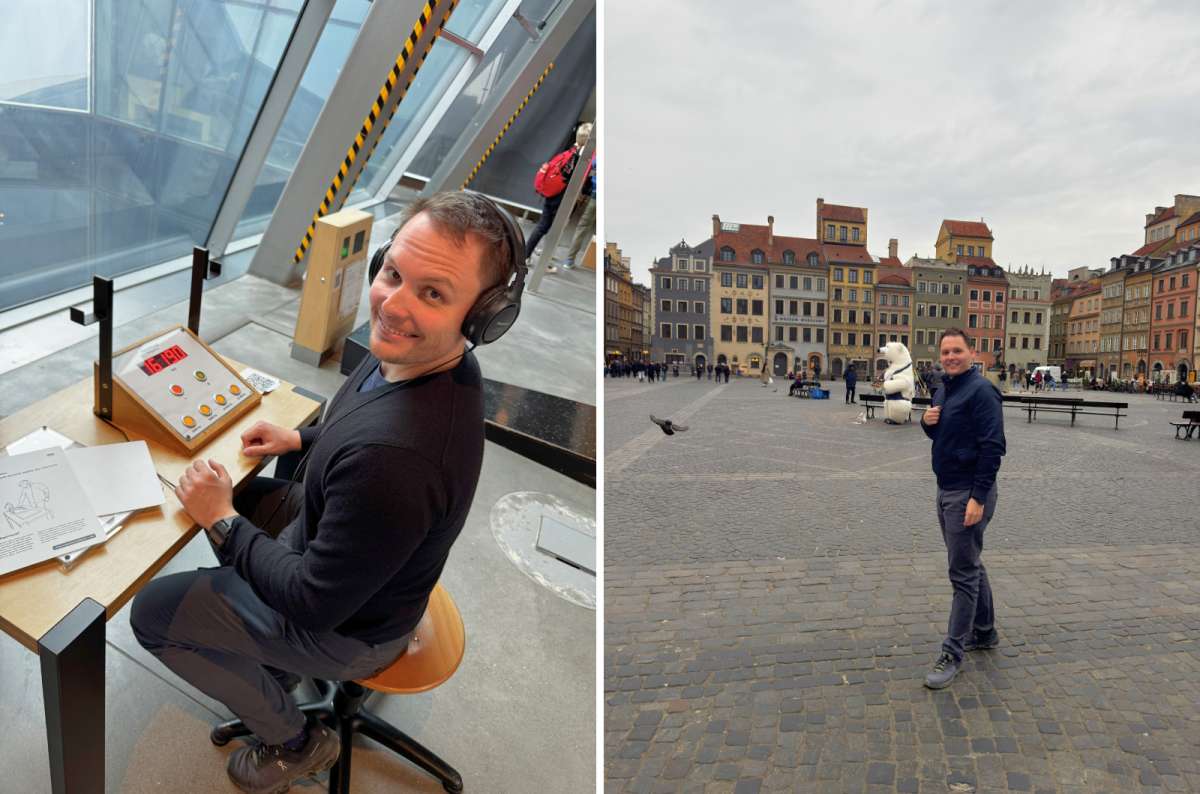
As I said, I love museums, but even I have my limits when it comes to paragraphs of signage. But the Museum of Warsaw Rising doesn’t do that. It grabbed me by the throat and chucked me headfirst right into what it would have felt like to live in Warsaw during the uprising in 1944.
And I loved that it took me through a sewer to do so.
These are what Polish insurgents used during the Warsaw uprising for refuge, transportation, and evacuation of thousands of soldiers from the Old Town. So I couldn’t miss crawling through one of the museum’s sewer replicas to accurately simulate the experience.
Luckily, there's no actual sewage involved. But it was uncomfortable and claustrophobic. And about 30 yards long, with sound effects like running water and grenade explosions that really made me feel immersed (for better or for worse).
In my opinion, the discomfort only enhanced the experience. Unique, interactive exhibits like this make the Warsaw Rising Museum a top favorite museum of mine. What better way to put yourself in someone’s shoes than by literally recreating their senses?

Get a quick email update from me 2–3× a month with exclusive travel content and absolutely nothing that’ll waste your precious time
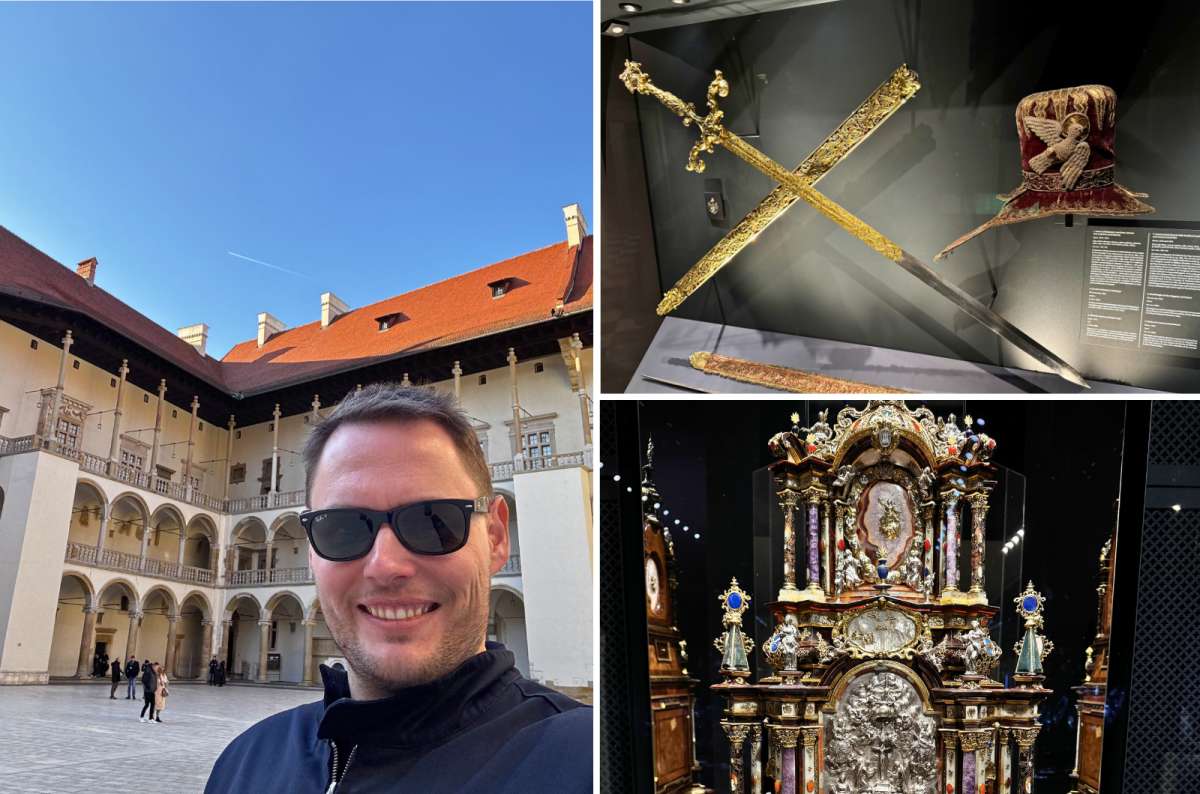
Hanging around @ Wawel Castle + one seriously oversized sword
When I was a little boy, I wanted to be a knight. (Okay, I kind of still do...) So needless to say, when I came face to face with Szczerbiec, the only surviving piece of the Polish Crown Jewels, and saw that glinting blade inscribed with ancient names and mysterious symbols...Yeah, I was mesmerized.
This was a ceremonial coronation sword, used to swear in Polish kings from 1320 to 1764. Seriously, this is like something straight out of a fantasy novel—like what I imagine Bran Stark would kneel in front of while sworn in as King of Westeros.
As you can probably tell, the armory was the perfect place for me when it came to things to do in Poland. And nothing there comes close to this sword. It’s easily the most important artifact here, and arguably in the entire castle, since it’s from the 13th century—older even than some of the kings who used it.
Also, how epic of a name is Szczerbiec? Exactly what I’d call a sword if I knew how to pronounce it.
Tip: The other highlight of Wawel Castle is the treasury, so don’t miss that either.
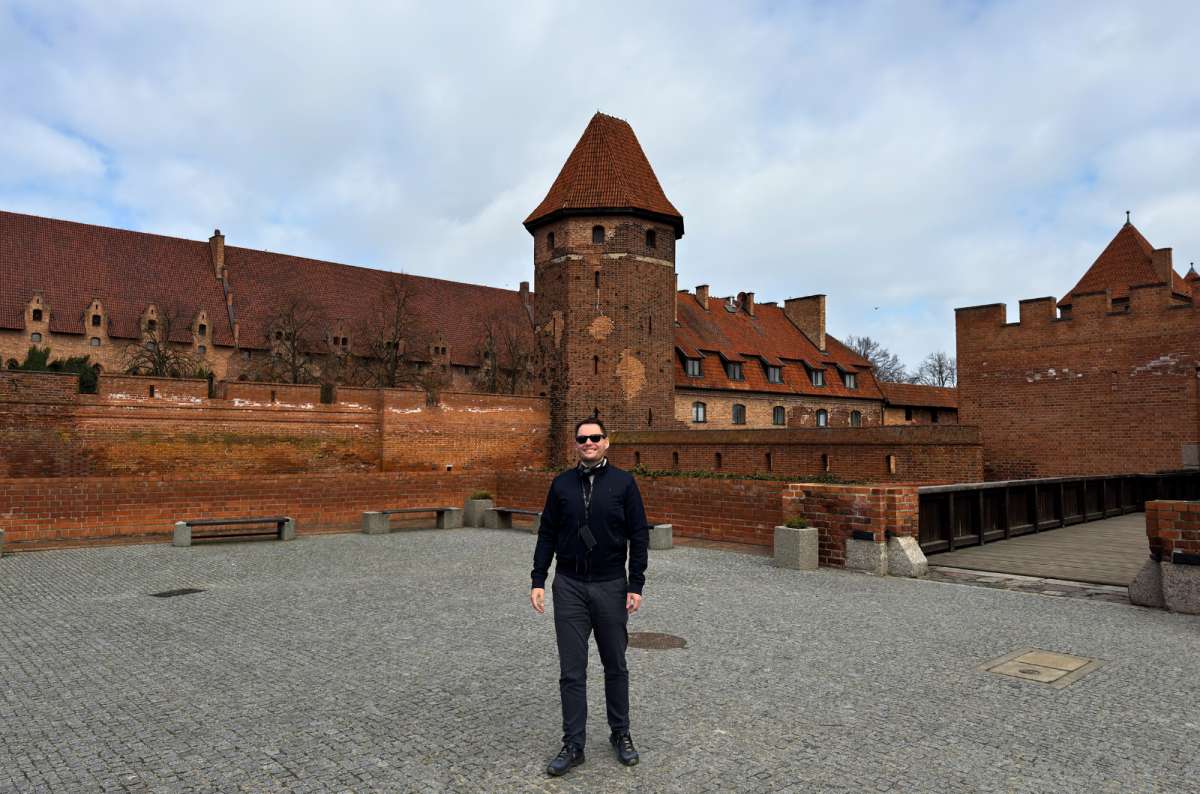
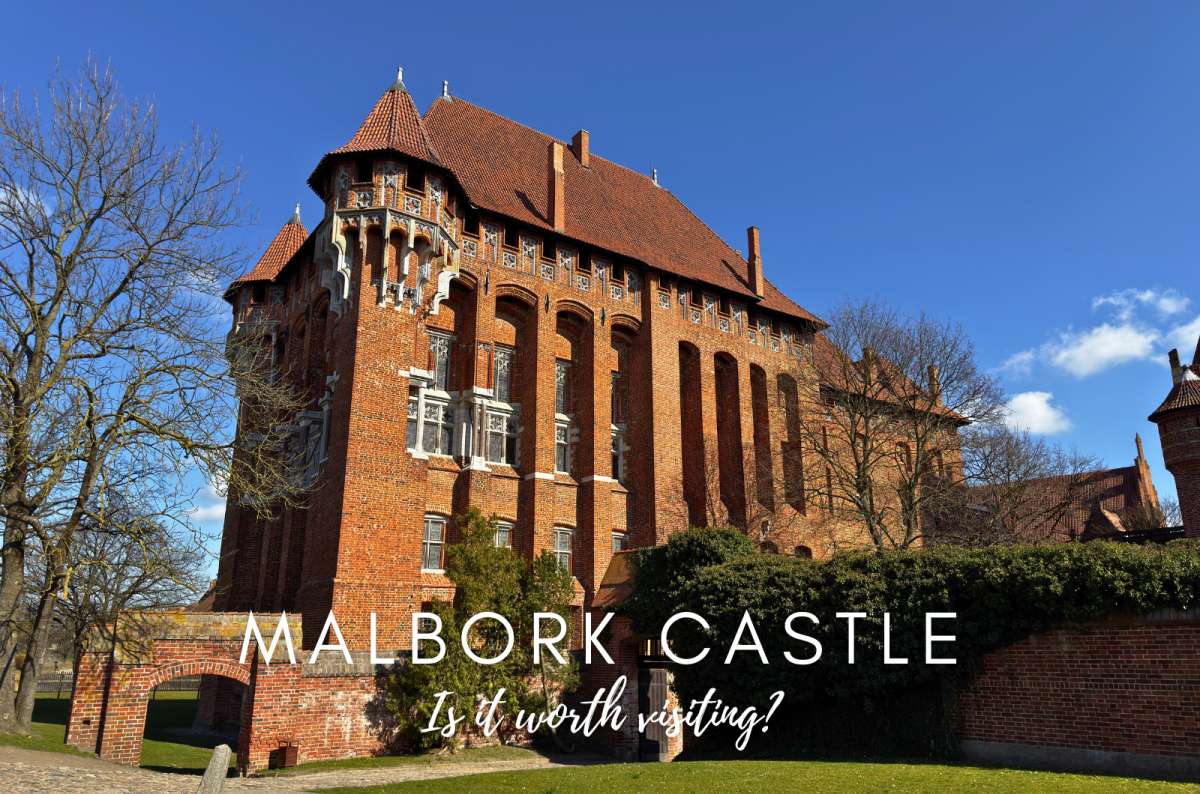
Largest castle in the world—it just keeps going!
It kind of blows my mind that there’s literally no bigger castle than Malbork. Plus, it’s also the largest brick complex not just in Eastern Europe but in the whole continent.
But without the audio guide, I would have felt like I was bouncing from gorgeous room to gorgeous room. Not the worst thing in the world, granted, but the audio guide tied the whole thing together and told me the whole story of the castle.
It’s one of the best I’ve ever listened to at a historic site. I was expecting some dry historian reciting boring facts. Instead, I was taken on a journey through the story of ancient Malbork from its construction by the Teutonic Knights to its takeover by Polish kings, and then throughout its various changes in power.
I heard the fascinating story of an ancient, royal castle while I was standing in it. Who needs 5D movies?
Pro tip: Prefer a live human doing the talking? No problem: here you go.
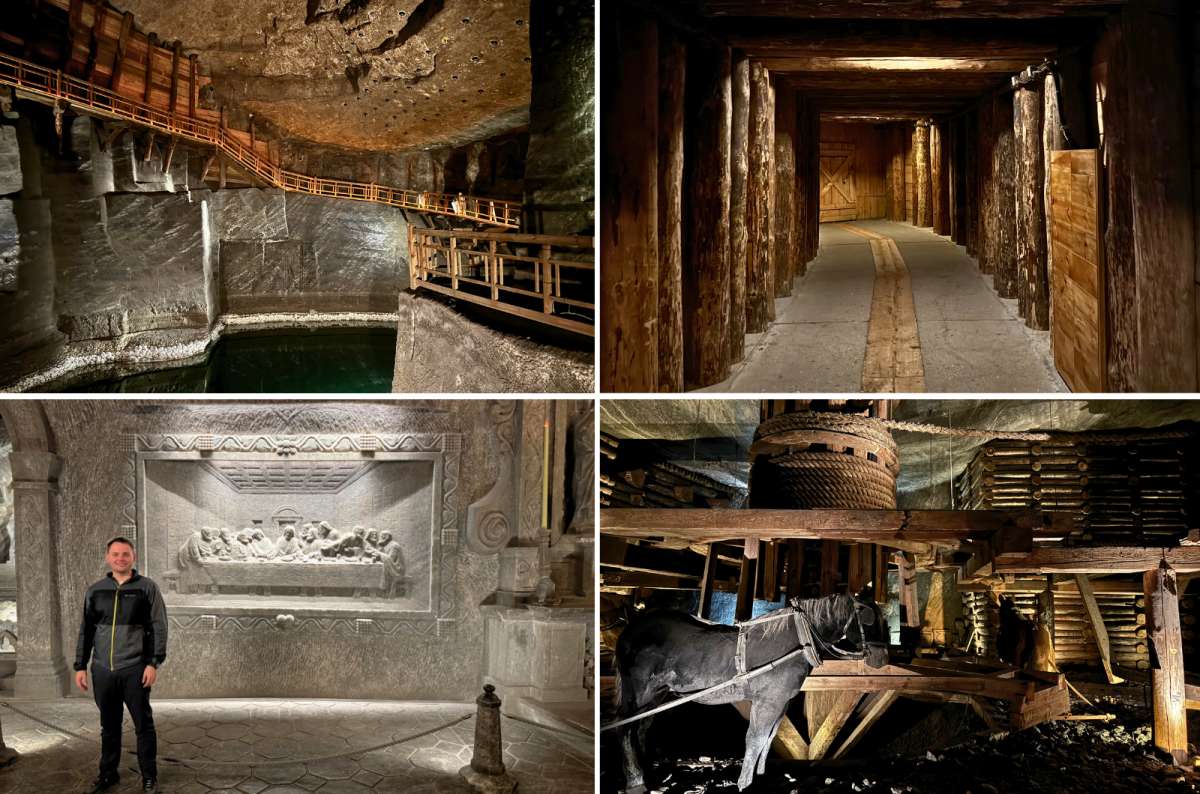
Worship at the underground chapel in Wieliczka Salt Mine—entirely carved out of salt, Krakow
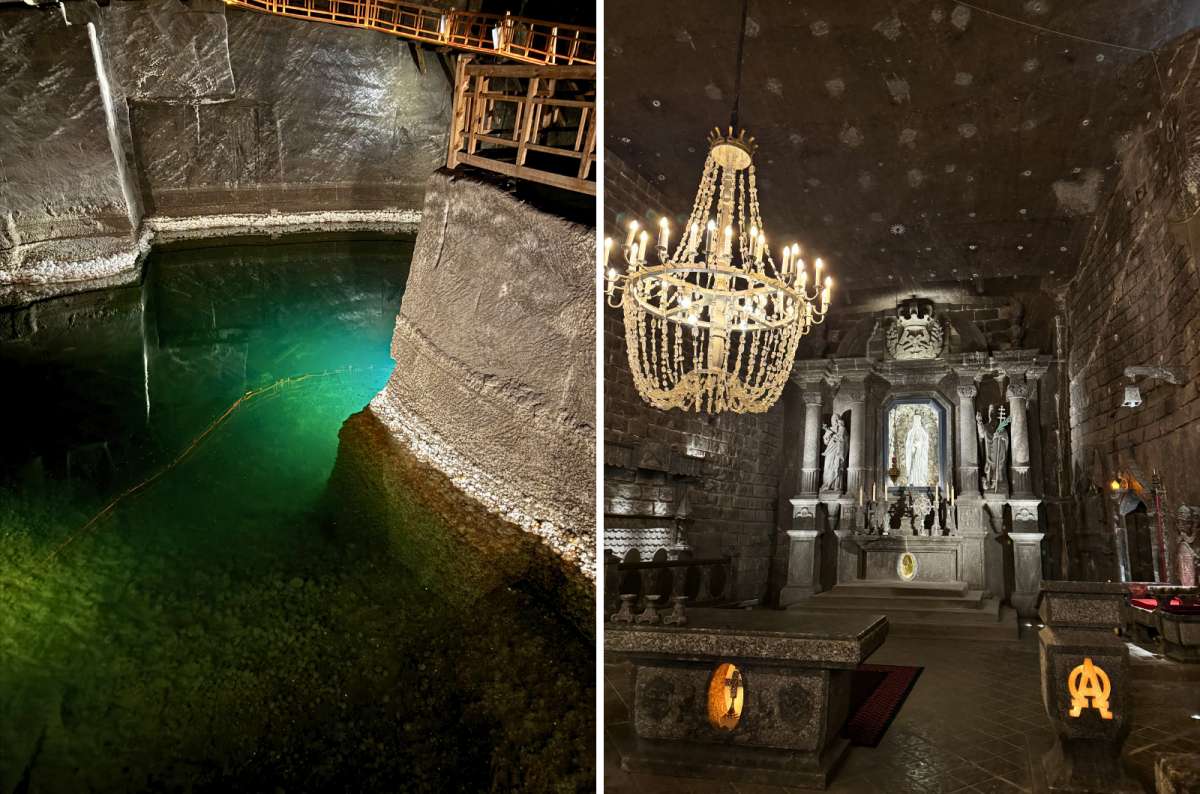
Yeah, there are other salt mines in the world. But not ones that are among the first UNESCO World Heritage Sites, one of my favorite facts. And not ones with massive cathedrals made 100% out of salt. I’m talking about the Chapel of St. Kinga, where everything I saw was, yep, salt. That included the altars, statues—even the freaking chandeliers. Come on!
This place isn’t just decorative, though; it’s also historic. Miners really did worship here back in the early 20th century after it was finished in 1896. That means it’s been in use for well over a century. I’ve been to Krakow a bunch of times now, and for me it still ranks as one of Krakow's top attractions.
And the art there is—you guessed it—also made out of salt. My favorite part was the impressive recreation of The Last Supper carved directly into the salt rock wall. It’s crazy what kind of talents people can have. Now you see why this is one of the most unique things to do in Poland?
Today, the chapel hosts events like parties and even weddings. Imagine getting married in a salt chapel at a salt altar, seating your guests in salt chairs, eating at salt tables...okay, that’s probably not what it’s actually like, but it's funny to imagine.
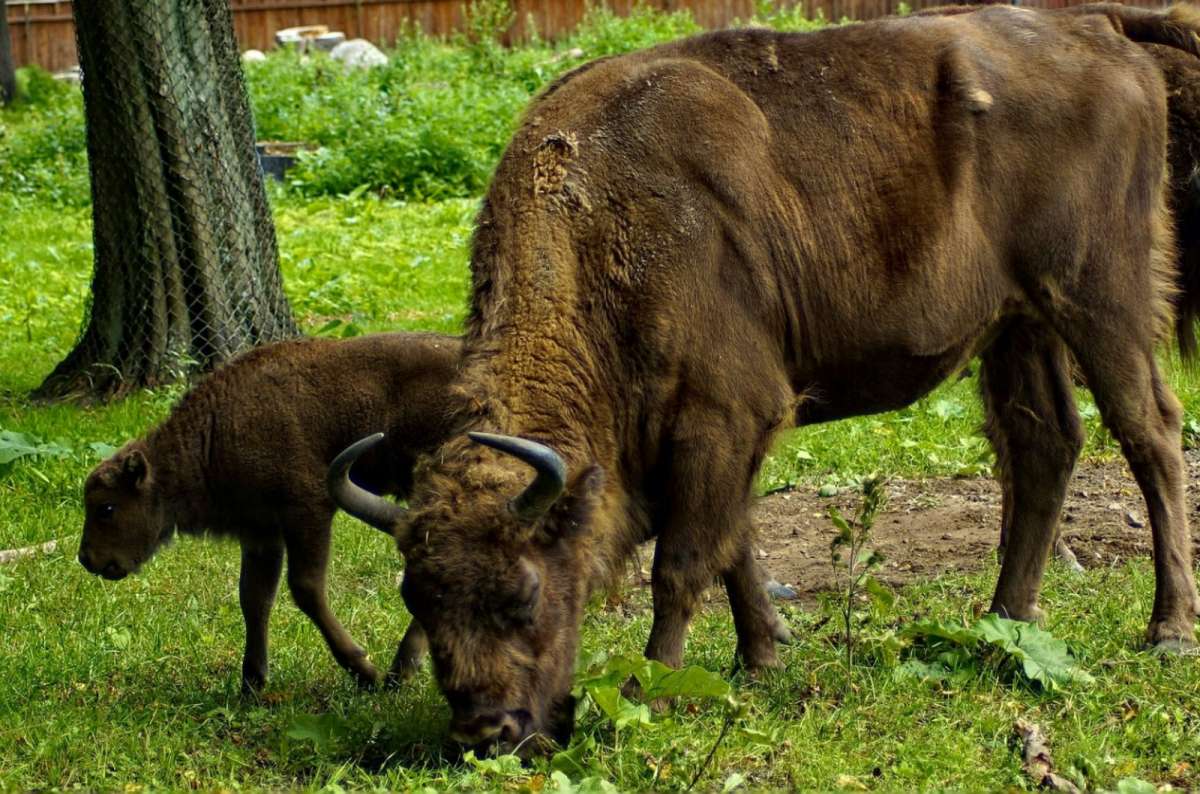
Białowieża Forest, Poland—one of the last places in Europe where you can see wild European bison up close
About 800 European bison—10% of their overall population—live on the Polish side of the Bialowieza Forest. Meaning this national park is the top place in the world to glimpse them in the wild. I couldn’t miss the opportunity and got lucky enough to spot my fair share.
What's so special about these bison? Well, European bison are the continent’s heaviest land animal. And they’re pretty rare. In fact, they once nearly disappeared from existence, becoming extinct in the wild and then reintroduced in the forest in 1929.
And here I was able to see them in their truest possible natural habitat: a primeval forest. Bialowieza Forest is what the world would have looked like if we, nasty humans, hadn’t touched it. Ugh.
Spotting a European bison by chance while I was hiking was a total thrill. But if you want to guarantee a sighting, guided tours will greatly improve your odds. If you're extra lucky, you might also see a wild boar. Unfortunately, I didn’t get to see any, but maybe you’ll be luckier.
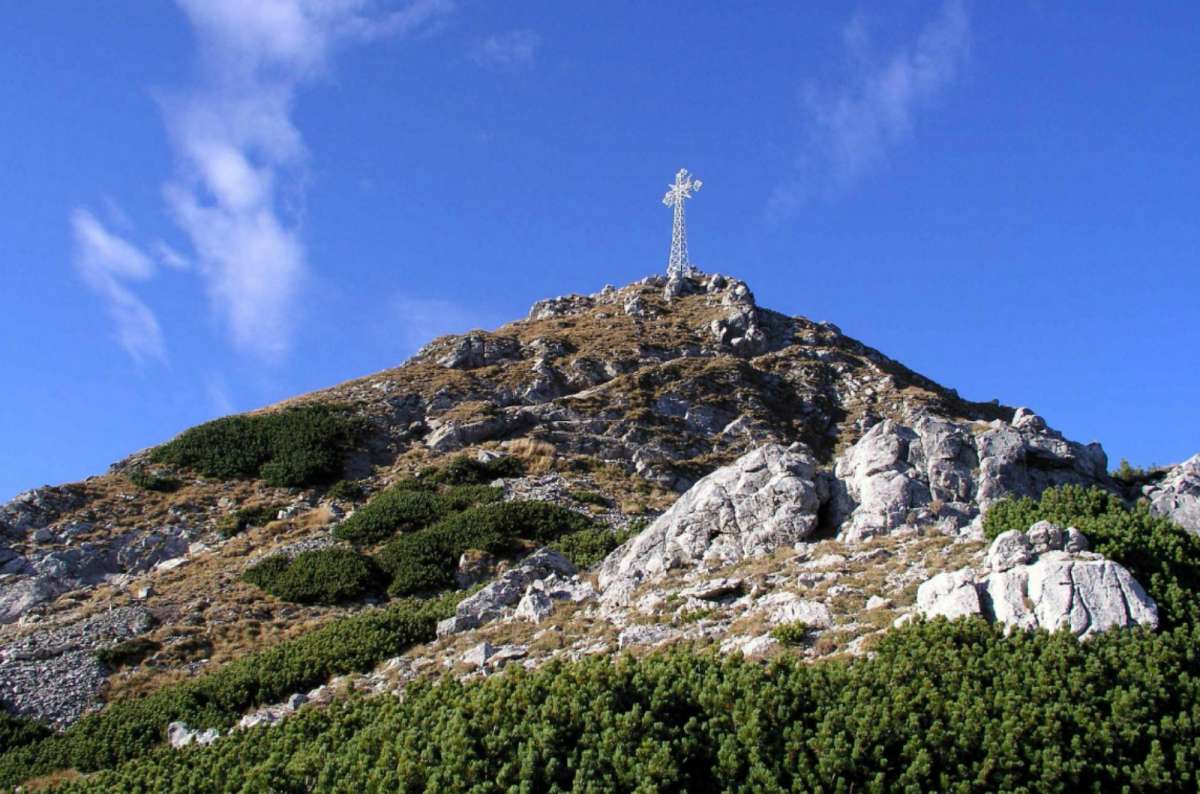
Hiking in Zakopane, Poland, is one of the best things to do in Poland
I’m not exaggerating when I tell you that Morskie Oko looks like it could have been plucked out of Switzerland or Austria and dropped straight into Poland. Basically, it’s like getting the Alps on a budget. But the experience definitely isn’t cheaper—this is, in my opinion, Poland’s most iconic hike.
My reward at the top was a crystal clear, glacier-fed lake surrounded by mountains. It’s a pretty easy hike, especially considering the view I earned at the end. For extra drama, you can even take a horse carriage, but I opted to walk and enjoy a slower pace.
When the lake came into view after 3 hours of scenic walking, I could almost hear the violins swell. It was like being in the final act of some gorgeous cinematic movie. ‘Wow’ is truly the only word I can say. This is easily one of the best things to do in Poland if you enjoy nature at all.
If you want an easy, stress-free option, you can join a guided tour that covers transport, the hike, and even nearby highlights.
Fun fact: Morskie Oko is named “Eye of the Sea” even though it has no connection to the ocean. However, unlike other lakes of this altitude, it does have trout.
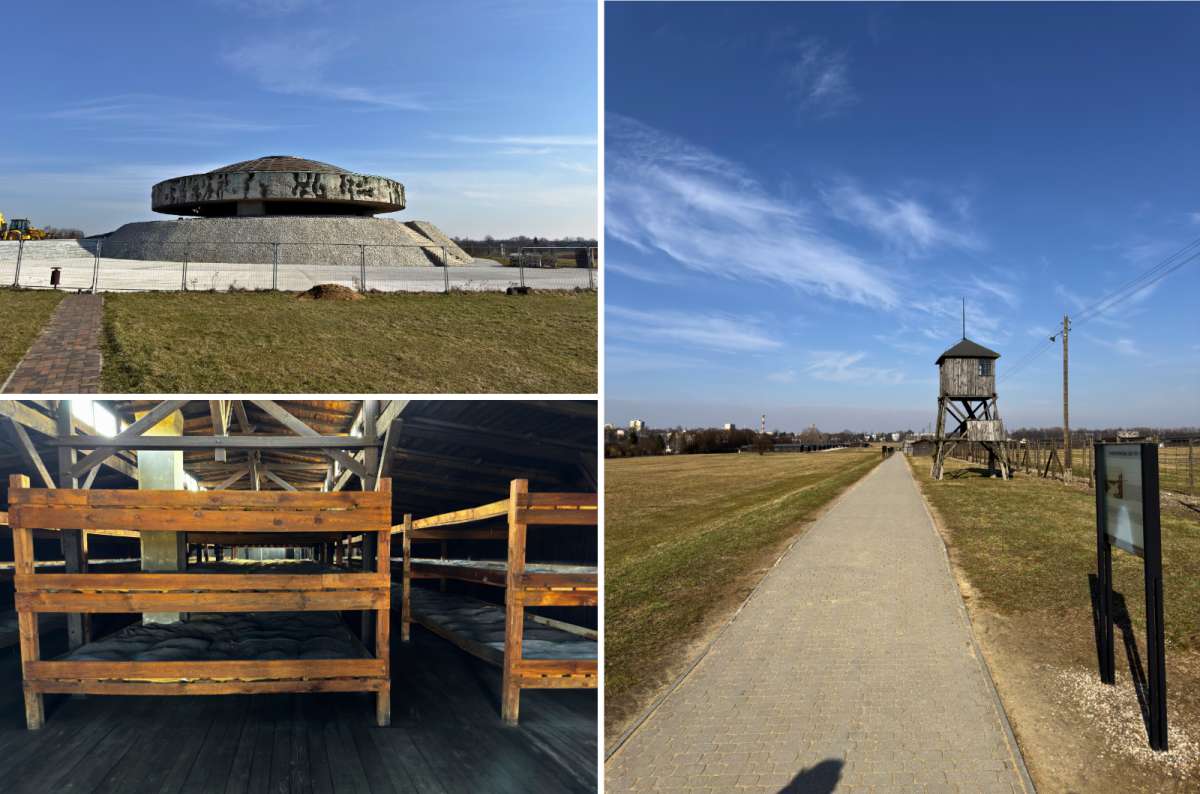
Majdanek was liberated so quickly in 1944 that much of the camp remains exactly as it was
I always wanted to understand exactly what the Holocaust was like for Jews. Majdanek Concentration Camp gave me an incredible sense. It was one of the first to be liberated during World War II, which is why it’s so well preserved, and one of the best things to do in Poland
The Soviets prevented the Nazis from fully destroying it. That means I was able to see large parts of the camp that are wholly original. Yep, the real deal. The actual places where the Nazis’ victims were kept to suffer, starve, and eventually were even killed. Nothing is left to the imagination.
Some of those original places were among the most chilling, including the gas chambers, which still have the blue stains from Zyklon B. But what stuck with me even more was the Mausoleum, which is a large, imposing urn containing the ashes of Majdanek’s prisoners. The inscription reads, “Our fate is a warning to you.” Jewish cemeteries of Holocaust victims are chilling enough as it is...this is on a different level.
Auschwitz may be more famous, but Majdanek had a much stronger impact on me. As they say, never forget. This place absolutely makes sure of that.
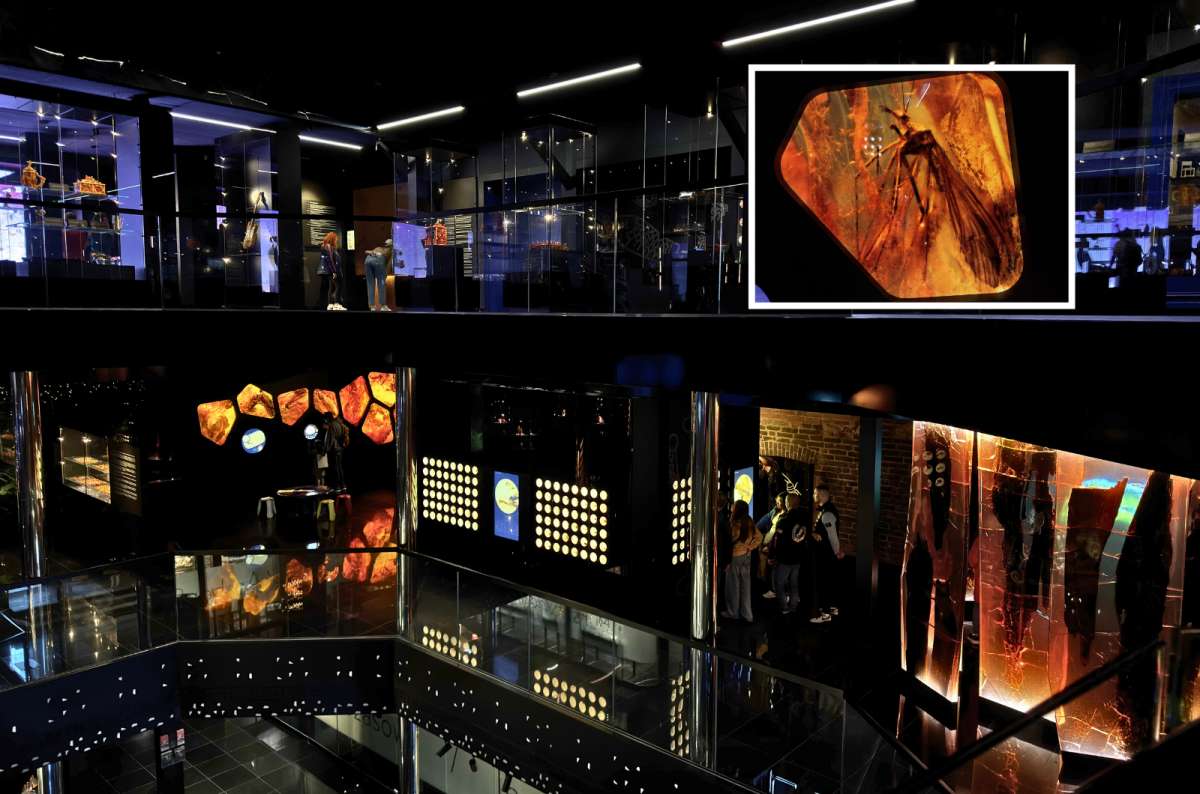
Check out the 50-million-year-old exhibition of insects @Amber Museum
Gdansk isn’t called the world capital of amber for nothing. So I was totally impressed by its amber museum. But amber isn’t just pretty, it’s also an excellent preserver. Just ask the 50-million-year-old insects and small creatures I found at the museum.
97% of the museum’s fossils are invertebrates. Baltic amber can handle more than just the little guys, though. I came face-to-face with plenty of spiders, some frozen mid-attack. I’m not gonna lie, it was pretty creepy. In a cool way, though.
But the most memorable thing? The 40-million-year-old lizard. It’s exceptionally rare worldwide to see a vertebrate fossilized in amber. And what a cool-looking guy he was. For a split second, there I considered making him the blog's mascot.
Honorable mention: the electric guitar made entirely out of amber. Not a creepy crawlie but still worth pointing out.
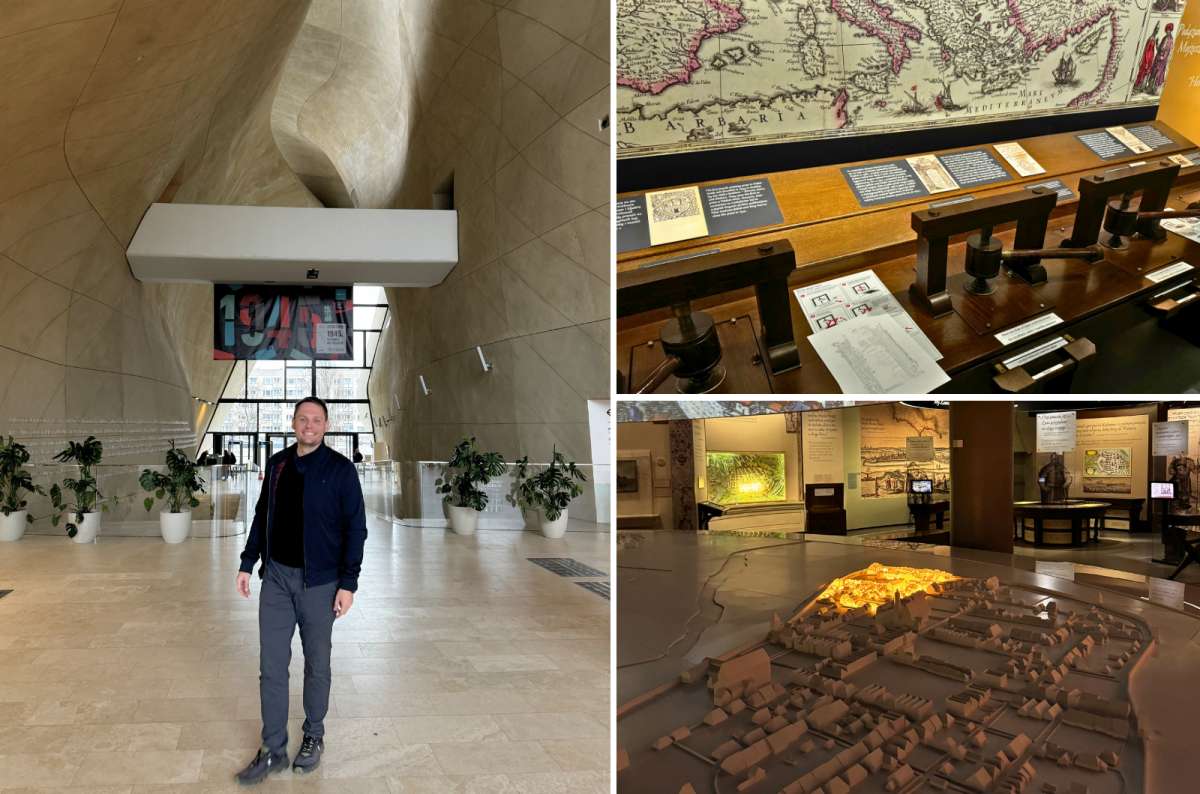
Learn more about Jewish history @ POLIN museum
I love interactive museums. And interactivity is this museum’s biggest strength, particularly the recreation of a small 17th-century Jewish village in the Polish capital city.
The centerpiece is the marketplace, which is a reconstructed old town market square with stalls and shops. (Don’t try to buy anything, though.)
Then I headed to the tavern, where many Polish Jews used to work and where they served traditional Polish food.
At the end, I enjoyed the display of a typical, traditional Jewish household. It all felt so realistic, like I was actually there looking at a Jewish family’s life and day-to-day.
I really got to see how Jews in Poland lived, worked, and interacted with their communities back in the day. Kind of like being on a film set.
Museums like these are the best, in my opinion. Who wants to read signs all day? Immerse me in the history instead.
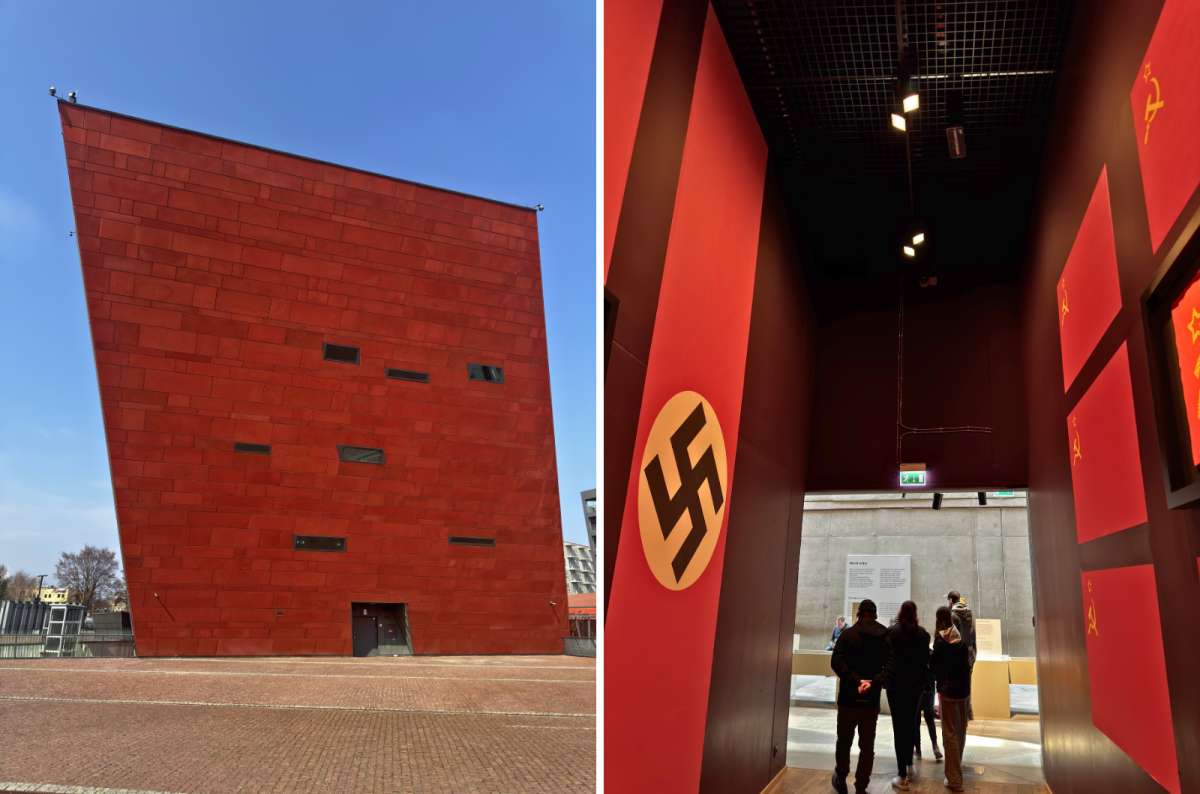
Museum of the Second World War is definitely worth a visit
It’s exceptionally rare to find objects that were damaged in the Hiroshima bombing. It’s even rarer to find any outside of Japan. But the Museum of the Second World War has a whole collection. I didn’t even see any during my Japan trip, can you believe that? I had to go to another country—no, another continent.
There are everyday items like scrap metal and glasses that were clearly melted by the blast. Burnt clothes, too. (I hope no one had been wearing them.)
Nothing about the items themselves is extraordinary. But it’s the context that’s incredible. I got to see firsthand how Hiroshima destroyed everyday life in 1945 Japan, which was an experience like no other.
I’m tempted to say it blew me away, but that would be kind of tasteless...
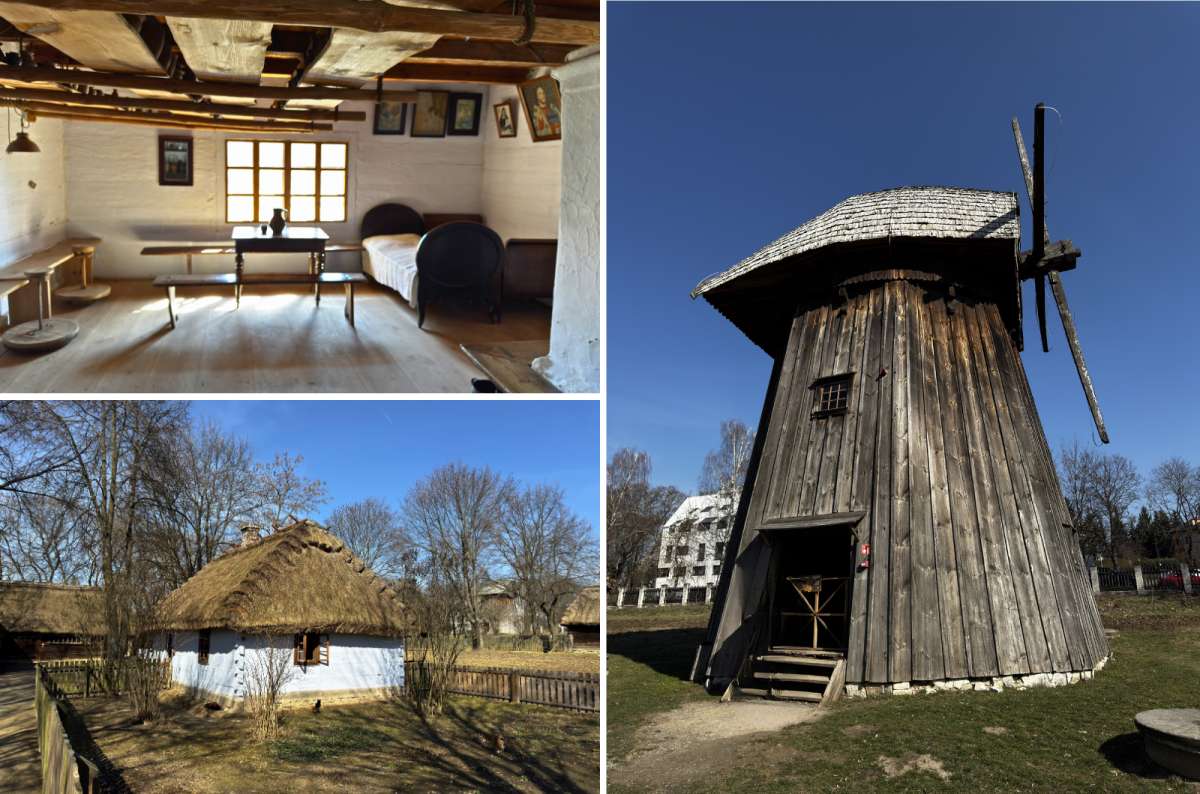
Feels like stepping into another century @ Lublin Outdoor Village Museum
If you’re wondering what to see in Poland, the Lublin Outdoor Village Museum doesn’t disappoint. There isn’t just one highlight because the whole thing is the highlight in my opinion.
That’s because it’s a neighborhood of real buildings from the 18th to the late 19th century. They were taken from all around Poland and compiled into this lovely walkable museum that I found to be a fun, lighthearted, yet immersive experience.
Many of these buildings are houses, but there’s also a restaurant, a school, a fire station, and even the local jail. I got a real feel for what life looked like in the 1930s, not just domestically but in a town as a whole.
Sensing a pattern yet? I’m a huge fan of immersion. And it doesn’t get more immersive than something like this.
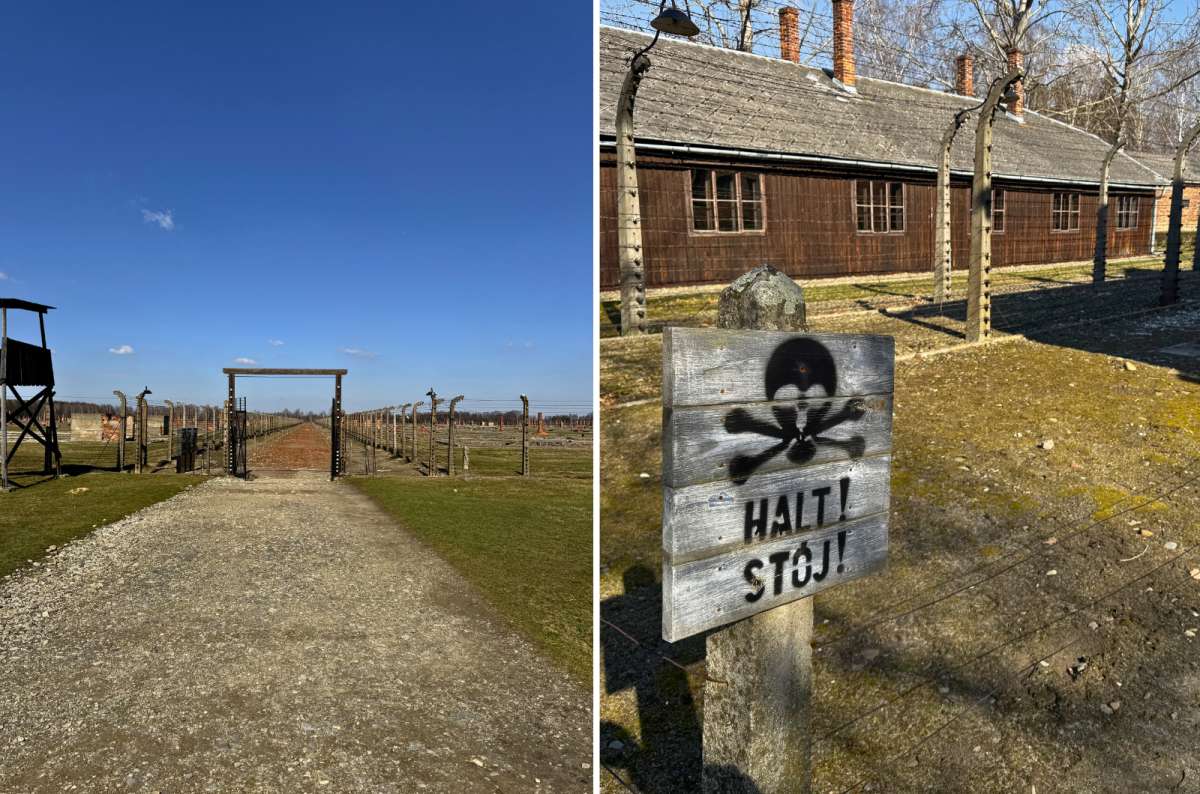
Visiting the Auschwitz-Birkenau concentration camp is one of the most important things to do in Poland during your trip
Remember how I said that Majdanek was more impactful to me than Auschwitz? Yeah, that still stands, and that’s why Auschwitz is ranked lower...but still, it’s Auschwitz, the site of the most deaths of any concentration camp, and it’s one of those places you just have to see.
The guides here are absolute experts, and my tour left me feeling incredibly well-informed about what life was like at the camp. Needless to say, it was harrowing.
Auschwitz and Birkenau can easily be done together. I hesitate to call them one of a kind because they aren’t like the other activities on my list—it’s important to see them for the historical relevance rather than enjoyment. But yes, they really are one of a kind and one of the most important things to do in Poland
Not-so-fun fact: Auschwitz is the site of the largest mass murder in a single location in history.
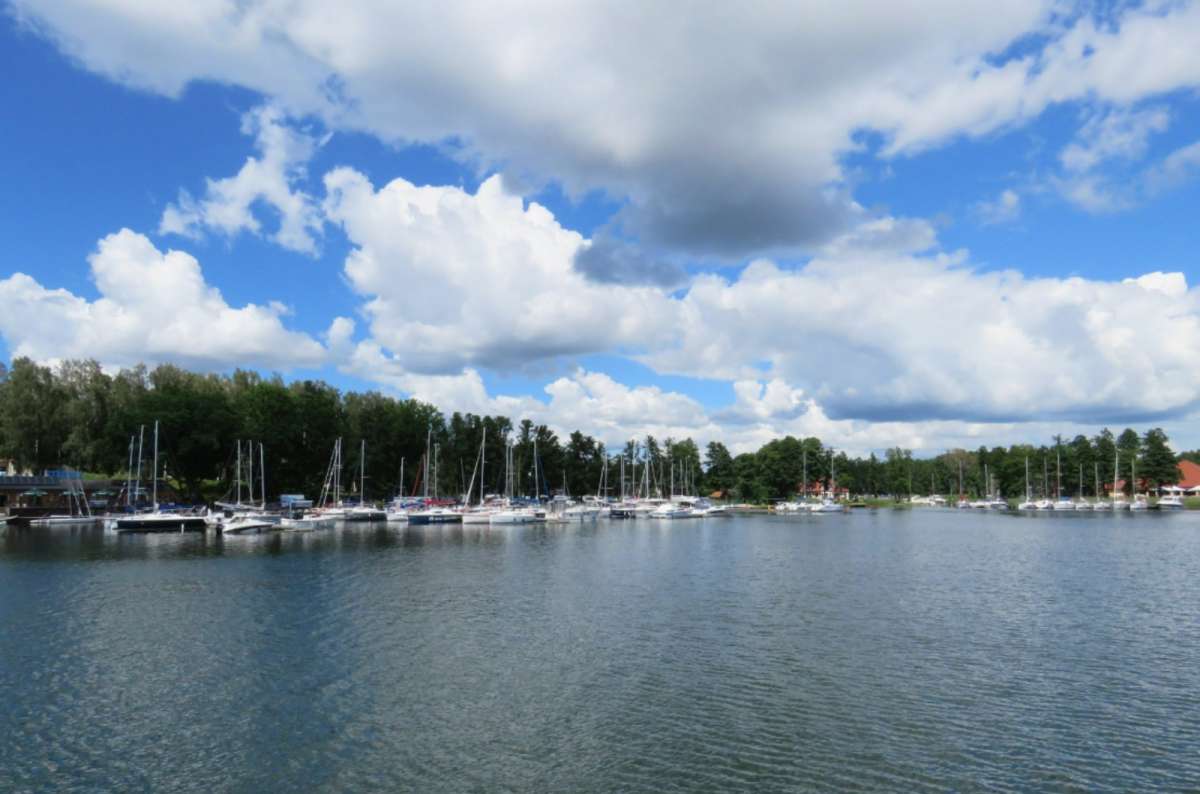
Masurian Lake District
Okay, personally, I wouldn’t sail for days on end anywhere. But at the Masurian Lake District, there are so many lakes—over 2,000—that you could literally travel for days without leaving the water.
I was able to choose between renting a boat, a sailboat, or a kayak (I opted for the kayak because they’re quiet and peaceful). From there, lake-hopping is easy. It’s like a freshwater version of island hopping.
I moved between a couple of the biggest ones, like Lake Sniardwy and Mamry, without skipping a beat. I loved that I was able to really make the route my own. There were so many different directions I could take, all of which resulted in lovely, tranquil nature views. There was no going wrong.
And I didn’t need any experience at all to navigate these waters because they’re all so calm. I'm no sailor, but I managed just fine. I kind of felt like one afterwards, though!
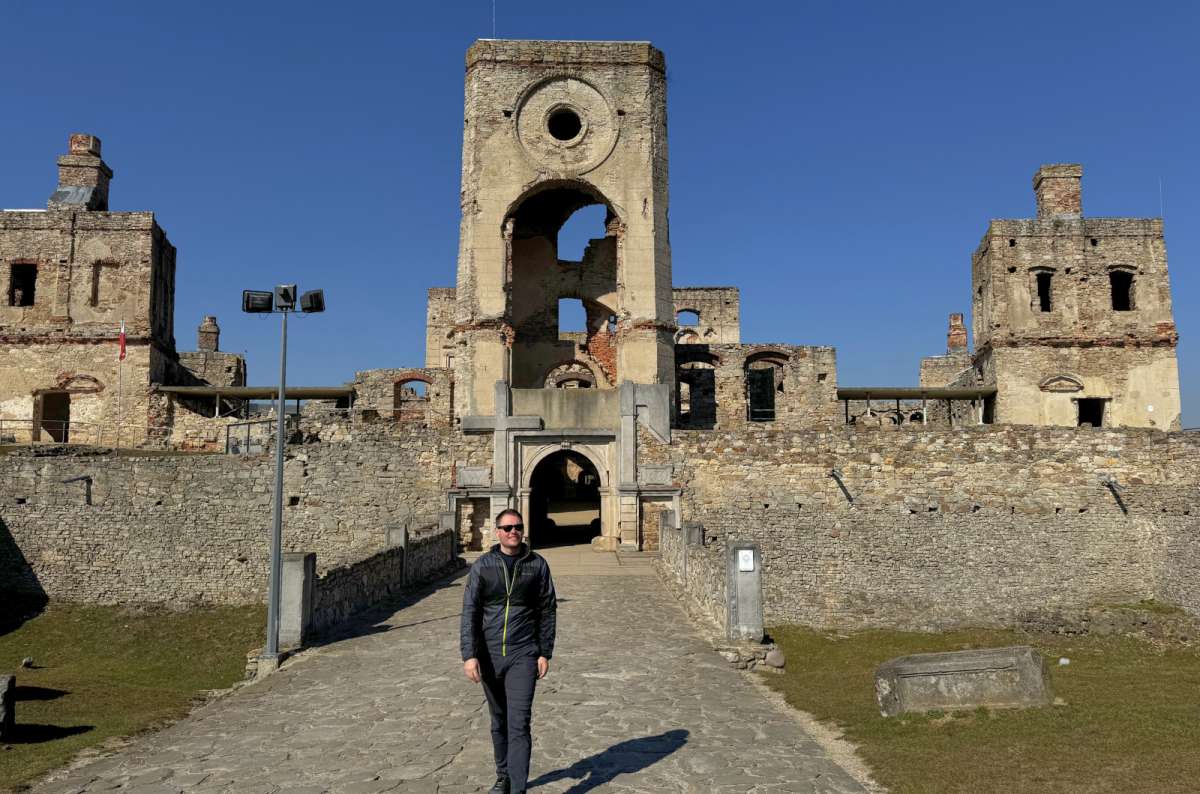
Ruins @ Krzyztopor Castle that you can actually explore
I would argue that sometimes, ruins from centuries ago are cooler than reconstructed medieval buildings. Krzyztopor Castle is an excellent backdrop for this argument. I’ve never been to any ruin both so large and accessible at the same time. It’s any curious explorer’s dream come true.
This was one of the largest palace complexes in the whole continent in its day, and it’s easy to tell how true that is even from just the remaining ruins.
It was easy to spend several hours wandering around because Krzyztopor Castle is open and accessible. I didn’t see many ropes or barriers to entry, so it’s perfect for aimless exploration. I randomly found myself in massive courtyards, traveling through endless corridors, and even in dark underground cellars, which was pretty spooky.
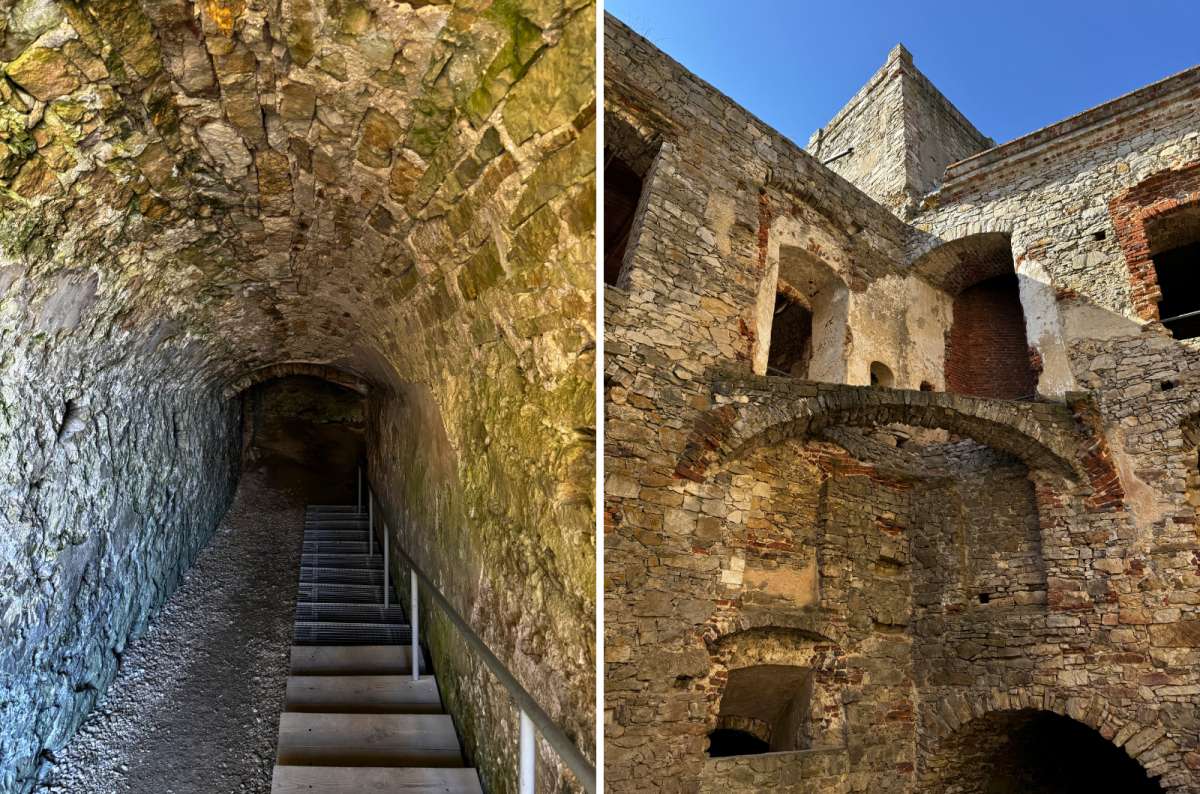
Gets even better once you step inside—exploring Krzyztopor Castle is one of the most unique things to do in Poland
As I went through, I found it helpful to understand the castle’s design. It’s sort of like if a calendar were a castle. There were four towers to represent the seasons, 12 halls for the months, 52 rooms for the weeks, and yes—365 windows for days of the year. It wasn’t exactly obvious when I looked at it today, but keeping it in mind helped me imagine the symbolic layout as I went.
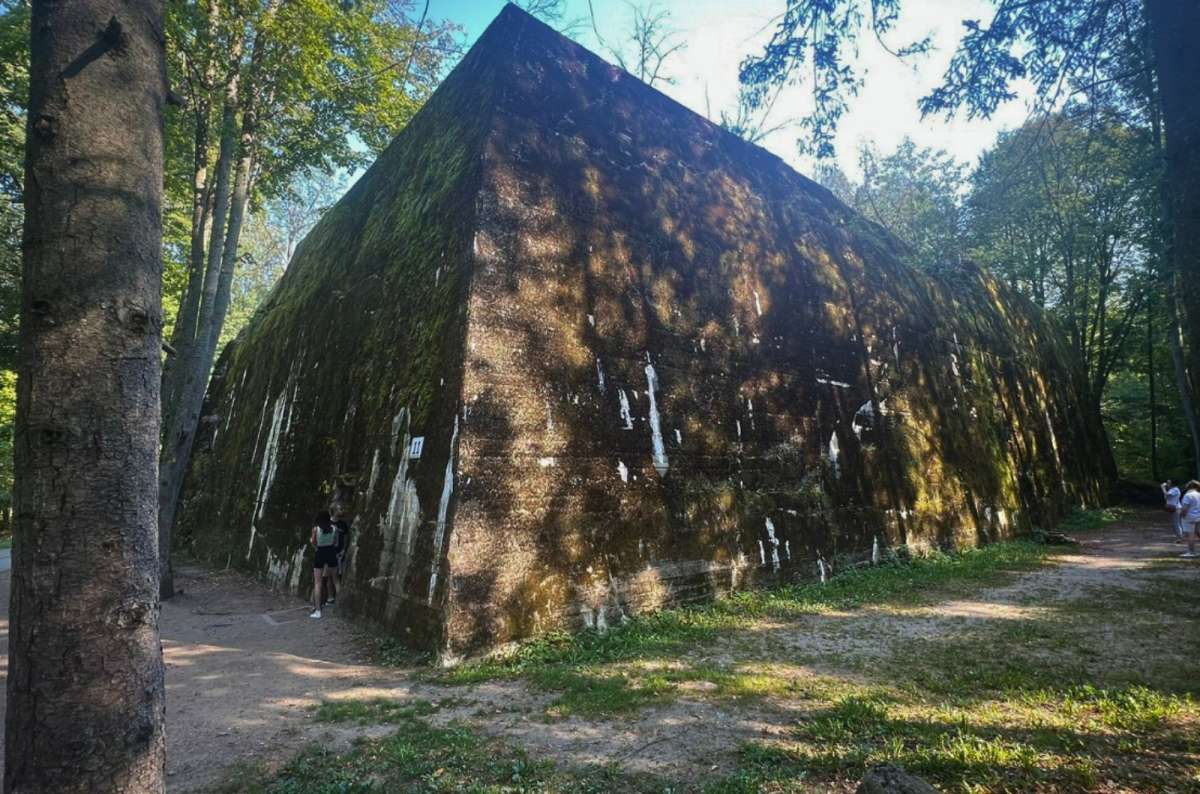
Wolf’s Lair in the middle of nowhere
I’m always trying to see the most important places in World War II history, so I absolutely couldn’t miss Wolf’s Lair. It was Hitler’s Eastern Front military headquarters, and he spent an estimated 800 days here overall, making World War II’s most important decisions from the safety of his military bunkers.
But Hitler had many bases. What makes this one particularly famous? Well, it’s here that the 1944 assassination attempt against him took place. I could see exactly where the bomb exploded at the memorial plaque placed on the spot.
The success of that bomb could have changed the course of history. That makes this very location one of the most important things to do in Poland and one I wouldn’t miss.
I remember standing in front of those twisted, heavy bunkers and thinking how bizarre it was that Hitler himself concocted his horrible plots inches from where I was. Nothing short of jaw-dropping, really.
If you’d rather not deal with logistics, you can also join a guided day trip from Warsaw that takes care of transport and context along the way.
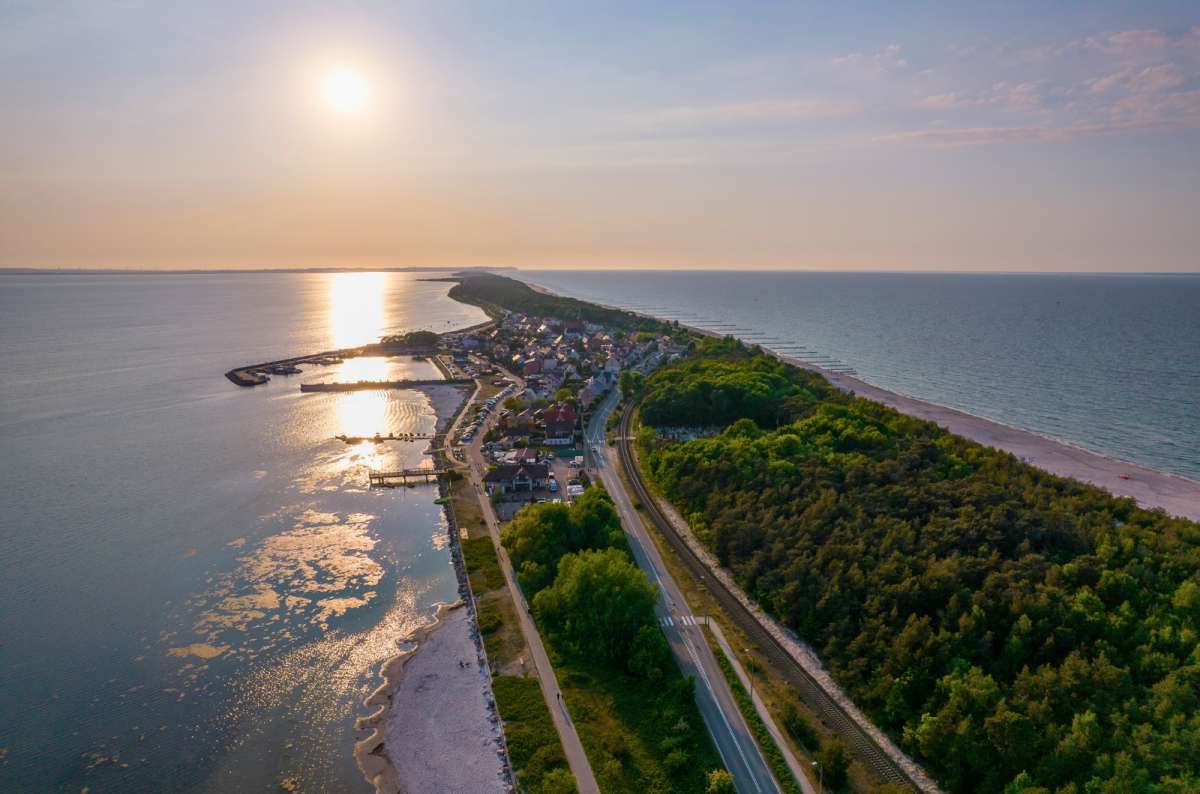
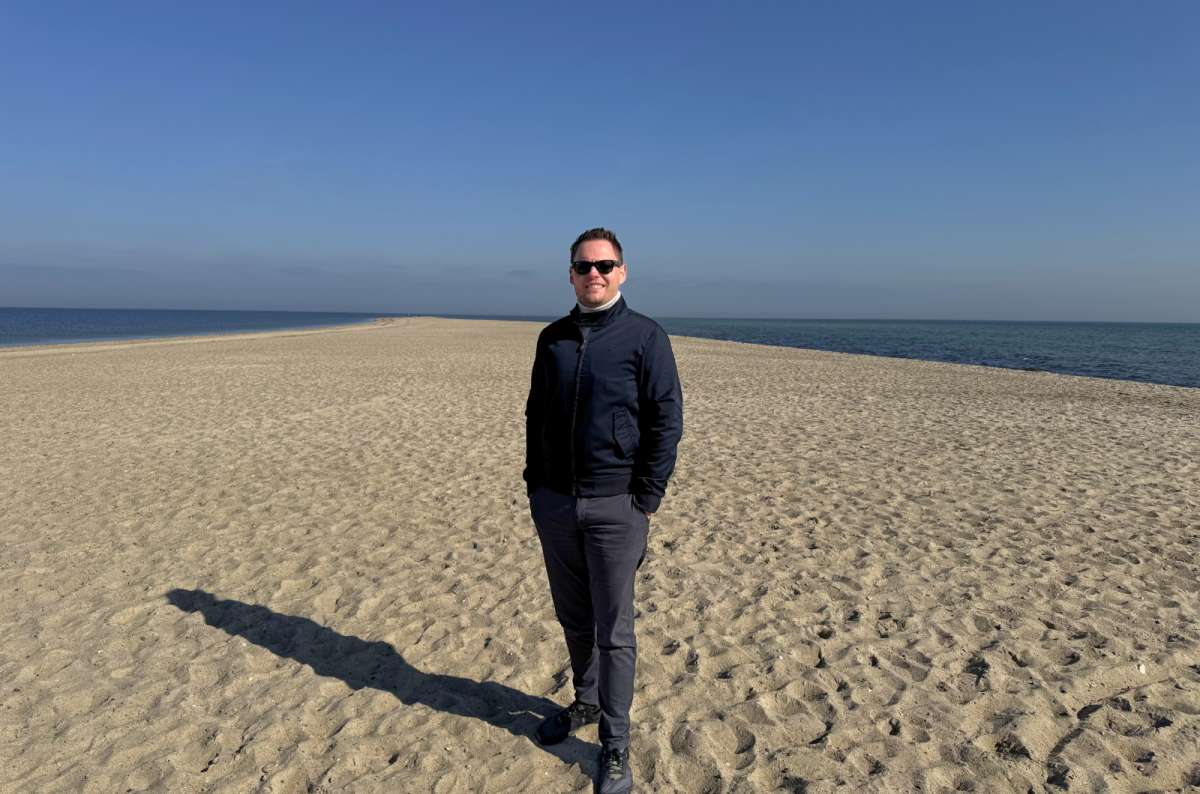
Hel Peninsula, Poland—one of the most unique coastal landscapes in the country, where you’re basically walking between two seas
I wasn’t going to end this list without a spot along the Baltic Sea in Northern Poland. And the Hel Peninsula is probably the closest I’ll ever get to walking on the sea itself.
This is a very long and narrow strip of land—22 miles long, in fact—and goes straight into the Baltic Sea. Because it’s so narrow, with its thinnest section being just 100 meters long, I really felt like I was strolling on the sea.
On one side, there’s the open Baltic Sea with its wide expanse and churning waves. On the other is the Puck Bay, which is much calmer and shallower. I saw a few people windsurfing even in late March. It's probably super packed in the summer.
Having one side with waves and the other so flat and still was such a unique experience. I’ve never been anywhere else quite like it. Maybe during my next Poland trip, I’ll try windsurfing myself.
Poland is 100% worth the visit, and is packed with incredible things to do in Poland
When it comes to things to do in Poland, I never run out of activities. There's always a day trip I can take to either another major city or a cozy small town. Wherever I go in Poland, I always find a beautiful old town, a stunning church worth visiting, and lots of culture to enjoy.
A visit to Poland, whether you go to a town or city, will reward you with some of the most beautiful places you'll see in Europe, and so many things to do.
Easy to get around, great food, and way underrated
The Lublin Outdoor Village Museum is one of the best things for families with kids because they'll enjoy running around the area and seeing all the interesting buildings.
Warsaw’s Copernicus Science Centre is another great choice: it’s specifically catered to different age ranges.
Wieliczka Salt Mine in Krakow—fun for kids, still impressive for an adult
Young adults are probably old enough to see Majdanek or Auschwitz. I’d recommend a cutoff of 14 at minimum.
For something more lighthearted and fun, I recommend a day trip to Wieliczka Salt Mine, which is more than engaging enough for older visitors.
This post contains affiliate links. If you make a booking through one of my links, I may earn a small commission—at no additional cost to you. Thank you for your support!
At a glance: My top 17 things to do in Poland
Museum of Princes Czartoryski (Krakow)
Museum of Warsaw Rising (Warsaw)
Wawel Castle’s armory (Krakow)
Bialowieza Forest National Park
POLIN Museum of Polish Jews (Warsaw)
Museum of the Second World War (Gdansk)
Outdoor Village Museum (Lublin)
Final thoughts: the best things to do in Poland

Hi, I’m Jan. I travel fast and intensely, whether I’m exploring the buzz of Tokyo in 3 days or road-tripping through mountains and beaches on a 3-week Thailand adventure. And no matter where I am, you’ll always find me in a comfortable hotel at night and eating the best food.
If that sounds like your kind of journey, hop on board, and let’s explore the world together!
I started this blog after realizing how tough it can be to find reliable, authentic travel info. You wouldn’t believe how many “travel bloggers” never even visit the places they write about! On Next Level of Travel, you can count on my full honesty and insights drawn from my firsthand experiences.
Here’s the deal: not every destination is all superlatives and unicorns. I’ll let you know if a tourist attraction isn’t worth your time, like skipping overrated stops in my 2-week Spain itinerary. And when I find something truly special—like the perfect mix of culture and nature in Cape Town—you can trust that it’s worth adding to your itinerary.


Comments | Thoughts? Give us a shout!