




At a glance: The best Tenerife nature spots ranked
My ultimate 3-day Tenerife nature itinerary
The best of natural wonders in Tenerife
3. Masca Gorge & Masca village
6. Los Gigantes Cliffs / Mirador Archipenque
7. Playa Benijo and Roque de las Ánimas
10. Sendero de los Sentidos / Cruz del Carmen
14. Narices del Teide / Samara viewpoint
15. Natural pools in Northern Tenerife
16. Garachico coastline & El Caletón natural Pool
Tenerife nature. Wow. Mother Nature clearly glitched when she designed this island—she couldn’t pick a theme and decided to go with everything, and thank the gods she did.
One minute I was in Teide National Park looking around at the surreal landscapes, next I was lost in the jungle that is Anaga Rural Park, then suddenly I was staring from cliffs in Masca Valley and Teno Rural Park. And just when I thought Tenerife couldn’t get any better, the Gigantes Cliffs just dropped into the ocean.
Compact, dramatic, with a strong contrast between dry volcanic landscapes and lush green areas, that’s Tenerife.
I’ve been there a few times—2025, 2020, and once as a kid—and done the full routine: driving the island, hiking Teide and Anaga, and messing up the timing so you don’t have to. I expected Tenerife nature to be good; I didn’t expect Teide to feel like a world-class national park, and Anaga to make the rest of the island look almost suspiciously dry.
So, here’s my ranking of the best natural wonders in Tenerife—volcanic deserts, cloud forests, cliffs, black sand beaches, natural pools, and ridiculous mountain roads—all packed into one island, so you know what’s worth it, what to skip, and how to fit it into a 2–3 day plan.
Read more from my Canary Islands travel blog.
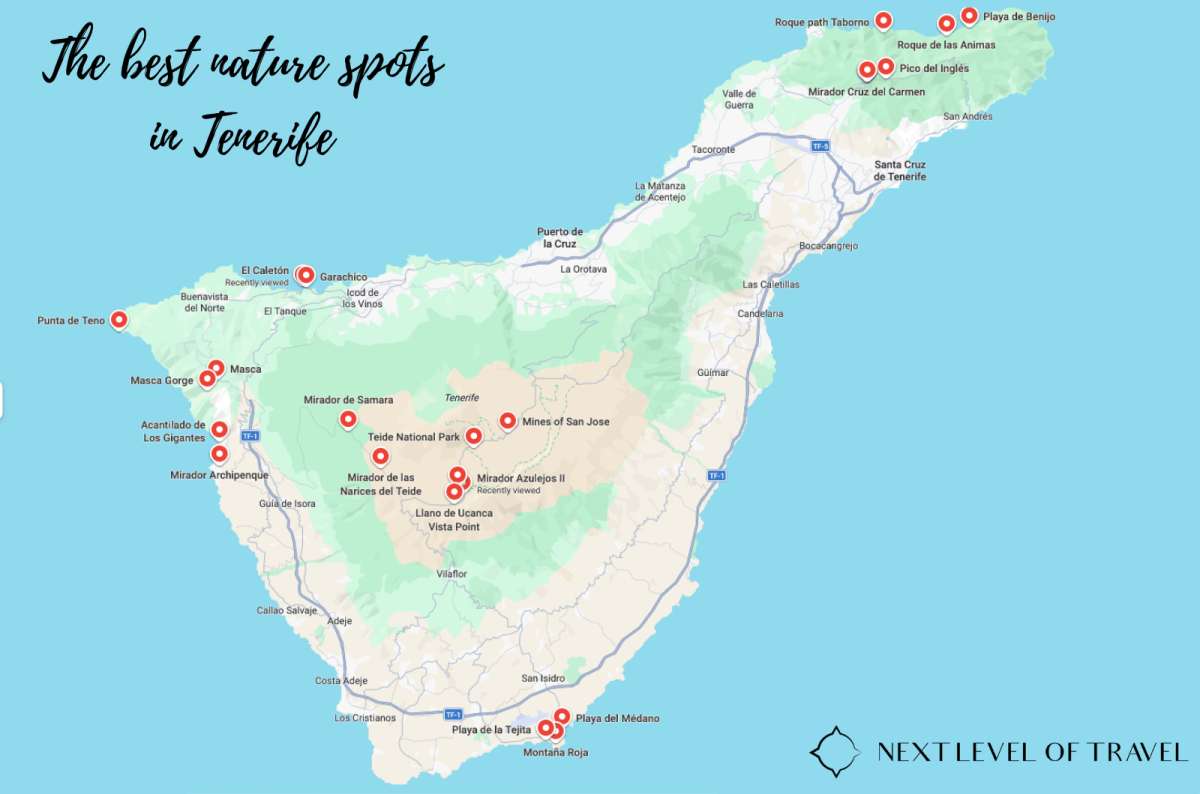
I ranked these Tenerife nature spots based on how much they impressed me in real life, how different they feltcompared to the rest of the island, and whether I’d actually bother fitting them into a short trip.
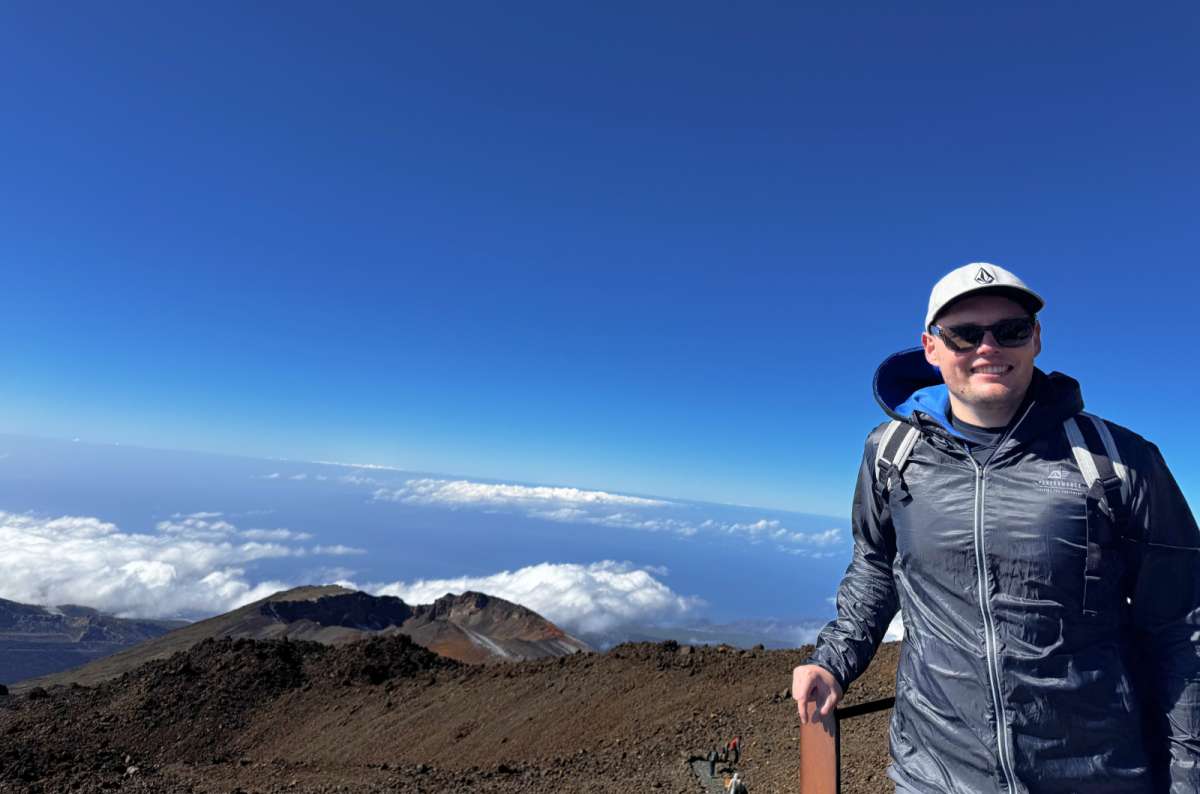
Why this works: Mount Teide is the boss and everything else just orbits it like confused satellites. It all linked up along TF-21 / TF-38, so I didn’t do any backtracking—just smooth driving and no stress.
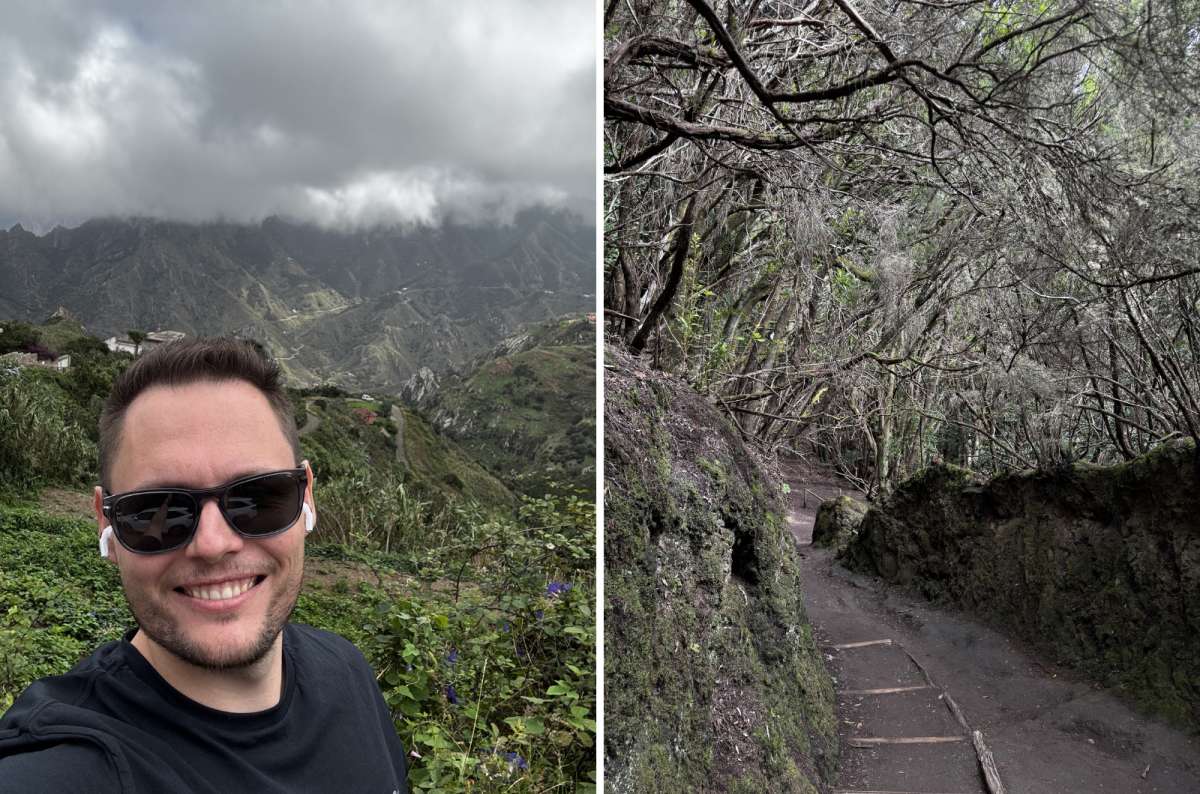
Why this works: I moved from cloud forests to mountains to a dramatic coast in one easy flow, like a sunrise salutation that I just inherently knew. Go figure. I don’t know any yoga.
Why this works: Lots of coastal drama, less rushed, and a good note to end on—let your trip in Tenerife go out with a bang.
If you have more than 3 days in Tenerife or want to replace something else that I recommended for the itinerary, here are the best nature options:
Essential: Rent a car. I wouldn't have been able to see Tenerife properly without one. I use DiscoverCars.
Alright, it’s time to describe my favorite Tenerife nature spots in detail. Opinions and humor are included, naturally (pun intended). I can’t do it any other way. I’m a hoot.
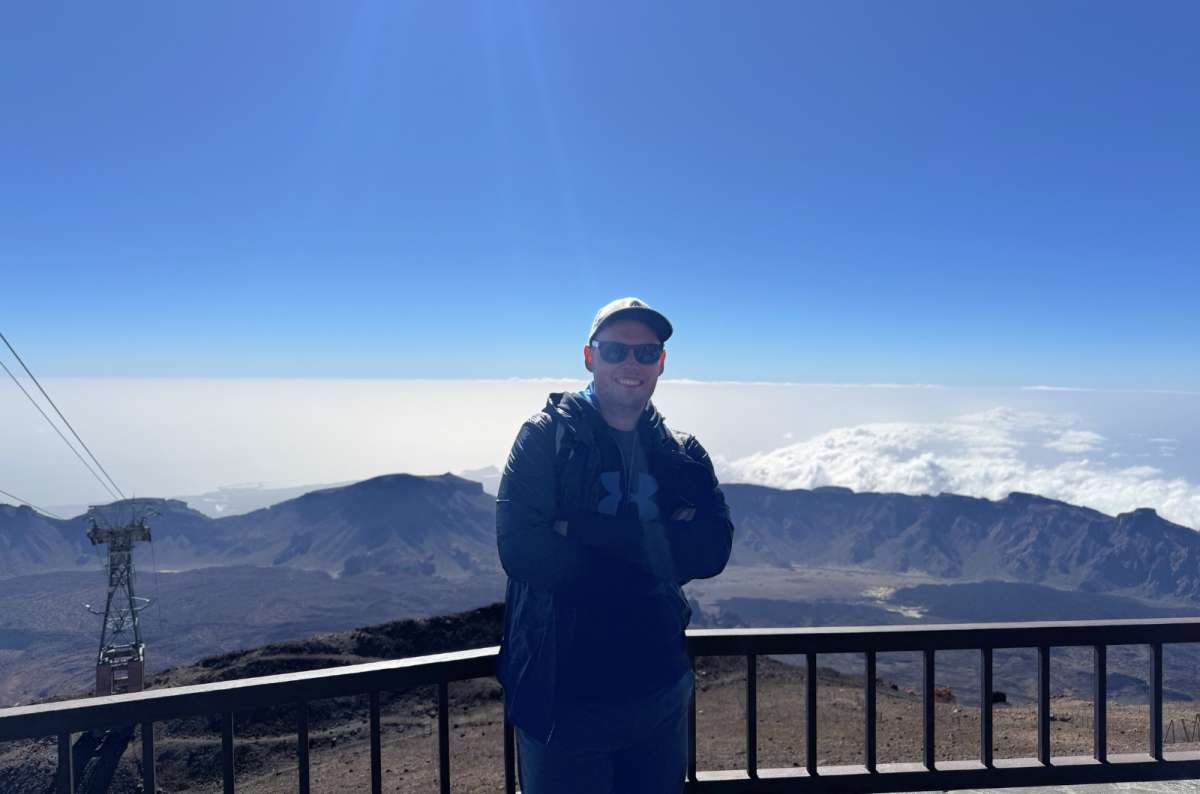
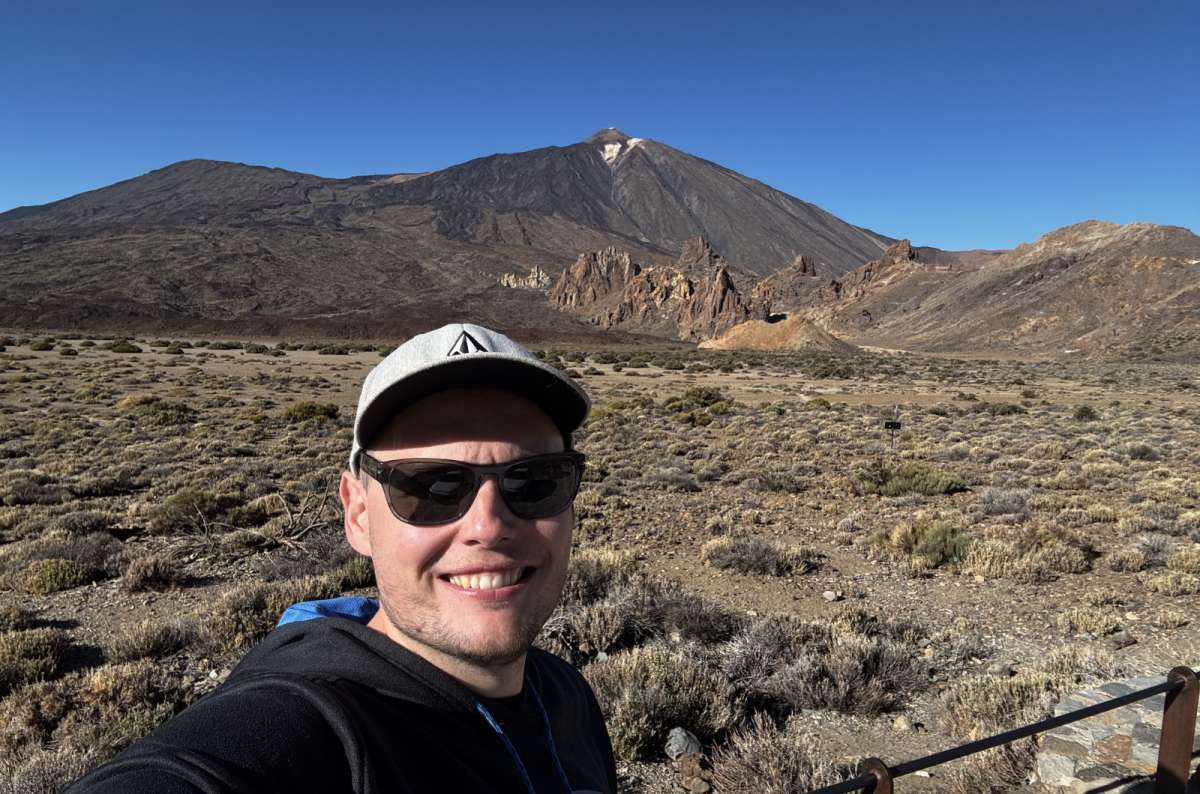
I visited Teide and was so surprised. It’s up there with the heavy hitters like Yosemite, Torres del Paine, Death Valley, or northwest Argentina. Seriously, the Tenerife landscapes are fantastic. It also looked like sci-fi film set… and then there’s the Mount Teide volcano just sitting there taking it all in.
Why go: To casually brag that you’ve hiked Spain’s highest point while looking into a volcano… very manly.
Best part: The variety! You don’t even need to hike much. You can drive and take a cable car and still see insane landscapes.
Worst part: My lungs briefly considered resigning due to the high altitude. And the cable car was busy and people stood way too close to me.
Top tip: The ultimate stargazing place!

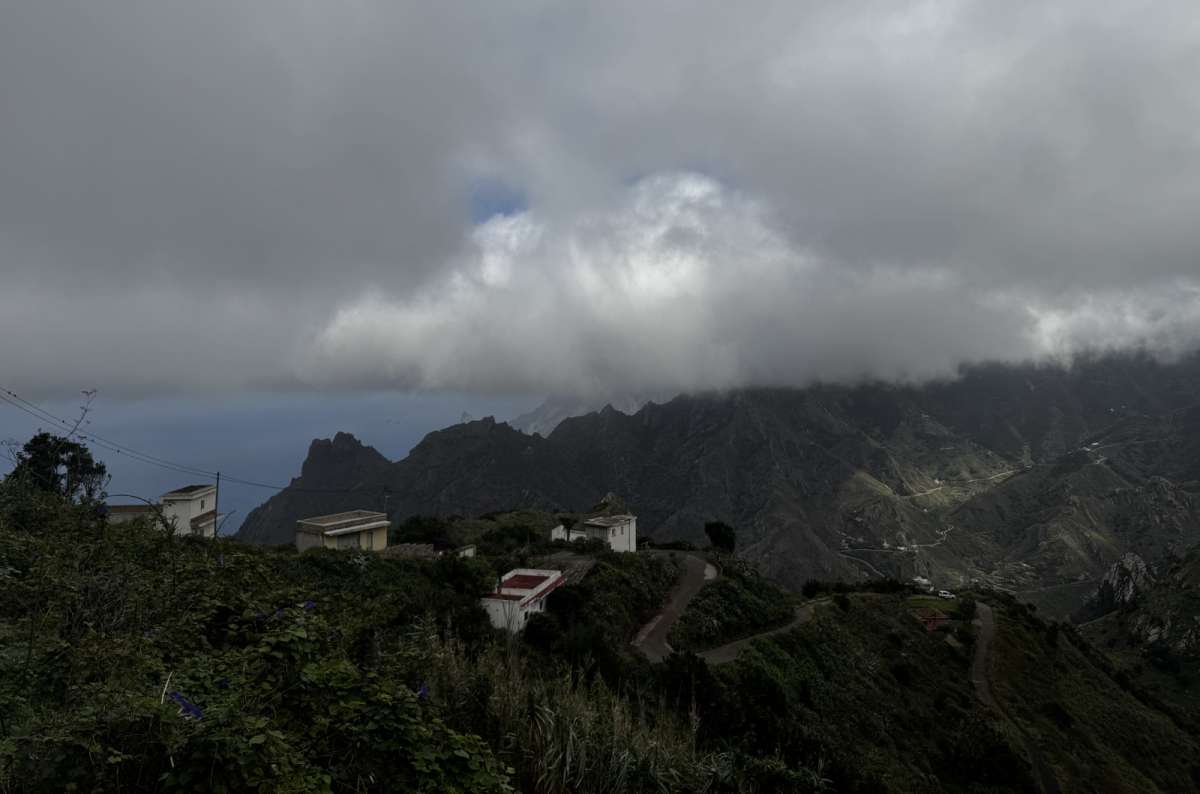
I went to Anaga, a Tenerife nature reserve, thinking I’d just spend one day, but ended up staying three—that’s how amazing it is.
Why go: Ultra-dramatic landscapes, endless trails, and cloud forests.
Best part: The “forest of riddles” has the largest number of endemic species in Europe. It’s one of the prettiest and most dramatic mountain areas I’ve seen. The greenery and ocean contrast is fantastic, and I loved even driving there… I felt like I was in a literal cloud forest. Total Kauai/Hawaii, plus enchanted forest vibes.
Sendero de los Sentidos is the easiest rainforest walk without needing a permit.
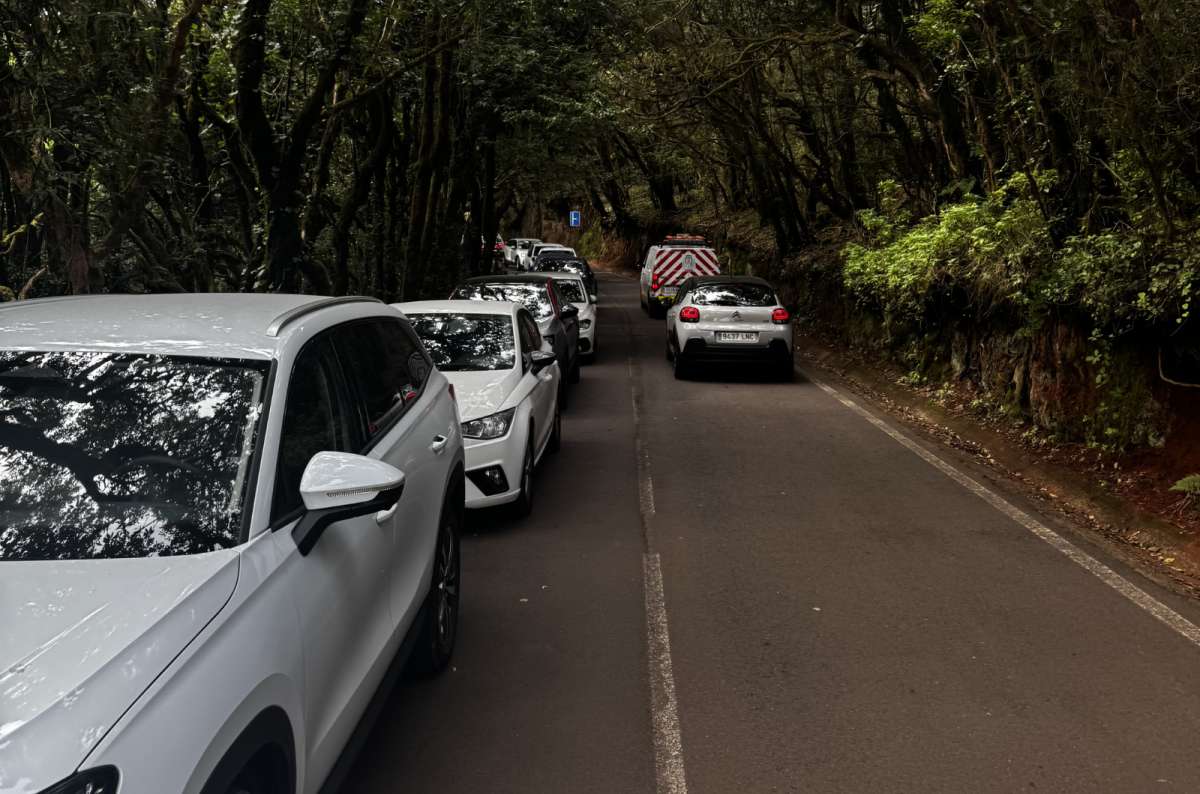
Worst part: Parking is a nightmare!! I even got into a small conflict with a German tourist.
Top tip: Get there early, around 8 am, or you may wait 30+ minutes in a jam around Cruz del Carmen and the visitor centers. It’s better to go counterclockwise as traffic builds clockwise near Cruz del Carmen.
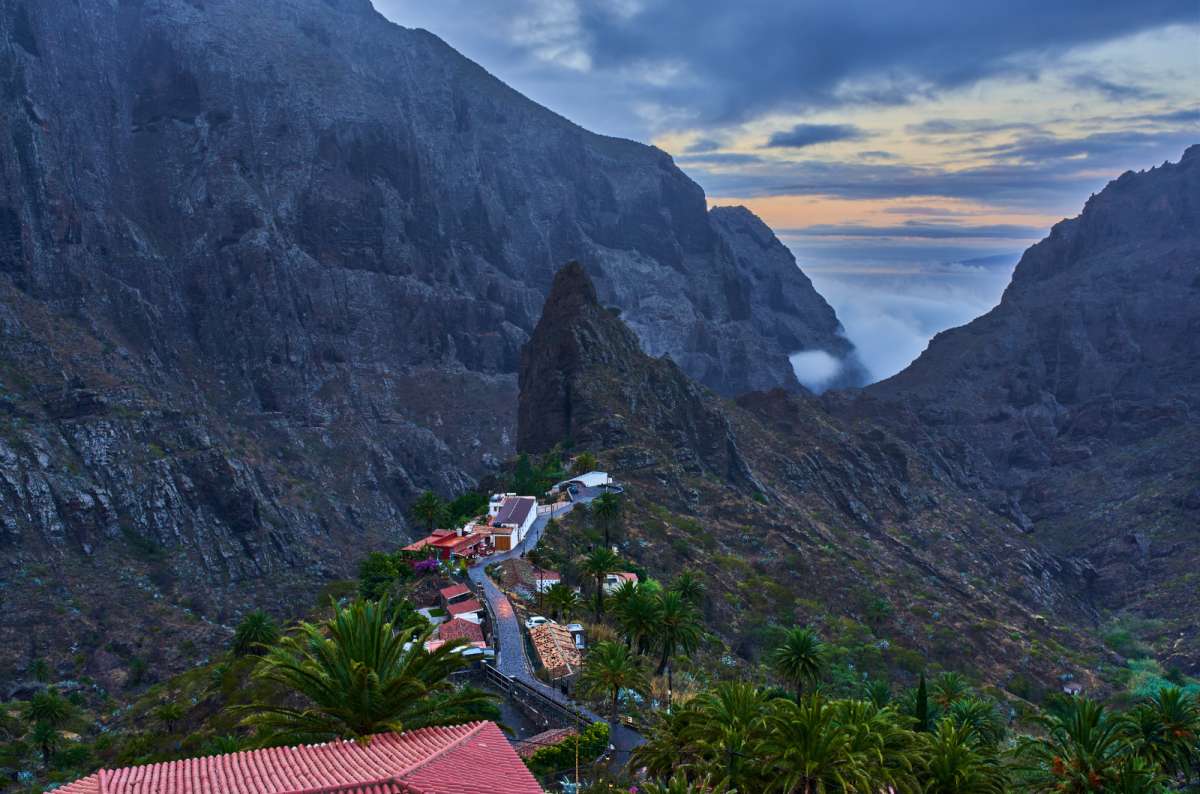
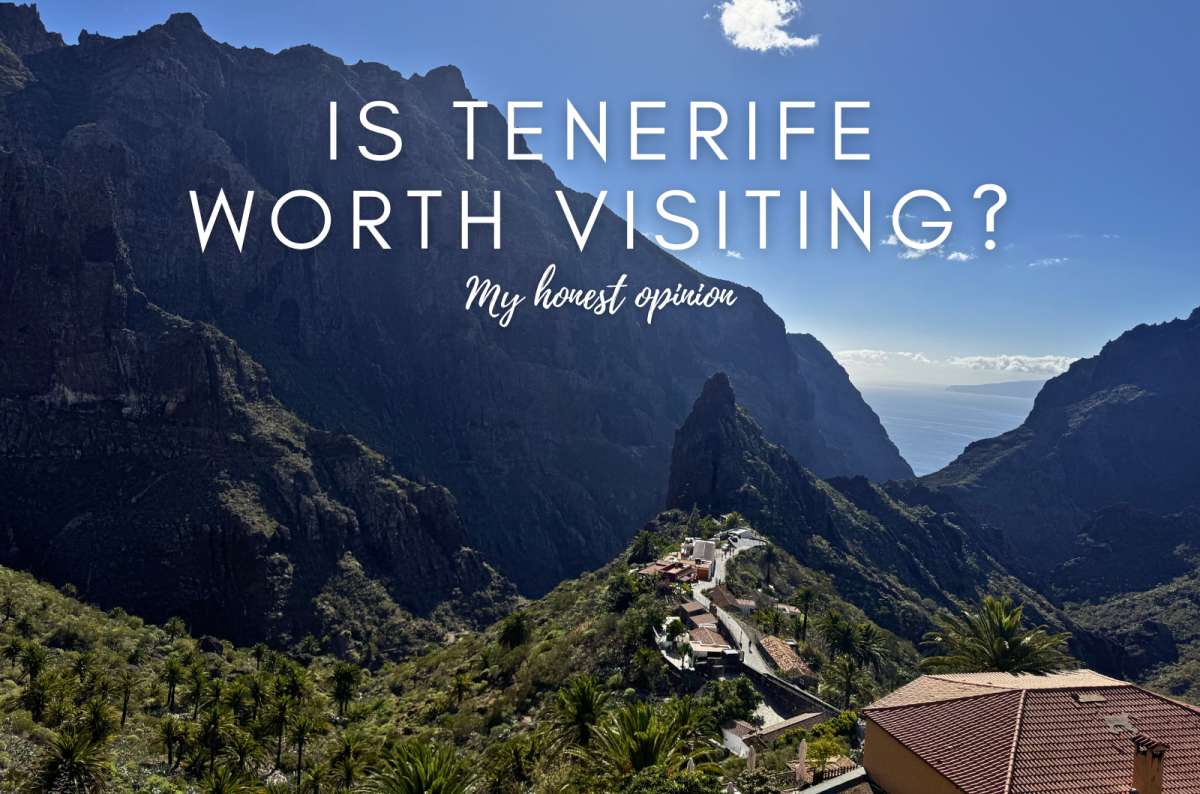
Masca Gorge, oh my… such an amazing area with a real Machu Picchu vibe, some of the best Tenerife nature I experienced. Masca village sits at about 650 m above sea level (2,133 ft), basically clinging to the hillside.
If independent hikes aren’t your sort of thing, you can also book a guided tour online.
Why go: For a dramatic canyon hike, a stunning mountain village, and a hidden beach at the end that feels like a reward after a hard day’s work (of walking and eating snacks).
Best part: the Masca Gorge hike was one of my favorite hikes ever. I walked down through the canyon from the village and it was incredible—cute stone houses, dramatic cliffs. It felt unreal, that’s how beautiful it was.
It kept on getting better and then I reached Masca Beach, a totally hidden wild beach that felt like it was cut off from the rest of the world. I contemplated staying there forever... but I didn’t want to end up like Tom Hanks and his companion Wilson.
Worst part: It was windy and cold at the viewpoints, and the road to Masca is full of tight bends and stressful corners.
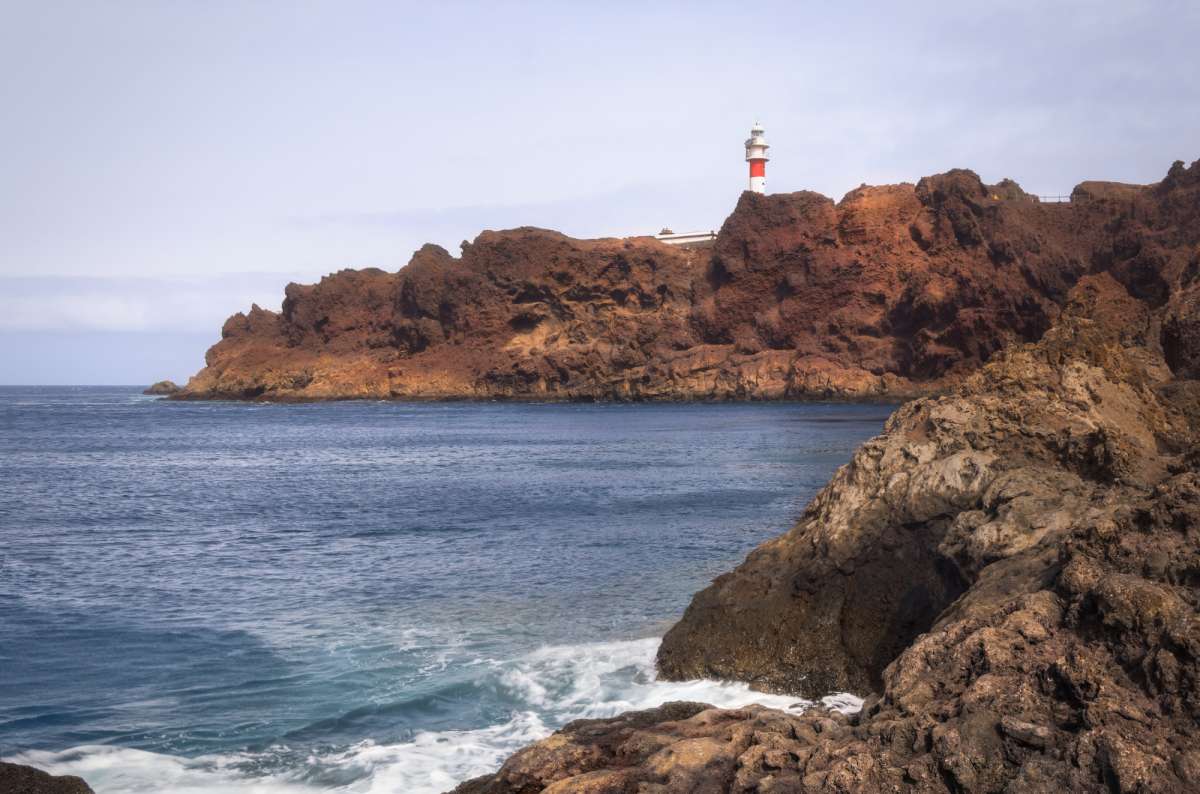
I went to the dramatic end of Tenerife—a rocky tip where volcanic cliffs drop straight into the Atlantic—and I’m glad I did. It honestly felt like the edge of the world.
Why go: For a raw, windy, end-of-the-world landscape with volcanic cliffs, and a cool lighthouse in a nature park in Tenerife.
Best part: The views are fantastic. Wild coves, walking trails, and total silence make it feel like you’ve found some secret corner of the island... the Faro de Punta de Teno lighthouse, built in 1897, is an icon of the island, but for me, the views were the best thing... but it’s annoying to get there....
Worst part: Getting there is a hassle. No daytime car access, so you need the bus 369 from Buenavista del Norte, and the cliffside road TF-445 is narrow enough to make you feel like you might have a mild heart attack. The bus ride was sweaty and busy and I thought, I don’t need this in my life, but then I arrived and I was happy.
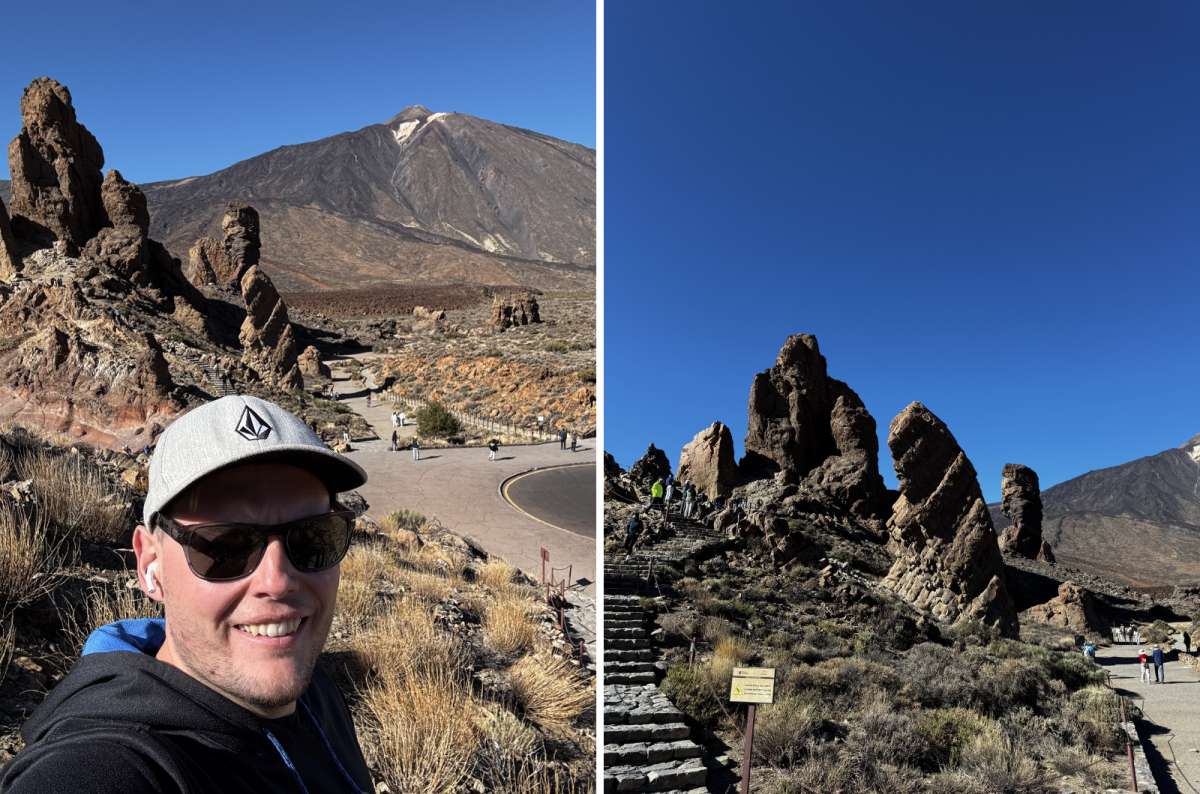
These rock formations are out of this world! They looked so small from Mount Teide… then I stood next to them and they were massive! I felt a bit like Napoleon. Short man syndrome.
Best Part: It’s fascinating how these remnants of an ancient volcano absorbed by Teide divide the caldera, making the 200 m (656 ft) drop to the other half feel dramatic and yet almost invisible from above.
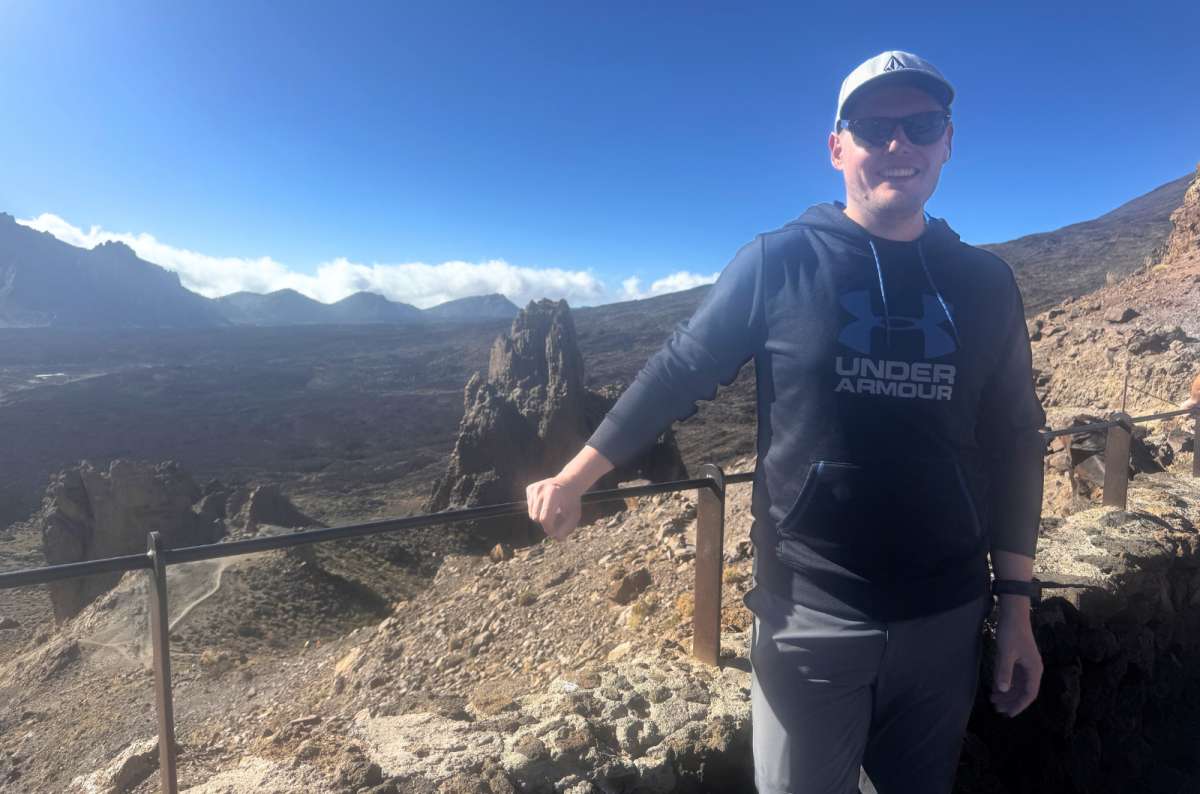
Do the short Sendero loop hike for a good dose of Tenerife nature (40 min)—totally worth it.
Top tip: I went to the visitor’s center there and finally found out more information about the Guanches, the indigenous Berber people of the Canary Islands… cool info about geology as well.
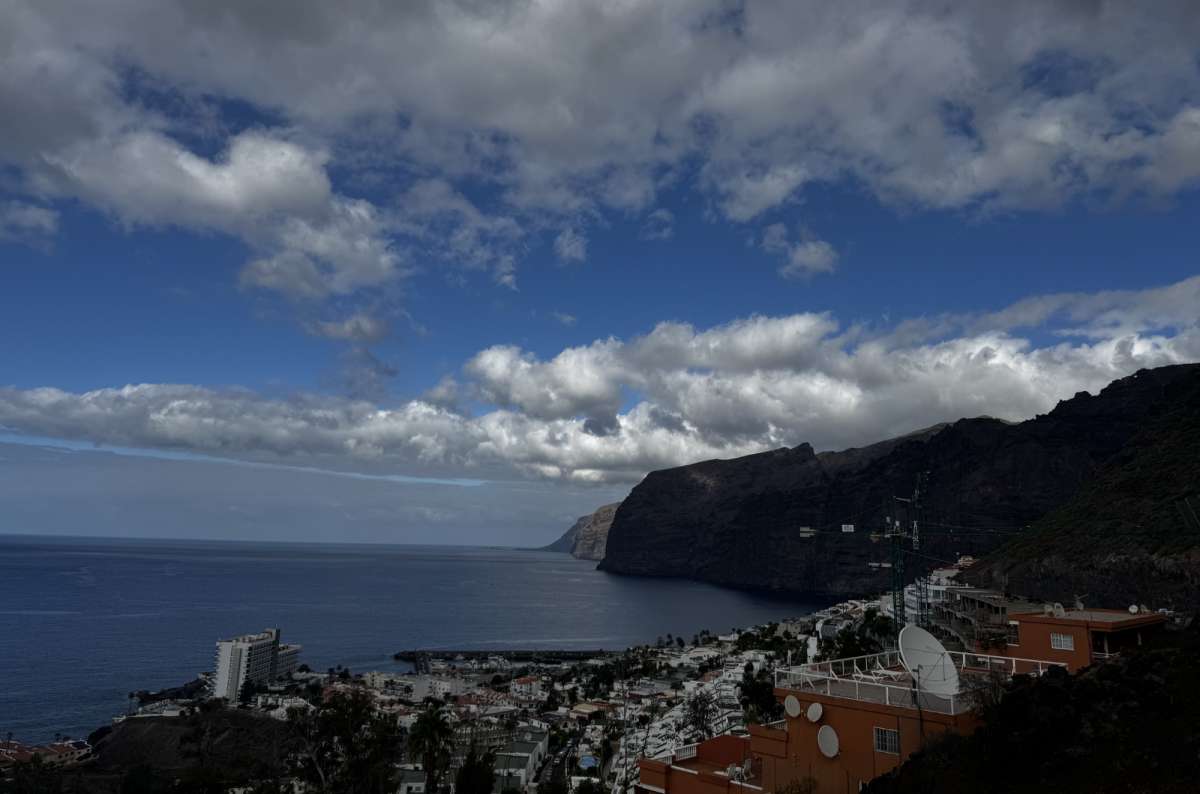
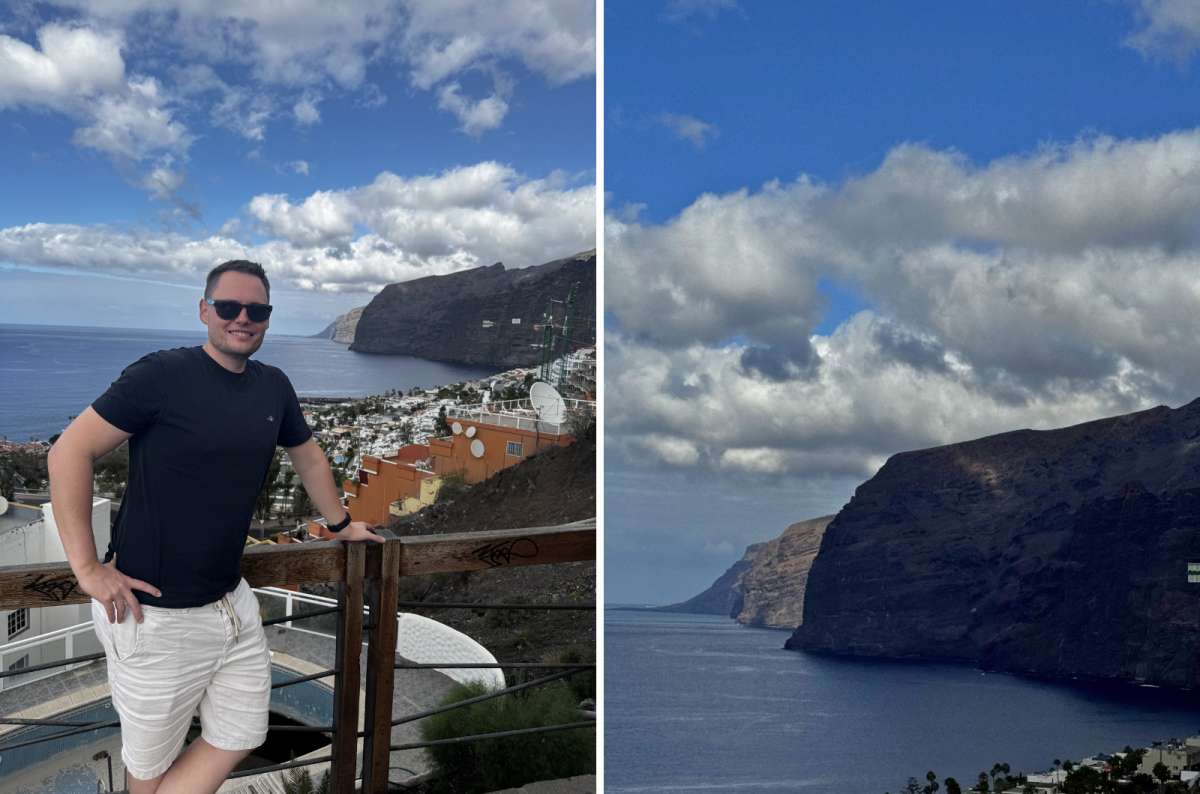
Mirador Archipenque is the most famous lookout point for the Los Gigantes cliffs, one of the natural wonders of Tenerife.
Why go: The sea cliffs are among the highest in Europe, and they are impressive.
Best part: You get to see a natural wonder!
Worst part: Well... the views from the lookout point felt a bit lacking. I do think that the views from a boat or the nearby Playa de Los Guíos beach would be better. I think staring up at the dramatic cliffs from below would put me in my place. Many have tried. Most have failed.
For more info on the best places in Tenerife, have a look at my article on Tenerife South.
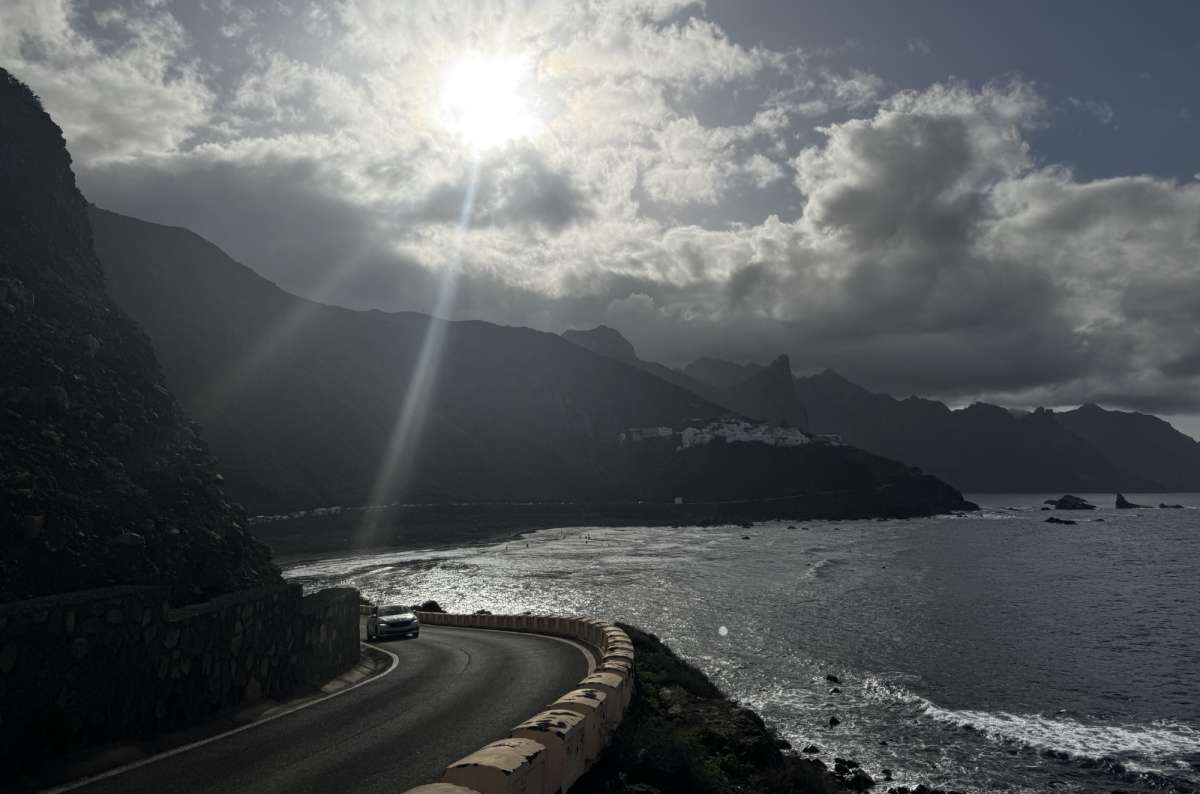
I went through a tunnel to reach this wild northern edge of Anaga Rural Park—and it immediately felt like I’d entered a different, more dramatic version of Tenerife. It was very jagged. Jagged rocks everywhere, meeting the sea. It made me feel slightly uncomfortable as if I shouldn’t be driving there disrupting it.
Why go: For raw Atlantic cliffs, the black sand beach, and viewpoints that feel like standing on the edge of a stormy planet. If Teide is Mars, this is the edge of a stormy ocean planet.
Best part: Playa Benijo is a remote black volcanic sand beach where huge waves from the Atlantic crashed and made me feel small and fragile. Above the beach are the Roque de las Ánimas, razor-sharp volcanic rock formations. The whole area is insanely dramatic with sea rock cliffs everywhere. It’s easily one of the most striking coastal landscapes in Anaga Rural Park. I wandered around the walking path and stayed safely behind the guardrail.
Worst part: There’s not so many guardrails there so driving felt a bit scary. Also there is no gas station in Anaga as it’s so remote (you’re not in resort town anymore) and I nearly ran on fumes, which almost cost me my last hours of exploring.
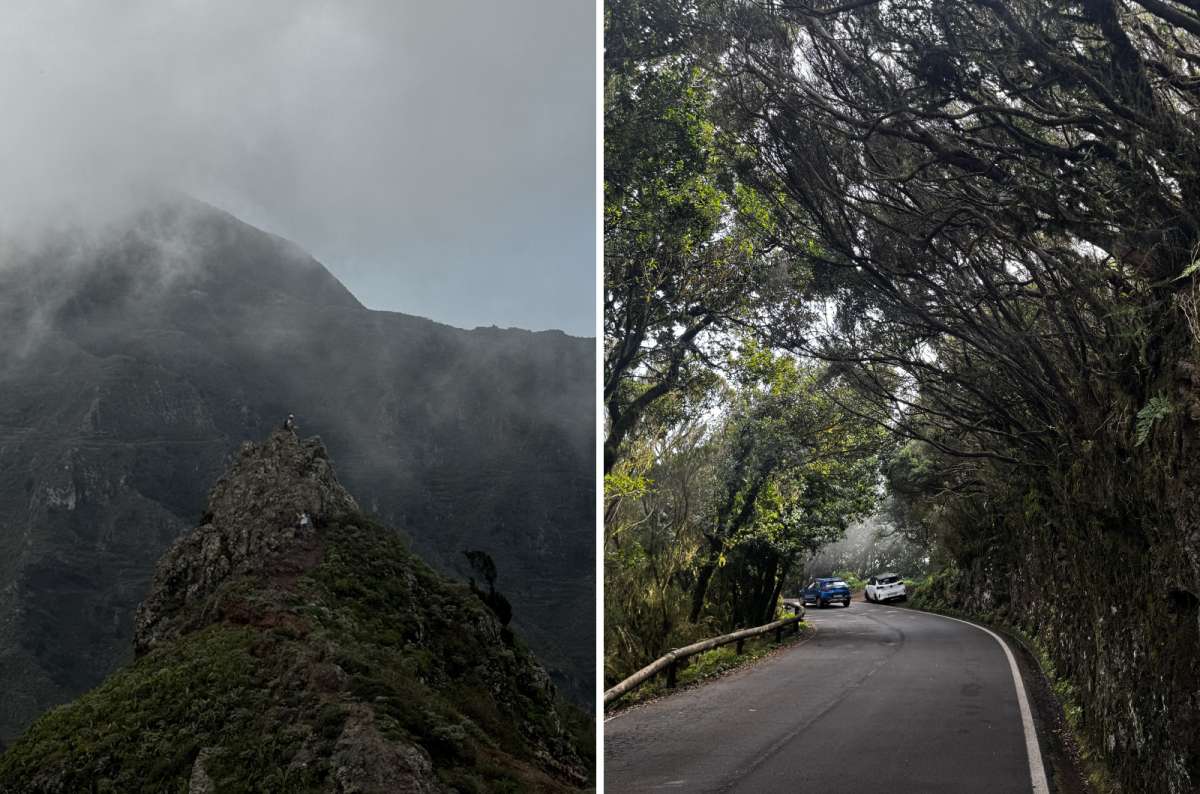
At Pico del Inglés viewpoint, I drove up to almost 1000 m (3,281 ft) above sea level on what felt like one of the prettiest roads in the world, barely wide enough for two cars.
By the time I reached the top, the whole place was shrouded in mist and moss, and I wondered, am I in heaven? Do I even believe in heaven? It made me question things.
Why go: For a quick, dramatic viewpoint with mysterious mist, a stunning, easy drive (it took me only about 15 minutes from the main park entrance of Anaga Rural Park), and that strange moment where the greenery suddenly gives way to desert as you descend, which felt surreal in many ways.
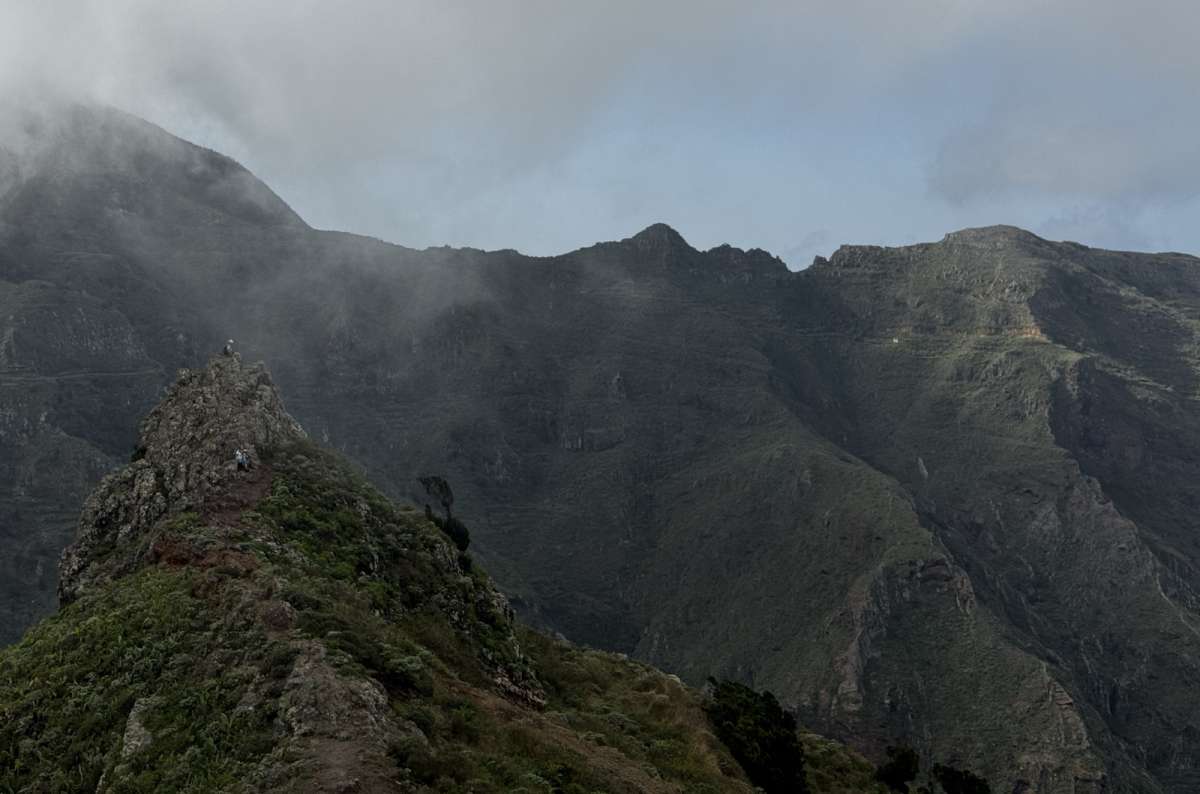
Best part: It’s an incredibly easy-to-reach viewpoint with scenery you’d expect to have to work much harder for. The clouds I saw over the green cliffs added this extra mysticism. Go in the afternoon when there are fewer people.
Worst part: Parking is scarce (surprise, Anaga strikes again), too many people, and it’s noticeably colder than the beach—like “where the hell is my jacket” colder. However, parking does clear up quickly... in my experience visitors don’t stay long.
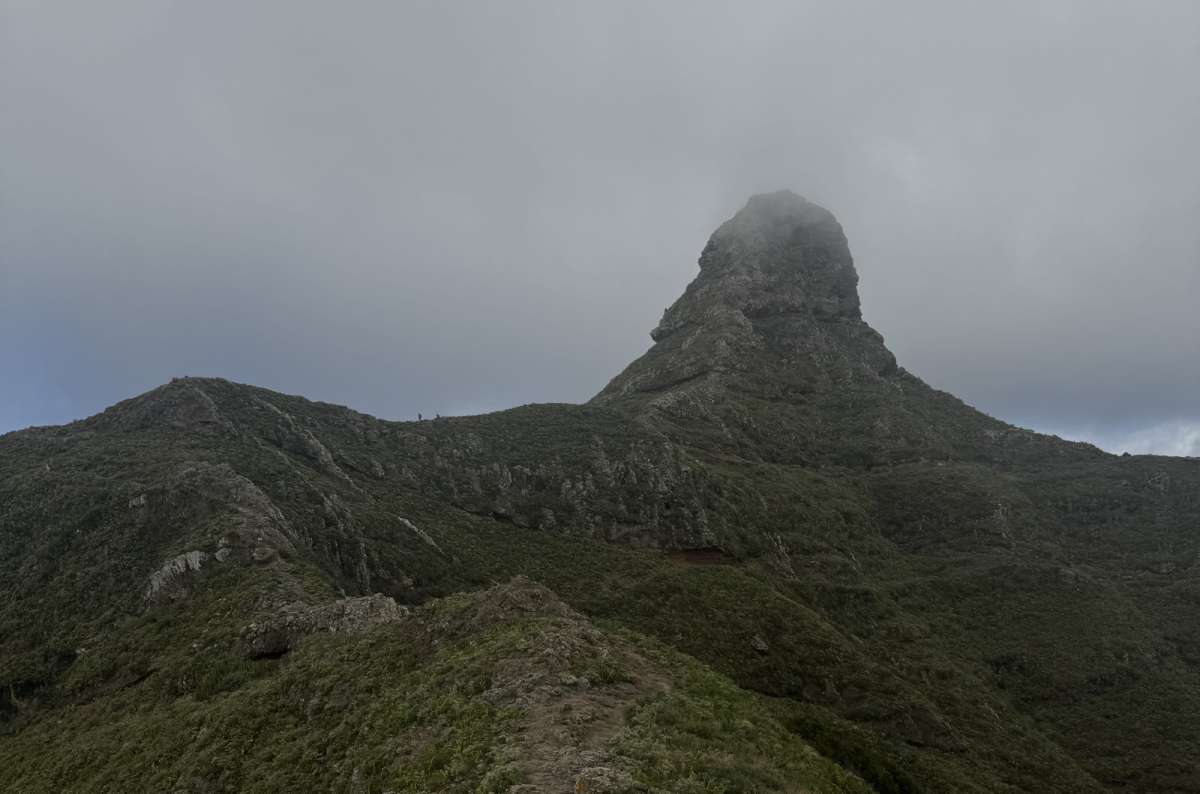
I started the hike in the village of Taborno at 600 m (1,969 ft) above sea level, and right from the start the views were absolutely majestic—green mountains and cliffs meeting the sea, like a mix of Machu Picchu and the Garden Route in South Africa, just with more sweating on my part.
Why go: For constant dramatic views of Tenerife nature, an easy but epic hike, and more Instagrammable spots than your phone can handle. Did you know I’m secretly an influencer?
Best part: The hike is about 3.8 km (2.4 mi) with a very mild ascent, but somehow you get views all the time, which isn’t usual. Places like Mirador de la Fonte kept the views a-coming, and when the clouds rolled in, it was even more epic. Some cliffs even reminded me of Hawaii.
Worst part: There is literally no parking, and parts of the path can be tricky in bad weather—you are walking over cliffs, so maybe don’t test your balance here.
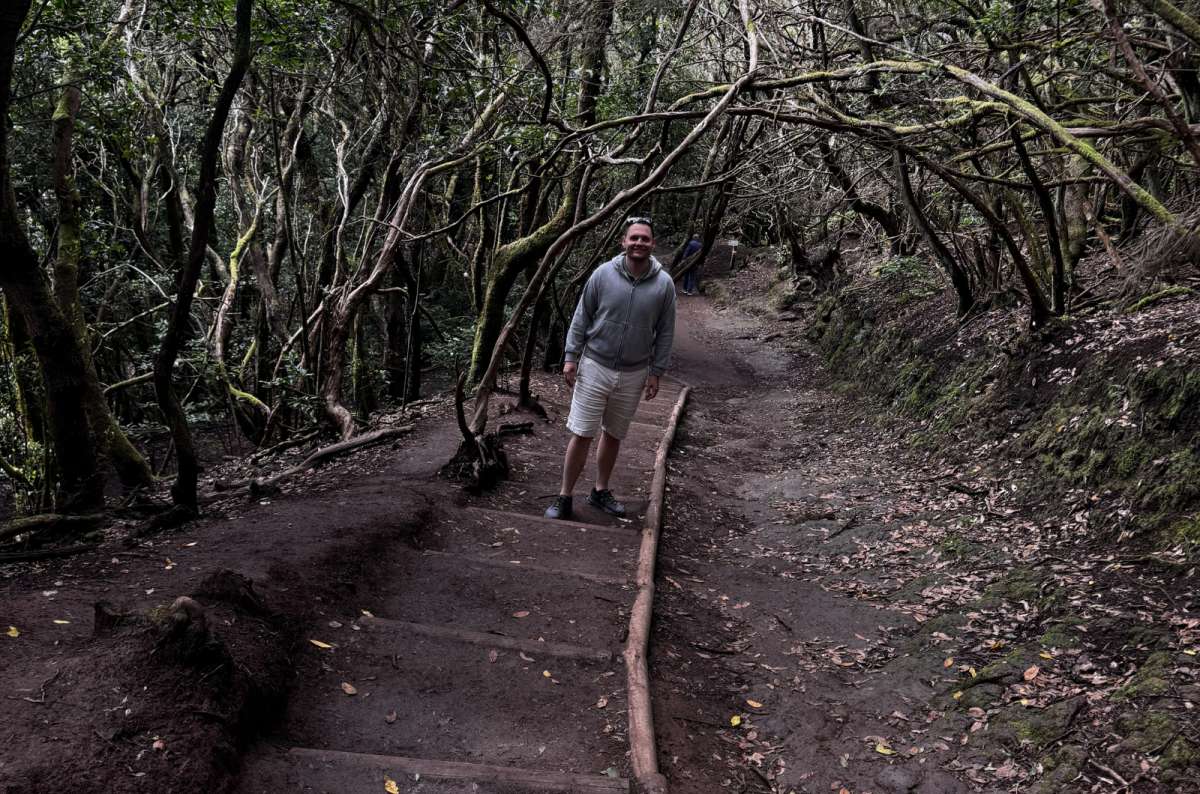
I showed up thinking the Sendero de los Sentidos route would be a quick little forest walk, and instead got swallowed by a proper cloud rainforest. The route is in the heart of Anaga Rural Park, near Cruz del Carmen, and it feels like stepping into a completely different climate/world.
Why go: For a quick, atmospheric walk through a prehistoric-looking cloud forest.
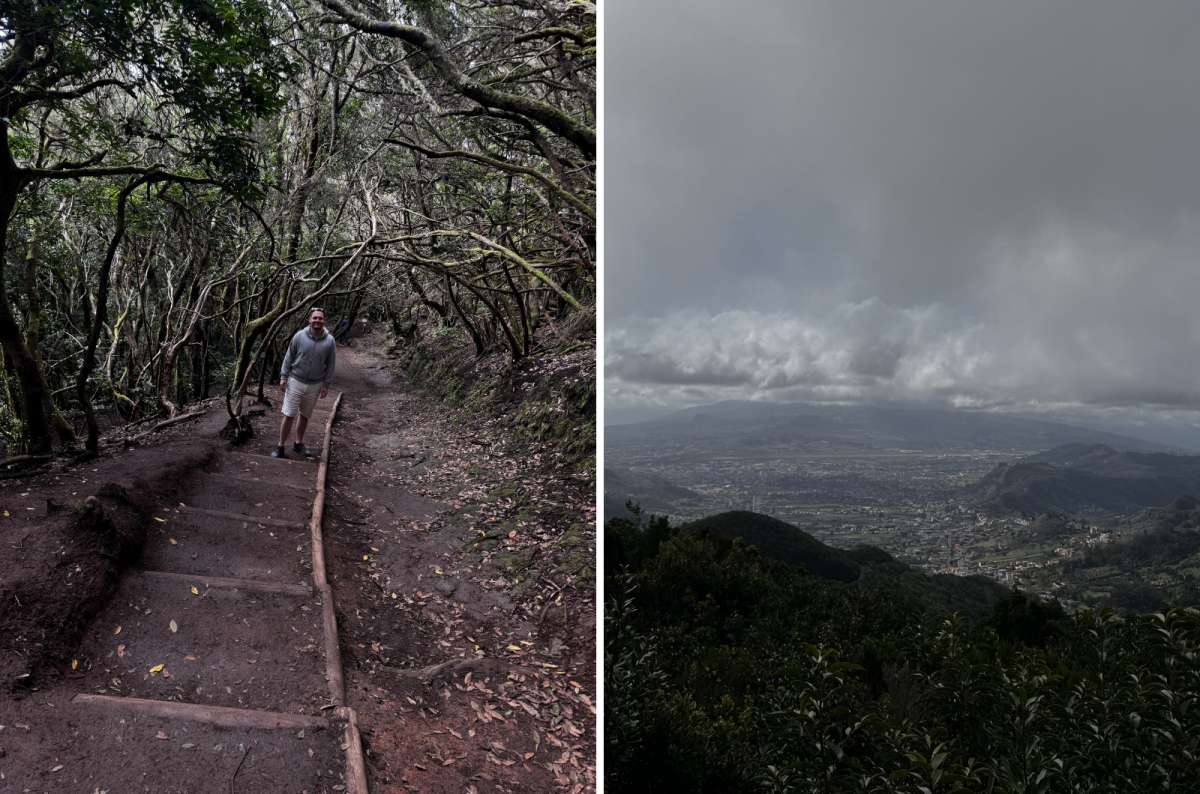
Best part: Sendero de los Sentidos is an easy, well-marked loop trail through laurel forest, with moss-covered trees and wooden walkways. I enjoyed how short it was and thought it was an easy way to experience Tenerife’s ancient rainforest. I kept thinking I’d spy Gandalf, but I didn’t.
Worst part: You don’t really get big dramatic viewpoints; it can be annoyingly crowded (I literally kept bumping into people) because it’s so accessible, and the mist sometimes just commits to blocking absolutely everything.
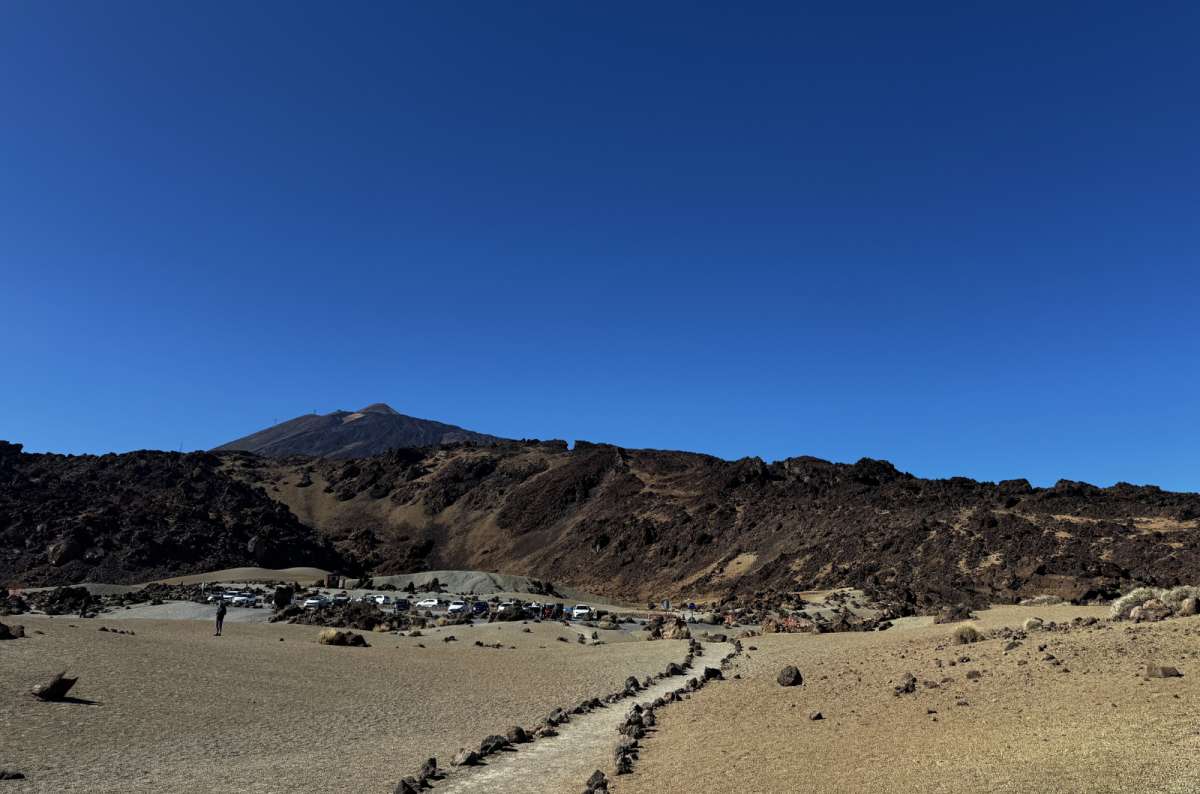
Driving on the TF-21 toward Teide National Park, the landscape just changes. One second I was on Earth, the next I was surrounded by yellow volcanic sand and massive red boulders everywhere—a literal lunar landscape.
Why go: For one of the most surreal landscapes in Tenerife, where the island suddenly looks like the Moon, other planets, and a volcanic art project all rolled into one.
Best part: The mix of yellow pumice and red rock is otherworldly, and it’s very photogenic. It’s a short stop, but you can easily spend an hour wandering around, taking it all in.
Worst part: There’s not much shade, so make sure not to turn into a lobster. Also, it’s easy to underestimate the area and just want to pop in… every angle looks insane, and it’s worth some time so make sure to not rush it.
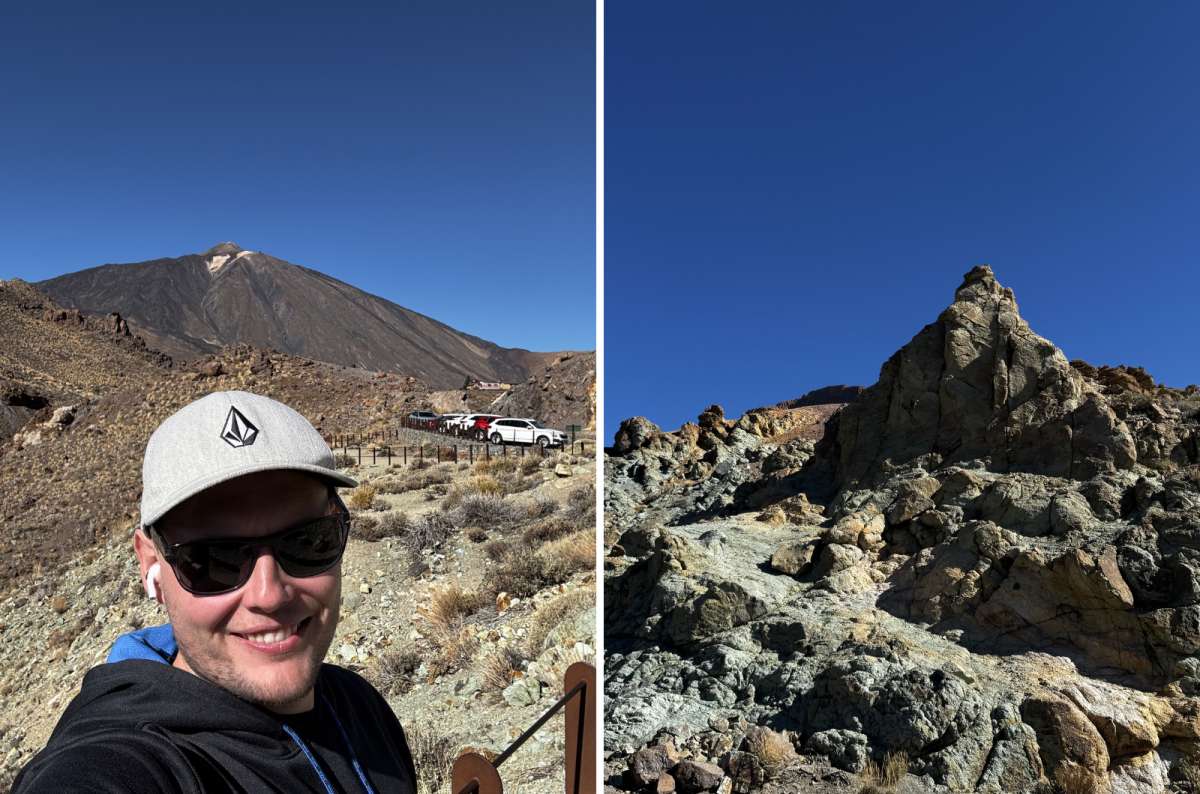
Los Azulejos are these amazing bluish-green iron cliffs that I saw along the TF-38. I kept getting these perfect views of Teide National Park and the caldera, and then the view turned to Roques de García. How is this place so damn beautiful?
Why go: For insane volcanic colors, constant Teide panoramas, and a drive that feels like a highlight reel. The best of Tenerife nature right here.
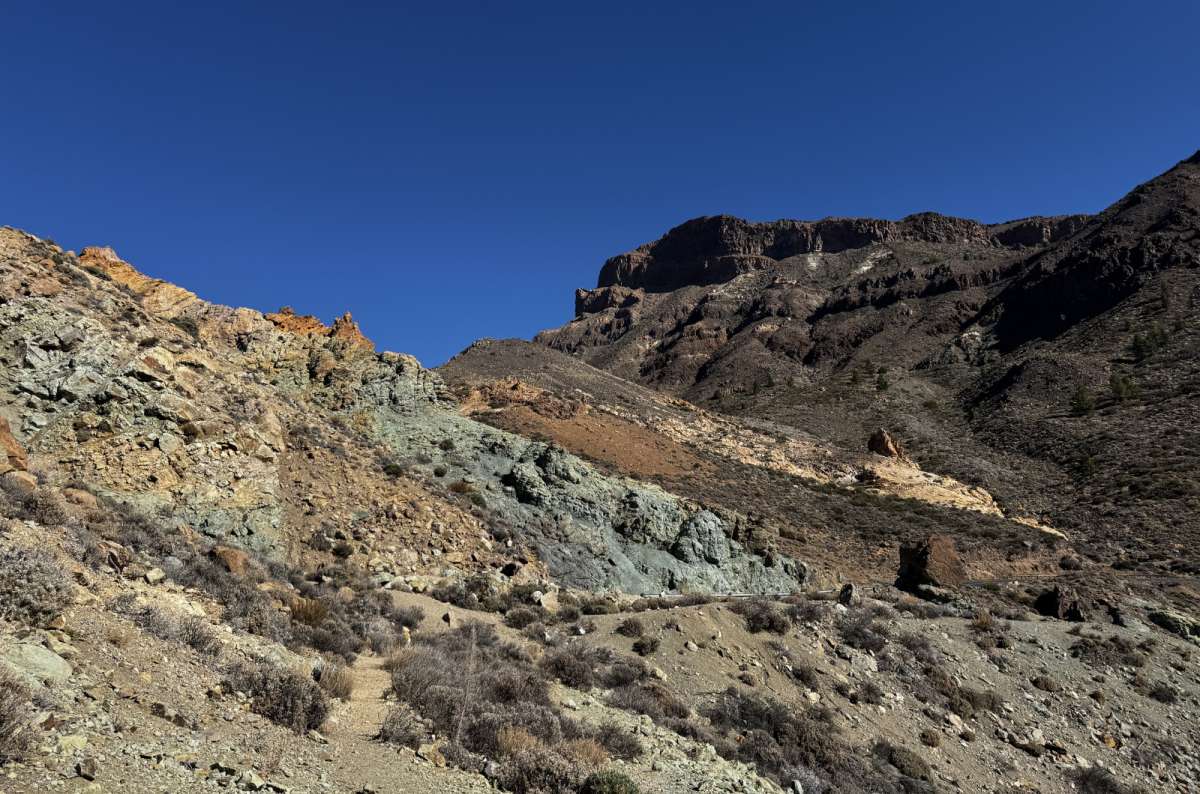
Best part: The greenish-blue rock formations are unreal, especially with those huge vista points over the volcanic landscape. Apparently, the stones are even studied to test whether water existed on other planets.
Worst part: It’s easy to just keep stopping every two minutes because the views don’t let you focus on driving. Also, you can’t take these massive rocks home for the collection you’ve been adding to since you were 13 years old. A real pity for me and my teenage heart.
Practical info:
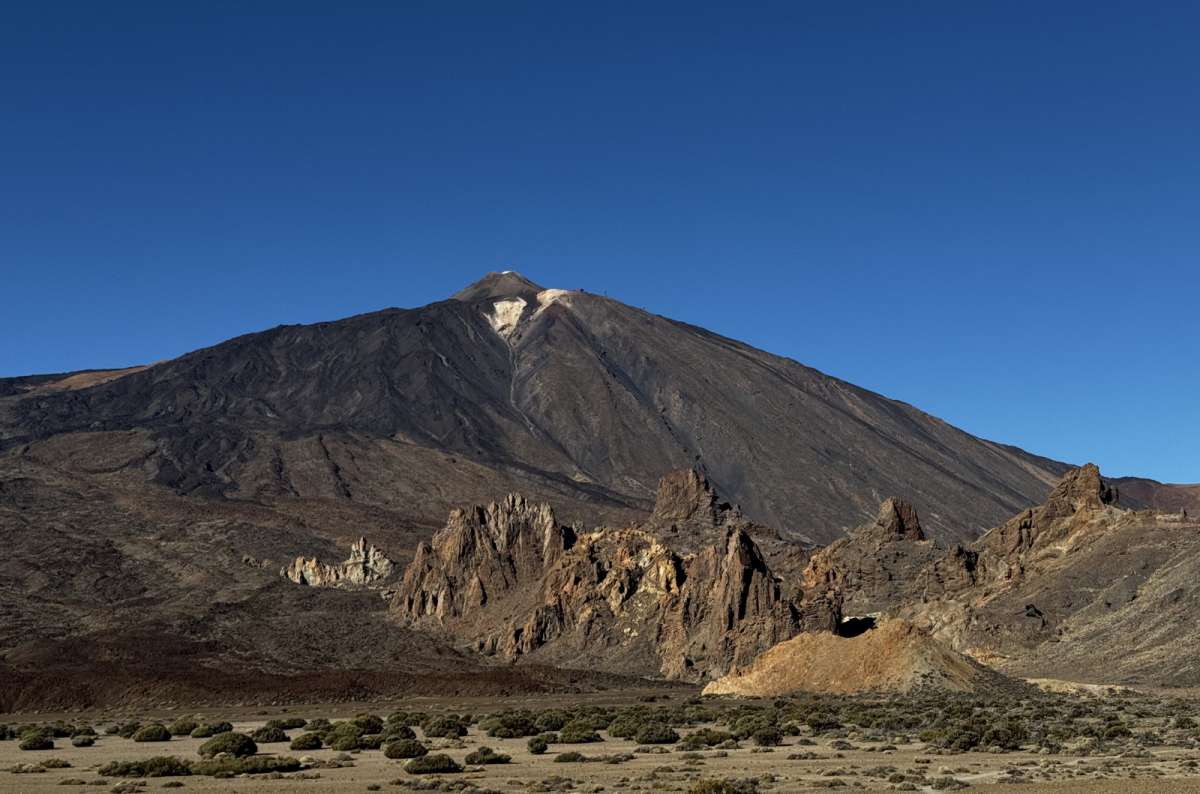
My trusty rental car and I pulled into the Llano de Ucanca viewpoint and it was basically the whole volcanic stage of Teide National Park just laid out in front of me—simply the top views of Teide connected with Roques de García. Just perfect. On the right side, Los Azulejos also show up, adding that strange bluish-green contrast. Seriously, how come no one talks about how beautiful nature in Tenerife is?
Why go: For iconic Teide panoramas, easy access viewpoints like Boca Tauce nearby, and the chance to walk among volcanic rocks.
Best part: The view over the caldera is unreal—huge open plains, dramatic volcanic formations, and Roques de García sitting there like sculptures. It’s one of those spots where you don’t really move much, you just rotate slowly like a confused tourist.
Worst part: It’s very exposed, so wind and sun can hit you hard, and there’s not much shelter—so you go from “this is majestic” to “I am now a piece of dried volcanic fruit” quite fast.
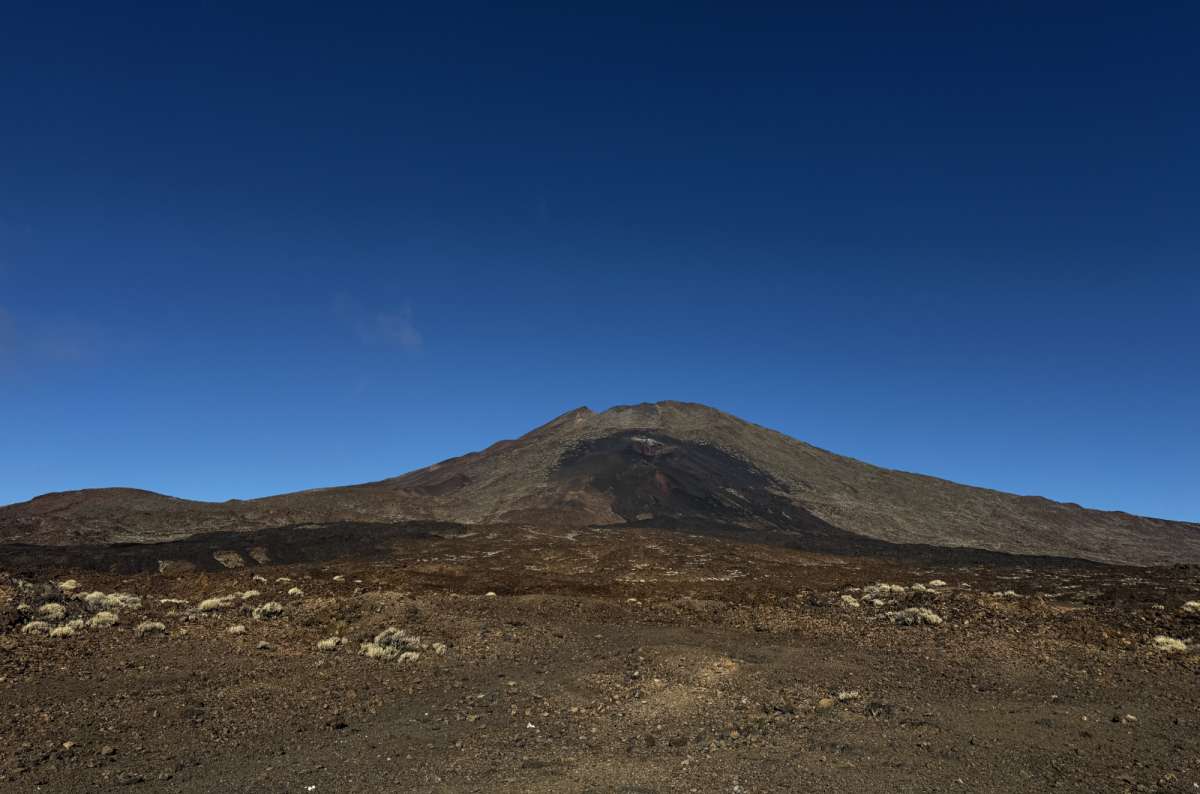
Narices de Teide / the Samara viewpoint is all about that raw volcanic drama inside Teide National Park. The views toward Pico Viejo, which erupted this side in 1798, made everything feel slightly intimidating in a good way.
Why go: For striking black lava fields, sunset views over pine forest and ocean, and one of those rare places where Tenerife looks both fiery and peaceful at the same time.
Best part: Samara viewpoint is absolutely worth a visit, especially in the evening when the clouds rolled in and everything turned soft lighting-wise. The lower pine forest around sunset is even better, with sea, clouds, and lava landscapes all blending together like the island is showing off its best filter. Except it’s not a filter… it’s all real. Tenerife nature is amazing.
Worst part: It can get a bit cold and windy once the sun starts setting, and if you arrive without timing it right, you might miss the golden hour entirely. Fortunately, my timing worked out. That being said, it was very very busy. The massive amount of tourists and their grating voices almost made this spot not worth it for me.
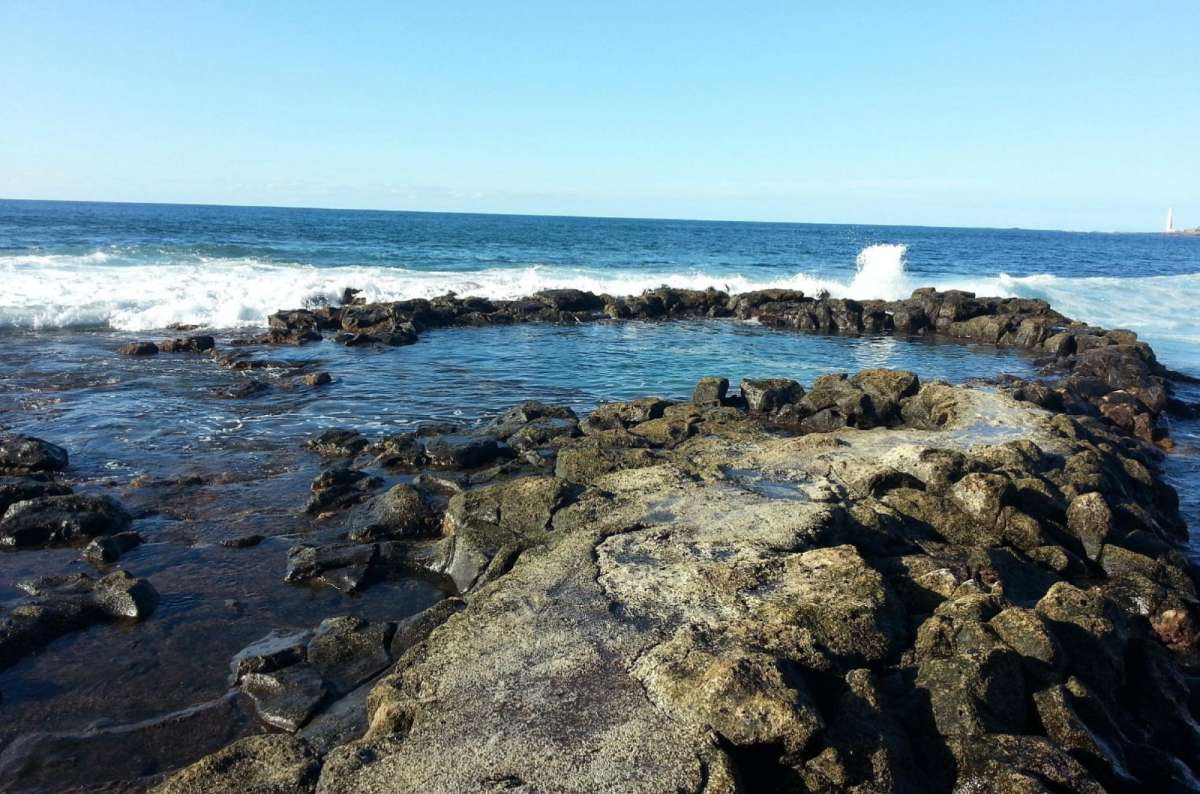
I went chasing the Atlantic like a cowboy on my trusty steed (my rental car) along the wild green northern coast and ended up at two very different spots that basically sum up the island’s personality split.
Why go: For two very different ways to experience the northern Atlantic—one wild, one calm but still ocean-fed.
Best part: Charco de La Laja is the more rugged one—there I saw small volcanic rock pools tucked into a natural inlet where waves crashed in and out. I felt a bit scared to be honest as the waves were quite powerful. I did not go swimming there.
Then there’s Piscinas Naturales de Bajamar, which is the more civilized cousin: big seawater pools, safer swimming, and locals doing laps. I enjoyed the multicolored sunset there and taking a safe dip.
Worst part: At Charco de La Laja the sea can get moody fast, so timing matters unless you enjoy being personally tested by waves. I do not. Bajamar is safer but can get crowded... I felt like I was in a sardine can at one point, but with locals so at least I was part of the in-crowd.
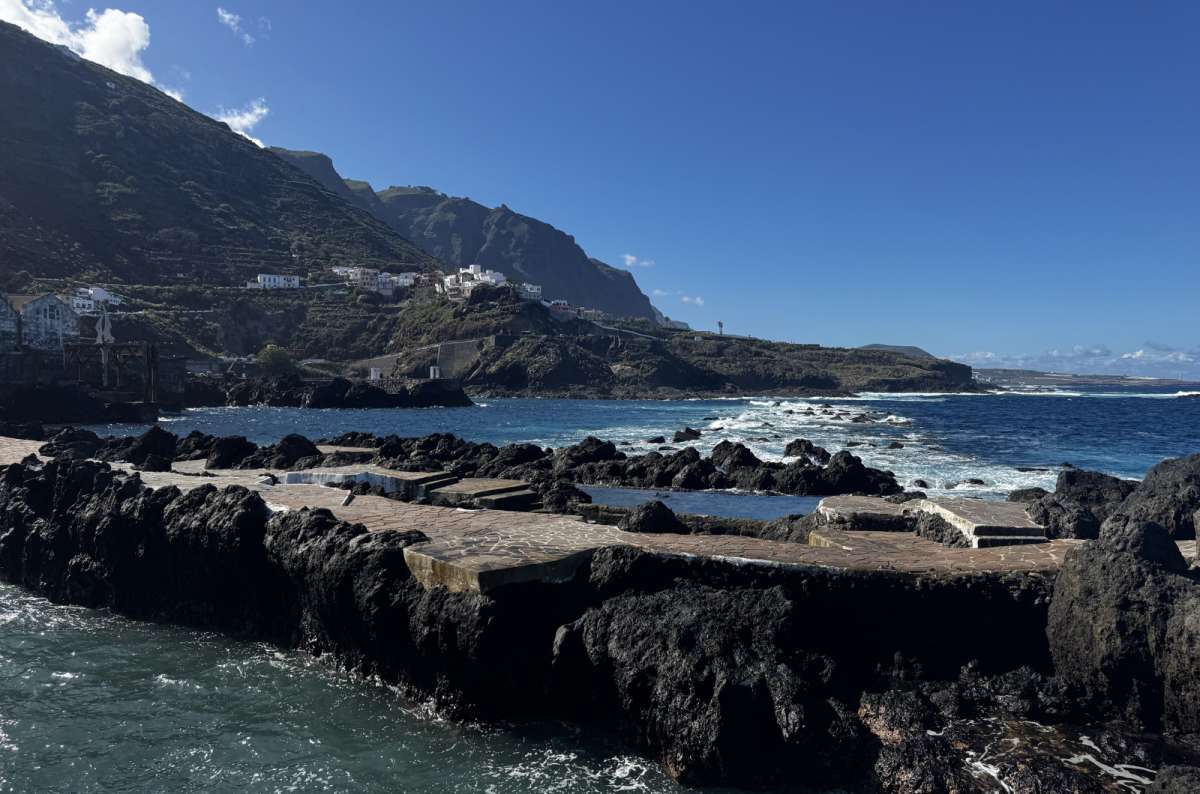
Called one of the most beautiful towns in Spain, and I must admit it might be true, mainly because of the dramatic surrounding landscape of green mountains meeting the sea, is Garachico.
I started exploring the promenade and walked into the city with a ton of others. There are really scenic views of sea cliffs and the Teno mountains. It’s a small town, and I saw it all in about an hour, making it perfect for a little side stop if you’re in the area.
Why go: For a postcard-perfect volcanic town, oceanfront promenades, and natural lava pools.
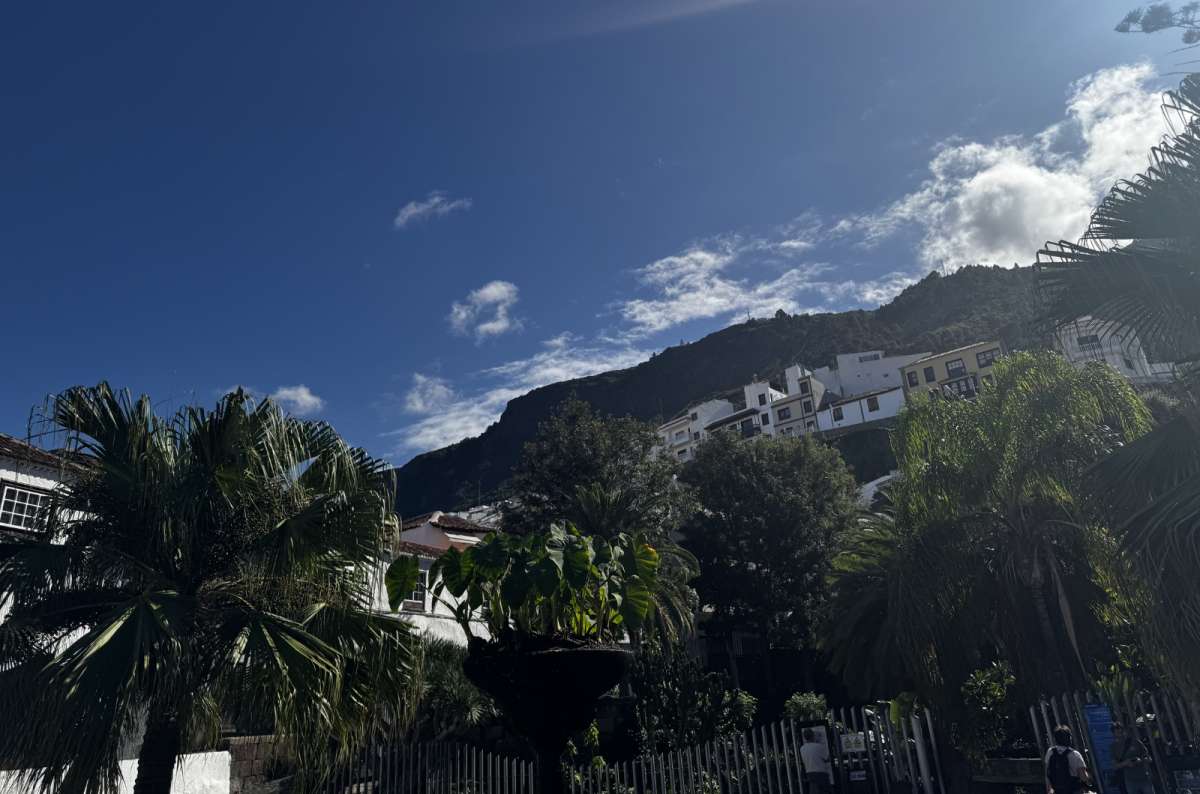
Best part: The whole setting is ridiculous in the best way. Old volcanic town, ocean views, cliffs, and the nearby natural pools of El Caletón, where I took a quick dip and went about my day.
Worst part: It’s so small that you might just see everything twice, and then you’re just wandering in circles trying to justify another snack. There are guided tours available to prevent that sort of thing, but who wouldn’t want an extra snack. snack.
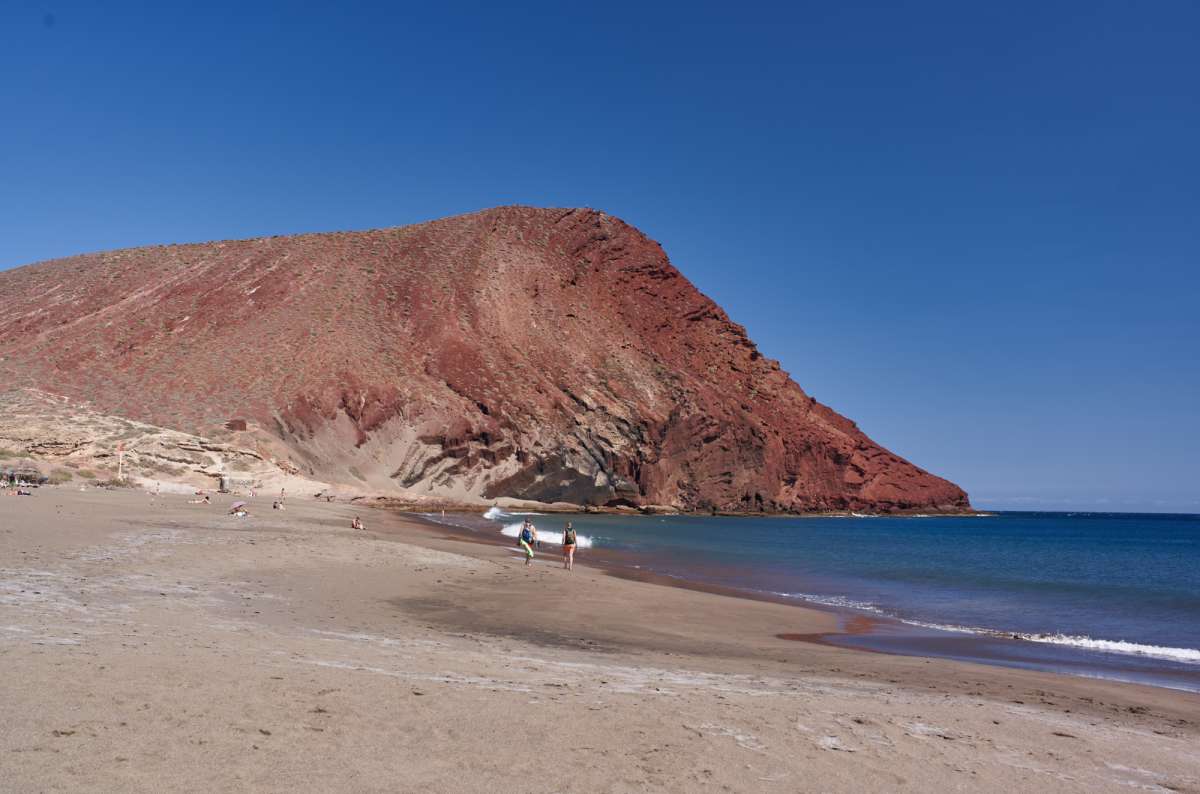
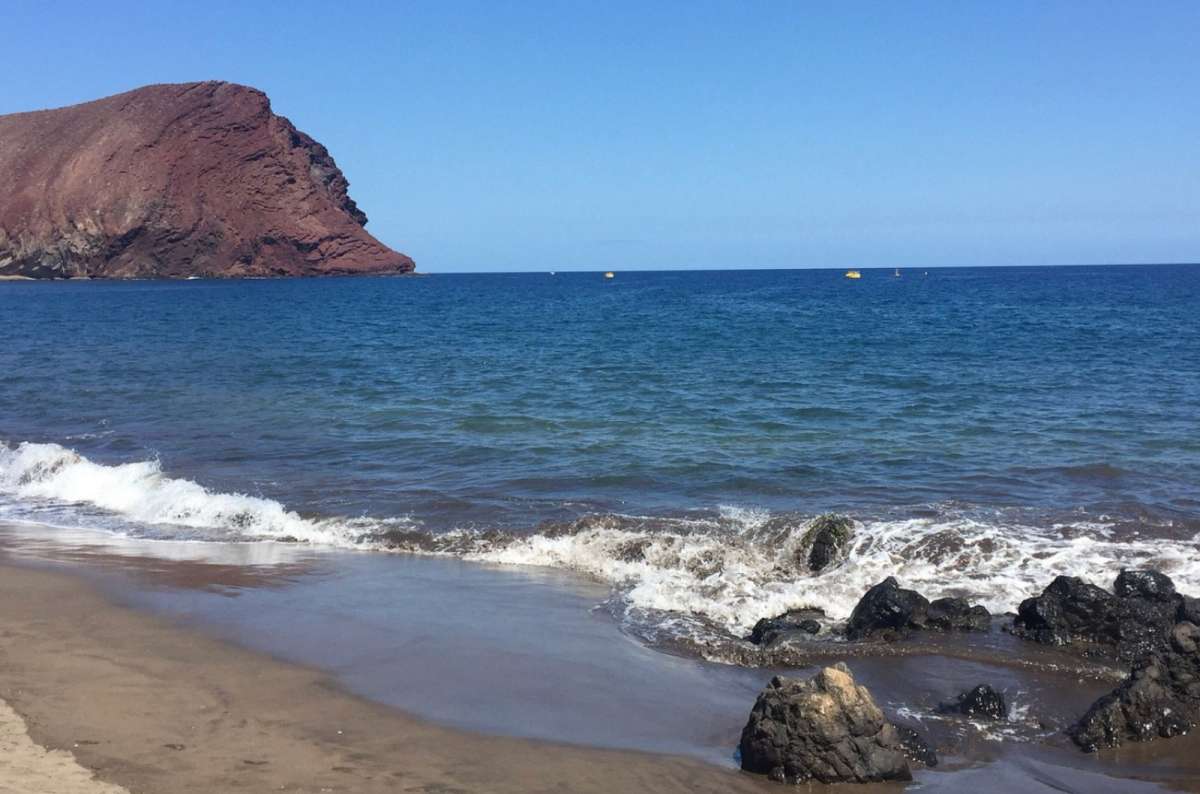
Walking around the small town of El Médano and the volcanic beaches of Playa del Médano, Montaña Roja, and Playa de la Tejita was a very pleasant surprise. It felt much less resort-like than other parts of Tenerife, which gave it a really natural vibe. A great place to experience Tenerife nature, I think.
Why go: For volcanic beaches, a short but rewarding hike, and wide-open coastal views.
Best part: The whole area is wild and wind-swept. I walked along the volcanic beaches and climbed Montaña Roja (171 m, 561 ft), which started steep right off the bat. But then it leveled out and the rest was quite easy. I saw people with different types of fitness levels there, so I think it’s okay for most. The views from the top over Playa de la Tejita, the coastline, and the Atlantic are worth it.
Worst part: The wind blew my perfectly styled hair around and made me wonder why I spent hours on it that morning. I’m only joking, my hair isn’t something I care much about, but that wind... it did really make walking a bit difficult.
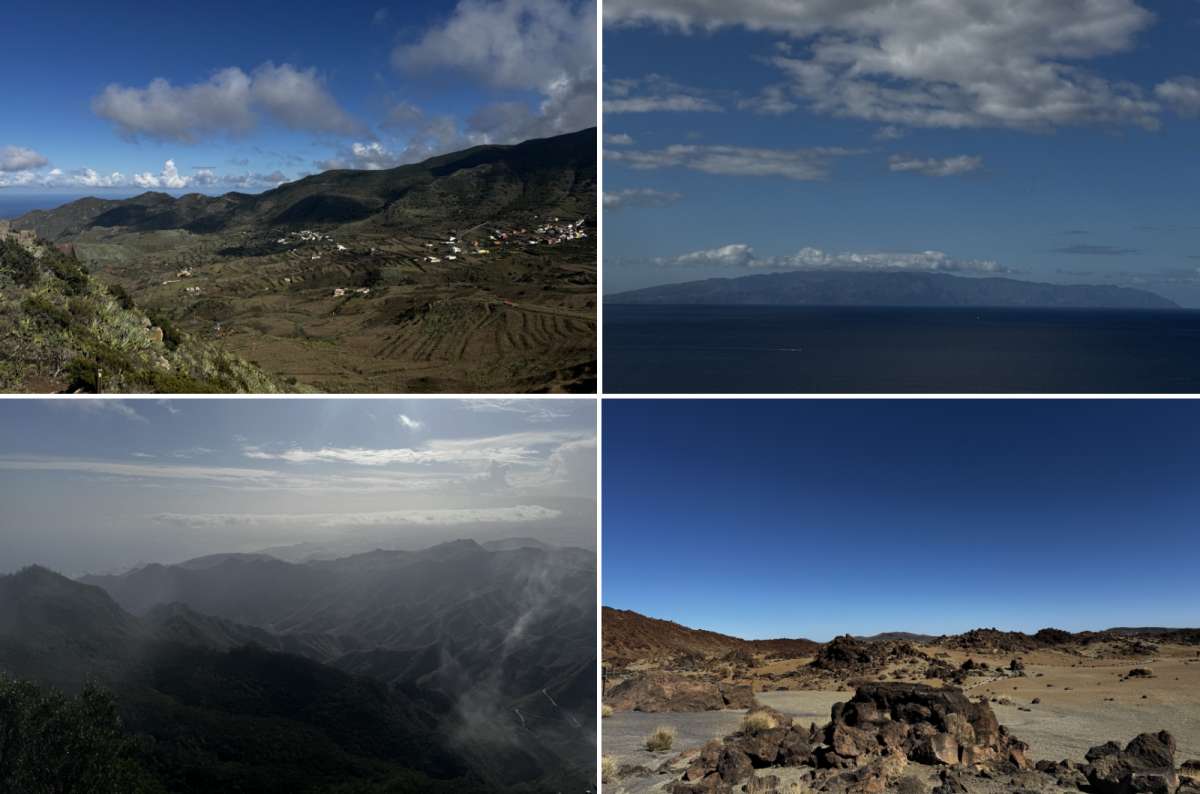
The variety of Tenerife landscapes is what makes it so interesting. For such a compact island, it has volcanic scenery, mountains, rainforests, cliffs, beaches, and the ocean. Honestly, it’s the only place where I felt like I’d done five different vacations in one trip, and I think it still has more sights under its belt I haven’t yet seen. It deserves a visit as soon as possible.
This post contains affiliate links. If you make a booking through one of my links, I may earn a small commission—at no additional cost to you. Thank you for your support!
At a glance: The best Tenerife nature spots ranked
My ultimate 3-day Tenerife nature itinerary
The best of natural wonders in Tenerife
3. Masca Gorge & Masca village
6. Los Gigantes Cliffs / Mirador Archipenque
7. Playa Benijo and Roque de las Ánimas
10. Sendero de los Sentidos / Cruz del Carmen
14. Narices del Teide / Samara viewpoint
15. Natural pools in Northern Tenerife
16. Garachico coastline & El Caletón natural Pool


Hi, I’m Jan. I travel fast and intensely, whether I’m exploring the buzz of Tokyo in 3 days or road-tripping through mountains and beaches on a 3-week Thailand adventure. And no matter where I am, you’ll always find me in a comfortable hotel at night and eating the best food.
If that sounds like your kind of journey, hop on board, and let’s explore the world together!
I started this blog after realizing how tough it can be to find reliable, authentic travel info. You wouldn’t believe how many “travel bloggers” never even visit the places they write about! On Next Level of Travel, you can count on my full honesty and insights drawn from my firsthand experiences.
Here’s the deal: not every destination is all superlatives and unicorns. I’ll let you know if a tourist attraction isn’t worth your time, like skipping overrated stops in my 2-week Spain itinerary. And when I find something truly special—like the perfect mix of culture and nature in Cape Town—you can trust that it’s worth adding to your itinerary.

Comments | Thoughts? Give us a shout!