


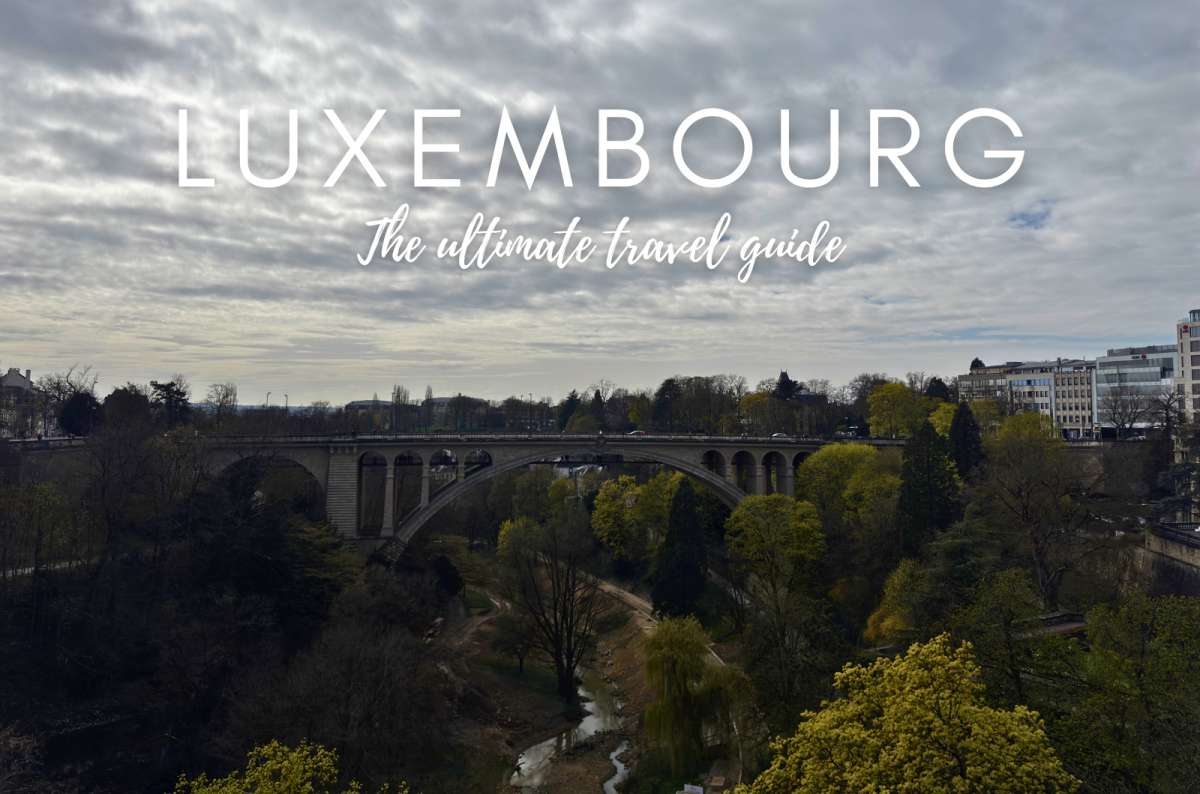


Luxembourg travel guide at a glance
What is Luxembourg actually like?
How many days do you need in Luxembourg?
Best places to visit in Luxembourg on a first trip
What I would prioritize in Luxembourg
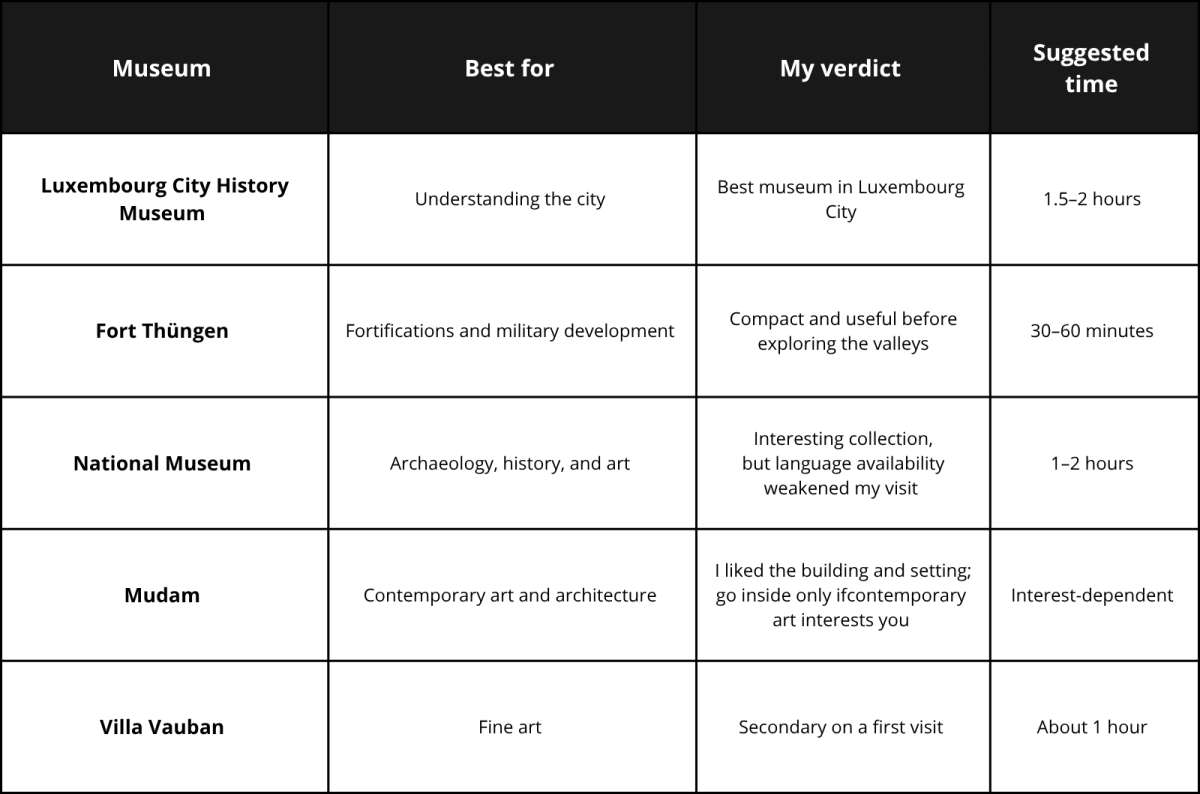
Which Luxembourg City museums are worth visiting?
Suggested Luxembourg itineraries
The best time to visit Luxembourg
What to book or check in advance
What to skip or shorten in Luxembourg
FAQs about visiting Luxembourg
How many days are enough for Luxembourg?
Is Luxembourg City enough for a trip?
Is Luxembourg City enough for a trip?
Is Luxembourg a good day trip?
Luxembourg is worth visiting, but probably not for the reason you expect. This Luxembourg travel guide will not try to sell you a miniature medieval wonderland where every square causes spontaneous poetry.
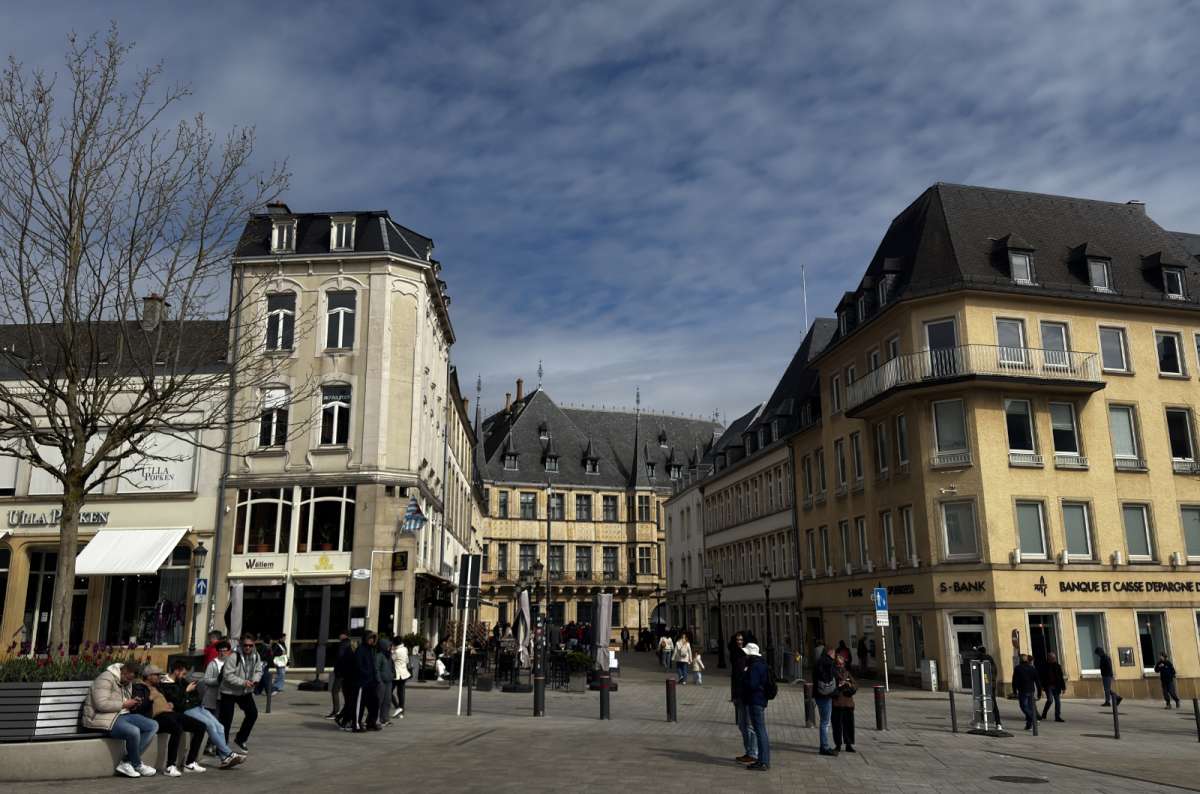
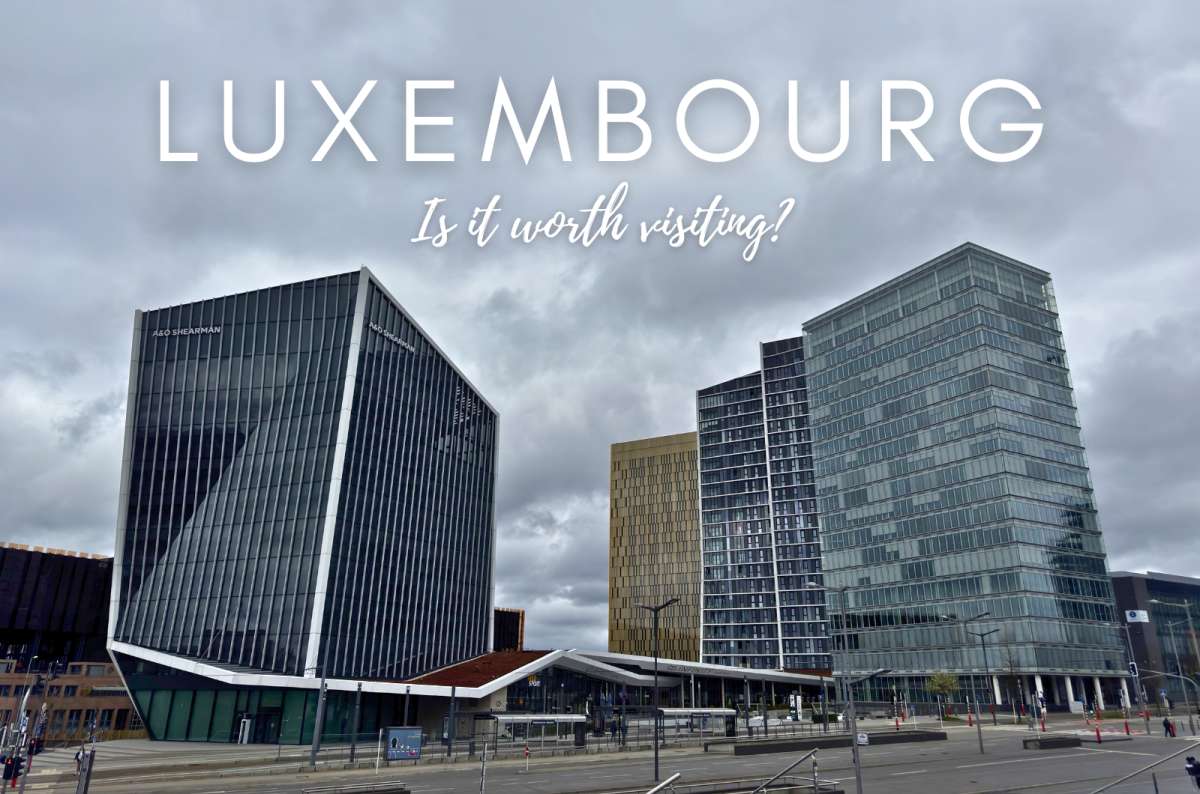
When I arrived, Luxembourg City felt modern, crowded, corporate, and suspiciously efficient. The conventional upper center did not impress me much. Place d’Armes certainly did not make me reconsider my life choices.
The trip improved once I reached the Corniche, Grund, the river valleys, bridges, and fortress remains. Then Vianden, Bourscheid, Schumannseck, and the northern countryside made the country feel far more varied than its size suggests.
For a first visit, I would allow 4 or 5 days. Not because Luxembourg has 5 days of blockbuster attractions. It does not. Its strength is that you can combine several genuinely different experiences without spending half the holiday driving between them.
This guide will help you decide what to prioritize, whether you need a car, where to stay, and which heavily promoted attractions you can safely shorten or skip.
Read more from my Luxembourg travel blog.
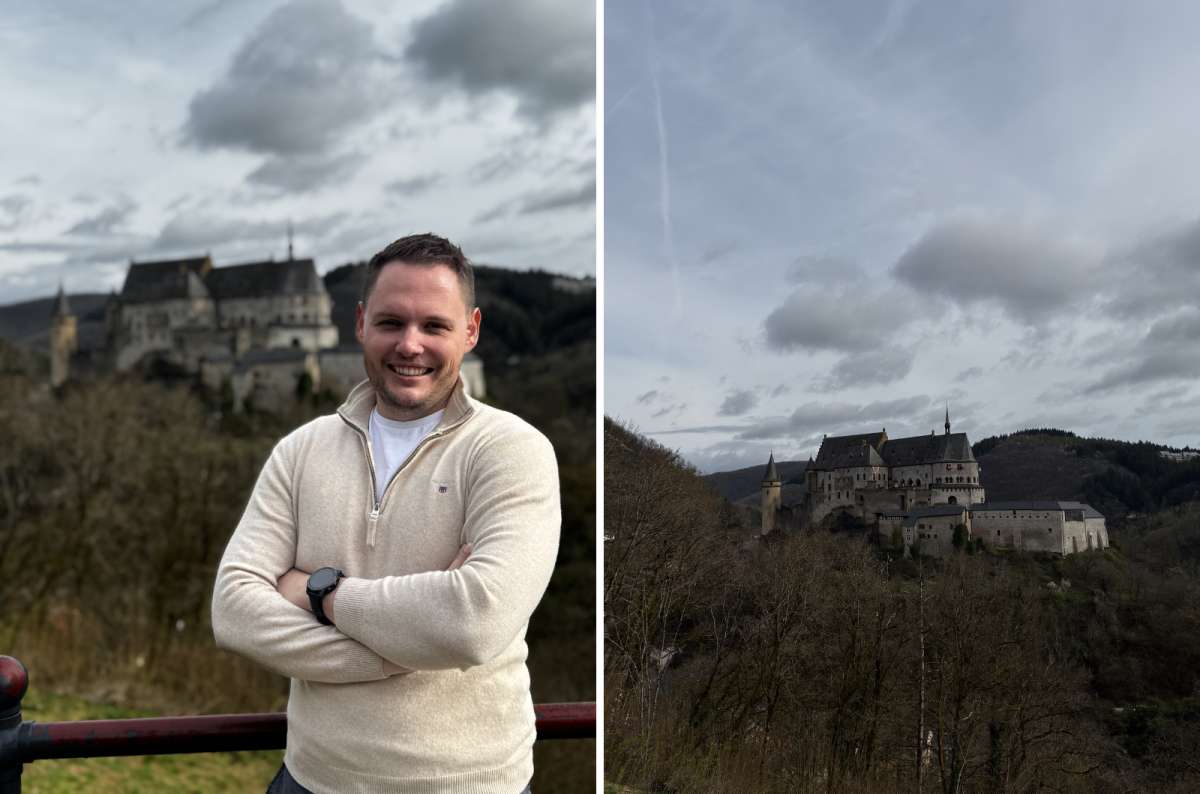
My strongest first-trip combination: Luxembourg City, Vianden, Schumannseck, and either Mullerthal or the Moselle Valley.
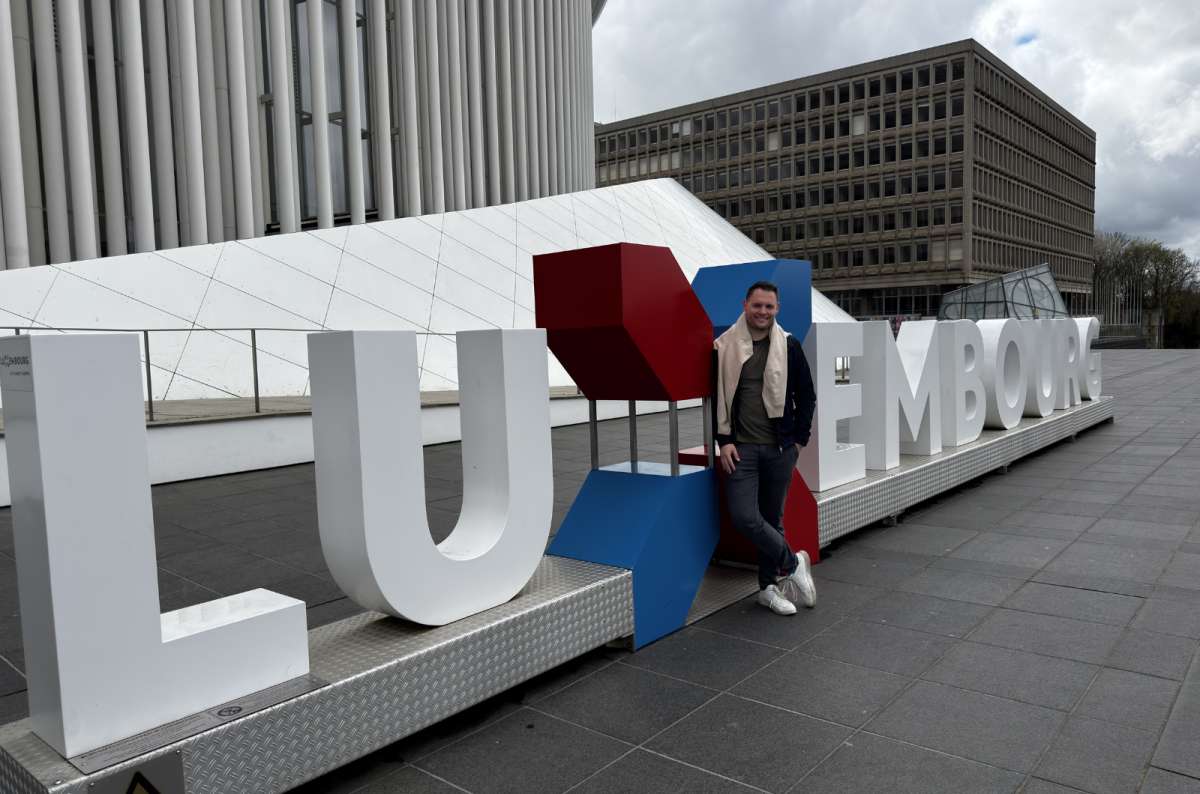
Luxembourg felt much more modern than I expected.
I had pictured crooked houses, medieval lanes, and a capital that looked like one enormous castle. Instead, the upper city initially felt like the administrative headquarters of Europe with a few historic buildings squeezed between offices.
That is not necessarily criticism. It is just worth adjusting your expectations before you arrive.
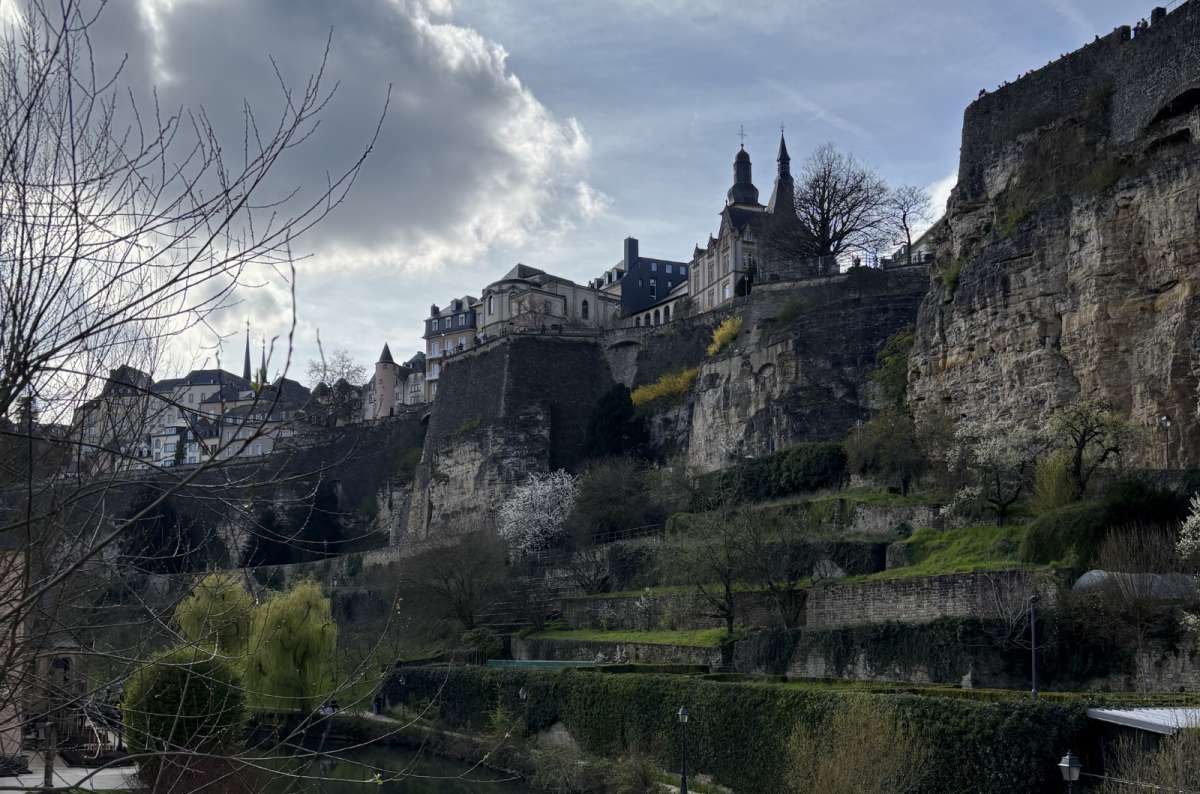
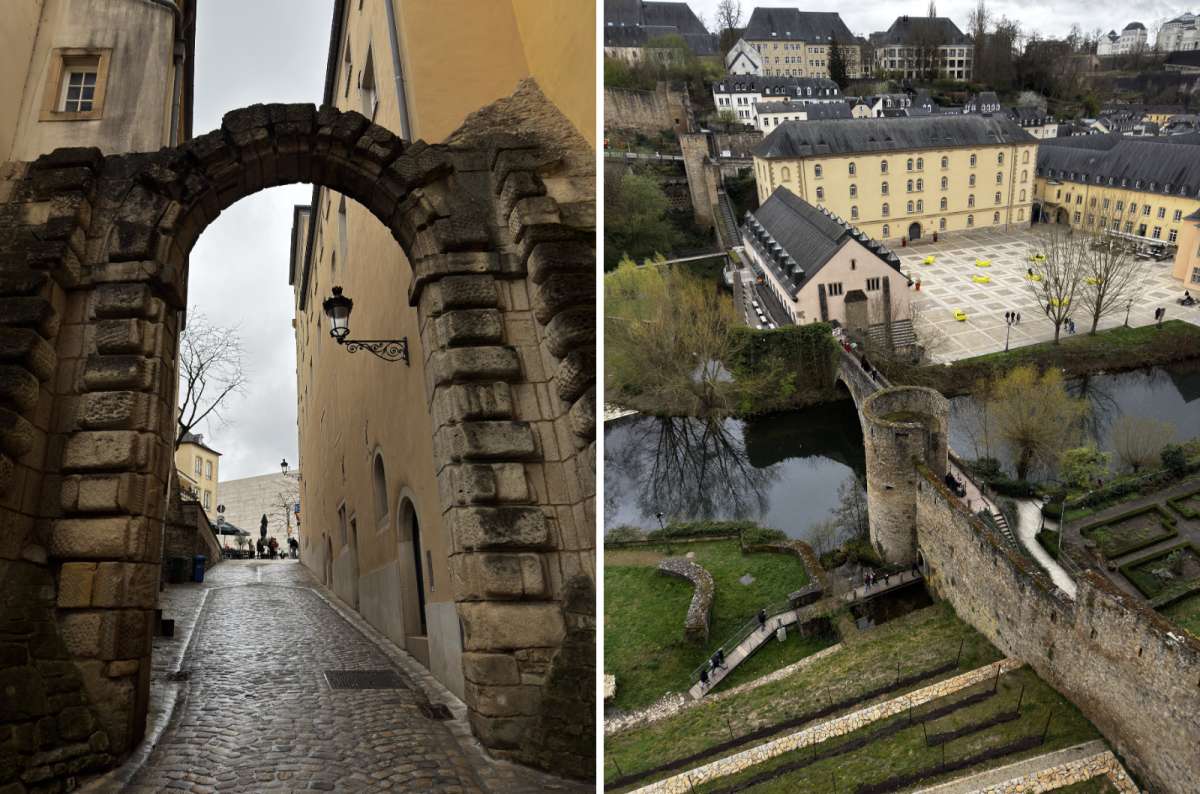
Luxembourg City becomes much more interesting once you understand its levels. The compact upper center sits above the Alzette and Pétrusse valleys, with bridges, cliffs, railway viaducts, former fortifications, and lower districts beneath it.
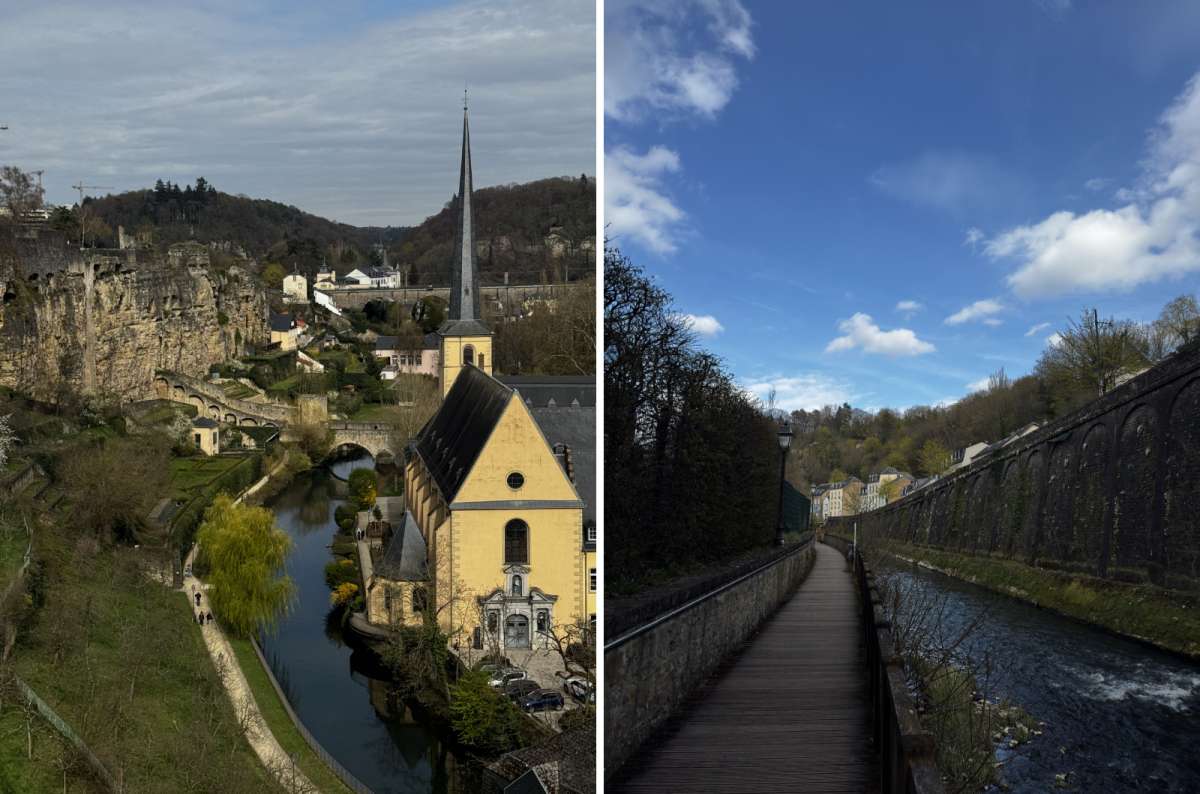
I liked this contrast far more than the conventional center. The Corniche and views into Grund finally gave me the dramatic cityscape I had expected. Place d’Armes gave me several restaurants and not much else.
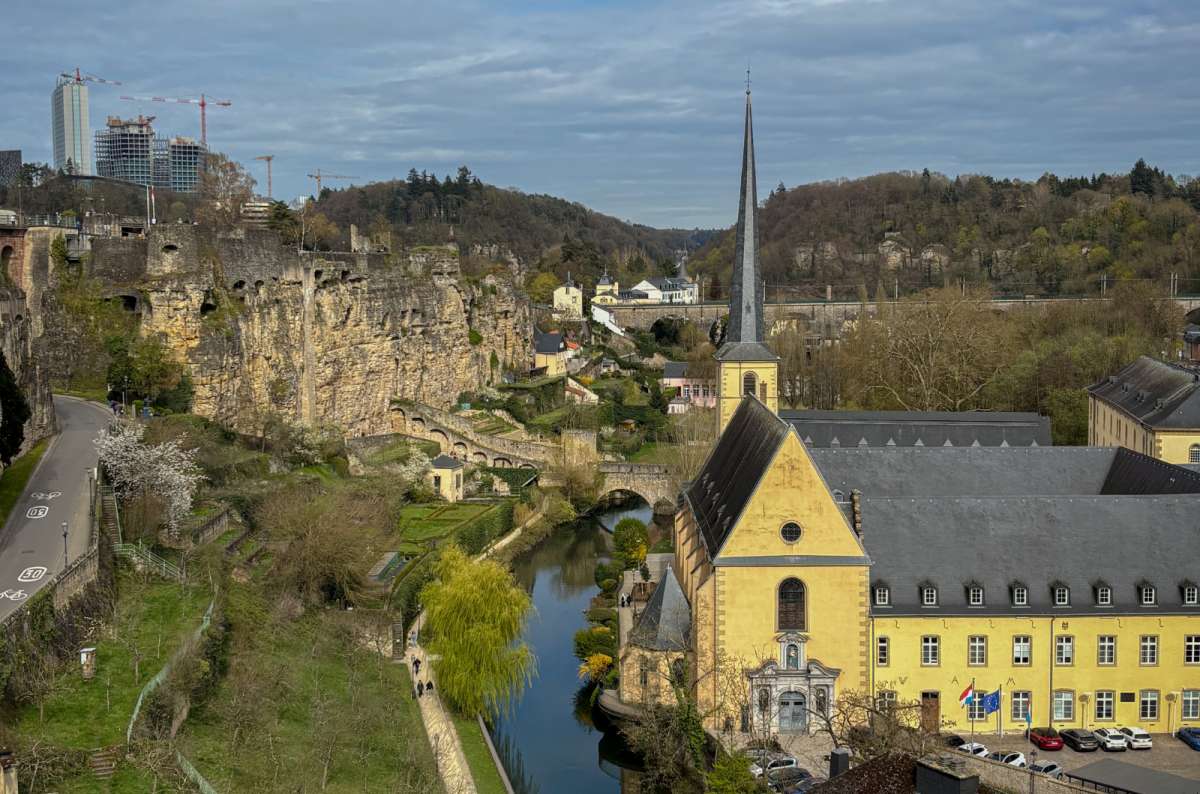
The railway adds more to the scenery than I anticipated. Trains cross the valley on large bridges that somehow look elegant rather than disruptive, then keep reappearing in the background as you walk.
Outside the capital, Luxembourg becomes rural very quickly. Castles, forest trails, reservoirs, vineyards, and Second World War sites sit close enough together to combine several different experiences in one day.
Many individual stops take only 20–90 minutes. In another country, some might feel too small to justify the journey. Here, they work because you can link them into a sensible route rather than stretching one modest sight across an afternoon.
Yes, as a compact country trip. It is less convincing as a city-only stop.
Had I visited only the upper center of Luxembourg City, I probably would have left thinking the country was efficient, expensive, and rather meh. The city improved once I reached the Corniche, Grund, bridges, valleys, and fortifications. The wider country improved my opinion again.
Vianden delivered the visual castle experience I had hoped for. Schumannseck was one of the best surprises of the trip. Bourscheid and Burfelt worked because I added them to a northern route rather than treating either as a reason to cross the country alone.
Some places are worth visiting. Fewer are worth visiting alone.
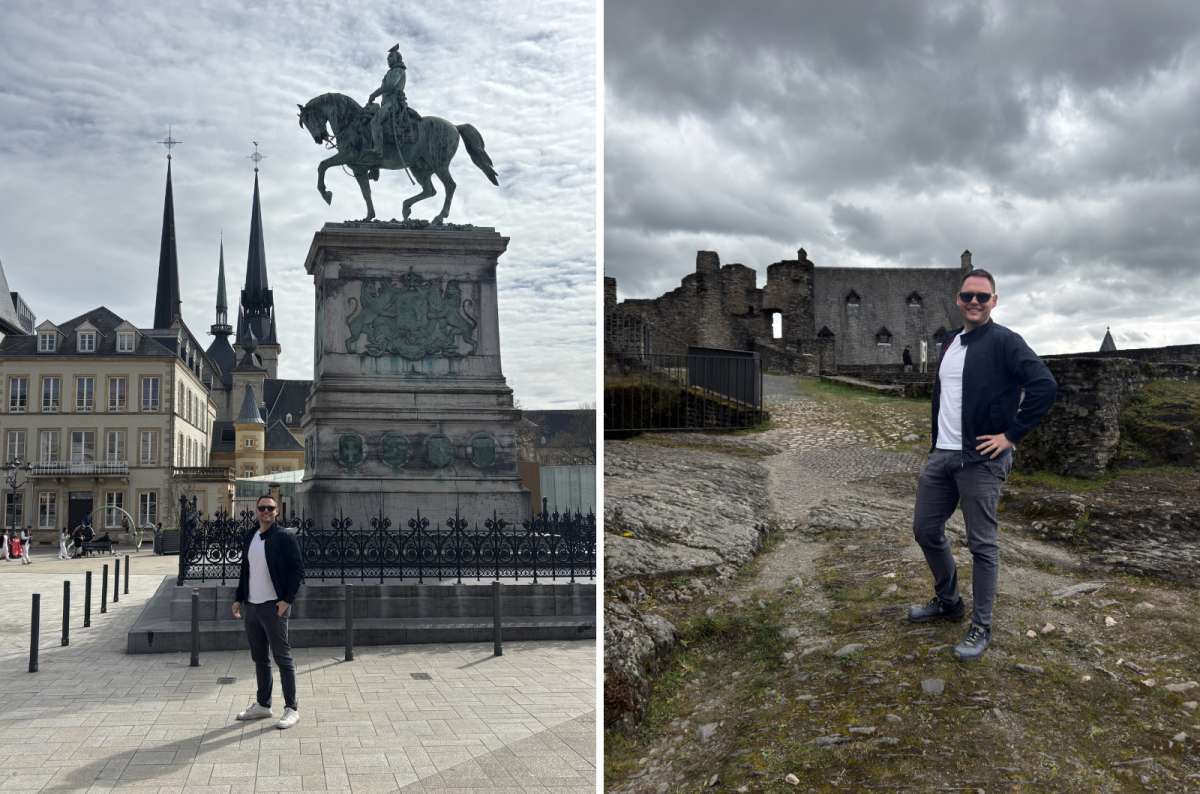
Luxembourg works best as a series of compact contrasts: a polished capital in the morning, a ruined fortress after lunch, then a quiet battlefield trail where the road noise disappears and the atmosphere changes completely.
The drawback is that relatively few attractions are extraordinary in isolation. The advantage is that you can see a capital, a major castle, a memorial trail, and countryside viewpoints without losing most of the day to transport.
For a more detailed argument—including who should and should not bother going—see my guide to whether Luxembourg is worth visiting.
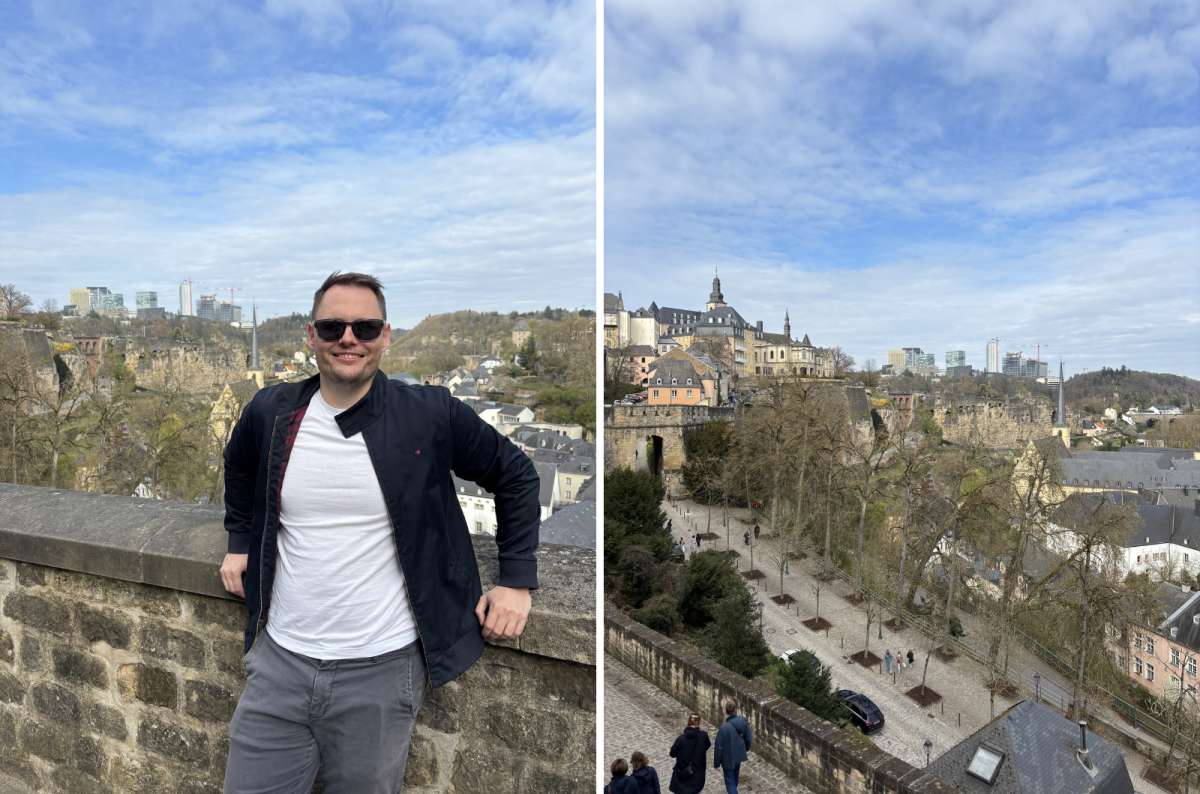
Spend it in Luxembourg City. Prioritize the Corniche, Grund, the river valleys, and the fortress landscape.
You can walk past the main upper-city landmarks in a couple of hours. I would not judge the city from that route. The lower districts are the part that changed my opinion.
Use one day for Luxembourg City and one for Vianden.
This gives you the capital and the country’s strongest first-time castle experience. It is brief, but at least you will see that Luxembourg is more than its administrative-looking center.
Spend:
This is the minimum I would recommend for seeing Luxembourg as a country rather than just another city break.
A comfortable first trip could include:
You can cover several regions without driving around like you are fleeing the authorities.
Five days gives you the best balance. You can spend enough time in the capital, see Vianden properly, drive a northern route, and still choose between hiking in Mullerthal and a slower day in the Moselle Valley.
See my complete 5-day Luxembourg itinerary for the exact route.
A week suits slower travellers, hikers, museum enthusiasts, and anyone who wants both Mullerthal and Moselle rather than choosing between them.
It also makes a split stay more sensible. After a long countryside day, returning to Luxembourg City simply because every night was booked there starts to feel unnecessary.
This is deliberately not an exhaustive list. These are the places that make the most sense when planning the trip as a whole.
Luxembourg City is the easiest base for a first visit, especially without a car. Domestic buses, trams, and standard-class trains are free, while cross-border fares apply beyond Luxembourg.
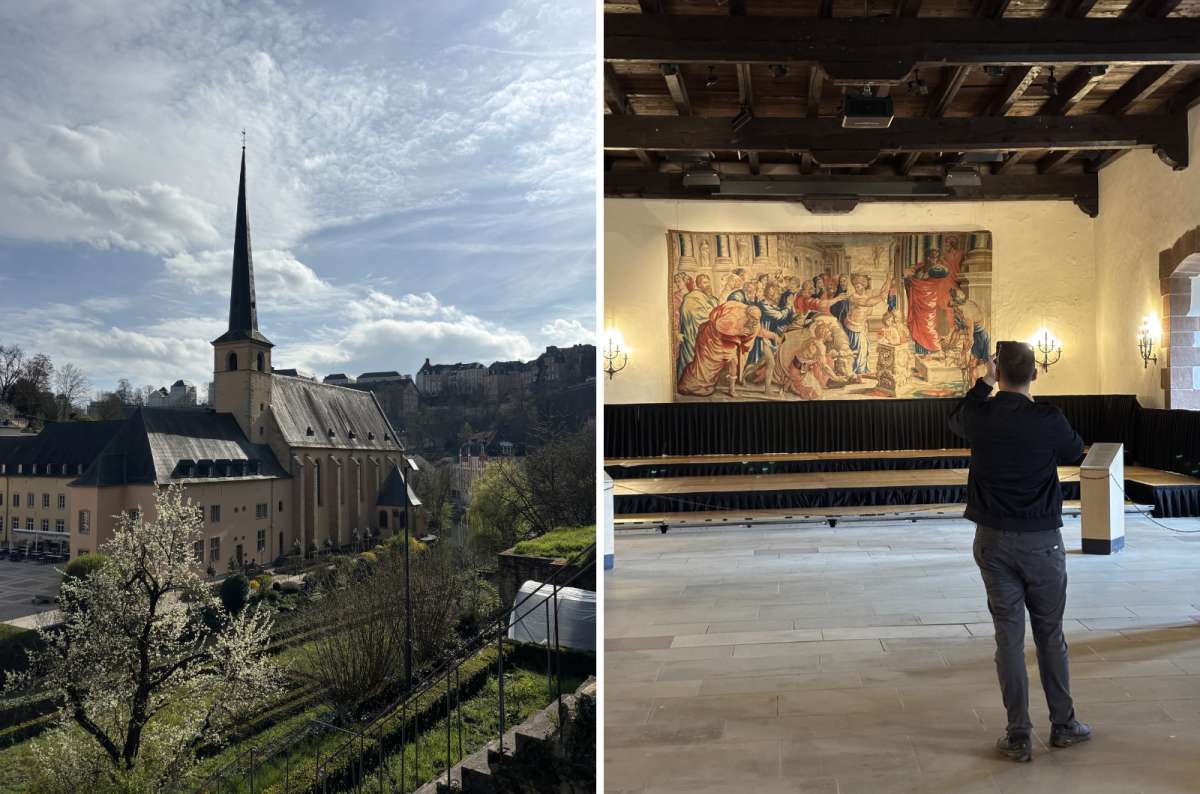
The city did not impress me immediately. The upper center felt businesslike and crowded, and several plazas were forgettable. It grew on me once I reached the Corniche and looked down towards Grund, Neumünster Abbey, the railway bridges, and the fortress remains.
The relationship between the upper and lower city is the main attraction. Do not spend the entire visit walking between plazas and wondering when the good part starts.
Allow one day for the outdoor highlights and another half or full day for museums, Fort Thüngen, Kirchberg, and Pfaffenthal.
The center also felt noticeably calmer after some of the day trippers had left. That alone is a decent reason to stay overnight.
For a detailed route and museum advice, see my Luxembourg City travel guide.
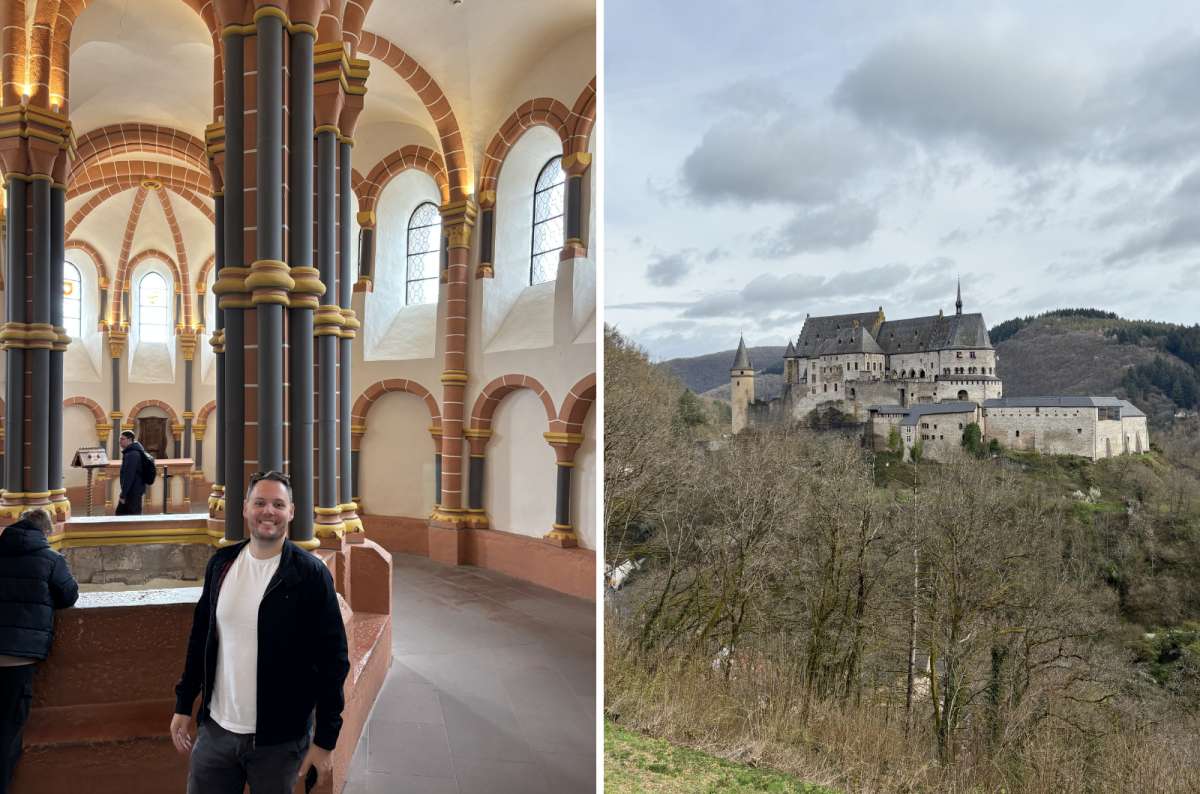
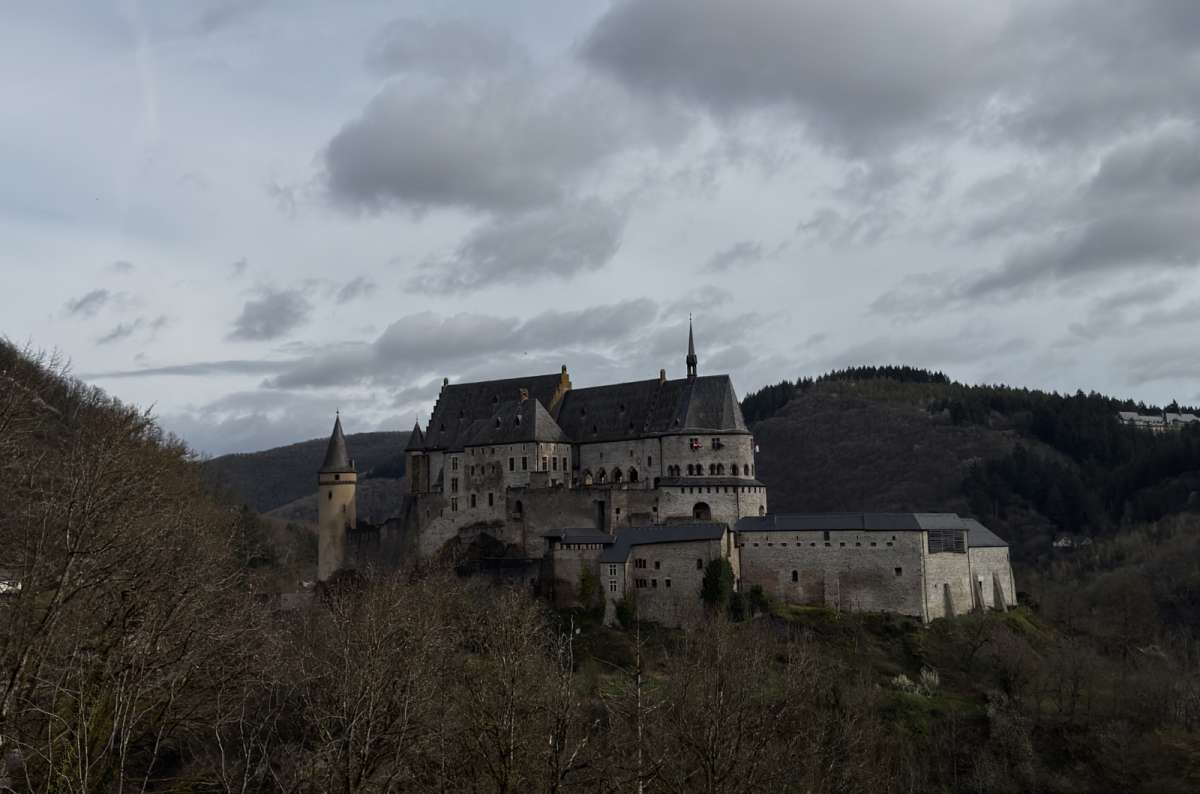
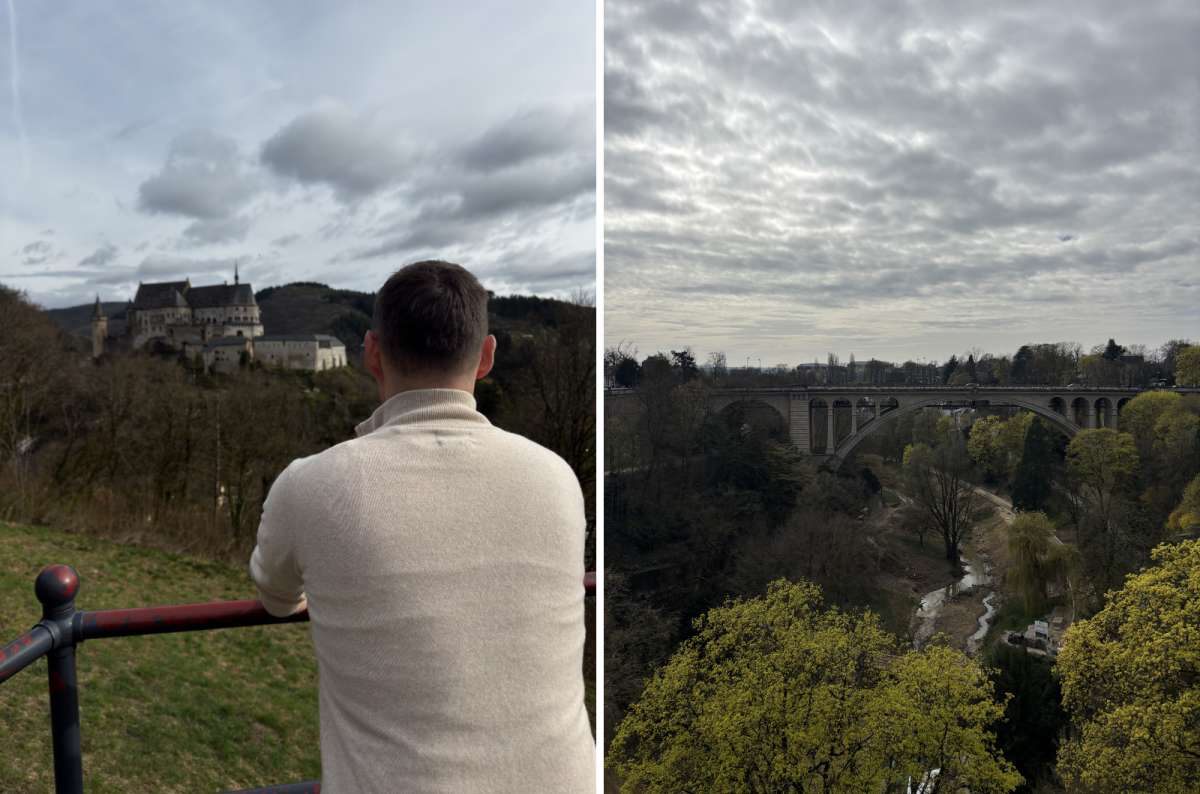
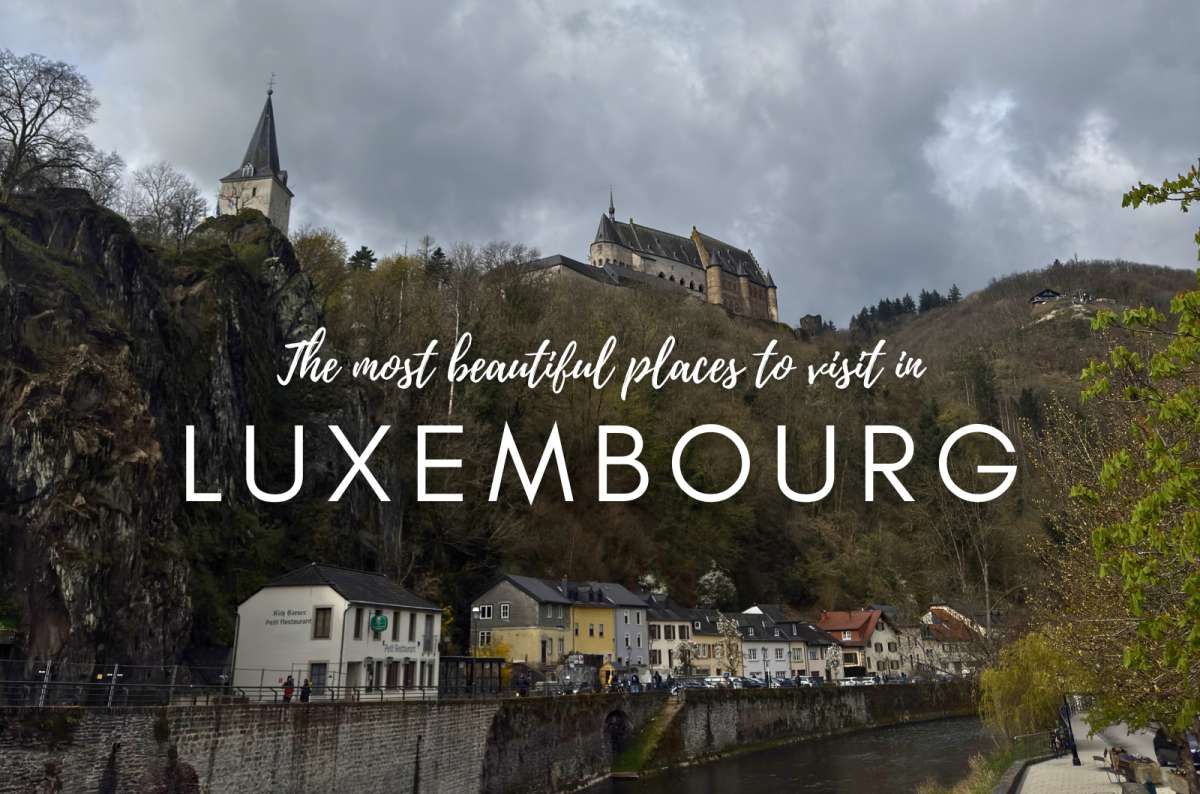
Vianden Castle was the country’s strongest visual attraction for me.
It sits absurdly high above the valley, on a rocky slope that makes the castle look larger the closer you get. Photos prepare you for its shape, but not quite for the setting.
The castle was also crowded when I visited. Not gently popular. Properly busy. Arrive early if you are driving, particularly if you do not enjoy circling for parking before you have even started sightseeing.
Pro tip: You can book a guided tour with pickup in Luxembourg.
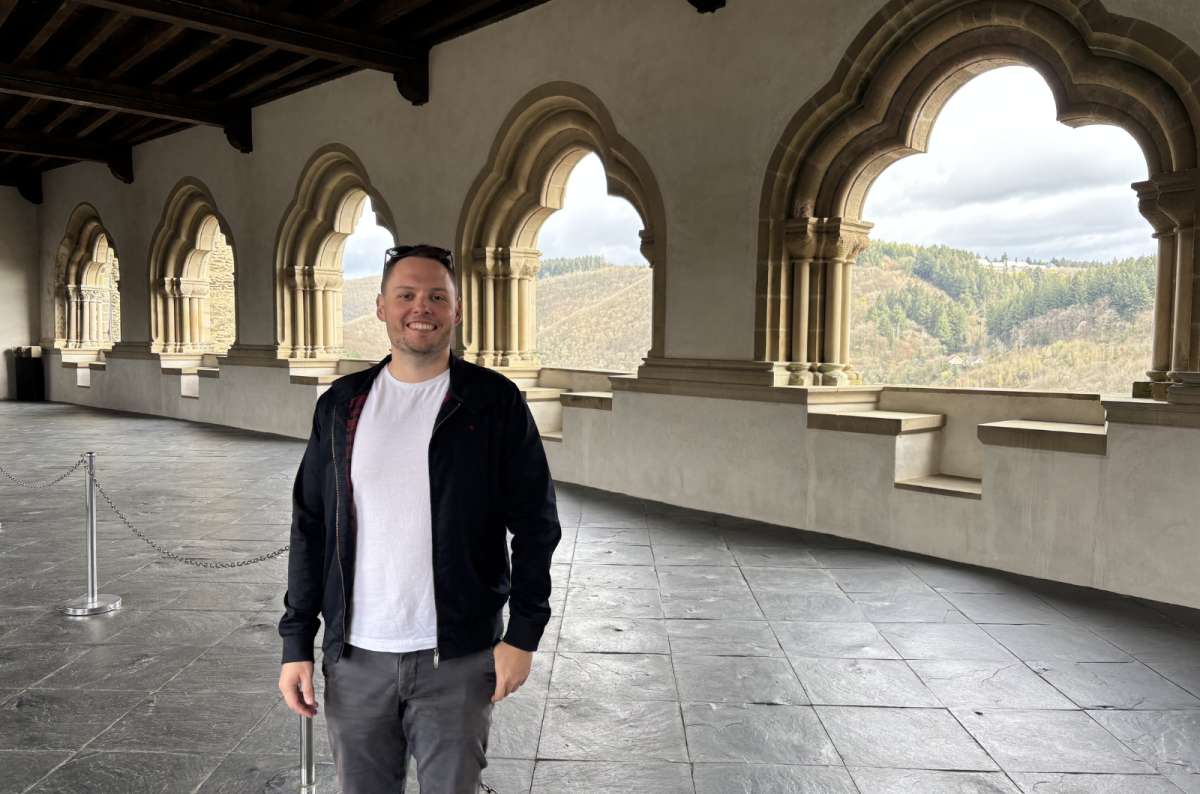
The exterior, setting, and viewpoints are better than much of the interior. Several rooms felt sparse, and without the audio guide the visit would have been considerably weaker.
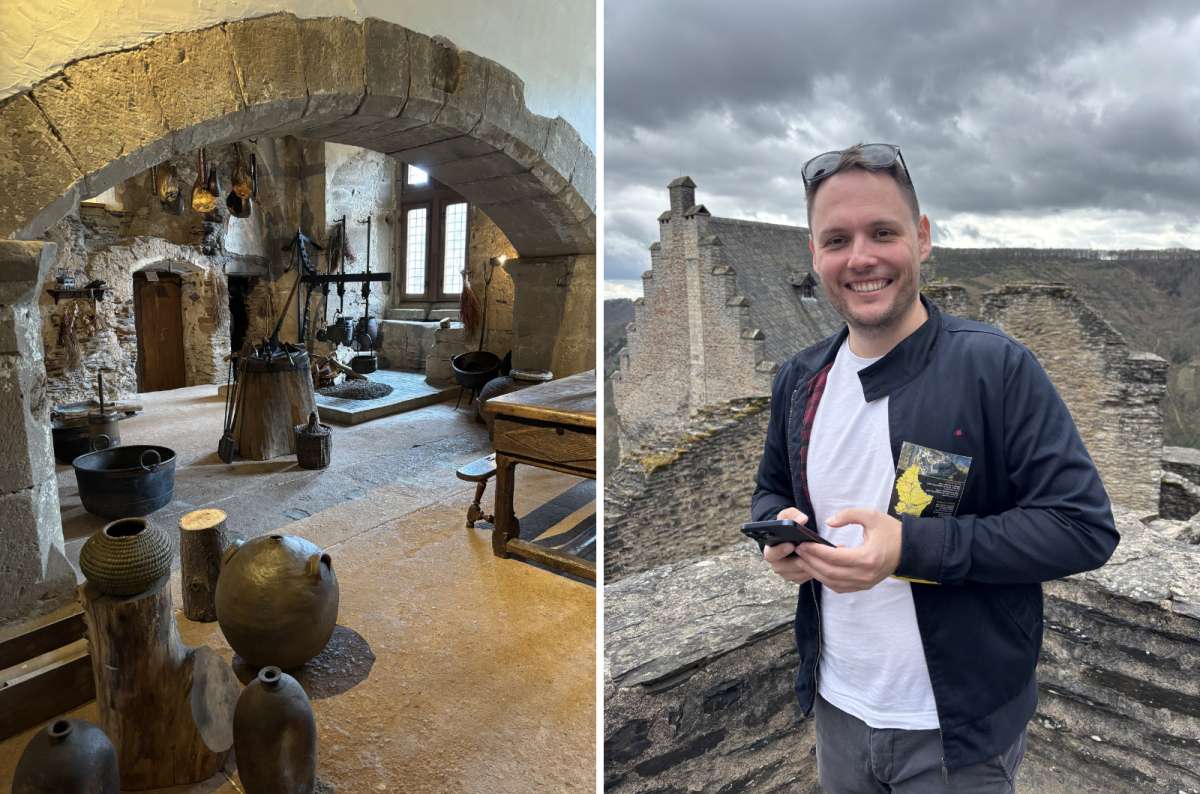
The guide worked through a phone, so bring headphones. The route follows numbered stops and is easy to navigate, although only around half the rooms contain much to linger over. Castle enthusiasts may spend 90 minutes inside; everyone else can move through faster.
I liked the unusual monumental gallery, and a temporary Easter egg exhibition made the interior more memorable during my visit. The small visitor center was also better for practical facts than several of the castle rooms.
Do not visit only the interior and leave. The exterior perspectives are a major part of the experience. Vianden town itself is secondary.
See my detailed guide to visiting Vianden Castle.
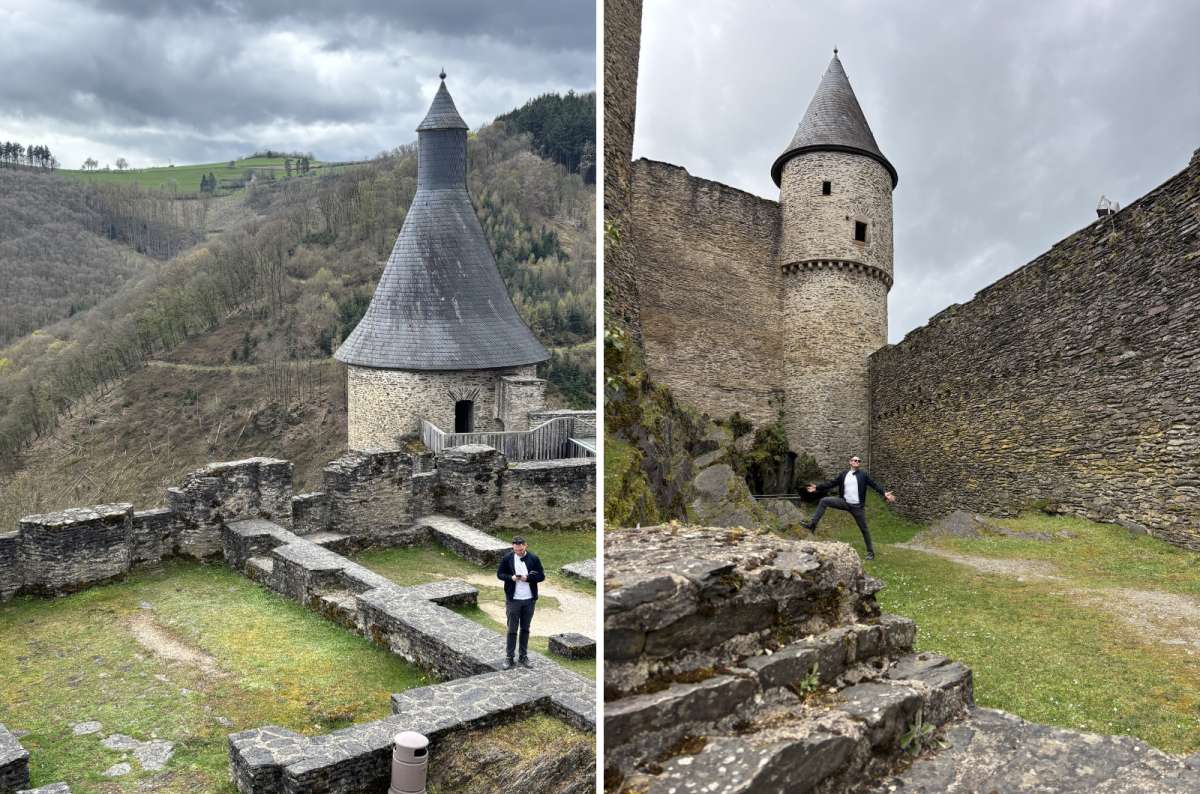
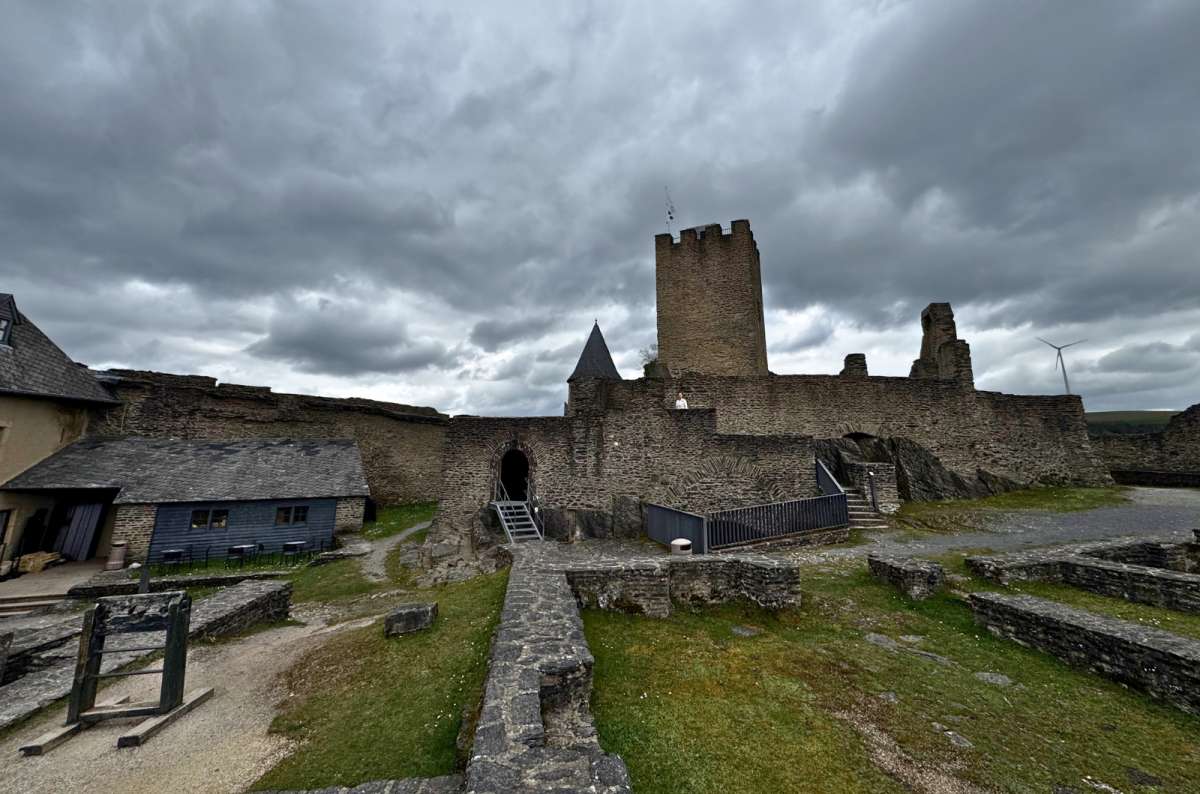
Bourscheid Castle is quieter, rougher, and more exposed than Vianden. Much of the visit is outdoors, so bring a jacket even when the weather looks cooperative from the car park.
I visited both castles on the same day, which made the comparison easy: Vianden is the better first castle for most visitors.
Bourscheid is partly preserved and partly ruined. It is imposing from the outside, and the surrounding views are excellent, but without the audio guide it is essentially a very large ruin with limited information on site.
The military layout is the interesting part. The castle was designed for defence rather than display, and you can feel that as you move through its different levels.
It took me less than an hour. That felt about right.
Add Bourscheid when you are already driving through northern Luxembourg. I would not build a whole day around it unless castles are the main purpose of the trip.
The Schumannseck Memorial Trail was one of my best surprises in Luxembourg.
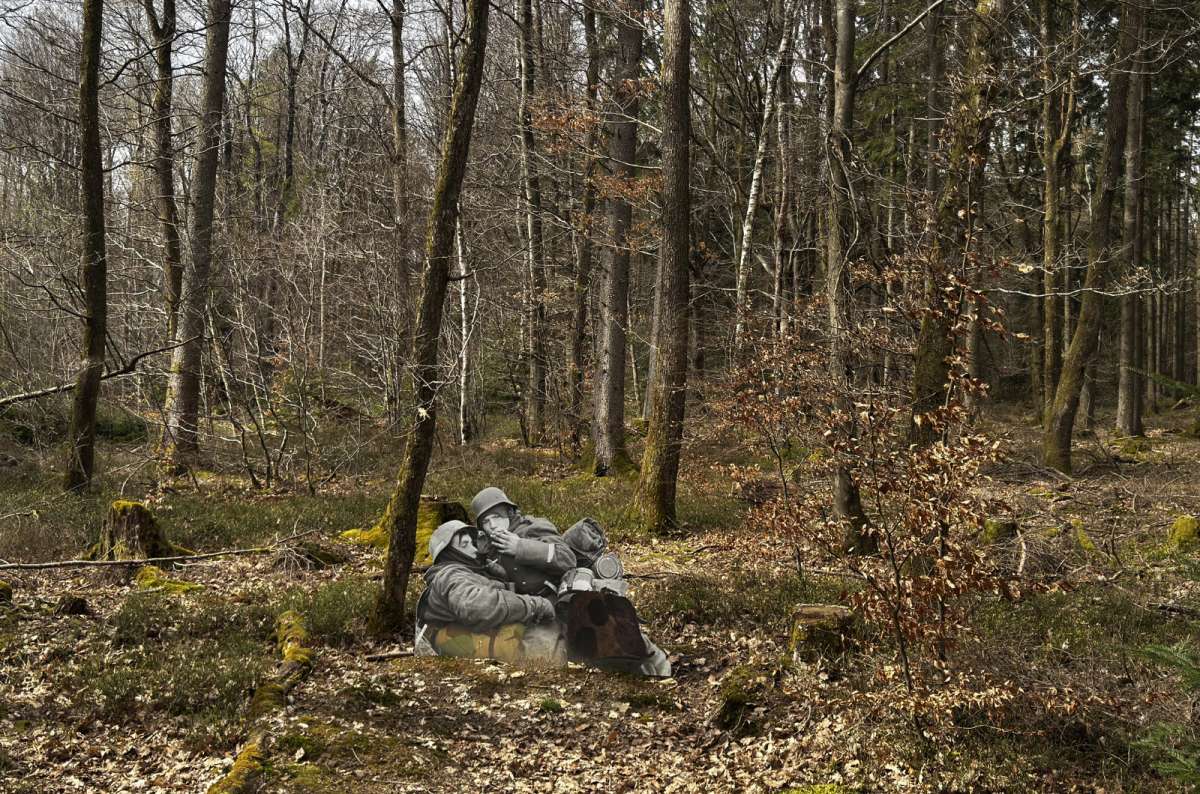
Instead of placing the history inside another conventional museum, the trail uses the actual battlefield. Photographs and personal stories sit alongside remnants of trenches and visible traces of shelling. The front lines become easier to understand when you are physically walking through them.
The route presents stories from both sides rather than reducing everything to military statistics. It is serious without relying on graphic imagery, so older children should also manage it.
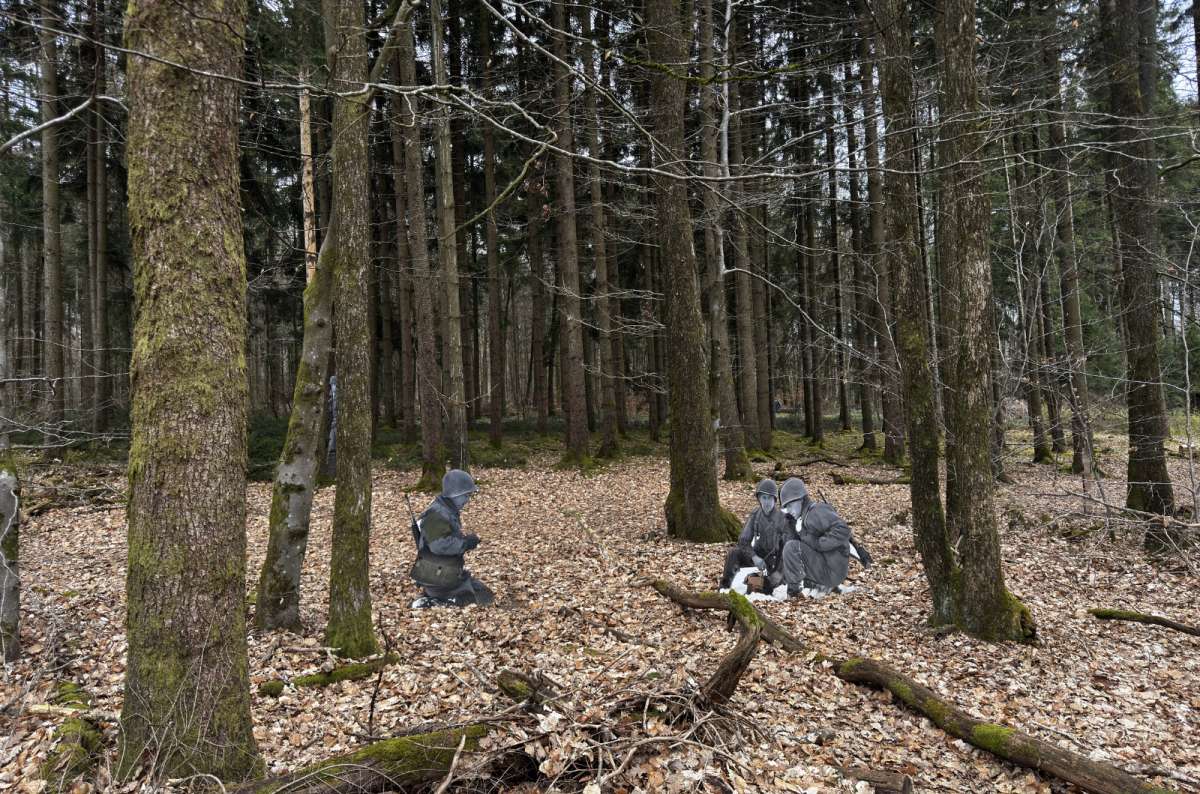
The trailhead contains much of the main interpretation. Once you start walking, the signposting becomes less reliable than it should be. We occasionally had to stop and work out where the next section continued.
There are shorter and longer route options, and our visit took roughly an hour.
I would prioritize Schumannseck over another minor castle or city museum. It is original, grounded, and gives the trip a completely different tone.
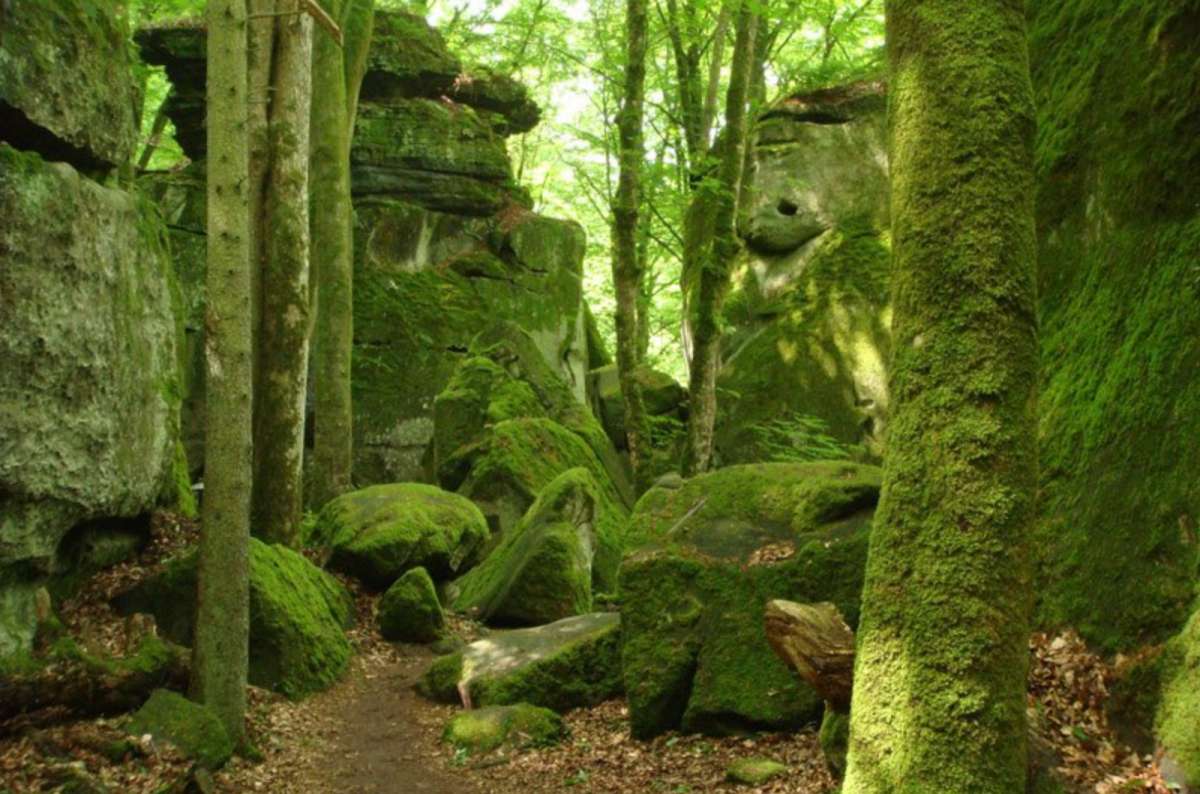
Choose Mullerthal for forest trails, rock formations, and a more active day. Echternach works as a practical addition rather than requiring a separate full sightseeing day for most first-time visitors.
I would choose Mullerthal over Moselle when hiking is one of your main reasons for visiting Luxembourg.
Do not attempt a long trail section merely because the country looks tiny on a map. Hiking kilometres remain annoyingly full-sized.
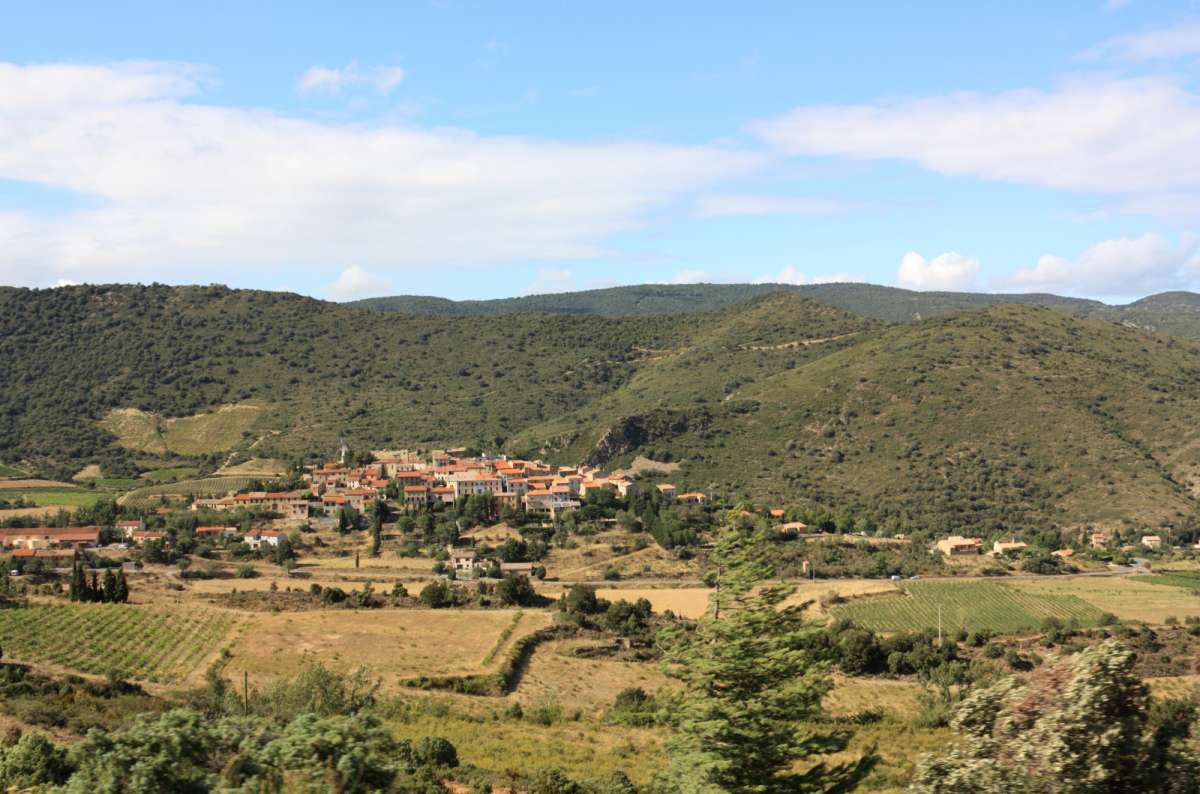
Choose the Moselle Valley for vineyards, river scenery, and a slower day with fewer fortress walls.
Schengen makes sense because it fits naturally into the regional route, not because everyone needs to spend several hours there. Avoid turning it into a lengthy political-history pilgrimage unless the subject genuinely interests you.
Pick Mullerthal for hiking and unusual terrain. Pick Moselle for wine, river landscapes, and a less demanding final day.
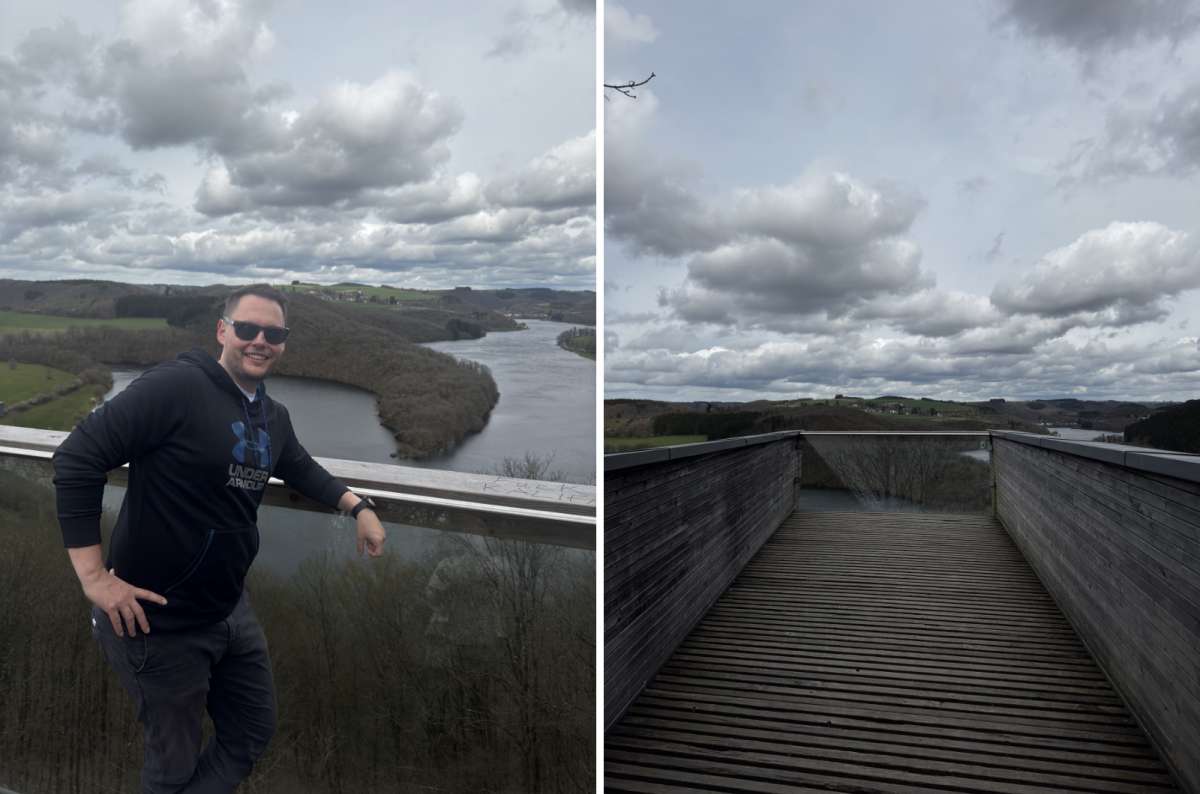
The Upper Sûre region works well between northern castles and memorial sites.
Burfelt viewing platform is pleasant and easy to add. The walk is short, and the reservoir scenery is worth seeing in good weather.
It does look much higher in photographs than it feels in person. I expected a dramatic cliffside platform and found something closer to a modest viewpoint above the water. Still nice. Just not the edge-of-the-world experience some camera angles suggest.
Combine it with other stops. Drive out for the platform alone and you may question your decision-making.
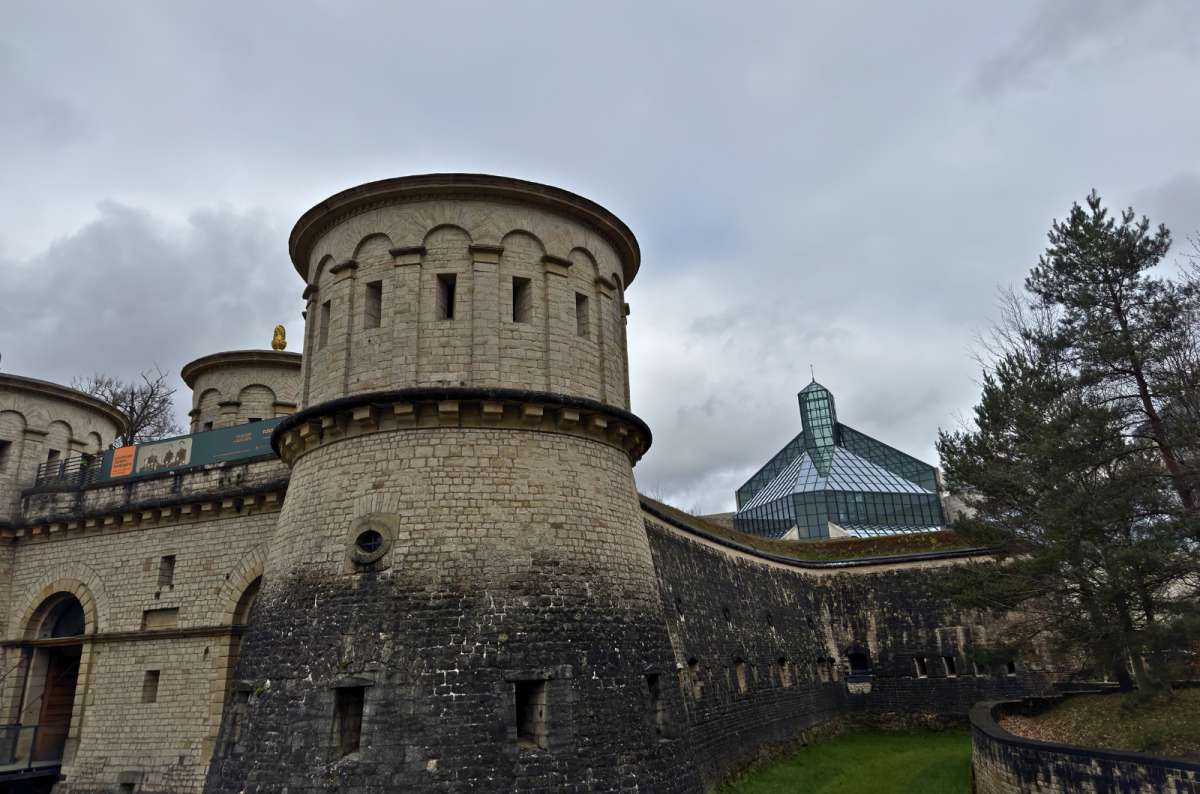
See my full ranking of the best things to do in Luxembourg.
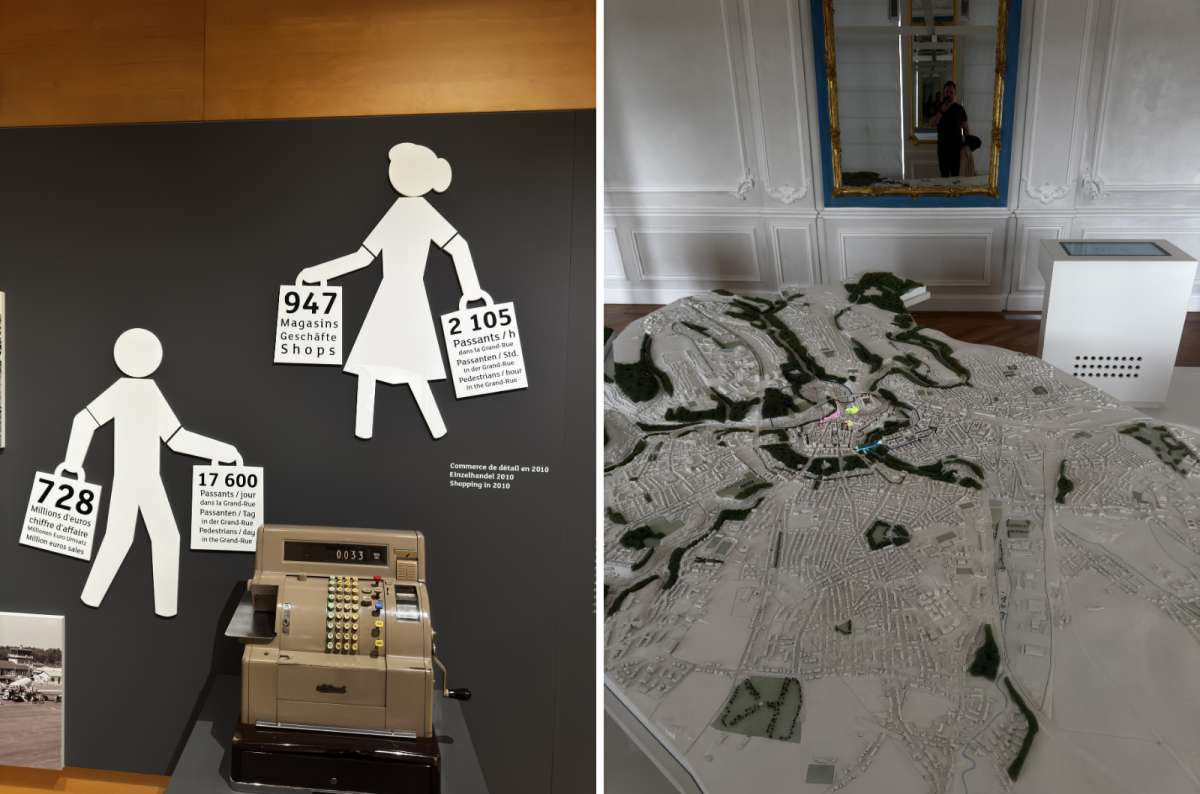
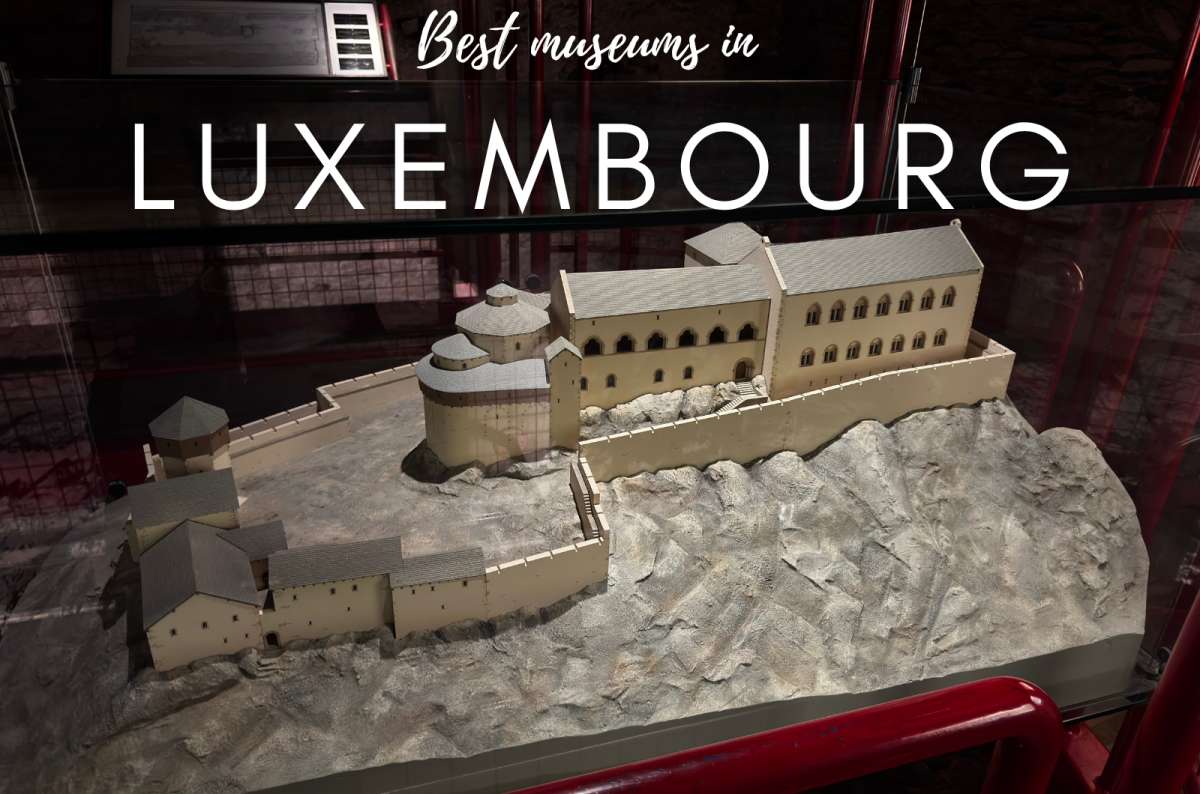
I liked the models showing how the city changed over time, the infographics, the English information, and the terrace. It covers ordinary life and urban development rather than only kings, battles, and ceremonial furniture, which is usually far more useful.
The building has several floors but never feels enormous. Luxembourg seems to have taken “build upwards” personally.
A temporary exhibition occupied more space than I expected during my visit, but the permanent sections still made this the strongest museum in the city.
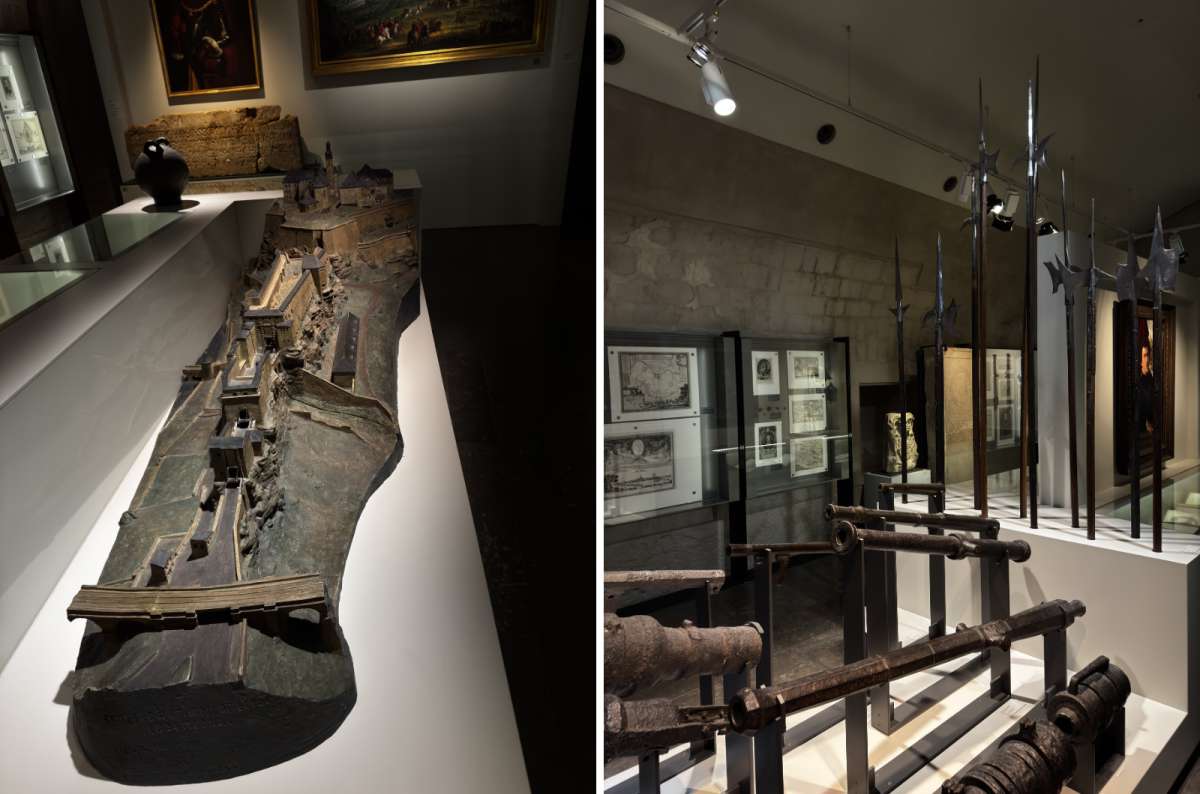
Fort Thüngen helped me understand that Luxembourg City was essentially one enormous fortress. I initially found the level of detail excessive. Then the city outside started making more sense, which is exactly what a useful museum should do.
The National Museum looked promising, particularly its archaeology and displays of coins and medals. Unfortunately, limited English information made the historical sections less educational for me than they could have been. Strangely, the art galleries were easier to follow.
Do not attempt every museum. Luxembourg has several polished institutions, but a museum inventory is not an itinerary.
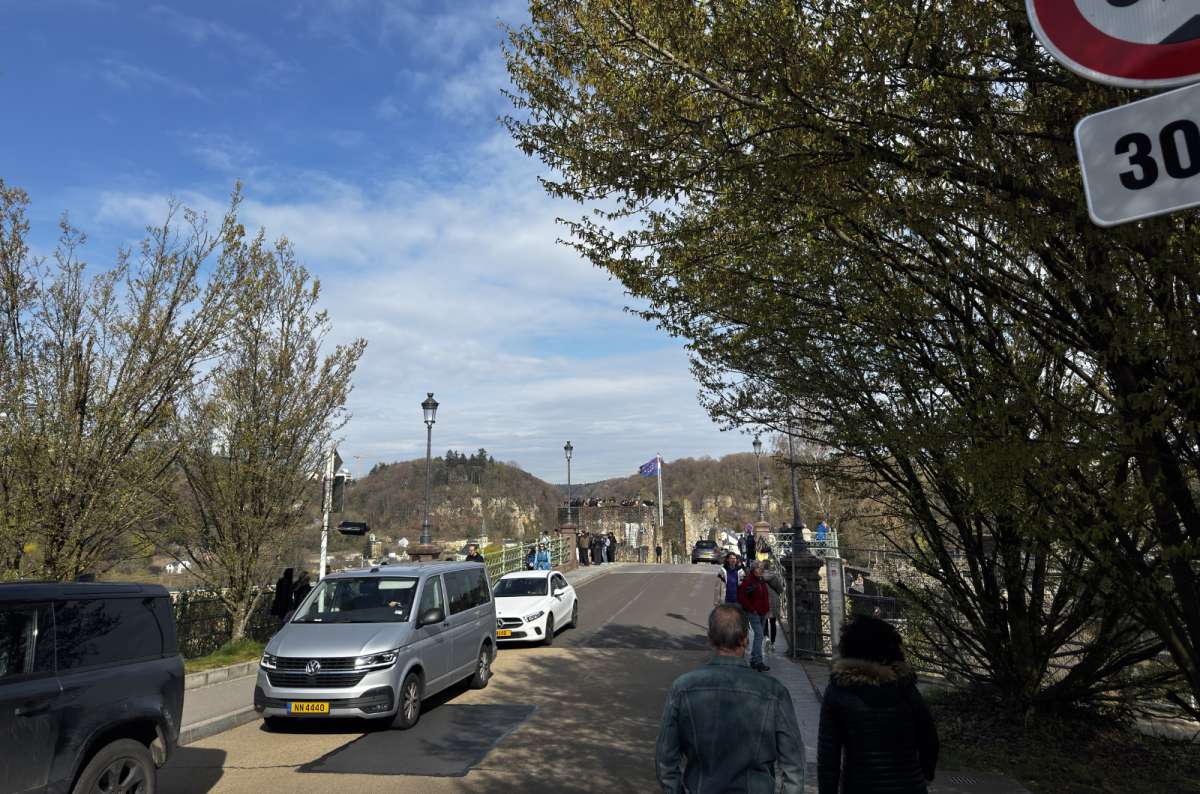
Use public transport for Luxembourg City and straightforward day trips. Rent a car when combining remote castles, viewpoints, memorial sites, and rural stops.
Domestic buses, trams, and standard-class trains have been free throughout Luxembourg since 2020. First-class rail and travel beyond the national border are exceptions.
| Choose public transport when… | Rent a car when… |
| You are staying mainly in Luxembourg City | You want several rural stops in one day |
| You are taking a straightforward train or bus excursion | You plan to combine Bourscheid, Burfelt, and Schumannseck |
| You dislike parking and city traffic | Time efficiency matters more than keeping costs down |
| You have two or three days | You have four or five days and want broader coverage |
| You are comfortable adapting to timetables | You want viewpoints, trailheads, and minor villages |
Luxembourg City itself does not justify a rental car. Parking in the center is annoying, spaces fill quickly, and the different levels are better connected by walking, elevators, trams, and buses.
A car becomes useful outside the main routes. Public transport may technically reach many places, but technically reaching somewhere and building a decent multi-stop day are not the same thing.
Spend the day in Luxembourg City:
Do not waste half the day waiting for a short, paid attraction while some of the city’s best views are outside and free.
Day 1: Luxembourg City
Day 2: Vianden Castle and viewpoints
This is the cleanest short first trip.
Day 1: Historic city, Corniche, and Grund
Day 2: Museums, Fort Thüngen, Kirchberg, and Pfaffenthal
Day 3: Vianden, possibly combined with one northern stop
Day 1: Upper city, Corniche, and Grund
Day 2: Museums, Fort Thüngen, Kirchberg, and Pfaffenthal
Day 3: Vianden Castle and viewpoints
Day 4: Bourscheid, Burfelt or Upper Sûre, and Schumannseck
Day 5: Mullerthal and Echternach, or Moselle and Schengen
This is the route I would choose for most first-time visitors.
Luxembourg can be expensive, but the cost pattern is less painful than its reputation suggests.
Accommodation and restaurants are likely to be the main expenses. Free domestic transport removes a cost that adds up quickly elsewhere in Western Europe, and many of the country’s strongest walks, viewpoints, bridges, and outdoor areas cost nothing.
Museum and castle admissions are generally manageable individually. The danger is not one expensive ticket. It is booking a costly central hotel, eating every meal around the main squares, and renting a car on days when you do not need one.

| Expense | What to expect |
| Accommodation | Main expense, especially in central Luxembourg City |
| Restaurants | Relatively expensive; casual meals reduce the damage |
| Public transport | Free domestically in standard class |
| Museums and castles | Usually manageable individually |
| Walking and viewpoints | Many of the best experiences are free |
| Rental car | Additional cost, but useful for route efficiency |
| Parking | Avoidable when staying outside the immediate center |
The LuxembourgPass offers free or discounted entry at participating attractions and is available for one, two, or three days. Do the maths against your real itinerary rather than buying it automatically because a tourism website says “save”.
Luxembourg City is the most practical base for a first trip. It gives you restaurants, museums, transport connections, and an easy first or final day without driving.
Stay here for at least two or three nights.
The upper center puts you close to the main landmarks, but you will usually pay for it.
It works well on a short city-focused trip. For a longer visit, being next to Place d’Armes matters less than having a better room near a direct tram or bus route.
The station area is useful for rail travelers and can offer better-value accommodation.
Choose the exact street carefully rather than booking purely because “Gare” appears in the listing. The atmosphere changes quickly from one block to another.
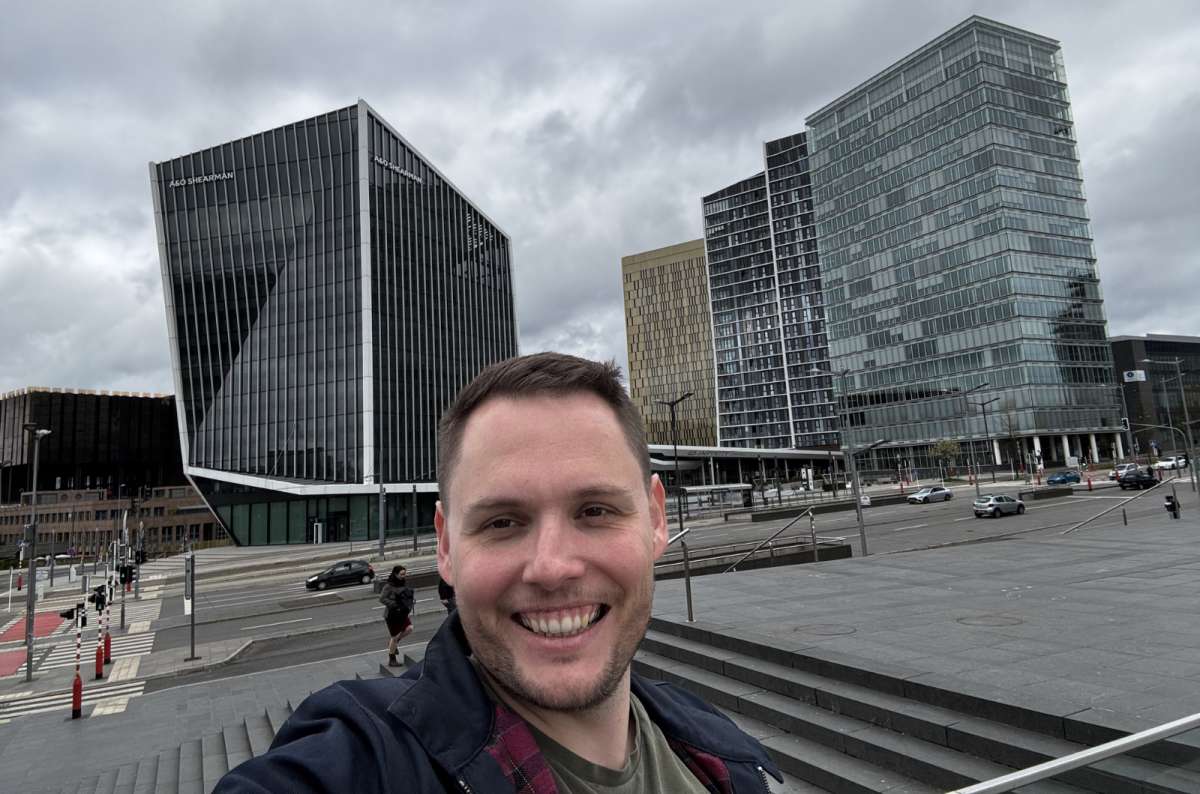
Kirchberg suits business travelers, architecture fans, and visitors prioritizing Mudam, the Philharmonie, and the EU institutions.
It is clean, organized, and well connected. It is not where I would stay for old-city atmosphere, mainly because it does not have much.
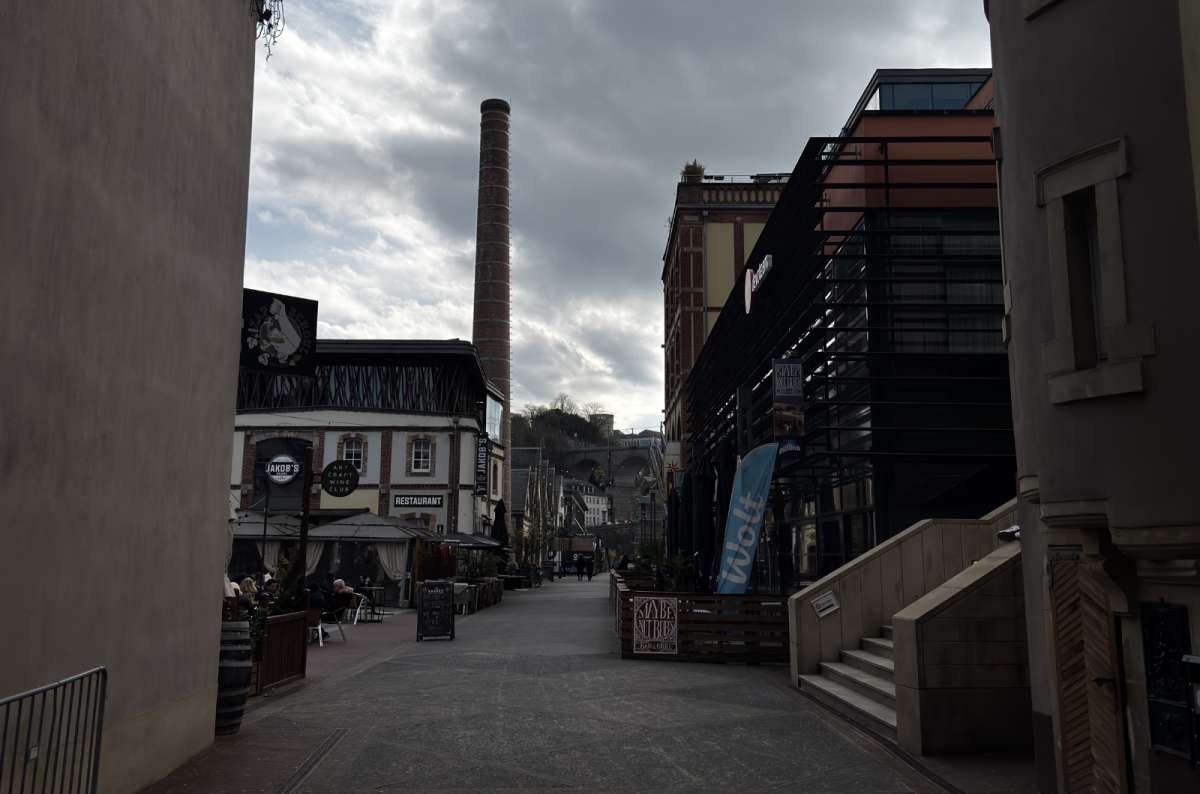
These lower districts put you close to some of the city’s best scenery.
The trade-off is that routes elsewhere can involve elevators, slopes, and less direct connections. They are attractive bases, but not automatically the easiest ones after a long day of walking.
Because domestic public transport is free, you do not need to pay upper-city prices purely to avoid buying tickets.
A hotel near a reliable tram or bus route can offer better value without making the trip inconvenient.
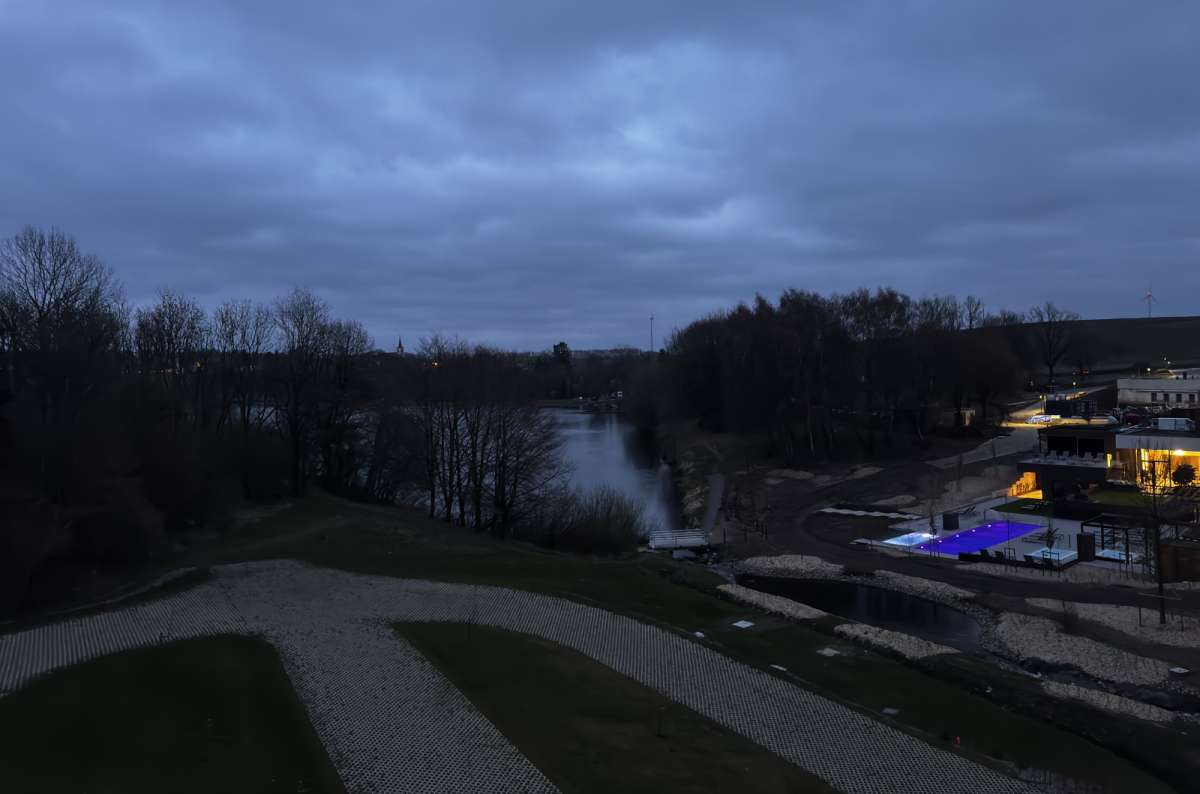
For a longer road trip, splitting the stay can save unnecessary backtracking.
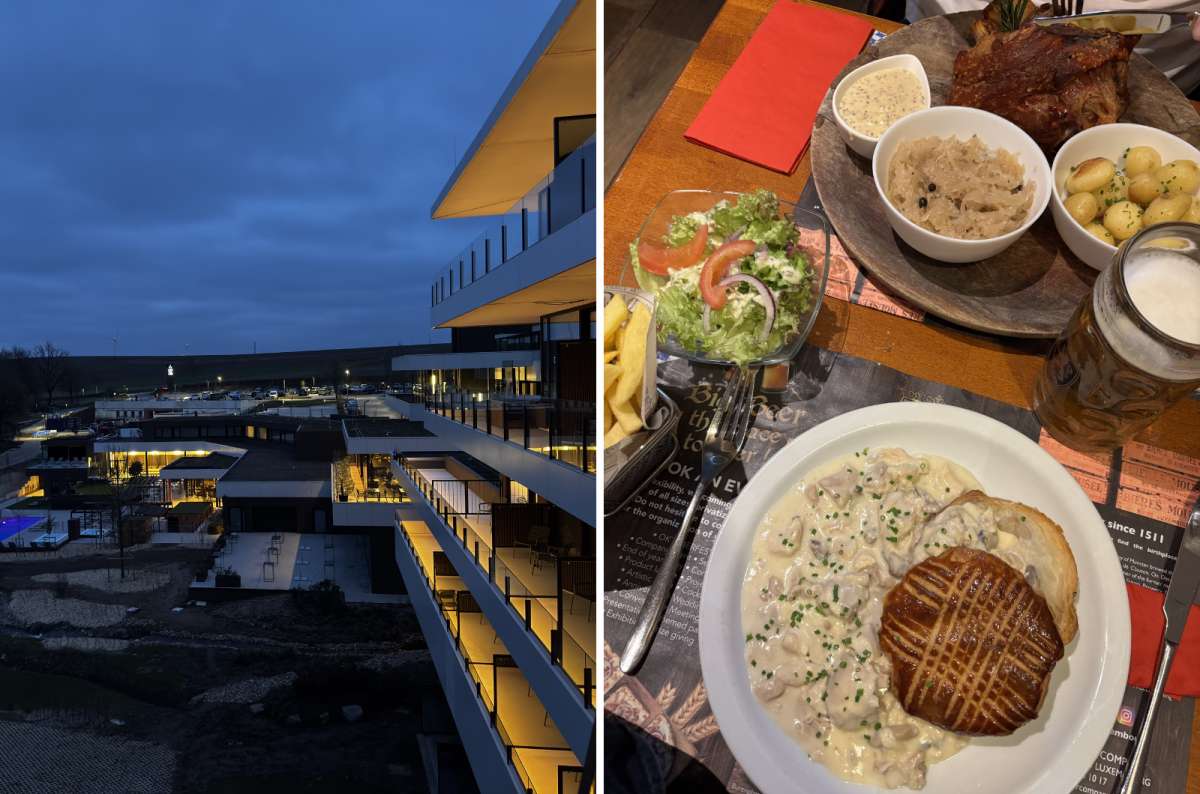
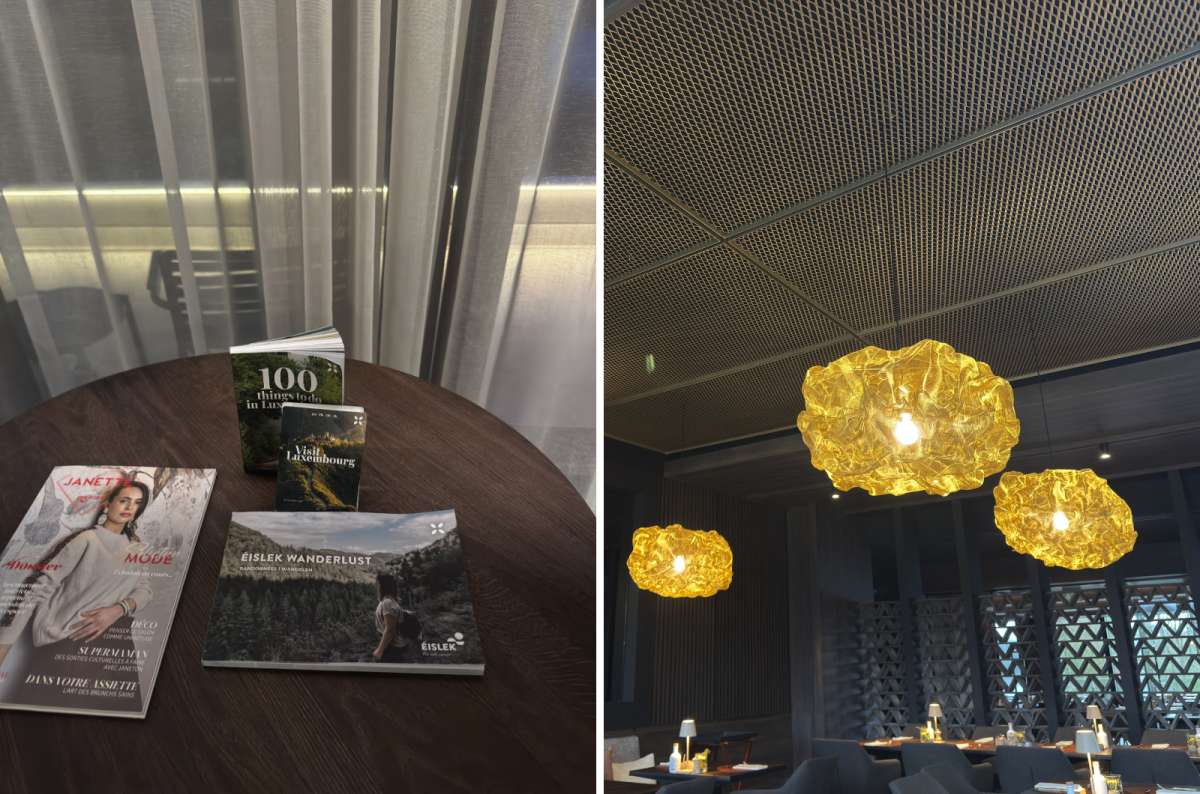
I stayed at Anatura, and it suited me far better than another generic city hotel. The natural setting was quiet, the architecture was exactly my style, and the room felt properly considered rather than decorated by committee.
Small touches helped too, including a book about things to do in Luxembourg waiting in the room. Basic idea, surprisingly rare.
Spring and early autumn provide the best balance for a mixed city-and-countryside trip.
Longer daylight helps when combining several stops, while moderate temperatures make the city’s slopes and countryside trails less irritating.
Summer gives you the longest days but brings more visitors to Vianden and other major sites. When I visited Vianden, it was heavily crowded, so arriving early was not theoretical advice.
Winter can work for museums, Luxembourg City, and seasonal events, but shorter daylight reduces the value of rural routes. Castle, chairlift, winery, and trail access may also be seasonal.
I would prioritise weather and daylight over finding a supposedly perfect low-crowd week. Luxembourg’s main advantage is efficient outdoor routing, and that advantage shrinks quickly in rain and early darkness.
Apparently even free transport cannot fix sunset.
Vianden Castle generally does not require advance reservations, according to its official visitor information. I would still arrive early during busy periods. Parking was a bigger concern than ticket availability during my visit.
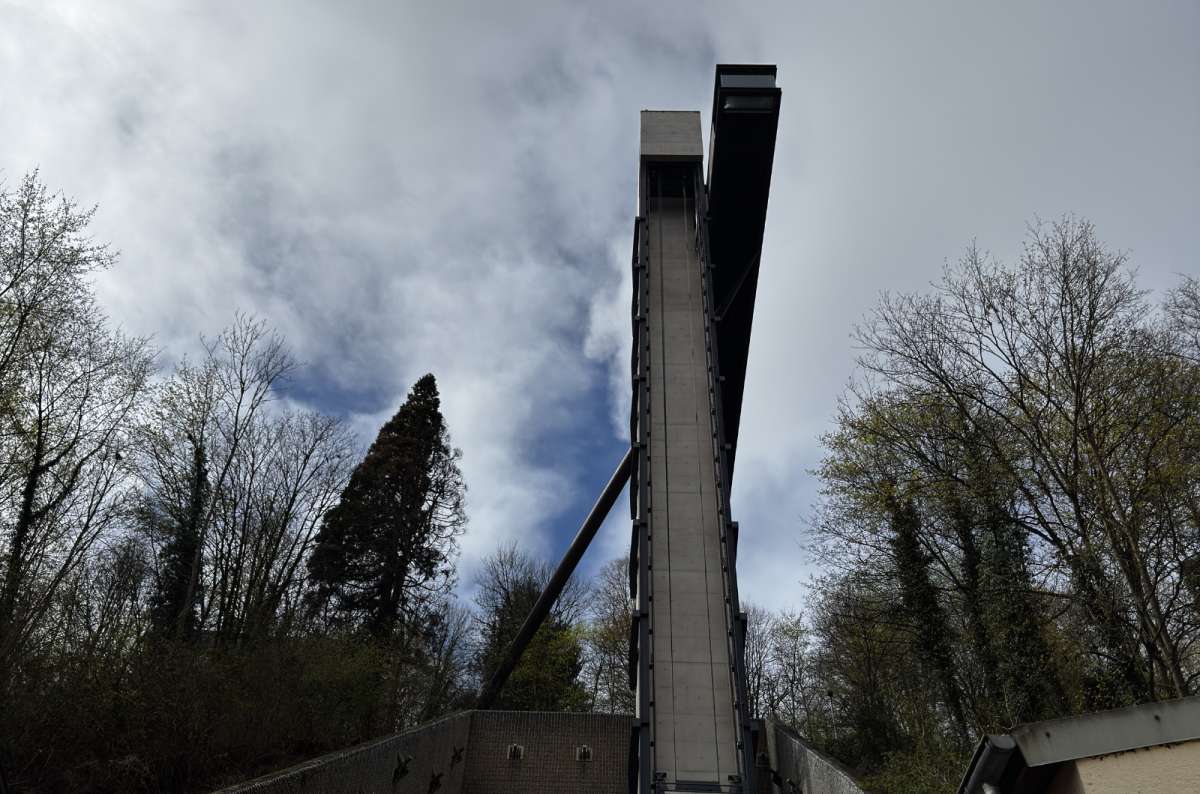
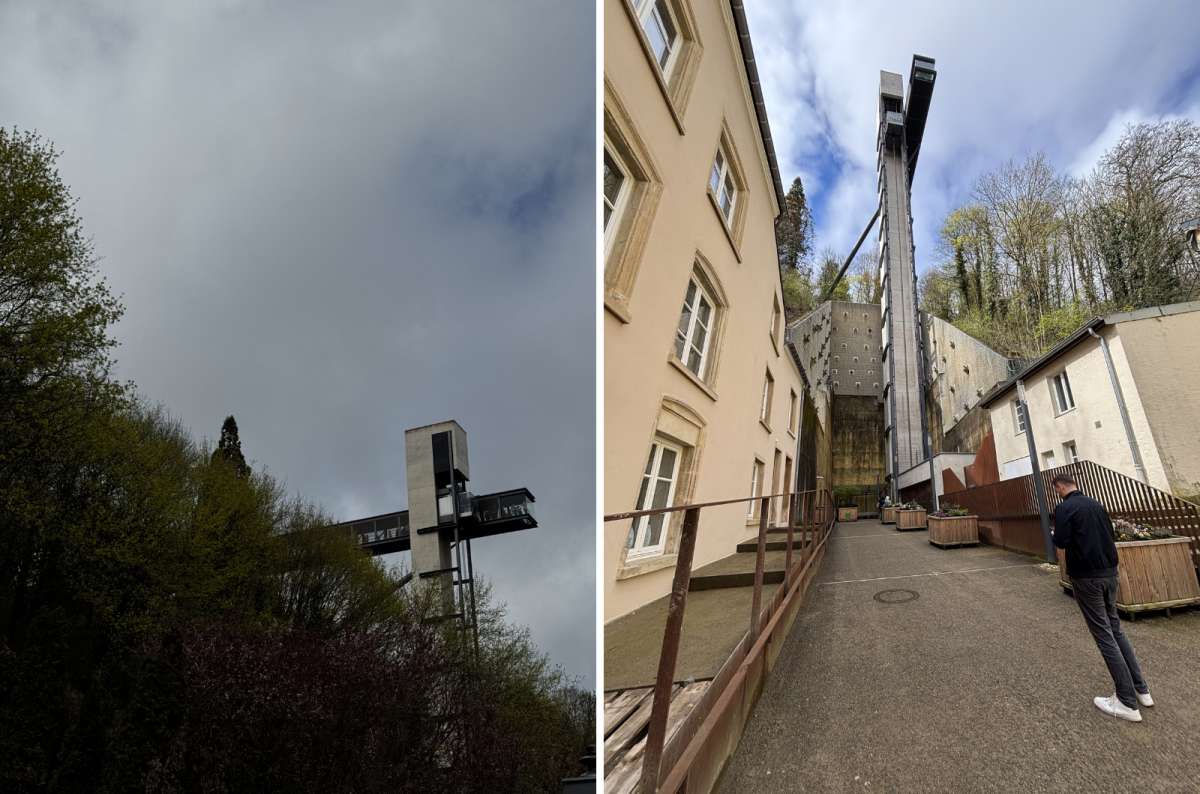
Use it to move between levels and enjoy the view. Going up from the lower station was quieter during my visit and also made more practical sense.
Do not build an itinerary around it.
It is useful. It is scenic. It is still an elevator.
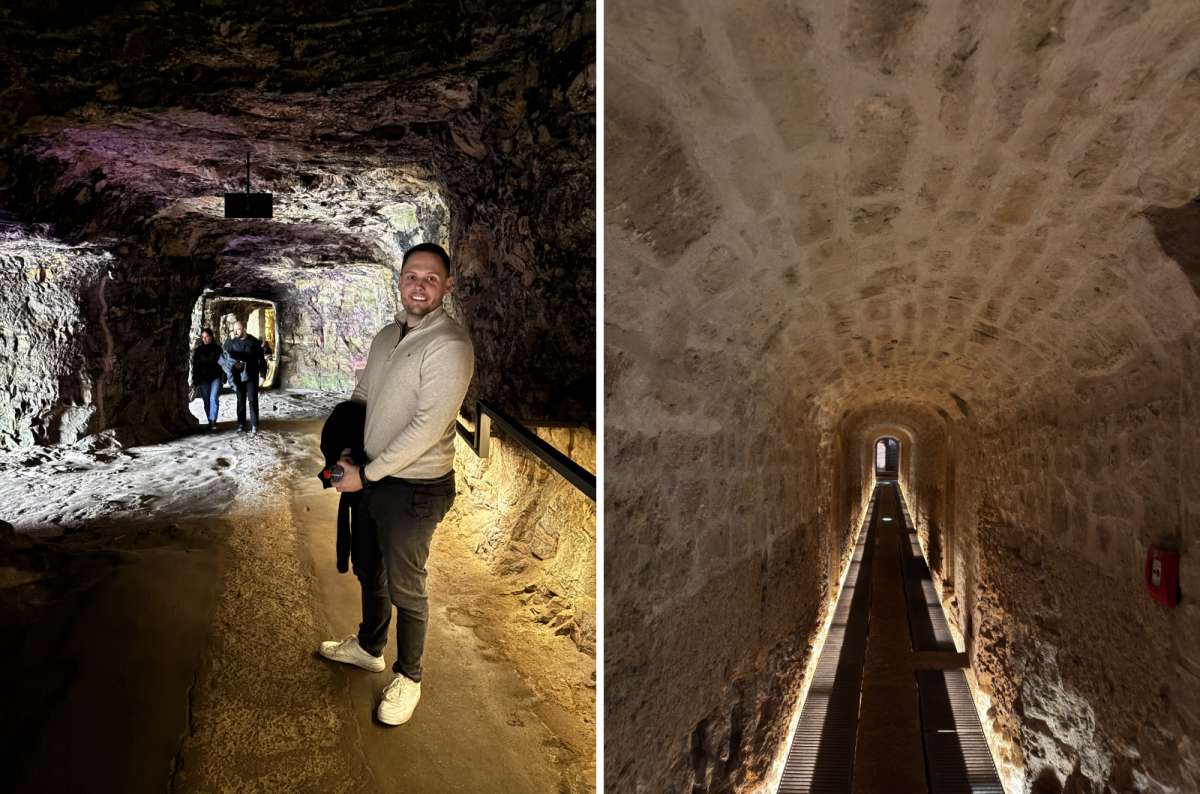
The historical importance is greater than the enjoyment I got from the visit.
My experience was brief, cold, and fairly empty. There were useful views and some lighting effects, but the underground section did not take long and felt similar to other fortification tunnels I had seen elsewhere.
The morning queues also looked worse because of day-trip groups. An afternoon visit may be calmer.
Visit when military architecture genuinely interests you. Otherwise, I would prioritise Grund or the City History Museum.
Walk through it. Eat there when convenient. Do not allocate meaningful sightseeing time.
It felt very meh to me, and no amount of strategic café seating changed that.
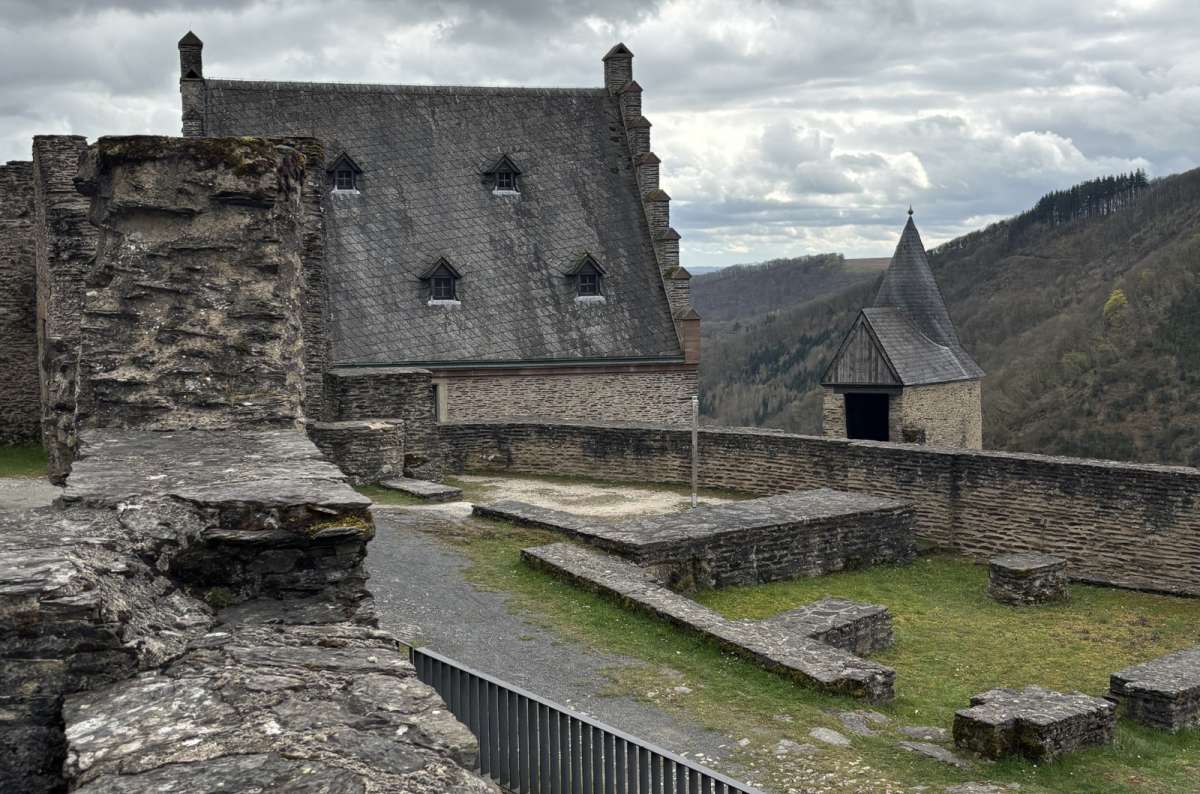
Bourscheid works when combined with northern Luxembourg.
It is not equal to Vianden for a first-time visitor and does not justify a major detour for everyone.
The town is secondary. The castle setting is the reason to come.
Do not visit the interior, walk down one street, and conclude that you have seen Vianden properly. Find at least one strong exterior perspective.
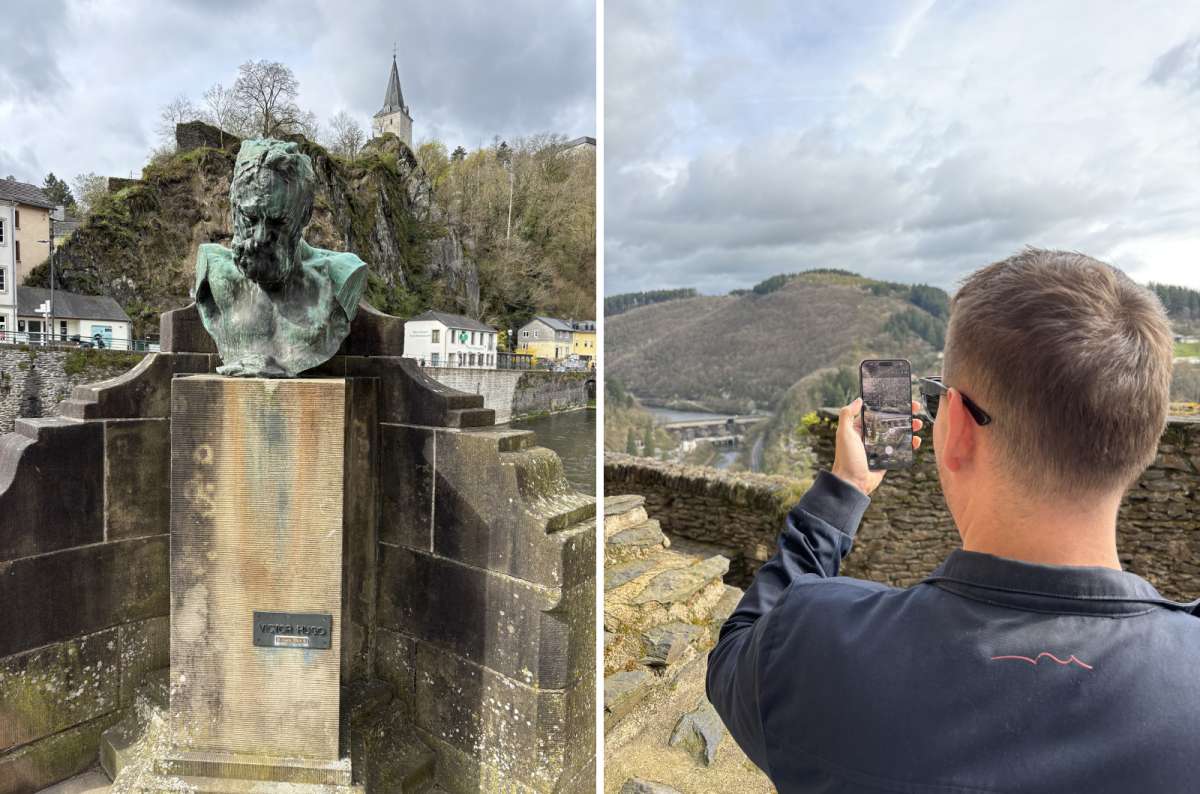
Choose one or two based on your interests. My priority would be the Luxembourg City History Museum, followed by Fort Thüngen.
Museum completionism is not a personality trait worth encouraging.
One day shows you the capital’s highlights. It does not show you why Luxembourg works as a destination.
The castles, countryside, memorial trail, hiking areas, and regional contrasts made the trip considerably stronger for me.
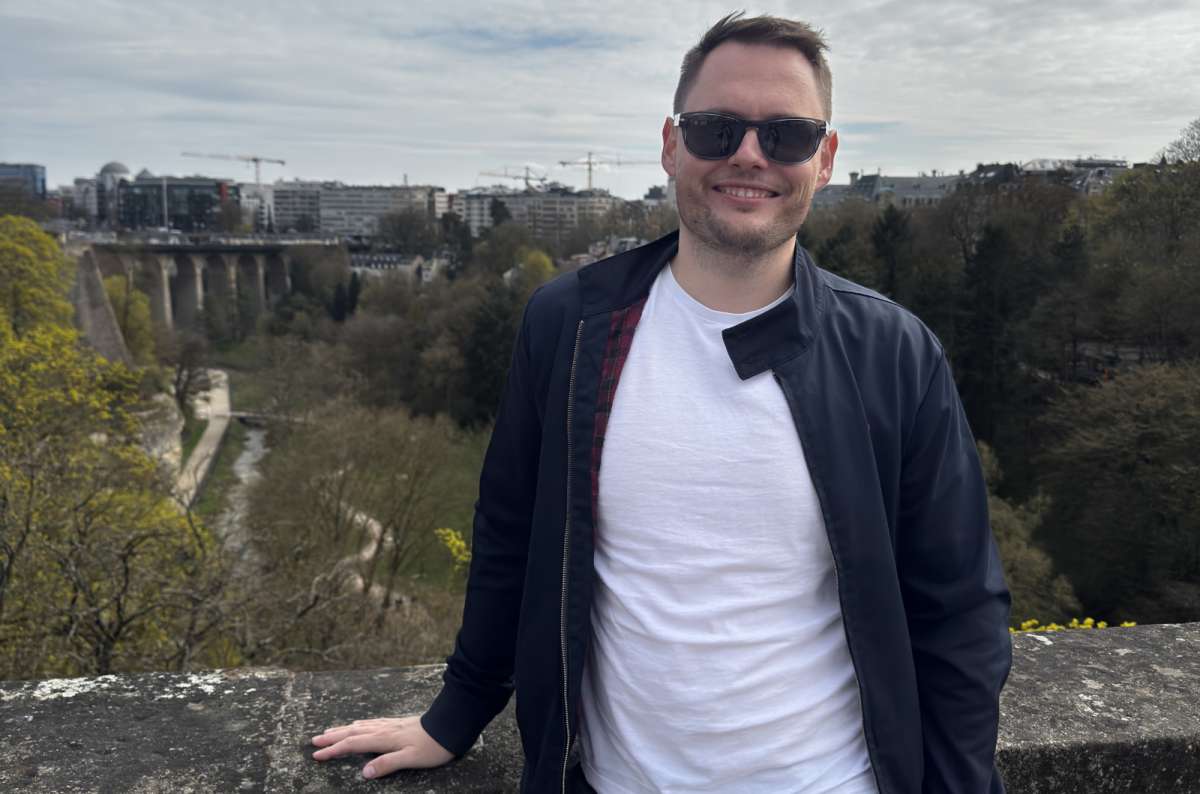
I would base myself in Luxembourg City, spend one and a half or two days exploring the capital, then make at least two trips beyond it.
Prioritise the Corniche, Grund, and the different levels of the city. Visit Vianden. Combine Bourscheid with Schumannseck and Upper Sûre. Finish with either Mullerthal or Moselle.
Do not arrive expecting an entire country of medieval streets. Luxembourg is wealthy, modern, international, and occasionally rather administrative-looking. Its appeal lies in what surrounds that modern reality: fortress landscapes, deep valleys, castles, forests, reservoirs, and memorial sites.
Some attractions are short. A few are frankly overpromoted. That matters less when the route is good.
Busy upper city, quiet valley, packed castle, empty road, forest battlefield. Often all within the same day.
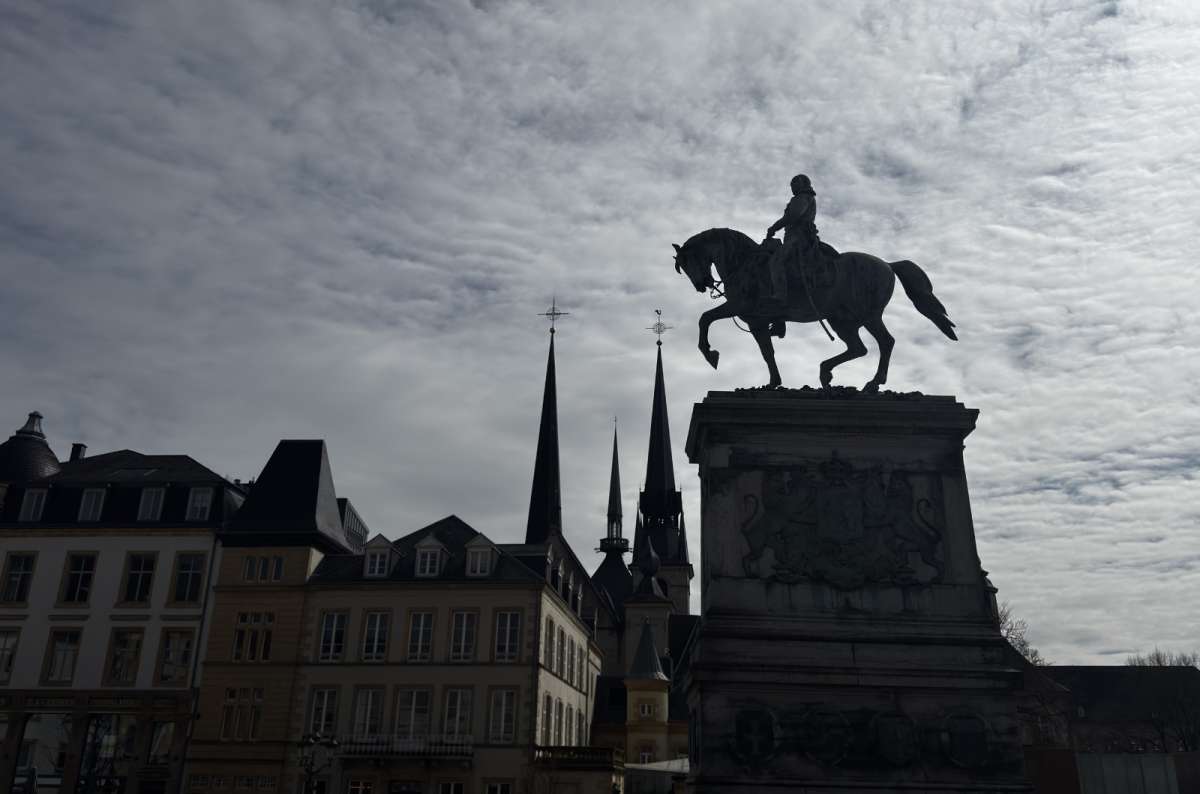
Three days covers Luxembourg City, Vianden, and one wider excursion. Four or five gives you a better balance of museums, castles, countryside, and memorial sites.
Not for the strongest version of the trip. The capital deserves one or two days, but Vianden, Schumannseck, Mullerthal, Moselle, and northern Luxembourg make the country considerably more interesting.
Yes, especially for Luxembourg City and simple day trips. Domestic buses, trams, and standard-class trains are free. A rental car becomes useful when combining several remote attractions in one day.
Luxembourg City can be visited as a day trip, but the country should not be reduced to one. A single day misses the castles, hiking areas, rural regions, and memorial sites that gave me a much stronger overall impression.
Do not miss the Corniche and Grund, Vianden Castle’s viewpoints, and at least one experience outside the standard city route. My additional priorities are the Luxembourg City History Museum and Schumannseck Memorial Trail.
Vianden is the better first-time choice. Its setting and exterior are more impressive. Bourscheid is quieter and works well as part of a northern road trip, but I would not choose it over Vianden.
This post contains affiliate links. If you make a booking through one of my links, I may earn a small commission—at no additional cost to you. Thank you for your support!
Luxembourg travel guide at a glance
What is Luxembourg actually like?
How many days do you need in Luxembourg?
Best places to visit in Luxembourg on a first trip
What I would prioritize in Luxembourg
Which Luxembourg City museums are worth visiting?
Suggested Luxembourg itineraries
The best time to visit Luxembourg
What to book or check in advance
What to skip or shorten in Luxembourg
FAQs about visiting Luxembourg
How many days are enough for Luxembourg?
Is Luxembourg City enough for a trip?
Is Luxembourg City enough for a trip?
Is Luxembourg a good day trip?


Hi, I’m Jan. I travel fast and intensely, whether I’m exploring the buzz of Tokyo in 3 days or road-tripping through mountains and beaches on a 3-week Thailand adventure. And no matter where I am, you’ll always find me in a comfortable hotel at night and eating the best food.
If that sounds like your kind of journey, hop on board, and let’s explore the world together!
I started this blog after realizing how tough it can be to find reliable, authentic travel info. You wouldn’t believe how many “travel bloggers” never even visit the places they write about! On Next Level of Travel, you can count on my full honesty and insights drawn from my firsthand experiences.
Here’s the deal: not every destination is all superlatives and unicorns. I’ll let you know if a tourist attraction isn’t worth your time, like skipping overrated stops in my 2-week Spain itinerary. And when I find something truly special—like the perfect mix of culture and nature in Cape Town—you can trust that it’s worth adding to your itinerary.

Comments | Thoughts? Give us a shout!