


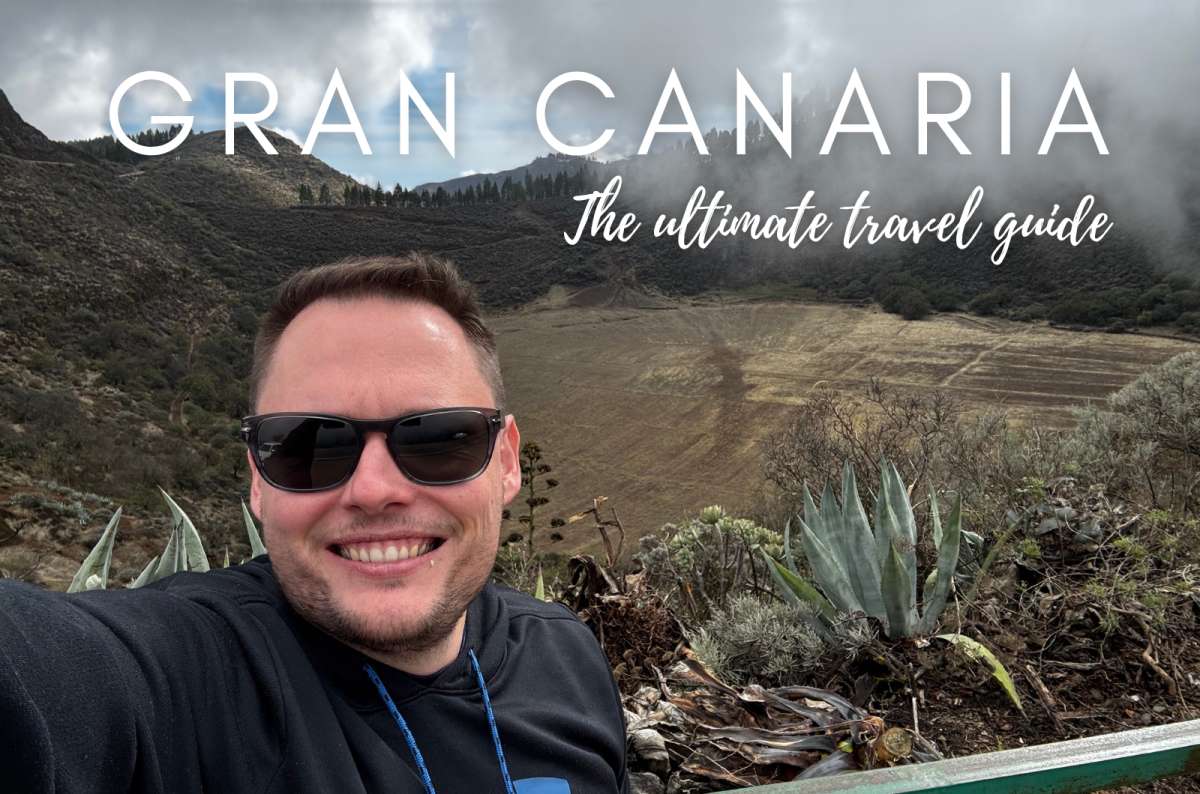


Gran Canaria travel guide: What I learned from a week on the island
Is Gran Canaria worth visiting?
How many days do you need in Gran Canaria?
Understand Gran Canaria’s regions
Where to stay in Gran Canaria?
Do you need a car in Gran Canaria?
Essential Gran Canaria experiences
Best time to visit Gran Canaria
This Gran Canaria travel guide started with a slight planning problem: I arrived in late 2025 with more than 200 places saved on my map. Completely reasonable for a one-week trip, obviously.
My first mistake was thinking the island looked small enough to cover easily. Then I discovered the mountains. Two places can look practically next door on the map and still take an hour to drive between. I seriously underestimated how long it would take to get around.
That ended up being my biggest surprise—and one of the reasons Gran Canaria became my favorite Canary Island. The south gives you beaches, dunes, resorts, and almost suspiciously reliable sunshine. Inland, you get huge canyons, volcanic peaks, pine forests, and mountain villages. The north gets greener, while Las Palmas feels like a proper city rather than somewhere built purely for tourists.
Not everything impressed me equally. Some famous stops were overcrowded or simply didn’t justify the effort, and I definitely underestimated how long mountain driving takes. But for road trips, hiking, winter sun, families, and anyone who wants beaches and nature in one trip, Gran Canaria works extremely well.
After a week, my verdict is simple: give Gran Canaria 7 days. You can do it faster, but you’ll spend too much time deciding what to sacrifice.
Read more from my Canary Islands travel blog.
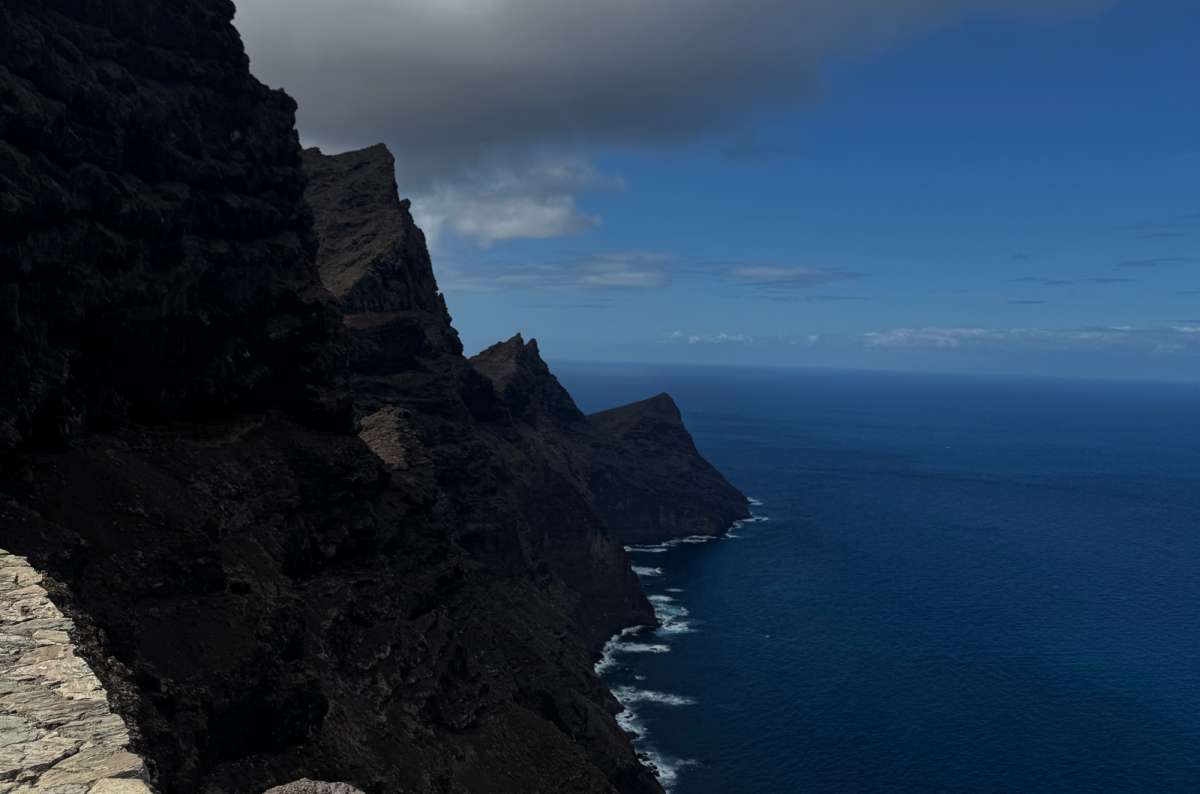
My advice: Rent a car for at least part of your trip. You can absolutely enjoy Gran Canaria without one if you’re staying by the beach, but many of the places I liked most are inland. I wouldn’t have enjoyed my trip nearly as much without a car.
Compare rental cars in Gran Canaria with Discover Cars.
Yes. Gran Canaria is absolutely worth visiting, especially if you want more than a week beside a resort pool. What impressed me most was how much the island changes once you start driving around it.
In one week, I went from walking through the Maspalomas dunes in the dry south to hiking among volcanic peaks and pine forests in the center, driving through enormous ravines, and reaching the much greener north. Then there’s Las Palmas, which gives you proper city life and Las Canteras beach without feeling like another purpose-built resort. For such a small island, the changes are pretty extreme.
It’s particularly good for a Gran Canaria road trip. Many of my favorite experiences came from the mountain interior rather than individual attractions: the roads, viewpoints, hikes, and landscapes around places like Tejeda and Artenara. Families also have plenty to work with, and the climate makes Gran Canaria an easy escape when most of Europe is miserable.
But there are annoyances. The southern resorts can feel very touristy, parking at popular mountain stops is limited, and the winding inland roads can make motion sickness a real consideration. I also found some of the famous towns smaller and less impressive than I expected.
The weather can change dramatically between regions, too, which is another reason one base isn't perfect for seeing everything.
My verdict: 9/10. Come for the sunshine if you want, but rent a car and leave the resorts. The Gran Canaria I liked most started once I drove inland.

For my first trip, I’d give Gran Canaria 7 days. That’s enough time to see the different sides of the island without turning every day into a race between viewpoints.
So, how many days in Gran Canaria are enough? Three gives you a taste, five works, but seven is the sweet spot. I spent a week here and still had plenty left on my ridiculous list of saved places.
When planning a trip to Gran Canaria, be realistic about how much you want to fit in. Seven days gave me enough variety without making every day a race.
One of my biggest Gran Canaria travel tips is to stop thinking of the island as one destination. The south, mountains, north, and Las Palmas feel surprisingly different, and where you spend your time will completely change the trip.
For a first 7-day trip, I’d give the central mountains at least two days, the south one or two, and Las Palmas at least part of a day. Use the remaining time for the southwest or north/northwest depending on whether you want more coast and boat trips or quieter towns and scenery. I wouldn’t try to cover every region equally.
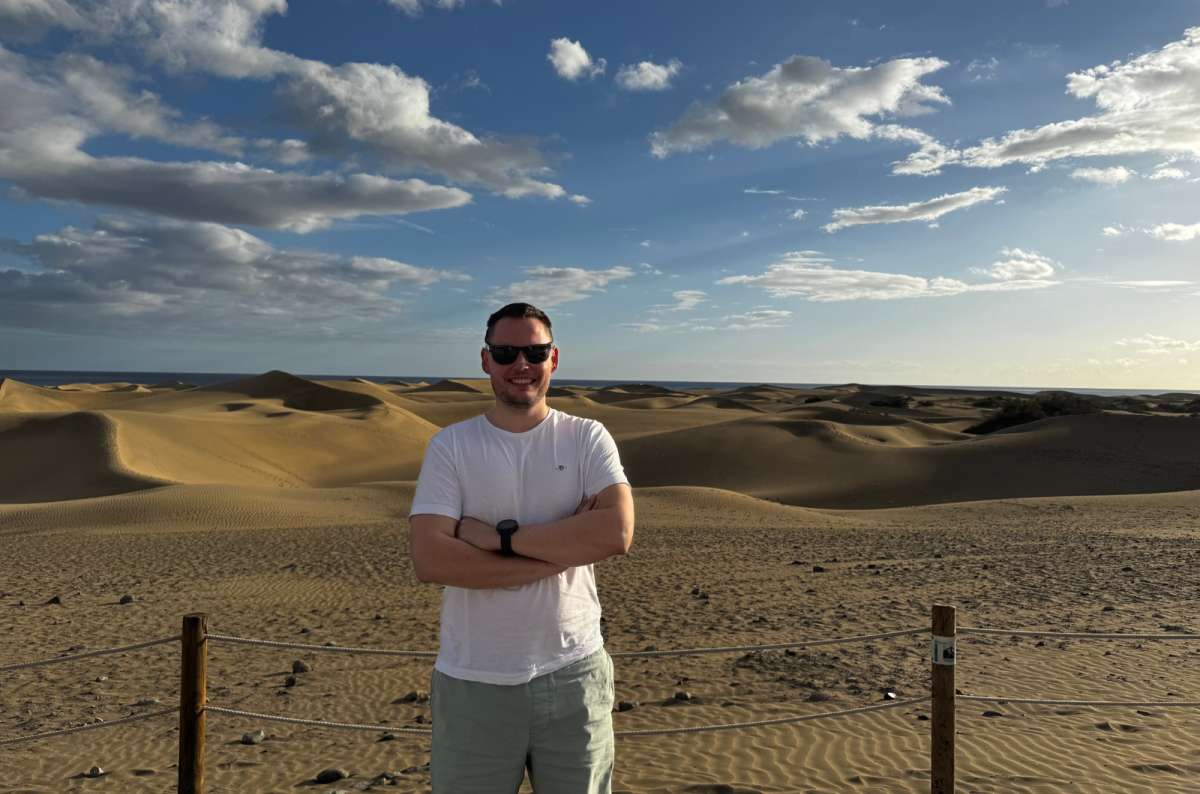
The south is Gran Canaria at its easiest. It’s warm, dry, packed with restaurants, beaches, hotels, and everything else you might need. Traveling with a baby, I appreciated that convenience more than I expected.
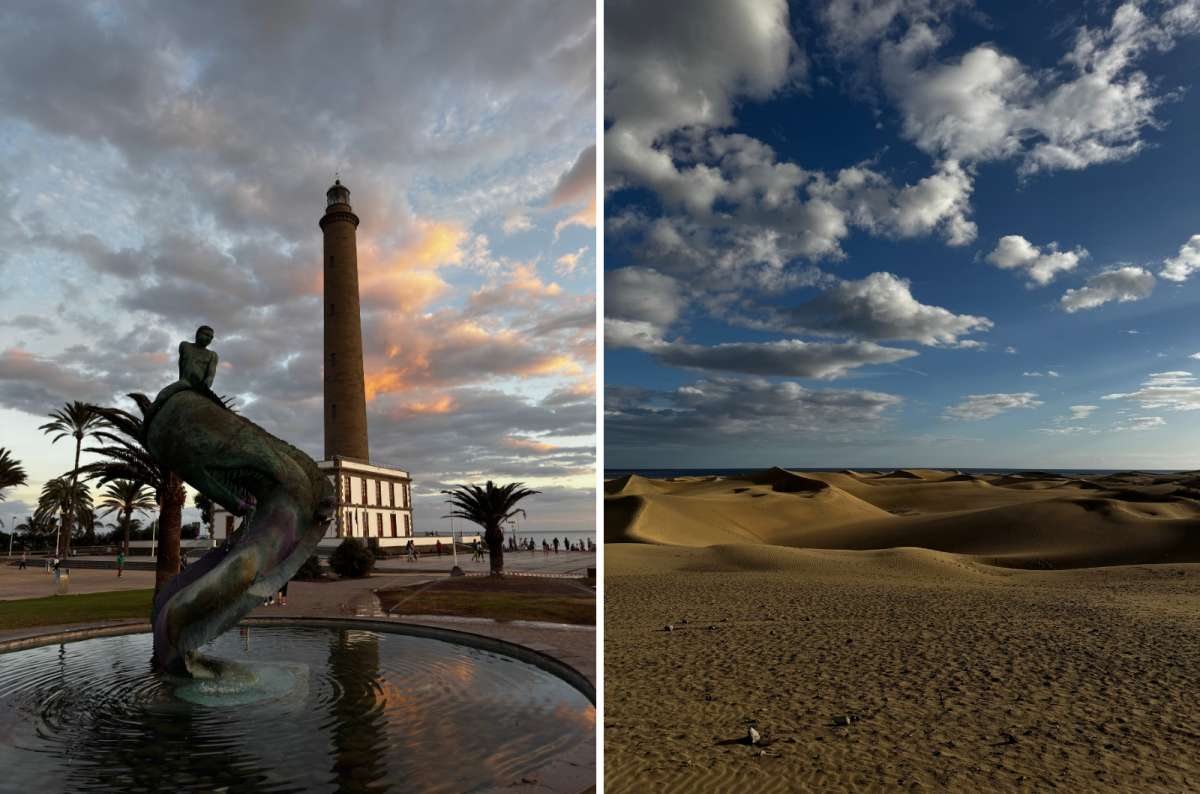
Maspalomas was also much more impressive in person than in photos. The dunes are huge, and once you walk into them, the hotels behind you become surprisingly easy to forget.
Pro tip: You can even book a guided camel ride through the Maspalomas dunes.
The trade-off is obvious: this is the most touristy part of the island. Playa del Inglés in particular isn't where I’d go looking for a traditional Canarian atmosphere. I’d happily stay in the south for the weather and convenience, but I wouldn’t spend my entire trip there.
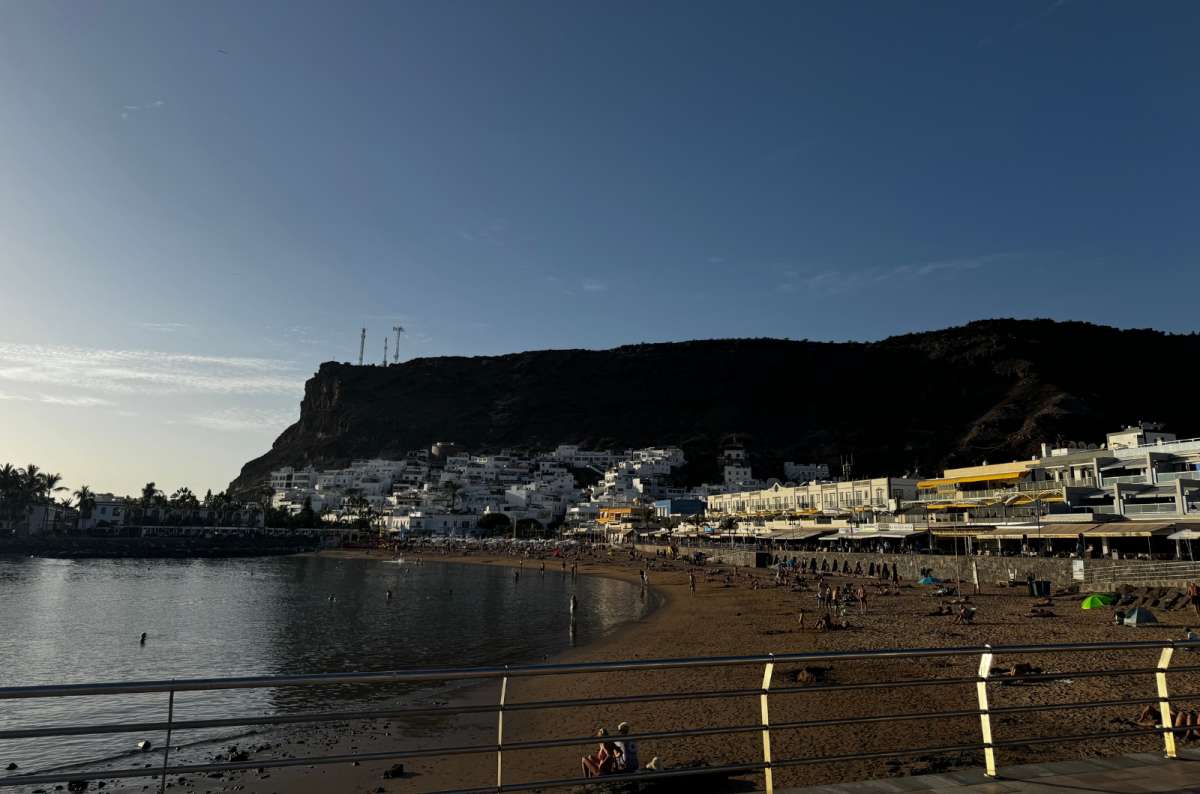
The southwest is still dry and resort-heavy, but the cliffs make it much more interesting to drive through. Cliffs rise straight behind the coast, roads are squeezed between ravines, and there are plenty of boat trips leaving from this side of the island.
Puerto de Mogán is beautiful but manage your expectations. It’s compact, polished, and very much geared toward visitors. I liked walking around it, but you don't need half a day to understand the place.
Pro tip: If you're looking for a random piece of adventure, you can book a submarine tour to enjoy the city from another angle.
As a base, though, the southwest makes sense if you want beaches, boat trips, and easy access to the coast without staying in the busiest part of Maspalomas. I’d choose it over the south if you want a smaller coastal base with cliffs and easier access to boat trips; I’d choose Maspalomas if resort choice and convenience matter more.
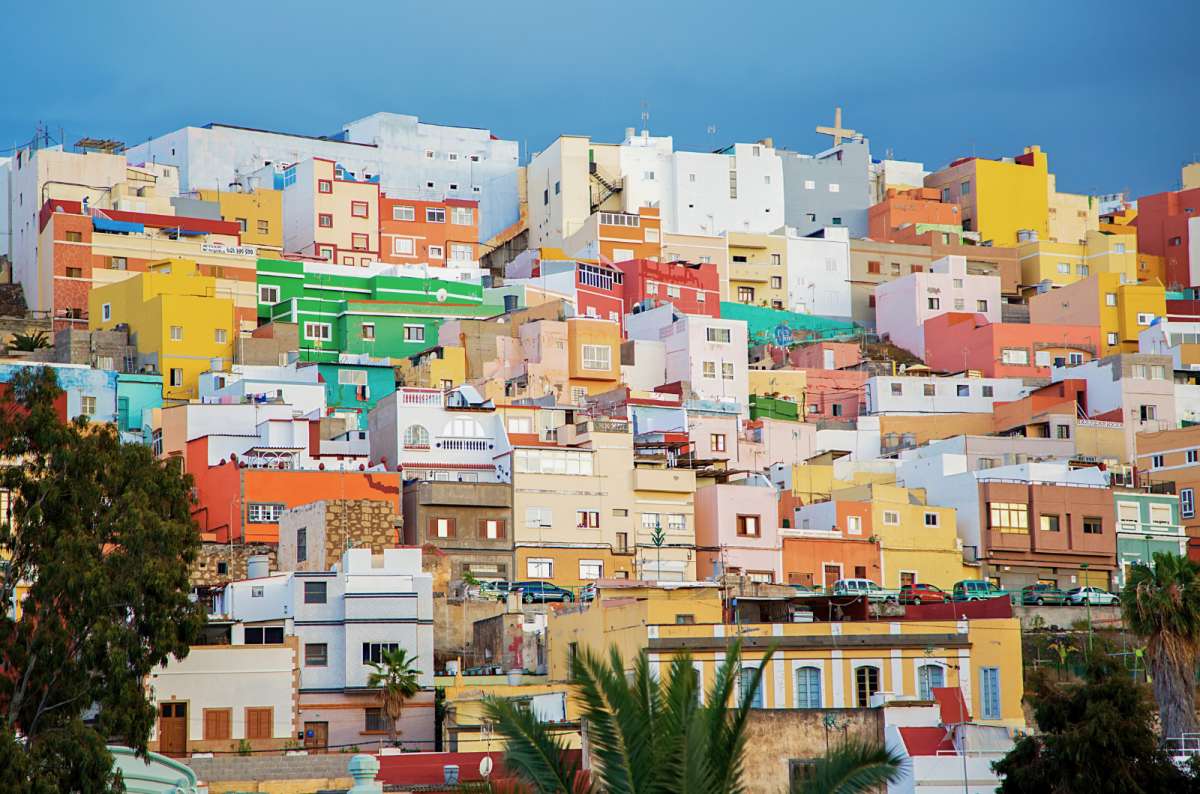
Las Palmas is the obvious choice if you want an actual city rather than a resort. You get restaurants, museums, neighborhoods with some real life in them, better public transport, and Las Canteras—a city beach I genuinely liked.
I wouldn’t use Las Palmas purely as somewhere to sleep before driving elsewhere. The city deserves some time of its own, especially if food and culture matter as much to you as beaches.
I cover the city properly in my things to do in Las Palmas guide.
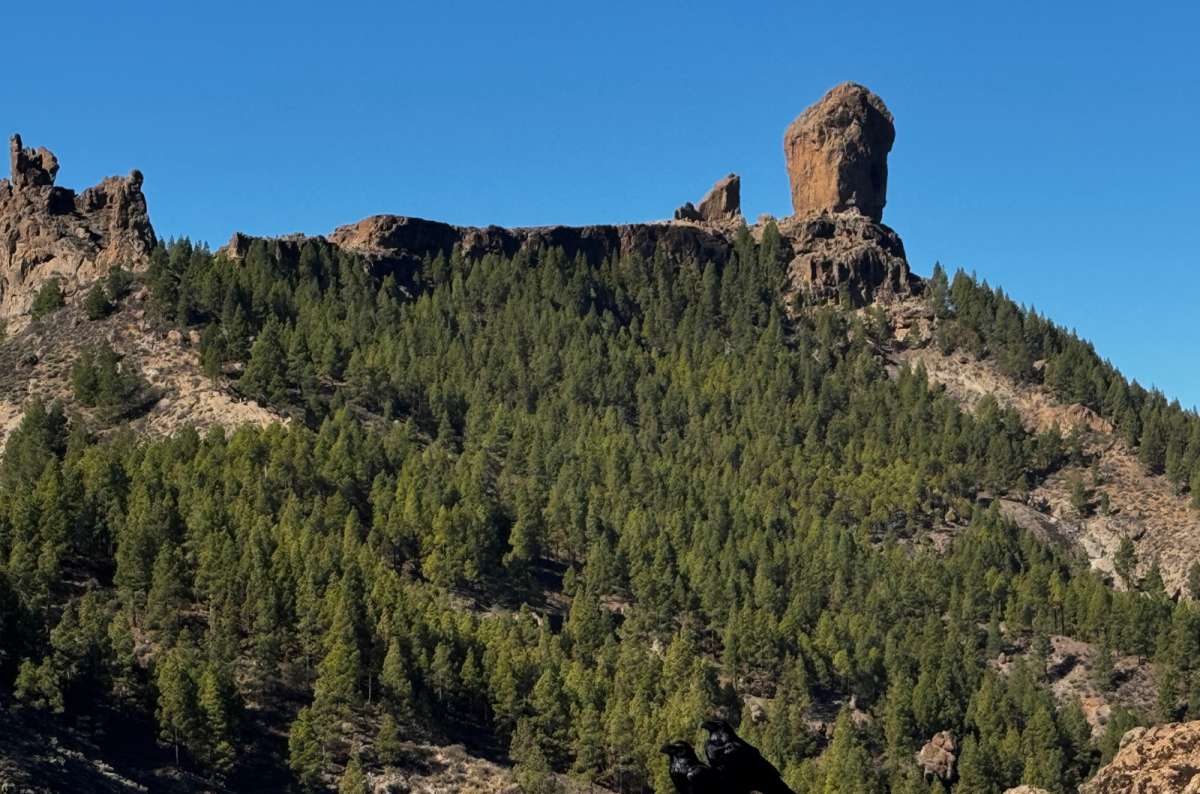
This is where Gran Canaria became much more interesting for me.
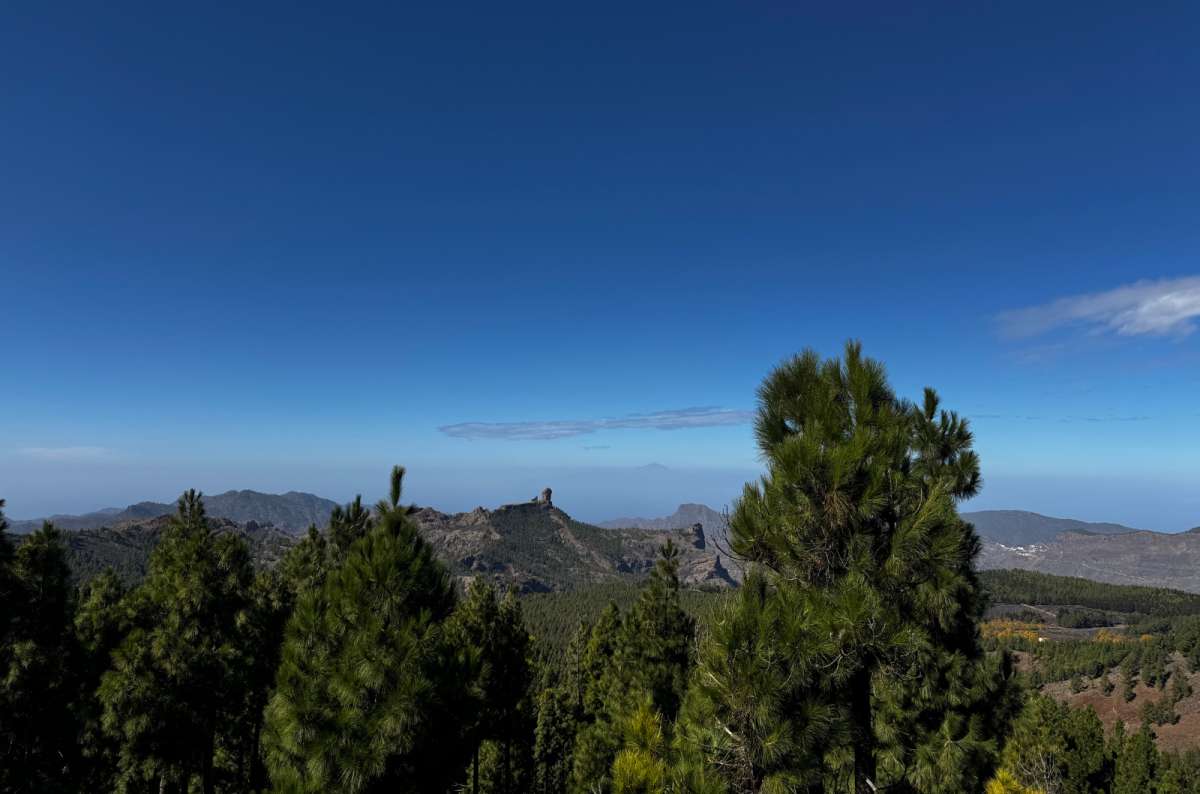
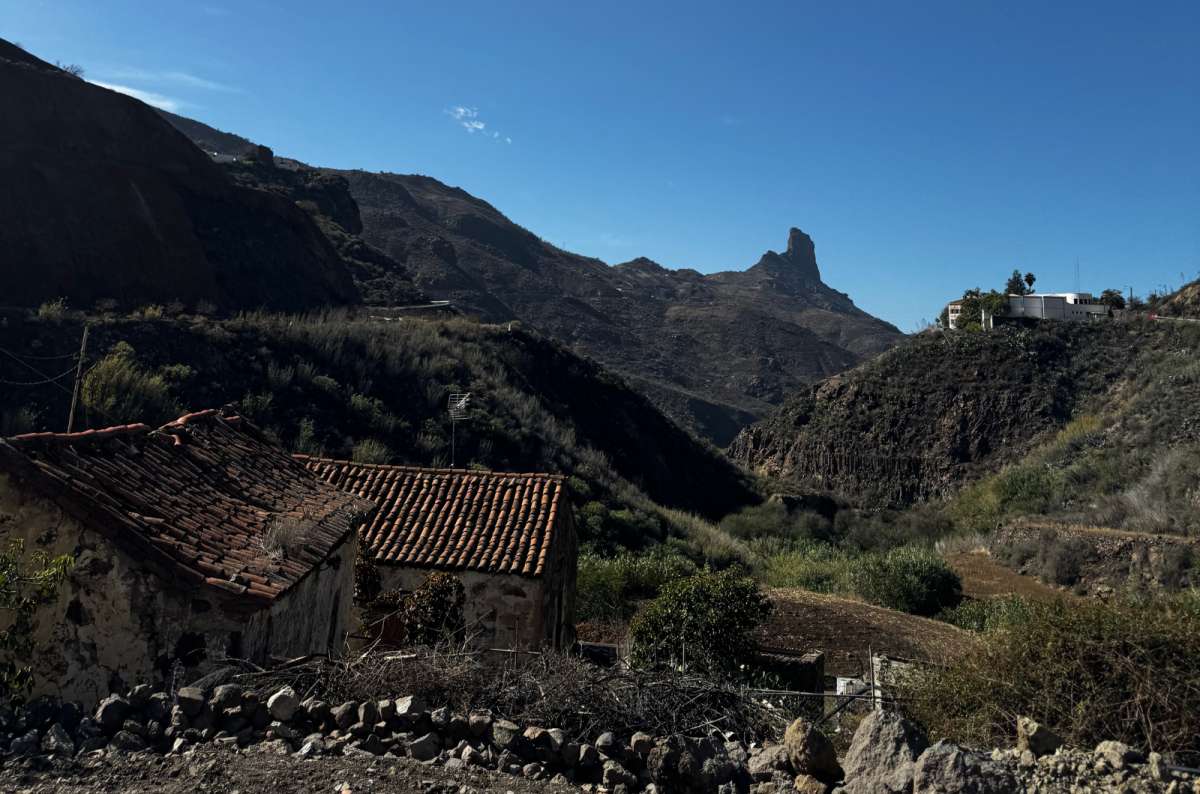
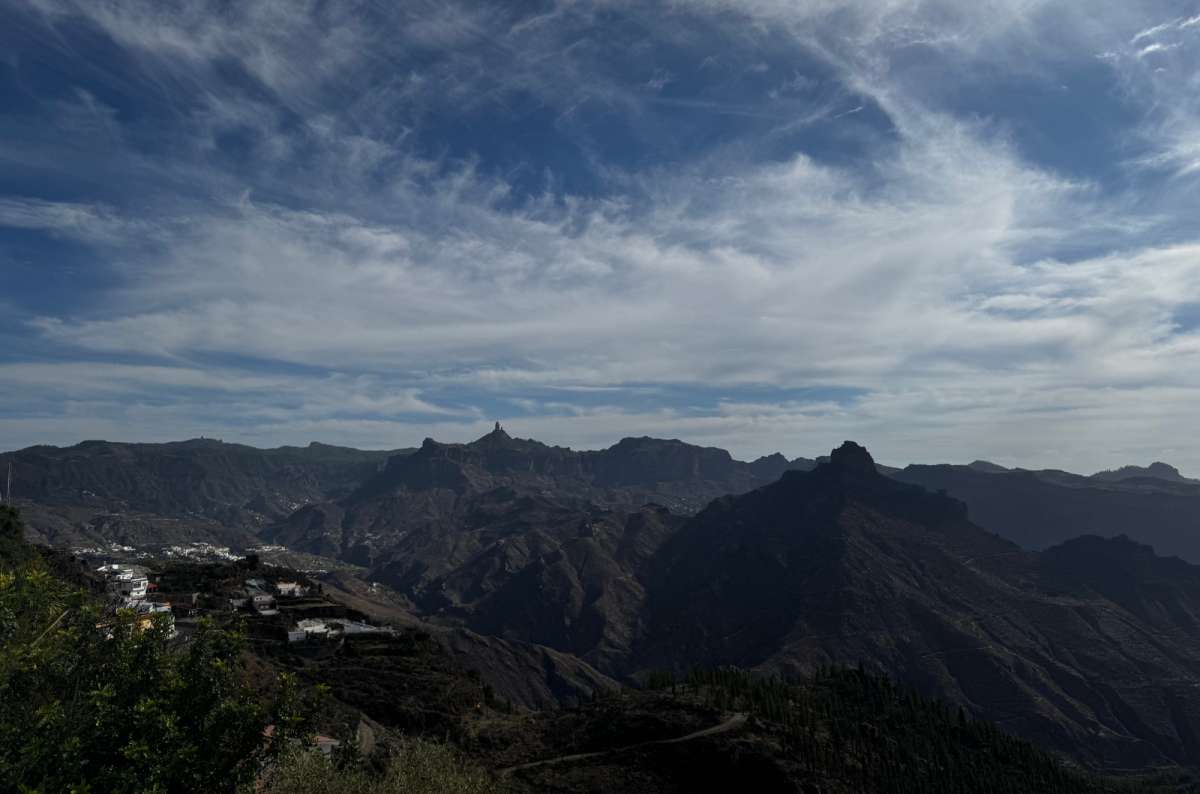
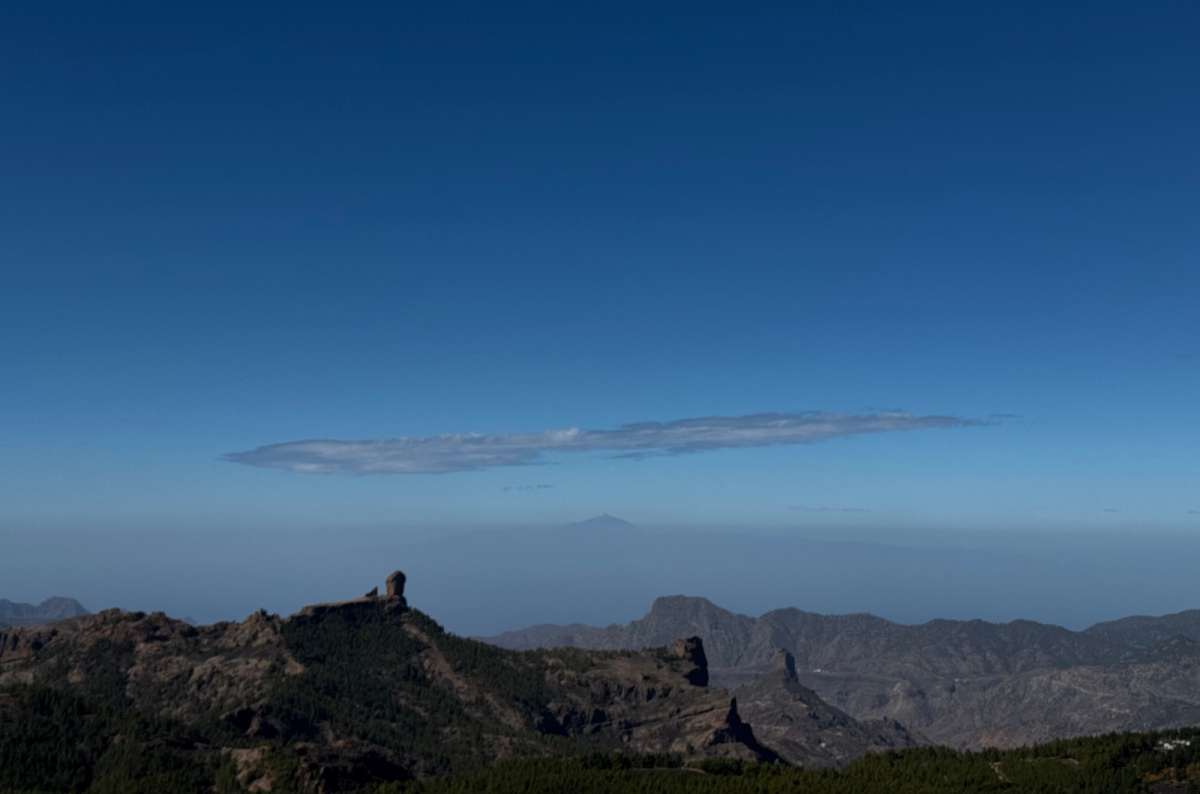
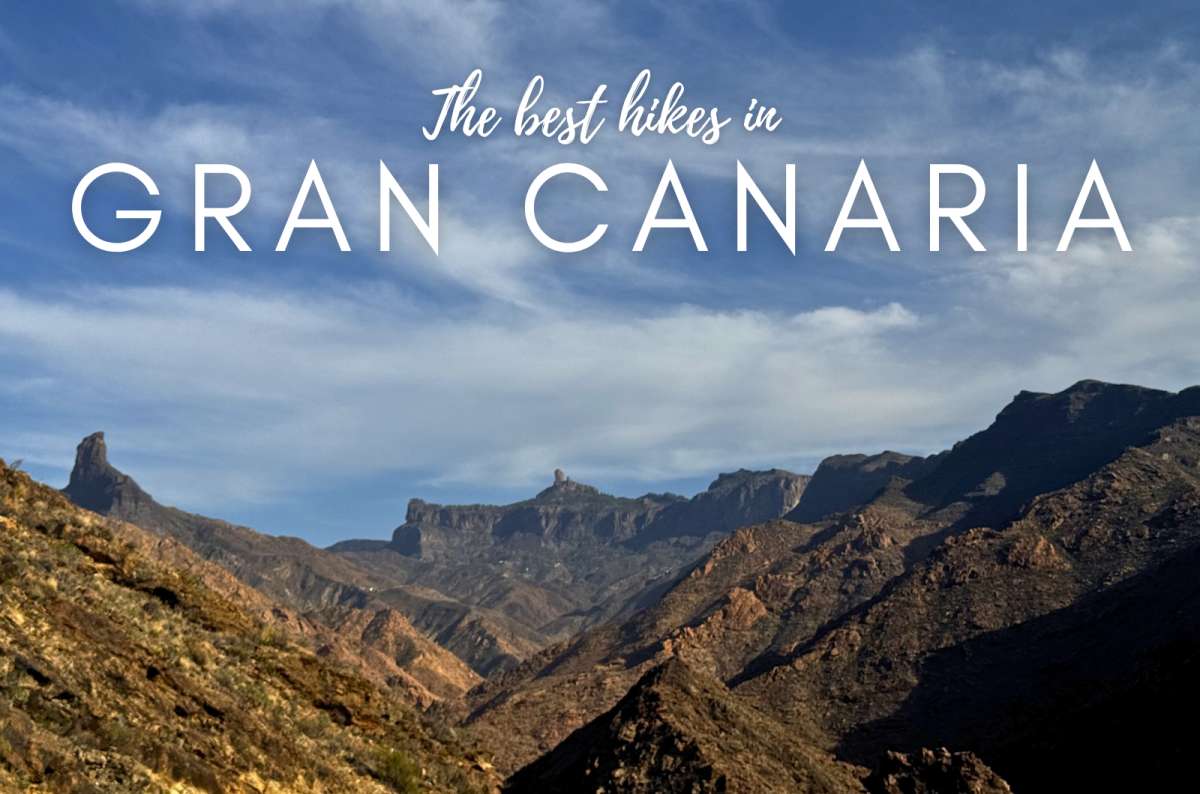
Around Roque Nublo, Pico de las Nieves, Tejeda, Artenara, and Roque Bentayga, the island turns into ravines, volcanic rock, pine forest, and roads clinging to the mountainsides. If you think Gran Canaria is basically one big beach resort, drive inland for a day.
Pro tip: If you feel more comfortable hiking in groups, book a full-day Pico de las Nieves & Roque Nublo trip.
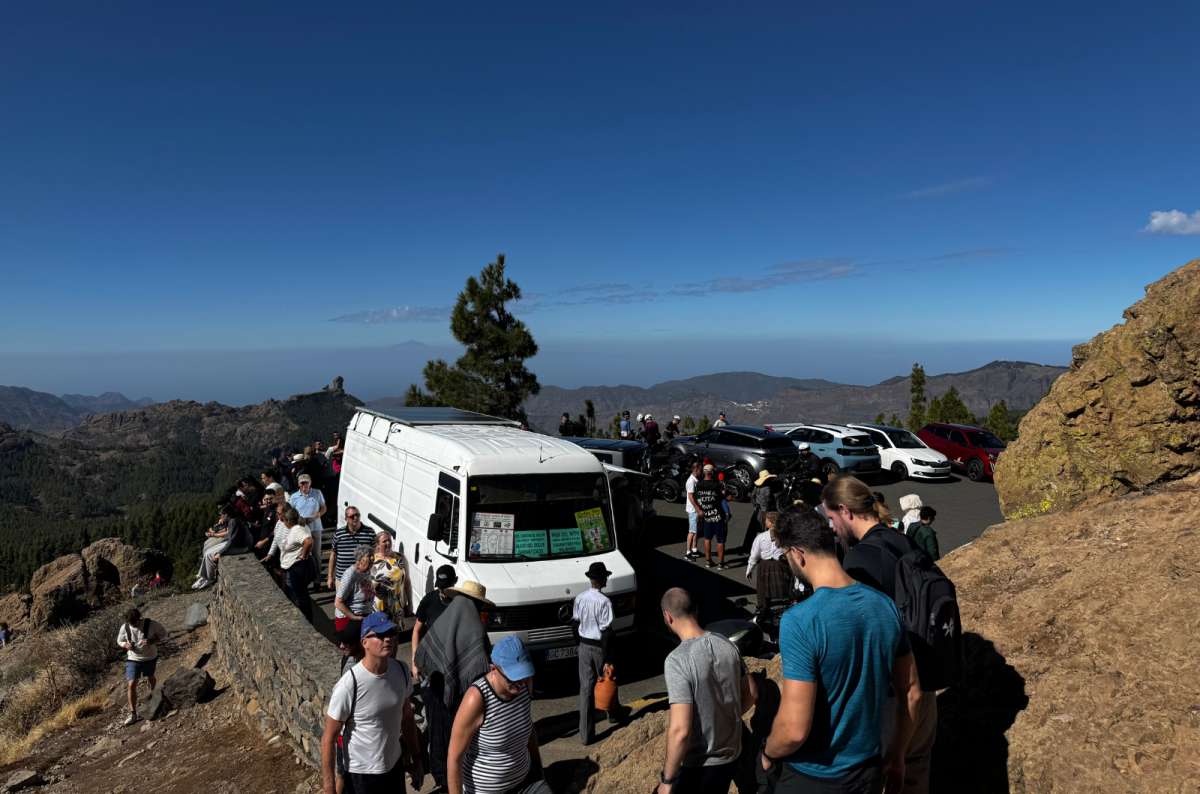
The mountains were some of my strongest memories from the trip, but they're also where my carefully planned map became fairly useless. Distances look short. Driving times aren't. Add viewpoints, hikes, limited parking, and the inevitable photo stops, and you can easily spend an entire day covering what looked like a tiny patch of the island.
For a first trip, I’d give the central mountains at least two days rather than trying to squeeze the highlights into one. One full day works if that’s all you have, but you’ll have to be selective about hikes and stops.
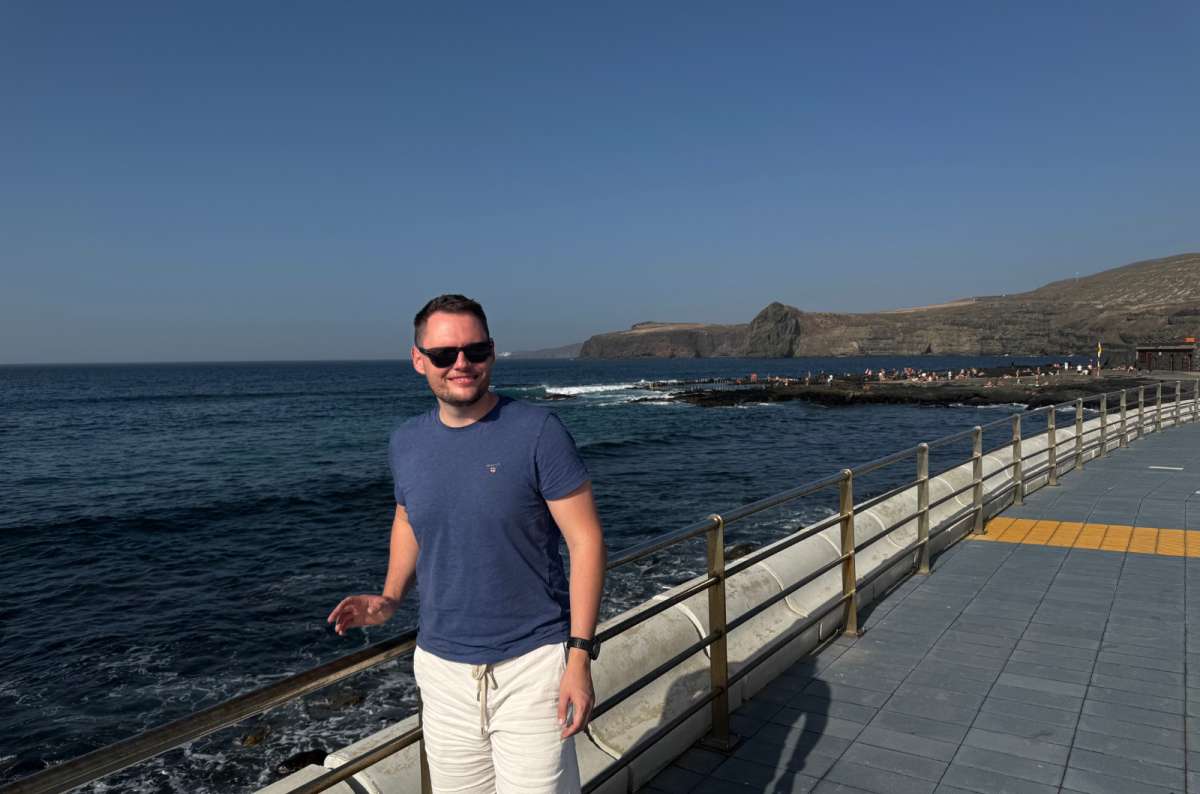
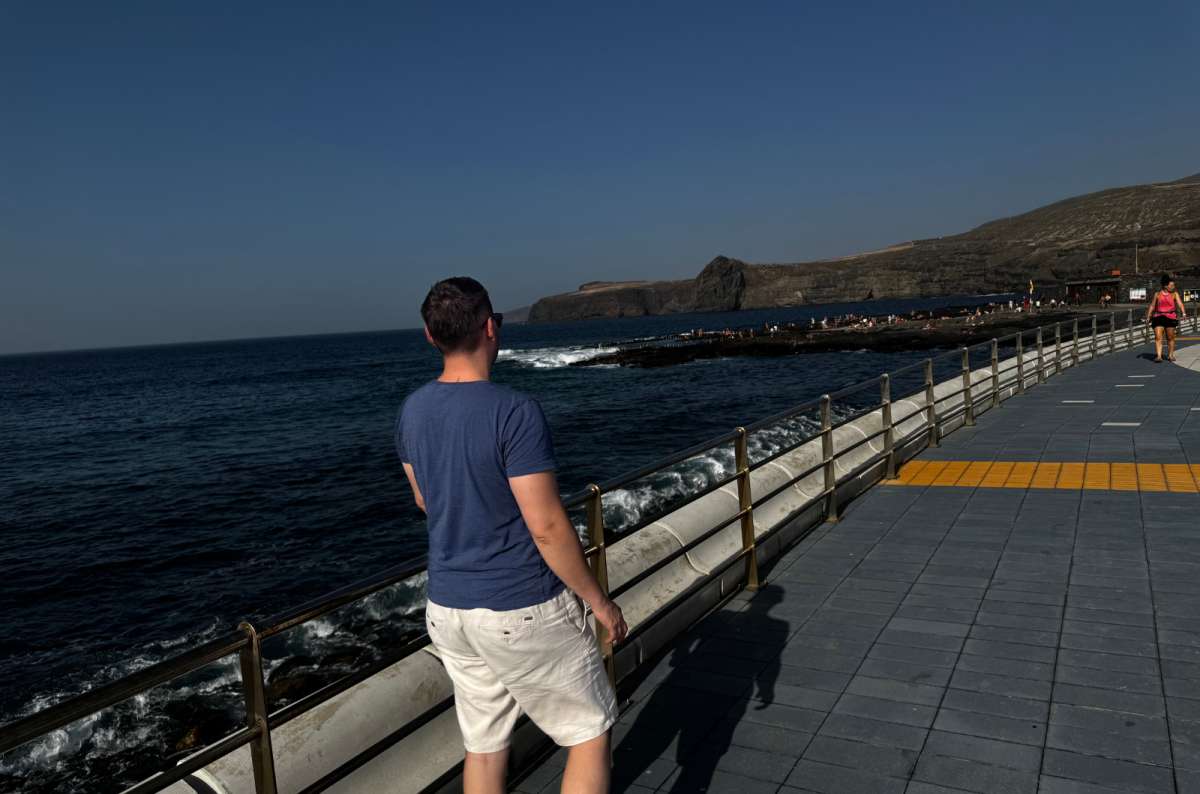
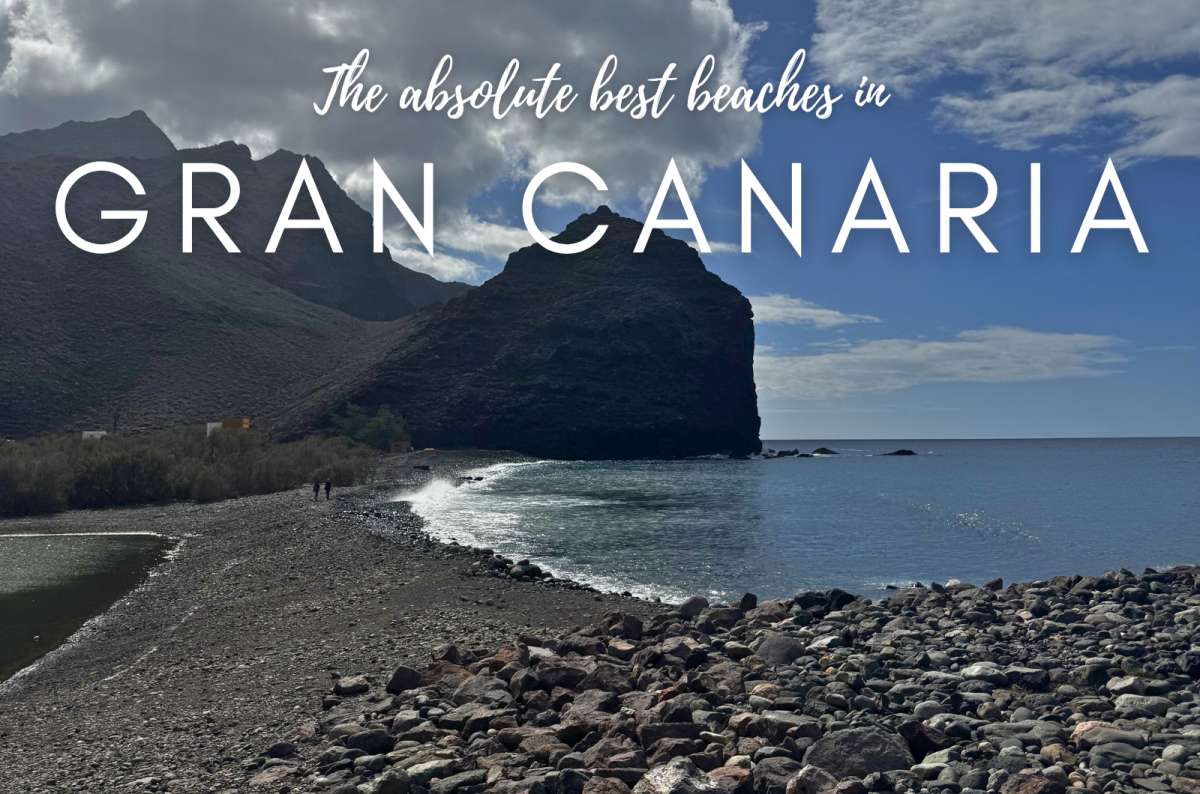
The north and northwest feel like another change of pace. Around Agaete, the Atlantic coast felt much rougher than the resort beaches in the south—I even attempted a swim in the natural pools before the freezing water convinced me otherwise. Combine that coastline with the quieter towns and greener landscape, and this part of Gran Canaria feels very different from Maspalomas.
The coastal and mountain roads are part of the appeal here, but this isn't the region I’d choose if resort convenience were the priority. Come north for scenery and local character, not because you want everything outside your hotel door.
My verdict: For a first trip, I’d probably still base myself in the south for the weather and convenience—especially with a family—but I’d spend a large part of the trip somewhere else. The mountains in particular are far too good to treat as a quick excursion.
Where you stay in Gran Canaria should depend on the trip you actually want, not on which resort has the nicest photos. After driving around the island, I don't think there’s one perfect base for everyone.
I wouldn't overcomplicate it, though. For the first week, the south is the easiest single base; a split stay is the better strategy for exploring.
I go into specific areas, bases, and hotels in my where to stay in Gran Canaria guide.
For an easy base in the south, I’d look at Paradisus by Meliá Gran Canaria in San Agustín, right on the beach.
If you want to properly explore Gran Canaria, I’d rent a car. You don’t need one for a resort holiday in the south, and I wouldn’t bother for a Las Palmas city break. But for the mountains, west coast, viewpoints, and smaller towns, having your own car makes a huge difference.
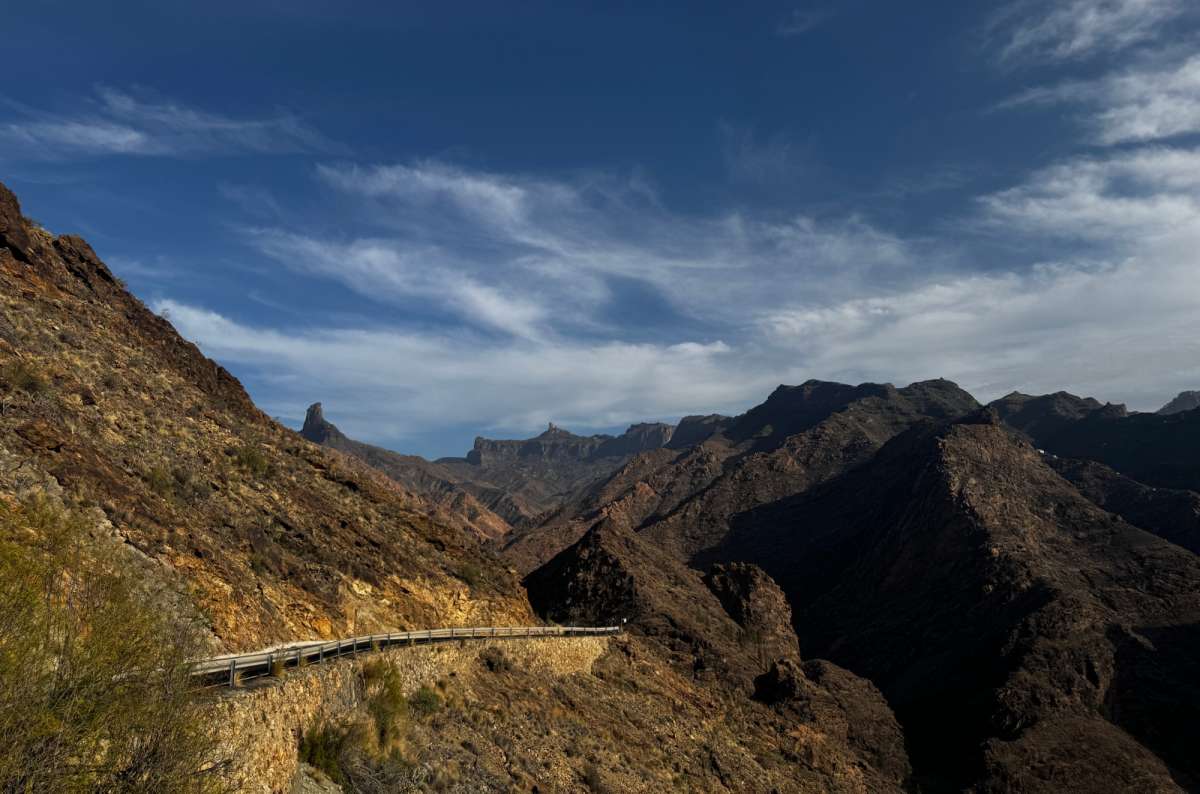
The roads are generally in good condition, and fuel is relatively cheap. The problem is speed. Once you head inland, your average speed drops dramatically. Roads get narrow and winding, parking around popular viewpoints and trailheads can be limited, and GPS reception isn't always reliable in the more remote areas. Download offline maps before you go.
I learned pretty quickly not to trust distances, and it’s probably one of the most useful lessons in this Gran Canaria travel guide. Something that looks 20 km away can take much longer than expected when there’s a mountain in the middle. And if winding roads make you sick, Gran Canaria’s interior will put that to the test.
So, do you need a car in Gran Canaria? For beaches and city life, no. For the Gran Canaria I enjoyed most, absolutely.
I cover rentals, parking, mountain roads, and driving conditions in much more detail in my driving in Gran Canaria guide.
Need to rent a car? I always use Discover Cars to compare rental prices.
This isn’t another list of 20 things you absolutely must see. For this Gran Canaria travel guide, these are the experiences I think best show what the island is actually about.
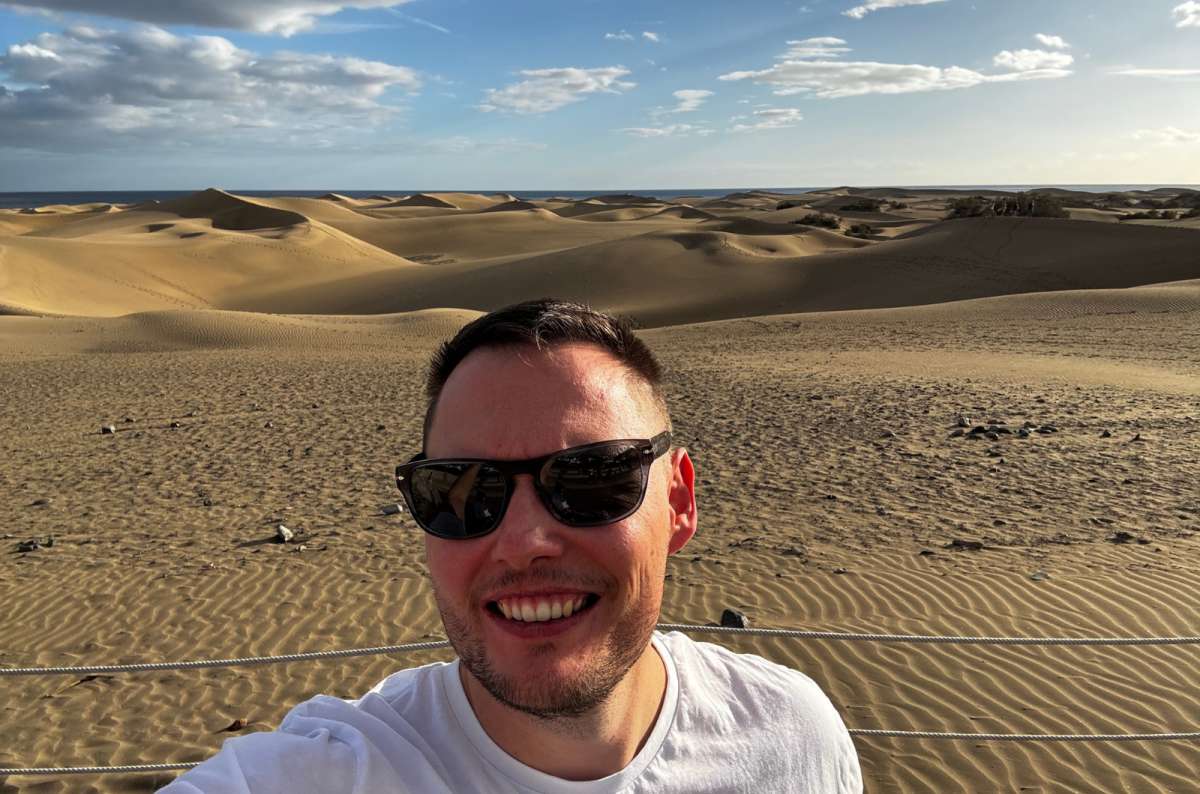
The Maspalomas Dunes were my favorite sight in the south and much bigger than I expected. I tried repeatedly to photograph their scale and mostly produced a large collection of photos for the delete folder.
You can see the dunes in an hour, but give yourself 2–3 hours if you actually want to walk through them and along the coast. I’ve seen much bigger dunes in Namibia, but having this landscape suddenly meet the Atlantic is what makes Maspalomas special.
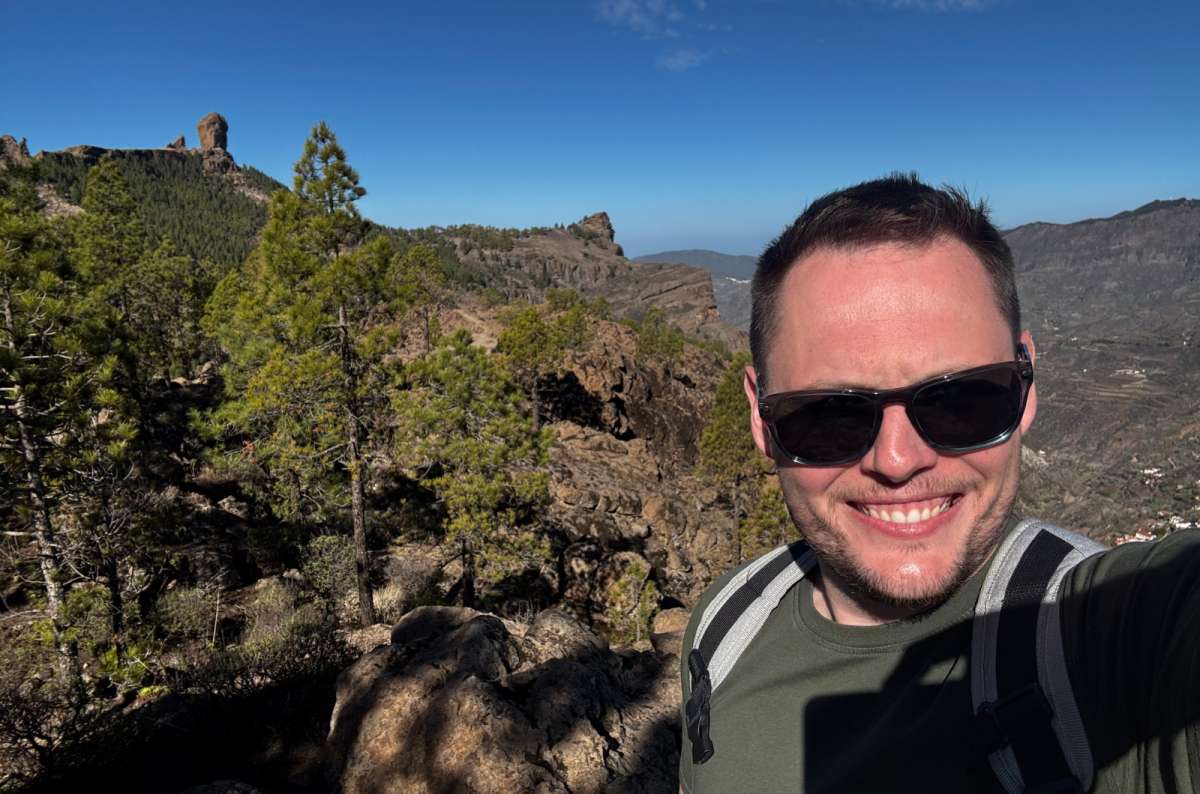
If I had to choose between another beach day and the mountains, I’d take the mountains.
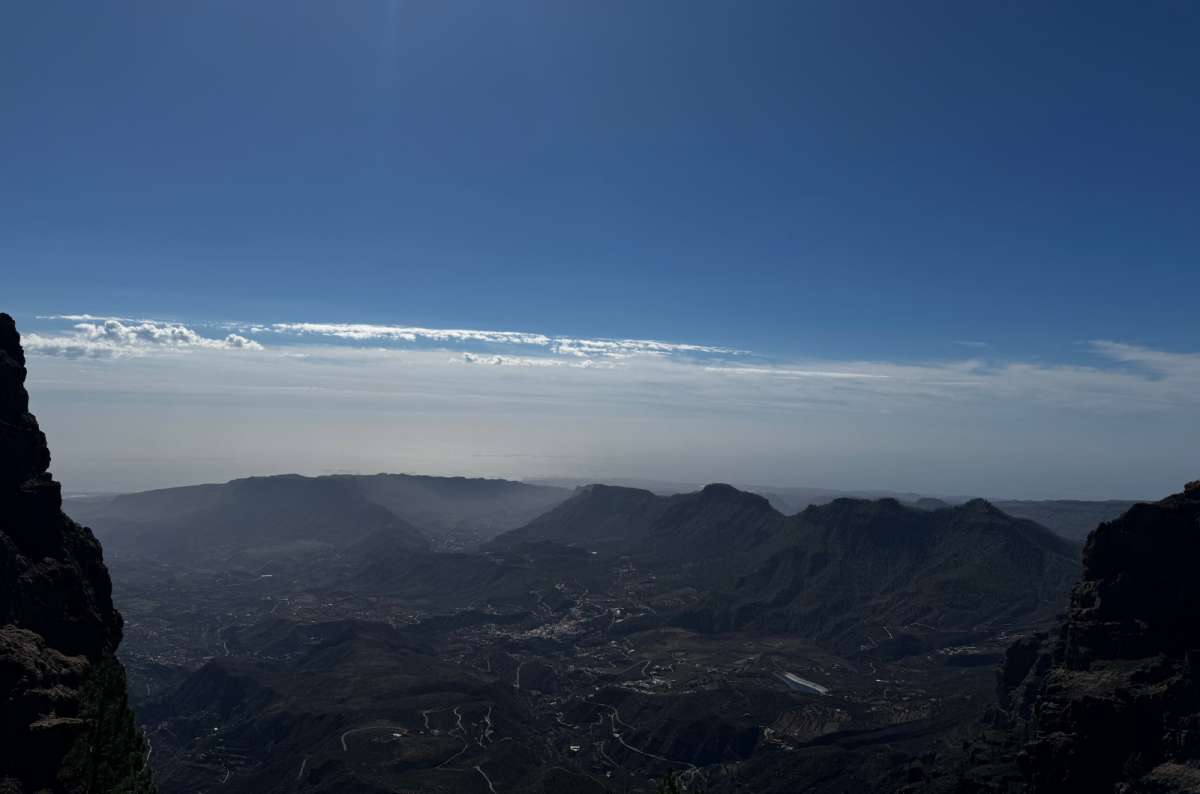
Roque Nublo, Pico de las Nieves, Roque Bentayga, and the scenery around Tejeda give you the best introduction. At Pico de las Nieves, I got huge views across the island despite the haze—and discovered that 300 m (984 ft) of climbing is apparently enough for gravity to start annoying me.
Roque Nublo requires more planning. I was actually turned away the first time because I didn’t have the required reservation. Don’t copy me: at the time of writing, you need a free reservation to access Roque Nublo between 9 am and 5 pm. Outside those hours, a reservation isn’t currently required. Check the official access rules before you go, as the system can change.
Don’t treat Las Palmas as somewhere you pass through on the way to the airport. Las Canteras gives you a genuinely good city beach, while Vegueta, the food, museums, and everyday city life make this a completely different experience from the southern resorts.
Even if you’re staying in the south, I’d give Las Palmas at least part of a day rather than skipping it completely.
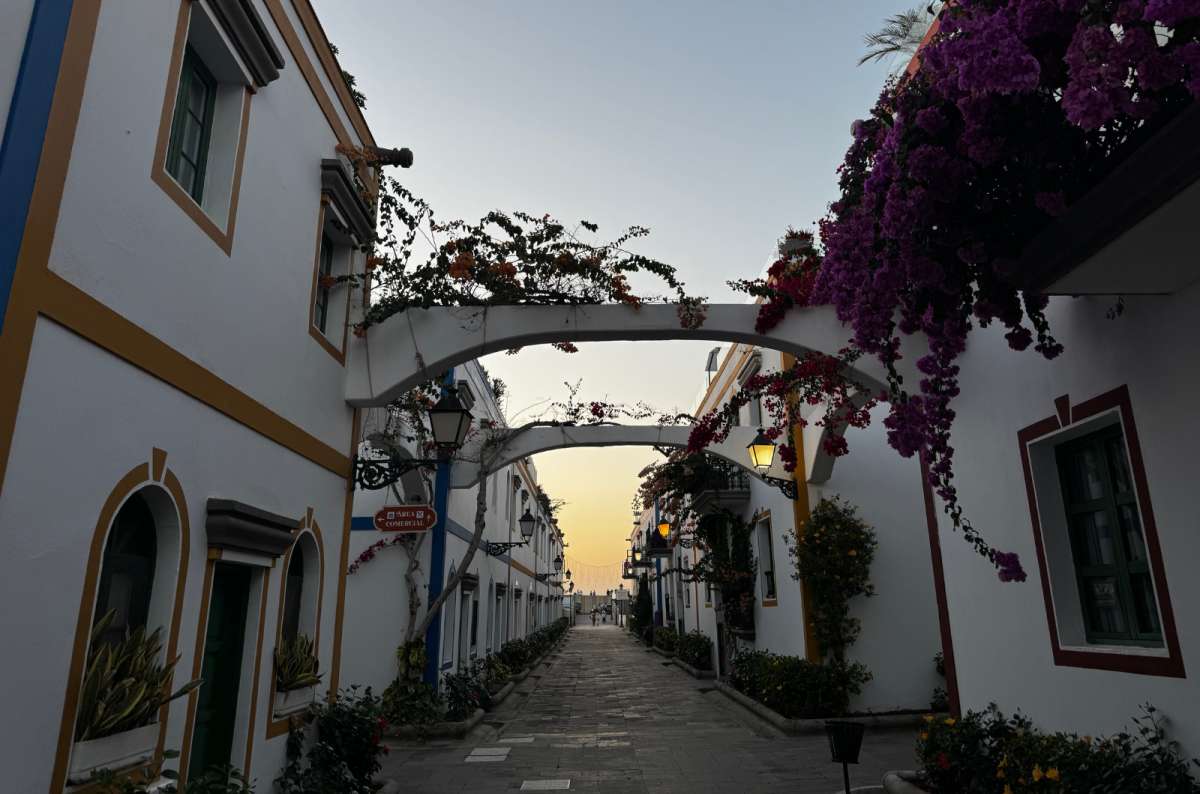
Puerto de Mogán is very pretty. Venice is not. The famous “Little Venice” nickname made very little sense to me, but I liked the compact town, cliffs, and coastal setting anyway.
You don’t need ages here. Walk around, head up to the viewpoint, and use it as a base for exploring the southwest coast or getting out on the water.
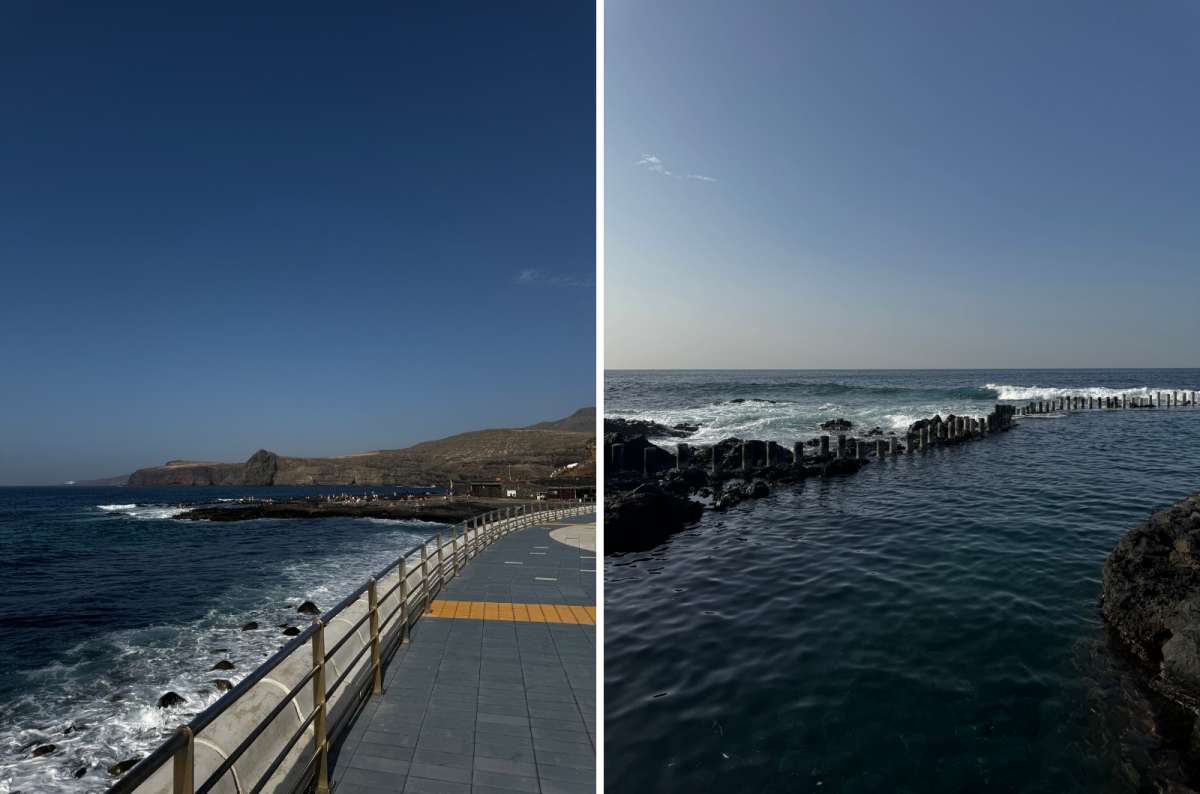
The north gives you greener landscapes and a much rougher-looking Atlantic coast. At the Agaete natural pools, I jumped in, discovered the water was freezing, immediately questioned the decision, and got back out.
Swimming ability aside, I loved the setting. Combine Agaete with the coastline, and you get a much quieter side of Gran Canaria than the southern resorts.
Some of my best memories weren’t individual attractions at all. They were the roads and hikes between them.
GC-210 was spectacular enough that I kept stopping, although sections with sheer drops and very little in the way of guardrails certainly kept me awake. GC-200 gives you another dramatic route along the west, while the interior is full of ravines, volcanic formations, pine forests, and hikes ranging from easy walks to proper workouts.
Don’t try to see all of it in one day. This is the part of Gran Canaria where slowing down actually pays off.
There really isn’t one best time to visit Gran Canaria. The island works year-round, which is a big part of the appeal, especially if you’re escaping European winter.
What matters more is where you are on the island. The south around Maspalomas is generally warmer, drier, and sunnier, while the north is greener and wetter. Head into the mountains and temperatures can drop surprisingly quickly.
I learned not to judge hiking weather by what I could see from the coast. Sunshine at the beach doesn’t mean T-shirt weather in the mountains. Bring layers if you’re heading inland, even when Maspalomas looks perfect.
Visibility can change, too. I had haze at Pico de las Nieves and still got great views, but it definitely limited how far I could see. Calima, when dust blows across from the Sahara, can do the same on a much bigger scale.
My advice? Don’t overthink the month—plan for the different microclimates instead. If there’s one weather lesson to take from this Gran Canaria travel guide, it’s that you can have beach weather and chilly mountain weather on the same day.
Most visitors arrive through Gran Canaria Airport (LPA), with plenty of connections to mainland Europe and the other Canary Islands. If you're combining islands, flying is usually the quickest option—flights between Gran Canaria and Tenerife take around half an hour.
I combined the two islands differently. We took the Fred. Olsen ferry from Agaete to Santa Cruz de Tenerife, mainly because we already had a car, and I didn't want the hassle of returning it, flying with luggage, and renting another one.
The ferry itself was surprisingly easy. Boarding and unloading were efficient, although I'd arrive at least 40 minutes early. The crossing can get pretty wobbly when the sea is rough, so if you get seasick, this is another opportunity for the Canary Islands to test your stomach.
One important warning: check your rental agreement before taking a rental car to another island. I took mine on the ferry without any problems, but that doesn't mean every rental company allows it or that your insurance remains valid.
If you're trying to decide whether combining the islands makes sense at all, read my Tenerife vs Gran Canaria comparison. And if Tenerife is next, my Tenerife travel guide covers the planning side once you get there.
My choice: With a car and plenty of luggage, I'd take the ferry again. Traveling light without a car? I'd fly.
This post contains affiliate links. If you make a booking through one of my links, I may earn a small commission—at no additional cost to you. Thank you for your support!
Gran Canaria travel guide: What I learned from a week on the island
Is Gran Canaria worth visiting?
How many days do you need in Gran Canaria?
Understand Gran Canaria’s regions
Where to stay in Gran Canaria?
Do you need a car in Gran Canaria?
Essential Gran Canaria experiences
Best time to visit Gran Canaria


Hi, I’m Jan. I travel fast and intensely, whether I’m exploring the buzz of Tokyo in 3 days or road-tripping through mountains and beaches on a 3-week Thailand adventure. And no matter where I am, you’ll always find me in a comfortable hotel at night and eating the best food.
If that sounds like your kind of journey, hop on board, and let’s explore the world together!
I started this blog after realizing how tough it can be to find reliable, authentic travel info. You wouldn’t believe how many “travel bloggers” never even visit the places they write about! On Next Level of Travel, you can count on my full honesty and insights drawn from my firsthand experiences.
Here’s the deal: not every destination is all superlatives and unicorns. I’ll let you know if a tourist attraction isn’t worth your time, like skipping overrated stops in my 2-week Spain itinerary. And when I find something truly special—like the perfect mix of culture and nature in Cape Town—you can trust that it’s worth adding to your itinerary.

Comments | Thoughts? Give us a shout!