




Best things to do in Kigali–ranked
How many days do you need in Kigali?
The perfect 1-day Kigali itinerary
1. Visit the Campaign Against Genocide Museum
2. Pay your respects at Kigali Genocide Memorial
4. See the Belgian Peacekeepers Memorial at Camp Kigali
5. See Kigali Convention Centre + Kigali Heights after dark
6. Stop by Hôtel des Mille Collines
I spent three days in Kigali, and I'll save you some time: you probably don't need three days.
Most of the best things to do in Kigali are connected to Rwanda's recent history, particularly the 1994 Genocide against the Tutsi. For most travelers, one full day is enough for the highlights, while two days makes sense if you're interested in history or want to see more of the city beyond its museums.
In this guide, I've ranked the Kigali attractions I actually visited, included practical information, and put together the 1-day Kigali itinerary I'd follow if I were visiting again.
If you're planning a bigger trip, check out my Rwanda travel guide for the best places to visit around the country.
Read more from my Rwanda travel blog.
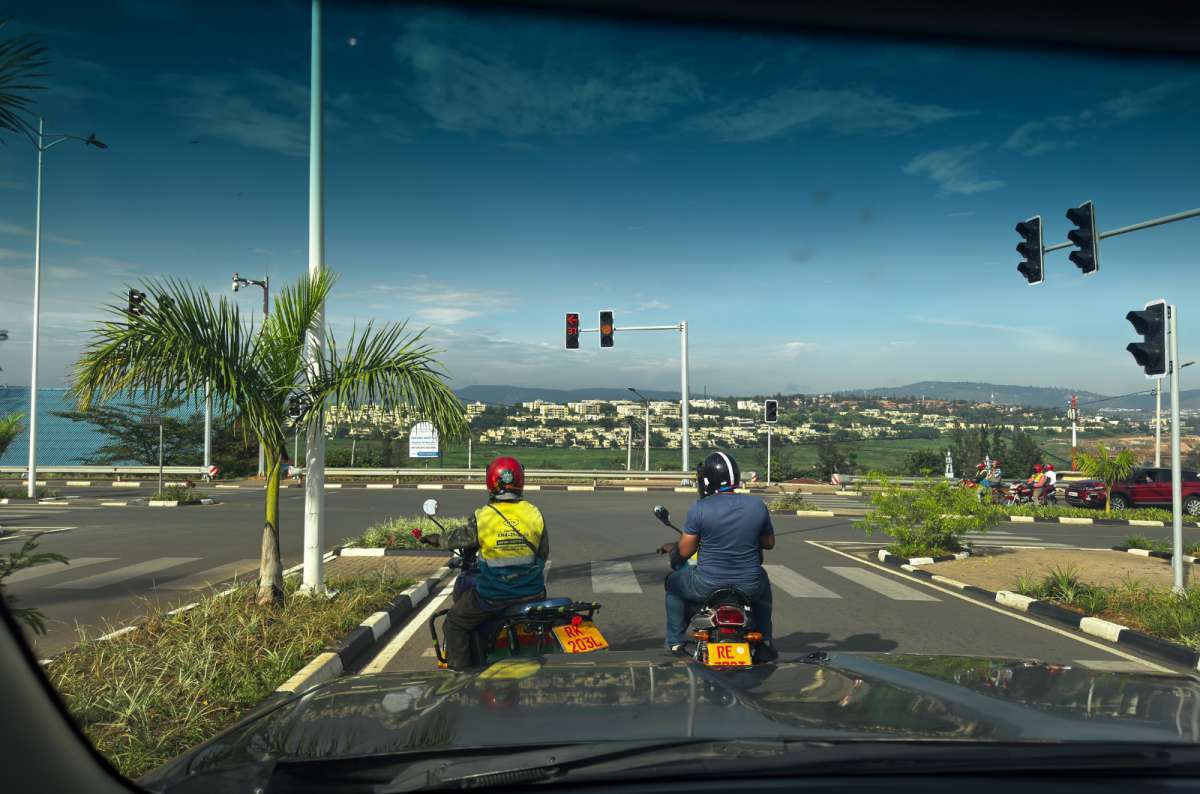
Motorbike taxis are everywhere in Kigali. They're cheap and convenient, but after seeing a few accidents, I was perfectly happy sticking to regular taxis
Kigali surprised me more as a city to be in than a city to sightsee in.
It's clean, green, organized, and spread across hills, with a mild climate thanks to its altitude. Traffic is relatively orderly, infrastructure works, and compared to many capitals I've visited in Africa, getting around felt straightforward. Kigali also feels like a very easy introduction to East Africa.
But Kigali isn't packed with attractions. What I found more interesting was the contrast between the city's difficult recent history and modern Kigali. You can spend the morning at a genocide memorial and, a few minutes away, find modern office buildings, shopping centers, immaculate streets, and the Kigali Convention Centre.
I liked Kigali, but for most first-time visitors, I'd treat it as an important introduction to Rwanda rather than the main event of the trip.
For what I’d prioritize after leaving the capital, see my guide to the best things to do in Rwanda.
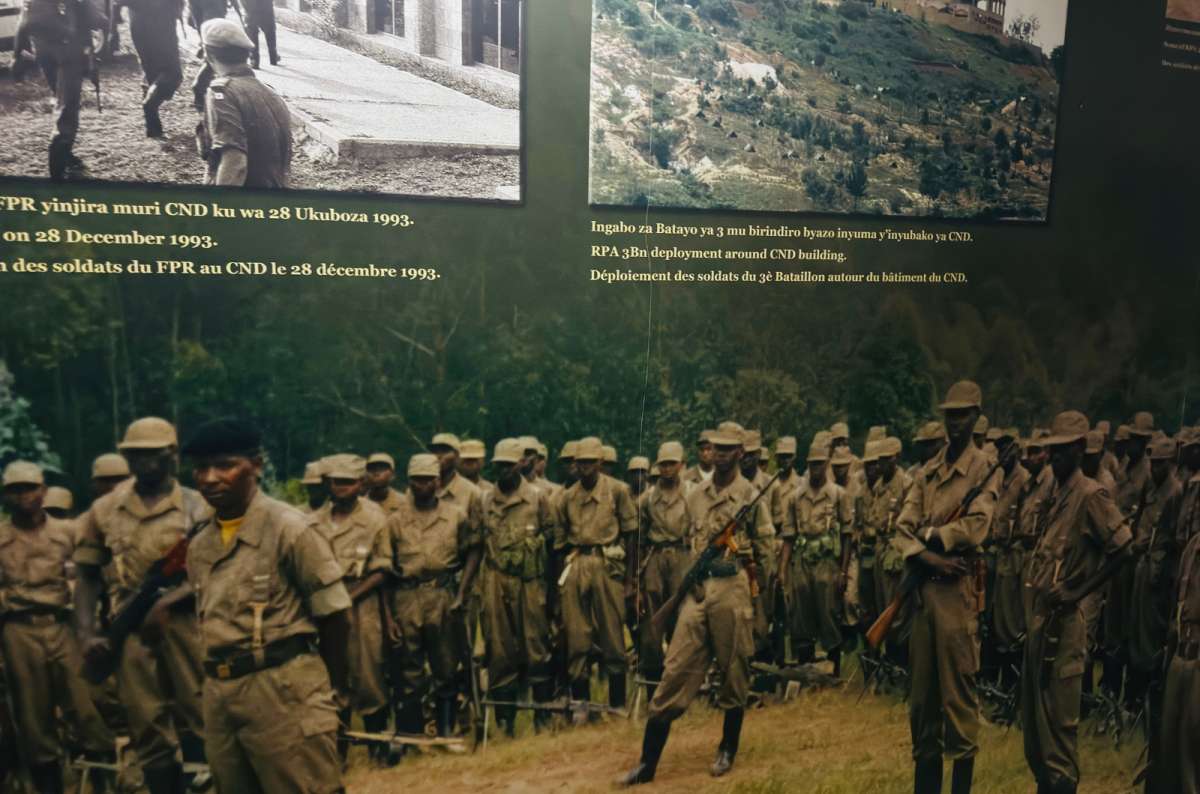
My top-rated attraction in Kigali turned out to be a military history museum. No surprises there, if you know me
My ranking of the best things to do in Kigali, based on my own experience:
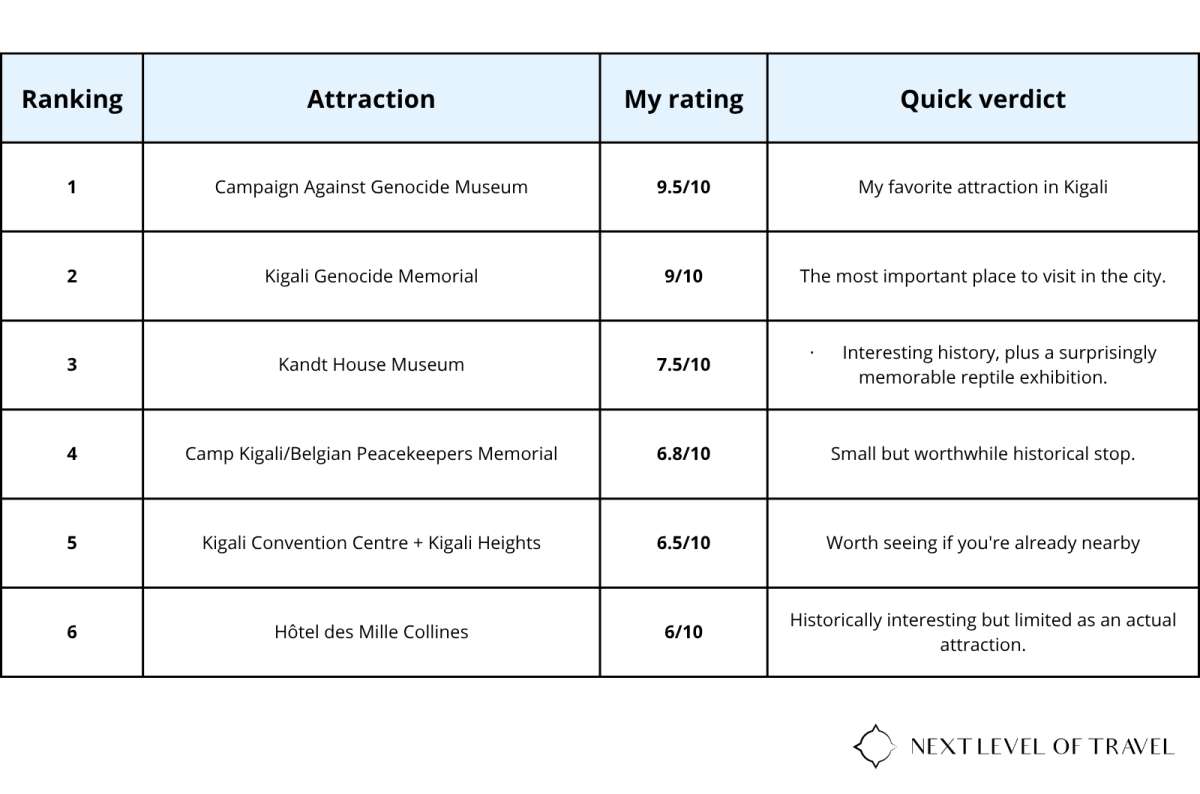
These are my personal ratings as a traveler, not rankings of their historical importance.
|
Rating |
What it means |
|
9–10 |
Exceptional—a trip-defining experience |
|
8–8.5 |
Strongly recommended |
|
7–7.5 |
Worthwhile |
|
6–6.5 |
Nice if nearby or interested |
|
5 or below |
Skippable for most travelers |
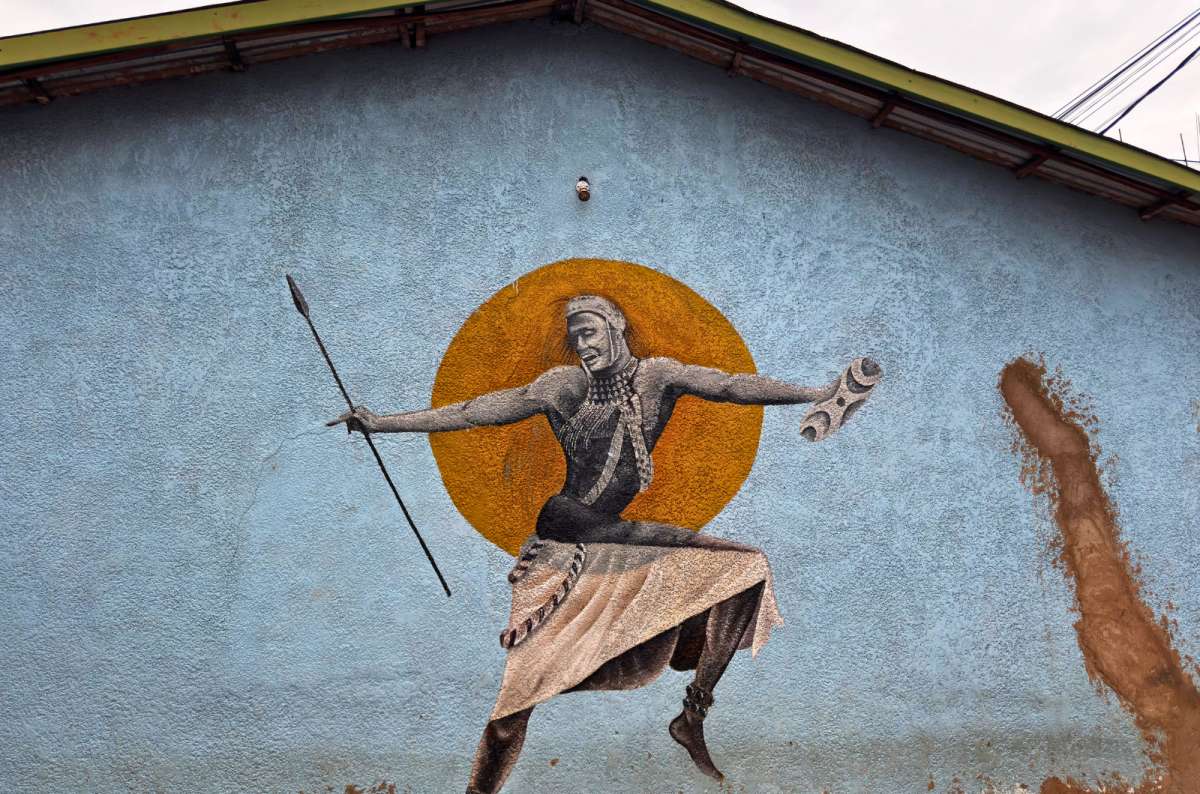
There's more to Kigali than museums, but I wouldn't stretch the sightseeing to three days just to prove it
For most travelers, I think 1 full day in Kigali is enough. Two days is plenty if you're particularly interested in Rwanda's history and museums.
With one full day, I'd prioritize the Kigali Genocide Memorial and Campaign Against Genocide Museum, then add one or two shorter stops.
Stay a second day if you want Kandt House, Camp Kigali, a neighborhood tour, or simply a slower pace.
I wouldn't try to visit every genocide-related museum and memorial in one day, either. Apart from becoming repetitive, these aren't exactly places you want to speed-run between breakfast and dinner.

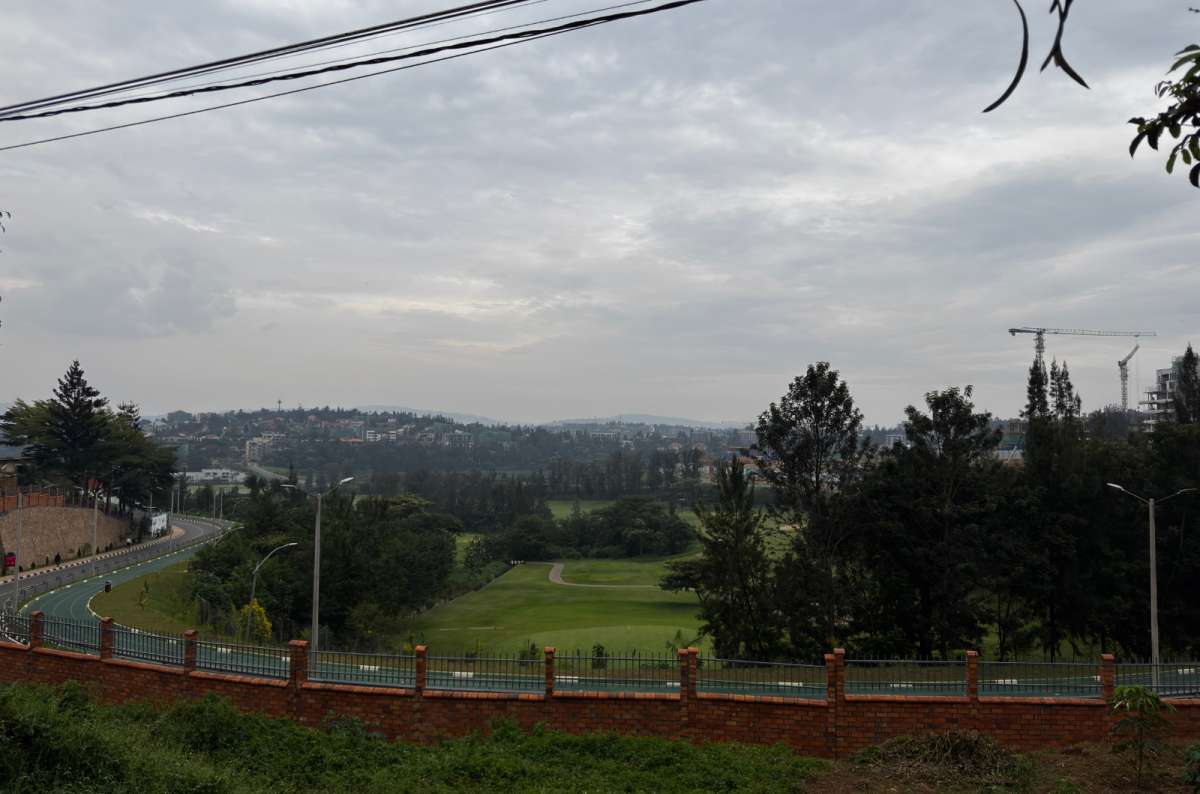
Kigali is spread across hills, but the main sights are easy enough to cover in a day if you plan your stops sensibly
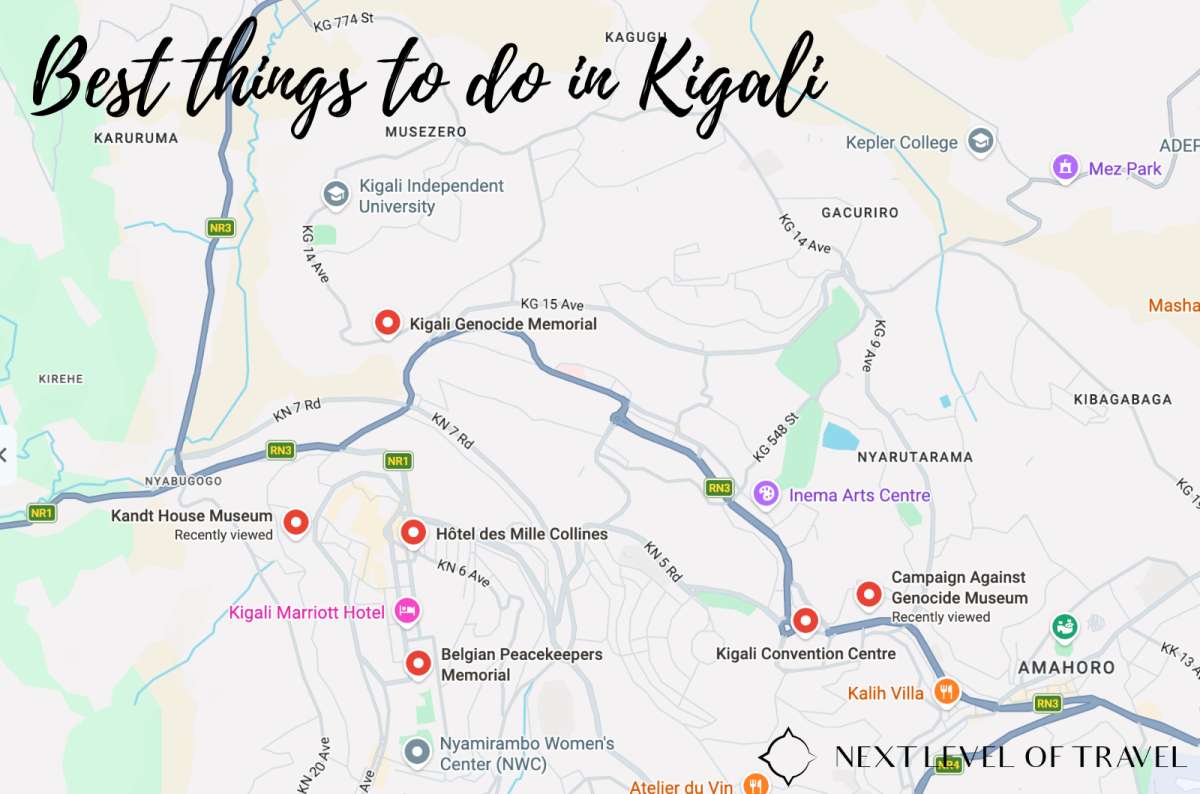
If you have just one day, these are the things to see in Kigali I’d prioritize.
This covers my three most worthwhile Kigali attractions in one day without turning a difficult subject into a museum marathon. If you have a second day, add Camp Kigali and a local experience such as Nyamirambo.
If you'd rather explore Kigali with a local guide instead of organizing taxis between the sights, consider this guided Kigali city tour including the Genocide Memorial. It's a convenient way to learn more about the city's history while getting around without the hassle of planning every stop.
Kigali has plenty of colorful street art, ridiculously clean streets, and a few practical quirks worth knowing before you arrive
If you want to rent a car from the start and road-trip around Rwanda, I always use Discover Cars.
Now, onto the best things to do in Kigali in more detail.
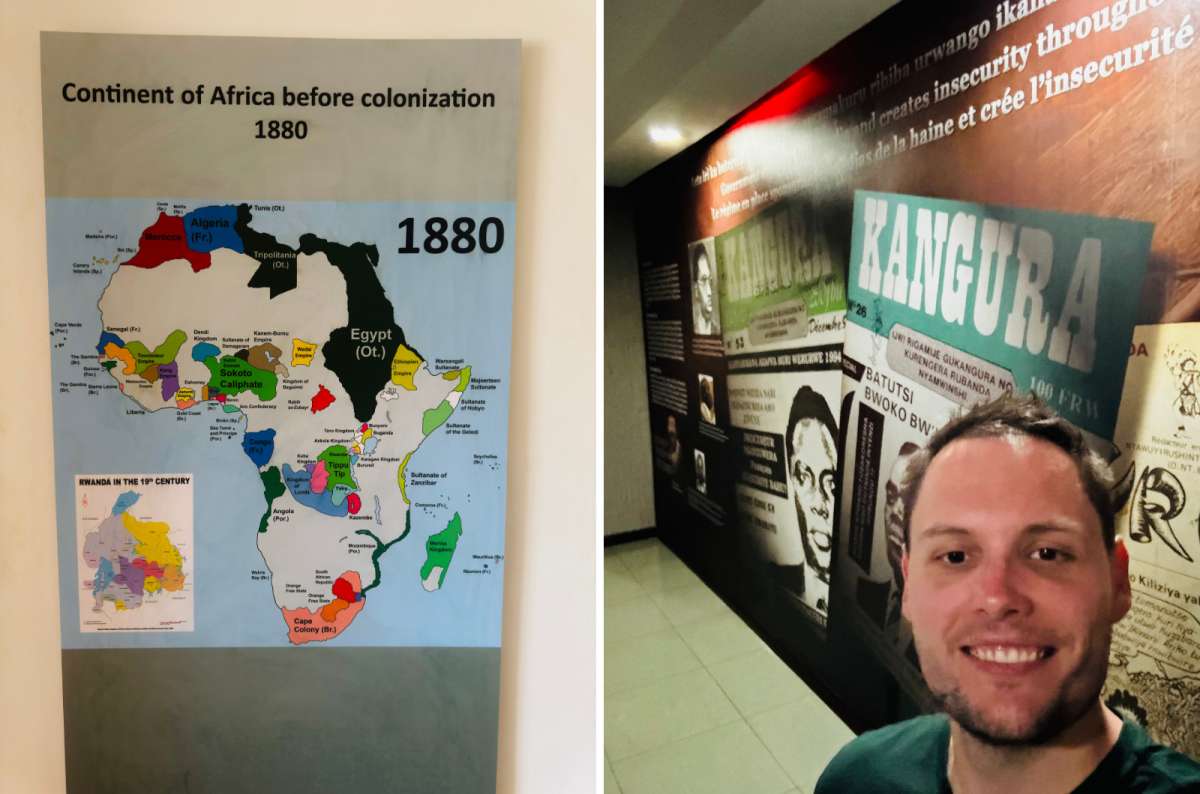
From colonial history to the events of 1994, this museum gave me a much better understanding of Rwanda than I had before walking in
Jan’s rating: 9.5/10
My favorite sight in Kigali. The museum is extremely well done, and I came out knowing far more about Rwanda’s recent history than when I went in.
The Campaign Against Genocide Museum is inside Rwanda’s Parliament complex, in the former Conseil National de Développement building. Around 600 RPF soldiers were stationed here as a protection force following the Arusha Accords, and the museum focuses on the subsequent RPA military campaign during the 1994 Genocide against the Tutsi.
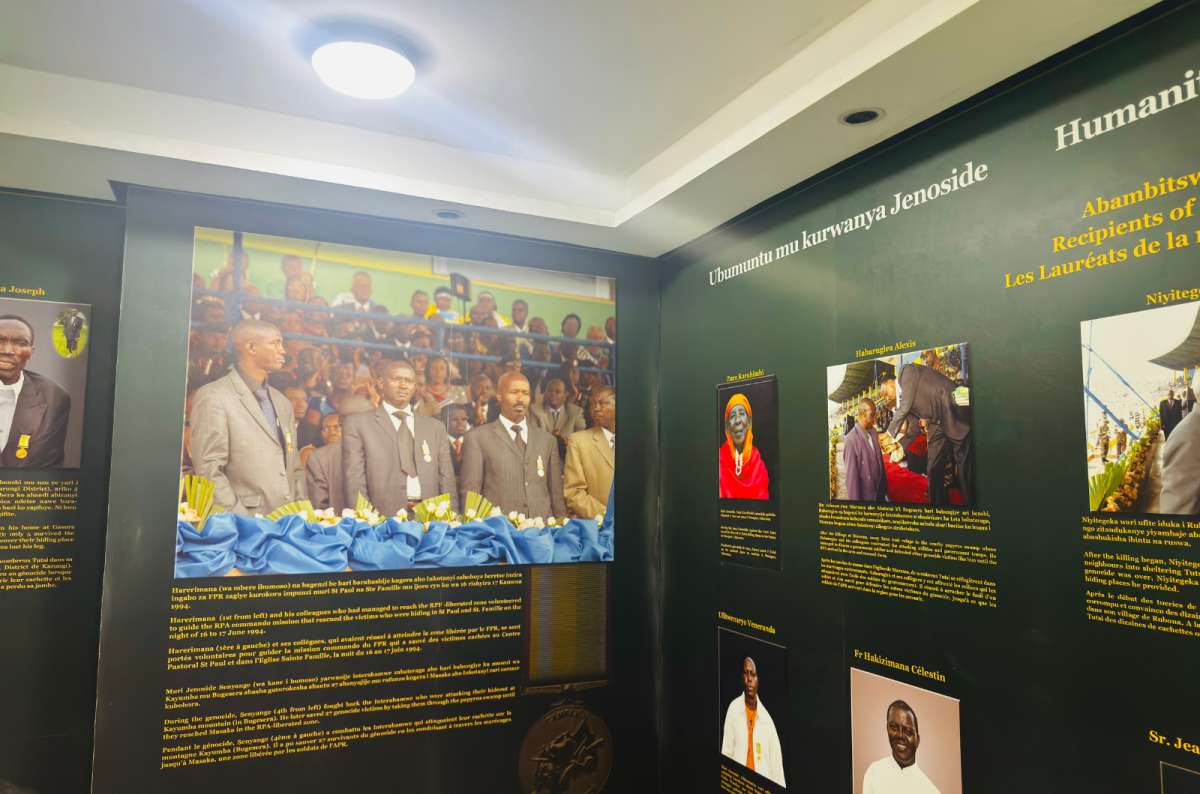
The exhibits explain the events of 1994 in detail, but hearing the story from a guide who had lived through the genocide made the biggest difference
My visit was partially guided, and I found the military side of the story fascinating. The museum takes you through the strategy and events of the campaign, including how RPF/RPA forces operated from the Parliament compound. It was a part of Rwanda’s history I knew embarrassingly little about before arriving.
But what made the visit particularly memorable was our guide.
He told us that his entire family had been killed during the genocide. Hearing someone with that personal connection explain what happened was completely different from reading another information panel.
What stayed with me wasn't only the military history, either. I remember him talking about togetherness, accountability, and having goals bigger than your own individual life. He also spoke about forgiveness and rebuilding a country after what had happened.
Those parts of the conversation stayed with me long after I left the museum. That's something I couldn't have got from visiting without a guide.
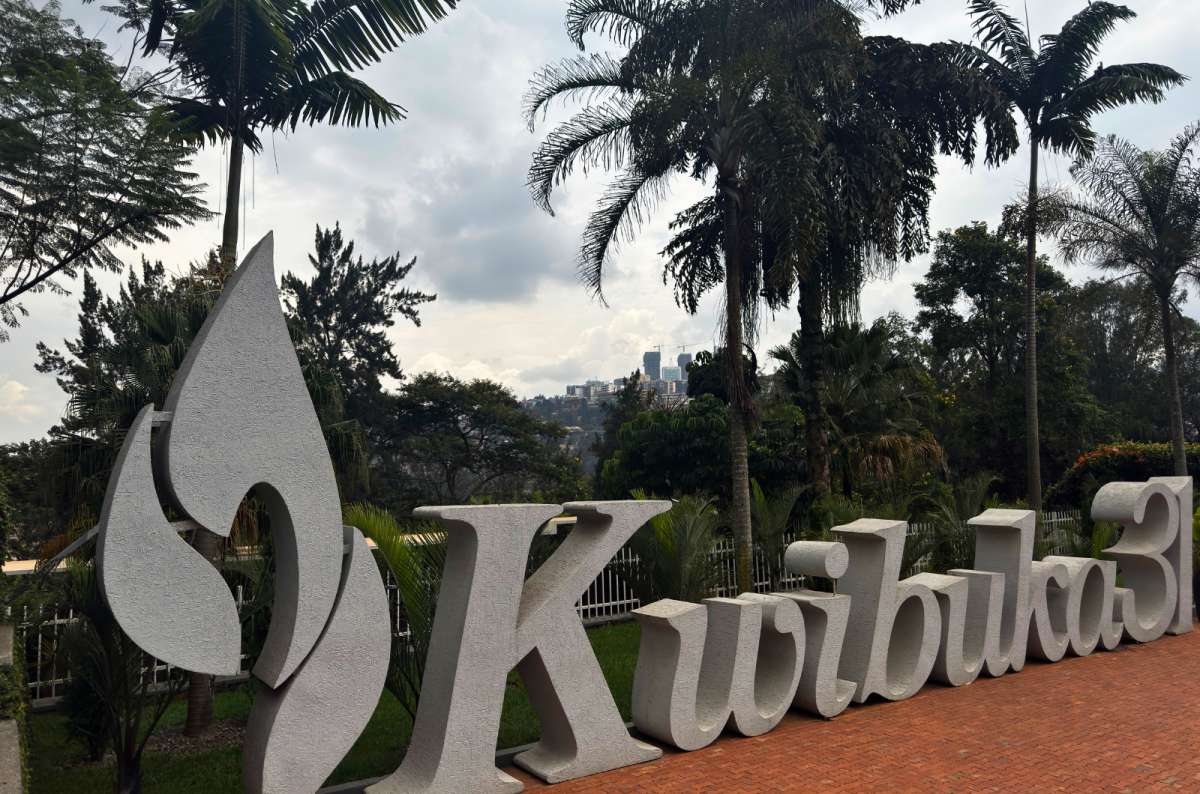
Kwibuka (Remember): A deeply moving visit to the memorial site in Kigali
Jan’s rating: 9/10
The most important place to visit in Kigali. Exceptionally well curated, deeply uncomfortable, and absolutely not somewhere I’d rush through just to tick it off the list.
The Kigali Genocide Memorial is both a museum and the final resting place of around 250,000 victims of the 1994 Genocide against the Tutsi. The exhibitions cover Rwanda before the genocide, the events of 1994, and what followed, alongside memorial gardens and the burial site.
I found the museum exceptionally well curated, but two parts of my visit stand out in particular.
When I visited, entrance was free, and I spent about USD 20 on the audio guide. That was money well spent.
The audio guide was the MVP of my visit. There’s a huge amount of history here, and I got far more from the exhibitions by listening to the additional context instead of simply moving from panel to panel.
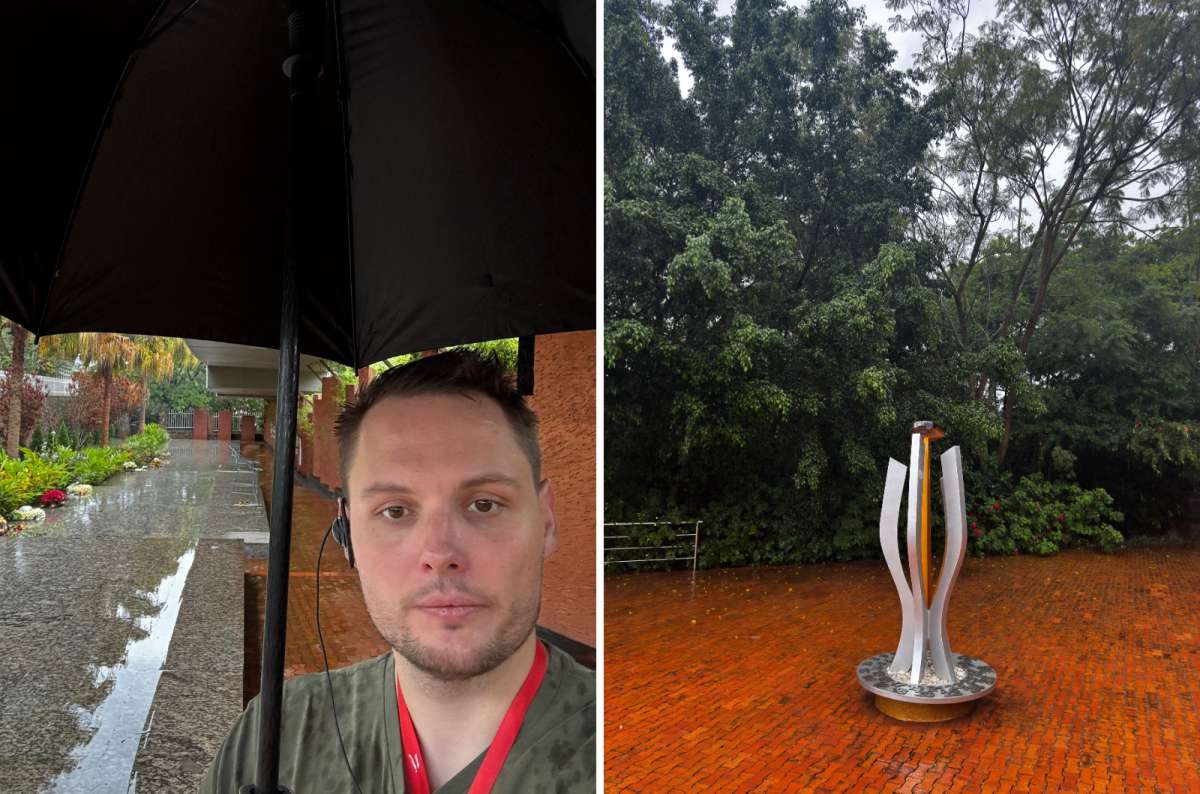
It was pouring rain during my visit, which somehow suited the mood. The audio guide made sure I understood much more than I would have on my own
The section I remember most clearly is the children's memorial, which presents individual children who were killed through photographs and details about their lives.
I found it by far the hardest part of the visit. Statistics—even horrifying statistics—are still numbers. Seeing individual children presented as actual people makes what happened much harder to distance yourself from.
I wouldn't recommend entering that room unless you have pretty good nerves.
The Kigali Genocide Memorial and Campaign Against Genocide Museum are very different experiences. The Memorial gives you the broader historical context, while the Campaign Museum focuses more specifically on the military campaign during 1994. I personally rated the Campaign Museum slightly higher because of my guide and interest in military history, but if you only visit one, I'd make it the Kigali Genocide Memorial.
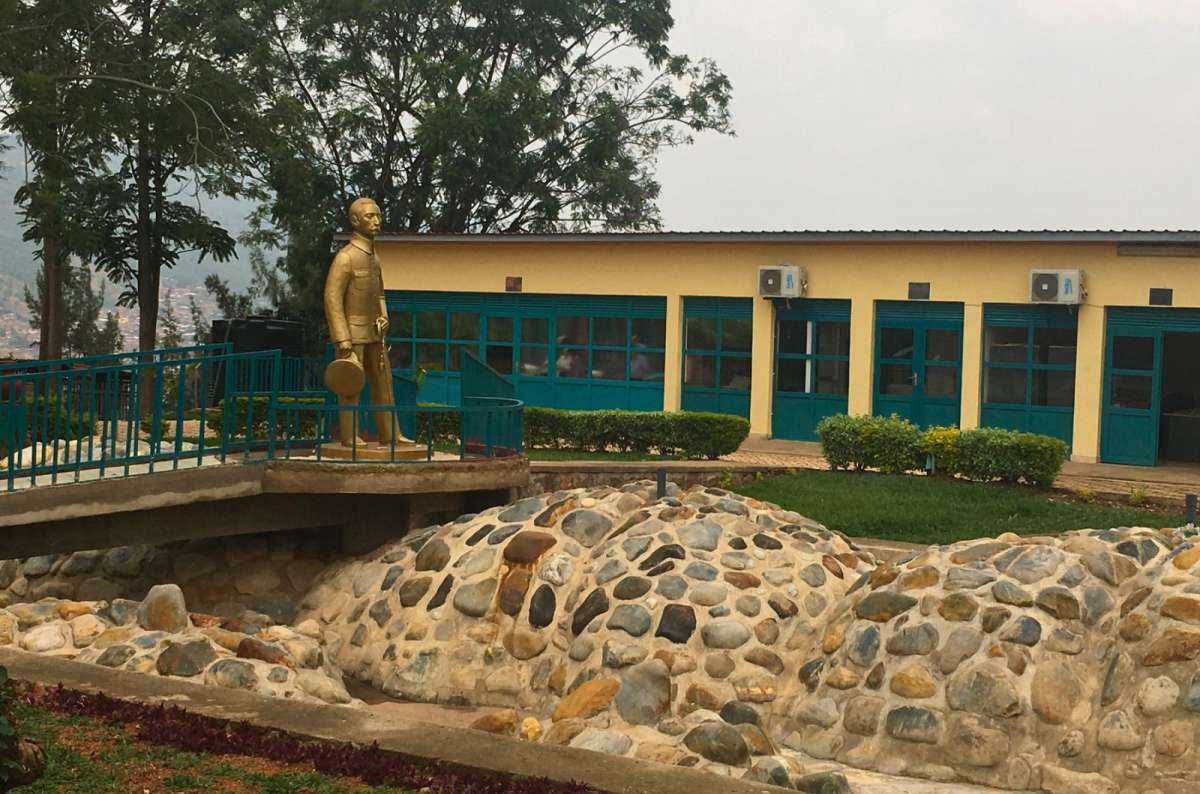
Kandt House takes you back to Kigali's colonial beginnings. The historical exhibits were interesting, but the enormous snakes downstairs stole the show for me
Jan’s rating: 7.5/10
Worth visiting for Kigali’s early history, although the museum itself is fairly basic. Weirdly enough, the enormous Gaboon viper downstairs is one of the things I remember best.
Kandt House Museum was one of the better places I found for understanding Kigali before the modern city developed. The house belonged to Richard Kandt, the first German colonial Resident in Rwanda, and the museum covers Rwanda's early colonial period and the development of Kigali.
I enjoyed getting a completely different period of Rwanda's history after so much of my Kigali sightseeing had understandably focused on 1994. The museum itself is fairly basic, though, with relatively few objects.
Then you get to the reptiles.
When I visited, the reptile exhibition had pythons, cobras, a puff adder, a black mamba, and the biggest Gaboon viper I had ever seen. I wasn't expecting one of my strongest memories from a historical museum to be a massive venomous snake, but there you go.
At 7.5/10, Kandt House is one of the more worthwhile things to do in Kigali if you're interested in the city's history, but with limited time I'd still prioritize my top two sights.
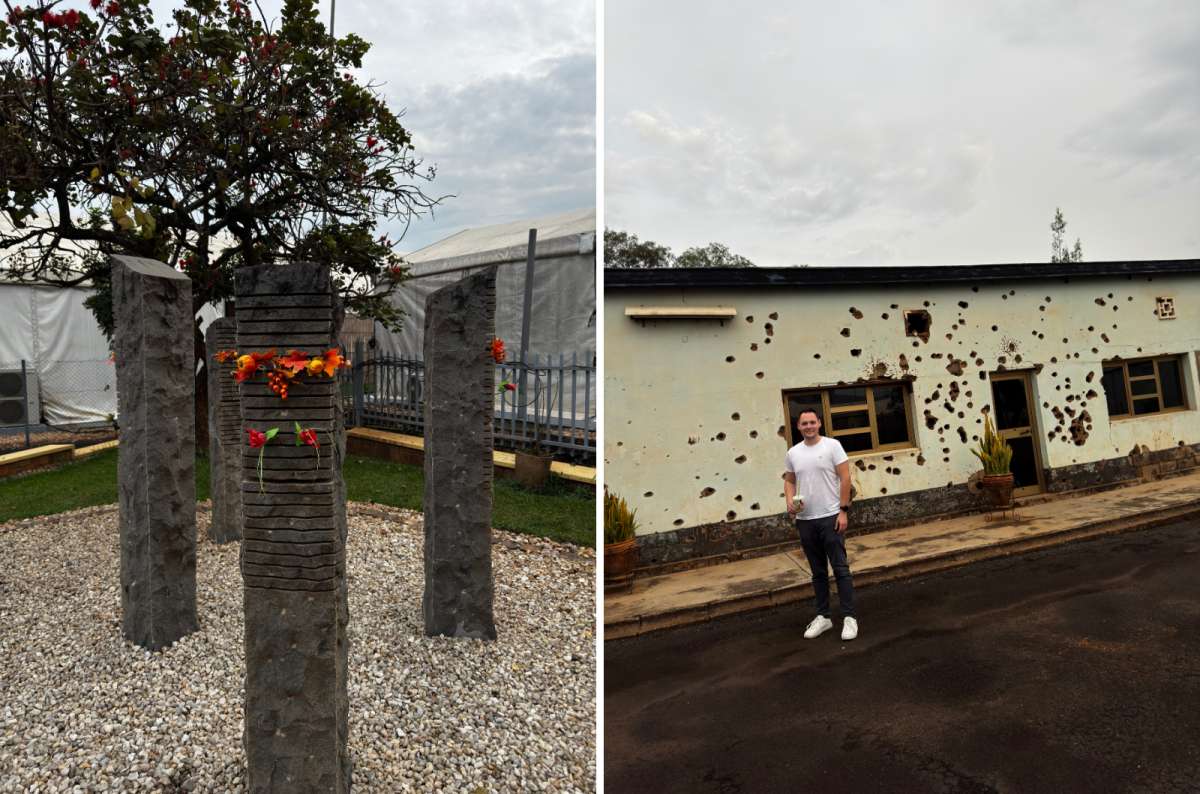
Ten memorial pillars for ten Belgian peacekeepers killed in 1994. The bullet-damaged building nearby makes the history painfully tangible
Jan’s rating: 6.8/10
A small but worthwhile memorial that adds another piece to the story of 1994. You don’t need long here, but it’s worth a stop if you’re already sightseeing in central Kigali.
Camp Kigali is where 10 Belgian UN peacekeepers were killed on April 7, 1994, after being sent to protect Prime Minister Agathe Uwilingiyimana. Today, 10 stone pillars commemorate the peacekeepers, while bullet and shrapnel damage remains visible on the building where they were killed.
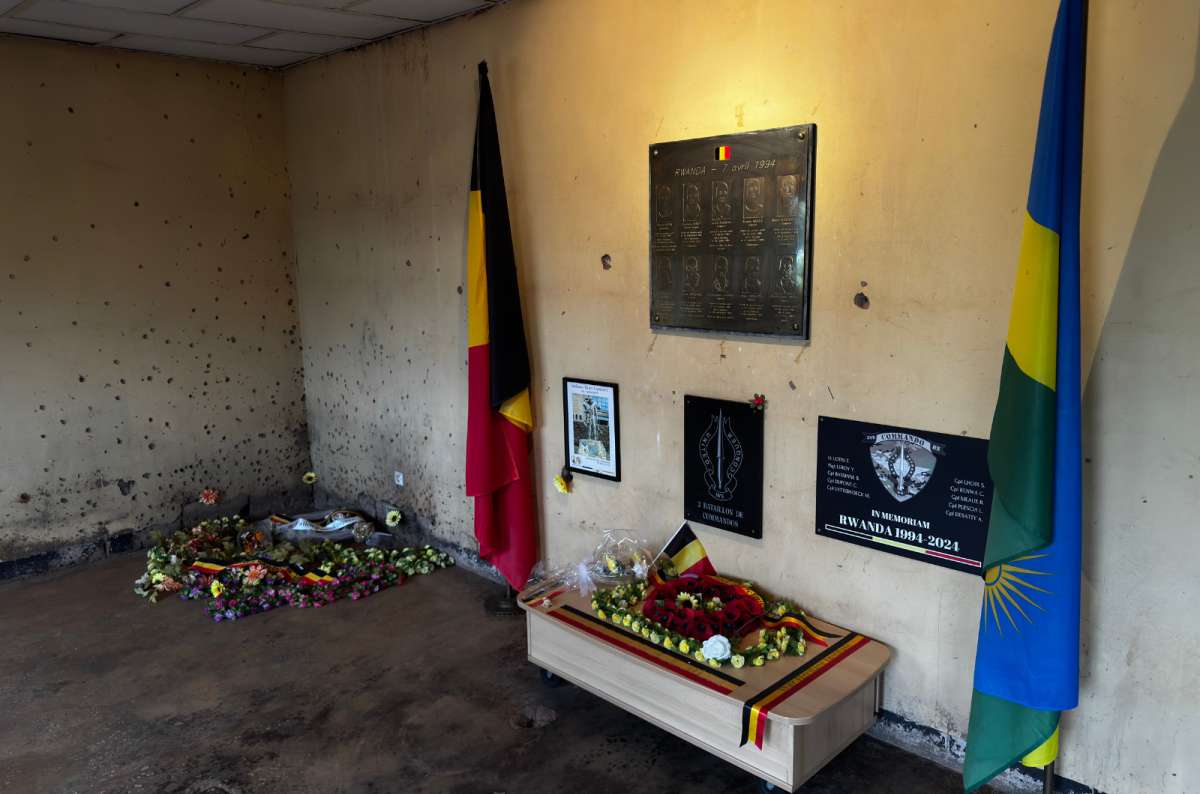
Inside the building, the names, photographs, and flowers commemorate the ten peacekeepers. It's a small memorial, but one worth taking the time to see
There isn't much to see, but if you're interested in Rwanda's recent history, it's one of the easier things to do in Kigali to add to your itinerary.
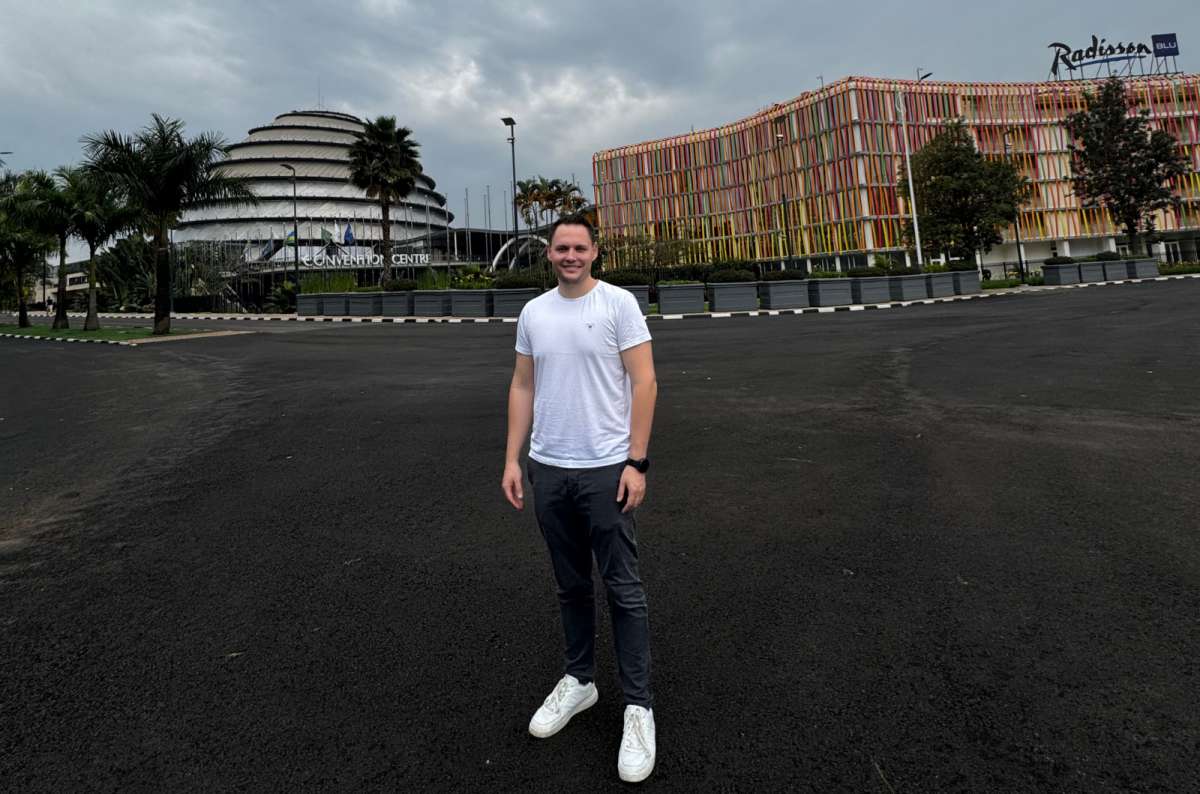
From genocide museums to modern architecture. Kigali Convention Centre is worth a quick look, especially once the dome lights up after dark
Jan’s rating: 6.5/10
Not something I’d cross Kigali specifically to see, but it’s an easy stop that shows you a completely different side of the city.
After so much historical Kigali sightseeing, the Kigali Convention Centre offers a completely different view of the city. Opened in 2016, its distinctive dome was inspired by traditional Rwandan architecture and looks best illuminated at night.
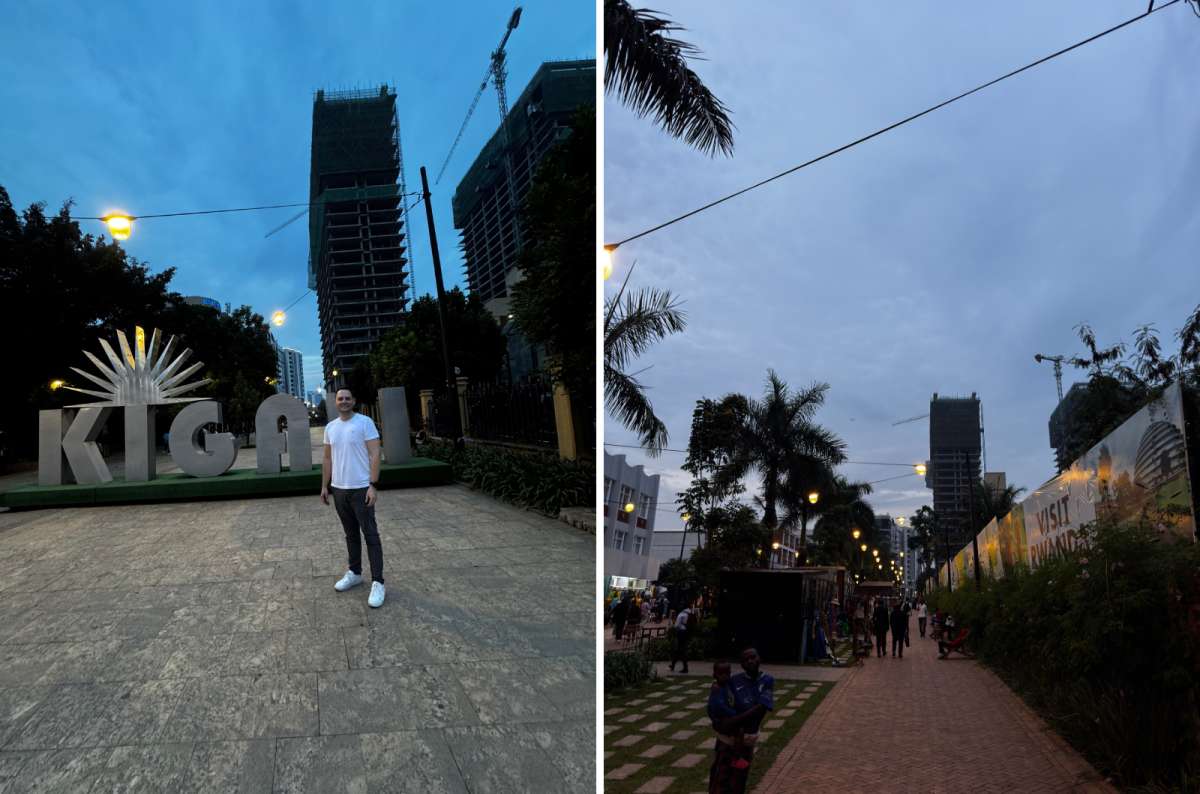
A quick photo at the KIGALI sign, a walk around the area, and you're pretty much done sightseeing here. Head to Kigali Heights for something to eat
There isn't much to actually do here. Walk around the Convention Centre, then head to Kigali Heights for coffee, food, or a break. Its location near the Campaign Against Genocide Museum makes it an easy addition to your list of things to do in Kigali, rather than a separate trip.

You might recognize Hôtel des Mille Collines from the story behind Hotel Rwanda. Today, it's a functioning hotel rather than a museum, so don't expect much sightseeing
Jan’s rating: 6/10
Interesting because of its history and connection to the film Hotel Rwanda, but I wouldn’t go out of my way just to see it.
The Hôtel des Mille Collines opened in 1973 and sheltered around 2,000 people during the 1994 Genocide against the Tutsi, according to the hotel. Its story later became known worldwide through the film Hotel Rwanda.
Today, it’s still a working hotel, so don't expect much actual sightseeing. I found it interesting to see the real place, but its historical significance is greater than the actual experience.
If you want to stay somewhere with a unique place in Rwanda's history, you can also book a room at Hôtel des Mille Collines. It's centrally located, making it a convenient base for exploring Kigali.
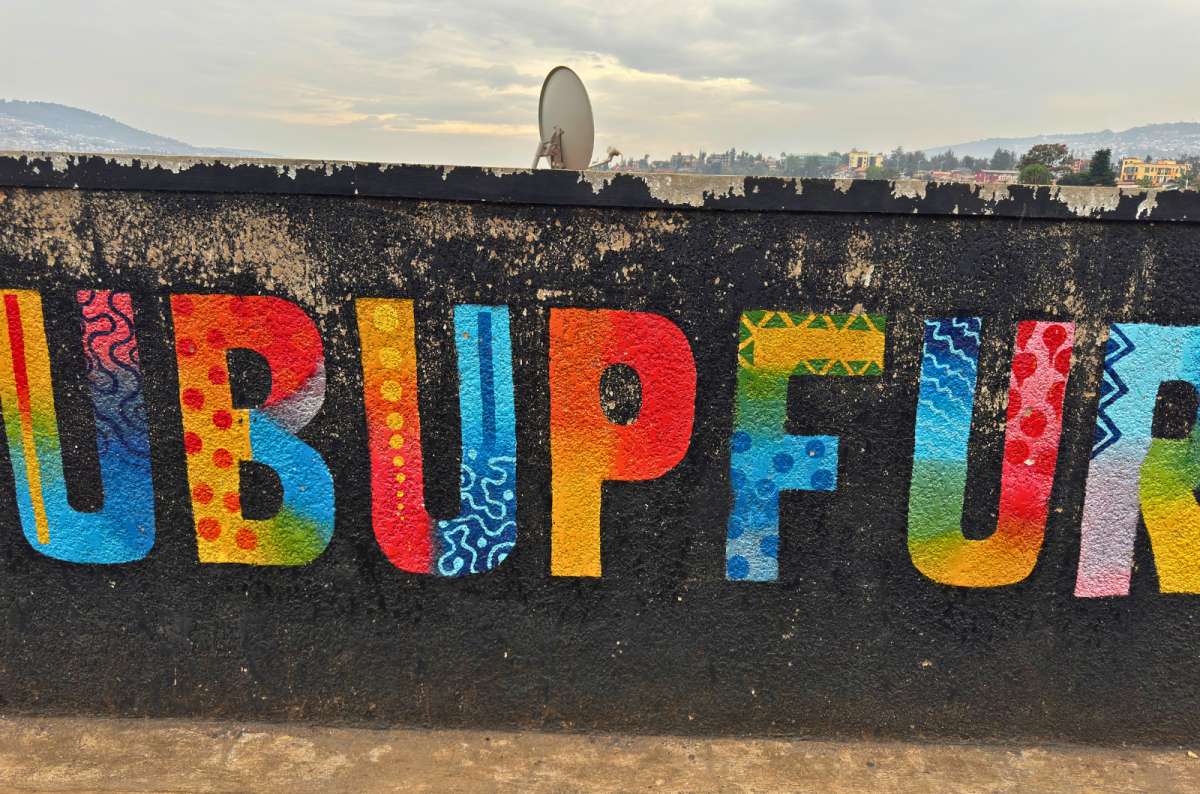
Nyamirambo is where I'd head to see more of everyday Kigali beyond the museums. I haven't done the walking tour myself, but it's on my list for next time
I didn’t do this one myself, so I’m not going to pretend I did and give it a rating. But if I were adding one more local experience to a Kigali itinerary, this is where I’d look.
If you want to explore Kigali beyond its museums, Nyamirambo gives you a look at one of the city's more vibrant neighborhoods instead of another attraction reached by taxi.
The Nyamirambo Women’s Center runs the walking tours through one of Kigali’s oldest neighborhoods. Along the way, you stop at a women’s hair salon, visit a family compound, pass two mosques, and stop at a tailor to see traditional fabrics. The tour finishes with a traditional Rwandan lunch.
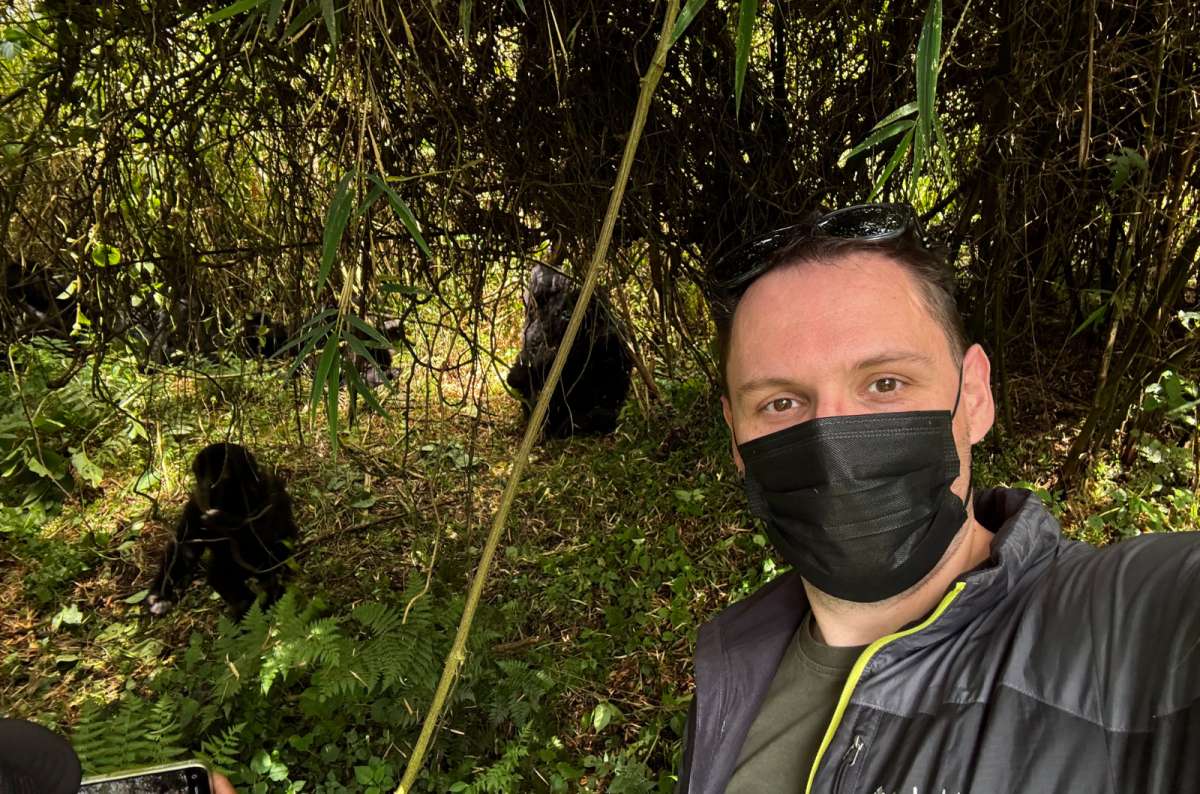
Kigali gave me the historical context, but experiences like gorilla trekking are the real reason I'd recommend traveling to Rwanda
Kigali isn't the main reason I'd travel to Rwanda, but I definitely wouldn't skip it.
The city gave me important context for understanding the country, particularly through the Kigali Genocide Memorial and Campaign Against Genocide Museum. Those two alone made the stop worthwhile.
My advice is simple: Give Kigali one full day, prioritize the history, and then move on to explore the rest of Rwanda—whether that's gorilla trekking, Akagera National Park, or Lake Kivu.
This post contains affiliate links. If you make a booking through one of my links, I may earn a small commission—at no additional cost to you. Thank you for your support!
Best things to do in Kigali–ranked
How many days do you need in Kigali?
The perfect 1-day Kigali itinerary
1. Visit the Campaign Against Genocide Museum
2. Pay your respects at Kigali Genocide Memorial
4. See the Belgian Peacekeepers Memorial at Camp Kigali
5. See Kigali Convention Centre + Kigali Heights after dark
6. Stop by Hôtel des Mille Collines


Hi, I’m Jan. I travel fast and intensely, whether I’m exploring the buzz of Tokyo in 3 days or road-tripping through mountains and beaches on a 3-week Thailand adventure. And no matter where I am, you’ll always find me in a comfortable hotel at night and eating the best food.
If that sounds like your kind of journey, hop on board, and let’s explore the world together!
I started this blog after realizing how tough it can be to find reliable, authentic travel info. You wouldn’t believe how many “travel bloggers” never even visit the places they write about! On Next Level of Travel, you can count on my full honesty and insights drawn from my firsthand experiences.
Here’s the deal: not every destination is all superlatives and unicorns. I’ll let you know if a tourist attraction isn’t worth your time, like skipping overrated stops in my 2-week Spain itinerary. And when I find something truly special—like the perfect mix of culture and nature in Cape Town—you can trust that it’s worth adding to your itinerary.



Comments | Thoughts? Give us a shout!