


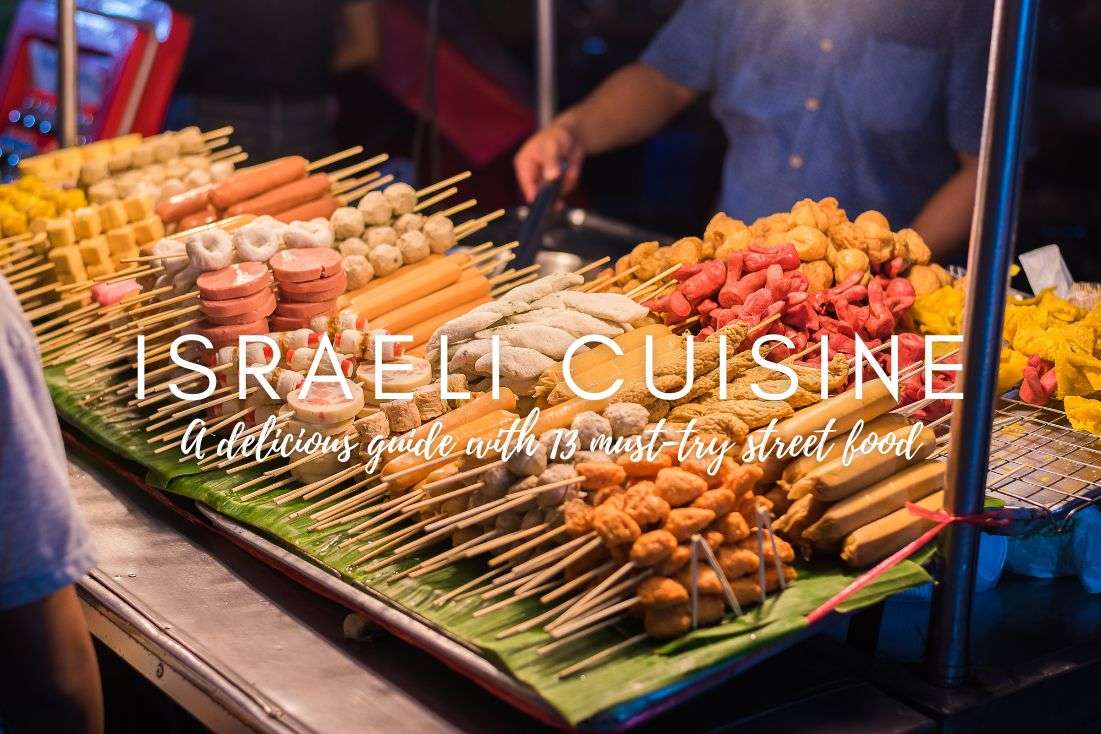


Israel must be one of the best countries I have been to when it comes to food. Middle Eastern cuisine is simply irresistible with all the meat, veggies, and desserts. When you are having Israeli food, you can indulge in both traditional and modern culinary experiences, whether in the Old Town or skyscrapers.
Doesn't matter if you're vegan or a meat lover, satisfying your taste buds with delicious dishes from Israeli street and traditional cuisine will be easy-peasy (vegan options are even more available than in other countries).
I’ve created this list based on my own experiences with the best food in Israel, and it’s ranked in the order of how much I salivate when I reminisce about it. I’ve also included where I found the best version of each food.
Here’s a quick overview (in case you’re so hungry you can’t read the full descriptions):
Read more from my Israel travel blog.
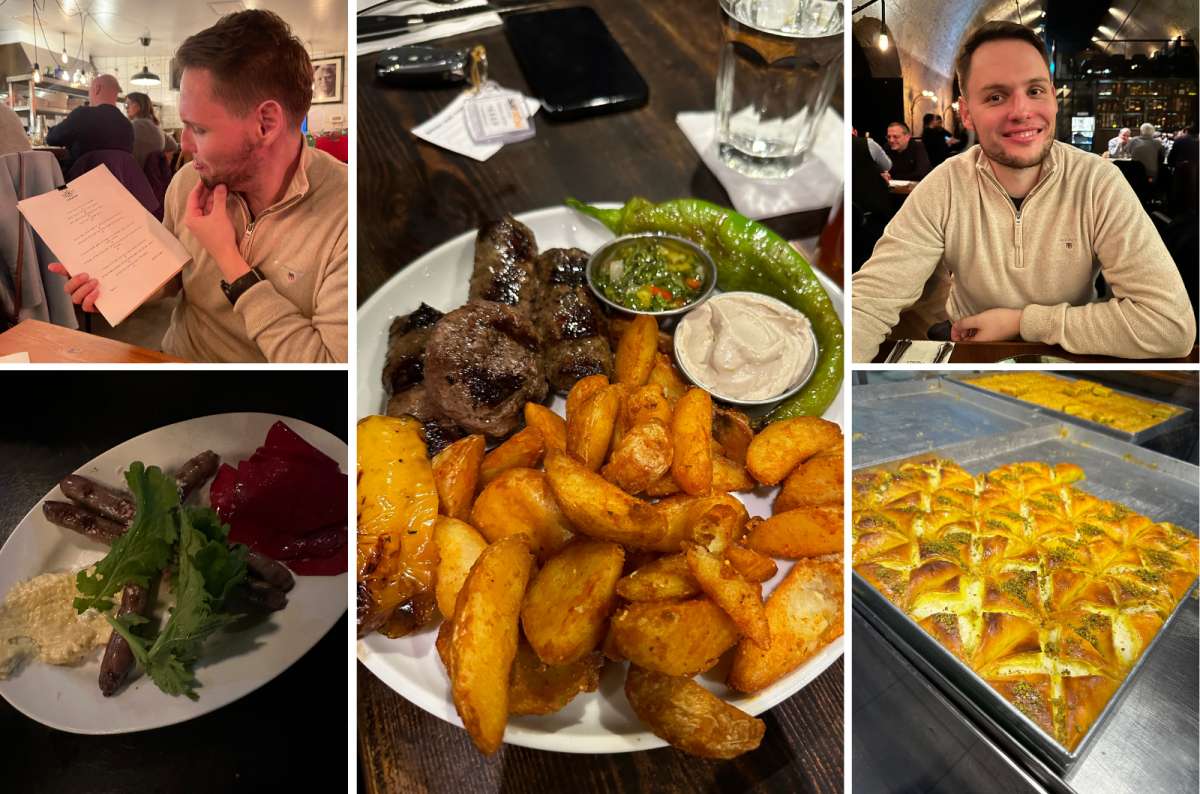
This is just a light taste of the Israeli foods you can enjoy on your trip (your favorite foodie was more than satisfied)
Without further ado, let’s get into my ultimate list of top Israeli foods!
Shakshuka
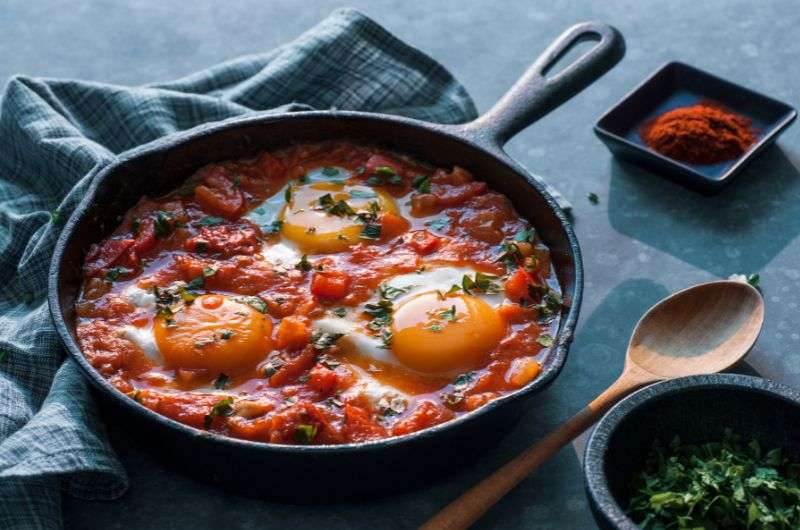
Okay, let's begin with the crown jewel of Israeli cuisine. Shakshuka is a breakfast delight that makes my taste buds dance with joy every morning. As I tasted one of the healthiest and best breakfast dishes ever on the first day of our trip, I immediately knew we would become best buddies. But what is shakshuka, you ask?
Well, it's nothing less than gently poached eggs in a rich tomato and pepper sauce, accompanied by onions and garlic, served in a very hot, sizzling pan. Don't you find yourself drooling just by reading this? I've been there myself. The dish is so good-looking that I've burnt my tongue every time I've had shakshuka. I simply couldn't wait to eat it. And when the hot pan was served right in front of me, there was no time to wait!
You'll find shakshuka being served on what feels like every corner of Jerusalem or Tel Aviv. It's basically an Israeli national dish, winning the hearts—and stomachs—of both travelers and locals.
Shakshuka can be enjoyed in countless variations based on your preferences and taste. You can have the old but gold traditional recipe or spice it up a little bit with paprika or cumin. But whatever the combination, this mouthwatering delight is still culinary magic.
Where to find the best shakshuka: The best breakfast shakshuka I've ever had was at Estate Spa Boutique Hotel in Rehovot. If you want to wake up to a delicious breakfast selection with fresh ingredients, that's the place for you (and obviously, the sleep is good, too!).
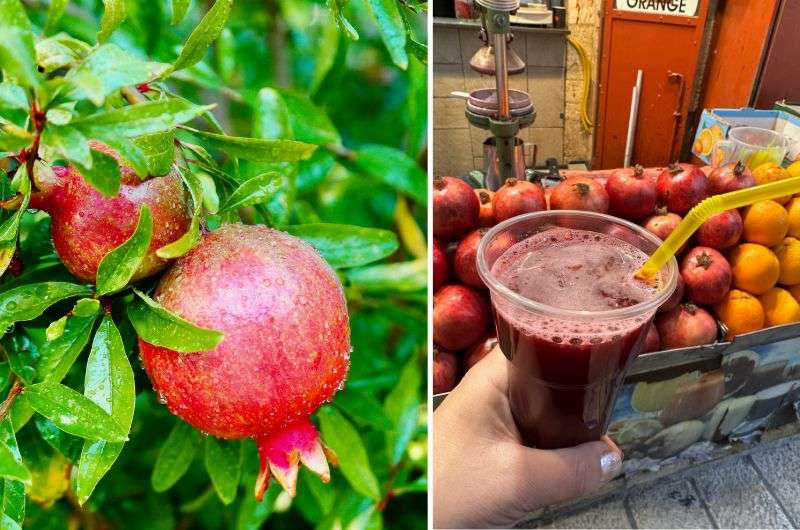
In Israel, fresh pomegranate is available on almost every corner
Pomegranate and I, that's a definition of a love-hate relationship. I love to eat it or drink its juice, but I hate to peel it and prepare it. The process is a hassle, and I'm not even talking about the mess. Luckily for me and all of you lazy peelers out there, there are flowing rivers of pomegranate juice on the streets of Israel.
Not only is pomegranate a fresh treat for your sweet tooth, but it also has a bazillion health benefits. Packed with antioxidants and essential nutrients, this delightful elixir is believed to promote heart health and boost immunity.
In Israel, pomegranates are something of a traditional fruit. It's a symbol of abundance, fertility, and prosperity. So, when you're enjoying a delicious treat, you also connect with cultural heritage. That's a win-win situation, and also one of my tips on what you should do in Israel.
The best juice I had was in Via Dolorosa in Jerusalem—a holy site which is believed to have been walked by Jesus. Now I get why the juice tasted truly divine!
Bonus juice: Carrot juice is another Israeli staple you can find everywhere. If you don’t think it sounds refreshing, just wait until you try it. It’s way more sweet and delicious than it sounds and perfect for the hot climate.
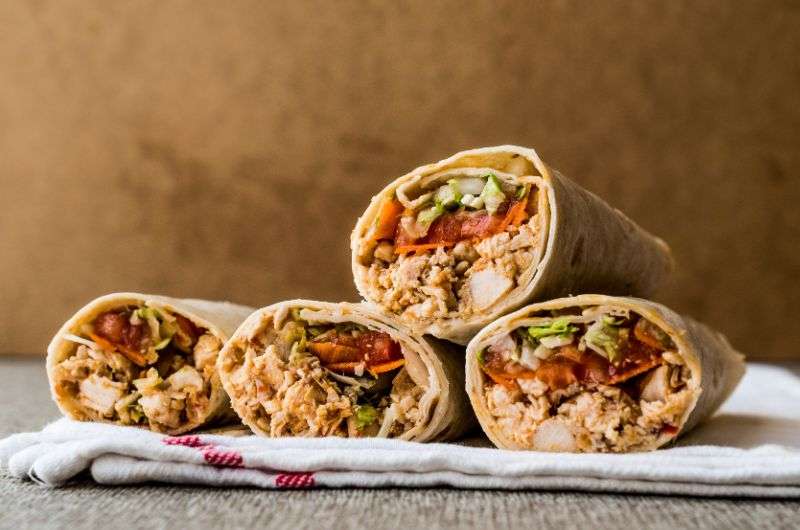
Shawarma
Well, what's not to like about thinly sliced, perfectly cooked meat? I know, I have exactly zero complaints. And people around the world would agree. This street dish is so popular that you can have it in almost every city in the world. Or at least one of its close variations from different cuisines, Greek gyros or Turkish kebab. It's all very similar and equally delicious.
And since Turkish kebab is part of the same delicious family, my guide on what to eat in Istanbul is basically your next logical food obsession.
You can imagine the well-known picture of a vertical cone-shaped mixture of meat on the stick spinning around next to the flaming hot grill that is being thinly sliced off as it cooks. And spinning, and spinning, and spinning… Sorry, I lost my focus while dreaming about the best shawarma I had in Jerusalem.
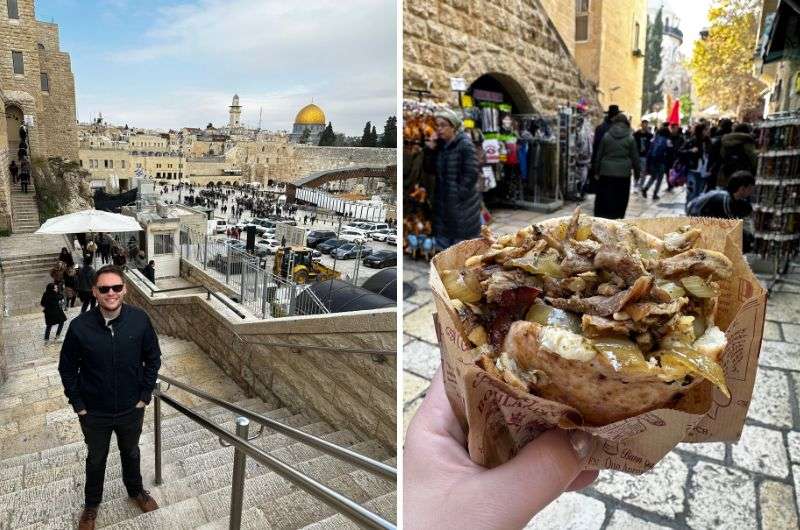
Getting Shawarama in Jerusalem
But shawarma is not only about meat—even though it's the key ingredient, it also needs some support. And that's where the sauces and toppings come into the picture. The vegetables served with the tender, juicy meat are almost as important. Fresh crisp lettuce with tomatoes and other vegetables with tahini sauce, garlic sauce, or spicy harissa are the most common companions of the meat. All of this put together in fluffy warm pita bread or rolled in a laffa makes the traditional shawarma.
Where to find the best shawarma: In the Jewish quarter.
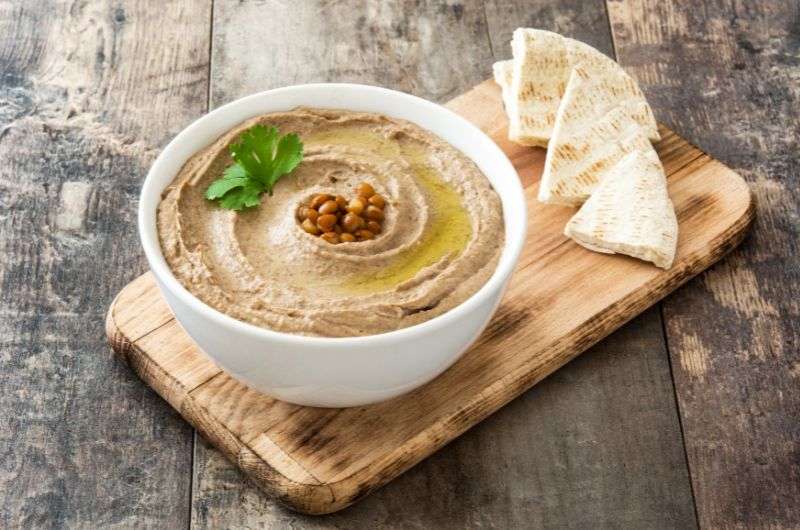
Hummus
I’ve loved hummus long before my travels to Israel. So, I naturally couldn’t wait to see what creamy sensation I'll get in the mecca of all hummus. And what I got exceeded my expectations. While I was used to hummus being a side dish or more of a dip, in Israel, they make it a whole dish! Served with whole hot chickpeas and warm pita bread, you can just dip your spoon in and eat it like any other vegetable puree.
Every hummus joint or restaurant serving it has a slightly different recipe or technique for how to make the perfect hummus spread. When traveling across Israel, you'll notice that some regions' recipes differ from others quite a lot—but that makes trying this Israeli food that much more interesting. You never know exactly what you’ll get.
But in general, the recipe stands on soaked and then cooked chickpeas, then blending them with tahini (a paste made from sesame seeds), lemon juice, garlic, and olive oil until they reach the right velvety-smooth consistency. The garnishes are the final touch, with some places offering everything from pine nuts and paprika to minced lamb or beef.
Where to find the best hummus: Literally anywhere. You can’t go wrong with hummus in Israel.

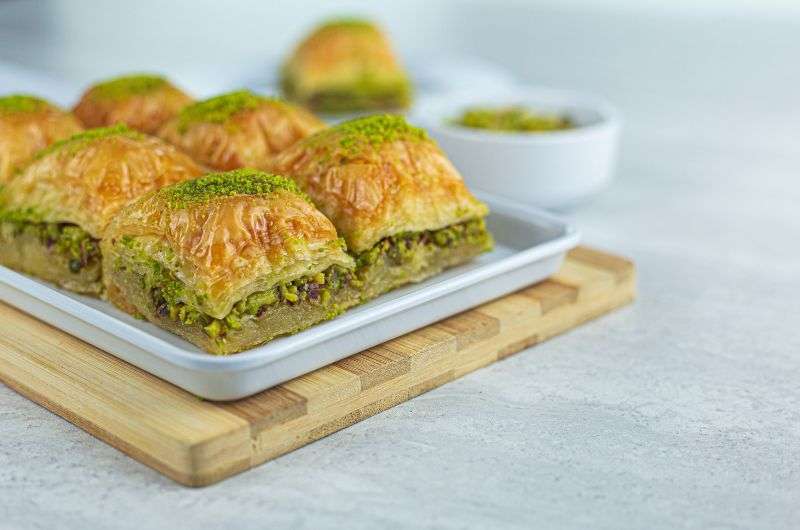
Baklava
Baklava is a godly pastry ready to satisfy your picky sweet tooth. It became probably my favorite dessert during my travels in Turkey, and it sealed the deal in Israel, especially the one I bought at the street stand in Akko Old Town. And it’s even nothing fancy, heck, it’s only some dough, nuts, and syrup, but man oh man do they make them to-die-for!
The preparation requires patience, skill, and attention to detail—the process is what makes or breaks the baklava. Basically, the dough has to be the thinnest thing ever in order to make the finest layers of nuts (generally pistachios, but can also be walnuts or hazelnuts) alternating with the dough. Douse in butter, bake.
The final step—soaking in a syrup will make all your cavities sensitive, but your taste buds will experience golden perfection! It transforms the pastry into a heavenly dessert and gives the baklava the final sweet touch.
You can get baklava at places dedicated just to the sweet or at restaurants as a dessert.
Where to find the best baklava: Make sure you’re eating fresh baklava and not the stale variety that has been packed forever, waiting for an unsuspecting tourist to buy it as a souvenir. If you see them cutting it up in front of your own eyes, you’re getting the good stuff. This is one piece of traditional Israeli cuisine that I can get behind every time!
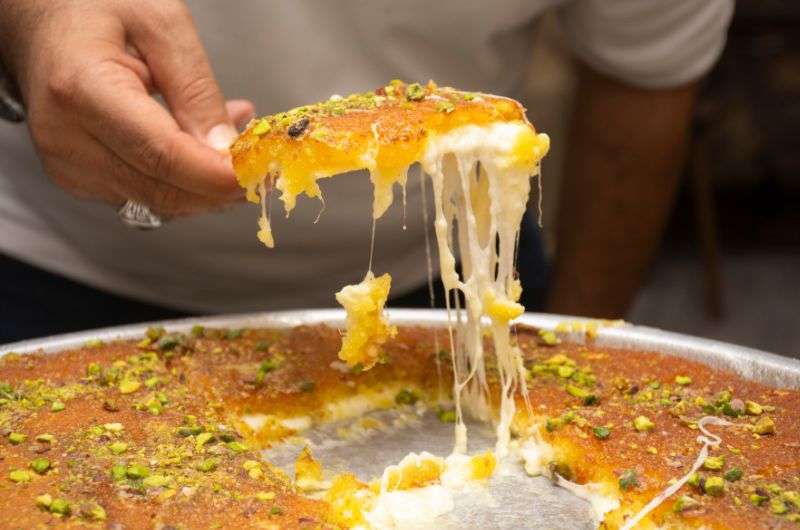
Knafeh
I was particularly excited about knafeh, because I'm someone you could call a dessert critic, and I was dared not to like it. I give anything sweet you put in front of me a harsh and honest evaluation, and I’m not easy to impress. But this one is *drumroll*… pure perfection.
I know, I've already said that baklava is the star of the best dessert show, but knafeh holds a close second place here. I'd never heard of it before I went to Israel, and now? I can't visit the city without having a slice of fresh knafeh. And how is this culinary bliss made?
The base is made from a special shredded pastry called kataifi, which is layered to create a nest-like structure. The cheese, typically a white, stretchy variety such as mozzarella or akkawi, is stuffed into the kataifi, adding a creamy and savory element to the dessert. Once baked to just the right crispy golden state, knafeh is generously soaked in a sweet sugar syrup infused with rose or orange blossom water—that's what lends it the floral aroma. The syrup seeps into the layers, creating a moist dessert that melts in your mouth with each bite.
I liked how the different tastes of sweet katafi with syrup and savory melted cheese work perfectly together, creating a unique flavor. I simply loved knafeh and everything about it, which is why I don’t feel bad at all about putting another dessert in the first half of my best Israeli dishes list.
Where to find the best knafeh: Tel Aviv or Old Town Jerusalem.
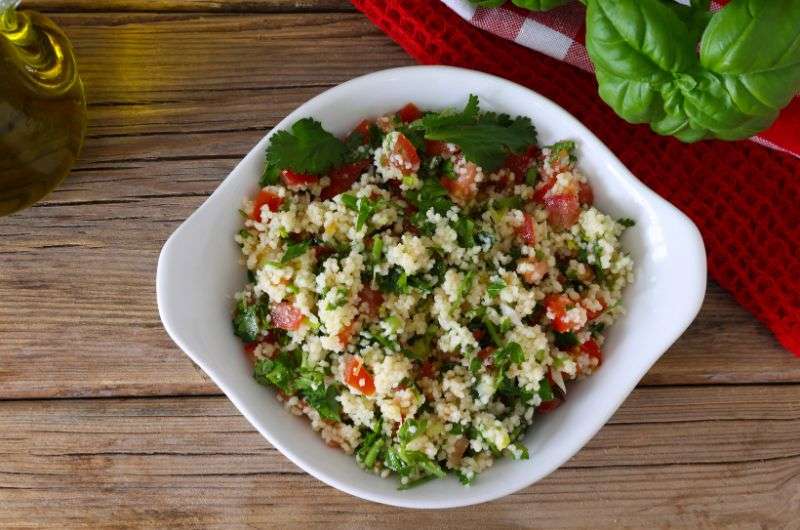
Tabbouleh
My love for tabbouleh reached new heights during my last Israel trip. I don’t know how the Israelis do it, but almost all of the dishes I tried there made it to the top of my list of favorite meals. And with my literal addiction to eating vegetables—at least five or six portions a day, tabbouleh had it way too easy to attract me.
Tabbouleh is a bowl filled with vibrant, nutritious greens, fresh and juicy tomatoes, and bulgur wheat. It's a salad that bursts with freshness, offering a delightful contrast of textures and many delicious flavors. The flavor that stands out from the dish is parsley—lots and lots of parsley.
The parsley is finely chopped with aromatic mint, fresh tomatoes, cucumbers, and bulgur. All tossed together makes the foundation of the salad. Now comes the dressing—simple yet effective. A drizzle of tangy lemon juice, a generous glug of extra virgin olive oil, and a pinch of salt to enhance the flavors.
And again, other ingredients of this Israeli dish differ by the region and the cook. I once had tabbouleh with cilantro in it, which was probably the first and only time I didn’t like it that much. Another love-hate relationship here: Jan x cilantro.
Where to find the best tabbouleh: That honestly depends on your taste since it varies so much. I personally loved La Shuk’s in Tel Aviv.
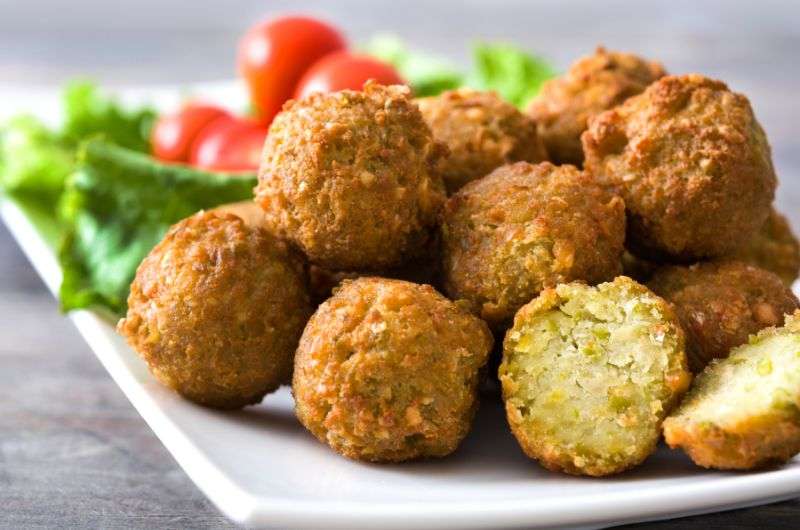
Falafel
Falafel is a super strange meal for me. It really tries to seem healthy and all that, but it's fried. And you're not fooling me here, falafel. On the one hand, I love it because it's made of chickpeas. On the other hand, the mixed feelings about being fried are still there, man.
Originating from the Levant region, falafel has become an iconic street food of Israel. When you wander through Jerusalem or any other city in the region, you'll encounter many falafel stands—all giving off the aroma of freshly fried falafel.
And what is this half-healthy, half-naughty meal made of? Mostly chickpeas. It has to be soaked overnight and then blended with some herbs—mostly parsley, cilantro, and mint—and seasoned with cumin and garlic. This flavorful mixture with a kind of atypical texture is then formed into little deep-fried balls or patties.
The falafel is fried, the culinary craftsmanship doesn’t end. The falafel balls can be served in a warm pita bread—like probably everything they eat in Israel, with mainly fresh toppings, such as lettuce and tomatoes, or some pickles, all dripped by tahini sauce or a yogurt-based dressing.
Where to find the best falafel: I had the best falafel that really got balls—you see what I did there—in Jerusalem's Falafel Uzi.
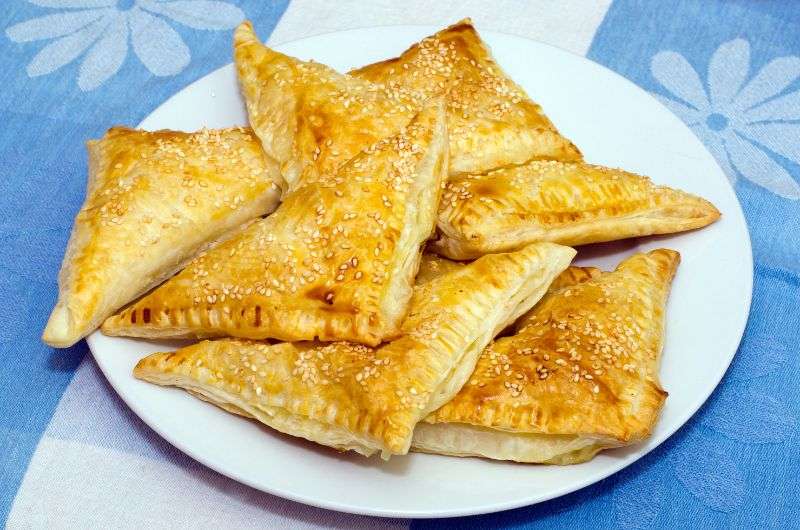
Bourekas
Bourekas is a savory pastry with two components. The whole secret is in the dough and the fillings. And that's it. They are sold everywhere in Israel, and these little pockets of joy will leave you hooked and wanting more.
Bourekas have roots in the baking traditions of Sephardic Jews from Spain and Turkey, whose migration brought a variety of filled pastries and influenced Israeli food culture.
As for the fillings, oh boy, get ready for a flavor rollercoaster. Cheese lovers have to try some of the verified classics—feta, ricotta, or mozzarella. Cream cheese is also sometimes used as a filling, adding a creamy texture and rich flavor to the pastry. But if you prefer a veggie-filled pastry, try combinations like spinach and feta or mushroom and cheese hit the right tone with me as well.
You can enjoy this little Israeli food staple for breakfast or just as a fast snack as a way to fuel yourself up for next stops on your busy Israel itinerary.
Where to find the best bourekas: I have to shout out Burekas Penso in Tel Aviv. There’s a reason it’s one of Israel’s most legendary bourekas places. Yum.
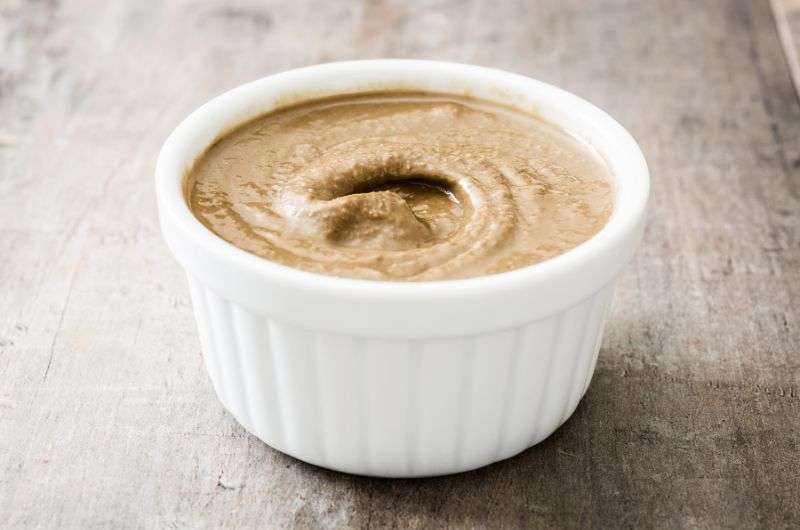
Tahini
The alpha and omega of Israeli cuisine must be none other than tahini. It's what elevates many Israeli dishes to the next level and gives them the final touch. A creamy, nutty wonder sauce that adds a twist to all meals.
Tahini is a staple in North African and Middle Eastern cuisines, and is commonly used in dishes that adhere to Jewish dietary laws, as it is both vegan and pareve. Tahini sauce is traditionally served with many Israeli and Jewish dishes, such as falafel, sabich, and shawarma.
Although tahini may sound as some complex master condiment that is an absolute game-changer of Israelis cuisine—which it is—it can't be easier to make. It's just toasted sesame seeds ground into a silky-smooth paste. That's it. (And maybe a bit of oil and sometimes salt, but who’s counting.)
Even though it's just sesame seeds, it's packed with healthy fats, protein, and even calcium; it's like a little jar of goodness for your body. And it's vegan and gluten-free, so go ahead and indulge guilt-free. I actually don't care about these things, but there's literally no excuse for you not to try it.
And because we're great friends, here's a pro tip for you: blend tahini with lemon juice, garlic, and a touch of honey for a killer salad dressing.
Where to find the best tahini: Pretty much anywhere. It gets even better if you combine it with hummus. One could say they’re a match made in foodie heaven. Or hummus swiped right on Tinder once it saw tahini's profile—who knows. Spreading this iconic duo on warm pita bread or fresh veggies creates an instant flavor boost.
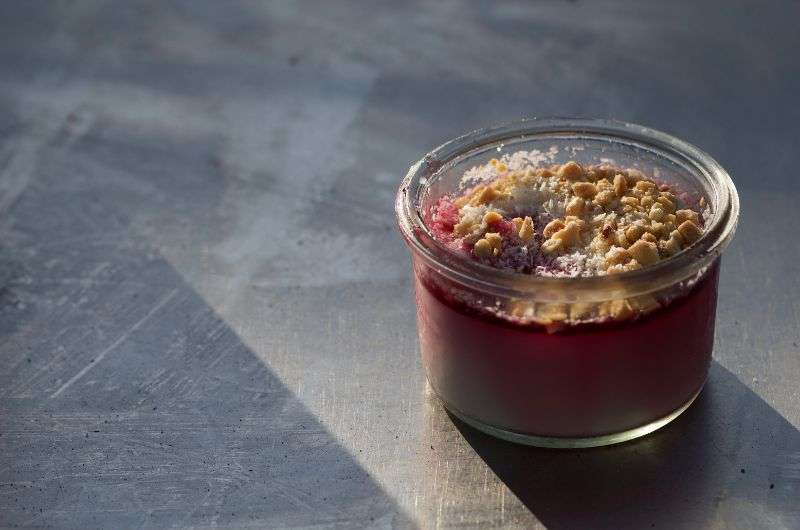
Malabi
Another famous dessert that stays engraved in my memory is malabi. The dessert is so good and sweet, it's sometimes served at weddings to symbolize the couple's sweet life ahead. How poetic and too damn delicious.
Malabi is a milk pudding that's not very sweet on its own—the toppings make the difference. And also rose water, which leaves a very strong taste in it. Mostly, it's covered with a generous drizzle of fruity syrup—often a pomegranate syrup that complements the creamy base perfectly.
And let's not forget the finishing touch—a sprinkle of crushed nuts on the top. I like it when a dessert has a good crunchy element, so almonds or pistachios on malabi are a must for me.
Malabi is often served during Jewish holidays, making it a special treat for festive occasions.
In the winter, you can even try sachlav, a hot version of malabi with cinnamon and nuts.
Where to find the best malabi: Hamalabiya in Tel Aviv is kind of iconic when it comes to malabi. It’s served with your choice of toppings, so I was able to make it my own. I’m a picky guy so I really appreciated that.
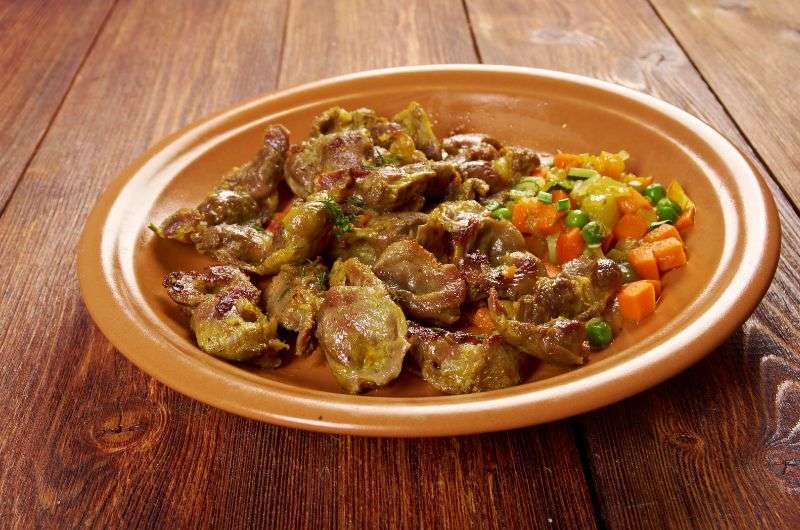
Jerusalem mixed grill
I'm a meaty person. I wouldn't survive a week without having a juicy steak or some grilled chicken. If you feel the same, you are in for a treat, my friend. Jerusalem mixed grill is a feast for meat lovers. The mix consists of chicken, lamb, and turkey, all perfectly grilled and carefully seasoned. In some variations, minced meat is also included, adding even more flavor and texture to the dish.
Jerusalem mixed grill reflects the culinary traditions brought by Jewish immigrants and the diverse Jewish community in Israel. It’s a straightforward, hearty dish that shows how different Jewish groups have shaped Israeli food culture over time.
Many restaurants and food stands now have their own variations of the dish, but the traditional recipe is based on chicken hearts and liver. Yummy, right? If you aren't a fan of chicken insides, feel free to skip this tradition and try a different variation.
Jerusalem mixed grill is especially popular among Israeli Jews, who enjoy it as a staple of local street food culture. It’s usually served with some pita bread or a vegetable salad.
Where to find the best Jerusalem mixed grill: Umm....Jerusalem. Duh. (For real, though—walk around the Old Town markets and you won’t be disappointed.)
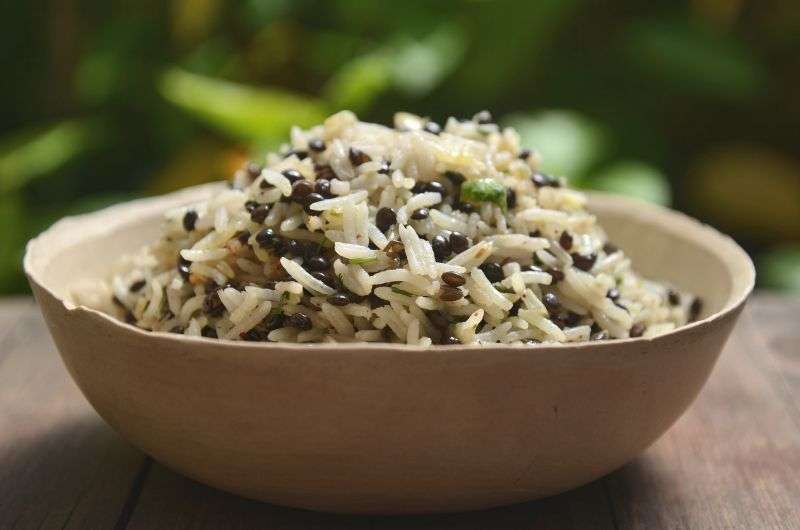
Mujaddara
Mujaddara is a staple in Arab dishes, consisting of a combination of lentils, cooked rice, and caramelized onions. Simple as that, but just as satisfying and tasty! And as almost everything else in Israeli cuisine, as you already figured out by now, is the right amount of spice. This time, the ones that give the special taste to mujaddara are cumin, cinnamon, and allspice.
The history of mujaddara dates back many centuries. It's a humble dish without meat, made from cheap ingredients. That's why it used to be so popular among poor people, and the popularity caused its widespread use. Nowadays, there are plenty of variations in the Arab world as every region adjusted the recipe to its resources and taste.
Mujaddara is often considered a focal meal in Israeli and Middle Eastern households, frequently served as the main dish during lunch.
Where to find the best mujaddara: Mahane Yehuda market. It’s such a huge market that it kind of has everything, and I was happy with the mujaddara I found here.
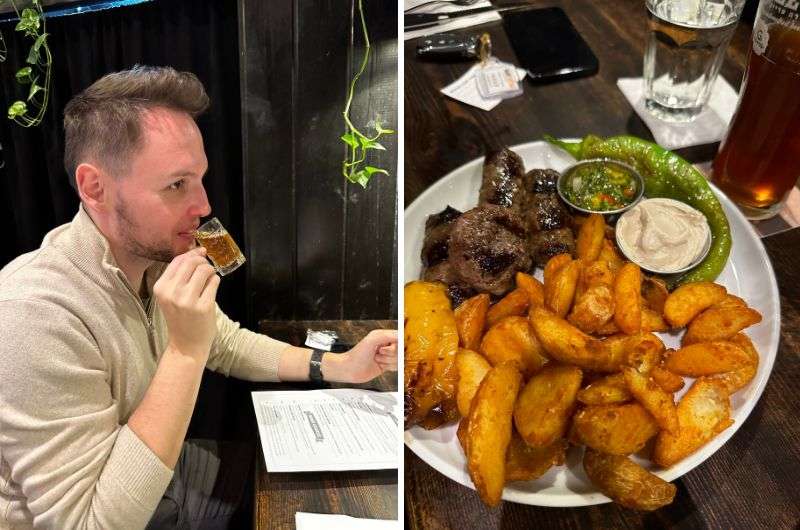
Enjoying the drinks and very delicious food in Moshbutz restaurant
I'm quite a foodie, so when it comes to restaurants, where you can eat the best Israeli food, my recommendations are valid and their evaluation ruthless. Here are some restaurants I enjoyed in Israel. Many of these places are also easy day trips from Tel Aviv, which is exactly why I think the city makes such a great base for exploring Israel’s food scene.
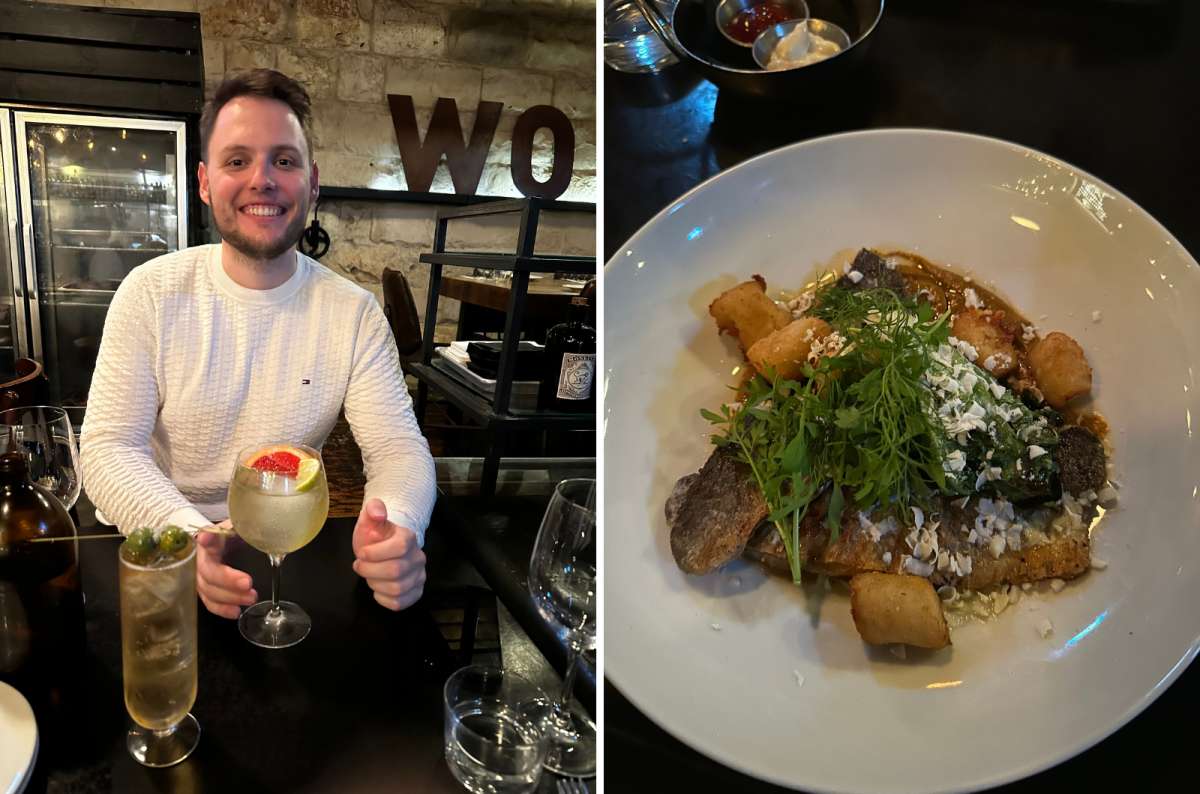
The Culinary Workshop provides the perfect mix of Israeli street food and modern Jerusalem vibes
If you want to truly experience Israeli food as the locals do, street food markets and vendors scattered throughout the country are where it actually happens. In Tel Aviv and Jerusalem, the food is fast, loud, and constant—grilled meats, fresh-baked pita bread, stuffed vegetables are readily available and eaten on the move.
Carmel Market in Tel Aviv and Mahane Yehuda Market in Jerusalem are two examples that serve up the full range: falafel, shawarma, and traditional Israeli breakfast staples like jachnun and malawach. You’ll also see stuffed vegetables, rice with herbs, and salads made from fresh produce.
And if you want a smaller, more atmospheric city packed with history and food stops, check out my favorite things to do in Akko—one of my favorite places in Israel for wandering and eating at the same time.
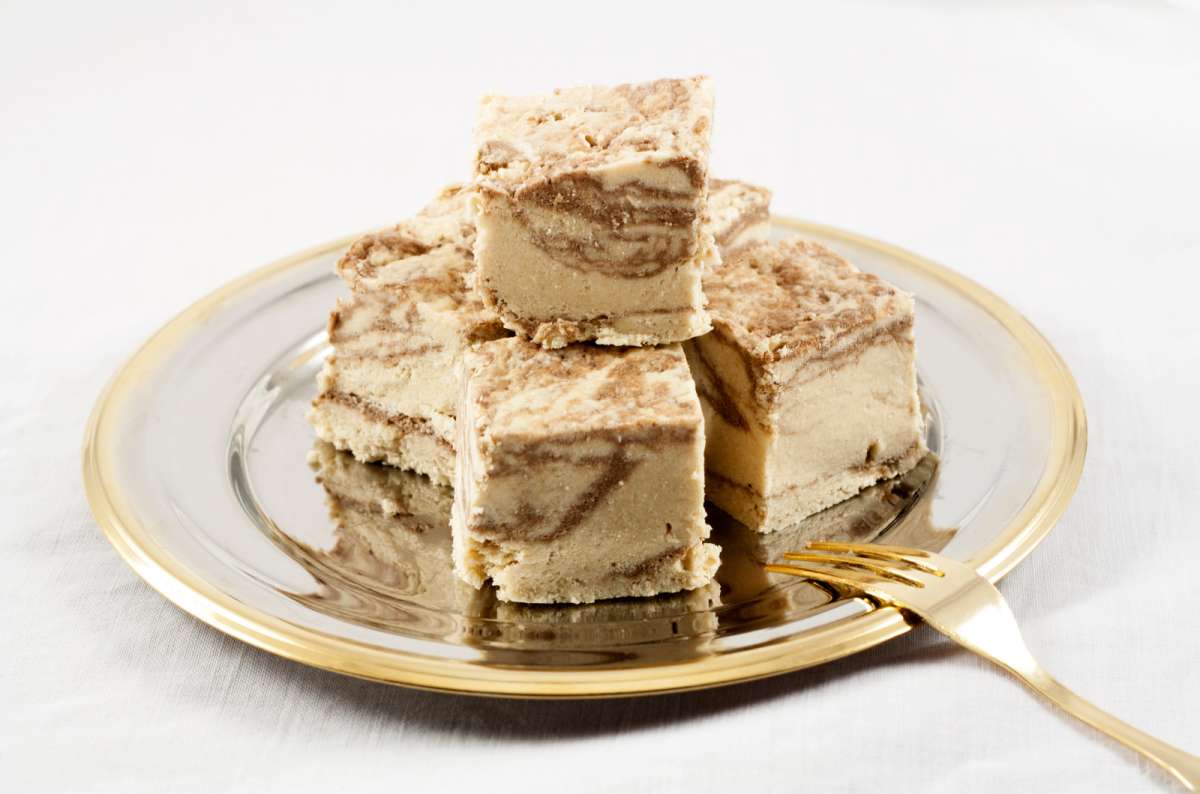
You didn’t think I’d leave halva off this list, did you? This quintessential Israeli dessert is really unique. I can’t think of anything to compare it to. It’s thick and heavy, but smooth enough to make up for it, with a nutty taste that comes from the tahini (ground sesame seeds) it’s made from.
It’s also impossible to get sick of because it comes in pretty much every flavor under the sun. If you can dream it, it probably exists. Chocolate halva? Of course but c’mon, think bigger. I’m talking coconut halva, chili halva, hell even whiskey halva...see now we’re talking.
You’ll find it in any Israeli market worth their salt. And it’s super easy to spot. Literally. Just look for a stand with tons of what look like giant cheese wheels covered in different toppings. That’s, yep, the halva. They’ll just cut your slice straight off the slab, which means you can customize exactly how much halva you want to walk away with.
See, halva isn’t just a snack, it’s an experience. Some vendors even let me sample a few flavors before I committed.
Where to find the best halva: The Halva Kingdom in Mahane Yehuda has literally over a hundred flavors to choose from, I’d definitely check it out if you have the chance. Halva also comes in individually wrapped bars you can find at grocery stores, but the fresher stuff is chopped straight from the slab. Softer too.
This post contains affiliate links. If you make a booking through one of my links, I may earn a small commission—at no additional cost to you. Thank you for your support!


Hi, I’m Jan. I travel fast and intensely, whether I’m exploring the buzz of Tokyo in 3 days or road-tripping through mountains and beaches on a 3-week Thailand adventure. And no matter where I am, you’ll always find me in a comfortable hotel at night and eating the best food.
If that sounds like your kind of journey, hop on board, and let’s explore the world together!
I started this blog after realizing how tough it can be to find reliable, authentic travel info. You wouldn’t believe how many “travel bloggers” never even visit the places they write about! On Next Level of Travel, you can count on my full honesty and insights drawn from my firsthand experiences.
Here’s the deal: not every destination is all superlatives and unicorns. I’ll let you know if a tourist attraction isn’t worth your time, like skipping overrated stops in my 2-week Spain itinerary. And when I find something truly special—like the perfect mix of culture and nature in Cape Town—you can trust that it’s worth adding to your itinerary.


Comments | Thoughts? Give us a shout!