


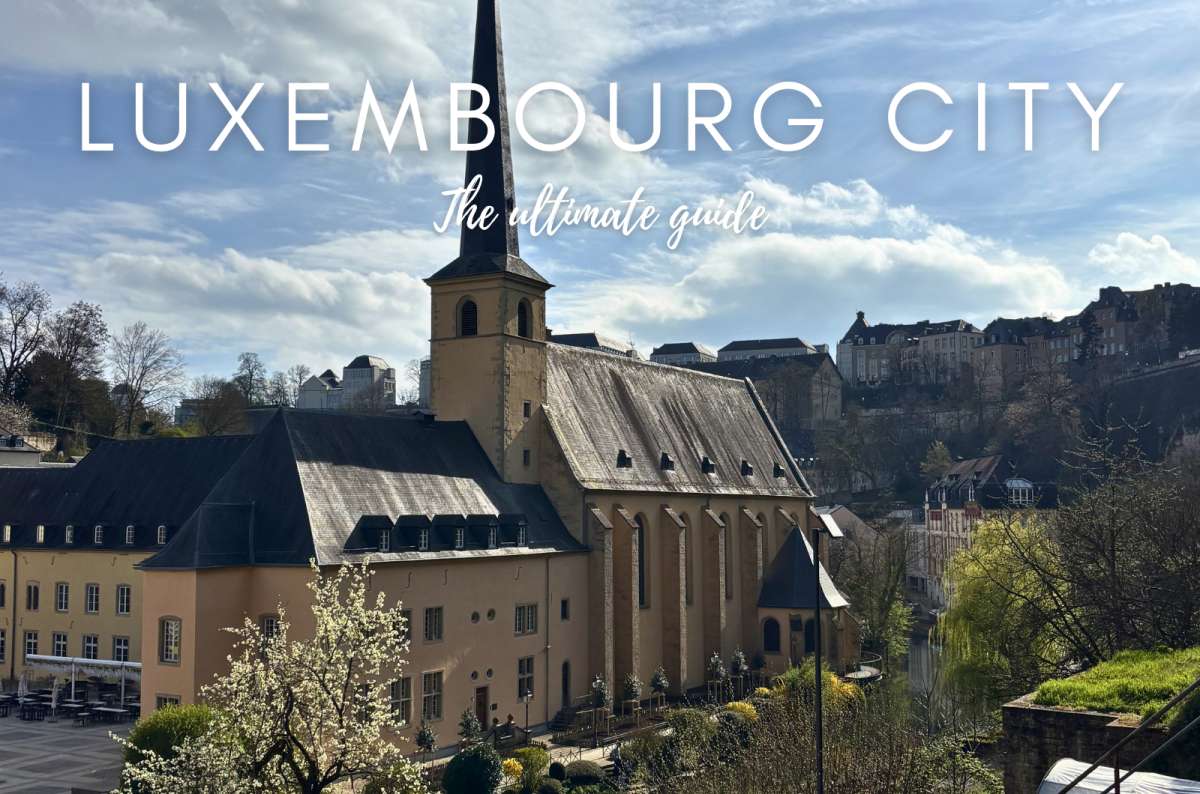


Is Luxembourg City worth visiting?
How long do you need in Luxembourg City?
The best way to experience Luxembourg City
Best walking route in Luxembourg City
Best things to do in Luxembourg City, ranked by payoff
What I would skip in Luxembourg City if rushed
Best museums in Luxembourg City
Getting around Luxembourg City
Where to stay in Luxembourg City
Best time to visit Luxembourg City
Rainy-day Luxembourg City plan
One day in Luxembourg City itinerary overview
Two days in Luxembourg City itinerary overview
Luxembourg City as part of a bigger Luxembourg itinerary
What Luxembourg City does not do perfectly
FAQs about visiting Luxembourg City
Is one day enough for Luxembourg City?
What is the best area to stay in Luxembourg City?
Are the Casemates worth visiting?
What should I not miss in Luxembourg City?
Luxembourg City surprised me, but not in the romantic “I turned a corner and my soul left my body” kind of way.
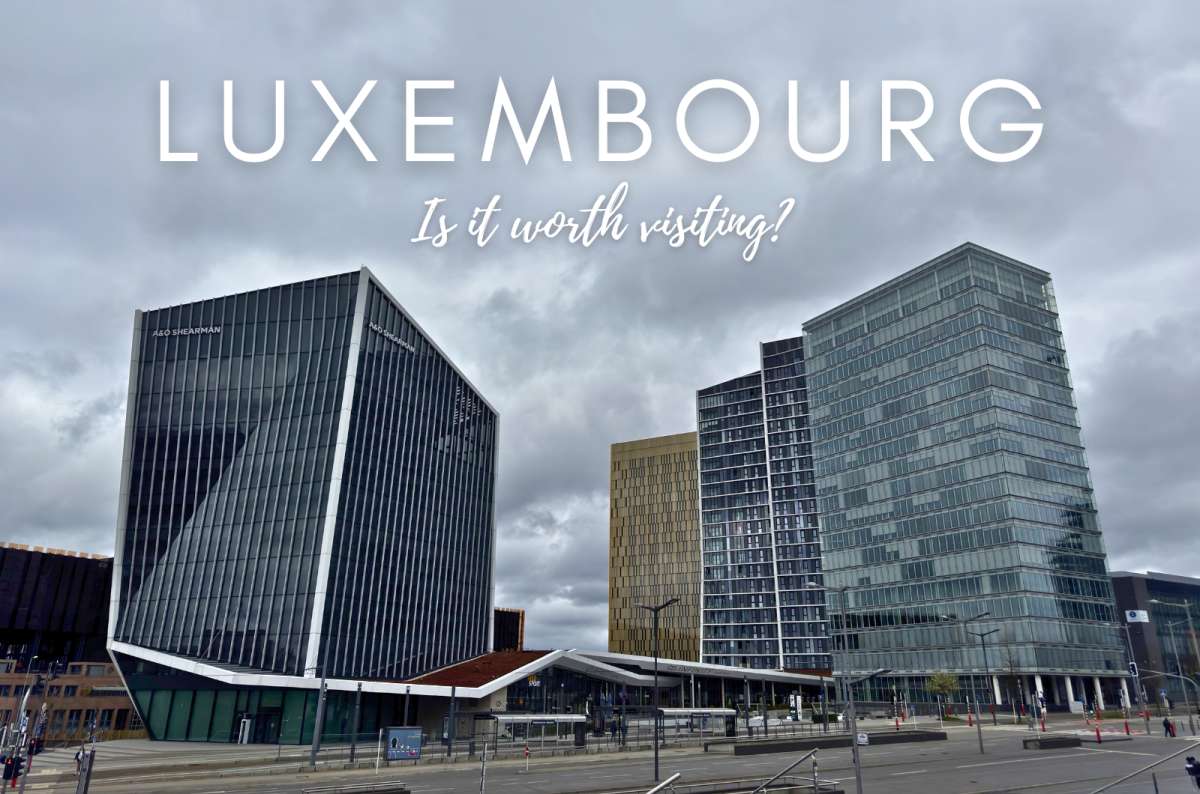
I expected this Luxembourg City Guide to be all about a cute old town, medieval streets, crooked houses, and capital-city charm. Instead, my first impression was more modern, polished, administrative, and weirdly busy.
Lots of glass. Lots of offices. Lots of people who looked like they had meetings to attend and absolutely no time for my tourist nonsense.
At first, I honestly thought Luxembourg City was a bit meh.
Not bad. Just not the old-town fantasy I had created in my head. It felt more like a modern European bureaucracy capital that happens to have a historic core hiding somewhere inside it.
But then the city started working.
Once I walked the Corniche, dropped down into Grund, followed the Alzette valley, crossed bridges, looked back at the cliffs, and added the right museum for context, Luxembourg City became much more interesting.
Not because it has endless major attractions. It doesn’t.
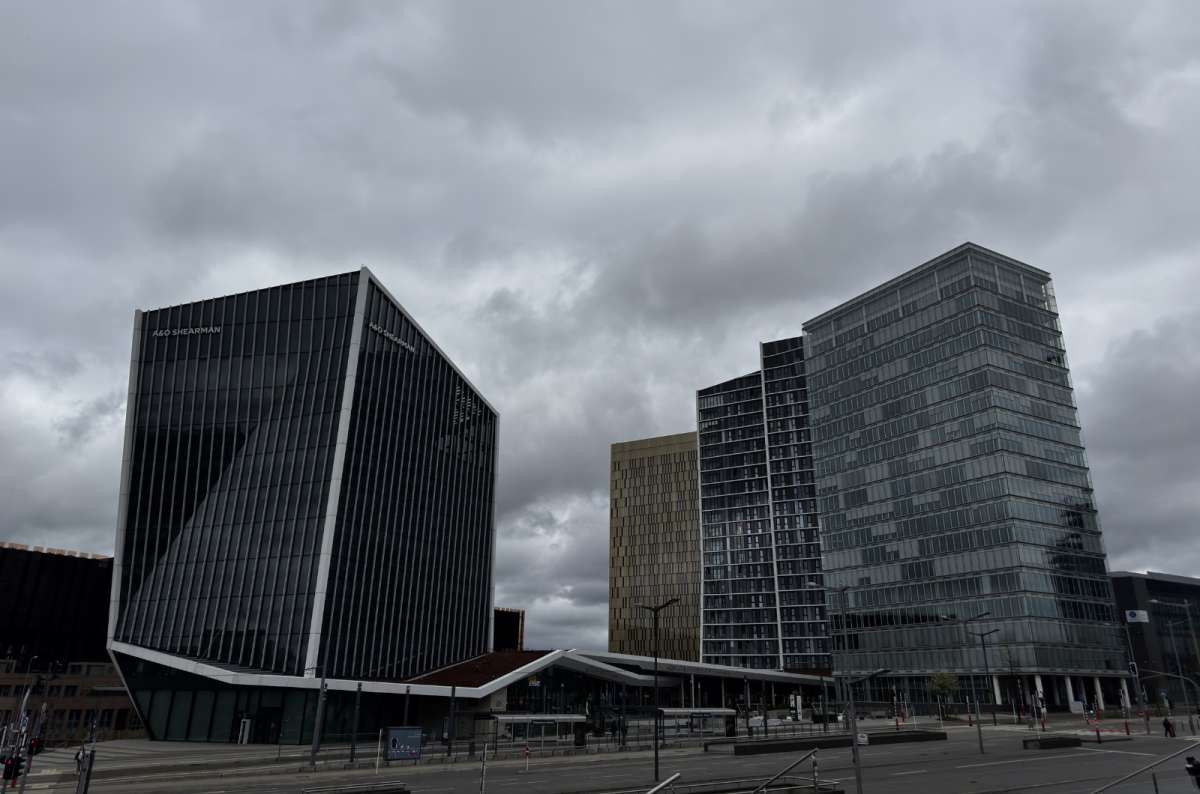
It works because of its layers: upper town, lower town, valley, fortifications, viewpoints, bridges, museums, and a city structure that makes much more sense on foot than on a checklist.
The best description I came up with was that Luxembourg feels a bit like Belgium, where they eat German food and speak French. Not academically perfect, but emotionally useful.
This Luxembourg City travel guide is for first-time visitors who want to know whether the city is worth visiting, how long to stay, what to prioritize, what to skip, where to stay, and how to walk it without wasting half the day zigzagging between underwhelming stops.
For wider planning beyond the capital, use my Luxembourg Travel Guide.
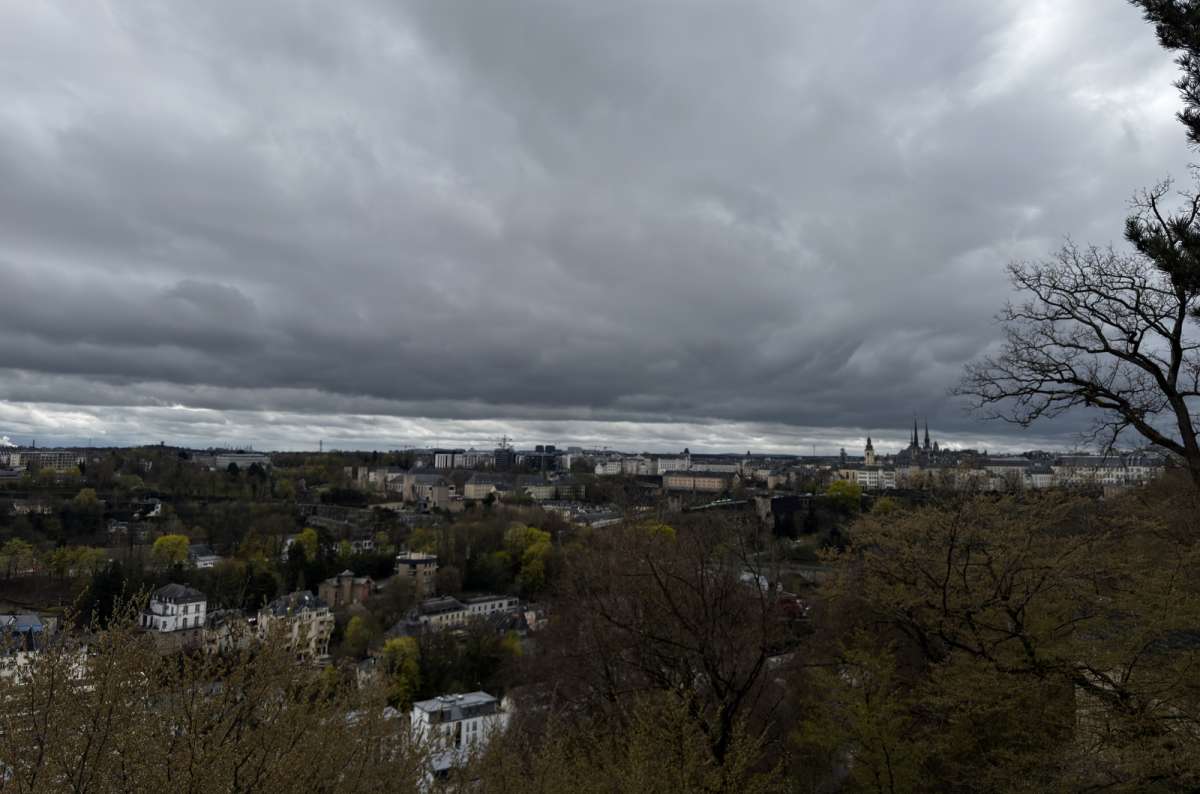
Yes, Luxembourg City is worth visiting for 1–2 days, but you need to understand what kind of city it is before you go.
It is not Paris. It is not Prague. It is not Bruges. It is not a giant open-air museum where every street corner looks like it was designed for postcards and engagement photos.
Luxembourg City is more complicated than that. And honestly, less instantly lovable.
At first, it can feel too clean, too official, too businesslike. The upper town has some nice streets and squares, but I would not fly across Europe just to admire Place d’Armes and pretend café terraces are enough to carry a whole trip.
The city becomes worth it when you follow the views.
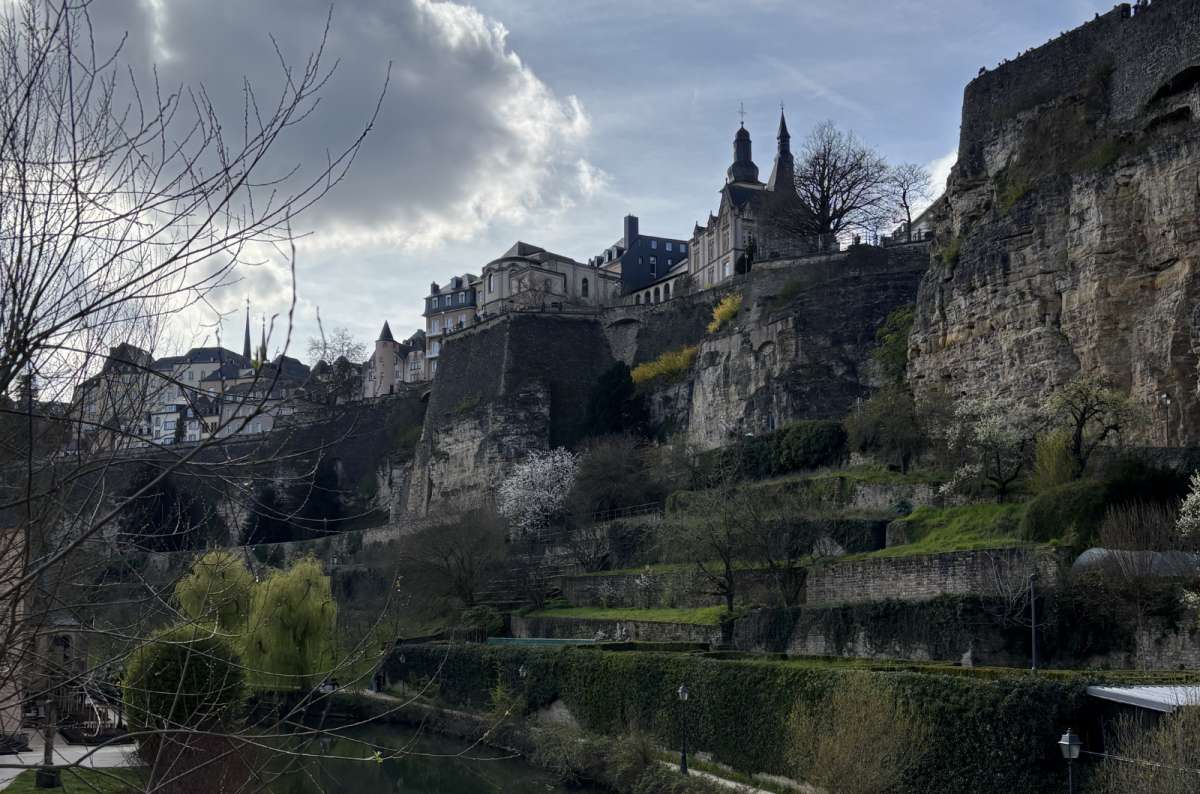
The real Luxembourg City starts to reveal itself from the Corniche, Grund, the Alzette valley, the Bock area, the bridges, the cliffs, and the fortress remains.
That is when the place finally stops feeling like a polished administrative center and starts feeling like a city built on a very dramatic piece of geography.
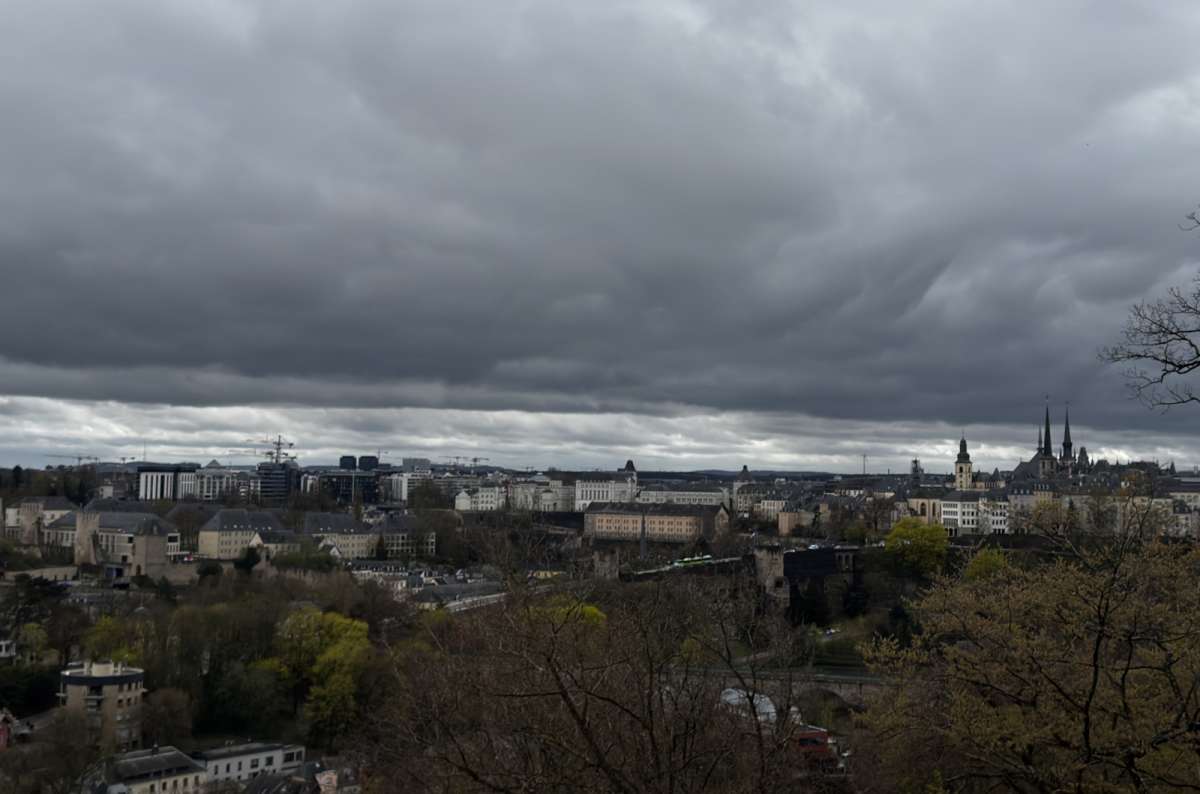
Luxembourg City is worth visiting if you like scenic walking routes, viewpoints, fortress history, compact cities, and places that make you work a little before they reveal themselves.
It is less worth it if you want a big-city atmosphere, nightlife, endless restaurants, major galleries, or a long list of blockbuster attractions.
I would visit Luxembourg City again, but I would not plan it like a normal capital city break.
I would plan it like a scenic walking route with one or two smart indoor stops.
That is the whole trick.
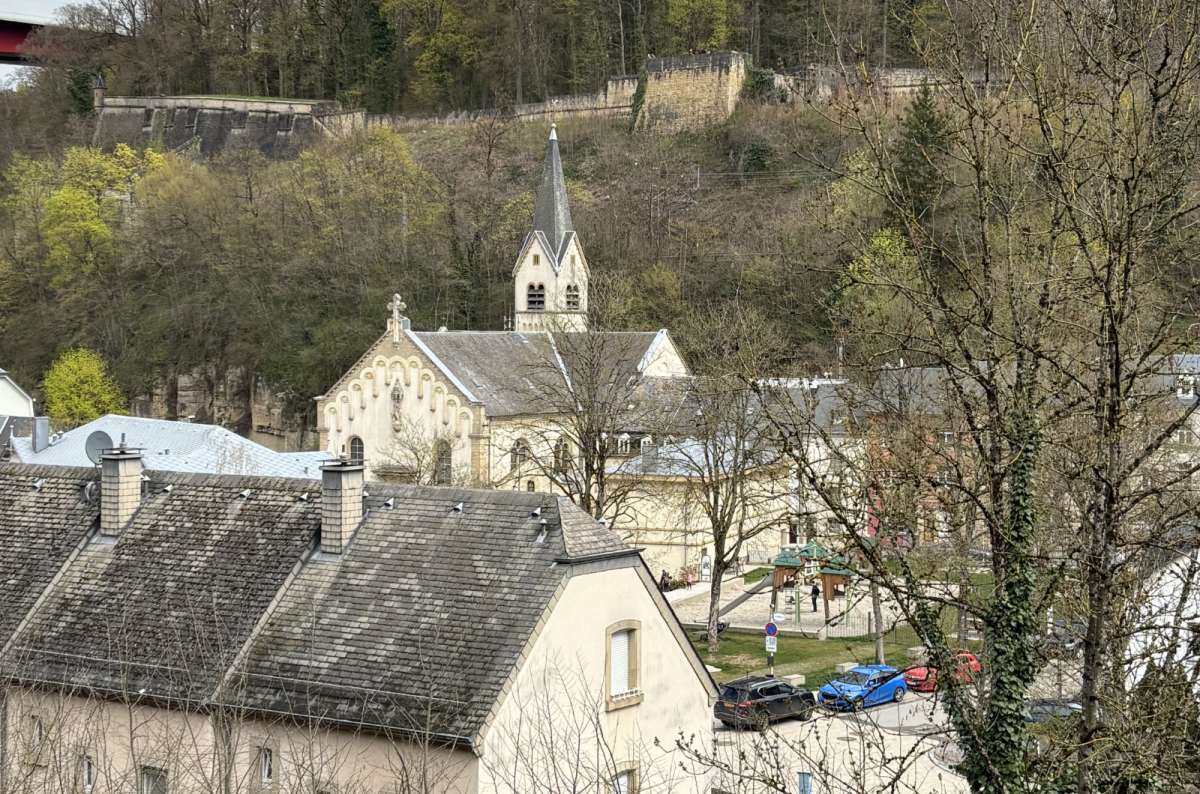
Most first-time visitors need one full day in Luxembourg City.
That is enough for the Corniche, Grund, the Alzette valley, the old town, one museum, a few viewpoints, and maybe the Casemates if you are interested.
Two days is the better version if you want to slow down, stay overnight, add Musée Dräi Eechelen, ride the Pfaffenthal elevator, visit a second museum, and see the city when the day-tripper energy thins out.
I would not spend three or more full days only in Luxembourg City unless you are using it as a base for the rest of the country. Luxembourg is small, public transport is free, and the capital works well as a hub.
| Time available | Best plan | Who it fits |
| 2–3 hours | Corniche, quick Grund view, maybe Notre Dame | Rushed day trippers |
| Half day | Corniche, Grund, Alzette valley, one quick central stop | Fast but realistic visitors |
| 1 full day | Scenic route, Grund, museum, Pfaffenthal or optional Casemates | Most first-timers |
| 1.5–2 days | Full walking route, museums, Kirchberg, slower lower-city walks | Best version of the city |
| 3+ days | Use Luxembourg City as a base for countrywide trips | Slow travelers or no-car visitors |
If you only have one day, don’t panic. You can see the best of the city.
If you can stay one night, do it.
Luxembourg City feels better when you are not moving through it at the same time as every commuter, tour group, and day tripper trying to conquer a capital before dinner.
The city felt much calmer to me outside the busiest daytime rush. That matters here because the main viewpoints and old-city corridors are much better when they are not packed with people standing exactly where you want to look.
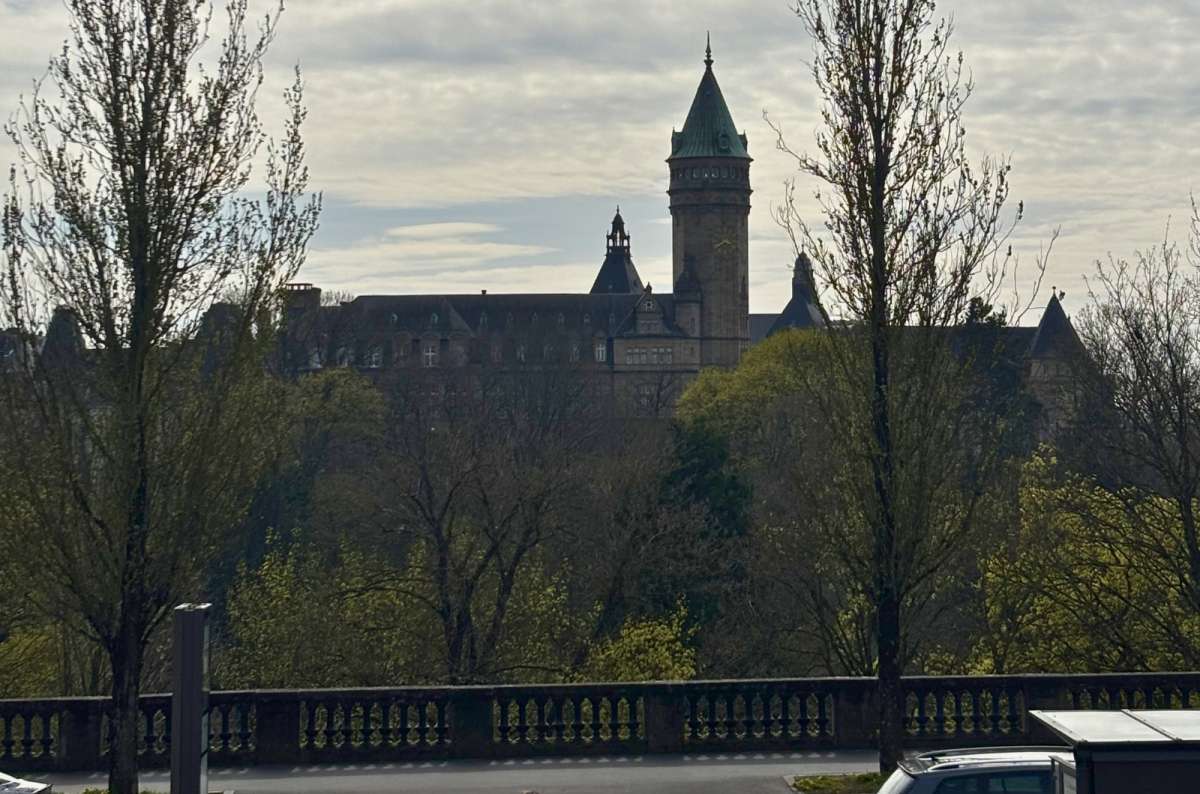
This is the quick version if you are still deciding how the city fits into your trip.
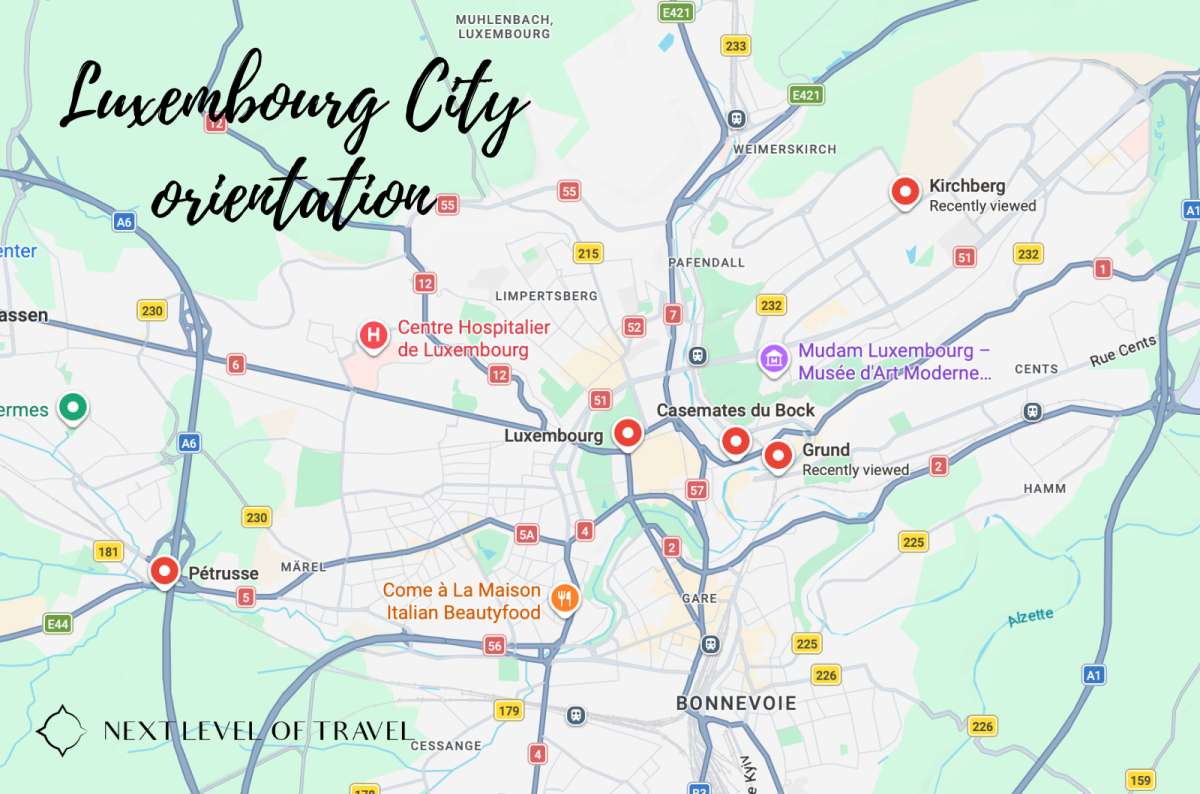
The best way to experience Luxembourg City is not to ask, “How many attractions can I fit in?”
Wrong question. Very travel-blog-in-2012 energy.
The better question is: how do I move through the city so the views, valley, and history build on each other?
Luxembourg City is compact, but it is vertical. You have the upper town, the lower town, the Alzette valley, the Pétrusse valley, bridges, cliffs, elevators, and fortified edges.
On a map, everything looks close.
In real life, your calves may file a complaint.
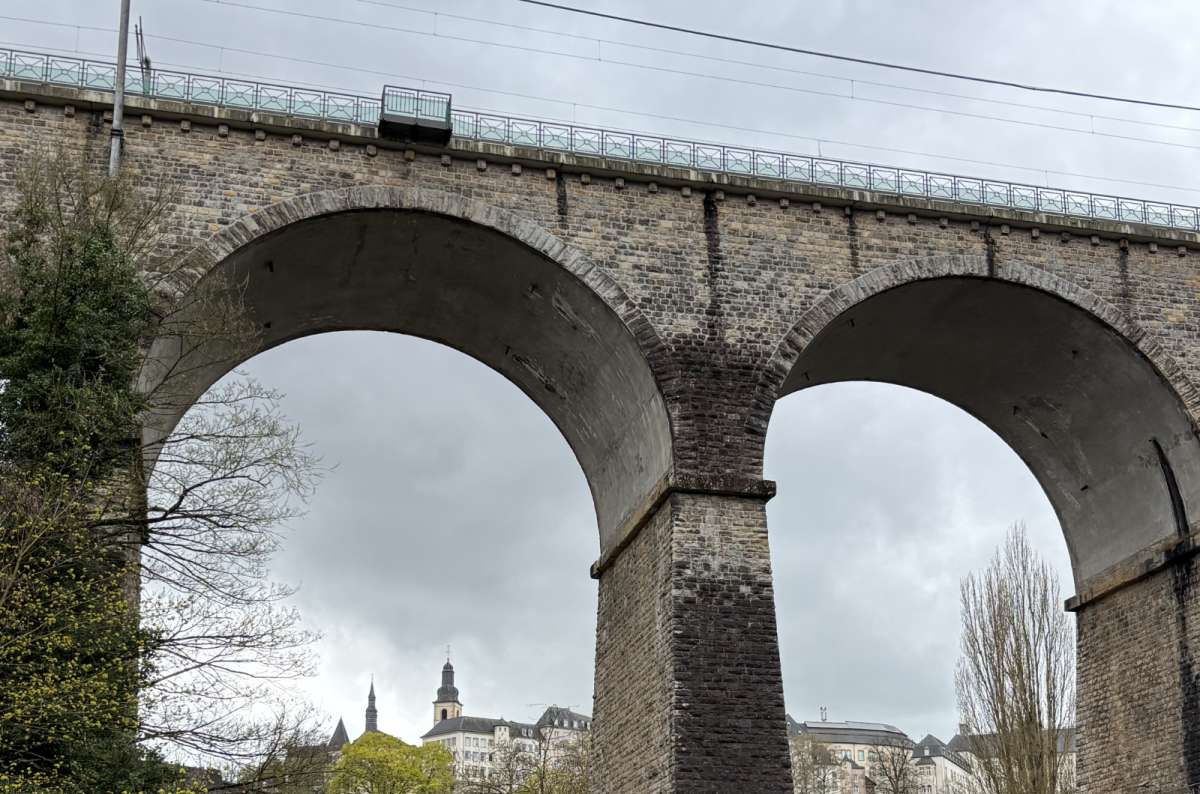
I liked how the city is leveled for walking and very hilly for looking. That is probably the best of both worlds. You can move through the center fairly easily, but the views still feel dramatic because the city is constantly dropping away from you.
This is why route flow matters more here than in many other European cities.
The route logic that actually works
Start high. Look down. Descend. Walk the valley. Add context. Climb or elevator back up.
That’s it.
Do not start your day with a random square, a museum, and then a tunnel, unless your goal is confusion with a side of mild disappointment.
For a deeper scenic route, use my guide to the best viewpoints in Luxembourg City.
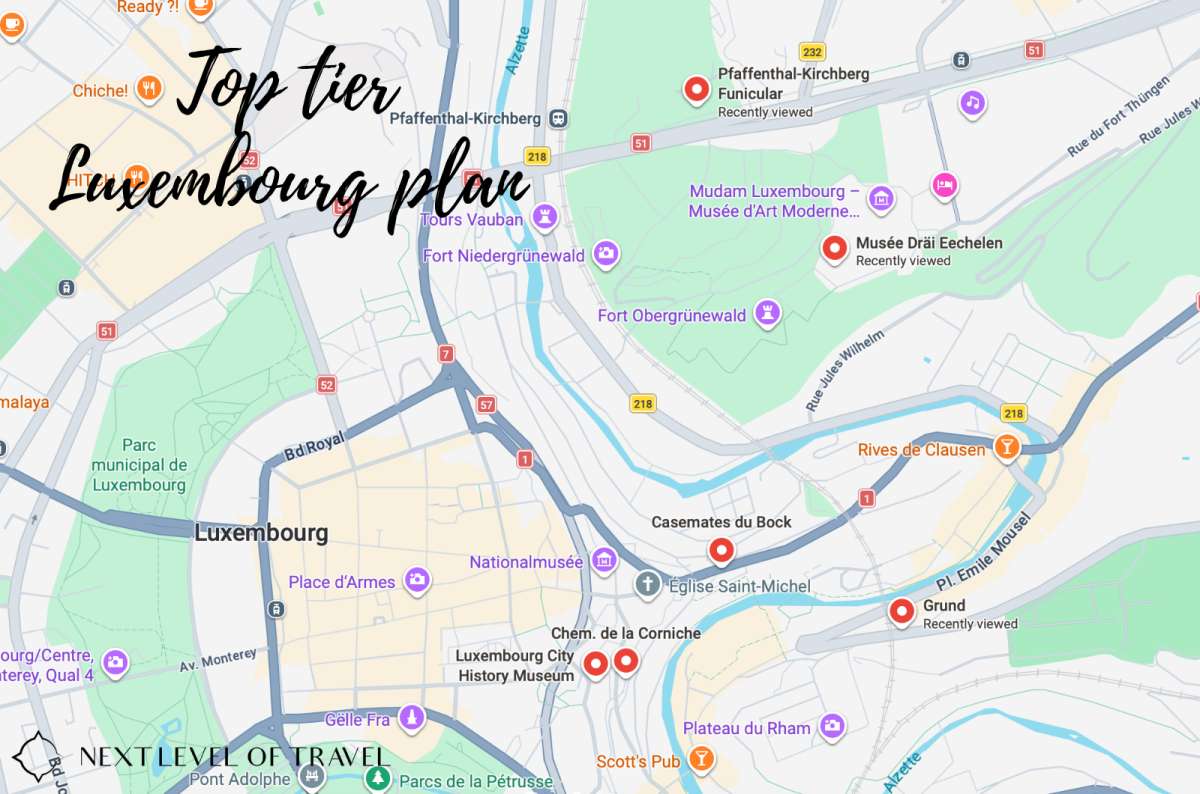
If this is your first visit, I would build your day around this walking route.
It gives you the city’s strongest views first and saves the lower-payoff stops for later.
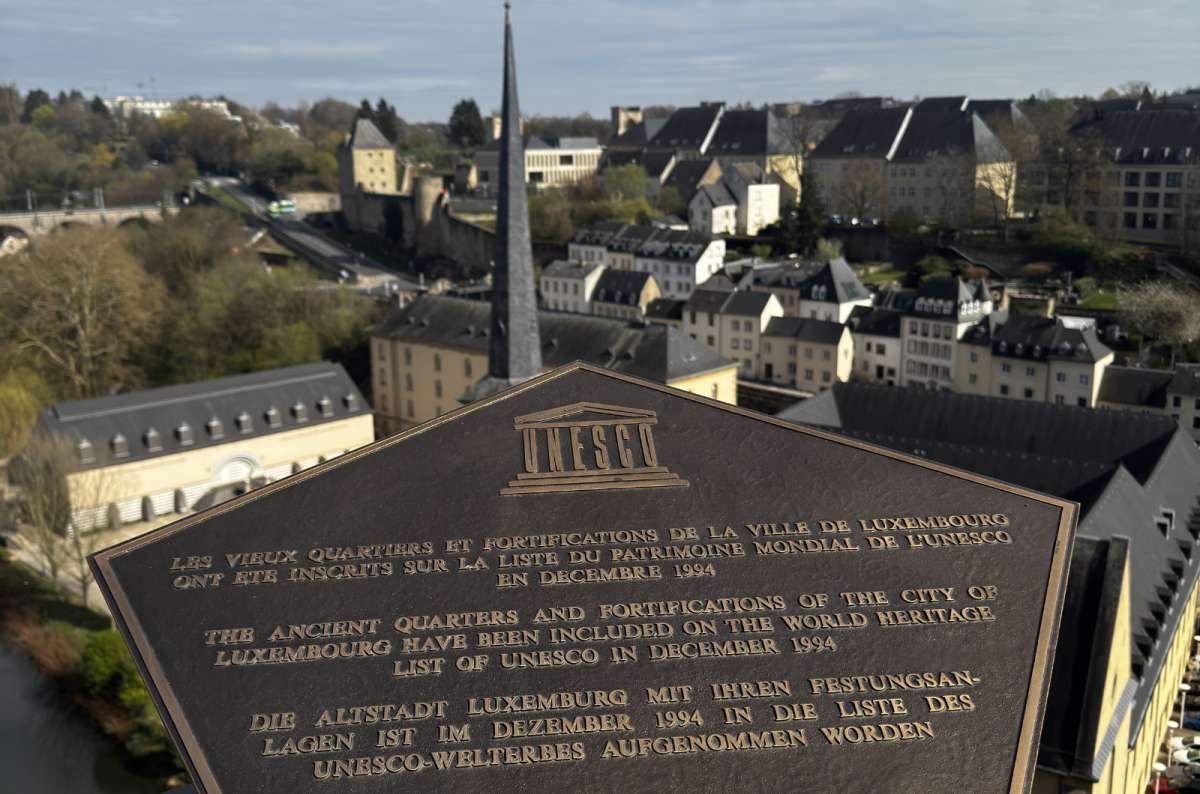
Start with the Corniche.
This is the best view in Luxembourg City and the fastest way to understand why the city is worth visiting.
This is where my opinion of Luxembourg City changed. Before that, I thought: nice, clean, expensive-looking capital. From the Corniche, I finally saw the shape of the place.
You get Grund below you, the Alzette valley, rooftops, cliffs, bridge lines, and fortress remains. It is the city explaining itself visually.
Do not save it for later. Start here.
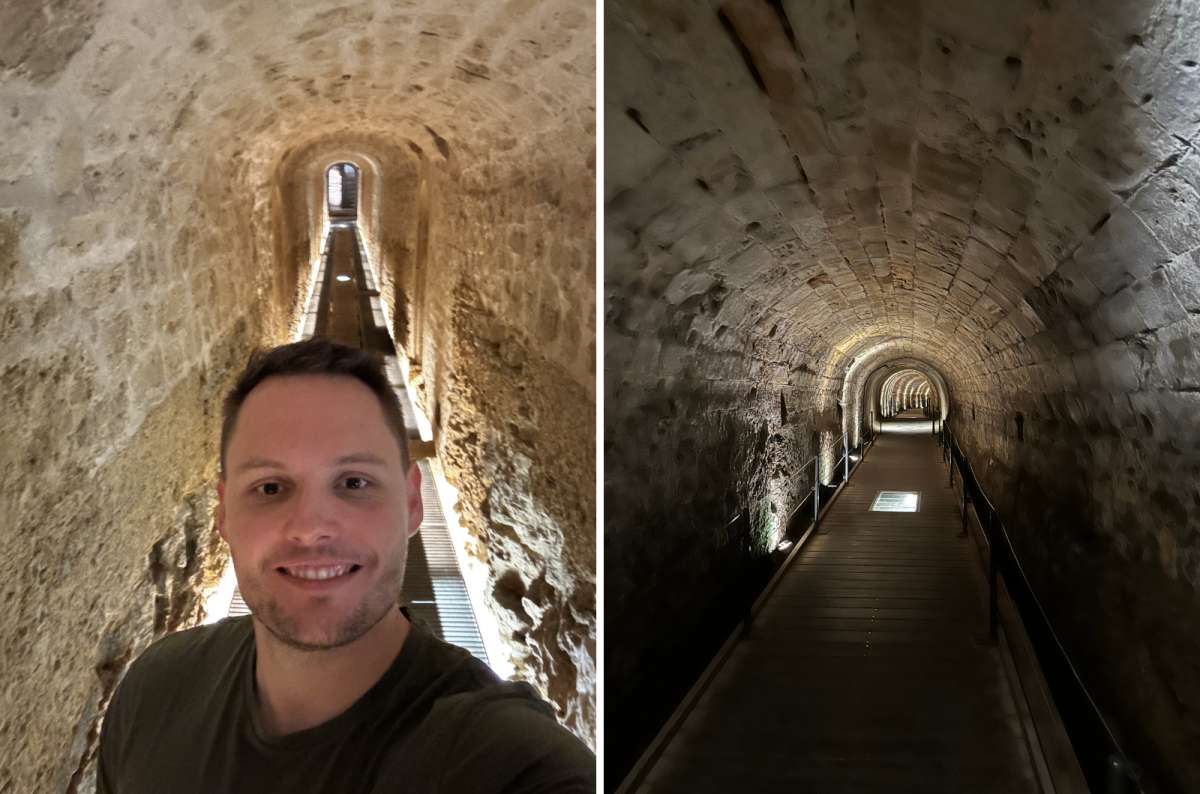
From the Corniche, continue toward the Bock area.
This gives you more fortress views and puts you near the Casemates.
The Bock Casemates are historically important and famous, but they are optional. Visit if you like underground tunnels, military history, or fortress context.
Skip if you are only going because the internet yells “must-see” at you.
I know, famous attraction being optional. Travel-blog scandal.
Pro tip: Get tickets online to skip the line. This is not exactly the stop you'd want to be stadning in a line for.
This is where the route gets better.
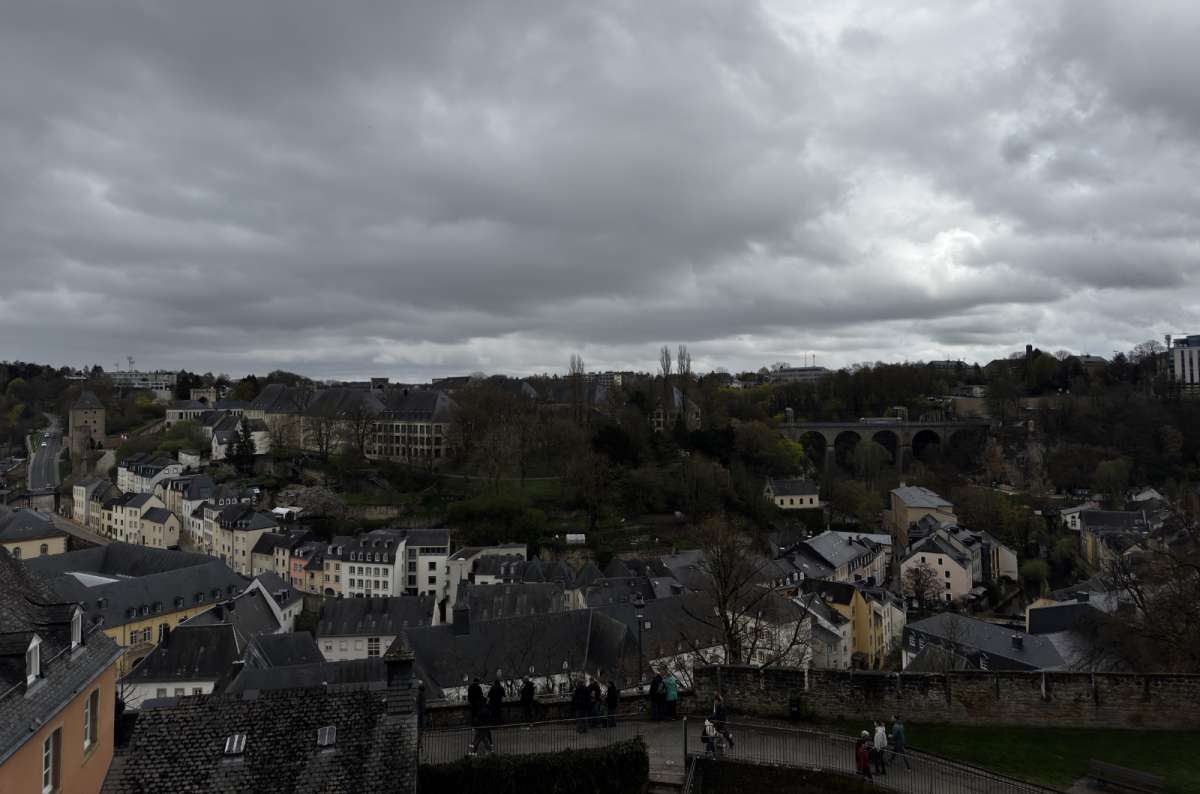
Grund is the lower-city district along the Alzette River. From above, it looks like the scenic postcard version of Luxembourg City. From below, it feels calmer, more atmospheric, and much less like someone is about to ask you for a meeting agenda.
Walk slowly here. Look back up at the cliffs and fortifications.
This is the Luxembourg City people actually remember.
For me, this was the point where the city stopped being underwhelming. The lower city, the abbey, the bridge, the river, the rock, and the modern skyline behind it gave the city the contrast it needed.
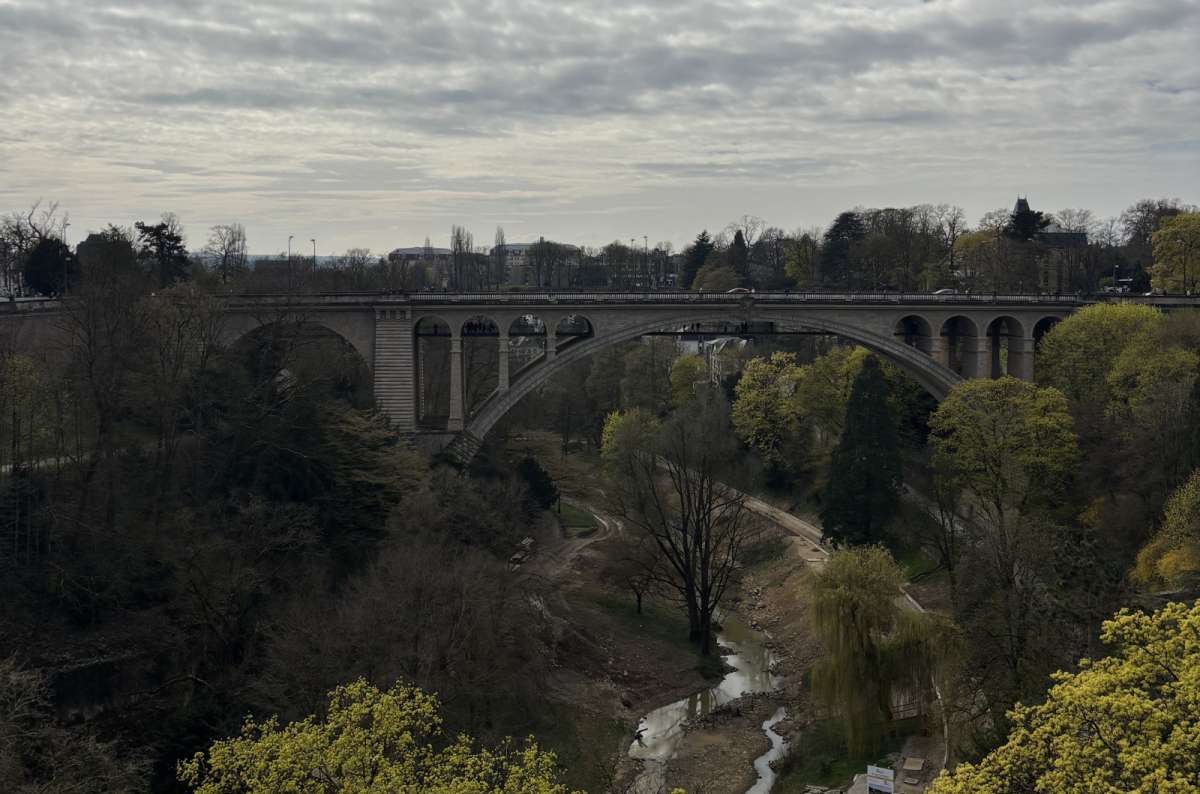
Do not rush the lower-city walk.
The Alzette valley is the scenic backbone of Luxembourg City. Honestly, it is mostly all about the Alzette valley.
This part is not about checking off one named attraction. It is about seeing how the city is built: river, cliff, wall, bridge, upper town, lower town.
Repeat until impressed.
The railway bridges also give the city some surprisingly good panoramas. Luxembourg’s trains and bridges move through the valley in a way that makes the city feel much bigger than its compact center suggests.
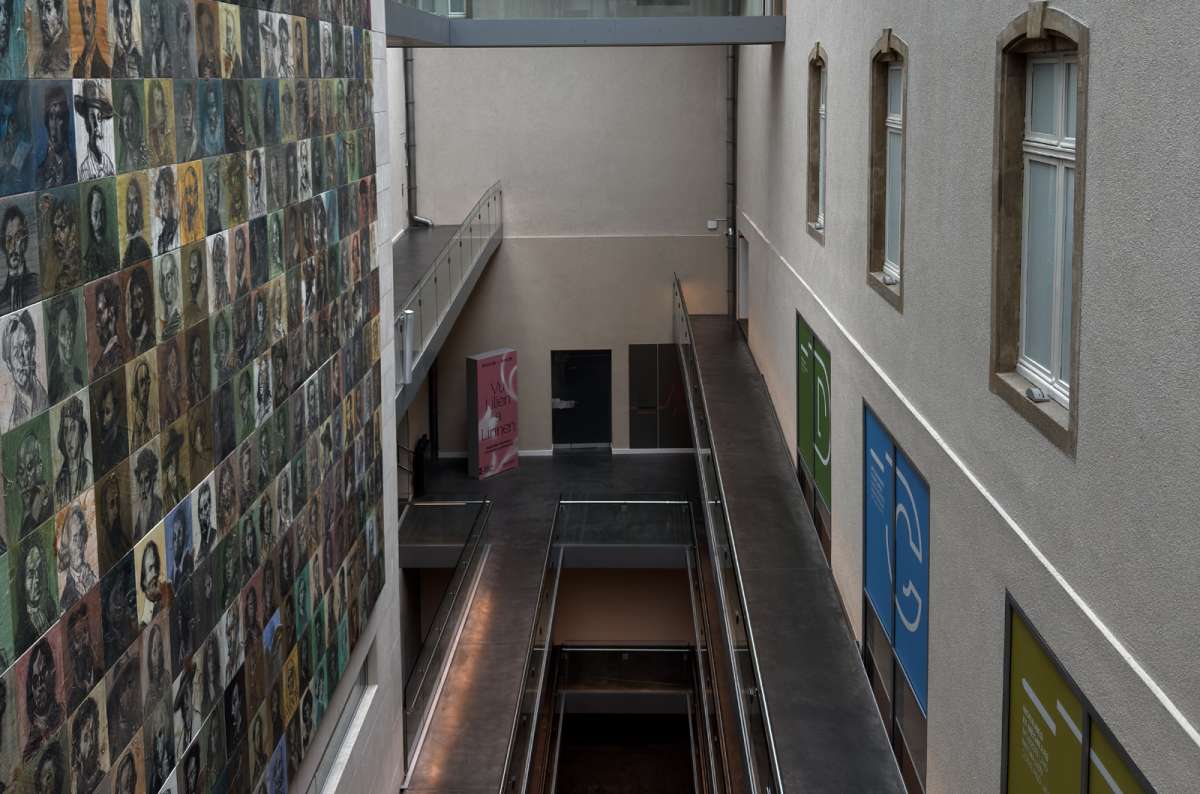
After the walk, the Luxembourg City History Museum makes much more sense.
You have seen the structure outside; now the museum explains what you were looking at.
This is the one museum I would prioritize in Luxembourg City. It gives context to the city’s development, population, fortifications, daily life, and vertical structure.
I love this type of museum. Ordinary lives, urban development, city models, infographics, numbers, growth patterns. Give me that over a random collection of important bowls any day.
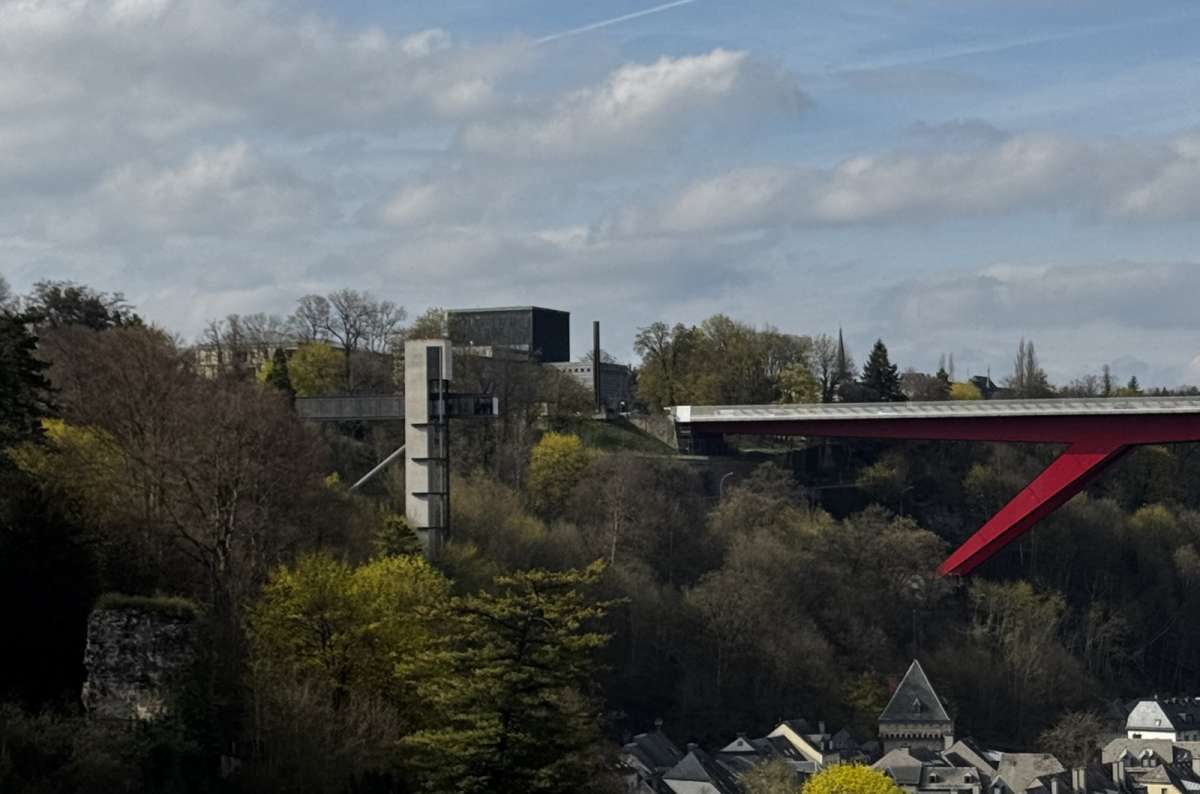
Depending on energy and time, finish with one of these:
Pfaffenthal elevator for a scenic and practical upper / lower-city connection.
Pont Adolphe for bridge views.
Musée Dräi Eechelen if you want fortress history and Kirchberg contrast.
Notre Dame Cathedral if you want a short central stop.
Do not add all of them unless you actually have time. Luxembourg rewards route logic, not panic collection.
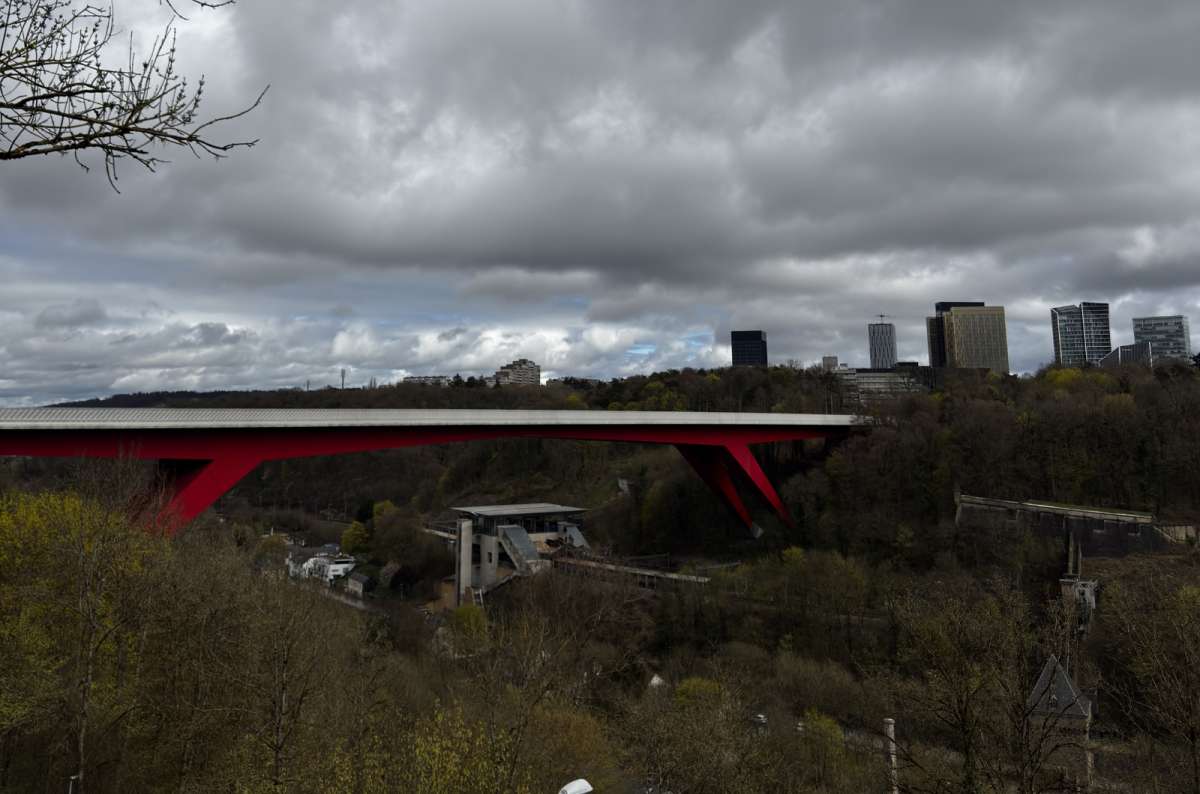
This is the condensed version. I am not turning this guide into the full attraction-ranking article because that is a separate page.
For the detailed ranking, read my guide to the best things to do in Luxembourg City.
Corniche
Best first stop, best view, best orientation point.
Grund
Best scenic area and the heart of the lower-city experience.
Alzette valley walks
The part that makes Luxembourg City feel different from other capitals.
Luxembourg City History Museum
Best museum and best context-builder.
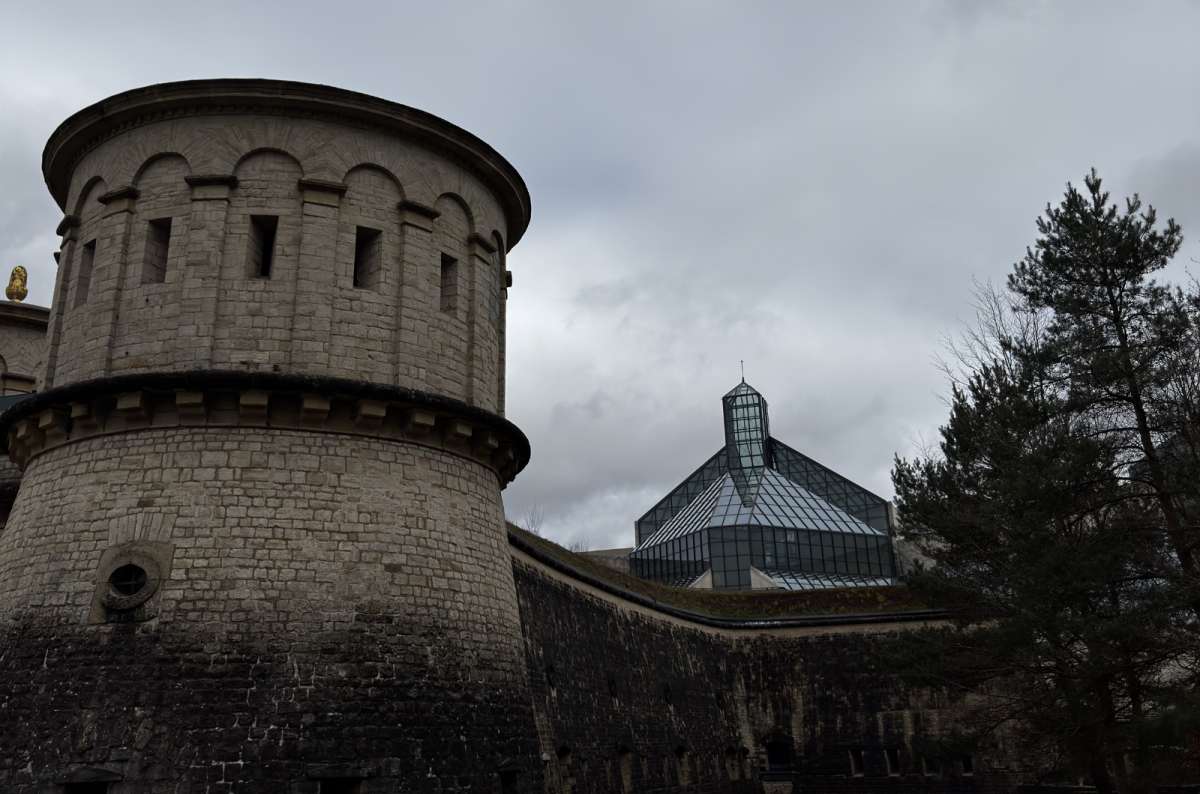
Musée Dräi Eechelen / Fort Thüngen
Best for fortress context, especially on a second day.
Pfaffenthal elevator
Scenic and useful. Do not make it your personality.
Pont Adolphe
Good bridge and valley views, but not a main event.
Notre Dame Cathedral
Short, central, free, and better from the inside than I expected.
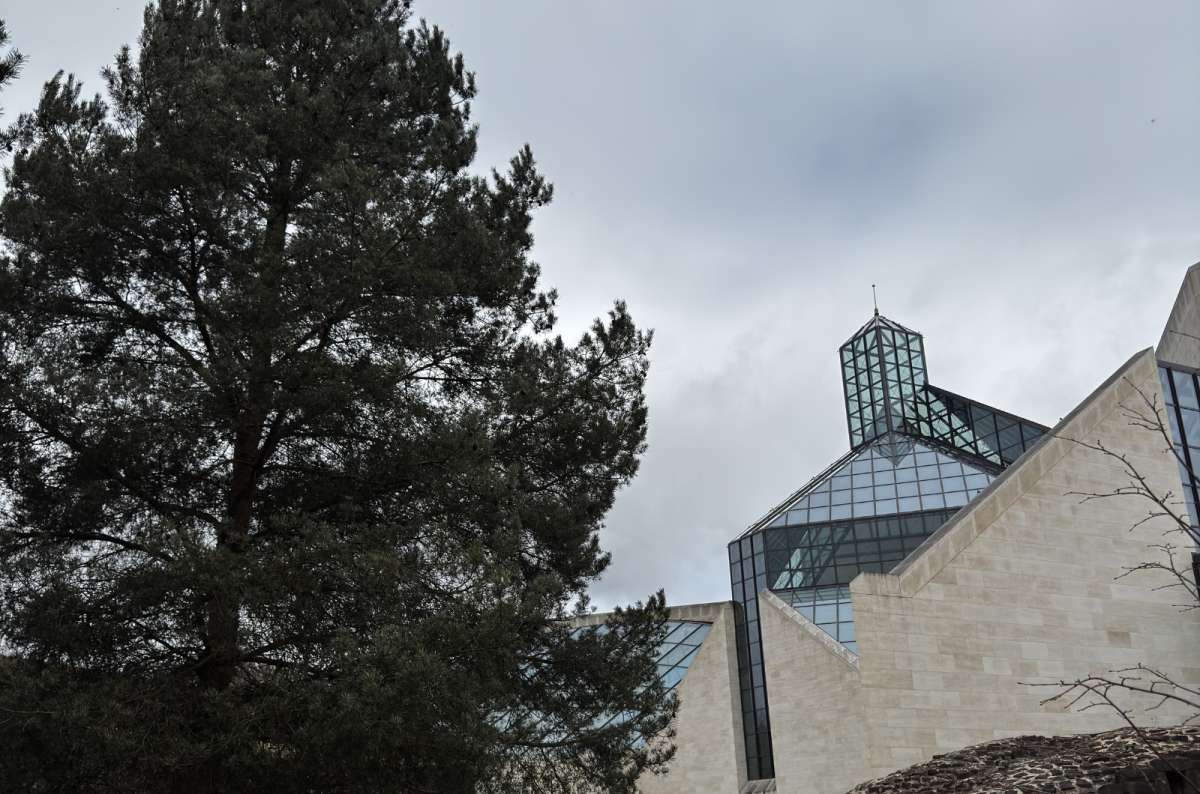
Bock Casemates
Famous and historically relevant, but not mandatory.
Mudam / Philharmonie exterior
Good if you are already in Kirchberg. I liked the exterior area and the modern contrast, but I did not go inside Mudam because contemporary art is not really my thing.
National Museum of Archaeology, History and Art
Add if you want a second museum, but language accessibility can affect the value.
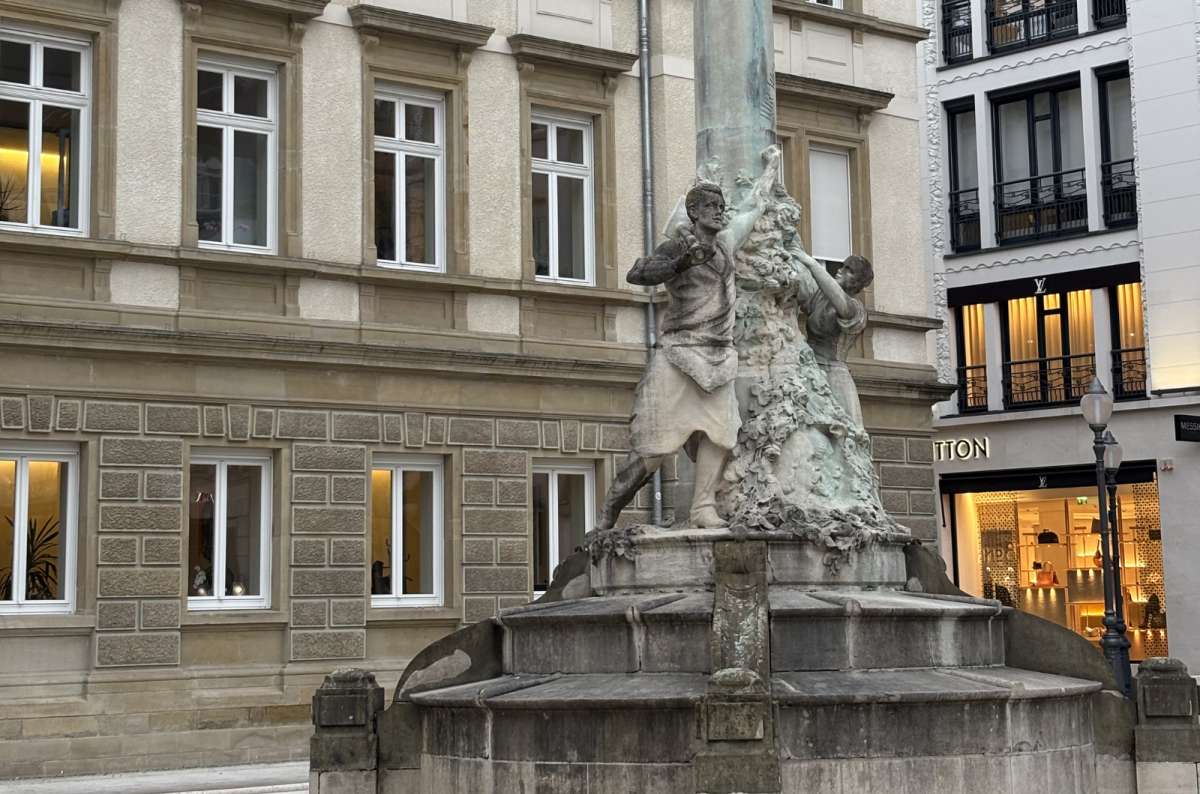
Place d’Armes and Place Guillaume II
Walk through them. Do not build the day around them.
This is where planning gets easier.
Luxembourg City is enjoyable when you downgrade the right things.
I’d skip extra square time
Place d’Armes and Place Guillaume II are fine.
They are also squares. Europe has a few of those.
Place d’Armes felt pretty meh to me. Place Guillaume II felt more spacious and bordering on pretty in sunny weather, but still not a reason to plan your day around it.
Walk through them, sit down if you need coffee, then move on.
I’d skip too many museums
One museum is smart. Two museums can be good. Three museums in a short Luxembourg City visit starts to feel like you are hiding from the actual city.
If you only choose one, make it the Luxembourg City History Museum.
I’d skip the Casemates if I wasn’t interested
The Casemates are famous, but fame alone is not a travel plan.
If you like tunnels and fortress history, go. If not, you can skip them and still have a better-than-average day.
For me, the Casemates were cold, short, and not especially rich in exhibits. The entrance and views are good, but the views are mostly the same type of payoff you already get from the free scenic route.
I’d skip Mudam interior unless I wanted contemporary art
The exterior and Kirchberg setting are useful. The interior is only worth it if contemporary art is genuinely your thing.
I liked the building from outside and the way it connects with the old fortifications. That was enough for me.
I’d skip generic old-town wandering
I know, “just wander” sounds romantic.
In Luxembourg City, specific route flow works better. Follow the views and valleys. Do not just drift into shopping streets and wonder why the city feels less interesting than promised.
| Museum | Best for | Time needed | My verdict |
|---|---|---|---|
| Luxembourg City History Museum | Understanding the city | 1.5–2 hours | Best first choice |
| Musée Dräi Eechelen | Fortress and military history | 30–90 minutes | Best second museum |
| National Museum of Archaeology, History and Art | Broader history, archaeology, art | 1–2 hours | Good, but conditional |
| Mudam | Contemporary art | 1–2 hours | Only if you like the genre |
| Villa Vauban | Quieter art museum | Around 1 hour | Niche |
| Natural History Museum | Families, natural sciences | 1–1.5 hours | Useful with kids or rain |
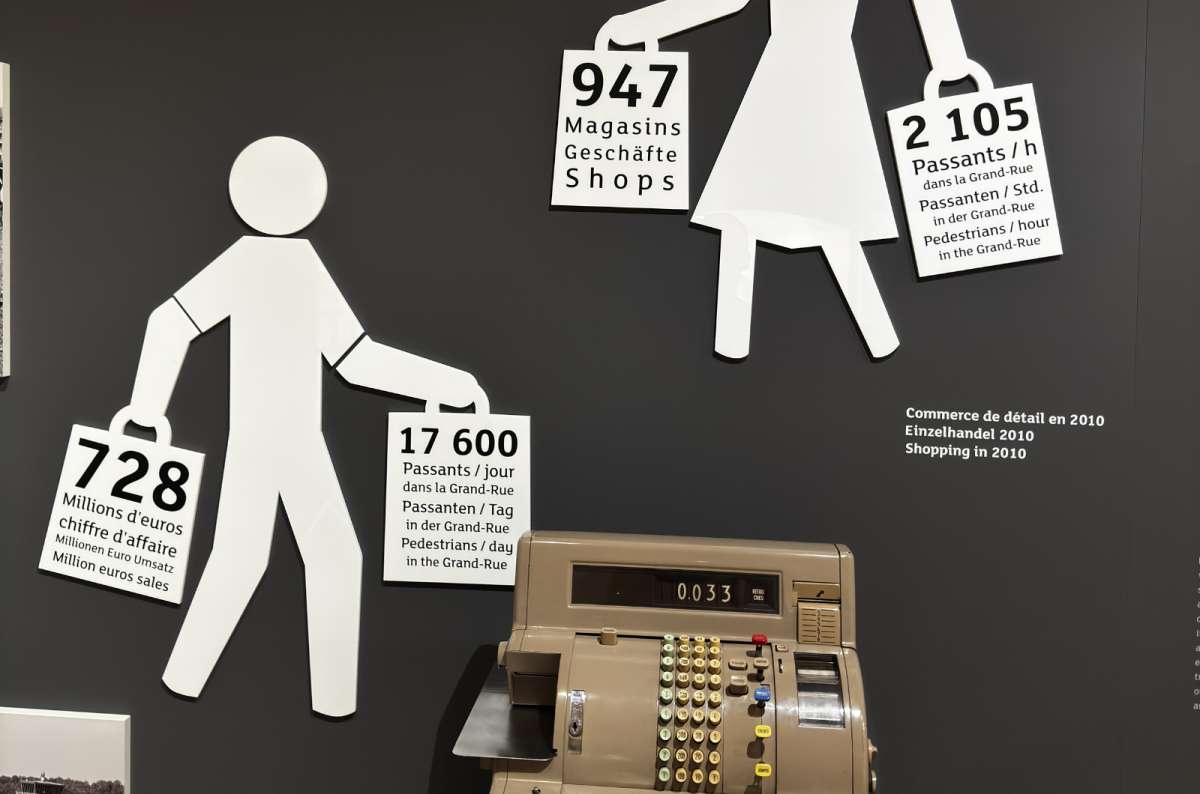
This is the best museum in the city, hands down.
I liked that it was cheap, modern, and actually useful. It has multiple floors, but it is not endlessly huge. Luxembourg seems to have taken “build tall, not wide” to heart.
The best parts for me were the infographics, city models, population numbers, ordinary-life details, and the way the exhibits explain how the city developed over time.
There is also a panoramic terrace inside, which is exactly the kind of museum feature I appreciate: now go outside and understand what you just learned.
Everything being in English also helps. A lot.
My only complaint is that some contemporary exhibitions can feel like a separate museum inside the museum. Interesting, but sometimes larger than I expected. I wanted more city facts and slightly less “bonus exhibition that has taken over my afternoon.”
Still, this is the museum I would choose first.
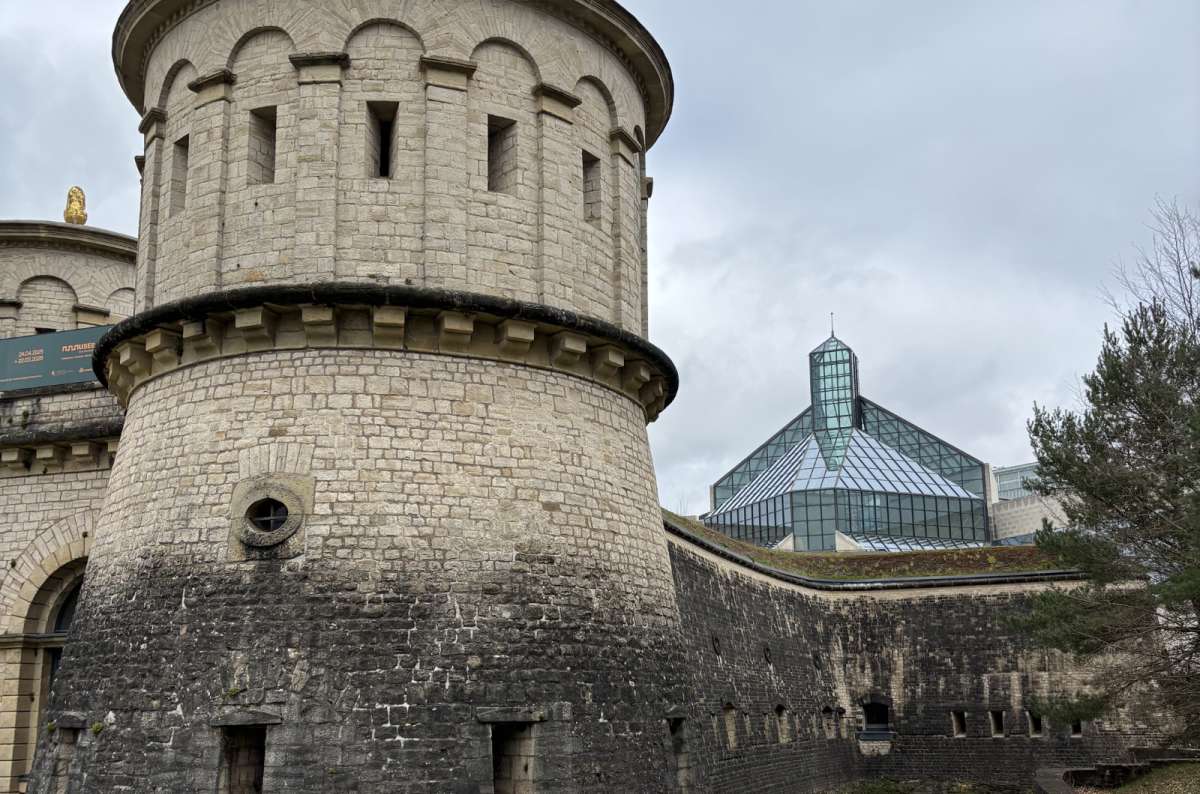
This is the best second museum if you want fortress context.
Before visiting, I did not fully realize that Luxembourg City was basically a giant fortress. Dräi Eechelen helped that click.
It is more a museum of fortification and military history than a broad national museum, which is important to know before going in. I expected one thing, adjusted my brain after a few minutes, and then enjoyed it much more.
The building itself is also a big part of the experience, neatly connected to the old fortifications. Pair it with the Pfaffenthal elevator, Duchess Charlotte Bridge, Mudam exterior, and Philharmonie area.
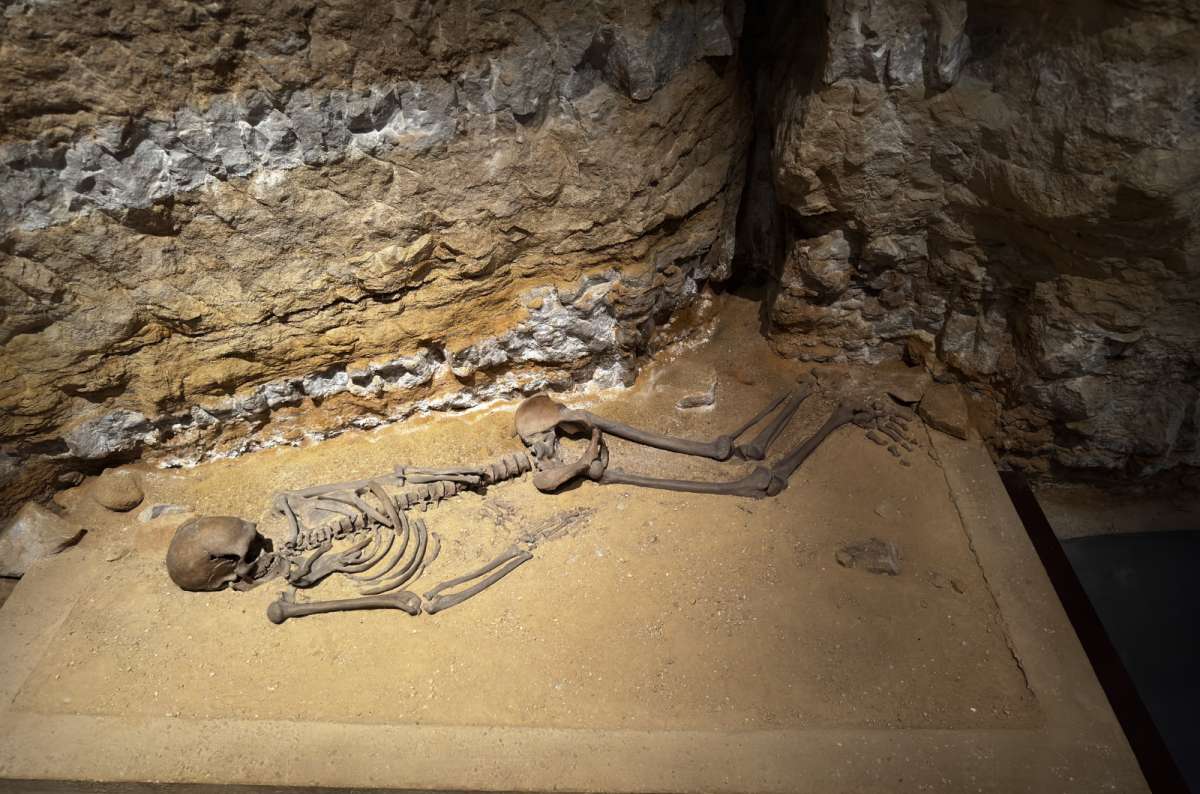
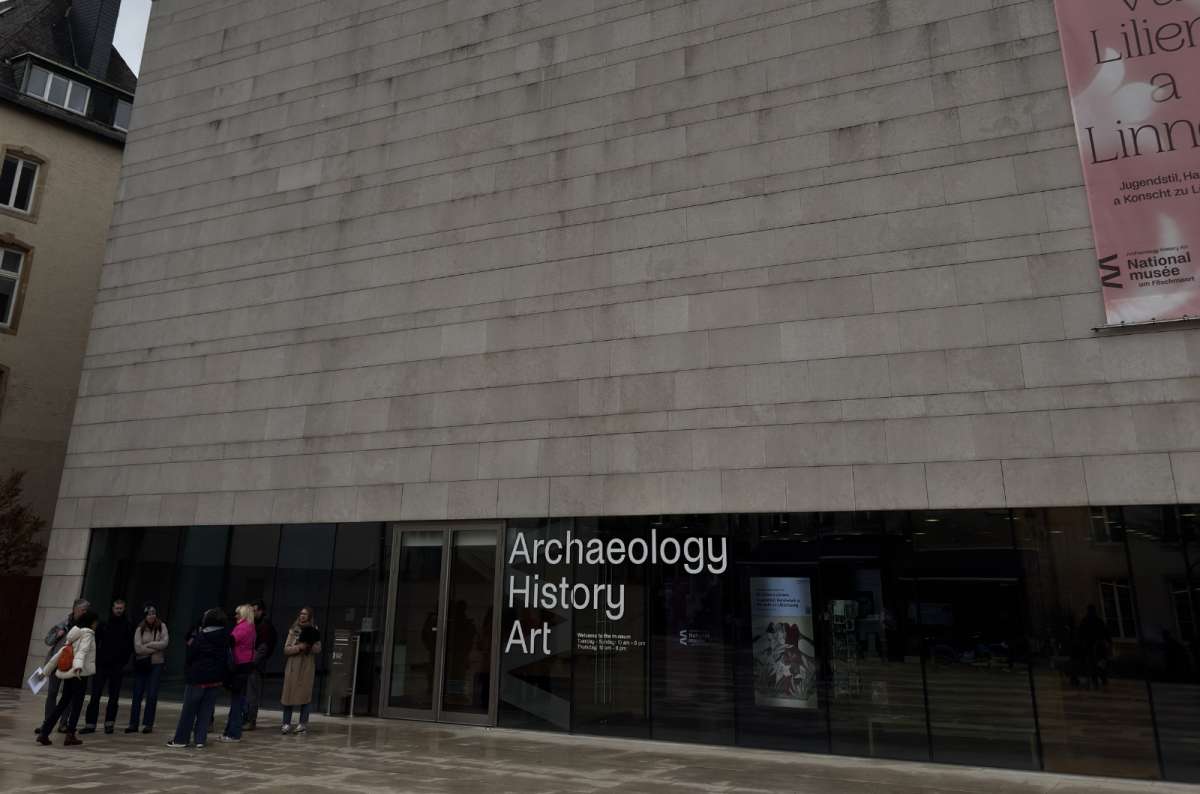
This museum surprised me with its size. It goes down and up through several floors, with history and archaeology lower down and art higher up.
The big downside for me was language. Some of the historical sections were not in English, which in Luxembourg felt like a massive “wtf” moment.
It looked interesting. It was nicely curated. But if you cannot understand the context, the visit becomes faster and less educational than it should be.
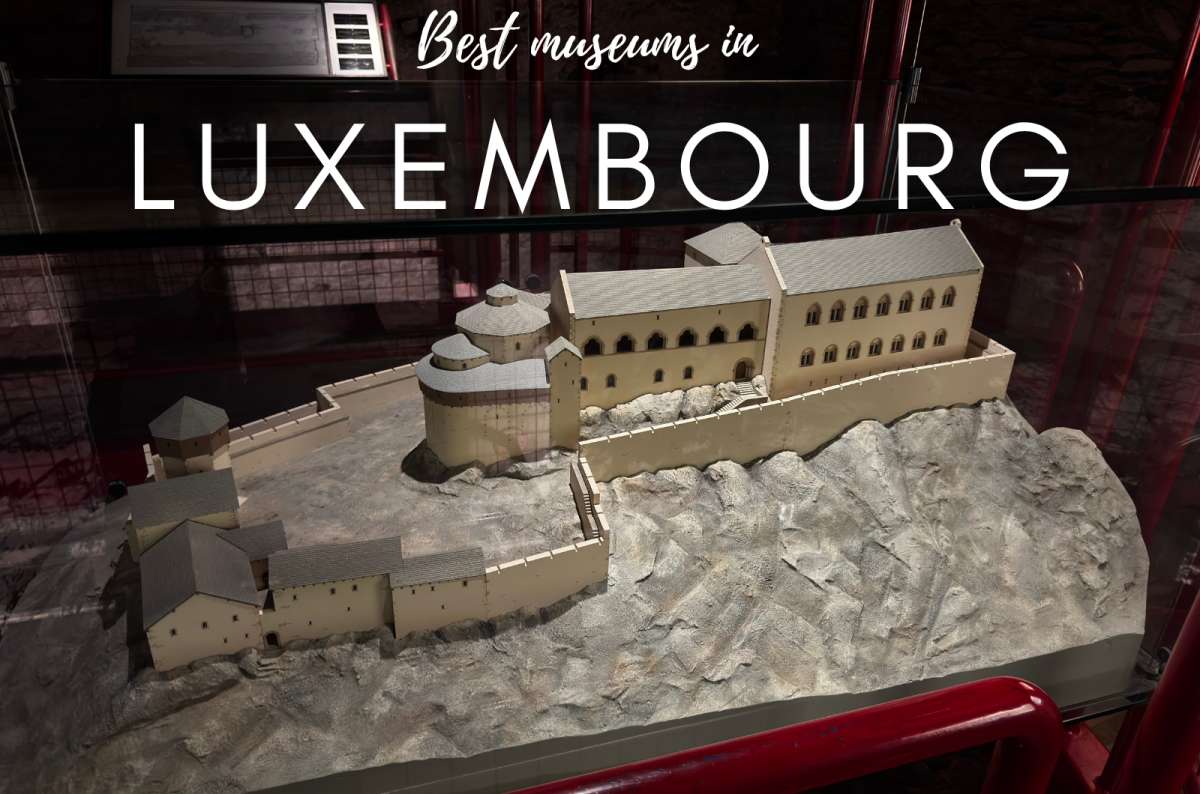
I loved the small dioramas, because who does not like dioramas and briefly feeling like Gulliver? I also liked the medals and money section because it was small, factual, and had no unnecessary bullshit.
Still, for most first-time visitors, the City History Museum is the better first choice.
If you have one day, visit the Luxembourg City History Museum.
If you have two days, add Musée Dräi Eechelen.
If it rains, then yes, suddenly you are a museum person. Congratulations.
For the full comparison, use my guide to the best museums in Luxembourg City.
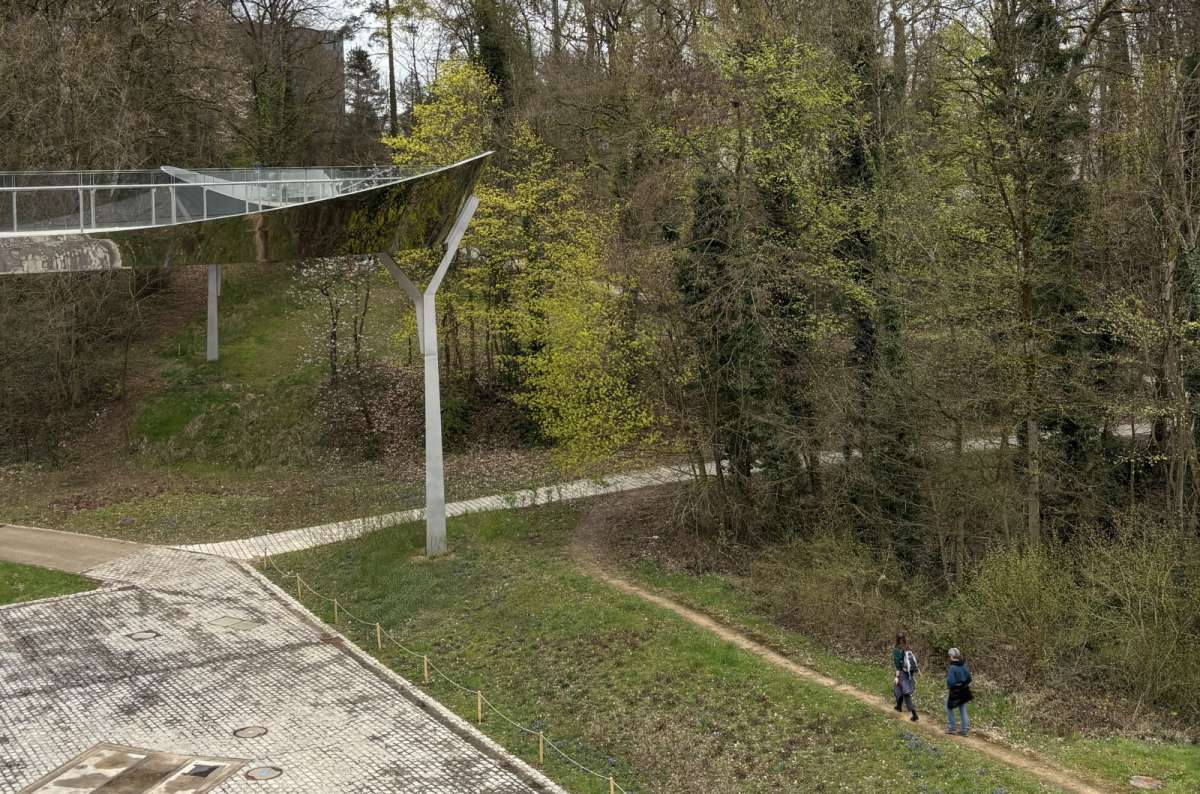
Luxembourg City is walkable, but not flat.
This is the key thing to understand.
Distances are short. Elevation is not always friendly.
You can walk between most major sights, but you will be moving between upper and lower levels. Expect stairs, slopes, bridges, and the occasional moment where you look at your map and think, “It’s only 500 m away,” then realize it is 500 m away vertically in spirit.
Public transport is free in Luxembourg City and throughout the entire country.
This is excellent for visitors. It means you can use trams, buses, and trains without thinking about tickets for normal domestic travel.
Very civilized. Suspiciously civilized, even.
The only catch is that free public transport does not mean every rural day trip is automatically convenient. Inside the city, though, it is genuinely useful.
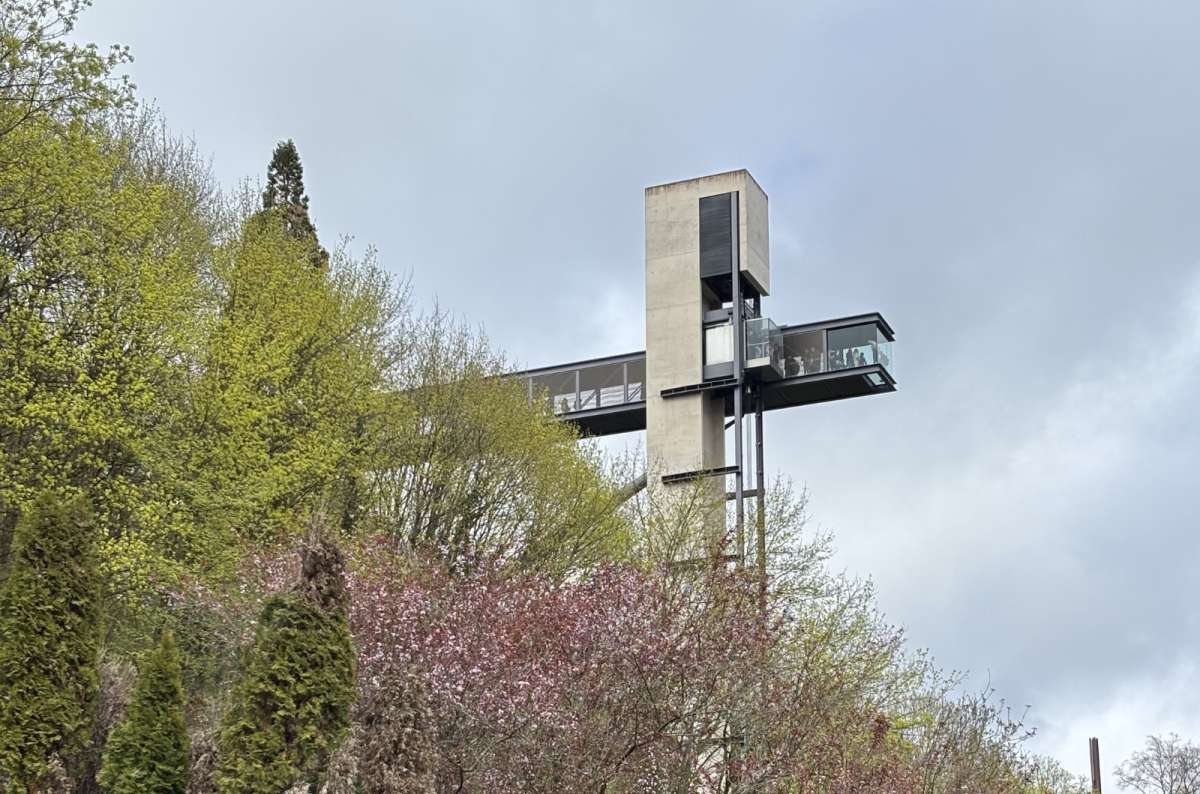
The Pfaffenthal panoramic elevator is one of the most useful route tools in Luxembourg City.
It connects the upper city with the Alzette valley and Pfaffenthal area, and it is free to use.
Use it if it helps your route. Do not detour across the city just because someone put “elevator” on a top attractions list and we all collectively lost standards.
I recommend using it from the lower level going up if that fits your route. It felt more logical to me, and there were fewer crowds from below than from the top.
The views of the red bridge are good. The elevator itself is still an elevator.
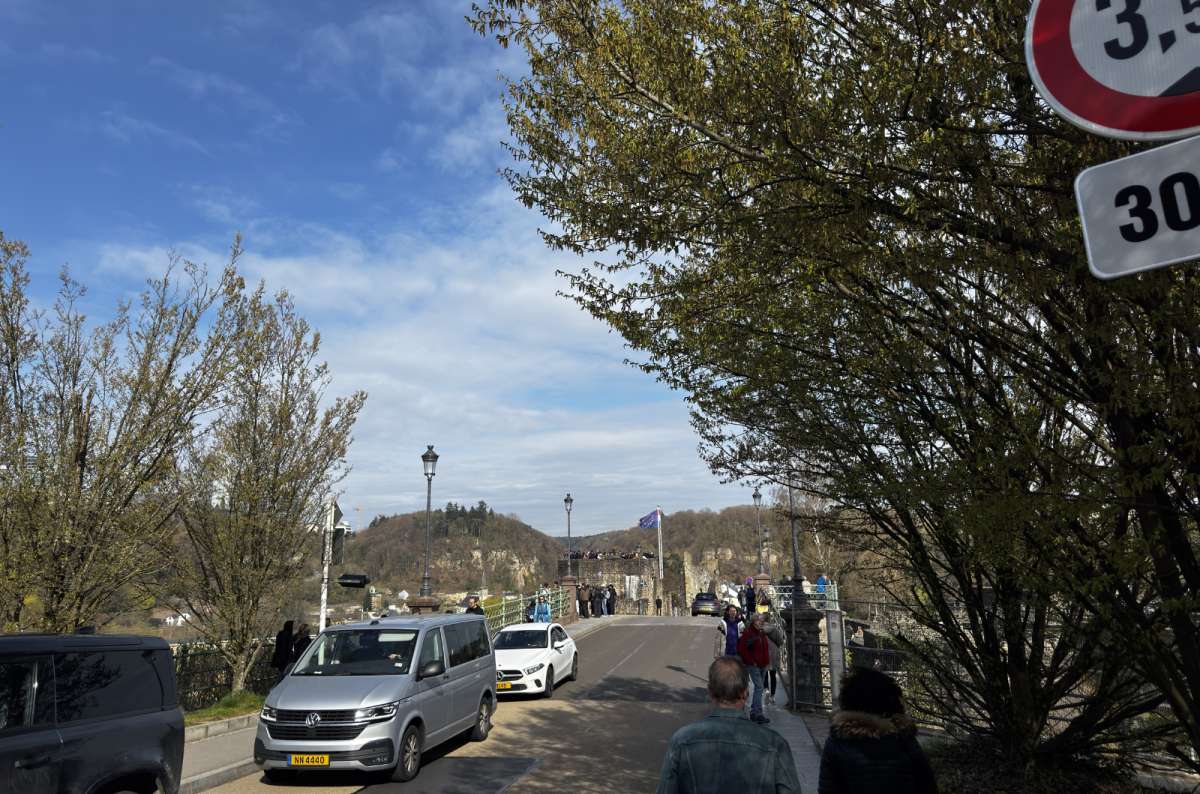
Parking in Luxembourg City is useful if you are arriving by car, but I would not use a car to sightsee inside the city.
Drive in, park once, walk.
That is the strategy.
The center is compact, and the city’s best experiences are on foot. Moving your car between attractions would be a very efficient way to ruin a nice day.
Pro tip: Rent a car, if you're using Luxembourg City as a base for other trips.
My parking advice
Parking in the city center can be a pain, so come early if you are driving. Prices felt acceptable when I visited, but finding convenient parking is still not something I would leave to chance.
If you are staying overnight, choose a hotel with parking or clear parking instructions. Luxembourg City is not the place where I would arrive tired and start improvising with luggage, hills, one-way streets, and paid garages.
That sounds like a divorce simulator.
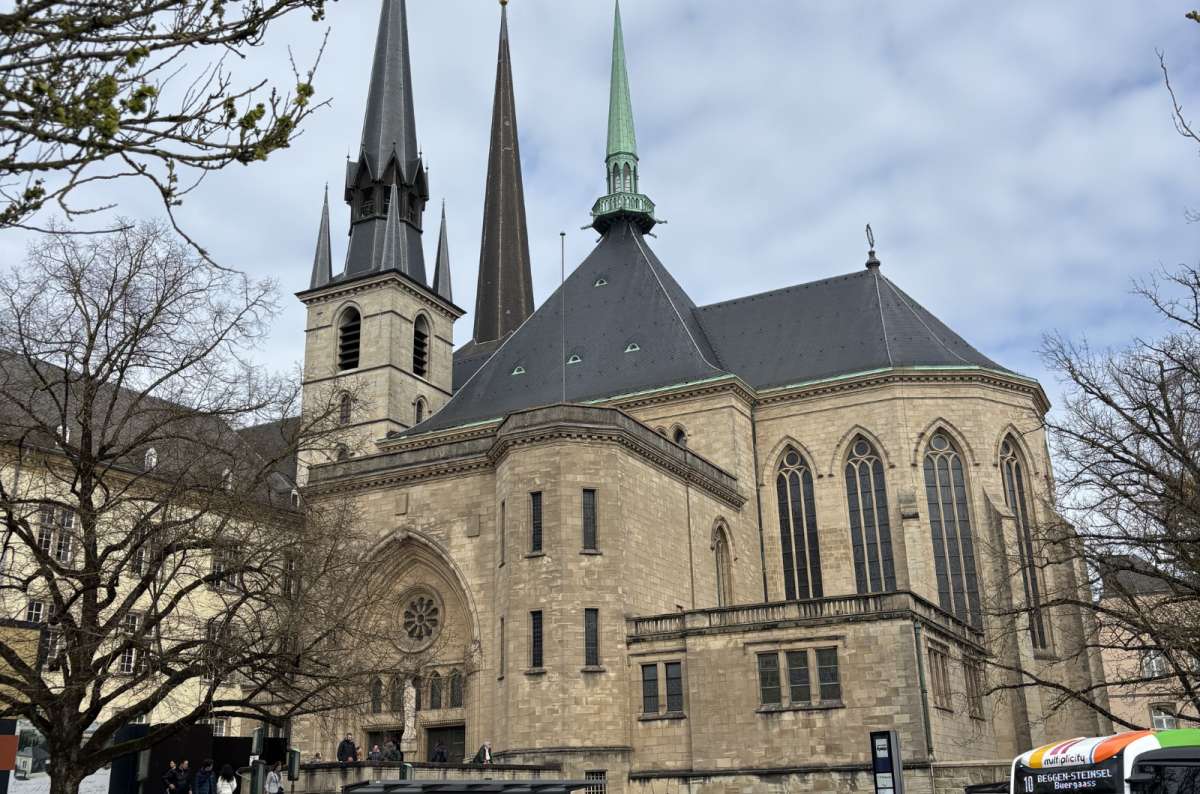
For a first visit, I would stay in the upper city / central area if budget allows.
It gives you the easiest access to the Corniche, museums, restaurants, squares, and walking route.
But there are a few sensible options depending on your trip style.
| Area | Best for | Downside |
| Upper city / center | First-timers, sightseeing, easiest walking access | Expensive and busier |
| Grund / lower city | Atmosphere, scenery, quieter evenings | Hills and luggage logistics |
| Train station area | Transit, value, day trips | Less scenic |
| Kirchberg | Business hotels, modern stays, museums | Less atmospheric for tourists |
Stay in the upper city or central area.
This is the easiest choice if you want to walk to the Corniche, old town sights, City History Museum, restaurants, and main viewpoints without turning your trip into a navigation exercise.
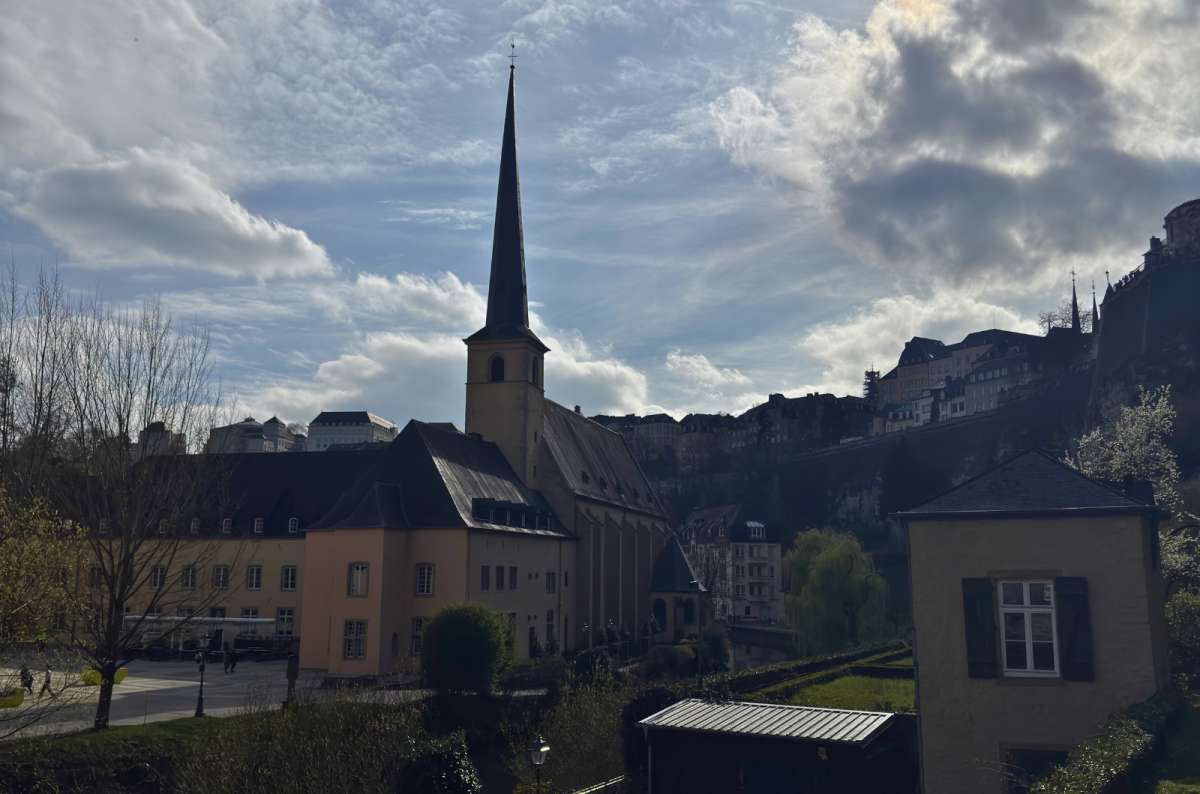
Grund is more atmospheric, especially in the evening, but I would only stay there if you are comfortable with hills and do not have annoying luggage.
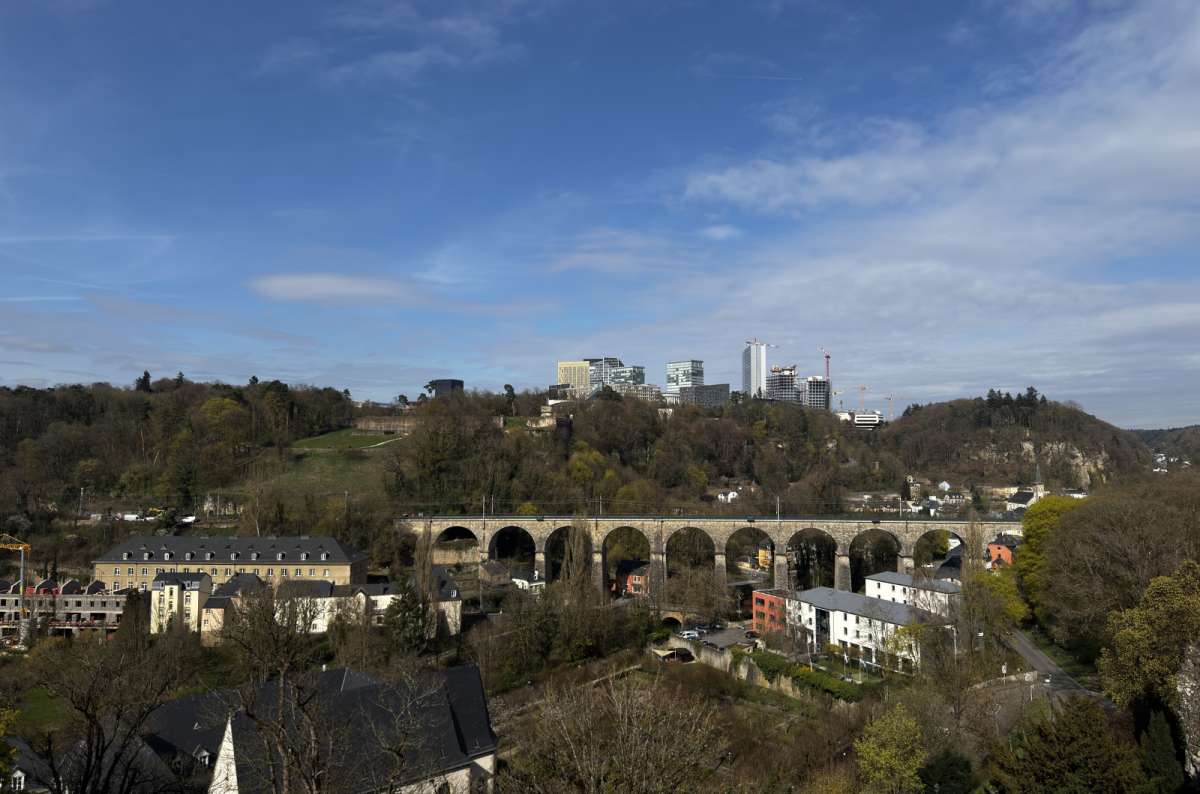
The train station area is practical if you arrive by train, plan day trips, or want better-value hotels.
It is not the prettiest part of the city, but convenience counts.
Pro tip: If you're planning on making this a bigger trip, check out guided day trips from Luxembourg.
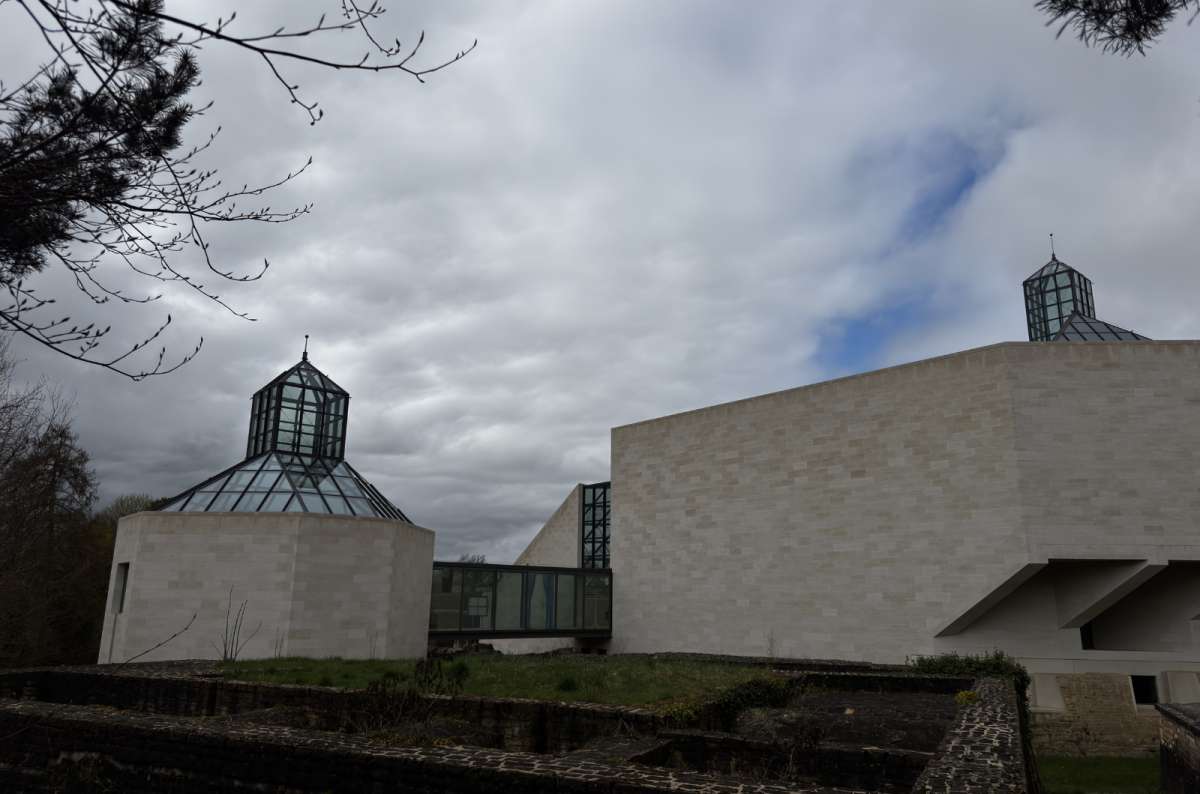
Kirchberg works if you want modern hotels, business facilities, or easy access to Mudam, Philharmonie, and Dräi Eechelen.
For a purely tourist stay, I would choose the center first.
For a deeper accommodation breakdown, use my guide to where to stay in Luxembourg City.
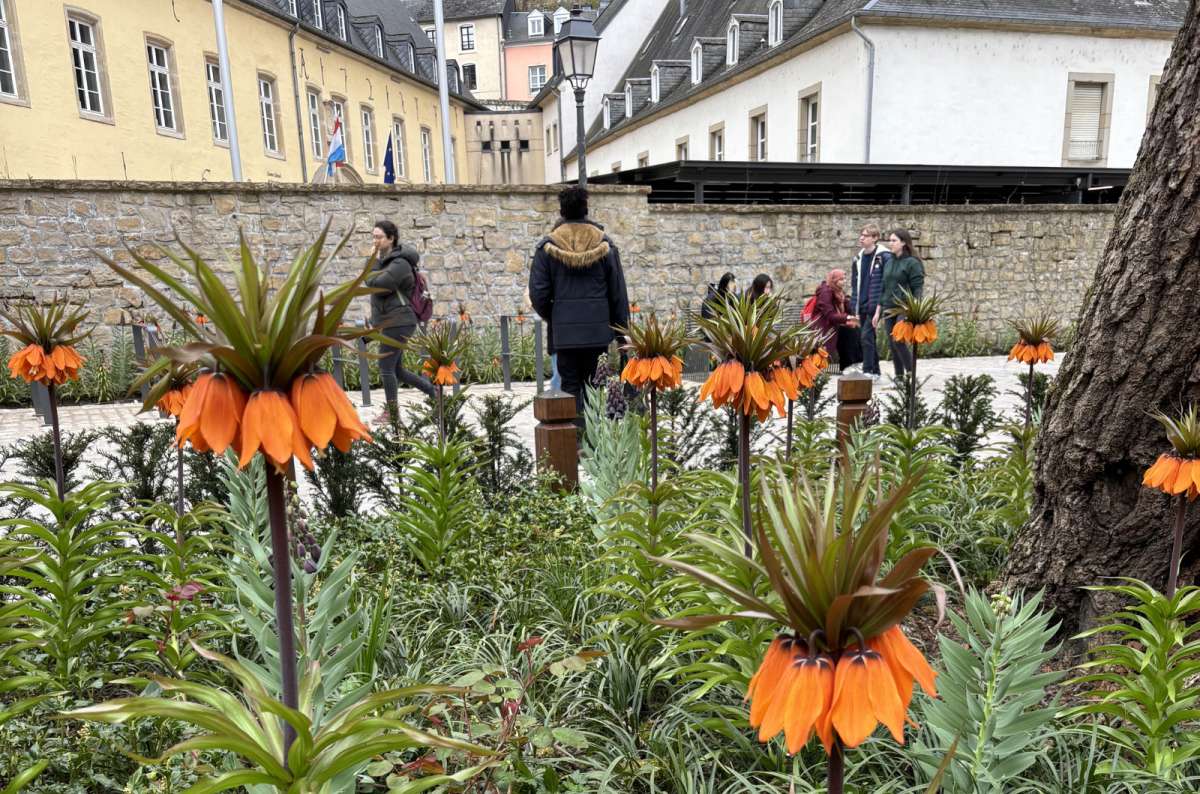
The best time to visit Luxembourg City is spring, early summer, or fall.
You get better walking weather, greener valley views, and fewer reasons to regret every uphill street.
Summer is workable, but it can be busier and more expensive. Winter can be fine for museums and city walks, but the valley and viewpoint experience is less impressive in gray weather unless you are very committed to dramatic European melancholy.
I would choose:
Luxembourg City is a walking city. Pick weather that makes walking pleasant.
Revolutionary advice, I know.
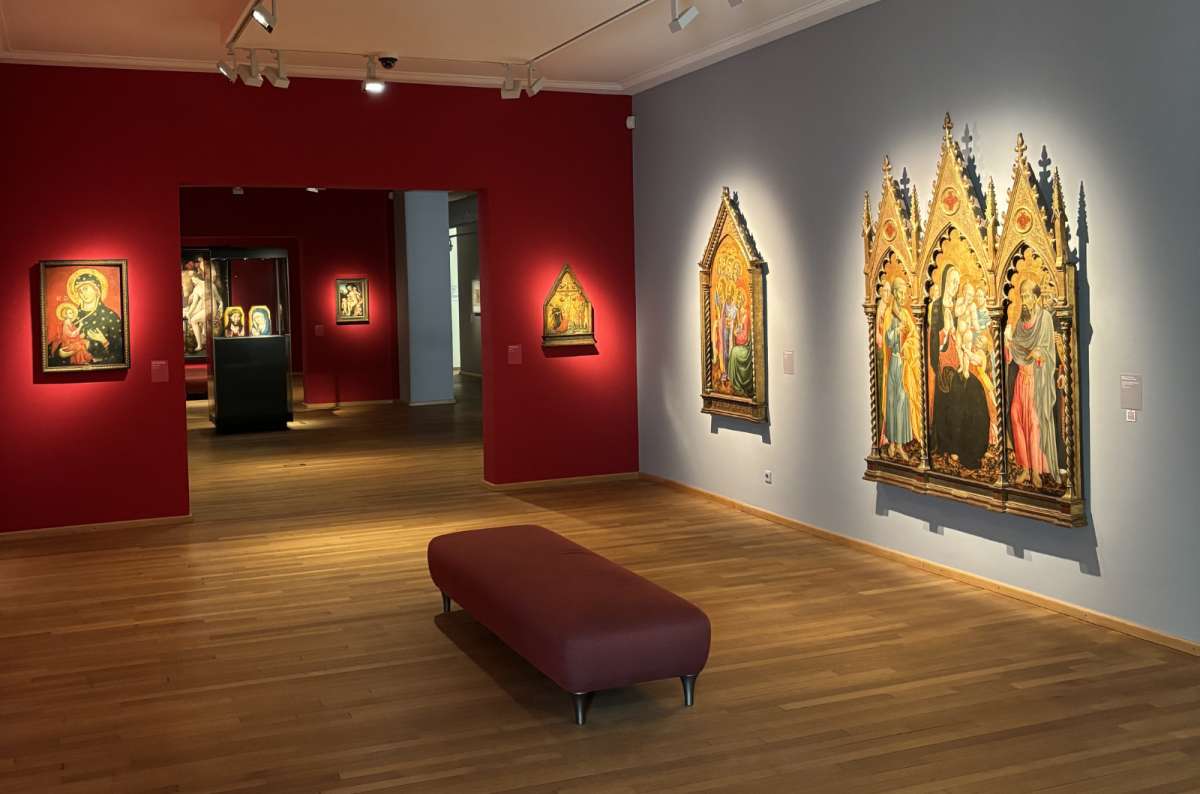
Rain does not destroy a Luxembourg City visit, but it does change the priorities.
I would not build the whole day around viewpoints and lower-city walks if the weather is miserable.
Luxembourg City’s best feature is scenery. If you cannot see much and you are wet, congratulations, you have invented a worse version of the city.
Use museums. Eat. Wait it out. Then go outside when the views are back.
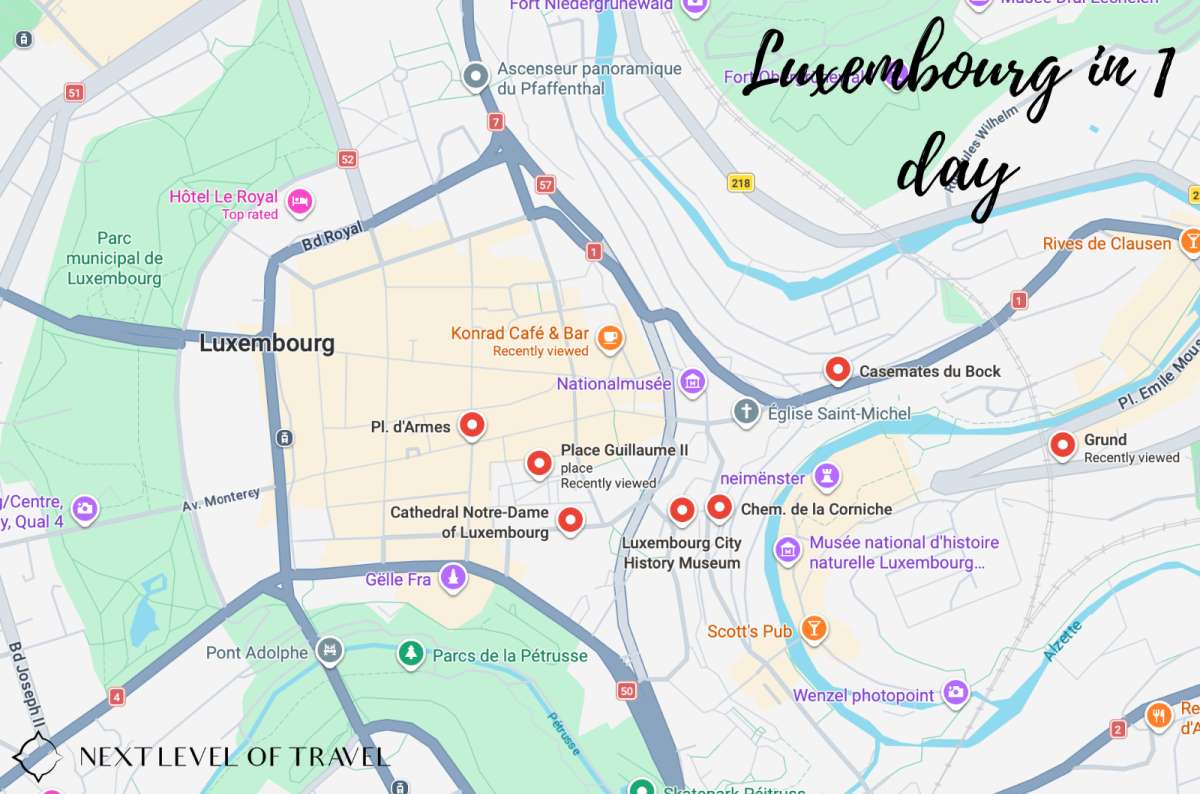
This is the simple one-day version.
For a full timed route, use my one day in Luxembourg City itinerary.
Morning
Start at the Corniche, then continue toward the Bock area. Visit the Casemates only if they genuinely interest you.
Descend into Grund and follow the Alzette valley.
This is the part I would protect at all costs.
Midday
Have lunch in the lower or upper city, depending on where your walk ends.
Then visit the Luxembourg City History Museum. It is the best museum choice for a first visit because it explains the city you just walked through.
Afternoon
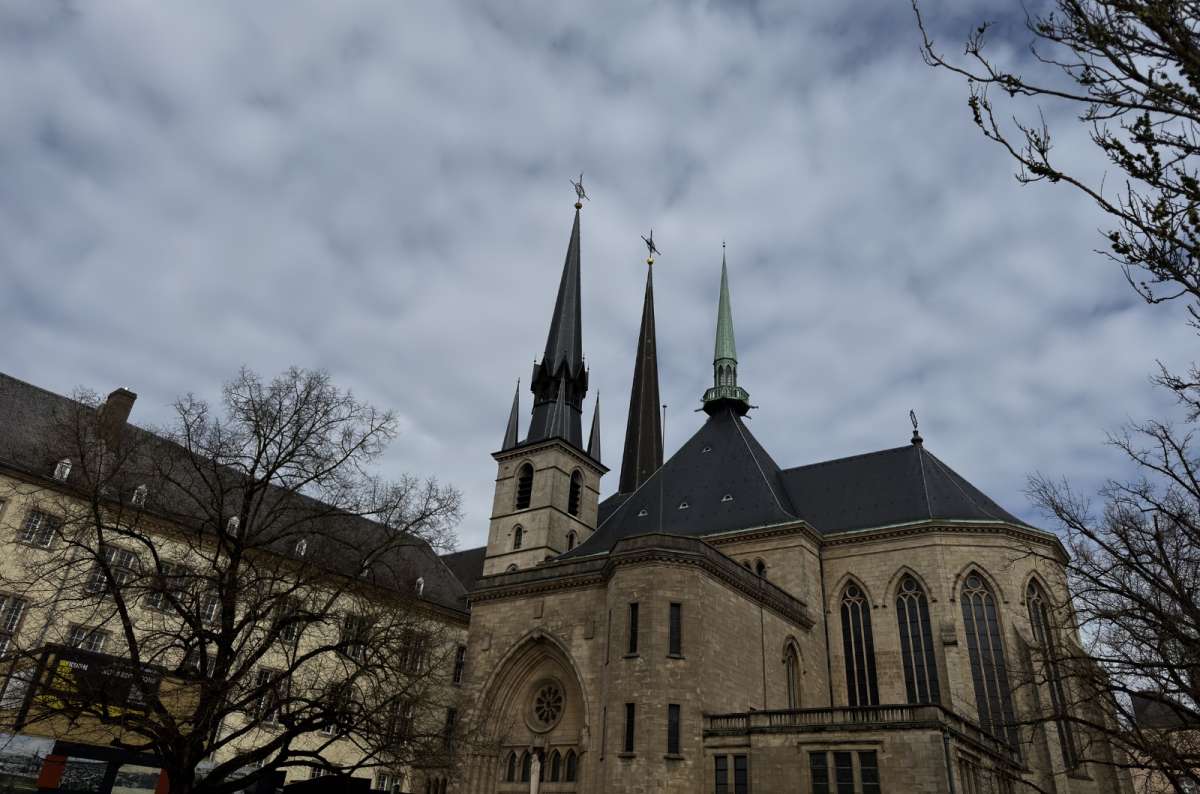
Add Notre Dame Cathedral, walk through Place Guillaume II and Place d’Armes, then choose one final stop:
One-day priority list
If you only remember one thing, make it this:
Views first. Museum second. Optional famous sights last.
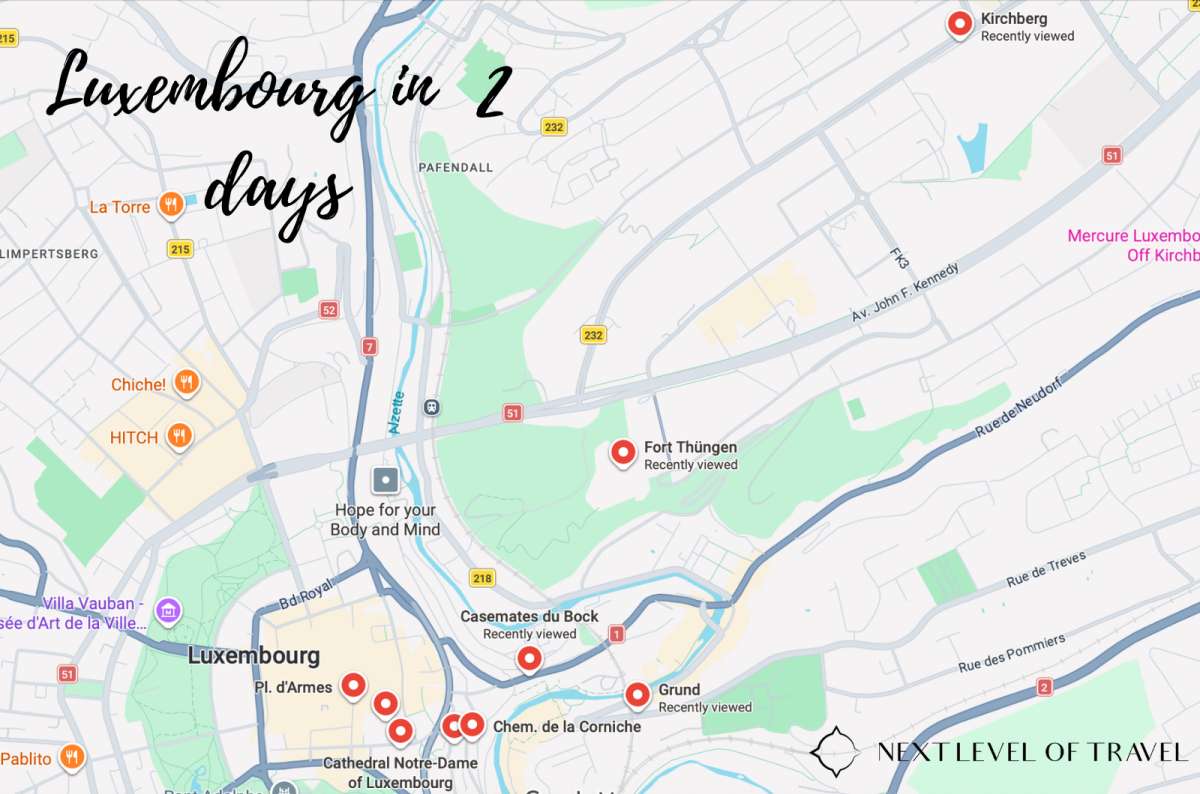
Two days gives Luxembourg City enough breathing room.
This is the version I would choose if you like museums, photography, slower walks, or not treating travel like a competitive sport.
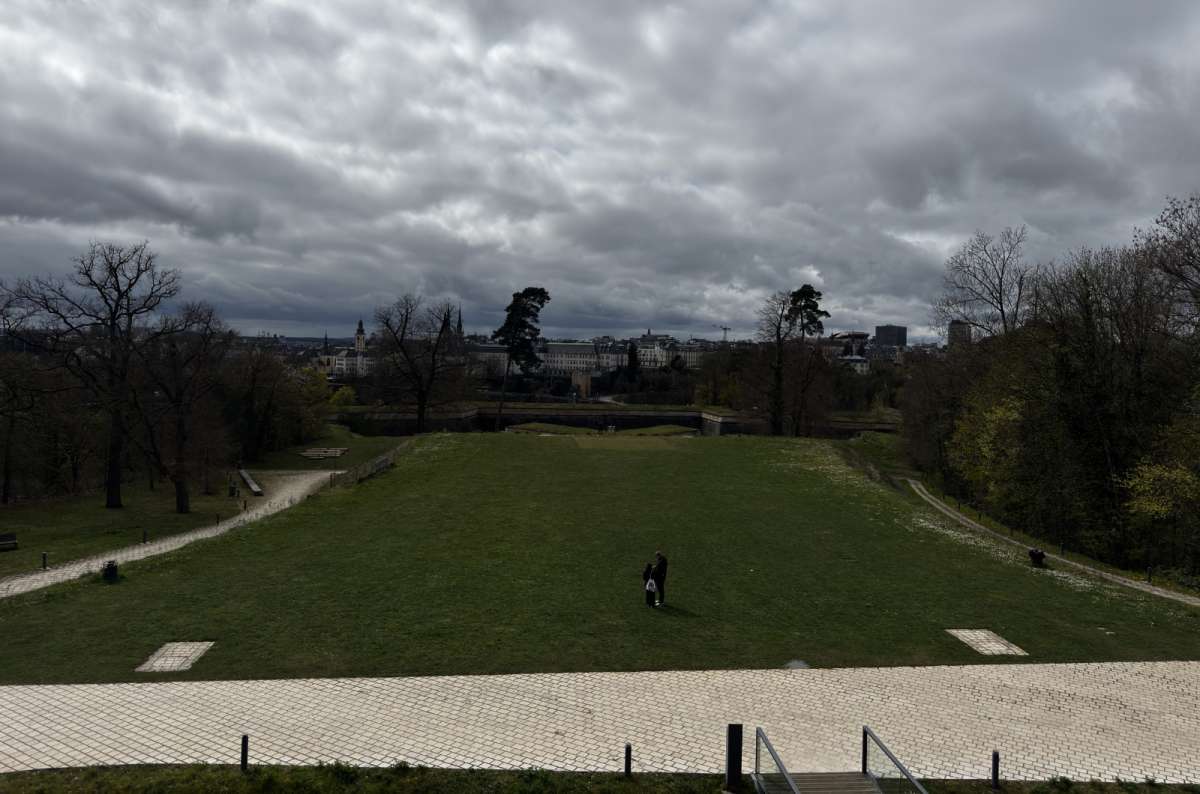
Two days also gives you an evening in the city, which I think helps.
Luxembourg City is much easier to like when it is not packed with daytime traffic and people moving through it in business mode.
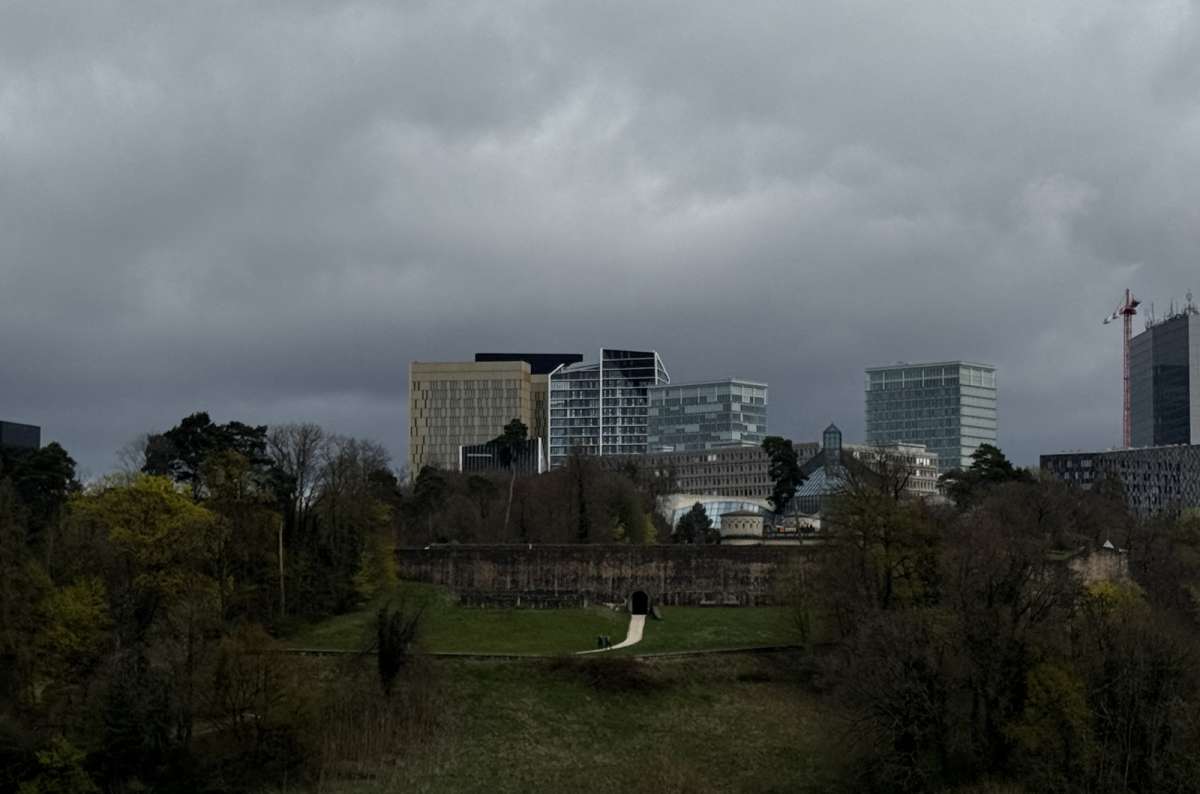
Luxembourg City works well as the start of a bigger Luxembourg trip.
I would use it for:
Because public transport is free domestically, the city is a convenient base for travelers who do not want to drive.
If you do have a car, I would still spend 1–2 days in the capital and then get out into the countryside, castles, small towns, hiking areas, and WWII sites.
Luxembourg has one of the highest densities of castles per square kilometer, which makes sense when you remember it sits between France and Germany. Great for travelers. Historically, probably less relaxing.
For a short country trip:
Day 1: Luxembourg City
Day 2: More Luxembourg City + museum / fortress context
Days 3–5: Castles, small towns, nature, and countrywide highlights
For a full route, use my 5 Days in Luxembourg itinerary.
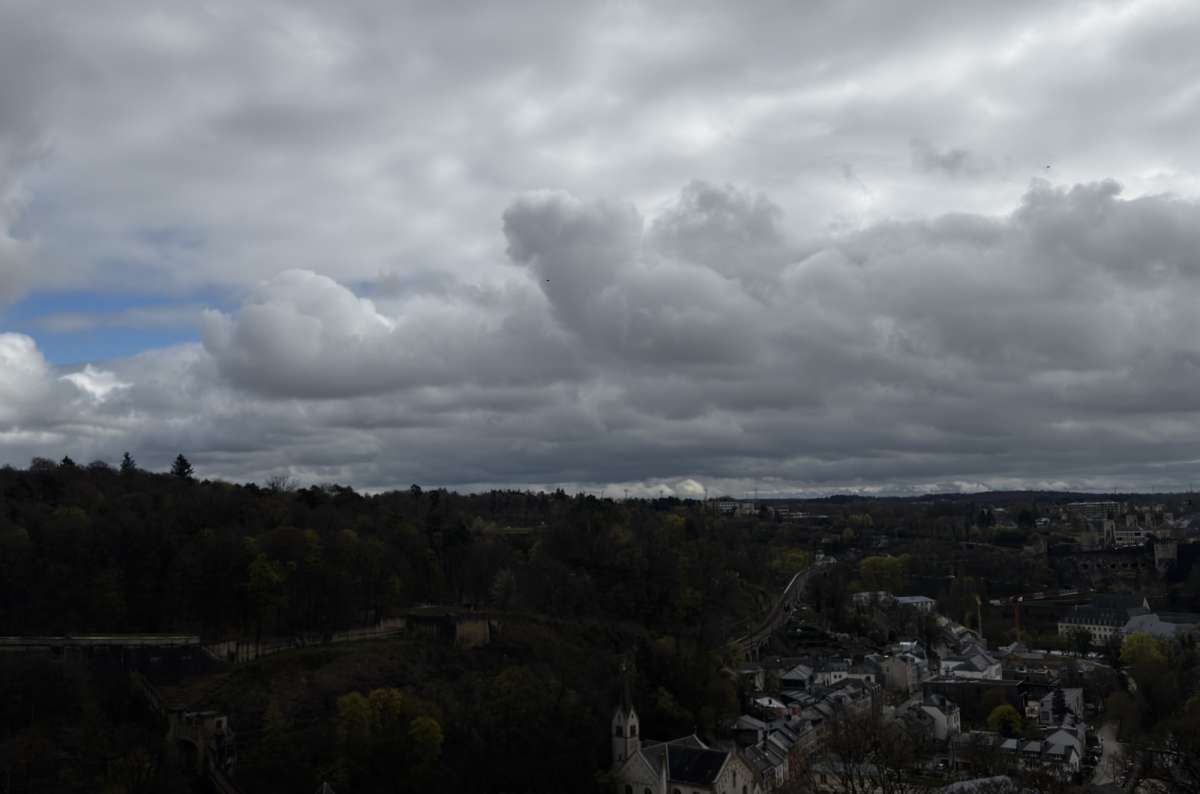
Luxembourg City is worth visiting, but it is not perfect.
And pretending every destination is perfect is how travel writing becomes useless.
The first impression may be more official than romantic. Give it time and head toward the views.
They are fine.
Fine is not a crime. It is also not a travel highlight.
The Casemates are famous. The Corniche and Grund are better for most first-time visitors.
Bad weather hurts Luxembourg City more than some other capitals because the views and walking routes carry a lot of the experience.
This is not a 4-day standalone city unless you move very slowly or use it as a base.
One to two days is the sweet spot.
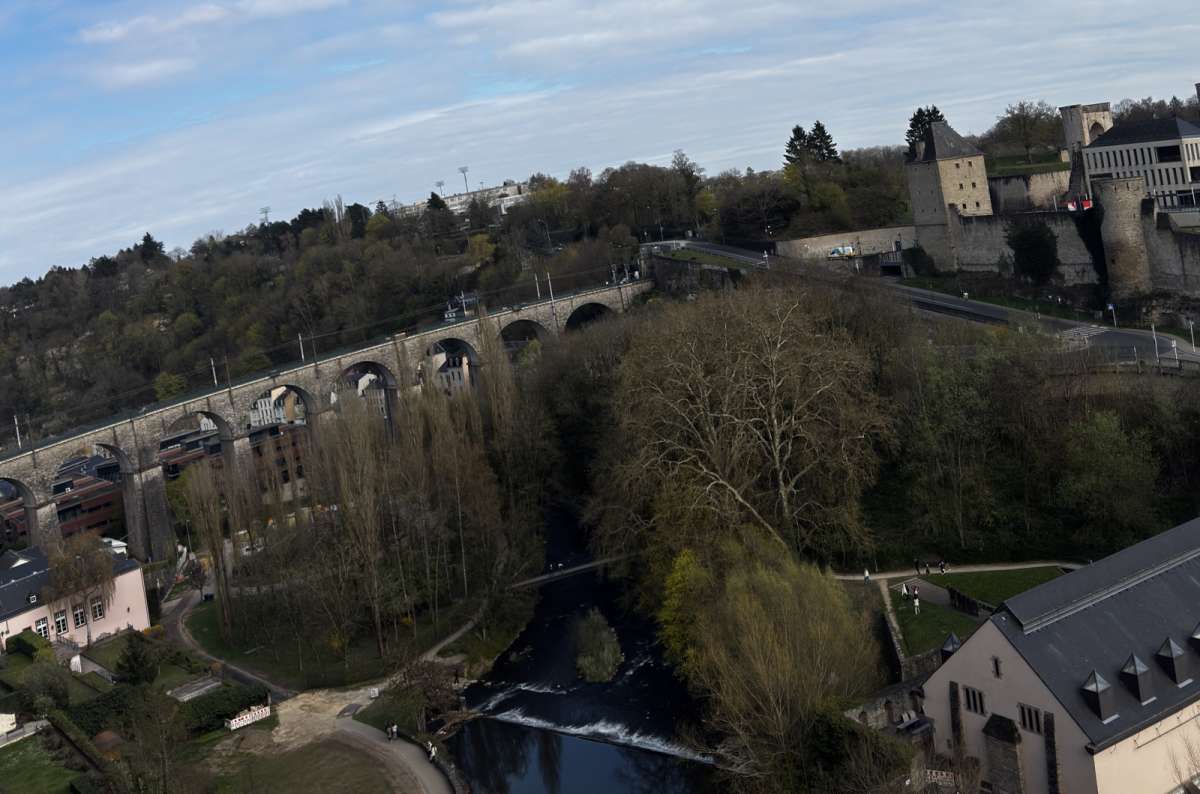
Yes, one day is enough for the highlights of Luxembourg City if you focus on the Corniche, Grund, Alzette valley, one museum, and a few central sights. Two days is better if you want Musée Dräi Eechelen, Kirchberg, the Casemates, and slower walks.
Yes, Luxembourg City is walkable, but it is very vertical. Distances are short, but you will deal with hills, stairs, bridges, valleys, and upper / lower-city levels.
The best area to stay in Luxembourg City for first-timers is the upper town / central area. It gives you the easiest access to the Corniche, old town, museums, restaurants, and main walking routes.
The Casemates are worth visiting if you like fortress history, tunnels, and underground military sites. They are not mandatory for every visitor, and I would not prioritize them above the Corniche, Grund, or the Luxembourg City History Museum.
Do not miss the Corniche, Grund, and the Alzette valley walk. Those three give you the best version of Luxembourg City and explain why the city is more interesting than it first looks.
Yes, public transport is free in Luxembourg City and across Luxembourg for buses, trams, second-class trains, and the funicular. First-class train travel and cross-border journeys are exceptions.
Luxembourg City is not a capital that wins by having endless attractions.
It wins when you understand its layers.
The best first-time plan is simple:
I liked Luxembourg City much more after I stopped expecting a classic fairy-tale capital and started treating it like a scenic, vertical, fortress-shaped walking route.
That is the version worth visiting.
This post contains affiliate links. If you make a booking through one of my links, I may earn a small commission—at no additional cost to you. Thank you for your support!
Is Luxembourg City worth visiting?
How long do you need in Luxembourg City?
The best way to experience Luxembourg City
Best walking route in Luxembourg City
Best things to do in Luxembourg City, ranked by payoff
What I would skip in Luxembourg City if rushed
Best museums in Luxembourg City
Getting around Luxembourg City
Where to stay in Luxembourg City
Best time to visit Luxembourg City
Rainy-day Luxembourg City plan
One day in Luxembourg City itinerary overview
Two days in Luxembourg City itinerary overview
Luxembourg City as part of a bigger Luxembourg itinerary
What Luxembourg City does not do perfectly
FAQs about visiting Luxembourg City
Is one day enough for Luxembourg City?
What is the best area to stay in Luxembourg City?
Are the Casemates worth visiting?
What should I not miss in Luxembourg City?


Hi, I’m Jan. I travel fast and intensely, whether I’m exploring the buzz of Tokyo in 3 days or road-tripping through mountains and beaches on a 3-week Thailand adventure. And no matter where I am, you’ll always find me in a comfortable hotel at night and eating the best food.
If that sounds like your kind of journey, hop on board, and let’s explore the world together!
I started this blog after realizing how tough it can be to find reliable, authentic travel info. You wouldn’t believe how many “travel bloggers” never even visit the places they write about! On Next Level of Travel, you can count on my full honesty and insights drawn from my firsthand experiences.
Here’s the deal: not every destination is all superlatives and unicorns. I’ll let you know if a tourist attraction isn’t worth your time, like skipping overrated stops in my 2-week Spain itinerary. And when I find something truly special—like the perfect mix of culture and nature in Cape Town—you can trust that it’s worth adding to your itinerary.

Comments | Thoughts? Give us a shout!