


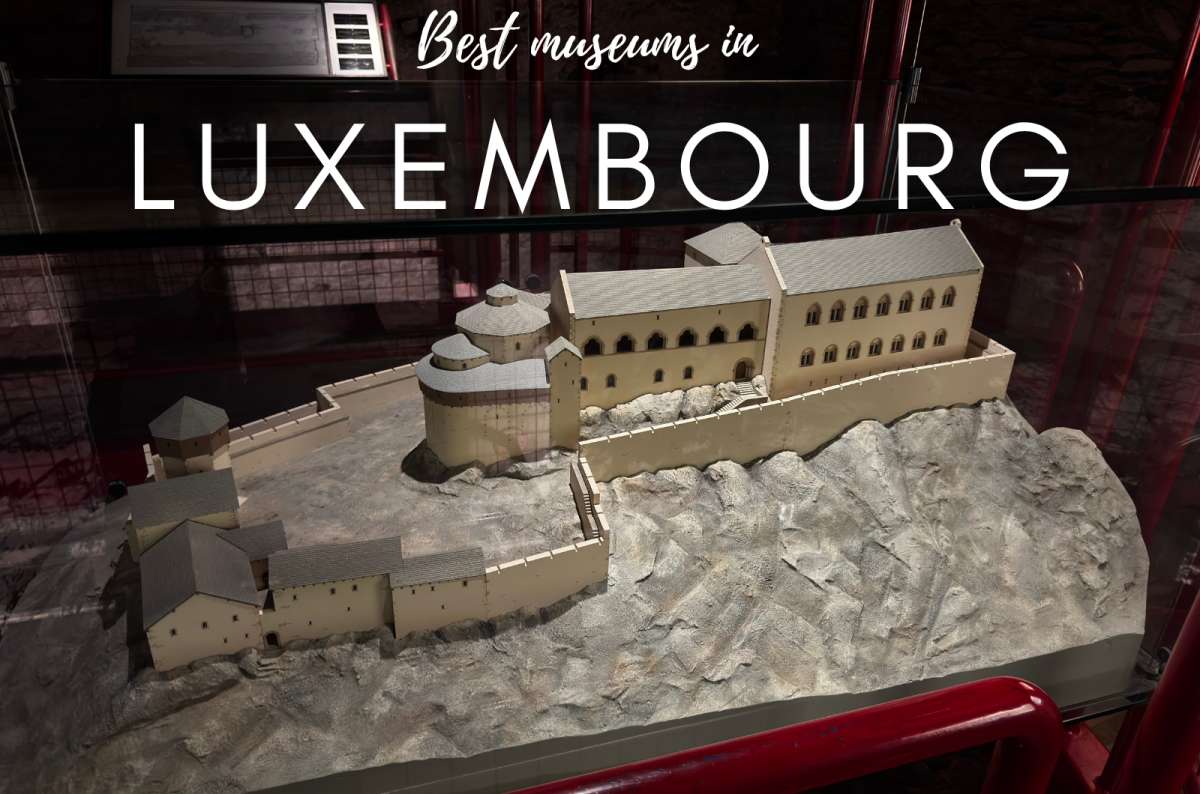


Quick list: the best museums in Luxembourg, ranked
Best museums in Luxembourg at a glance
How I ranked the best museums in Luxembourg
1. Lëtzebuerg City Museum: the best museum in Luxembourg
2. Musée Dräi Eechelen / Fort Thüngen: best for fortress history
3. National Museum of Archaeology, History and Art: good collection, conditional experience
4. Mudam Luxembourg: best for contemporary art and architecture fans
5. Villa Vauban: quiet art museum for niche interests
6. National Museum of Natural History: best for families or natural science interest
7. The Family of Man / Clervaux: best route-dependent photography museum
8. WWII / Battle of the Bulge museums: best for history-focused travelers
Which museum should you choose with only one day in Luxembourg City?
Best museums in Luxembourg for rainy days
Best museum pairings in Luxembourg City
Museums to skip if short on time
Final verdict: which Luxembourg museums are actually worth visiting?
The best museums in Luxembourg are not the ones with the longest list of objects or the most dramatic cultural brochure wording. They are the museums that help Luxembourg make more sense.
That matters here because Luxembourg City can feel slightly confusing at first. I expected more crooked old-town romance and got a modern, crowded, European-bureaucracy capital with a historic core hiding in the middle. Not exactly medieval fantasy mode.
But once I understood the layers—fortress city, steep valley, urban development, bridges, upper and lower levels—the city became much more interesting.
That is why my top museum pick is easy: Lëtzebuerg City Museum, also called the Luxembourg City History Museum. It is the best default museum in Luxembourg for first-time visitors because it explains the city you are actually walking through.
Second place goes to Musée Dräi Eechelen / Fort Thüngen, especially if you want fortress and military context. After that, museums become much more interest-dependent. Mudam is for contemporary art people. The National Museum of Archaeology, History and Art is conditional. Natural history, photography, and WWII museums are useful if they match your route or obsession level.
This is not a polite directory of every museum in Luxembourg. It is a decision guide so you do not waste a good-weather Luxembourg City day indoors out of obligation.
For broader trip planning beyond museum choices, use my Luxembourg Travel Guide. If you are still deciding how museums fit into your city route, start with my Luxembourg City Guide.
Read more on my Luxembourg Travel Guide.
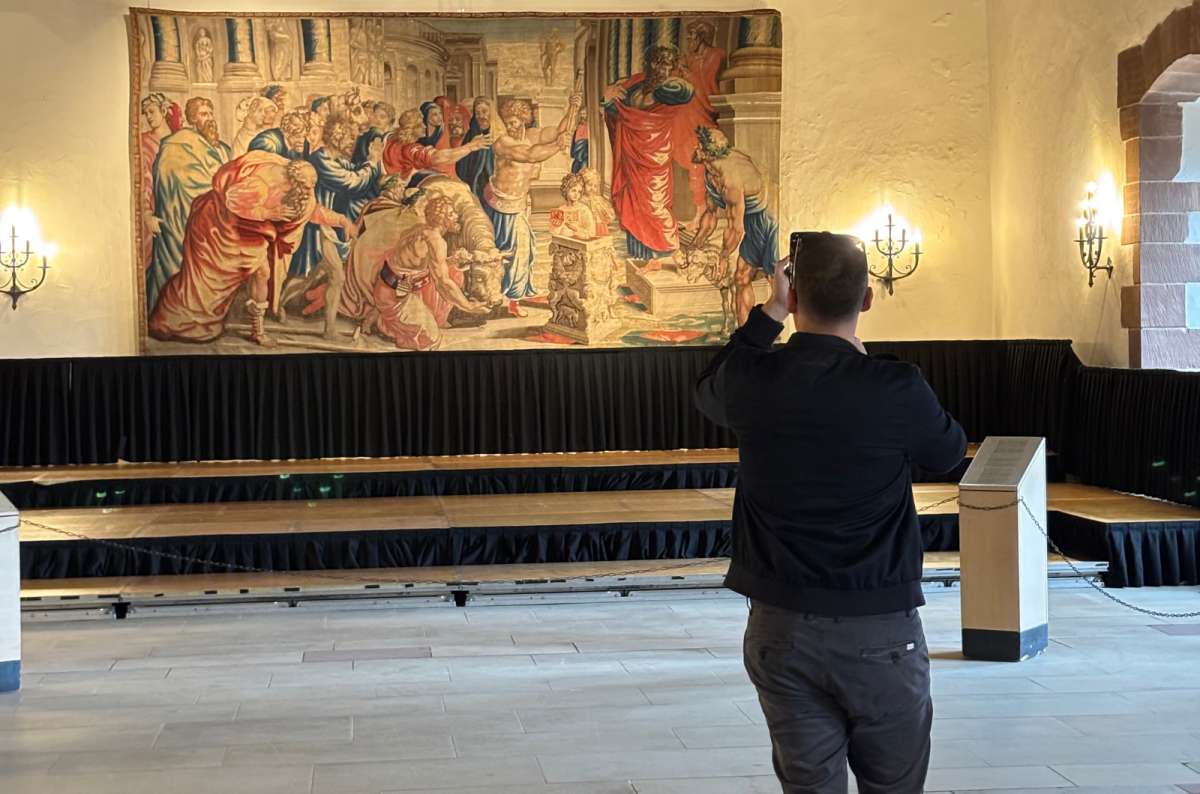
A tourist admiring the magnificent tapestry of the Knight Hall in @Vianden Castle
Here is the short version of my ranking of the best museums in Luxembourg:
If you only visit one museum: Lëtzebuerg City Museum.
If you visit two museums: Lëtzebuerg City Museum + Musée Dräi Eechelen.
If you have one day in Luxembourg City: one museum is enough. Do not sacrifice Corniche, Grund, and the Alzette valley for a museum you only half care about.
If it rains: museums suddenly become much more attractive. Shocking how weather changes culture.
Pro tip: If you want to reach all the museums without having to hassle with public transport, I recommend renting a car.
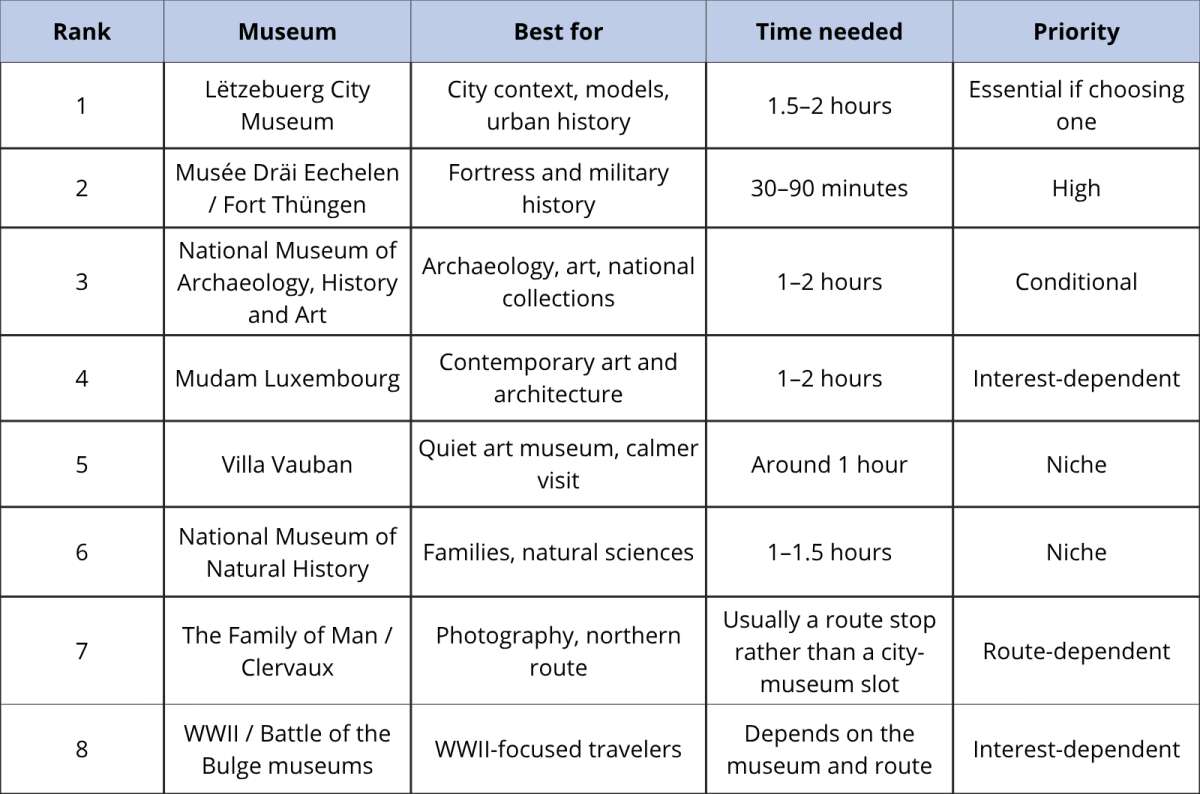
Luxembourg's museum game is strong! Here is the ultimate guide for the best museums in Luxembourg
Confidence note: Lëtzebuerg City Museum, Musée Dräi Eechelen, and the National Museum of Archaeology, History and Art carry the strongest firsthand recommendation value here. Mudam is mainly useful as an interest-dependent Kirchberg / architecture pairing. Villa Vauban, the National Museum of Natural History, The Family of Man, and WWII museums should stay framed as researched or route-dependent options unless your interests point directly toward them.
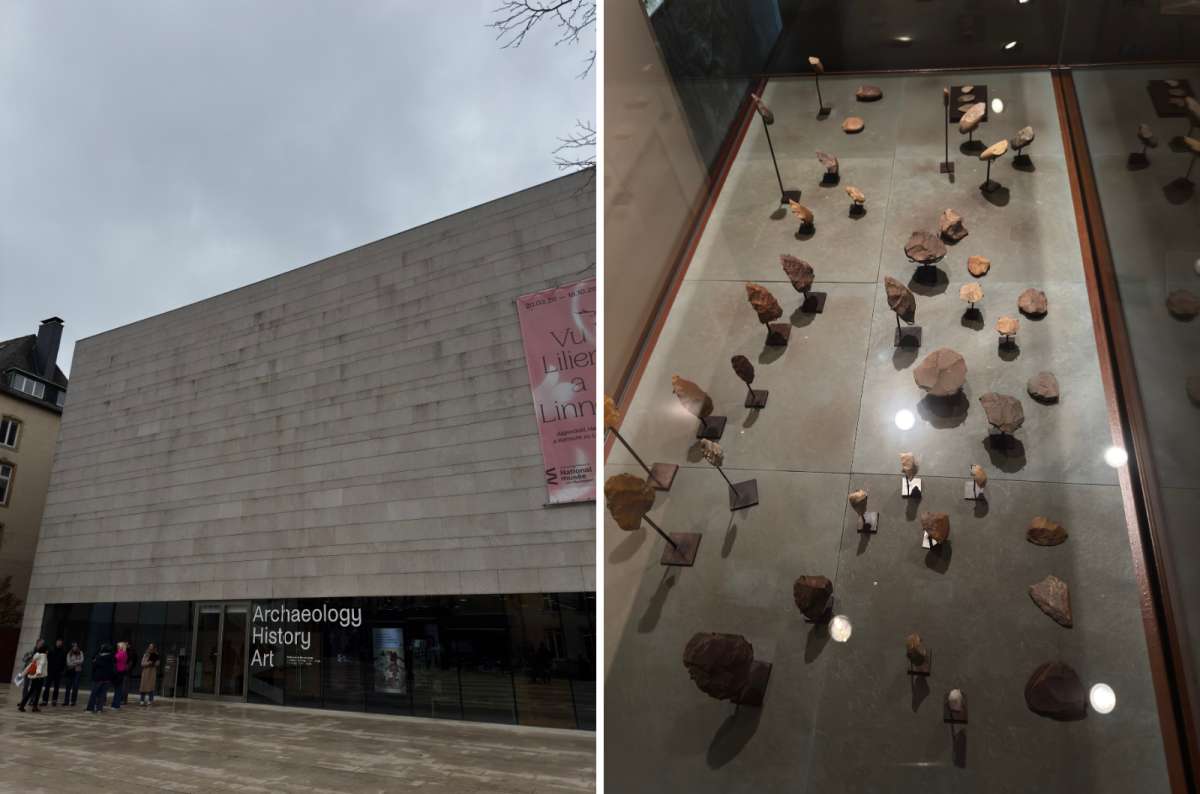
Outside and inside of the National Museum of Archeology, History and Art - one of the best museums in Luxembourg
I ranked these museums by usefulness, not by institutional importance.
That means I cared about:
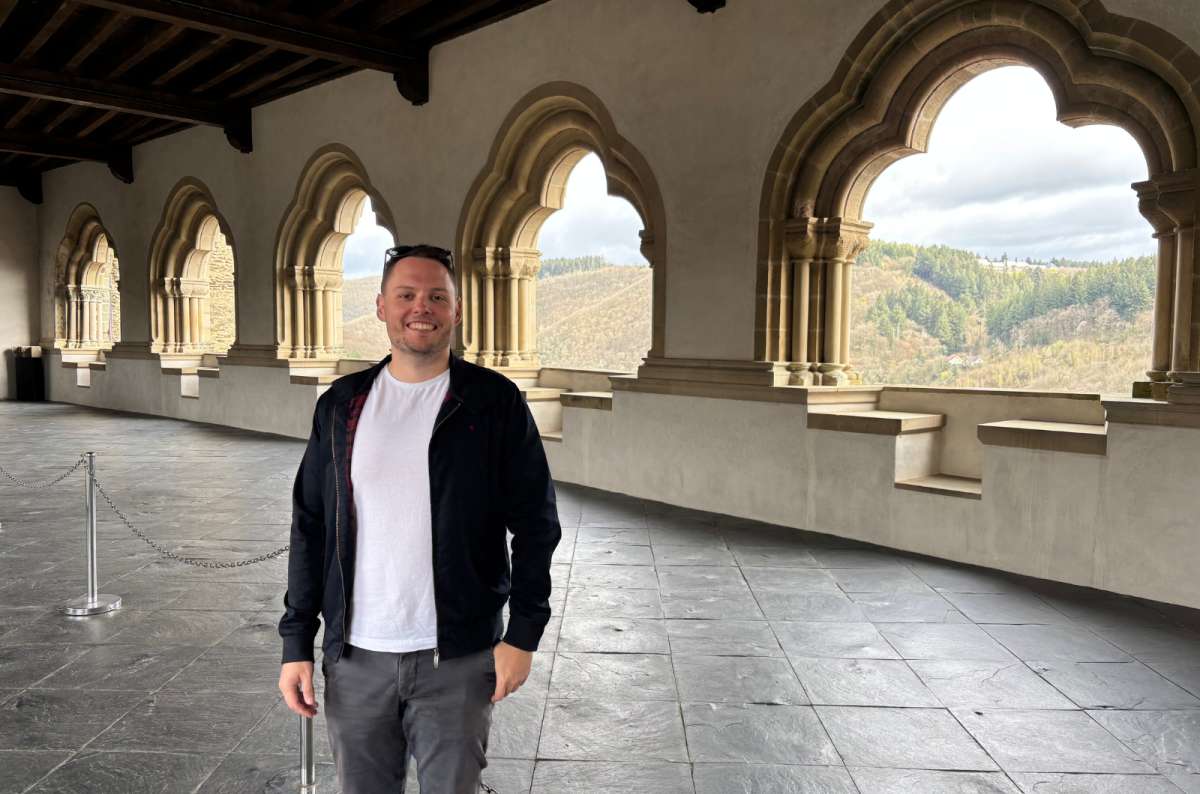
Amazing gallery views at the @Vianden Castle
I also weighted firsthand confidence. The strongest verdicts belong to museums where the recommendation logic is clearest: Lëtzebuerg City Museum for city context, Musée Dräi Eechelen for fortress context, and the National Museum as a conditional comparison point because language accessibility affected the experience. Other museums stay shorter and more interest-dependent.
This is important because Luxembourg is not a city where I would spend a sunny first visit hopping from museum to museum like I am trying to collect entrance tickets.
The city’s best experience is still outside: Corniche, Grund, the Alzette valley, bridges, fortifications, and viewpoints. Museums should support that, not replace it.
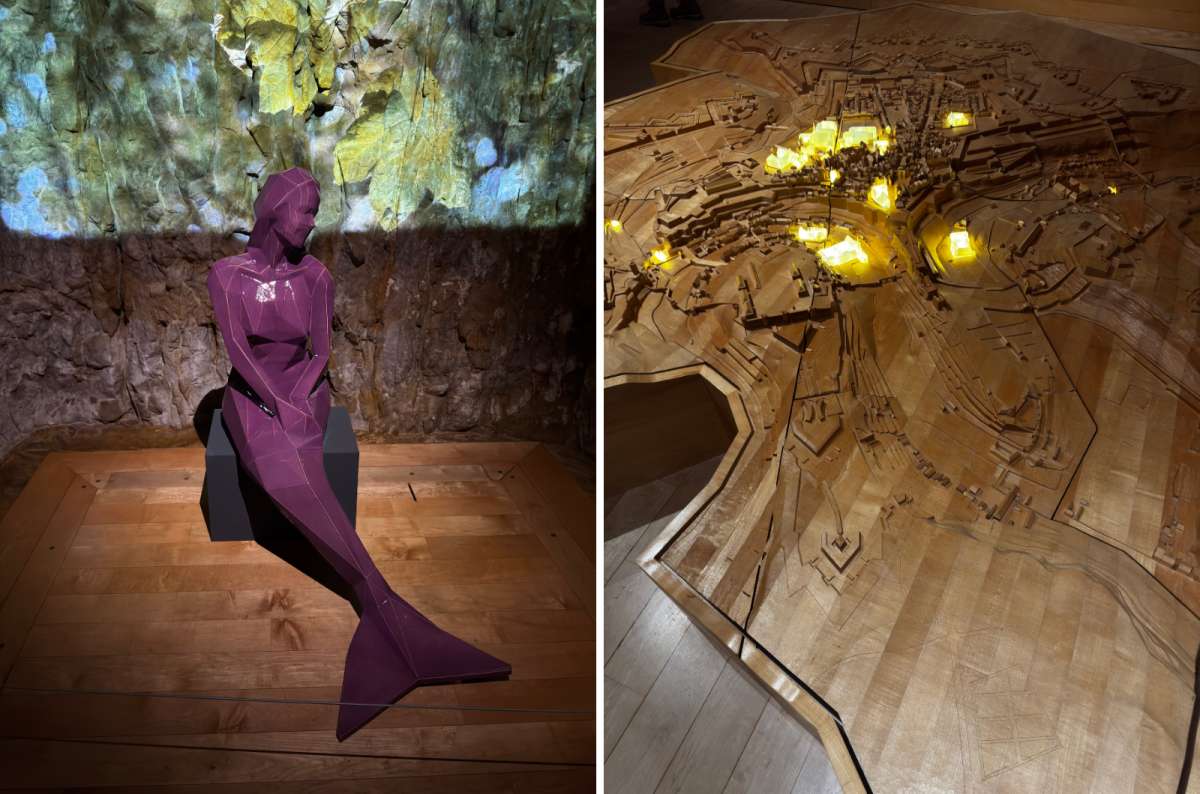
The @ Lëtzebuerg City Museum gives you a perfect context of the city itself
Lëtzebuerg City Museum is the best museum in Luxembourg for most visitors. I do not think this is a difficult call.
It explains the city in a way that actually helps when you step outside again. That is the whole point. The museum covers Luxembourg City’s development, layers, fortifications, ordinary life, urban growth, and the strange vertical logic of a city built across plateaus and valleys.
I loved the models and infographics. I also liked that the museum is not just “important objects behind glass, good luck.” It gives you the city as a living thing that had to grow, defend itself, adapt, and somehow build tall instead of wide.
This is exactly the kind of museum I like: ordinary lives, city development, models, context, and enough English that I do not have to suffer through a full relationship with Google Translate.
Lëtzebuerg City Museum works because it explains the city you just walked through or are about to walk through.
You will better understand:
It is the museum I would choose before any other if someone had limited time in Luxembourg because it does the rare useful-museum thing: English interpretation, models, infographics, ordinary-life context, city-growth logic, and even a terrace that reinforces what you just saw outside.
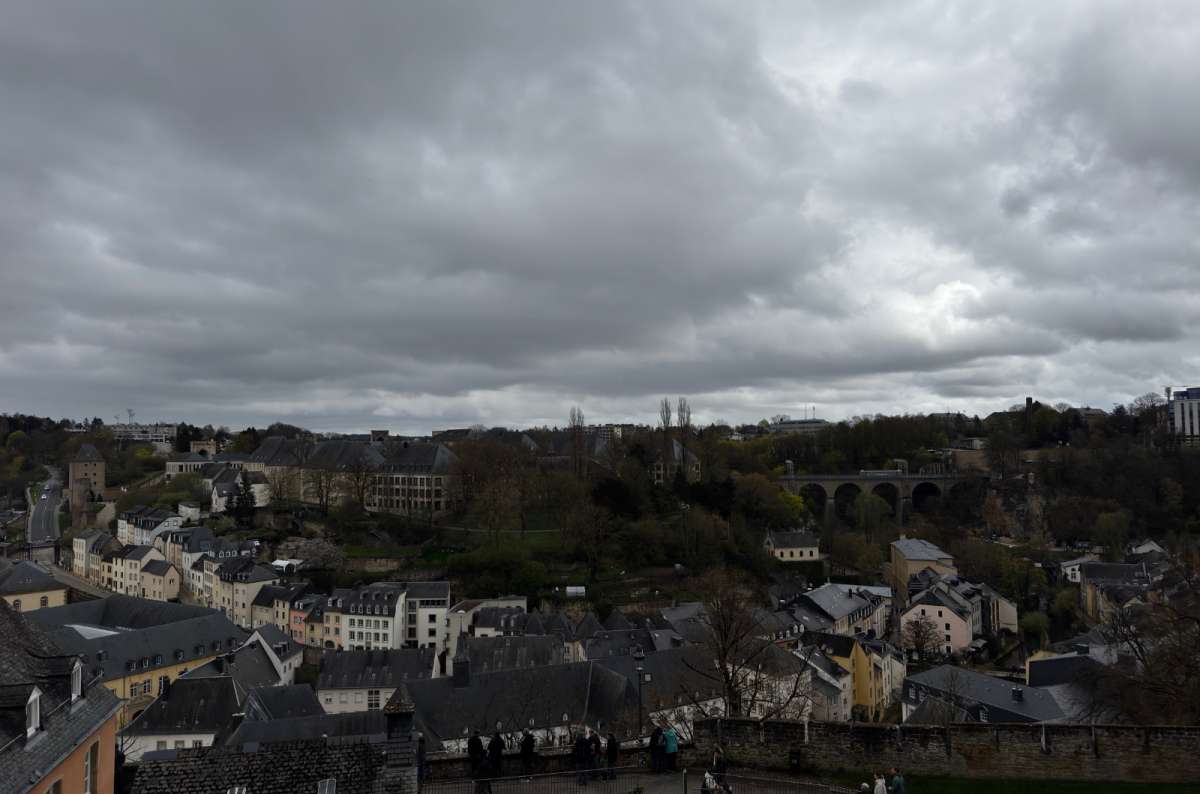
Luxembourg City views
The models and city-development context.
I love museums that show how a place physically became itself. Give me maps, models, growth patterns, ordinary-life details, and a terrace that sends me back to the actual city with a clearer sense of its levels, and I am much happier than I am in front of the 900th object labeled “important bowl.”
The museum also pairs perfectly with a walk through Corniche and Grund. First you see the city. Then the museum explains why it looks like that.
Some temporary exhibitions may feel like a separate museum inside the museum. That is not necessarily bad, but if you are short on time, focus on the city-history core first.
Do not get distracted and forget why you came.
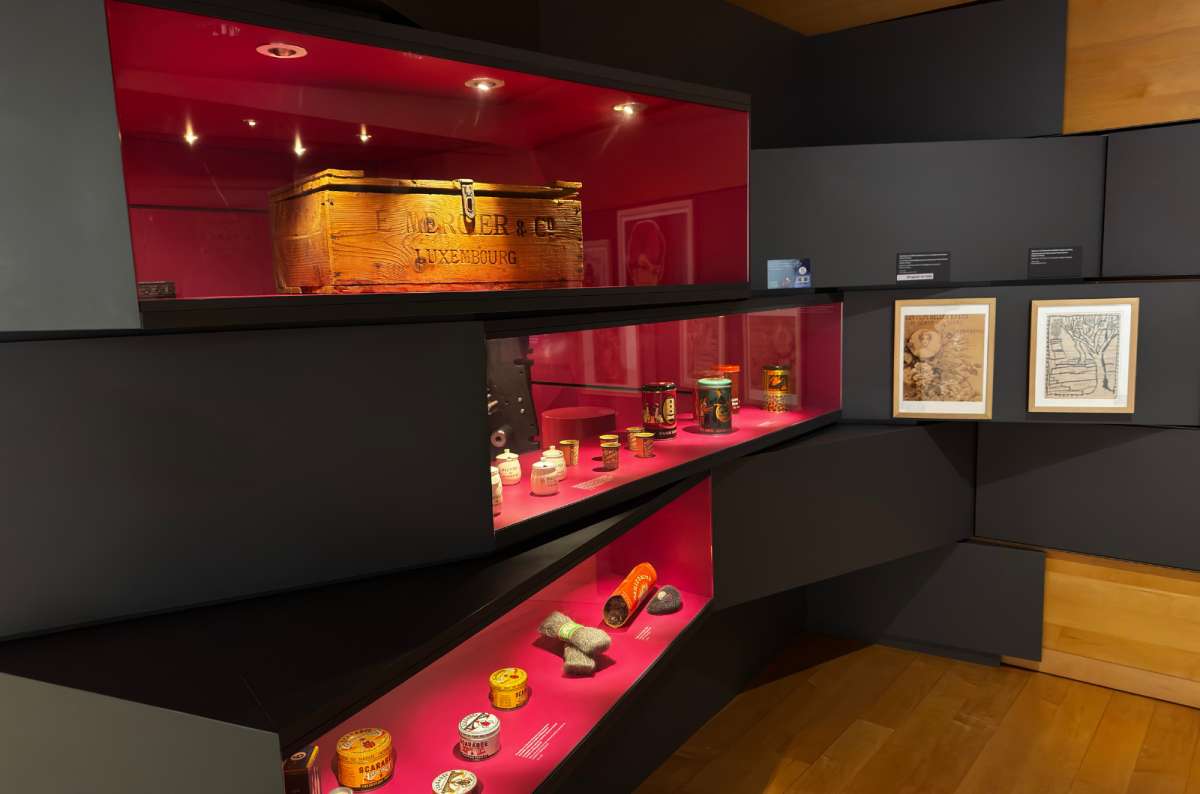
An exhibition dedicated to the history and traditional production of Luxembourgish mustard in the Lëtzebuerg City Museum.
If you visit one museum in Luxembourg, make it this one. It is the most useful, the most relevant, and the best at making Luxembourg City feel less random.
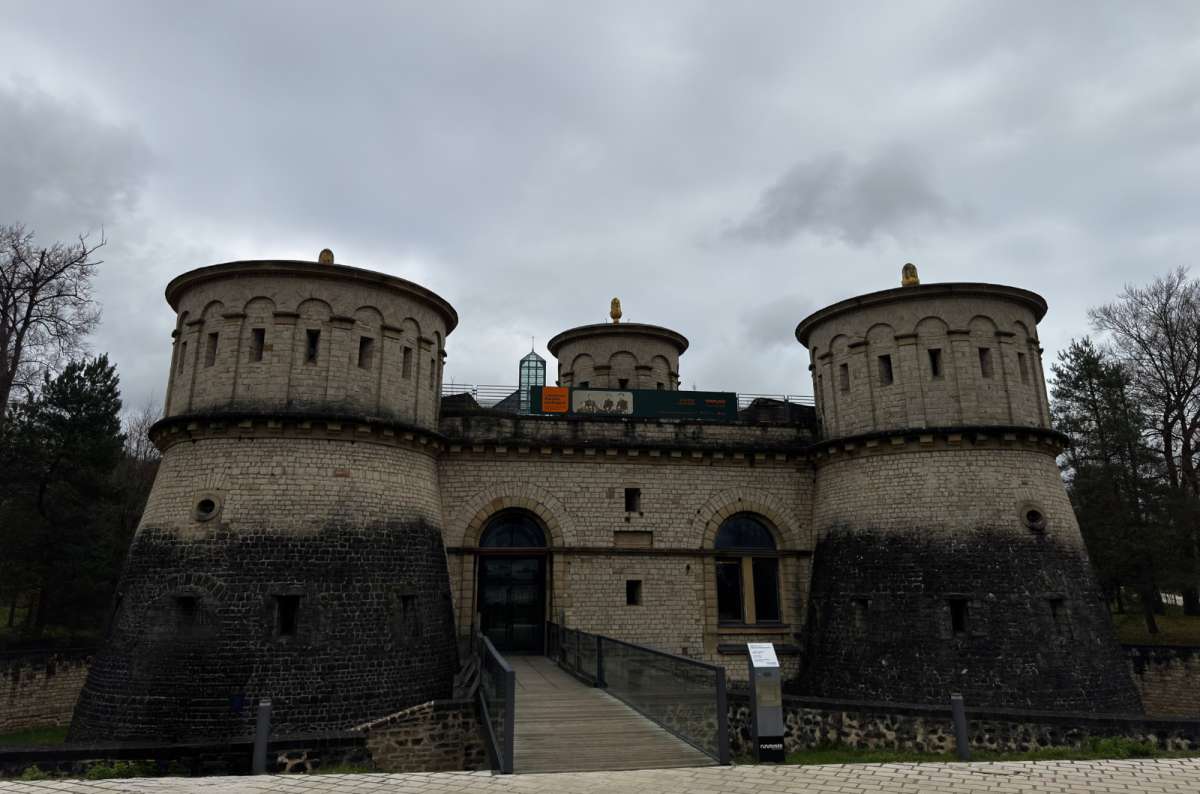
Breathing in centuries of history at the @ Fort Thüngen
Musée Dräi Eechelen is the best second museum in Luxembourg.
It is housed in Fort Thüngen, and the building itself already tells you what kind of museum this is. This is not a broad “Luxembourg for beginners” museum. It is more focused on fortress history, military context, and the city’s strategic past.
That sounds dry. It is not, if you have just walked around the city and wondered why there are walls, cliffs, fortifications, and defensive leftovers everywhere.
For me, Musée Dräi Eechelen helped the city click in a different way. Luxembourg City was not just a pretty capital with viewpoints. It was basically a giant fortress. Suddenly the topography, the walls, the valley, and the strategic position made more sense.
Musée Dräi Eechelen is worth visiting because it gives you fortress context.
It helps you understand:
This is the museum that pairs best with the city’s exterior fortifications and the Kirchberg contrast route: Pfaffenthal elevator, Duchess Charlotte Bridge, Mudam exterior, Philharmonie exterior, and Fort Thüngen.
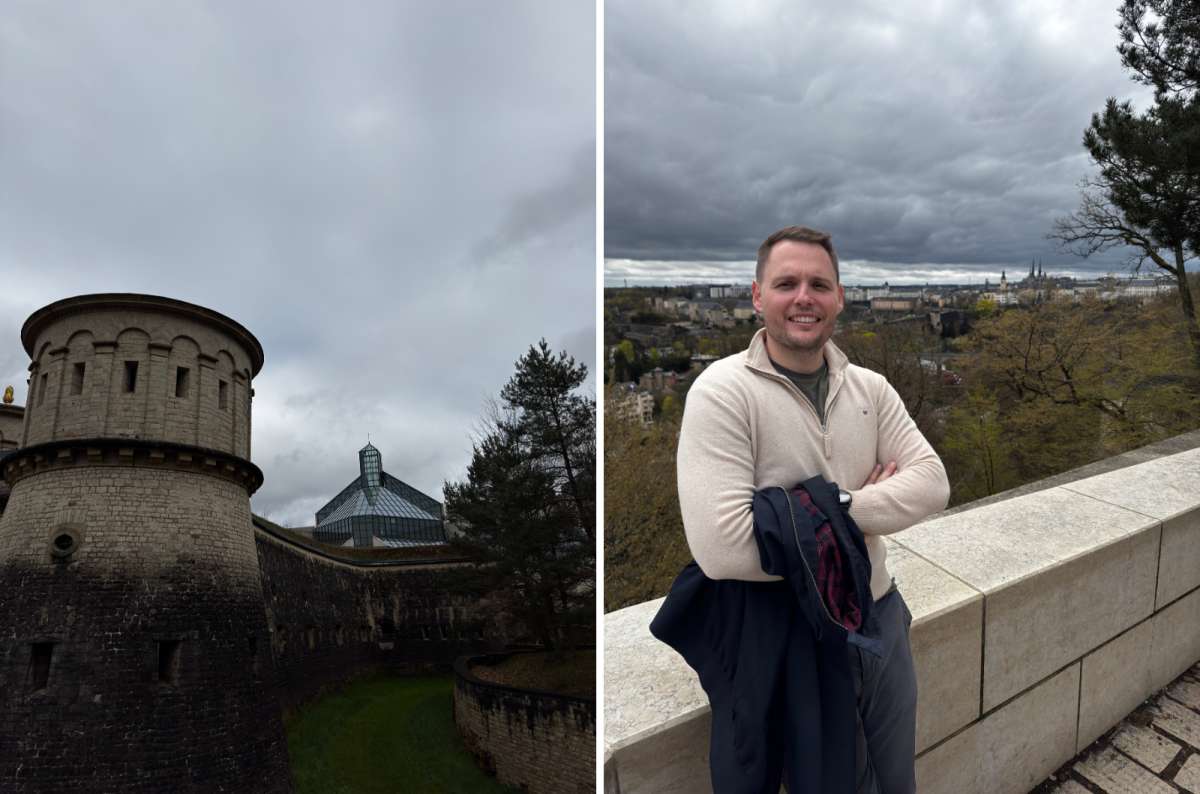
Fort Thüngen is just a short walk from MUDAM, making it really easy to combine in one visit. And I am a practical guy.
I liked that it made Luxembourg City feel more serious.
Not in a boring way. More like: “Oh, this place was not just sitting here looking photogenic. It was built around defense, control, and geography.”
That is much more interesting than generic capital-city prettiness.
It can feel too detailed if you go in expecting a broad, easy national-history museum.
Go because you want fortress context. If you do not care about fortifications, this will not magically convert you.
Pair it with:
This whole area gives you modern Luxembourg plus fortress history, which is one of the city’s better contrasts.
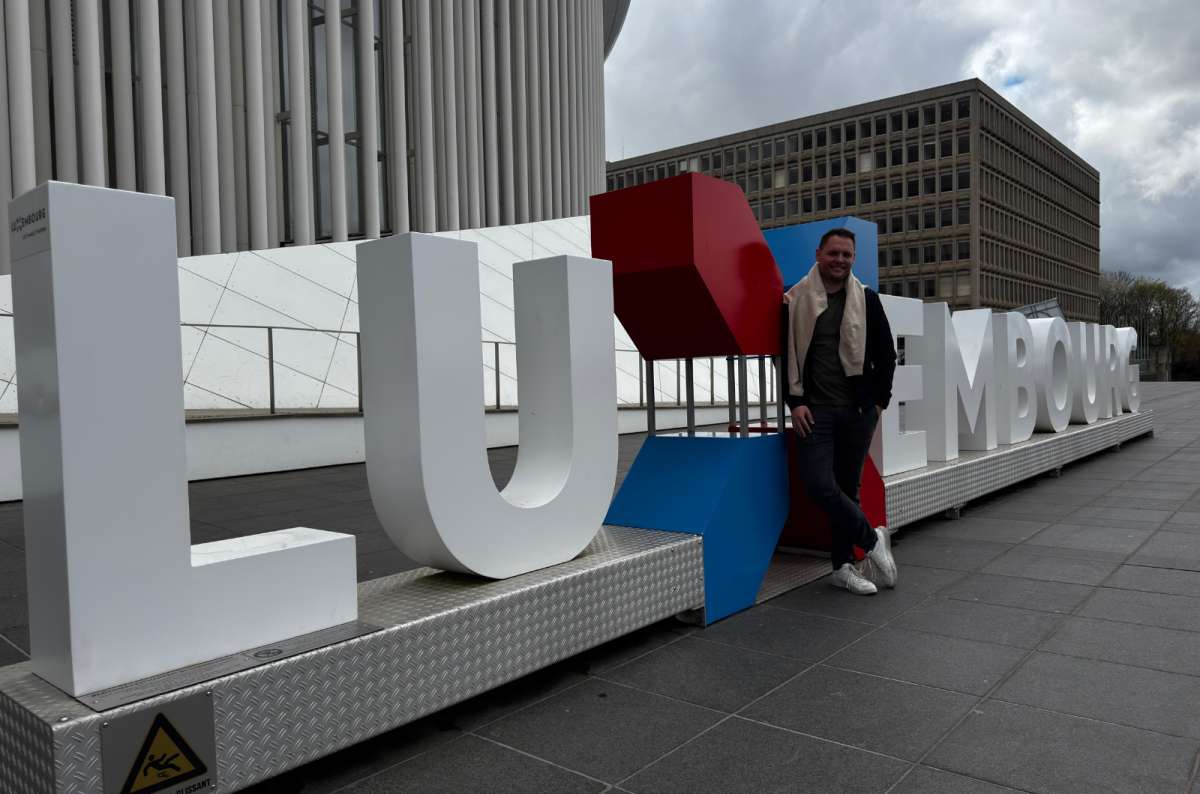
If you are hunting for the classic Luxembourg photo, this sign is hard to miss.
This is the best second museum in Luxembourg City. Visit it after the City History Museum if you want to understand the fortress side of the city.

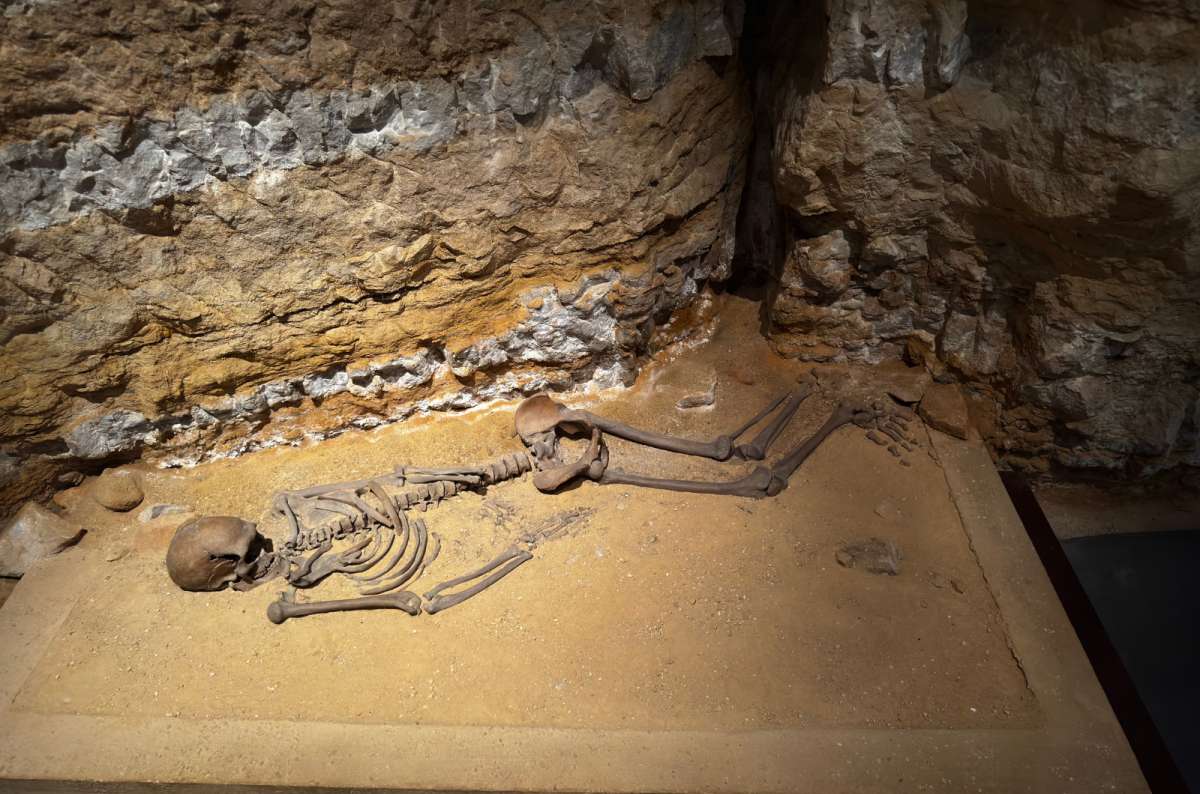
The museum's archaeological collection goes far beyond artifacts and pottery.
The National Museum of Archaeology, History and Art sounds like it should be one of the default museum picks in Luxembourg.
For me, it is more conditional.
It has interesting collections, especially if you like archaeology, objects, coins, medals, dioramas, and broader national-history material. Museum people may enjoy it more than casual first-time visitors.
But the experience can depend a lot on language accessibility and exhibit style. In my notes, the language issue was a major frustration. Some parts were interesting, but when key history sections are not easily understandable in English, the value drops quickly.
Go if you are interested in:
If you enjoy object-heavy museums, you may get more out of it than I did.
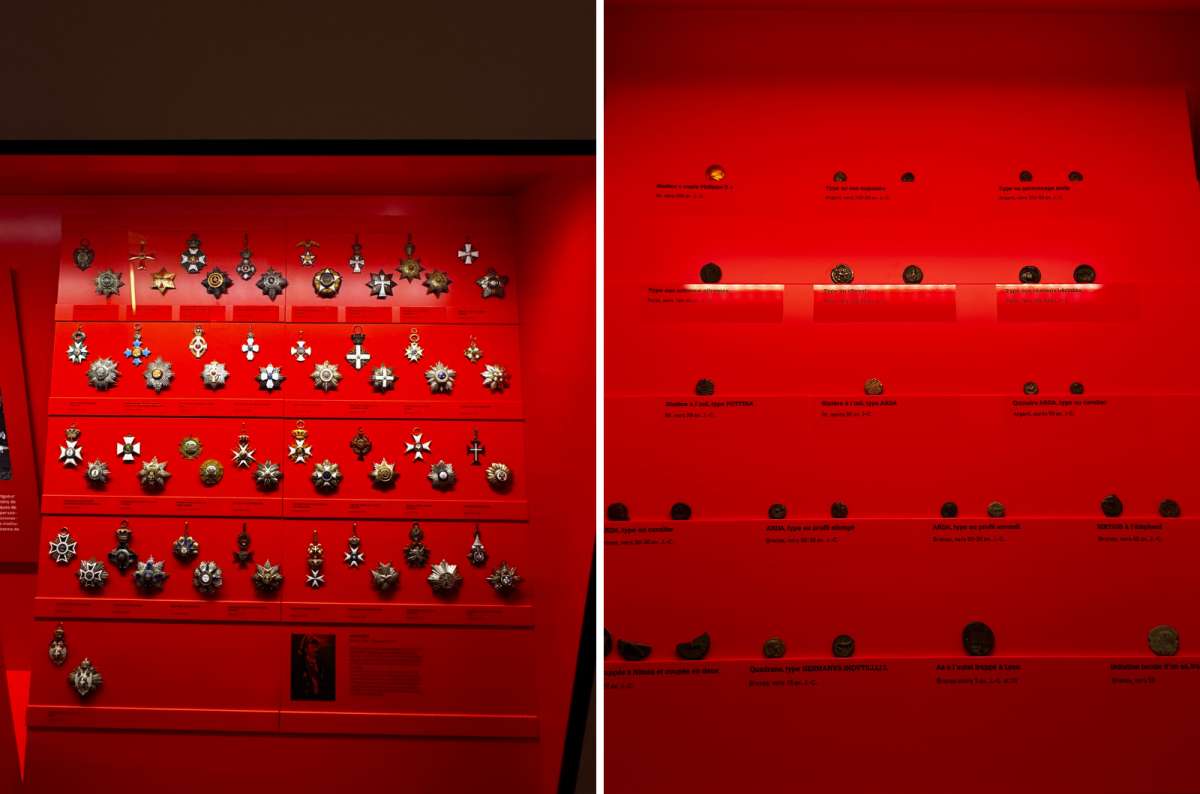
History enthusiasts will appreciate the museum's impressive collection of coins, medals, and other historical artifacts.
I liked some of the collections, especially the parts that felt concrete and visual. Dioramas are always a win for me. Who does not want to feel like Gulliver for a moment?
The museum has enough substance that I would not call it bad. It is just not the first museum I would send most visitors to.
The language accessibility issue mattered.
A museum can have great collections and still fail the visitor if it does not explain them clearly. I would prefer more useful context and less interpretive fog.
Before visiting, check current opening hours, especially if you are using it as a rainy-day backup or trying to pair it with another museum.
Visit the National Museum if you are a museum person or have a specific interest in archaeology, art, and national collections. Skip it if you only have time for one museum in Luxembourg City. The City History Museum is more useful for most travelers.
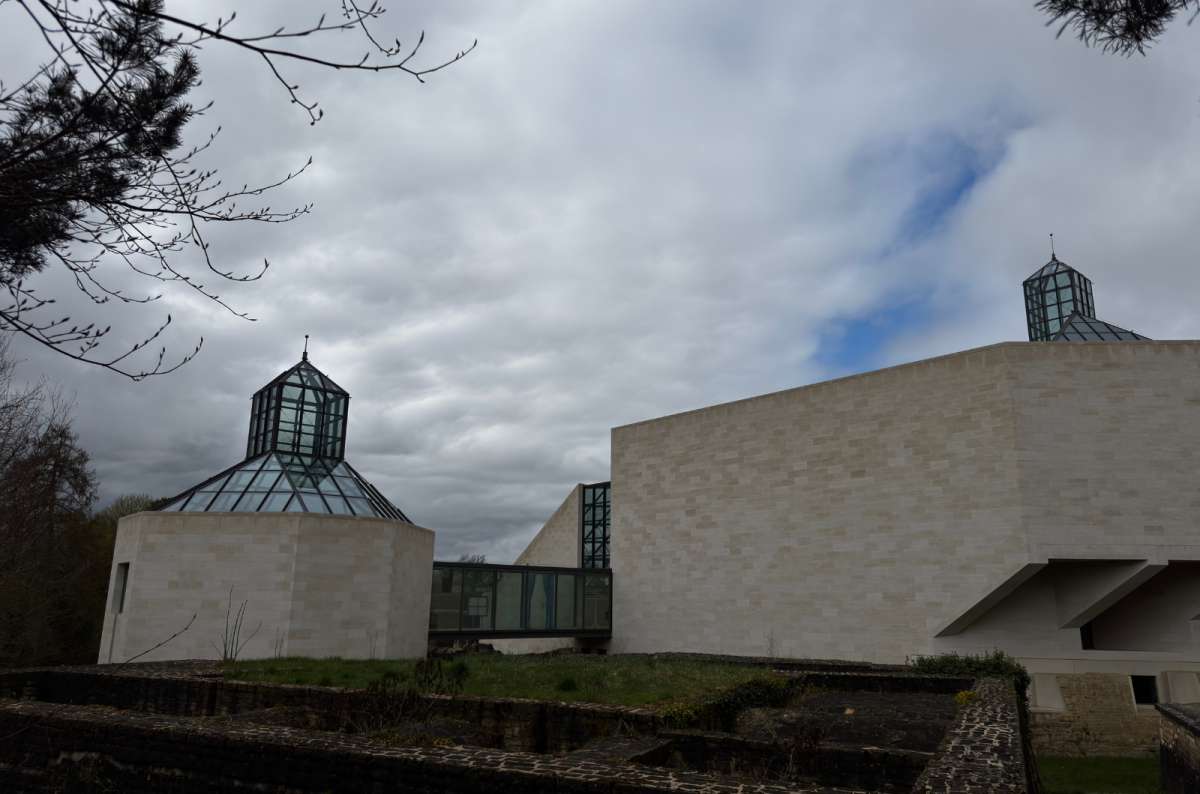
Mudam's striking architecture contrasts beautifully with the nearby Fort Thüngen.
Mudam is Luxembourg’s contemporary art museum, and it sits near Fort Thüngen, Musée Dräi Eechelen, the Philharmonie, and the Kirchberg district. That location is useful because you can combine modern Luxembourg with fortress context.
But Mudam is not a default first-time museum for everyone.
If you like contemporary art, architecture, and changing exhibitions, it may be one of your top picks. If contemporary art makes you mutter “I could do that” in every room, maybe do not spend your limited Luxembourg time here.
Pro tip: Get your tickets online before you visit
Mudam works if you want:
It also makes sense if you are already visiting the area around Fort Thüngen.
The experience depends heavily on current exhibitions. This is true for most contemporary art museums, but here it really matters.
Check current exhibitions before going, because Mudam’s value depends heavily on what is on when you visit.
For many first-time visitors, the exterior, setting, and Kirchberg contrast may be enough. If you are already visiting Musée Dräi Eechelen, at least see the building and surrounding area; only go inside if the exhibition or contemporary art angle genuinely appeals.
Mudam is worth it for contemporary art and architecture fans. It is not the best default museum in Luxembourg for first-time visitors. Pair it with Musée Dräi Eechelen if you want the best contrast: fortress past, modern art present.
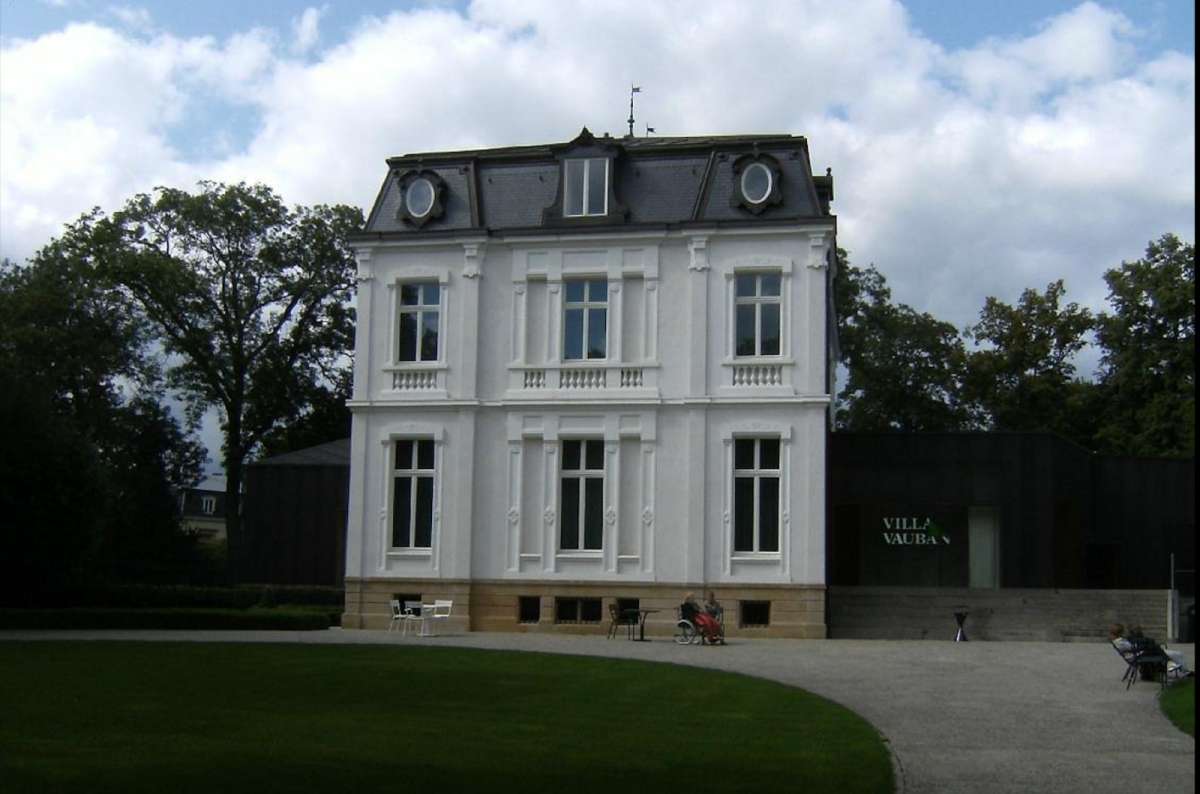
Villa Vauban, perfect place for true art lovers!
Villa Vauban is the kind of researched, niche museum I would add only if your interests point toward it.
It is not a museum I would push on a first-time visitor who has one day in Luxembourg City. It is more of a quieter art stop, useful if the weather is bad, your itinerary is slow, or you specifically want an art museum that is not Mudam.
This is where prioritization matters. Luxembourg has enough museum options that you do not need to visit an art museum just because it exists.
Villa Vauban works if you want:
Villa Vauban is a niche art-museum pick. Add it if you like the collection or need a quiet rainy-day stop. Skip it if you are choosing your first or only Luxembourg museum.
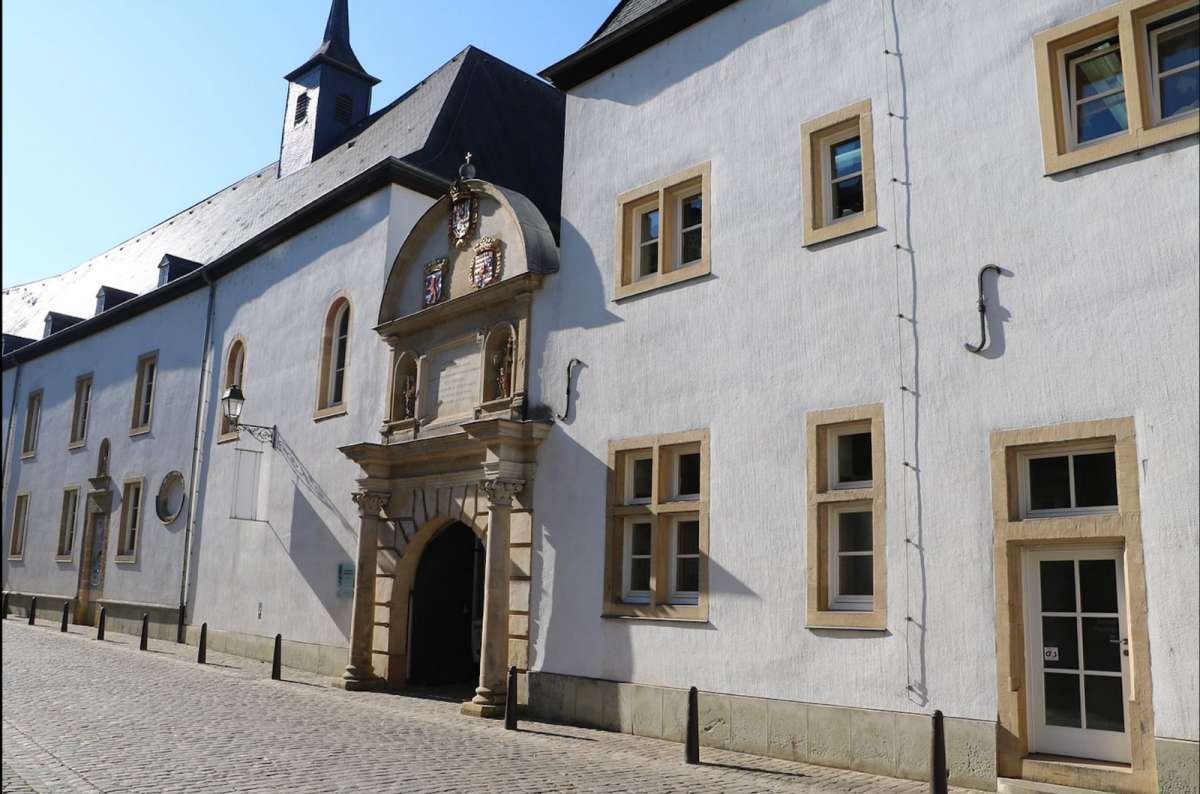
The beautiful entrance of the National Museum of Natural History.
The National Museum of Natural History is the museum I would consider for families or travelers who actively enjoy natural science museums.
It is not the best museum for understanding Luxembourg City. It will not explain why the Corniche is brilliant or why the fortifications matter. But it can be a strong rainy-day option, especially with kids.
Choose this museum if you want:
This is an interest-based museum. If you are traveling without kids and only have limited time, I would prioritize City History Museum and Musée Dräi Eechelen first.
The Natural History Museum is best for families and natural-science interest, not as a default first-time museum. Use it strategically, especially on a rainy day.
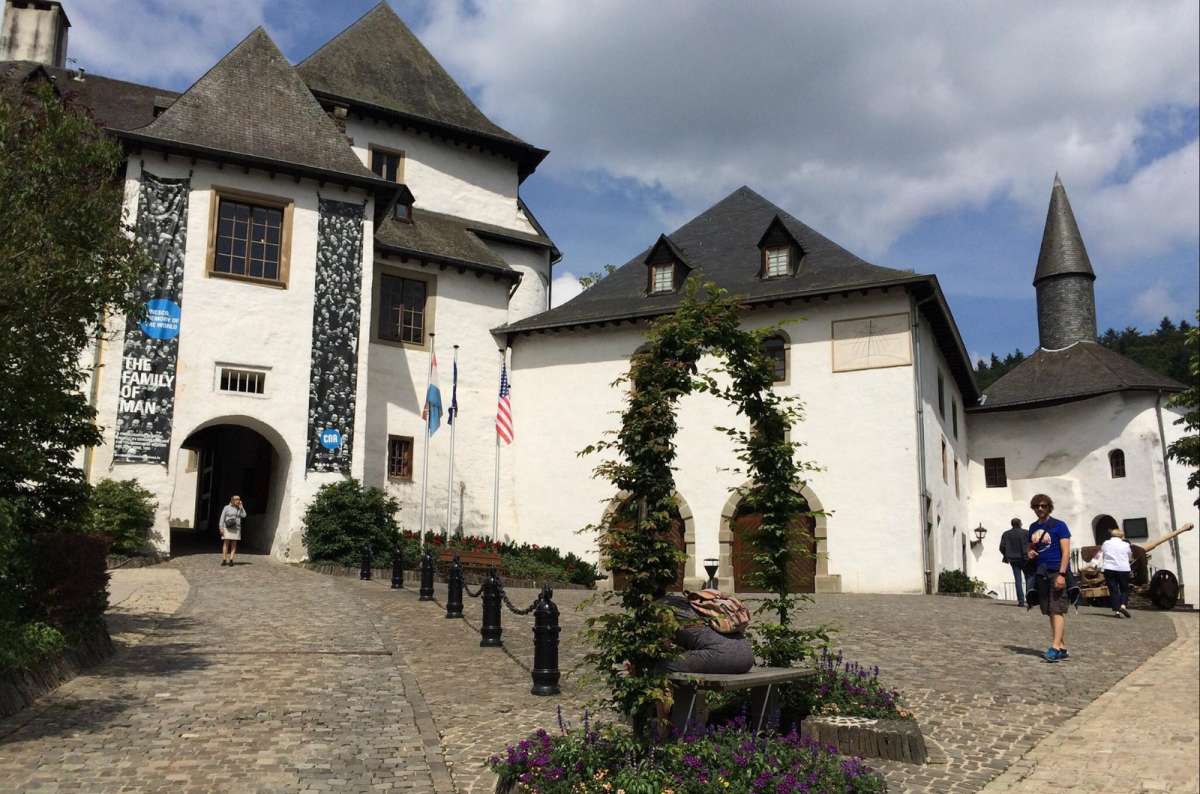
The courtyard of the Clervaux Castle, a home to the "Family of Man" exhibition.
The Family of Man is a route-dependent photography choice if your interests and northern Luxembourg plans point that way. It is not a default Luxembourg City museum stop, and it should not compete with City History Museum or Musée Dräi Eechelen for a short city visit.
Its advantage is that photography is more immediately accessible than many object-heavy museum collections. You do not need to decode every label to understand a strong image.
But the route matters. Clervaux is in northern Luxembourg, so this belongs in a wider road trip, not a short Luxembourg City museum day.
Visit The Family of Man if photography interests you and Clervaux fits your route. Do not detour there just because you feel your Luxembourg trip needs another museum.
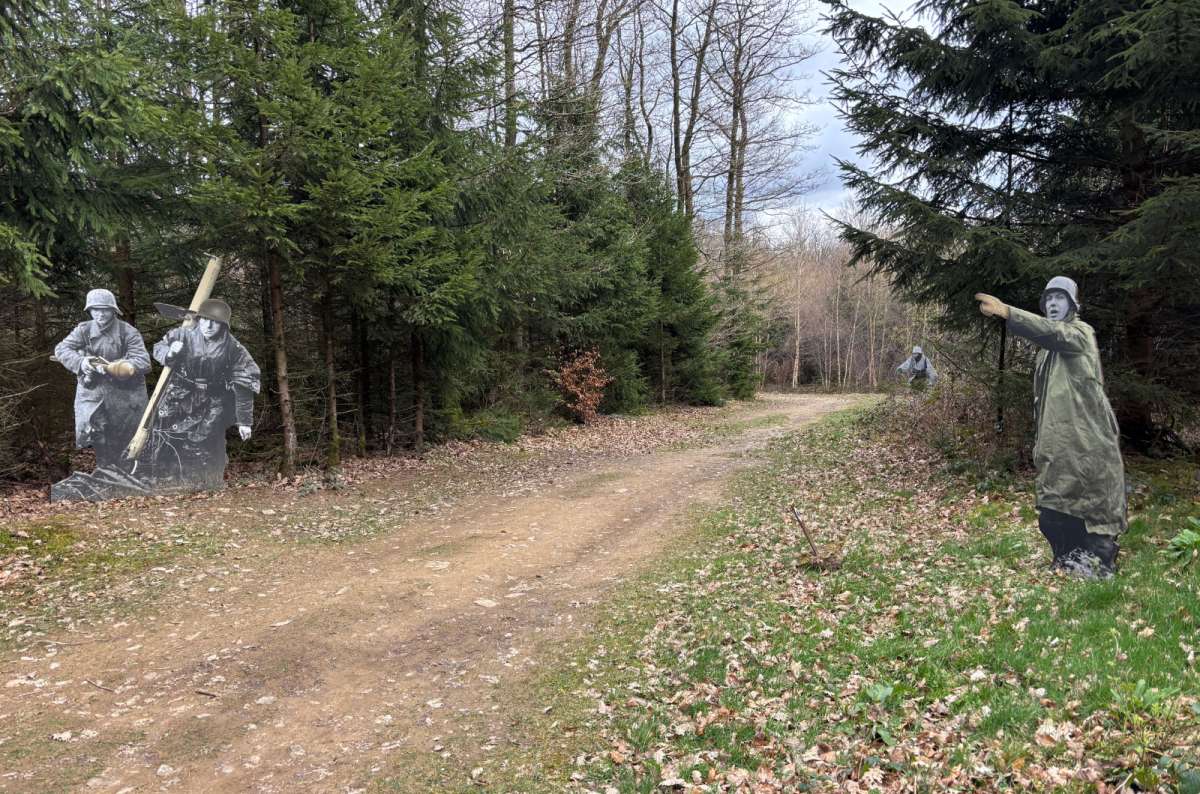
Life-sized installations along the fascinating Schumannseck Memorial Trail.
Luxembourg has strong WWII history, especially in the north. But for this article, I would keep indoor WWII museums in the “interest-dependent” category.
Why? Because the strongest WWII stop from my Luxembourg experience was not an indoor museum. It was the Schumannseck Memorial Trail.
Schumannseck worked because it told stories through photographs, battlefield traces, foxholes, front-line context, and the actual landscape. It felt specific and human, not like a random panel in a forest.
If you want one powerful WWII stop, I would prioritize Schumannseck as the more distinctive firsthand recommendation, then add an indoor WWII museum only if the topic is a real priority or the weather pushes you inside.
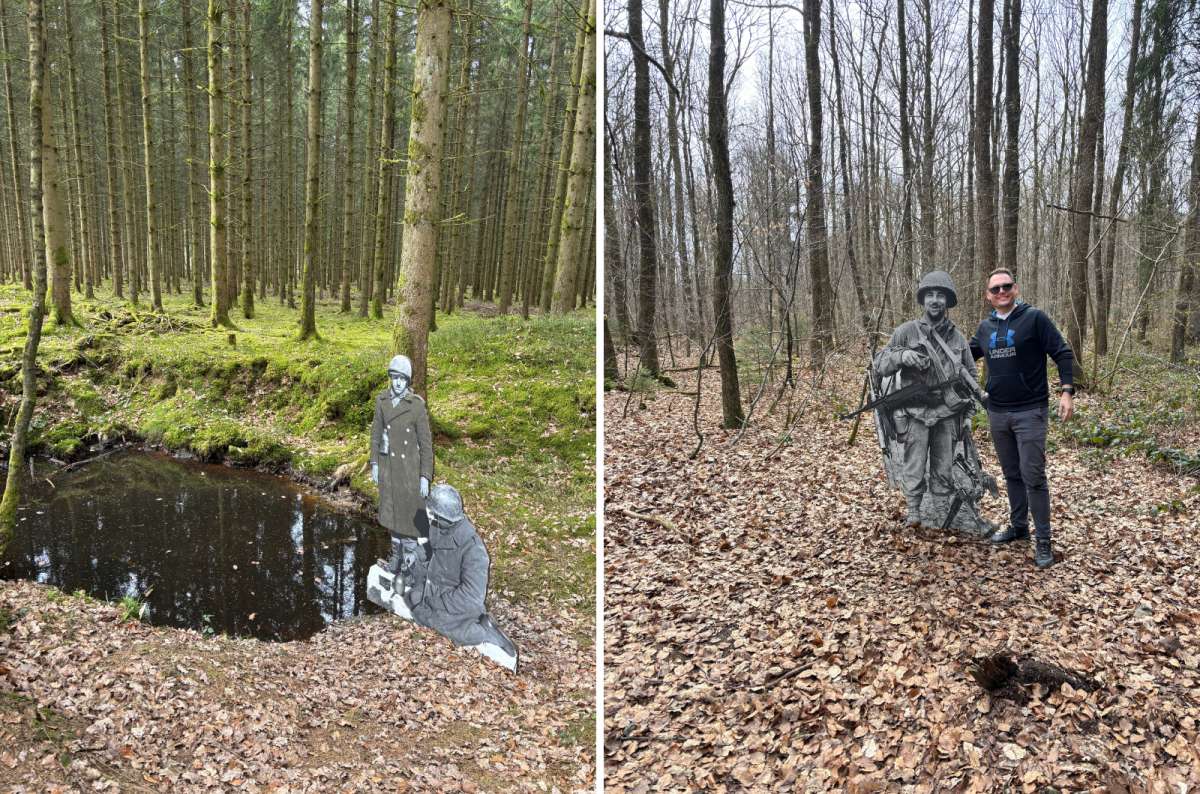
Following the stories of WWII along the Schumannseck Memorial Trail.
WWII and Battle of the Bulge museums are worth considering for history-focused travelers, especially in northern Luxembourg. But do not assume every indoor WWII museum will automatically beat a well-curated outdoor battlefield trail.
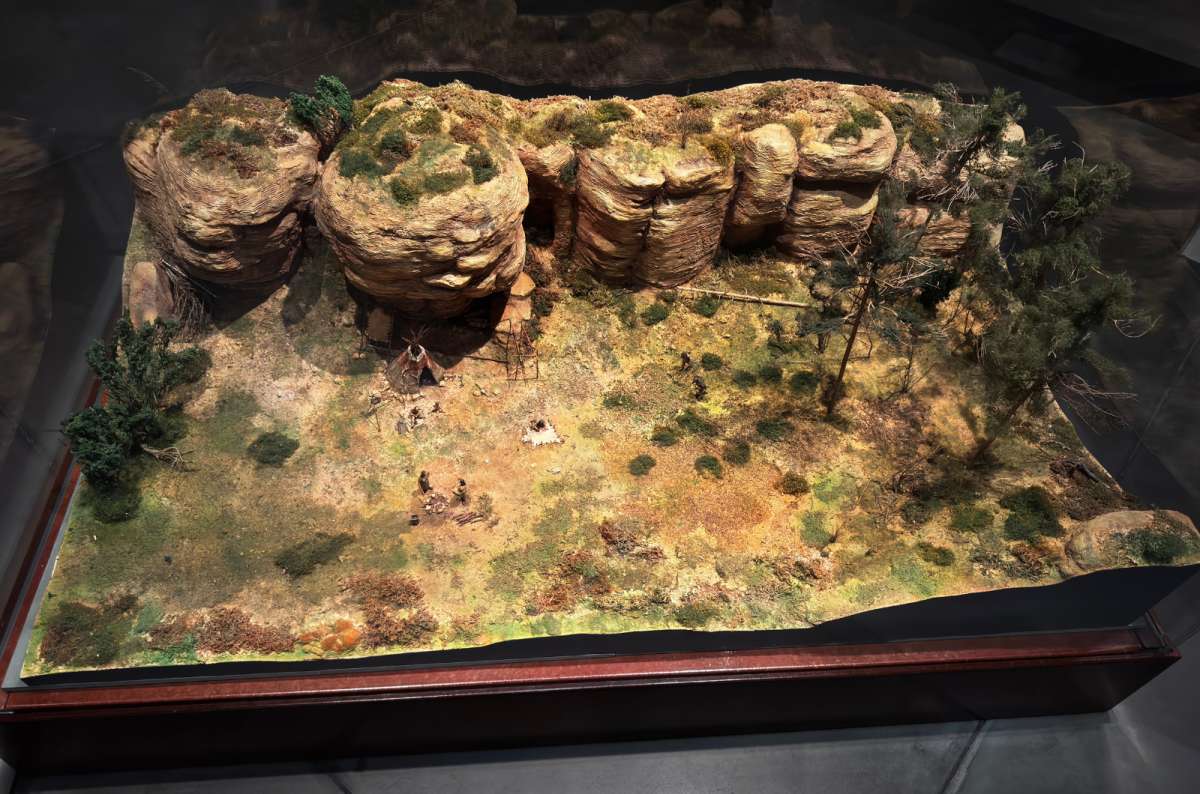
A display of a prehistoric village at the National Museum of Archaeology, History and Art.
If you only have one day in Luxembourg City, choose one museum maximum unless the weather is terrible.
A good-weather one-day visit should focus on the city itself: Corniche, Grund, Alzette valley, viewpoints, bridges, and fortifications. Museums are useful, but they should not steal the whole day.
|
Situation |
Best choice |
|---|---|
|
First-time visitor |
Lëtzebuerg City Museum |
|
You love fortress history |
Musée Dräi Eechelen |
|
You want art |
Mudam or Villa Vauban |
|
You have kids |
National Museum of Natural History |
|
You hate museums but feel obligated |
Skip museums and walk the valley |
For most travelers, the answer is simple: Lëtzebuerg City Museum.
It explains the city better than any other museum and pairs best with the places you are already likely to visit.
Only do two museums in one day if:
Otherwise, one museum plus the scenic core is a better day.
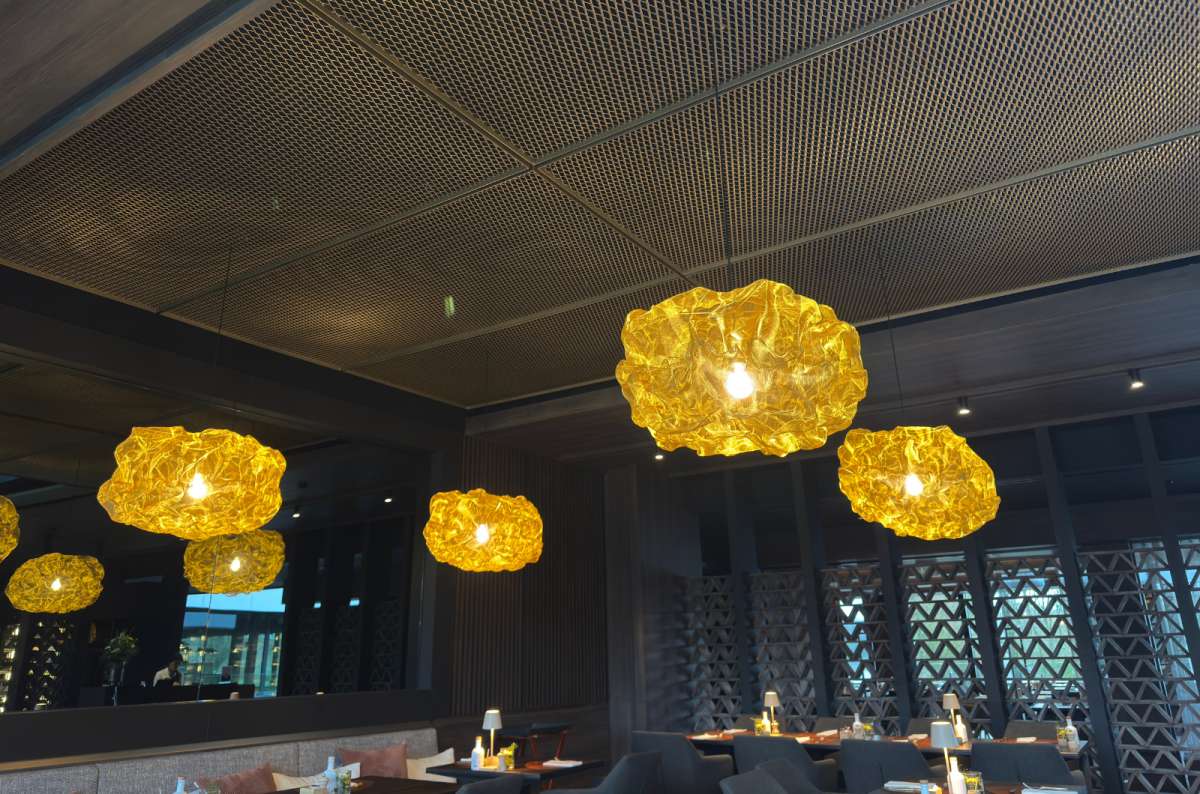
The stylish interior of the MUDAM, I recommend visiting on rainy days if you happen to have extra time.
Rain changes the ranking. Suddenly spending time indoors feels less like a compromise and more like good planning.
If the weather is awful, do City History Museum + Musée Dräi Eechelen and use dry gaps for viewpoints, Pfaffenthal, or a quick walk through Grund.
If the weather is good, do not bury yourself indoors all day. Luxembourg City’s best museum is still not better than the city’s best views.
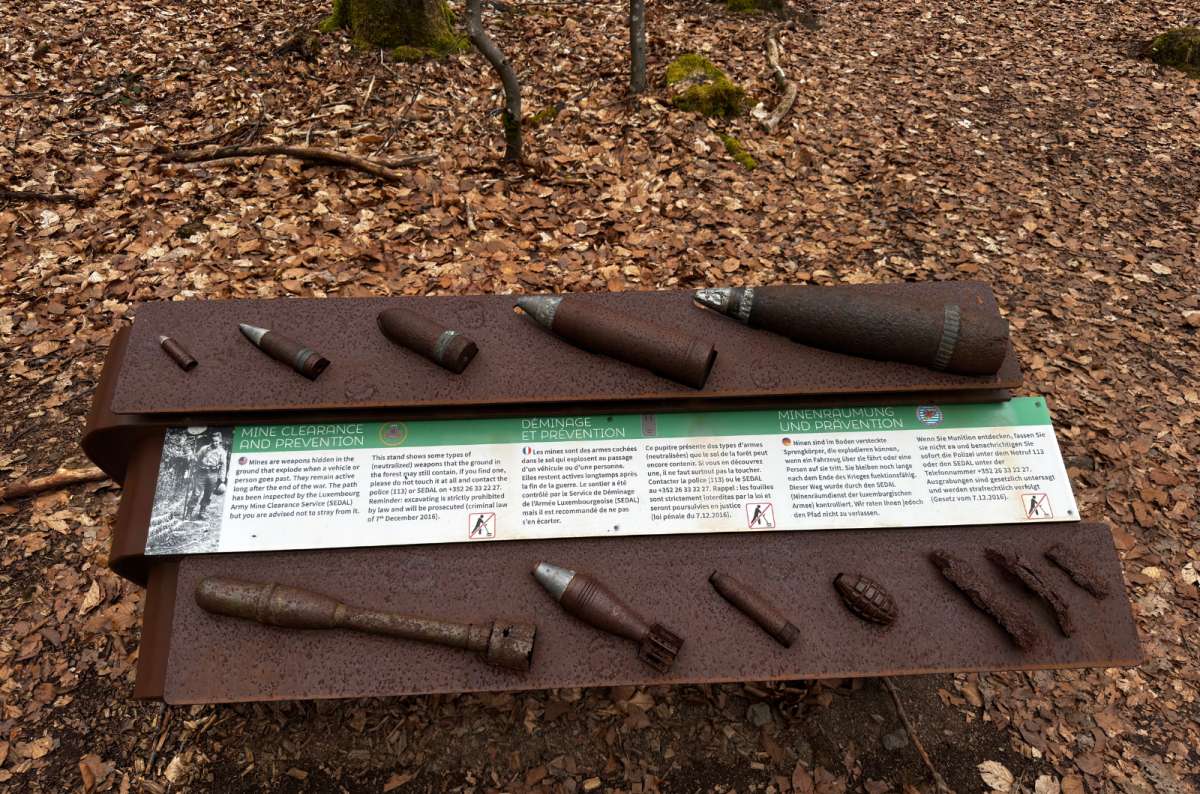
WWII ammunition found along the Schumannseck Trail.
Museums work best in Luxembourg when they explain what you are already seeing outside.
Lëtzebuerg City Museum + Corniche + Grund
This is the strongest city-context combination. Walk the valley and viewpoints, then let the museum explain the city’s layers.
Musée Dräi Eechelen + Fort Thüngen + Pfaffenthal + Duchess Charlotte Bridge
This pairing works because you get fortress history, modern Luxembourg, and some of the city’s best structural contrasts.
Lëtzebuerg City Museum + Musée Dräi Eechelen
This is the best two-museum combo because the museums actually talk to each other. One explains the city’s development and ordinary life; the other explains the fortress logic.
Mudam + Villa Vauban
Only do this if you actively want an art-heavy day. Otherwise, keep one art museum and use the rest of the day outside.
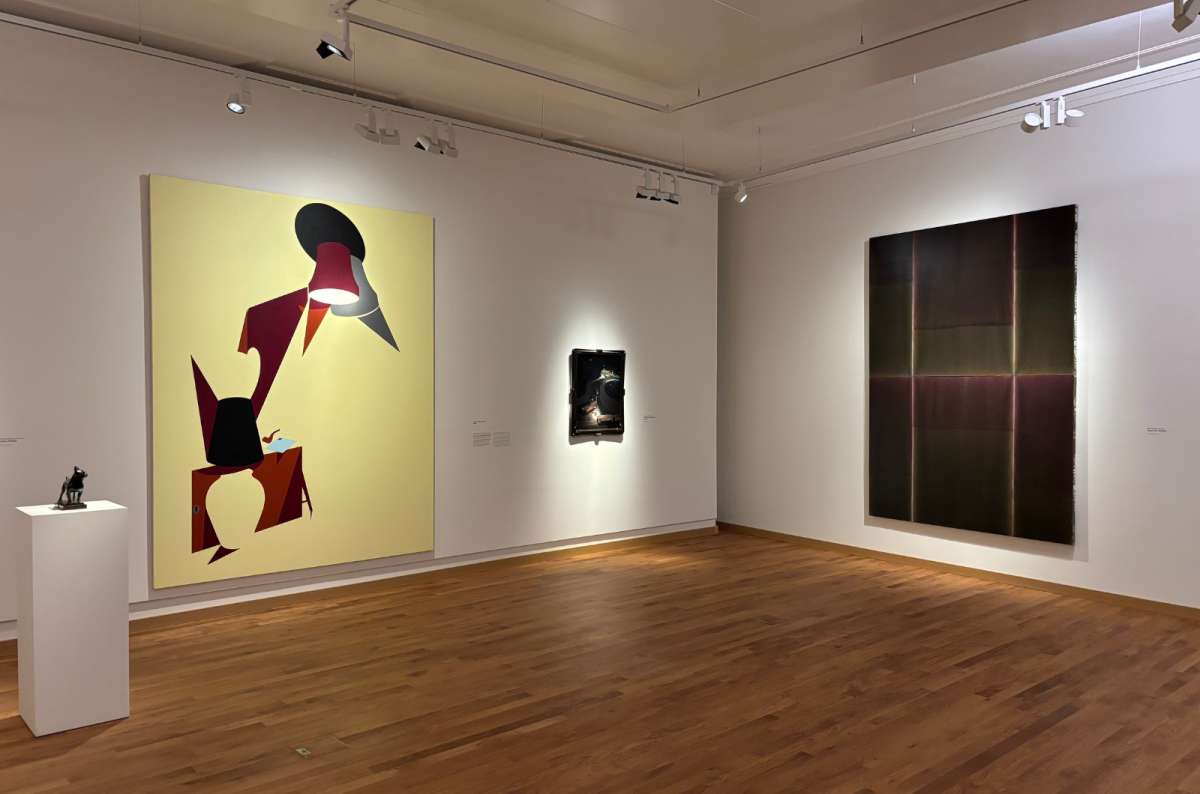
A modern art exhibition at the National Museum of Archaeology and Art.
If you are short on time in Luxembourg, museum planning gets very easy.
Do not visit Mudam if you do not like contemporary art. Do not visit Villa Vauban if you do not want an art museum. Do not visit the Natural History Museum without kids or natural-science interest unless it is raining and you need shelter.
Revolutionary, I know.
The National Museum has interesting collections, but if you need clear English interpretation, it may frustrate you. I would not choose it over the City History Museum for a first visit.
It belongs in a Clervaux / northern Luxembourg route. It is not a Luxembourg City museum substitute.
This is the big one.
Luxembourg City’s outdoor structure is the real attraction: Corniche, Grund, Alzette valley, bridges, fortifications, and viewpoints. Museums should add context, not replace the trip.
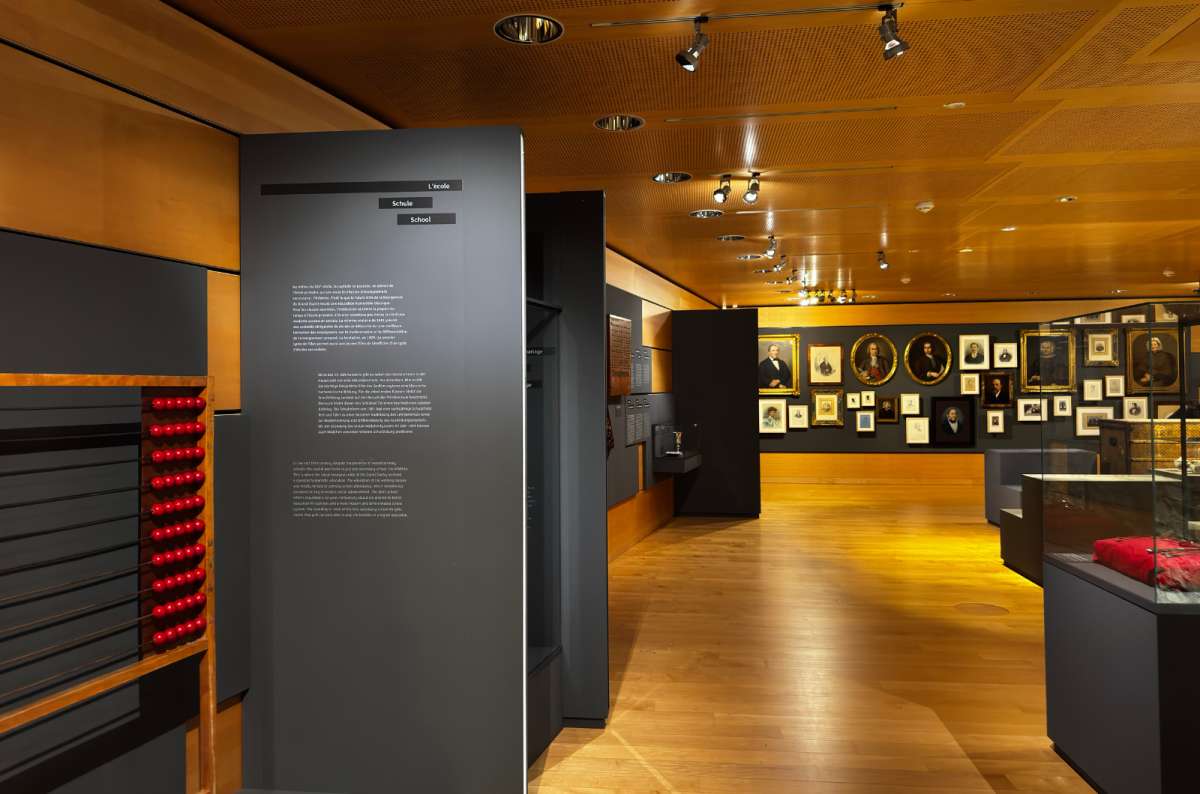
The story of Luxembourg City exhibition inside Lëtzebuerg City Museum.
If you only visit one museum in Luxembourg, visit Lëtzebuerg City Museum.
It is the most useful museum because it explains the city’s layers, growth, fortifications, valley logic, and everyday life. It also works well for English speakers, which matters more than some museums seem to realize.
If you visit two museums, add Musée Dräi Eechelen / Fort Thüngen. Together, these two give you the best museum-based understanding of Luxembourg City: one for urban development, one for fortress context.
After that, be selective.
The National Museum is good for museum people, but conditional. Mudam is for contemporary art and architecture fans. Villa Vauban, the Natural History Museum, The Family of Man, and WWII museums are useful when your interests, route, or weather make them useful.
The best Luxembourg museum day is not the one with the most museums. It is the one where the museum helps the city outside make more sense.
The best museum in Luxembourg for most first-time visitors is Lëtzebuerg City Museum. It explains Luxembourg City’s history, urban development, fortifications, and everyday life in a way that makes the city easier to understand.
With one day in Luxembourg City, visit only one museum unless the weather is terrible. Choose Lëtzebuerg City Museum, then spend the rest of the day on Corniche, Grund, the Alzette valley, bridges, and viewpoints.
Some are better than others. Lëtzebuerg City Museum is the strongest choice for English speakers. The National Museum of Archaeology, History and Art is more conditional because language accessibility can affect the experience.
The best rainy-day museum plan is Lëtzebuerg City Museum first, then Musée Dräi Eechelen if you want fortress history. Add the National Museum, Mudam, or the Natural History Museum only if they match your interests.
This post contains affiliate links. If you make a booking through one of my links, I may earn a small commission—at no additional cost to you. Thank you for your support!
Quick list: the best museums in Luxembourg, ranked
Best museums in Luxembourg at a glance
How I ranked the best museums in Luxembourg
1. Lëtzebuerg City Museum: the best museum in Luxembourg
2. Musée Dräi Eechelen / Fort Thüngen: best for fortress history
3. National Museum of Archaeology, History and Art: good collection, conditional experience
4. Mudam Luxembourg: best for contemporary art and architecture fans
5. Villa Vauban: quiet art museum for niche interests
6. National Museum of Natural History: best for families or natural science interest
7. The Family of Man / Clervaux: best route-dependent photography museum
8. WWII / Battle of the Bulge museums: best for history-focused travelers
Which museum should you choose with only one day in Luxembourg City?
Best museums in Luxembourg for rainy days
Best museum pairings in Luxembourg City
Museums to skip if short on time
Final verdict: which Luxembourg museums are actually worth visiting?


Hi, I’m Jan. I travel fast and intensely, whether I’m exploring the buzz of Tokyo in 3 days or road-tripping through mountains and beaches on a 3-week Thailand adventure. And no matter where I am, you’ll always find me in a comfortable hotel at night and eating the best food.
If that sounds like your kind of journey, hop on board, and let’s explore the world together!
I started this blog after realizing how tough it can be to find reliable, authentic travel info. You wouldn’t believe how many “travel bloggers” never even visit the places they write about! On Next Level of Travel, you can count on my full honesty and insights drawn from my firsthand experiences.
Here’s the deal: not every destination is all superlatives and unicorns. I’ll let you know if a tourist attraction isn’t worth your time, like skipping overrated stops in my 2-week Spain itinerary. And when I find something truly special—like the perfect mix of culture and nature in Cape Town—you can trust that it’s worth adding to your itinerary.

Comments | Thoughts? Give us a shout!