





Luxembourg travel tips at a glance
1. Public transport in Luxembourg is free
2. You may still want a car for the countryside
3. Driving in Luxembourg is generally easy
4. Parking matters more than you think
5. Luxembourg is expensive, but not impossible
6. Sundays and opening hours can affect your plans
7. Most attractions are close together, but route planning still matters
8. Luxembourg City is best explored on foot
9. Weather can change the quality of your itinerary
10. English usually works, but Luxembourg is very multilingual
11. Card payments are common, but carry backup
12. Luxembourg is very safe, but normal travel awareness still applies
13. Do not overpack your Luxembourg itinerary
Biggest mistakes to avoid in Luxembourg
Best Luxembourg tips by trip type
Final verdict: what should you know before visiting Luxembourg?
FAQs about Luxembourg travel tips
Is public transport really free in Luxembourg?
Do I need a car in Luxembourg?
Is Luxembourg expensive to visit?
Is Luxembourg easy to travel around?
Can you visit Luxembourg without a car?
Are shops open on Sundays in Luxembourg?
These Luxembourg travel tips are not here to tell you to “pack comfortable shoes” and “try the local food,” because wow, groundbreaking.
They are here because Luxembourg looks like one of those countries you cannot possibly plan badly.
It is small. It is safe. It is clean. Public transport is free. Distances are short. Everything looks manageable on the map.
And that is exactly how Luxembourg tricks people.
You can still plan it badly if you ignore parking, Sundays, opening hours, route flow, weather, and the difference between getting around Luxembourg City and getting around the countryside.
Luxembourg is easy to visit, but easy logistics can make you wildly overconfident.

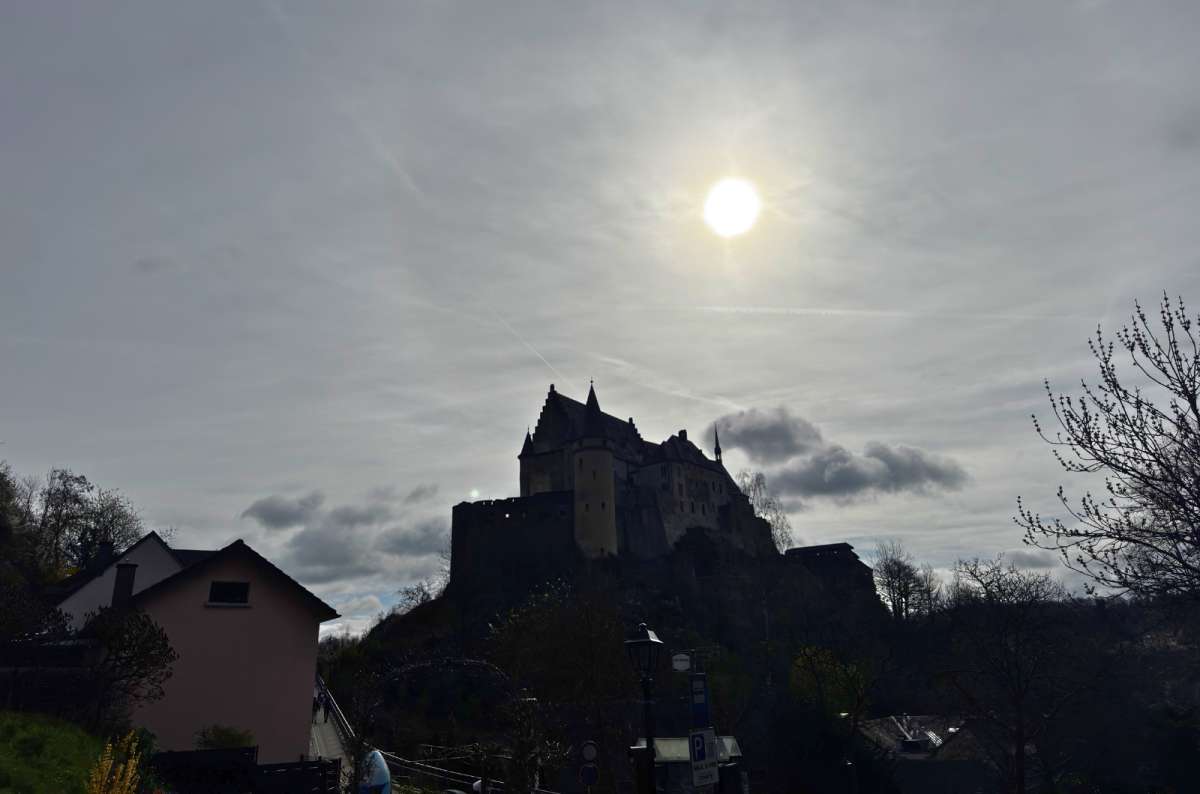
When I visited, I kept thinking how much Luxembourg rewards smart sequencing. The best stops are often short and high-payoff: Corniche, Grund, Vianden Castle viewpoints, Schumannseck Memorial Trail, Bourscheid if it fits the route, Burfelt if the weather is behaving.
But if you chase random pins because “everything is close,” the trip starts feeling more like admin than travel.
This article is the practical layer: how Luxembourg actually works, what to know before visiting, and what mistakes to avoid so your trip feels efficient instead of weirdly rushed.
For full route planning, use my Luxembourg Travel Guide or 5 Days in Luxembourg itinerary. This page is here to stop the easy-looking logistics from turning into bad decisions.
Read more from my Luxembourg travel blog.
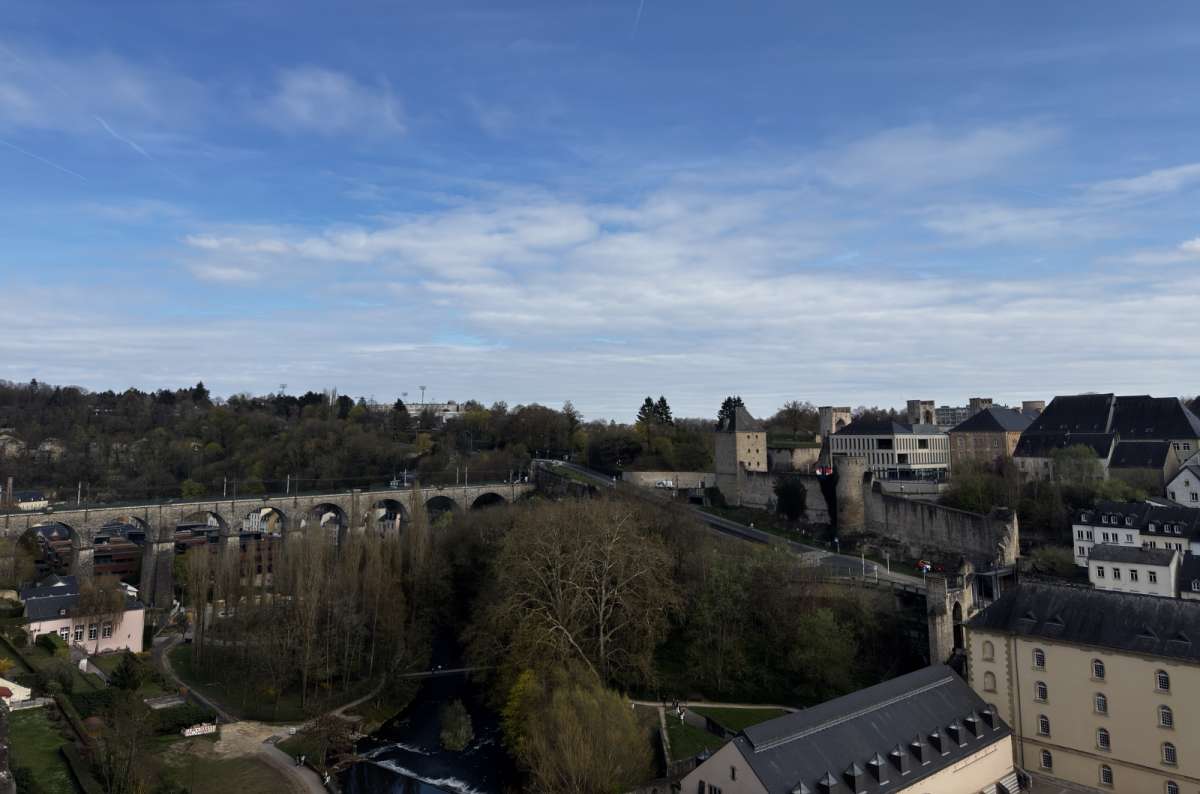
Here is the quick version if you are planning your first Luxembourg trip and want the stuff that actually affects your day.
My default advice: stay in Luxembourg City, walk and use public transport there, rent a car only if your itinerary is countryside-heavy, and build your days around route clusters instead of random attractions.
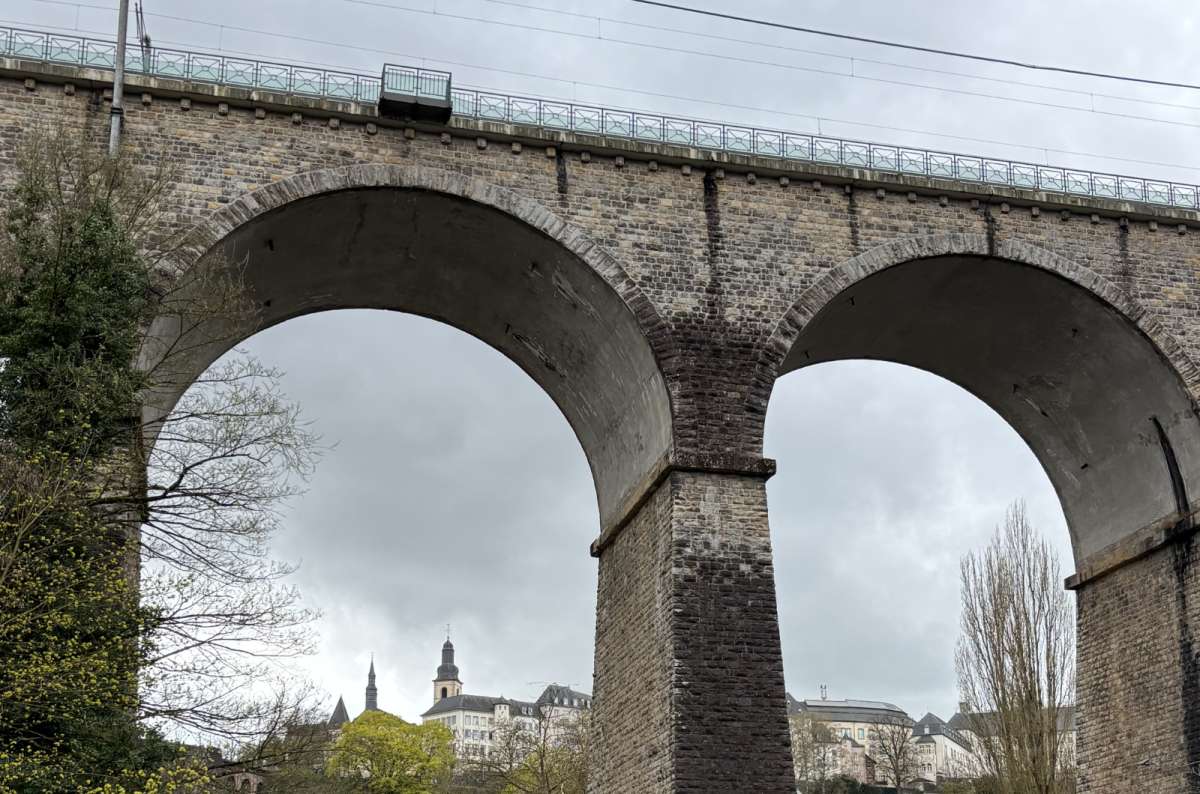
Luxembourg City: walk and use free public transport.
One easy day trip: public transport may work.
Castles, countryside, viewpoints, WWII stops, or multiple rural stops: rent a car.
That is most of Luxembourg travel planning in three lines. Annoyingly simple, but true.
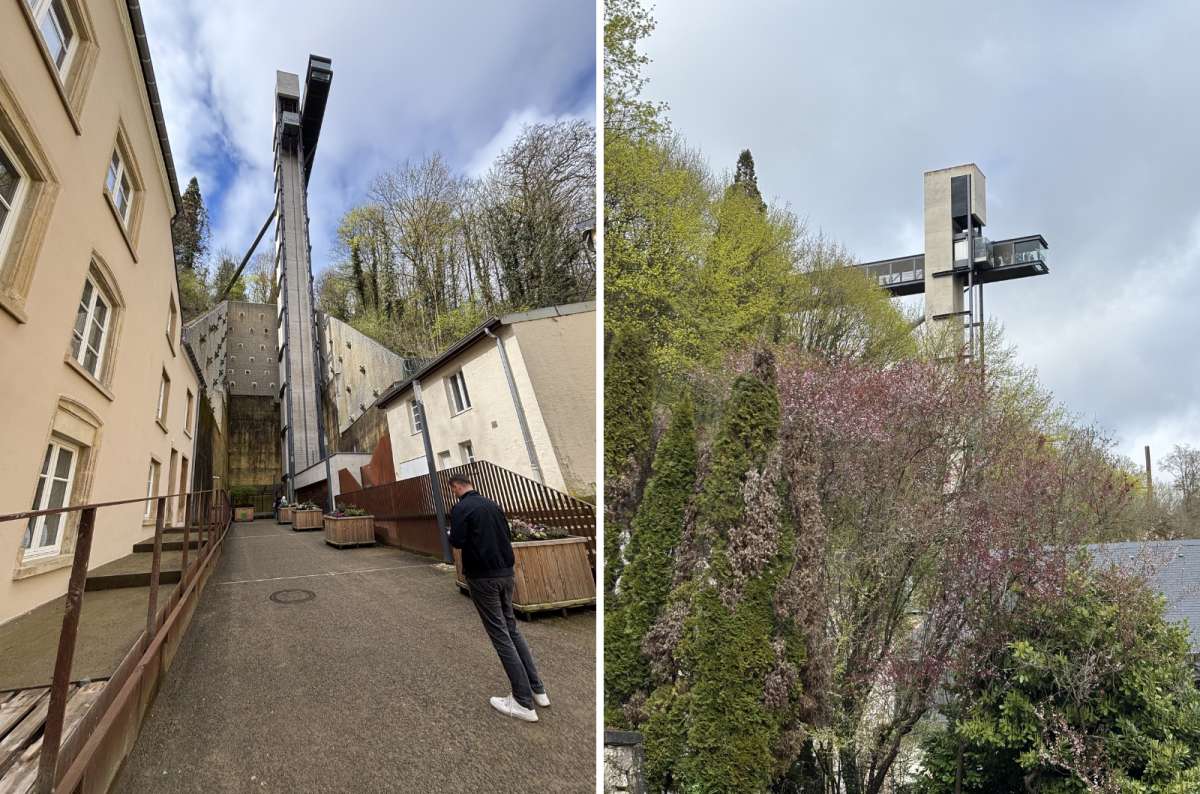
Public transport in Luxembourg is genuinely free, and yes, tourists can use it too.
That includes buses, trams, second-class trains, and the funicular in Luxembourg City and throughout the country. First-class train travel and cross-border travel are the main exceptions.
This is one of Luxembourg’s biggest practical advantages. It makes city travel easy, lowers trip costs, and removes the usual ticket-machine confusion where you stand there pretending to understand zones.
Luxembourg basically looked at public transport fares and said, “Nah.”
Respect.
Free public transport is excellent for Luxembourg City, airport or train-station transfers, city-based trips, simple single-destination day trips, budget travelers, and people who do not want to drive.
It is also perfect for avoiding parking in the capital, which is already a gift.
For Luxembourg City itself, you absolutely do not need a car. Walk, use the tram, take buses, and save your patience for something more meaningful.
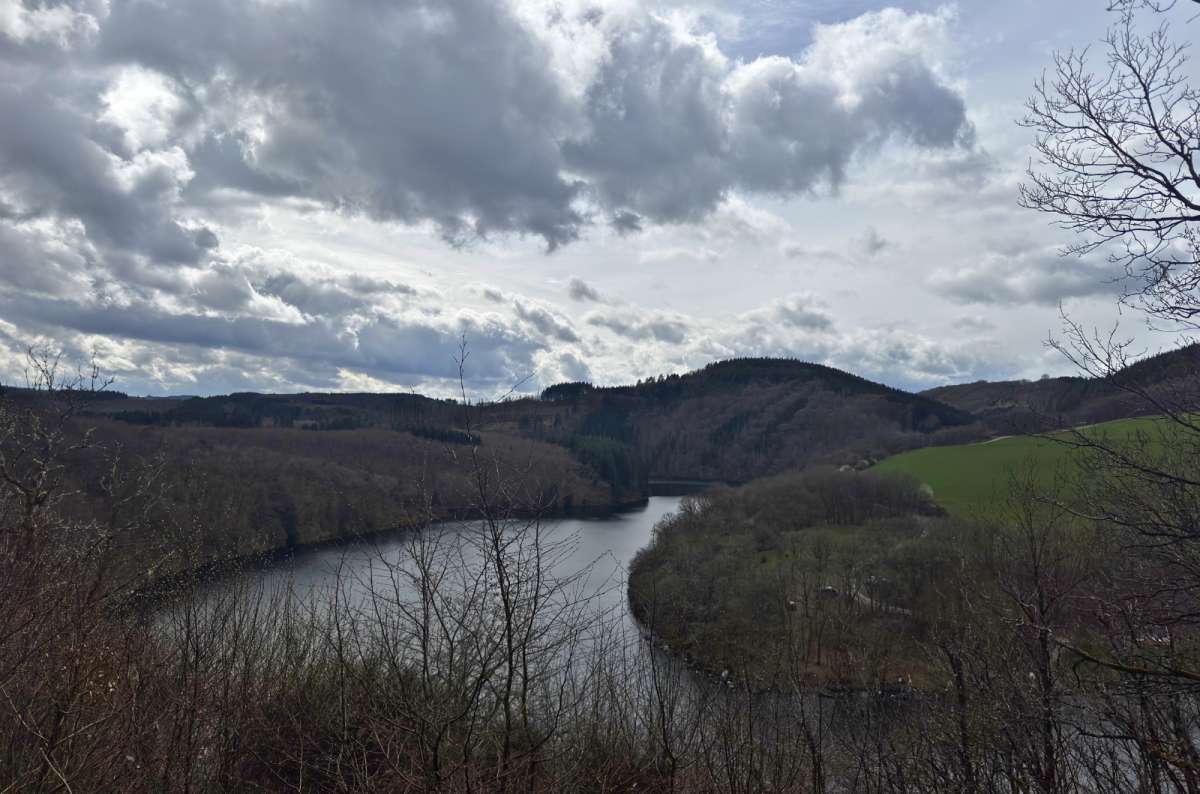
Free does not automatically mean fast, flexible, or route-efficient.
That is the planning mistake.
Public transport can be free and still not be the best tool for linking countryside stops efficiently. If you want to combine Vianden, Bourscheid, Schumannseck, scenic viewpoints, and rural detours in one day, a car usually makes more sense.
My verdict: use public transport aggressively in Luxembourg City. Be more careful once your itinerary becomes castle / countryside-heavy.
For city planning, use my Luxembourg City Guide.
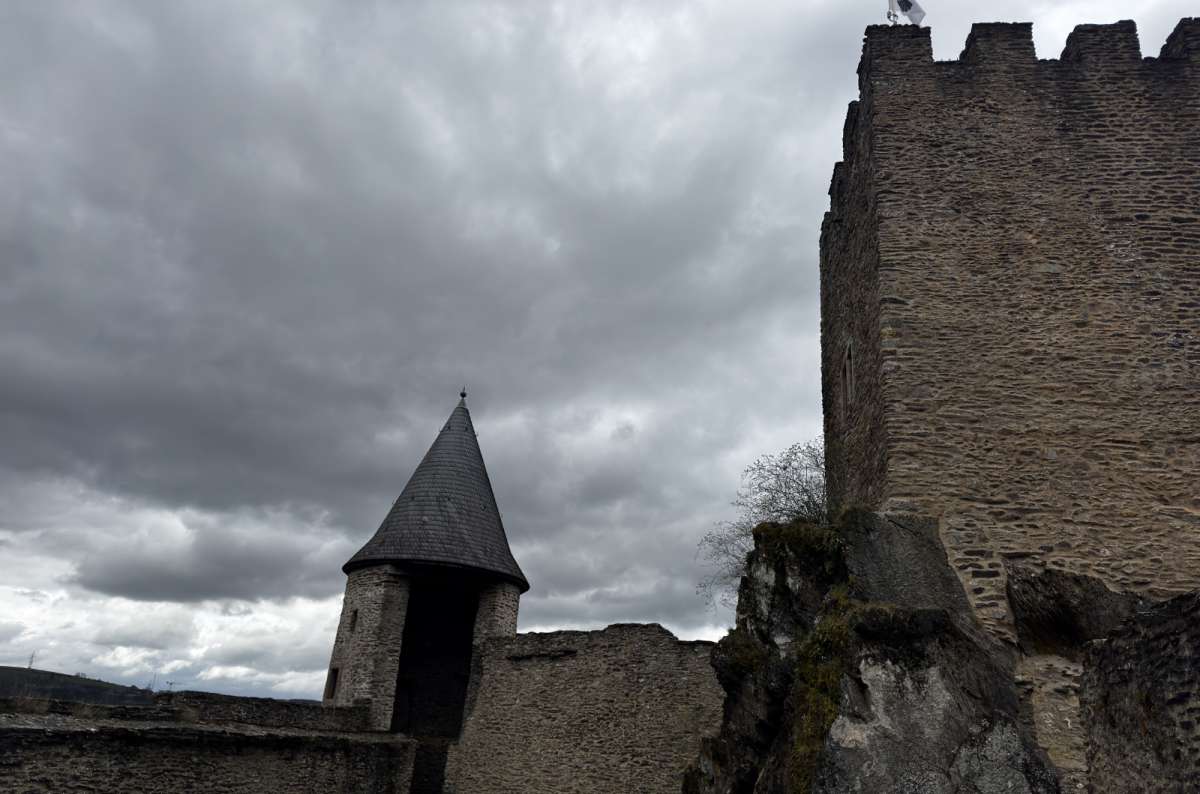
A car is not needed for Luxembourg City.
A car is very useful for the countryside.
That distinction matters more than people think.
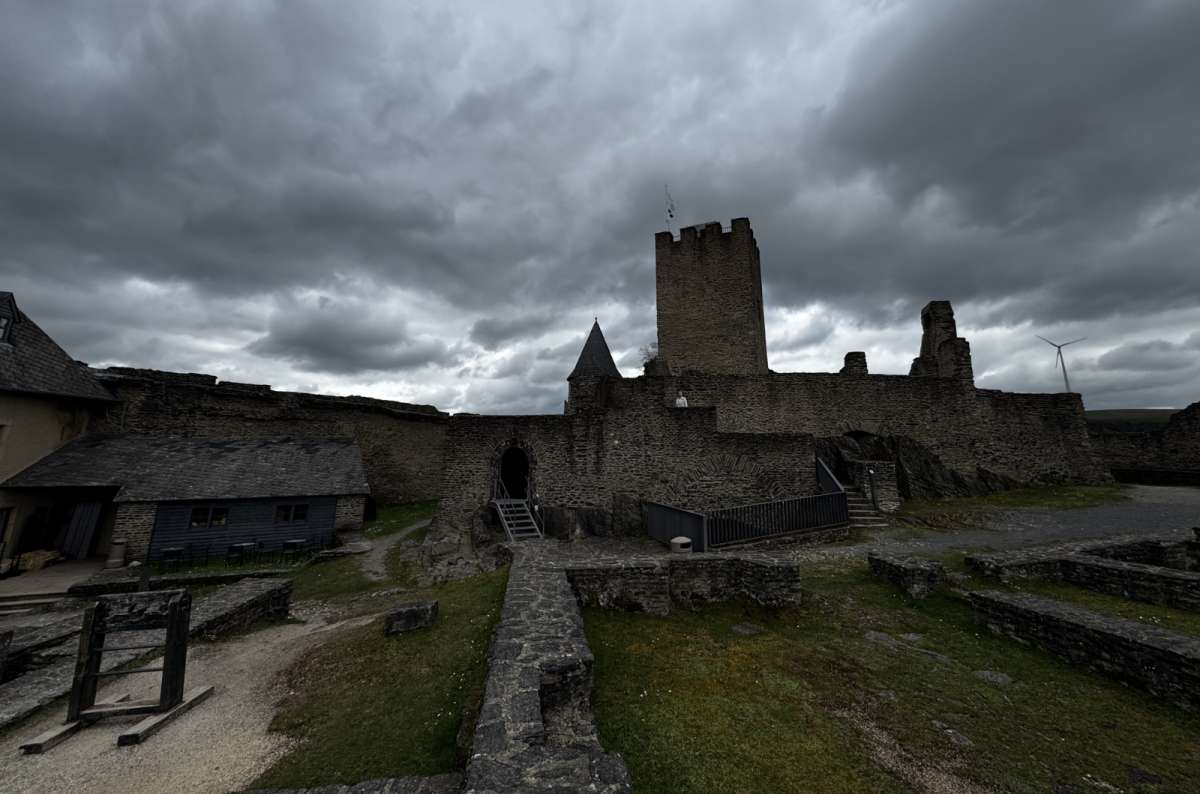
Luxembourg’s best countryside stops are often route-dependent. Vianden Castle is the obvious one. Bourscheid Castle is good, but only when it fits the route. Schumannseck Memorial Trail is one of the most original stops in Luxembourg, but it works best as part of a road-trip day. Burfelt and Upper Sûre are scenic add-ons, not places I would fight logistics for all day.
A car lets you connect these places cleanly.
You should consider renting a car if you want flexibility for Vianden, especially with viewpoints or another stop; Bourscheid Castle; Schumannseck Memorial Trail; Upper Sûre / Burfelt; Mullerthal scenic stops or trailheads; rural viewpoints; multiple castles in one day; countryside hotels; or a 5-day Luxembourg itinerary with real variety.
This does not mean you need a rental car from the moment you arrive.
In fact, for many trips, the best strategy is to do Luxembourg City first without a car, then rent one for the countryside days.
Pro tip: You can book a guided tour to Vianden with pickup in Luxembourg.
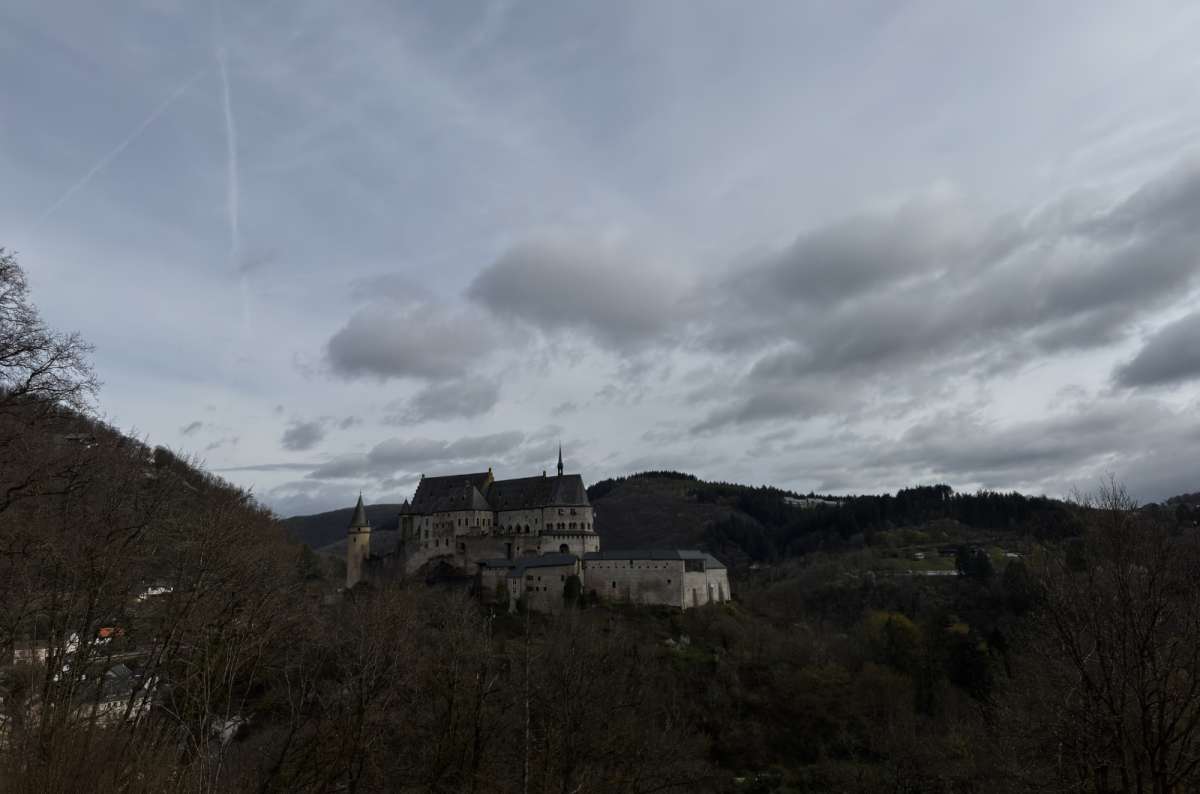
For Luxembourg City, walk and use public transport.
For a Vianden-only day trip, public transport or a car can both work. Public transport is fine if you keep the day simple.
For castles and countryside, a car is the better tool.
For a 5-day Luxembourg trip, I would usually use a car for 2–3 countryside days.
For a no-car trip, stay city-based and choose fewer, simpler day trips.
My verdict: a car is not mandatory for Luxembourg, but it makes the best countryside itinerary much easier and less annoying.
For road rules, rentals, and countryside route details, use my Driving in Luxembourg guide.
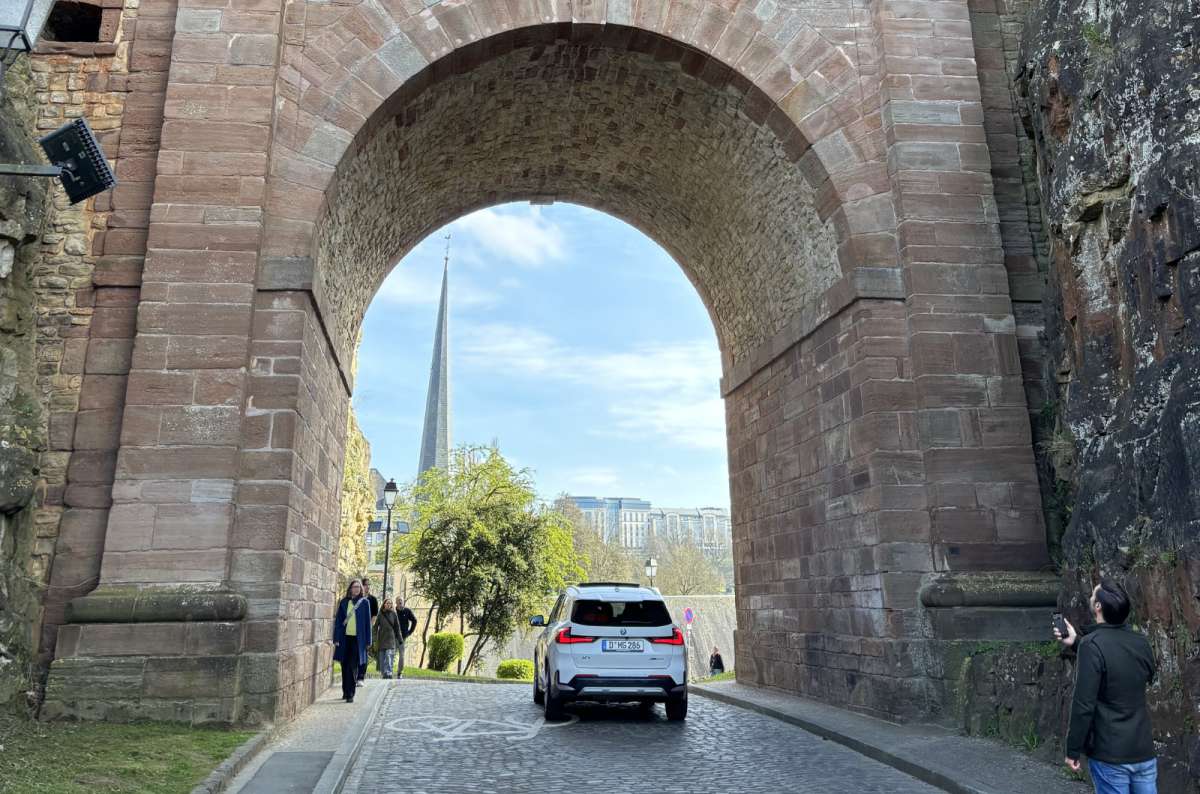
Driving in Luxembourg is generally manageable, especially compared with many European destinations where driving feels like a personality test.
The country is compact, roads are good, distances are short, and countryside drives are not especially intimidating.
The bigger issue is not driving itself. It is where you park once you arrive, which is why renting a car solves countryside routing but can create city logistics you do not need.
That is very Luxembourg.
The road part is fine. Then the car becomes a small metal problem you have to store somewhere.
Driving is most useful when you want route flexibility.
For example, a good countryside day might link Luxembourg City, Vianden Castle, viewpoints around Vianden, Bourscheid Castle, and maybe a scenic northern stop if the weather and timing still work.
That is exactly where a car helps. You can adjust for weather, spend longer where it is actually good, and skip what does not fit.
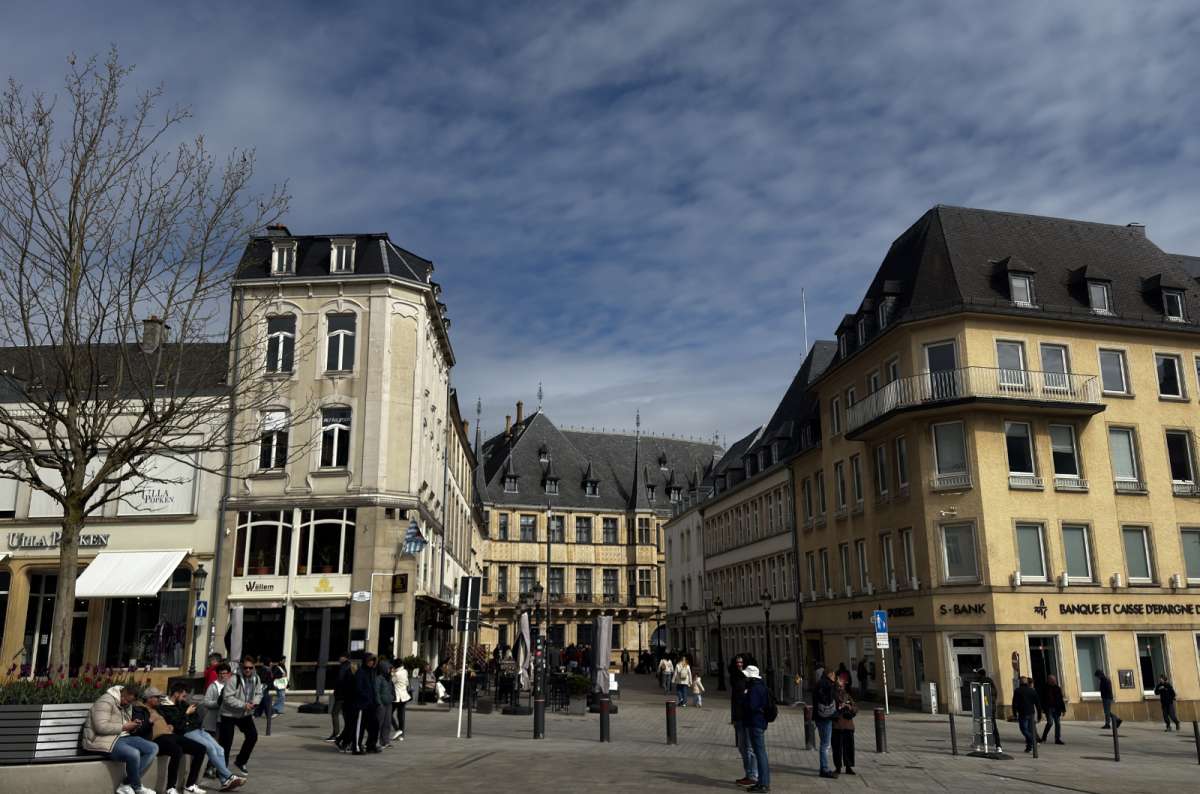
Driving is not useful inside Luxembourg City.
The city is compact, hilly, layered, and better explored on foot. Driving between central sights is silly unless you have a very specific mobility reason.
You will spend more energy thinking about parking than enjoying the place.
My verdict: drive the countryside. Do not use a car as your Luxembourg City sightseeing strategy. For road rules, rental details, and route-specific driving advice, use the Driving in Luxembourg guide.
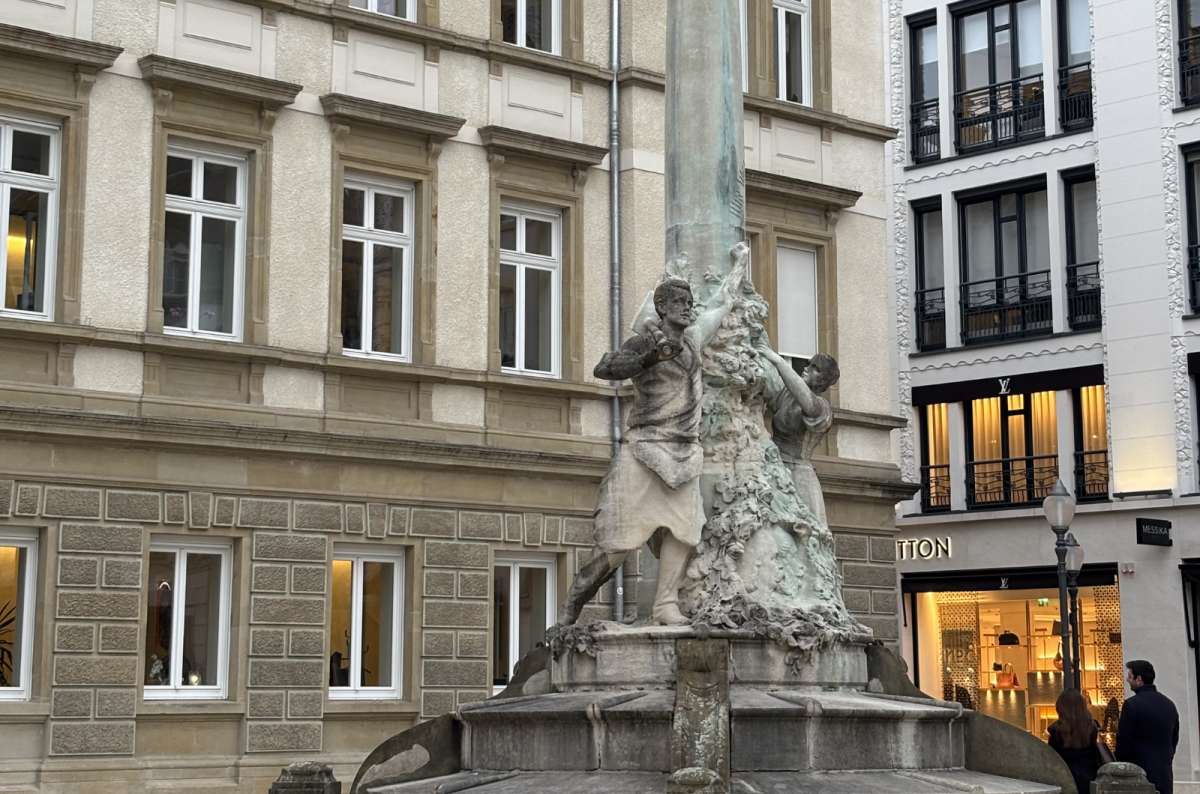
Parking is one of the biggest practical friction points in Luxembourg.
Not impossible. Not terrifying. Just annoying enough that you should plan around it.
For Luxembourg City, I would avoid driving if possible.
Stay somewhere central or near good transport, then walk and use the tram / bus network.
If you do have a car, book accommodation with parking, use official city car parks, check availability before you arrive, consider Park and Ride if it fits, and do not try to park randomly near every sight.
Do not circle the center like a confused pigeon.
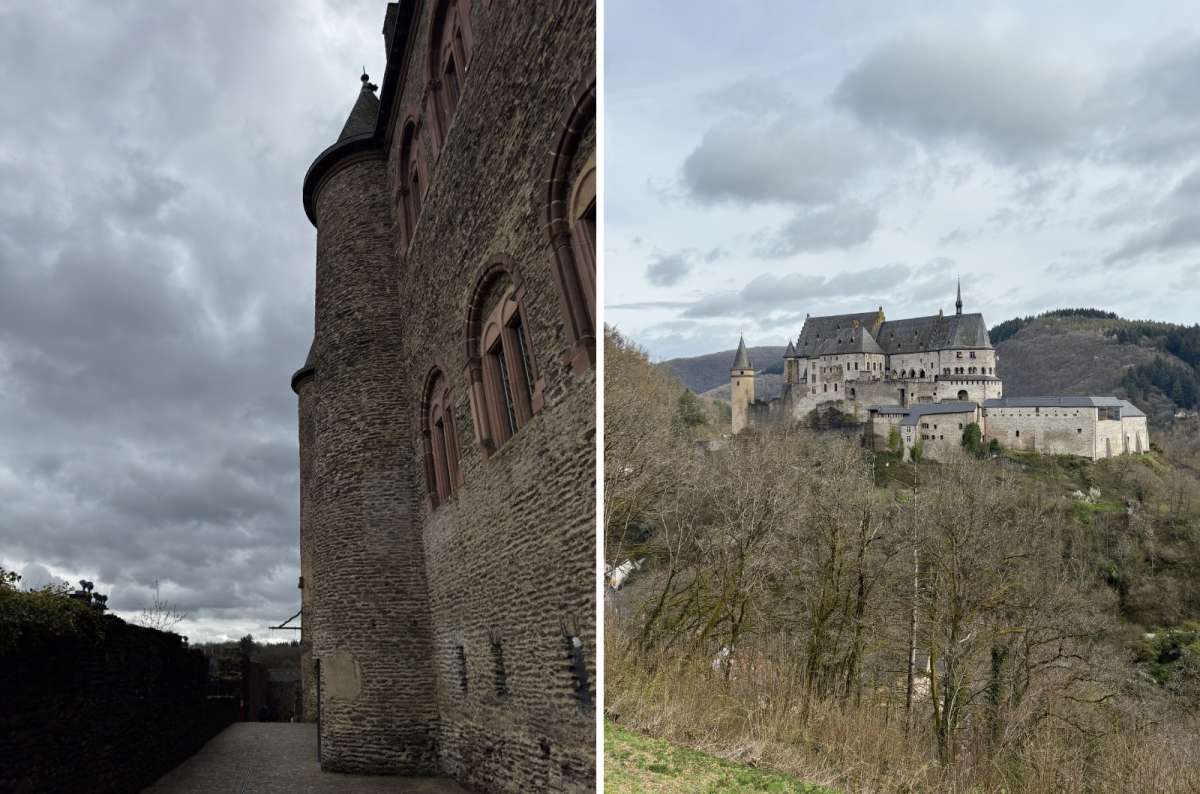
Vianden is another place where parking matters.
It is one of the most popular countryside stops in Luxembourg, and it can get busy.
If Vianden Castle is on your itinerary, arrive early. Vianden is still worth it, but timing is part of making the day feel good instead of crowded and fiddly.
The castle itself is superb from the outside, but the crowd / parking friction can make the day less fun if you arrive late and optimistic.
Optimism is not a parking strategy.
If you are renting a car, choose accommodation with parking or a clear parking plan.
This matters more than being 200 meters closer to a restaurant you may not even like, especially if you need early starts for Vianden, countryside routes, or multiple day trips.
For accommodation planning, use my guide to where to stay in Luxembourg.
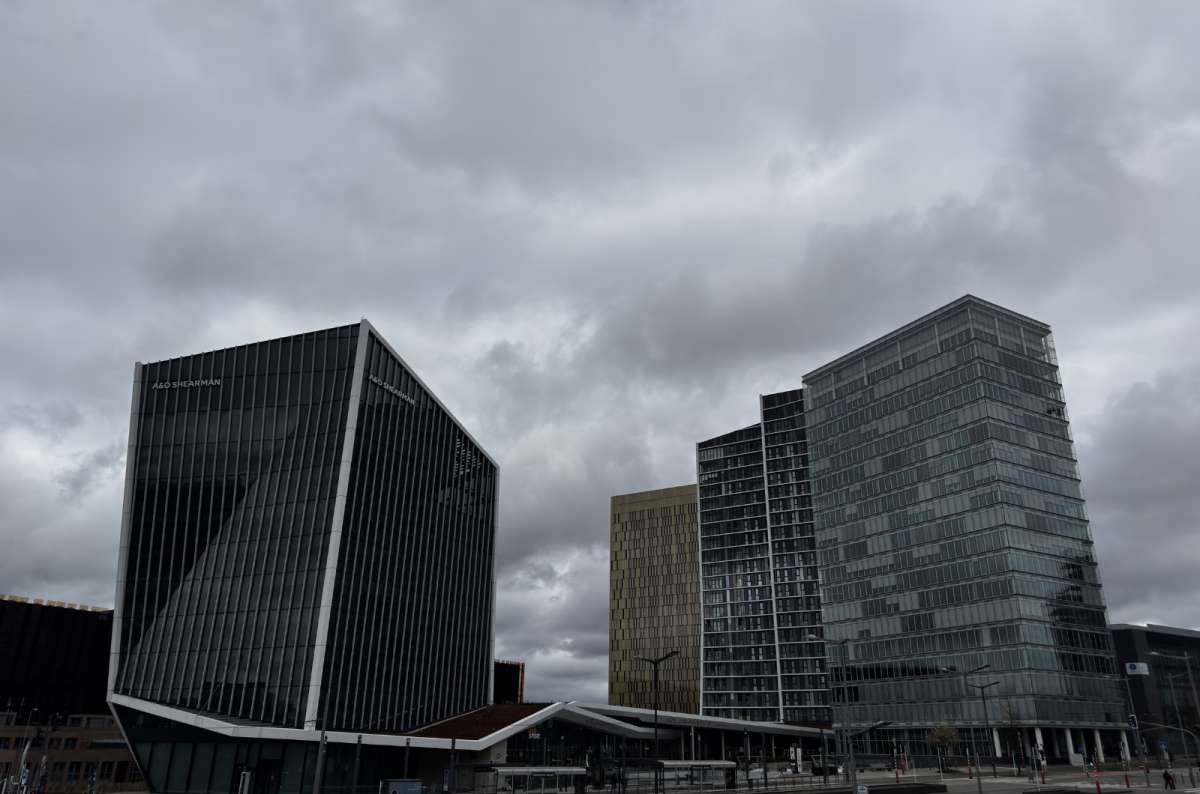
Luxembourg is not a cheap destination.
Let’s not play games.
Budget reality: Luxembourg usually hurts most through hotels and restaurants, not everyday transport or basic sightseeing.
The country is wealthy, the capital is business-heavy, and prices often reflect that. This is not the place where I would show up expecting bargain Europe.
But Luxembourg also has built-in cost softeners: public transport is free, many of the best city views are free, scenic walks cost nothing, distances are short, and you do not need many paid attractions each day.
Several high-payoff stops are also quick, which helps. You are not constantly paying for huge attractions just to feel like the day had value.
Expect higher costs for hotels, central restaurants, business-district areas, last-minute accommodation, rental cars during busy periods, private tours, and transfers.
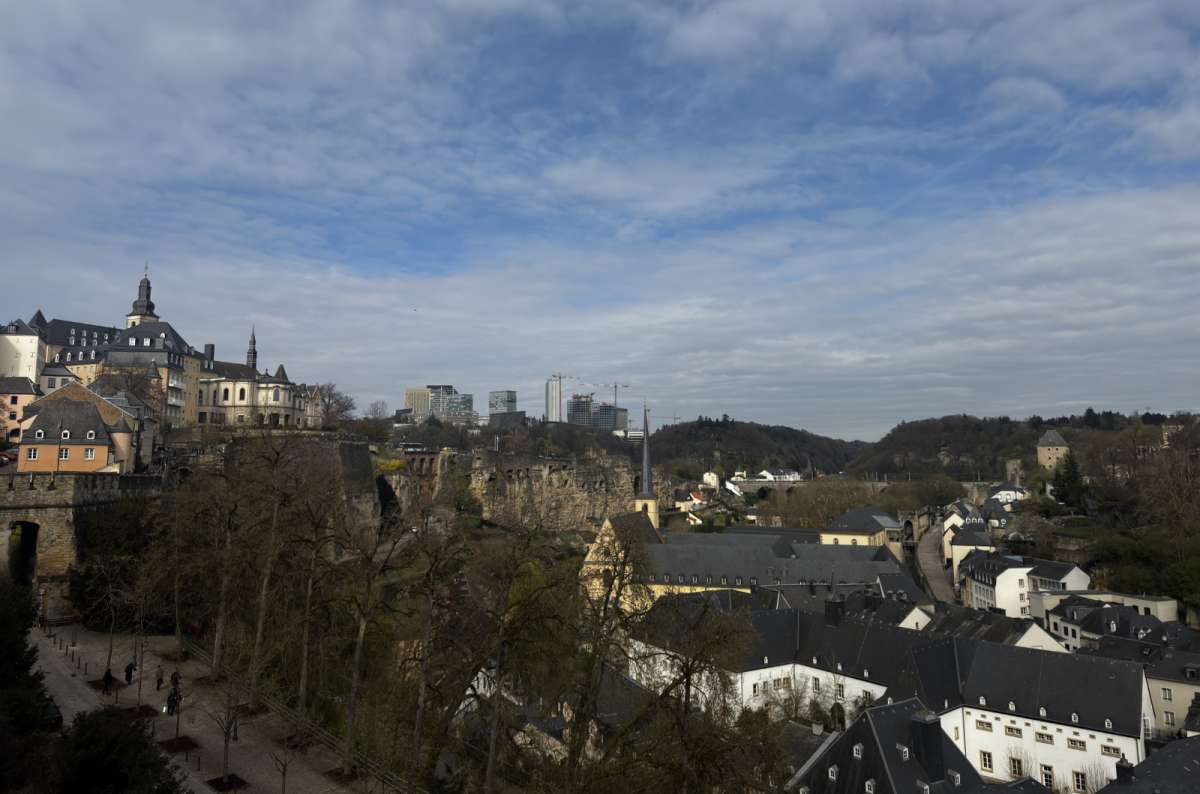
You can save money because transport is free, Corniche and Grund are free, Pfaffenthal and Pont Adolphe are free, many viewpoints are free, and walking routes are genuinely good.
You can also avoid paying for every famous attraction.
For example, I would not pay or wait just to force the Casemates into a city day if the free viewpoints already gave me the better experience.
Pay for attractions when they add context or unique access, not just because the name is famous.
My verdict: Luxembourg is expensive, but it is manageable if you use free transport, free viewpoints, and avoid paying for things you only half care about.
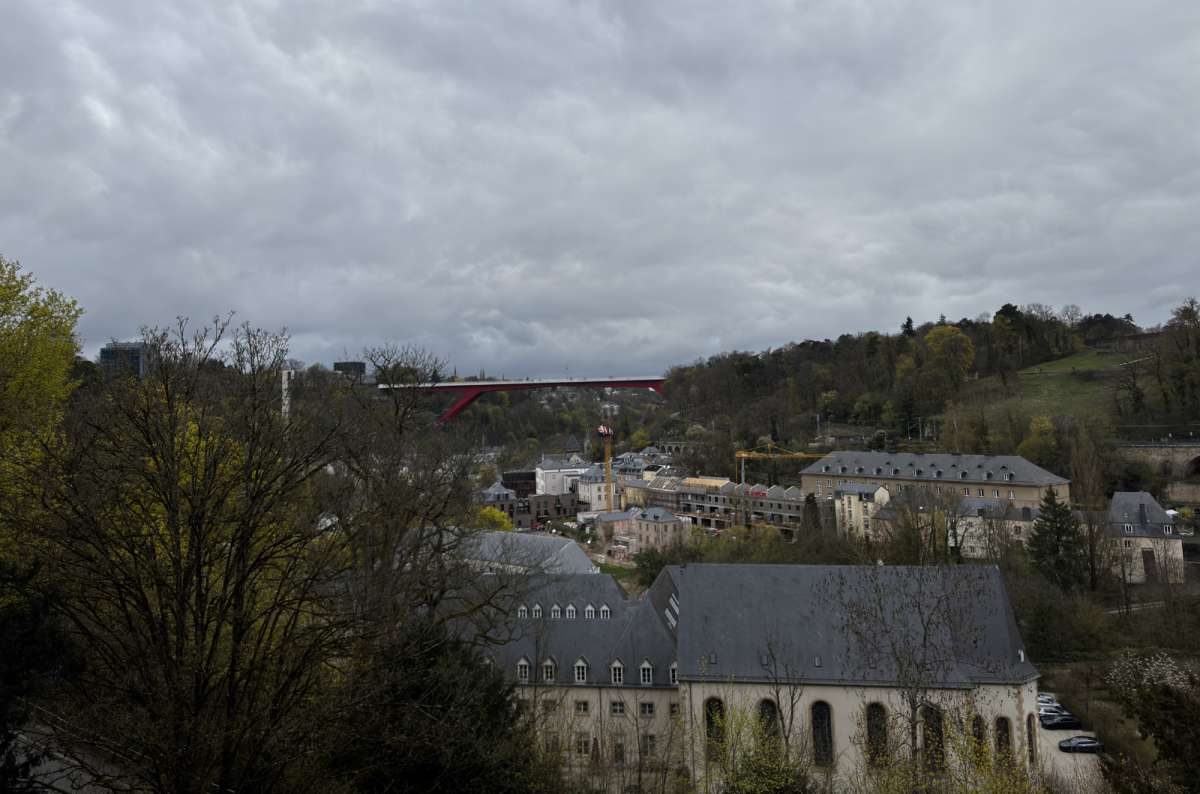
Luxembourg is easy to travel around, but you still need to check opening hours.
This is especially true on Sundays, public holidays, and in smaller towns.
Attractions, museums, castles, restaurants, and shops may have different schedules depending on season and day of the week.
This does not mean Sunday is a bad travel day.
It means Sunday is a bad day for unchecked assumptions.
Sunday does not have to be a bad travel day.
Use it for scenic walks, viewpoints, Corniche and Grund, castle exteriors, nature stops, flexible road-trip scenery, outdoor routes, and any indoor attraction, restaurant, or smaller-town stop you have actually checked.
Avoid making Sunday the day where your entire happiness depends on one specific indoor attraction being open.
Check current hours for museums, Vianden Castle, Bourscheid Castle, restaurants outside Luxembourg City, smaller-town attractions, shops if shopping matters to you, and seasonal sites.
My verdict: Luxembourg is organized, but that does not mean everything is open whenever your itinerary feels like it. Check hours before you build the day.
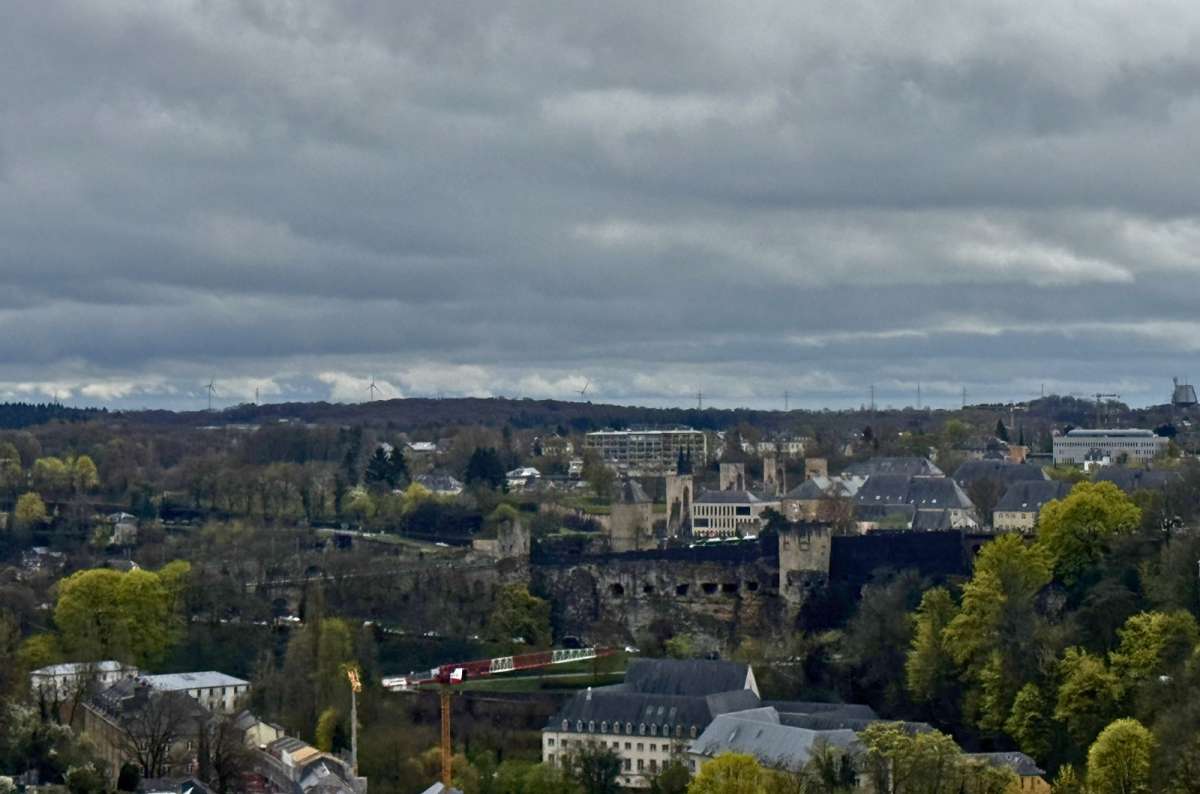
This is the biggest Luxembourg trap.
Everything looks close. So you add more. Then more. Then “just one quick stop.”
Suddenly your tidy itinerary has become a scavenger hunt with castles, viewpoints, museums, memorials, and parking stress.
Luxembourg is small, but route planning still matters.
Short distances create false confidence.
You might think: “It is only 30 minutes away.”
Sure. But then add parking, walking from the car, weather, opening hours, food, fatigue, time spent actually enjoying the place, and the fact that some stops are only good if the route makes sense.
This is why Luxembourg works best in clusters.
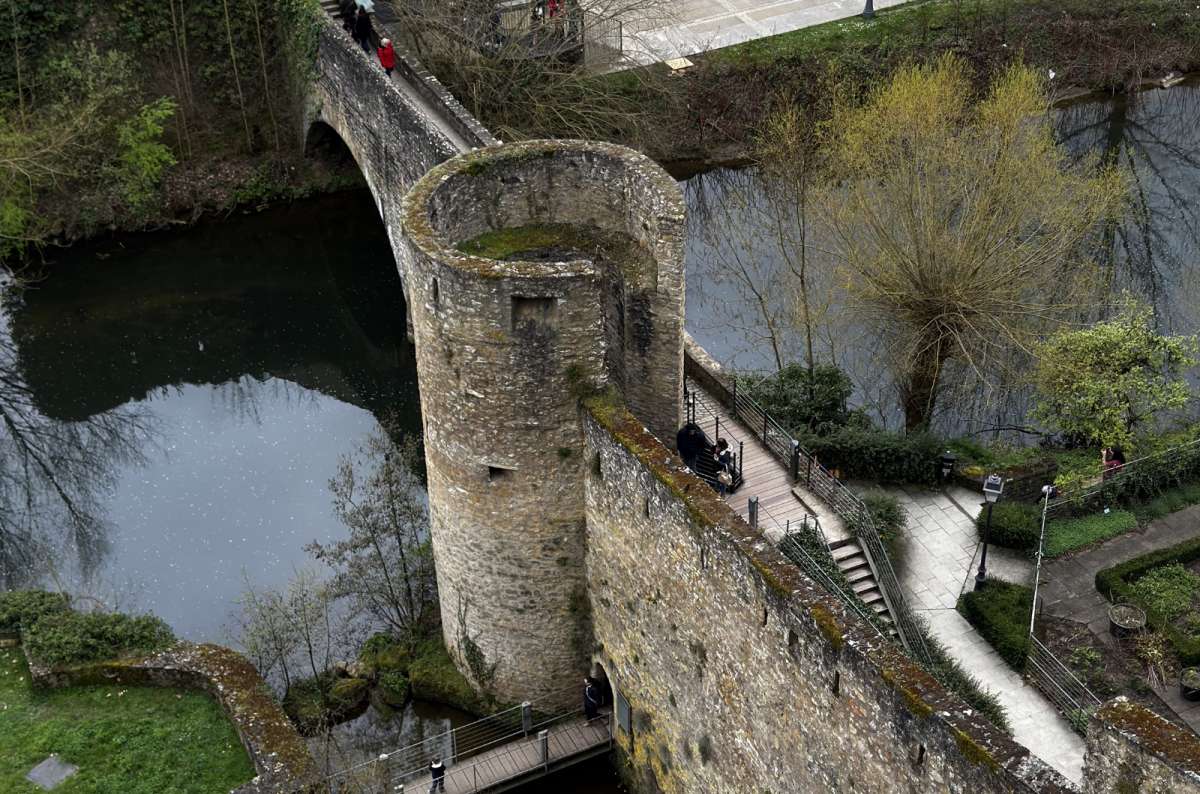
Use route clusters.
A Luxembourg City scenic core could be Corniche, Grund, the Alzette valley, Pfaffenthal, and bridges.
A city context day could combine Lëtzebuerg City Museum, Musée Dräi Eechelen, and fortifications.
A castle day should start with Vianden, then add viewpoints and Bourscheid only if it is route-efficient.
A northern history day can work around Schumannseck, Bourscheid, and Upper Sûre.
A nature day should put Mullerthal first, with nearby add-ons only if they do not steal time from the actual walk.
One strong anchor per day, plus one or two nearby supporting stops, is usually enough.
My verdict: plan by route flow, not by how close pins look on a map.
For a full route example, use my 5 Days in Luxembourg itinerary.

Luxembourg City should be walked, not driven sight to sight.
Not because walking is cute and travel-bloggy.
Because the city’s whole appeal is in its levels.
The best views come from moving between the upper city, lower city, valley, bridges, and fortification edges. You need to walk Corniche, drop into Grund, follow the Alzette valley, and use elevators or bridges where they make sense.
If you drive between central spots, you miss the point and gain a parking problem.
Truly inspiring trade.
Start with Corniche, Grund, the Alzette valley, the Neimënster area, Pfaffenthal elevator if useful, Pont Adolphe or bridge views, and the City History Museum after or alongside the scenic route if you want context.
Luxembourg City may not charm immediately. It did not for me.
At street level, parts of it felt modern and a little bureaucratic. From the viewpoints and lower city, it became more dramatic and easier to like.
My verdict: walk Luxembourg City first. Let the topography do the work.
For the route details, use my Best Viewpoints in Luxembourg City guide.
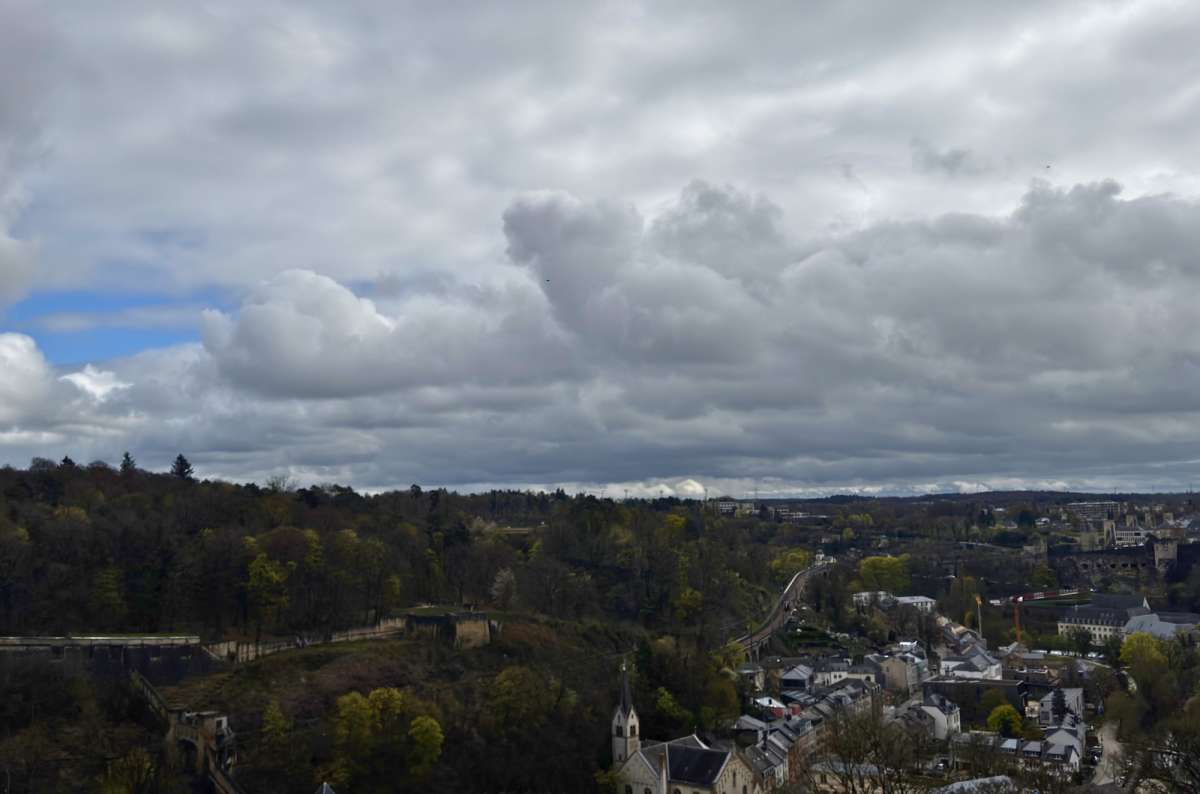
Weather matters in Luxembourg because many of the best experiences are scenic.
This is not a destination where every highlight is indoors and weather-proof.
The best city moments are viewpoints. Vianden is strongest from the outside. Bourscheid is mostly outdoor. Mullerthal depends on hiking conditions. Burfelt and Upper Sûre need visibility. Schumannseck is outdoors.
If the weather is awful, the day changes.
Keep your most scenic days flexible first: Luxembourg City viewpoints, Vianden exterior / chairlift, Bourscheid, Mullerthal, Burfelt, and Upper Sûre all lose value faster than museum-and-fortress days do.
Be careful with Corniche and city viewpoints, Grund walks, Vianden viewpoints and chairlift, Bourscheid Castle, Mullerthal hikes, Burfelt / Upper Sûre, and scenic northern drives.
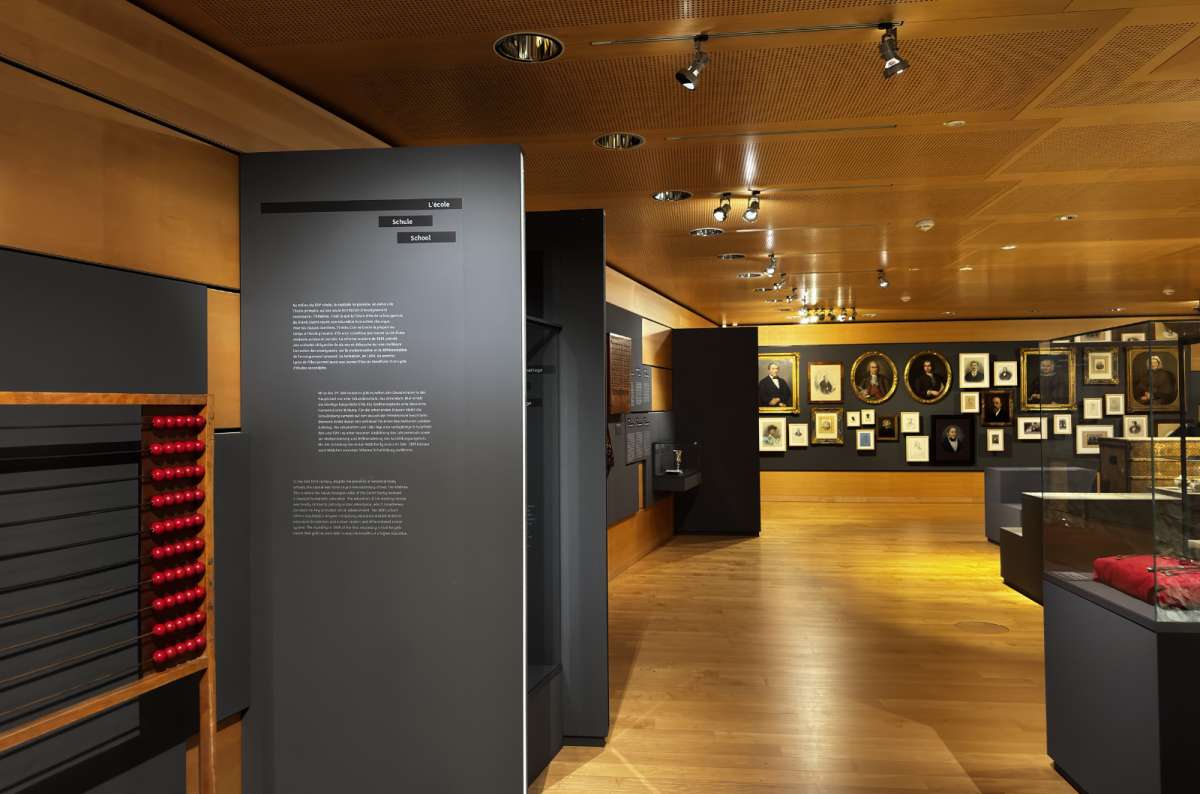
Use rainy days for Lëtzebuerg City Museum, Musée Dräi Eechelen, other museums that match your interests, shorter city walks between rain windows, indoor lunches, and flexible planning.
The City History Museum is especially useful because it actually helps explain Luxembourg City, instead of just keeping you dry while you stare at things politely.
My verdict: do not lock every scenic stop into a fixed day if you have any flexibility. On longer trips, keep at least one weather buffer so viewpoints, castle exteriors, hikes, and scenic drives can move to the better forecast.
For rainy-day ideas, use my Best Museums in Luxembourg guide.
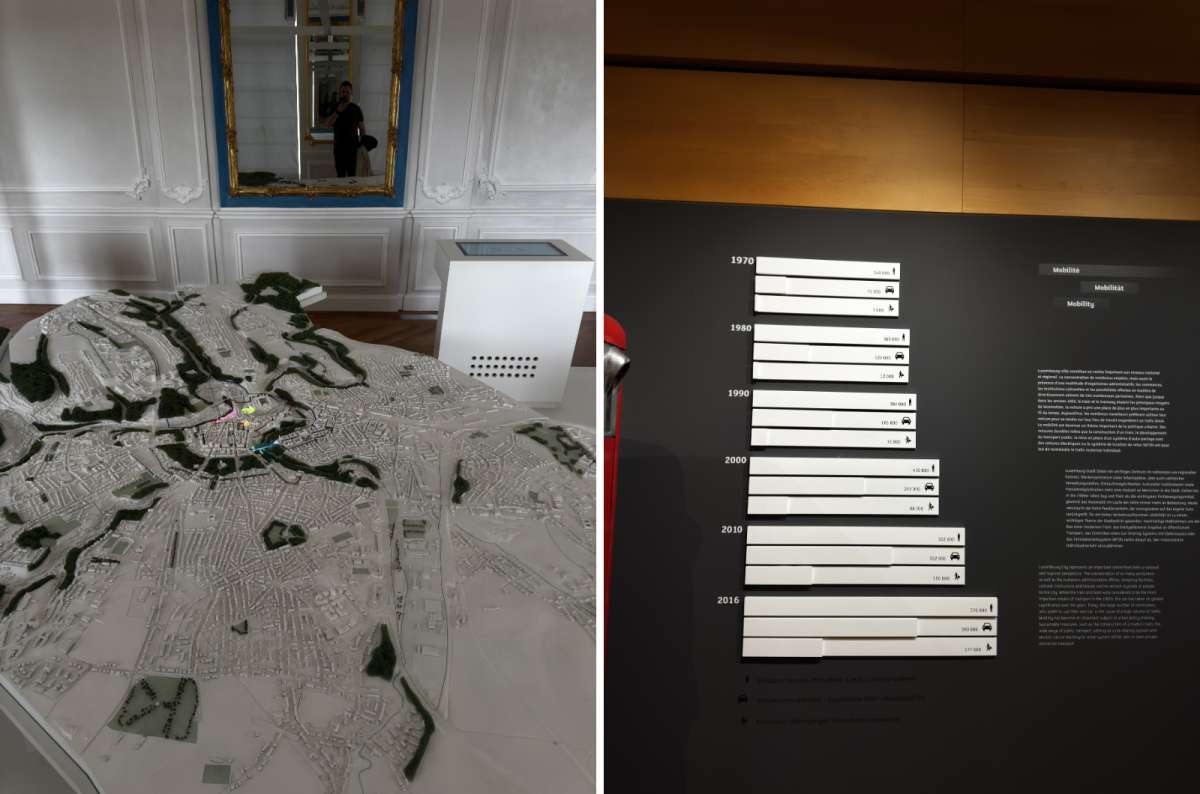
Luxembourg is multilingual, and English usually works in tourist-facing situations.
The main planning issue is not basic communication; it is interpretation.
Museum labels, parking instructions, menus, and small-town signs can be more mixed than major hotel or city interactions.
That matters because some experiences depend heavily on context.
This is why I care so much about English-friendly museums. Lëtzebuerg City Museum worked well for me partly because the explanations were accessible. The National Museum of Archaeology, History and Art was more conditional because language accessibility affected the experience.
Language can affect museum interpretation, restaurant menus, parking instructions, small-town stops, historical exhibits, public notices, and rural attractions.
My verdict: you can visit Luxembourg without speaking French, German, or Luxembourgish. But language can still affect how useful certain museums and signs feel.
Card payments are common in Luxembourg, especially in the capital and tourist areas.
Still, I would carry a small cash backup.
Not a dramatic money belt full of emergency treasure. Just enough for small purchases, rural situations, or the occasional place where card payment is inconvenient.
This is not Luxembourg-specific in a shocking way, so I will keep it short. You do not need a money strategy dissertation.
Use cards as your default, but keep a little cash for small rural stops, markets, parking oddities, or places where card payment is inconvenient.
My verdict: cards are usually fine. Backup cash is still sensible.
Very boring. Very useful.
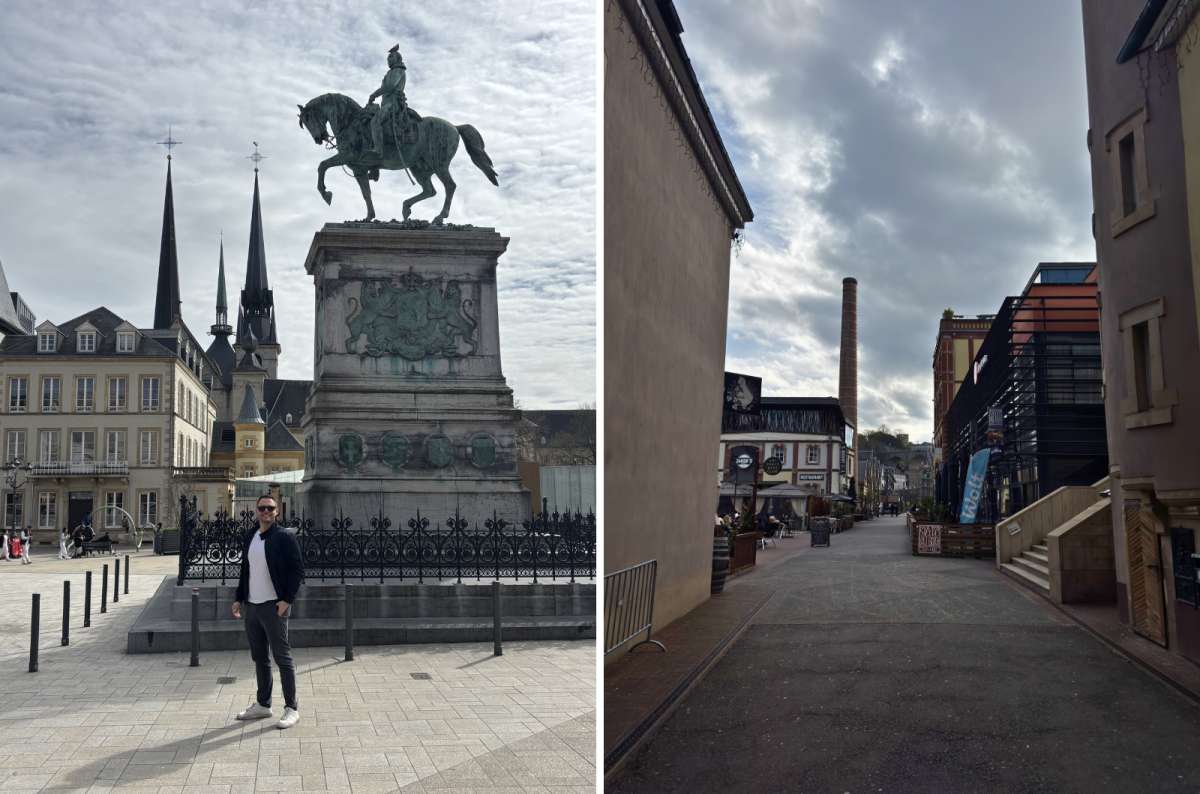
Luxembourg is generally a very safe country to visit.
This is not a destination where I would spend much article space warning you about danger.
Normal city awareness is enough: watch your bag in crowded areas and do not leave valuables visible in the car.
Be normally alert in busy train stations, crowded city viewpoints, parking areas, tourist-heavy spots like Vianden, and restaurants or terraces where bags get ignored.
That is it. No need to turn a Luxembourg trip into a survival manual.
My verdict: Luxembourg is safe and easy, but do not be careless just because the country looks tidy enough to alphabetize its trees.
This is the travel tip I would put in bold, underline, and maybe tattoo on the map.
Do not overpack Luxembourg.
The country is small, but that does not mean your itinerary should become a checklist of every castle, museum, viewpoint, memorial, bridge, and village.
Luxembourg is best when you choose high-payoff stops and connect them cleanly.
Build each day around one main anchor, one or two supporting stops, one optional quick stop, and one buffer.
For example, a good day could be Vianden Castle as the anchor, viewpoints or chairlift as the supporting stop, Bourscheid as the optional stop if route-efficient, and enough buffer for food, weather, parking, and fatigue.
That day works.
Now compare that with: Vianden, Bourscheid, Clervaux, Esch-sur-Sûre, Burfelt, Schumannseck, and Mullerthal because “Luxembourg is small.”
No.
That is not a day. That is a cry for help.
My verdict: Luxembourg rewards route quality more than stop count. Build route clusters around one anchor, then stop adding pins once the day starts needing perfect parking, perfect weather, and perfect energy to work.
Public transport is excellent and free.
It is still not always the best way to build a countryside-heavy itinerary.
Use it in the city. Be realistic outside the city.
Do not use a car for central sightseeing unless you have a specific reason.
Walk and use public transport.
If your first days are in Luxembourg City, you may not need the car yet.
Pick it up when the countryside part starts, unless your wider trip requires otherwise.
Parking matters in Luxembourg City and popular countryside stops like Vianden.
Plan it before arrival.
Vianden is the top castle. Bourscheid is a good add-on if the route works.
After that, stop unless castles are the actual theme of your trip, because castle fatigue starts sharpening its knives quickly.
For ranking help, use my Best Castles in Luxembourg guide.
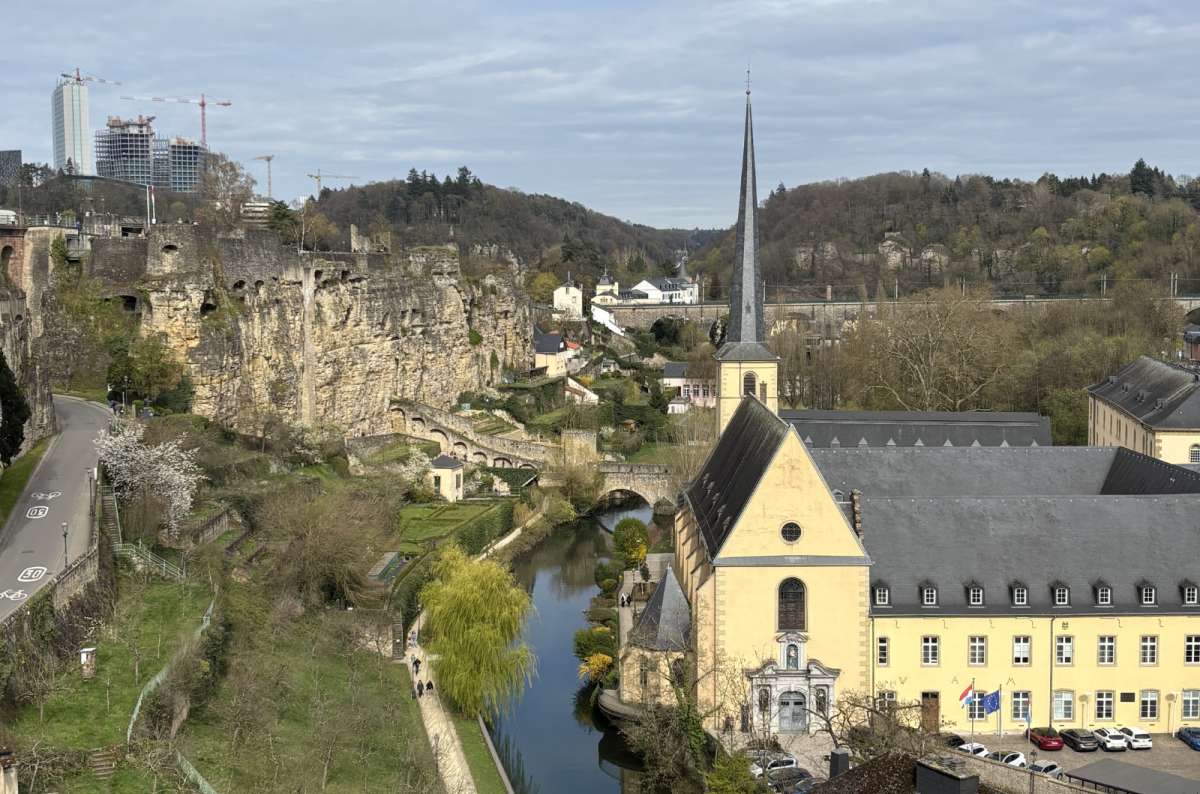
Luxembourg City’s scenic core is essential.
Do not skip it for a museum you only half care about.
Check opening hours.
Use Sundays smartly for scenic walks, viewpoints, and flexible outdoor plans.
Weather affects viewpoints, castles, and nature.
Keep a rainy-day plan.
Short distances help.
They do not remove the need for pacing.
Do not rent a car.
Stay central or near public transport, walk the scenic route, use the tram and buses, and prioritize Corniche, Grund, the Alzette valley, and one museum if you want context.
Best strategy: walk + free public transport.
Spend one day in Luxembourg City and one day on a countryside highlight.
If you want the strongest first-time countryside choice, pick Vianden Castle. If you do not want to drive, choose a simpler day trip or tour.
Best strategy: city day + one high-payoff day trip.
Use Luxembourg City as your base unless you have a reason to split stays.
Do two city days, two countryside route days, and one flexible scenic or recovery day. Rent a car for the countryside portion.
Best strategy: 2 city days + 2 road-trip days + 1 flexible day.
For the full version, use my 5 Days in Luxembourg itinerary.

Stay in Luxembourg City and keep the countryside plan realistic.
Use free public transport, focus on the capital, choose one or two simple single-destination day trips, and do not pretend you can efficiently combine every castle, viewpoint, memorial trail, and rural stop.
Best strategy: fewer rural stops, cleaner logistics.
Your biggest savings come from free transport, free viewpoints, and not overpaying for weak attractions.
Book accommodation early, avoid relying on last-minute central hotels, and use scenic walks as the backbone of the trip.
Best strategy: save on transport and views; be careful with hotels and restaurants.
Rent a car if you want a castle route, not just a simple Vianden-only day.
Do Vianden first. Add Bourscheid only if the route makes sense. Do not build a full itinerary around castle quantity.
Best strategy: one excellent castle + one route-dependent add-on.
Use my Vianden Castle Guide or Best Castles in Luxembourg guide if castles are the main theme.
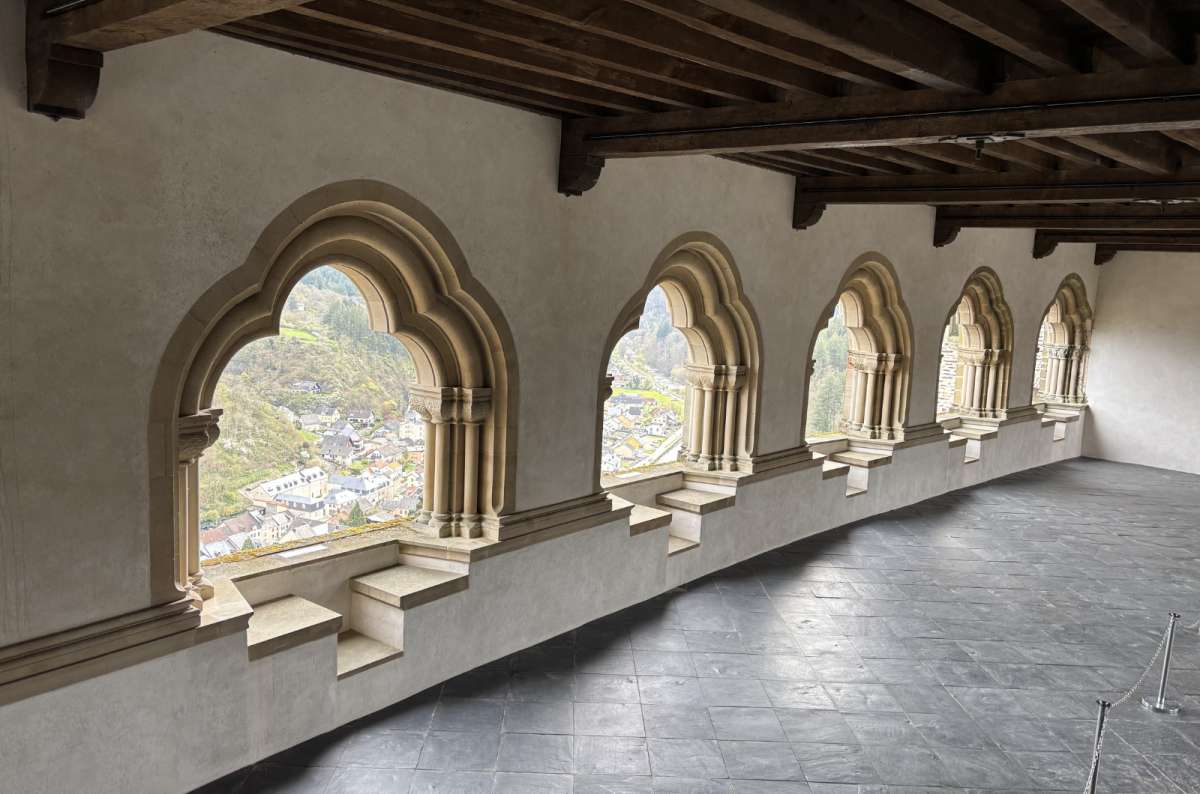
Choose carefully.
Start with Lëtzebuerg City Museum. Add Musée Dräi Eechelen if you want fortress context. Treat art, natural history, photography, and WWII museums as interest-dependent.
Best strategy: one strong museum, not five polite ones — and use museums especially well on rainy days instead of sacrificing Corniche, Grund, and the Alzette valley in good weather.
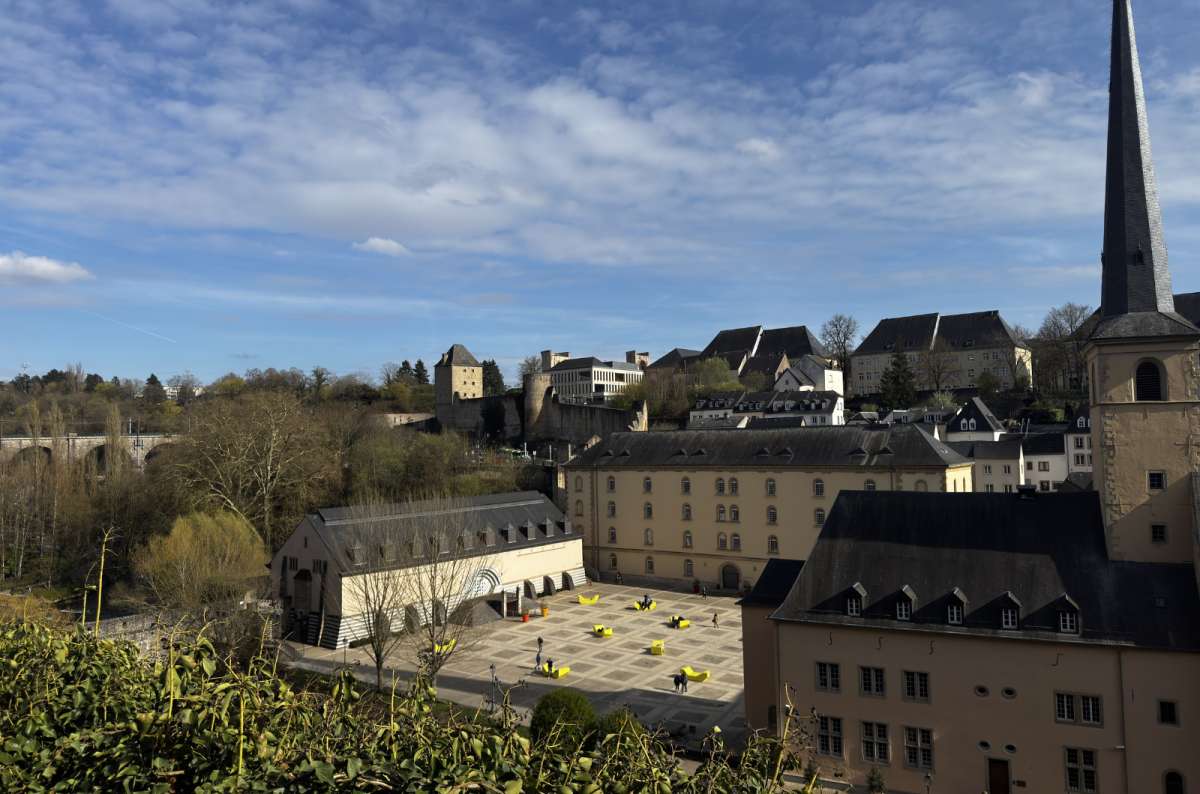
Luxembourg is not hard to visit.
That is exactly why it is easy to underestimate the planning.
The country is compact, clean, safe, and well organized. Public transport is free. Driving is manageable. Distances are short.
On paper, it looks impossible to mess up.
But the best Luxembourg trip still depends on smart choices: walking the city instead of driving it, renting a car only when the countryside route justifies it, checking Sundays and opening hours, planning around weather, and resisting the urge to add every nearby pin.
Luxembourg is easy.
Just do not confuse easy with idiot-proof.
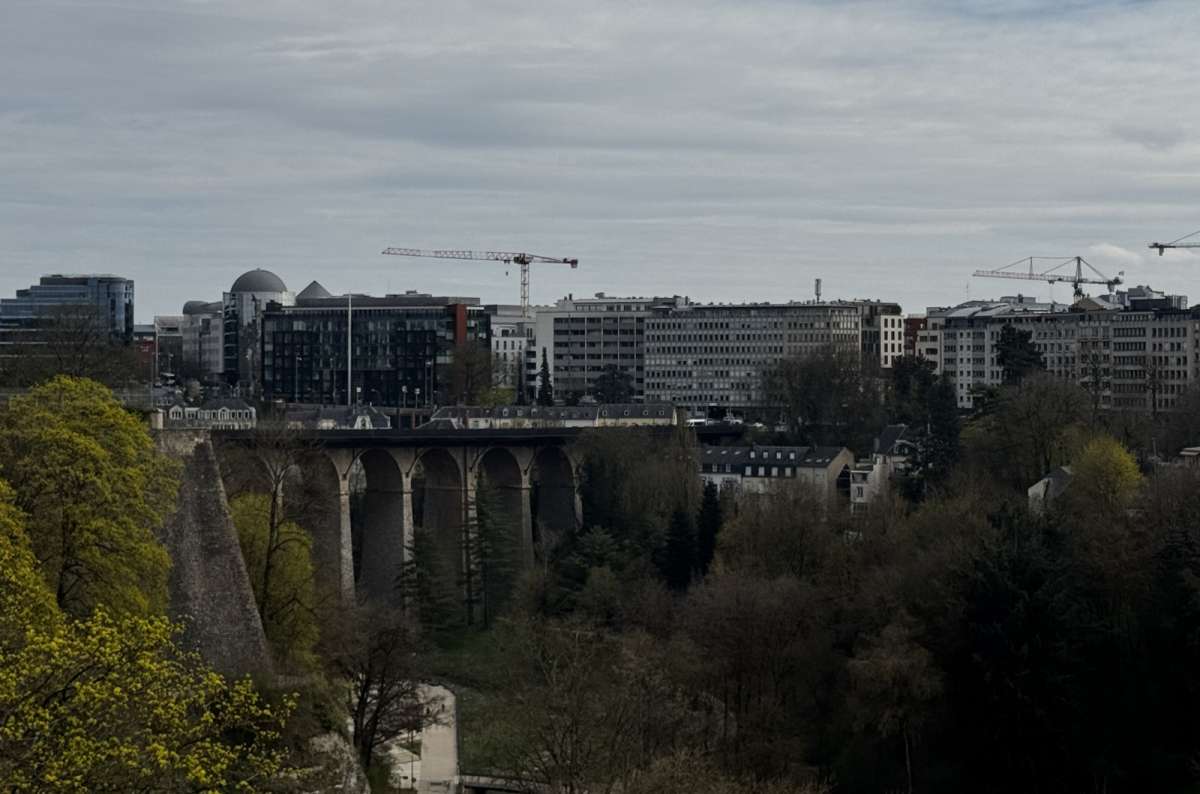
Yes, public transport is free in Luxembourg for buses, trams, second-class trains, and the funicular throughout the country. First-class train travel and cross-border journeys are the main exceptions.
You do not need a car for Luxembourg City, and you may not need one for a simple single-destination day trip. A car becomes useful for countryside-heavy routes, especially if you want to combine castles, rural viewpoints, WWII sites, Mullerthal, or several stops in one day.
Yes, Luxembourg can be expensive, especially for hotels and restaurants. Free public transport, free viewpoints, short distances, and selective sightseeing help make the trip more manageable.
Luxembourg is easy to travel around because it is compact, safe, organized, and has free public transport. The main planning issues are parking, route flow, Sundays, opening hours, and not overpacking the itinerary.
Yes, you can visit Luxembourg without a car, especially if you stay in Luxembourg City and focus on the capital plus simple day trips. A no-car trip becomes less efficient if you want to combine multiple countryside stops.
Some shops and attractions may open on Sundays, especially in Luxembourg City or during specific events, but you should not assume normal Sunday opening everywhere. Check current hours for shops, restaurants, museums, and attractions before planning around them.
The biggest mistake is assuming small country equals unlimited itinerary capacity. Luxembourg is compact, but you still need route clusters, one main anchor per day, realistic pacing, parking awareness, and weather flexibility.
Luxembourg City is the best base for most first-time visitors. It gives you the easiest logistics, restaurants, public transport, city sightseeing, and access to day trips or rental-car countryside routes.
This post contains affiliate links. If you make a booking through one of my links, I may earn a small commission—at no additional cost to you. Thank you for your support!
Luxembourg travel tips at a glance
1. Public transport in Luxembourg is free
2. You may still want a car for the countryside
3. Driving in Luxembourg is generally easy
4. Parking matters more than you think
5. Luxembourg is expensive, but not impossible
6. Sundays and opening hours can affect your plans
7. Most attractions are close together, but route planning still matters
8. Luxembourg City is best explored on foot
9. Weather can change the quality of your itinerary
10. English usually works, but Luxembourg is very multilingual
11. Card payments are common, but carry backup
12. Luxembourg is very safe, but normal travel awareness still applies
13. Do not overpack your Luxembourg itinerary
Biggest mistakes to avoid in Luxembourg
Best Luxembourg tips by trip type
Final verdict: what should you know before visiting Luxembourg?
FAQs about Luxembourg travel tips
Is public transport really free in Luxembourg?
Do I need a car in Luxembourg?
Is Luxembourg expensive to visit?
Is Luxembourg easy to travel around?
Can you visit Luxembourg without a car?
Are shops open on Sundays in Luxembourg?


Hi, I’m Jan. I travel fast and intensely, whether I’m exploring the buzz of Tokyo in 3 days or road-tripping through mountains and beaches on a 3-week Thailand adventure. And no matter where I am, you’ll always find me in a comfortable hotel at night and eating the best food.
If that sounds like your kind of journey, hop on board, and let’s explore the world together!
I started this blog after realizing how tough it can be to find reliable, authentic travel info. You wouldn’t believe how many “travel bloggers” never even visit the places they write about! On Next Level of Travel, you can count on my full honesty and insights drawn from my firsthand experiences.
Here’s the deal: not every destination is all superlatives and unicorns. I’ll let you know if a tourist attraction isn’t worth your time, like skipping overrated stops in my 2-week Spain itinerary. And when I find something truly special—like the perfect mix of culture and nature in Cape Town—you can trust that it’s worth adding to your itinerary.

Comments | Thoughts? Give us a shout!