


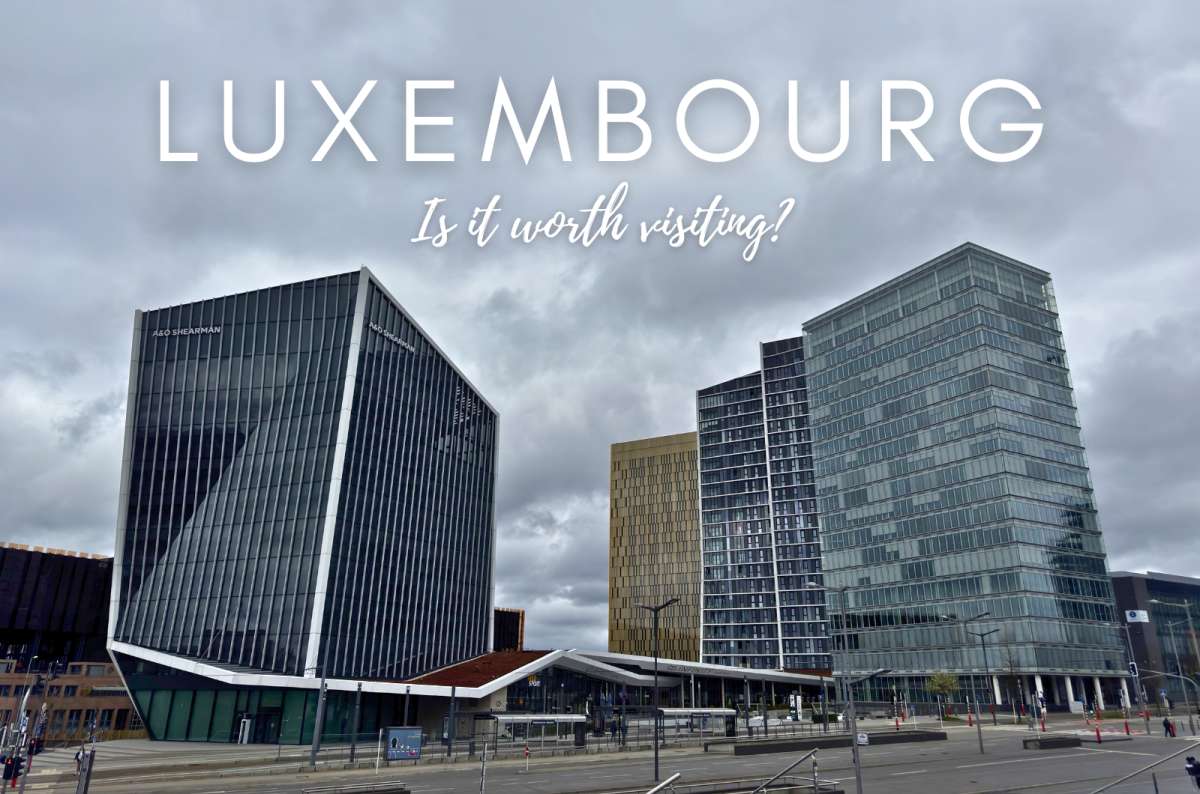


Quick rankings from my Luxembourg trip
Is Luxembourg worth visiting? Quick verdict
What is Luxembourg actually like?
The biggest reasons Luxembourg is worth visiting
Reasons Luxembourg might disappoint you
Is Luxembourg City worth visiting?
Is Luxembourg worth visiting if I only have one day?
Is Luxembourg worth a dedicated trip?
How many days do you need in Luxembourg?
What should you prioritize if you visit Luxembourg?
What should you skip in Luxembourg if time is limited?
Is Luxembourg worth visiting without a car?
Is Luxembourg expensive, and does it still feel worth the money?
Best time to visit Luxembourg if you want it to feel worth it
Where should you stay if visiting Luxembourg?
Luxembourg vs nearby countries: when does it fit?
My verdict: should you visit Luxembourg?
Is Luxembourg worth visiting? Yes—but not for the reasons generic travel articles usually suggest.
I think Luxembourg is worth visiting if you enjoy scenic viewpoints, castles, efficient road trips, fortress history, strong museums, and compact trips where you can see a lot without driving across half a continent.
But I would not describe Luxembourg as a destination with endless blockbuster attractions. I would not say Luxembourg City alone is enough reason to spend several days there. And I definitely would not recommend it to someone whose travel happiness depends on huge iconic landmarks, cheap meals, wild nightlife, or a capital that punches them in the face with charm the second they arrive.
That was not my experience.
I liked Luxembourg more as the trip developed. My first impression of Luxembourg City was honestly a bit “modern bureaucracy with nice views.” I expected crooked old streets and got the clean, wealthy center of European institutions.
Very romantic, obviously.
I also expected the capital to feel more old-world than it did. Instead, I found a modern, polished, slightly crowded city that sometimes reminded me of Brussels, just with fewer things to do and more dramatic geography.
At first, I was not fully convinced.
Then I walked the Corniche. I dropped into Grund. I followed the Alzette Valley. I saw Vianden Castle high on its rock. I visited Schumannseck Memorial Trail. I started to understand that Luxembourg is not a country you should judge by its main squares.
So, is Luxembourg worth visiting?
Yes. But only if you understand what Luxembourg is good at.
Luxembourg is not a checklist country. It is a route-quality country.
I found it much better when I stopped looking for one giant attraction and started connecting the right places in the right order.
For the full planning breakdown, use my Luxembourg Travel Guide and my ranked guide to the best things to do in Luxembourg.


Scenery and viewpoints: 8/10
Castles: 8/10
Museums and history: 8/10
Road trip efficiency: 9/10
Food and nightlife: 5/10
Budget friendliness: 5/10
City-break value: 7/10
Overall experience: 82%
I do not think Luxembourg is the loudest country in Europe. It does not throw one obvious world-famous landmark at you and say, “There, done.”
Its value is quieter: a capital built over valleys, a castle on a rock, short scenic drives, fortress history, good museums, and surprisingly efficient route planning.
I found that most of the attractions in Luxembourg were quick to visit, which I liked a lot. You can cover a surprising amount of ground without feeling like you are spending half your trip in transit.
That may not sound dramatic enough for everyone.
Good. That is the point of this article.
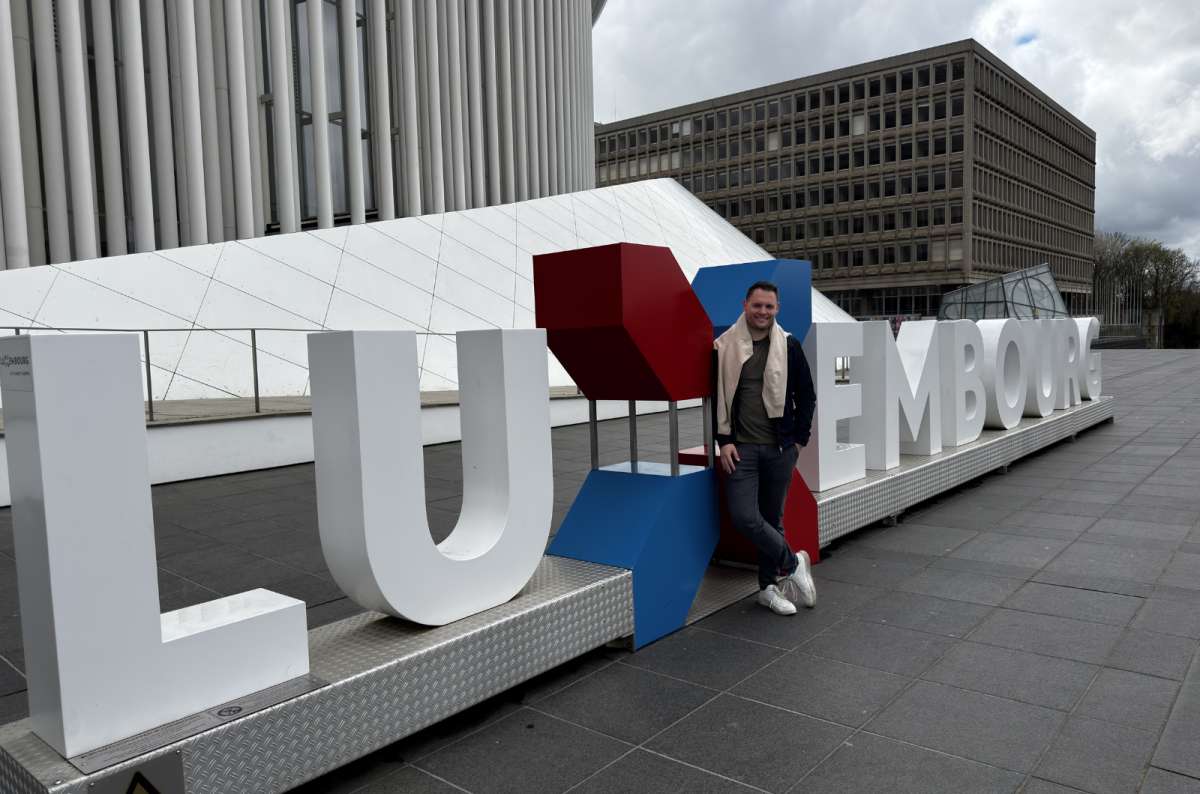
I think Luxembourg is worth visiting if you like castles, viewpoints, compact road trips, fortress history, museums, and destinations that reward smart planning.
I think it is less worth visiting if you want major bucket-list landmarks, cheap travel, nightlife, food as the main event, or a long city-only break.
For first-time Europe travelers, I would say maybe. I would add Luxembourg if it fits naturally between Belgium, Germany, France, or the Netherlands. I would not make it the first big Europe priority.
For repeat Europe travelers, yes. I think Luxembourg works well as a second- or third-layer Europe destination once you have already seen the obvious heavyweights.
For castle lovers, yes. I was genuinely impressed by Vianden Castle, especially from outside. Bourscheid is a good add-on if the route makes sense.
For scenic road trip travelers, yes. I found Luxembourg compact, varied, and easy to combine into a satisfying 3–5 day route.

For city-break travelers, yes, but keep it short. I think Luxembourg City is worth 1–2 days, not a week of exterior sightseeing.
For museum and history travelers, yes. I liked the City History Museum much more than I expected, and Musée Dräi Eechelen helped me understand the city’s fortress logic.
For WWII history travelers, yes. Schumannseck Memorial Trail was one of the strongest surprises of my trip.
For budget travelers, conditional. I loved that public transport is free, but I would not call Luxembourg cheap.
For food-focused travelers, probably not. I ate fine, but I did not leave thinking Luxembourg was a food destination.
For people chasing iconic landmarks, probably not. Luxembourg is more subtle than blockbuster.
My short verdict: Luxembourg is worth visiting as a 2–5 day compact country trip, especially if you explore beyond the capital. I would not fly across the world only for Luxembourg City. But I would absolutely include Luxembourg in a smart Belgium / Germany / France / Netherlands itinerary, and I would happily spend several days there with a car and a good route.
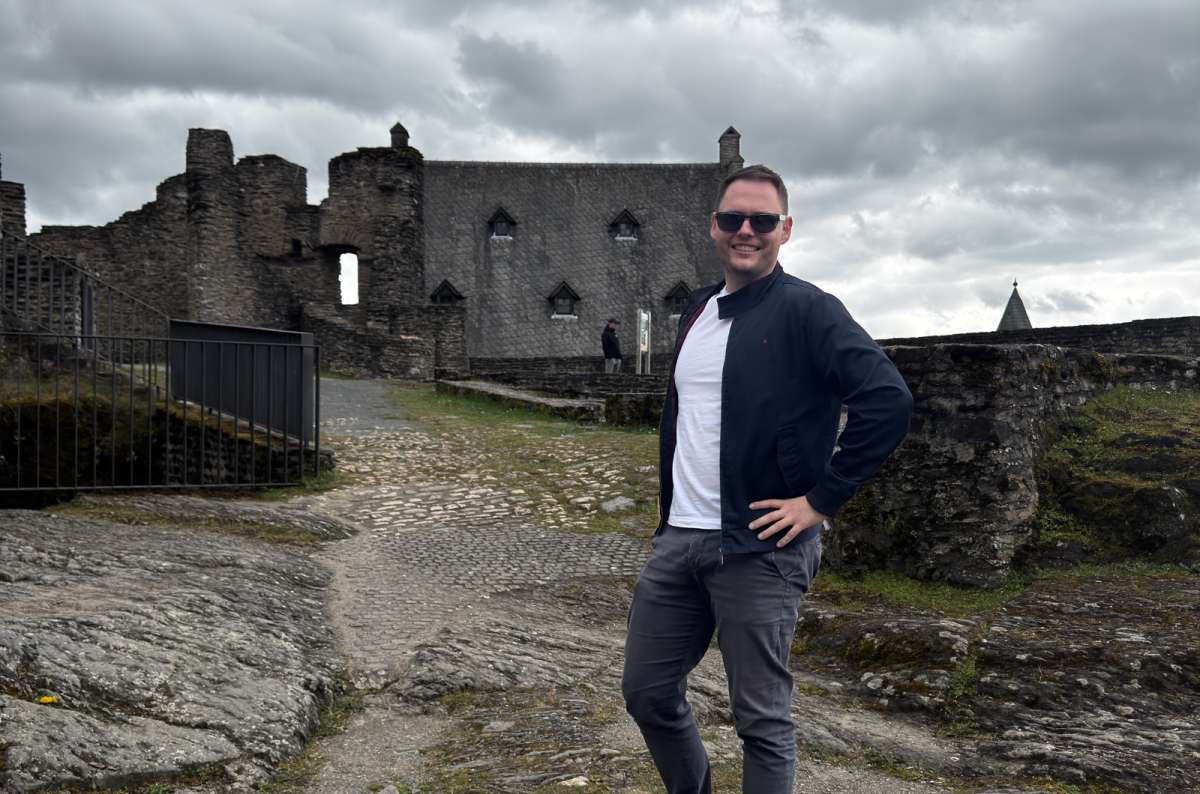
Luxembourg is not for everyone.
Good. That makes the decision easier.
Here are the people I would actively send there.
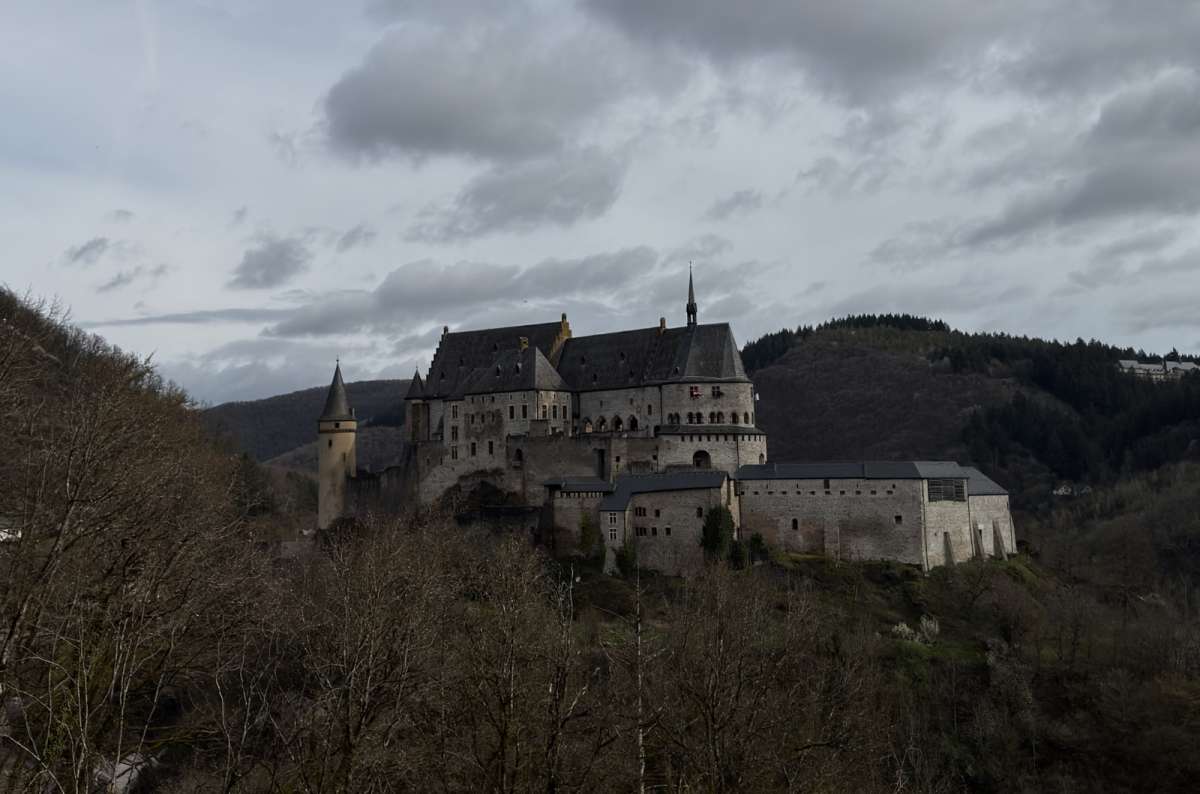
If castles are your thing, Luxembourg immediately becomes more interesting.
Vianden Castle was the clearest “yes, Luxembourg is worth it” moment for me. I was blown away by the location: high up on the rock, with the town below and that brutal rocky landscape around it.
It has the proper castle-on-a-hill energy you want from a countryside day.
The exterior and setting are stronger than much of the interior, which is important to know. I thought Vianden was superb from the outside and only okayish inside unless you use the audio guide.
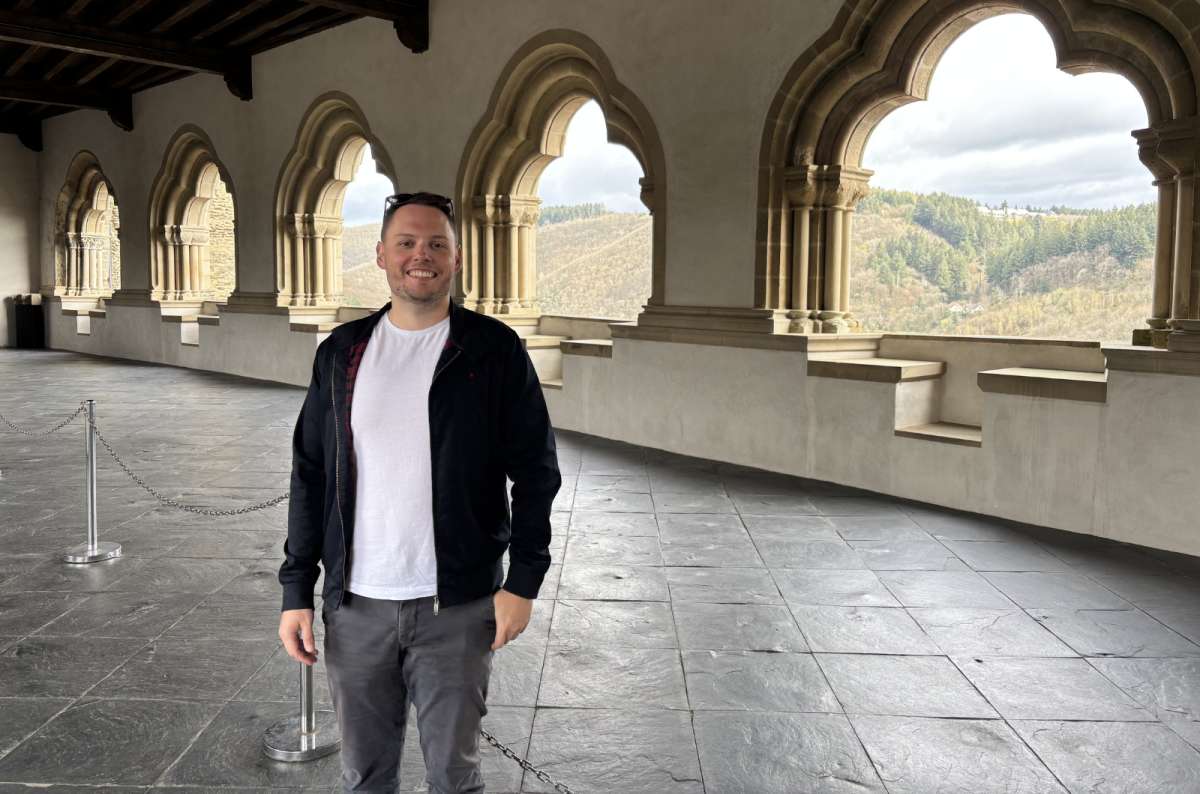
Without the audio guide, parts of the interior risk feeling pretty meh.
With the audio guide, it makes much more sense. I liked that the tour was fairly foolproof—you generally just follow the numbers. Castles should not require detective work unless that is the whole concept.
I also liked the monumental gallery because I do not remember seeing a room quite like that in many other castles. And when I visited, there was a special exhibition dedicated to Easter eggs, which was oddly enjoyable. Not what I expected in a castle, but fine, Luxembourg was already surprising me.
Still, the best part of Vianden is not really inside.
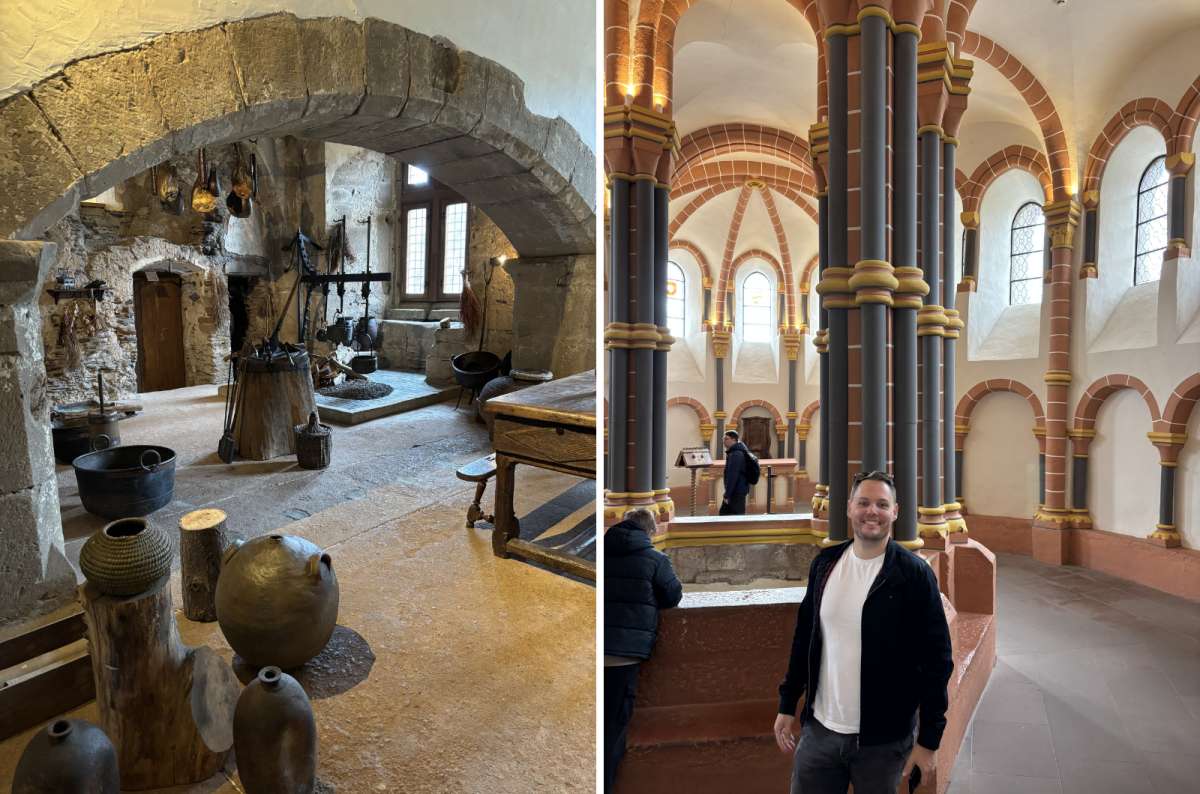
It is the exterior, the viewpoints, the rock, the town below, and the overall setting. The town itself did not feel that special to me. It is pleasant, but it is all about the castle viewpoints.
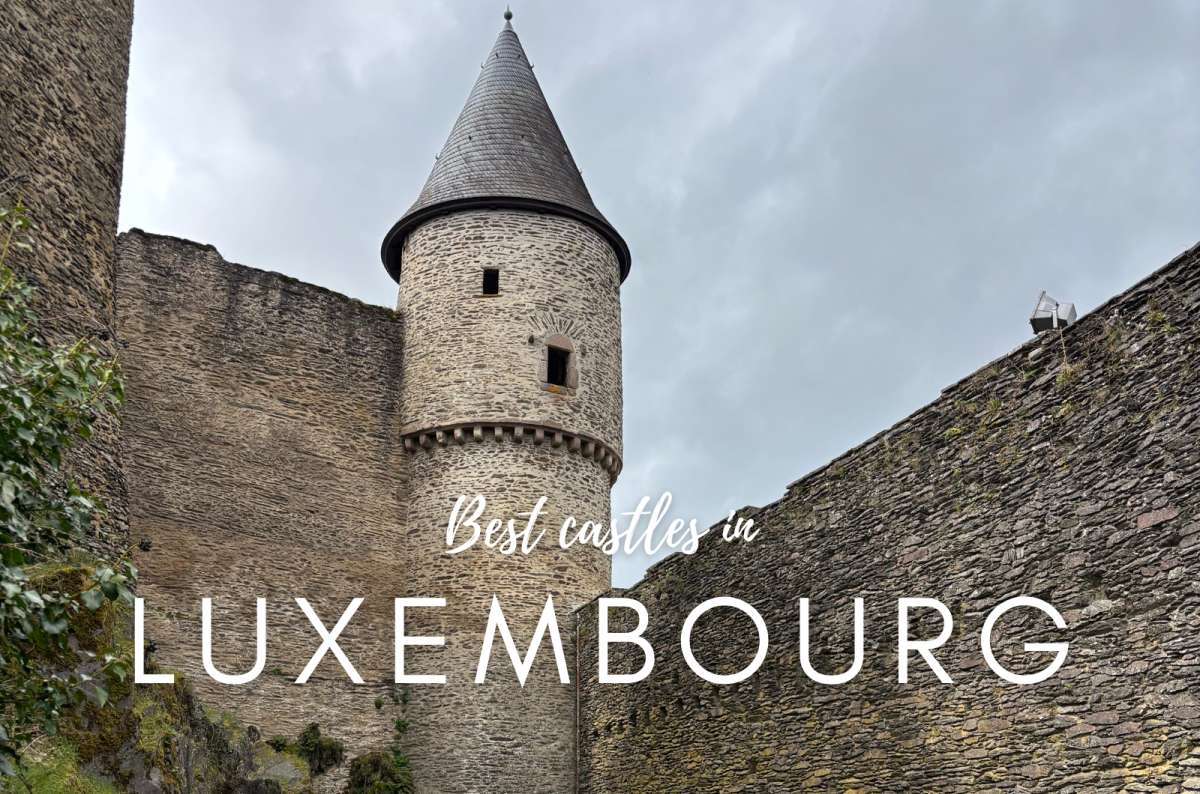
Bourscheid is a good add-on if it fits your route, but I would not put it on the same level as Vianden for first-time wow-factor. I liked Bourscheid, but I would visit mainly if I happened to be nearby and had a spare hour.
Vianden is the castle fantasy. Bourscheid is the “nice if you are already nearby” castle.
Use my Vianden Castle Guide and my guide to the best castles in Luxembourg if castles are the main reason you are considering the country.
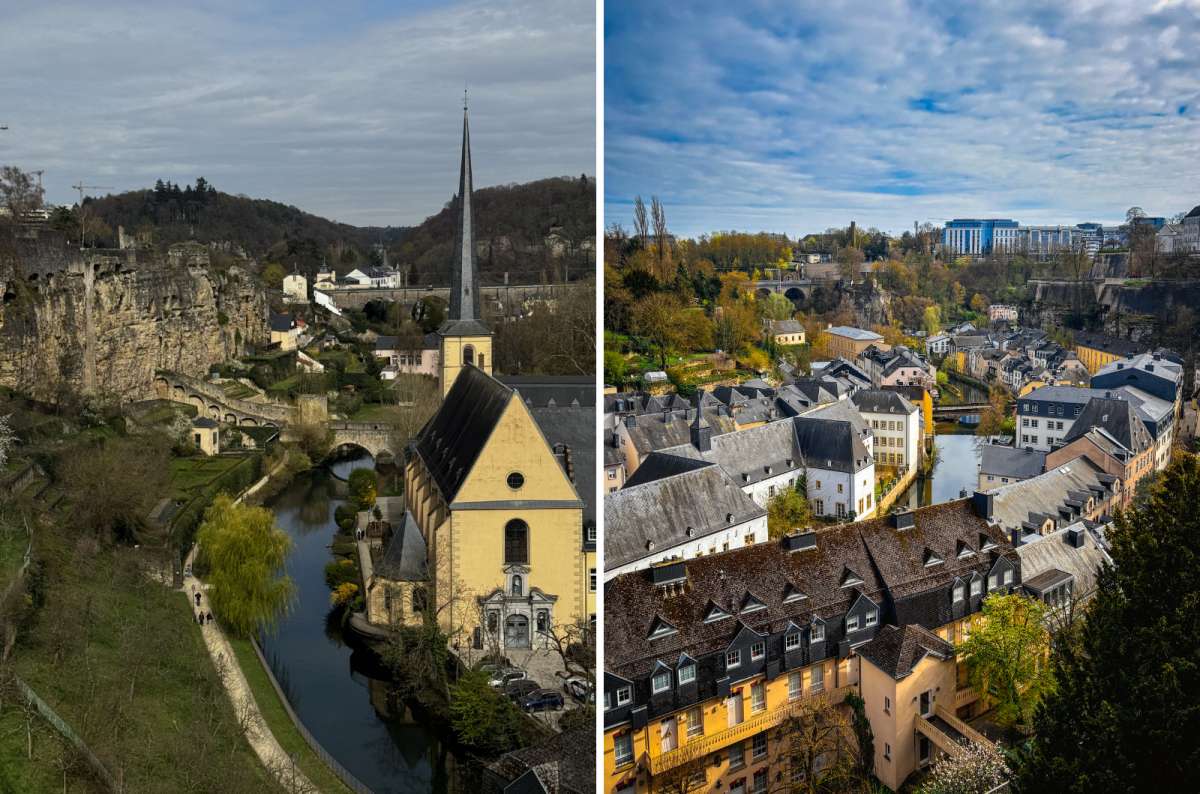
Luxembourg City is worth visiting if you like cities that reveal themselves through views.
I did not think the capital worked best as a flat old-town checklist. It works vertically: upper city, lower city, bridges, river, cliffs, fortifications, and viewpoints.
Once I understood that, I liked it much more.
The strongest city cluster is Corniche, Grund, the Alzette Valley, bridge viewpoints, Pfaffenthal / Duchess Charlotte Bridge if it fits, and Musée Dräi Eechelen / Fort Thüngen for fortress context.
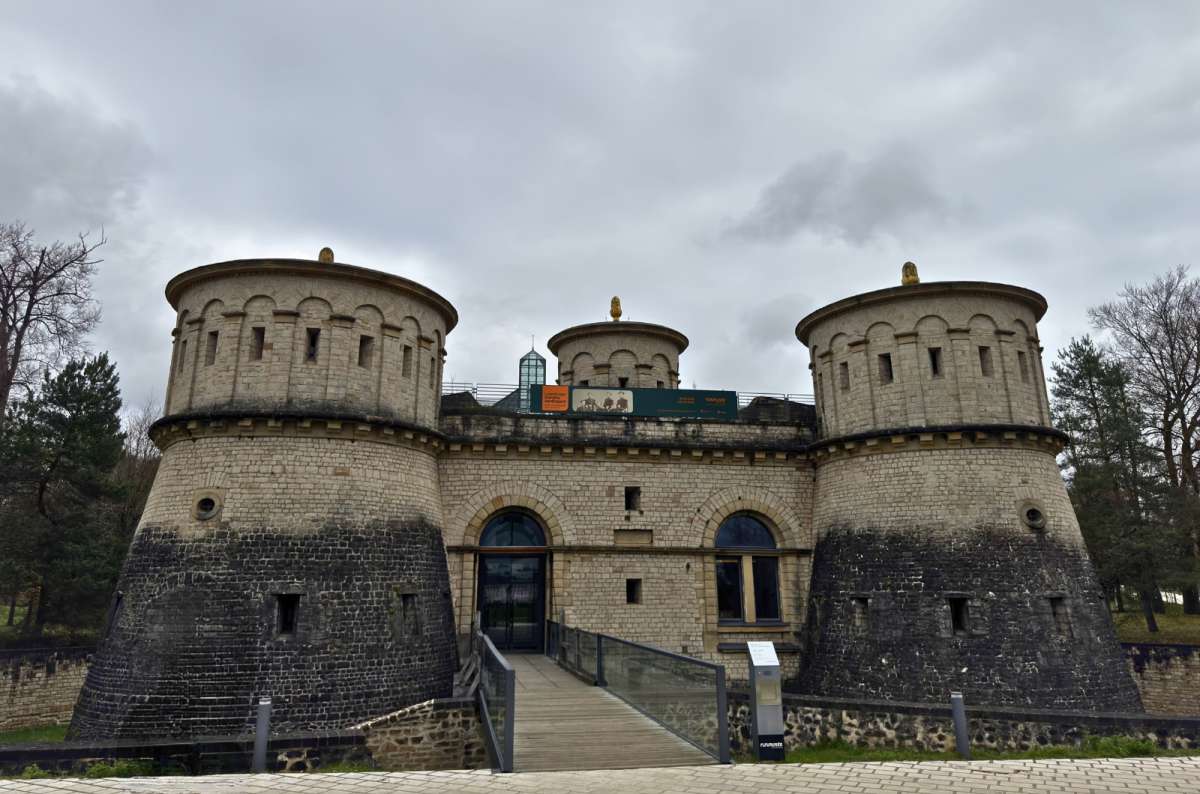
This is where Luxembourg City becomes beautiful. Not in the generic “cute old town” way. More in the “oh, the whole city is built over a valley and suddenly makes sense” way.
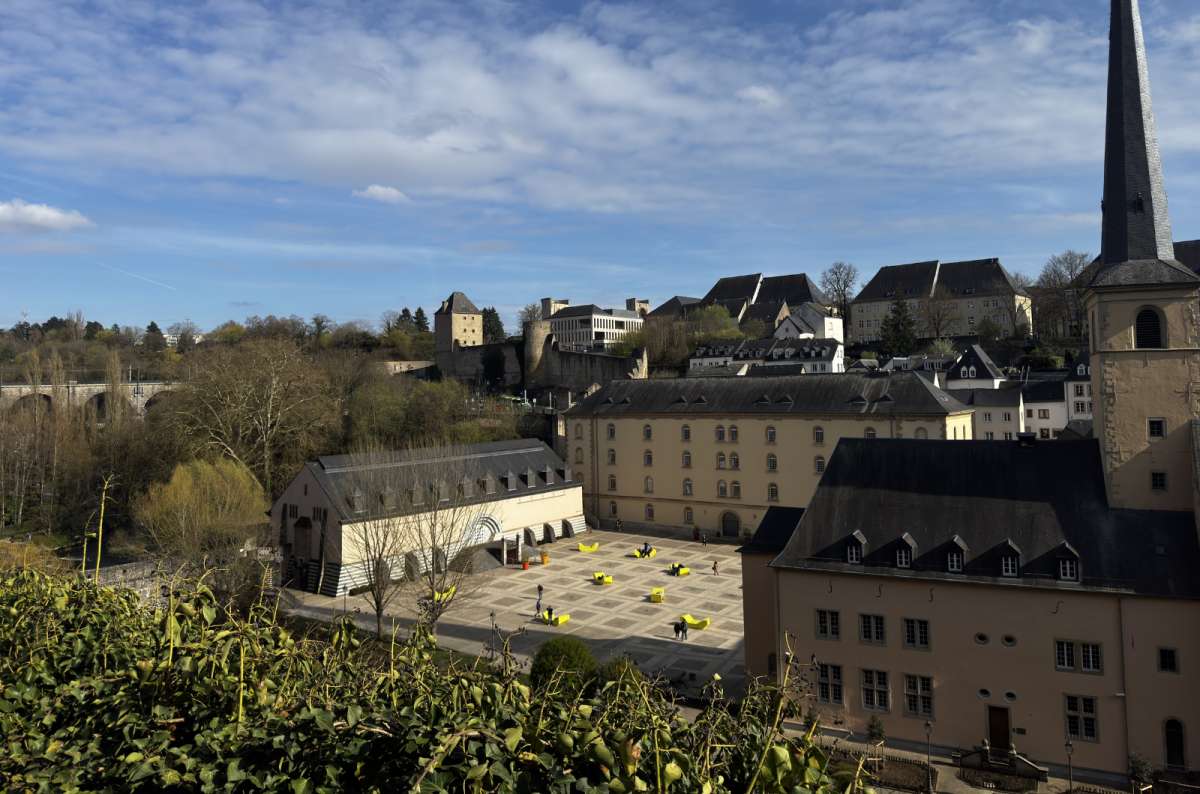
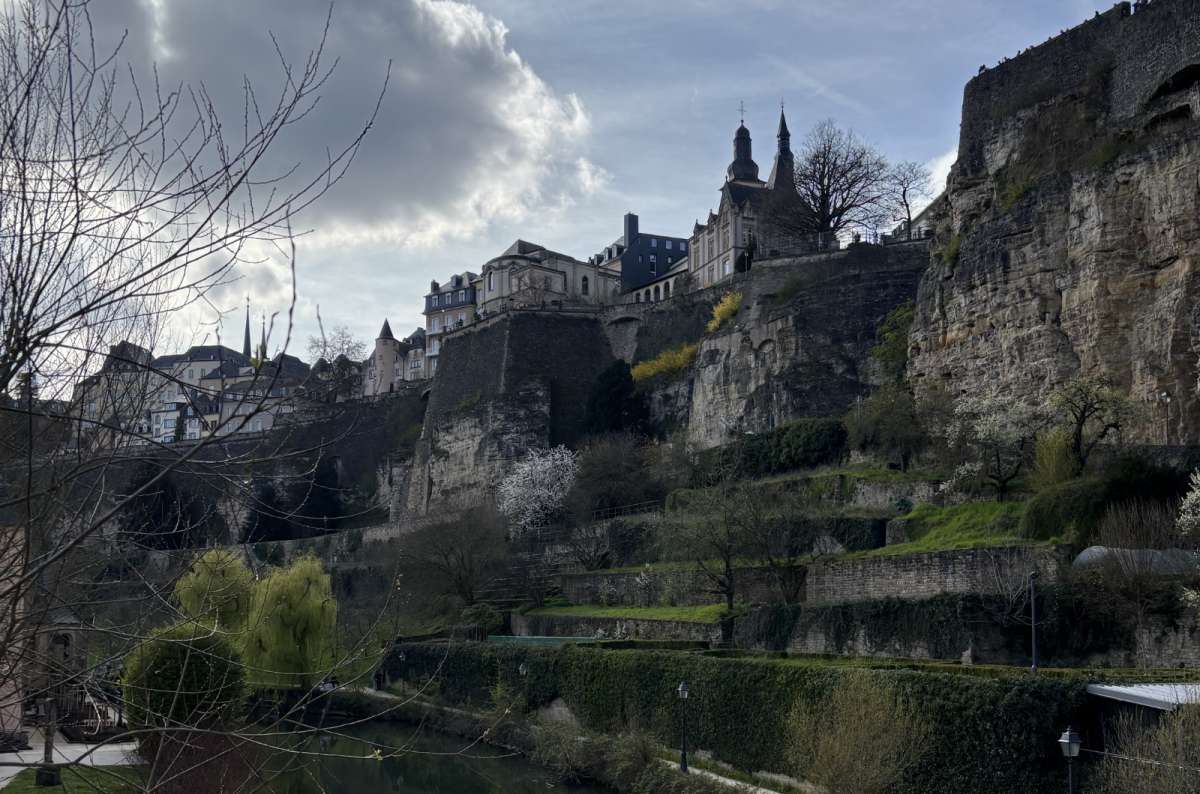
I really liked the Grund and Corniche corridor. With the rock, the abbey, the bridge over the river, and the modern skyline behind it, this was the part where Luxembourg finally felt properly scenic to me.
I also liked how the city is leveled for walking and very hilly for looking.
Best of both worlds, apparently.
If you only wander around central squares, you may leave wondering what the fuss was about. I would not judge Luxembourg City from Place d’Armes. That is like judging a person’s personality from their email signature.
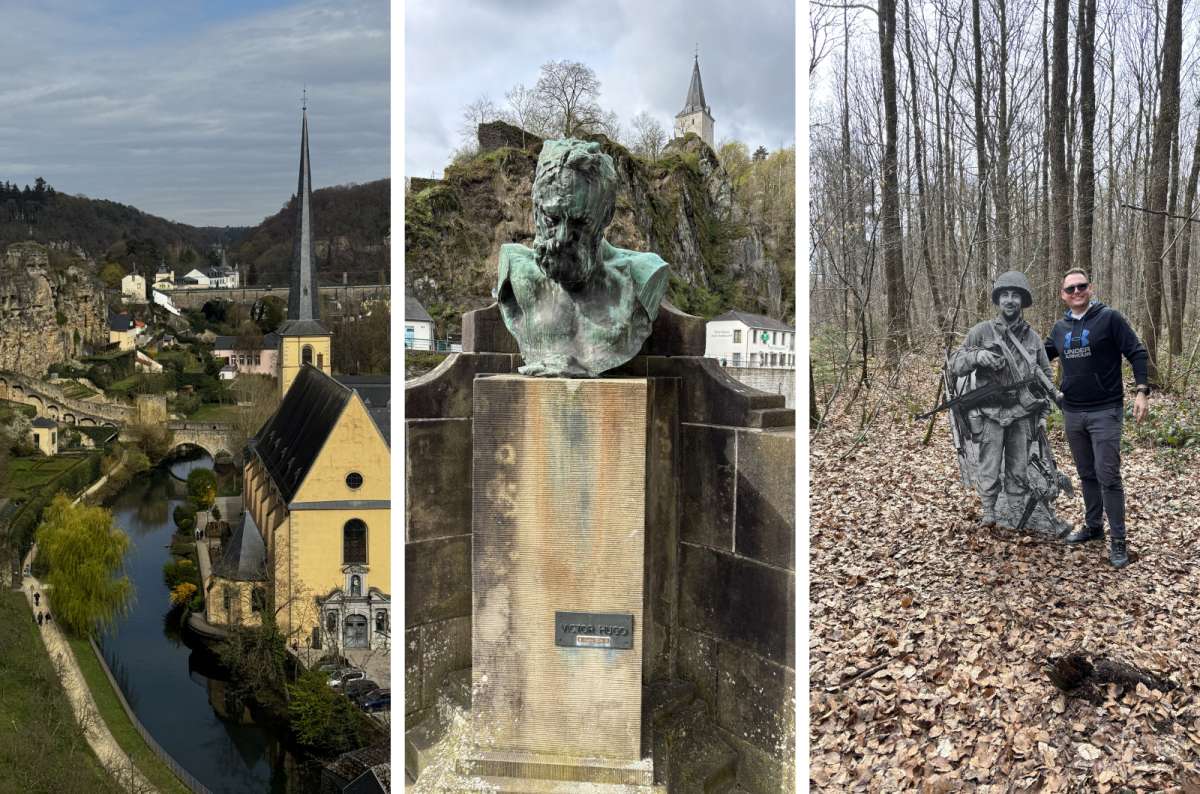
Luxembourg is excellent for people who like compact route planning.
I really liked that many attractions in Luxembourg are quick to visit. You can cover a lot of land during one trip without feeling like every stop needs half a day.
That is the country’s strength. Not one giant attraction. Density, variety, and efficiency.
A good Luxembourg road trip can combine Luxembourg City viewpoints, the City History Museum, Vianden Castle, Schumannseck Memorial Trail, Bourscheid Castle, Mullerthal, Burfelt or Upper Sûre, scenic drives, and short viewpoint stops.
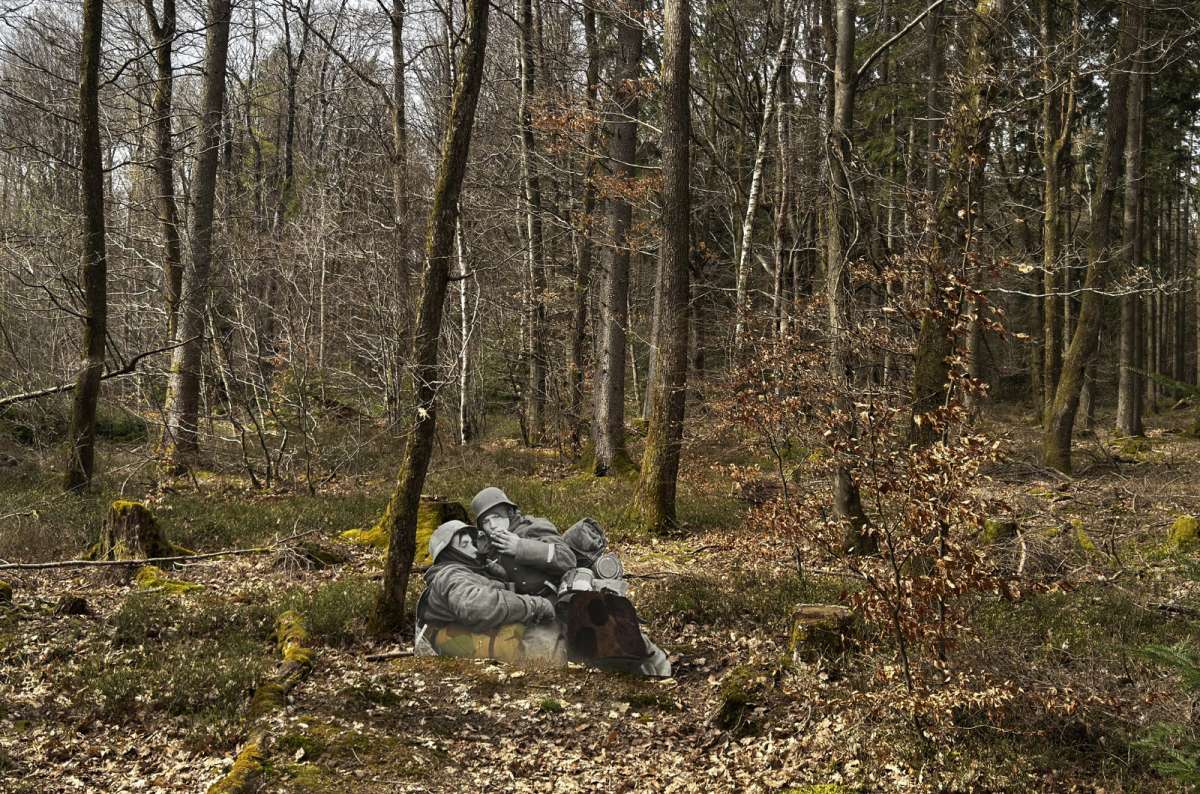
I found this satisfying because the country does not waste your time with massive distances. The danger is the opposite: everything looks so close that you start adding too much.
That is how Luxembourg gets you.
You do not need heroic driving days. You need good sequencing.
That sounds boring until you realize how many European trips are secretly ruined by bad sequencing.
Use my 5-day Luxembourg itinerary if you want the country to feel varied instead of just small.
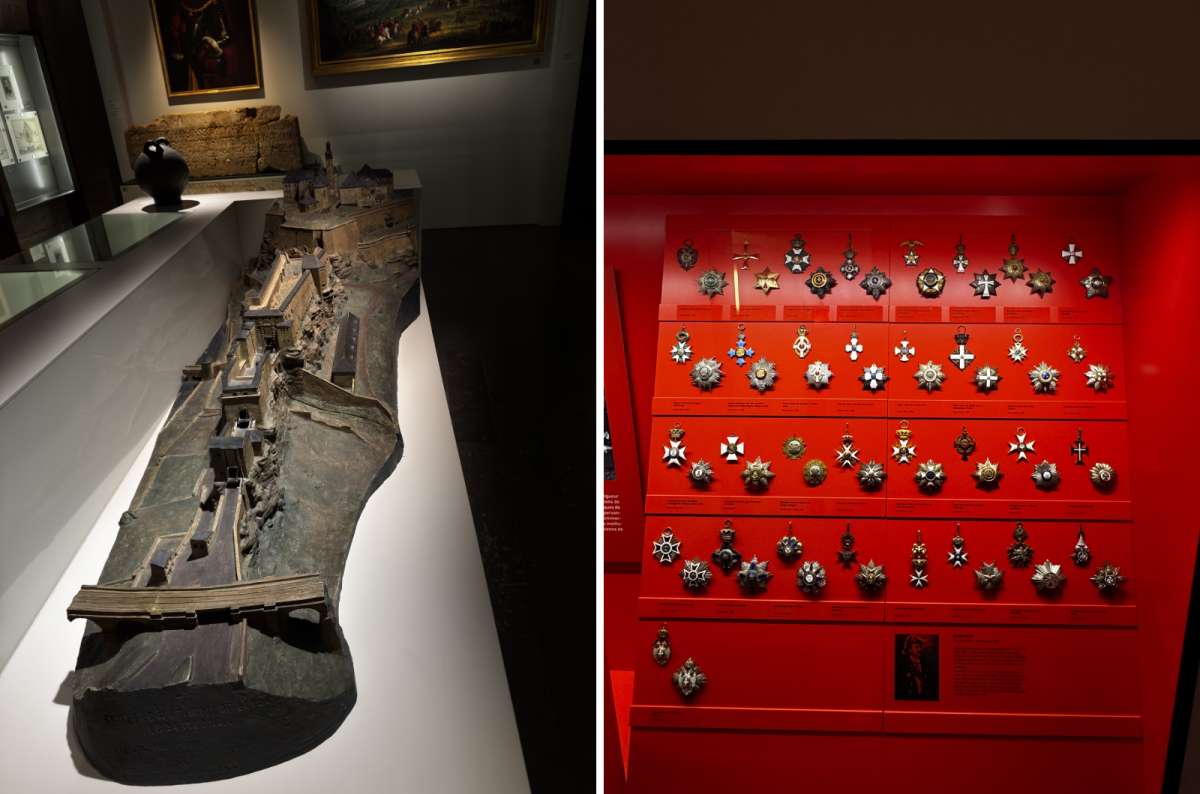
Luxembourg has better museums than I expected.
The Lëtzebuerg City Museum was the best museum in Luxembourg City for me. I liked it because it actually explained the city. Population, ordinary life, city development, fortifications, models, infographics—basically all the things I want from a city museum.
Give me city models and useful diagrams over vague “immersive journeys” any day.
I also liked that everything was in English. After visiting other museums where the English information was weaker or missing, that felt like a small miracle.
The wooden models showing the size of the city in different eras were probably my favorite part. I love this type of museum about ordinary lives and city development because it tells you far more about a place than another room full of generic objects.
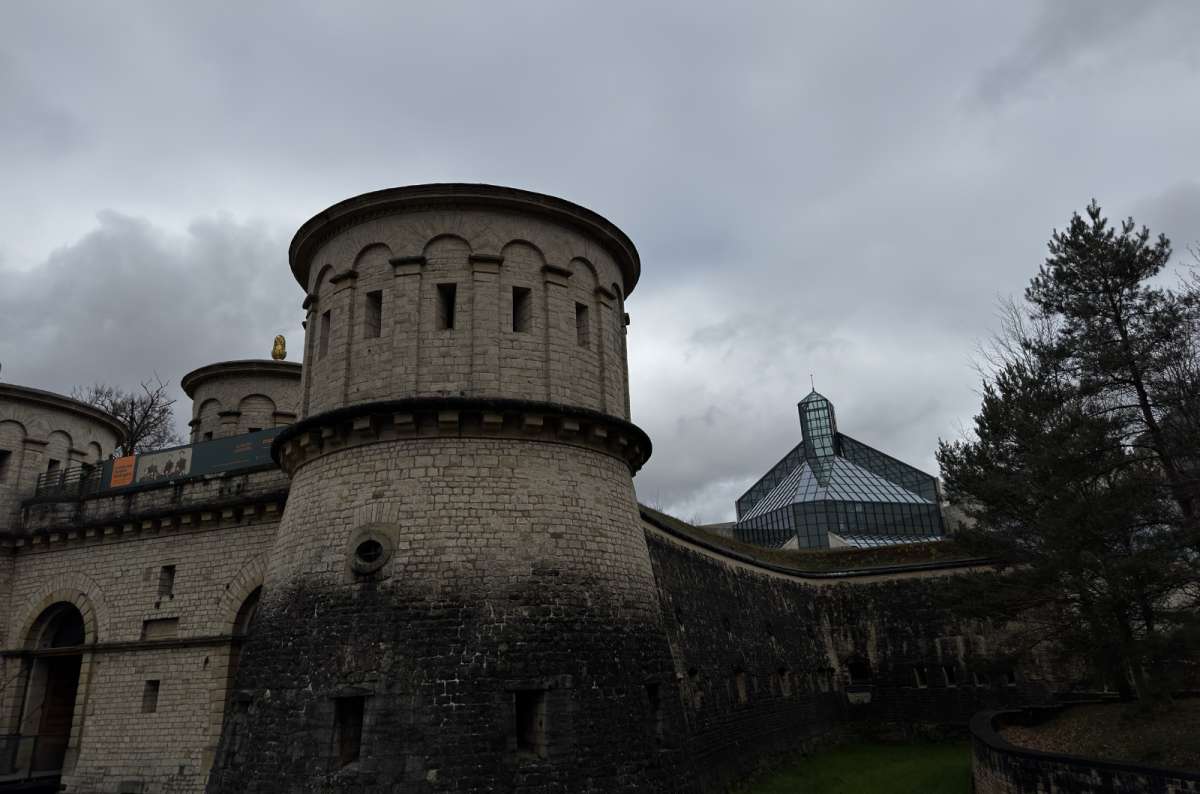
I was also surprised by how naturally the City History Museum connected with Musée Dräi Eechelen. By coincidence, I visited them in a sequence that made sense, and the topics almost continued from one to the other.
Musée Dräi Eechelen / Fort Thüngen was worthwhile because it helped me understand that Luxembourg City was basically a giant fortress, not just a capital with pretty viewpoints.
Until that visit, I had not fully realized how much of the city’s shape was tied to defense.
These museums are not just rainy-day filler. They make the city better.
That should not be rare, but here we are.
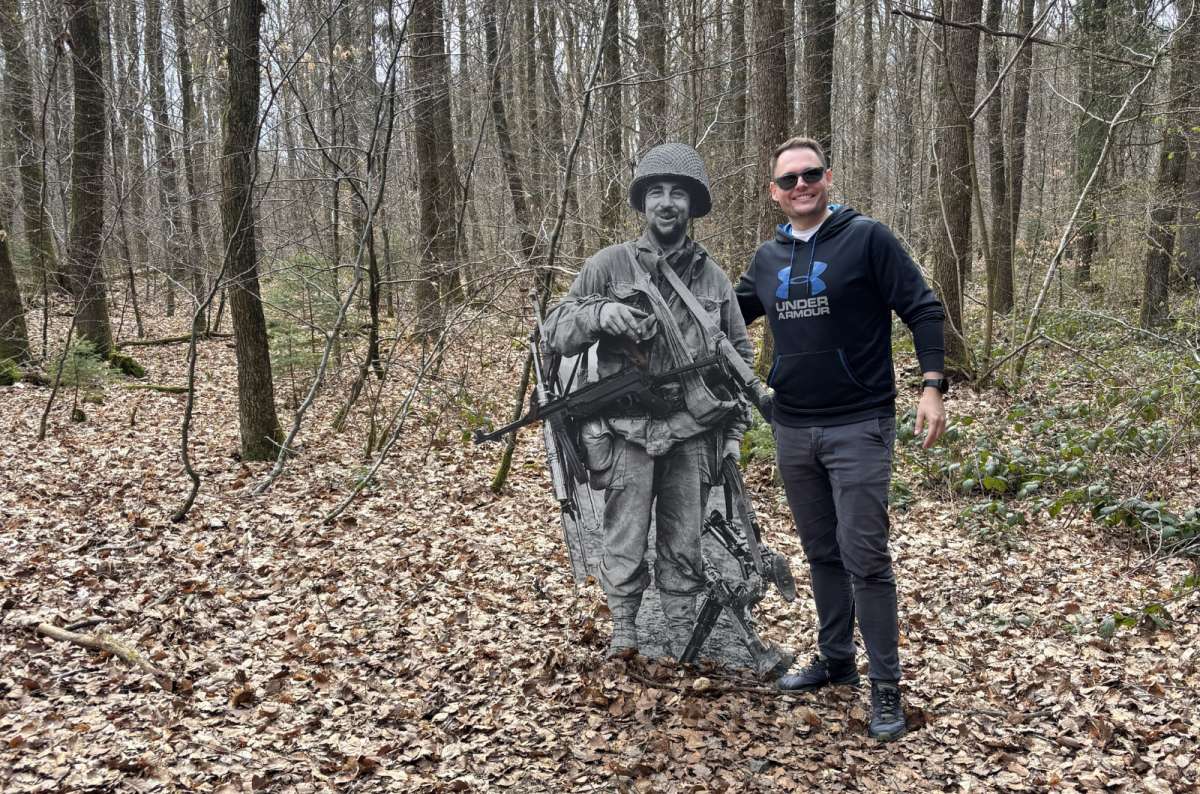
If you care about WWII history, Luxembourg is more interesting than many quick guides suggest.
Schumannseck Memorial Trail was one of the strongest surprises of my trip. I expected a memorial trail. I did not expect it to be one of the most interestingly curated educational trails I have visited.
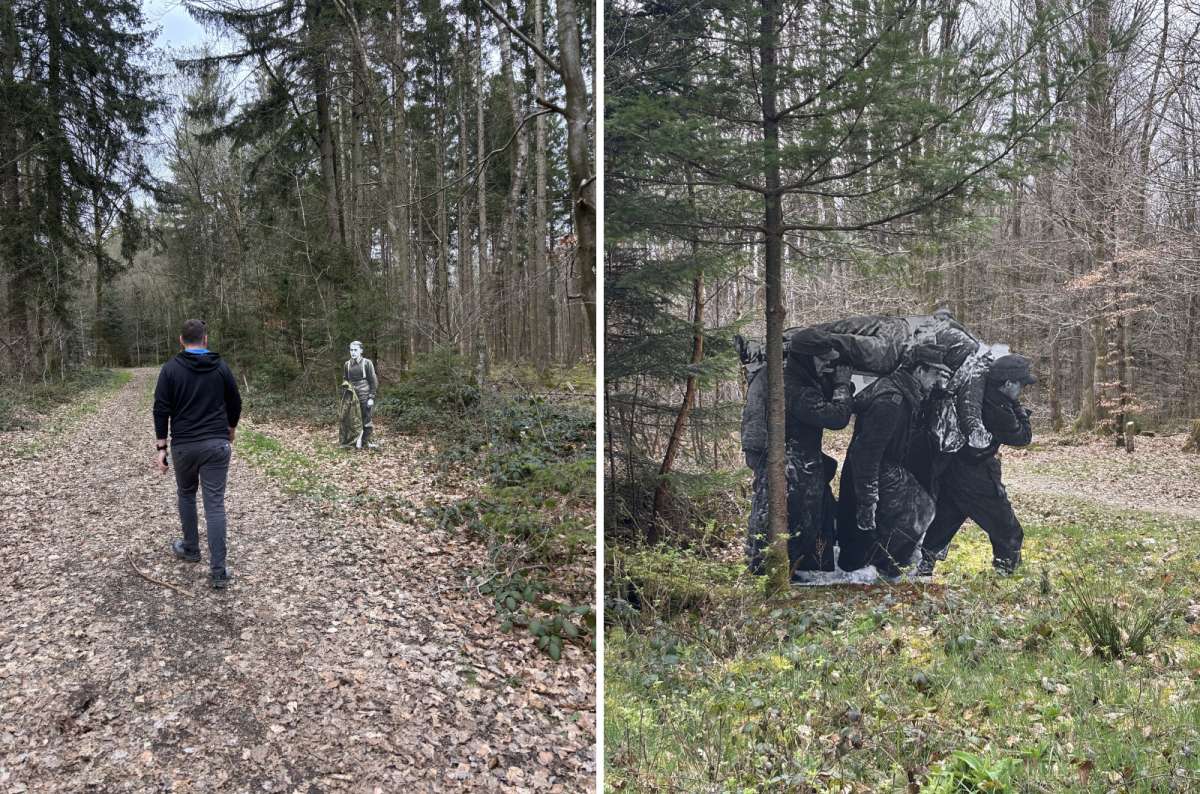
It is not just a forest with a few signs. It is a short, story-driven trail on an actual Battle of the Bulge battlefield, with photographs, front-line context, visible remnants of trenches, traces of shelling, and a strong sense of place.
The whole visit took us about an hour, and it felt much more original than many memorial stops.
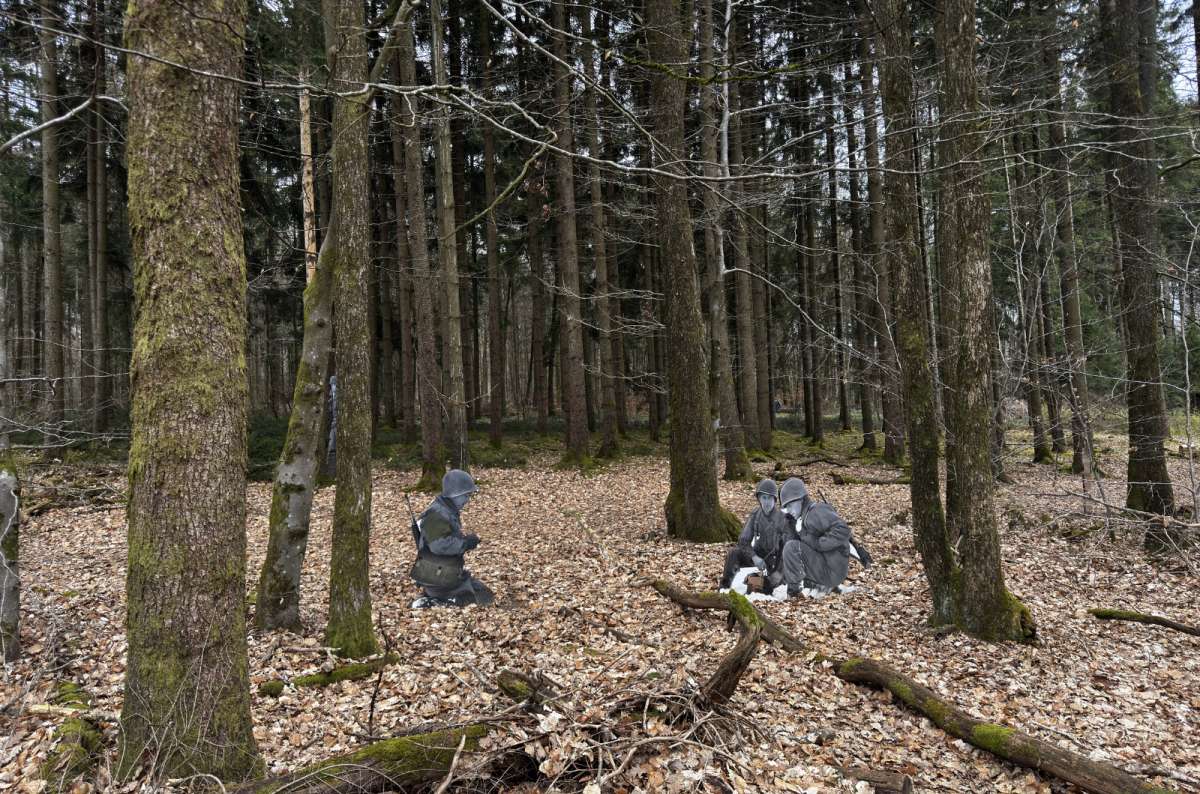
I especially liked how the stories of both sides were presented and how the front lines were shown. The trailhead had a lot of information, and the photographs made the whole route easier to understand.
The only thing I did not love was the signposting. It could be better. At some points, I felt the trail expected me to be more confident than I actually was.
Still, this is one of those places that makes Luxembourg feel more layered than “city + castle.”
It is not flashy. It is not trying to be. That is partly why it works.
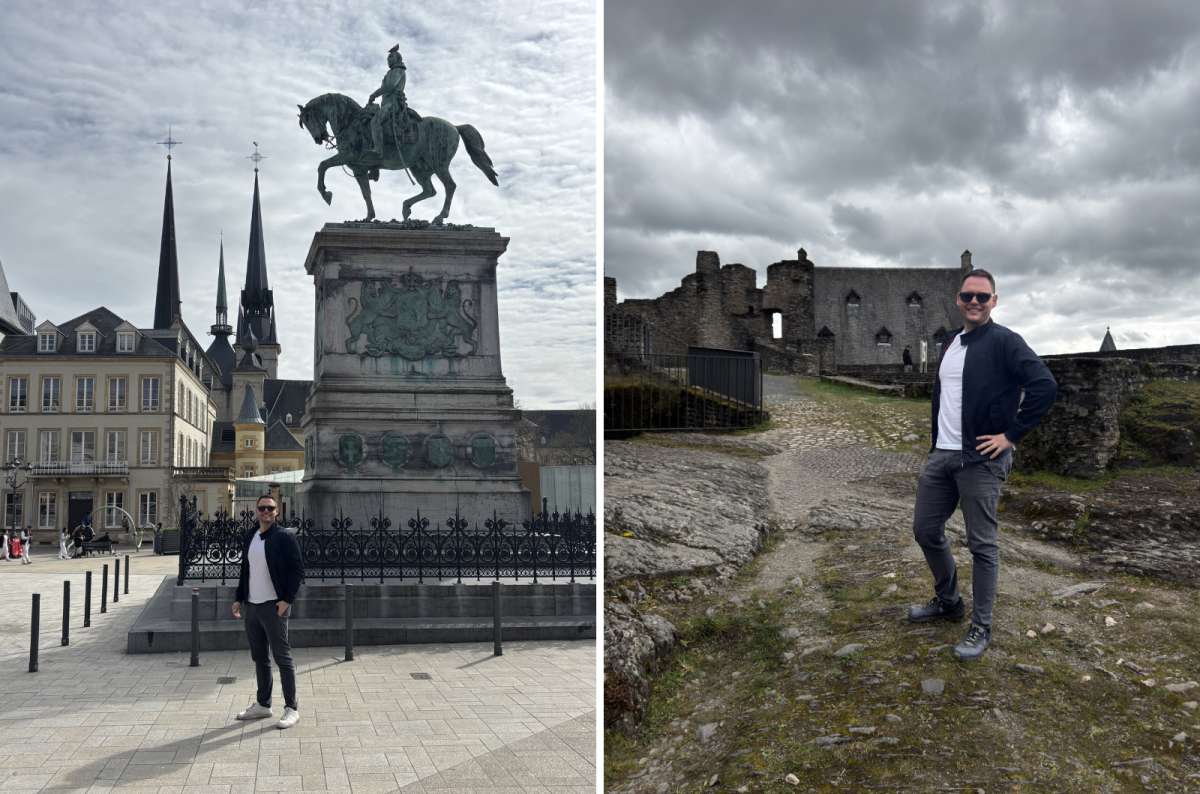
Luxembourg is good for people who enjoy small countries that work efficiently.
I like small countries when they still give you variety, and Luxembourg does that better than I expected. You can see a modern capital, valley viewpoints, castles, forests, memorial trails, museums, and countryside scenery without massive drives.
I also found the country itself interesting because it feels so clearly shaped by geography and neighbors. It sits between France and Germany, has this fortress-heavy history, and today promotes itself as a European tax, banking, investor, and court-system hub.
That sounds dry. It sometimes feels dry.
But when you combine that with the castles, valleys, and small-country efficiency, it becomes more interesting than it sounds.
If you need every day to be grand, dramatic, and world-famous, maybe not.
Luxembourg is small enough to see efficiently and just interesting enough to punish lazy planning.
This is the part most destination articles avoid because they are too busy pretending every place is a universal miracle.
Luxembourg may disappoint you if you want the wrong thing from it.
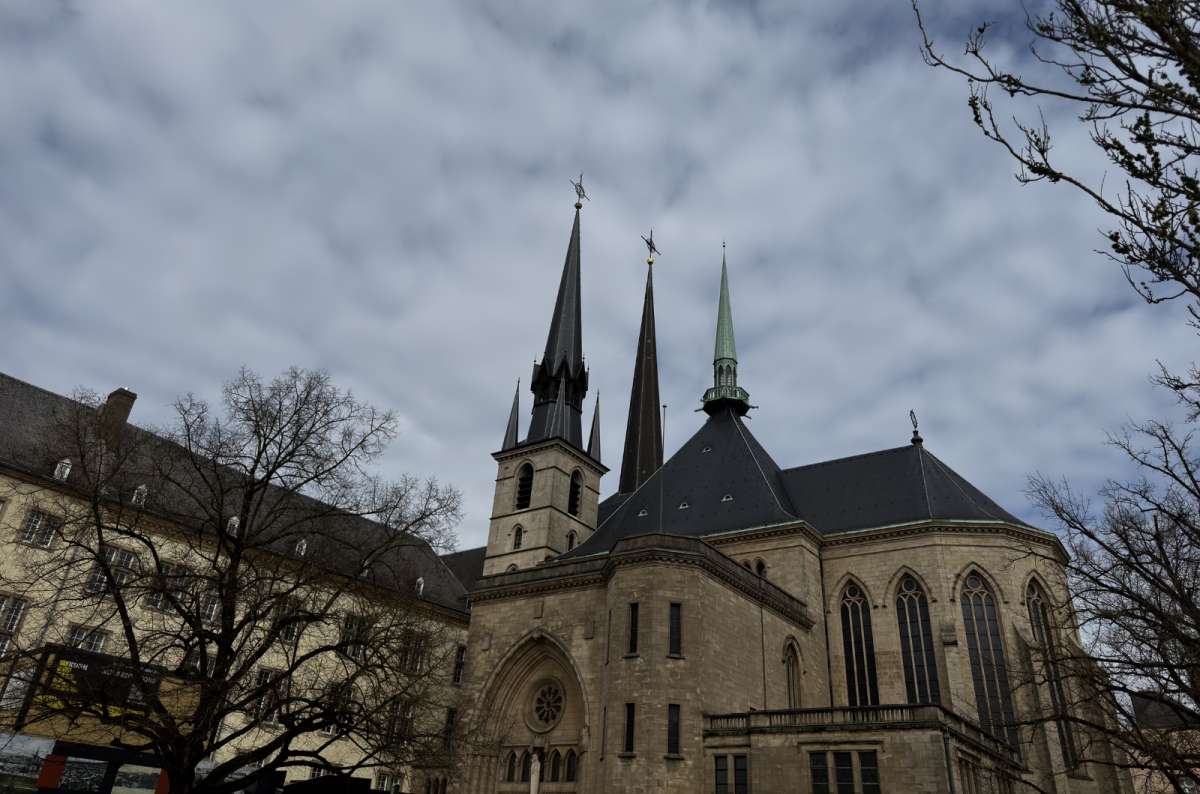
I would not make Luxembourg someone’s first and only Europe trip.
Luxembourg does not have the attraction density of Paris, Rome, London, Florence, Vienna, or Barcelona.
It does not have one huge landmark that defines the whole trip. It does not overwhelm you with art, architecture, food, nightlife, and major museums at every corner.
Luxembourg is more subtle.
That can be a strength, but only if you are not expecting it to behave like a giant European capital.
If this is your first and only Europe trip, I would usually put Luxembourg behind the obvious heavyweights. Not because Luxembourg is bad. Because the competition is absurd.
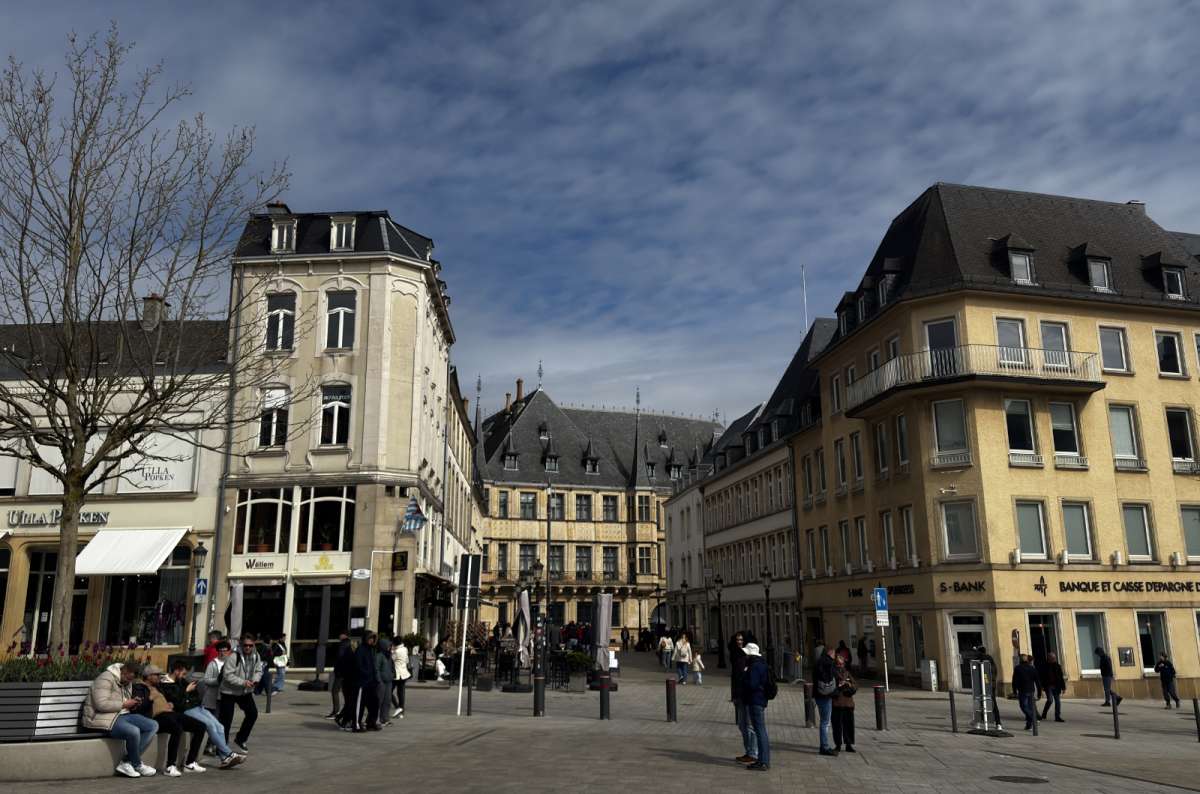
Luxembourg City is worth visiting, but I would not make it a long city-only trip.
For exterior sightseeing alone, Luxembourg City is compact. One day gives you the main scenic route. Two days gives you museums, fortress context, and a slower pace.
Four or five days only in the city?
I would not do that.
I found the city center quite compact, and if you only want to see the outside of the main sights, you can move through a lot surprisingly fast. Two hours would be rushed even for me, but it gives you an idea: this is not a city that needs endless exterior wandering.
The city is strongest when it leads into the rest of the country.

Luxembourg is not where I would go for a cheap Europe trip.
I loved that public transport is free. That is genuinely cool and makes travel around the city much easier.
But hotels and restaurants can still hurt. Luxembourg is wealthy, and it often prices itself like it knows.
The value is good if you plan well. It is not a bargain destination.
I would use free transport, focus on free viewpoints, choose museums carefully, and avoid paying for famous attractions you only half care about.
Use my guide to whether Luxembourg is expensive if cost is a major decision point.
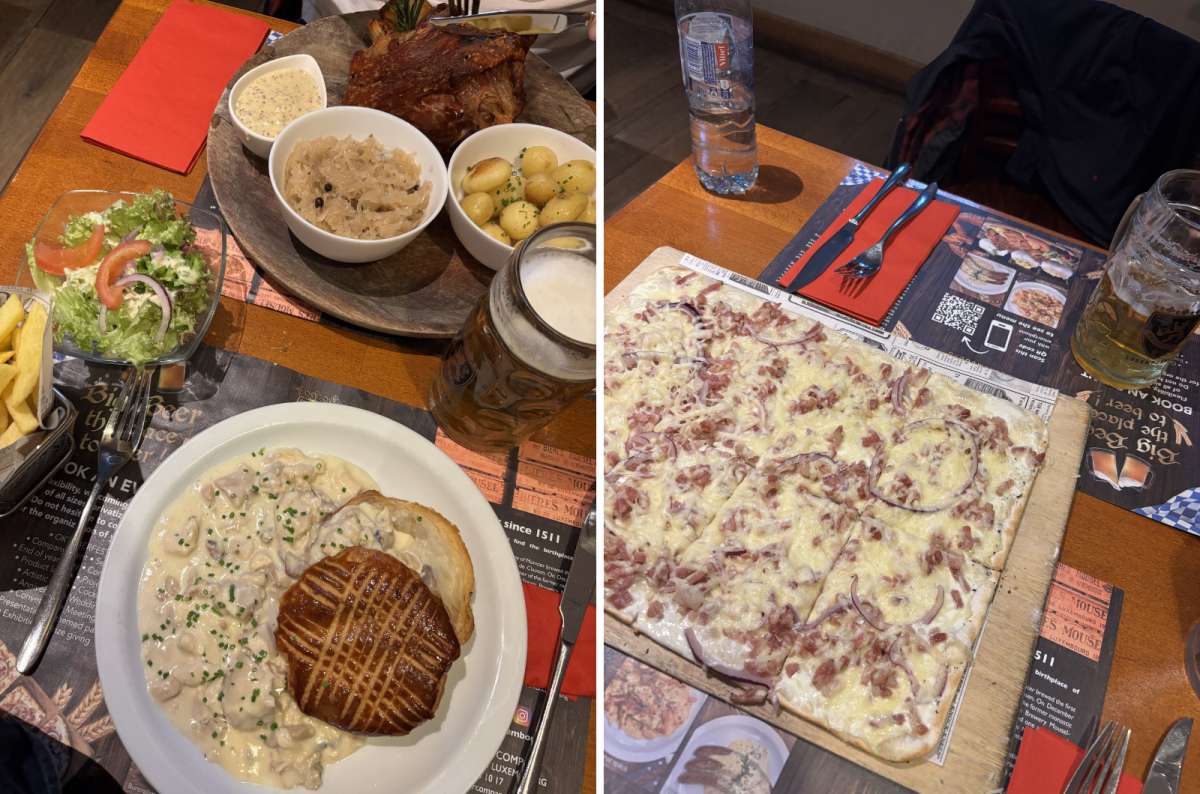
Food was fine. Restaurants were fine. I did not come away thinking Luxembourg was a food destination.
For dinner, I went to places like Beer Company and Café Um Dierfgen, and both were fine. But honestly, from what I saw, you will probably do exactly as fine with many other restaurants in Luxembourg.
That is not an insult. It is just not the reason I would tell someone to go.
I also found the food more German than French, which surprised me a little. My best description of Luxembourg remains: Belgium, where they eat German food and speak French.
Deeply scientific, obviously.
If your main travel motivation is eating your way through a country, I would not put Luxembourg above Belgium, France, Italy, Spain, or basically half of Europe.
Luxembourg food is part of the trip.
It is not the reason I would tell you to go.
This is not Bologna, where lunch is basically the destination strategy.
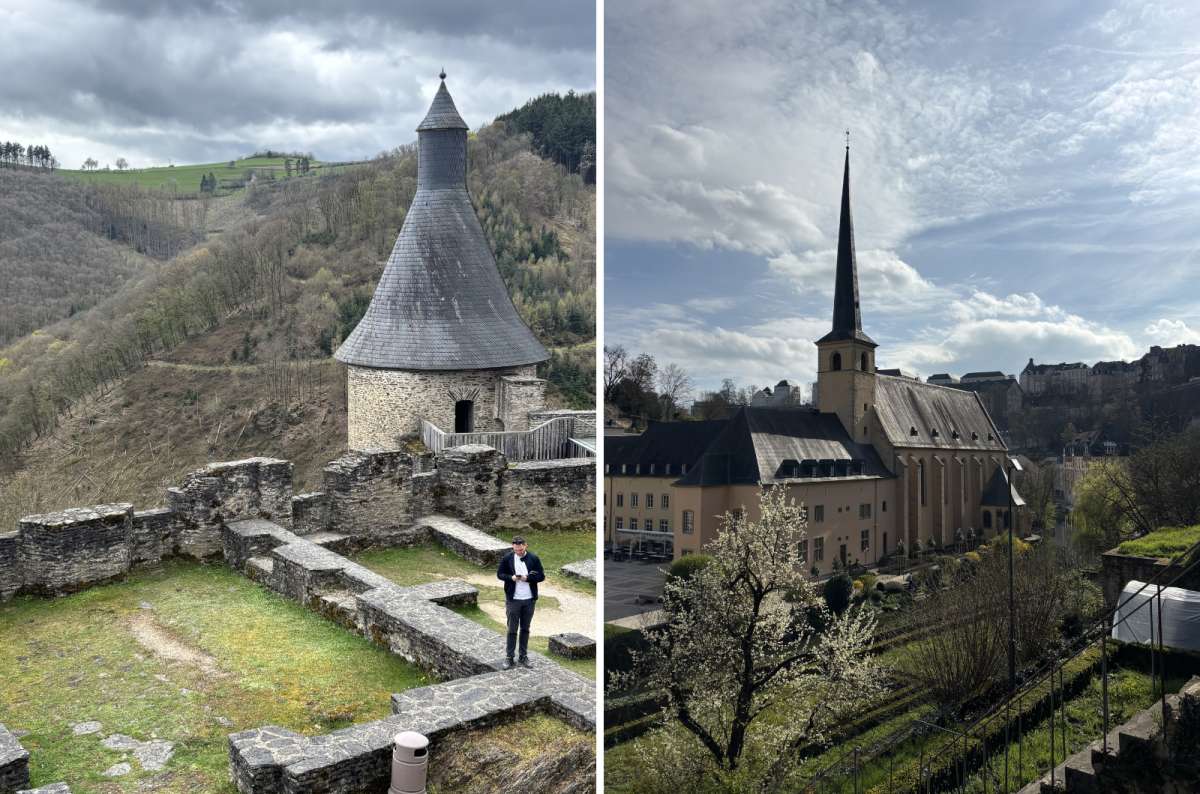
Luxembourg is not built around one viral landmark.
The best experiences are often routes and combinations: Corniche plus Grund, Vianden plus viewpoints, Schumannseck plus northern scenery, Pfaffenthal plus Dräi Eechelen, city walks plus museums.
If your travel style is “show me the biggest landmark and the most famous square,” Luxembourg may feel underwhelming.
If your travel style is “give me a scenic route, a castle on a rock, a weirdly efficient country, and some good museums,” Luxembourg starts making much more sense.
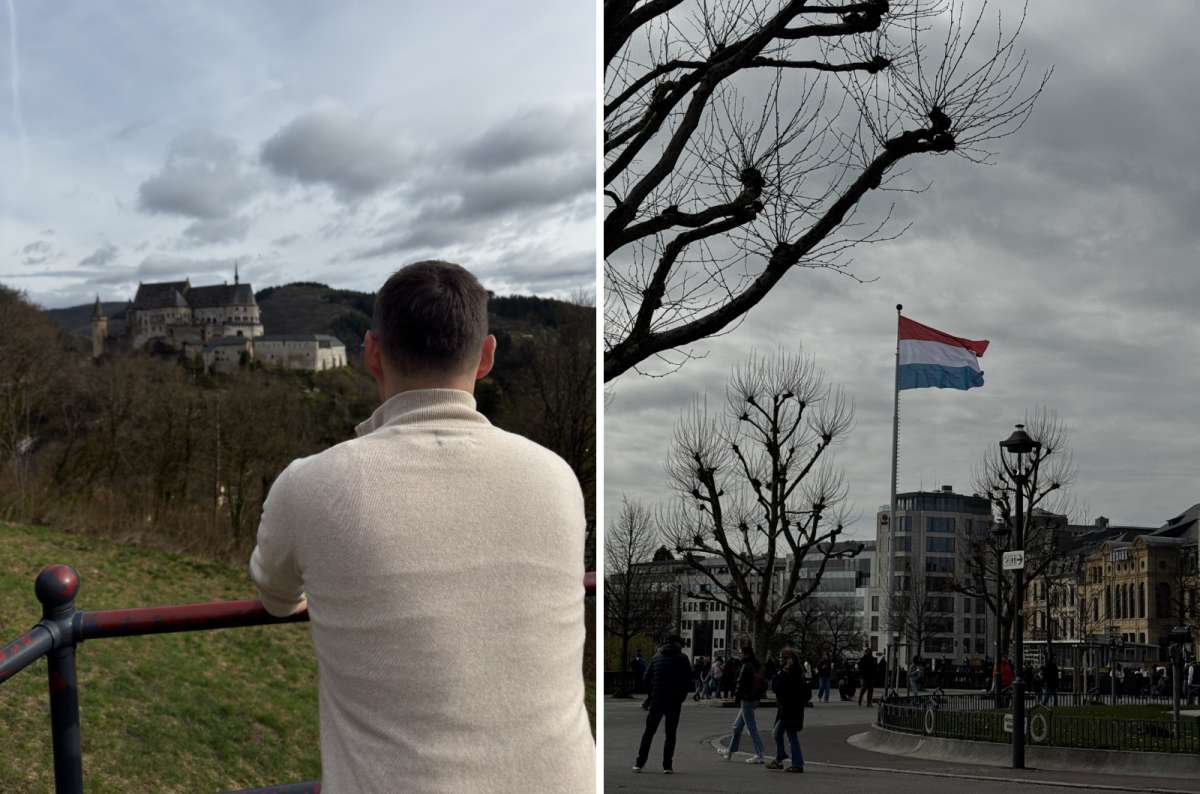
Luxembourg is small, wealthy, tidy, scenic in specific places, and more interesting when you stop expecting it to behave like a mini version of France or Germany.
Luxembourg City can feel modern and administrative at first. There are official buildings, business energy, polished streets, and a very clear sense that this is a capital with institutions, money, and order.
I expected more old town and crooked houses. I got the modern center of European bureaucracy.
But then I reached the valley.
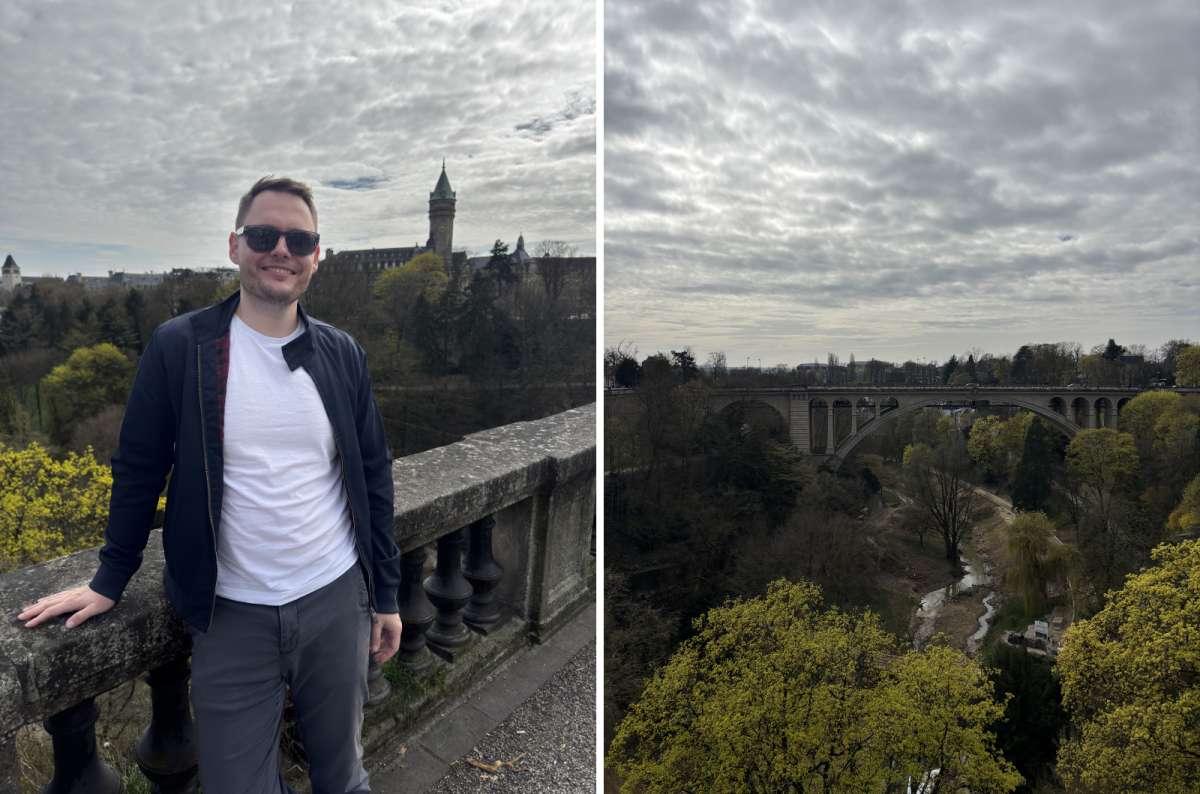
That is when the city started to make sense.
The country as a whole works through contrasts: upper city and lower city, fortress and bureaucracy, old walls and glass buildings, quiet countryside and surprisingly dramatic castles, tiny distances and real variety.
I also found Luxembourg visually strange in a good way. You can stand near old fortifications and look toward modern buildings. You can walk from a very official capital atmosphere into a valley that suddenly feels almost majestic, especially in afternoon spring sun.
Luxembourg is not loud. It does not beg for your attention.
You have to plan it well enough to let it work.

Go to Luxembourg if you want a compact European trip that feels different from the usual city-hopping route.
Go for the viewpoints. Go for Vianden. Go for the fortress history. Go for the short scenic drives. Go because you can combine a capital, a castle, a memorial trail, a museum, and countryside scenery without turning the trip into a logistical punishment.
I would not go expecting Florence-level beauty, Switzerland-level landscapes, or Paris-level cultural weight.
That is not Luxembourg’s game.
Luxembourg’s strength is that it is small, varied, and efficient. You can see a lot quickly, but only if you choose well.
Small does not mean boring.
Small means bad planning becomes obvious faster.
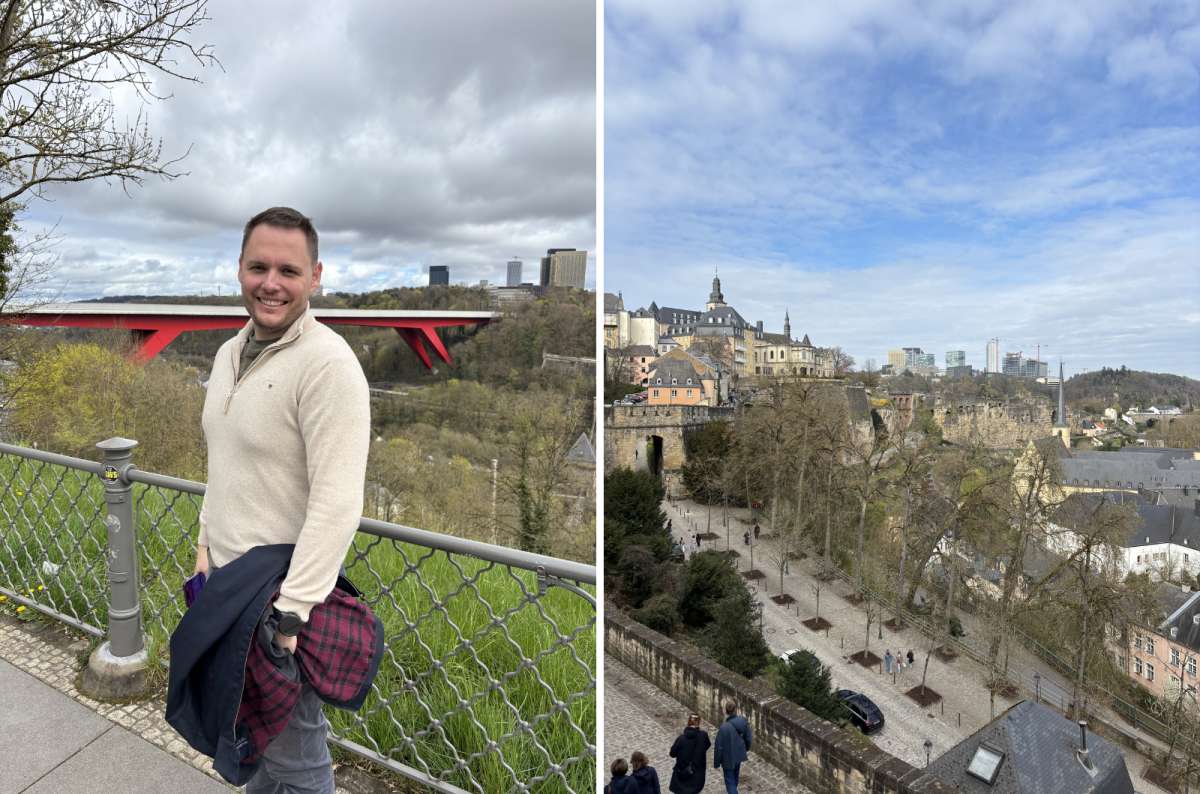
Luxembourg is prettier than I expected, but not always where I expected it.
The central squares did not do much for me. Place d’Armes was meh. Place Guillaume II was fine, spacious, almost pretty in the sun.
But those are not the reason to visit.
The scenic value is in Corniche, Grund, the Alzette Valley, bridge viewpoints, Vianden Castle, Bourscheid views if route-efficient, Mullerthal if nature is part of the trip, and Upper Sûre / Burfelt if nearby.
I especially liked the river and valley walk in Luxembourg City. It felt spacious and almost majestic in my afternoon spring sun. That was the moment when the city started winning me over.
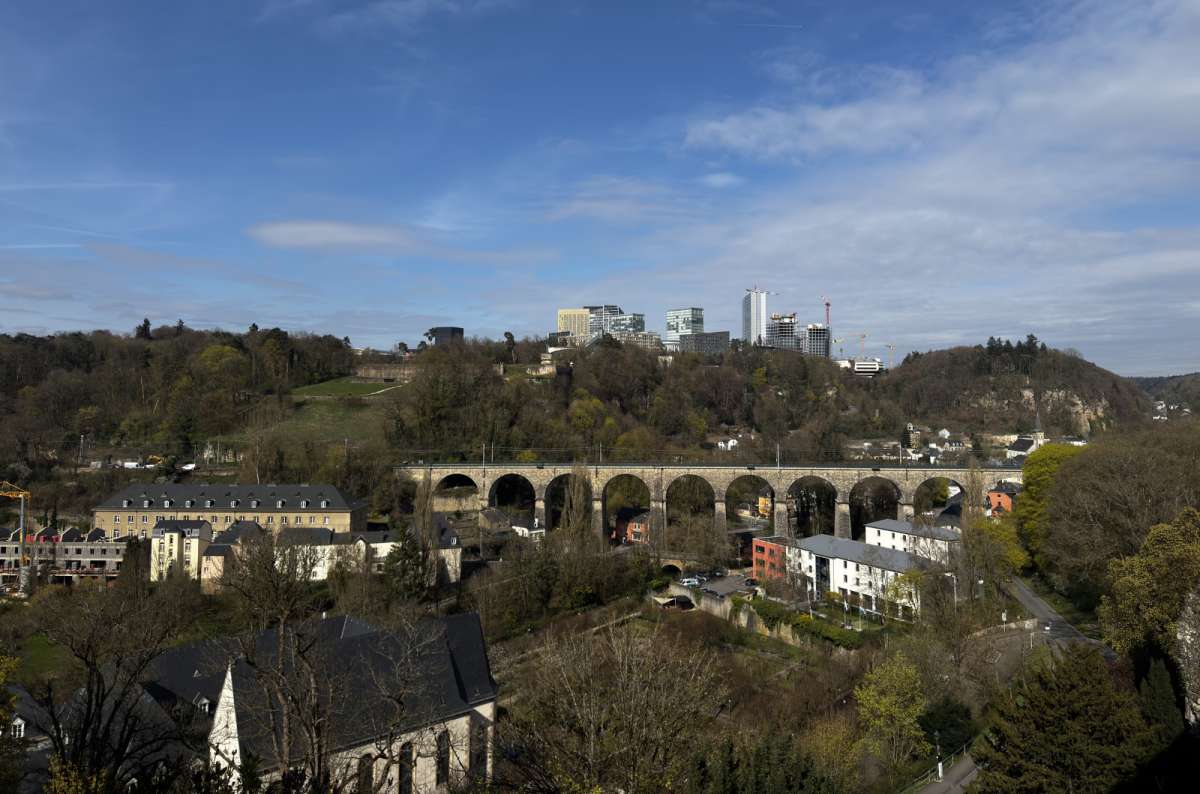
The railway bridges also create surprisingly good panoramas because the tracks cut neatly through the city and the Alzette Valley. I was not expecting railway infrastructure to help the views this much, but Luxembourg does enjoy being weirdly practical.
Luxembourg City became much more interesting once I stopped judging it as a classic old town and started following the valley.
The city is leveled for walking and very hilly for looking.
I know that sounds odd. It is also exactly right.
Use my guide to the best viewpoints in Luxembourg City if you want to understand why the capital works better from the edges than from the middle.
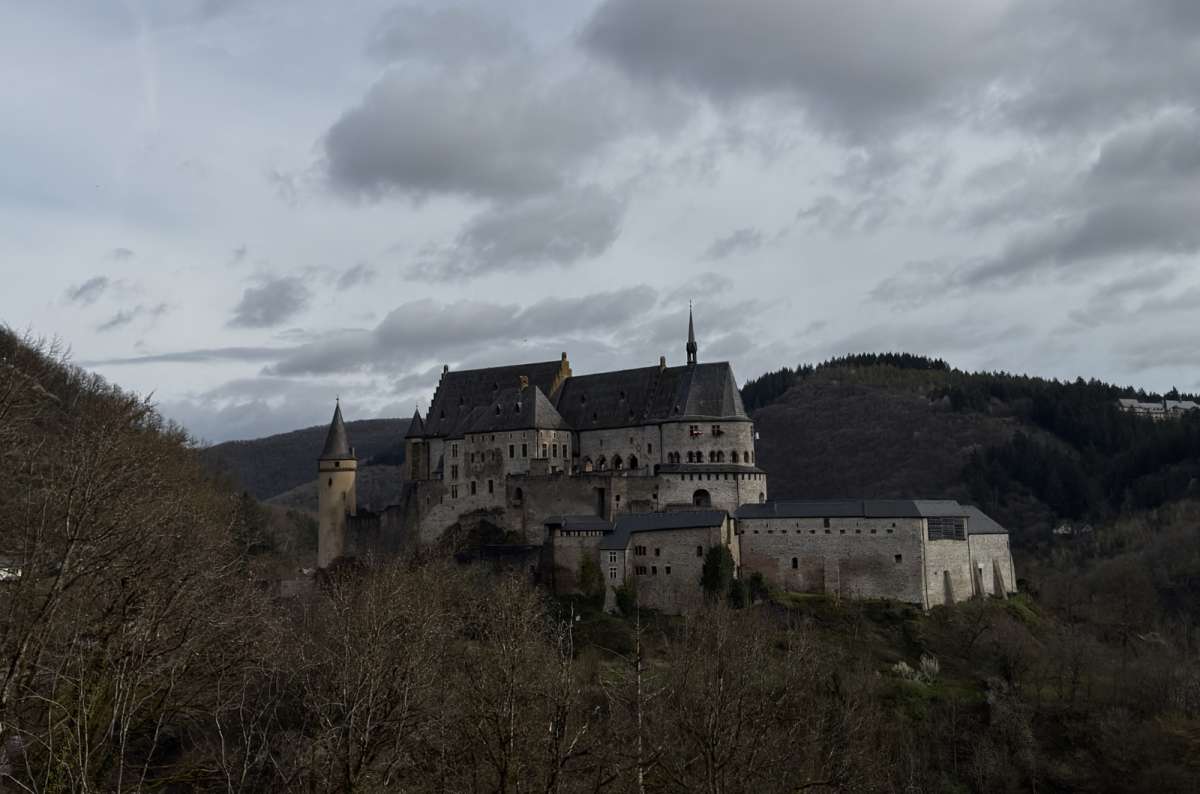
Vianden is the castle fantasy Luxembourg needs.
The castle is high on the rock, the surrounding landscape is dramatic, and the exterior has the scale and setting that makes the detour feel obvious.
This was the strongest countryside wow moment for me. I would absolutely tell first-time visitors to prioritize it.
Just do not misunderstand the visit. The best part is not only inside the walls. The best part is the whole setting: castle, viewpoints, town below, valley, rock, chairlift if the weather is good, and the approach.
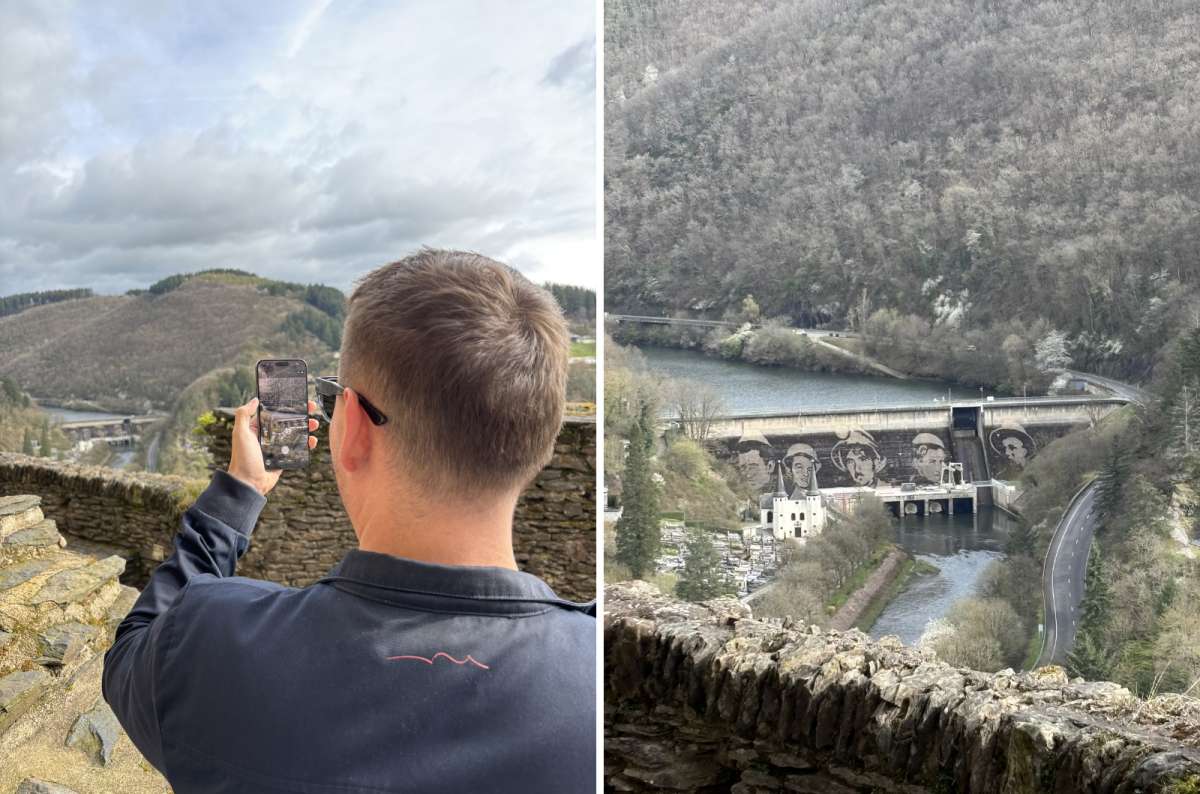
I also liked the chairlift more as a weird experience than as some grand attraction. It is the only chairlift in Luxembourg, and it somehow feels homely because it starts from basically a family house.
Very Luxembourg.
The interior is worth visiting if you use the audio guide. Without it, the visit can feel thinner than the exterior deserves.
I also recommend bringing headphones if the audio guide works on your own device. Nobody needs medieval history blasting out of a phone speaker like a castle podcast for the whole room.
If Vianden sounds appealing, Luxembourg becomes much easier to recommend. If castles do nothing for you, one of Luxembourg’s strongest arguments gets weaker.
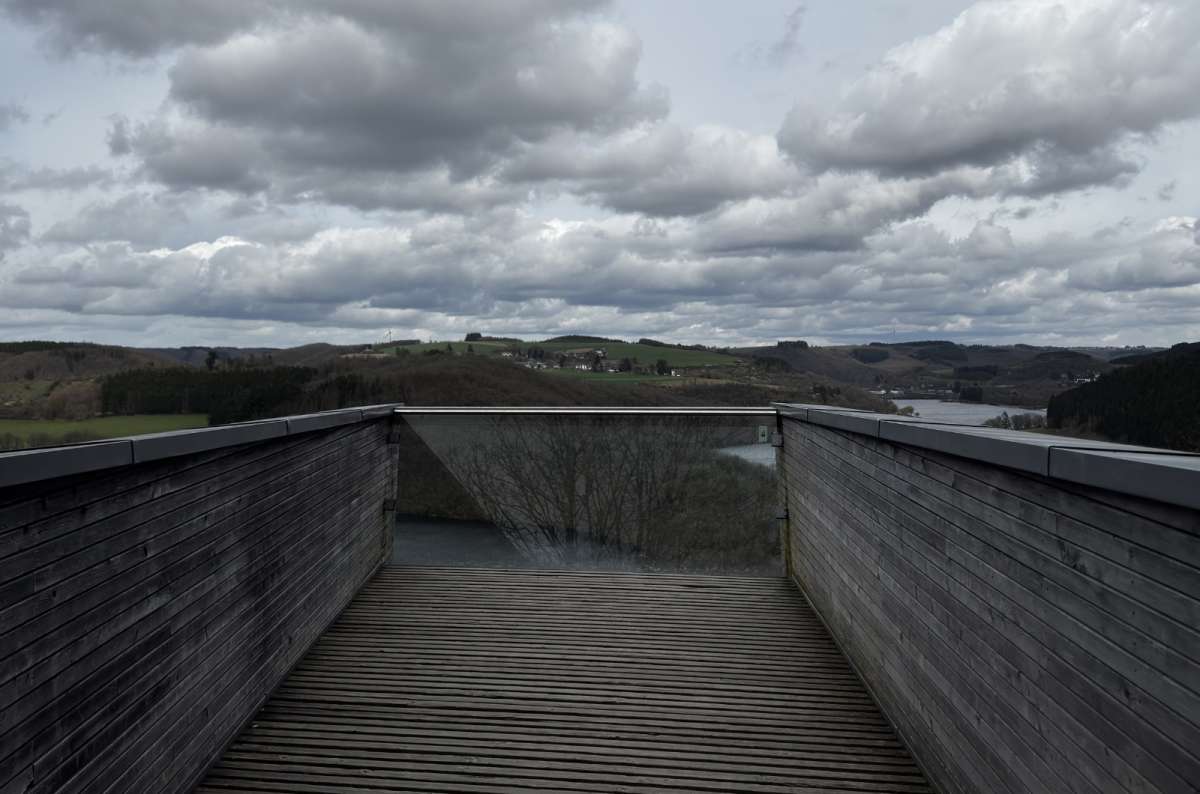
Luxembourg is small, and this is one of its biggest advantages.
You can cover a lot without exhausting drive times. Many of the best stops take 20–90 minutes. That makes the country satisfying for travelers who like varied days: a viewpoint, a museum, a castle, a memorial trail, a scenic drive, then dinner back in the city.
I found this surprisingly enjoyable. There were so many interesting places to see in such a small territory that at one point I felt like my head was going to explode from possible combinations.
A small-country problem, but still.
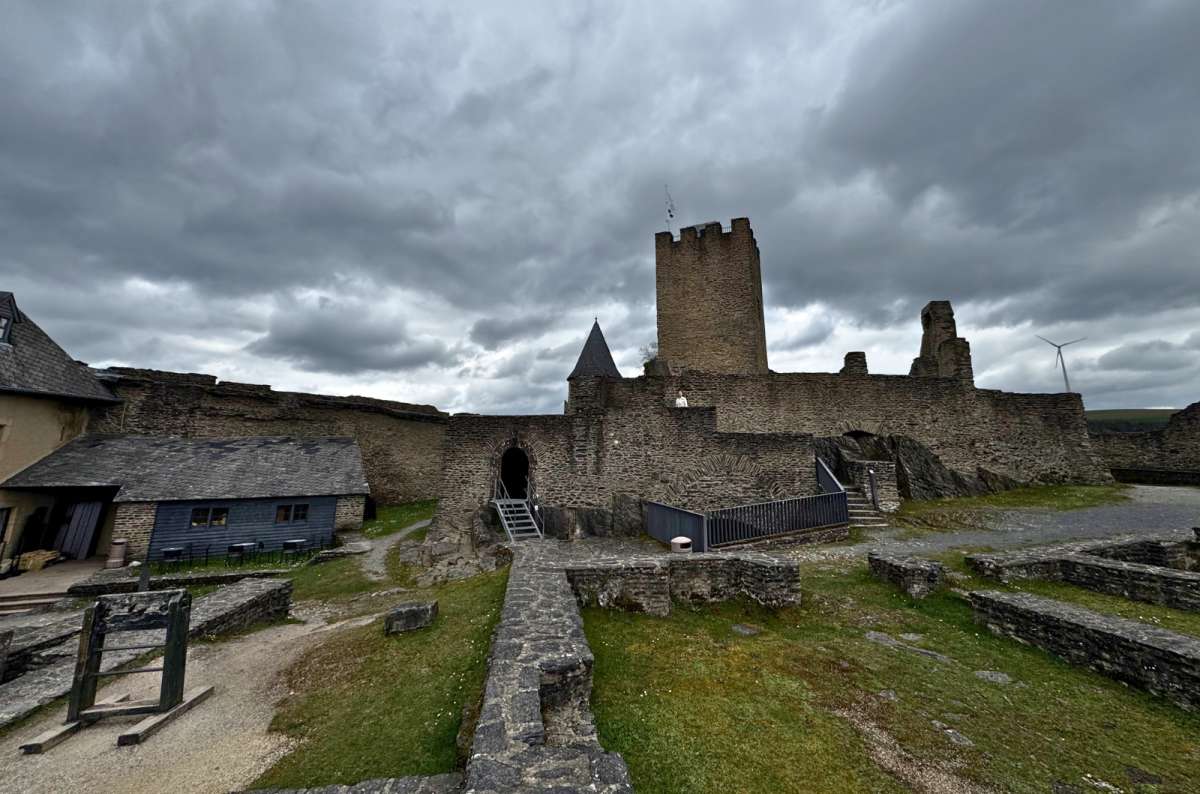
This is also where lazy planning can ruin it.
Because everything looks close, it is tempting to add too much. Luxembourg rewards route flow, not pin collecting.
My rule: build each day around one main anchor, one or two supporting stops, one optional quick stop, and enough buffer that you do not start hating castles by 3 pm.
This is why my ideal Luxembourg trip is a compact road trip, not a giant checklist.
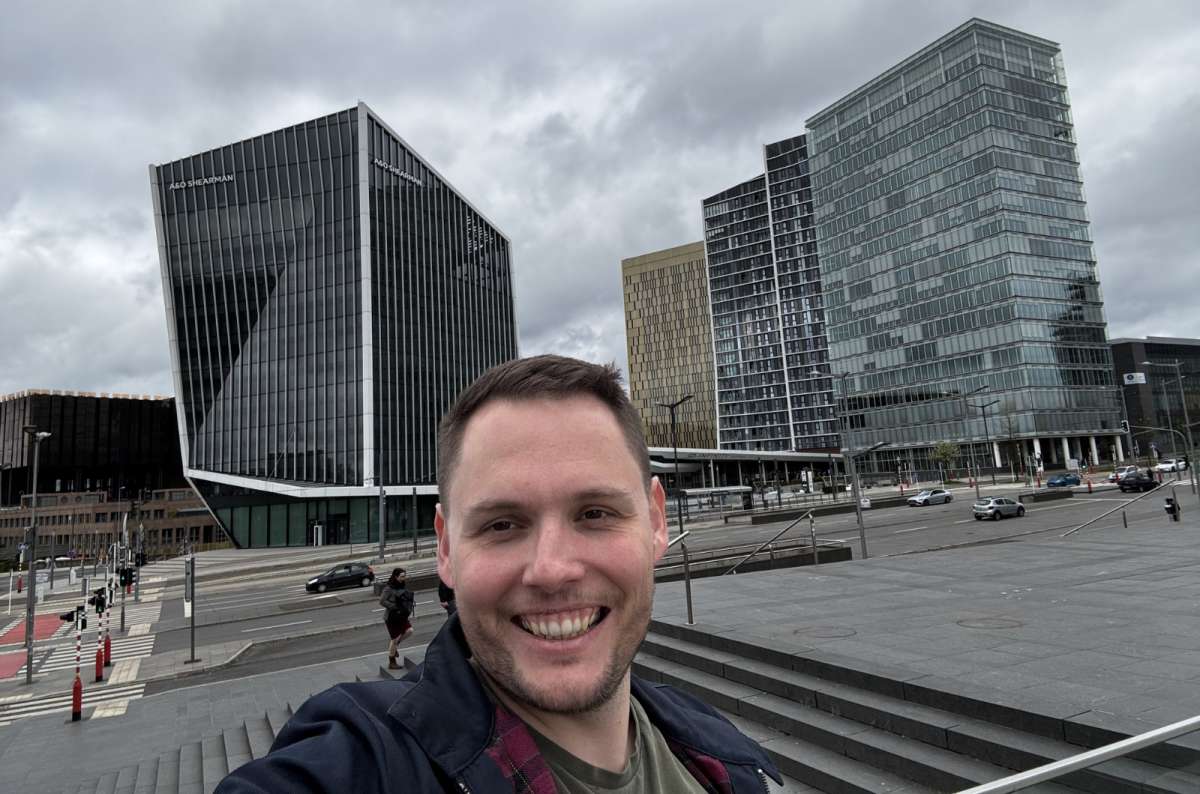
Luxembourg City did not punch me in the face with charm immediately. It had to earn it through views.
At first, it felt modern, crowded, and more administrative than I expected. I thought I was getting a crooked old-town capital. Instead, I got the clean, businesslike center of a very rich European state.
I also found the city surprisingly crowded for its size. At moments, it felt almost as crowded as Prague’s center, which was not what I expected from Luxembourg.
But the city improves dramatically when you reach Corniche, Grund, the Alzette Valley, the Neimënster area, bridge viewpoints, Pfaffenthal, Musée Dräi Eechelen, and the City History Museum.
That is where Luxembourg City becomes specific.
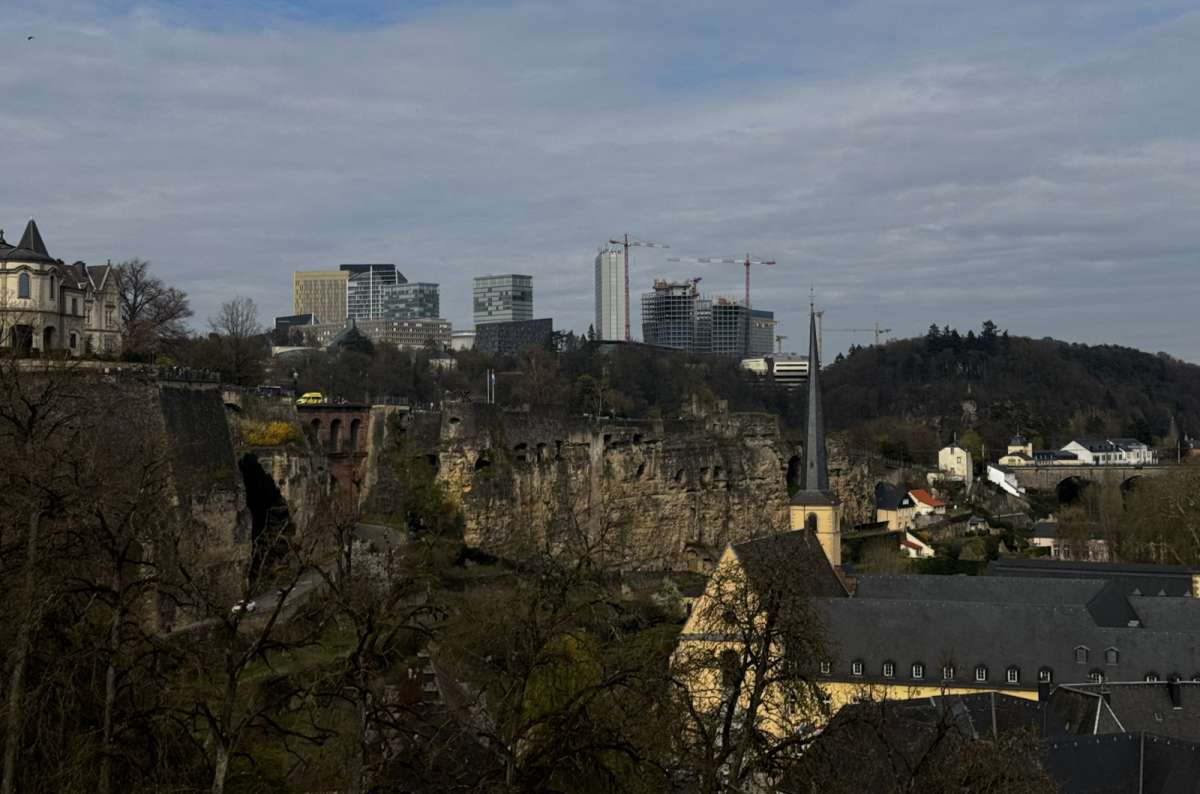
The city is not best understood through one grand square. It is best understood through vertical movement: above, below, across bridges, along the river, and through fortification layers.
I liked it much more once I saw the rock, the abbey, the bridges, and the fortifications together. Before that, I was thinking, “Is this it?” After that, I understood the city’s argument.
Luxembourg City is worth visiting when you stop looking for a huge old-town checklist and start following the valley.
Use my Luxembourg City Guide if you want the best route through it.
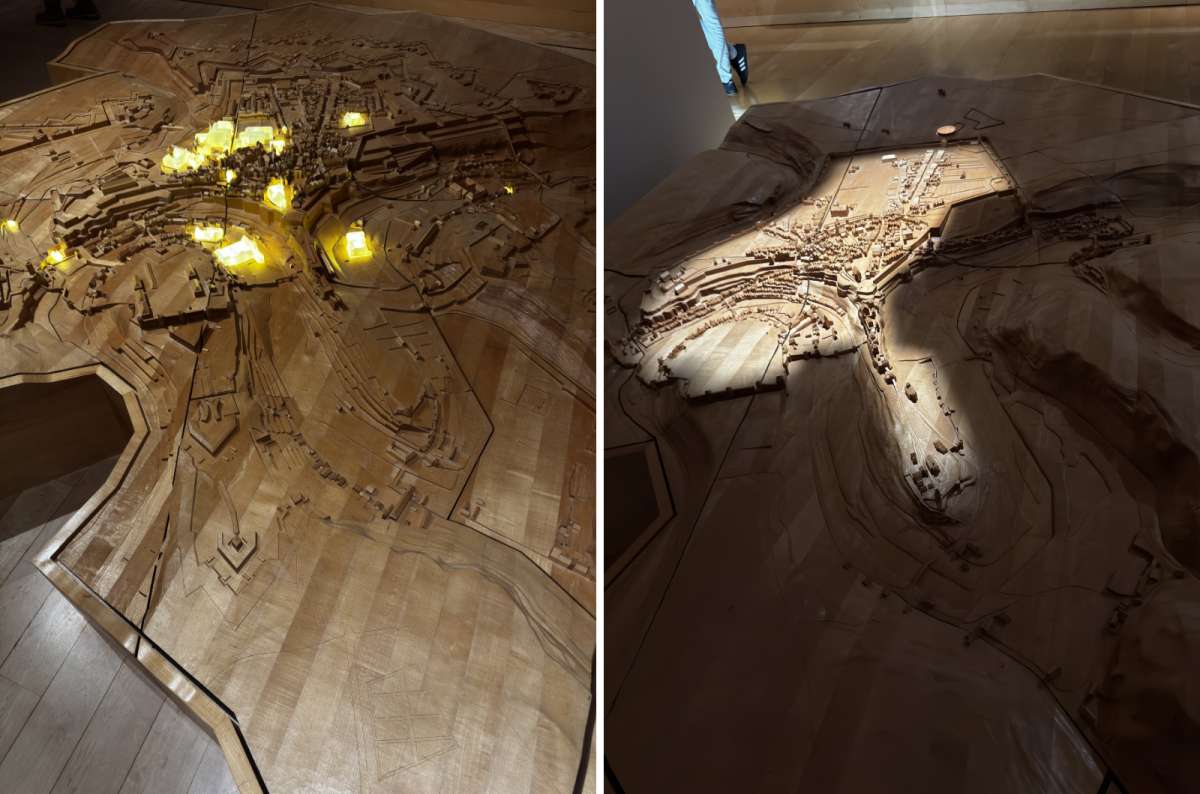
I did not expect Luxembourg’s museums to be one of the stronger parts of the trip, but here we are.
The City History Museum was genuinely useful. It explained the city better than most outdoor signs did, and it gave me context for the place I had just been walking through.
I loved the infographics. I loved the models. I loved the ordinary-life angle. I loved that it showed how the city developed over time instead of just throwing objects at me and hoping I would feel educated.
I also liked that the museum had a panoramic terrace, because apparently Luxembourg has decided that even museums should come with viewpoints.
Fair.
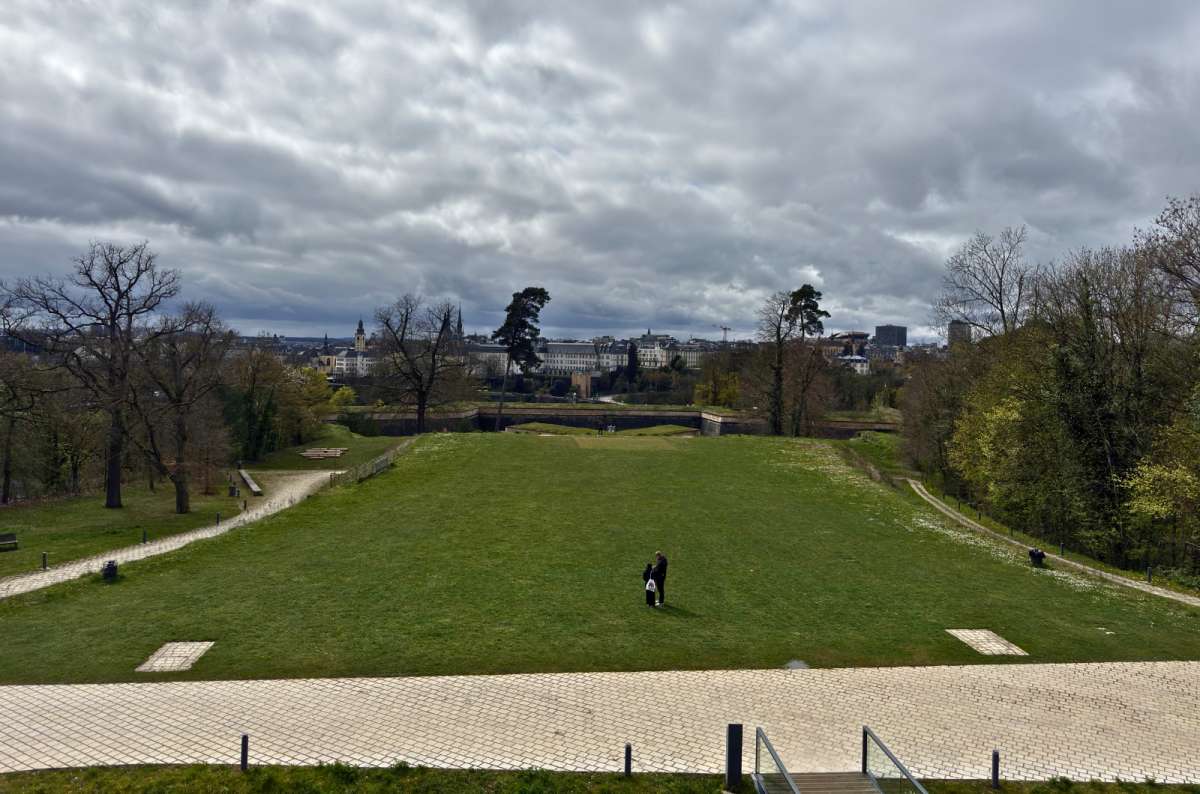
Musée Dräi Eechelen was also worthwhile because it helped explain Luxembourg’s fortress logic. At first, I expected a broader national museum and was a bit frustrated by the level of detail. Then I realized it was really about the fortress history and Luxembourg’s path through all that turmoil.
That made it work.
These museums are not just rainy-day filler. They can actually improve the trip.
That is exactly what a good museum should do, and weirdly not all of them manage it.
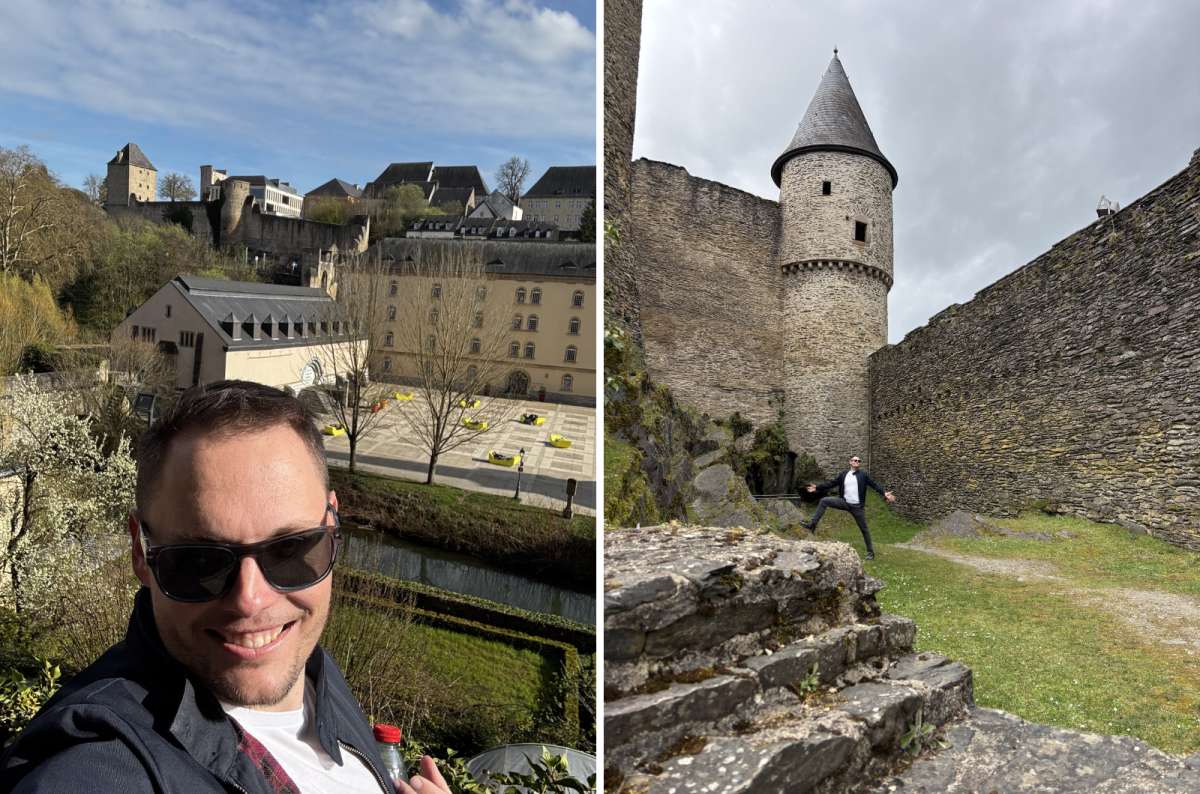
Luxembourg is worth visiting when you explore beyond the capital.
A good country-level trip might include Luxembourg City’s scenic core, the City History Museum, Musée Dräi Eechelen, Vianden Castle and viewpoints, Schumannseck Memorial Trail, Bourscheid Castle if route-efficient, and Mullerthal or Burfelt / Upper Sûre depending on weather and interests.
That gives you city, castle, history, scenery, museums, and countryside without needing a huge country or long drives.
I liked this about Luxembourg. It felt like I could see several versions of the country in a short time, but only because the stops were selected carefully.
Luxembourg is not a checklist country. It is a route-quality country.
The better your route, the more the country makes sense.
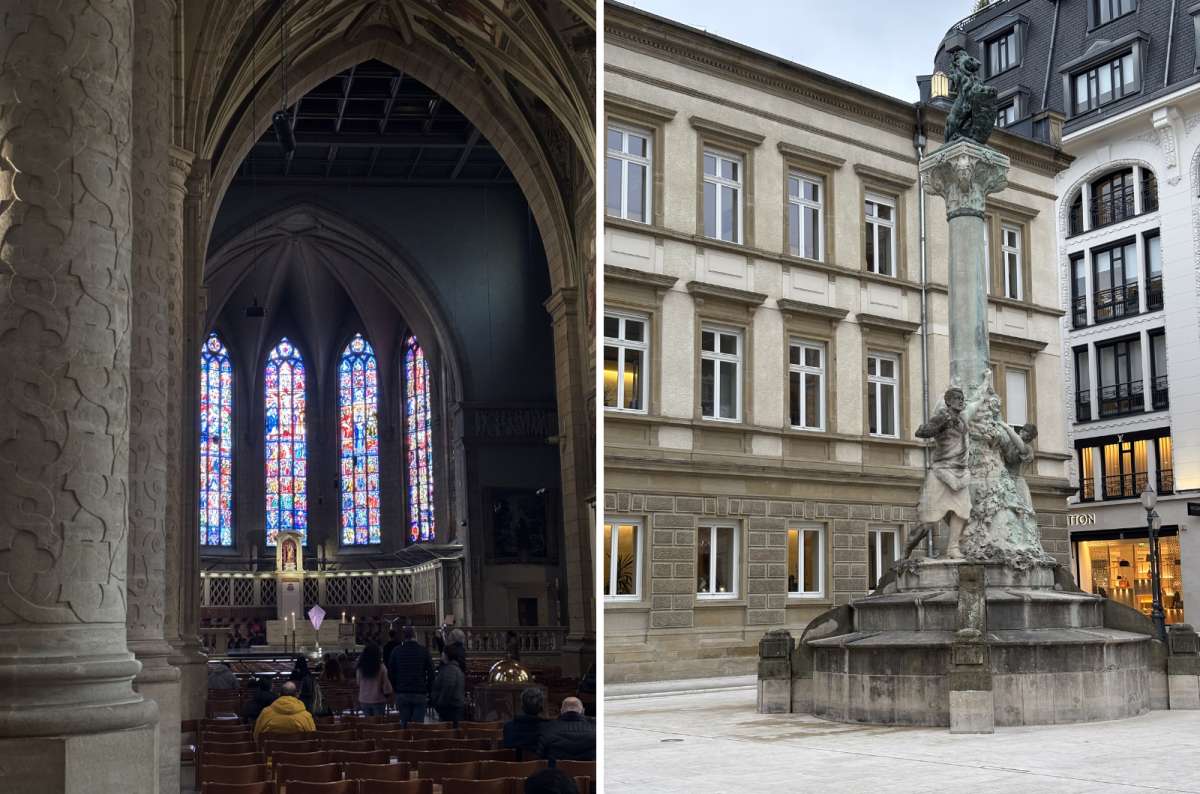
This is the main expectation reset.
Luxembourg is worth visiting, but it is not an “every stop is world-famous” destination. If you compare it unfairly with Europe’s biggest hitters, it will lose.
I would not plan Luxembourg expecting Italy-level visual drama, Switzerland-level landscapes, or France-level food culture.
Plan Luxembourg for compact variety.
That is where it wins.
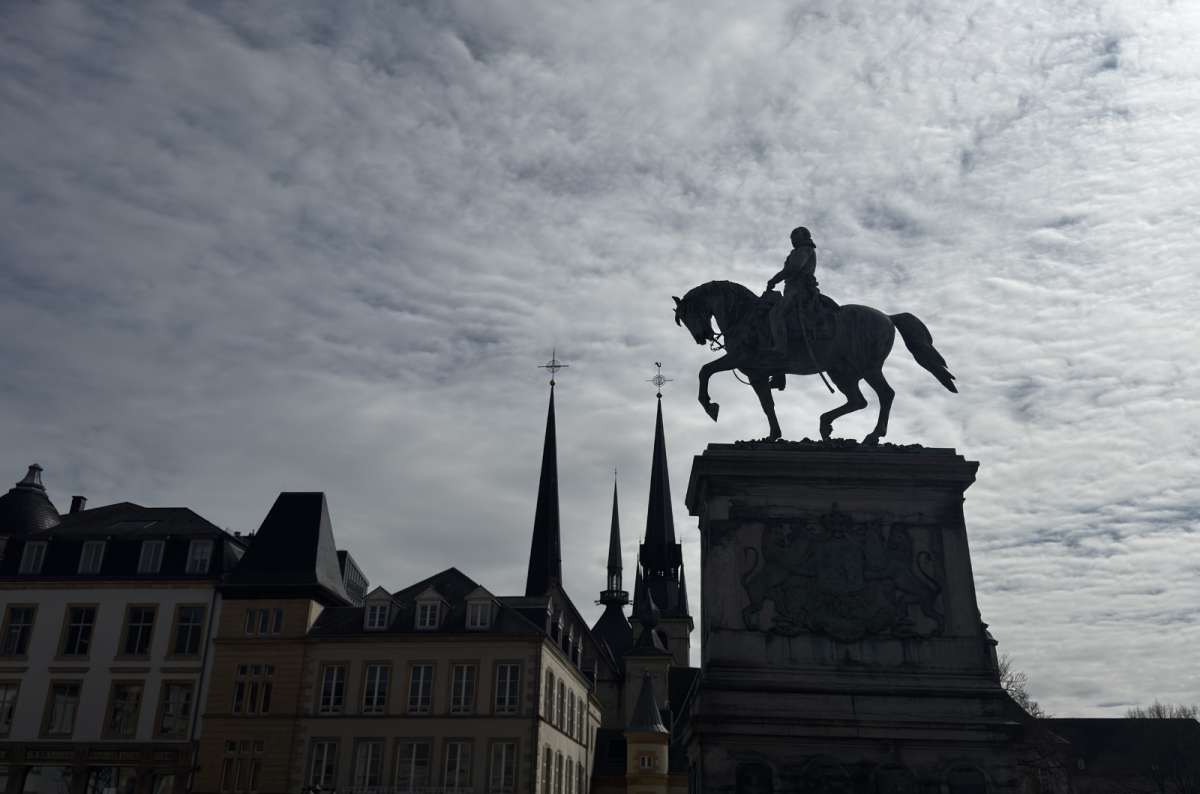
Luxembourg City is good for 1–2 days.
One day gives you Corniche, Grund, the Alzette Valley, the old town, and one museum or Casemates if you really want the famous stop.
Two days gives you more room for the City History Museum, Musée Dräi Eechelen, Pfaffenthal, Pont Adolphe, and a slower scenic route.
More than that should usually involve the rest of the country.
I would not stay in Luxembourg City for many days only doing exterior sightseeing. The city center is compact, and the best parts are specific. Once you have done the valley, the viewpoints, and the main context stops, you should either slow down deliberately or go beyond the capital.
Use my One Day in Luxembourg City itinerary if you only have a short city visit.
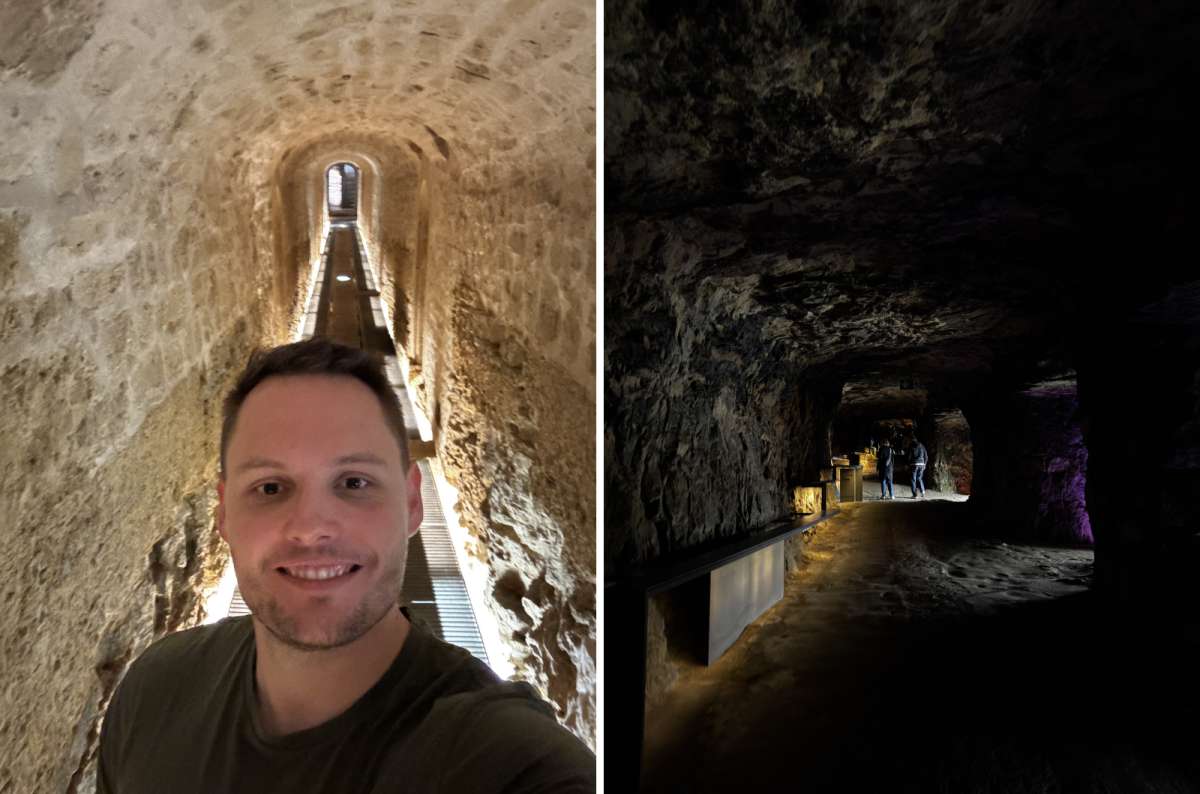
The big one is Casemates du Bock.
Yes, the Casemates are famous. So are many disappointing things. Fame is not a travel plan.
I found them short, cold, light on exhibits, and mostly about views I had already seen better from outside. I would not call them bad. I would call them optional.
They cost enough that I would think twice if you are only going because the internet says “must-see.”
If the queue is short and you want the famous underground fortification experience, go.
If you are short on time, skip them without guilt.
Corniche and Grund are more important.
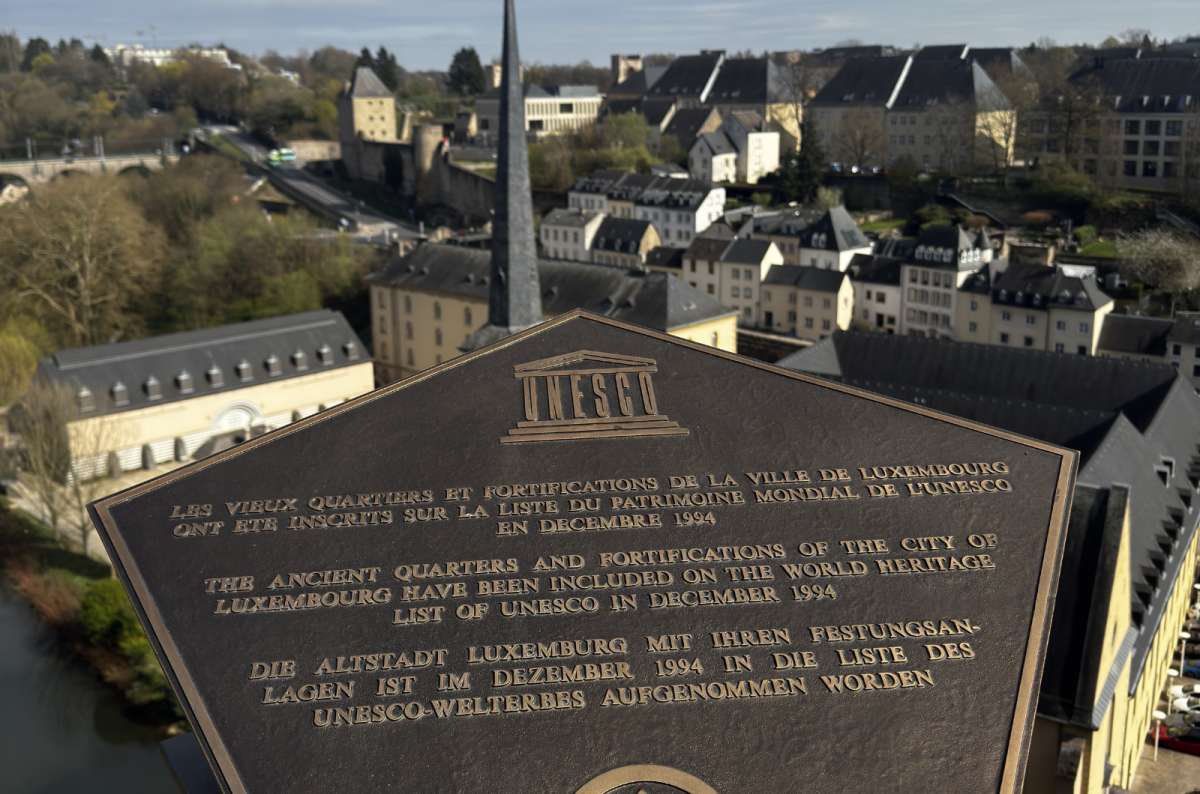
Luxembourg looks easy because it is small.
That is how it tricks you.
If you only wander the upper city, stare at a few squares, do Casemates because it is famous, and leave, you may think Luxembourg is overrated.
If you follow Corniche, Grund, the Alzette Valley, add the City History Museum, visit Vianden, and plan one smart countryside route, the country feels much stronger.
I kept thinking that Luxembourg is easy to visit, but not idiot-proof.
It gives you enough rope to create a very mediocre trip if you plan by random pins.
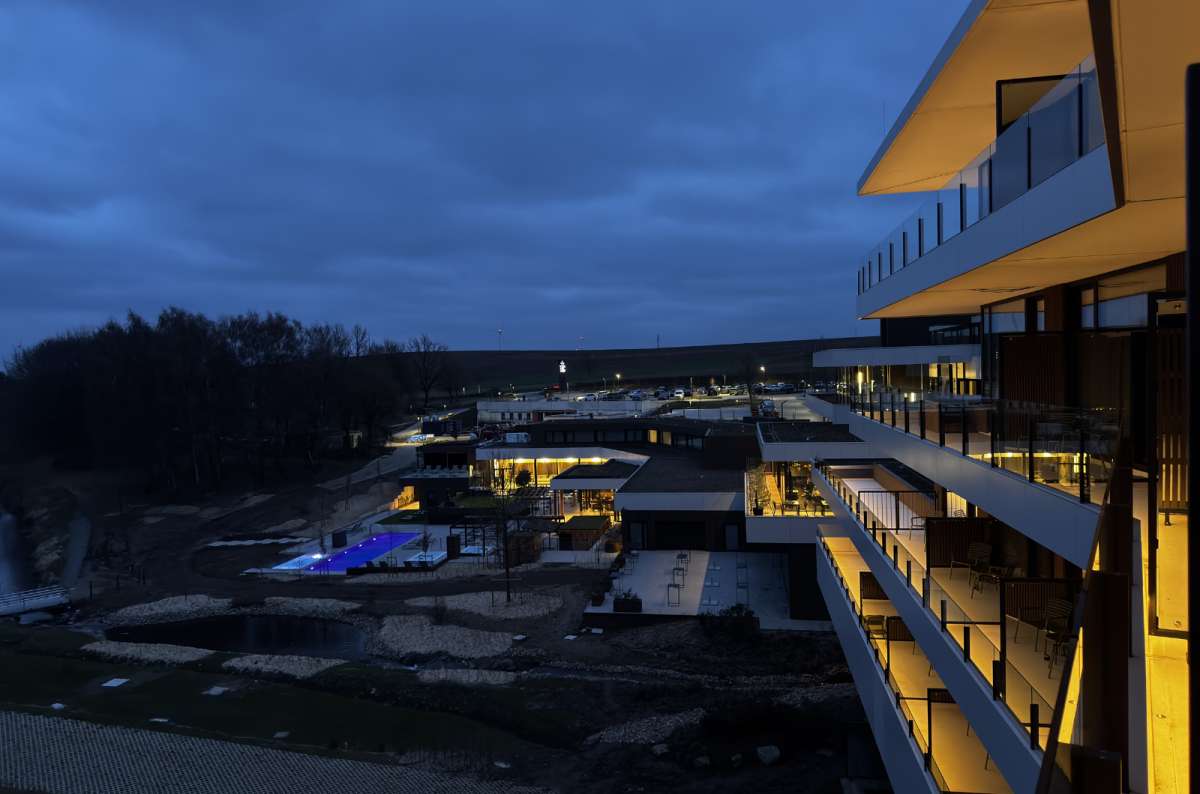
Luxembourg is not cheap.
Free public transport improves the value equation, but hotels and restaurants can still be expensive. The country feels better value when you prioritize high-payoff stops and avoid paying for things you only half care about.
I did appreciate that several museums were reasonably priced. The City History Museum felt especially good value to me.
But hotels, restaurants, and car logistics can still add up.
Expensive and poor value are not the same thing.
Luxembourg can be worth the money if you plan well. It can feel overpriced if you plan badly.
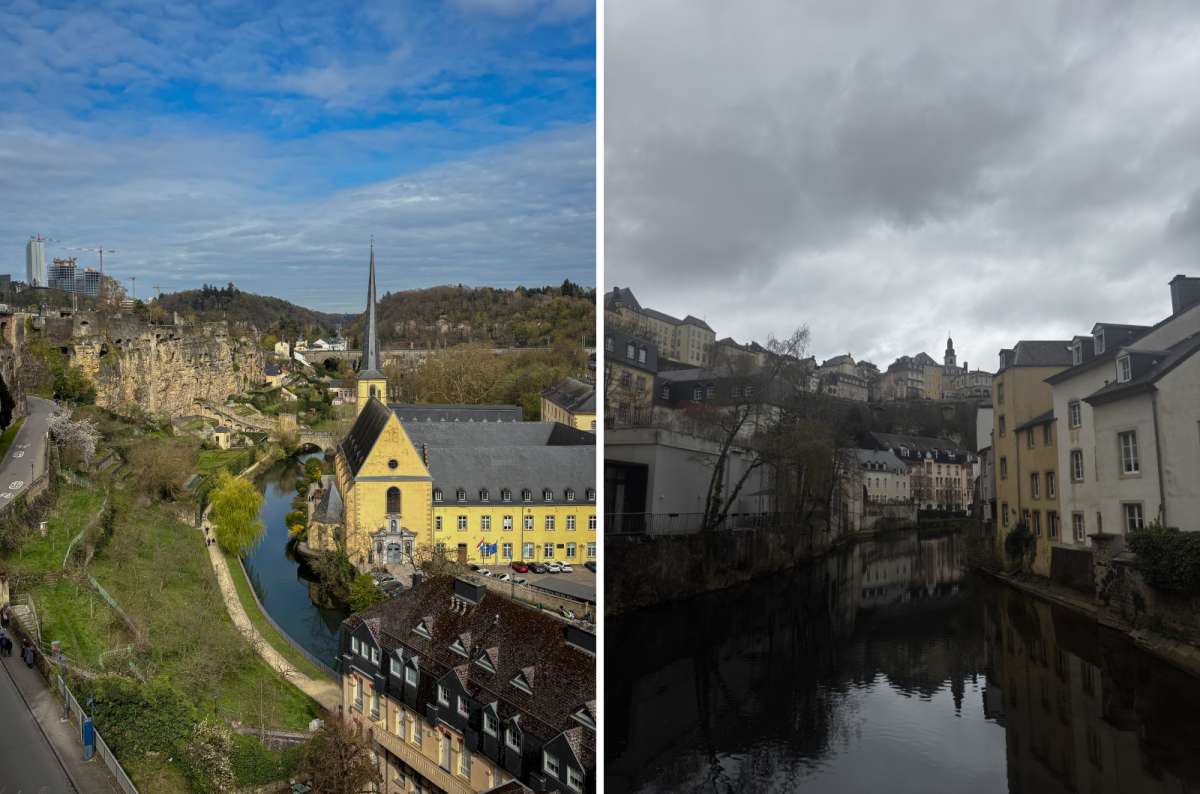
Luxembourg is at its best when the views work.
Bad weather weakens Corniche, Grund, Vianden viewpoints, Bourscheid, Mullerthal, Burfelt, scenic drives, and countryside walks.
I had some lovely spring sun in Luxembourg City, and it helped massively. The valley looked much better because the weather was playing along.
Museums and city walks still work in bad weather, but it becomes a different kind of trip.
For most travelers, I would choose spring or early fall.
Use my guide to the best time to visit Luxembourg if season matters to your decision.

Yes, Luxembourg City is worth visiting, but it is not the whole reason to visit Luxembourg.
The city is worth visiting for Corniche, Grund, the Alzette Valley, bridge viewpoints, fortification views, the City History Museum, Musée Dräi Eechelen, modern / fortress contrast, and compact walking routes.
It is weaker for generic squares, long exterior-only sightseeing, people expecting endless old-town romance, and travelers who want one giant landmark.
Luxembourg City’s central squares are not useless, but they are not the point. Place d’Armes was meh. Place Guillaume II was fine. Notre Dame is worth a quick stop, especially inside.
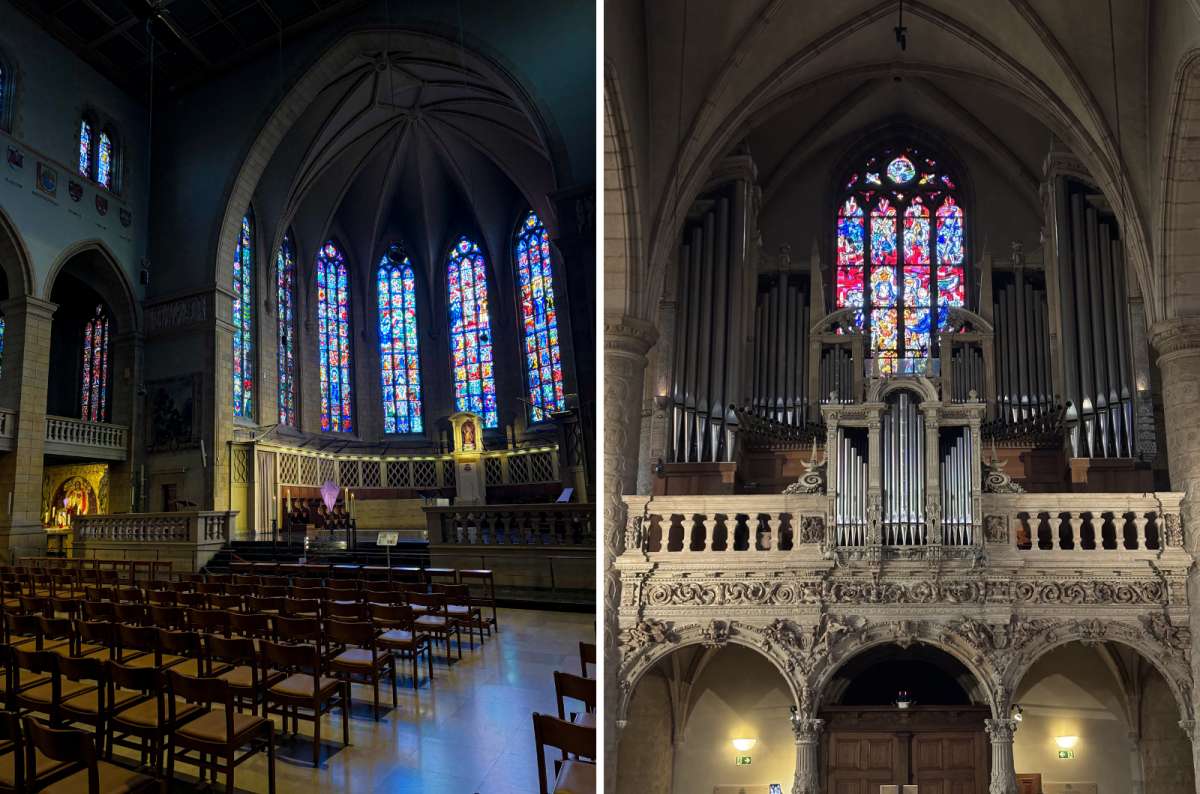
I actually liked Notre Dame more inside than outside, which is not always the case with churches. Do not expect a major medieval cathedral moment, though. It is a quick stop.
I also found Pont Adolphe more interesting for the views than as a standalone attraction. The two-layer bridge surprised me because I knew almost nothing about Luxembourg before visiting. But again, the view is the point.
Luxembourg City is worth visiting for 1–2 days. Follow the valley and viewpoints. Do not make the mistake of judging the city only by its central squares.
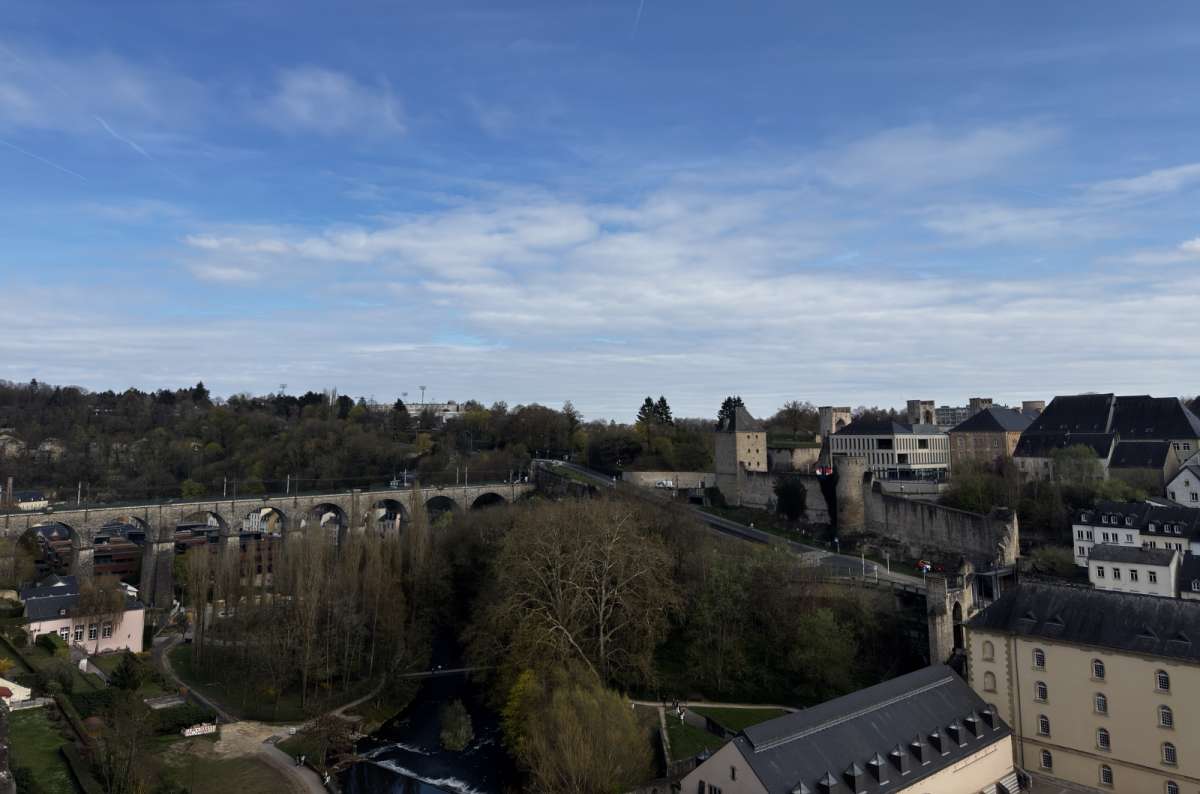
Yes, but one day gives you Luxembourg City, not Luxembourg as a country.
With one day, I would focus on Corniche, Grund, the Alzette Valley, old town quick stops, and either the City History Museum or Casemates if you really care about the famous attraction.
My pick would usually be the City History Museum.
I know Casemates are more famous. I still think the museum gives more useful context for most first-time visitors.
One day is enough for the capital’s scenic core, but it does not show you Vianden, Bourscheid, Schumannseck, Mullerthal, or the countryside.
So yes, Luxembourg can be worth a day trip.
But one day is the preview, not the full argument.
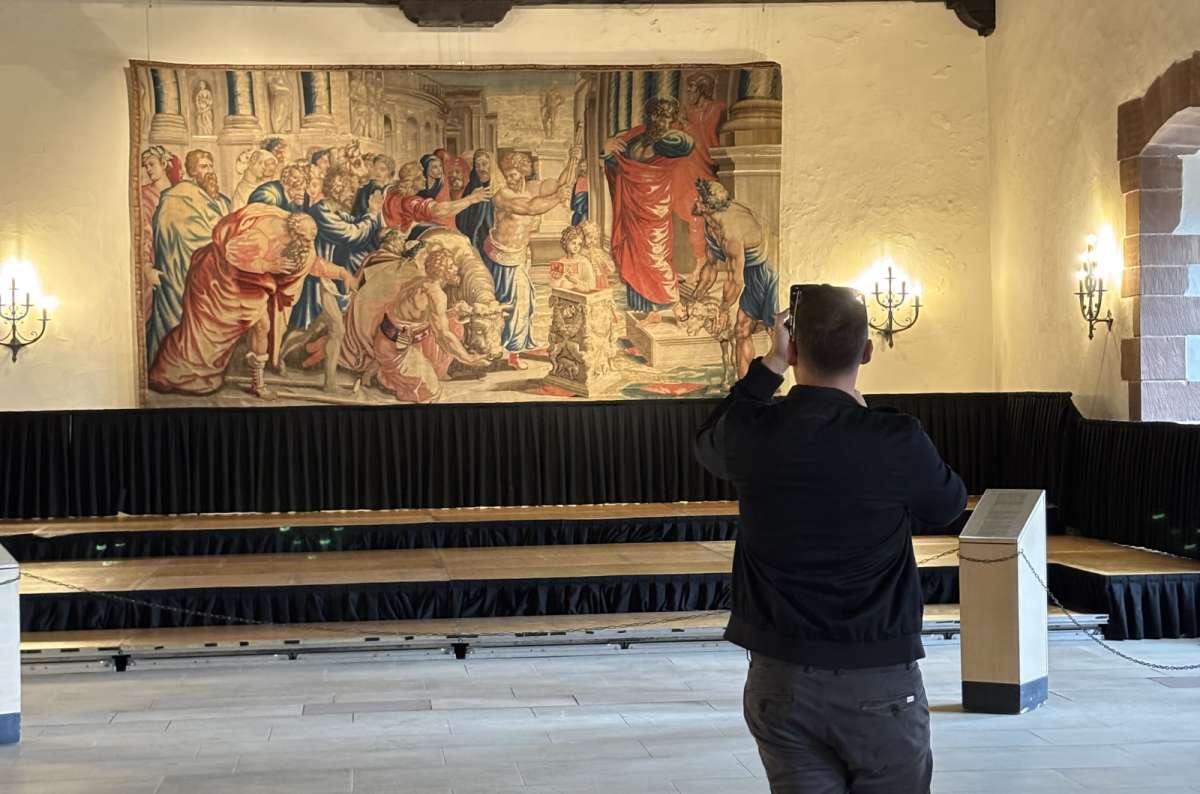
Yes, Luxembourg is worth a dedicated trip if you can give it 3–5 days and explore beyond Luxembourg City.
It is especially worth a dedicated trip if you like castles, compact road trips, history, scenic viewpoints, small countries, efficient routes, or you are traveling between Belgium, Germany, France, or the Netherlands.
It is better as an add-on if this is your first trip to Europe, you only have one day, you are passing between nearby countries, or you mainly want a quick capital stop.
It is probably not worth a dedicated trip if you only want major world-famous landmarks, dislike castles / museums / viewpoints / scenic routes, are trying to minimize costs, want big nightlife or food-scene energy, or do not want to plan beyond the capital.
I would not recommend Luxembourg as someone’s first and only European trip.
But as a second- or third-layer Europe destination? Much more interesting.
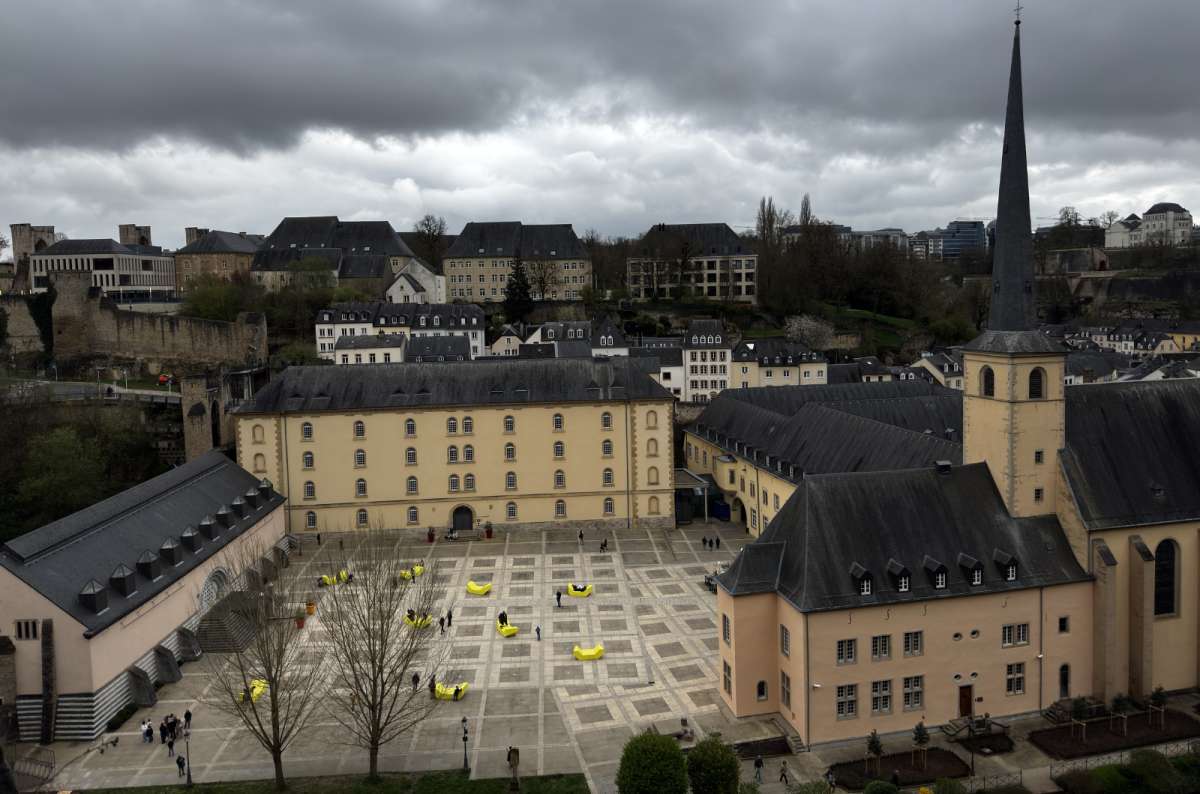
Most travelers should spend 2–3 days in Luxembourg.
Five days is ideal if you want the country to feel varied and worthwhile. Seven or more days only makes sense if you travel slowly, hike, explore smaller regions, or use Luxembourg as a relaxed base.
A half day is only worth it if you are passing through. Focus on Corniche and Grund.
One day is worth it for Luxembourg City. Do the scenic core and one museum.
Two days is better. Spend one day in Luxembourg City and one day at Vianden.
Three days is strong. You can do the city, museums, Vianden, and possibly another countryside route.
Five days is the best full version. You can include the capital, castles, the north, scenic routes, and flexible nature or history stops.
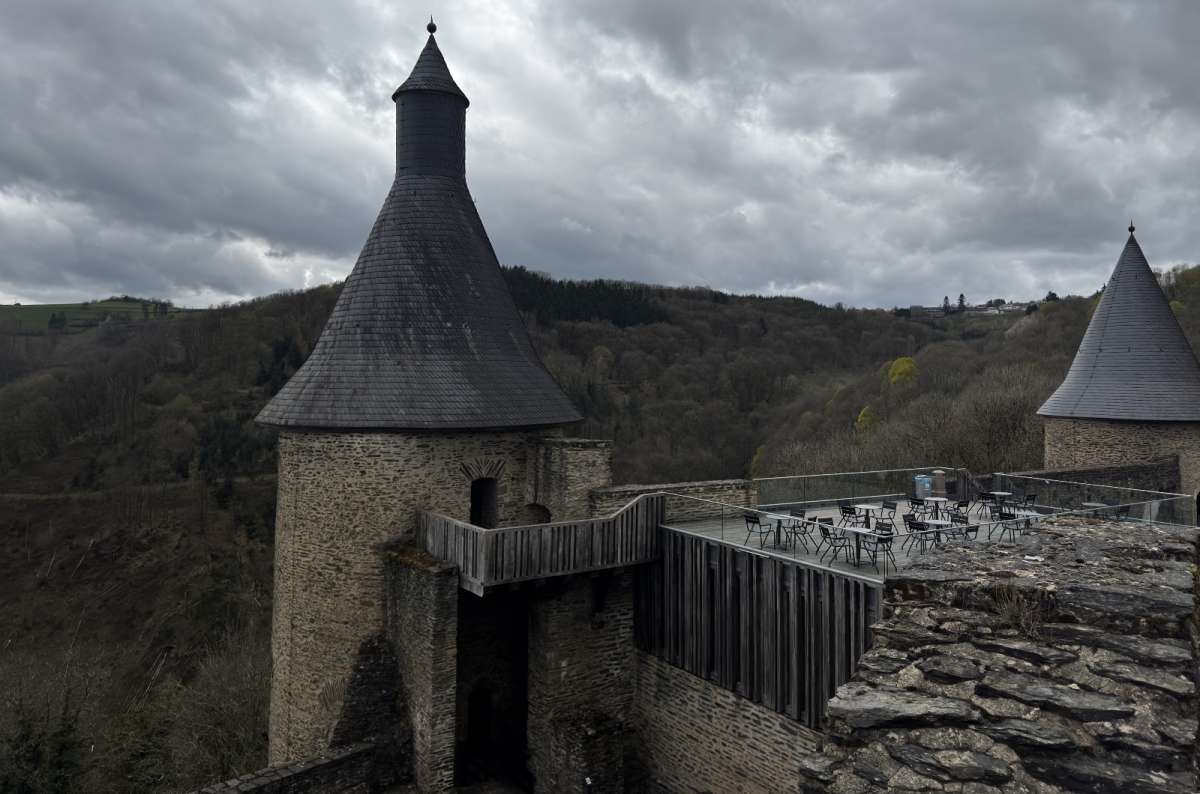
Seven or more days is only for slow travel, hiking, wineries, deeper museums, or using Luxembourg as a base.
One day shows you Luxembourg City.
Two days prove the country has more than the capital.
Five days make Luxembourg feel surprisingly full—if you do not waste them pretending every stop is equally important.
A strong 5-day version would include Luxembourg City’s scenic core, museums and fortress context, Vianden Castle and viewpoints, Schumannseck + Bourscheid / northern scenery, and Mullerthal, Burfelt, or a flexible scenic day.
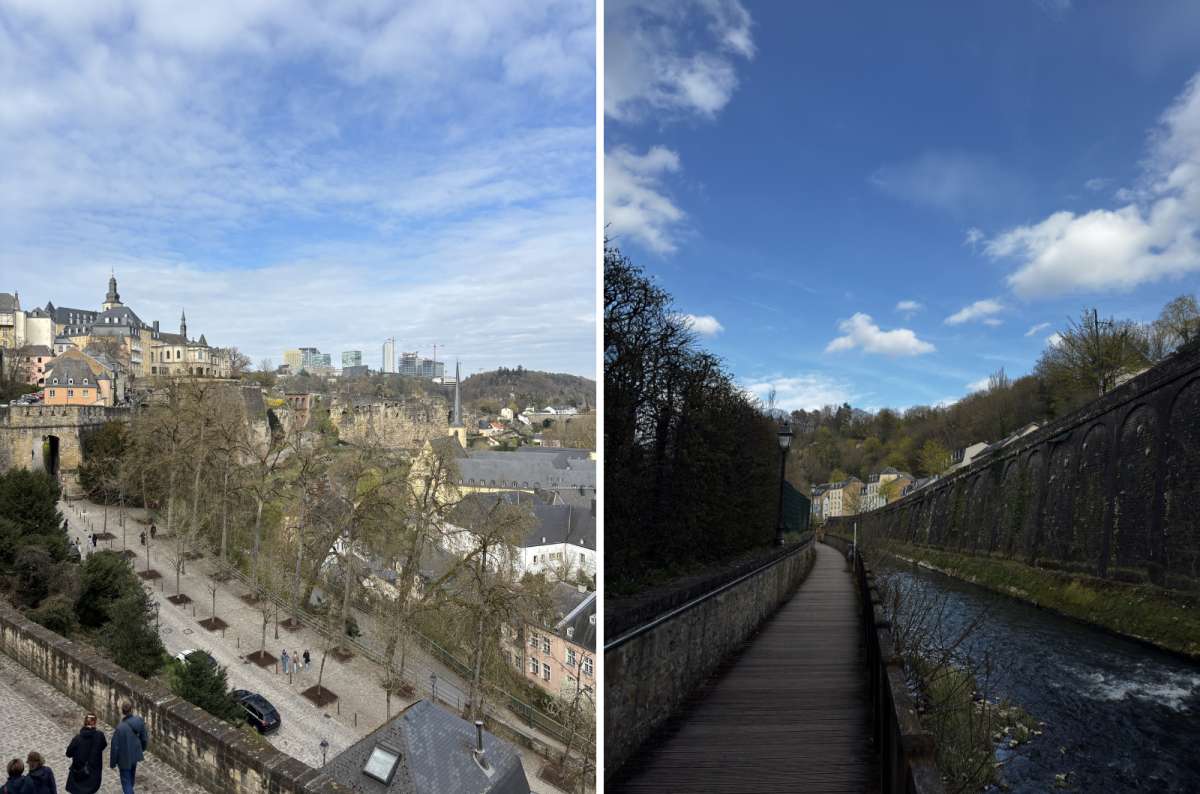
If you want Luxembourg to feel worth it, prioritize the high-payoff stops.
This is the strongest Luxembourg City experience.
I would do this before judging the capital.
This is the clearest countryside wow moment.
Use the audio guide if you go inside, but remember the exterior and setting are the real stars.
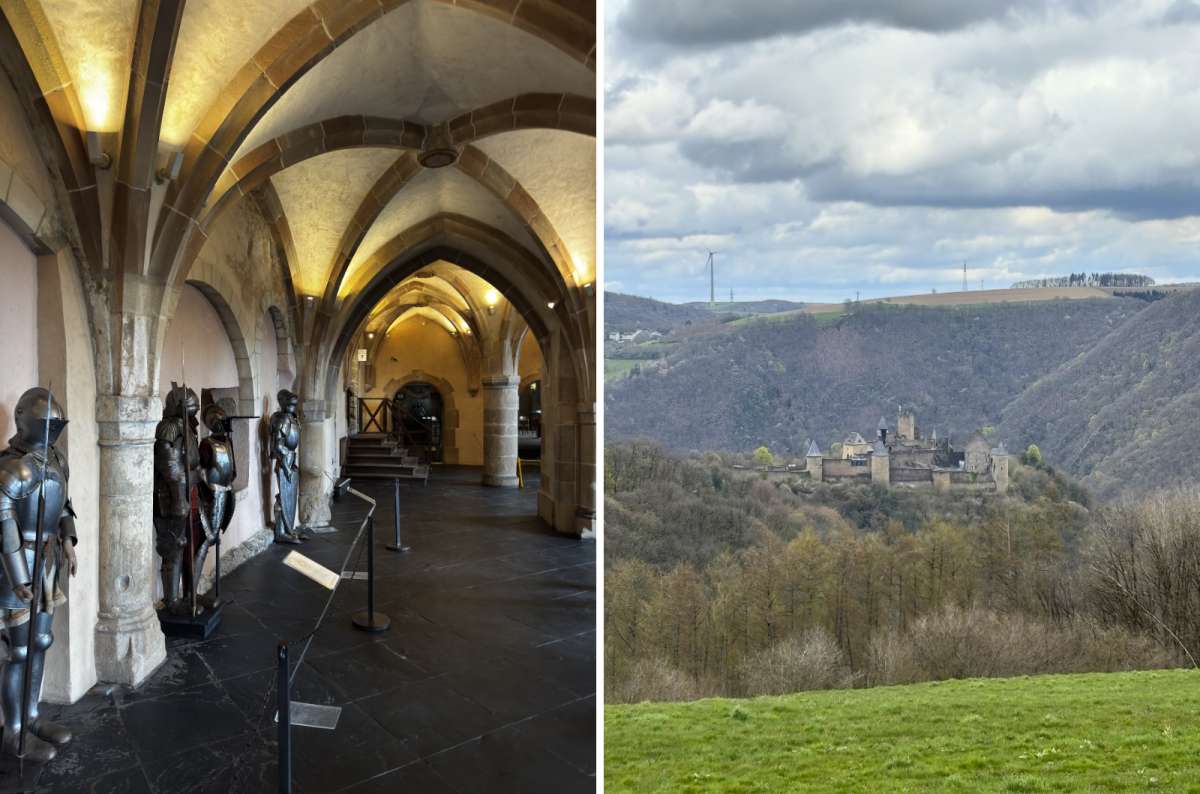
This is the best museum in Luxembourg City for most visitors.
I liked it because it explained the city’s layers, urban development, and fortress context better than wandering around confused.
Strong if you want fortress history and a better understanding of Luxembourg City.
I especially liked how it reframed the city as a fortress rather than just a capital with scenic edges.
One of the most original history stops in the country.
Low effort, high meaning.
Good castle ruin. Not equal to Vianden.
Add it if nearby.
I liked it, but I would not go for the sole purpose of visiting the castle.
Worth adding if you want hiking, forests, and rock formations.
Do not force it into a day that is already overloaded.
Useful and scenic.
Not a standalone emotional event.
I liked the views of the red bridge, but it is still an elevator and bridge route. Let’s stay calm.
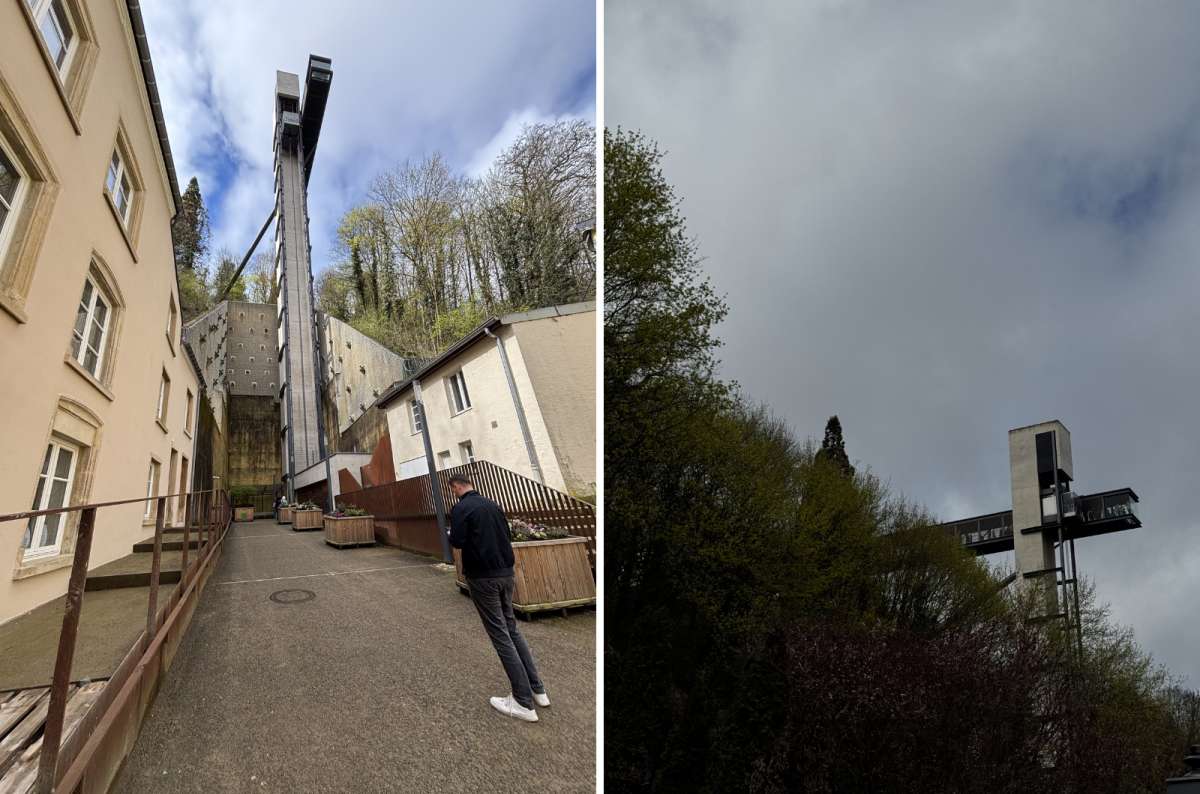
Famous, but optional.
Luxembourg improves dramatically when you prioritize the high-payoff stops and cut the famous-but-meh ones without guilt.
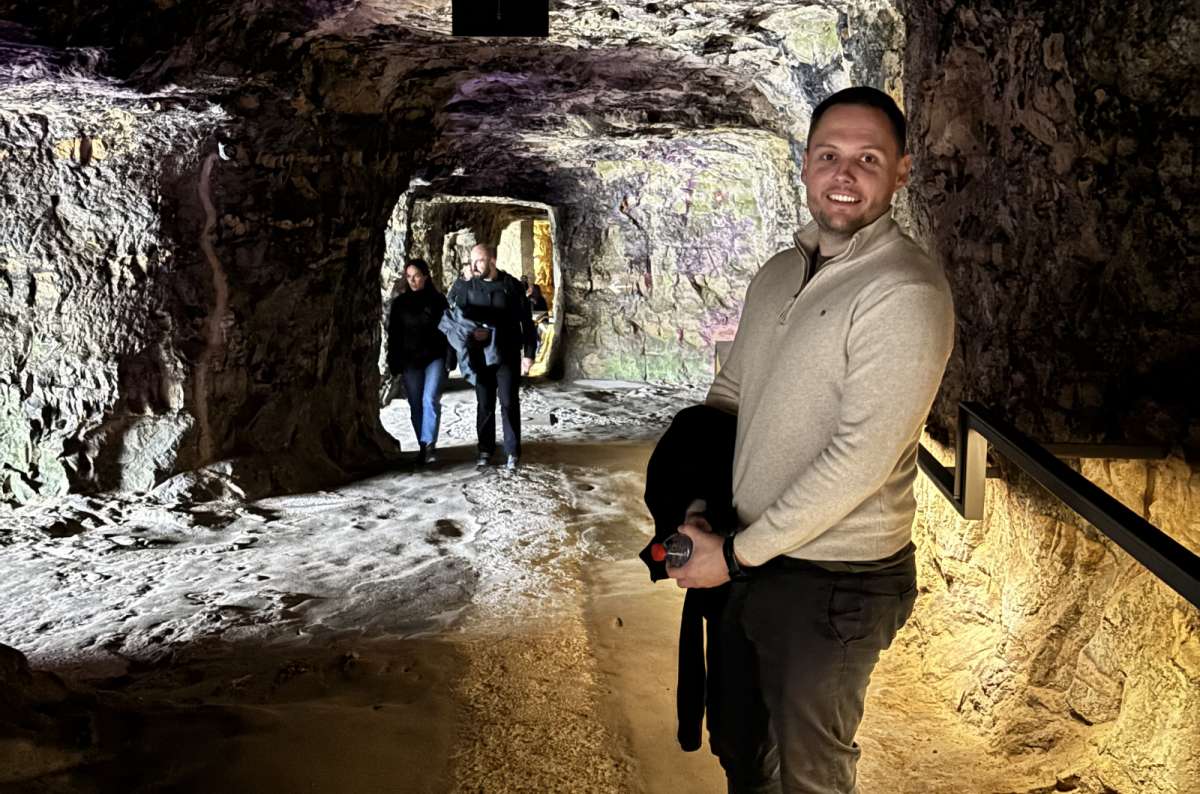
Skip Casemates du Bock if you are rushed. They are famous, but not essential. The free views from Corniche, Grund, and the valley route are more important.
Skip generic central squares. Walk through them. Do not build your trip around them.
Skip Bourscheid if it creates an awkward detour. Bourscheid is good if nearby. It is not a mandatory pilgrimage.
Skip Pfaffenthal elevator as a standalone attraction. Use it as a route tool.
Do not worship it. It is an elevator.
Skip extra castles after Vianden and Bourscheid unless castles are the whole point of your trip. Castle fatigue is real.
One great castle and one route-based add-on is smarter than three castle stops that slowly become “more rocks with history.”
Luxembourg is too small to waste time badly. That sounds dramatic, but it is true. The country works because the good stops are close together. If you chase weak add-ons, you dilute the trip fast.
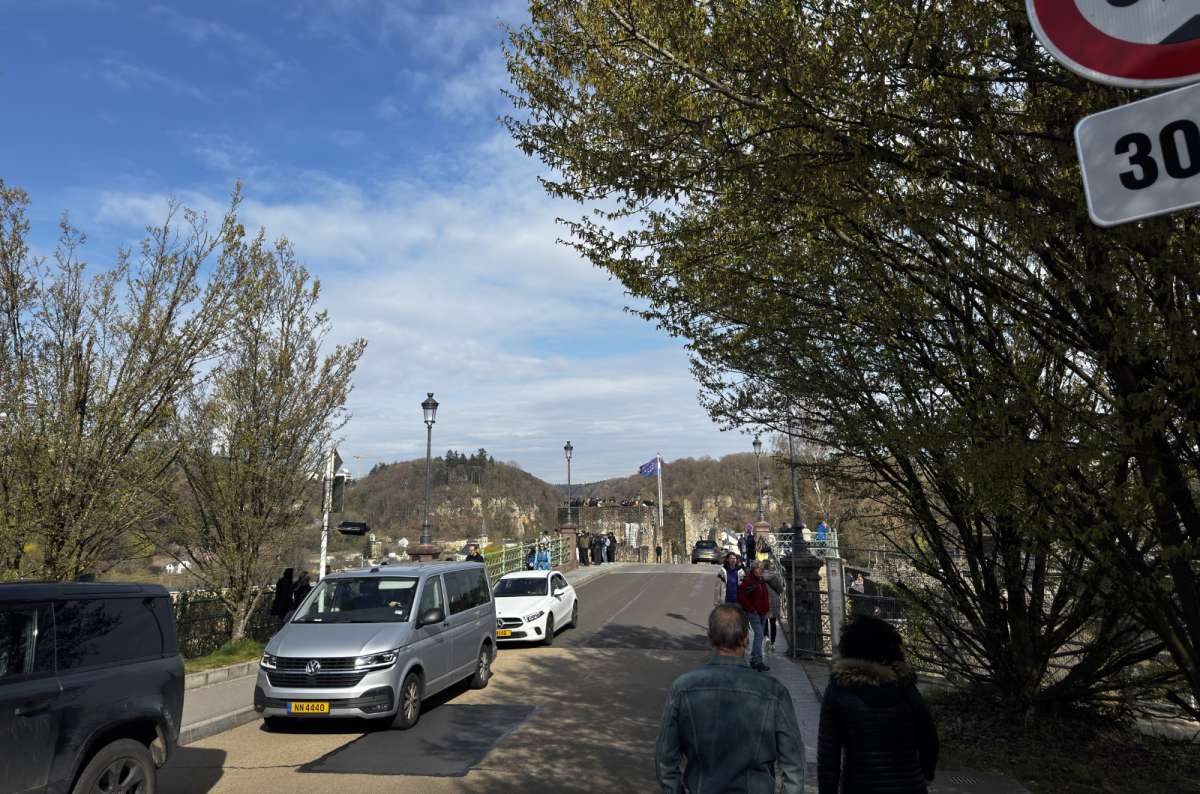
Yes for Luxembourg City. Conditional for the countryside.
You do not need a car for Luxembourg City. Walking and public transport work well, and public transport is free throughout the country for buses, trams, second-class trains, and the funicular.
Without a car, Luxembourg is still worth visiting if you focus on Luxembourg City, Corniche and Grund, the City History Museum, Musée Dräi Eechelen / Kirchberg if the route works, simple day trips, and Vianden if you accept public transport timing or take a tour.
Pro tip: You can book a guided tour with pickup in Luxembourg.
A car makes Luxembourg much more rewarding if you want to combine Vianden, Bourscheid, Schumannseck, Burfelt, Upper Sûre, Mullerthal, and countryside viewpoints.
I would not rent a car just for central Luxembourg City. That sounds like paying money to invent a parking problem.
But for the countryside? I would want one.
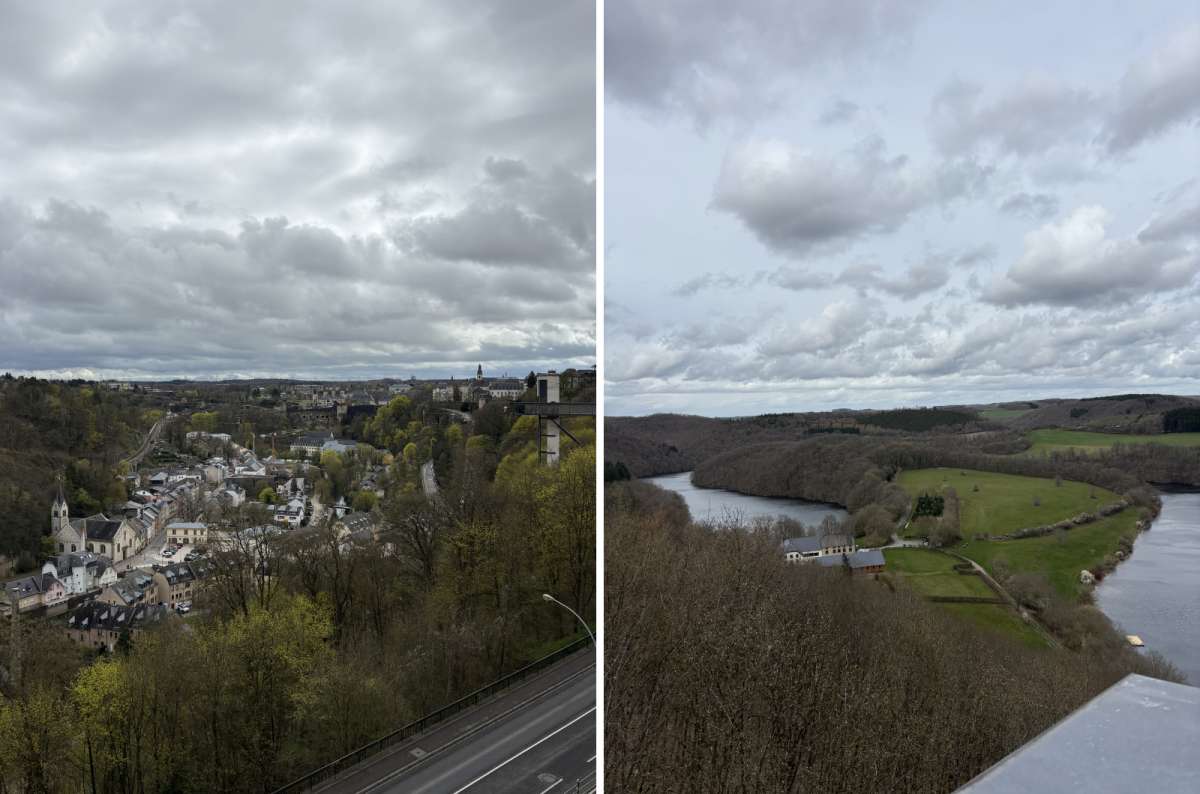
Luxembourg City is easy without a car. The countryside is better with one.
Free transport is a huge advantage, but free does not always mean efficient for route-heavy days.
Use my Luxembourg travel tips for the practical transport breakdown.

Luxembourg can be expensive, but it can still feel worth the money if you plan well.
The value depends on your choices.
Good-value choices include free public transport, Corniche and Grund, Alzette Valley walks, city viewpoints, the City History Museum, Vianden exterior / viewpoints, Schumannseck, and route-efficient countryside days.
Weaker-value choices include expensive hotels booked late, restaurants treated as the main attraction, Casemates if you only wanted views, car rental for city-only sightseeing, and extra castles that add more driving than payoff.
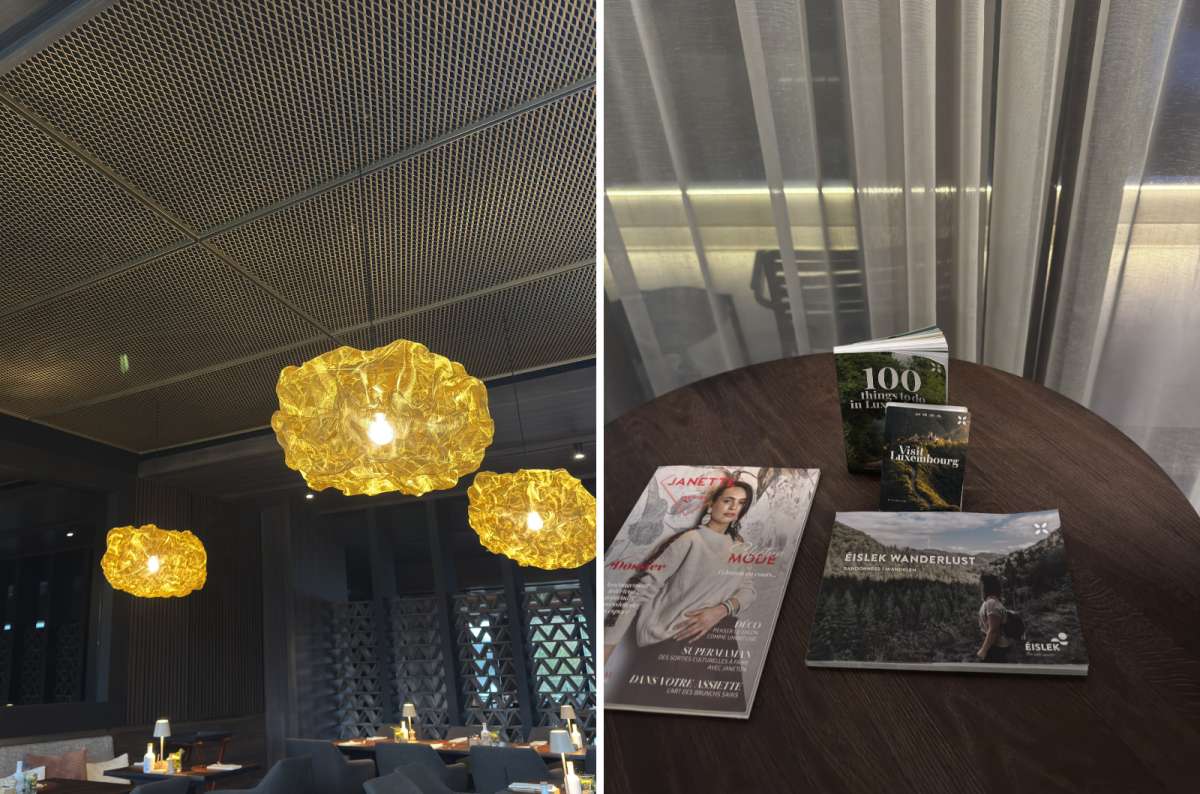
I do not think Luxembourg is a cheap destination.
But I do think it can feel efficient rather than wasteful.
Plan around free transport, free viewpoints, and high-payoff stops.
Use my Is Luxembourg Expensive? guide if cost is a major concern.
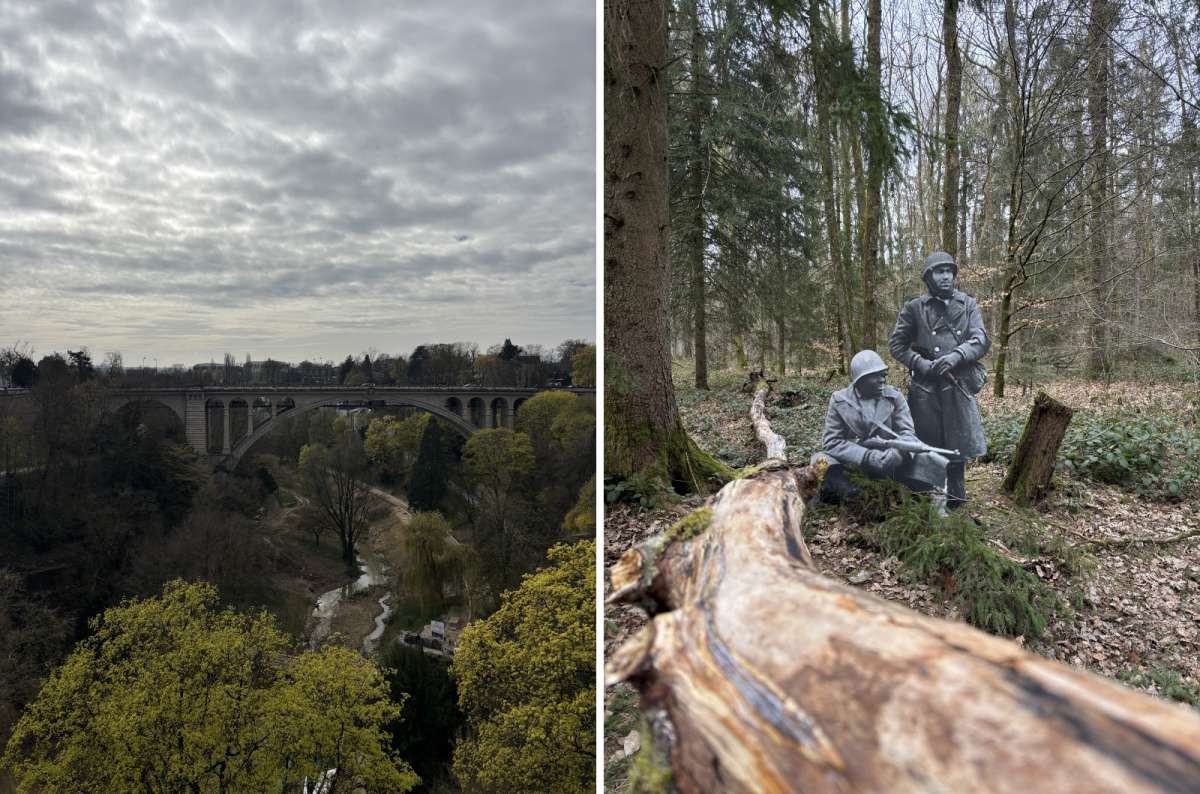
For most travelers, the best time to visit Luxembourg is spring or early fall.
That gives the country the best chance to show off what it actually does well: valleys, viewpoints, castles, forest walks, and scenic routes.
Spring gives you greenery, comfortable temperatures, and strong viewpoints.
Summer gives you long days and easier family logistics, but more crowds.
Autumn gives you color, fewer crowds, and better photography.
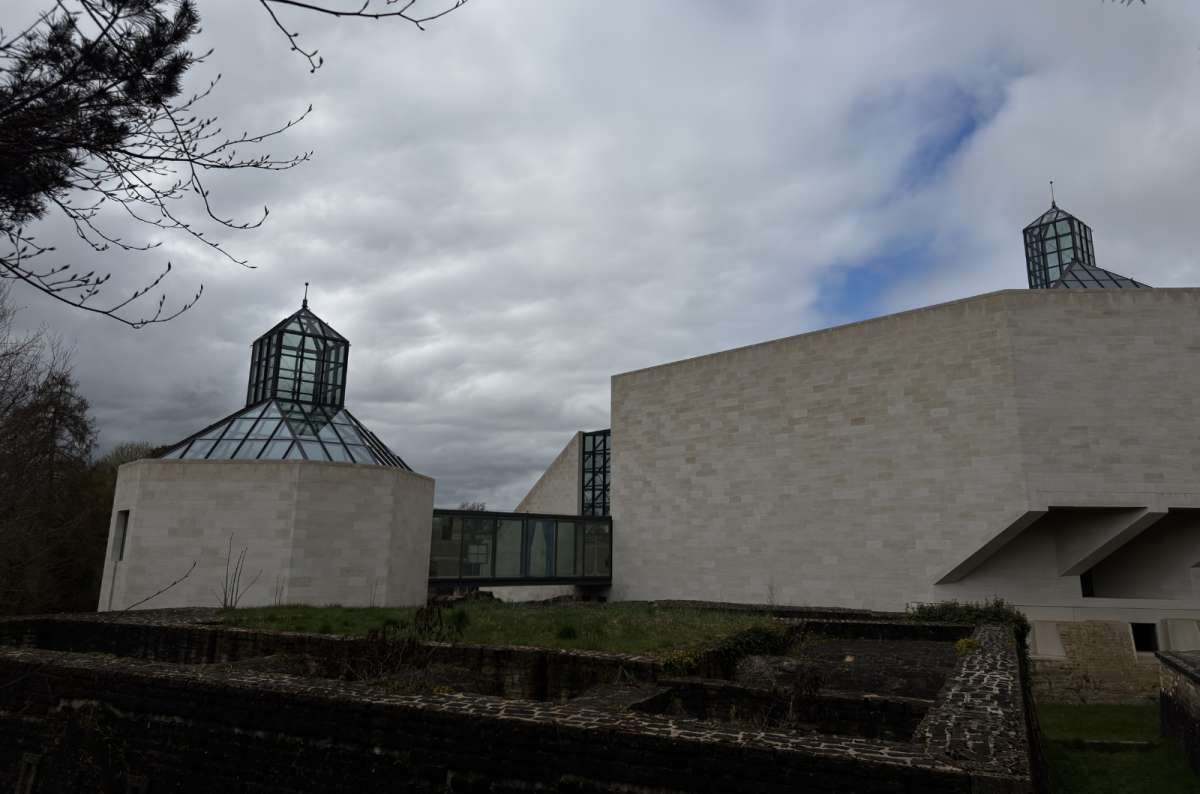
Winter gives you Christmas markets and museums, but weaker scenic road trips.
I would personally choose May, June, September, or early October.
If you are planning Luxembourg for Vianden, Corniche, Grund, Mullerthal, Bourscheid, or road-trip scenery, do not pretend weather is a minor detail.
Luxembourg is more worth visiting when the views have a fighting chance.
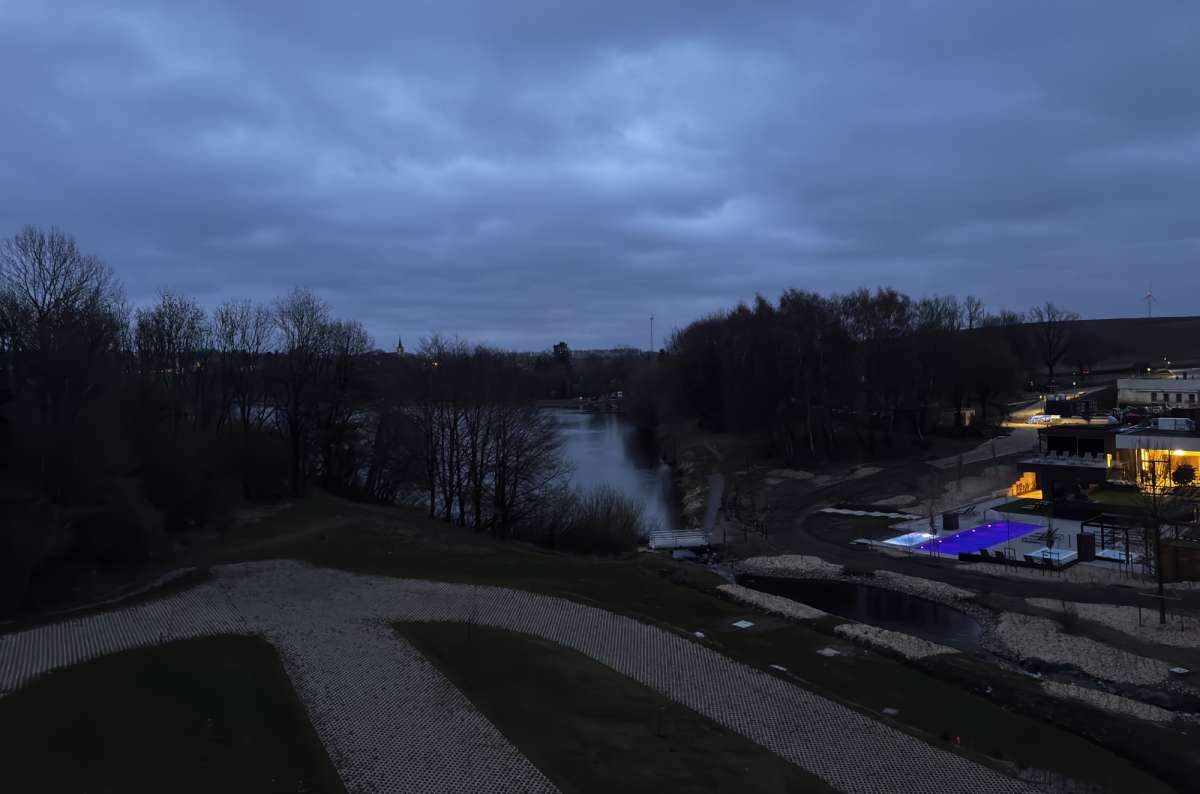
For most travelers, I would stay in Luxembourg City.
It is the best base for first-time visitors, no-car trips, museums, restaurants, public transport, and day trips. It also improves the city experience because Luxembourg City can feel crowded with day trippers during the day and calmer once they leave.
I felt the city was much more pleasant once the day-trip pressure thinned out. If you can spend a night, I think the capital becomes easier to like.
For a slower countryside-focused trip, consider adding one night near Vianden or in northern Luxembourg.
Stay in Luxembourg City for a first-time visit, no-car trip, 1–2 day trip, or budget trip with good public transport.
Consider Luxembourg City + Vianden if castles are a major priority.
Consider Luxembourg City + a northern or countryside base for a 4–5 day road trip.
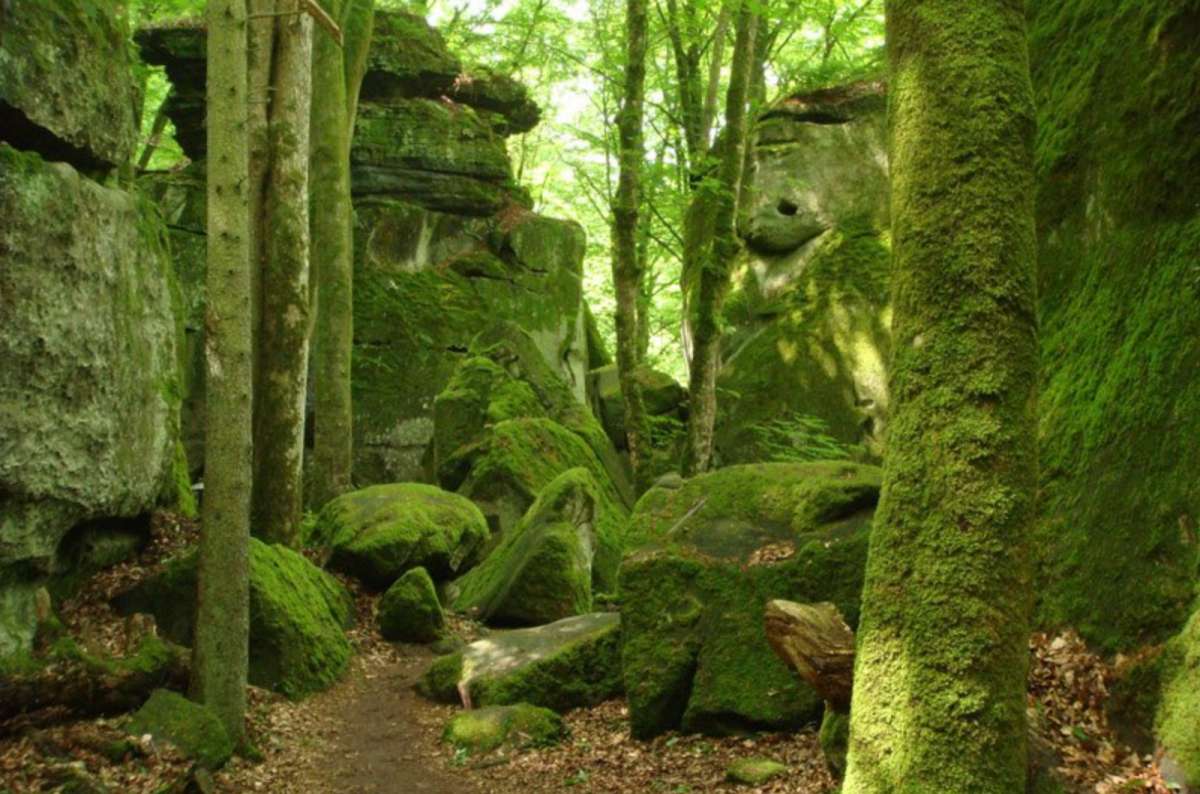
Consider Luxembourg City + Mullerthal / eastern Luxembourg if hiking and nature are part of the trip.
Stay in Luxembourg City unless your itinerary clearly benefits from a countryside base.
If driving, check parking before booking. Parking drama is not a personality-building exercise.
Use my guide to where to stay in Luxembourg before you book.
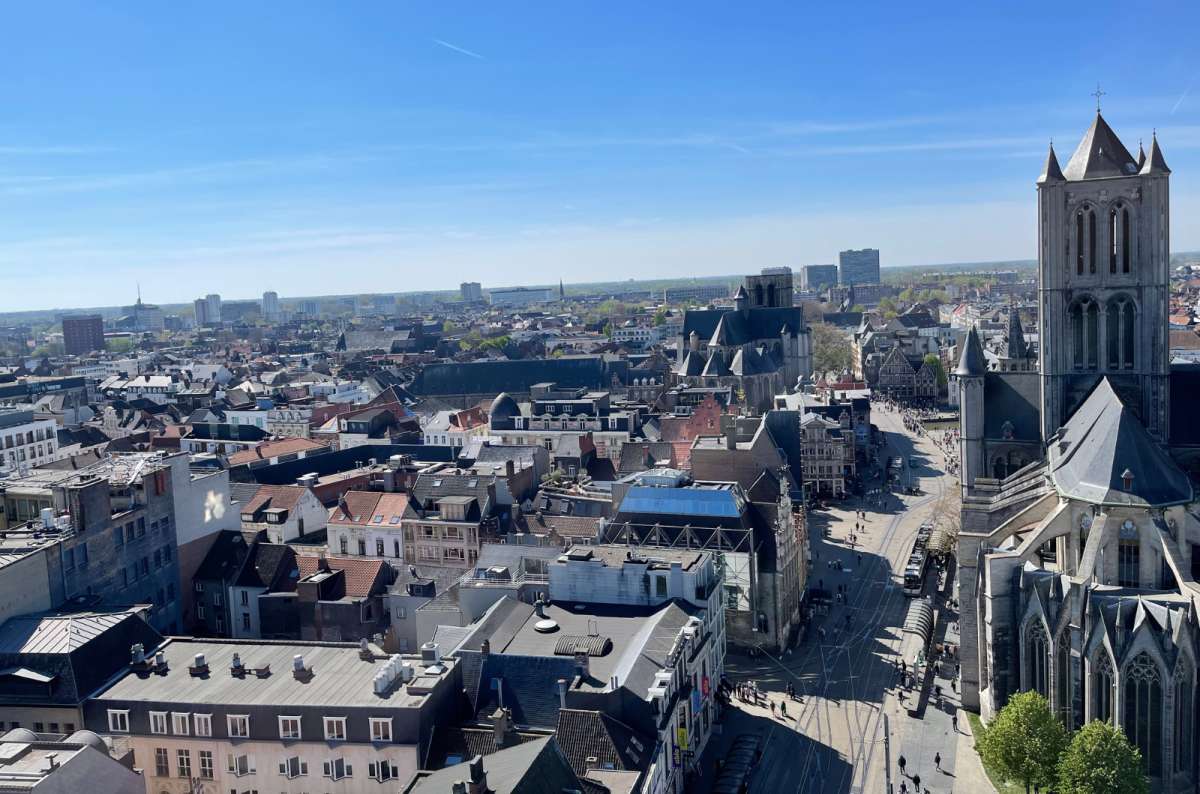
Luxembourg fits best as part of a Western / Central Europe route.
It combines well with Belgium, Germany, France, the Netherlands, a Benelux trip, a road trip between major cities, or a second-time Europe itinerary.
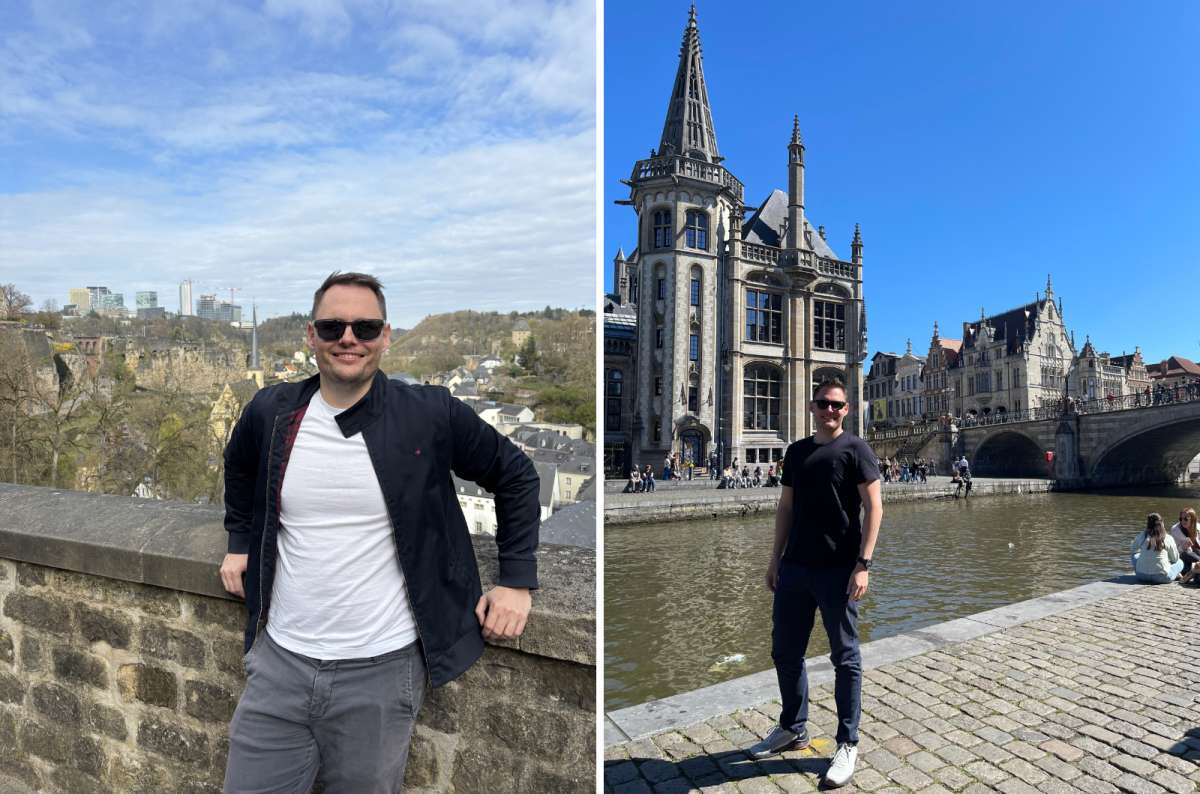
Not better. Different.
Belgium has stronger city variety and better food travel. Luxembourg is better for compact scenic routes, castles, valleys, and efficient countryside days.
Or, as I kept joking to myself: Luxembourg sometimes feels like Belgium where they eat German food and speak French.
Deeply scientific analysis, obviously.
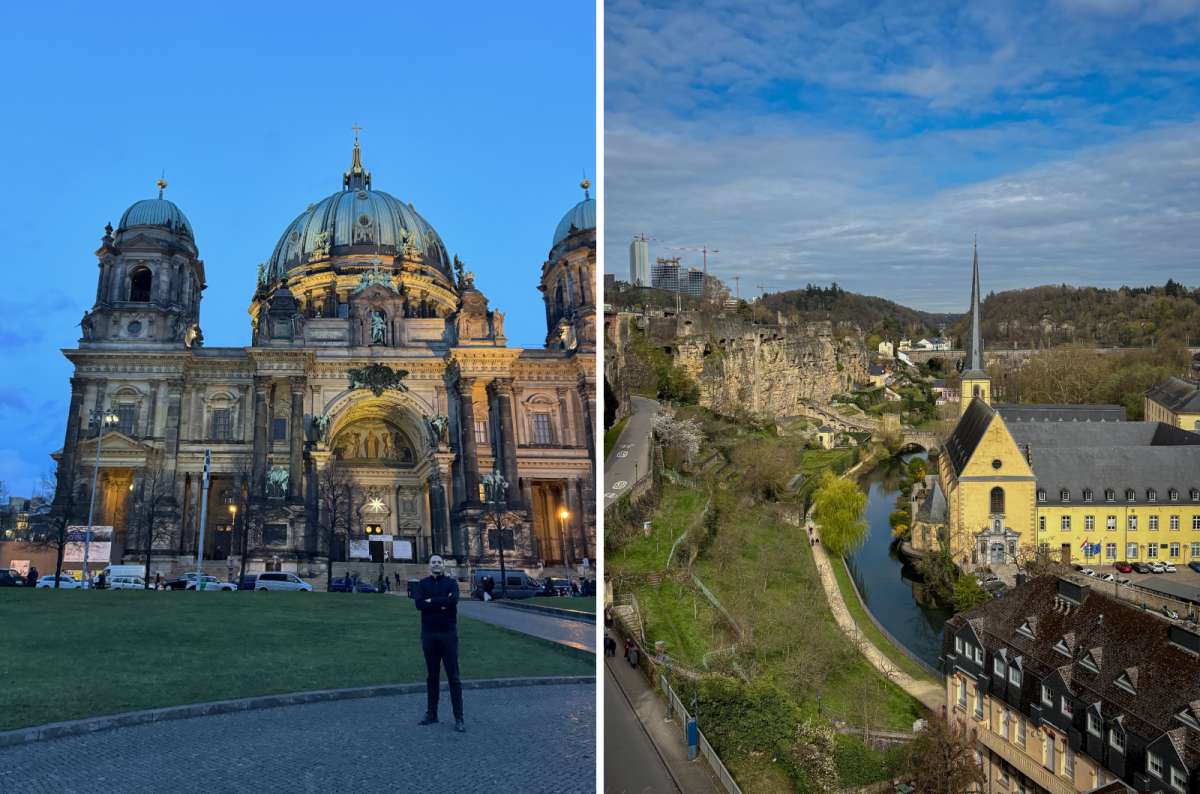
Germany has bigger cities, deeper regional variety, and more famous castles.
Luxembourg gives you a compact, easy, small-country version with less distance between stops.
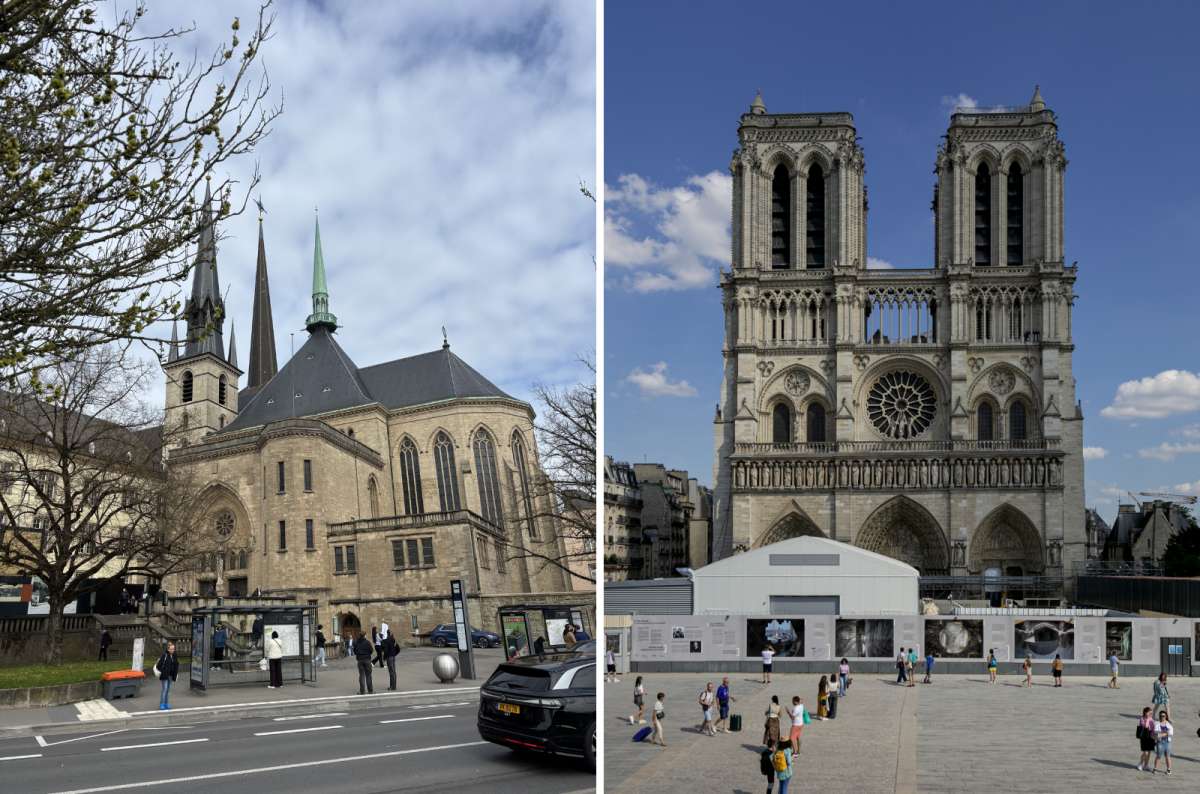
France is obviously the stronger destination if you want food, culture, scale, and iconic landmarks.
Luxembourg is easier, smaller, tidier, and more efficient.
Luxembourg works best as a smart add-on or compact standalone country trip. It is not trying to beat its neighbors at their own game.
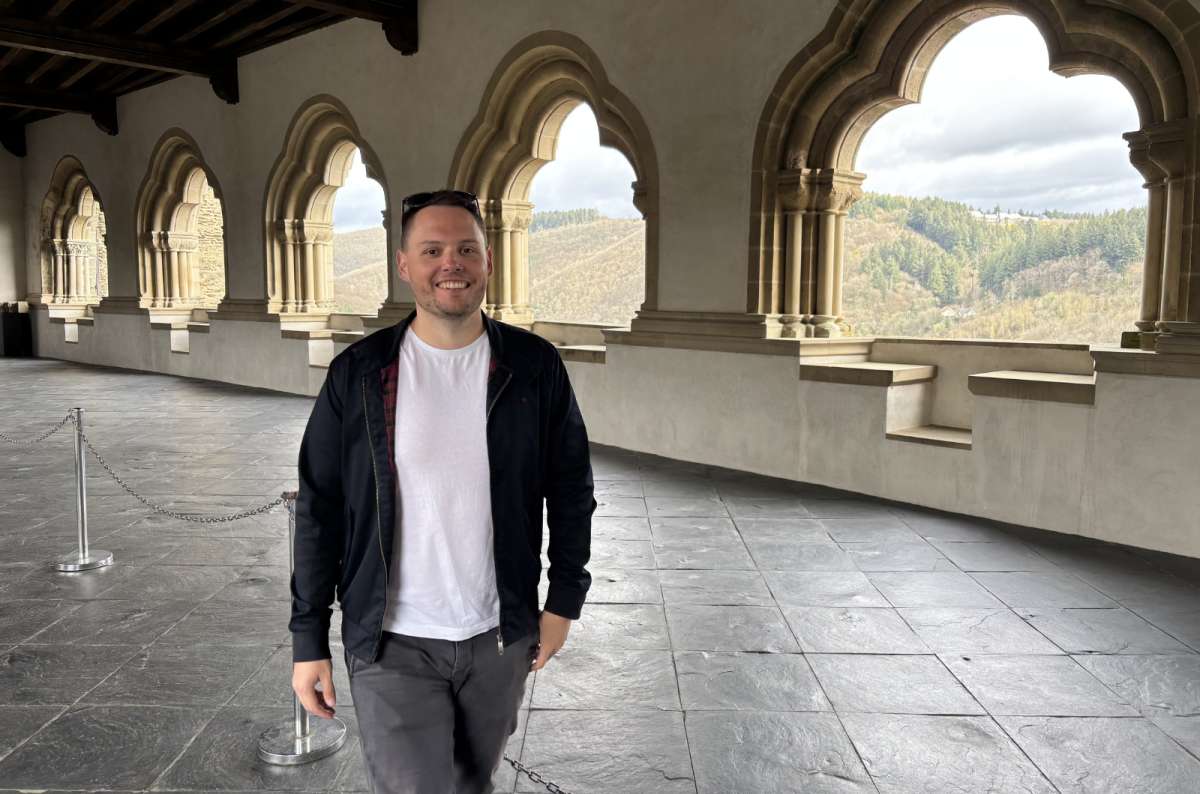
I think Luxembourg is worth visiting for the right traveler.
It is not a universal must-see, and that is exactly why this article should exist.
First-time Europe traveler: maybe. I would add it only if route-efficient.
Repeat Europe traveler: yes. I think it is a great small-country add-on.
Castle lover: yes. I would prioritize Vianden.
Scenic road trip traveler: yes. I would spend 3–5 days.
City-break traveler: yes, but short. I would keep Luxembourg City to 1–2 days.
Museum / history traveler: yes. I would add the City History Museum and Musée Dräi Eechelen.
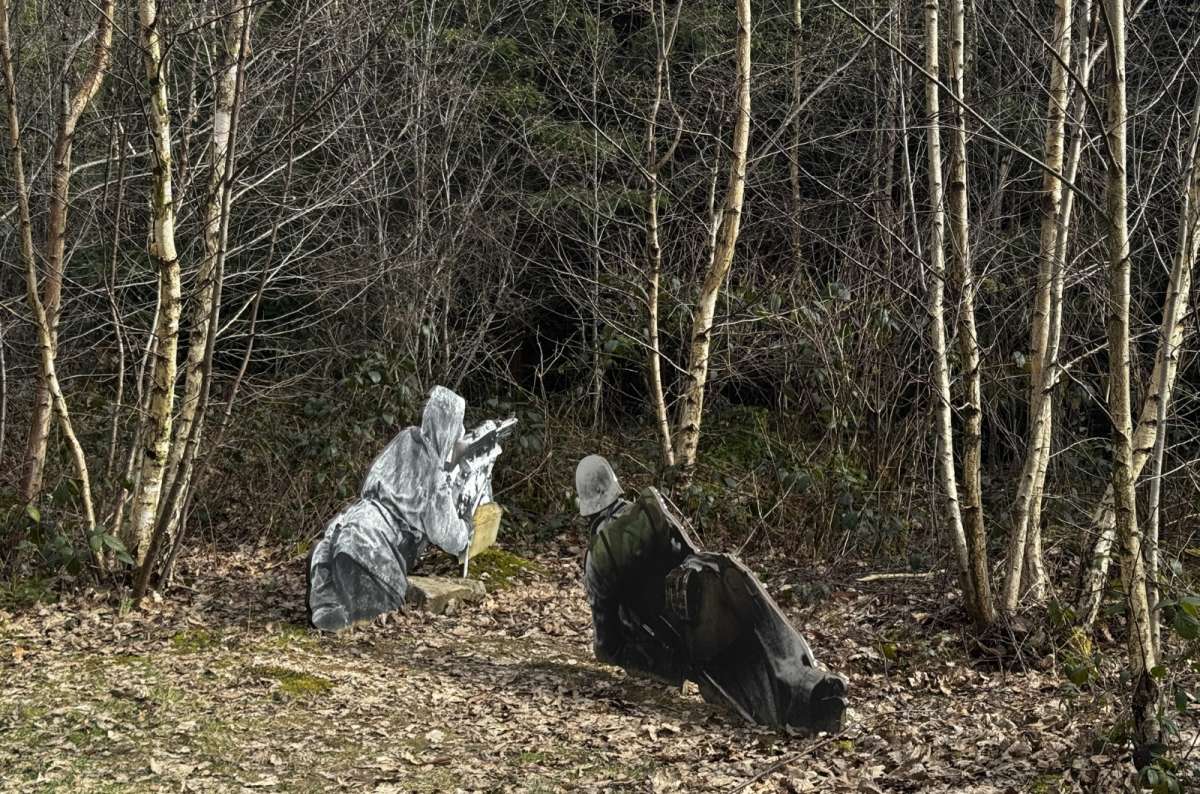
WWII history traveler: yes. I would include Schumannseck.
Budget traveler: conditional. I would use free transport and limit expensive extras.
Food traveler: no / conditional. I would not go mainly for food.
Family traveler: yes, especially with a car and relaxed pacing.
Photographer: yes, especially in spring or fall, with viewpoints, Vianden, and valleys.
Hiker: yes, with research. I would add Mullerthal and nature routes if the weather and route fit.
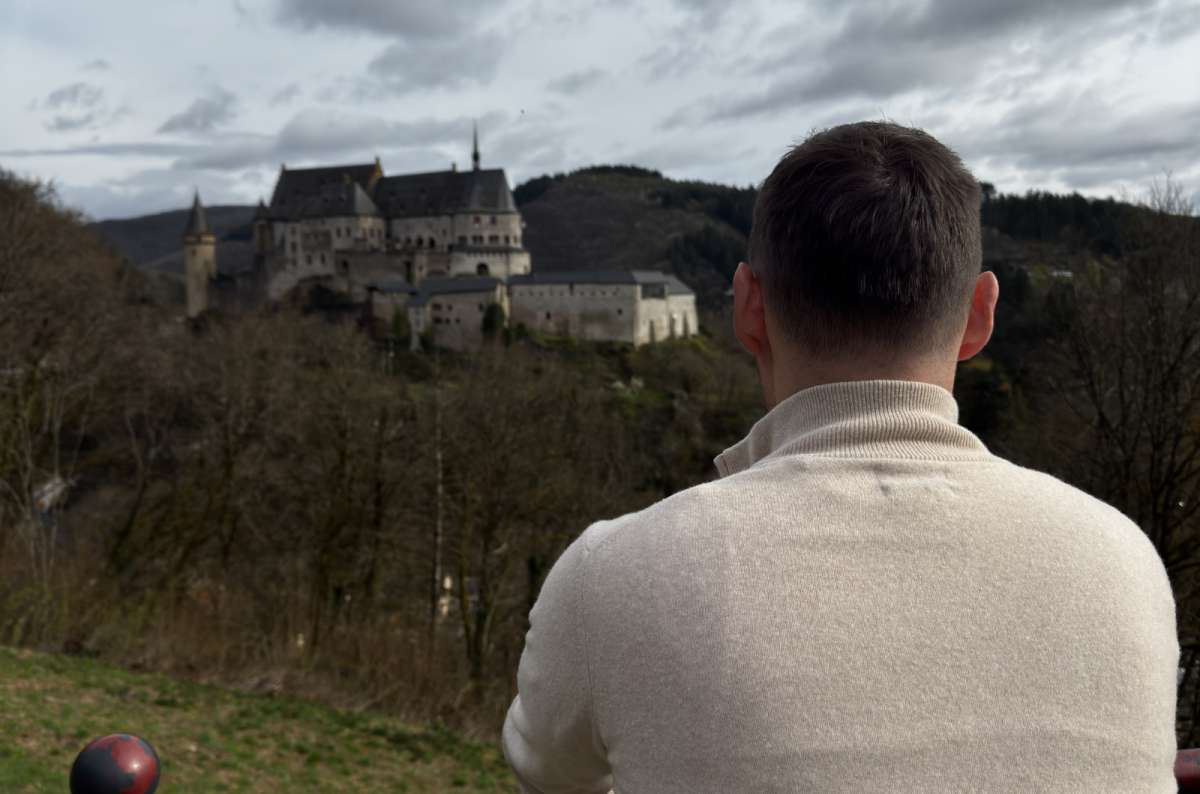
Yes, Luxembourg is worth visiting—but not lazily.
If you only walk around the central squares, visit the most famous attraction because everyone says so, and leave before seeing the valley properly, you may find Luxembourg underwhelming.
If you plan around Corniche, Grund, the Alzette Valley, Vianden Castle, the City History Museum, Schumannseck, and a few scenic route-based stops, Luxembourg becomes much more rewarding than its size suggests.
I would visit Luxembourg if you want a compact scenic trip, like castles and viewpoints, enjoy efficient road trips, want a smart add-on to Belgium / Germany / France / the Netherlands, have 2–5 days, and enjoy museums and layered city history.
I would maybe skip Luxembourg if this is your first and only Europe trip, you want major bucket-list landmarks, you only care about food or nightlife, you dislike small destinations, or you do not want to plan beyond the capital.
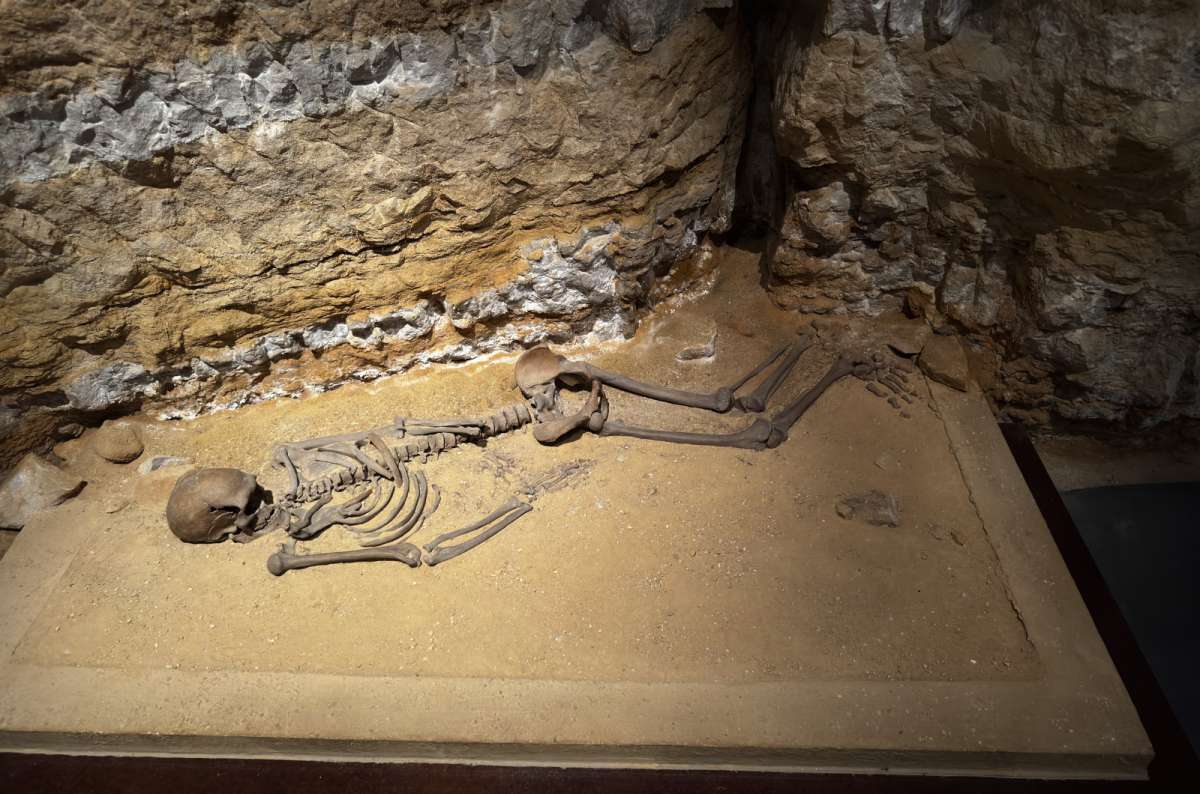
Spend at least one good day in Luxembourg City, but do not let the capital carry the whole trip. Add Vianden. Add one smart countryside or history route. Use public transport in the city. Rent a car if you want the country to feel properly worthwhile.
Luxembourg is small enough to see efficiently and just interesting enough to punish lazy planning.
Start with my Luxembourg Travel Guide, then use my 5-day Luxembourg itinerary if you want the country to feel varied instead of just small.
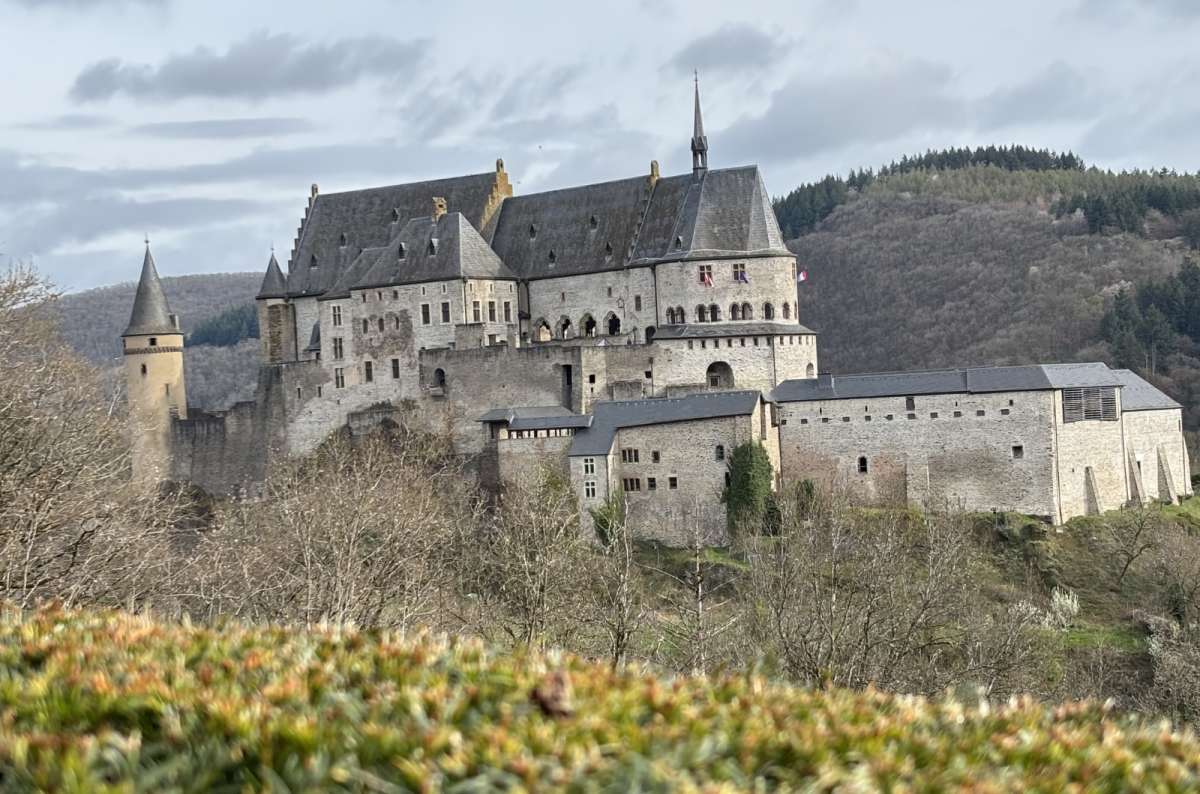
Yes, Luxembourg is worth visiting if you enjoy scenic viewpoints, castles, history, museums, and efficient road trips. It is less worth it if you expect endless blockbuster attractions or a long city-only trip.
Yes, Luxembourg City is worth visiting for Corniche, Grund, the Alzette Valley, fortification views, and the City History Museum. But it is best for 1–2 days, not a long city break.
Most travelers need 2–3 days in Luxembourg. Spend one day in Luxembourg City, one day at Vianden, and add a third day for museums, fortifications, or a countryside route. Five days works well if planned as a compact road trip.
Luxembourg can be worth a day trip if you focus on Luxembourg City’s scenic core: Corniche, Grund, the Alzette Valley, and maybe the City History Museum. But one day does not show the countryside, which is a major reason the country is worth visiting.
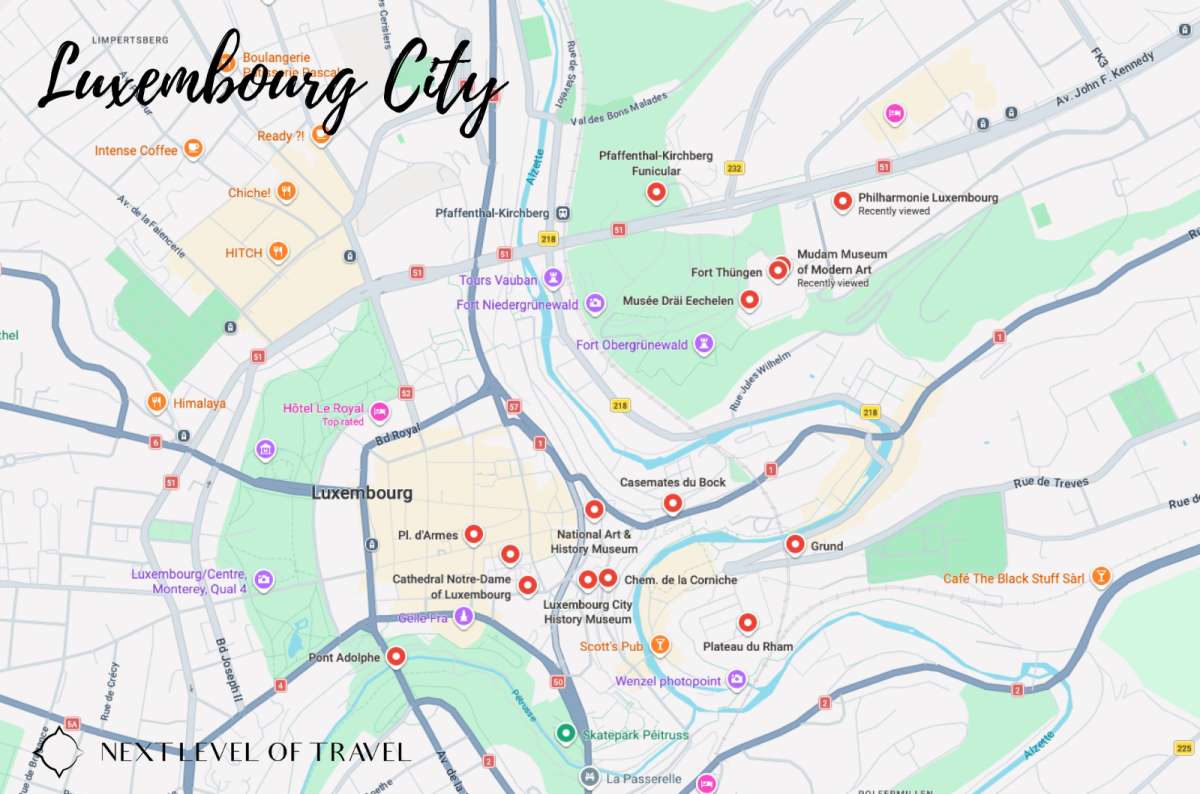
Luxembourg is not a cheap destination, but free public transport helps. It feels better value when you prioritize high-payoff sights and avoid overpaying for underwhelming extras.
Luxembourg is not better than Belgium. It is different. Belgium has stronger city variety and food culture, while Luxembourg is better for compact scenic routes, castles, valleys, and efficient countryside travel.
For travelers, Luxembourg is best known for Luxembourg City’s fortifications and valley views, Vianden Castle, compact scenic road trips, castles, museums, and countryside landscapes.
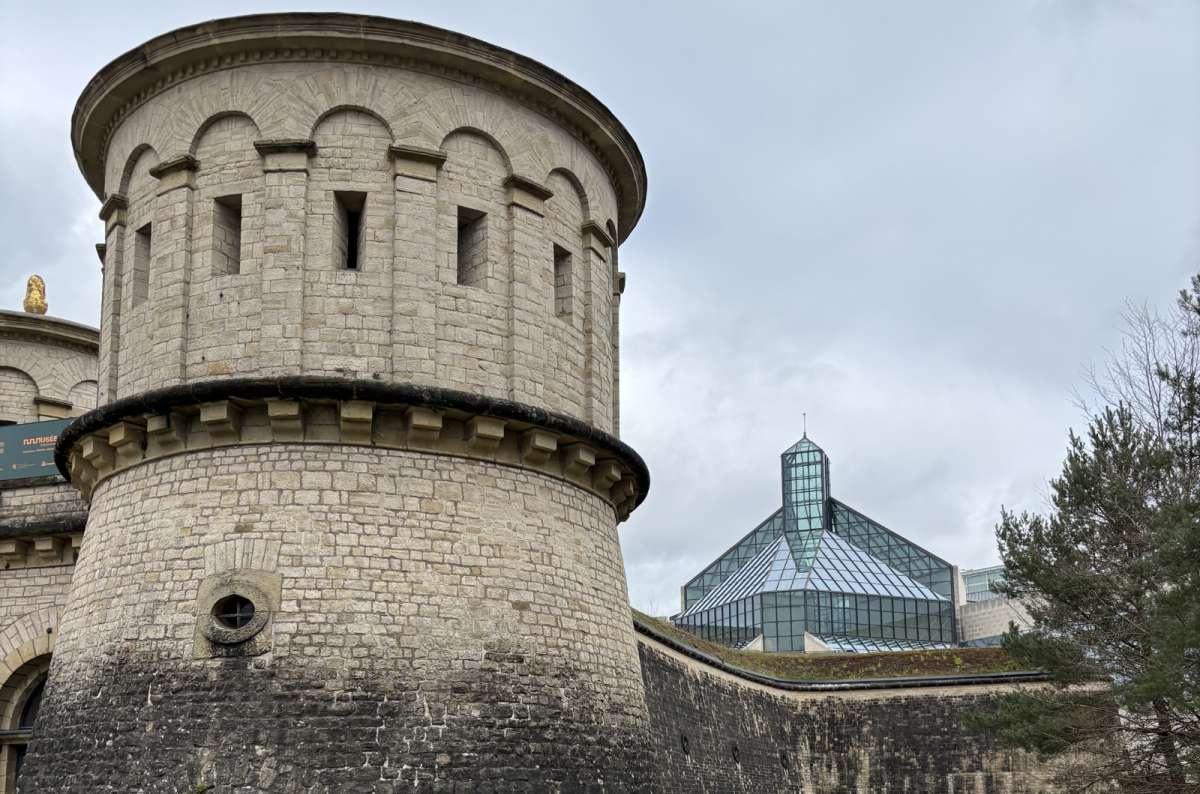
You do not need a car in Luxembourg City, because public transport is free and useful. But a car makes Luxembourg more rewarding if you want to visit Vianden, Bourscheid, Schumannseck, Burfelt, Mullerthal, or countryside viewpoints efficiently.
This post contains affiliate links. If you make a booking through one of my links, I may earn a small commission—at no additional cost to you. Thank you for your support!
Quick rankings from my Luxembourg trip
Is Luxembourg worth visiting? Quick verdict
What is Luxembourg actually like?
The biggest reasons Luxembourg is worth visiting
Reasons Luxembourg might disappoint you
Is Luxembourg City worth visiting?
Is Luxembourg worth visiting if I only have one day?
Is Luxembourg worth a dedicated trip?
How many days do you need in Luxembourg?
What should you prioritize if you visit Luxembourg?
What should you skip in Luxembourg if time is limited?
Is Luxembourg worth visiting without a car?
Is Luxembourg expensive, and does it still feel worth the money?
Best time to visit Luxembourg if you want it to feel worth it
Where should you stay if visiting Luxembourg?
Luxembourg vs nearby countries: when does it fit?
My verdict: should you visit Luxembourg?


Hi, I’m Jan. I travel fast and intensely, whether I’m exploring the buzz of Tokyo in 3 days or road-tripping through mountains and beaches on a 3-week Thailand adventure. And no matter where I am, you’ll always find me in a comfortable hotel at night and eating the best food.
If that sounds like your kind of journey, hop on board, and let’s explore the world together!
I started this blog after realizing how tough it can be to find reliable, authentic travel info. You wouldn’t believe how many “travel bloggers” never even visit the places they write about! On Next Level of Travel, you can count on my full honesty and insights drawn from my firsthand experiences.
Here’s the deal: not every destination is all superlatives and unicorns. I’ll let you know if a tourist attraction isn’t worth your time, like skipping overrated stops in my 2-week Spain itinerary. And when I find something truly special—like the perfect mix of culture and nature in Cape Town—you can trust that it’s worth adding to your itinerary.

Comments | Thoughts? Give us a shout!