


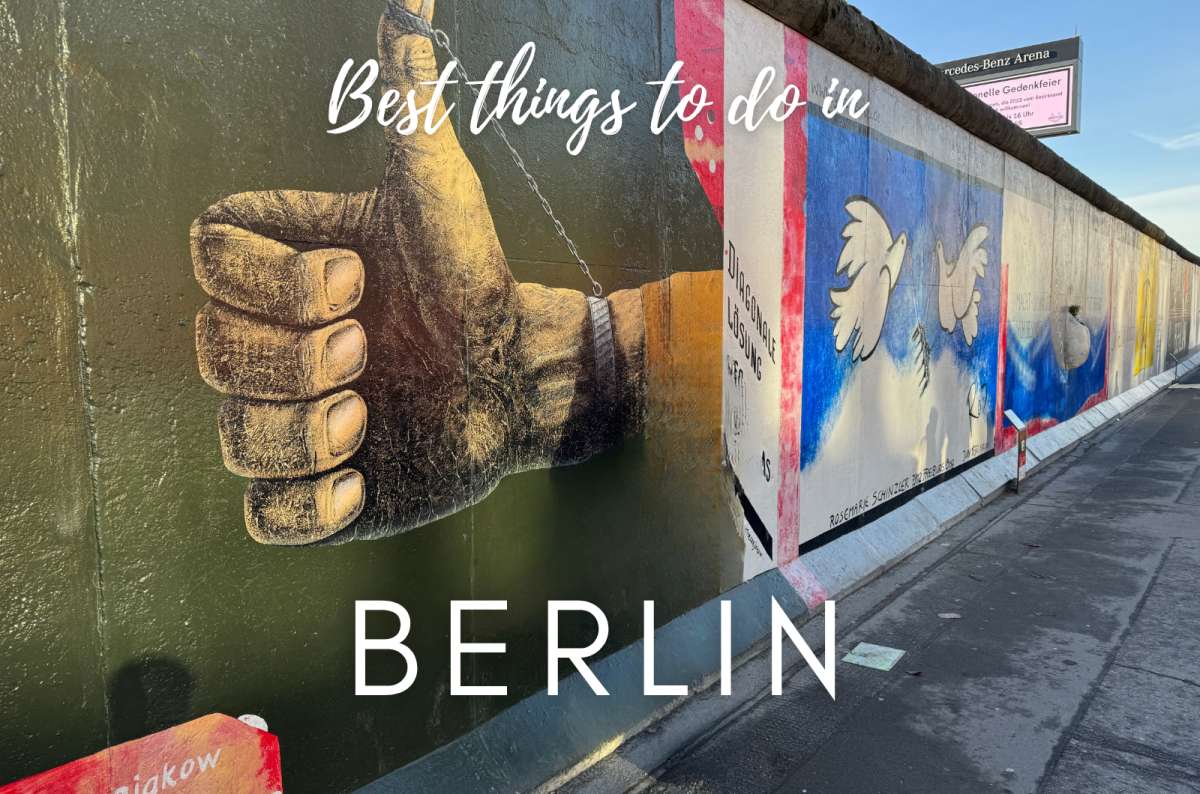


Best things to do in Berlin—ranked based on my own experience
How to see the best of Berlin in 3 days
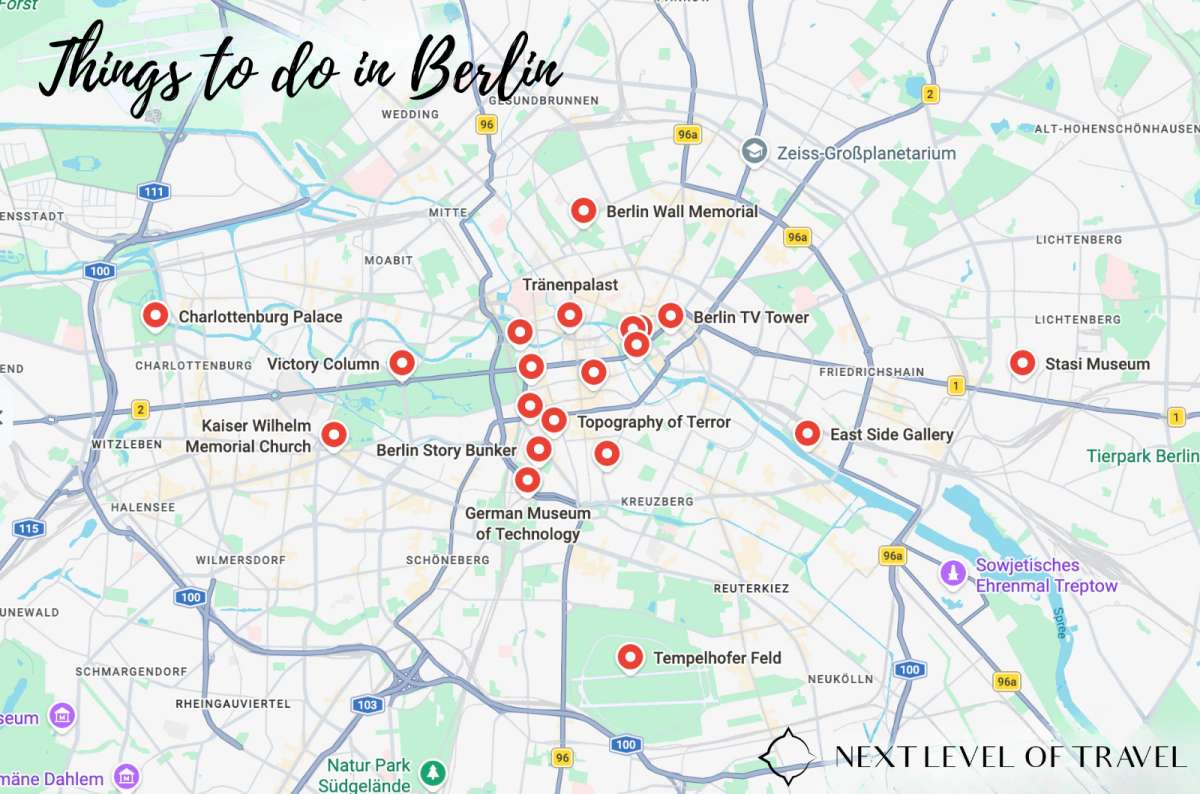
Map of the best things to do in Berlin
4. Reichstag and Brandenburg Gate
6. Kaiser Wilhelm Memorial Church
10. Memorial to the Murdered Jews of Europe
15. Victory Column and Tiergarten
Final thoughts: So, what are the best things to do in Berlin?
Berlin is my favorite city in Germany, but I can also see why some people leave wondering what all the fuss is about.
I spent 4 days in Berlin expecting a lot of WWII and Cold War history, a ridiculous number of museums, and a city that probably wouldn't win any beauty contests. I was right about all three. What surprised me was just how good some of those museums were—and how much more interesting Berlin became once I stopped expecting it to behave like a typical European capital.
If you want beautiful old streets and outdoor sightseeing all day, I'd choose somewhere like Prague or Vienna. If you're choosing between German cities, I'd pick Berlin over Munich or Hamburg specifically for the history and museums. That's where Berlin is in a league of its own.
Berlin is spread out, parts of it are downright ugly, and many of its best attractions involve spending hours learning about some of the darkest periods in European history.
But if you're interested in Nazi Germany, WWII, the Berlin Wall, East Germany, or the Cold War, Berlin is hard to beat. You can visit the former Stasi headquarters, see how the Berlin Wall border system actually worked, and stand where major events happened rather than just reading about them.
Is Berlin worth visiting? Absolutely—if history and museums are high on your list. I'd give Berlin at least 3 full days; 4 is even better if you're a history nerd like me. If museums bore you and you mainly want pretty streets and outdoor sightseeing, I'd choose another city.
My top tip: Don't stack all the emotionally heavy museums into one day. It may look efficient on Google Maps, but your brain will be soup by dinner. And reserve the Reichstag dome in advance—it's free, but you can't simply turn up whenever you feel like it.
Below, I've ranked the 20 best things to do in Berlin by how worthwhile I actually found them—not by how famous they are. There are a lot of tourist attractions in Berlin you can safely skip, so this isn't a checklist.

A classic Remise is a paradise for car enthusiasts, but after a full day in Berlin, only a hearty serving of German food will save you
And what about Checkpoint Charlie, you ask? I never understood the hype. During the Cold War, this was the American-controlled Allied checkpoint at the border between East and West Berlin, and it became famous for the 1961 confrontation between American and Soviet tanks. What you see today is largely a reconstruction, including the replica guardhouse, and the whole area is crowded and very commercial. The last original guardhouse is now at Berlin's Allied Museum if you want to see the real thing. It's worth a quick look when you're already near Topography of Terror, but I wouldn't make a separate trip across Berlin for it.

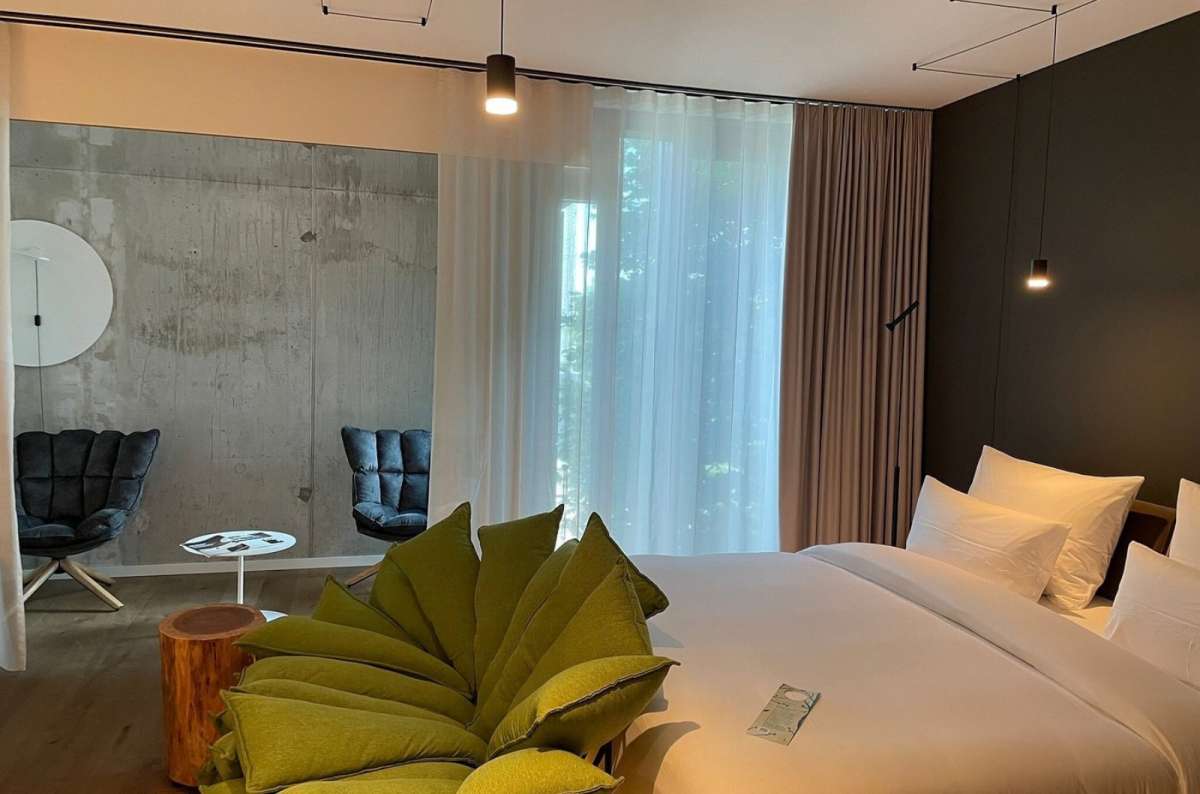
Wonderful stay at @KPM Hotel & Residences
I stayed at KPM Hotel & Residences in Charlottenburg, and I'd happily stay there again.
The hotel is big, very modern, and almost suspiciously clean. The design was exactly my taste, parking right in front of the hotel was a huge plus for us, the sauna was great, and breakfast was superb. It was also the first hotel breakfast where I've ever found kimchi, so obviously that earned points.
The location worked well for our sightseeing, although don't expect to walk everywhere from here. Berlin's attractions are spread across a surprisingly large area, so you'll be using public transport anyway.
Would I stay again? Yes. It's a particularly good choice if you want a modern hotel, are traveling by car, or don't mind staying outside the busiest tourist center.
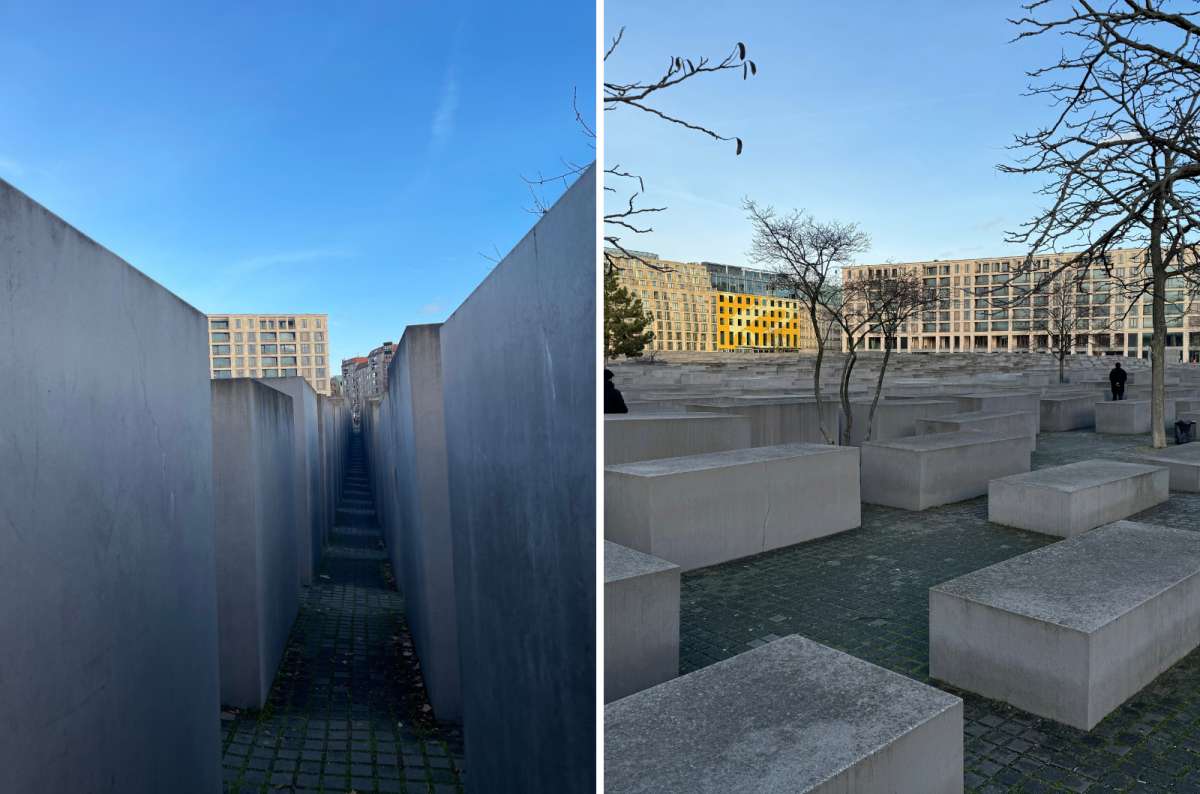
The Memorial to the Murdered Jews of Europe genuinely worth a closer look
Three days is enough for the main Berlin attractions, but only if you accept that you don't need to visit every museum with a door.
Here's how I'd group the sights. The point isn't to follow this schedule minute by minute—it's to avoid zigzagging across Berlin and accidentally spending one day inside five emotionally exhausting museums.
That's enough. Don't look at the map and decide the Jewish Museum can probably fit too.
If you have time for one more: choose Tempelhofer Feld for something outdoors, Deutsches Technikmuseum for technology or kids, Charlottenburg Palace for Prussian history, or the Berlin TV Tower for the view.
One. Not all four. You're visiting Berlin, not competing in an attraction triathlon! If you have another day to work with, follow my 4-day Berlin itinerary for a less rushed version of the trip.
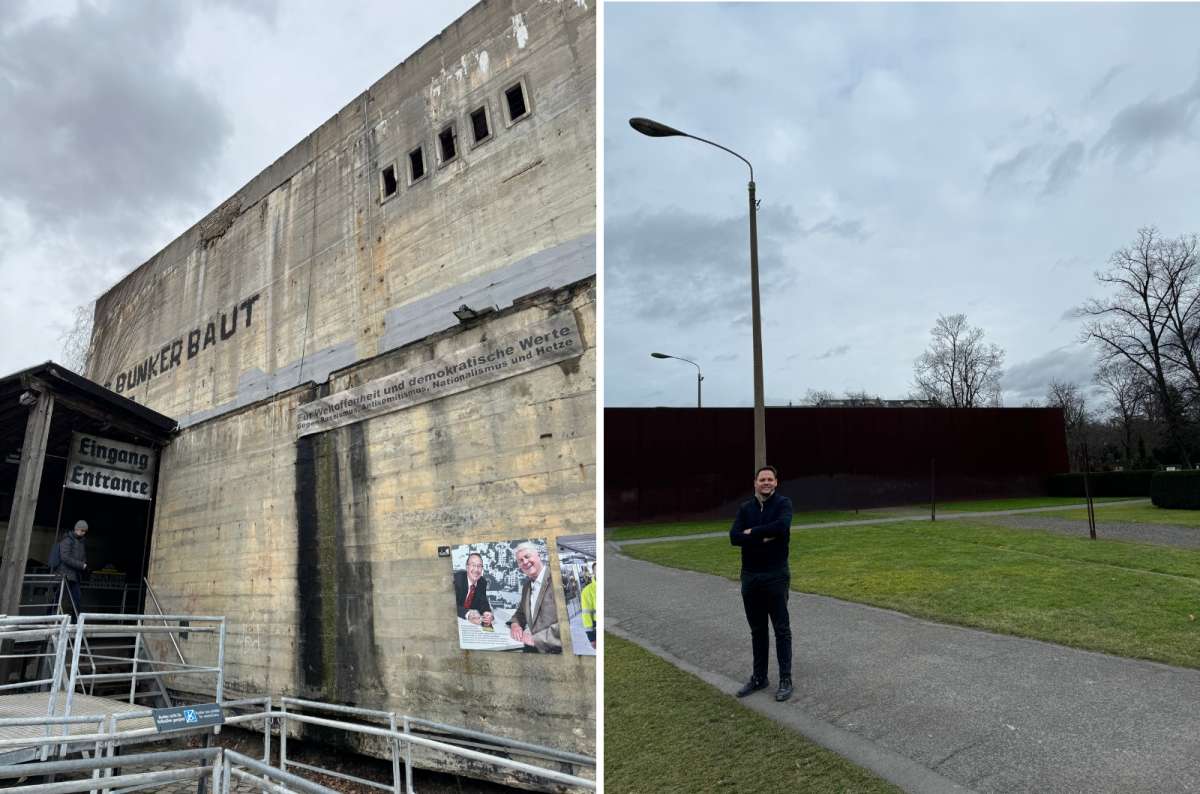
Exploring the dark German history inside the massive Berlin Story Bunker (left) and looking back at the remnants of the Berlin Wall (right).
Berlin Story Bunker was one of the best explanations I've seen of how Nazism actually developed and what came before it. The exhibition follows Hitler from his early life and rise to power through the development of the Nazi regime and ultimately to becoming one of history's biggest mass murderers.
What I liked most was that it doesn't just tell you what happened. It shows how dictatorship can creep in gradually when nobody stops it at the beginning. There are also interesting details about Nazi propaganda, including how deliberately the swastika flag was designed to work well on posters.
The audio guide is a must. There are around 45 sections, so don't come here thinking you'll be done in an hour.
One clarification: this isn't the bunker where Hitler died—that was about 1 km away. The exhibition also addresses some of the conspiracy theories surrounding his death.
If you're choosing between Berlin Story Bunker and Topography of Terror, I'd prioritize the Bunker. There's some overlap, but I found this much better for understanding the bigger story of how Nazism developed. History lovers can absolutely visit both.
The main downside is the intensity. It's a lot of information; it's obviously not cheerful, and I wouldn't recommend it for young kids.
Combine it with: Topography of Terror and a quick stop at Checkpoint Charlie. Parking around the Bunker was terrible when I visited, so public transport is the easier option.
For me, this is one of the best things to do in Berlin, and the place I'd prioritize first if you're interested in World War II and modern history.
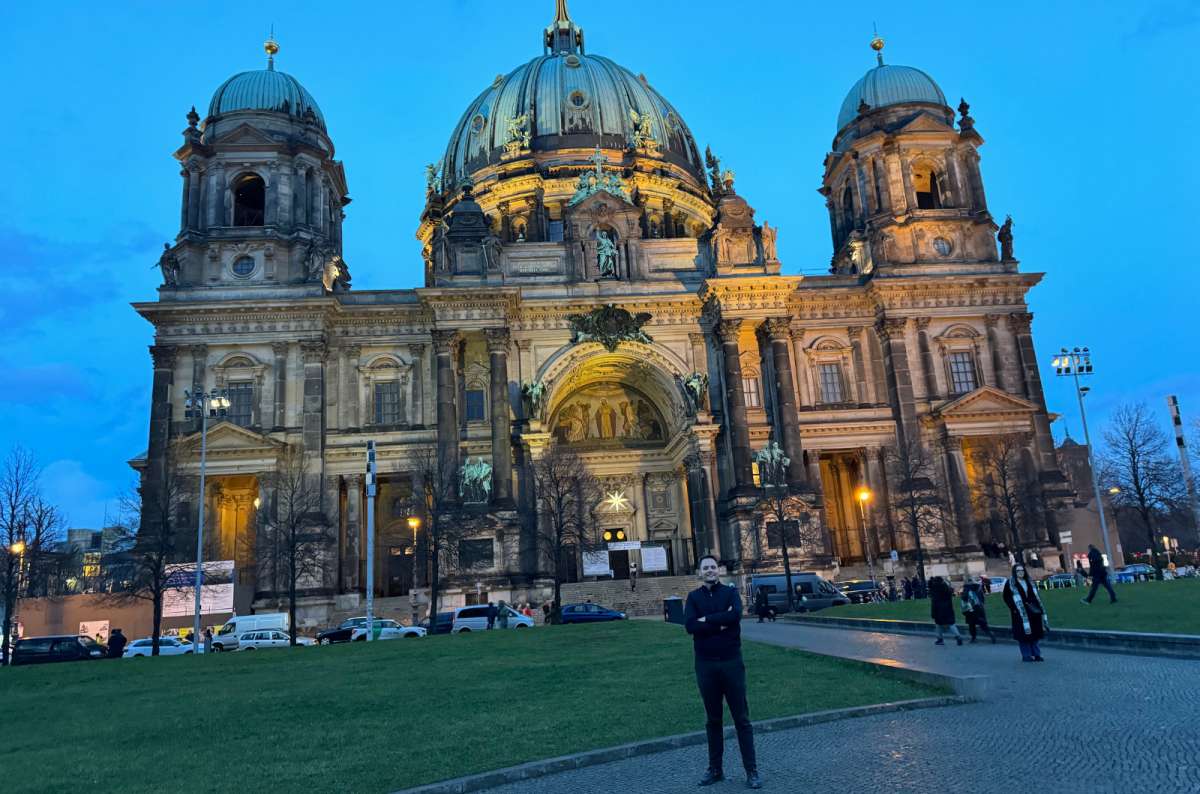
Enjoying the view of the Berlin Cathedral during the blue hour on Museum Island.
Museum Island is something I haven't really seen anywhere else—an entire island packed with world-class museums. There are five museums here, covering thousands of years of world history, from ancient Egypt and classical antiquity to Byzantine art and 19th-century painting.
When I visited, the Pergamon Museum was the best of the best, especially for its huge reconstructed ancient monuments. Unfortunately, it is currently closed for renovation and is scheduled to reopen on June 4, 2027.
Until then, I’d prioritize the Neues Museum, especially for its Egyptian collection and the famous bust of Nefertiti. If you want art instead, the Alte Nationalgalerie is the better choice.
Don’t try to collect all five museums just because they’re next to each other. Museum fatigue is real, and Berlin has plenty more museums waiting for you.
Combine it with: Berlin Cathedral, which is right next door. If you only have 2 days in Berlin, choose one museum and move on.
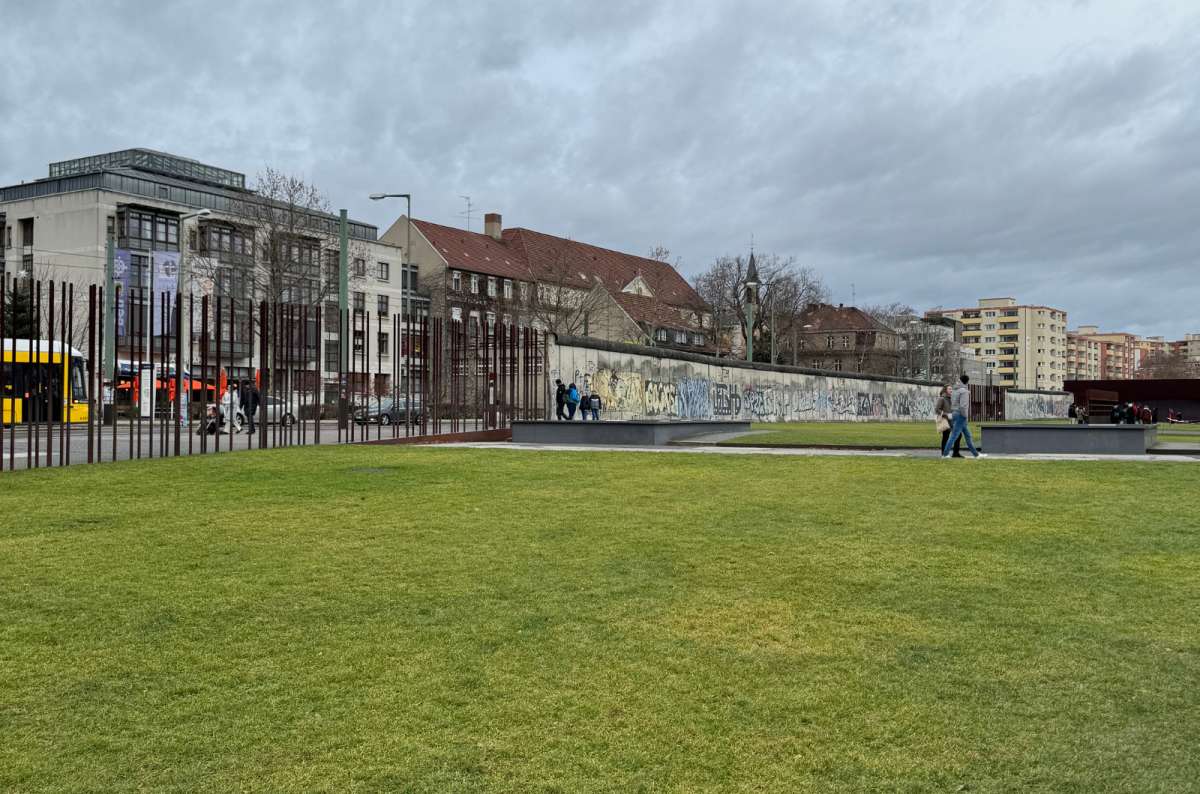
Walking along the preserved border strip at the Berlin Wall Memorial on Bernauer Strasse.
Berlin is full of remains and memorials connected to the Wall, and after a while they can start to feel a little repetitive. The Berlin Wall Memorial on Bernauer Strasse is the one I wouldn’t skip.
What struck me most was the preserved no-man’s-land. This was the first place in Berlin where I really understood how wide the border actually was. You suddenly see that the Berlin Wall wasn’t simply one concrete wall dividing the city, but an entire border system designed to stop people getting out.
There are good information panels along the memorial and photographs of people who died trying to cross the border. It’s pretty morbid seeing the faces of the people who died here, but it makes the place much more real than simply looking at another surviving piece of concrete.
If you’re choosing between this and the East Side Gallery, come here for the history. East Side Gallery is better for murals, symbolism, and photos; Berlin Wall Memorial is much better for understanding what the border actually looked like and how it worked.
Combine it with: Tränenpalast for more Cold War history. If you only have 2 days in Berlin and want to understand the Wall, this is the Wall site I’d prioritize.
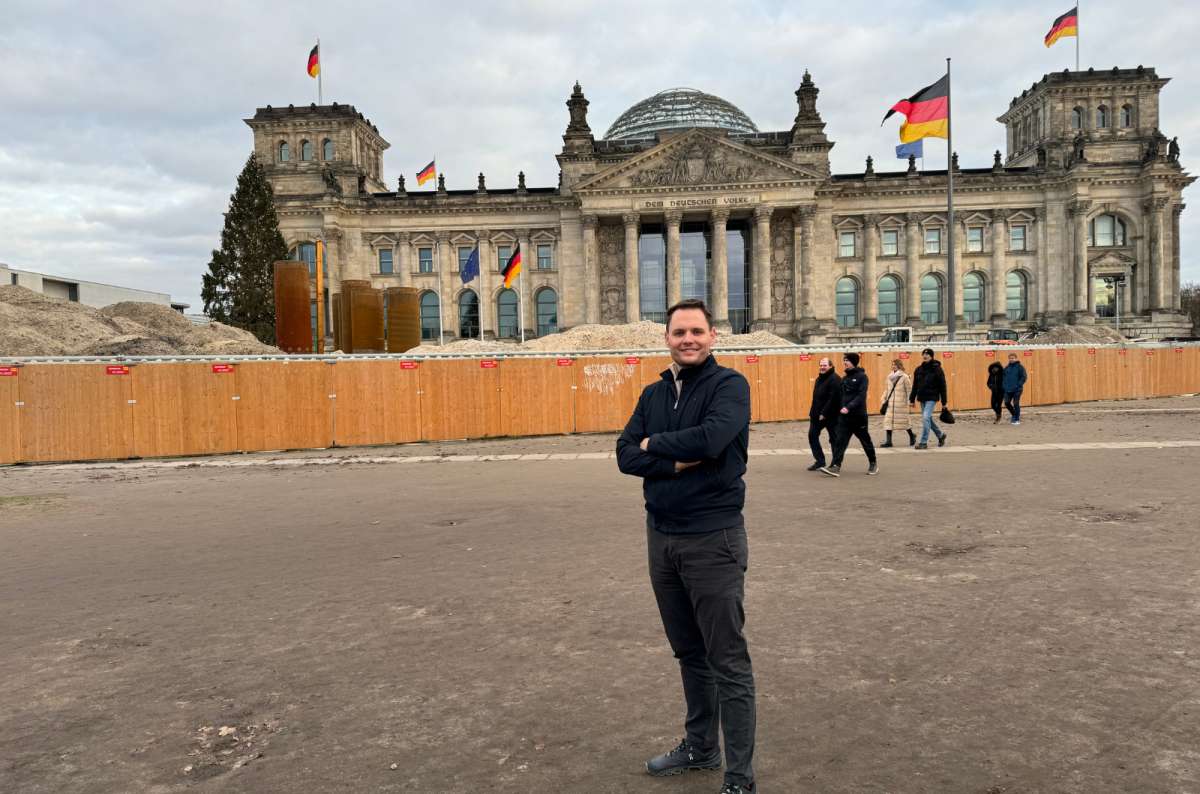
Standing in front of the magnificent historic building of the Reichstag, unfortunately surrounded by reconstruction.
The Reichstag building is beautiful, but the glass dome is what makes it worth more than a quick photo stop. You get 360° views over Berlin, and I liked how the modern glass structure sits on top of such a historic building.
The visit is free, but you need to register in advance for the dome. You’ll need the full name and date of birth of everyone visiting, and you should bring a valid photo ID. There’s also a security check before you enter, so don’t arrive at the last minute.
For photos of the Reichstag itself, I actually preferred the Tiergarten side. There’s so much open space around it, which is something I kept noticing in Berlin compared to many other European capitals.
Brandenburg Gate is different. It’s obviously one of the symbols of Berlin, and it looks great, but realistically, it’s a few photos, and you’re done. I wouldn’t travel across Berlin just to stare at the gate for half an hour.
That’s why I’ve ranked them together. They’re within easy walking distance, and the Reichstag turns this from a famous-landmark photo stop into something genuinely worth prioritizing.
If you’re comparing Berlin viewpoints, I’d choose the Reichstag dome before paying for the TV Tower. You get a great view, interesting architecture, and it’s easily one of the best free things to do in Berlin. For me, the Reichstag is the best value, the TV Tower is the one to choose if you specifically want the highest panoramic view, and I’d only climb the Berlin Cathedral or Victory Column if you’re already nearby or particularly interested in them.
Combine it with: Memorial to the Murdered Jews of Europe, which is only a short walk away. If this is your first trip to Berlin, I wouldn’t skip the Reichstag and Brandenburg Gate.
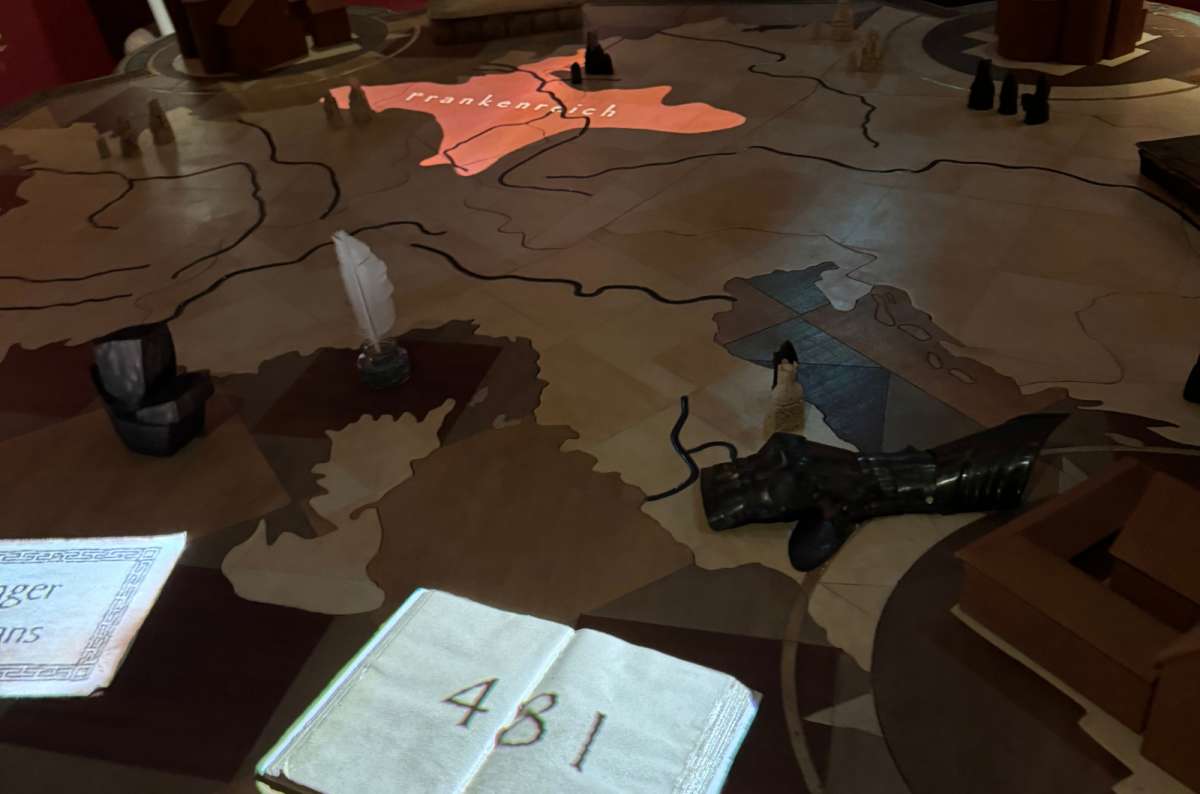
Exploring the interactive maps of European history inside the Deutschlandmuseum in Berlin.
Deutschlandmuseum was almost my favorite museum in Berlin. It’s an interactive run through German history, starting with the Battle of the Teutoburg Forest and moving through the major periods all the way to modern Germany.
What I liked is how creative it gets. There’s a changing map showing how Europe developed after the fall of the Roman Empire; they even use smells in some sections, and WWI is designed to feel like you’re walking through trenches.
The videos were especially good. They’re short, interactive, and often surprisingly funny—basically much closer to how I want history explained than walls covered in academic text.
It obviously covers an enormous amount of history very quickly, so don’t expect huge depth. But I thought they did a very good job choosing which moments of German history actually matter. I also appreciated that they don’t dodge WWII or the damage Germany caused, and the division between East and West Germany is presented particularly creatively.
That’s the main trade-off: Berlin Story Bunker gives you much more depth, while Deutschlandmuseum gives you the bigger German story in a fraction of the time. If you only want one serious modern-history museum, choose the Bunker. If you want a fast overview of how Germany became Germany, this is much better.
Combine it with: Potsdamer Platz and the Memorial to the Murdered Jews of Europe. For around an hour of your time, I think this is one of the best things to do in Berlin.
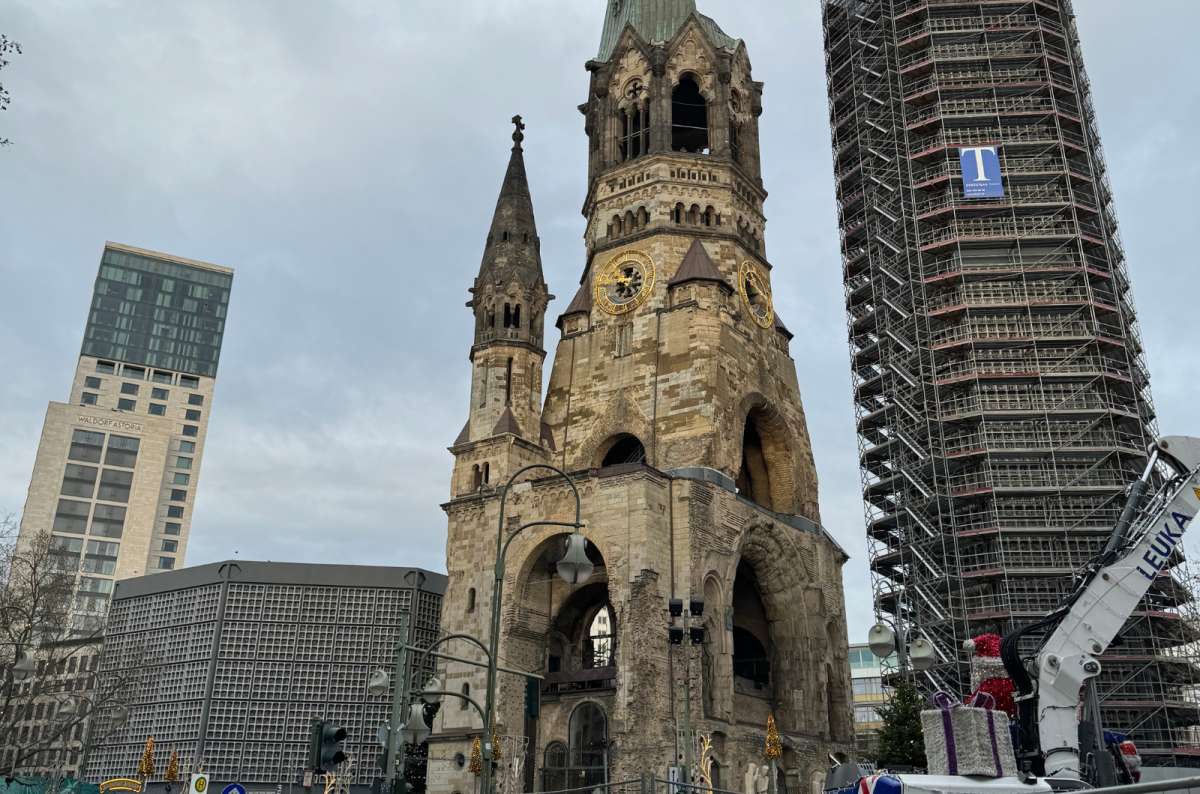
Looking up at the ruined spire of the Kaiser Wilhelm Memorial Church, a stark reminder of World War II.
Kaiser Wilhelm Memorial Church is absolutely worth seeing, mainly because of what it represents. The original church was badly damaged during WWII, and instead of rebuilding it as if nothing happened, Berlin left the ruined tower standing as a memorial.
I really liked that decision. For me, it says something about the German approach to its history: owning the mistakes rather than trying to hide them. You see that attitude repeatedly around Berlin, and it’s one of the things that makes sightseeing here different from many other cities.
Don’t just photograph the ruined tower and leave. Go inside—there are some beautiful surviving mosaics, and it makes the destruction much easier to understand.
The main downside is that it’s in former West Berlin, away from many of the historical attractions around Mitte. The area around Zoologischer Garten and Kurfürstendamm was one of West Berlin’s main centers during the Cold War, so the church fits naturally into a day exploring this side of the city. I probably wouldn’t cross the entire city only for the church, but it’s absolutely worth including when you’re already exploring this part of Berlin.
Combine it with: Tiergarten and the Victory Column. It doesn’t need much of your day, and for the amount of time it takes, I think the payoff is excellent.
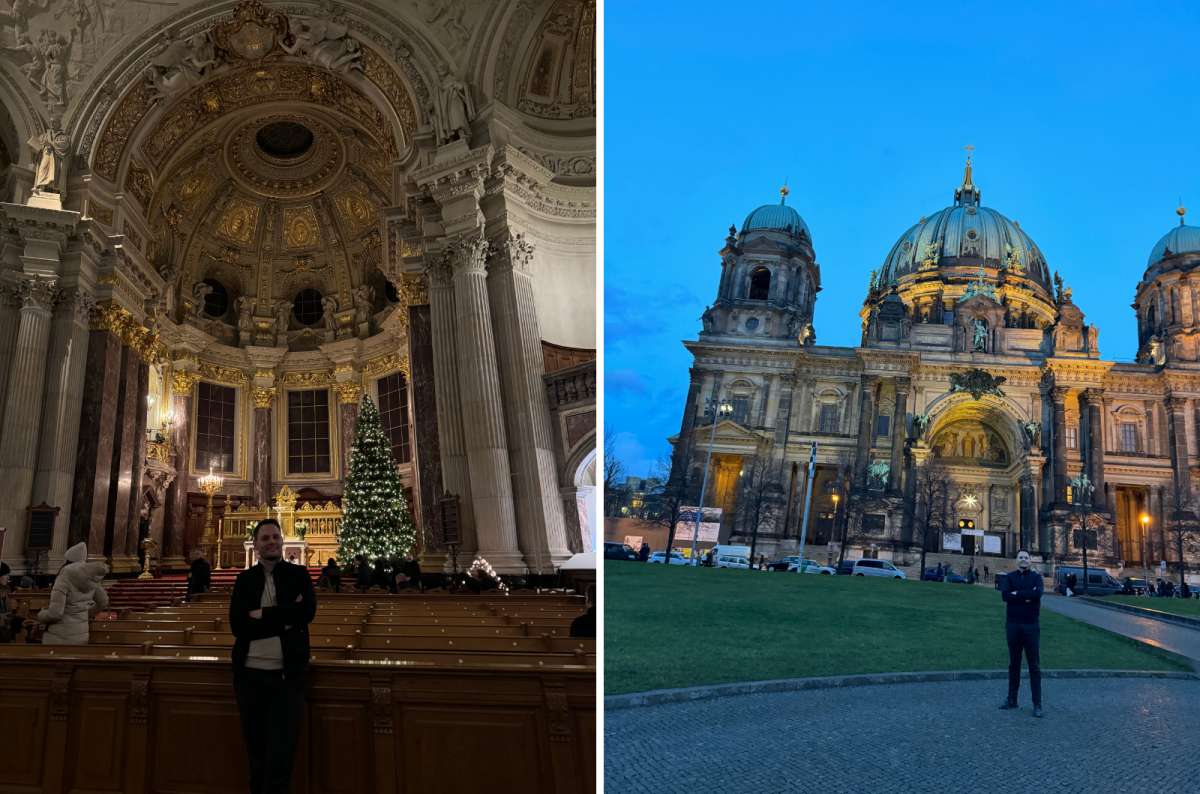
Admiring the cathedral's magnificent size, both inside and out.
Berlin Cathedral is much bigger in real life than it looks in photos. Inside, it feels just as grand, and it’s also the burial place of Prussian royalty and German emperors. I liked spotting the patched bullet damage too—another little reminder of Berlin’s history.
You can climb 267 steps to the dome, which is surprisingly high and gives you great views over central Berlin. It’s a proper staircase climb, so expect to feel it in your legs, but you don’t need to be particularly fit. If viewpoints are your priority, I’d still choose the free Reichstag dome first.
The main downside is simple: if churches and viewpoints aren’t your thing, the exterior may be enough.
Combine it with: Museum Island—it’s right next door, which is a big part of why the Cathedral is worth adding.
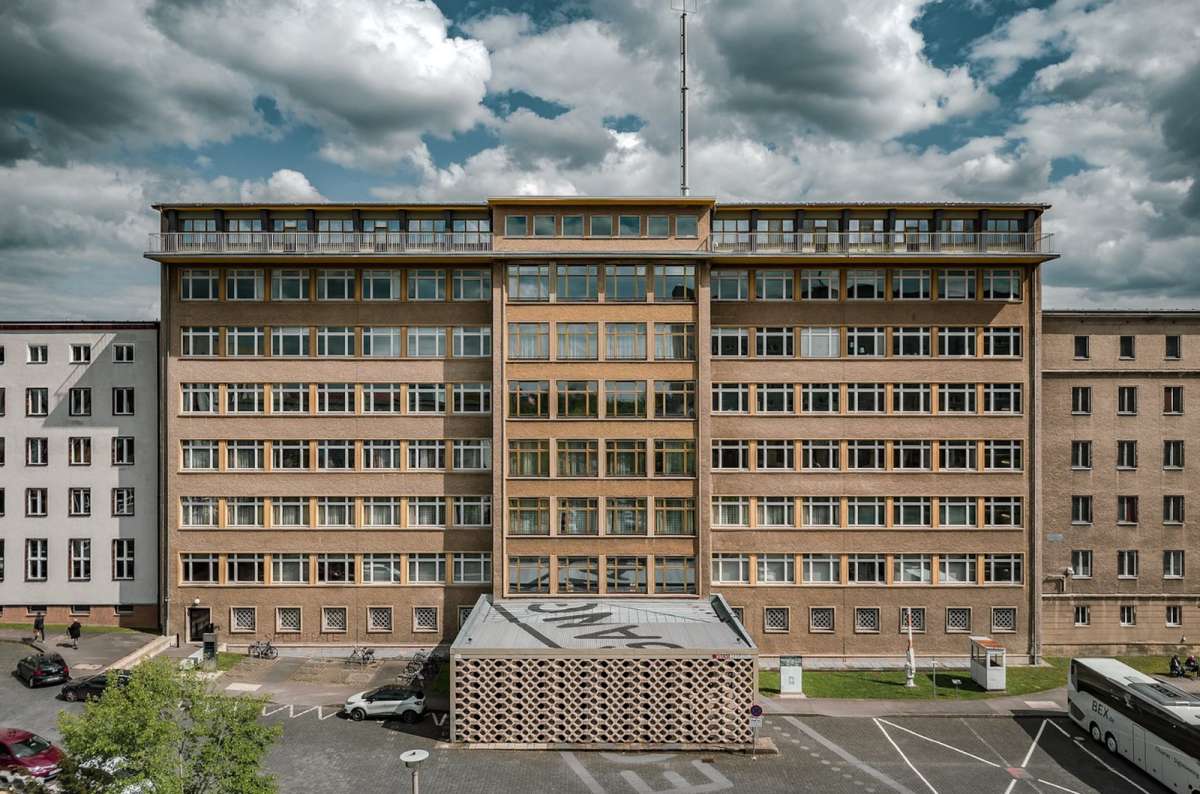
Looking at the facade of Haus 1, the former secret police headquarters now housing the Stasi Museum.
What struck me at the Stasi Museum was the ridiculous scale of the surveillance. Agents infiltrated everything from ordinary workplaces to the punk underground, people informed on friends and neighbors, and the Stasi even routinely opened people’s mail.
Some of the individual stories are the best part because they show how personal the system became. There was even a program called Romeo, designed to use relationships for intelligence purposes.
What makes this museum different is that you’re inside the actual former Stasi headquarters, including the preserved offices of Stasi chief Erich Mielke. You’re not just learning about the surveillance system—you’re standing where it was run.
If you’re choosing between the Stasi Museum and DDR Museum, the difference is simple: DDR Museum shows everyday life in East Germany; Stasi Museum shows the surveillance and repression.
Combine it with: East Side Gallery. If Cold War history is a major interest, make time for the Stasi Museum; otherwise, I’d prioritize the Berlin Wall Memorial first.
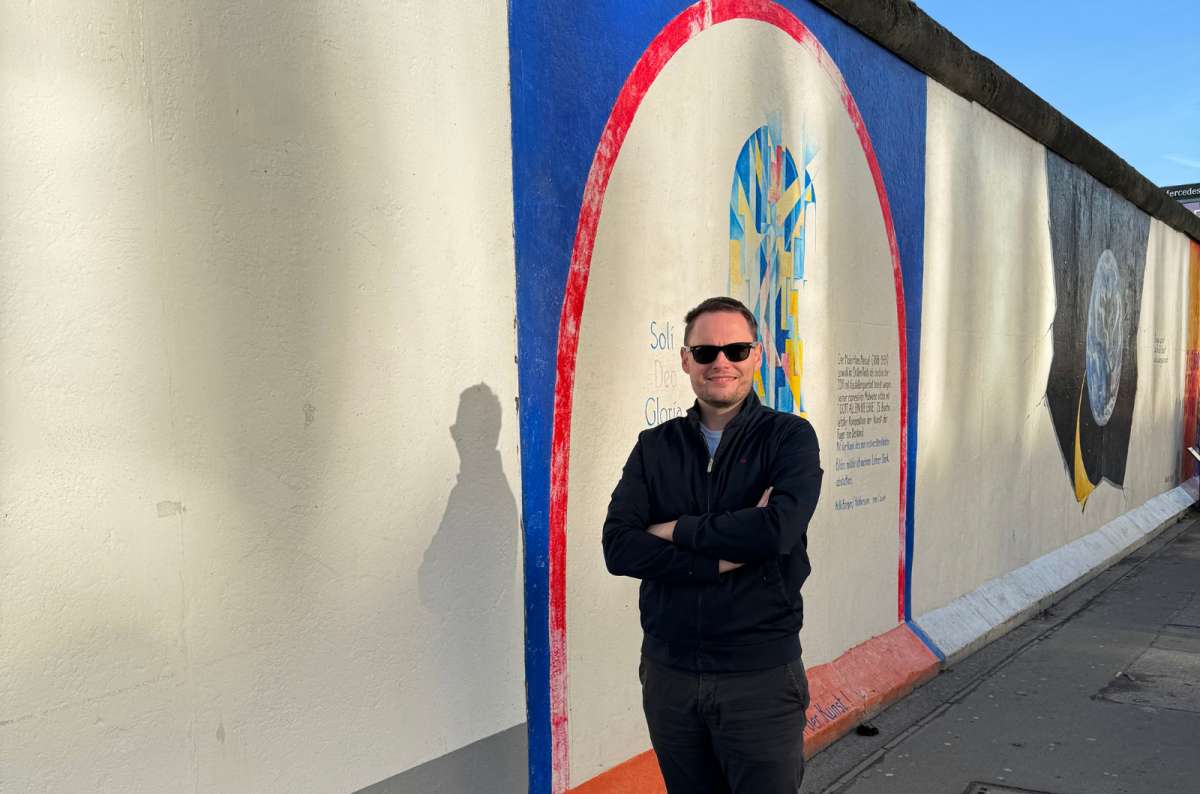
Checking out the vibrant street art murals along the famous East Side Gallery in Berlin.
The East Side Gallery is basically a long surviving section of the Berlin Wall covered in murals. It’s an easy stop, takes around 20–30 minutes, and you’ll get some very Berlin-looking photos out of it.
Don’t come here expecting to properly understand how the Wall worked. For that, Berlin Wall Memorial is much better. East Side Gallery is about the art and symbolism of what happened to the Wall after reunification.
I wouldn’t go massively out of my way for it, but it’s free, quick, and different enough from Berlin’s museums to be worth seeing.
Combine it with: Stasi Museum. If you’re short on time, prioritize the Berlin Wall Memorial; if you have time for both, they show completely different sides of the Wall.
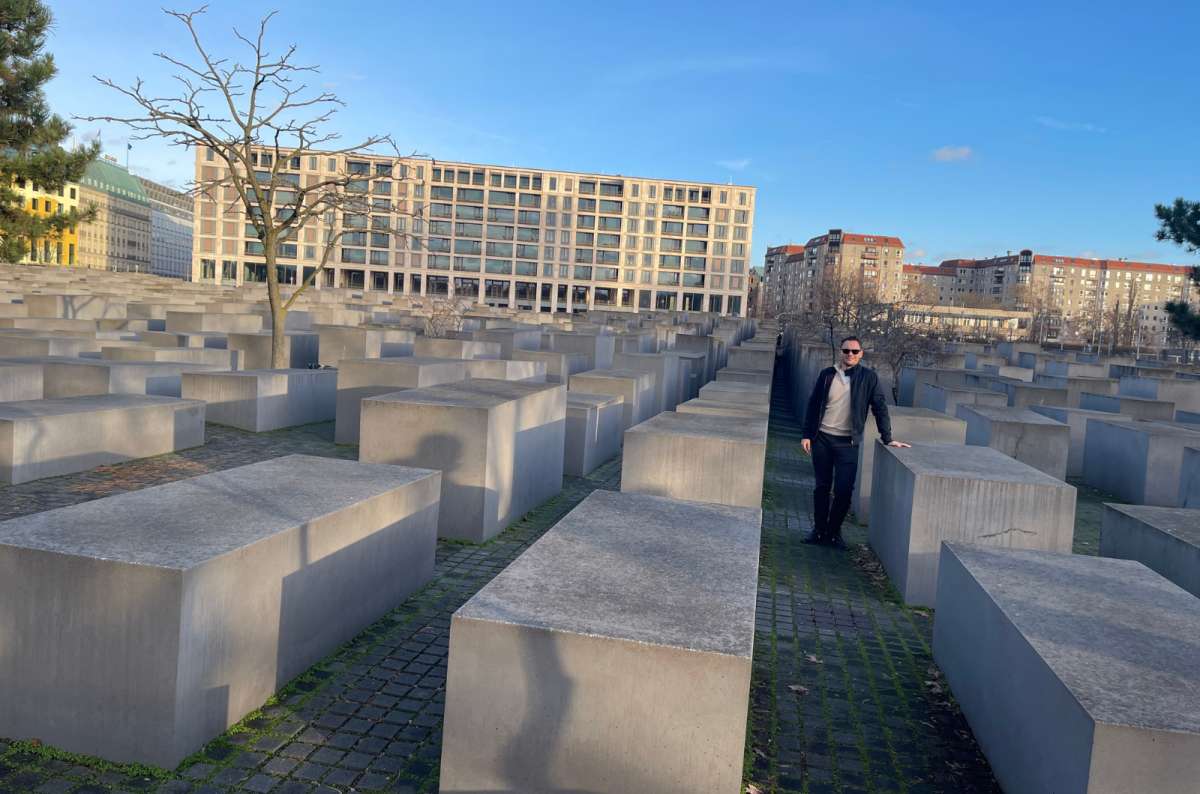
Walking through the concrete stelae at the Memorial to the Murdered Jews of Europe.
The Memorial to the Murdered Jews of Europe was much more affecting than I expected. From outside, it’s just rows of concrete slabs, but once you start walking between them, they rise around you and the whole place becomes surprisingly claustrophobic and unsettling. It reminded me a little of the atmosphere at the 9/11 Memorial.
For me, the memorial itself was more powerful than the exhibition underneath. The Information Centre adds context and individual stories, but there’s a lot of text and the queues can be huge.
This is different from the Jewish Museum Berlin. Come here specifically for Holocaust remembrance; visit the Jewish Museum for the broader story of Jewish life and history in Germany.
Combine it with: Brandenburg Gate and the Reichstag. It’s centrally located, free, and I wouldn’t skip it on a first visit to Berlin.
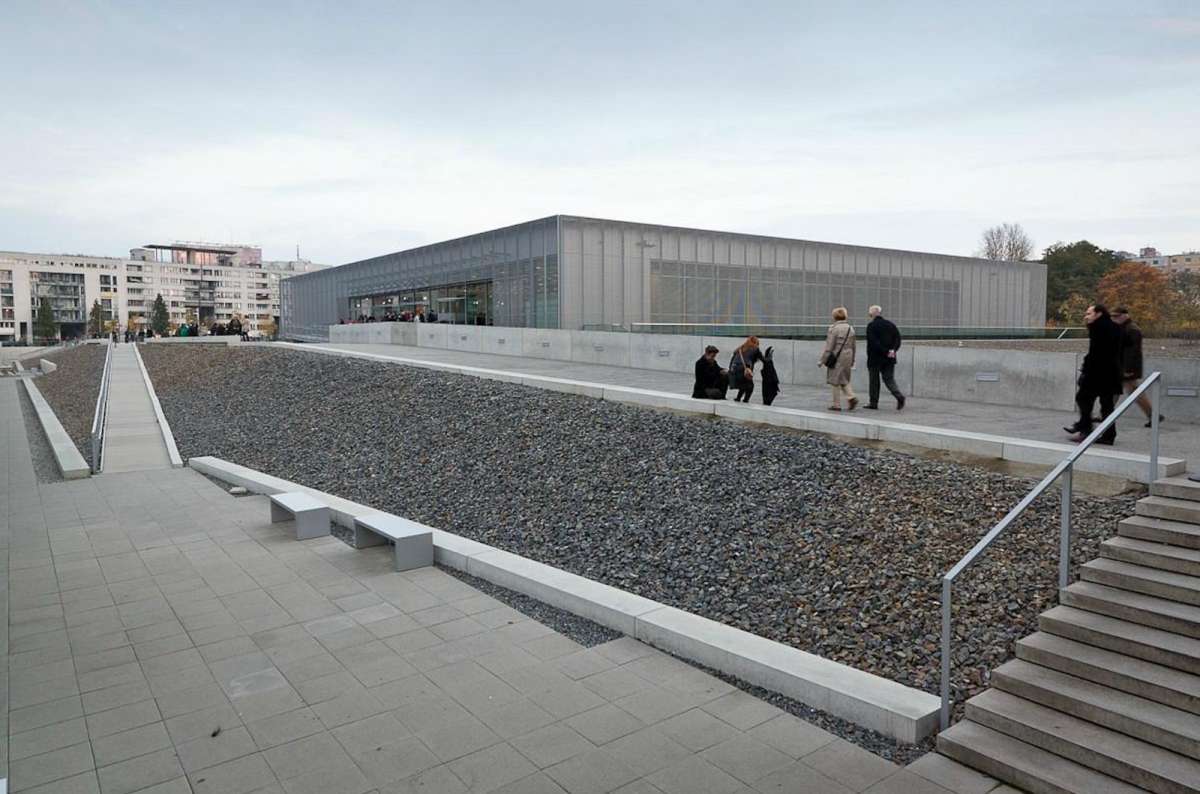
Visiting the Topography of Terror, a chilling indoor and outdoor museum.
The Topography of Terror stands on the former headquarters of the Gestapo and SS, so the location itself adds a lot to the exhibition about Nazi persecution and the institutions behind it. Don't miss the preserved section of the Berlin Wall outside and the remains of the former Gestapo headquarters—the fact that you're standing where these institutions actually operated is a big part of what makes the place interesting.
If you’ve already spent several hours at Berlin Story Bunker, there’s some overlap. I’d choose the Bunker if you only want one, but WWII history lovers should visit both—just preferably not back-to-back. The other downside is that the exhibition is very text-heavy, so after a few hours in Berlin's history museums, your brain may have had enough.
Combine it with: Checkpoint Charlie. I never understood the hype around it, so take the photo while you’re nearby rather than making a separate trip.
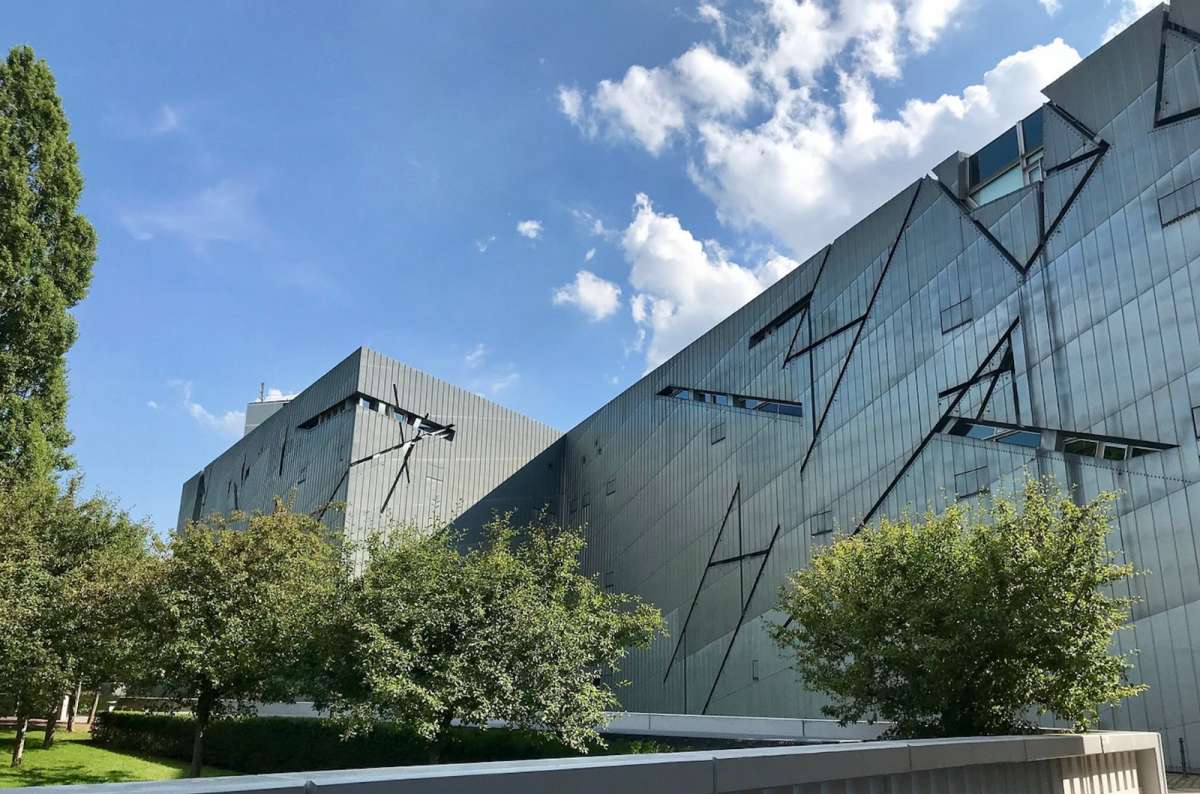
Libeskind's architecture of the Jewish Museum is just as powerful from the outside as the exhibitions inside.
The Jewish Museum Berlin is much broader than the Memorial to the Murdered Jews of Europe. It covers Jewish life and history in Germany across centuries rather than focusing only on the Holocaust.
The building itself is part of the experience, with Daniel Libeskind’s unusual angles, empty spaces, and deliberately disorienting architecture. What I liked is that the museum doesn’t rely only on information. It deliberately works with your senses and emotions, so at times it feels more like walking into people’s lives than simply reading about them.
For me, this comes down to how much museum time you want in Berlin. There are so many excellent history museums that I wouldn’t automatically add another 2-hour museum just because it’s highly rated. If you only have 2 days, I’d prioritize the Holocaust Memorial; if Jewish and German history are major interests, this deserves extra time.
Combine it with: Berlin Story Bunker or Topography of Terror, but I wouldn’t cram all three into the same day.
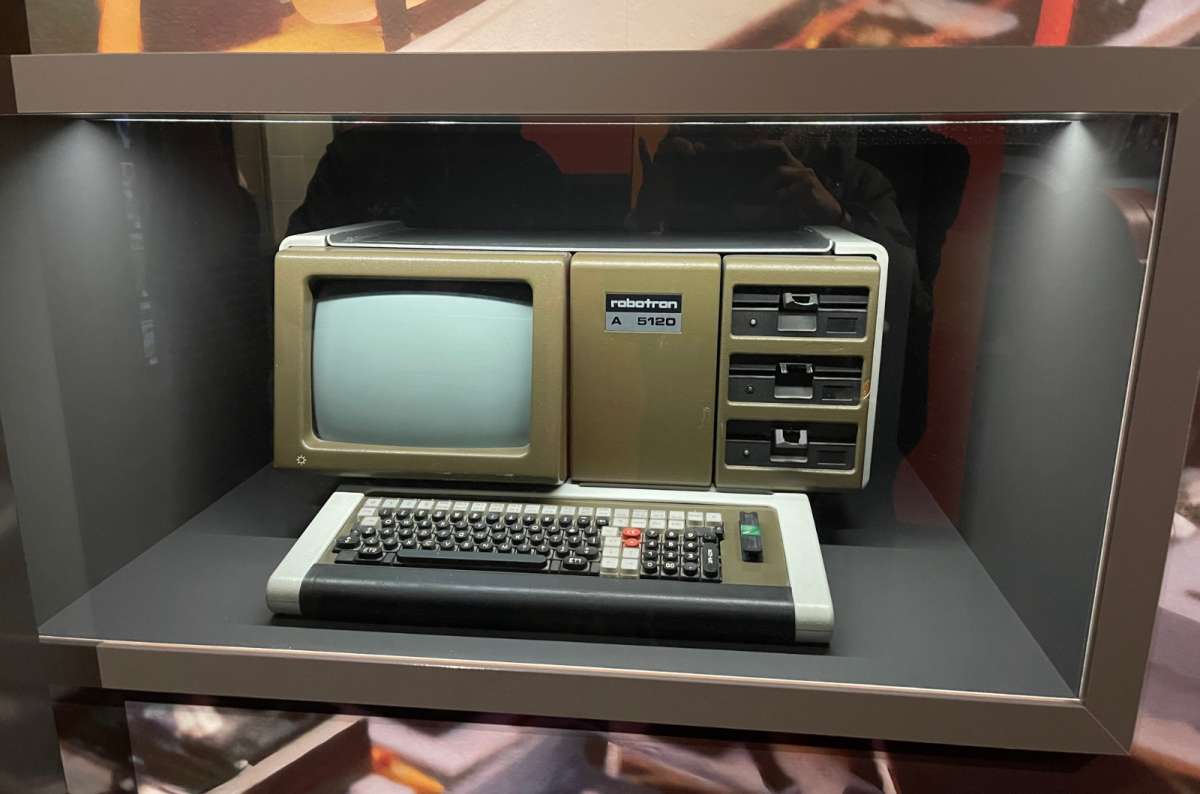
A vintage East German Robotron A 5120 computer from the DDR Museum collection, currently on display at the Deutschlandmuseum.
The DDR Museum focuses on everyday life in East Germany—work, school, housing, consumer goods, leisure, and what it actually felt like to live under the system.
That makes it very different from the Stasi Museum. If you’re interested in surveillance and state repression, choose Stasi. If you want to understand ordinary life in the DDR, choose this one. You don’t necessarily need both unless East German history is a major interest.
My main hesitation is simply Berlin museum overload. With limited time, I’d prioritize the Berlin Wall Memorial before either of them.
Combine it with: Museum Island and Berlin Cathedral—it’s right beside both.
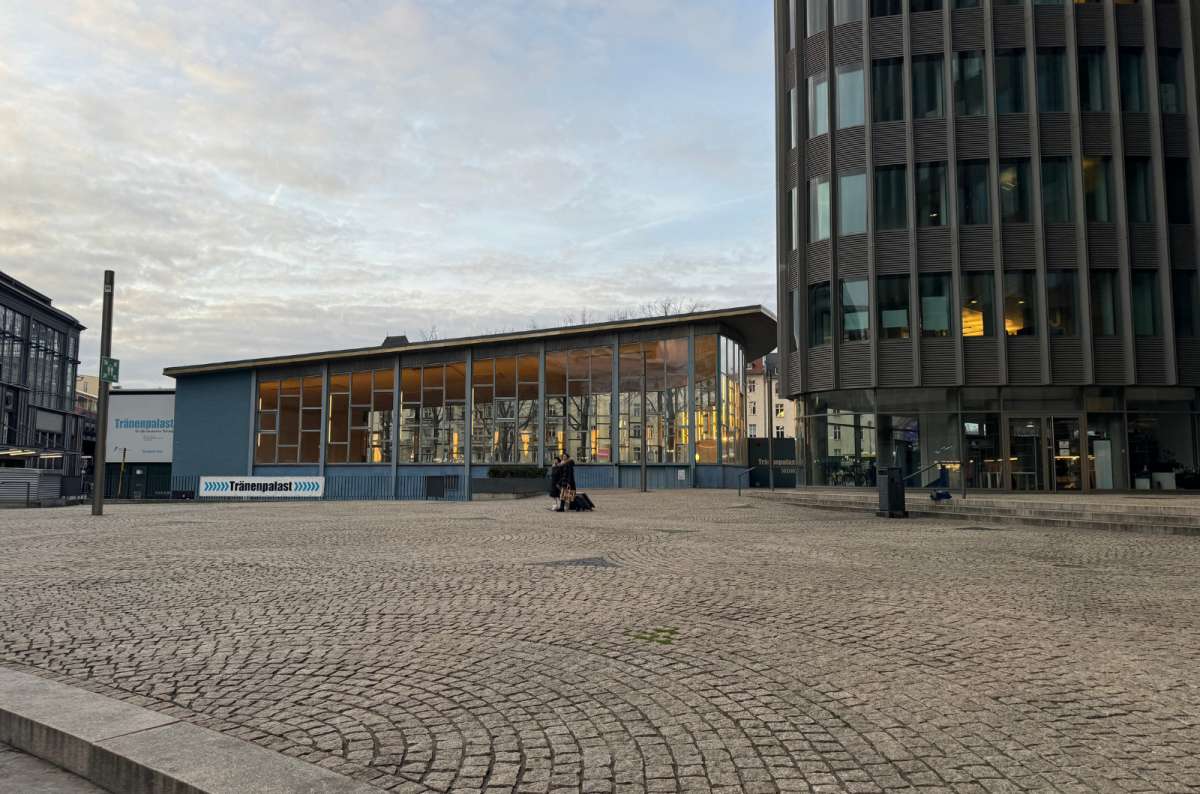
Visiting the Tränenpalast (Palace of Tears), the historic former border crossing pavilion at Friedrichstraße station.
Tränenpalast, or Palace of Tears, was the border checkpoint at Friedrichstraße station, where people crossed between East and West Berlin. The name comes from the emotional farewells that happened here.
I found it particularly interesting that the building was preserved after the Wall fell. It’s another reminder of the absurdity of totalitarian regimes: apparently everything is going so well that you need walls, fences, and border controls to stop your own people from leaving.
It complements the Berlin Wall Memorial nicely. The Memorial shows you the physical border system; Tränenpalast makes the separation much more personal.
Combine it with: Berlin Wall Memorial. Together, they make a pretty good self-guided Cold War tour of Berlin, and Tränenpalast is free and doesn’t take long, so Cold War history fans should definitely add it.
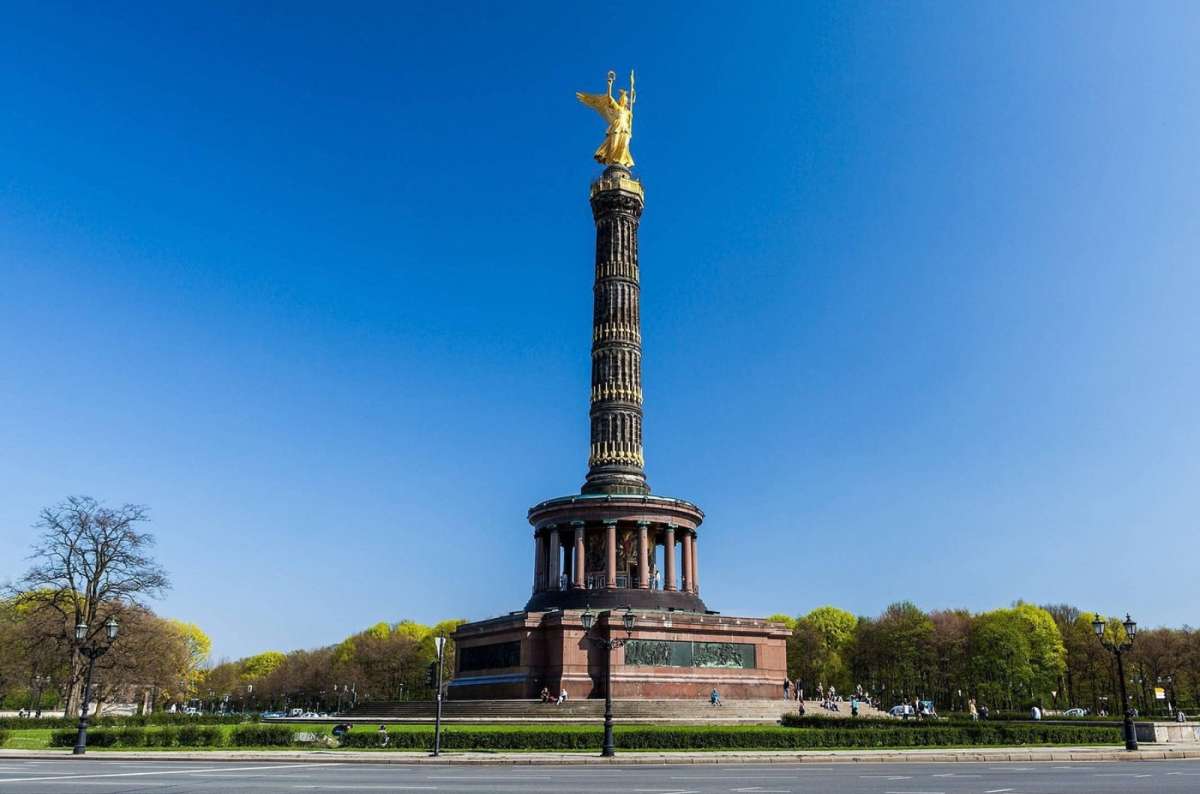
Looking up at the golden statue of the Victory Column in Tiergarten in Berlin.
Tiergarten is basically Berlin’s Central Park, and after several heavy history museums, walking through some greenery is a very welcome change.
The Victory Column takes about an hour if you climb it for the views. I’d still prioritize the free Reichstag dome as a viewpoint, but this is worth adding if you’re already walking through Tiergarten. If you do climb it, the main payoff is the view straight down Straße des 17. Juni toward Brandenburg Gate—the downside is the 285-step climb to get there.
Combine it with: Reichstag and Brandenburg Gate—the park connects them naturally.
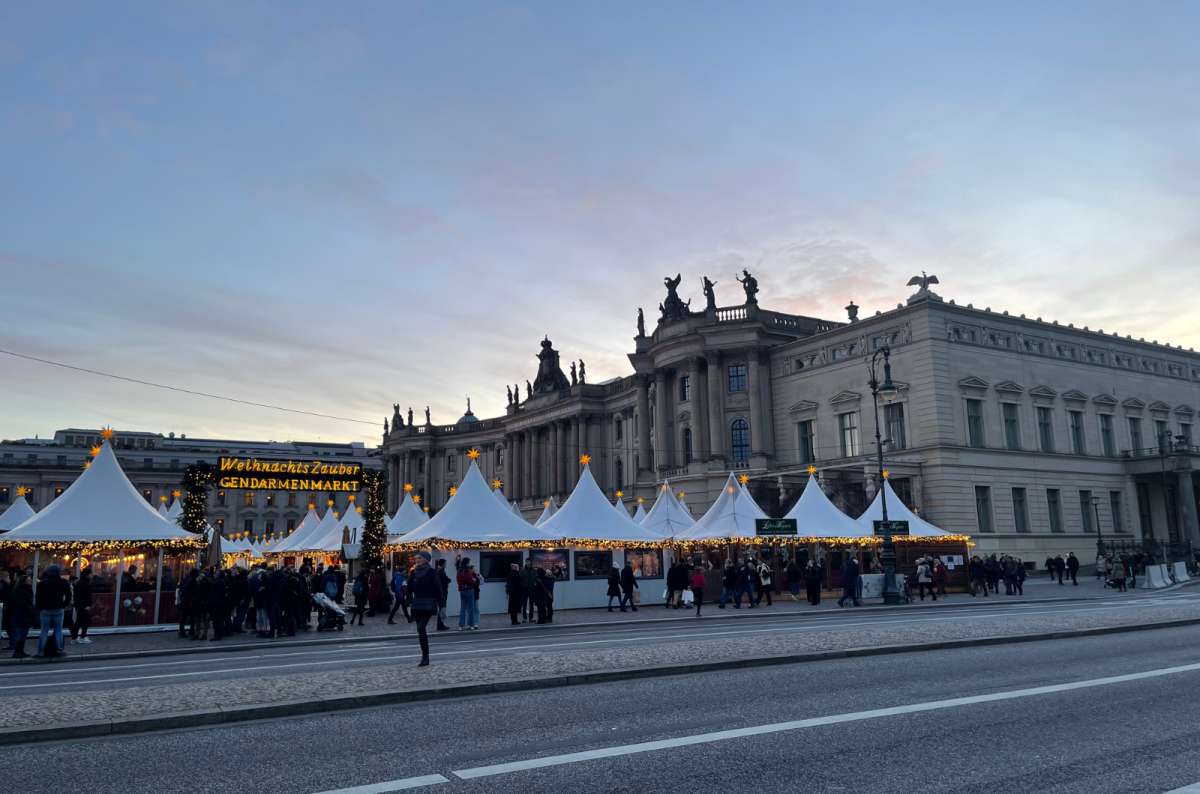
Checking out the festive atmosphere of the Christmas market at Gendarmenmarkt.
Gendarmenmarkt was one of those places where I stopped more for the architecture than the history. The French Cathedral and Konzerthaus are seriously imposing, and together with the German Cathedral they make this one of the best-looking squares in Berlin.
But that’s basically the experience. Walk around, admire the buildings, take your photos, and continue. I wouldn’t pretend you need an hour here. The main downside is that there isn’t much to actually do unless you plan to go inside one of the buildings, so treat it as a beautiful stop between other sights rather than an attraction to build your day around.
Combine it with: Brandenburg Gate or Unter den Linden. If you only have 2 days in Berlin, this is easy to skip; if you’re already nearby, absolutely walk through.
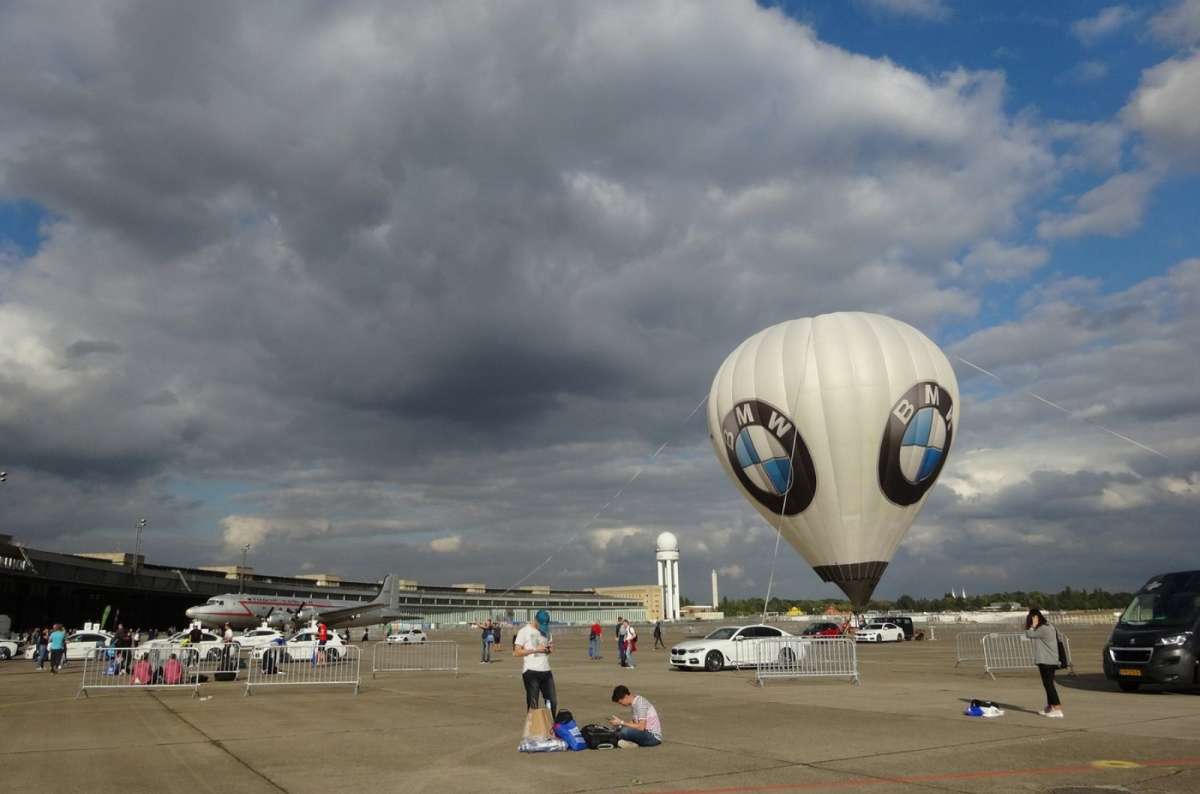
Enjoying the view at the Tempelhofer Feld in Berlin.
Tempelhofer Feld is a former airport turned into an enormous public park, with the old runways now used for cycling, skating, walking, and basically whatever Berliners feel like doing with all that space.
This isn’t somewhere I’d prioritize over Berlin’s major history sights on a first visit. But after two days of museums, memorials, and WWII and Cold War history, having a huge open space where you don’t need to learn anything is actually pretty appealing.
Go if you want to experience modern Berlin rather than another Berlin attraction. If you only have 2 days, I’d skip it; with 3 or 4 days, it’s a good change of pace.
Come here when you want a break from ticking things off.
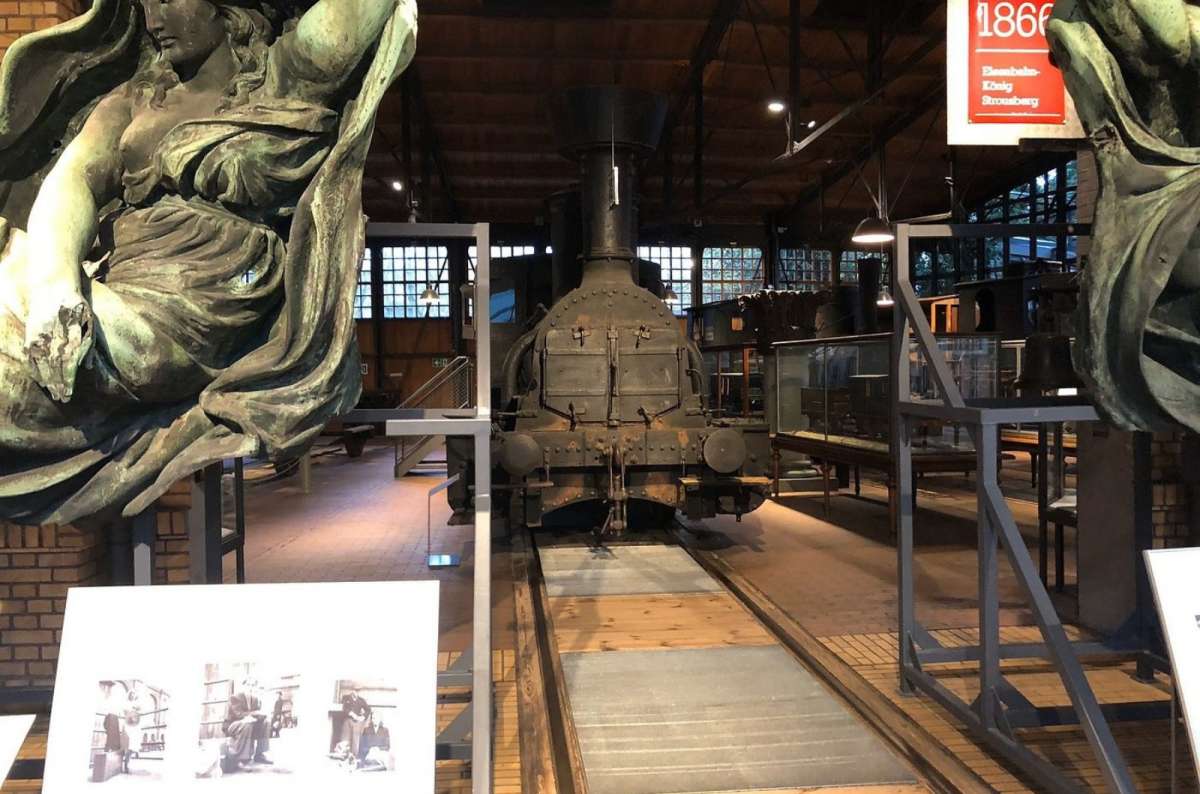
Look at these "Day and Night" sculptures from Anhalter Bahnhof alongside vintage steam engines at the Deutsches Technikmuseum in Berlin.
The Deutsches Technikmuseum covers everything from trains and aviation to shipping and engineering, and you can easily spend several hours here.
Holy aviation, I loved it! We spent about 4 hours here, and if you’re a proper transport-history enthusiast, I can easily imagine spending 6. The aviation section was the highlight for me, but there’s enough transport and engineering stuff here to keep you busy for a long time.
For me, this is entirely interest-dependent. If you love machines and engineering, make time for it. If you don’t, Berlin has far too many excellent museums to spend half a day here just because it’s highly rated.
This can easily take up a large chunk of your day, so I wouldn’t try to squeeze another major museum around it.
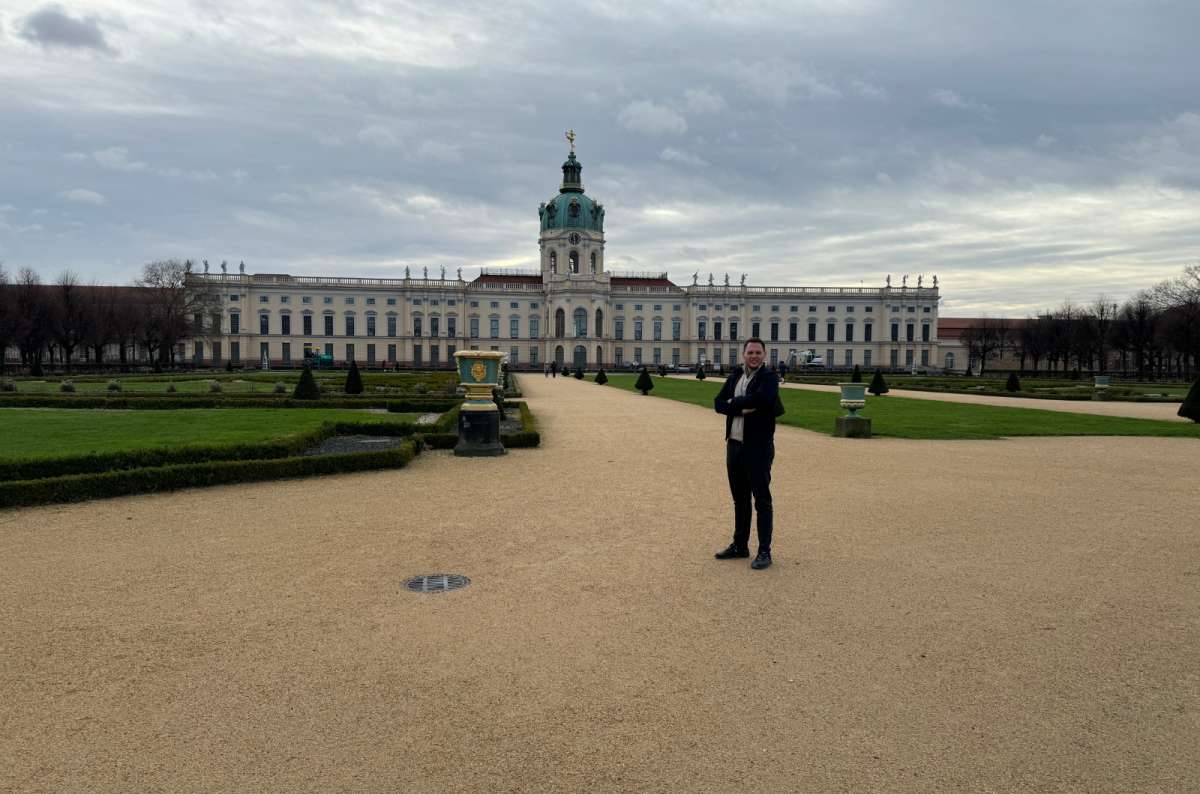
Walking through the baroque gardens of the Charlottenburg Palace.
Charlottenburg Palace was much bigger than I expected. Inside, it’s classic Baroque—lots of gold, paintings, and fancy rooms—but I actually found the second floor more interesting for the information about Prussia and the development of Germany.
The gardens are enormous, so this can easily eat up several hours. With limited time, I’d prioritize Berlin’s WWII and Cold War sights—you can see beautiful palaces elsewhere in Europe.
Combine it with: Kaiser Wilhelm Memorial Church if you’re already exploring West Berlin.
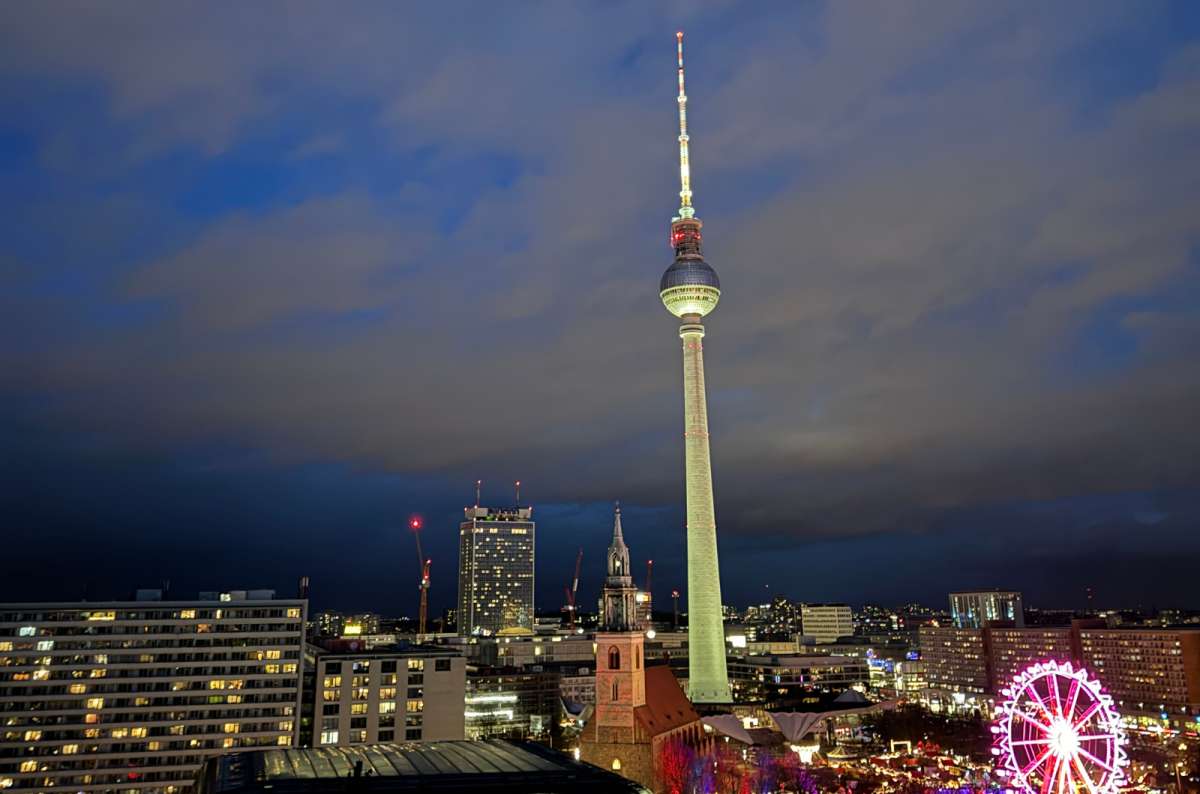
Taking in the panoramic night view, then heading up the tower.
Berlin TV Tower is surprisingly modern inside, and the elevator shoots up at around 4 m per second. Weirdly, once I got to the observation deck, it didn’t feel quite as high as I expected. Maybe I’ve grown since my last observation tower.
The important thing is to book ahead. We tried on the day, and the first tickets available were for the following evening. There’s also a bar at the top with surprisingly decent beer, which makes staying up there for a while more enjoyable.
For viewpoints, I’d prioritize the free Reichstag dome first. The TV Tower is worth paying for if you specifically want the highest panoramic view, but I wouldn’t consider it essential.
Combine it with: Alexanderplatz and Museum Island. If your Berlin schedule is already packed, this is an easy one to skip.
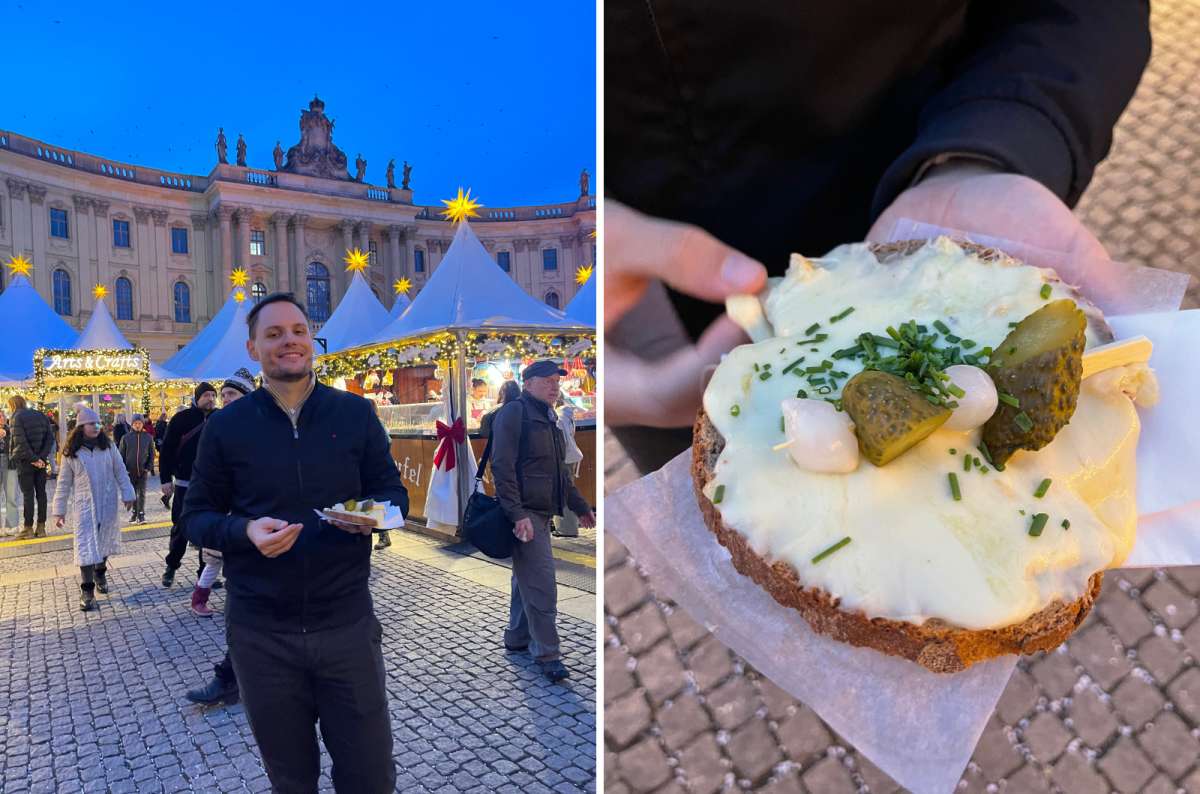
Eating your way through the Christmas markets is arguably one of the best thing to do in Berlin.
If it’s your first time in Berlin, don’t try to see everything. I’d prioritize the Berlin Story Bunker, Museum Island, Berlin Wall Memorial, and the Reichstag, then choose the rest based on what you’re actually interested in. If Berlin is only one stop on your trip, see my best things to do in Germany for what else I think is actually worth your time.
That’s really the trick with Berlin. There are far too many good museums and historical sights to treat them like a checklist. If you’re here for World War II history, Cold War history, and museums, you’ll probably love it as much as I did. If you mainly want pretty streets and outdoor sightseeing, Berlin might not be your city.
Planning a longer trip? My 10-day Germany itinerary shows you how I'd fit Berlin into the rest of the country.
This post contains affiliate links. If you make a booking through one of my links, I may earn a small commission—at no additional cost to you. Thank you for your support!
Best things to do in Berlin—ranked based on my own experience
How to see the best of Berlin in 3 days
Map of the best things to do in Berlin
4. Reichstag and Brandenburg Gate
6. Kaiser Wilhelm Memorial Church
10. Memorial to the Murdered Jews of Europe
15. Victory Column and Tiergarten
Final thoughts: So, what are the best things to do in Berlin?


Hi, I’m Jan. I travel fast and intensely, whether I’m exploring the buzz of Tokyo in 3 days or road-tripping through mountains and beaches on a 3-week Thailand adventure. And no matter where I am, you’ll always find me in a comfortable hotel at night and eating the best food.
If that sounds like your kind of journey, hop on board, and let’s explore the world together!
I started this blog after realizing how tough it can be to find reliable, authentic travel info. You wouldn’t believe how many “travel bloggers” never even visit the places they write about! On Next Level of Travel, you can count on my full honesty and insights drawn from my firsthand experiences.
Here’s the deal: not every destination is all superlatives and unicorns. I’ll let you know if a tourist attraction isn’t worth your time, like skipping overrated stops in my 2-week Spain itinerary. And when I find something truly special—like the perfect mix of culture and nature in Cape Town—you can trust that it’s worth adding to your itinerary.


Comments | Thoughts? Give us a shout!