


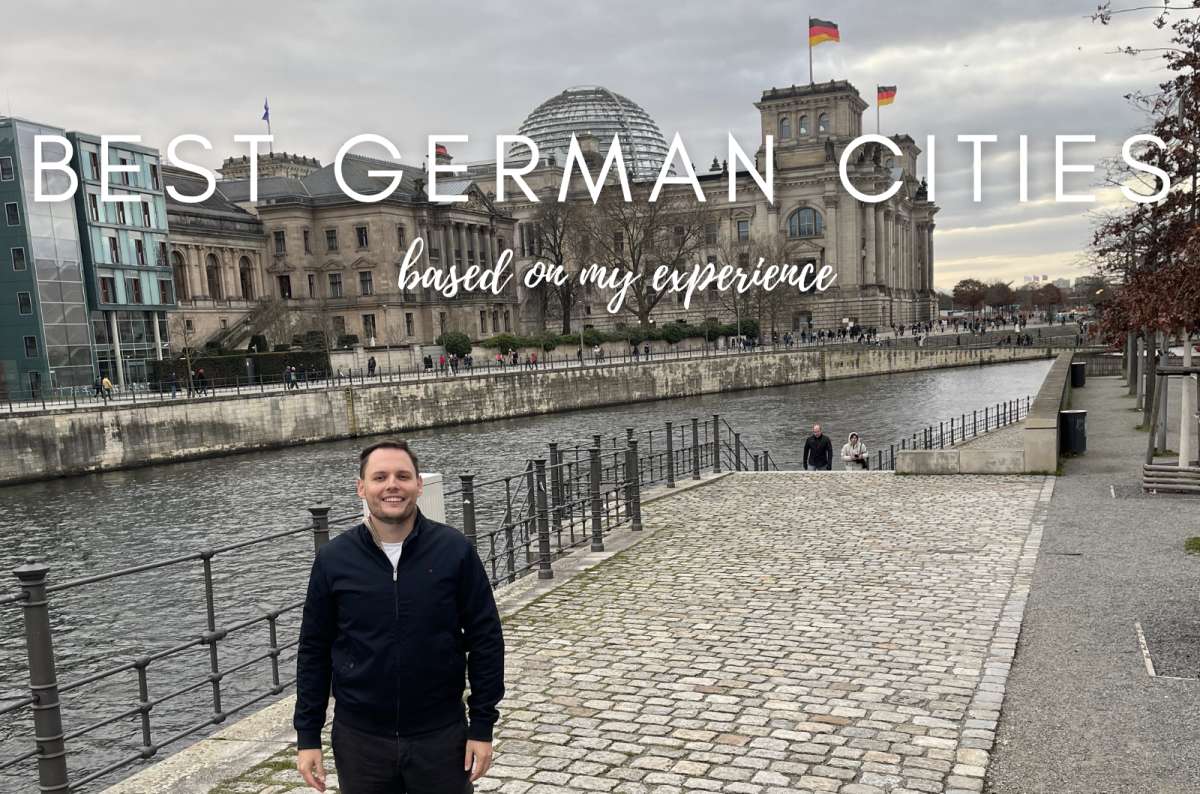


My list of the best cities to visit in Germany: cheat sheet
Map of the best cities to visit in Germany based on my experience
How many German cities should you visit on one trip?
Best Germany city itinerary ideas
Which German city should you visit first?
Best cities in Germany by travel style
German cities, I wouldn’t overrate
Cities and towns I would consider adding if you have more time
Where to stay when visiting Germany’s best cities
Let me save you several evenings of itinerary panic: the best cities to visit in Germany are not always the prettiest ones, and they absolutely do not deserve the same amount of your vacation time.
Germany does not make choosing easy. Some cities are world-class. Some are great for one day. Some are useful bases. Some are beautiful but thin on actual things to do. And some are “must-visits” only because every other article copied the same list, and nobody wanted to be the first coward to remove them.
I’ve visited Germany many times from Prague, including five visits to Berlin, more than ten visits to Dresden, three visits to Nuremberg, three visits to Munich, and recent trips to Hamburg, Regensburg, Leipzig, Trier, and Berchtesgaden. My latest Berlin trip was in 2025, Hamburg was in freezing-cold 2024, Regensburg and Nuremberg again in 2025, and Leipzig, Trier, and Munich in 2026.
So this is not a democratic ranking. I ranked these German cities by usefulness, atmosphere, sights, museums, history, day-trip potential, and whether I’d tell a real person to spend limited vacation days there.
Read more from my Germany travel blog.
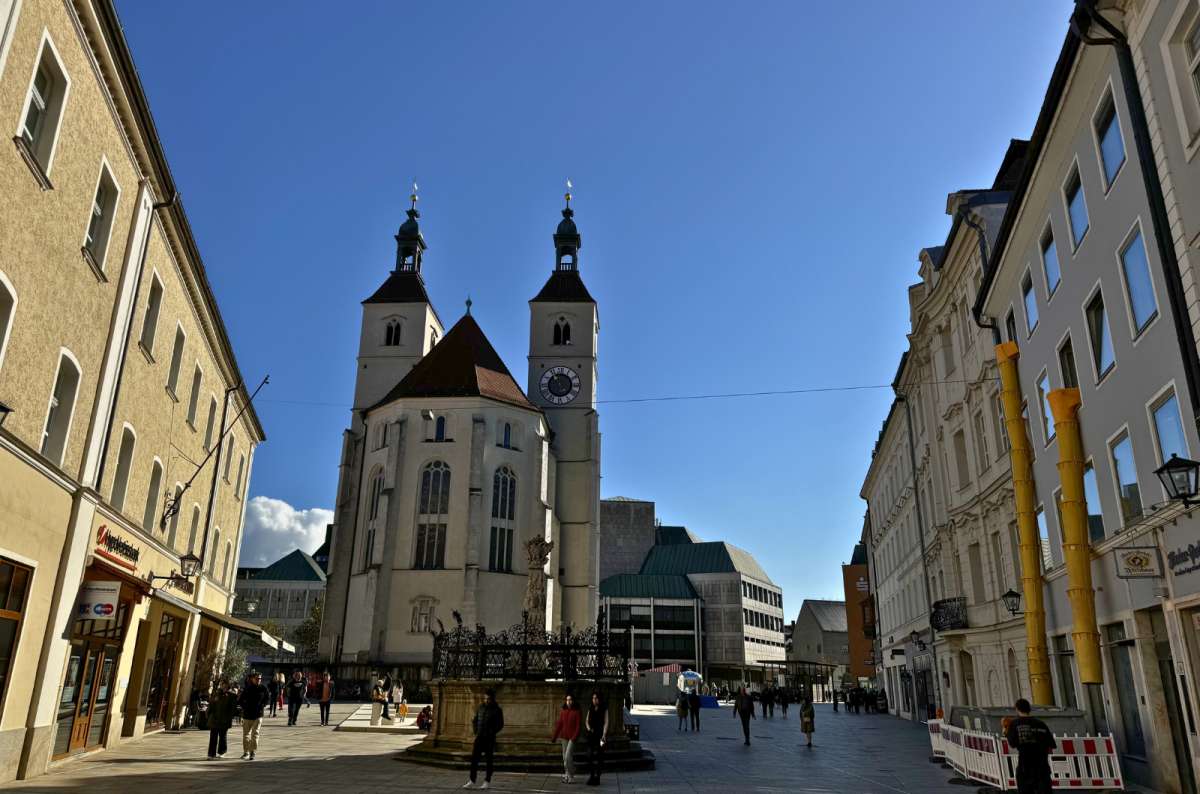
The small towns have their charms too (if you don’t stay too long) @ Regensburg
Some of these are technically towns, not cities. I don’t care. I care that these cities bring some extra added value to any Germany itinerary.
Pro tip: You’re fine using trains when visiting the cities, but you’d better rent a car for traveling in Bavaria.

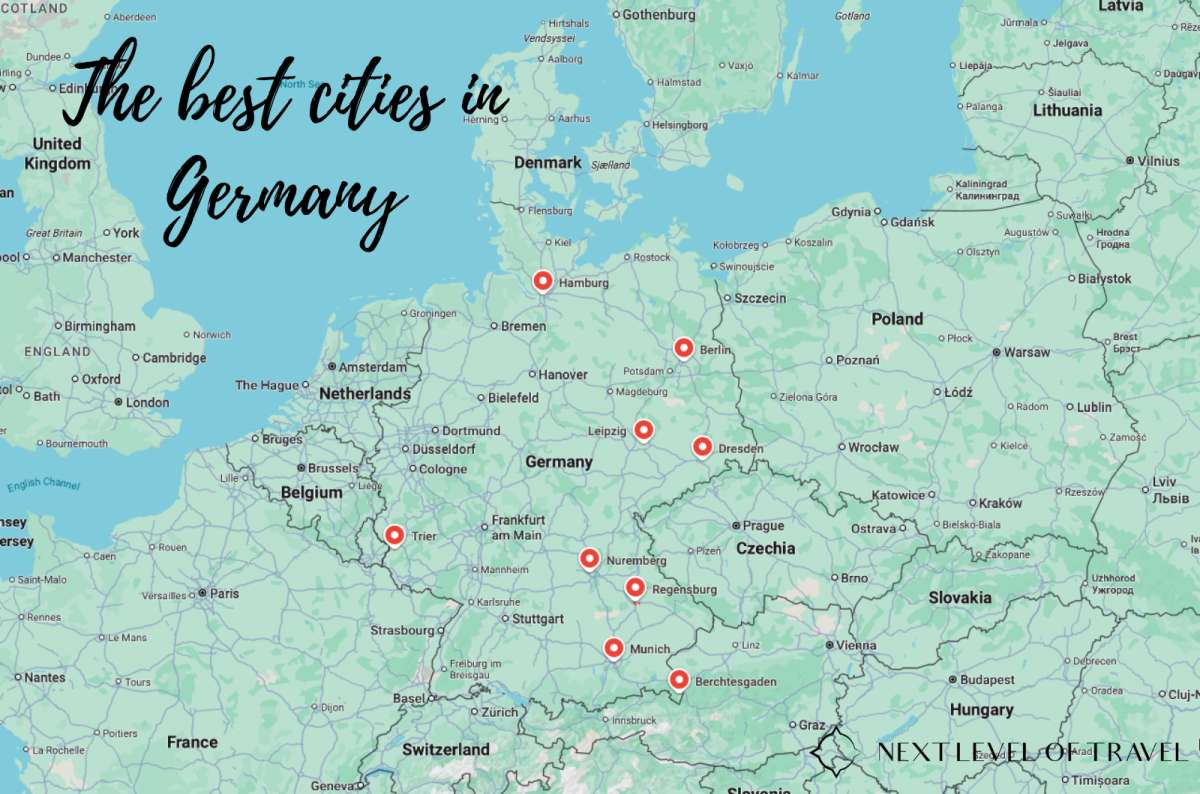
The best cities to visit in Germany are spread across the country, so don’t try to see them all in one trip unless you enjoy living from a suitcase like a confused business consultant.
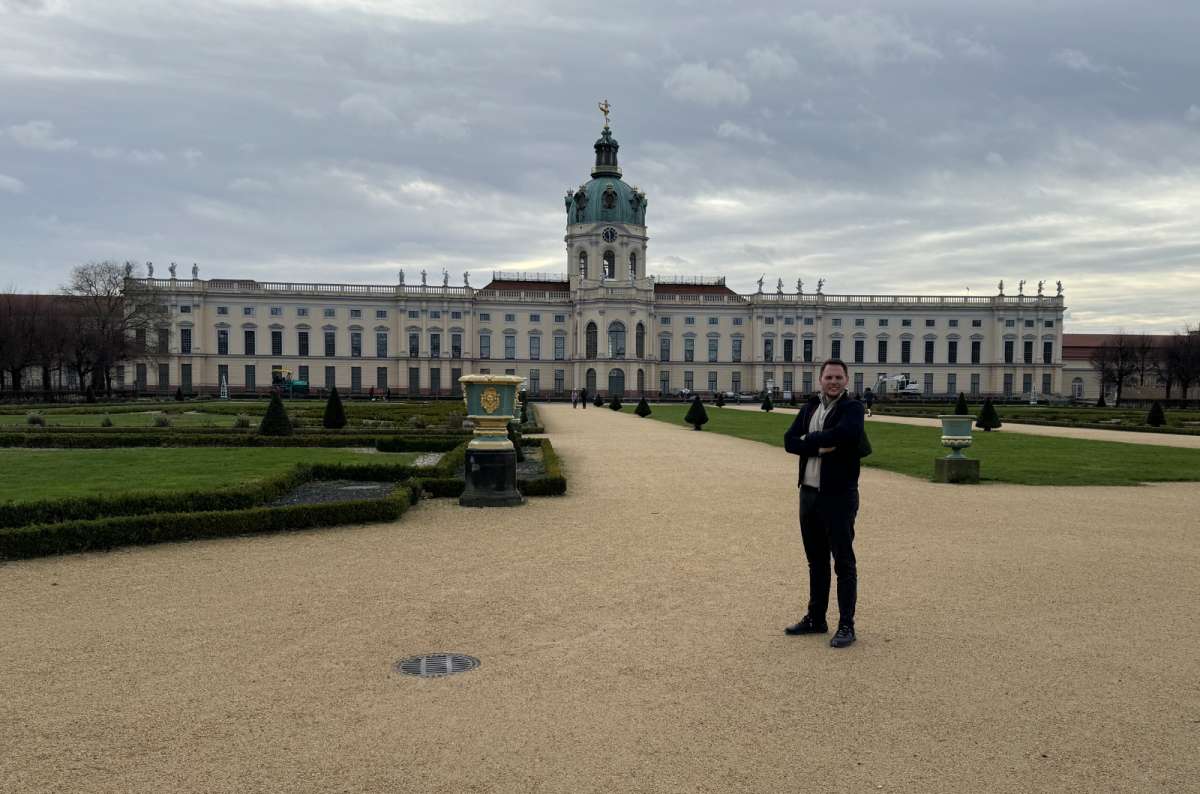
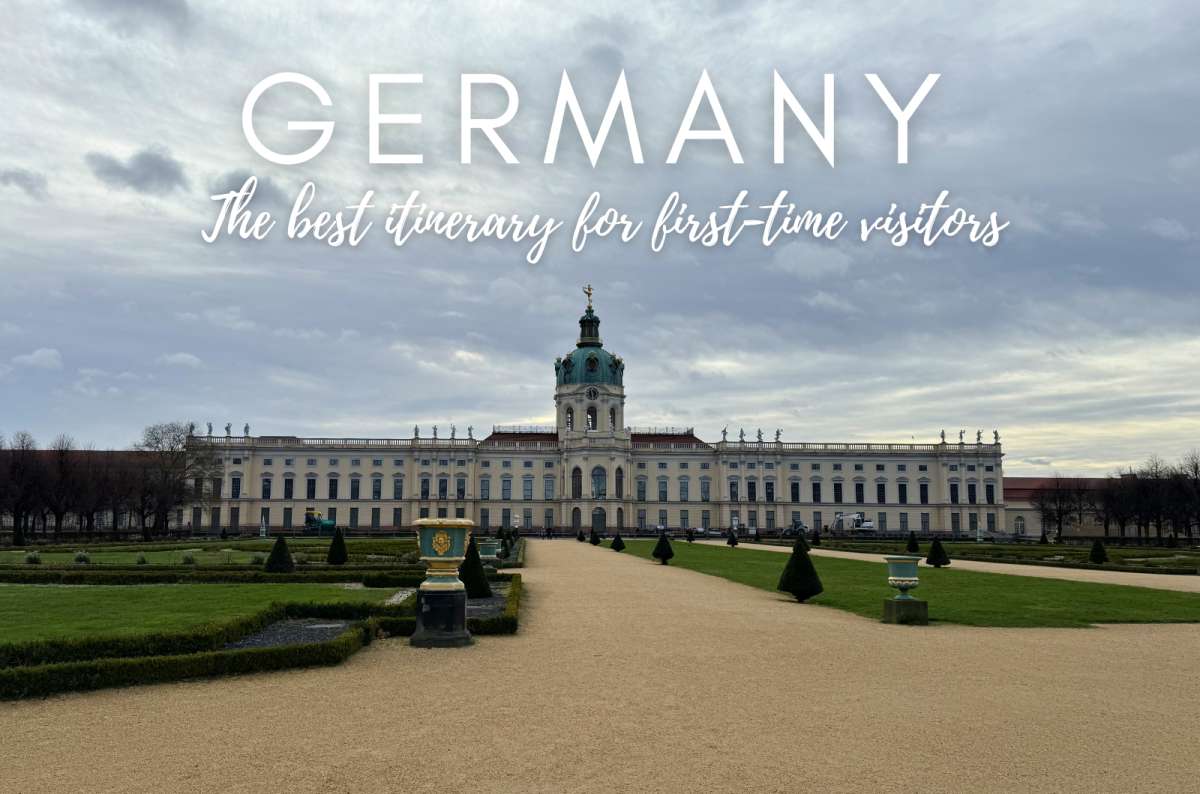
It’s not every day you get to see a palace like Charlottenburg and go learn about WWII immediately after
Why I think it’s one of Germany’s best cities: Berlin is the strongest overall city in Germany, and I don’t think it’s particularly close.
Further reading: Plan the details with my Berlin 4-day itinerary.
Berlin is my favorite German city. I’ve visited five times, most recently in 2025, and I still leave with unfinished tabs in my brain.
It is not the prettiest city in Germany. Munich is cleaner. Dresden is more polished. Regensburg looks more like what people imagine when they say “old Europe” after seeing three Instagram reels and a timber-framed house. But Berlin wins because it has the strongest story: World War II, Nazi power, the Cold War, the German Democratic Republic, the Berlin Wall, reunification, memorials, museums, ugly architecture, great architecture, weird empty spaces, and neighborhoods that feel alive rather than arranged for tourists.
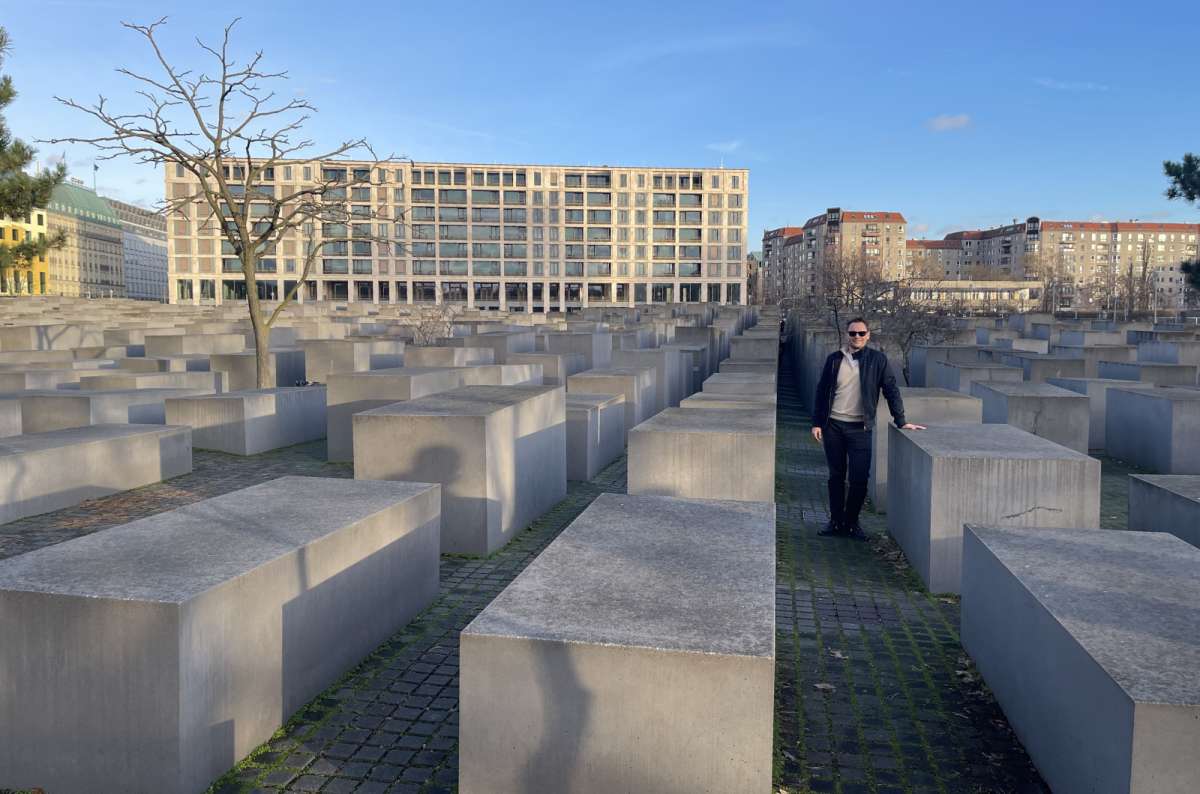
The Holocaust Memorial is just one of the many examples of the rich history of Berlin
For me, Berlin is at its best when it gets uncomfortable. I like the Nazi and communist sights most—not because they are “fun,” obviously, but because they are the places where Germany stops being a postcard and starts explaining itself. The Topography of Terror, Berlin Wall Memorial, Stasi Museum, Holocaust Memorial, Reichstag, East Side Gallery, and DDR-related sights give Berlin a weight that most European capitals simply don’t have.
Checkpoint Charlie is not the emotional peak of Berlin. It is mostly a photo stop surrounded by tourist nonsense. Go, see it, move on. The Berlin Wall Memorial is far better if you actually want to understand the city.
Pro tip: If you’re flying into Germany, check out my Lufthansa Premium Economy review or my Lufthansa Business Class review.
I’d give Berlin 3–4 days. Two days is just enough to run around the center while pretending you’re not tired. Four days lets you breathe, add Charlottenburg or Potsdam, and not treat every museum panel like a personal attack.
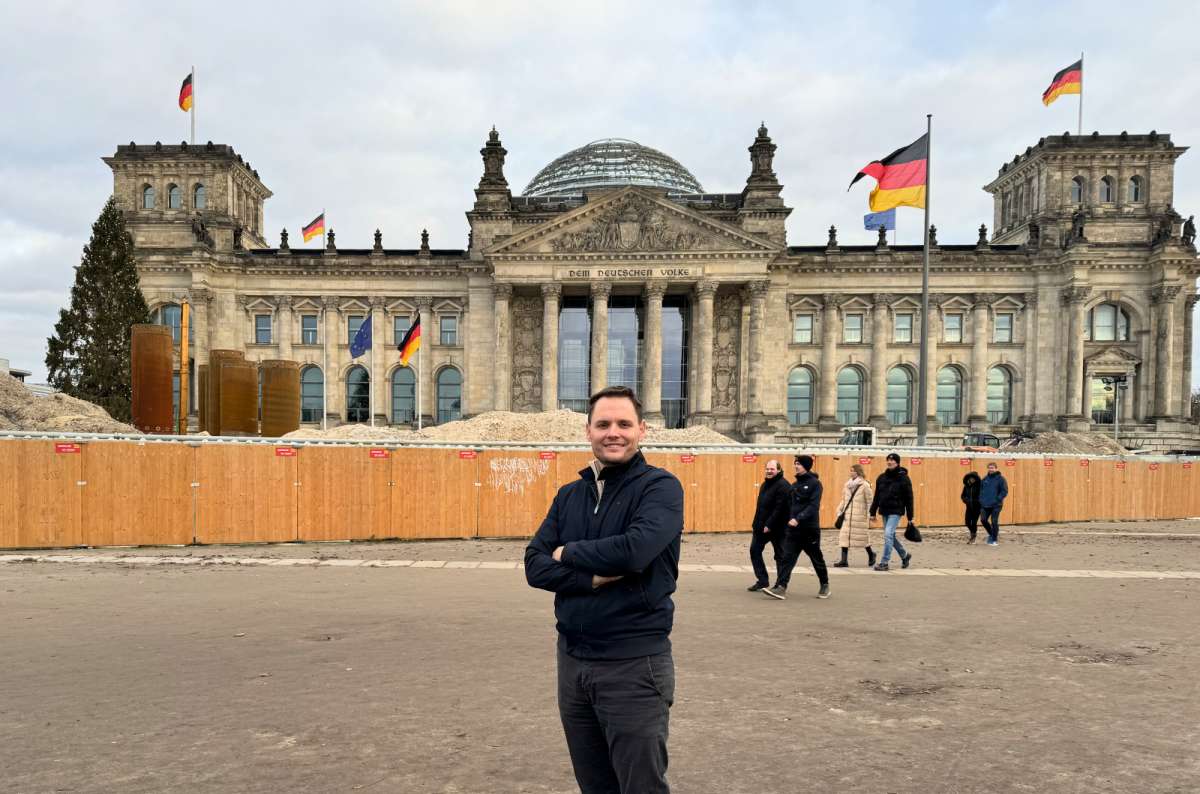
The Reichstag Dome is an absolute must-visit, btw
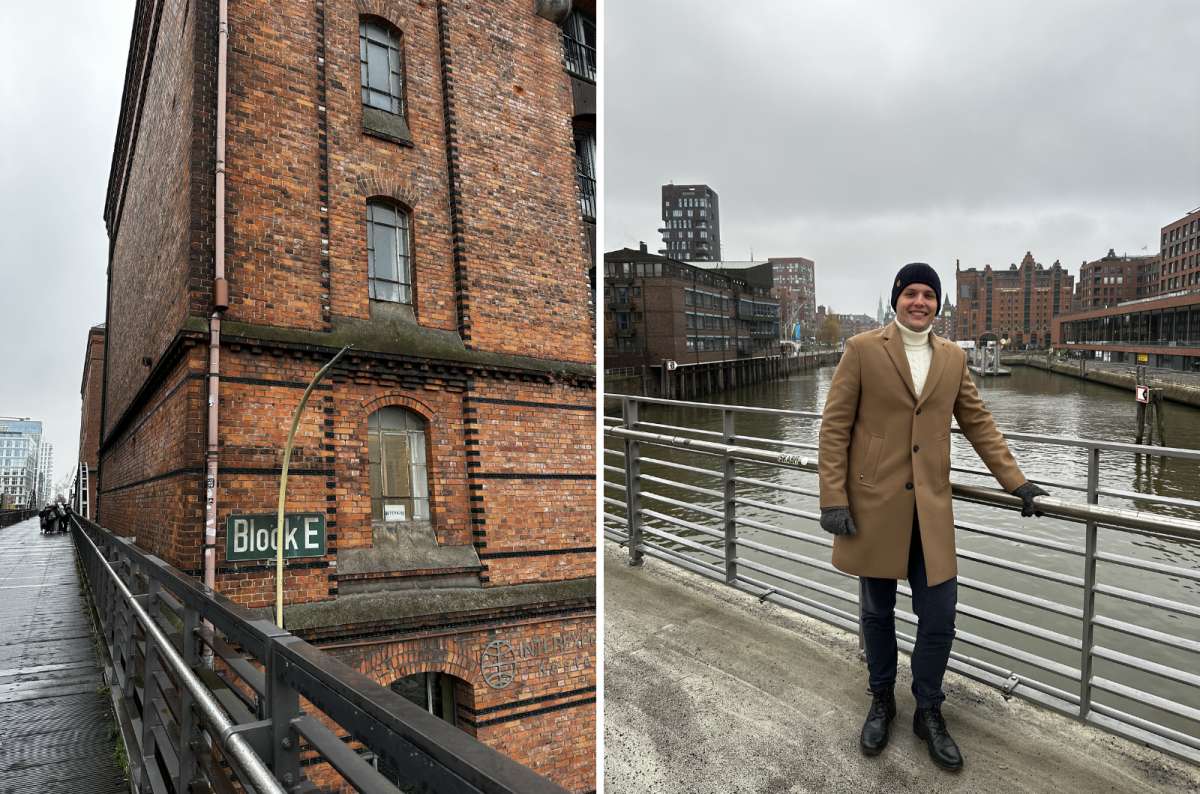
Hafen City in Hamburg is a wonderful change of scenery—who wouldn’t love a bit of industrialism
Why I think it’s one of Germany’s best cities: Hamburg is cooler and more fun than I expected, which is always annoying because now I have to recommend it strongly.
Further reading: Use my 3-day Hamburg itinerary if you want to turn Hamburg into a proper city break.
I visited Hamburg in 2024 and loved it, even though it was freezing cold in that aggressive northern way where the wind feels personally disappointed in your jacket.
Hamburg has a completely different feel from Berlin or Munich. It’s watery, northern, commercial, clean but not sterile, and full of port atmosphere. The Elbe River dominates the city, and you’re constantly reminded that this is one of Europe’s major ports. Cranes, container ships, warehouses, docks—it’s not pretending to be cute. Good.
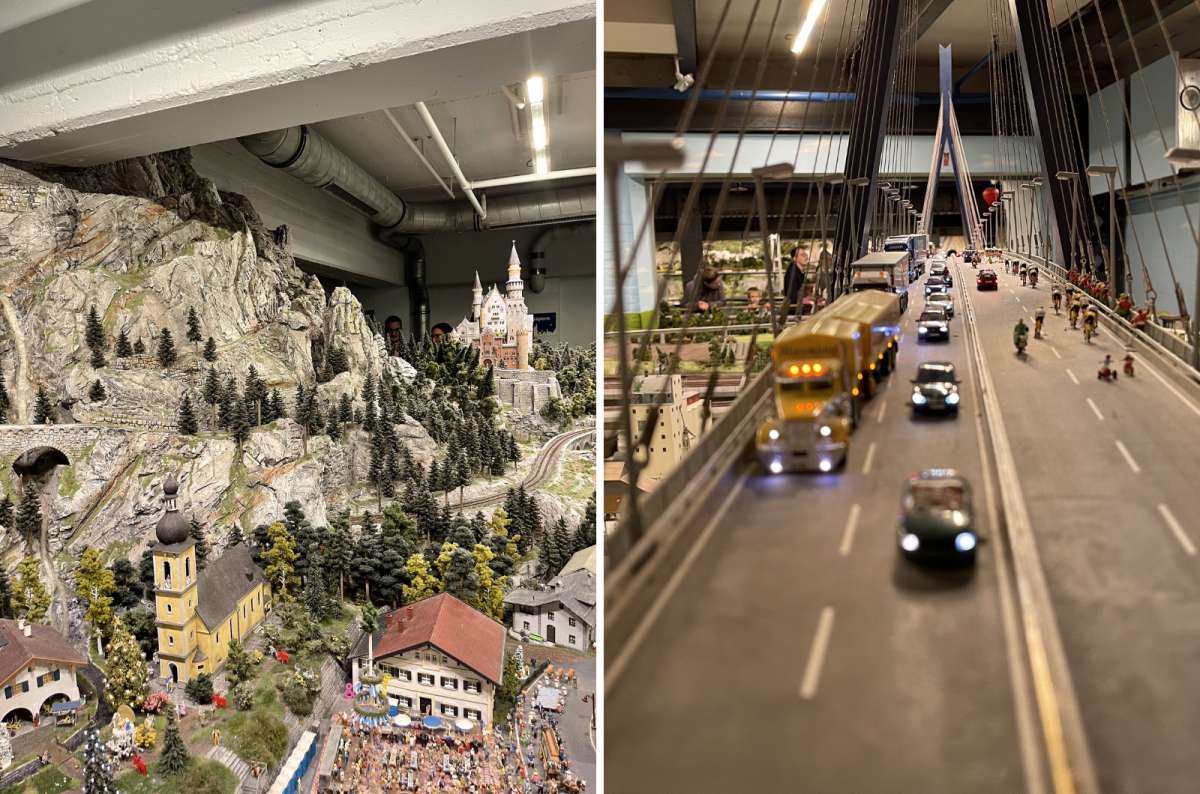
Don’t underestimate the amount of time you’ll want to spend admiring the details in Miniatur Wunderland
The top trio—Miniatur Wunderland, International Maritime Museum, and Hamburg Kunsthalle—pushes Hamburg into top-tier Germany city-break territory. Miniatur Wunderland alone is ridiculous in the best possible way. Tiny cities, tiny trains, tiny jokes, tiny disasters, tiny airports, and obsessive detail that makes you wonder if everyone involved needs a holiday. Or maybe this is their holiday. I’m not judging.
Hamburg also has a slightly Nordic mood. It reminded me of Copenhagen and London in a strange way, except with more ships and fewer people pretending the weather is fine. Add the Old Elbe Tunnel, Elbphilharmonie, U-Boat Museum, Speicherstadt, HafenCity, and the riverfront, and you have one of the most enjoyable big cities in Germany.
St. Pauli and the Red Light District? Honestly, not my thing. Maybe it works better at the right time, with the right mood, and with fewer frozen fingers. I wouldn’t build my Hamburg trip around it.
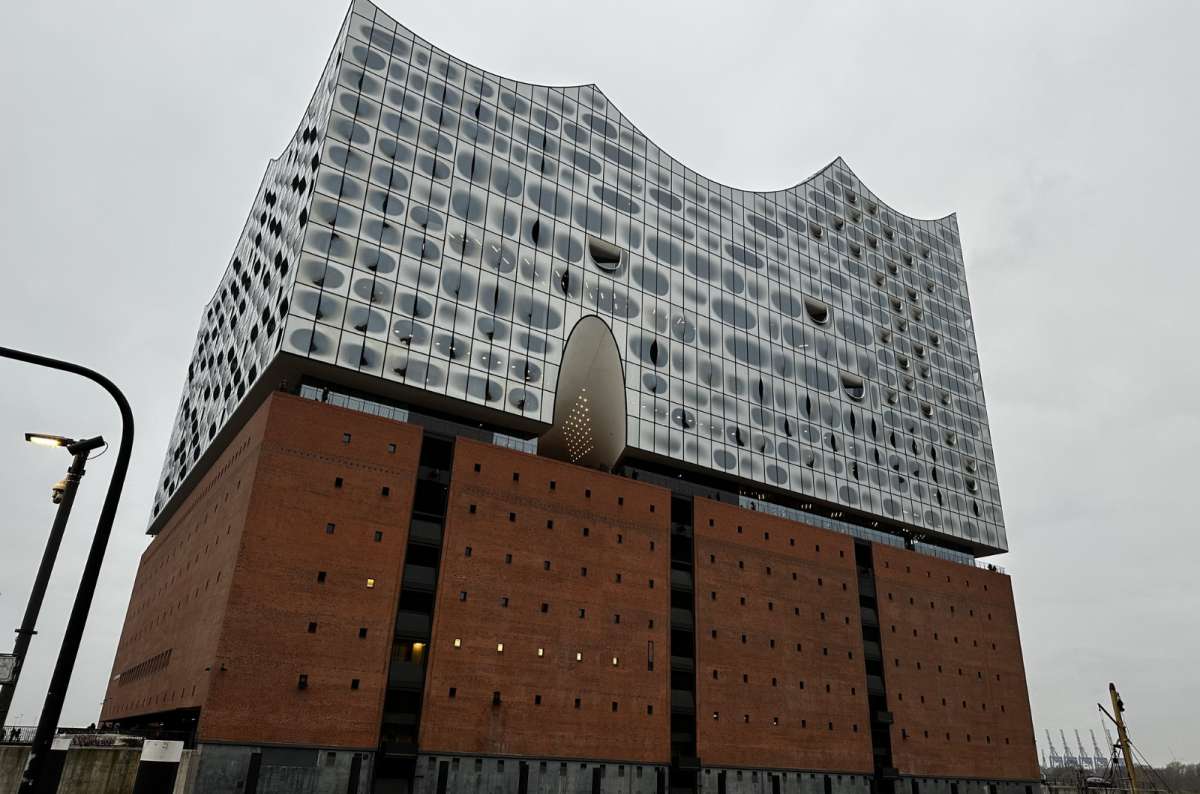
The Elbphilharmonie is a very recognizable symbol of Hamburg
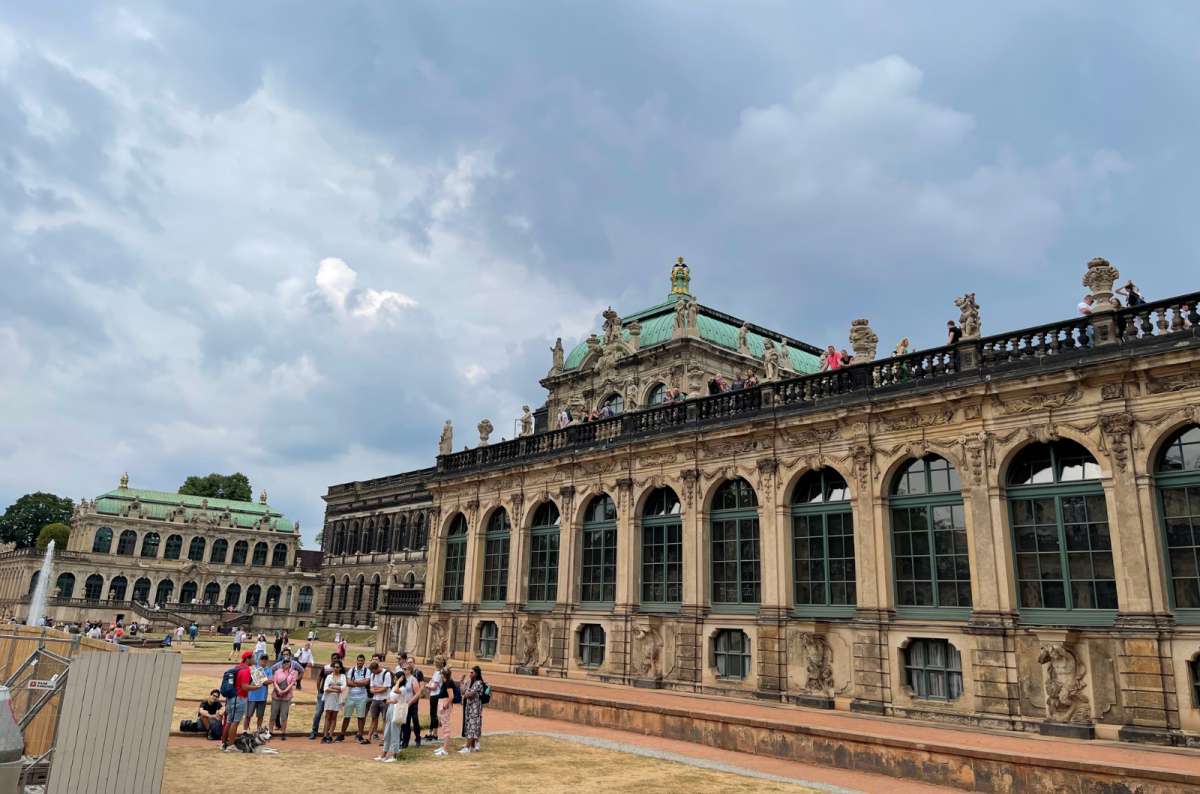
I think the Dresden Zwinger is one of the best representations of Baroque architecture
Why I think it’s one of Germany’s best cities: Dresden is one of those cities I appreciate more with every visit, which is not how I expected this relationship to go.
Further reading: Start with my things to do in Dresden guide, then use my 1-day Dresden itinerary if you’re short on time.
Dresden is one of the German cities I know best. I live about two hours away in Prague, so I’ve visited more than ten times. At first, I thought of it as a useful, pretty, slightly over-Baroque day trip. The more I return, the more I like it.
That does not mean Dresden needs a week. It doesn’t. But it has a stronger museum lineup than many people expect, and the rebuilt old town has a strange emotional layer once you understand how much of it came back after WWII destruction. You are not just looking at dramatic domes and sandstone. You are looking at a city that had to reconstruct part of its own identity.
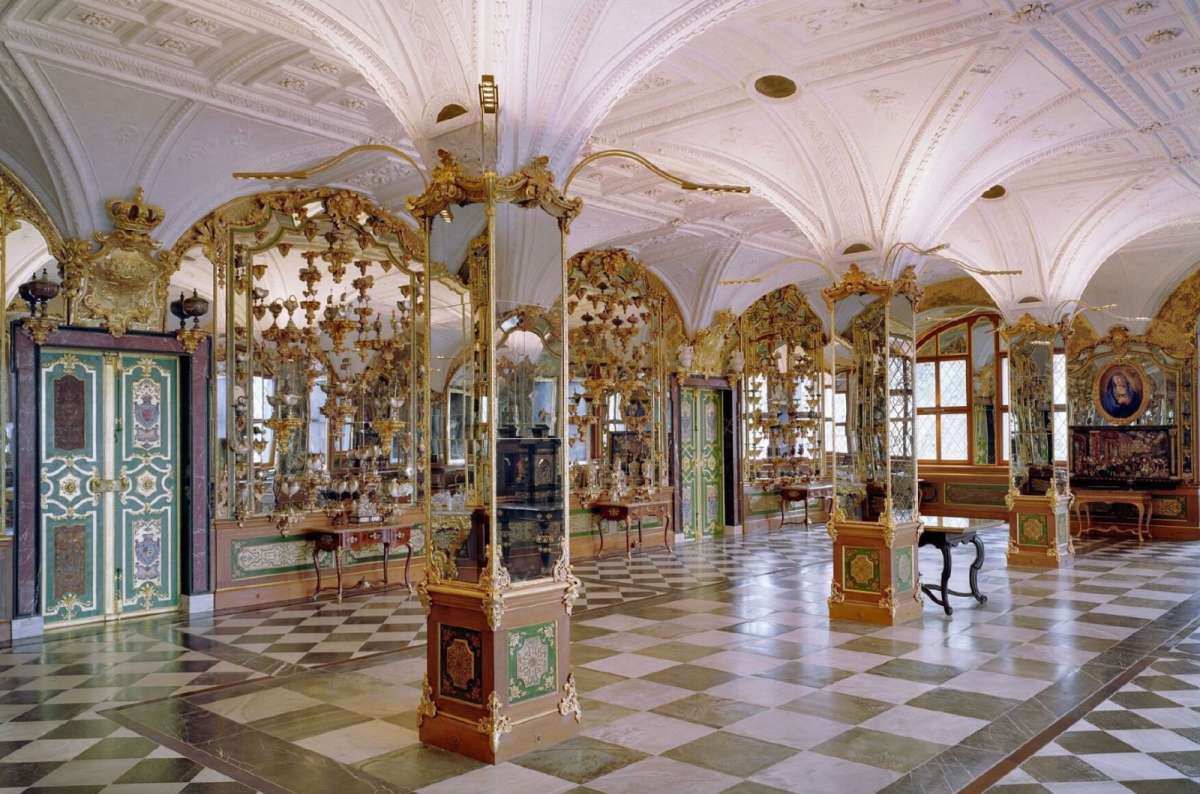
The attention to detail and the intricacy are exactly what make the Green Vault such an awesome experience
The Green Vault is the big one for me. It is one of the best museum experiences in Germany if you like absurd royal treasure, craftsmanship, and objects that make you think, “Yes, monarchy was a problem, but also… nice box.” The Old Masters Picture Gallery is also excellent, and the Karl May Museum is my personal bias showing. I’m Czech. Winnetou does things to a man.
The Dresden Royal Palace, Zwinger, Frauenkirche, Brühl’s Terrace, Transport Museum, German Hygiene Museum, and Panometer give you plenty to work with. I’m still not the world’s biggest Baroque architecture fan, so Dresden doesn’t emotionally destroy me the way it might destroy someone who dreams in domes and angels. But I respect it much more now than I did after my first visit.
Pro tip: If you don’t like waiting in line, you can book tickets for the German Hygiene Museum in advance.
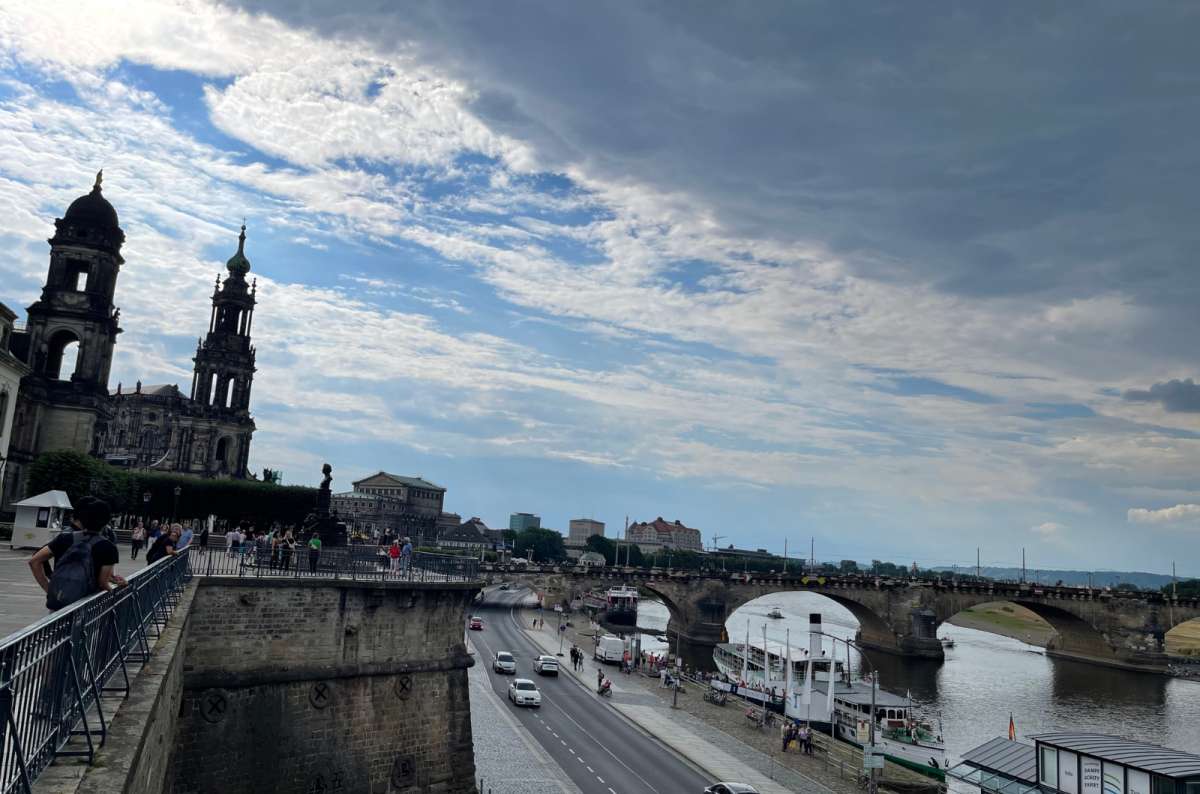
Brühl’s Terrace gives you an incredible view of the city
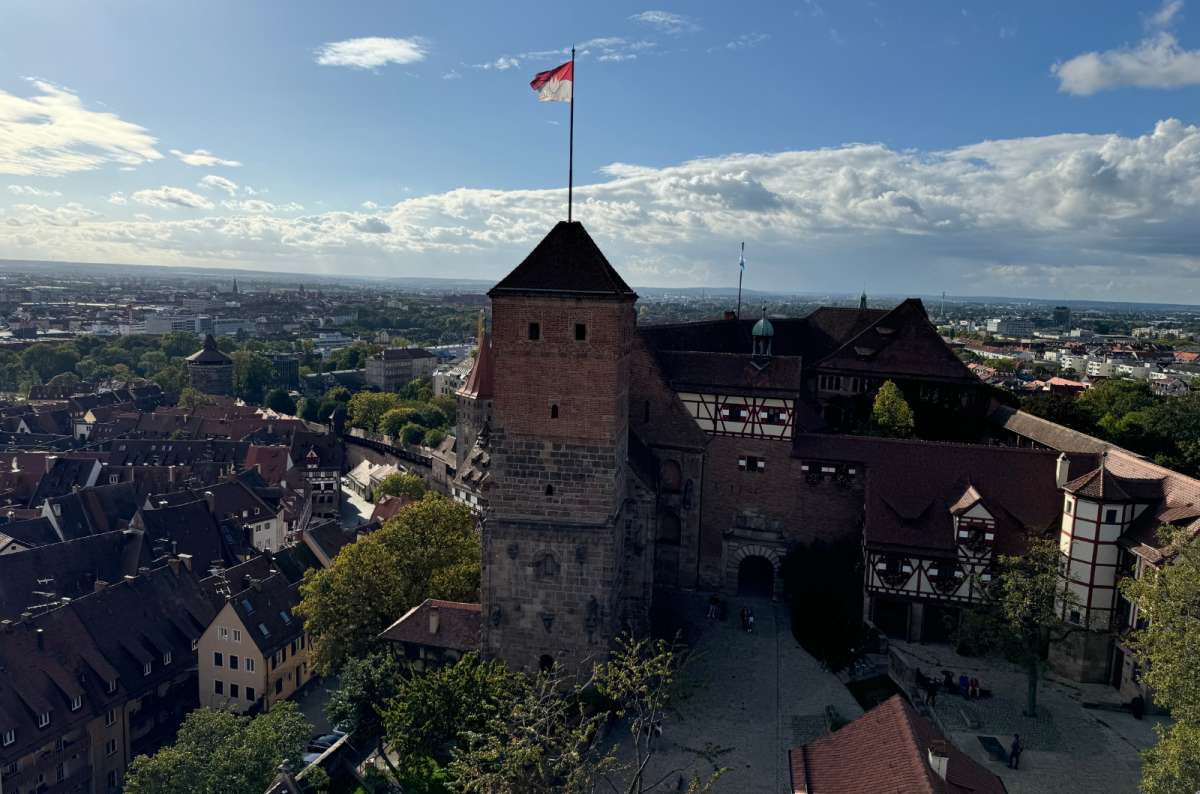
Nuremberg Castle looks very dramatic, and I kinda live for that
Why I think it’s one of Germany’s best cities: Nuremberg gives you two completely different historical personalities in one manageable city.
Further reading: Use my guide on what to do in Nuremberg or my one-day in Nuremberg itinerary.
I’ve visited Nuremberg three times, most recently in 2025, and it keeps proving useful. Not always spectacular. Useful. And that is often more important when you are building a Germany itinerary.
The old town gives you medieval city walls, the Imperial Castle, half-timbered corners, Gothic churches, bratwurst, Christmas market atmosphere, and that classic “yes, this is the Germany people came for” mood. I especially like the castle, even though it’s not one of the best castles in Europe. It is the kind of sight that does not need much explanation. You walk up, get the view, look at the walls, and understand why this city mattered.
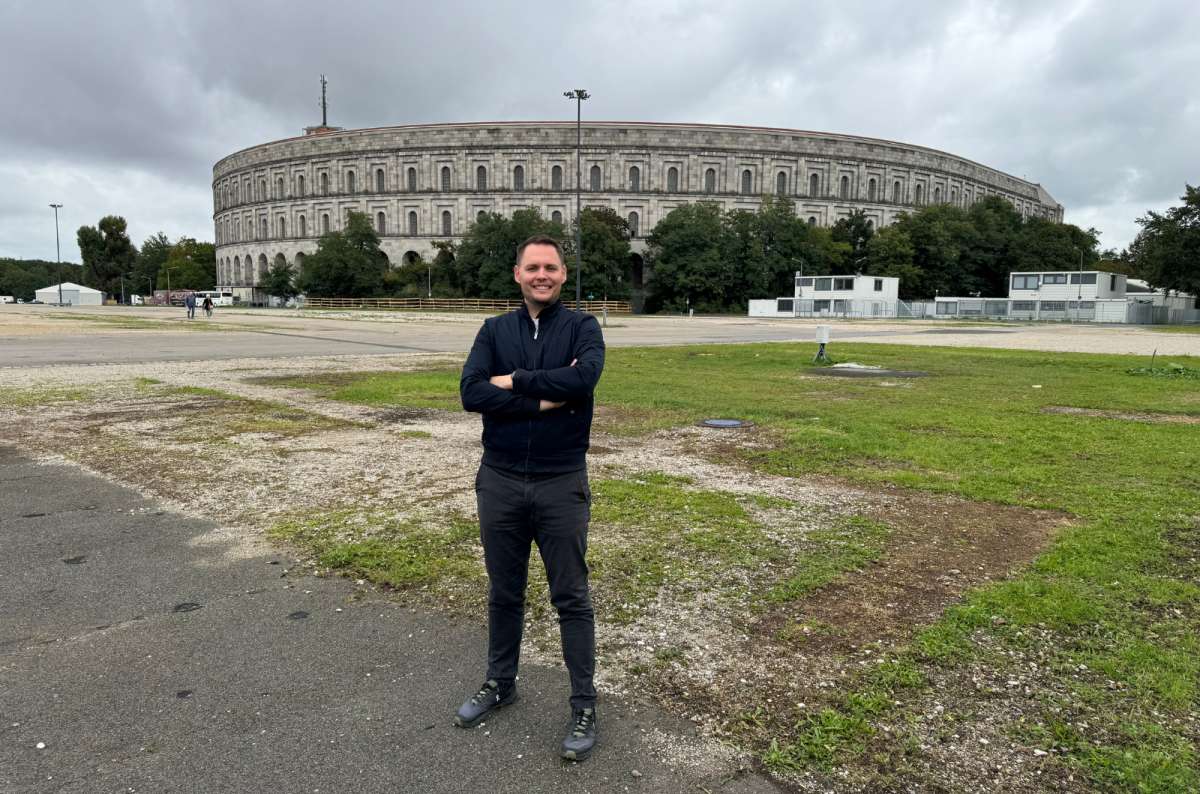
The Nazi Rally is such a vital part of the Nuremberg trip, especially if you love history
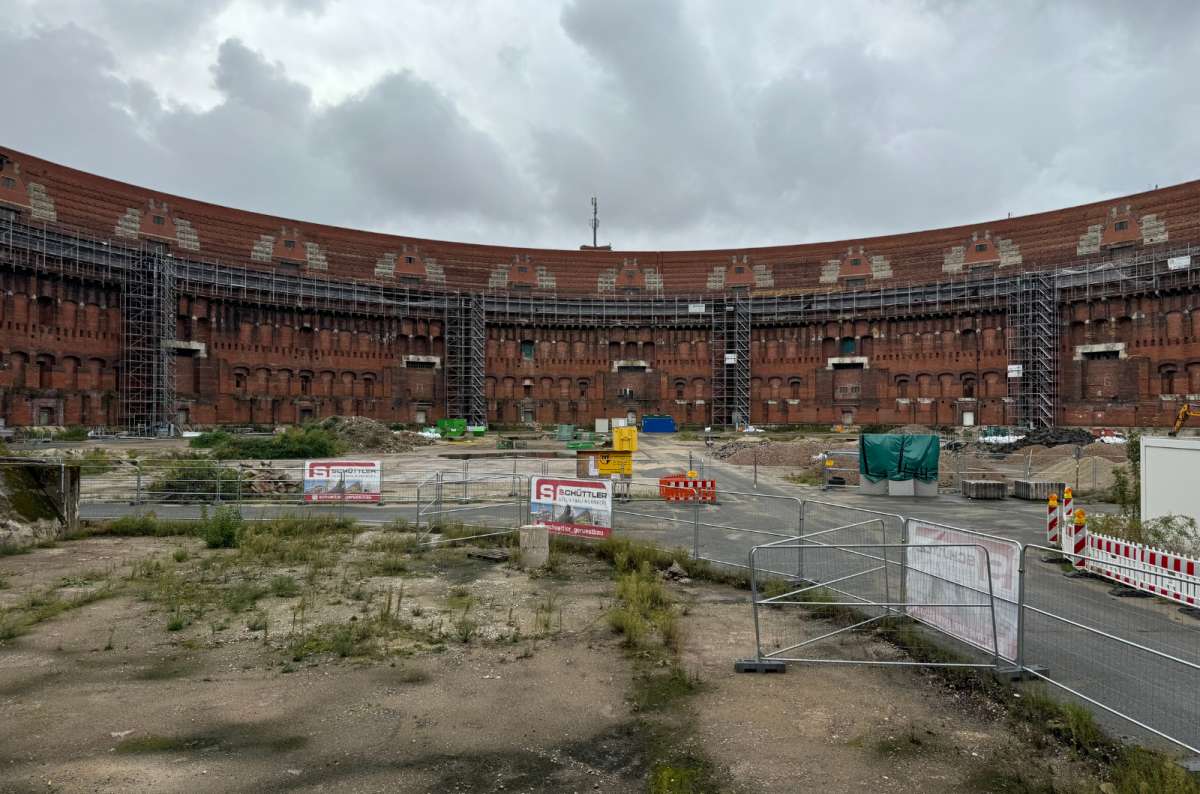
Visiting places like the Nazi Rally lets you feel a fragment of the terrifying history
But Nuremberg also has the Nazi Party Rally Grounds and Nuremberg Trials Memorial, and those are the reasons the city becomes more than a pretty medieval stop. The contrast is the point. One moment you’re looking at old walls and sausages, the next you’re dealing with Nazi propaganda and post-war justice. Germany does not let you relax for too long.
I did not love the Gestapo-related museum experience as much as I expected. Some places hit hard; others feel heavier in theory than in execution. That happens. But the broader WWII layer in Nuremberg is still essential, especially the Rally Grounds and Trials Memorial.
I’d give Nuremberg one full day minimum. Two days if you like museums, trains, art, and not sprinting between historical trauma and sausages.
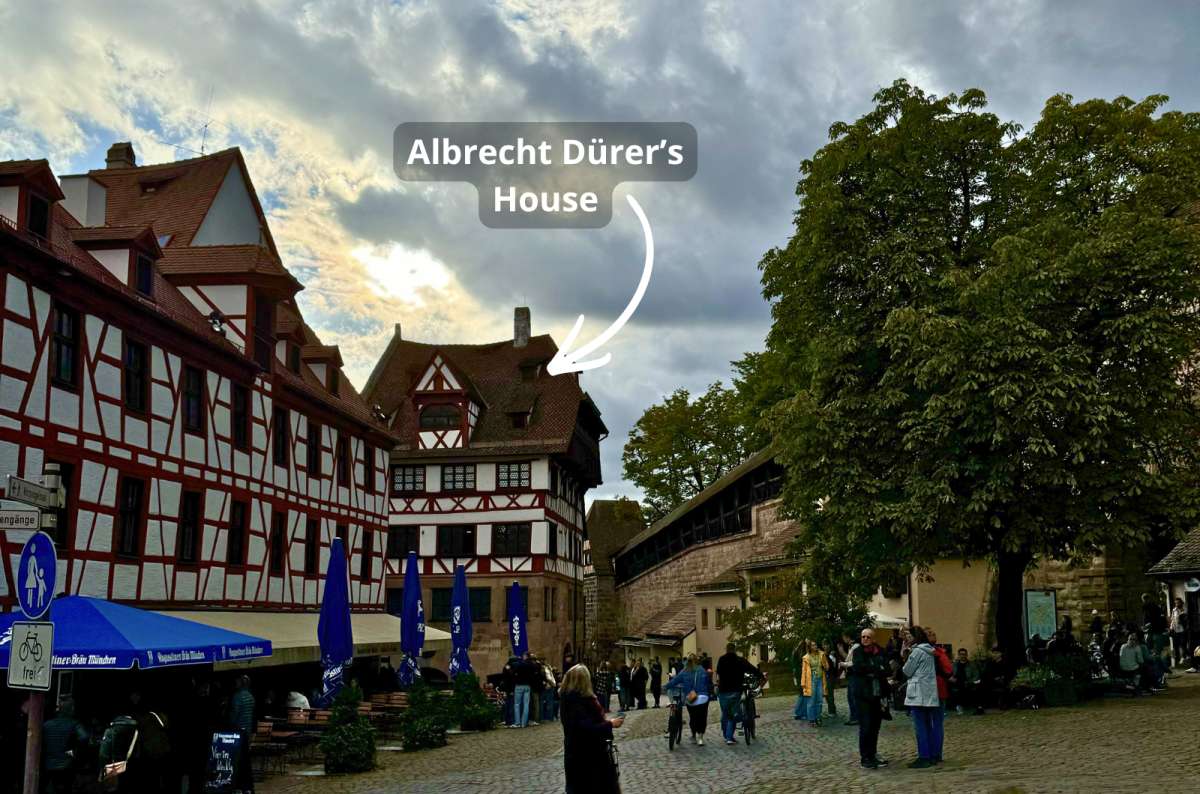
Albrecht Dürer’s House blends in with the rest of Nuremberg's old town perfectly
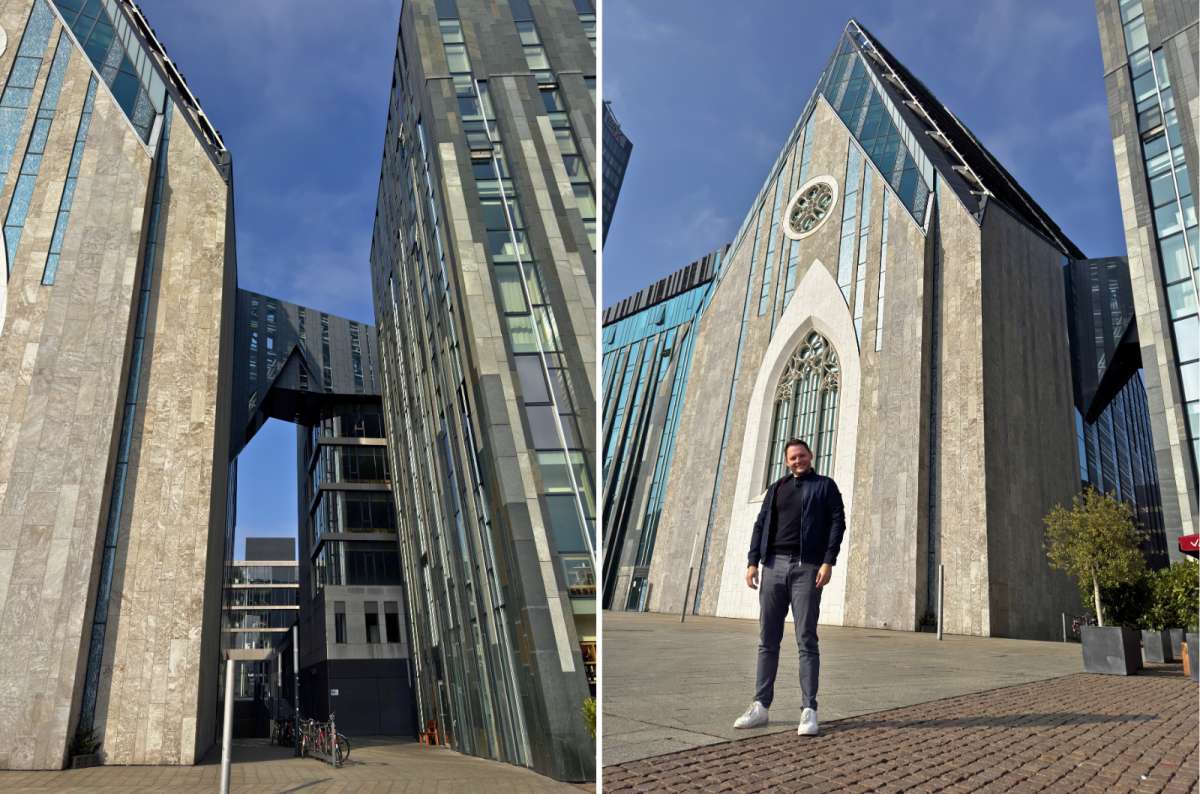
Paulinum represents Leipzig perfectly; it’s artistic, modern, and slightly edgy
Why I think it’s one of Germany’s best cities: Leipzig is not fairy-tale Germany, and that’s exactly why I liked it more than expected.
Further reading: Plan your day with my things to do in Leipzig guide.
I visited Leipzig in 2026 and expected a secondary German city. Useful, cultured, maybe a little too sensible. The kind of place you add between bigger names because the train connection works.
Instead, Leipzig surprised me. It feels big, modern, artistic, practical, and almost Berlin-like in parts—without the “why is everything 45 minutes away?” problem. The city center is compact, the museums are strong, the music history is real, and the Battle of the Nations Memorial is so massive it feels like Germany briefly asked, “What if subtlety was illegal?”
Leipzig is not the prettiest city in Germany. Let’s not lie to each other this late in the article. But it is one of the easiest German cities to like. It has a large train station, wide streets, university energy, coffee culture, DDR history, Bach, Mendelssohn, Wagner, Goethe connections, and enough cultural weight that it doesn’t need to cosplay as medieval Germany.
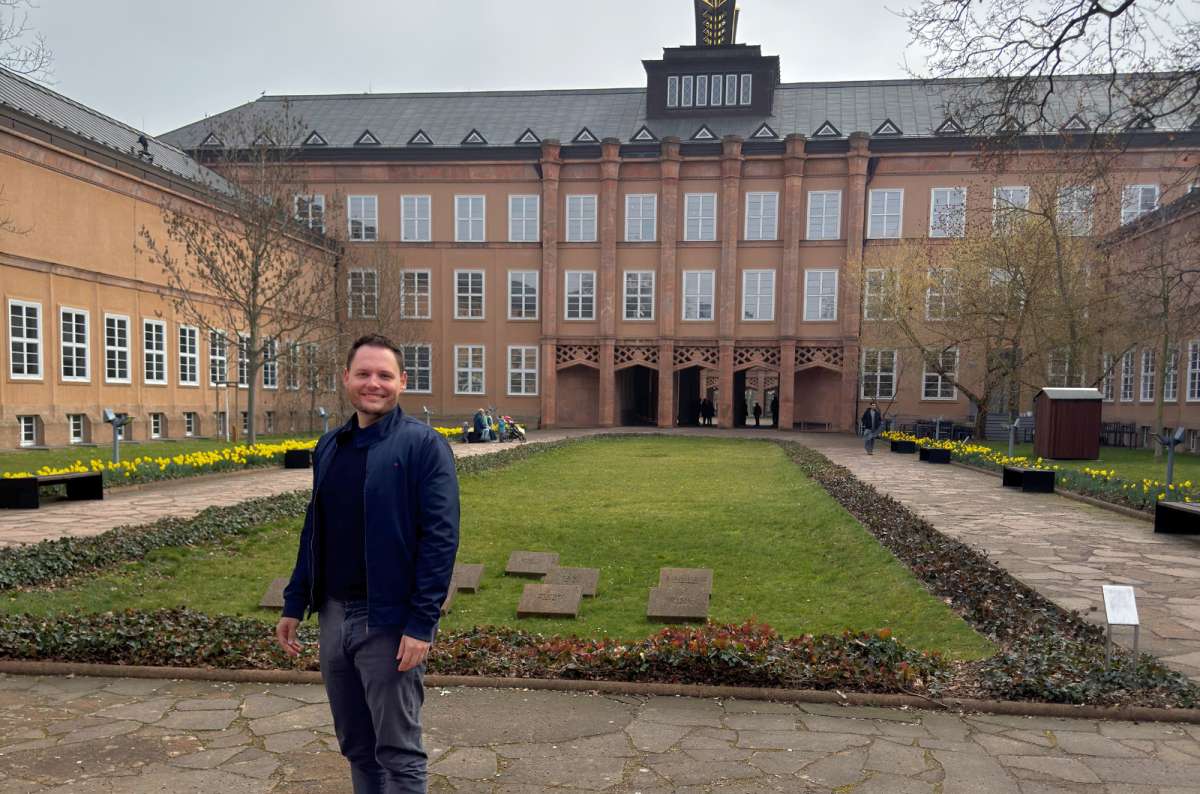
The Grassi Museum is about music, applied arts, and ethnography—a nice break from the doom. and the gloom of WWI
The Battle of the Nations Memorial is the obvious standout, but don’t skip Zum Arabischen Coffe Baum, Grassi Museum, Panorama Tower, Paulinum, St. Nicholas Church, and the Altes Rathaus if you have a full day. Leipzig also has a nice rhythm for sightseeing: a few major stops, some walking, some culture, then a city-center coffee or beer without feeling like you are constantly losing time to transport.
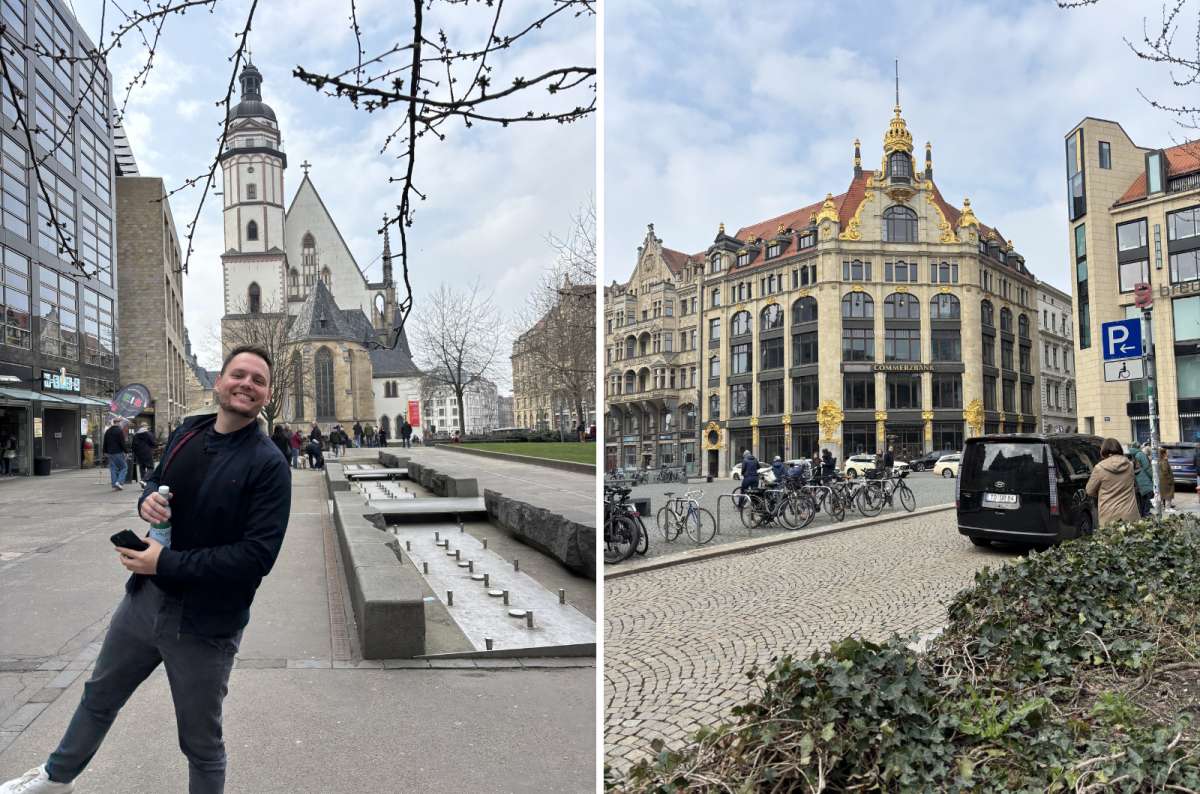
Even just walking around the center of Leipzig is so fun
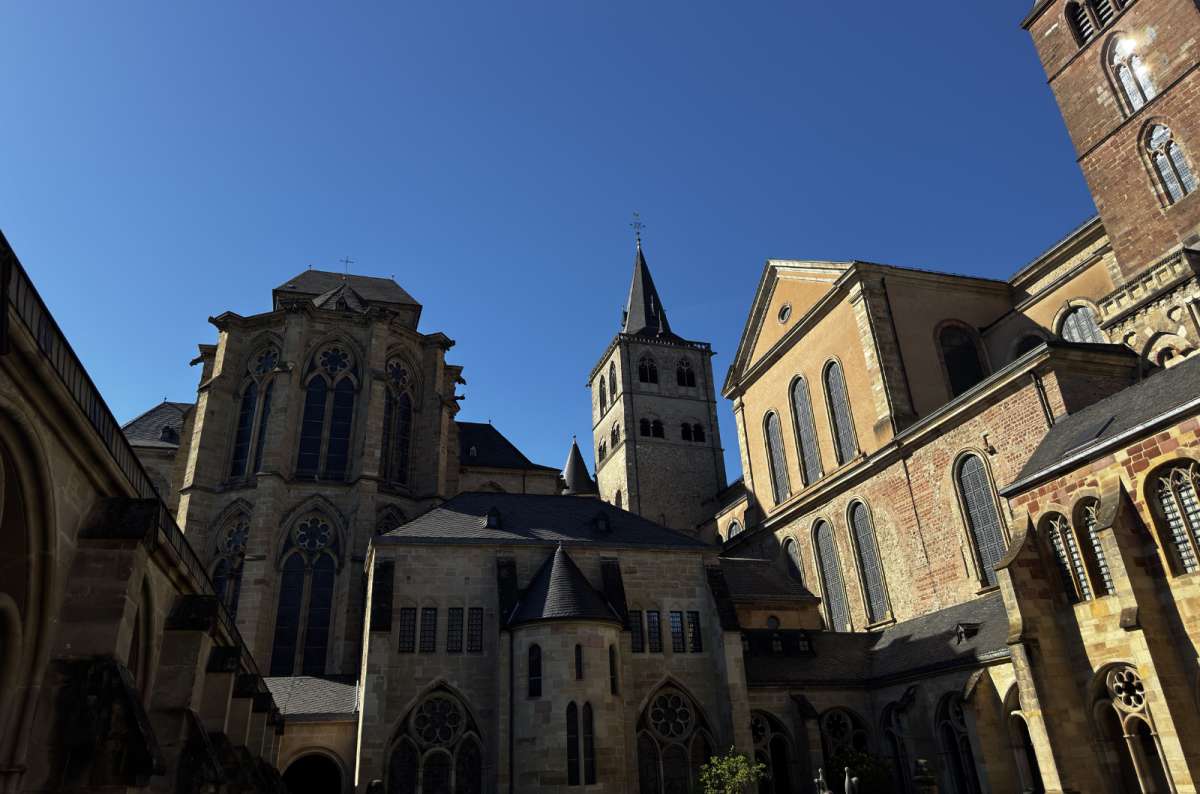
The Trier Cathedral has a beautiful garden surrounded by towers
Why I think it’s one of Germany’s best cities: Trier is the best “wait, this is Germany?” stop on this list.
Further reading: Use my guide to the best things to do in Trier.
I visited Trier in 2026 and honestly didn’t expect it to be this good.
I expected a pleasant German town with a few Roman leftovers. Maybe a gate, some stones, a museum label telling me something used to be important here. Instead, Trier kept doing this strange thing where the Roman Empire casually interrupted a normal German city walk every few minutes.
That is the best part of Trier. It doesn’t feel like a museum city preserved under glass. It feels like a regular town that happens to have a giant Roman gate, an imperial hall, ancient baths, an amphitheater, a Roman bridge, and a cathedral complex sitting in the middle of daily life like everyone agreed not to make a fuss.
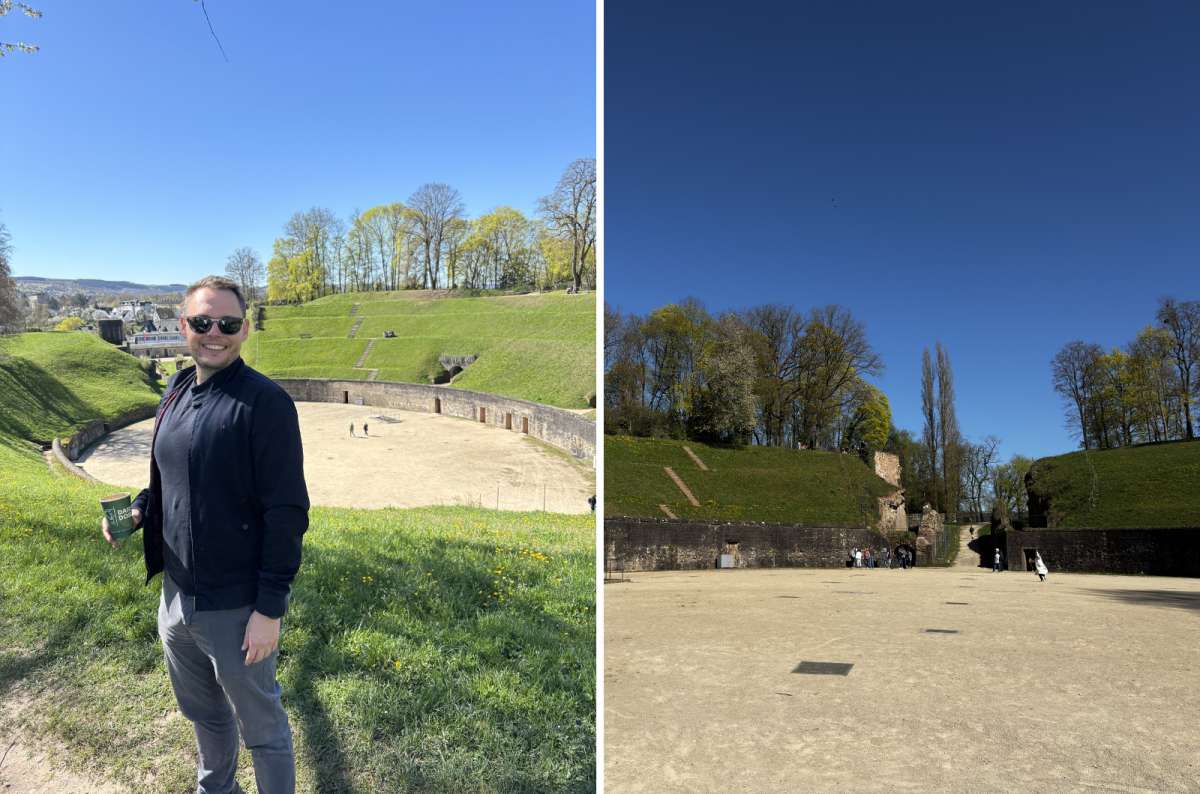
The Roman Amphitheatre is an amazing experience (if you’re able to find parking)
Porta Nigra, Trier Cathedral, Church of Our Lady, Aula Palatina, Kaiserthermen, Roman Amphitheater, Roman Bridge, and the Rhineland State Museum make Trier one of the strongest historical stops in western Germany. It’s compact, walkable, and much better treated as a half-day to one-day visit than a long city break.
Outside the historic center, Trier feels like a normal German town. Not bad. Just normal. So don’t stretch it unless you’re adding the Moselle Valley, Cochem, Luxembourg, or wine tasting.
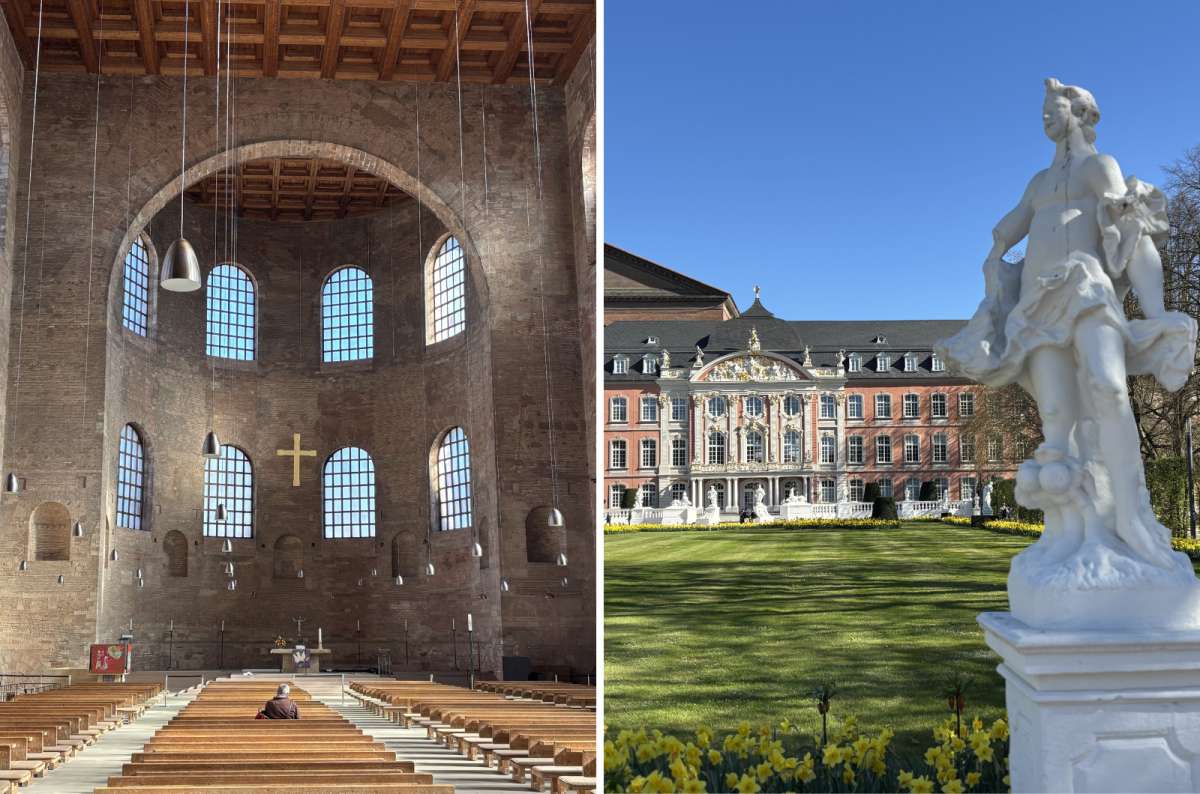
Aula Palatina definitely wins the contest of duality (yes, these photos are from the same place)
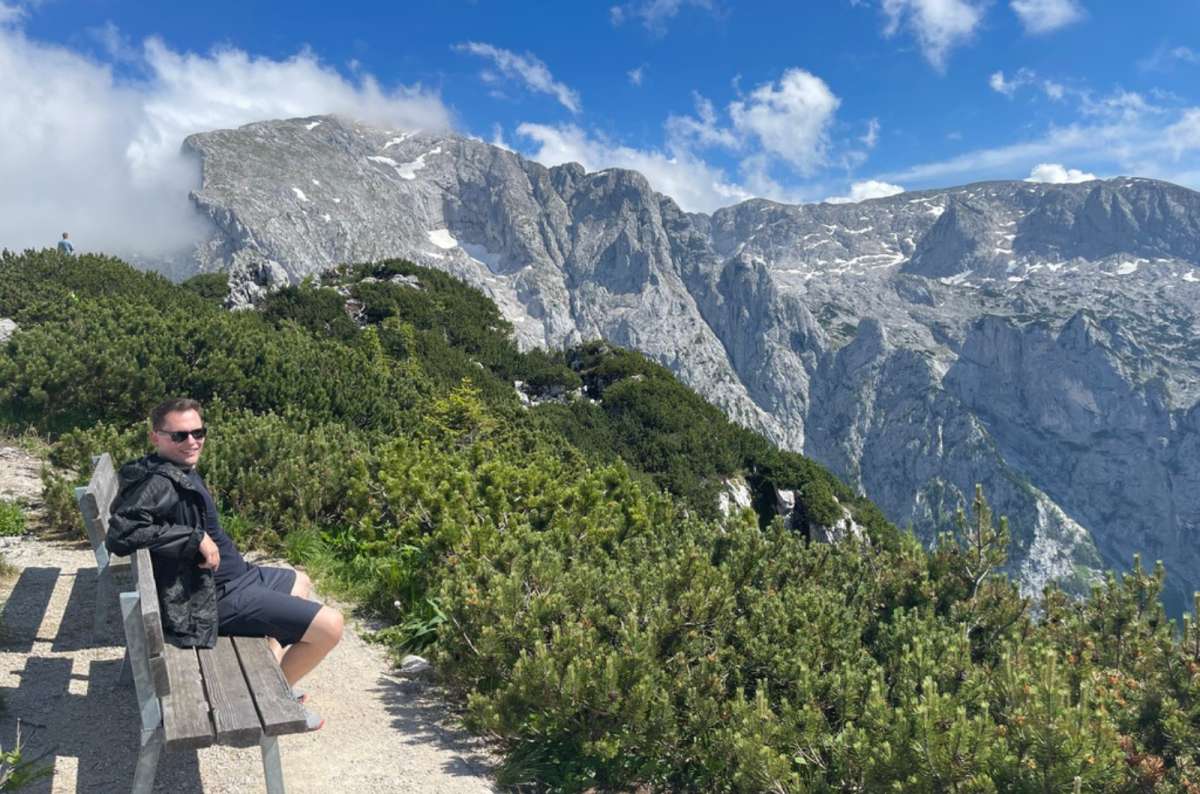
Let’s move on to the Alpine beauty @ Berchtesgaden
Why I think it’s one of Germany’s best cities: Berchtesgaden belongs here because it may be more useful than another large city for many German itineraries.
Further reading: Use my guide to the best things to do in Berchtesgaden.
Yes, Berchtesgaden is not a city in the big-city sense. No, I’m not losing sleep over it.
I visited in 2023 and loved it, mainly because of the Eagle’s Nest and the mountains around it. There are places where the scenery does half the work before you even start sightseeing, and Berchtesgaden is one of them. You can book a guided tour and get the full story of this place.
If your Germany trip needs mountains, lakes, scenery, hiking, Hitler-related history, salt mines, beer gardens, and proper Bavarian Alps drama, Berchtesgaden is one of the strongest bases in the country. It’s the kind of place where the mountains sit right behind your window and casually make your normal life look underdesigned.
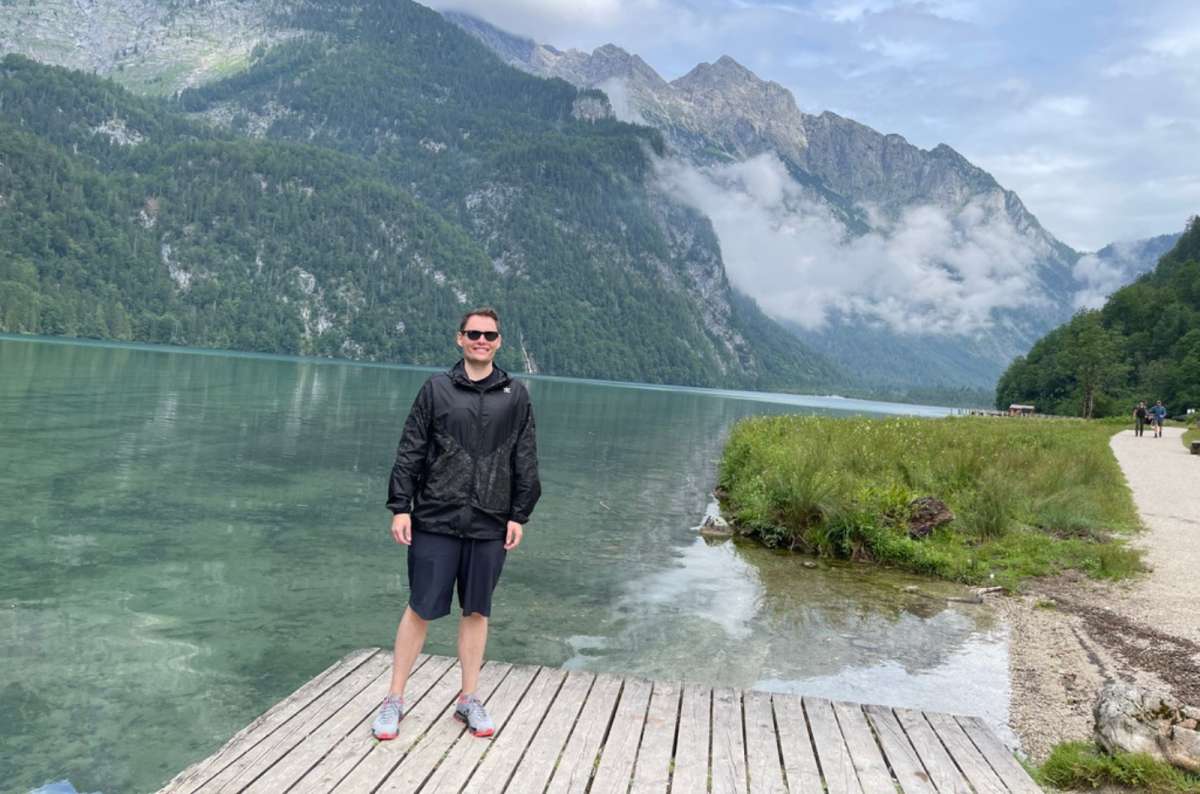
Manifest good weather—it'd be a shame to miss out on Königssee
Königssee is the obvious natural highlight, the Eagle’s Nest gives you scenery and WWII context, and Berchtesgaden National Park is perfect if you want hiking rather than another city hall. Add Watzmann, Wimbach Gorge, the salt mines, Rossfeld Panorama Strasse, Watzmann Therme, and House of the Mountains, and suddenly this “not a city” starts looking more useful than half the famous cities people keep adding to Germany itineraries.
I’d treat Berchtesgaden as a 2–4 day base, not a quick stop. You can technically rush parts of it, but that misses the point. This is where you slow down, hike, drive, eat, drink, and stare at mountains like a very civilized goat.
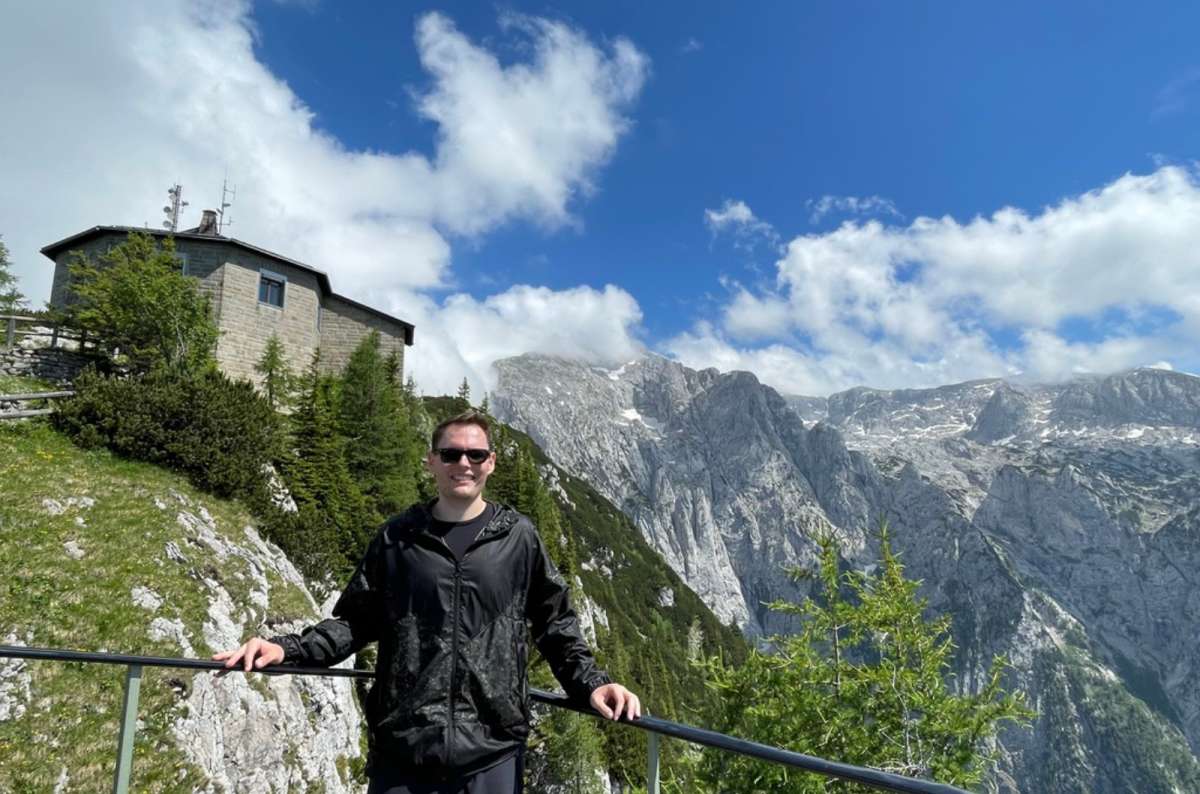
You seriously didn’t think I wouldn’t make this about WWII, c'mon, we’re in Germany
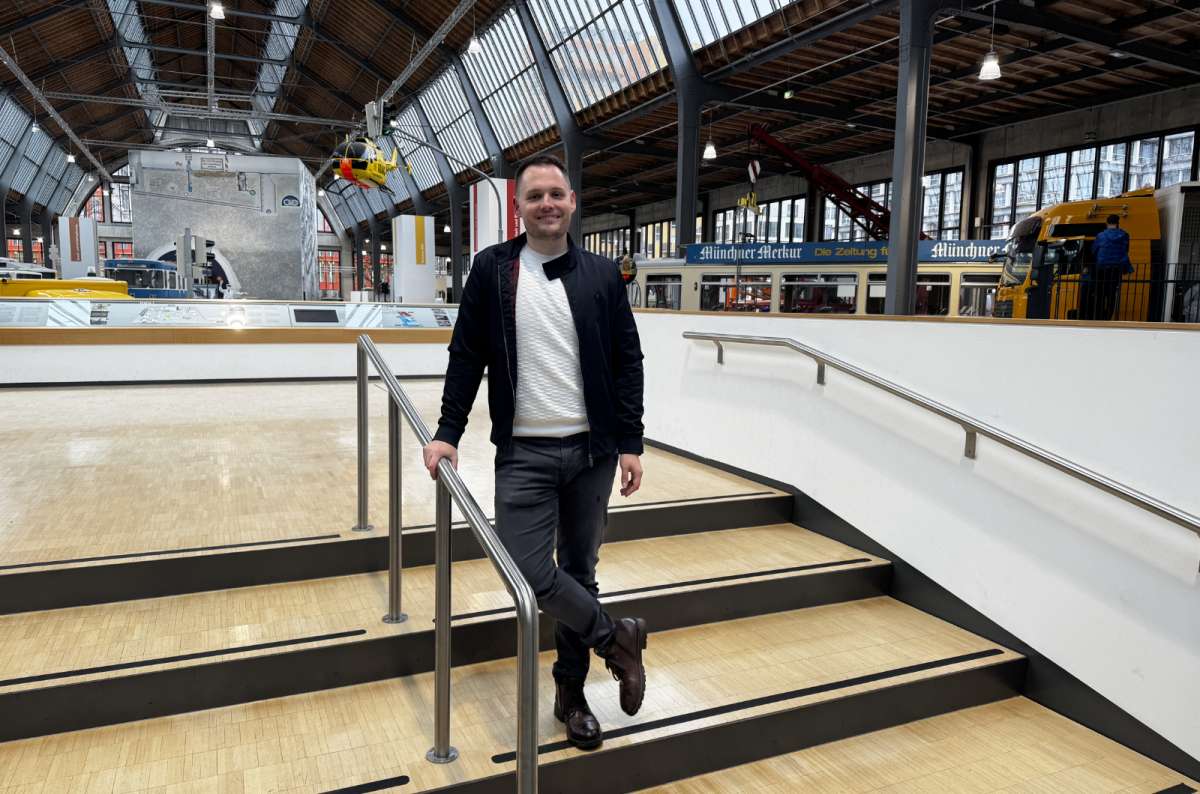
Deutsches Museum Verkehrszentrum in Munich is super fun, btw
Why I think it’s one of Germany’s best cities: Munich is useful, polished, and extremely Bavarian—but I like it more as a base than as the best standalone city in Germany.
Further reading: For Bavaria, use my one-week in Bavaria itinerary instead of randomly connecting castles and beer halls.
Munich and I had a slow relationship. I visited three times, most recently in early 2026, and I didn’t really like it the first two times.
Part of the problem is that Munich is very proud of itself. Clean, wealthy, organized, polished, expensive, confident. Sometimes deservedly. Sometimes in that “yes yes, we understand you have good infrastructure” way. It can feel a bit too smooth if you arrive expecting Berlin-level edge or Hamburg-level surprise.
But Munich makes more sense when you stop asking it to be Germany’s most exciting city and start using it as the best base for southern Germany. Then it becomes hard to argue against. Bavaria, beer halls, museums, BMW, Dachau, Neuschwanstein, the Bavarian Alps, Nymphenburg Palace, the English Garden, and road trips all become easier from here.
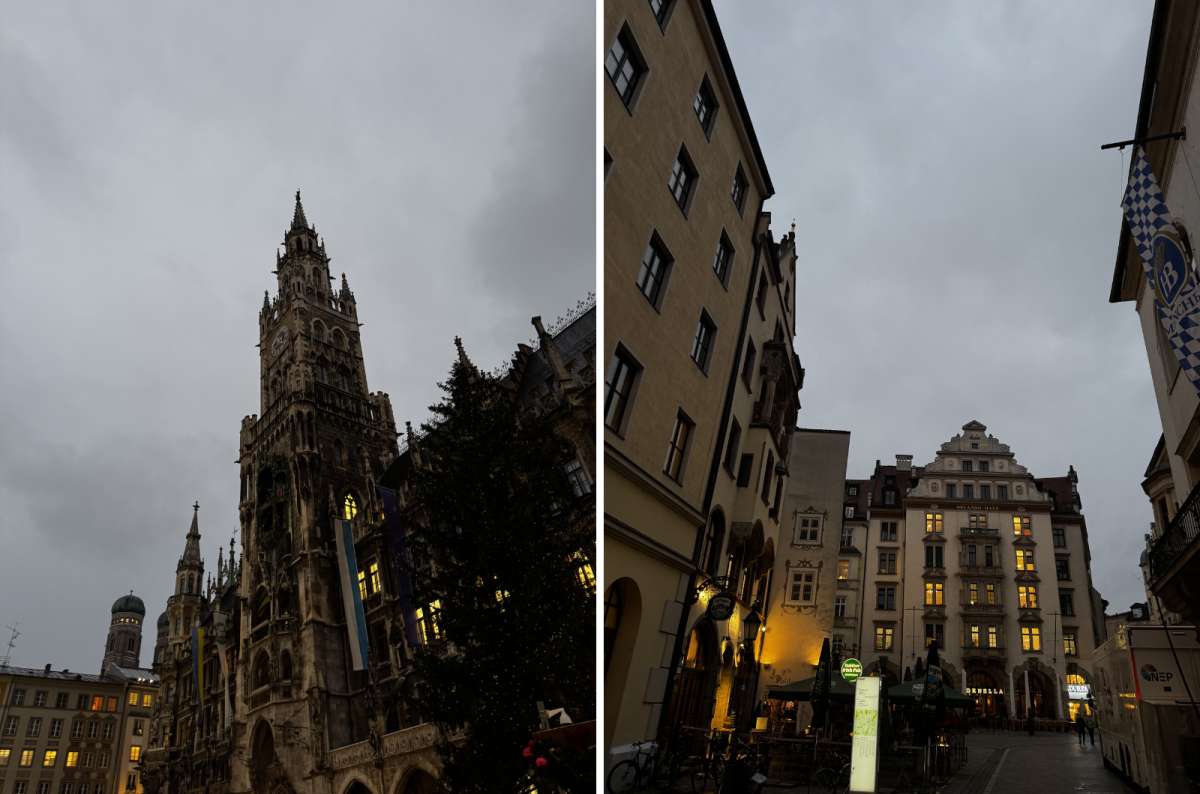
Marienplatz brings the true Bavarian vibe
The city center gives you Marienplatz, the old town, churches, markets, beer halls, and a classic Bavarian atmosphere. Hofbräuhaus is touristy, obviously, but I still went, had beer and pork with dumplings, and yes, sometimes clichés exist because they work.
The museums are also strong. BMW Welt is easy to access by car and has a massive hall with new BMWs, motorcycles, Rolls-Royces, and Minis. It feels a bit like a larger auto dealership, which may have been the point. The building is great, though I expected more cars. The Deutsches Museum transport branch was much better than I expected, especially the hall about travel history and tourism. Very German, very precise, occasionally too precise, but useful.
Munich also works well if you’re driving, but parking in the city can get expensive and annoying. I’d seriously consider booking a hotel with paid parking rather than playing urban parking roulette with a Bavarian accent.
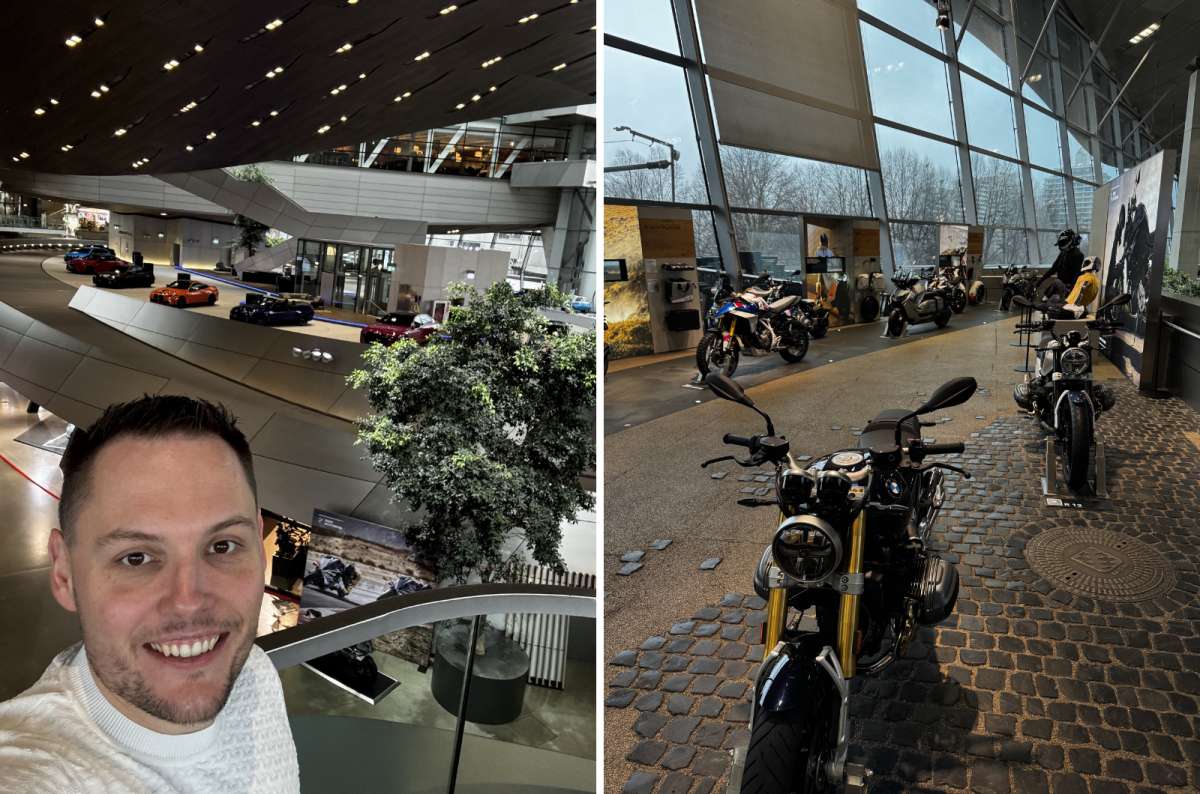
The BMW Museum is an absolute must-visit for any car admirer
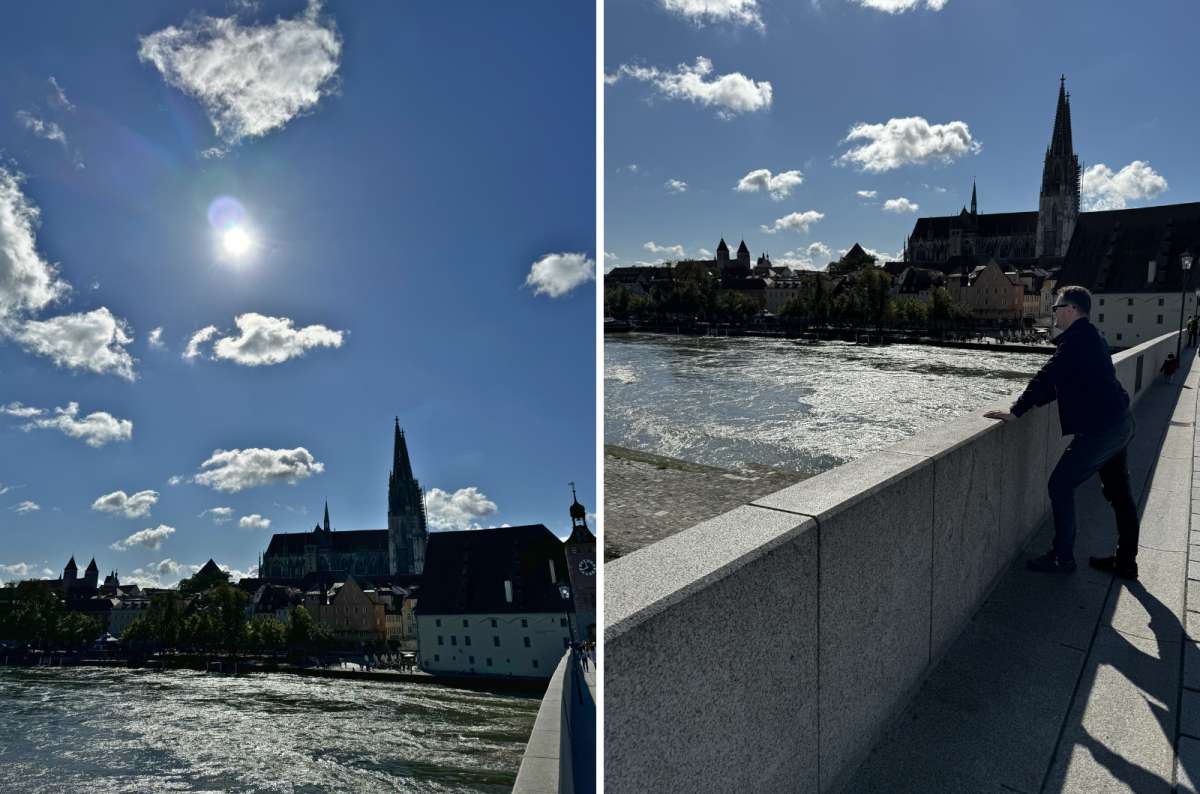
The Regensburg Roman Bridge gives you fantastic views of the city
Why I think it’s one of Germany’s best cities: Regensburg is preserved, walkable, and useful—but don’t turn it into something bigger than it is.
Further reading: Use my guide to the best things to see in Regensburg.
I visited Regensburg in 2025, and my verdict is simple: nice little city, worth visiting, not especially life-changing.
That sounds harsher than I mean it. Regensburg is one of the best-preserved medieval cities in Germany and makes an excellent day trip from Munich or Nuremberg. It also has the rare advantage of surviving WWII largely undestroyed, which matters in a country where “old town” can sometimes mean “very impressive reconstruction with emotional baggage.”
The UNESCO-listed old town is packed with Roman ruins, Gothic churches, medieval towers, squares, and old merchant-family architecture. You get the Stone Bridge, Regensburg Cathedral, Porta Praetoria, Goliathhaus, patrician towers, St. Jakob Church, Altes Rathaus, Neupfarrplatz, Haidplatz, and the House of Bavarian History.
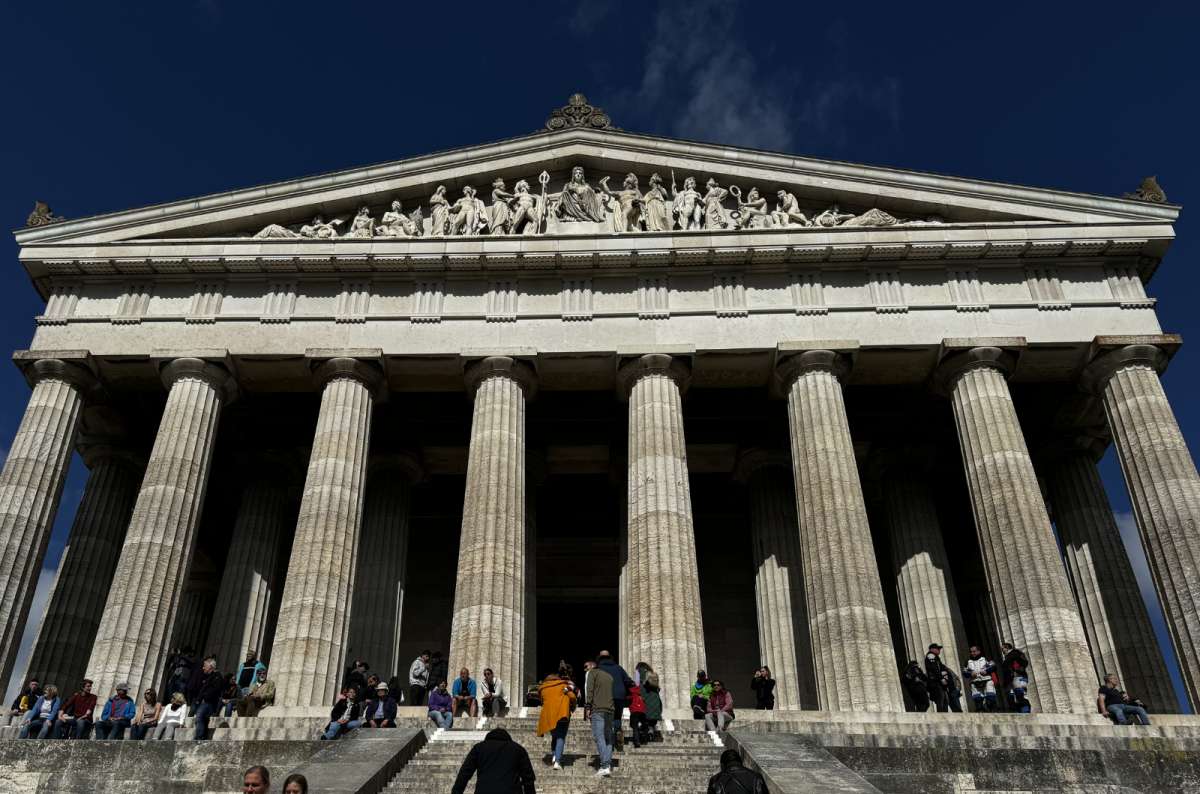
Going from the Roman Amphitheatre straight to Valhalla, Germany, really has it all
I liked Regensburg. I just wouldn’t oversell it. Half a day can cover the essentials if you move efficiently. A lot of the sightseeing is “walk around and there it is.” That is not an insult. That is the practical truth, which is usually more helpful than pretending every old building requires a spiritual moment.
If you add Walhalla Memorial outside the city, the House of Bavarian History, or a slower lunch, make it a full day. Otherwise, Regensburg works beautifully as a compact medieval stop in a southern Germany itinerary.
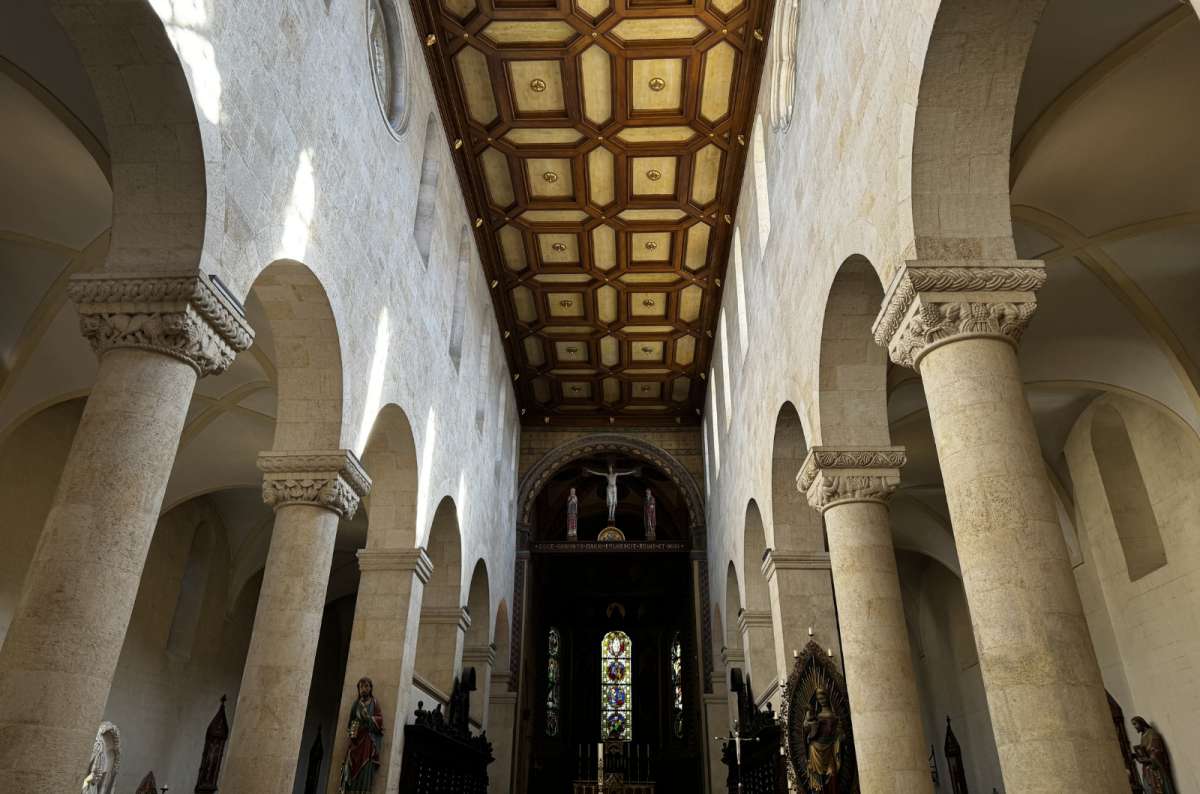
The Scots Monastery may not have made the list, but if you have extra time, this is a sick spot
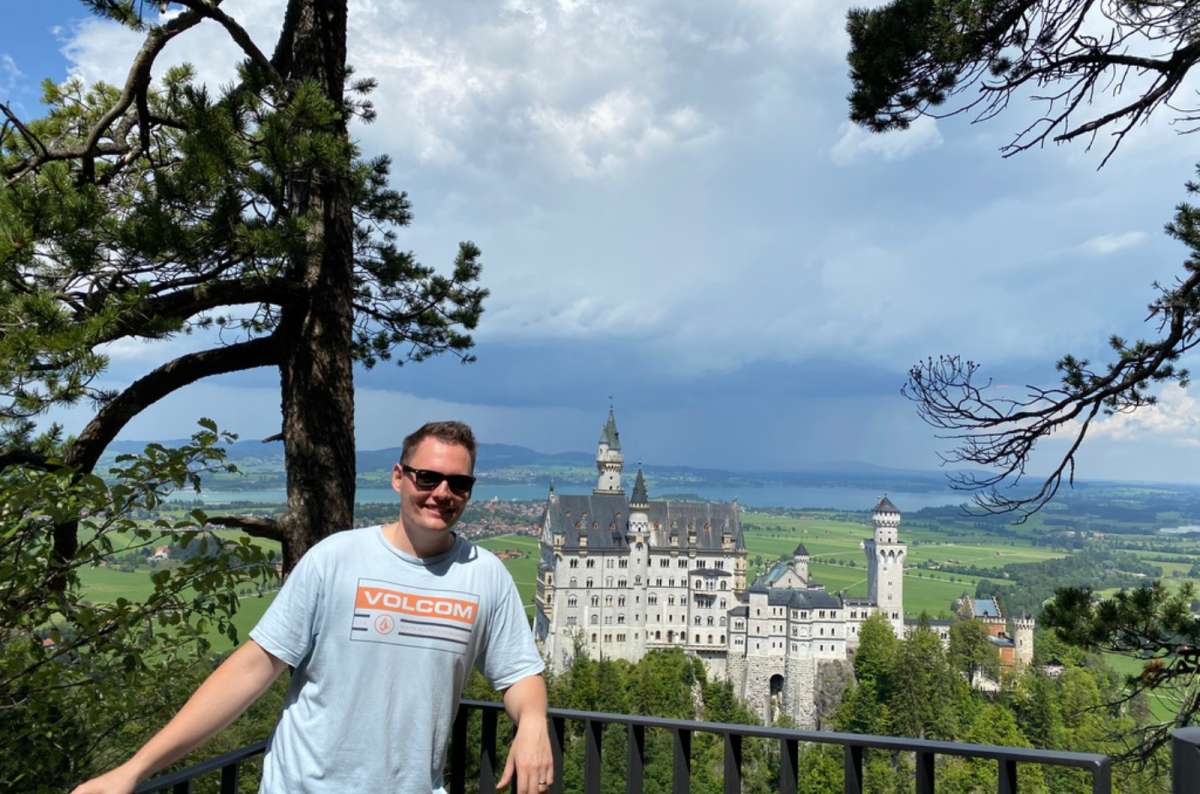
Neuschwanstein Castle is an interesting day trip, if you’re planning a longer stay in Western Germany
Germany is bigger and more spread out than many first-time visitors expect. Try to see Berlin, Hamburg, Munich, Dresden, Trier, the Black Forest, Neuschwanstein, Cologne, and Berchtesgaden in one week, and Germany will punish you with logistics. Deservedly.
My practical recommendation:
The best Germany itinerary is not the one with the most pins. It’s the one where you don’t hate yourself by day four.
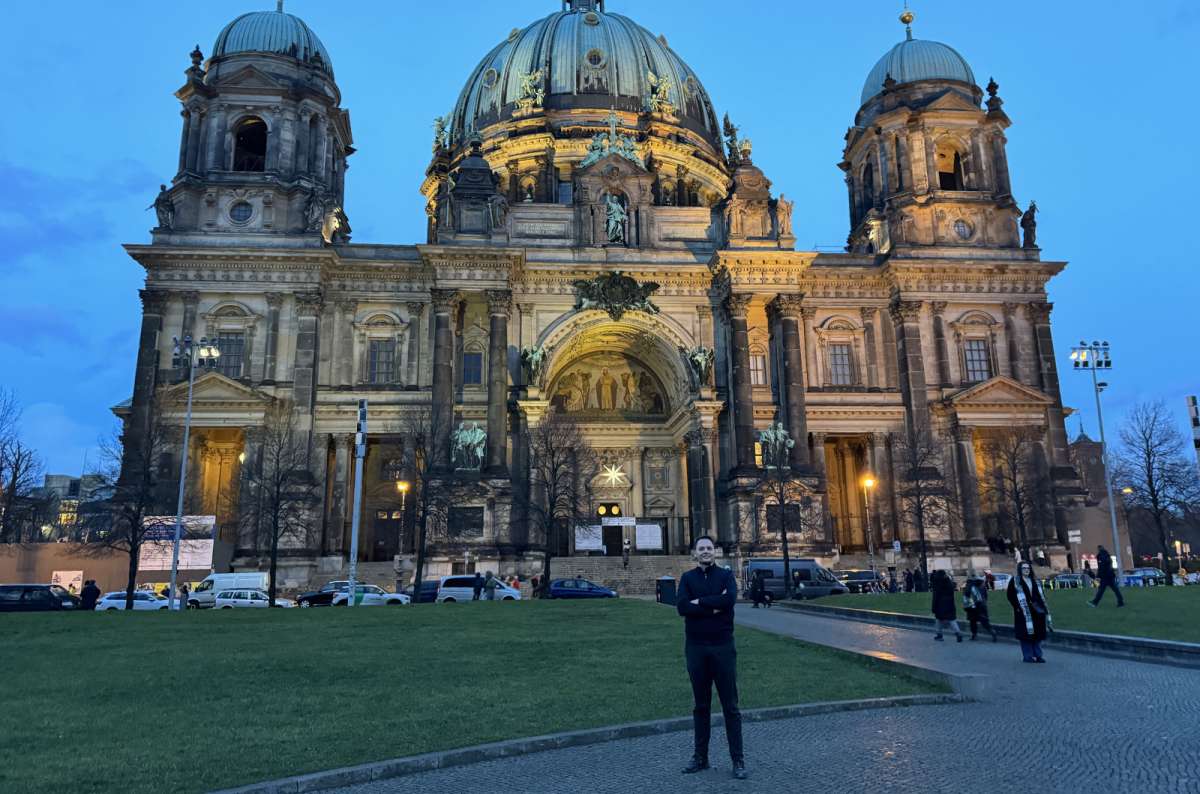
If you’re visiting for the first time, start with the classics, like Berlin Cathedral
Verdict: Best if you want the core mix of history, museums, old towns, and Bavaria without pretending Hamburg is “on the way.” It isn’t, emotionally or geographically.
Verdict: Best if you want cities plus Bavarian Alps. This is the version I’d recommend to people who want Germany to feel varied instead of just “another train station, another museum.”
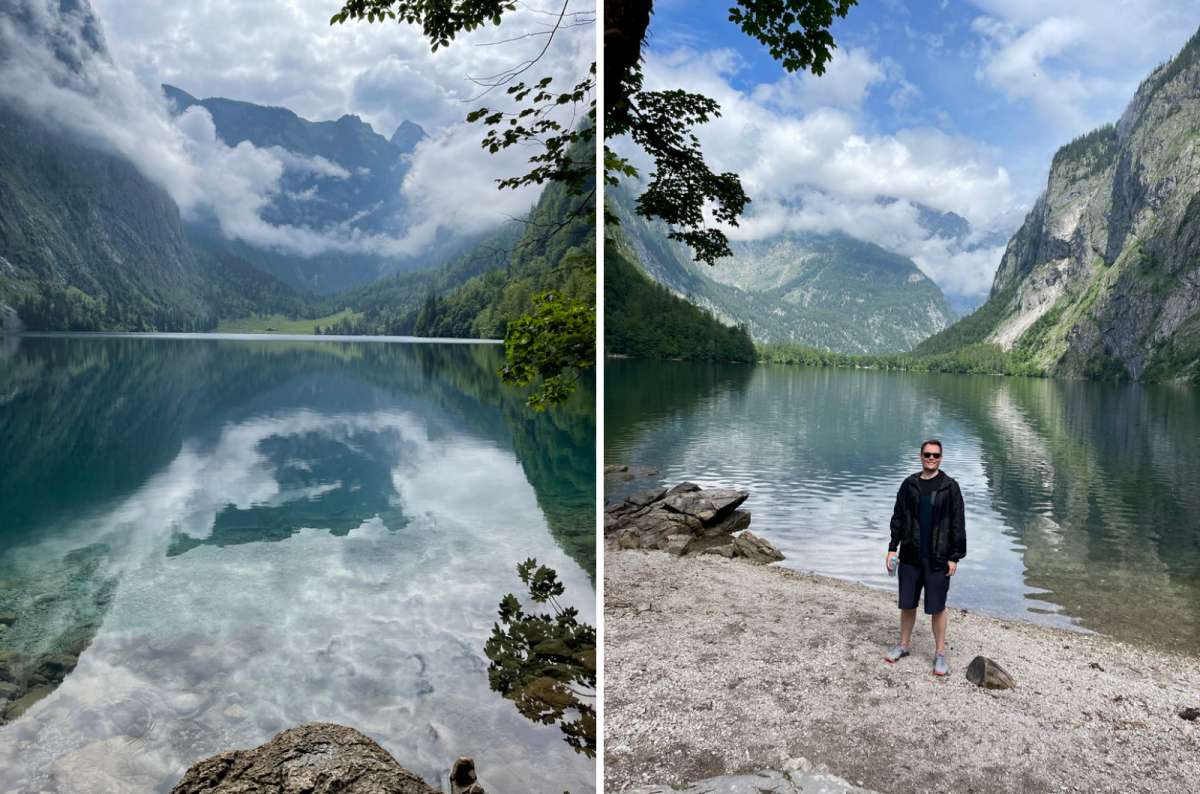
Berchtesgaden and the Ostsee present the perfect Bavarian day trip
Verdict: Best for castles, old towns, beer halls, mountains, lakes, and “Germany from postcards” without forcing places I haven’t properly covered yet.
Verdict: Best for WWII, GDR history, museums, culture, dramatically rebuilt cities, and a practical route from Prague or Berlin.
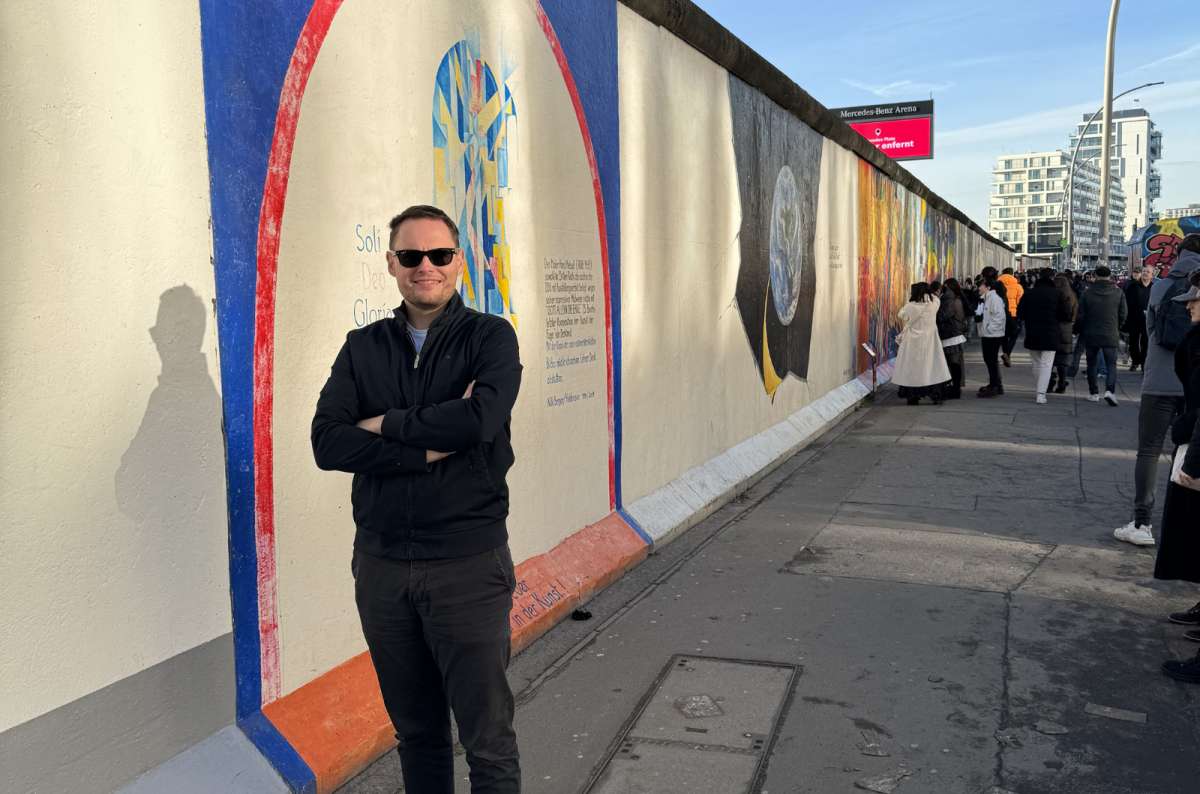
Berlin has arts, history, monuments, it can’t get much better than this @ East Side Gallery
Visit Berlin first if you want the strongest overall German city experience. It gives you history, museums, modern culture, food, memorials, architecture, and enough substance for 3–4 days.
Visit Munich first if your Germany trip is really a Bavaria trip in disguise. No shame. Bavaria is strong. Munich gives you beer halls, museums, Dachau, castles, Alps access, and southern Germany logistics.
Visit Hamburg first if you want a cooler northern city break and don’t care about half-timbered old-town fantasies.
Visit Nuremberg first if you want a compact city with medieval streets and serious WWII history.
Visit Trier first if Roman ruins are your thing and you’re combining Germany with Luxembourg, the Moselle Valley, or western Europe.
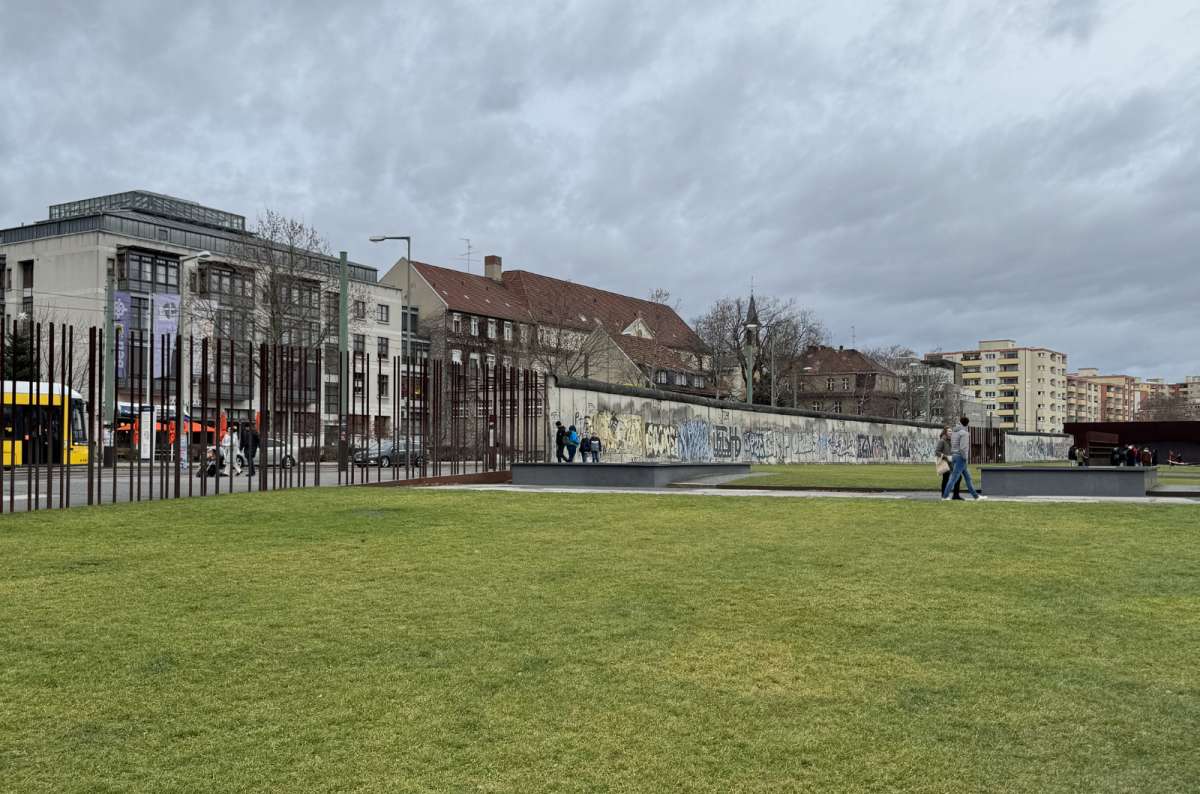
The Berlin Wall Memorial is yet more proof of how German history steps into everyday life
Best German city for first-timers
Berlin. No contest for me. It explains more of modern Germany than any other city on this list. I’d go as far as to call it one of the best cities to visit in Europe.
Best German city for museums
Berlin, then Dresden, then Hamburg. Leipzig also deserves respect here, especially if you like culture and music history.
Best German city for WWII and Cold War history
Berlin first, Nuremberg second, Dresden third. Leipzig adds useful East Germany and protest history.
Best German city for medieval atmosphere
Regensburg and Nuremberg. Regensburg is better preserved; Nuremberg has more range.
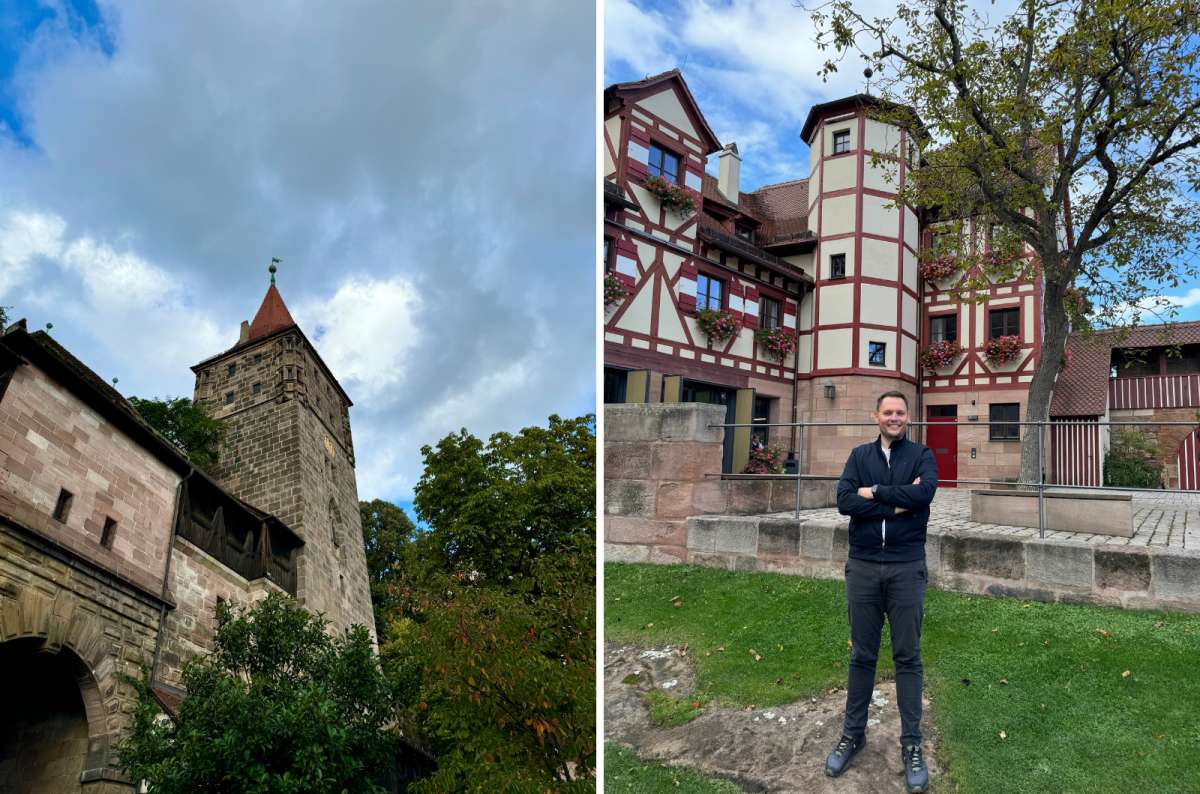
Nuremberg really does take you back to medieval times
Best German city for mountains and nature
Berchtesgaden. Again, the city police can complain somewhere else.
Best German city for a short city break
Hamburg for fun, Dresden for museums, Nuremberg for compact history, Leipzig for underrated culture.
Best German city for Bavaria
Munich as a base, Nuremberg for history, Regensburg for a compact medieval stop, and Berchtesgaden for the Alps.
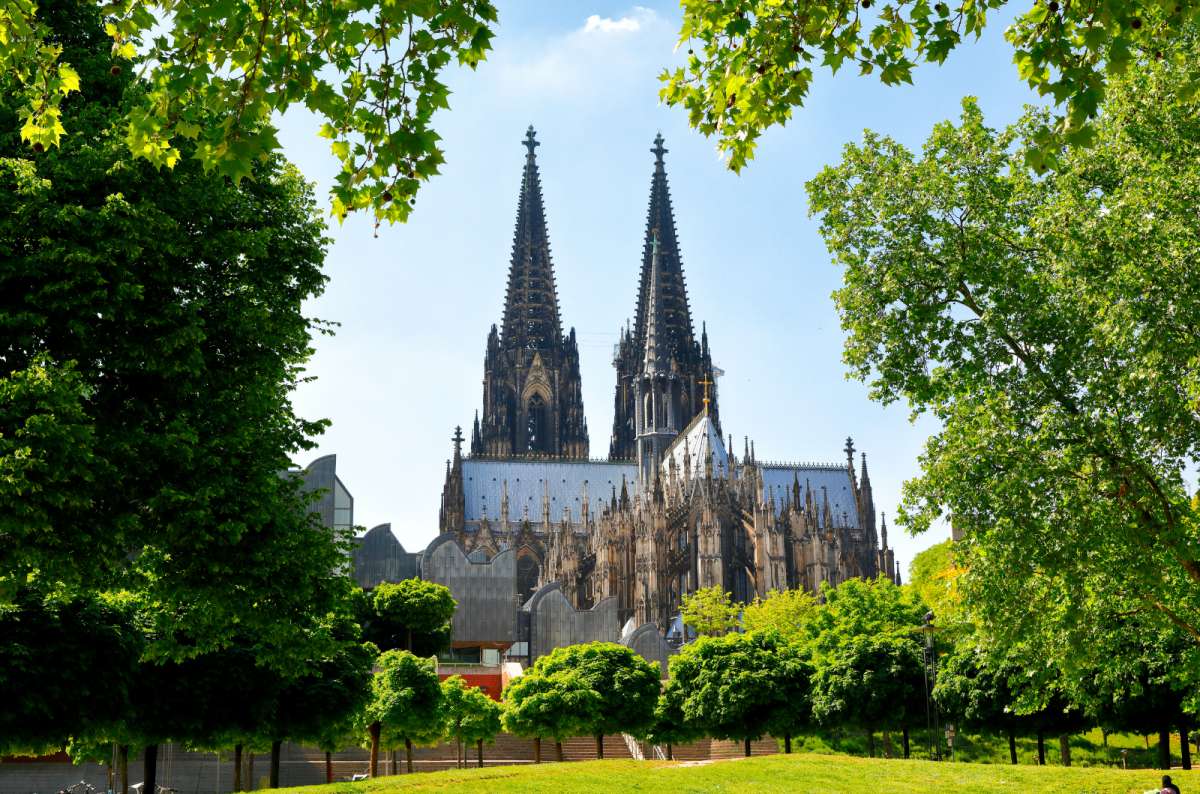
Let’s be real here-the Cologne Cathedral looks pretty cool, but I don’t know about the rest of the city
Germany has many large cities, but this is not a population ranking. If it were, we would have to pretend Frankfurt’s airport makes it emotionally fulfilling, and I’m not ready for that level of dishonesty.
I’m not saying these places are bad. I’m saying I wouldn’t automatically build a precious vacation day around them without a real reason.
Rothenburg is probably the most obvious fairy-tale Germany stop: Romantic Road, city walls, half-timbered houses, cobblestone lanes, Christmas market energy, and crowds that will absolutely not improve your faith in humanity.
I’d consider it if you’re doing southern Germany and want the classic old-world stop. I wouldn’t add it blindly to a Berlin/Hamburg route just because the internet yelled “storybook.”
Heidelberg is the obvious romantic river-and-castle candidate: old town, Neckar River, castle views, and that classic, pretty Germany mood. It makes sense on a western Germany or southwest Germany trip.
I’d consider it for one day or one night, not as a long city break.
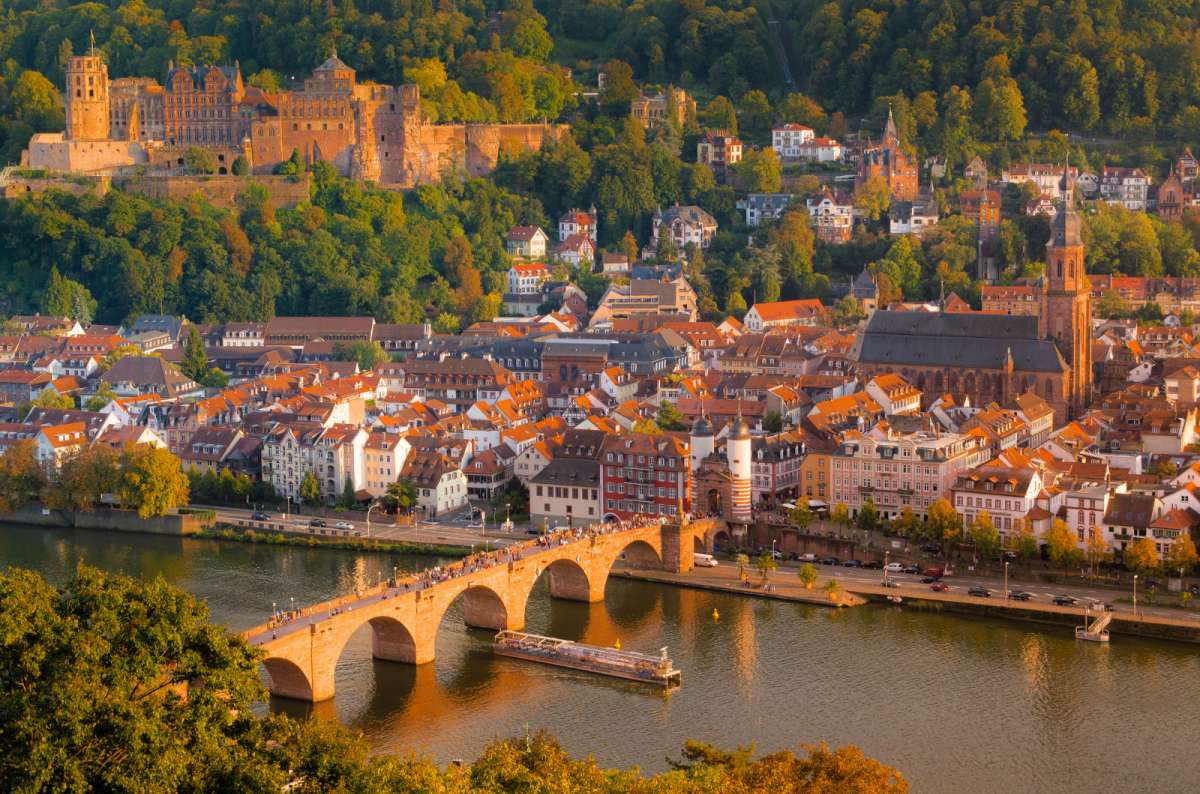
I’ll admit, Heidelberg does look pretty
Cologne is too important to ignore completely: cathedral, Rhine River, museums, and major-city logistics. But I’d only rank it properly after visiting with enough notes to say something useful beyond “big church impressive.”
These make sense for Black Forest itineraries. I’d add one if your Germany route is built around the southwest, but I wouldn’t jam them into a first Germany trip that already has Berlin, Bavaria, and Hamburg.
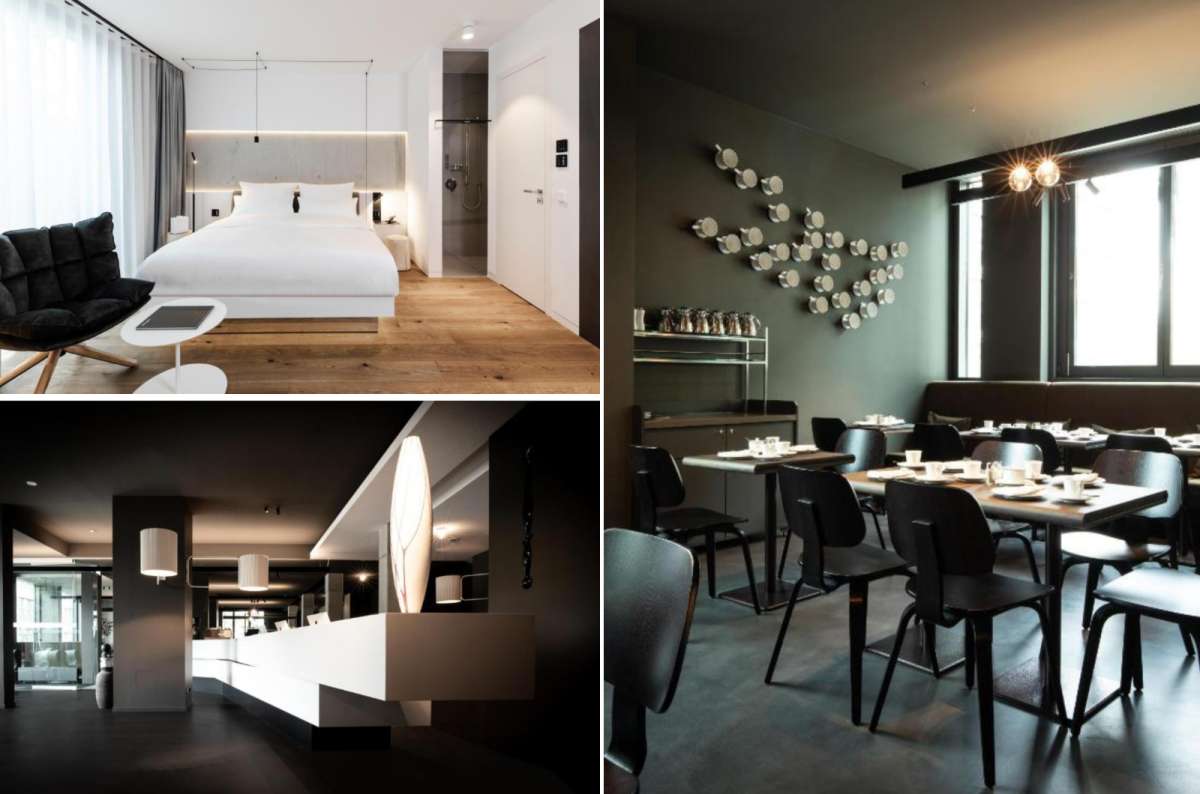
KPM Hotel & Residences is a solid choice for Berlin
I wouldn’t turn this into a giant hotel guide because then we’d all lose the will to live. But these are the practical hotel angles I’d use:
Berlin is the best city to visit in Germany for first-timers because it has the strongest mix of history, museums, WWII sites, Cold War landmarks, food, modern architecture, and city energy. Munich is better if your trip is focused on Bavaria and the Alps.
Visit Berlin first if you care about history, museums, WWII, the Berlin Wall, communism sights, and modern Germany. Visit Munich first if your main goal is Bavaria, beer halls, castles, Dachau, and Alpine day trips. Visit Hamburg first if you want a cool northern city break.
From the cities in this ranking, Regensburg and Dresden are the strongest for traditional beauty. Regensburg is better preserved and medieval; Dresden is more dramatic, rebuilt, and museum-heavy. Berlin and Hamburg win on depth, not prettiness.
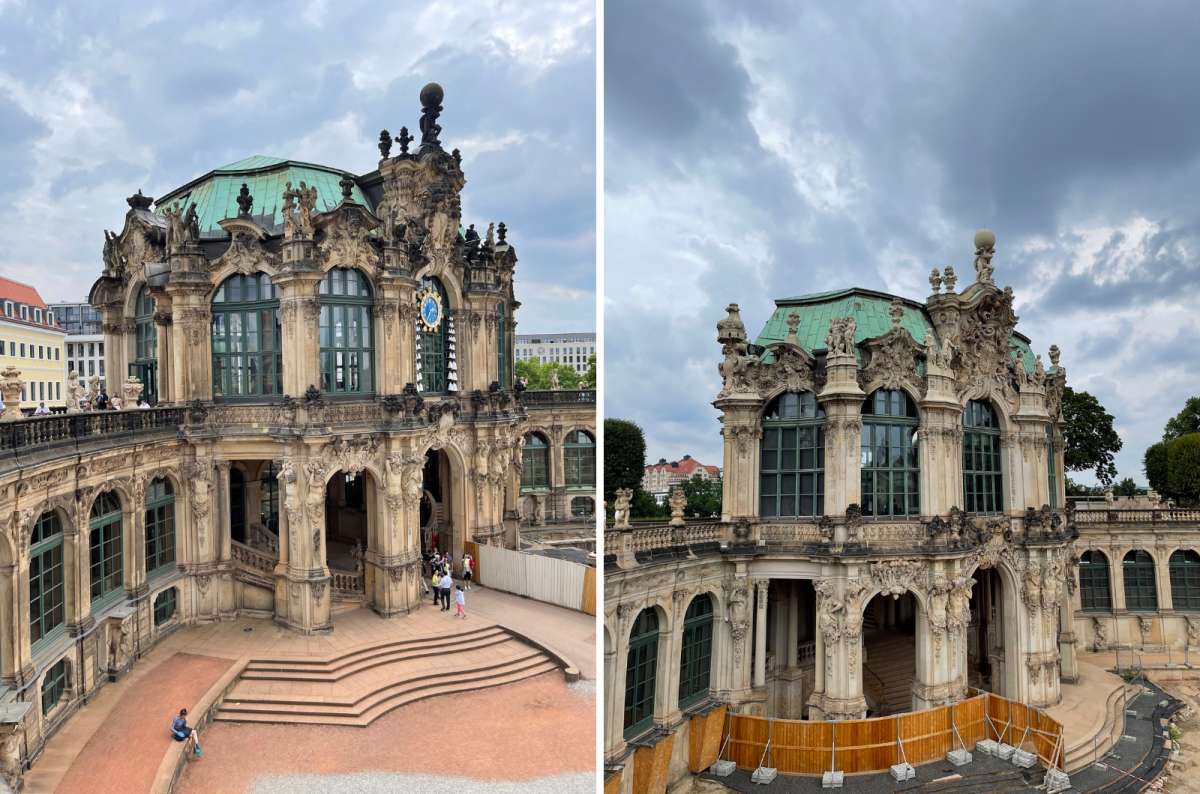
Even if just for the Zwinger, Dresden is so worth your time
Berlin is better for history, museums, WWII, the Berlin Wall, Cold War sites, communism sights, and modern culture. Munich is better for Bavaria, beer halls, castles, Dachau, Neuschwanstein, and the Bavarian Alps. For a first Germany trip, I’d ideally include both.
You need 3–4 days for Berlin, 2–3 days for Hamburg, 1–2 days for Dresden, 1–2 days for Nuremberg, 1–2 days for Leipzig, 1 day for Trier, 2–4 days for Berchtesgaden, 2 days for Munich, and half a day to 1 day for Regensburg.
Berlin, Hamburg, Dresden, Leipzig, Nuremberg, and Munich work well without a car. I’d want a car for Berchtesgaden, Bavarian Alps routes, Neuschwanstein, smaller towns, and nature-heavy itineraries.
Berlin is best overall for modern history. Nuremberg is essential for medieval history and Nazi history. Trier is best for Roman history. Dresden is strong for WWII rebuilding and museums. Leipzig adds music history and East Germany context.
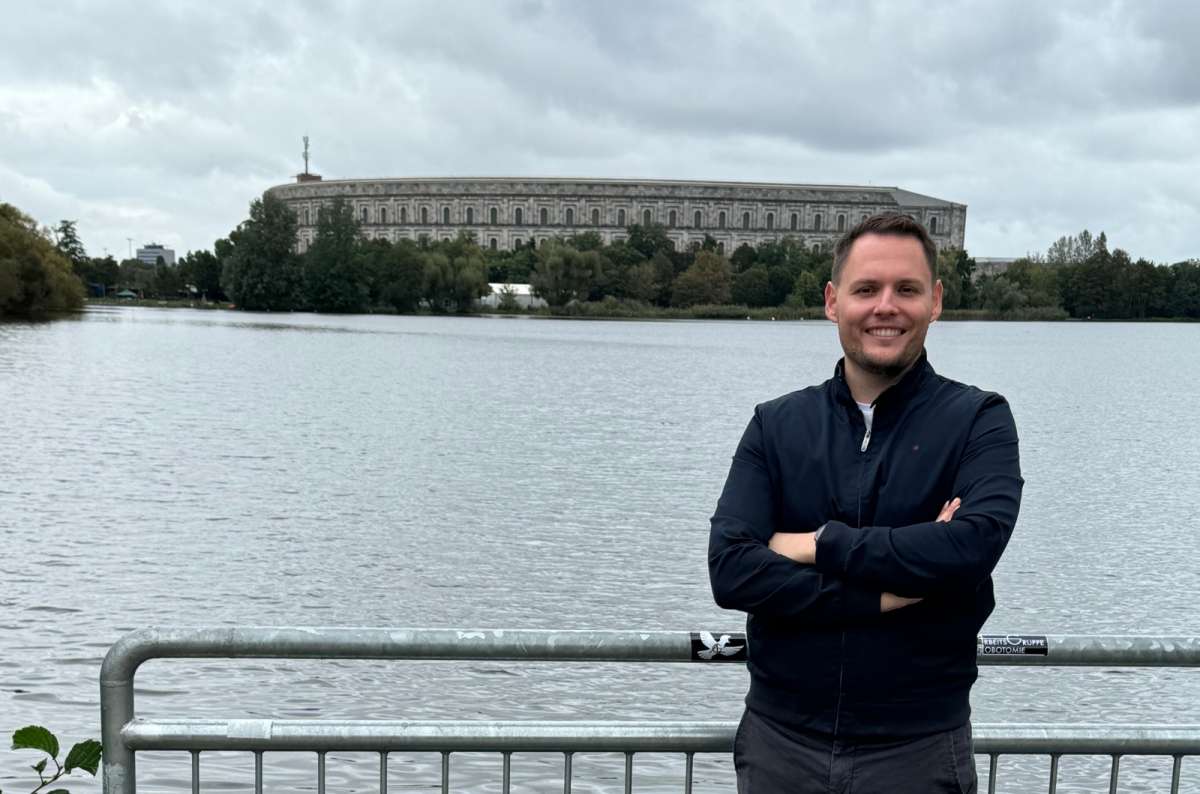
Nuremberg Nazi Rally Grounds are just one of the many history-filled spots in Germany
Don’t skip based only on name. Skip based on route. I wouldn’t add Frankfurt, Stuttgart, or Düsseldorf just because they’re large. I also wouldn’t force Cologne, Heidelberg, Rothenburg, or Black Forest cities into a tight itinerary unless they actually fit your route.
Germany is good for both, but the best version combines them carefully. Berlin, Hamburg, Dresden, Nuremberg, and Leipzig give you city depth. Berchtesgaden, Bavarian Alps, lakes, and castles give you scenery. Trying to do all of it in one rushed trip is how itineraries go to die.
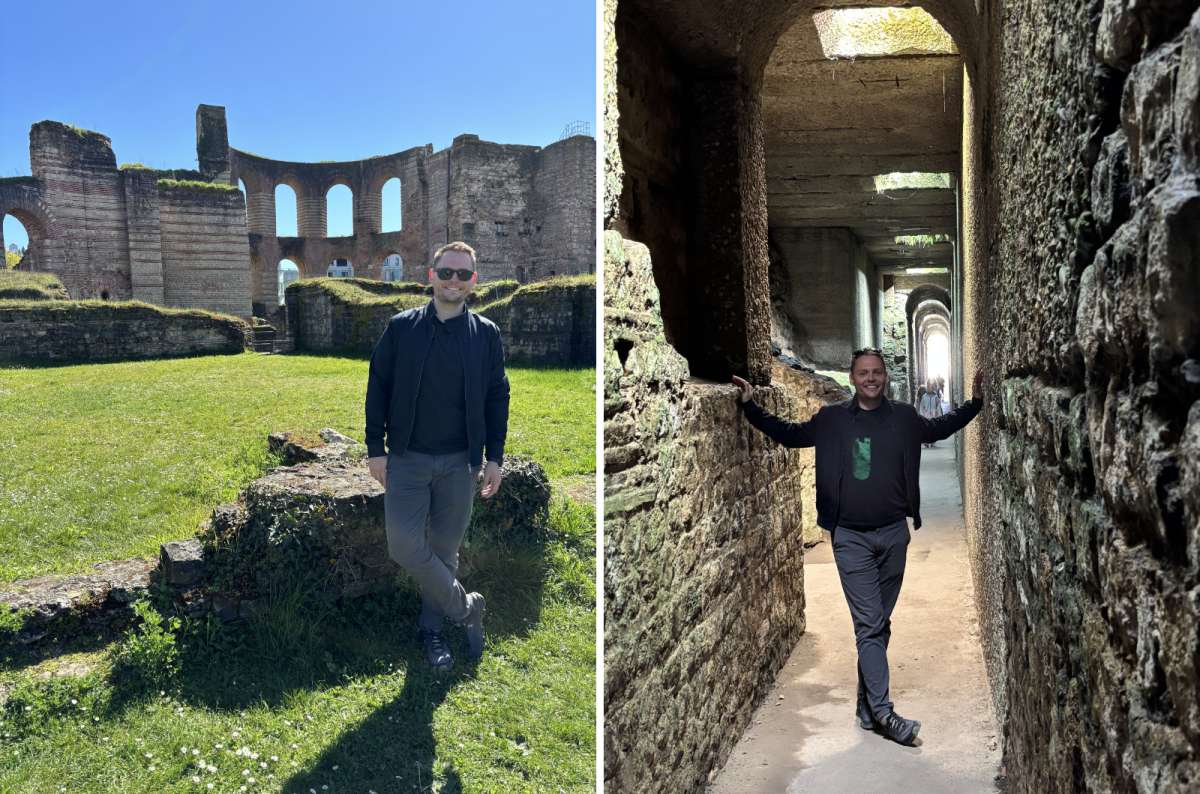
I strongly encourage any Roman enthusiasts to visit the Kaiserthermen in Trier
The best cities to visit in Germany depend on what kind of trip you’re building, but my honest ranking starts with Berlin, Hamburg, Dresden, Nuremberg, Leipzig, Trier, Berchtesgaden, Munich, and Regensburg. Each city has something different to offer, and I think that's what makes Germany one of the best countries to visit in Europe.
Berlin is the best overall. Hamburg is the most fun big-city surprise. Dresden is the city I like more with every visit. Nuremberg gives you medieval streets and serious history. Leipzig is underrated and useful. Trier is the Roman history wildcard. Berchtesgaden is the Alps base that deserves to be treated like a city-planning priority. Munich is the best Bavarian launcher, even if it took me three visits to properly warm up to it. Regensburg is a compact medieval stop that doesn’t waste your time.
But the real answer is this: choose your Germany.
Best first Germany trip? Berlin + Munich + one smaller historic city.
Best no-car Germany trip? Berlin + Dresden + Leipzig + Hamburg.
Best road trip? Bavaria with Munich, Nuremberg, Regensburg, Berchtesgaden, and the Alps.
Best history trip? Berlin + Nuremberg + Dresden + Leipzig + Trier.
Best scenery? Berchtesgaden and the Bavarian Alps.
Germany is not a country to tick off like a checklist. Pick your version. Then do it properly.
This post contains affiliate links. If you make a booking through one of my links, I may earn a small commission—at no additional cost to you. Thank you for your support!
My list of the best cities to visit in Germany: cheat sheet
Map of the best cities to visit in Germany based on my experience
How many German cities should you visit on one trip?
Best Germany city itinerary ideas
Which German city should you visit first?
Best cities in Germany by travel style
German cities, I wouldn’t overrate
Cities and towns I would consider adding if you have more time
Where to stay when visiting Germany’s best cities


Hi, I’m Jan. I travel fast and intensely, whether I’m exploring the buzz of Tokyo in 3 days or road-tripping through mountains and beaches on a 3-week Thailand adventure. And no matter where I am, you’ll always find me in a comfortable hotel at night and eating the best food.
If that sounds like your kind of journey, hop on board, and let’s explore the world together!
I started this blog after realizing how tough it can be to find reliable, authentic travel info. You wouldn’t believe how many “travel bloggers” never even visit the places they write about! On Next Level of Travel, you can count on my full honesty and insights drawn from my firsthand experiences.
Here’s the deal: not every destination is all superlatives and unicorns. I’ll let you know if a tourist attraction isn’t worth your time, like skipping overrated stops in my 2-week Spain itinerary. And when I find something truly special—like the perfect mix of culture and nature in Cape Town—you can trust that it’s worth adding to your itinerary.

Comments | Thoughts? Give us a shout!