


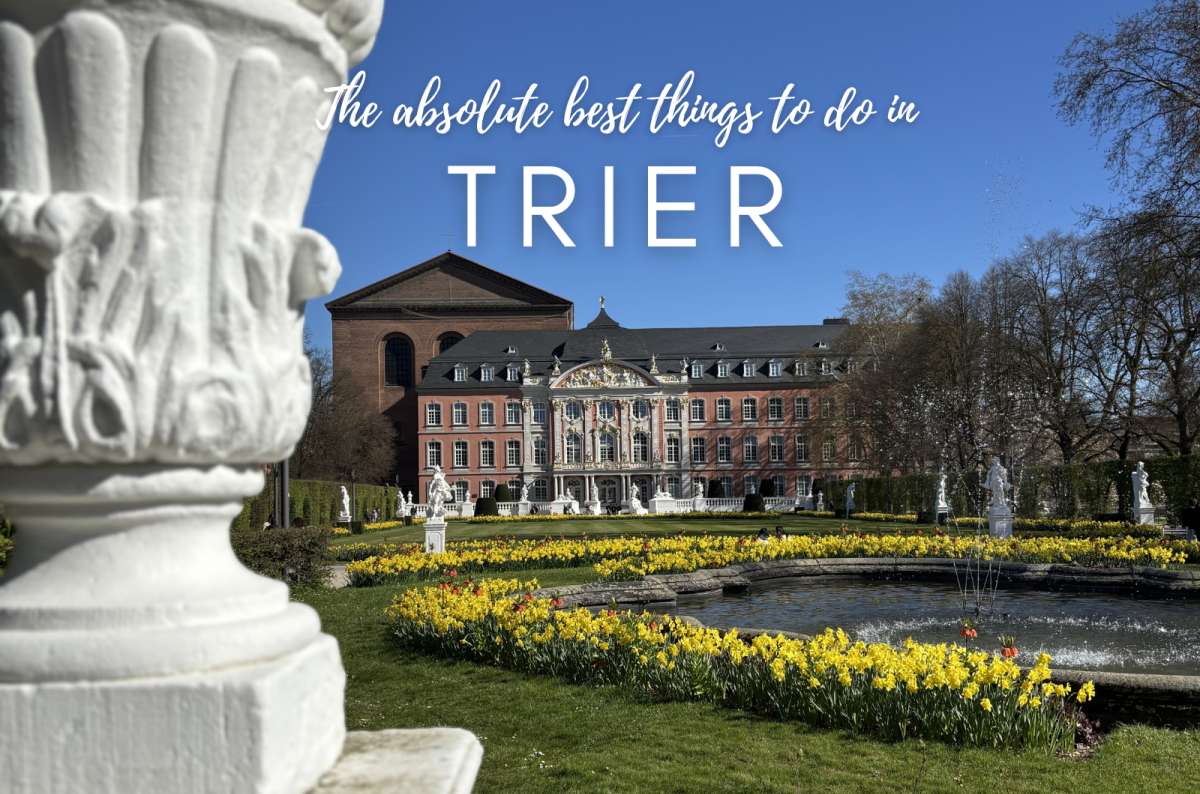


At a glance: the top things to do in Trier, ranked
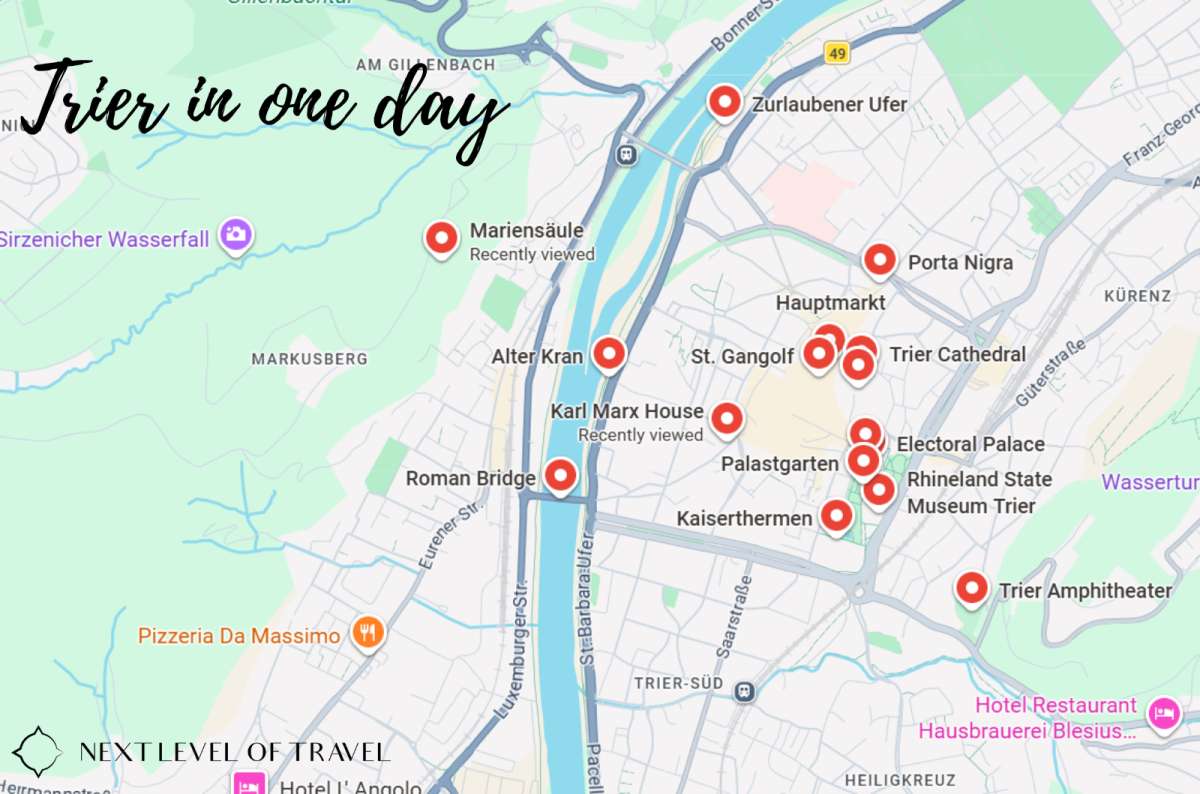
Map of the best things to do in Trier
1. Trier Cathedral and Church of Our Lady
3. Aula Palatina / Constantine Basilica
6. Kaiserthermen / Imperial Baths
8. River walk from Roman Bridge to Zurlaubener Ufer
13. Optional river cruise or tourist train
How much time do you need in Trier?
Practical tips for visiting Trier
I honestly didn’t expect Trier to be this good.
I expected a pleasant German town with a few Roman leftovers. Maybe a gate, some stones, a museum label telling me something used to be important here. Instead, Trier kept doing this strange thing where the Roman Empire casually interrupted a normal German city walk every few minutes.
That is the best part of Trier. It does not feel like a museum city preserved under glass. It feels like a regular town that happens to have a giant Roman gate, an imperial hall, ancient baths, an amphitheater, and a cathedral complex sitting in the middle of daily life like everyone agreed not to make a fuss.
Trier is considered Germany’s oldest city, and its Roman monuments, Trier Cathedral, and Church of Our Lady are part of a UNESCO World Heritage ensemble. The center is compact, walkable, and stacked with enough Roman ruins to make you wonder why Trier, Germany, doesn’t get talked about more.
The best version of Trier is not a long city break. It’s a half-day to one-day visit focused on Porta Nigra, Trier Cathedral, Aula Palatina, a few Roman sites, and whatever extras you still have energy for.
Read more from my Germany travel blog.
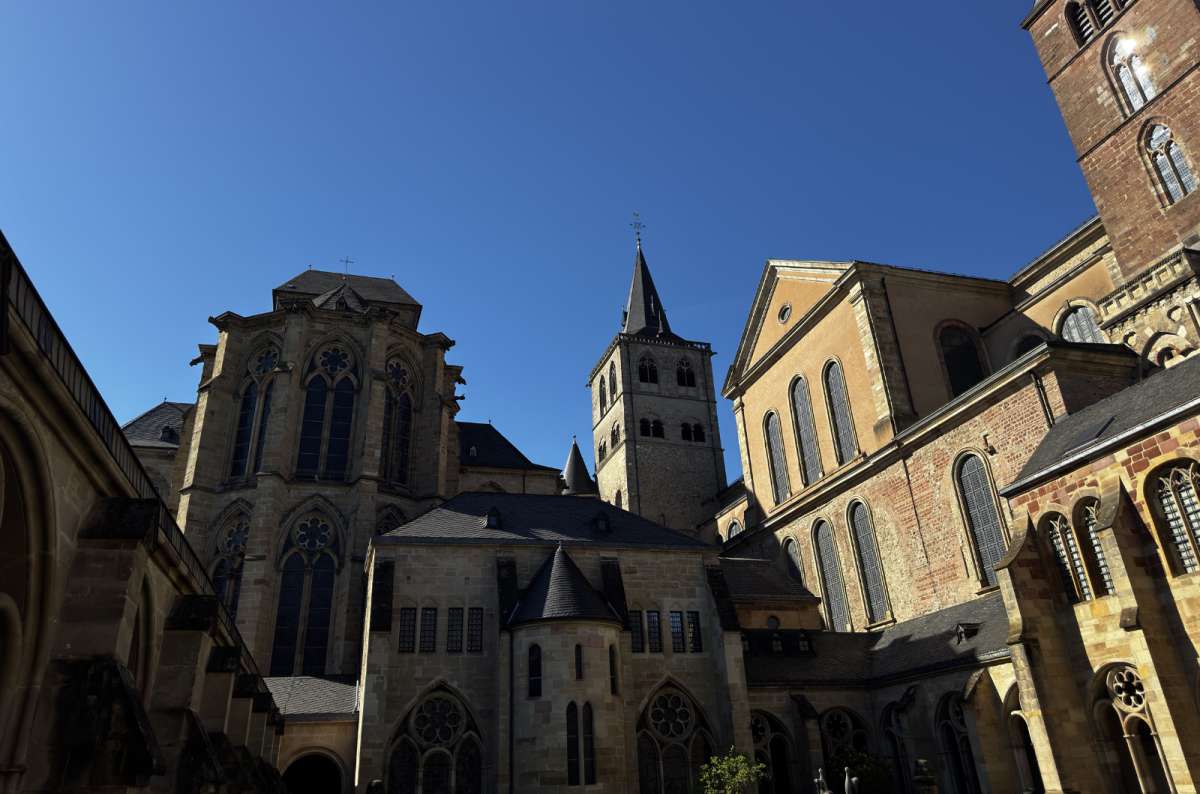
Just look at the cathedral; which history buff wouldn’t want to visit this place?
Yes, Trier is worth visiting—especially if you like Roman history, huge churches, UNESCO sights, and compact cities where you don’t waste half the day getting between attractions.
Trier was one of the most important Roman cities north of the Alps, and you feel that in the center, much like in other historic German cities featured in my guide to things to see in Regensburg. Porta Nigra, Aula Palatina, Kaiserthermen, the Roman Amphitheater, and the Roman Bridge are not tiny symbolic leftovers. They make Trier feel like the Roman Empire got bored with Italy and left a proper branch office on the Moselle River.
Outside the historic center, Trier feels like a normal German town. Not bad. Just normal. This matters because Trier is strongest when you treat it as a concentrated history stop, not as a three-night “discover every corner” city break.
Don’t stretch it unless you’re adding wine tasting, Cochem, Luxembourg, or the Moselle Valley. You’ll need a car for those, though. My go-to price comparison site is DiscoverCars.
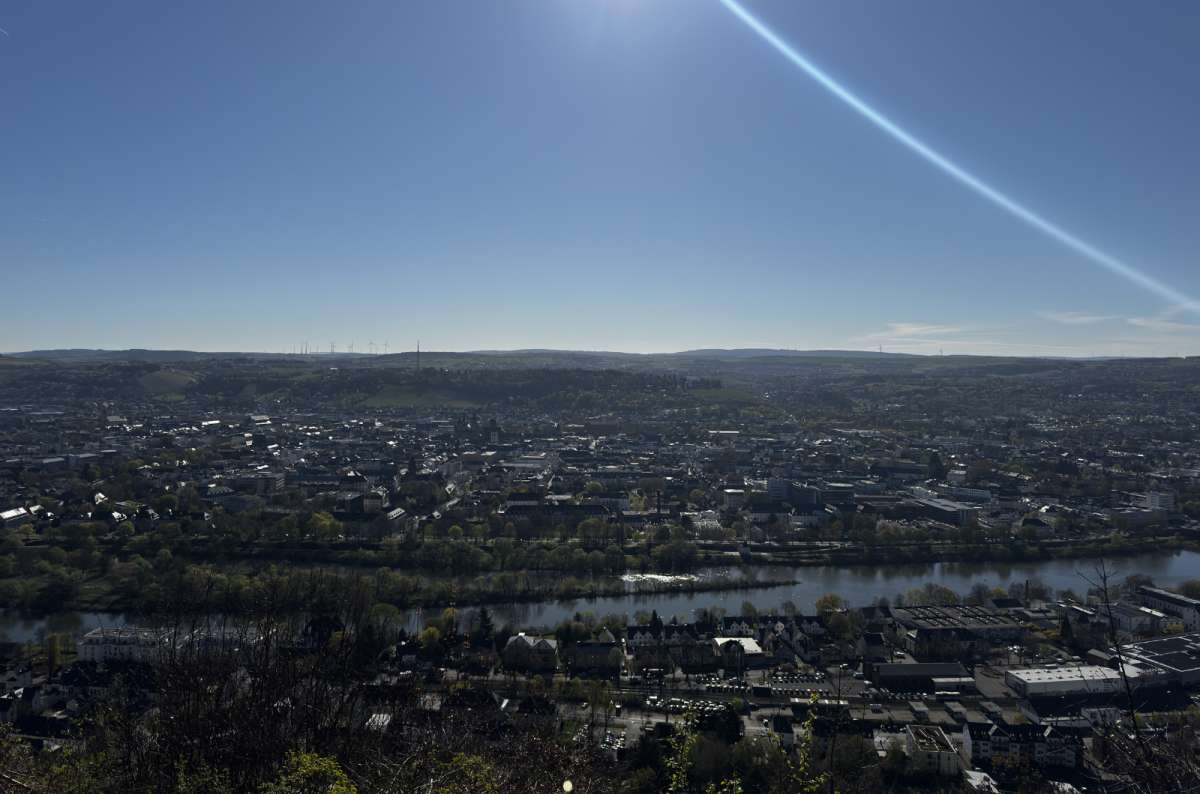
See? Once you travel back to the present day, Trier is just a regular town
Pro tip: Book a Roman Trier walking tour
Trier is best for:
Trier is weaker for nightlife, modern city energy, and people who dislike ruins, churches, and museums. If that’s you, I have concerns about why you clicked on this article. You’ll probably prefer my guide focused on unique things to do in Hamburg.
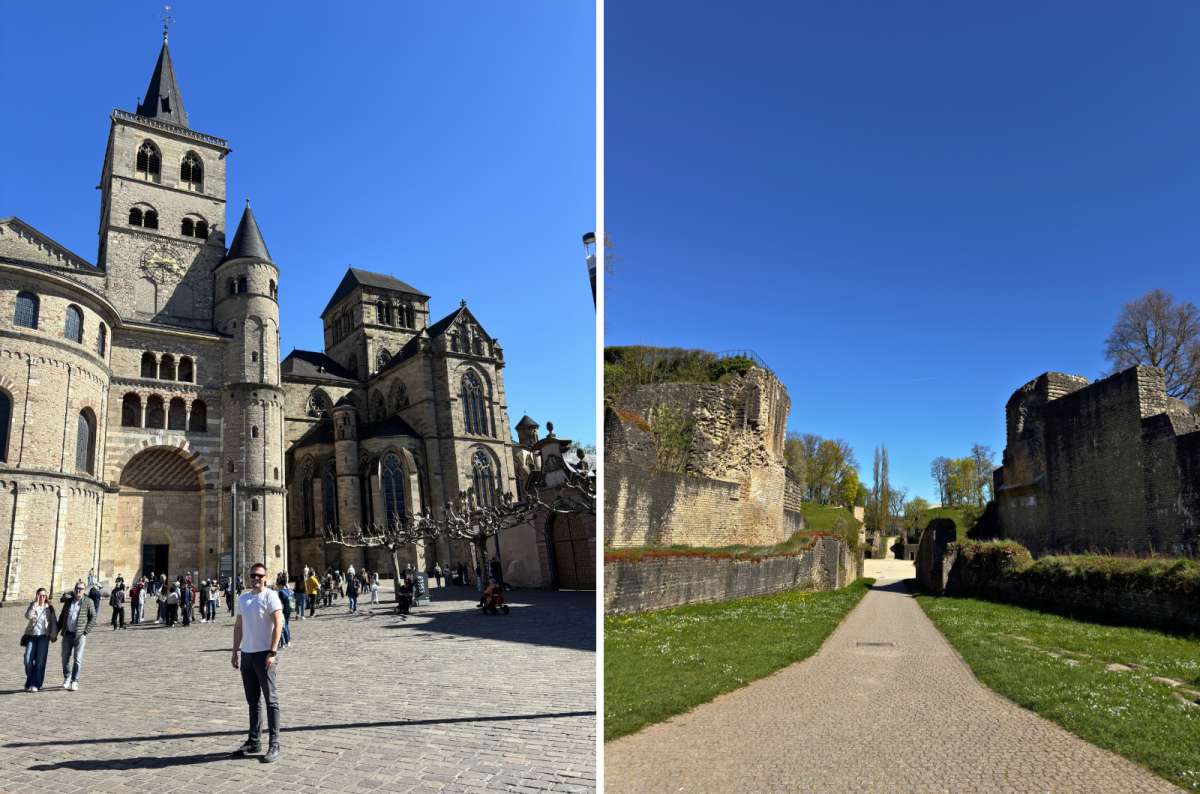
The Trier Cathedral is an absolute showstopper and who wouldn’t love an Amphitheatre
I ranked the best things to do in Trier based on how much I liked them, how unique they felt, and whether I’d prioritize them again.
Hotel tip: There are a bunch of great old-town hotels in Trier. There are also loads of hotels with parking in Trier, if you want to keep your car close by.
Rental car tip: Try DiscoverCars to compare prices before you book.
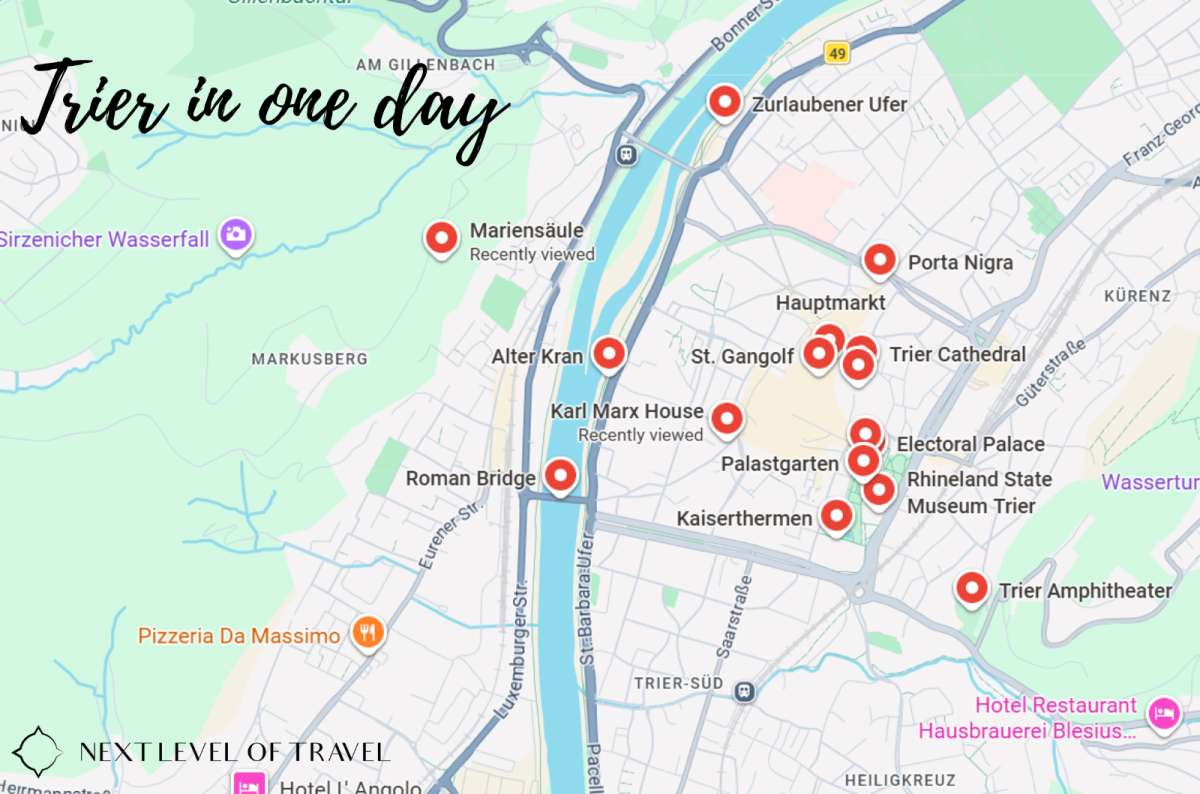
The game plan for your Trier visit
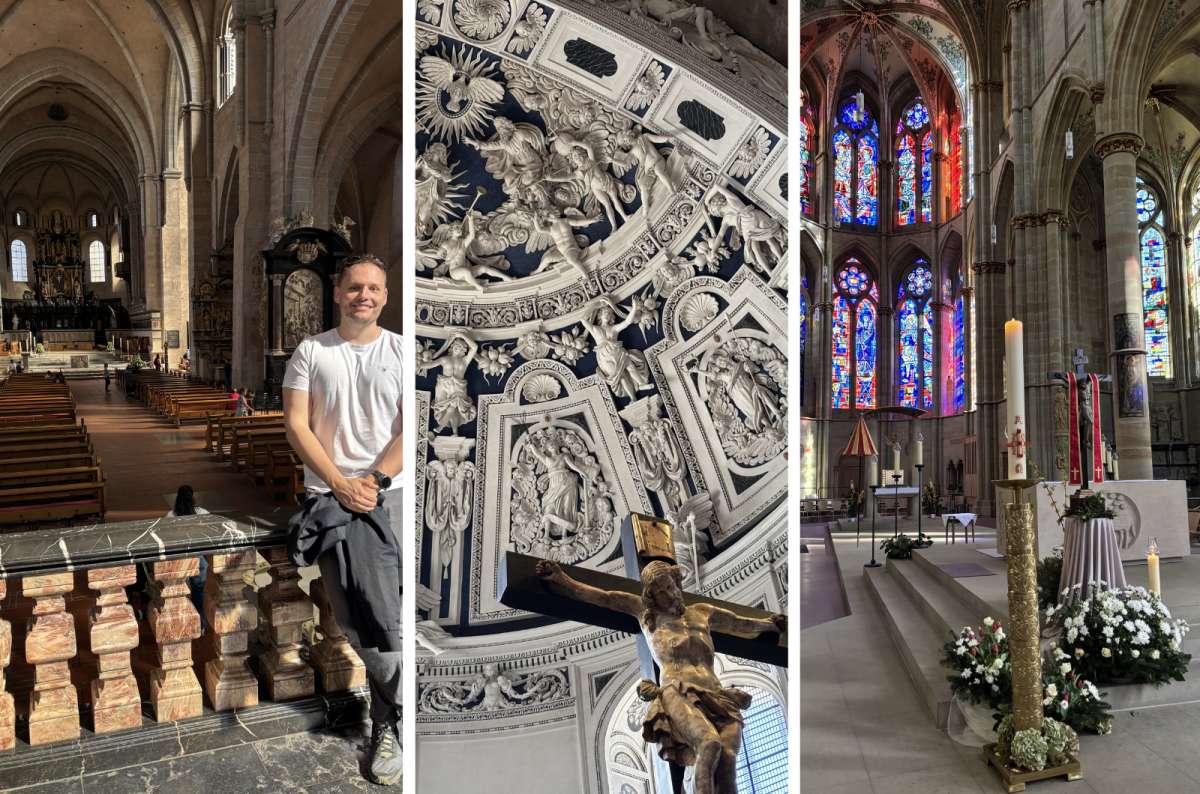
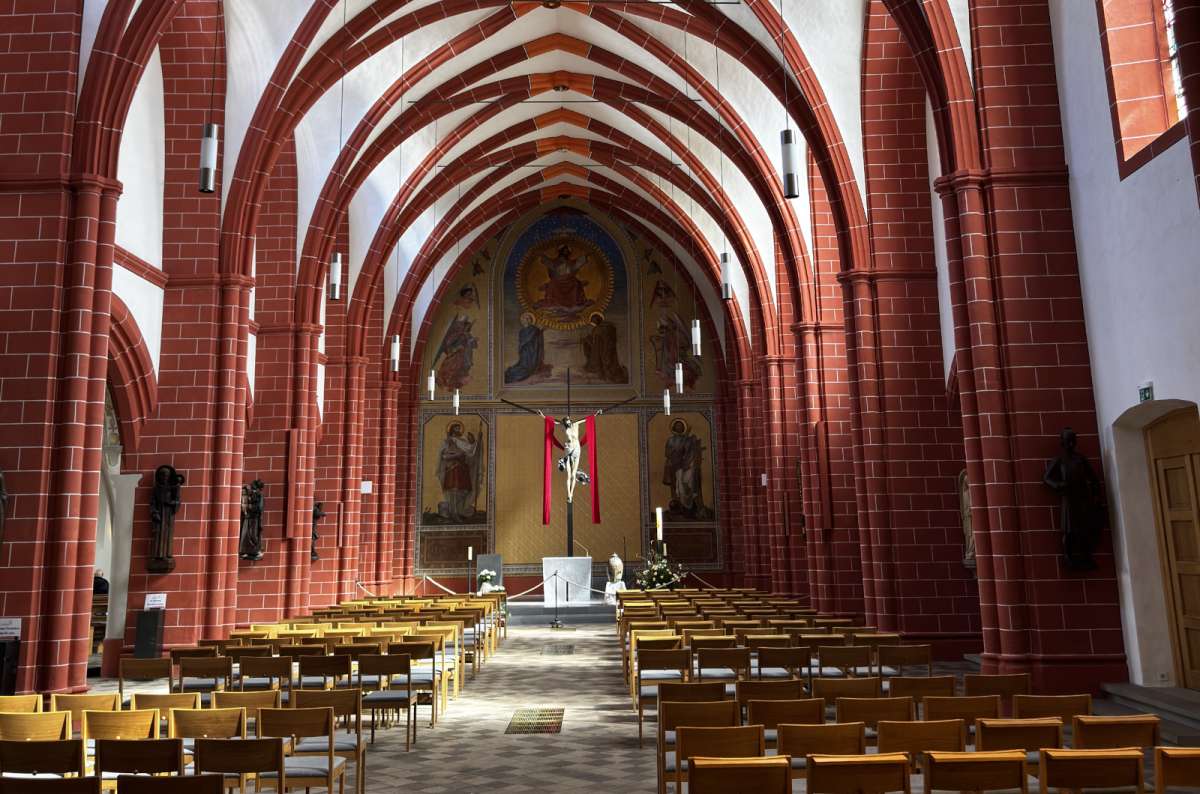
The Cathedral is as majestic on the inside as it is on the outside
I’m putting Trier Cathedral and the Church of Our Lady first, which feels slightly wrong in a city this Roman. But this was the strongest overall experience for me.
Trier Cathedral is enormous. Not “nice old church” enormous. More like “how is this sitting in the middle of Trier, Germany, and why is everyone acting normal about it?” enormous.
The square in front is useful because you can actually step back and see the building properly. That sounds basic, but plenty of European churches are wedged into streets so tightly you end up photographing one doorway, half a tower, and three strangers eating ice cream.
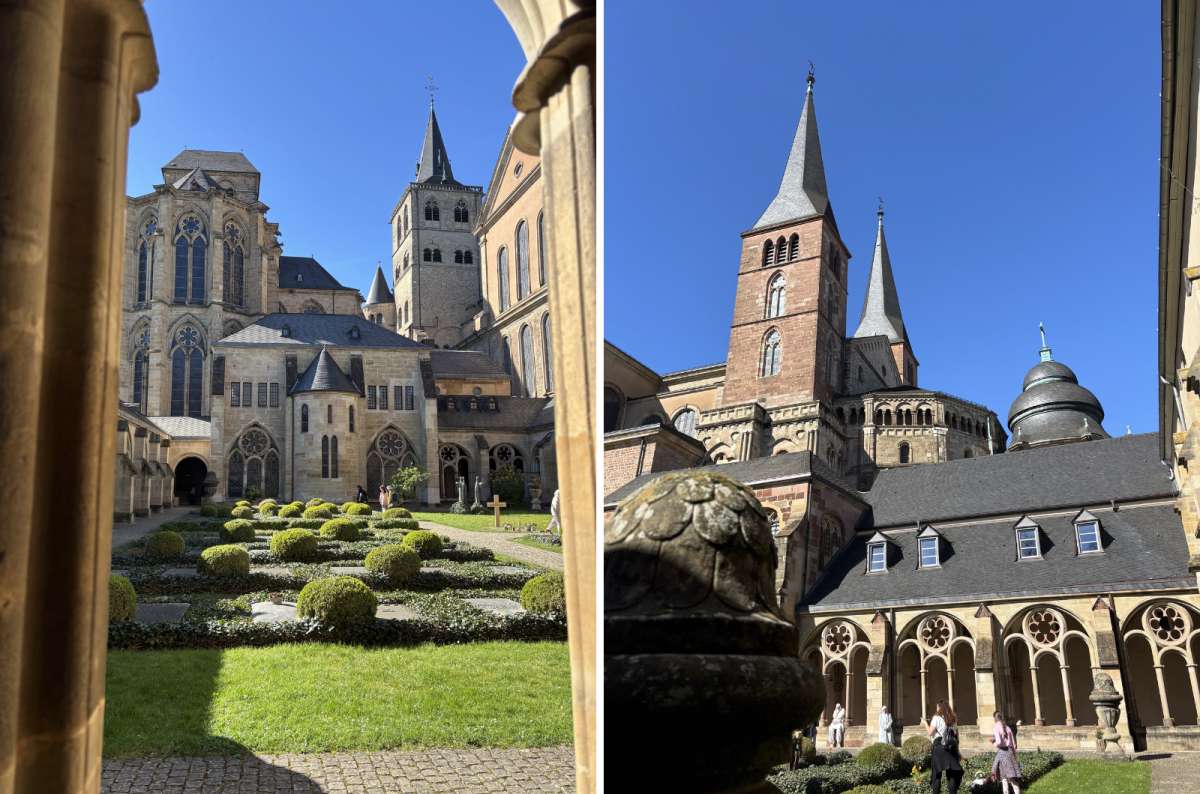
At the risk of sounding generic—this place is truly magical
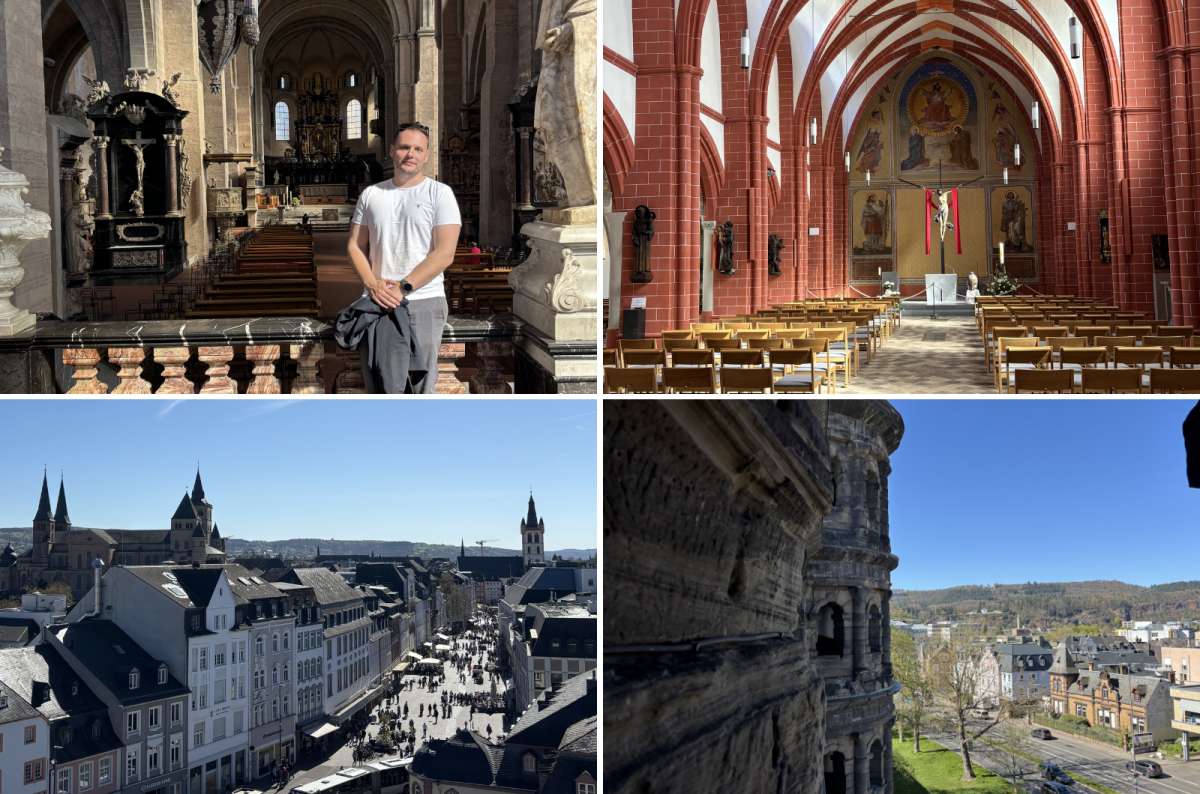
Inside, it still works. Some cathedrals are better outside than inside. Trier Cathedral does both, which is annoyingly rare.
What made it even better for me was the Church of Our Lady right next door. I found that setup unusual and weirdly satisfying: two major churches pressed together because apparently one huge religious building wasn’t enough.
The Church of Our Lady feels completely different from the Cathedral. It has a more unusual central shape, newer stained-glass windows that actually fit the space, and enough character to make it more than just “the second church next door.”
I usually don’t spend much time in churches, but this stop took me almost an hour.
Do not miss the garden and cloister area. We almost did, and that would’ve been stupid. The best photos of Trier Cathedral are from there, and the whole place feels calmer once you step away from the main square.
The treasury? I’d skip it unless you specifically enjoy relic rooms. Compared with the free Cathedral and Church of Our Lady, it felt like a weaker use of time.
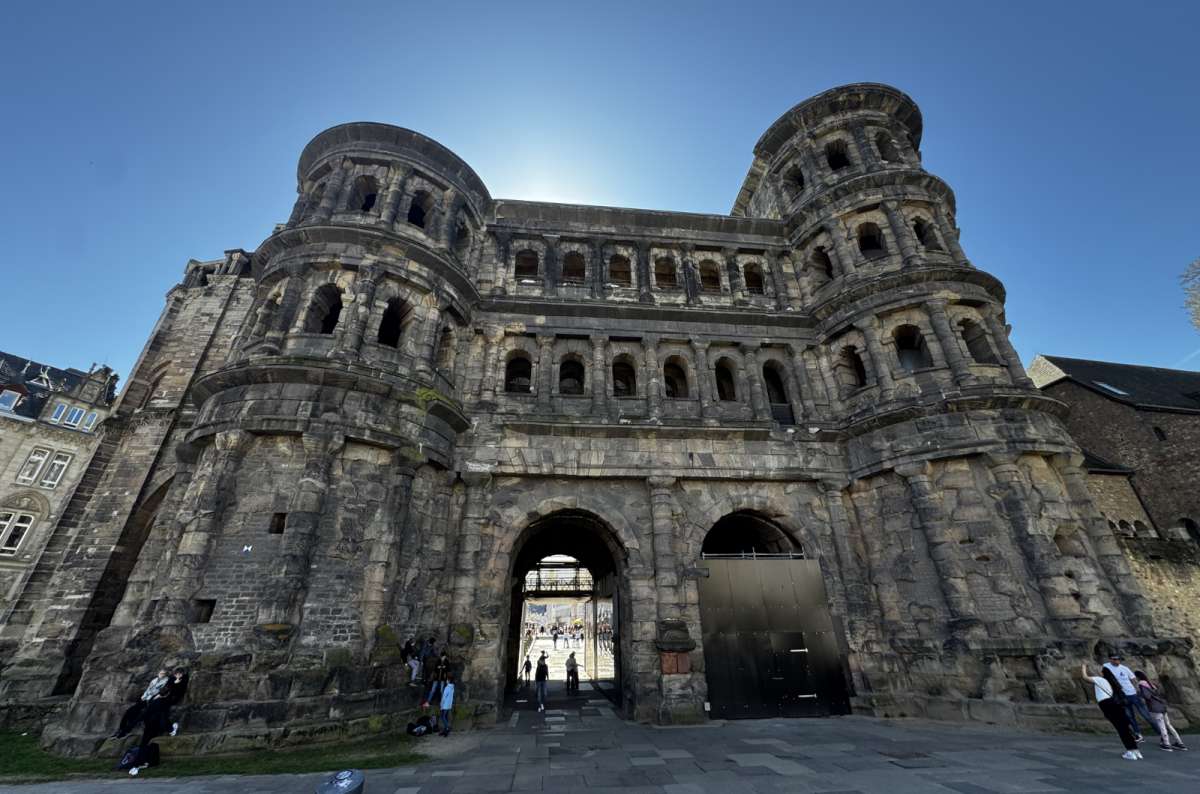
Porta Nigra is a huge contributor to the Roman vibe of the city
Porta Nigra is Trier’s icon, and yes, it deserves the attention.
It is a massive Roman gate sitting in the middle of a later German city, looking completely out of place in the best possible way. That contrast is the whole point of Trier. You walk through a normal German old town, then suddenly there is a giant Roman gate from the ancient world standing there like it forgot to leave.
When I visited, part of Porta Nigra was covered for renovation. Classic. You travel to see a famous monument and the monument dresses up as a construction site. Still worth it.
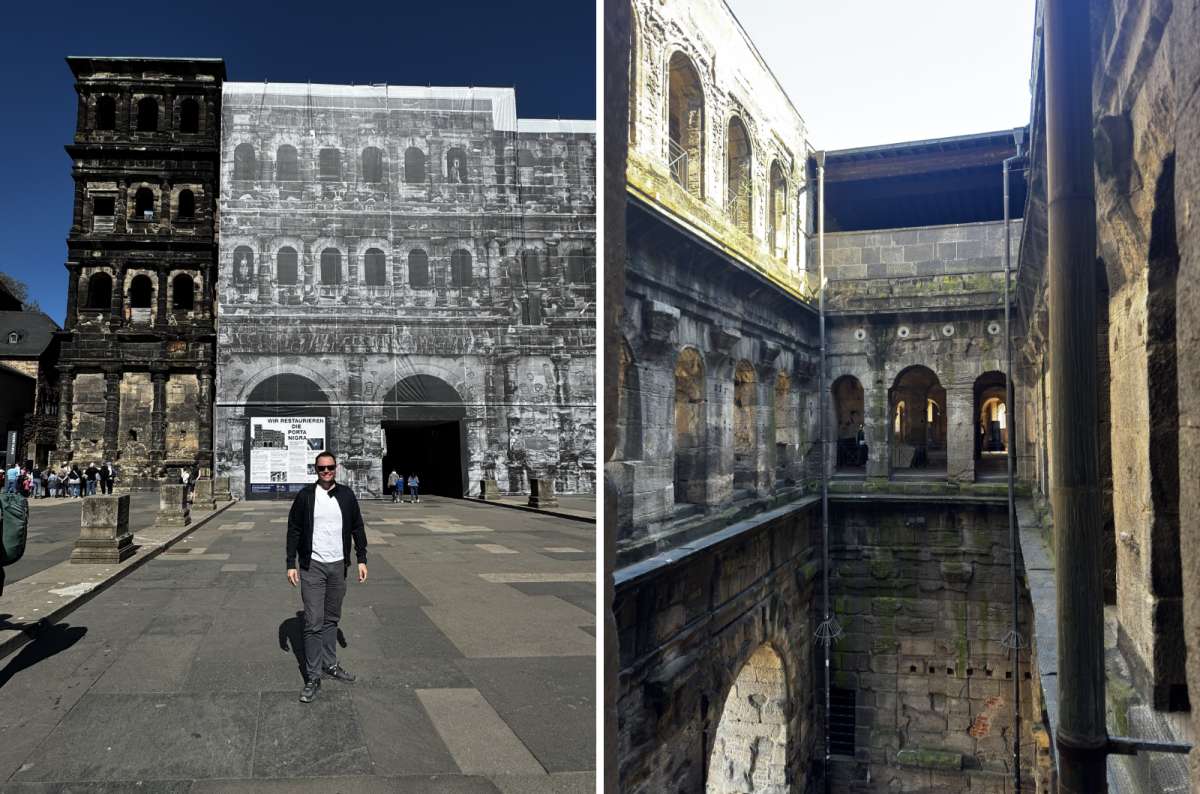
You might need to get over your fear of heights for this one
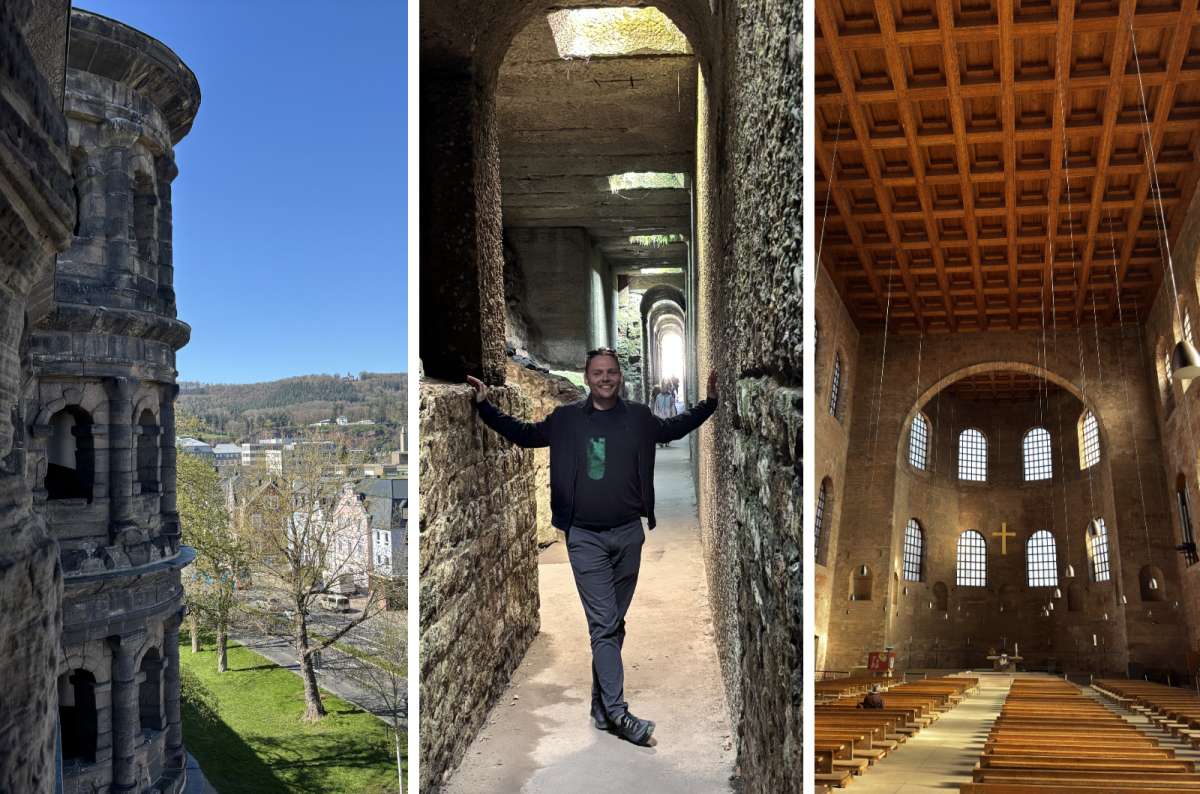
I paid the entry and went inside because I’ve been a Roman Empire buff since forever, and there was no chance I was just taking the outside photo and leaving. The interior is worth it. You get views over Trier, you understand the scale better, and I liked the Roman city models inside.
What I liked most was the layered history. Porta Nigra did not just remain a neat Roman object. After losing its original use, it was later adapted into a church. That kind of historical recycling is exactly why Europe is so good at being messy.
You can book a guided Roman tour online if you want to learn more about the city’s history.
This beauty has a lot more going on the inside (Aula Palatina)
The Aula Palatina, also called the Constantine Basilica, was one of the buildings I most wanted to see in Trier. And it delivered.
This is not a decorative building. Don’t come expecting cozy corners, intricate stone carvings, or pretty little details. The point is scale. The interior is one monstrous open space, and the emptiness is exactly why it works.
It feels imperial without trying too hard. No decoration needed when the building itself is basically saying, “The Roman Empire was not here to be cute.”
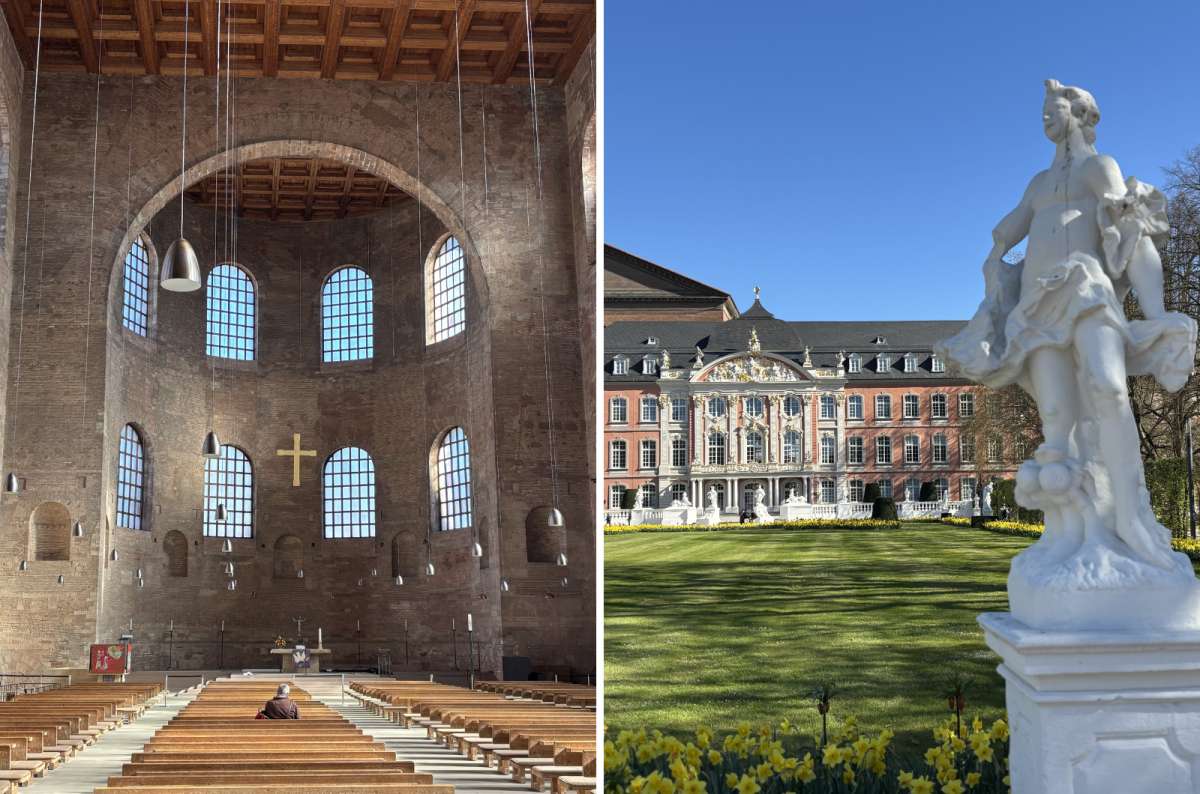
This is the contrast I’m talking about—thank you, Aula Palatina
Today, it functions as a Protestant church, which gives it another very Trier layer: Roman imperial hall, Christian use, German city life, all stacked together without much drama.
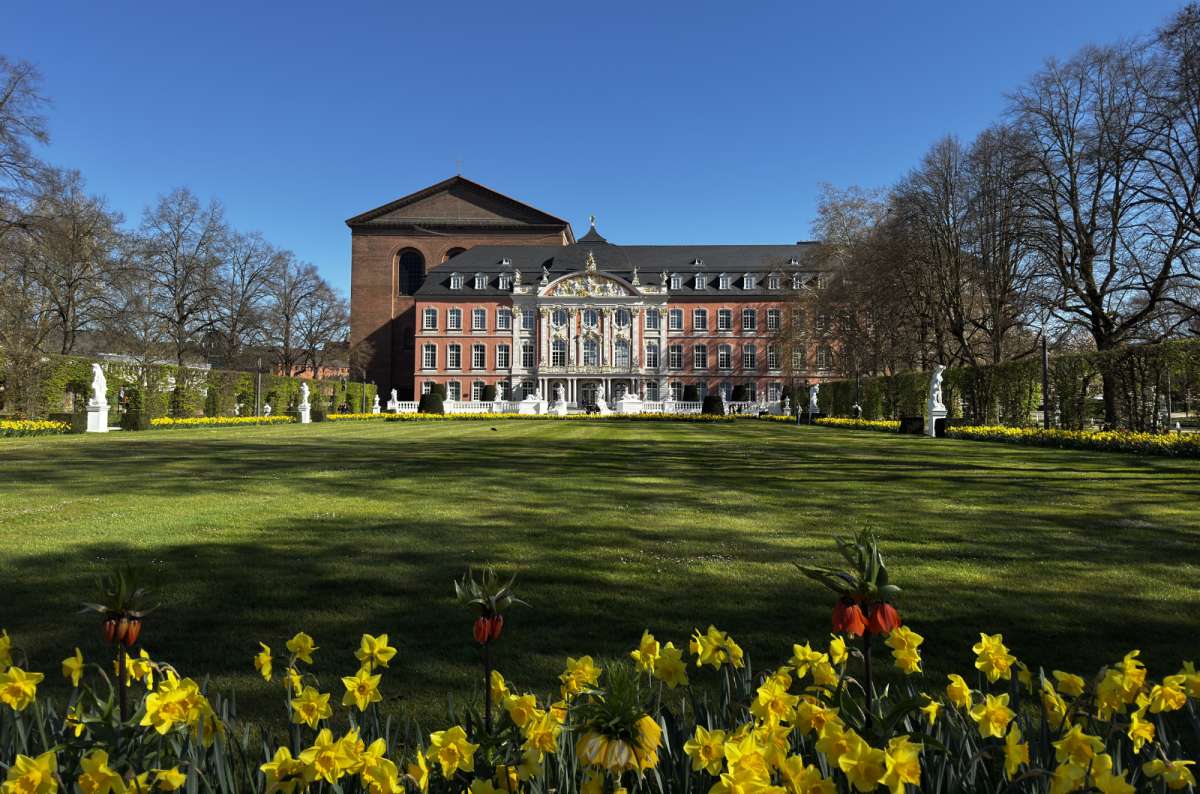
The Aula Palatina sits next to the Electoral Palace, giving you one of the best architectural contrasts in Trier, Germany: a severe Roman brick hall, a fancy palace façade, and the Palastgarten behind it. The palace gardens are worth a short stroll, especially in spring.
Pro tip: If castles and fancy buildings are your thing, check out my article on the best castles in Europe.
The Electoral Palace is mostly a photo stop for visitors. The real win is the combination: Aula Palatina, Electoral Palace, and palace gardens in one easy stop.

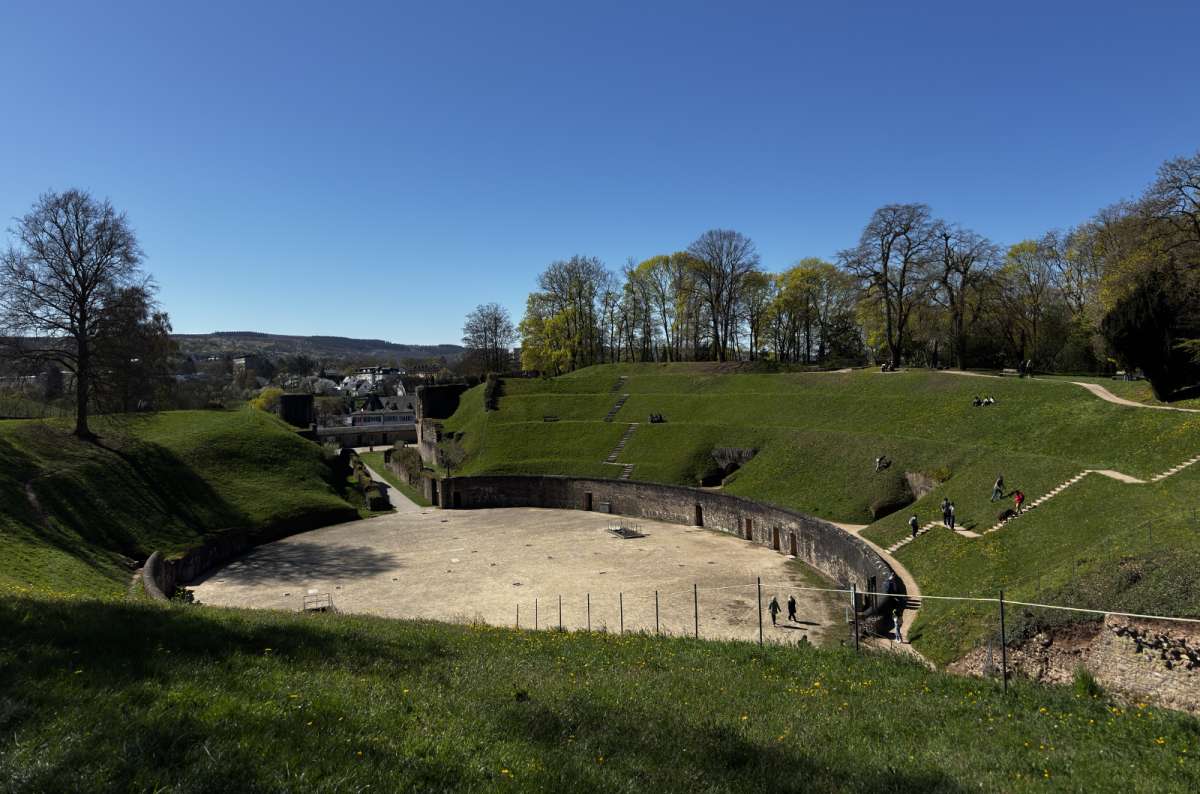
The raw history in the Roman Amphitheater was great
The Roman Amphitheater is the gladiator-and-execution side of Trier. Not everything in Roman Trier was mosaics, imperial halls, and clever engineering. Sometimes it was 20,000 people watching violence as entertainment, because humans have always been charming.
The amphitheater is less polished than Porta Nigra, but that works in its favor. It feels rougher and more exposed, and you need a little imagination. This is not one of those ruins that performs the whole experience for you.
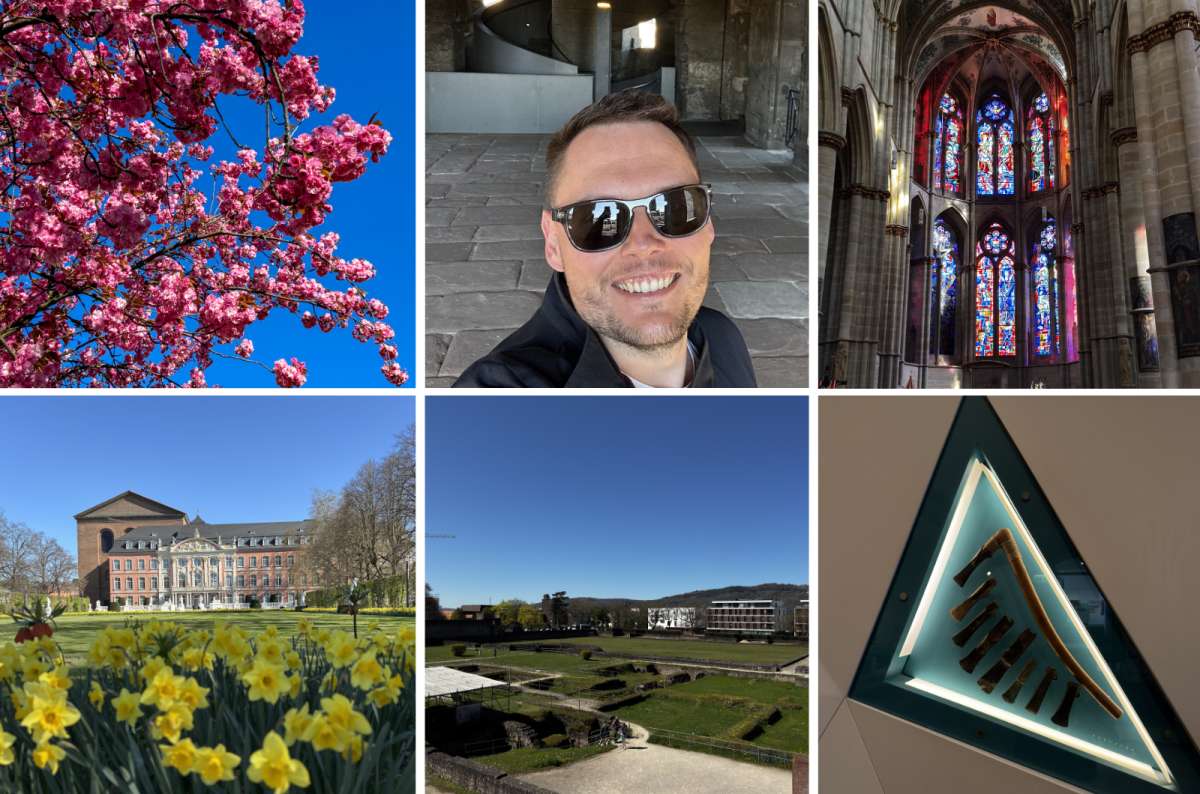
The best part is the underground area: catacombs, holding spaces, and structural bits that make the arena feel more practical and grim. Above ground, it can feel like a big grassy bowl. Below ground, the place starts to make more sense.
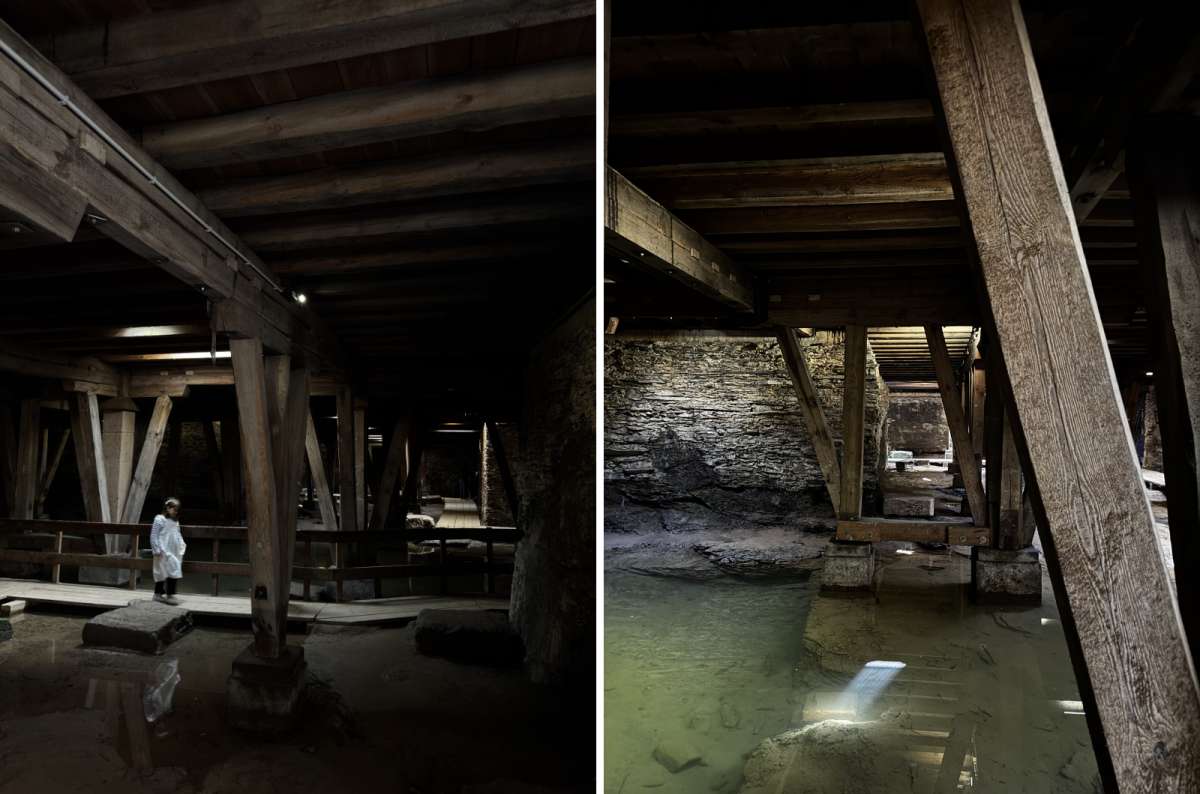
Maybe don’t wear your newest white sneakers for the underground exploration of the Roman Amphitheater
It took us about 30 minutes to visit. That was enough.
My complaint: there was too little information on-site for the price. Use the booklet if available, or read basic context before going. Otherwise, you may find yourself standing in an old arena thinking, “Right. Stones.”
There is a small parking lot in front, but I wouldn’t rely on it. Trier parking is generally easy thanks to parking garages around the center, but this specific lot is not a lifesaver.
Best ruins atmosphere: Roman Amphitheater
Best underground surprise: Kaiserthermen
Best context and artifacts: Rhineland State Museum
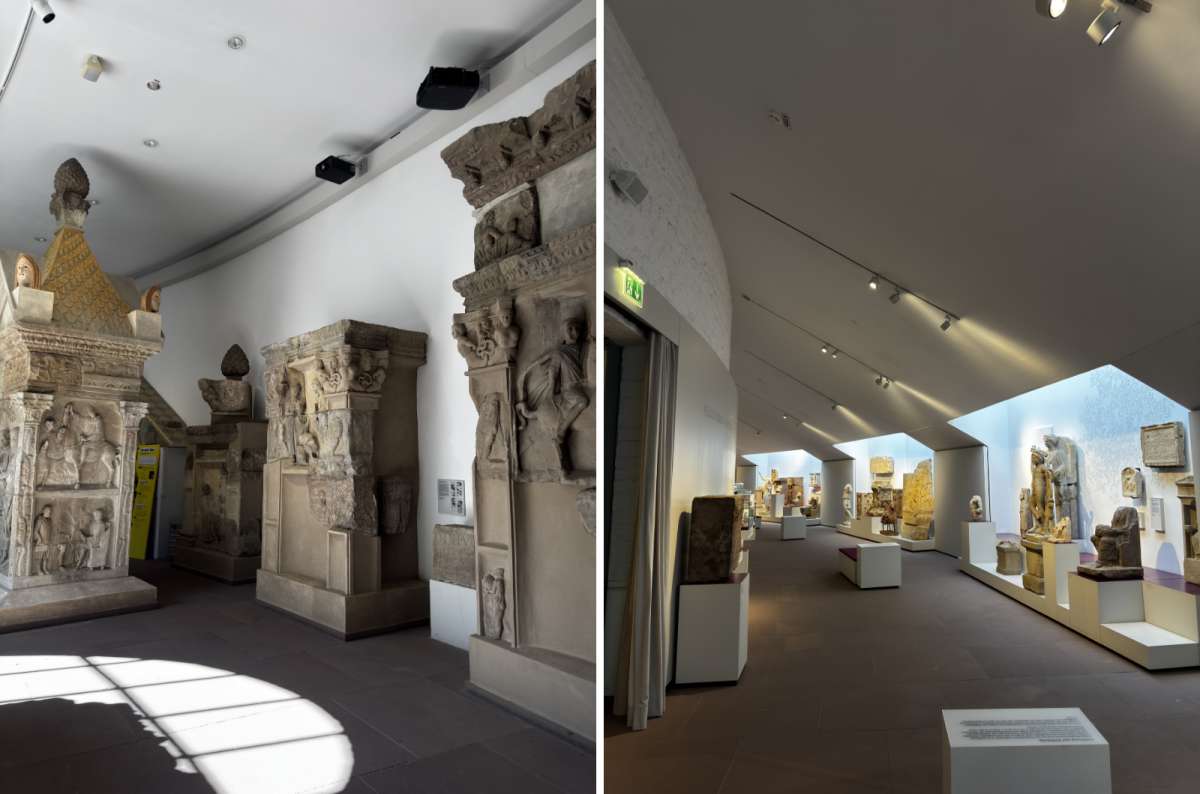
The Rhineland State Museum will help you understand so much of the city’s history (which is its literal main charm)
The Rhineland State Museum is the context stop. The Roman ruins show you that Trier mattered. The museum explains why.
I liked it more than I expected. It has the kind of Roman collection I’ve only seen in a few places, mostly in Italy, Israel, or Spain. The whole mosaics were a highlight for me because mosaics are absurdly difficult art and I love them. Looking at you, Ravenna.
The route is chronological, from prehistory to the early Renaissance, and includes Roman artifacts, bronze weapons, gold coins, a massive lapidarium, and enough material to show how Trier became one of the most important Roman cities north of the Alps.
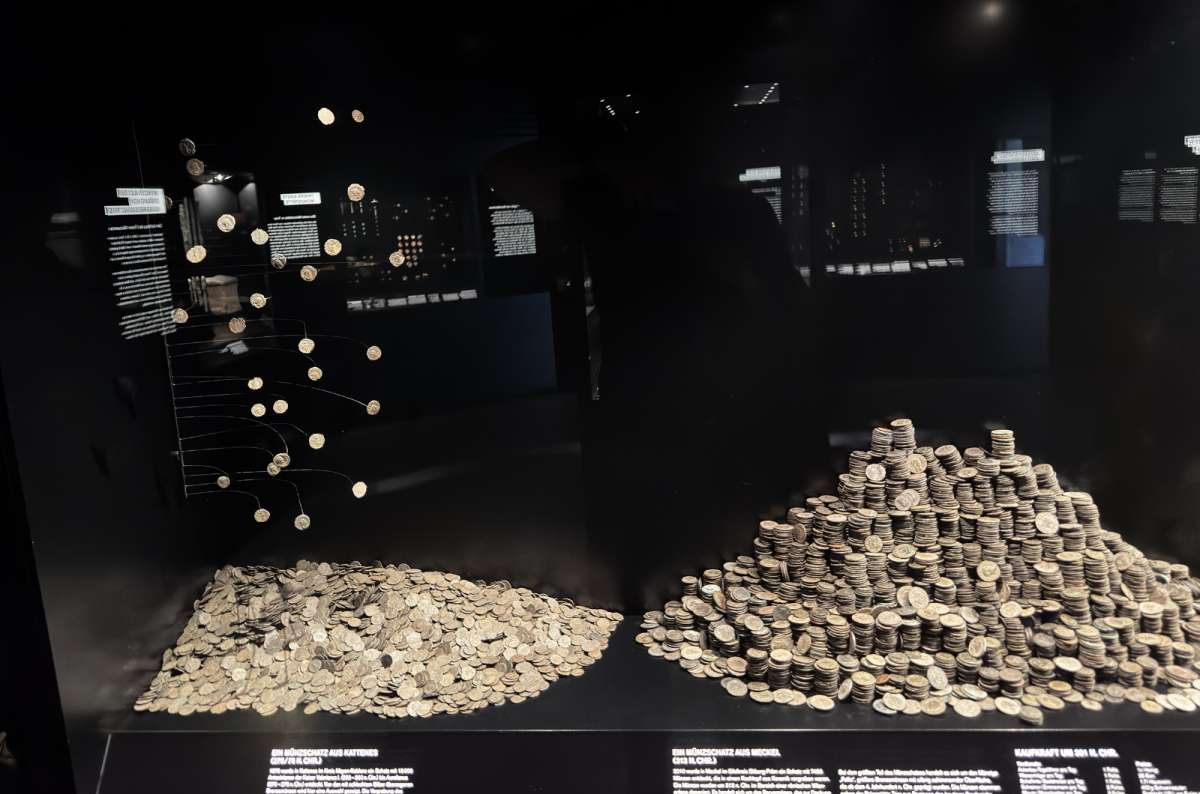
You even get to play a little translating game at the museum @ Rhineland State Museum
The museum is well curated, but a lot of interpretation is in German. Later sections have some English, but not enough to make this effortless if you don’t read German. This is the kind of place where you either use a translation app or accept that several display cases will remain mysterious but dignified.
If you enjoy more of a deep historical collection that you actually understand, you’d probably appreciate my one day in Nuremberg itinerary that includes the Germanisches Nationalmuseum.
Still, I think it is worth visiting if you like archaeology or want Trier's Roman history to click. It reminded me of the kind of major archaeology museums where you suddenly realize you’ve stayed longer than planned.
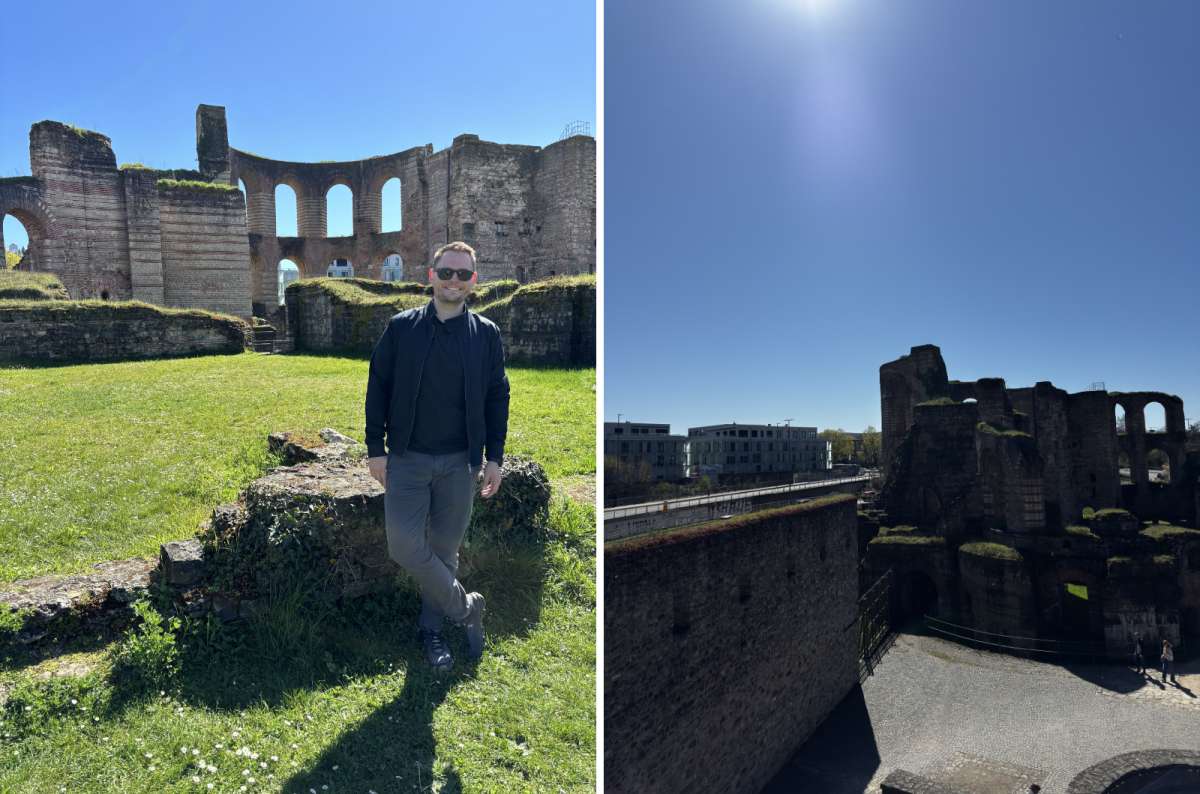
The ruins of Kaiserthermen are kinda nice, but the real fun is down below
The Kaiserthermen, or Imperial Baths, are better than they first look.
Above ground, the huge complex is interesting enough. But the real reason to visit is the underground section. I expected a fairly quick Roman baths stop, then went below and realized there was much more going on.
These imperial baths were tied to Trier’s late Roman phase and the 4th century. They were planned as one of the largest Roman bath complexes, but the story is more complicated than “Romans built spa, Romans relaxed, everyone had a lovely time.” Parts were repurposed, and the site works best when you use the little booklet.
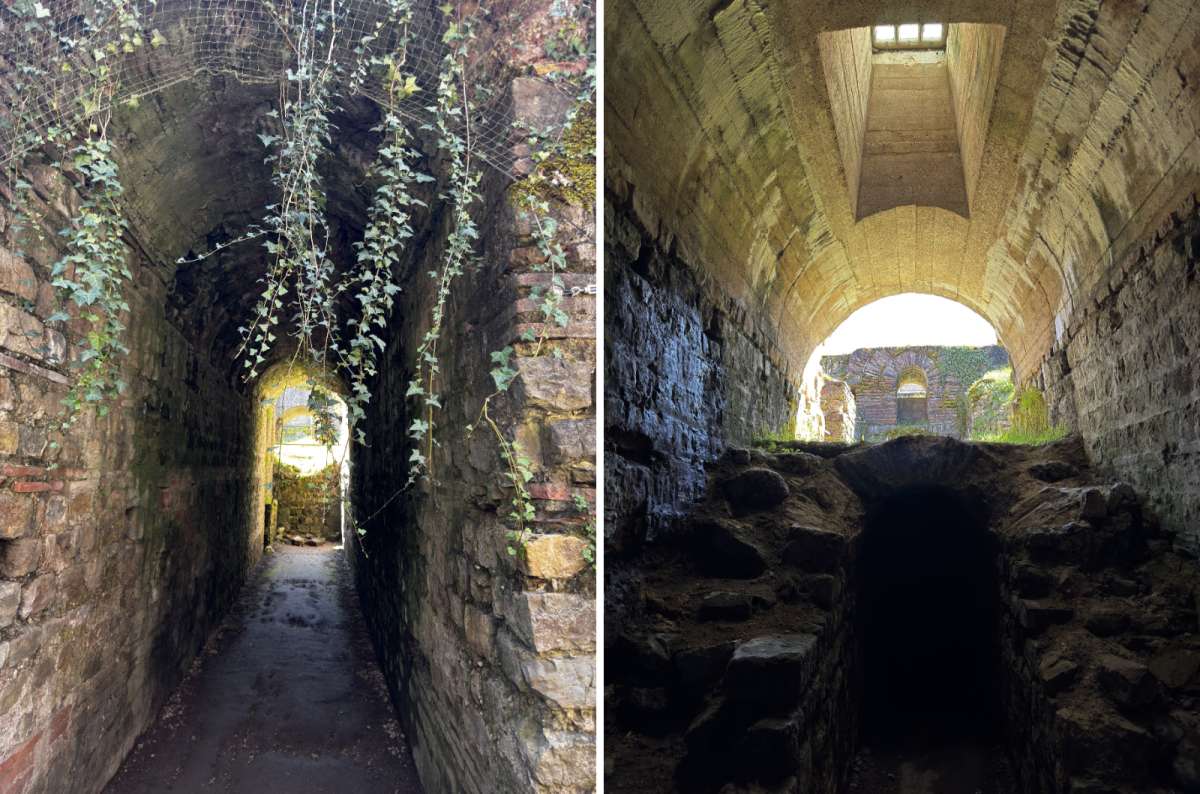
The tunnels under Kaiserthermen make a wonderful place to hide from the sun if you’re visiting in the summer
Don’t judge Kaiserthermen only from the surface. The underground tunnels are the good bit.
You can also add Barbara Baths or Forum Baths if you’re doing a full Roman Trier itinerary, but I wouldn’t force them into a first visit. Trier has enough Roman ruins that you need to choose, not collect them like supermarket coupons.
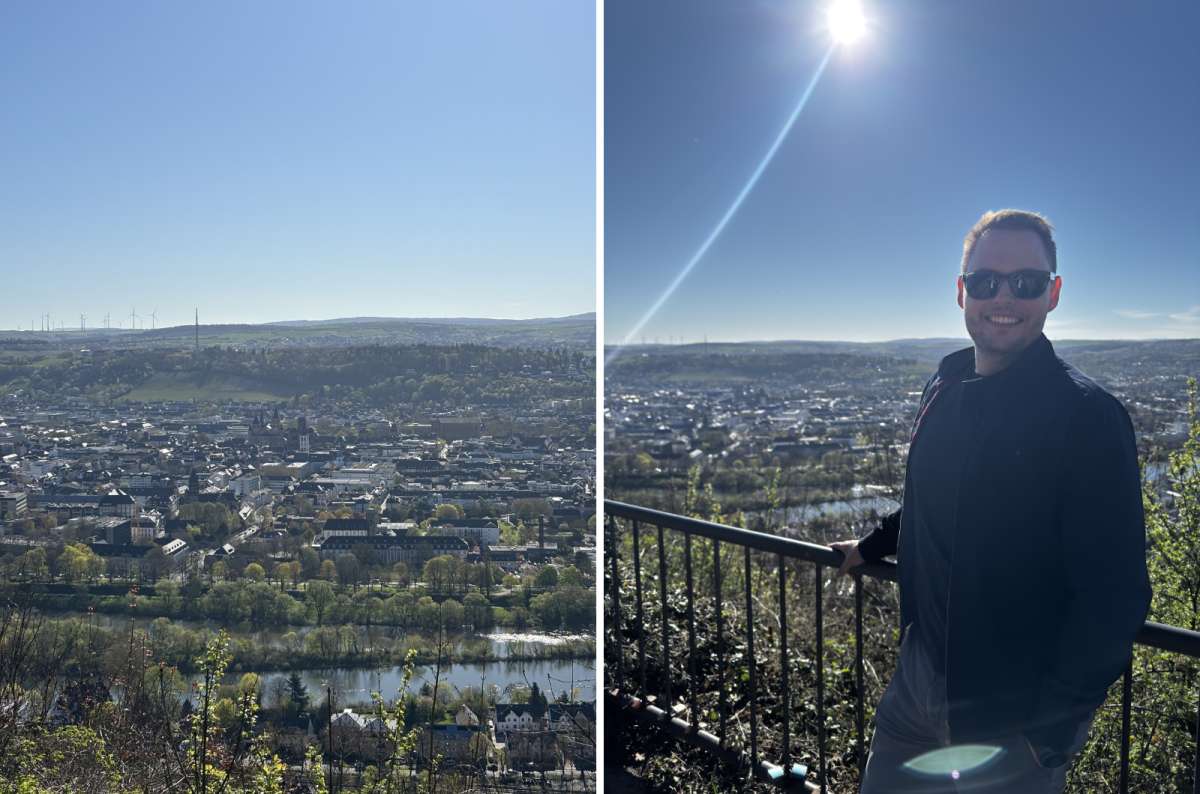
Let the photoshoot begin @ Mariensäule
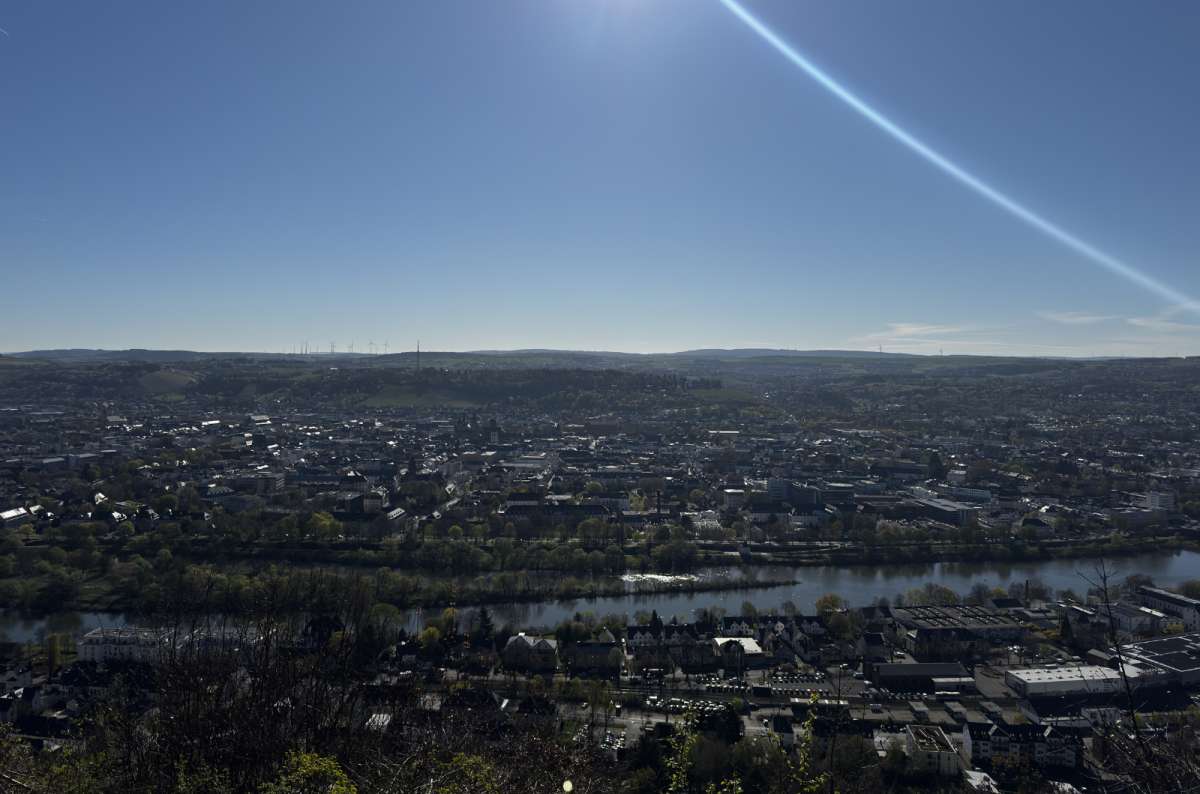
Mariensäule is the best viewpoint I found in Trier.
It shows you the city in context: Trier sitting in the Moselle Valley, the Cathedral dominating the center, and the Roman buildings still looking absurdly large from above.
You can hike up if you have time and decent weather. You can also go by car, which is less heroic but often more sensible. Travel does not always need to be a moral test.
For me, the viewpoint was useful because it helped me understand the scale of Trier. In the center, the Roman buildings are impressive. From above, you see how strongly they still shape the city.
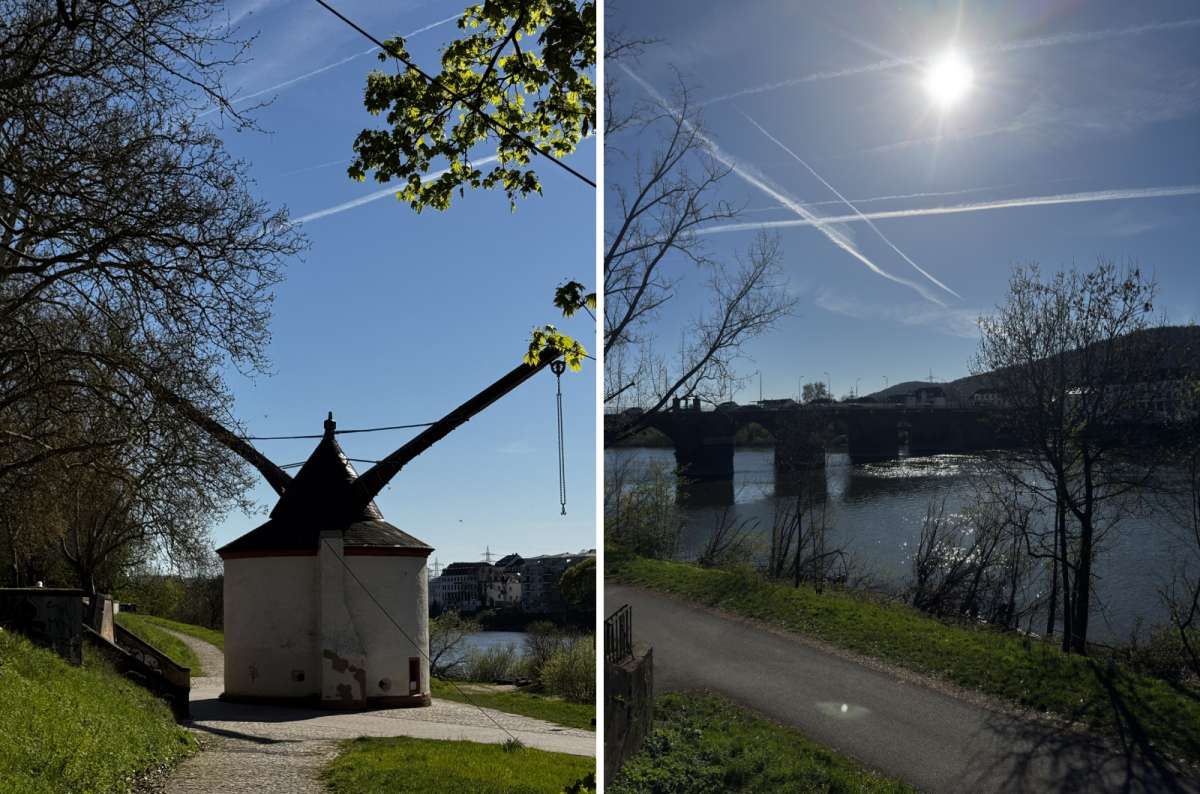
One word—cozy, not very significant, but cozy
The walk from the Roman Bridge to Zurlaubener Ufer is pleasant, but not essential.
The Roman Bridge is historically important—it’s the oldest bridge in Germany still in use—but visually, it looks like a bridge. Sorry. The fact is more impressive than the view.
The walk improves if you combine it with Alter Krahnen, the old riverside crane, and continue toward Zurlaubener Ufer. Then it becomes a relaxed Moselle River stretch instead of one underwhelming standalone stop.
This is not where Trier is at its most spectacular. It is where the city slows down a bit. That can be exactly what you want after several Roman sites and church interiors.
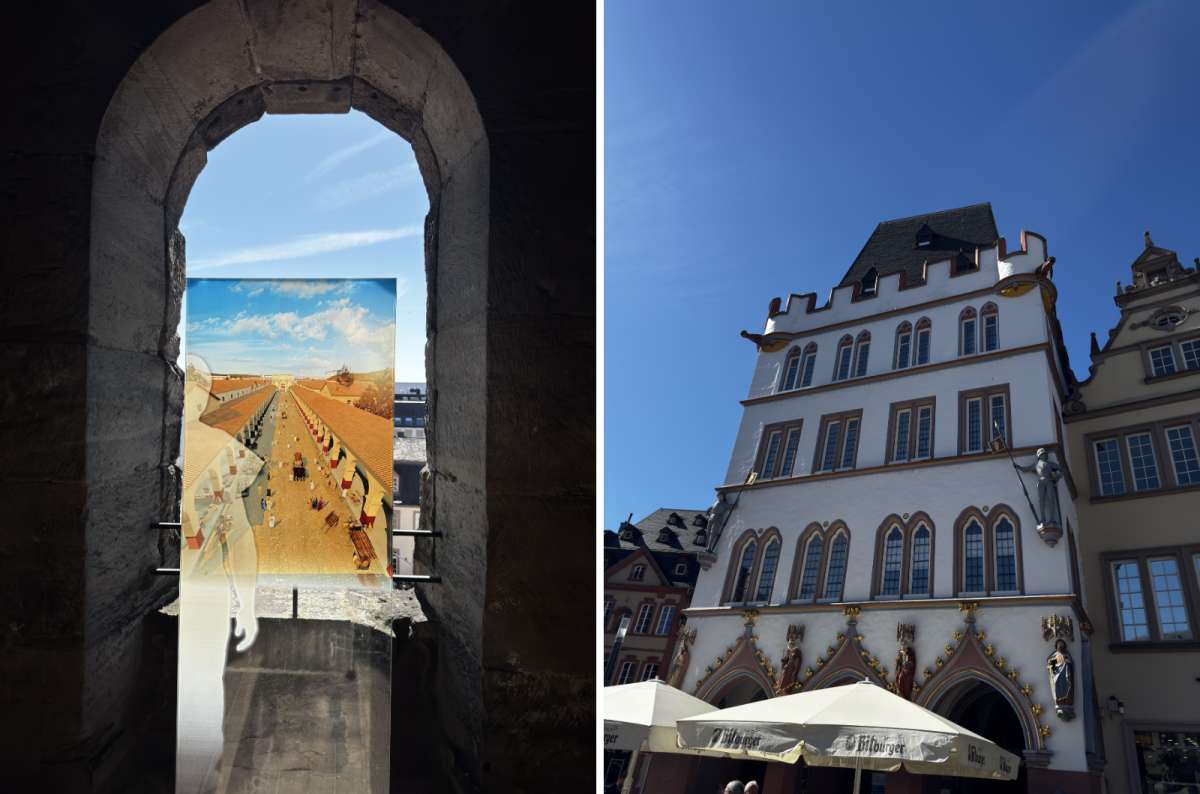
Historic vs. Present POV of the Hauptmarkt
Hauptmarkt is Trier’s main market square, and you’ll almost certainly end up here whether you plan to or not. I did.
It connects Porta Nigra, Trier Cathedral, St. Gangolf, restaurants, shops, and the general “yes, this is Germany” atmosphere. Expect colorful façades, a market cross, restaurants, crowds, and plenty of people taking the same photo.
If you enjoy this kind of historic city atmosphere, you’ll probably also like reading about what to do in Nuremberg.
It’s pretty and useful. It is not the reason to visit Trier, Germany.
In December, Hauptmarkt becomes part of Trier’s Christmas markets with local crafts, food, and mulled wine. I didn’t visit for Christmas, so I’m not pretending to review the festive mood from my imagination.
Imagine unwinding by this beautiful river after the whole day of exploring Roman history
Zurlaubener Ufer is Trier’s riverside area with restaurants, Moselle River cruise departures, and a softer end-of-day mood.
It’s nice. It is also not a major attraction.
Use it for a meal, drinks, or a river cruise. Don’t prioritize it over Porta Nigra, Trier Cathedral, Aula Palatina, Kaiserthermen, or the Roman Amphitheater.
St. Gangolf Church is nice, but that’s about it
St. Gangolf Church is better outside than inside.
From the exterior, it looks great and fits beautifully into the Hauptmarkt area. Inside, I found it rather new-feeling and empty. Not bad, just not worth much time when Trier Cathedral is nearby, being enormous and smug.
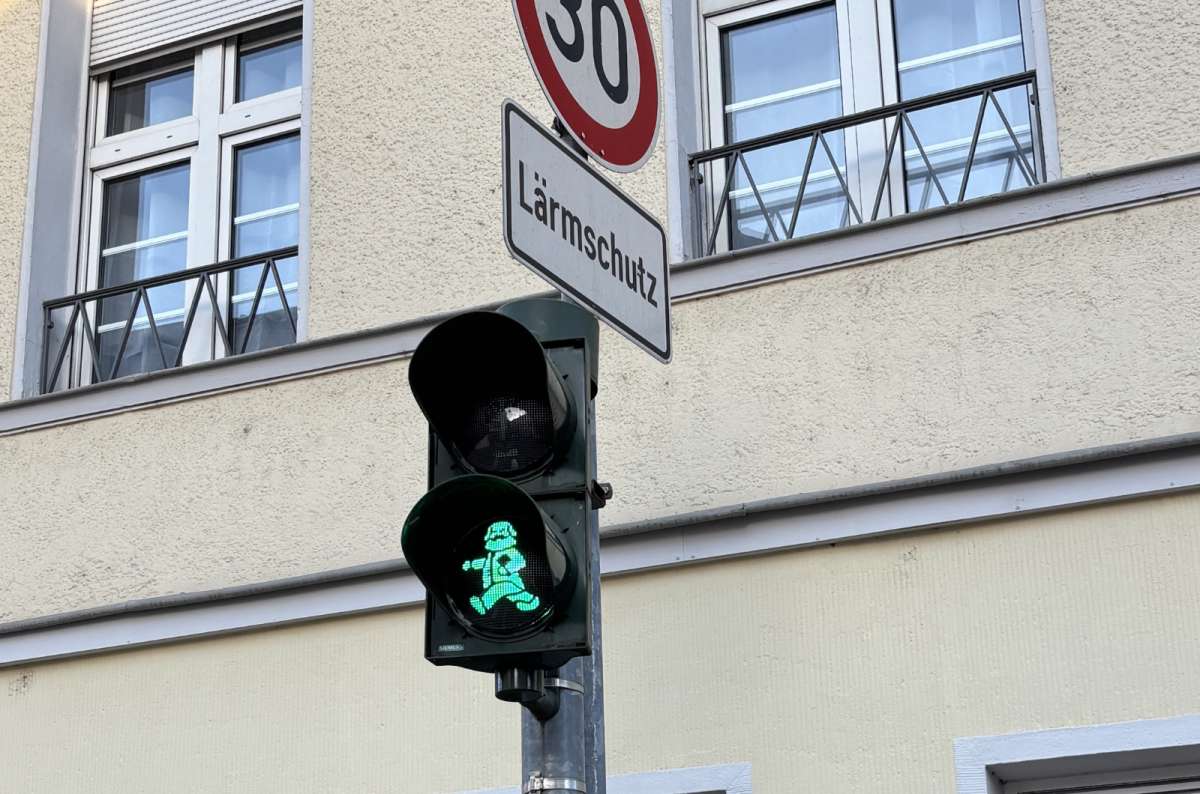
This shows Karl Marx in a completely new “light”
Trier is also the birthplace of Karl Marx, which gives the city a completely different historical layer. After Roman emperors, bishops, and the Holy Roman Empire, suddenly you get revolutionary ideas and the Communist Manifesto entering the chat.
The main stop is Karl Marx House, the museum in his birthplace.
My favorite Karl Marx detail was smaller: the traffic lights shaped like Karl Marx. Completely unnecessary. Completely Trier. I approve.
Would I build a Trier day around Karl Marx House? No. I came for Roman Trier, and the Roman ruins are stronger. But if you’re interested in Marx’s life or political history, it’s a logical add-on.
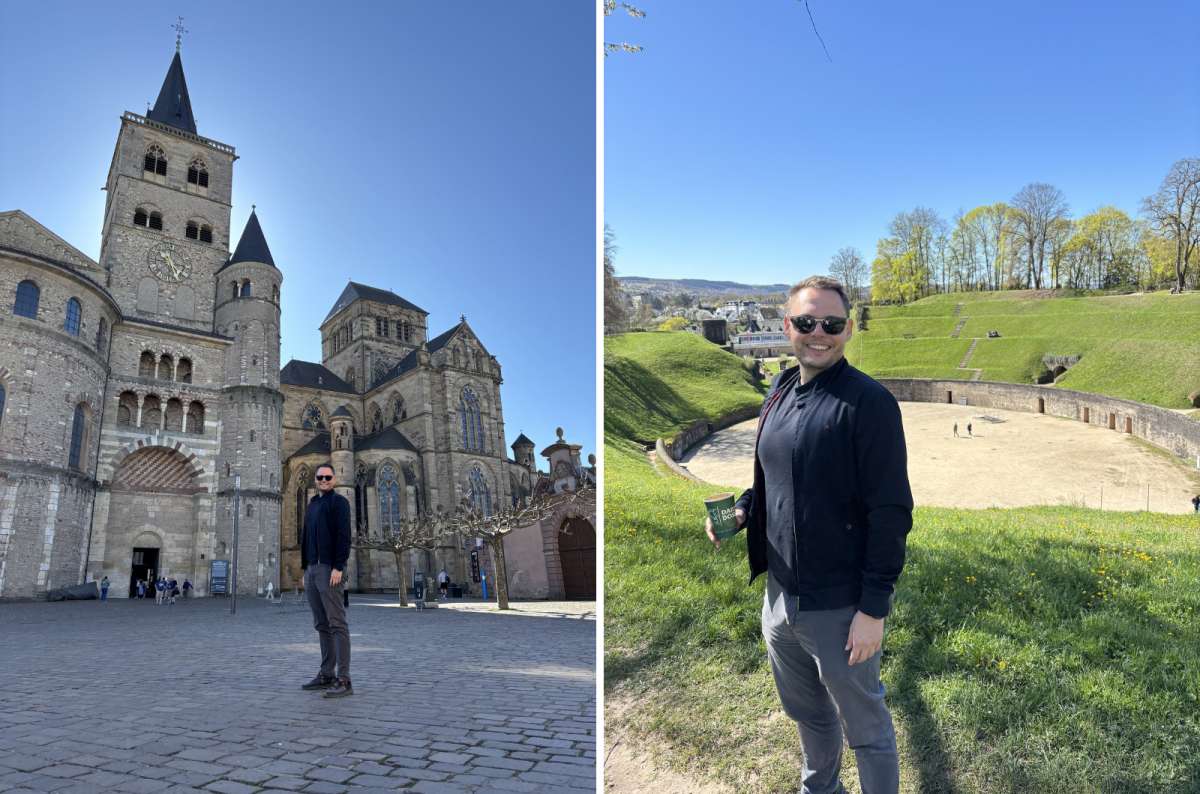
I’m more of a land and coffee man, myself, though (the Roman Amphitheater and Trier Cathedral were my fair share of fun)
I’d treat Trier’s river cruises and tourist train as comfort options, not essential Trier attractions.
A Moselle River cruise makes sense in good weather, especially if you want a slow finish or a wine-country mood. Trier sits in German wine country, and the Moselle Valley is known for local wines, local wineries, and wine tasting.
I am not into wine, so I’m not going to fake a passionate paragraph about Riesling. If you love wine, look at Moselle wine tours. If you don’t, spend the time on Roman ruins and remain emotionally intact.
The tourist train is useful for families, older travelers, or visitors with mobility limitations. If you can walk normally and want to use your time efficiently, skip it.
Romans, Germans, Communists-Trier has enough of each to keep you occupied for a whole day
Most travelers need one full day in Trier.
A half day covers the strongest highlights. One full day lets you add deeper Roman sites, the museum, the Roman Bridge, or Mariensäule. Two days only makes sense if you add wine tours, Cochem, Luxembourg, more museums, or a slower Moselle Valley route.
The speedrun of Trier (Porta Nigra-Kaiserthermen-Aula Palatina)
Focus on:
This gives you the strongest version of Trier without pretending you saw everything properly.
Trier in one day
Add:
This is the best balance for most people.
Only do this if you want wine tasting, museums, Cochem, Luxembourg, or a slower Moselle Valley base. Trier’s strength is concentration. Don’t inflate it.
This Trier itinerary follows the way the city works best: start with the big Roman icon, move through the old town and churches, then use the afternoon for deeper Roman sites.
Starting in the early morning gives you a special chance to avoid the crowds
Start at Porta Nigra. Go inside if Roman history matters to you. Give it 30–45 minutes.
Walk to Hauptmarkt. Take photos, look around, and keep moving before the crowds get annoying.
Peek at St. Gangolf Church from outside.
Then visit Trier Cathedral and the Church of Our Lady. Give this stop about an hour, and do not miss the garden and cloister area.
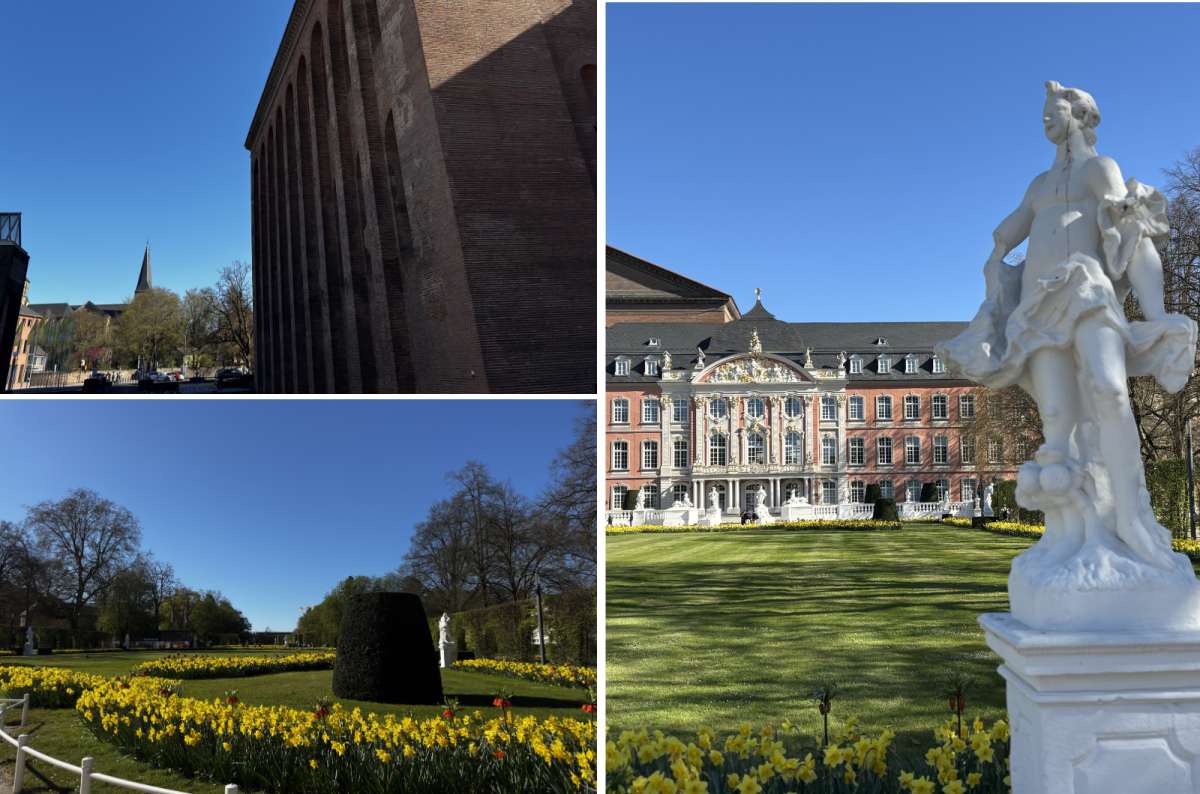
The complex around Aula Palatina has so much to offer, just don’t expect it to be as fancy on the inside
Walk to Aula Palatina / Constantine Basilica. The visit is quick, but the scale is the point.
Then see the Electoral Palace from outside and walk through the Palastgarten. This whole section takes around 45 minutes unless you take 400 photos, in which case I cannot help you.
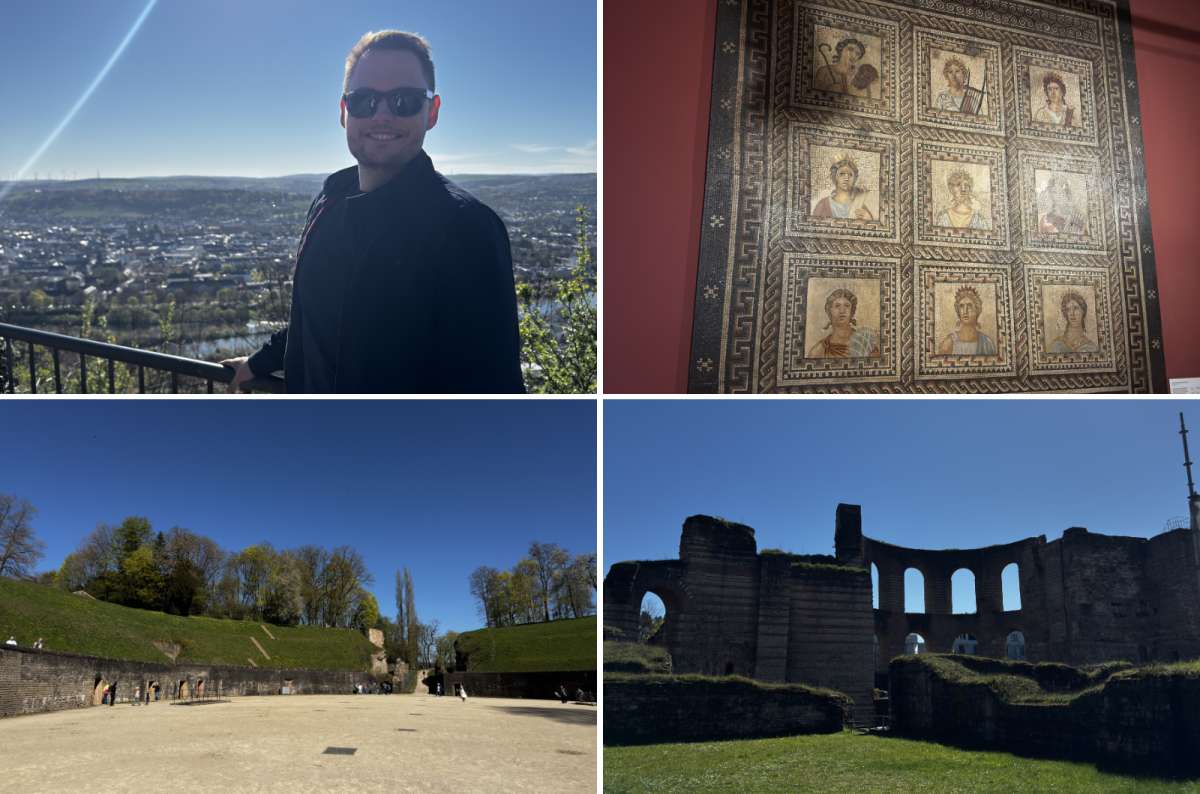
Choose your mix of sights to history ratio
If you have time, do Kaiserthermen and then choose between the Roman Amphitheater and the Rhineland State Museum.
If choosing only one afternoon paid sight:
This is where Trier can either become excellent or slightly exhausting. Choose based on your actual interest, not because a list told you everything is “unmissable.” It is not.
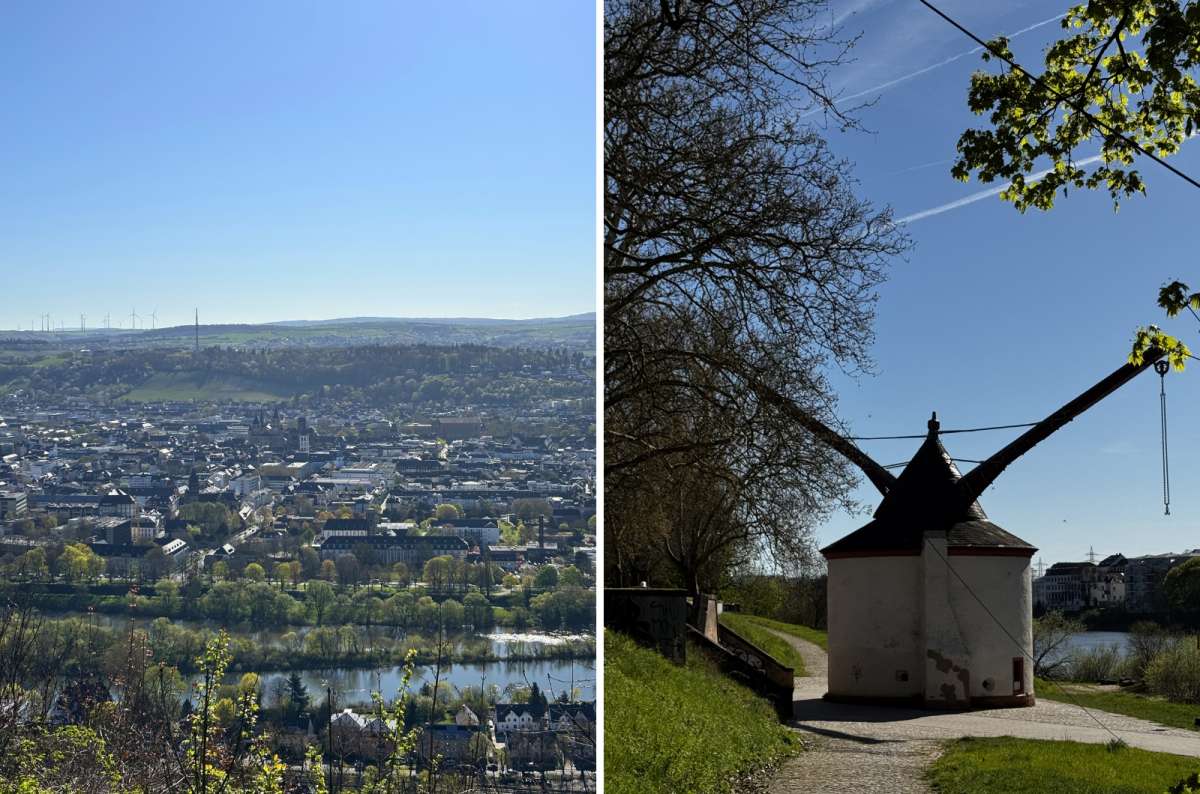
The peaceful and vibe-y side of Trier
Finish with:
That’s the efficient version of one day in Trier: enough Roman Empire, no unnecessary filler, feet only mildly angry.
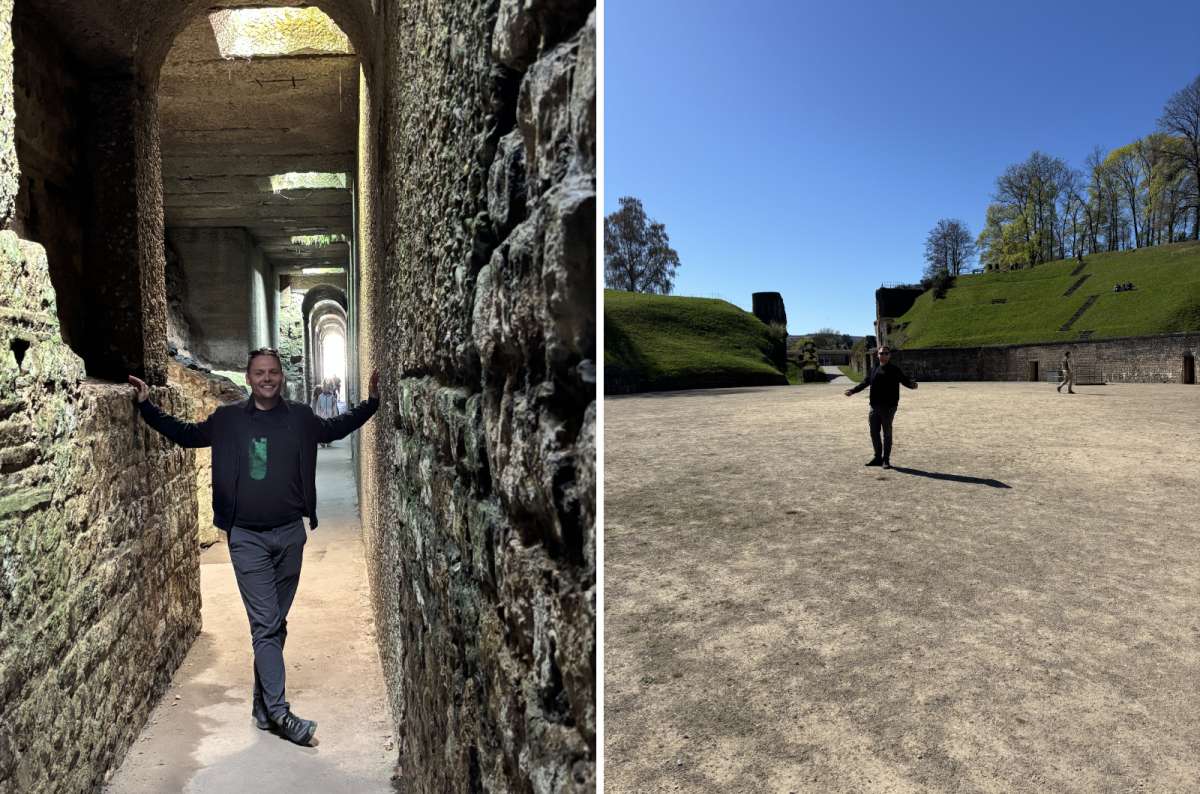
In my romanmaxxing era (the Roman Amphitheatre and Kaiserthermen provide a great photoshoot set)
This is the itinerary for people who hear “Roman ruins north of the Alps” and immediately become annoyed at dinner. Naturally, I approve.
It’s not the most balanced Trier itinerary, but it’s the most Roman one.
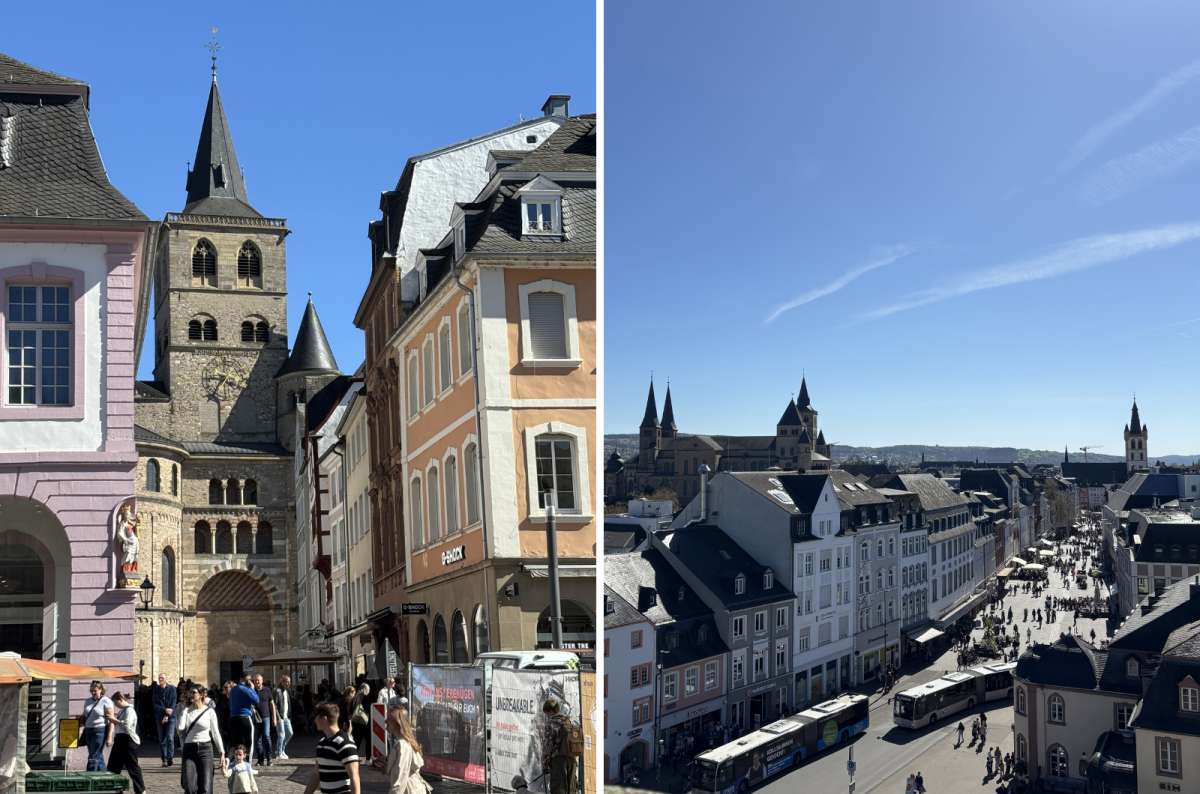
The city center is pedestrian-oriented, and parking garages are your best bet
I found Trier simple by car because there are parking garages around the center. Park once and walk. Do not keep moving the car around like Trier is a scavenger hunt.
Porta Nigra, Hauptmarkt, Trier Cathedral, Church of Our Lady, Aula Palatina, the Electoral Palace, and Palastgarten are easy to connect on foot.
Many Trier attractions have little booklets with useful information. Take them. Signage is not always enough, and some ruins are much better once you know what you’re looking at.
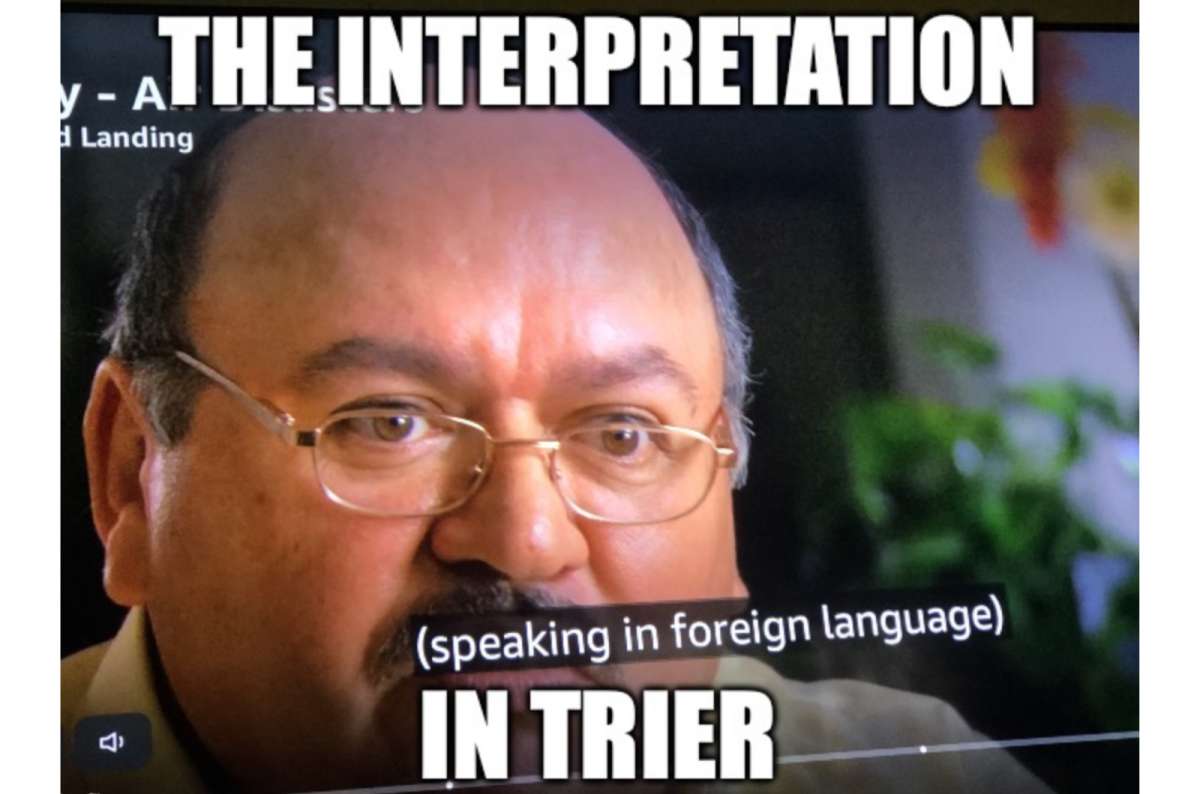
The Rhineland State Museum is strong, but English interpretation is limited in parts. A translation app helps. So does emotional acceptance.
Hauptmarkt and the central route can get crowded. Early Trier feels calmer, especially around Porta Nigra and the Cathedral.
Trier is easy. Save your planning energy for choosing which paid Roman sites matter most.
Pro tip: If you're flying to Germany, you can check out my Lufthansa business class review or my Lufthansa premium economy review.
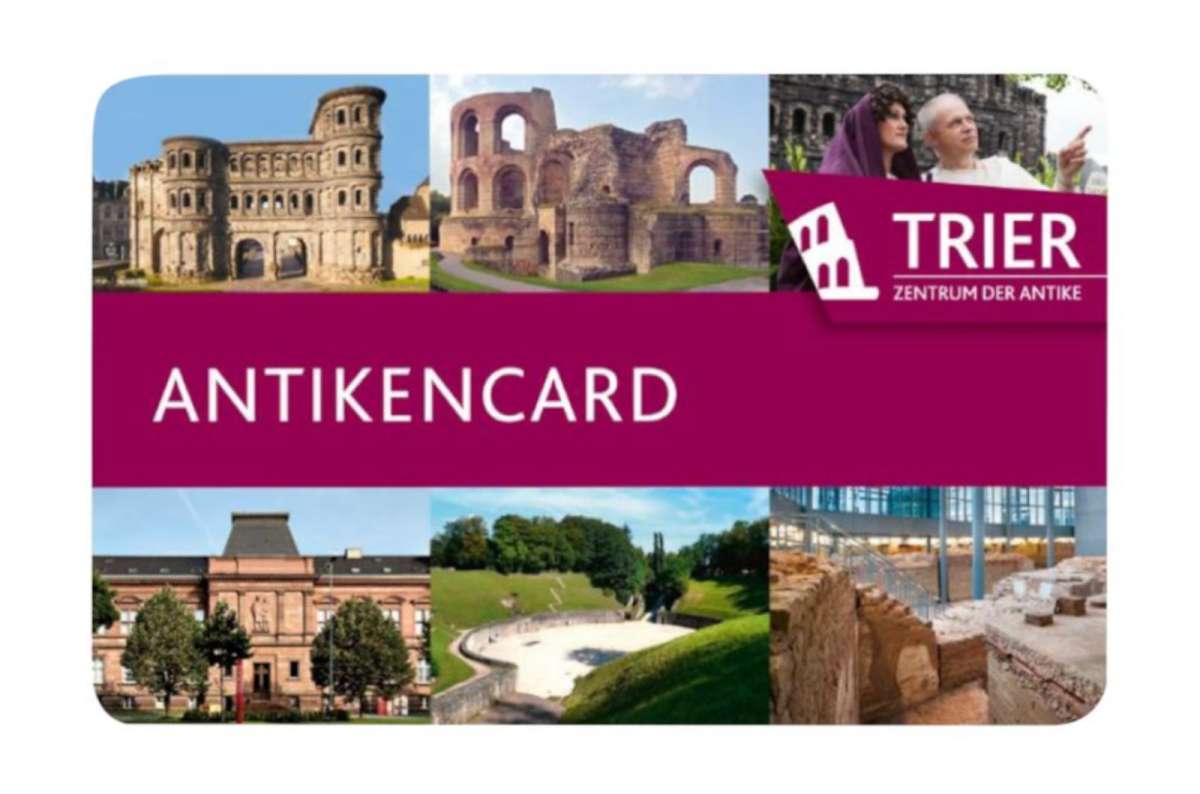
Only get the Trier Card if you’re planning on visiting the paid attractions
Maybe. It depends on how many paid sights you visit.
Check the Trier Card or AntikenCard if you plan to visit several paid attractions, especially:
It is probably not worth it if you only visit the free churches, walk around the center, and see Porta Nigra from outside.
My practical advice: list your paid sights first, then do the math. Revolutionary, I know.
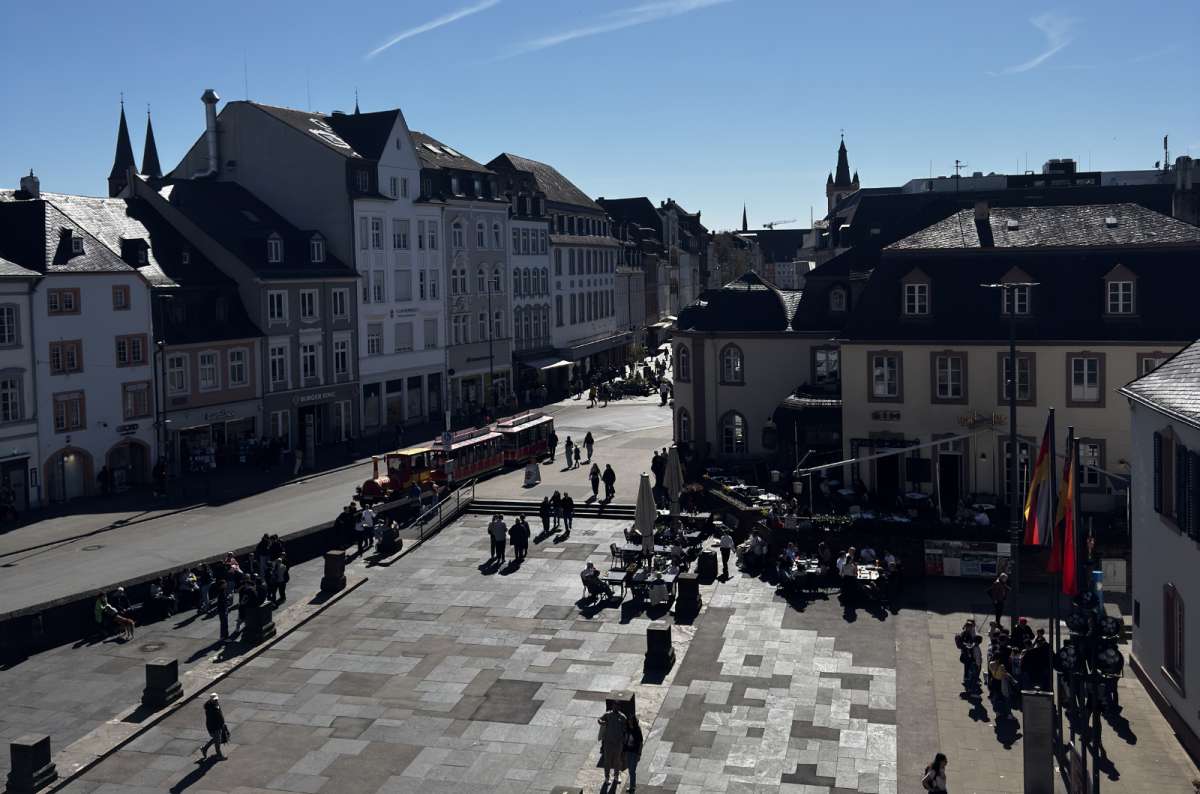
As with almost every European historical town, prepare to get your steps in
Yes, Trier is very walkable.
The historic center is compact, and the main attractions are easy to connect: Porta Nigra, Hauptmarkt, Trier Cathedral, Church of Our Lady, Aula Palatina, the Electoral Palace, and Palastgarten.
Kaiserthermen and the Roman Amphitheater add more walking, but they’re manageable. The Roman Bridge and Zurlaubener Ufer are better as relaxed extensions. Mariensäule is more of a hike or drive-up viewpoint.
If you only have one day in Trier Germany, walk the center and use your energy strategically. Do not walk to everything just to prove you own shoes.
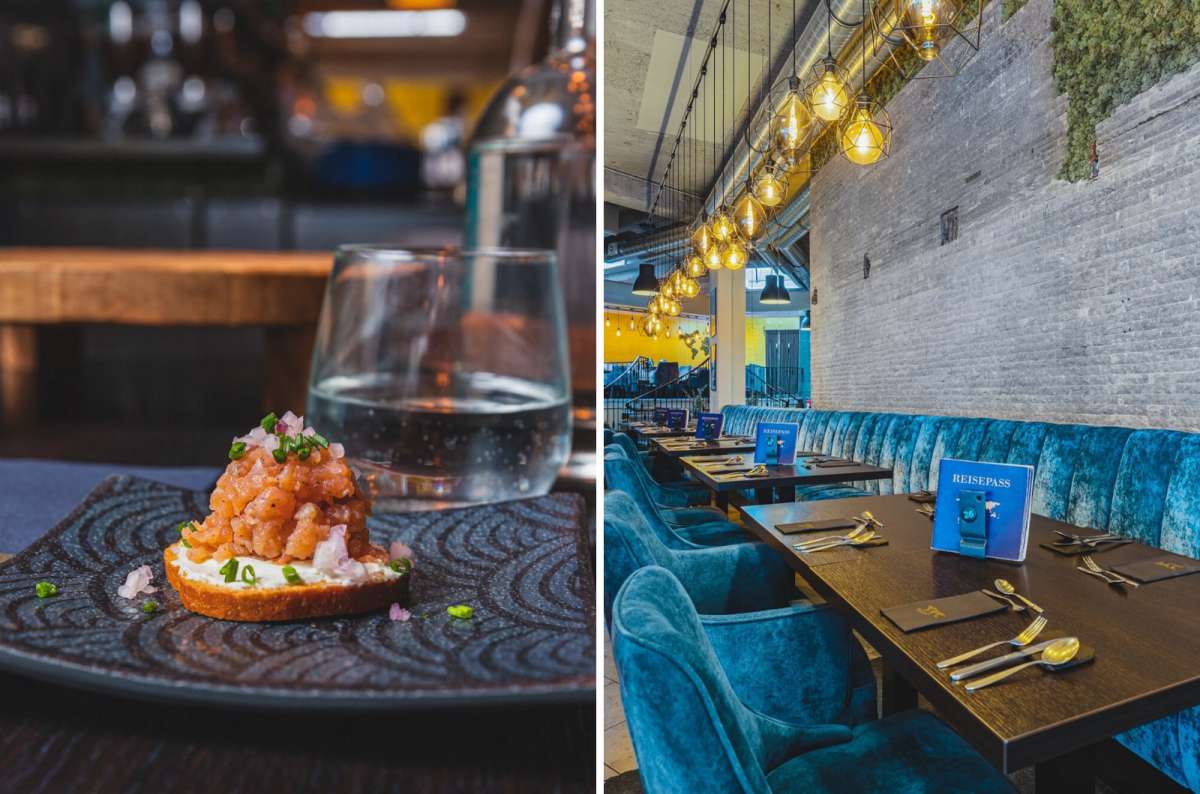
The modern/lux/industrial concept of Masons Restaurant really worked for me
I rarely recommend restaurants strongly, but Masons stood out.
It has a worldwide tapas concept, and you order with tablets. It sounds gimmicky, but it worked. The food was more interesting than standard old-town tourist food, and when I visited, it was around EUR 42 per person.
That’s as far as I’ll go. I didn’t eat everywhere in Trier, so this is not a fake “best restaurants” section.
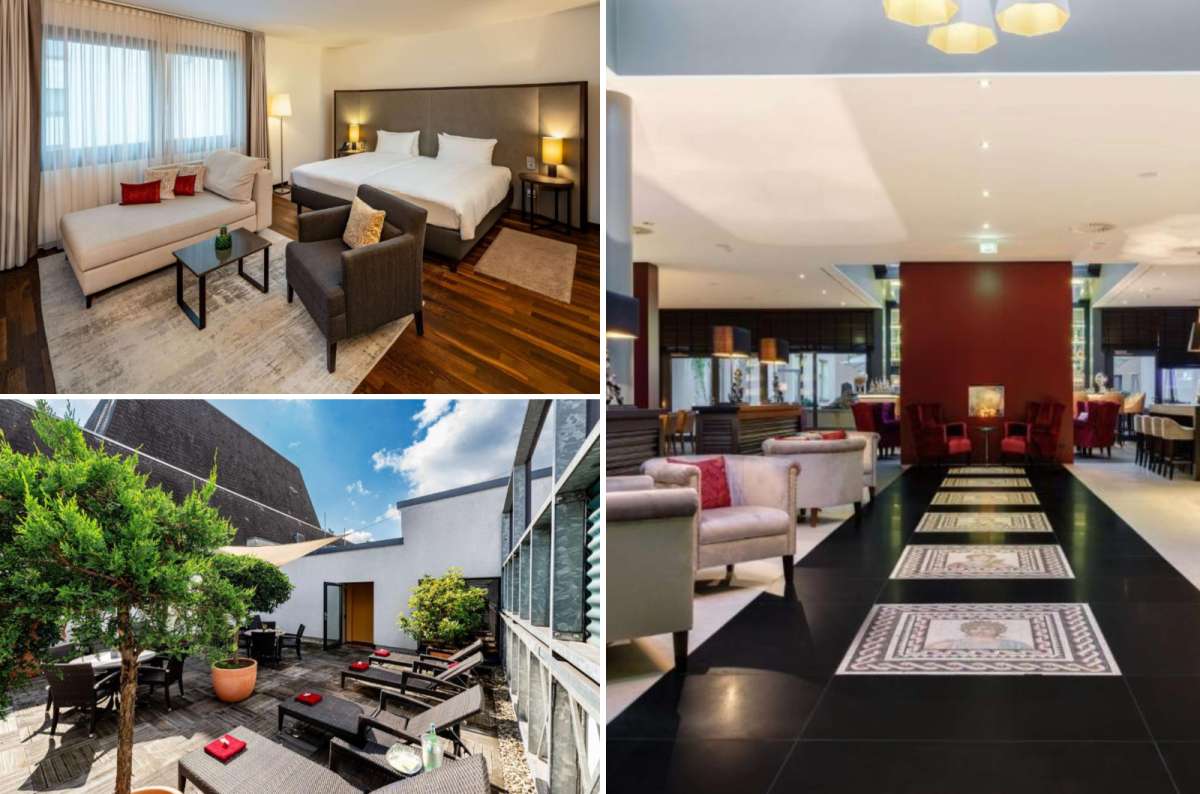
Park Plaza Trier has a great location
Stay near the old town if Trier is your main sightseeing stop. That keeps the best Trier attractions walkable and makes the day easier.
If you arrive by car, prioritize parking. Trier is manageable by car, but I’d rather park once and walk than move the car between Roman ruins like a confused delivery driver.
Best areas:
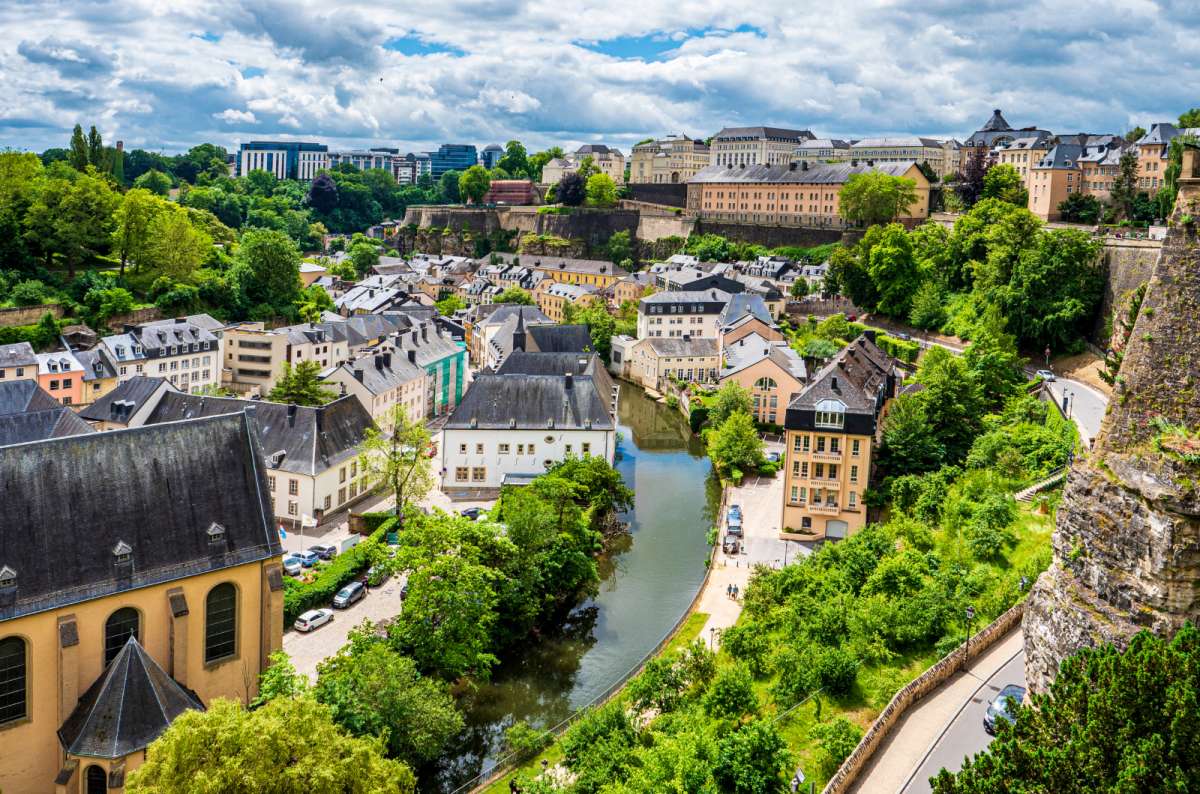
Extra trip option no. 1: Luxembourg City
Trier works very well with Luxembourg. You can visit Trier as a day trip from Luxembourg or use it as a stop before continuing into Luxembourg City.
This is one of the easiest cross-border pairings in the region, and it makes more sense than trying to force Trier into a long standalone trip.
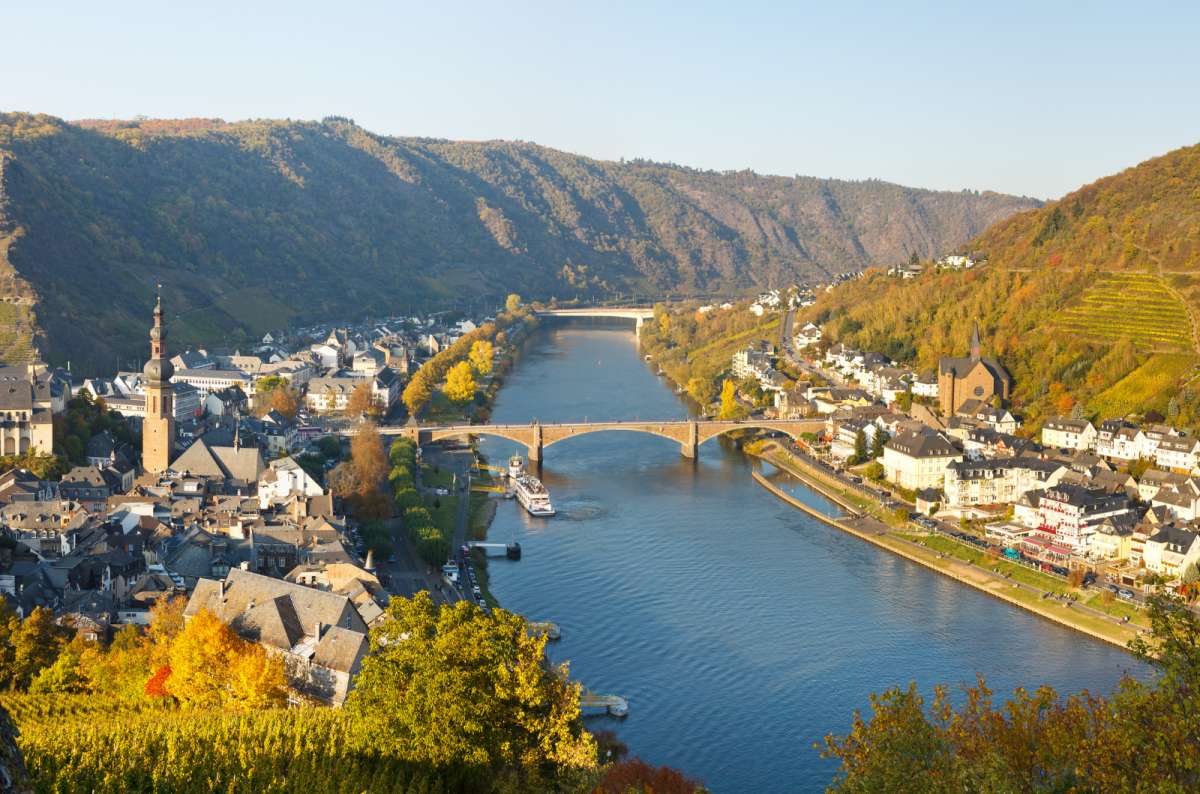
Extra trip option no. 2: Cochem
Cochem is the prettier Moselle postcard town: river scenery, castle views, half-timbered houses, and a stronger wine-valley atmosphere. You can book a guided tour online if you don’t feel like planning.
If you want more Moselle Valley drama after Trier, add Cochem to your route. And if you’re planning a longer trip to Germany, consider adding a one week in Bavaria itinerary to you plans.
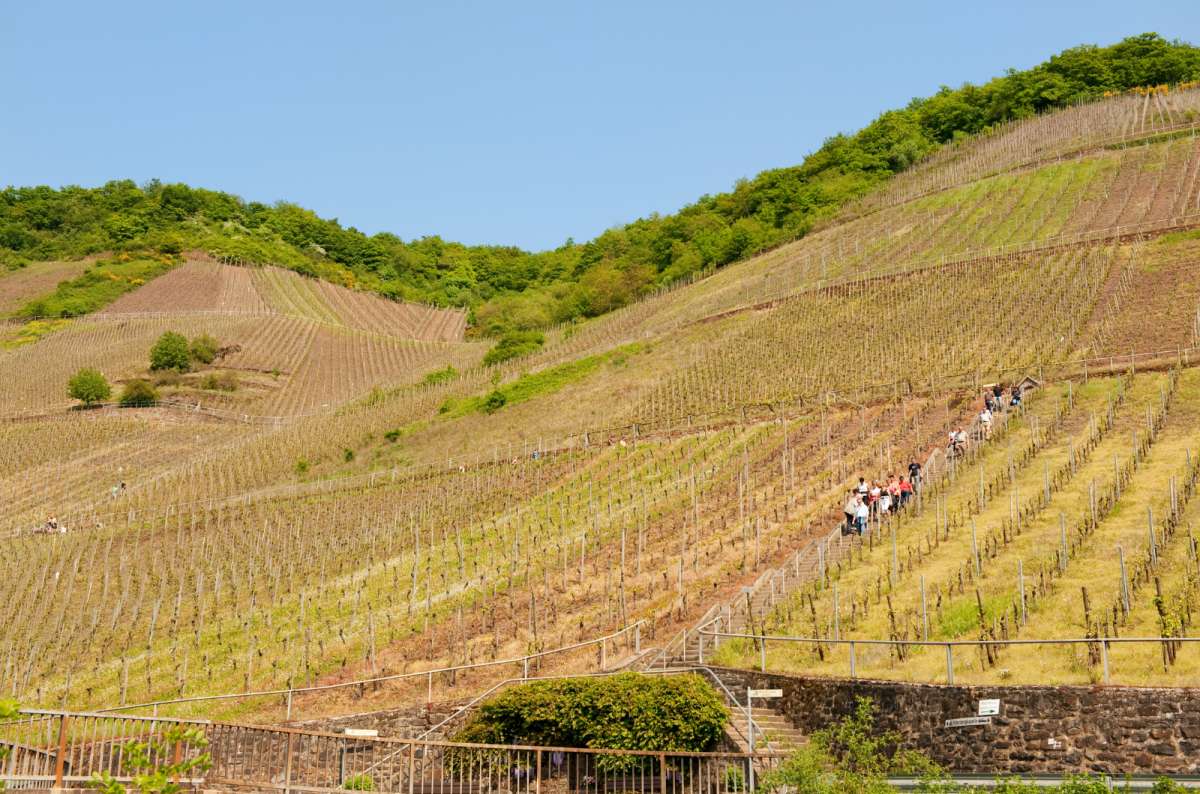
Extra trip option no. 3: the vineyard
Trier sits in German wine country, so wine lovers should look at Moselle wine tasting, local wineries, and local wines around the city.
I’m not a wine person, so this was not my personal highlight. But for wine travelers, Trier is a practical base (but then you’ll need a car—compare rental car prices for Germany and Luxembourg).
Trier has excellent sights, but not everything deserves your limited time.
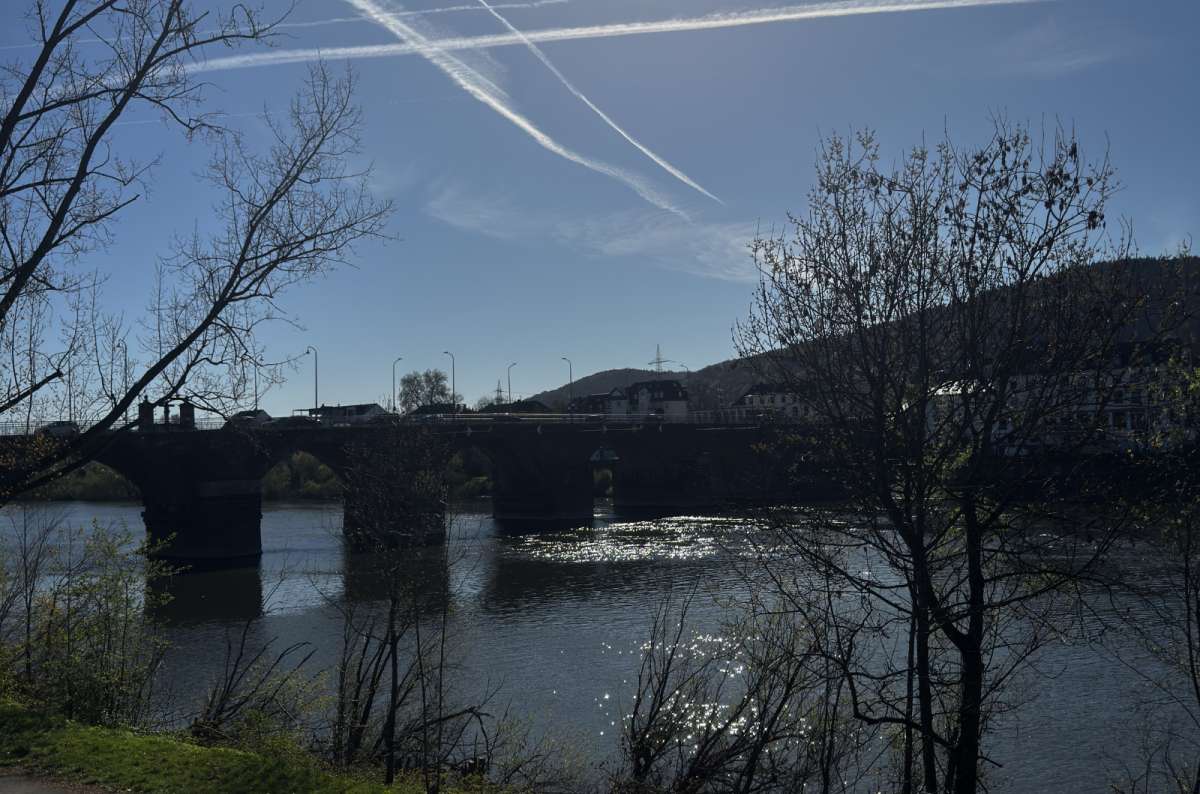
The Roman Bridge – aka just a regular bridge that you can see in almost every European city
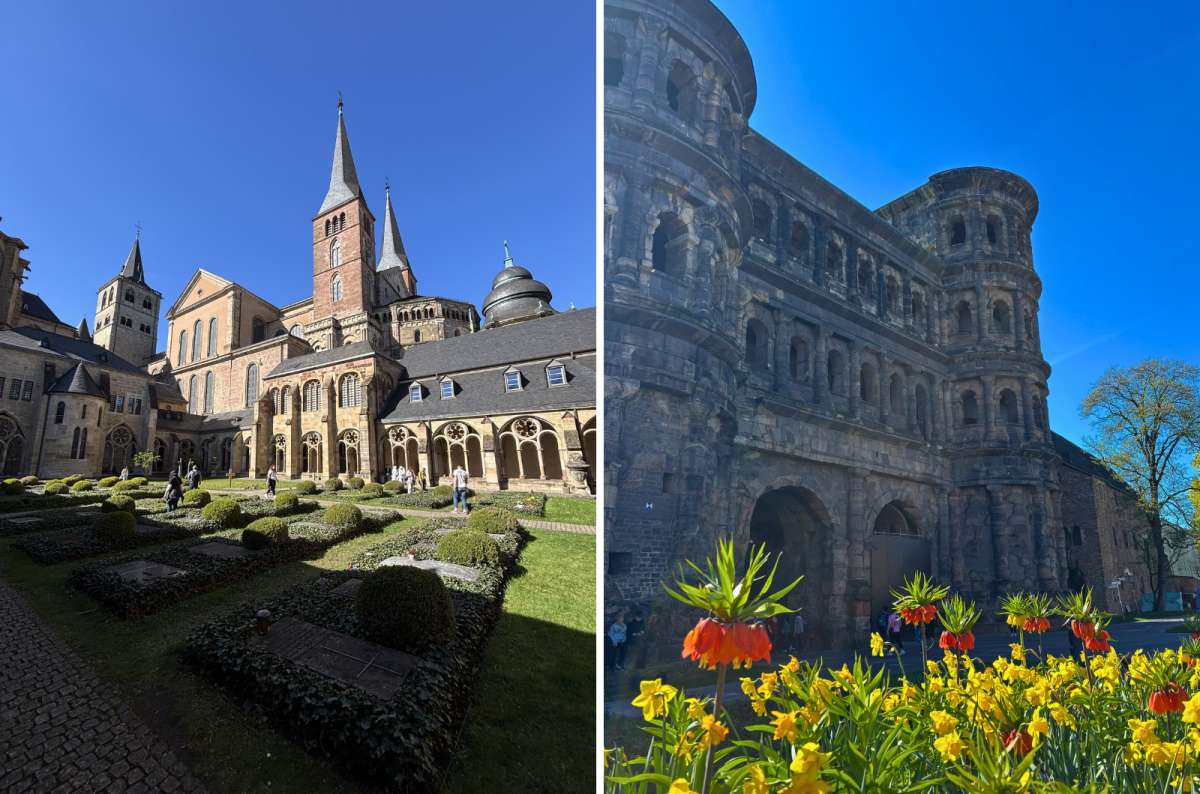
You’re effectively missing the whole point if you skip Trier Cathedral and Porta Nigra
Simple Trier logic: see the icons, add one deeper Roman site, then stop pretending every optional attraction is essential.
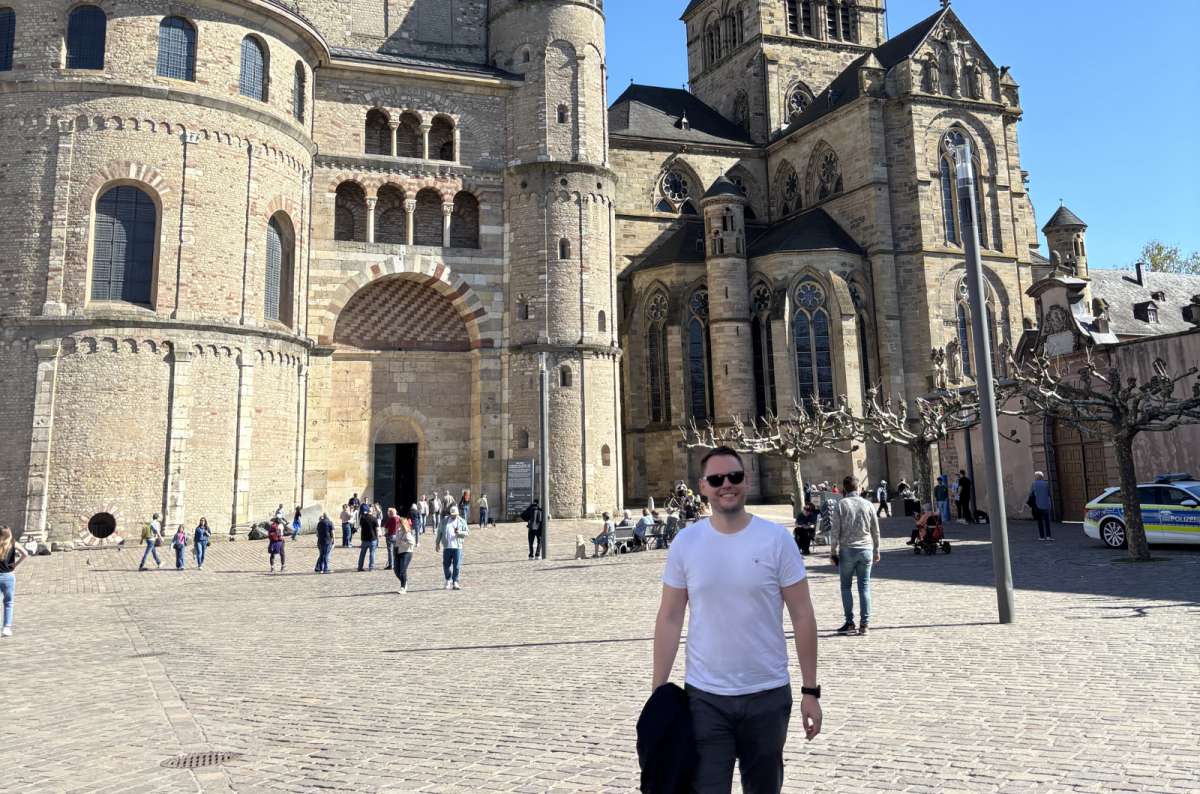
Trier (and its amazing cathedral) is officially history buff approved
Trier is absolutely worth visiting if you like Roman ruins, huge churches, UNESCO World Heritage sites, and compact cities that don’t make sightseeing logistically painful.
It surprised me. I expected a normal German town with some Roman history. Instead, Trier gave me Porta Nigra, Aula Palatina, Kaiserthermen, the Roman Amphitheater, Trier Cathedral, the Church of Our Lady, and a museum that actually helped the city make sense.
Would I spend three full days in Trier? No. I like Roman ruins, but I also like not lying. Germany has better cities to spend a lot of time in. I could spend 4 days in Berlin and still not feel like I’ve seen enough.
Would I visit Trier for one full day as part of a Germany, Luxembourg, or Moselle Valley trip? Absolutely.
The smartest version of Trier is simple: one day, strong Roman focus, Cathedral included, skip the filler, finish with a viewpoint or the river.
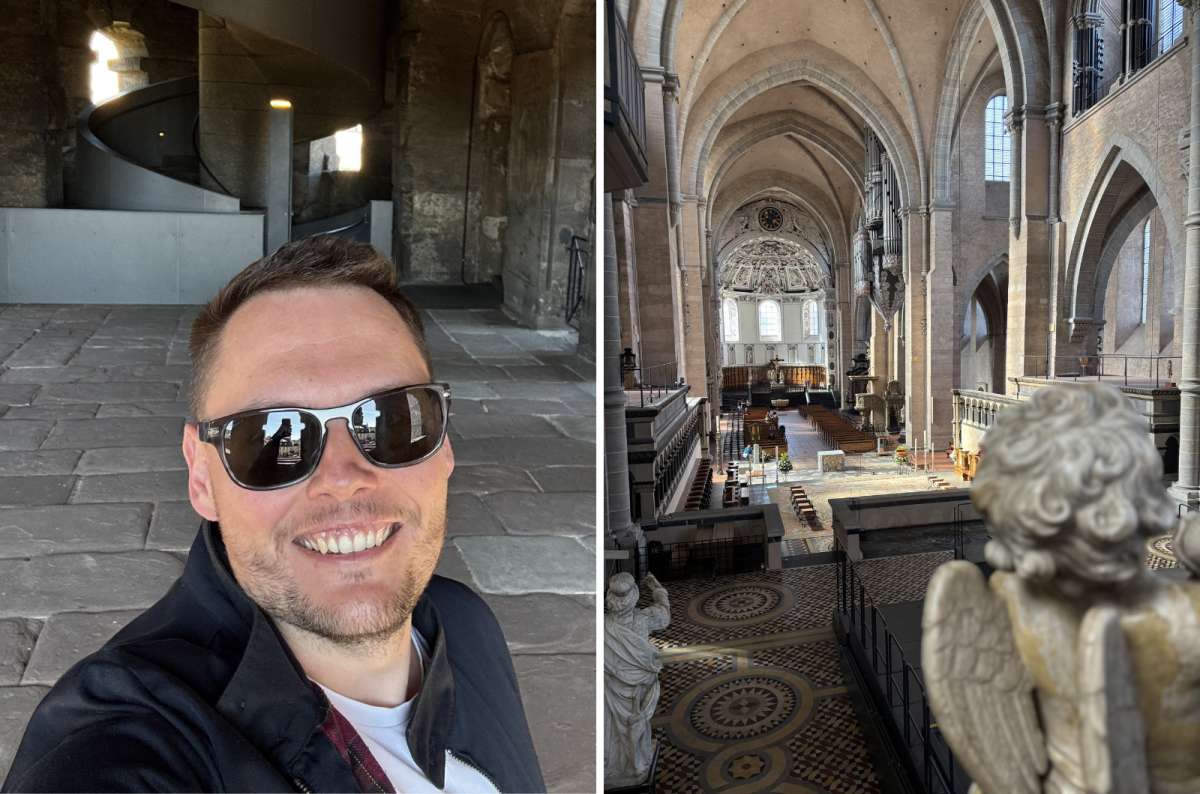
Trier was genuinely so fun @ Porta Nigra & Trier Cathedral
Yes. Trier is worth visiting if you like Roman history, compact old towns, churches, and UNESCO sights. It is especially good as a one-day stop near Luxembourg or the Moselle Valley.
One full day is ideal. A half day covers Porta Nigra, Hauptmarkt, Trier Cathedral, Church of Our Lady, and Aula Palatina. Two days only make sense with museums, wine tours, Cochem, or Luxembourg.
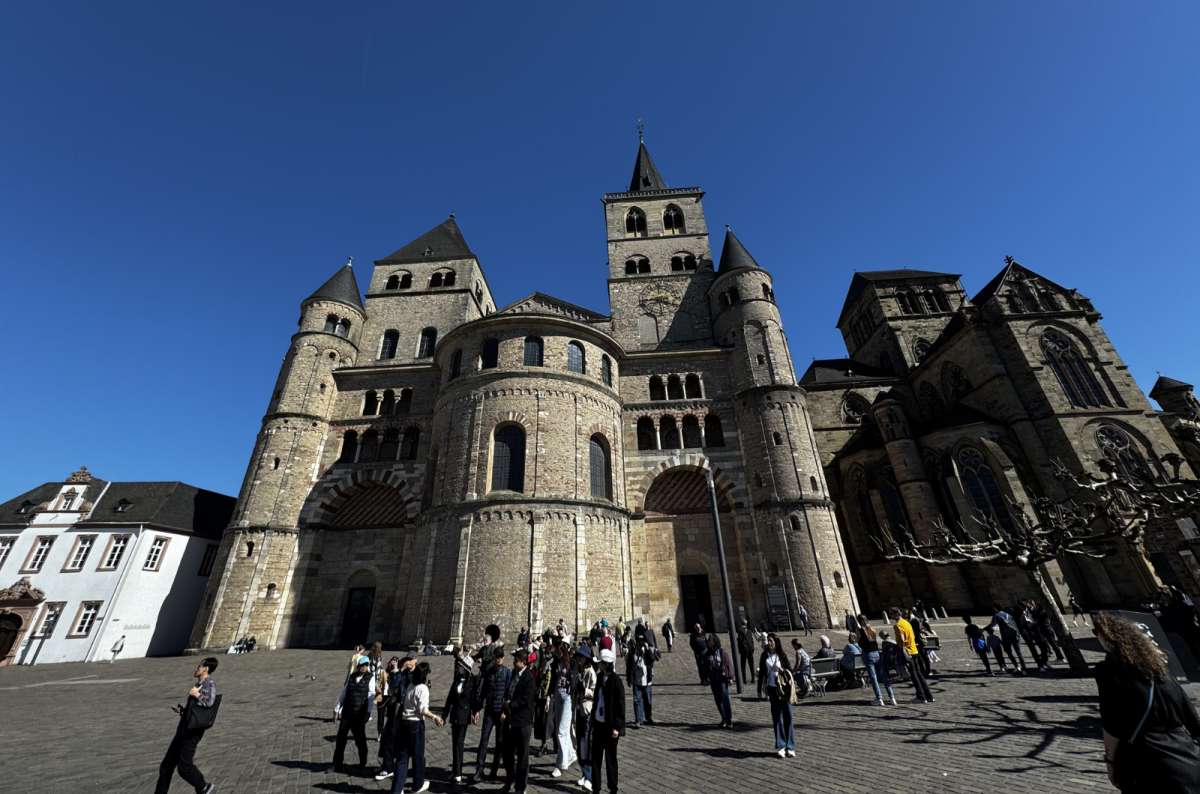
Trier makes for the perfect 1-day trip @ Trier Cathedral
Yes. Trier works well as a day trip from Luxembourg and is one of the easiest cross-border city pairings in the area.
Yes. Trier’s historic center is compact and walkable. Porta Nigra, Hauptmarkt, Trier Cathedral, Church of Our Lady, Aula Palatina, and the Electoral Palace are easy to connect on foot.
This post contains affiliate links. If you make a booking through one of my links, I may earn a small commission—at no additional cost to you. Thank you for your support!
At a glance: the top things to do in Trier, ranked
Map of the best things to do in Trier
1. Trier Cathedral and Church of Our Lady
3. Aula Palatina / Constantine Basilica
6. Kaiserthermen / Imperial Baths
8. River walk from Roman Bridge to Zurlaubener Ufer
13. Optional river cruise or tourist train
How much time do you need in Trier?
Practical tips for visiting Trier


Hi, I’m Jan. I travel fast and intensely, whether I’m exploring the buzz of Tokyo in 3 days or road-tripping through mountains and beaches on a 3-week Thailand adventure. And no matter where I am, you’ll always find me in a comfortable hotel at night and eating the best food.
If that sounds like your kind of journey, hop on board, and let’s explore the world together!
I started this blog after realizing how tough it can be to find reliable, authentic travel info. You wouldn’t believe how many “travel bloggers” never even visit the places they write about! On Next Level of Travel, you can count on my full honesty and insights drawn from my firsthand experiences.
Here’s the deal: not every destination is all superlatives and unicorns. I’ll let you know if a tourist attraction isn’t worth your time, like skipping overrated stops in my 2-week Spain itinerary. And when I find something truly special—like the perfect mix of culture and nature in Cape Town—you can trust that it’s worth adding to your itinerary.


Comments | Thoughts? Give us a shout!