Finding things to do in Germany sounds easy until you remember that Germany is not a cute little country where every highlight is conveniently stacked next to the next one like pastries in a bakery window.
Berlin is not Bavaria. Hamburg is not Dresden. Neuschwanstein Castle is not “near Munich” in the relaxed way people online like to pretend. And if you try to see Berlin, Hamburg, Bavaria, Dresden, the Rhine, the Black Forest, Cologne, and Neuschwanstein in one week, congratulations: you’ve invented a Deutsche Bahn stress test and called it a vacation.
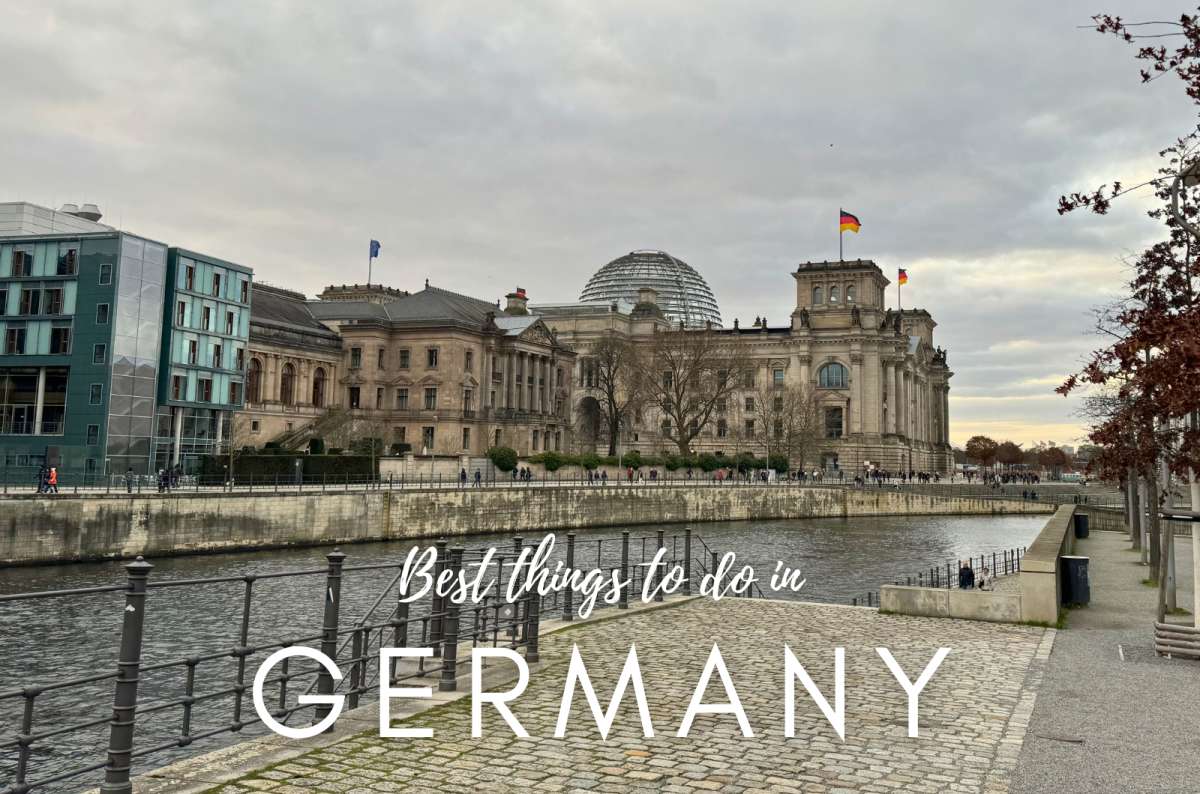
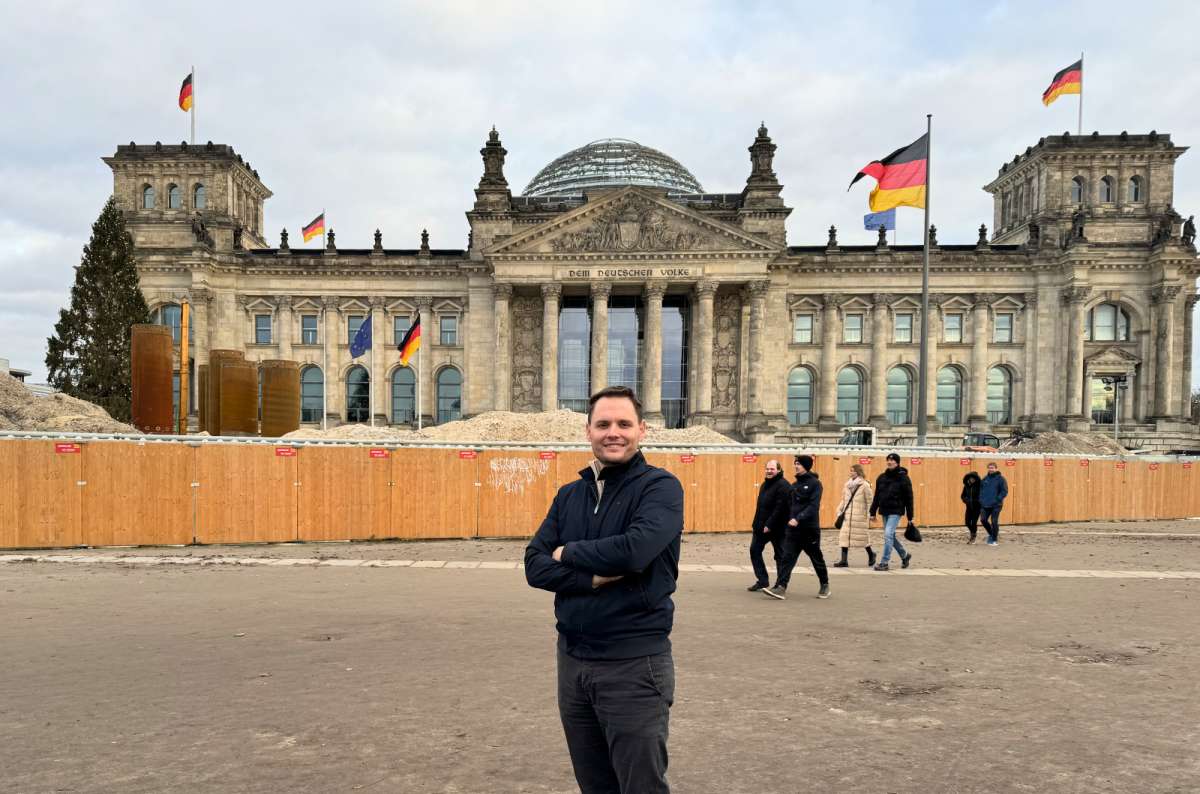
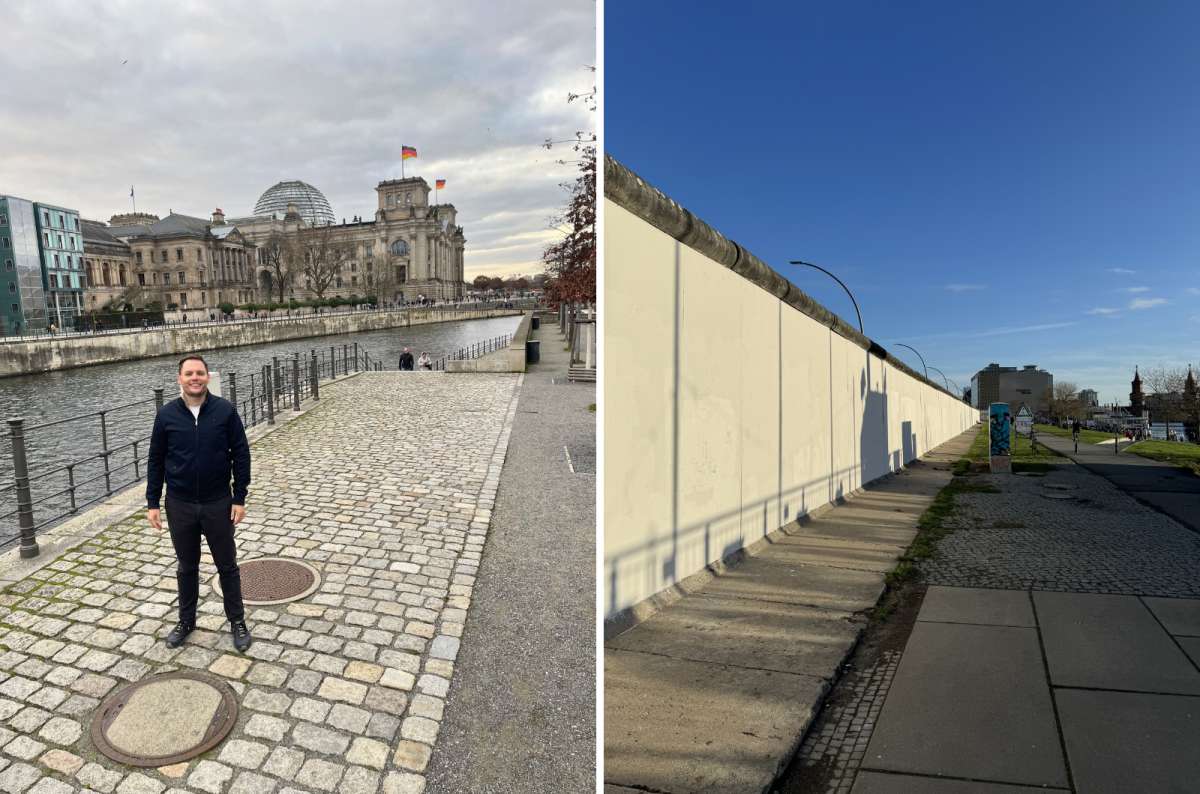
The Reichstag in Berlin
I’ve visited Germany at least 25 times from Prague, and I keep coming at least 2-3 times a year because it’s one of the most useful travel countries in Europe. Not always the softest or prettiest. Useful. It gives you brutal history, proper cities, castles, Bavarian Alps, clean lakes, big museums, Christmas markets, Roman ruins, and food that is much better than its reputation if you don’t order like a coward.
Heavy? Often. Subtle? Not exactly. Delicious? Usually.
This is not a neutral “Germany has something for everyone” list. I hate that sentence almost as much as I hate a rushed itinerary pretending Hamburg and Berchtesgaden are casual neighbors.
This is my ranked list of the best things to do in Germany based on the places I’ve actually visited, the routes I’d repeat, and the stops I’d cut first if time, weather, or patience started running out.
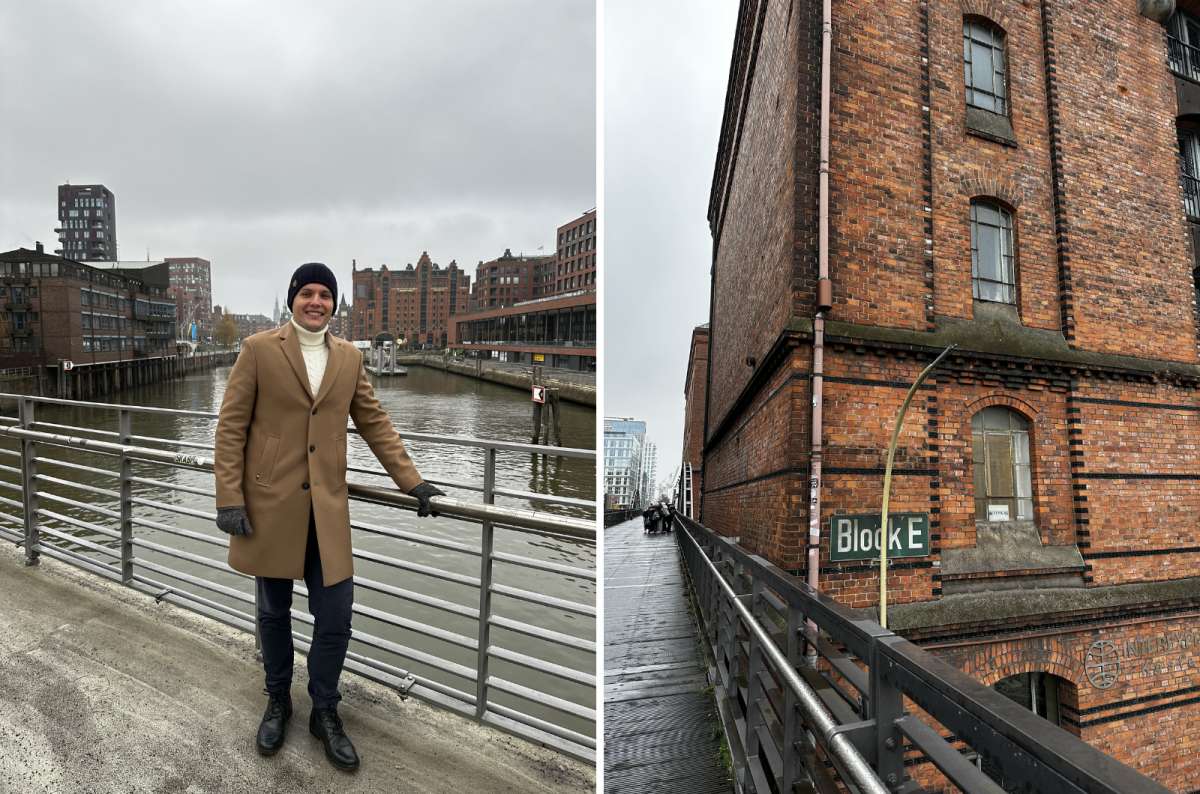
Hamburg deserves a spot on every serious things to do in Germany list. I loved it
At a glance: the best things to do in Germany, ranked
I ranked the best things to do in Germany based on how much I liked them, how unique they felt, and whether I’d actually plan a trip around them again.
- Spend 4 days in Berlin—the strongest German city trip for history, museums, food, and modern energy.
- Road trip through Bavaria—the best classic Germany route if you want old towns, Alps, lakes, castles, and actual variety.
- See Neuschwanstein Castle—but manage your expectations—worth it for the views and story, not because the interior will change your life.
- Explore Berchtesgaden National Park and Königssee—Germany’s best “yes, we have mountains too” argument.
- Visit Nuremberg for medieval streets and Nazi history—a compact city with two completely different historical personalities.
- Spend 3 days in Hamburg—cool, watery, gritty, elegant, and much better than I expected.
- Visit Dresden for architecture and museums—beautiful and worth 1–2 days, but don’t inflate it into a week.
- Experience Germany’s Christmas markets—excellent in December, repetitive if you collect them like mugs. Which, unfortunately, you probably will.
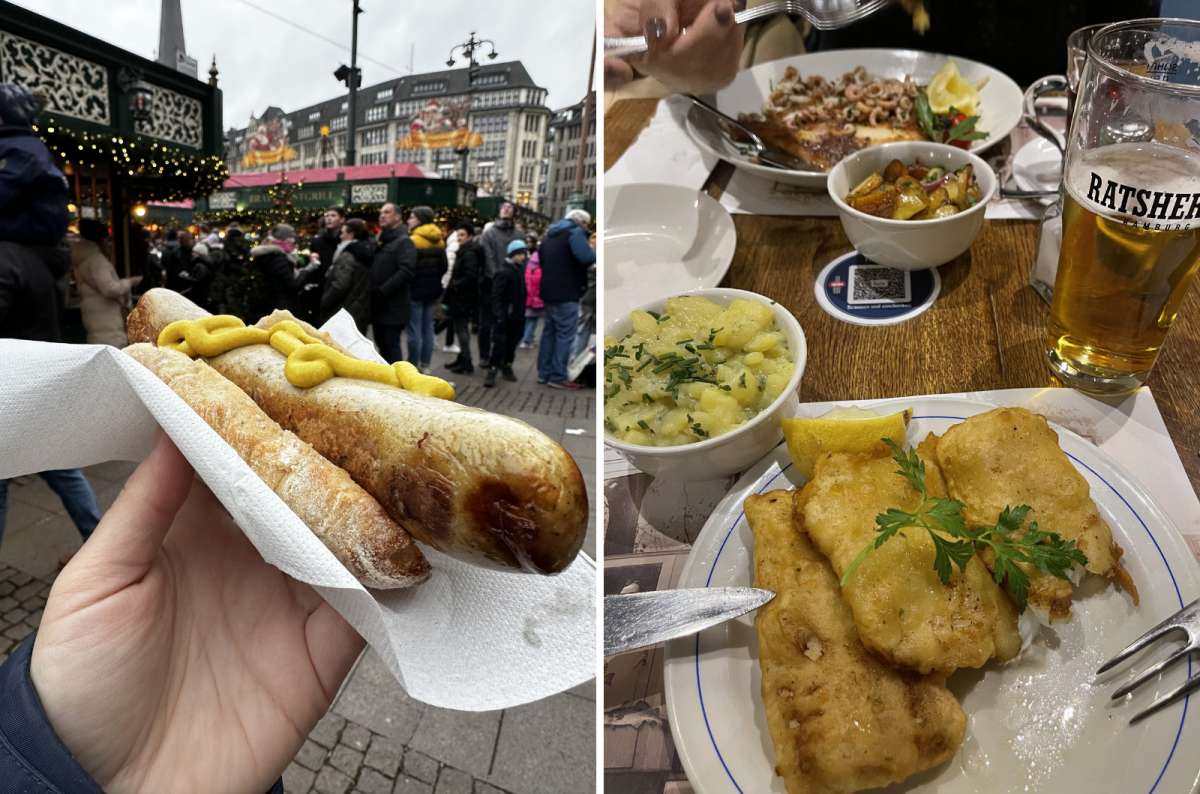
- Eat your way through German food properly—bratwurst and beer are only the beginning. A heavy beginning, but still.
- Visit Leipzig for museums, music history, and one absurd monument—not fairy-tale Germany, and that’s the point.
- See Trier’s Roman ruins—Germany’s best Roman-history stop and a strong “wait, this is Germany?” moment.
- Visit Regensburg as a compact medieval stop—easy, preserved, and useful on a Bavaria itinerary.
- Take the Eagle’s Nest seriously—as scenery and history—not a casual “cool Hitler house.” Please don’t be that traveler.
- Explore Bavaria’s lakes—pick 2–3 good ones, not every body of water with a parking lot.
- Build a Germany road trip instead of trying to train-hop everything—the practical move that saves the whole trip.
My tip: Use this link to find the best hotels in Germany based on your route
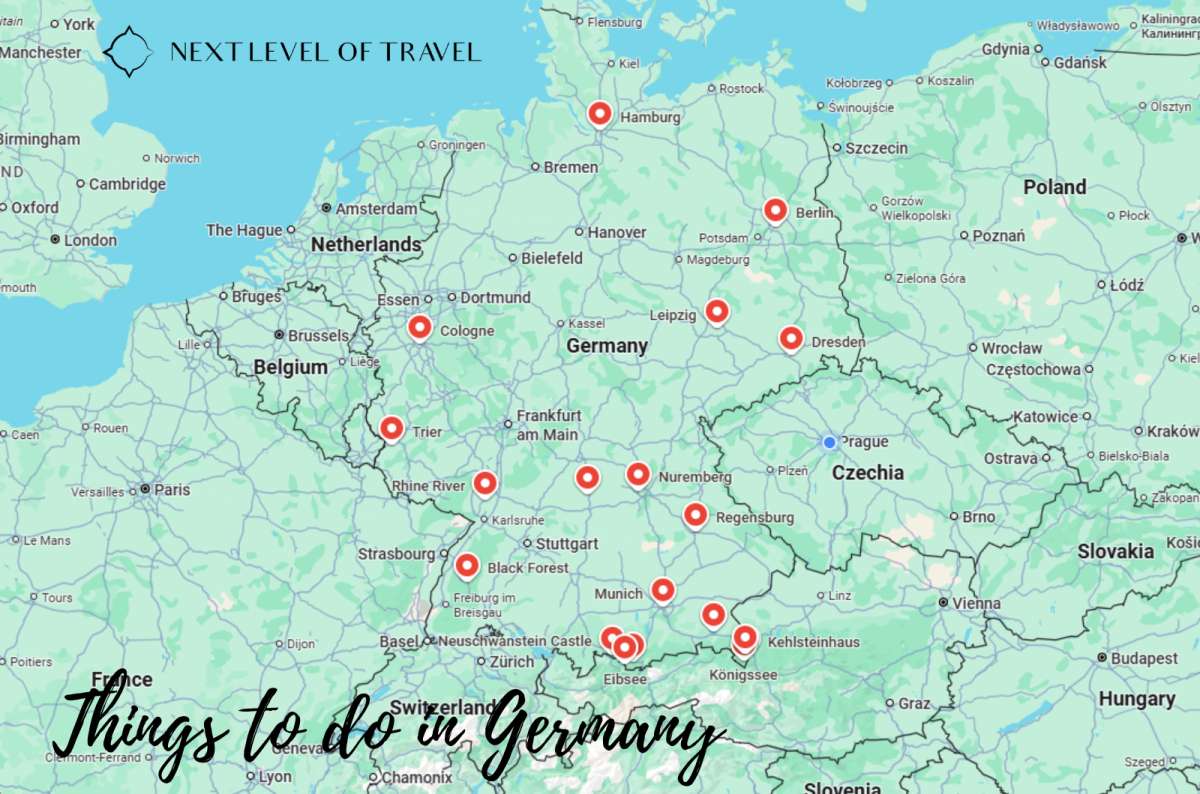
Map of the best things to do in Germany
Let me show you the best things to do in Germany without wasting half your trip zigzagging across the country.
Is Germany worth visiting?
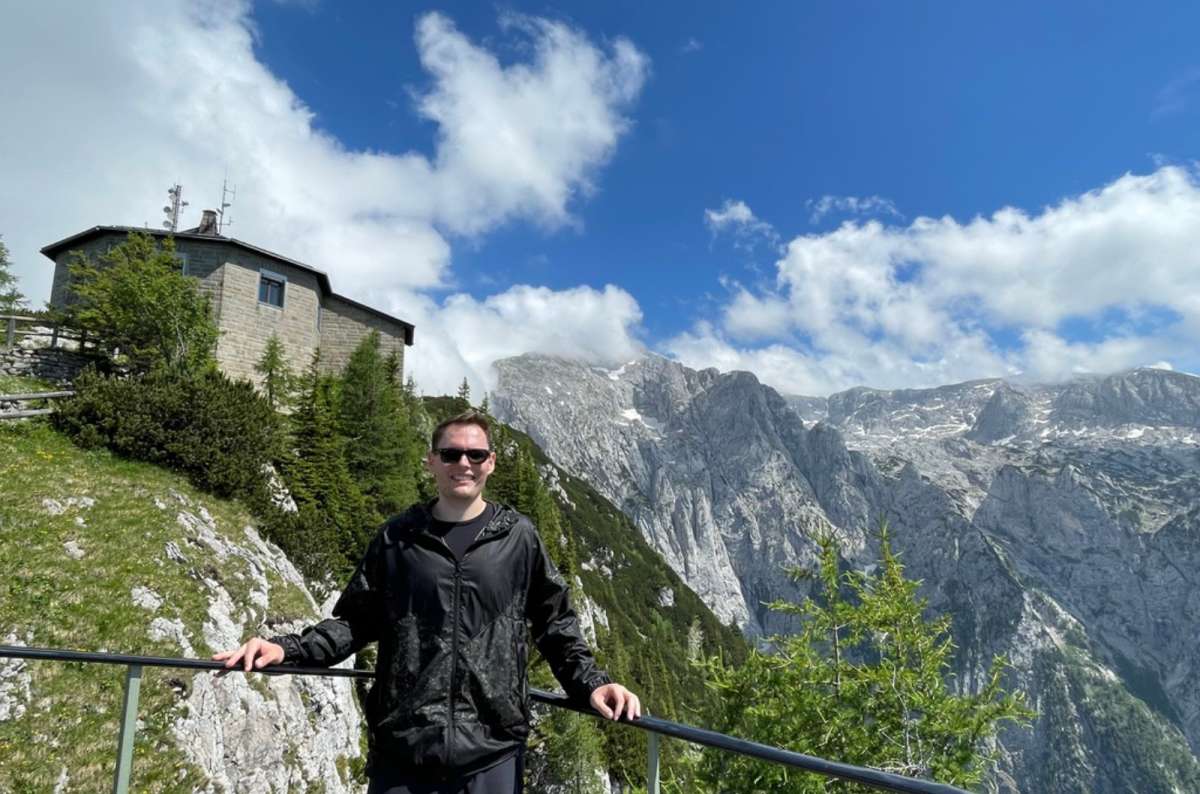
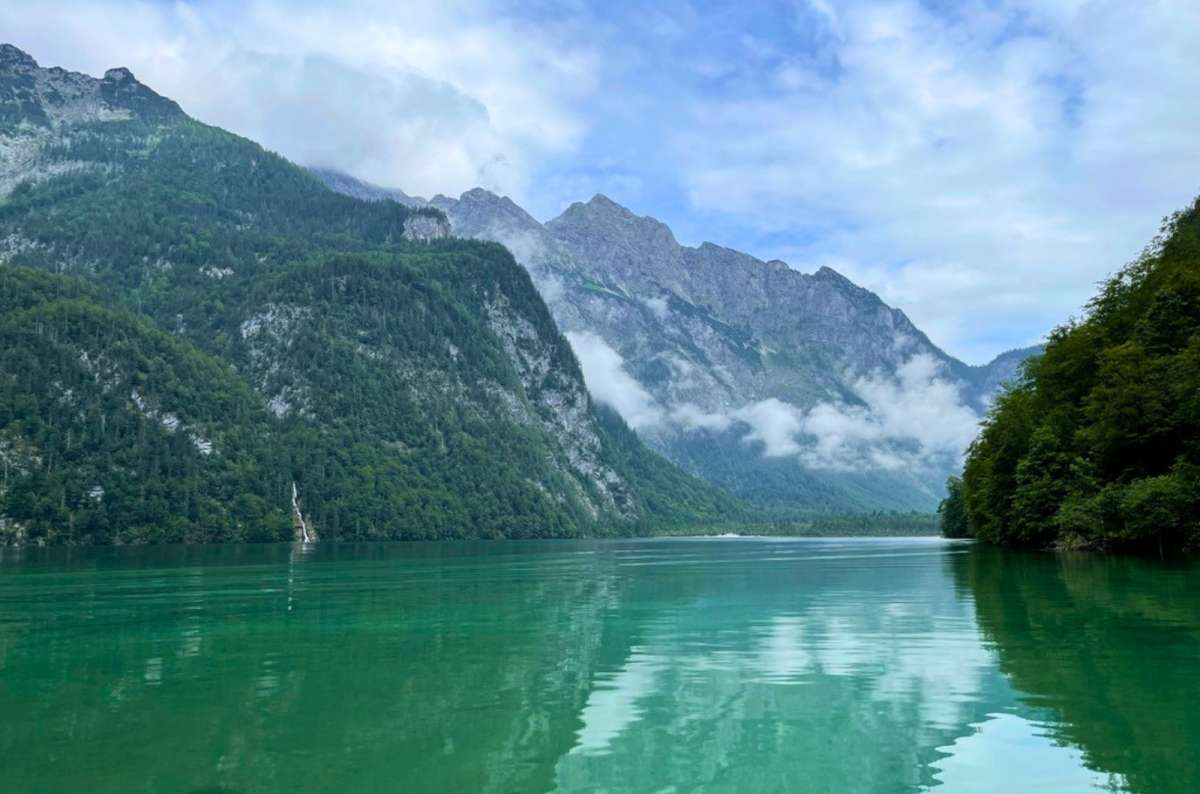
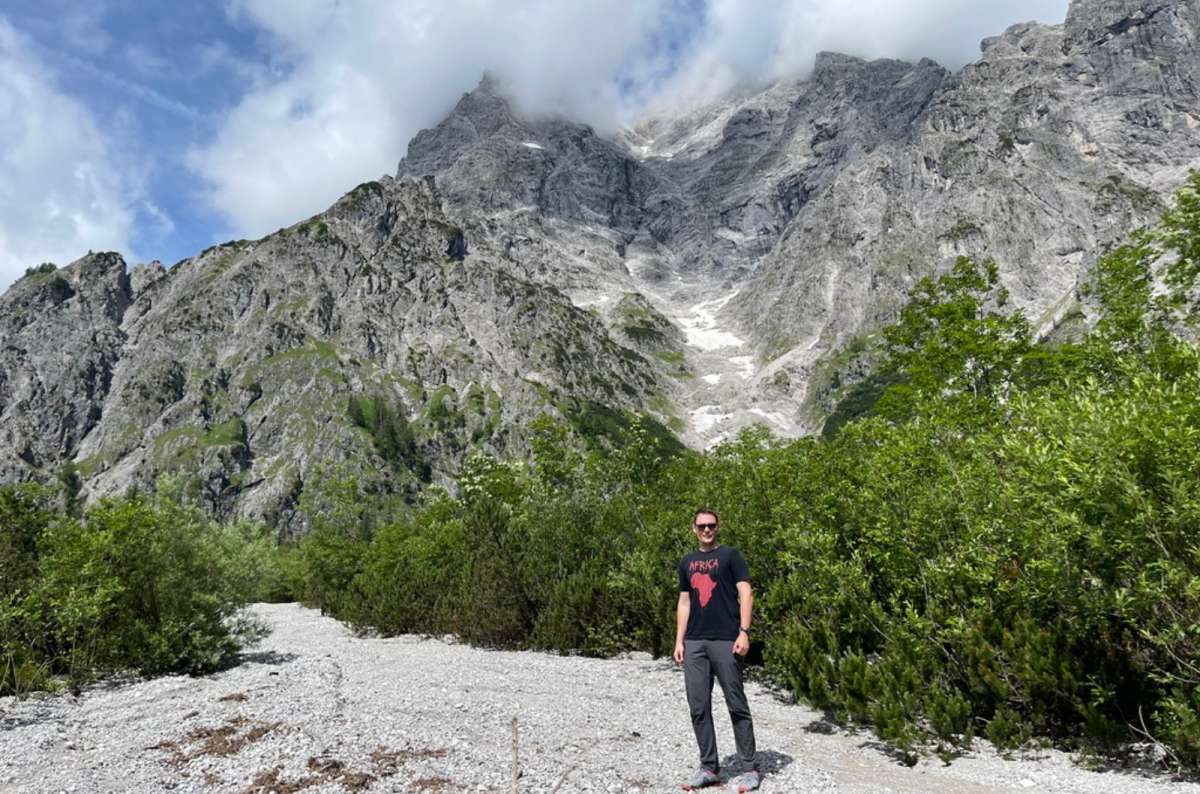
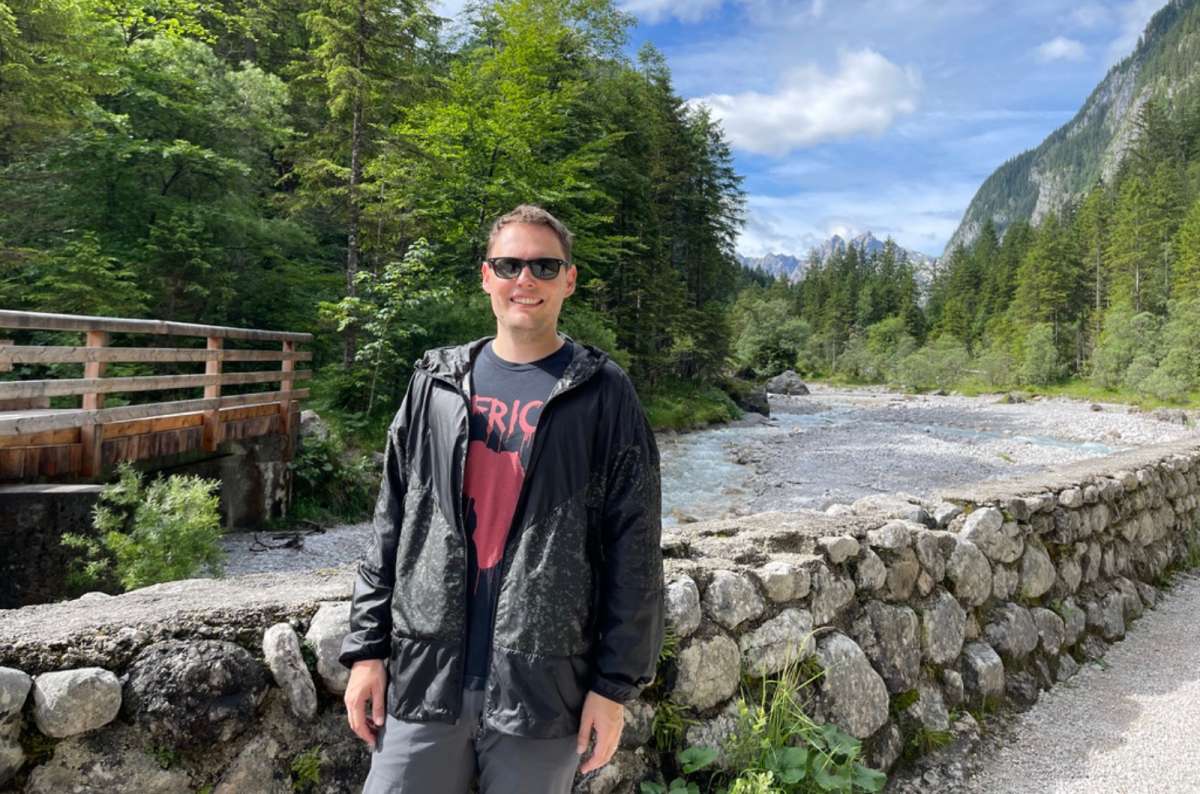
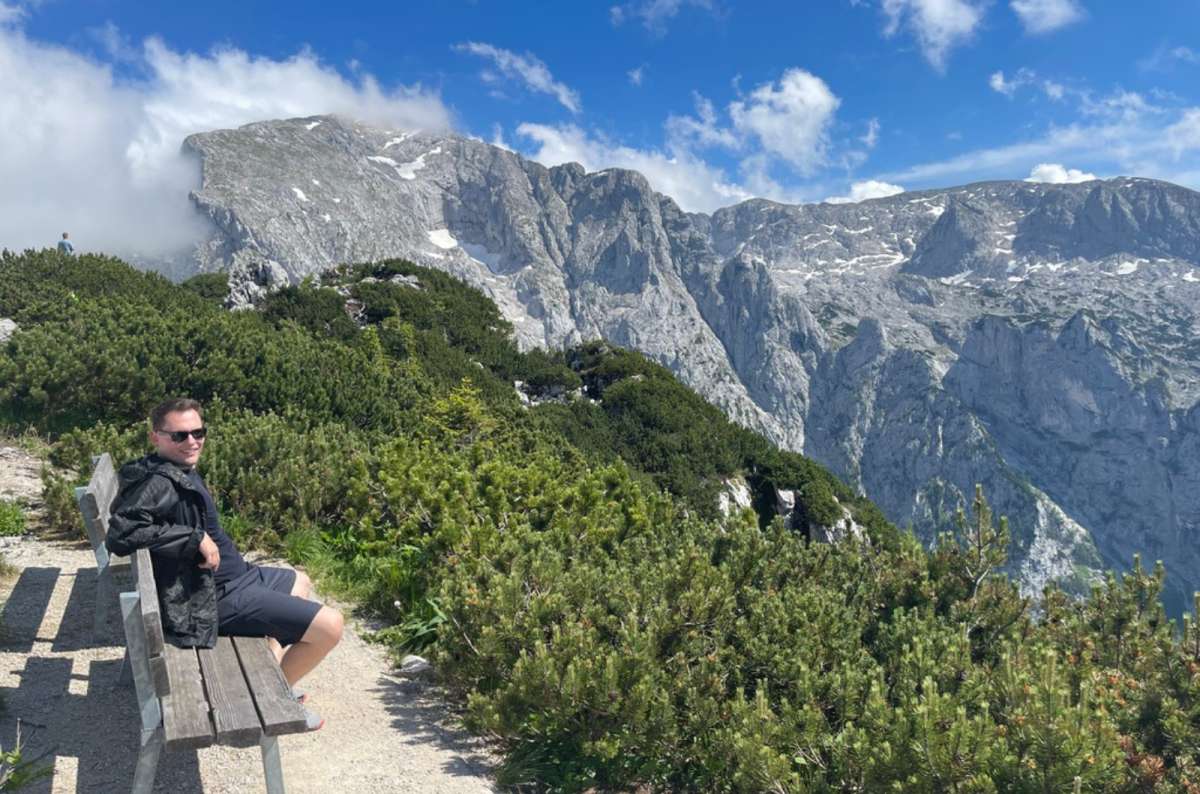
Berchtesgaden is where Germany casually shows off with dramatic alpine views and mountain scenery like this
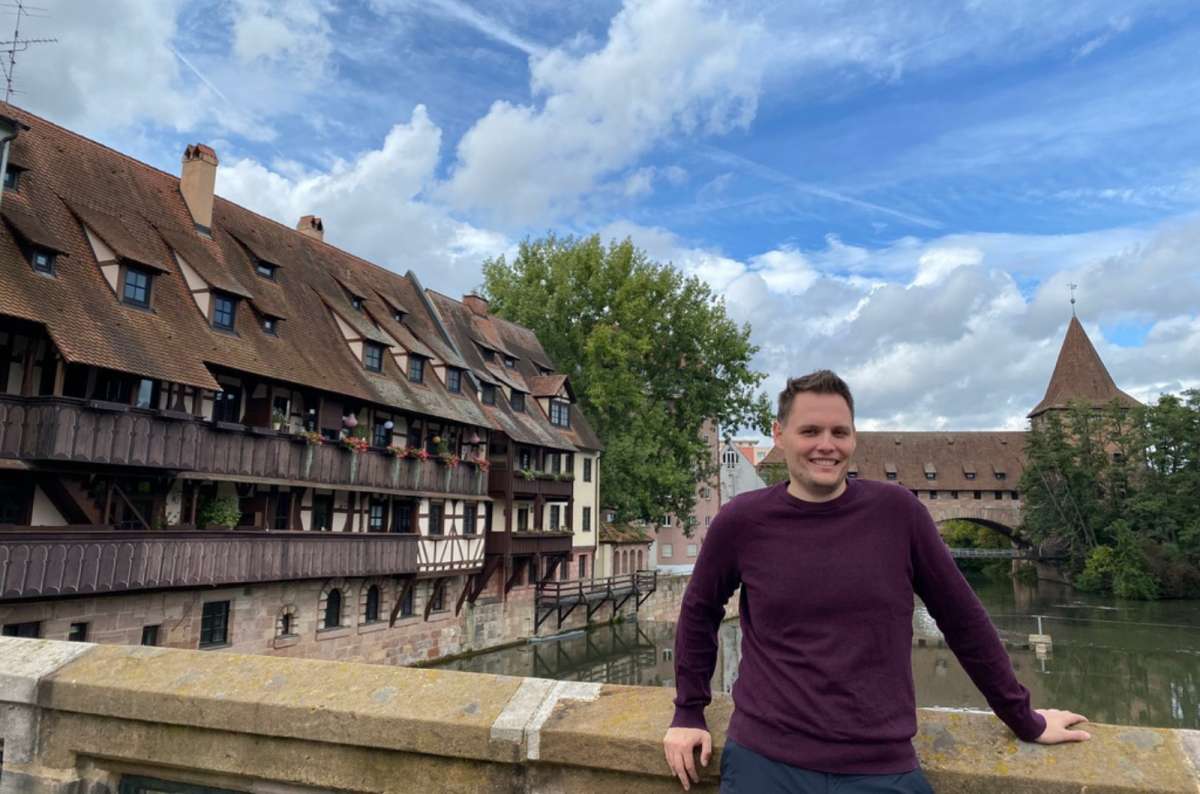
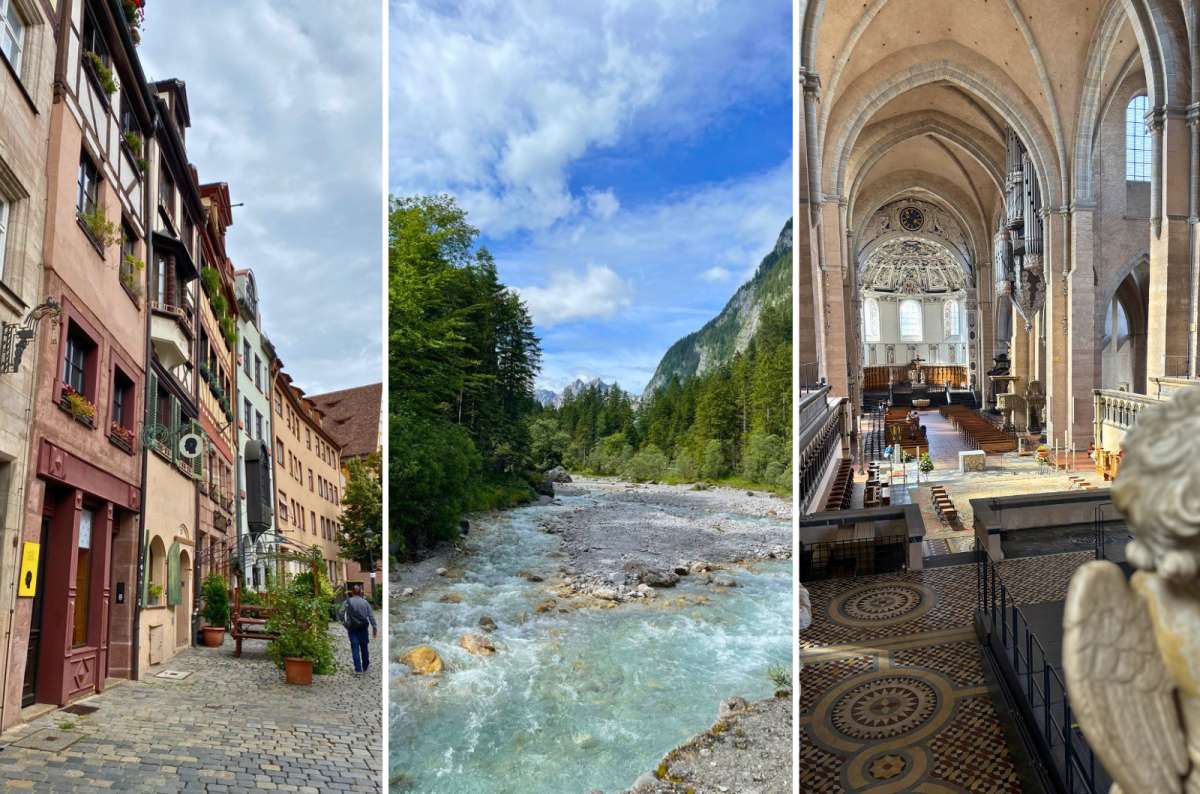
And after all those dramatic Berchtesgaden mountain views, Nuremberg feels like Germany switching into full medieval fairytale mode
Yes, Germany is absolutely worth visiting—especially if you like history, proper cities, museums, castles, mountains, lakes, food, and road trips.
It is weaker if you want one tiny “cute Europe” country where every highlight is 40 minutes apart and looks like a postcard. Germany is bigger, messier, and more spread out. That is both the problem and the advantage.
Germany works best when you choose a clear version of it.
Berlin for history and museums. Bavaria for Alps, castles, and old towns. Hamburg for a cooler northern city break. Dresden and Leipzig for eastern Germany. Trier for Roman ruins. December for Christmas markets. A car if you want lakes, mountains, and castles without turning every day into a platform-change tutorial.
Try to do everything, and Germany punishes you with logistics. Pick your version of Germany, and it delivers.
Book!
Find an awesome hotel
Sometimes, all you need to do is take the first step... I've filtered out the best hotels in Berlin for you
Share!
Share this article
Save it for yourself to come back to later, or share with your friends on social media!
Plan!
Ready to take the leap?
I've already planned your itinerary for the trip, complete with my travel tips.
Follow!
Join me on social media
Find more travel content, photos, and fun on:
1. Spend 4 days in Berlin
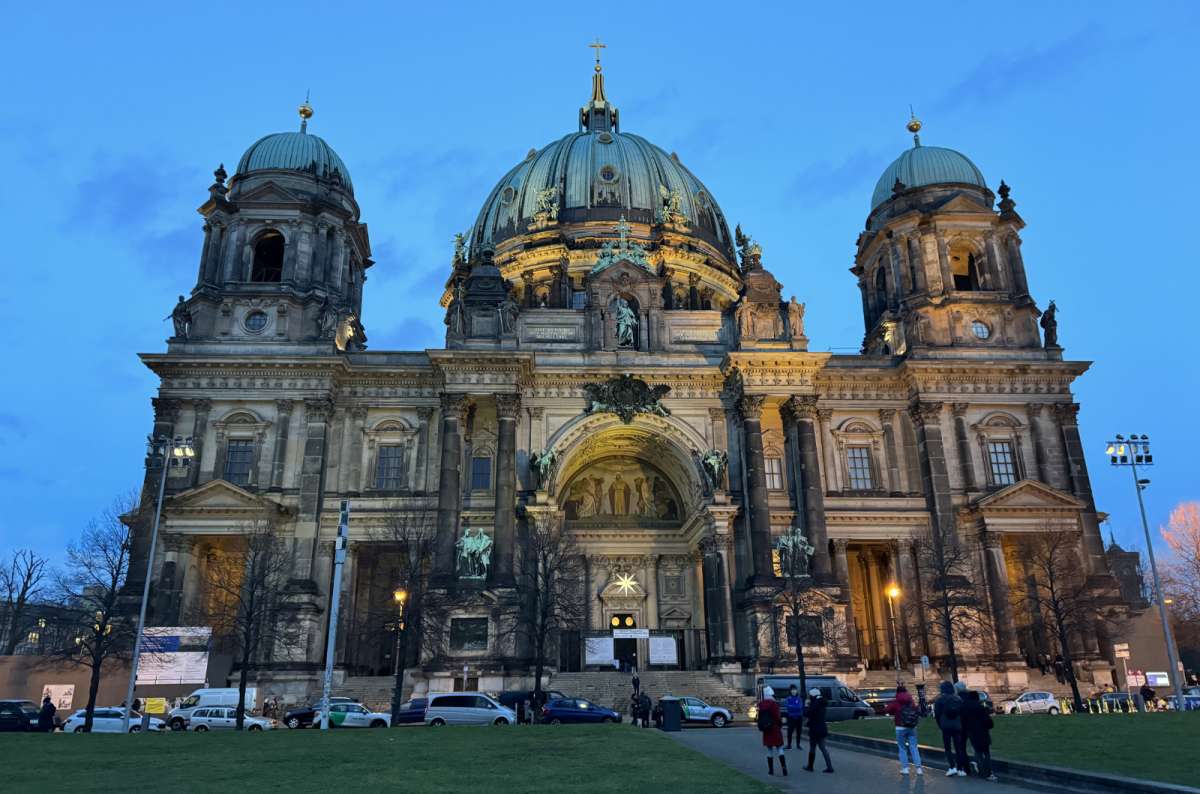
Berlin Cathedral
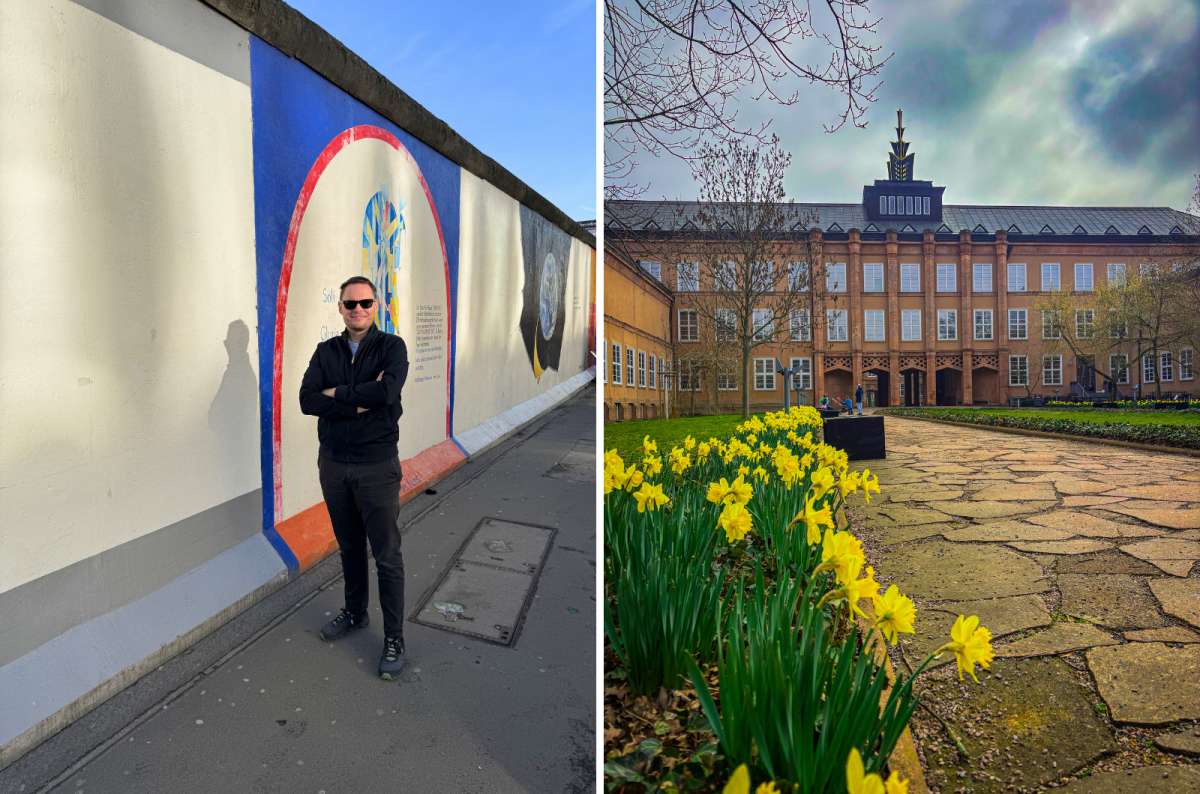
Berlin mixes massive landmarks like the Reichstag with reminders of its divided past, almost everywhere you walk
- Priority: Essential for first-timers
- Time needed: 3–4 days
- Worth paying for? Yes—for museums, history tours, Cold War sites, and selected timed-entry attractions
- Best for: WWII history, Cold War history, museums, food, modern architecture
- Skip if short on time? No, unless your trip is purely Alps/Bavaria-focused
Berlin is my favorite German city, and I don’t think it’s close.
Munich is prettier. Hamburg is cooler in a watery, commercial, slightly rough way. Dresden is more polished. But Berlin has the strongest overall Germany story: WWII, the Cold War, communism, reunification, museums, memorials, modern architecture, food, and neighborhoods that actually feel alive instead of arranged for tourists.
I would give Berlin 4 days, especially if this is your first serious Germany trip. Two days is just enough to sprint between Brandenburg Gate, the Reichstag, the Berlin Wall, the Holocaust Memorial, and Museum Island while pretending your feet are still part of your body. Three days is workable. Four days let the city breathe.
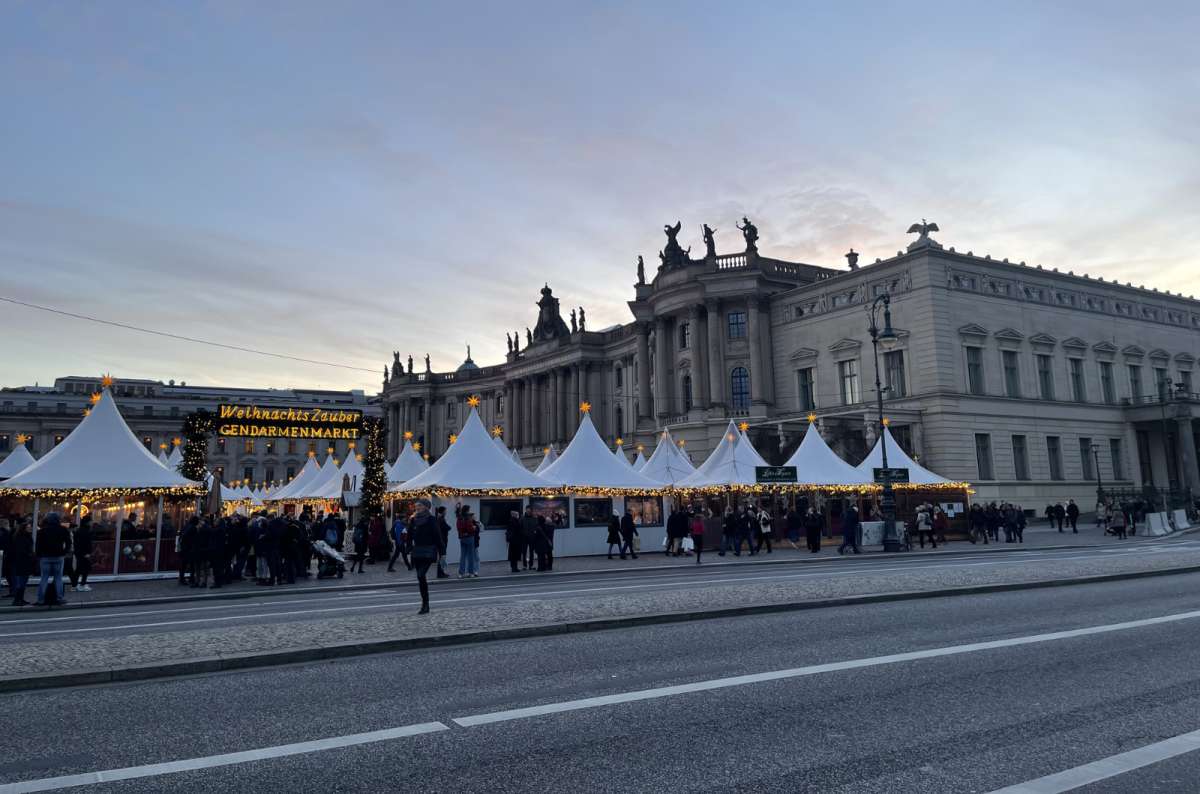
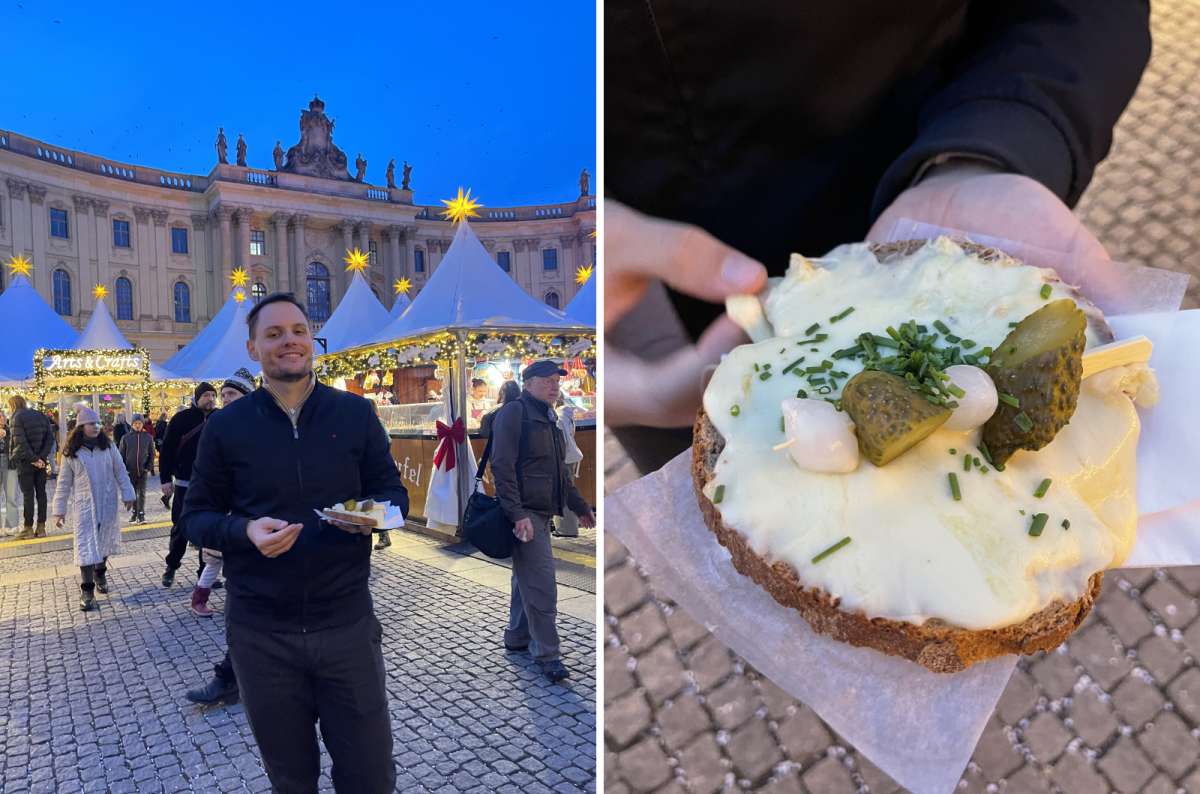
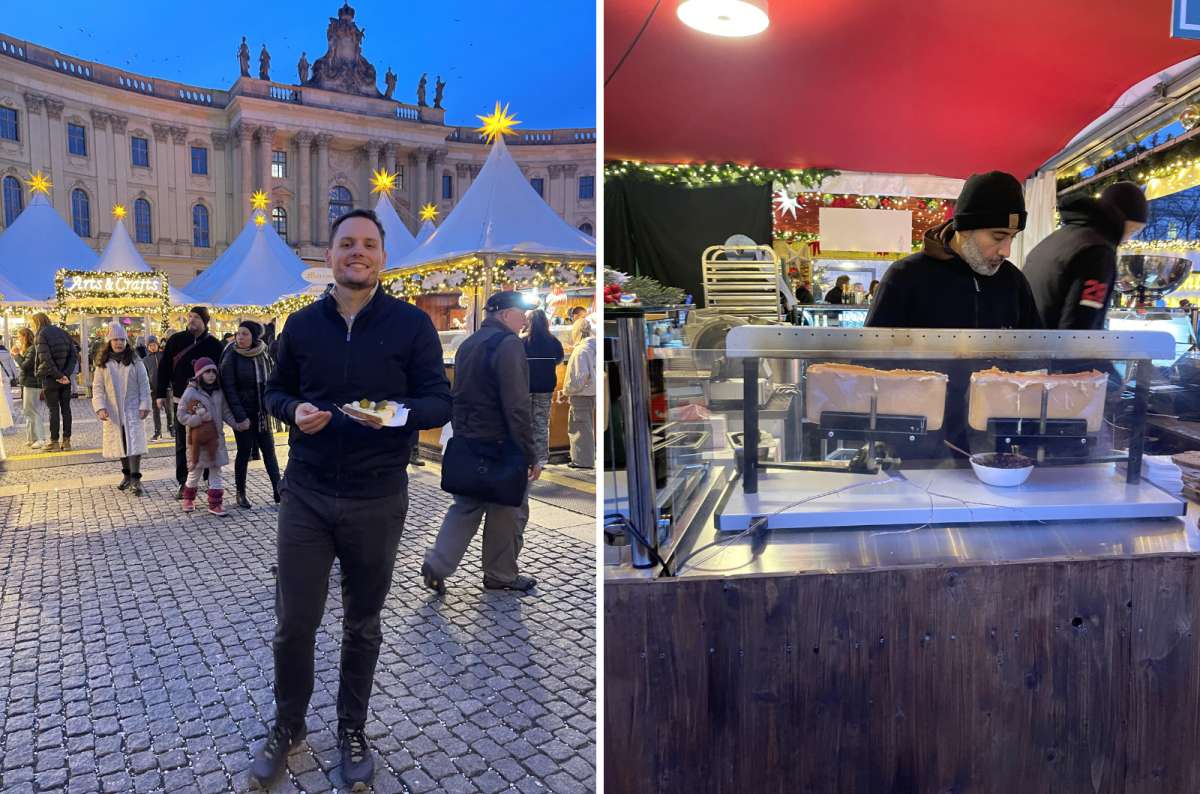
Berlin’s Christmas markets are reason enough to plan a Germany trip in December
See what I am talking about?
The main stops I’d prioritize in Berlin:
- Brandenburg Gate and Reichstag
- Berlin Wall Memorial and East Side Gallery
- Holocaust Memorial
- Topography of Terror
- Stasi Museum
- Museum Island
- Jewish Museum
- Potsdam or Charlottenburg, if you want a palace day
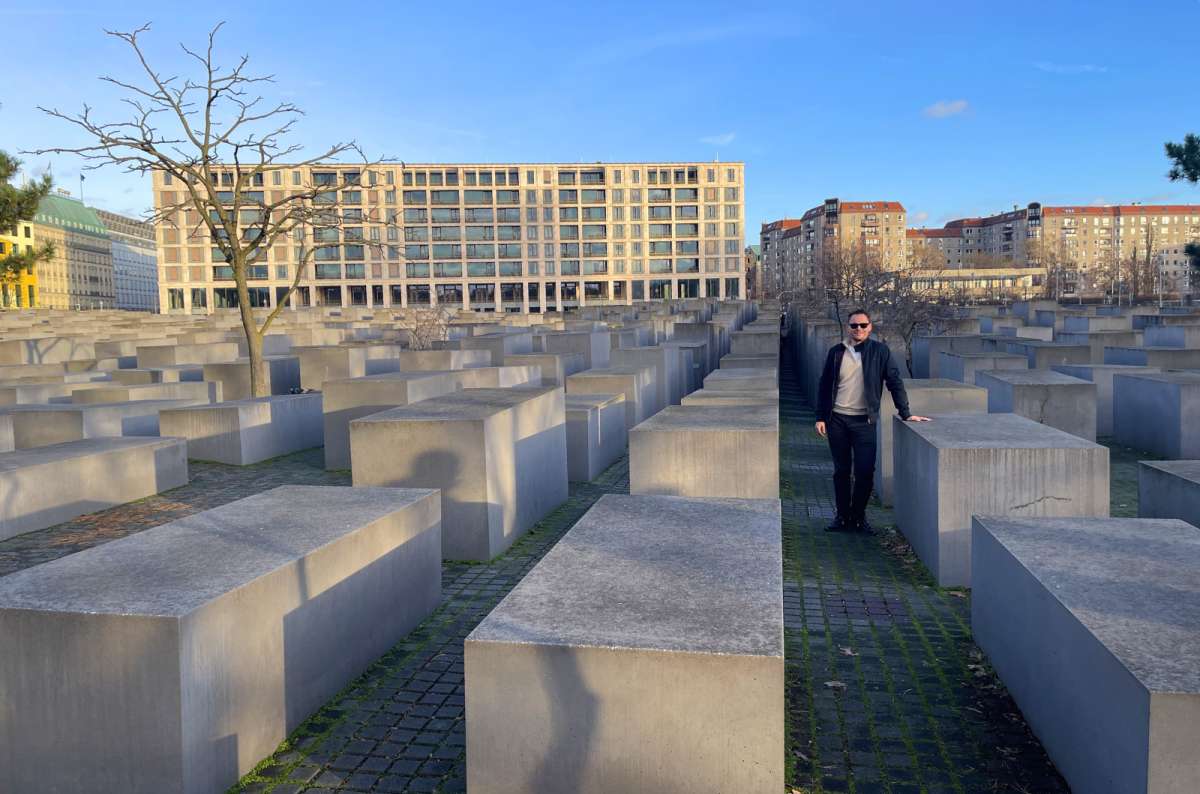
The Holocaust Memorial in Berlin
The Topography of Terror museum in Berlin explains Germany’s darkest history without sugarcoating any of it
Berlin can get emotionally heavy fast. WWII sites, Holocaust memorials, Stasi history, Cold War exhibits—important, yes. But don’t turn every hour into a moral endurance test. Add parks, restaurants, neighborhoods, modern architecture, and a beer somewhere that doesn’t require reading about surveillance states before dinner.
Also, do not judge Berlin only by whether it is “pretty.” It is not trying to be Prague, Vienna, or a Bavarian postcard. Berlin is rougher, wider, stranger, and more useful than that.
If you only visit one German city, make it Berlin. It is not the prettiest, but it is the most complete. I visited Berlin 4 times, and the latest in early 2025, and every time I visited, the history felt somehow heavier.
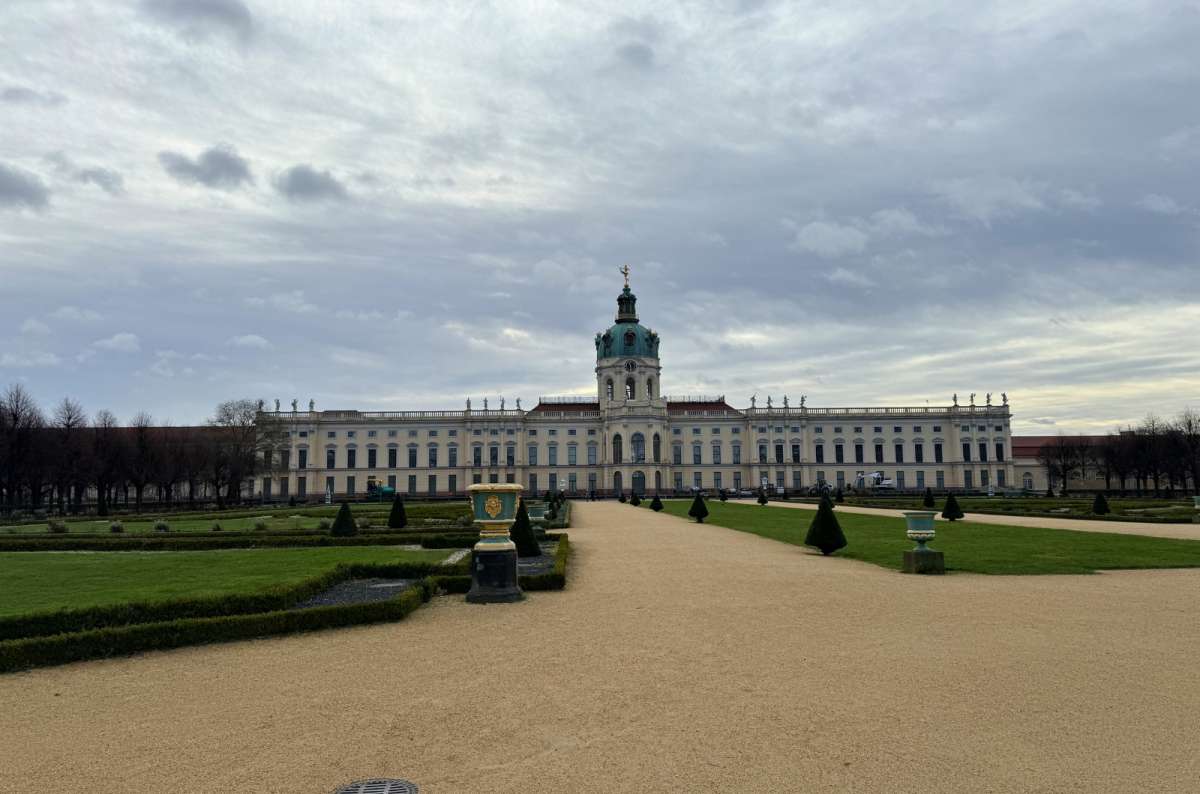
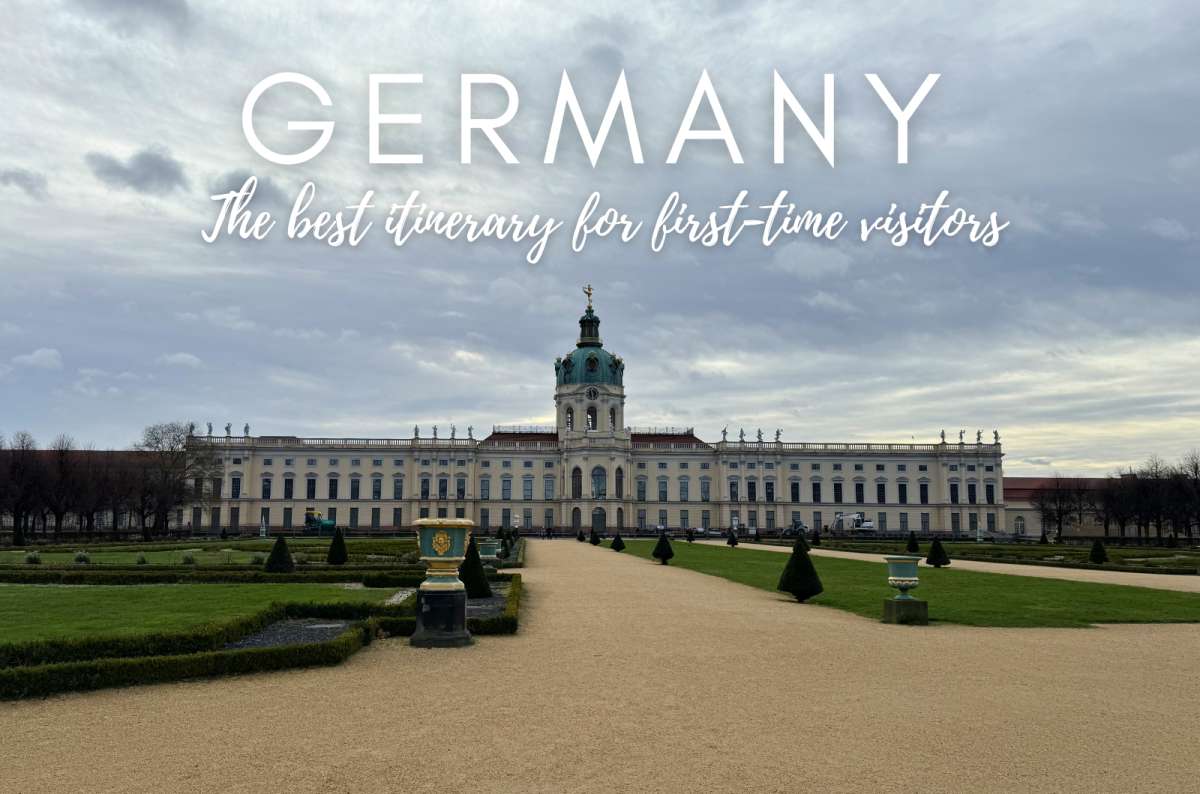
If you have more time in Berlin, visit Charlottenburg Palace for a break from all the heavy history
2. Road trip through Bavaria
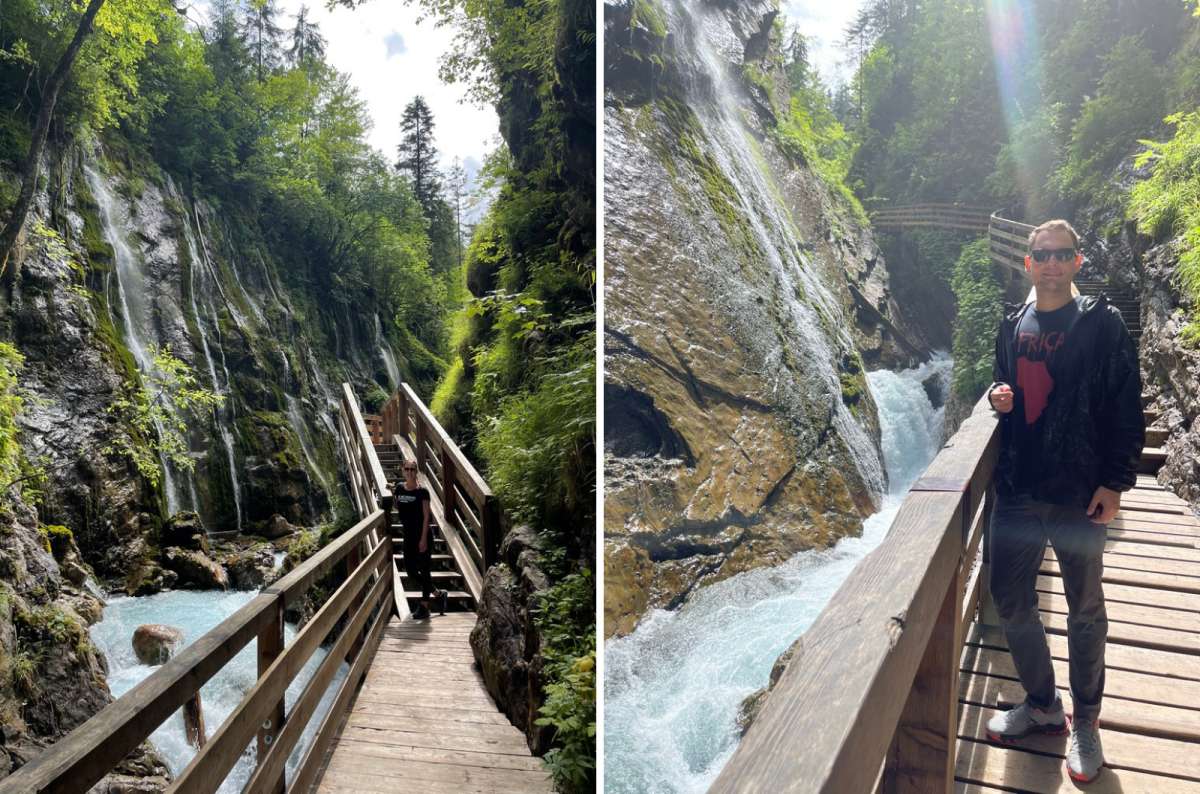
Partnach Gorge is one of the coolest natural stops
- Priority: Essential if you want classic Germany plus scenery
- Time needed: 7 days
- Worth paying for? Yes—car rental, hotels, castle tickets, cable cars, parking, boat rides
- Best for: Castles, Alps, lakes, old towns, history
- Skip if short on time? Skip a rushed 2-day version. Bavaria deserves better.
Bavaria is the best region in Germany for a first road trip.
It gives you the version of Germany many people imagine—old towns, castles, beer halls, mountains, lakes, churches, and dramatic scenery—but it is not just Munich with lederhosen wallpaper. The strongest Bavaria trip is a loop through Nuremberg, Regensburg, Berchtesgaden, Königssee, Garmisch-Partenkirchen, Zugspitze, Partnach Gorge, and Neuschwanstein.
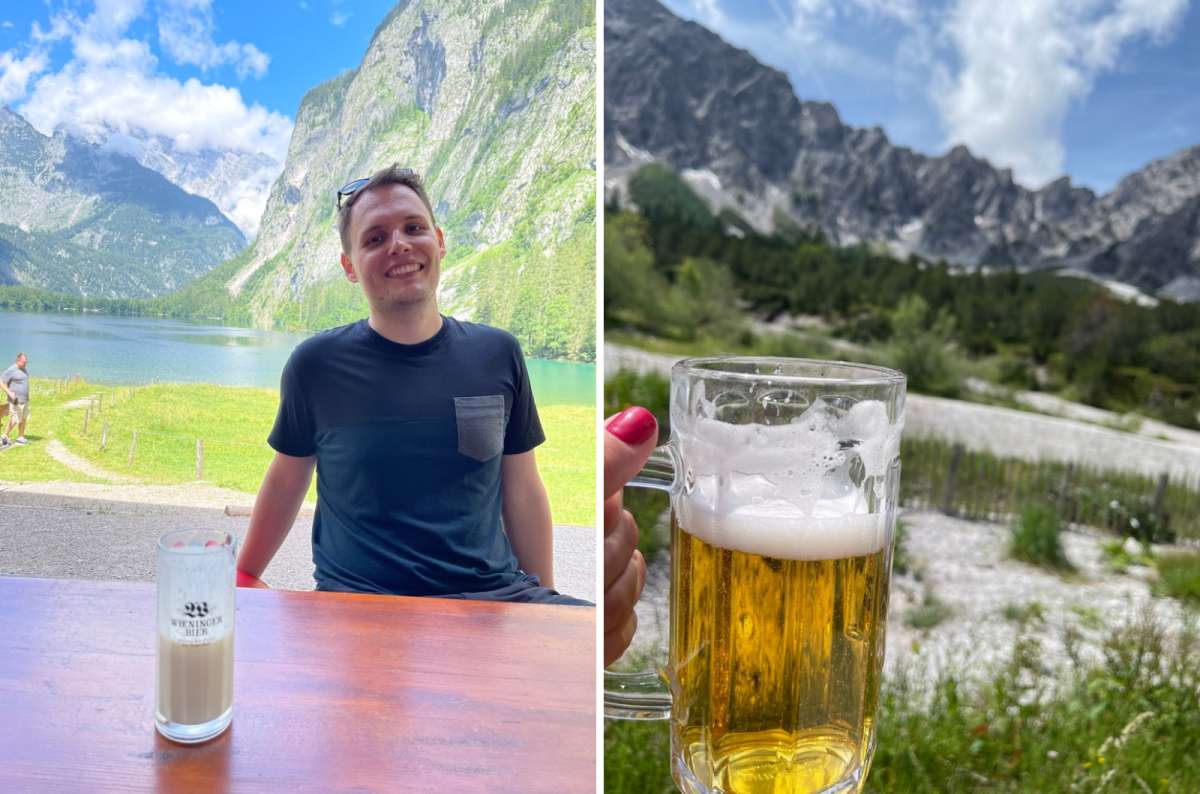
Bavaria said, “Don’t drink and drive,” so naturally, we upgraded to beer with a hiking itinerary
You need a car for the best version. Yes, Germany has trains. No, I would not build a Bavaria Alps-and-castles trip entirely around them unless you enjoy turning simple sightseeing into a transport hobby.
My ideal 7-day Bavaria route:
- Day 1: Nuremberg
- Day 2: Regensburg
- Day 3: Eagle’s Nest
- Day 4: Berchtesgaden
- Day 5: Königssee and Obersee
- Day 6: Garmisch-Partenkirchen, Zugspitze, Partnach Gorge
- Day 7: Neuschwanstein Castle
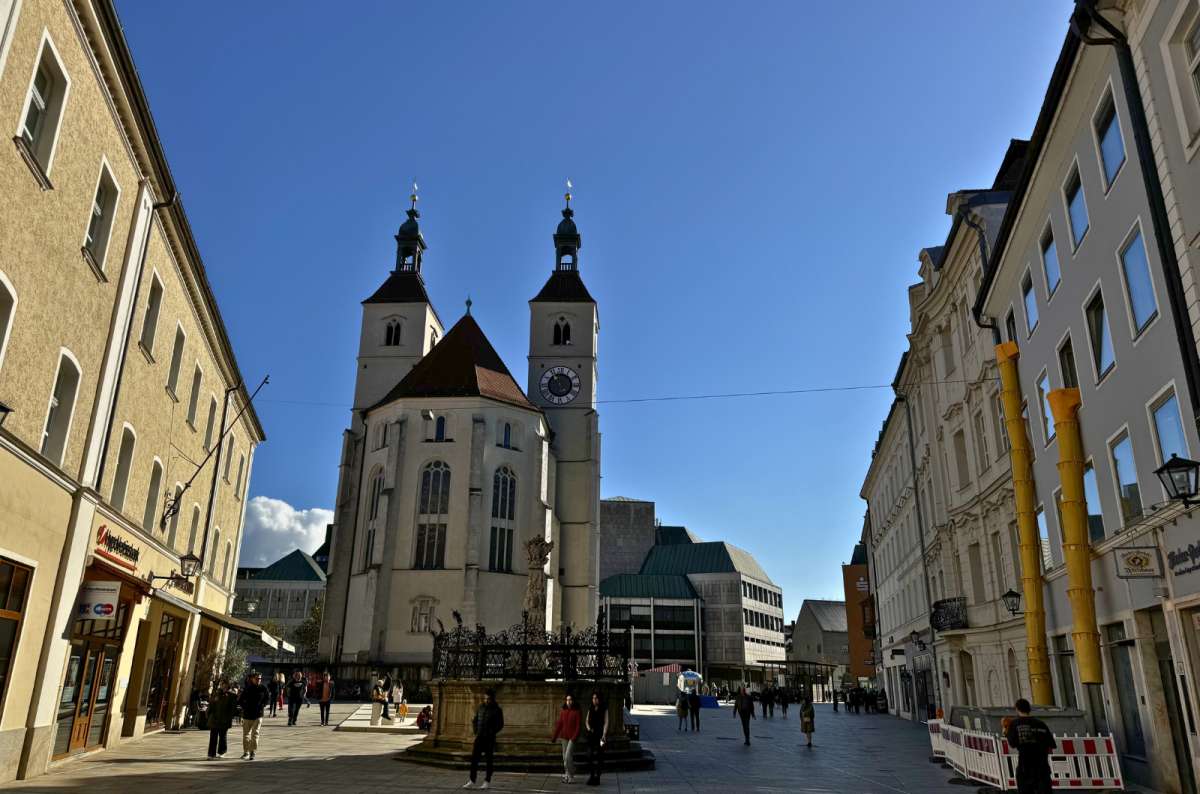
Regensburg is also part of my Bavaria itinerary
Regensburg somehow manages to feel both grand and completely underrated at the same time
This is the route I’d recommend to people who want one concentrated, scenic, satisfying Germany trip. You get medieval streets, Nazi history, Alpine views, lakes, a ridiculous castle, and enough regional food to make you briefly reconsider trousers with buttons.
The trick is not adding five more places because they looked nice on Instagram. Bavaria already has enough. Let the route work.
I love Bavaria. It always feels simpler than the rest of the Alpine regions, with attractions more compact and a clearer idea of „what to do“.
3. See Neuschwanstein Castle—but manage your expectations
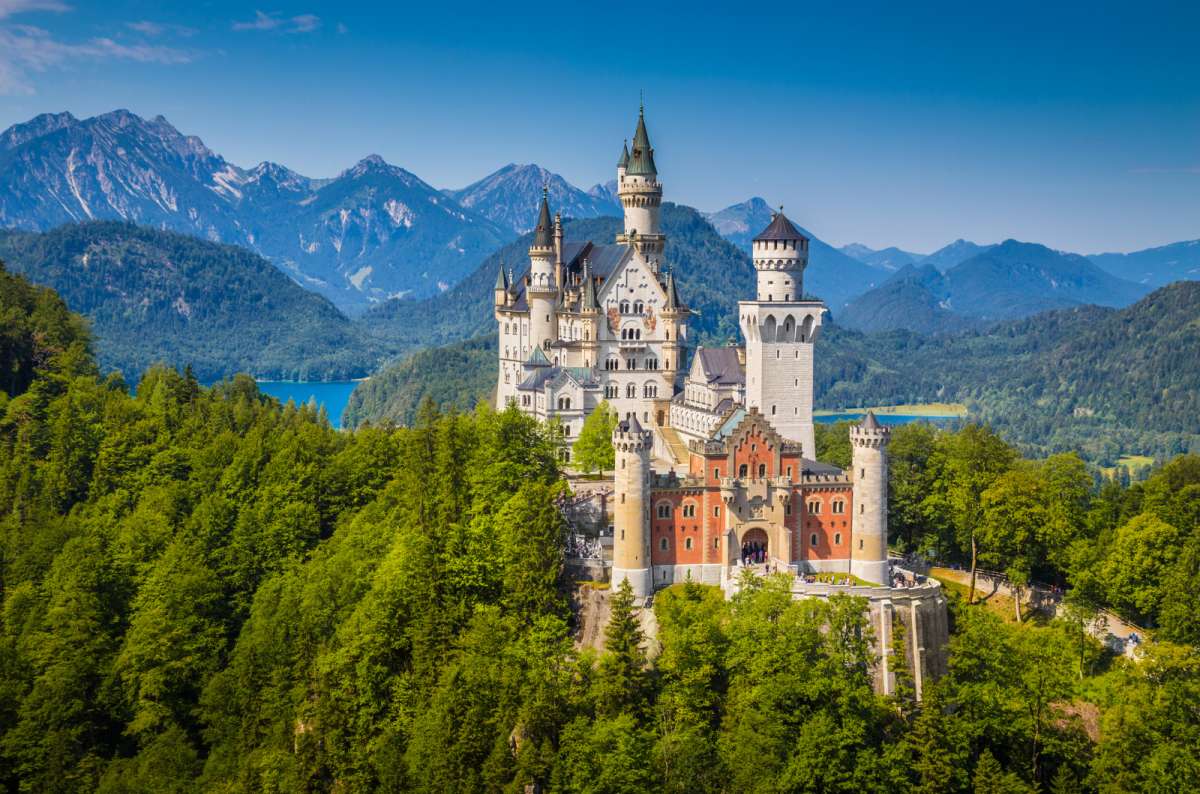
The fairytale Neuschwanstein Castle
- Priority: Essential for first-timers, but not flawless
- Time needed: Half day to full day
- Worth paying for? Exterior and viewpoints, yes. Interior only if you’re curious.
- Best for: Castle photos, Ludwig II history, Bavaria itineraries
- Skip if short on time? Skip the interior before you skip the castle entirely.
Neuschwanstein Castle is both magical and mildly annoying, which is very on-brand for famous tourist attractions.
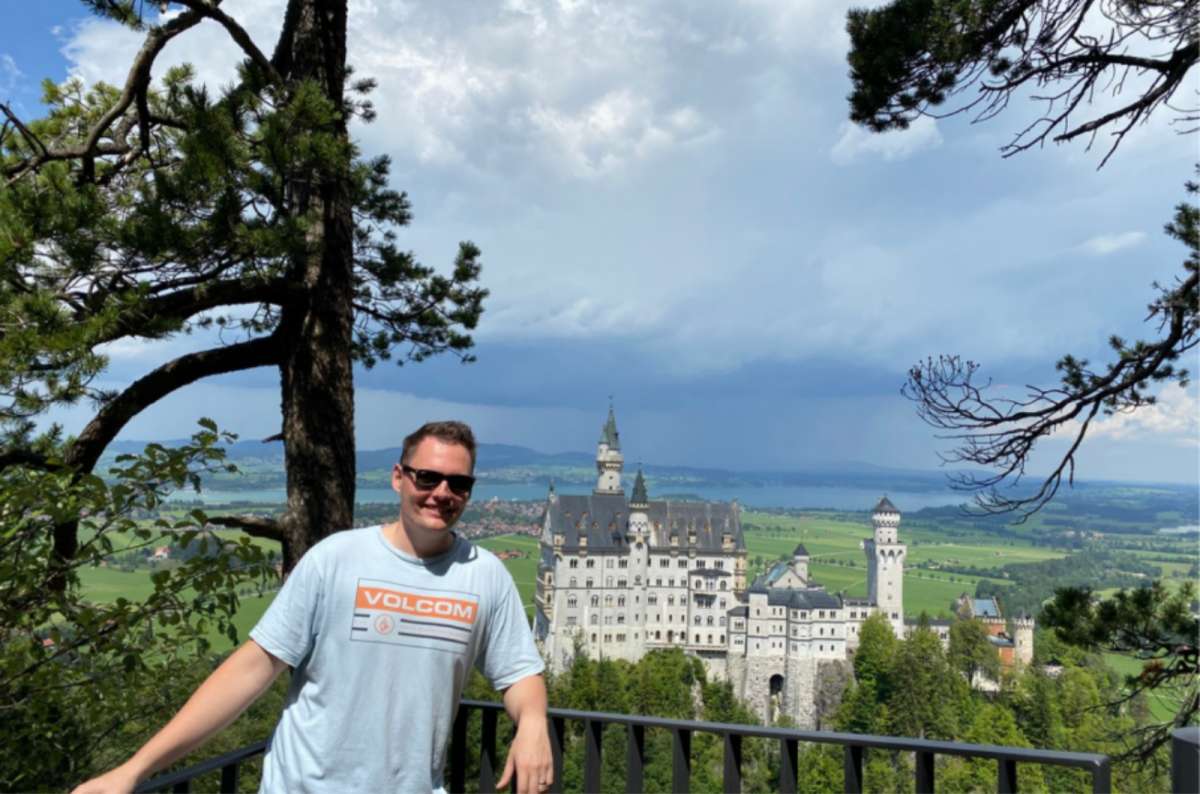
Visually, yes, it is worth seeing. The castle looks ridiculous in the best way: perched above the Bavarian landscape like someone designed it specifically to sell postcards, puzzles, and travel dreams to people who still believe in castles. The best view is from Marienbrücke, and that is where Neuschwanstein finally makes sense.
The real highlight of Neuschwanstein Castle is everything around it, not the interior tour
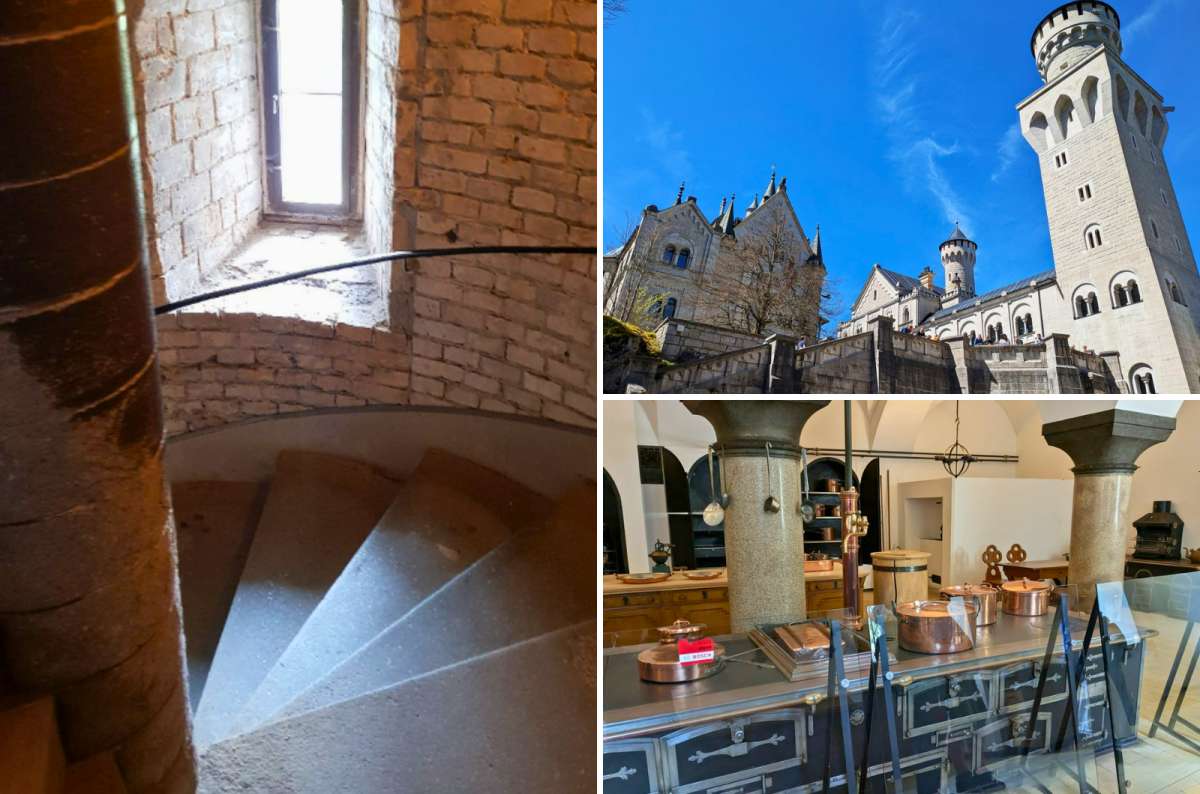
The interior tour? Not the main reason to go. I went, and I absolutely didn’t like it.
I’d go for the exterior, the viewpoints, the setting, and the strange story of King Ludwig II. If tickets are available and you’re already there, fine, see the inside. But if tickets are sold out, don’t act as if your trip collapsed. The castle looks better from the outside anyway.
Practical notes:
- Book tickets in advance if you want the interior tour.
- Arrive early, especially in summer.
- Allow time for parking and getting uphill.
- Expect crowds at Marienbrücke. The view is famous because it is good, not because humans have suddenly become original.
- Don’t do this as an awkward, long detour from Berlin or Hamburg.
- Pair it with Bavaria, Garmisch-Partenkirchen, Füssen, or Austria.
Neuschwanstein is one of those places where disappointment usually comes from fantasy meeting logistics. The view is excellent. The crowds are real. The interior is fine. The day takes longer than people expect. Plan for that, and you’ll probably like it.
Marienbrücke is where Neuschwanstein Castle actually looks its best
Verdict: Neuschwanstein is worth visiting, but only with managed expectations. Go for the views. The rooms are not the main character.
4. Explore Berchtesgaden National Park and Königssee
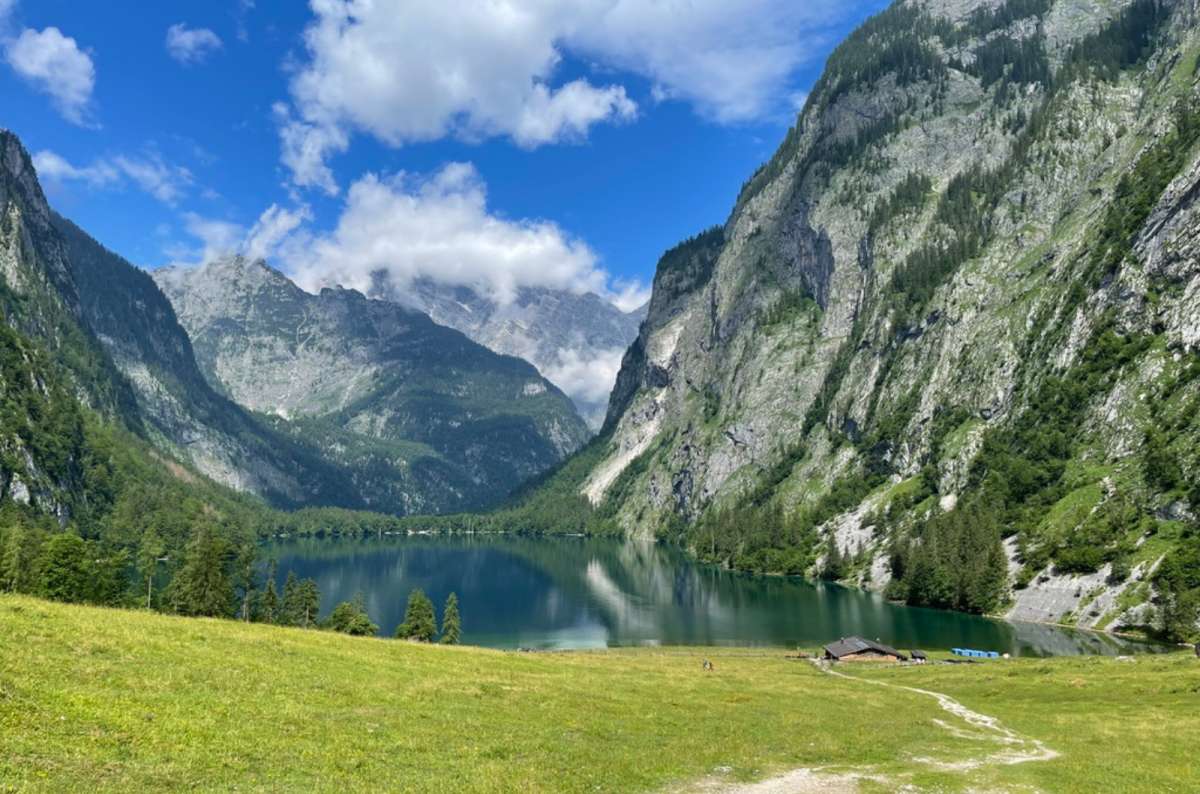
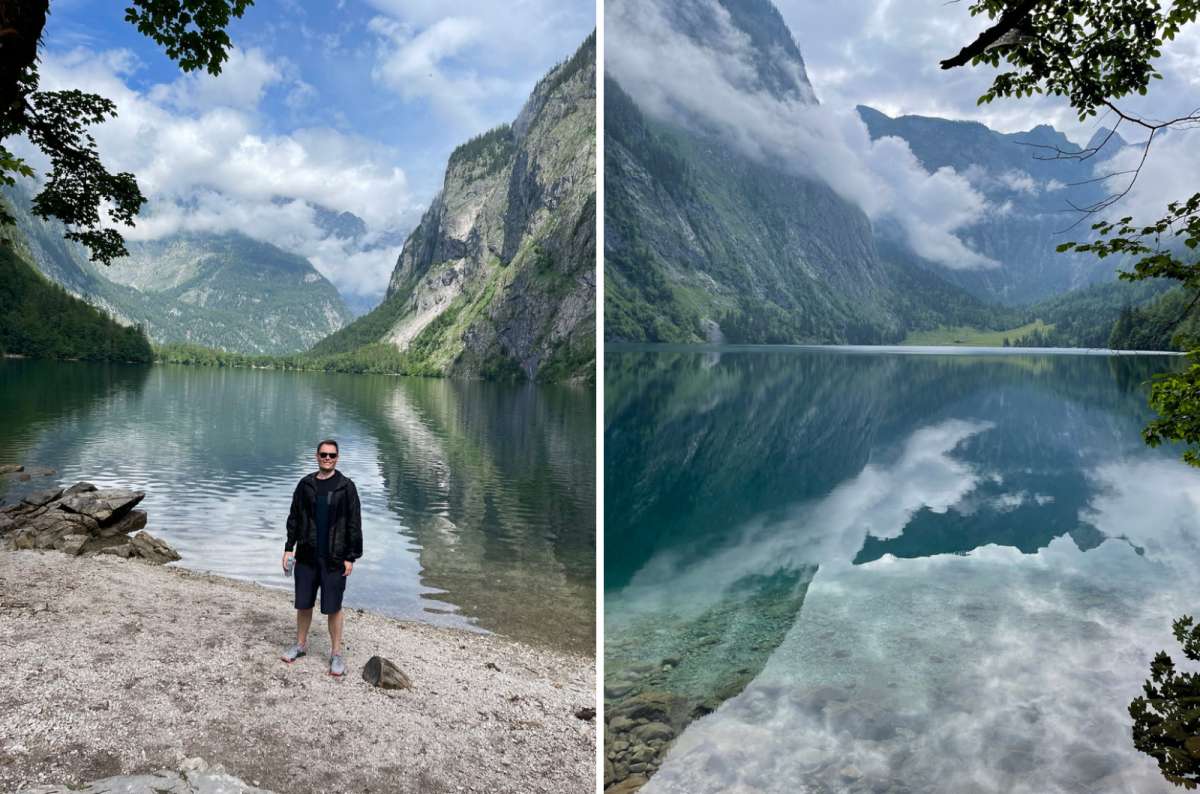
Obersee near Königssee
- Priority: Essential for nature and mountain travelers
- Time needed: 2–3 days
- Worth paying for? Yes—boat ride, parking, cable cars, hotels, maybe spa
- Best for: Alps, lakes, hiking, mountain scenery, food
Berchtesgaden is Germany’s big “we also have mountains, calm down, Switzerland” moment.
The mountains are jagged, the lakes are absurdly clean-looking, the food is strong, and the whole area works as a proper Alpine base. I’d spend at least 2 full days here, ideally 3, because the best things are not quick photo stops.
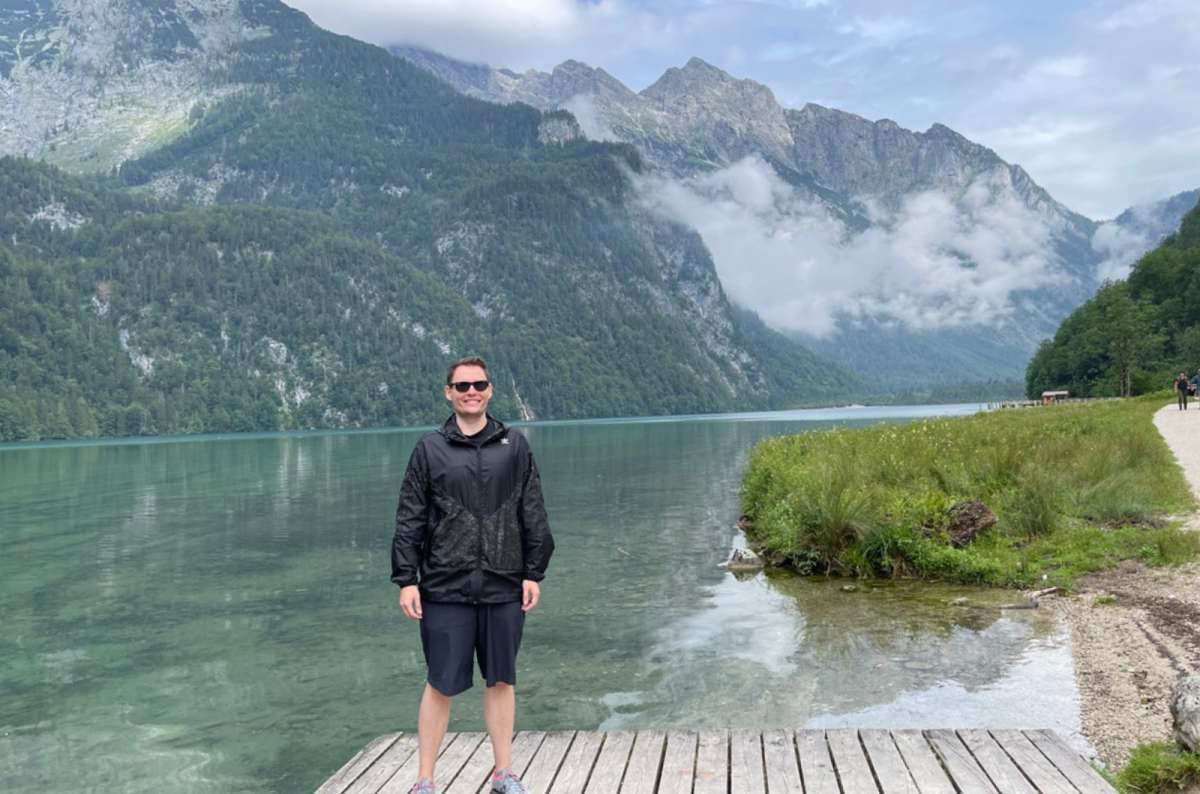
Königssee is one of the biggest reasons a Bavaria road trip belongs on your Germany itinerary
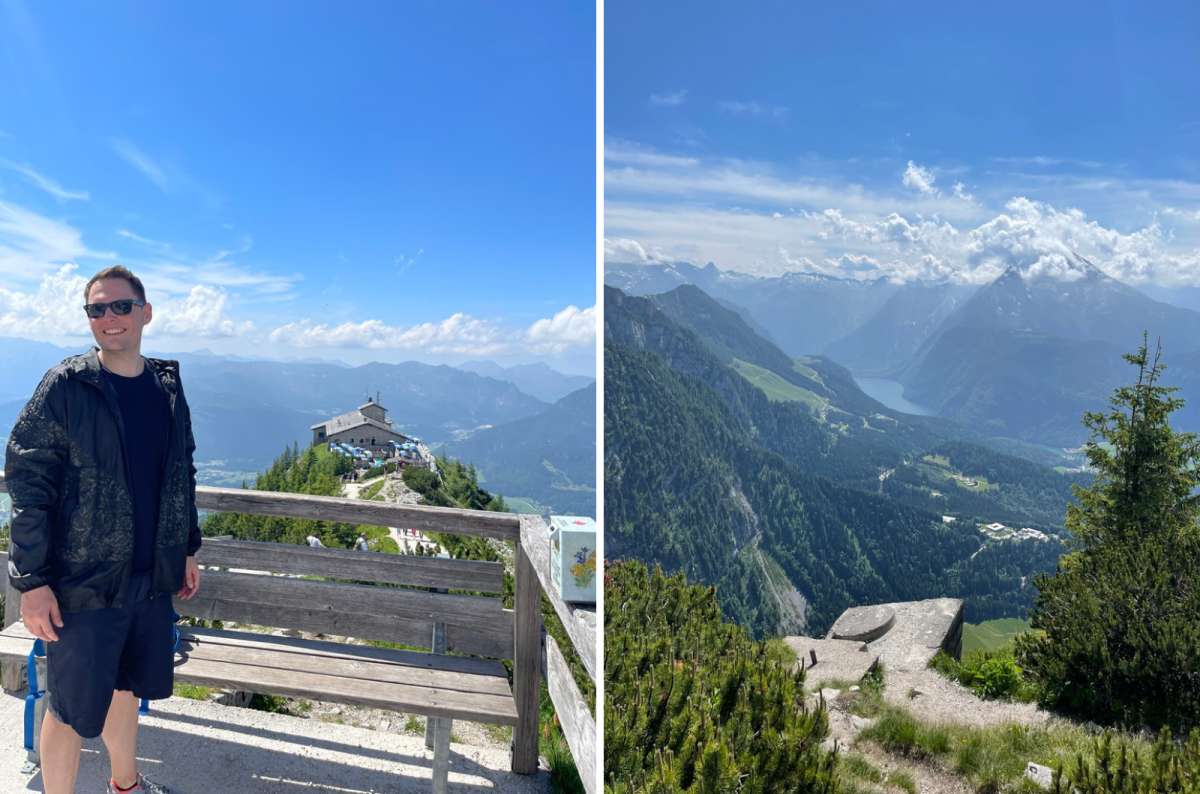
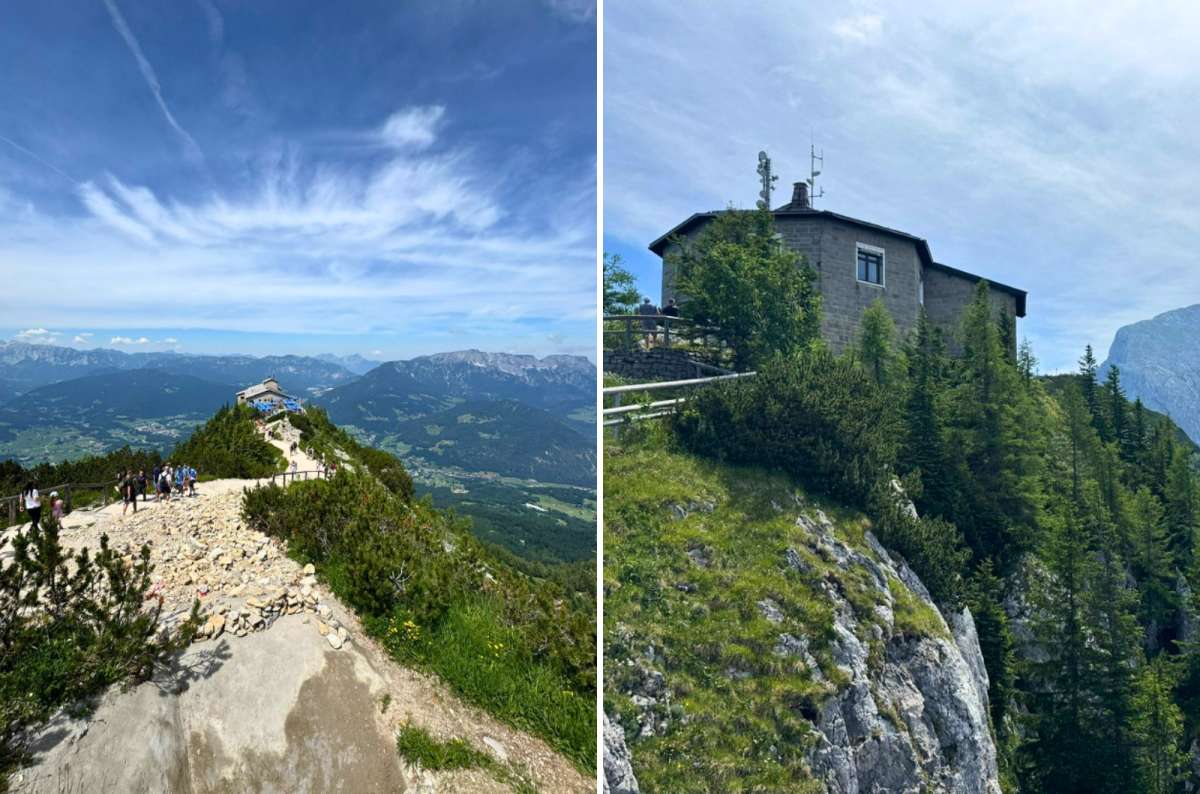
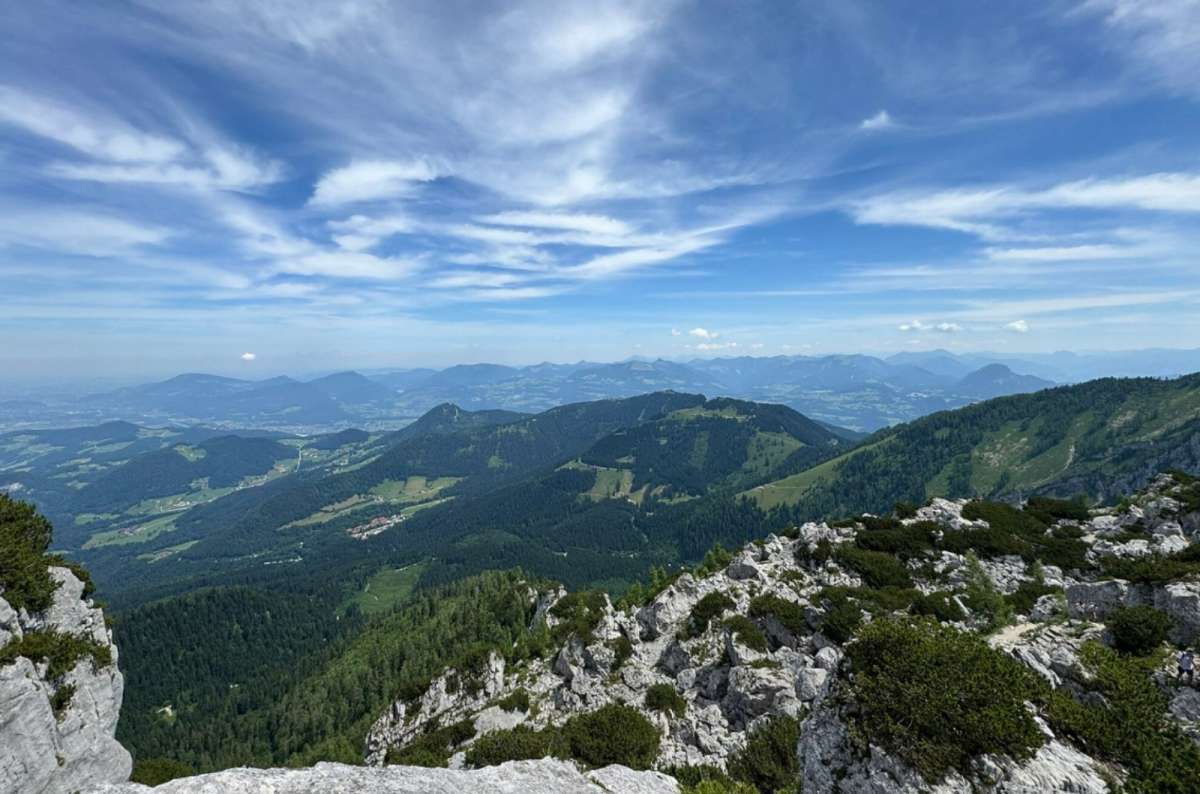
Eagle’s Nest has some of the best mountain views in Berchtesgaden National Park
The main experiences in Berchtesgaden National Park and Königssee:
- Königssee boat ride
- Obersee walk
- Wimbach Gorge
- House of the Mountains
- Berchtesgaden Salt Mines
- Eagle’s Nest nearby
- Rossfeld Panorama Road if driving
Königssee is the obvious highlight. But do not treat it like a roadside lake where you pull over, take a photo, and leave. The boat logistics take time, and if you continue to Obersee, it becomes a proper half-day experience.
This is also where the weather starts bossing your itinerary around. Clear skies make the whole area feel cinematic. Low cloud can turn mountain plans into “well, I guess we’re staring at mist today.” Build in some flexibility if Berchtesgaden is one of your priorities.
Berchtesgaden is one of the best places to visit in Germany if you want scenery without turning the trip into Switzerland-level spending.
The Bavarian Alps really don’t do subtle
5. Visit Nuremberg for medieval streets and Nazi history
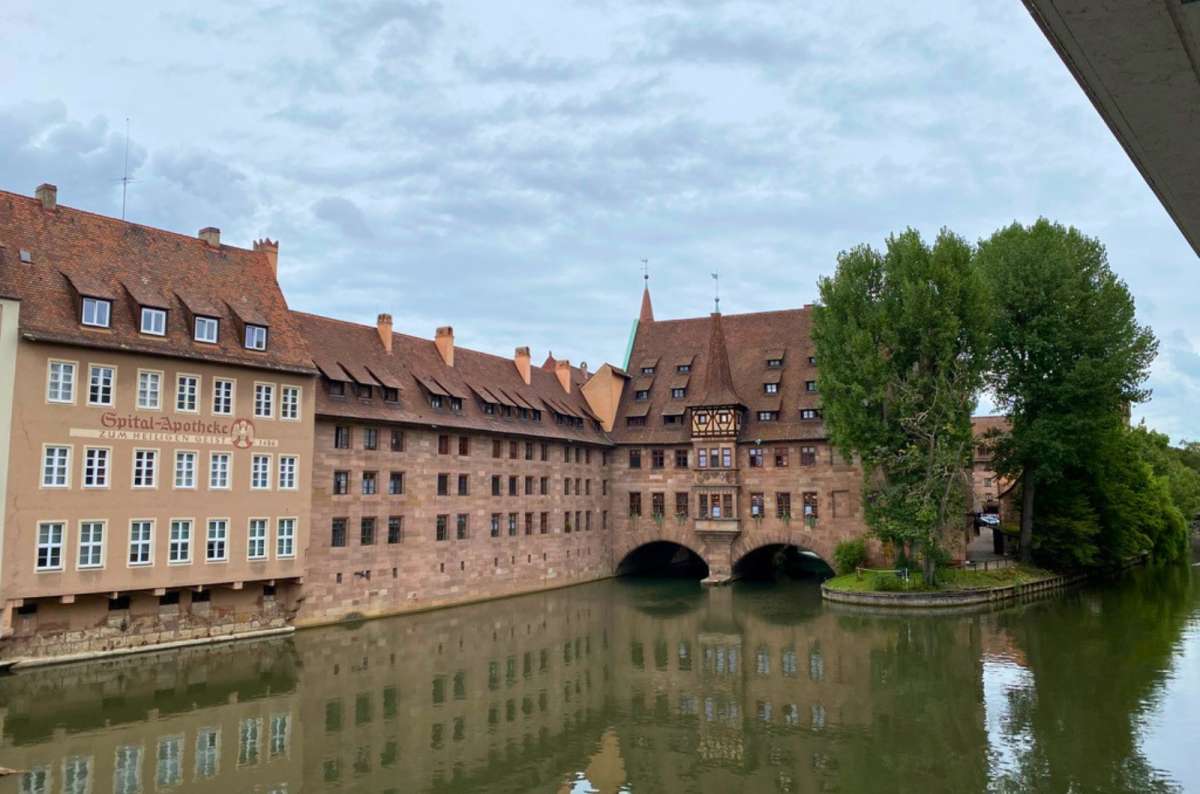
Walk beyond the castle area in Nuremberg. Some of the best views are just along the river
- Priority: Essential if you care about German history
- Time needed: 1 full day, 2 days if slow
- Worth paying for? Yes—Dürer House, Germanisches Nationalmuseum, Trials Memorial
- Best for: Medieval streets, WWII history, museums, Christmas markets
- Skip if short on time? Skip minor museums, not the city.
Nuremberg is one of the best compact cities in Germany because it has two completely different personalities.
First, there’s the medieval old town: city walls, castle, half-timbered streets, Gothic churches, Albrecht Dürer, and bratwurst. Then there’s the Nazi history: Rally Grounds, Documentation Center, and Nuremberg Trials Memorial.
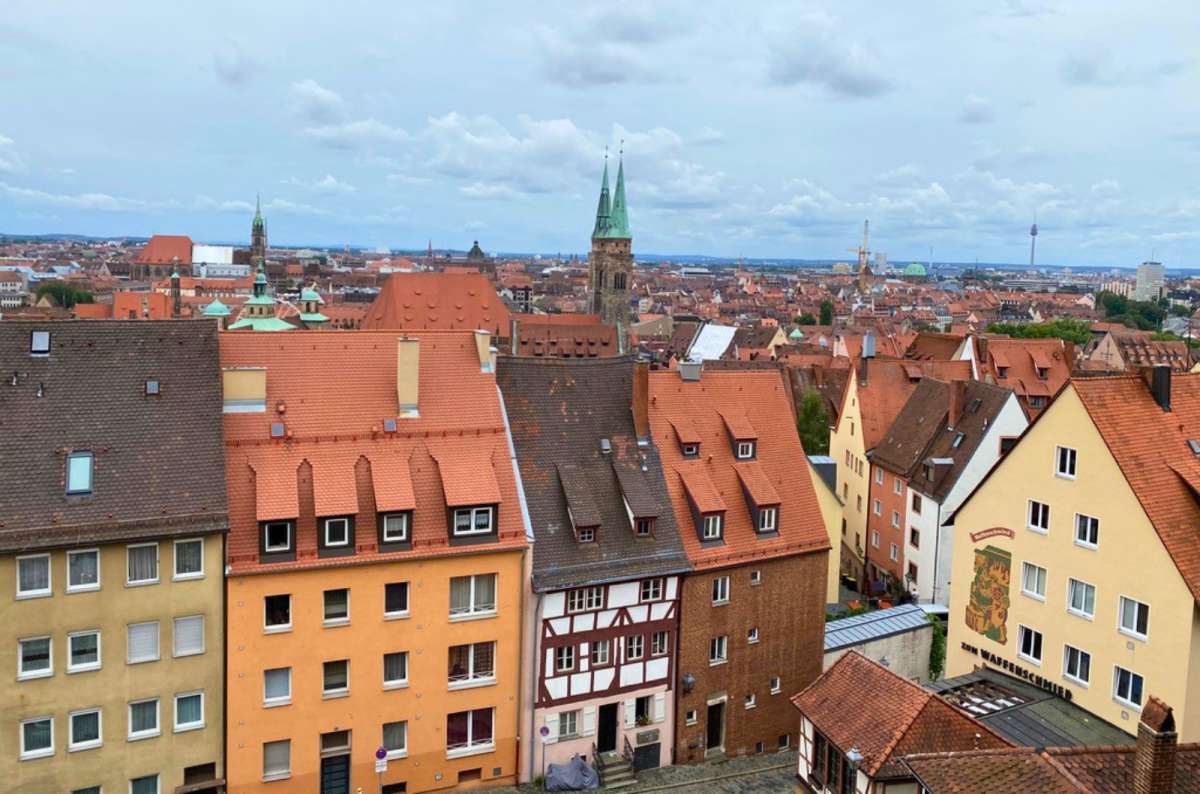
Climb up to Nuremberg Castle for the best view over the old town rooftops
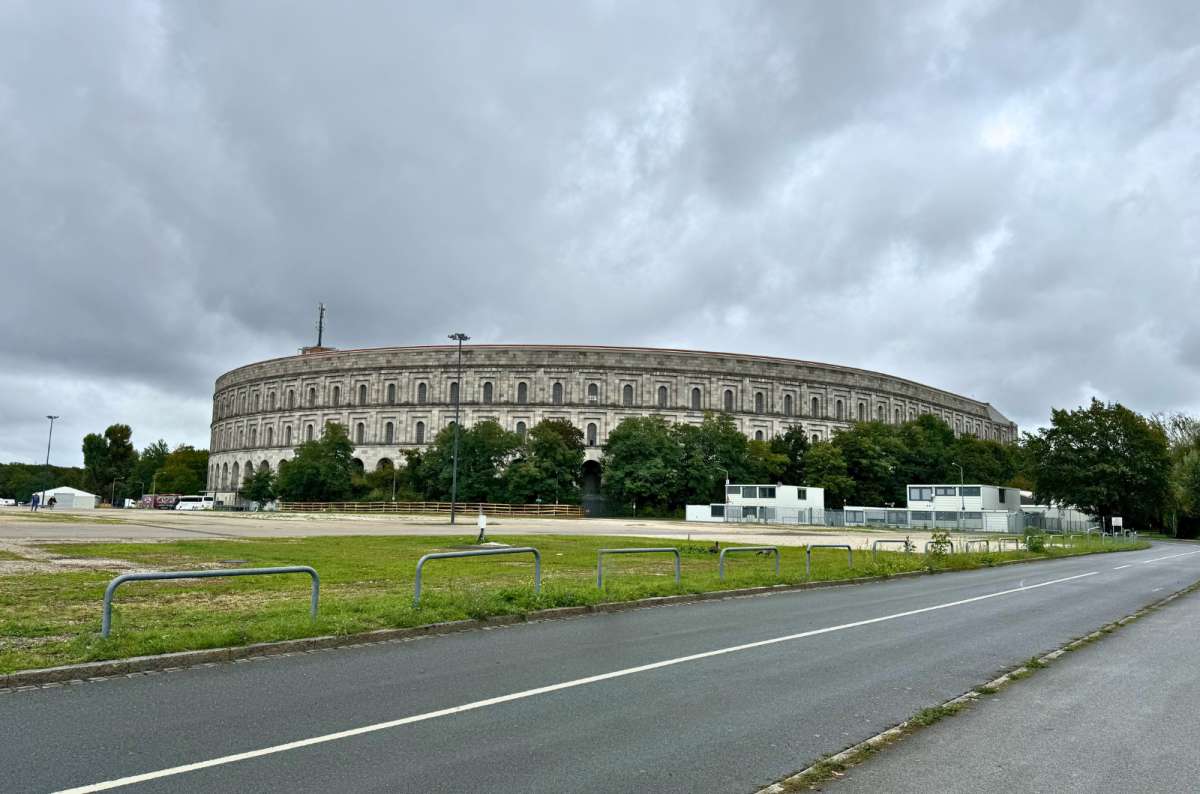
The Nazi Party Rally Grounds in Nuremberg are massive in a way that photos still don’t fully capture
That contrast is exactly why Nuremberg works. It is not just pretty. It is useful, layered, and uncomfortable in the right places.
What I’d prioritize in Nuremberg:
- Nuremberg Castle exterior and viewpoints
- Albrecht Dürer’s House
- Weissgerbergasse
- Hauptmarkt and Frauenkirche
- Nazi Party Rally Grounds
- Nuremberg Trials Memorial
- Germanisches Nationalmuseum, if you like museums
- Nuremberg sausages, obviously
If you only have one day, don’t waste too much time inside castle interiors. Get the view, walk the old town, then give the Nazi history sites enough attention. The Rally Grounds especially deserve more than a drive-by “oh yes, history happened here” moment.
Top tip: Once in Nuremberg, don't forget to eat Franconian wurst as it's the city of origin for the famous bratwurst. Whenever I think about going back to Nuremberg, I secretly go because of this.
Nuremberg also works very well in December if you want a famous German Christmas market without building your entire personality around hot wine.
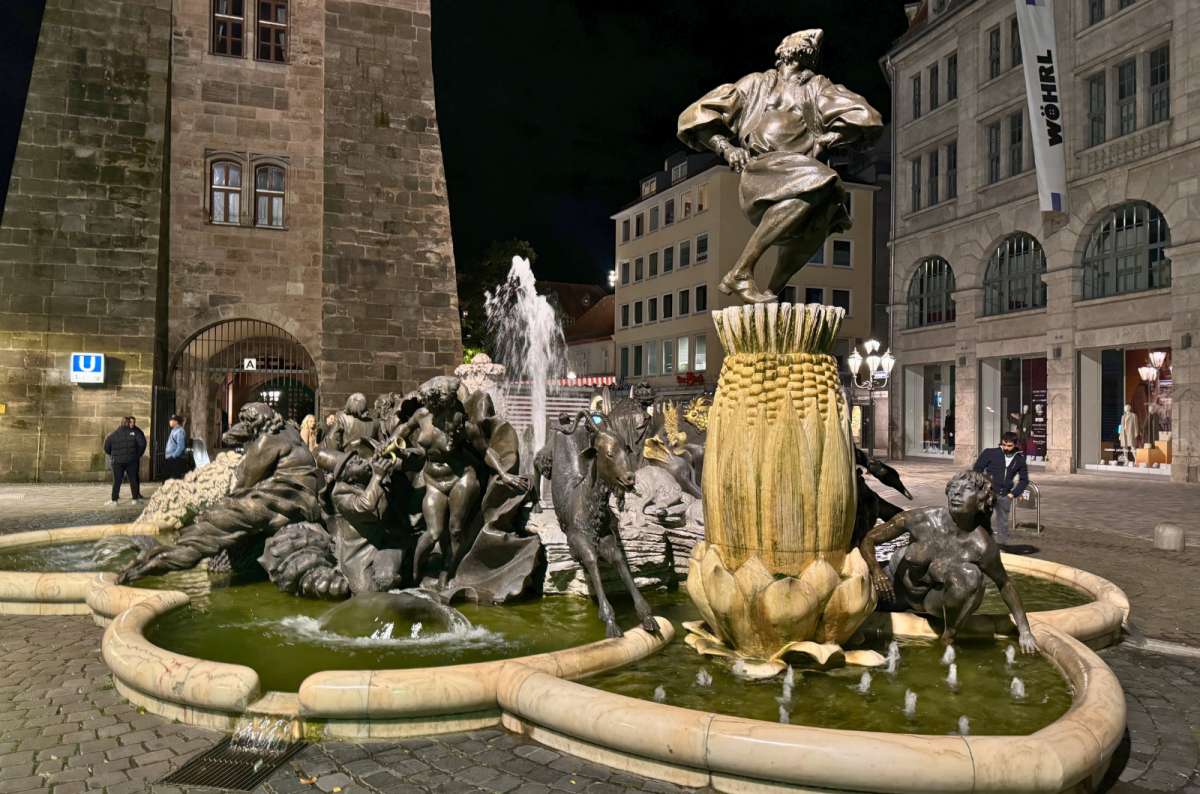
Ehekarussell Fountain in Nuremberg
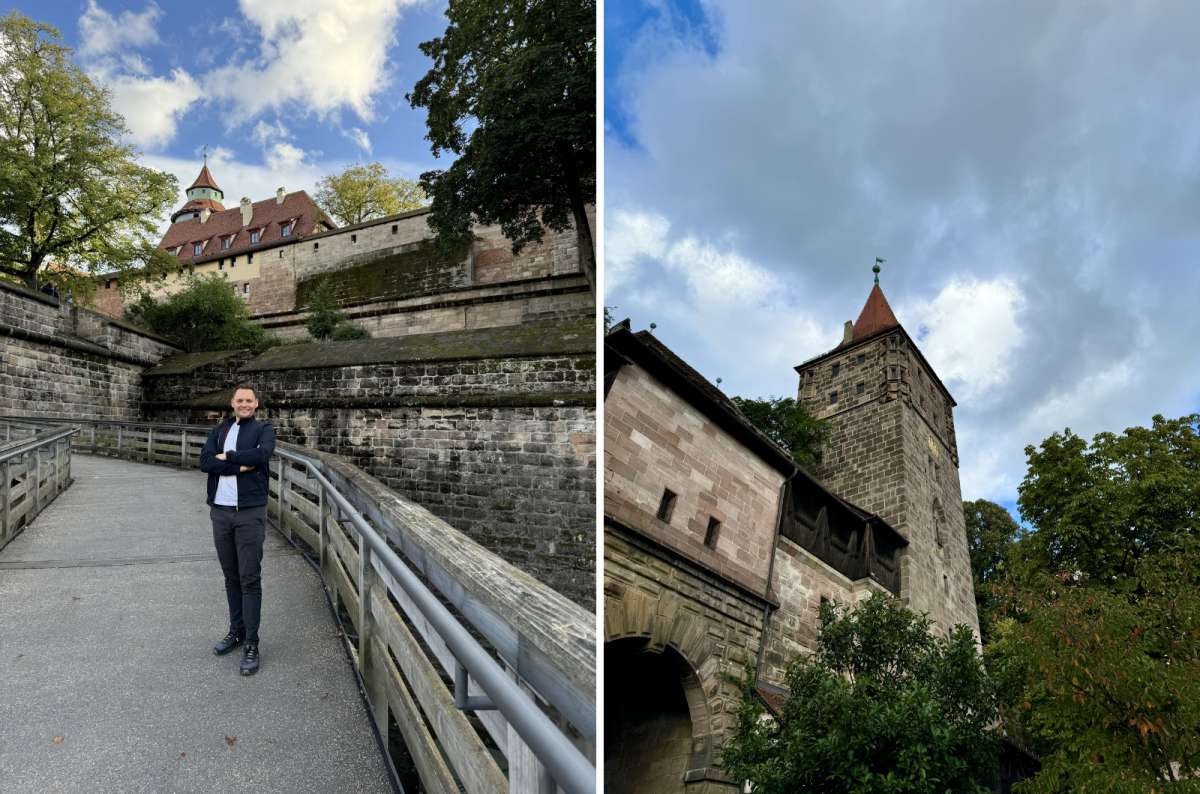
Nuremberg’s city walls and castle area
Verdict: Nuremberg is one of Germany’s strongest small-city stops. Berlin explains the national 20th-century story; Nuremberg gives part of it a physical setting.
6. Spend 3 days in Hamburg
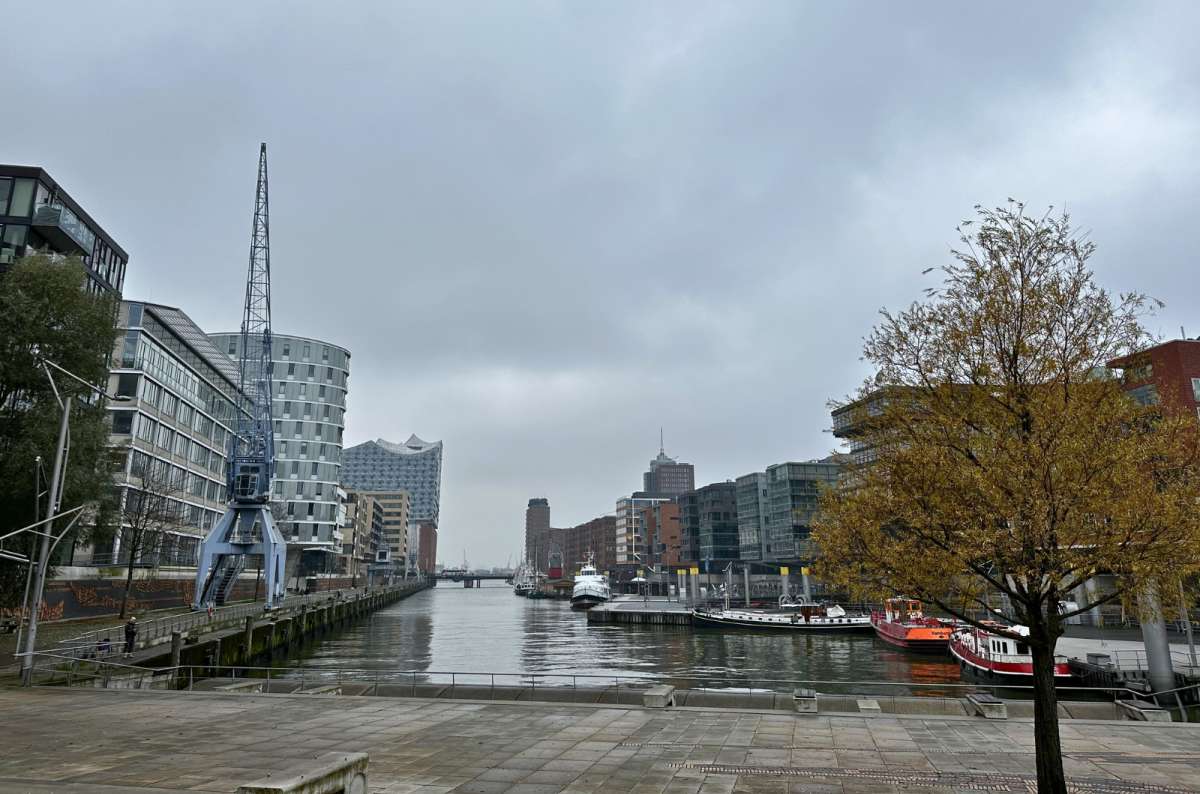
Hamburg’s harbor area
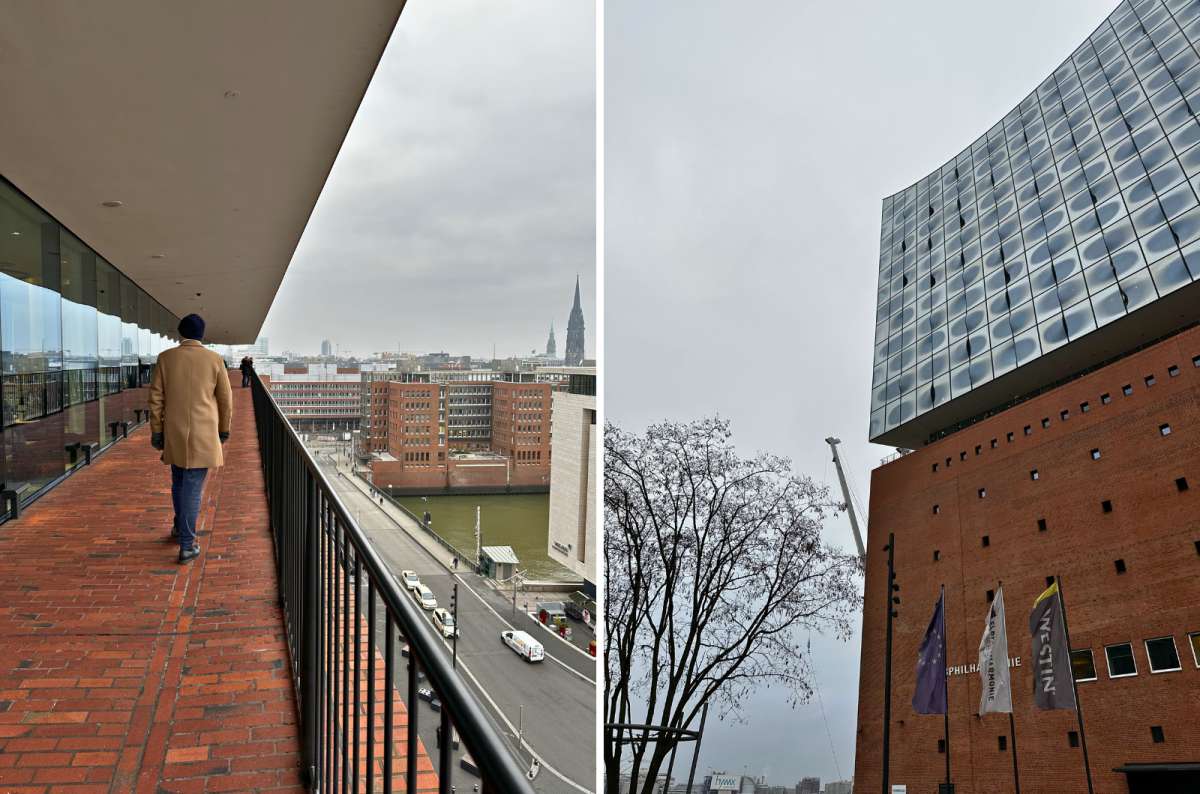
The Elbphilharmonie and its terrace views
- Priority: High
- Time needed: 2–3 days
- Worth paying for? Yes—harbor tour, Elbphilharmonie, Miniatur Wunderland, museums
- Best for: Modern city energy, water, ships, museums, food
- Skip if short on time? Skip only if your route is Bavaria/eastern Germany-focused.
Hamburg surprised me more than most German cities.
It is not “pretty old Germany.” Don’t come here expecting fairy-tale streets and castle drama. Hamburg is watery, commercial, red-brick, modern, slightly gritty, and confident. It feels real, which is not always the case in cities that have been polished into tourist furniture.
The best stops in Hamburg:
- Speicherstadt
- HafenCity
- Elbphilharmonie
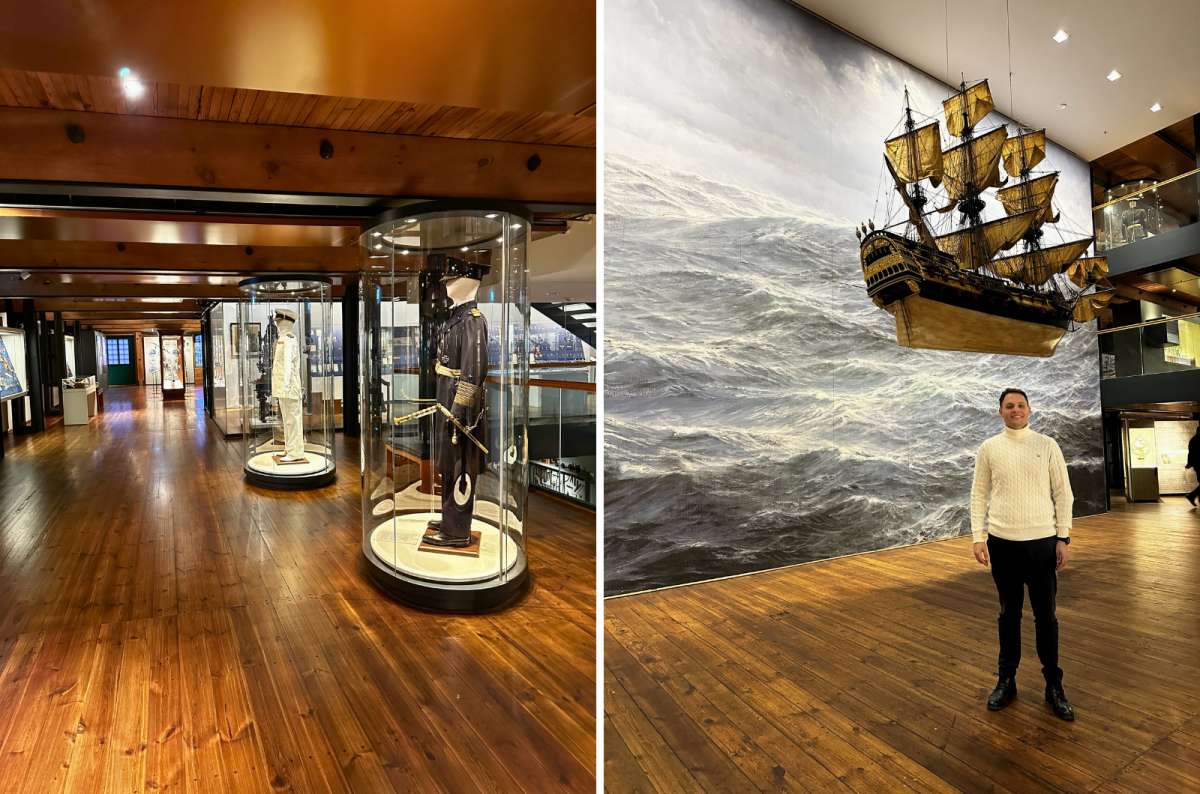
- International Maritime Museum
- Miniatur Wunderland
- Old Elbe Tunnel
- St. Pauli and Reeperbahn
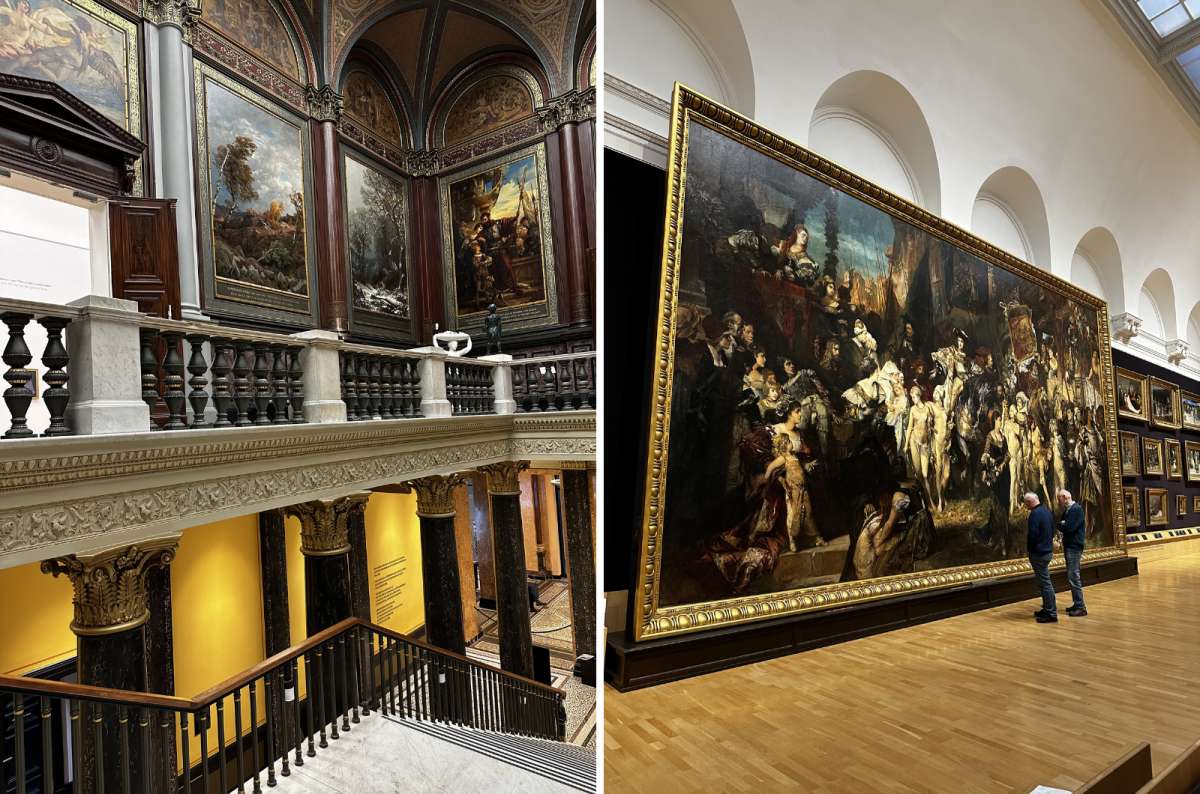
- Hamburg Kunsthalle
- Harbor/boat trip
Hamburg Kunsthalle is worth it even if you’re not usually a museum person
Hamburg’s Maritime Museum
If you’re spending
3 days in Hamburg, I've put together a
full Hamburg itinerary with what’s actually worth prioritizing.
I personally loved Miniatur Wunderland more than expected, and I’m saying that as someone who does not normally plan vacations around tiny trains. Hamburg also has proper seafood energy, which makes a nice break from Bavaria’s “meat, dumplings, and emotional commitment” food style.
What makes Hamburg work is the atmosphere between the sights. The brick warehouses, water, cranes, ships, modern glass, and slightly rough edges give the city a rhythm that feels different from Berlin and completely different from Bavaria.
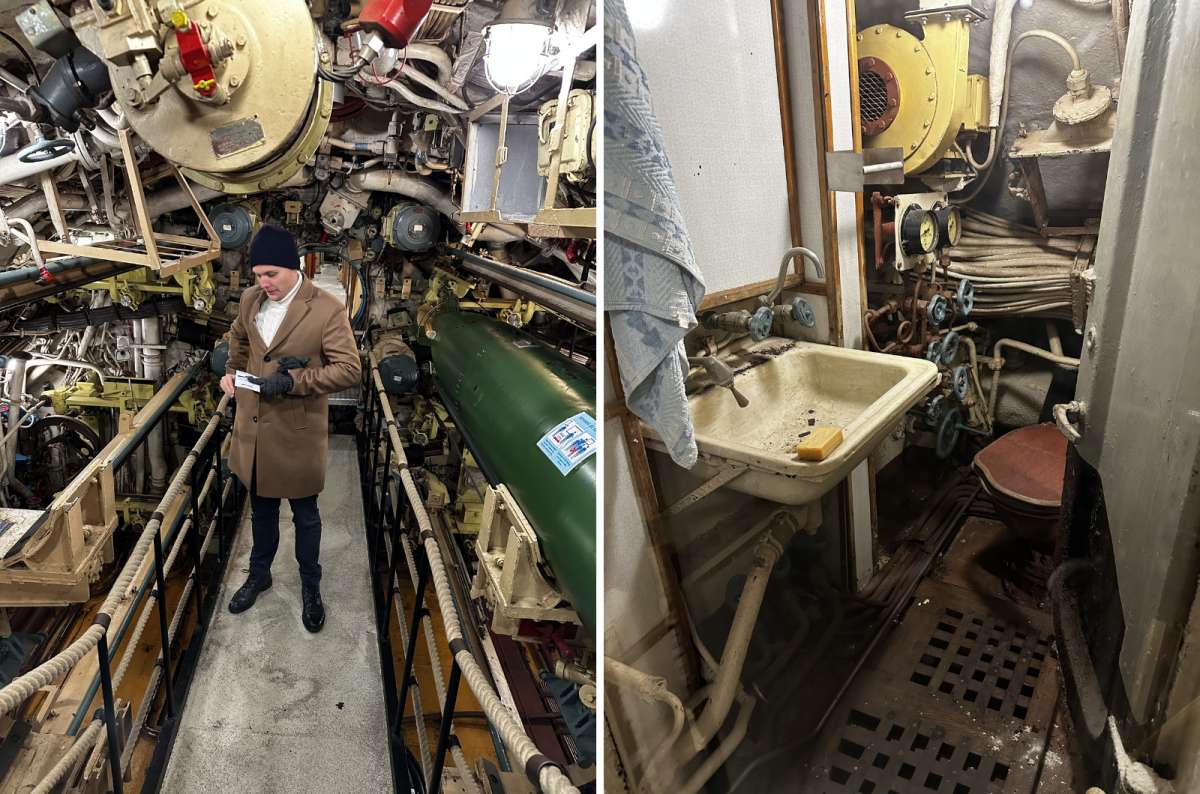
The Soviet U-boat tour is also on my Hamburg must-see list
Verdict: Hamburg is one of the best cities in Germany for travelers who want something modern and atmospheric that is not Berlin.
7. Visit Dresden for architecture, museums, and a compact city break
Dresden is one of the easiest German cities to recommend if you like architecture and museums
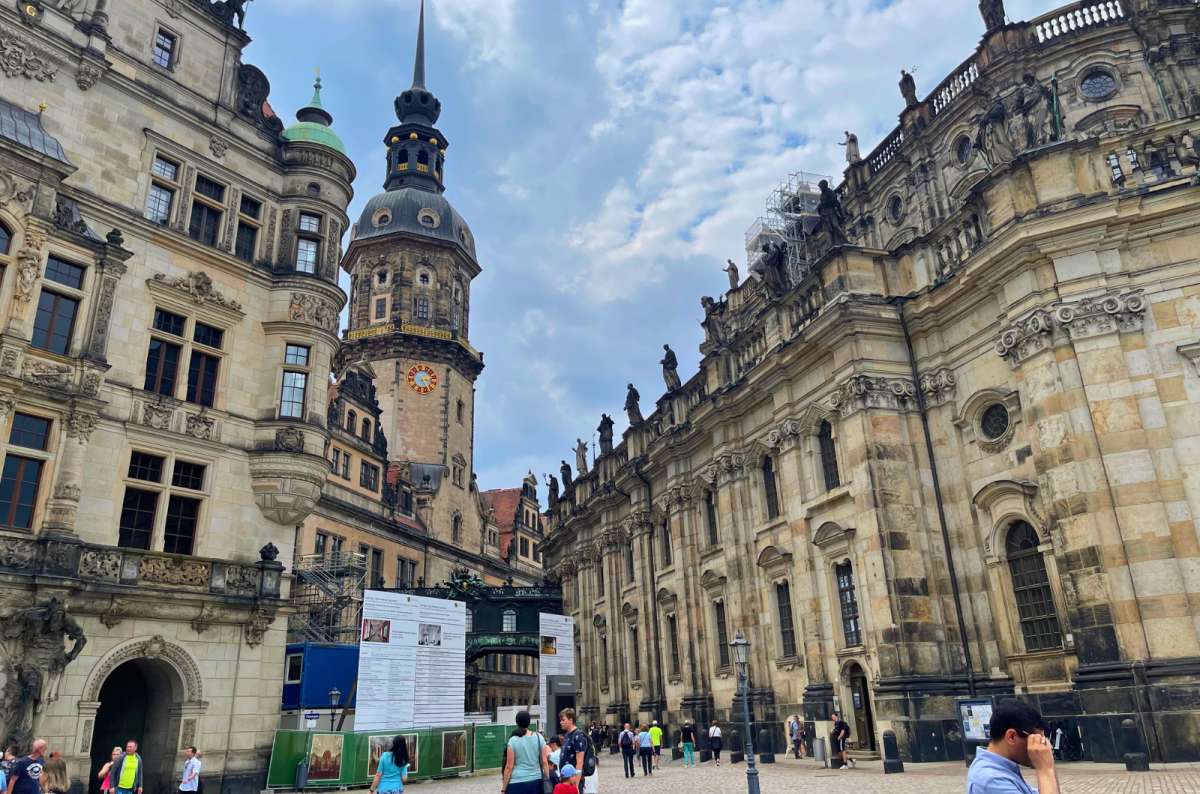
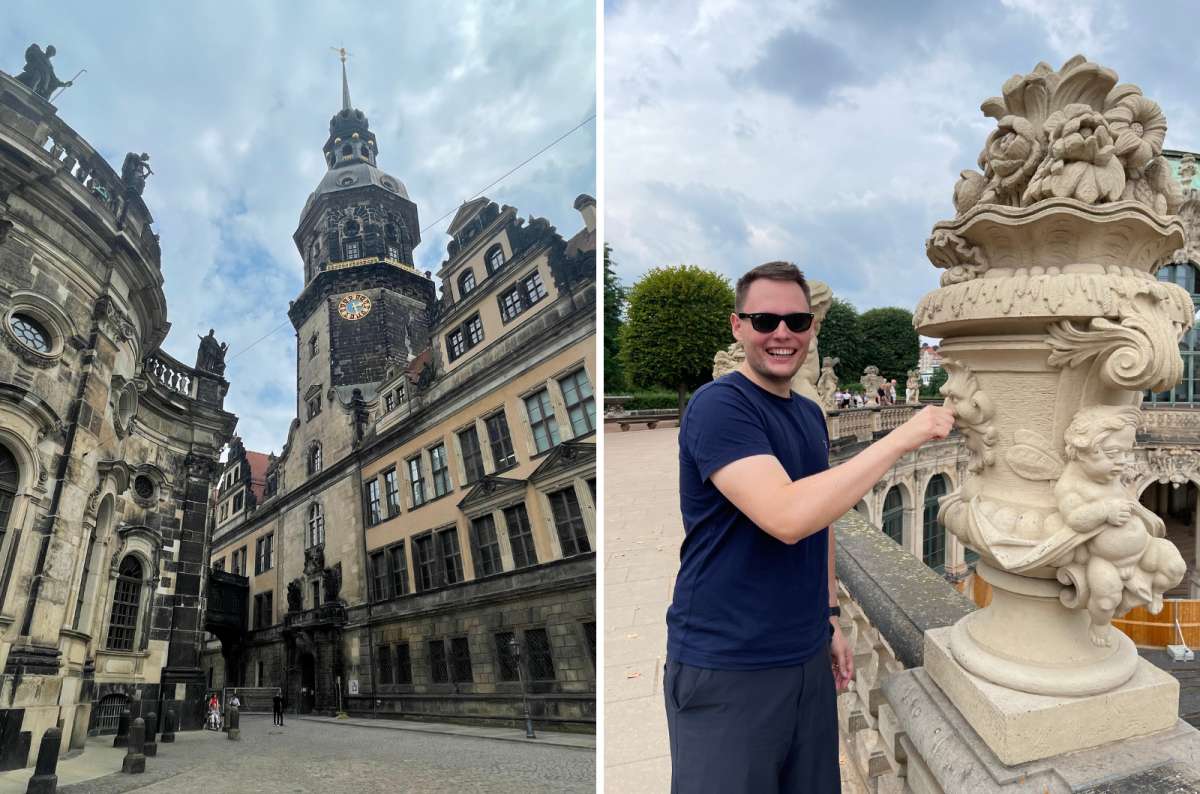
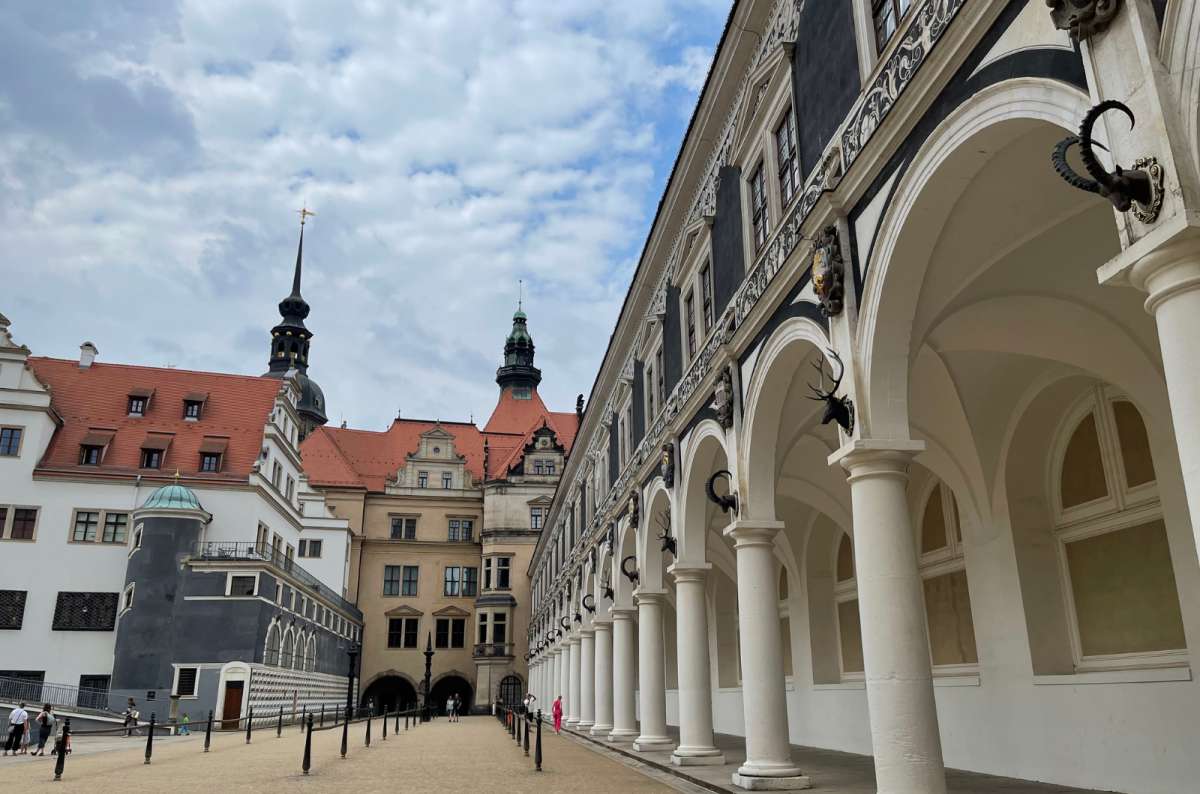
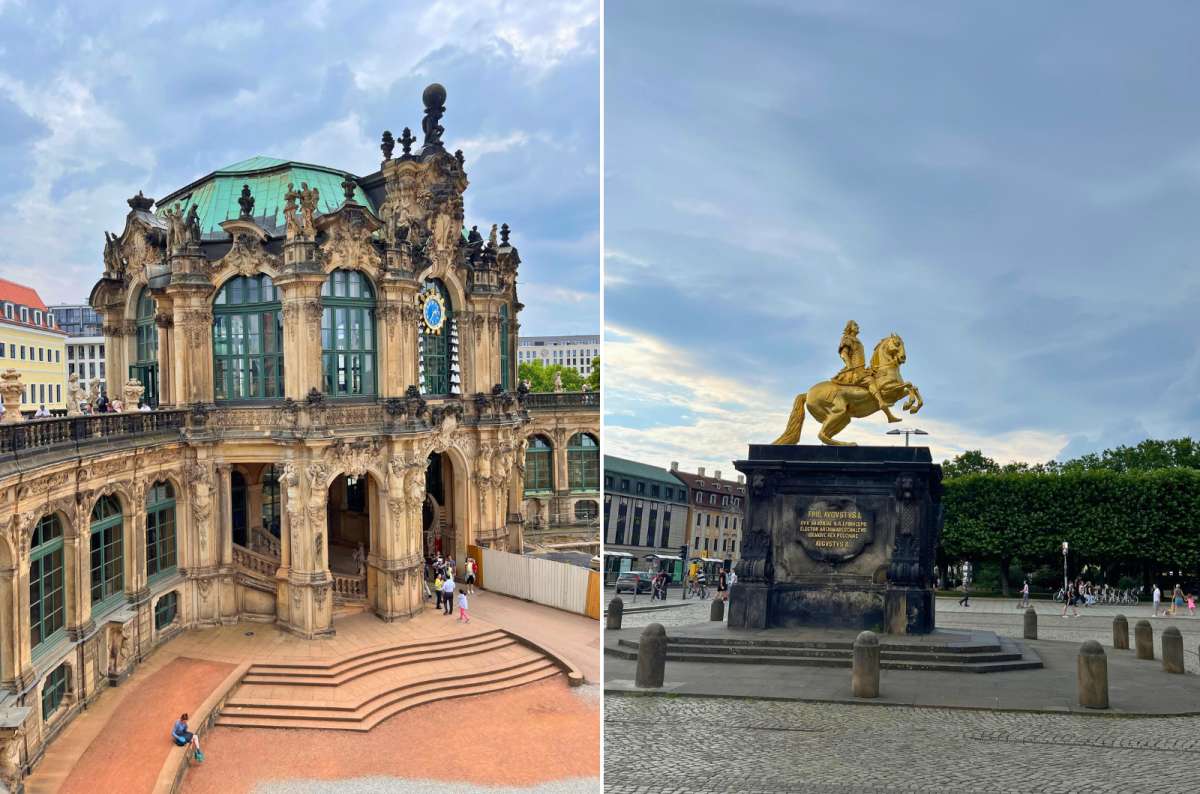
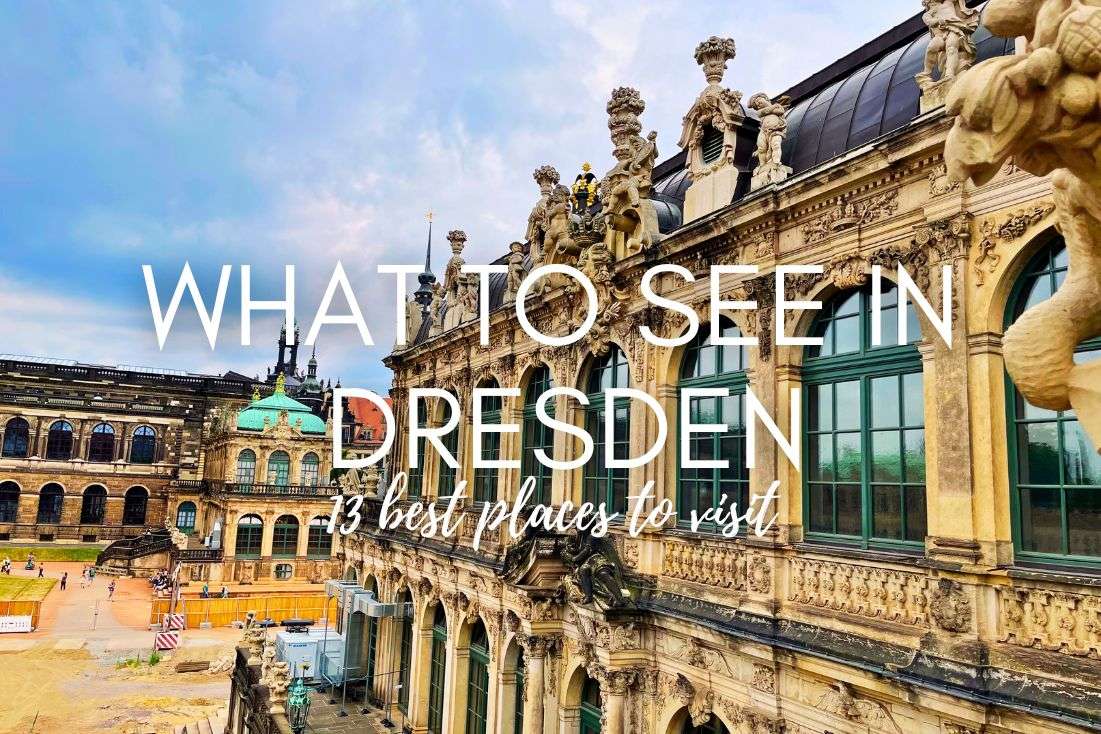
Dresden Castle and the Zwinger courtyard
- Priority: High
- Time needed: 1–2 days
- Worth paying for? Yes—Green Vault, Zwinger museums, Frauenkirche dome if interested
- Best for: Baroque architecture, museums, Prague/Berlin route
- Skip if short on time? Skip if it requires a major detour.
Dresden is beautiful, culturally strong, and very easy to overstuff.
The old town gives you Frauenkirche, Brühl’s Terrace, the Royal Palace, the Green Vault, Zwinger, Semperoper, and the Elbe riverfront in a compact area. This makes Dresden one of the easiest German city breaks to plan.
But I wouldn’t stretch it too much. One busy day works. Two days are better if you want to visit museums. More than that? Only if you’re adding Saxon Switzerland, Königstein Fortress, Moritzburg Castle, or moving slowly on purpose.
If you’re deciding what to prioritize, I also put together a
guide to the
best things to do in Dresden, so you
don’t waste half your trip standing in the wrong museum line.
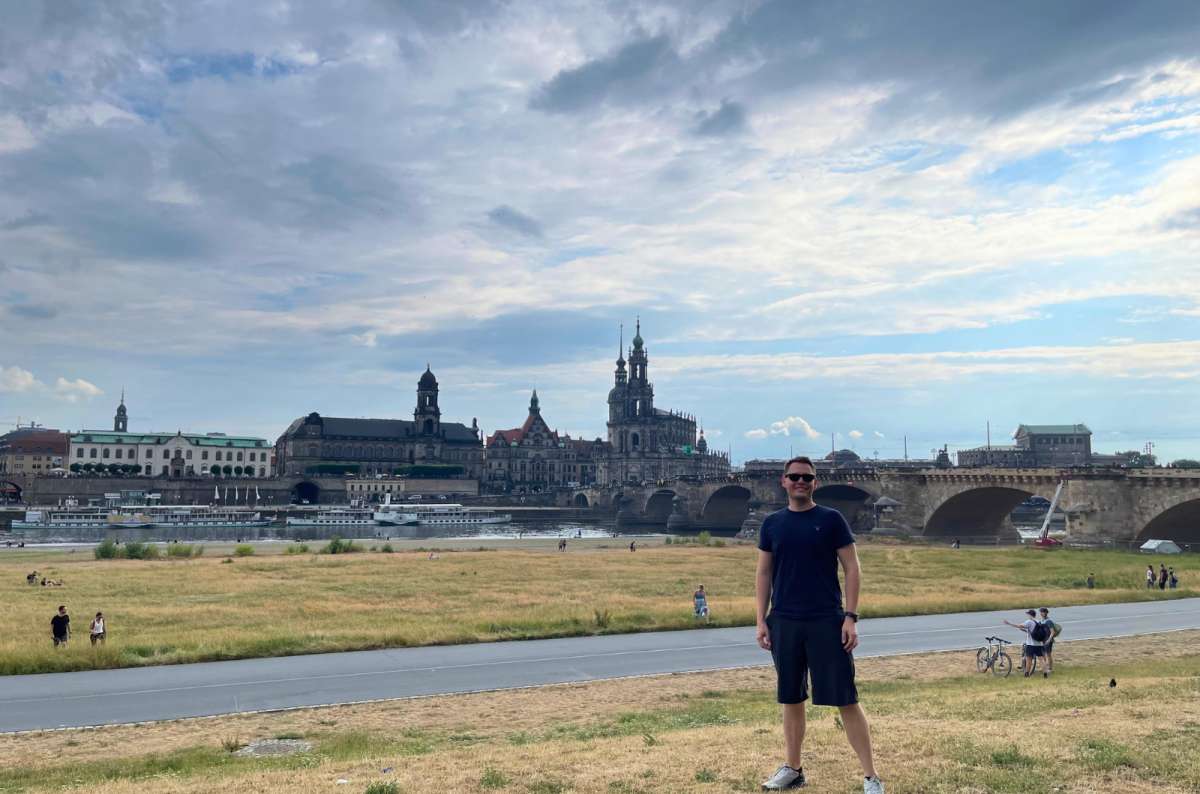
The Elbe riverfront is one of the best spots for a classic Dresden view
My strongest Dresden advice: don’t try to visit every museum in one day. The Royal Palace, Green Vault, Zwinger museums, Hygiene Museum, Transport Museum, Panometer, and Karl May Museum are not a checklist for one human with normal legs.
Fun fact: I didn’t like Dresden the first 2 times I visited. Only when I gave it a proper amount of time and a bit of slow travel, which I usually don’t like, I loved it.
Dresden also has a slightly staged feeling in the old town because so much was reconstructed after WWII. That is not a criticism—it is part of the city’s story—but it does mean I prefer Dresden as a compact, high-impact stop rather than a long stay.
The courtyard at Dresden Castle
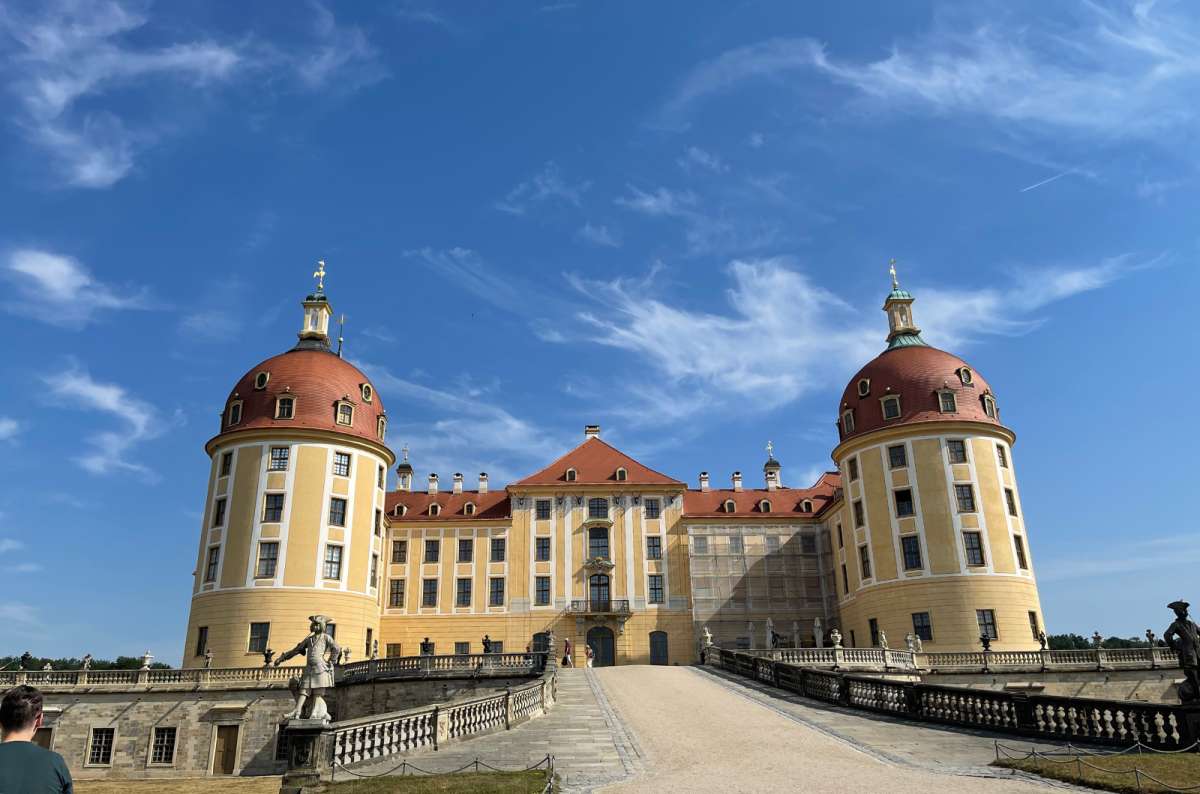
Moritzburg Castle near Dresden is an easy must-see day trip if you want something more fairy-tale
Dresden is worth visiting, especially between Berlin and Prague, but don’t pretend it needs four days. It doesn’t.
8. Experience Germany’s Christmas markets
Berlin Christmas markets feel less fairy-tale cute and more “eat melted cheese while freezing slightly,” which honestly works very well
- Priority: High seasonally
- Time needed: One evening to a full December route
- Worth paying for? Entry is usually free; food, drinks, and hotels are not
- Best for: December trips, food, atmosphere, winter city breaks
- Skip if short on time? Skip outside December, obviously. Time has rules.
German Christmas markets are one of the best reasons to visit Germany in winter.
Nuremberg, Dresden, Hamburg, Berlin, Regensburg, and Munich all work, but I would not build a trip where every day is just another market with another mug and another sausage. The first one feels magical. The fourth can feel like standing in line for hot wine while your face slowly freezes.
Best Christmas markets in Germany:
- Nuremberg: classic and famous
- Dresden: historic and strong for a winter city break
- Regensburg: atmospheric old-town setting
- Hamburg: urban, varied, and easier to pair with a city trip
- Berlin: lots of choice, but choose carefully
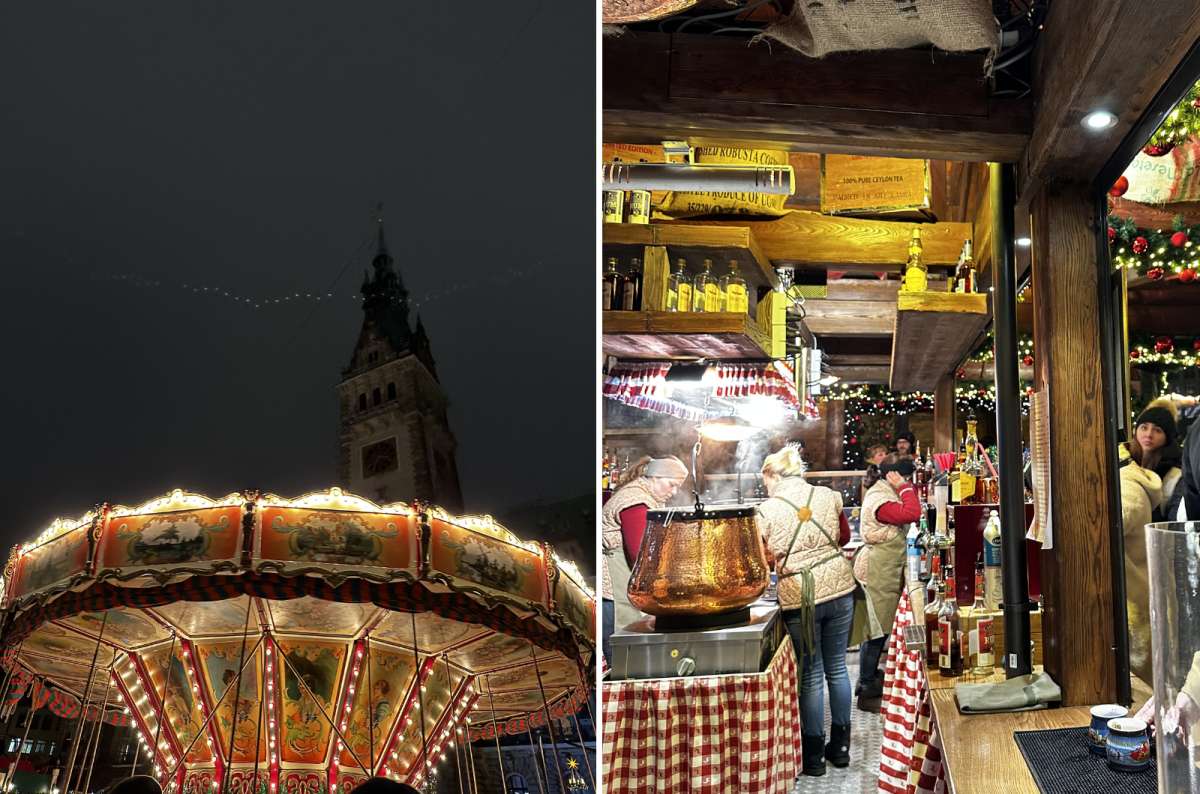
German Christmas markets are basically organized winter survival: drink something hot, eat something unhealthy, and pretend the cold is part of the charm
I have been to Christmas markets in Hamburg, Berlin, Nuremberg, and Dresden, and they all felt very different. I usually don't go for the „Christmas market“, but i tis very convenient time of the year to visit Germany for me.
If you’re
planning a
winter trip, my
German food guide will help you understand what exactly you’re eating between your third sausage and fifth cup of Glühwein.
Hamburg Christmas markets
Book hotels early for December. Germany’s Christmas markets are not a secret, despite what every “hidden European winter trip” article wants to pretend.
Also, bring warm shoes. Not stylish “I might be cold, but I look European” shoes. Actual warm shoes. Standing around at night with Glühwein is charming until your toes start filing complaints.
Christmas markets are worth planning around, but pick quality over quantity. You do not need to collect 12 mugs like a festive maniac.
9. Eat your way through German food properly
German food is not subtle, but it is very effective at making you full and slightly sleepy by 7 pm
Eating a hamburger in Hamburg feels legally required at some point
- Priority: High
- Time needed: Every day, obviously
- Worth paying for? Yes—mix beer halls, bakeries, markets, and proper restaurants
- Best for: Regional food, beer, bakeries, Christmas trips
- Skip if short on time? No. Eating is not optional.
German food is not just bratwurst and beer.
It is bratwurst and beer, yes. Let’s not lie to each other. But there is also schnitzel, dumplings, bread, cakes, regional seafood in the north, Bavarian mountain food in the south, Christmas market food, beer gardens, bakeries, and enough pork to make cardiologists quietly leave the room.
What I’d actually eat in Germany:
- Nuremberg sausages
- Schnitzel
- Pretzels
- Bavarian dumplings
- German bread
- Black Forest cake
- Fish sandwiches in Hamburg
- Christmas market snacks
- Beer in Bavaria
- Glühwein in December
My warning: don’t book traditional German restaurants every single night. It gets heavy fast. Berlin and Hamburg are especially good for mixing in international food, so your digestive system doesn’t file a formal complaint.
Food is also one of the easiest ways to feel the regional differences in Germany. Hamburg does not eat like Bavaria. Nuremberg has its own sausage logic. Christmas markets have their own temporary food universe. Use that instead of ordering the same “German classics” everywhere.
No matter what ends up on your plate in Germany, the correct pairing is usually beer
Food is not my number one reason to visit Germany, but it makes the trip much better if you know what to order and when to take a break. I am always a bit surprised by how similar it is to my home country´s food, the Czech Republic.
10. Visit Leipzig for museums, music history, and the Battle of the Nations Memorial
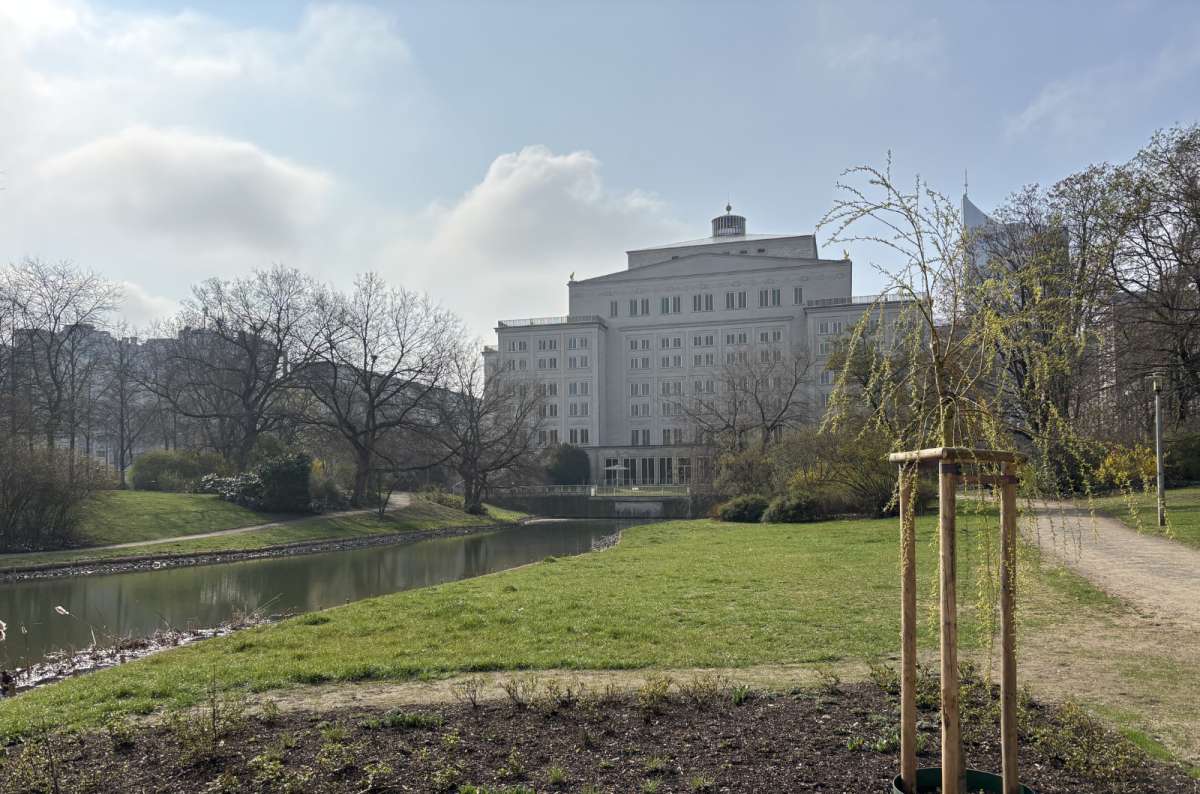
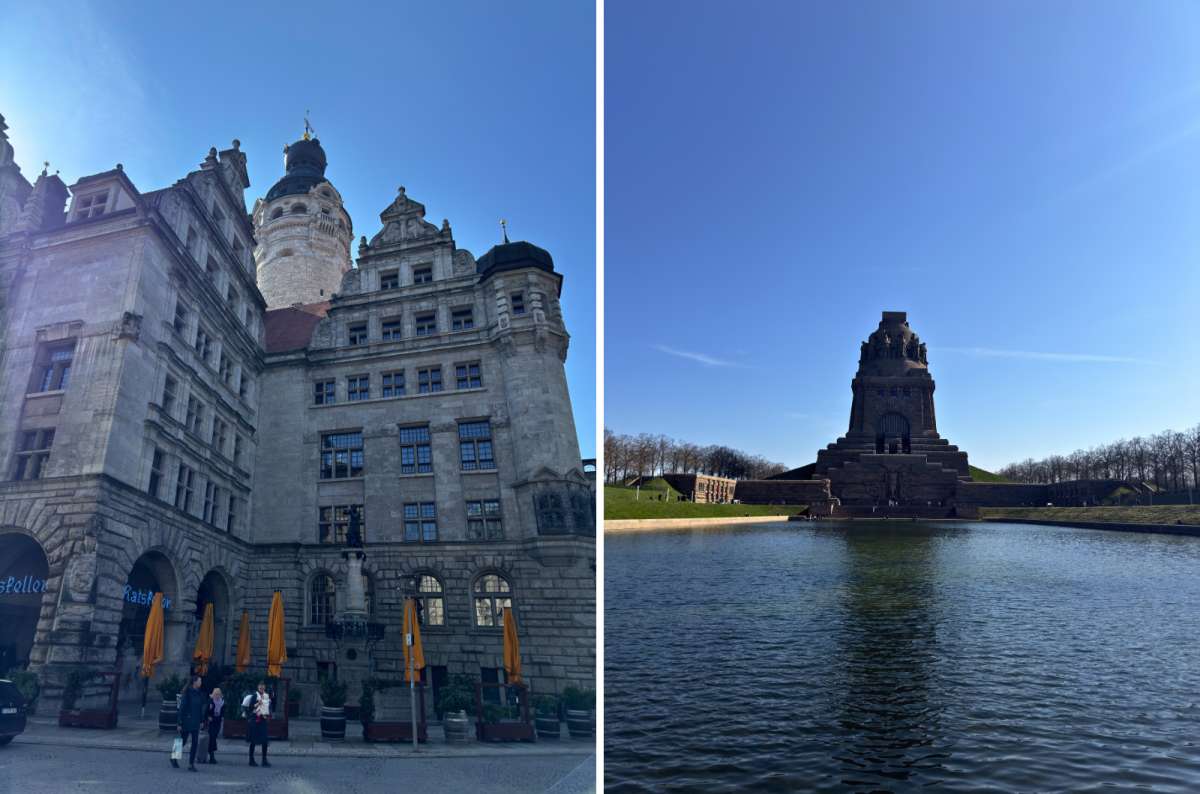
The area around the Leipzig Opera
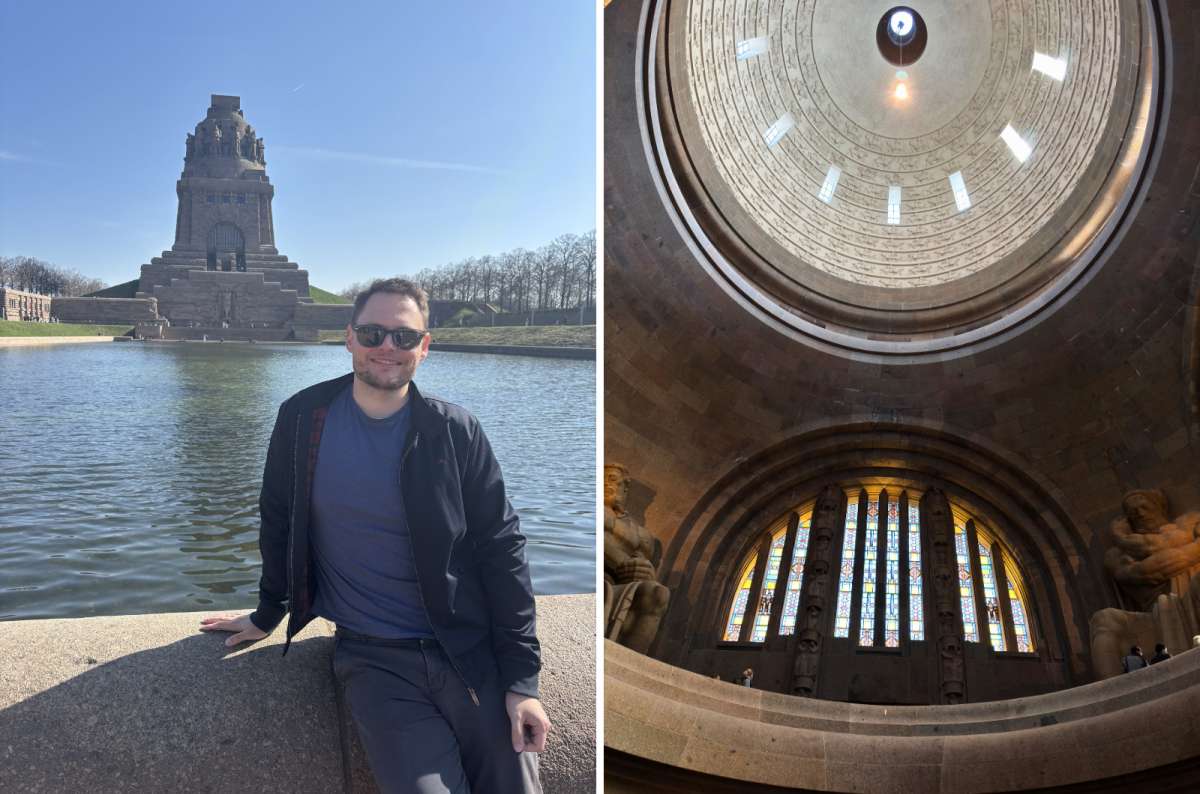
The Monument to the Battle of the Nations
- Priority: Medium-high
- Time needed: 1 full day, 2 days for museums
- Worth paying for? Yes—Battle of the Nations Memorial and museums
- Best for: Culture, music, modern city energy, eastern Germany route
- Skip if short on time? Skip if you want only castles and fairy-tale towns.
Leipzig is not Germany’s prettiest city. That is not an insult. It is just not trying to be a half-timbered postcard.
It feels larger, younger, more modern, and more lived-in than many first-timers expect. That is exactly why I like it as an eastern Germany add-on after Berlin or Dresden.
The top stop is the Battle of the Nations Memorial, which is one of those monuments that makes you wonder if someone confused “memorial” with “intimidating stone planet.” It is huge, dramatic, and easily the most distinctive reason to visit Leipzig.
Other good stops in Leipzig:
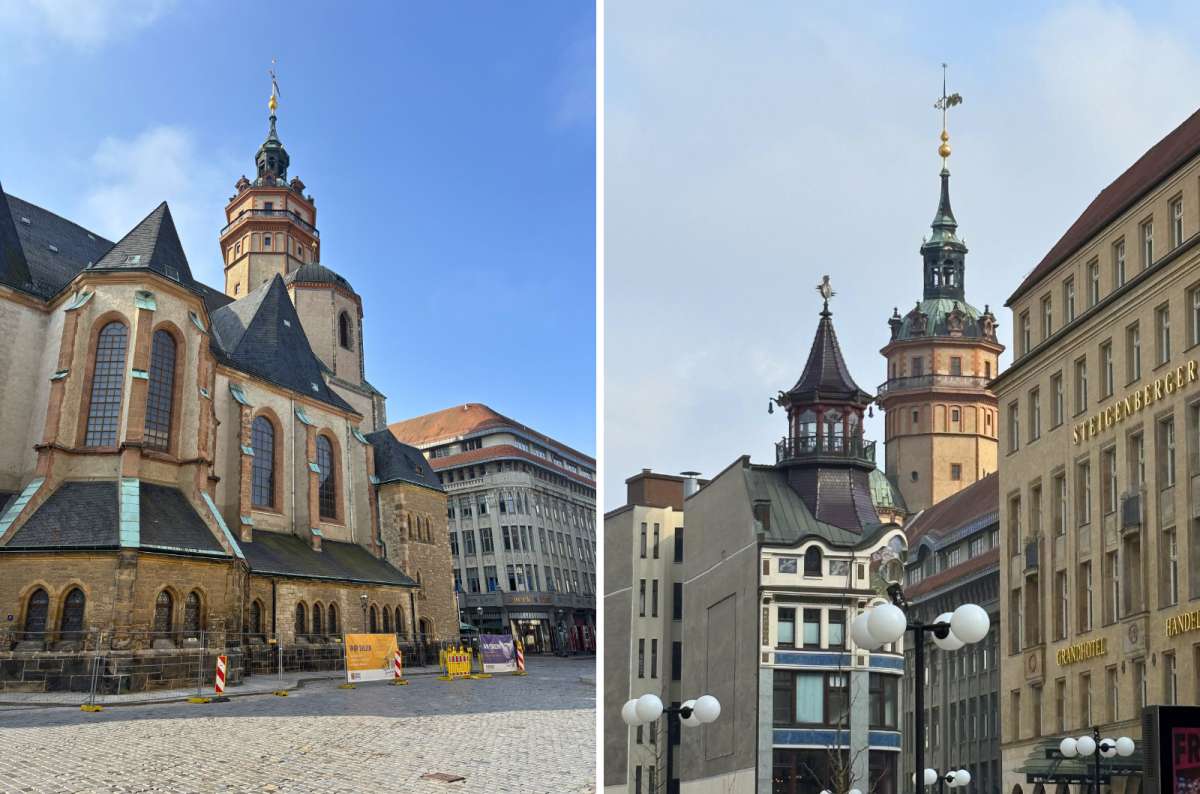
- St. Nicholas Church
- Thomaskirche and Bach history
- Grassi Museum
- Panorama Tower
- Zum Arabischen Coffe Baum
- DDR/protest history
- Leipzig’s compact center
Pro tip: I’ve also put together a full guide to the best things to do in Leipzig.
St. Trinitatis Church in Leipzig
St. Nicholas Church dominates Leipzig’s old town skyline
Leipzig is best if you already like cities with layers: music, protests, museums, student energy, and a center that is pleasant without screaming, “look how cute I am.” If your German fantasy is castles, mountains, and beer halls, Leipzig will probably not be the stop that converts you.
Leipzig is a great add-on to Berlin or Dresden if you want culture and history without another polished old-town museum city.
11. See Trier’s Roman ruins
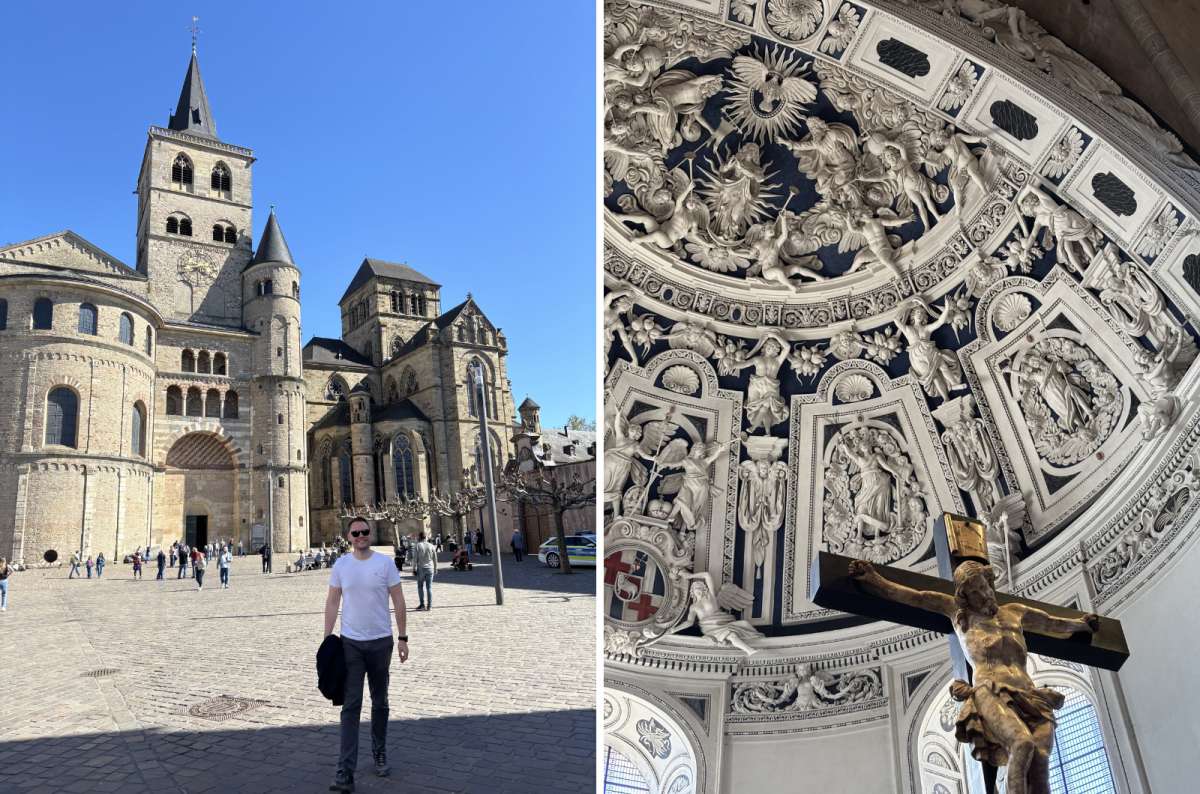
Trier Cathedral is one of the oldest churches in Germany
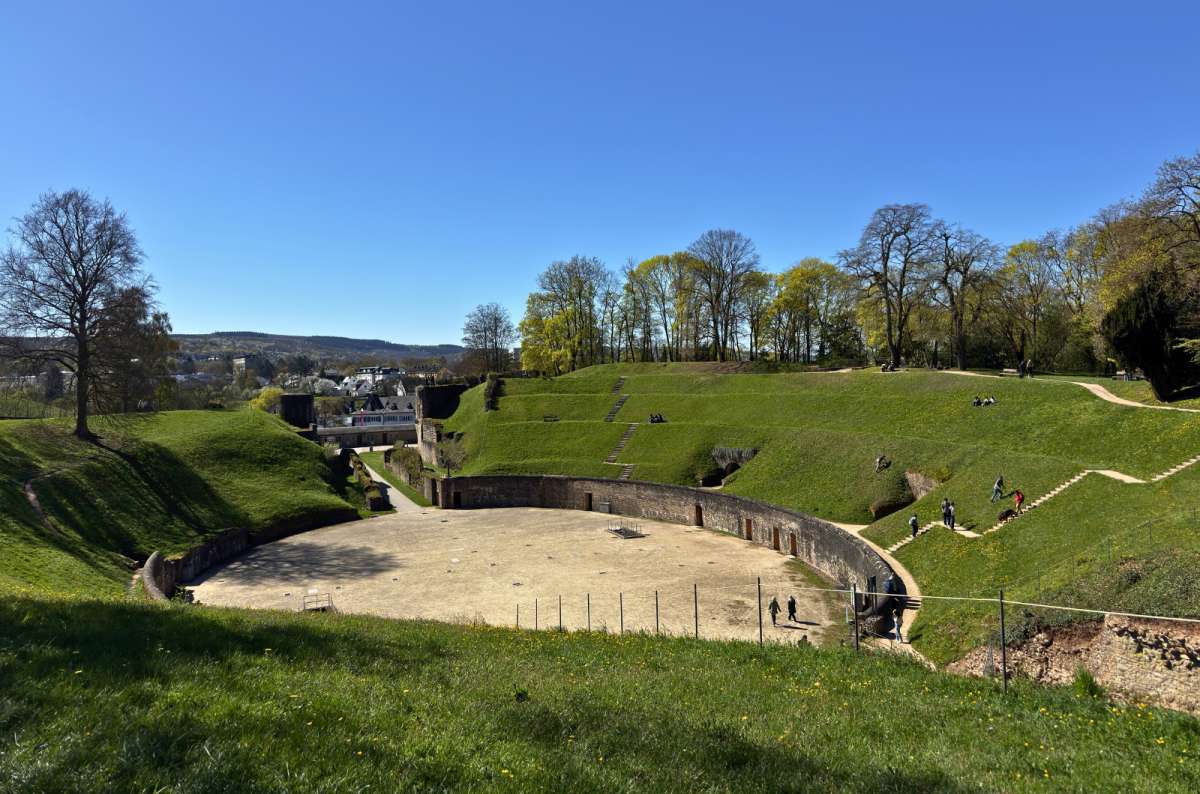
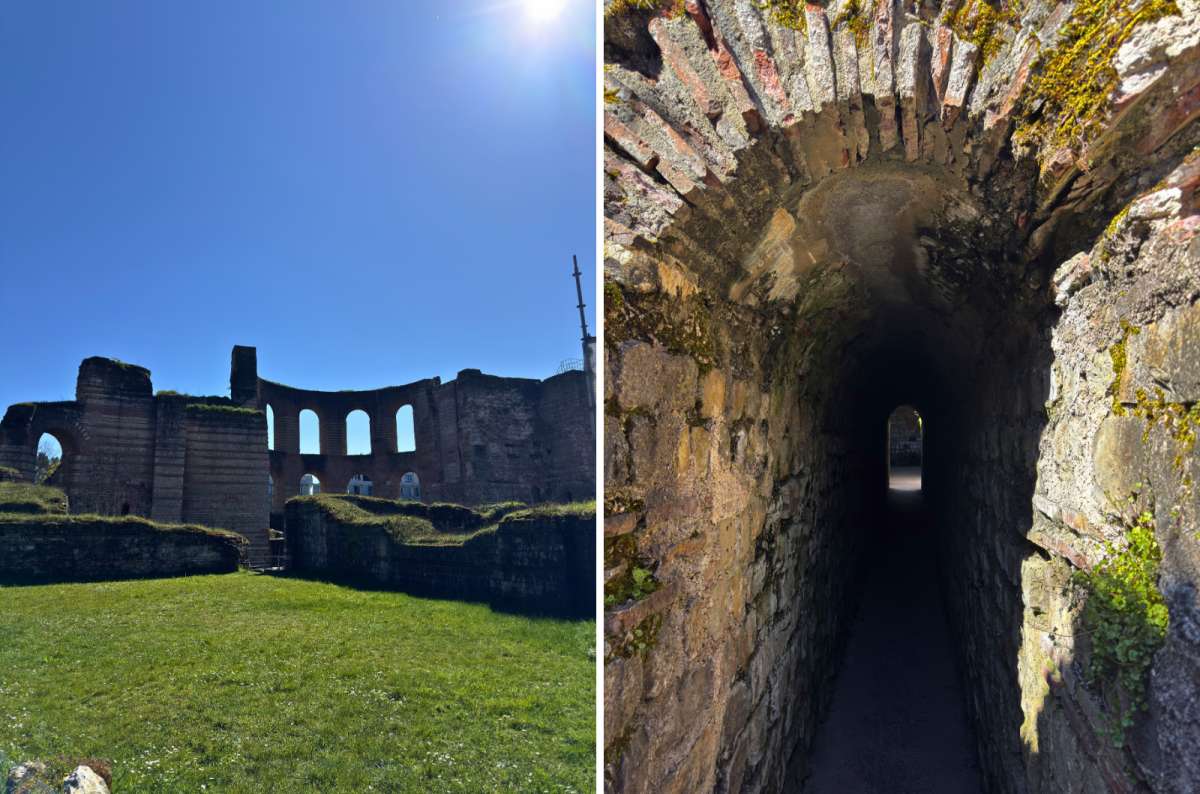
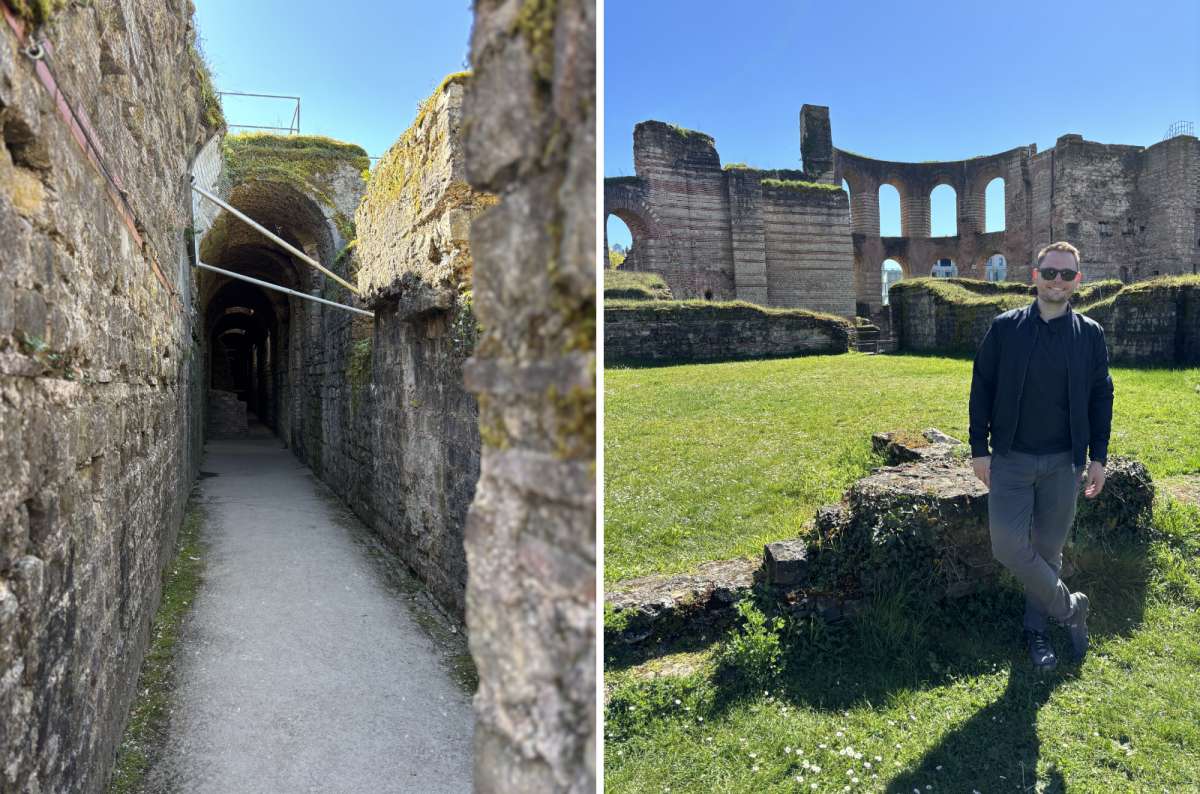
Trier’s Roman Amphitheater is one of the best-preserved reminders that this city used to be a major Roman center north of the Alps
- Priority: Medium-high
- Time needed: Half day to 1 full day
- Worth paying for? Yes—Porta Nigra and selected Roman sites
- Best for: Roman history, UNESCO sights, Luxembourg/Moselle routes
- Skip if short on time? Skip if you hate ruins, churches, and museums. Also, why are you here?
Trier is Germany’s best Roman history city, and it surprised me.
I expected a normal German town with some Roman leftovers. Instead, Trier kept interrupting a regular city walk with Porta Nigra, Aula Palatina, Kaiserthermen, the Roman Amphitheater, Trier Cathedral, the Church of Our Lady, and a museum that actually made the place click.
Pro tip: I put together a full guide to the best things to do in Trier, because this city has way more Roman sites than most people expect.
The strongest stops in Trier:
- Trier Cathedral and Church of Our Lady
- Porta Nigra
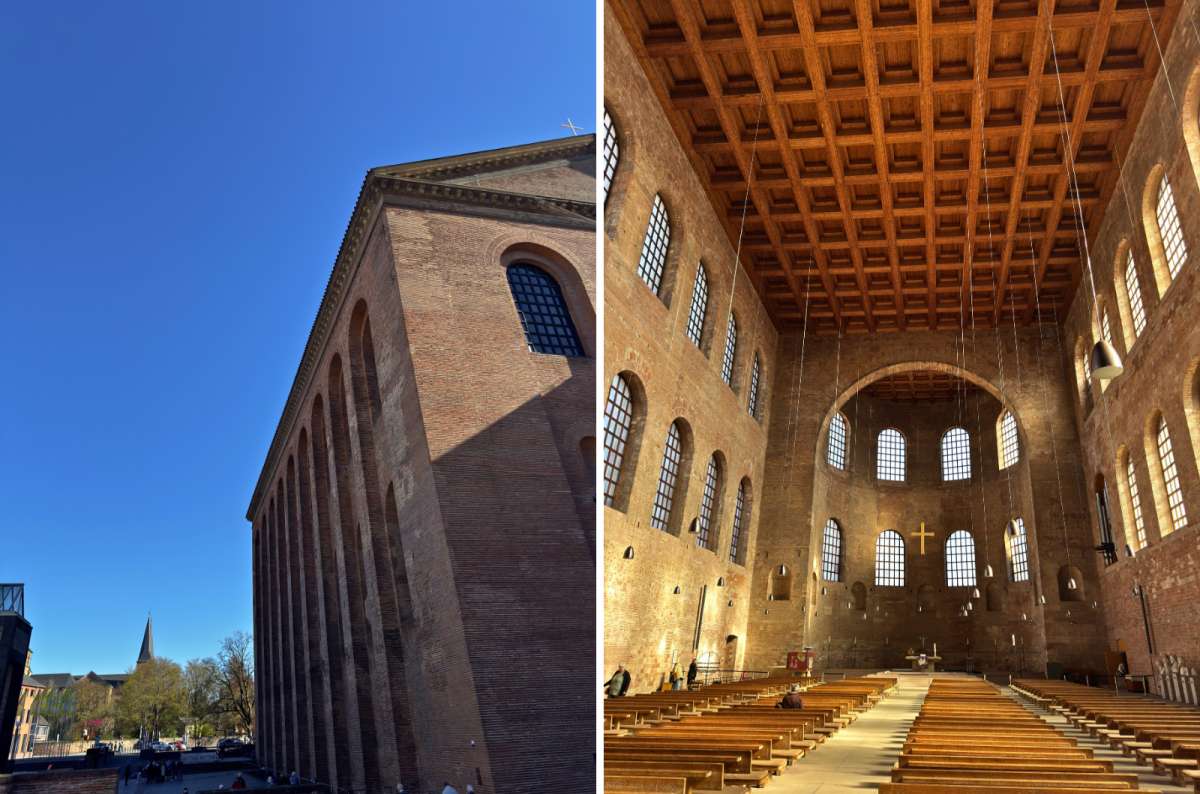
- Aula Palatina
- Roman Amphitheater
- Kaiserthermen
- Rhineland State Museum
- Roman Bridge
- Moselle Valley add-ons
Do not make Trier a 3-night city break unless you’re adding wine tasting, Cochem, Luxembourg, or more of the Moselle Valley. Trier works best as a concentrated one-day history stop.
Aula Palatina is one of the best-preserved Roman buildings in Germany
Kaiserthermen ruins
What I liked most is that Trier doesn’t feel like “Germany with one Roman thing.” The Roman sites genuinely shape the city. Porta Nigra especially gives the whole place a different mood from the usual medieval-German rhythm.
Trier is absolutely worth visiting if you like Roman ruins and compact cities. It is not trying to be your whole Germany trip. Let it be one very good, very old stop.
12. Visit Regensburg as a compact medieval stop
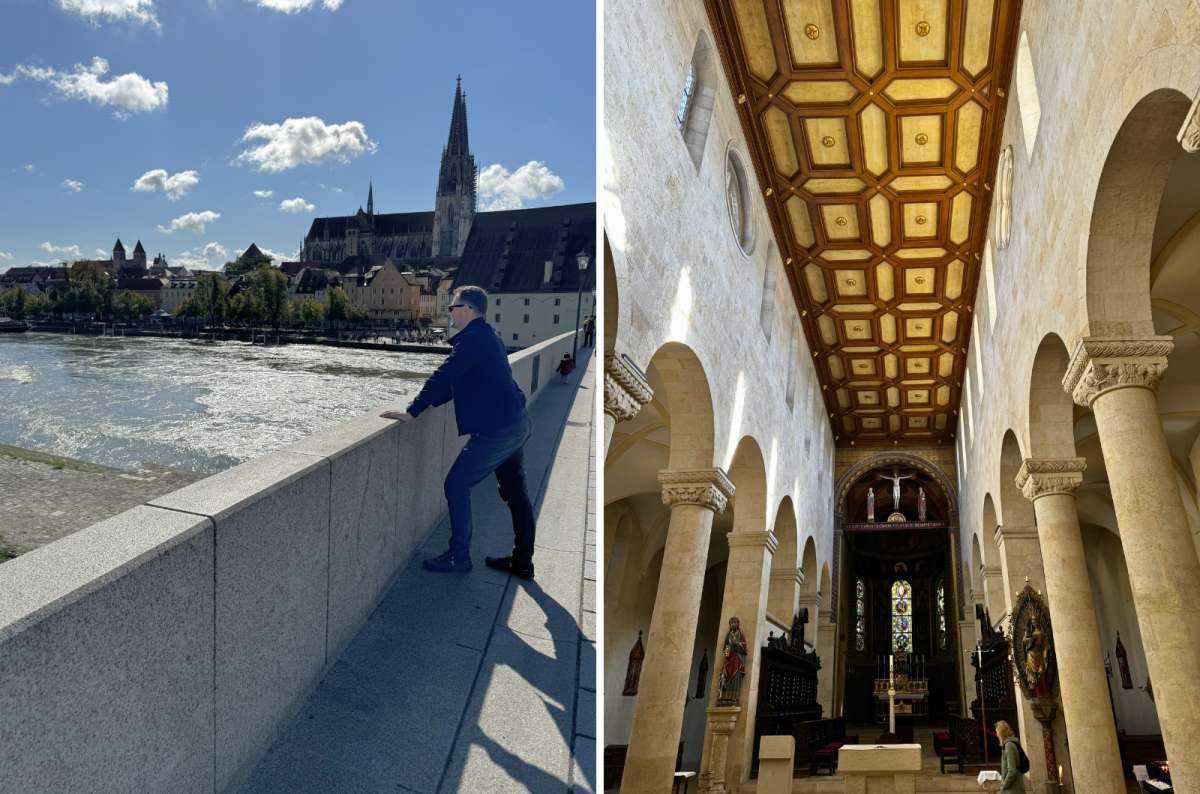
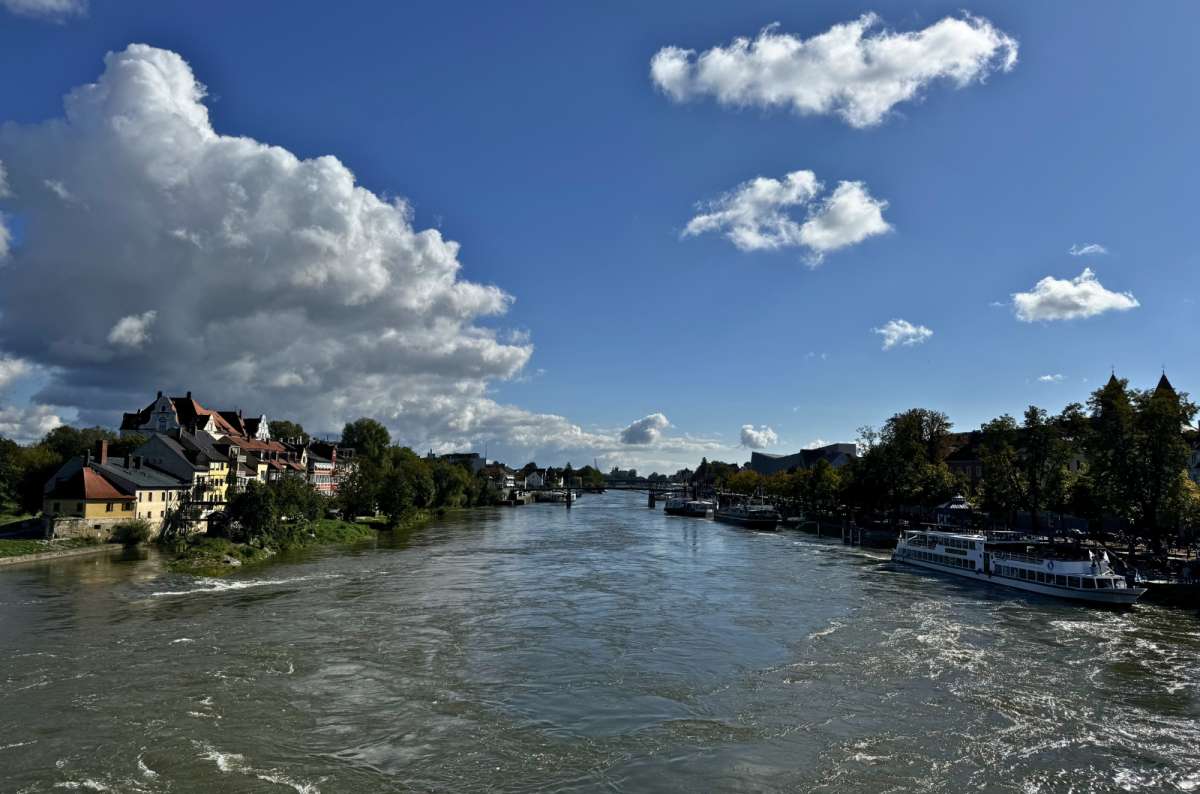
View over the Danube River in Regensburg, Germany, from the historic Stone Bridge
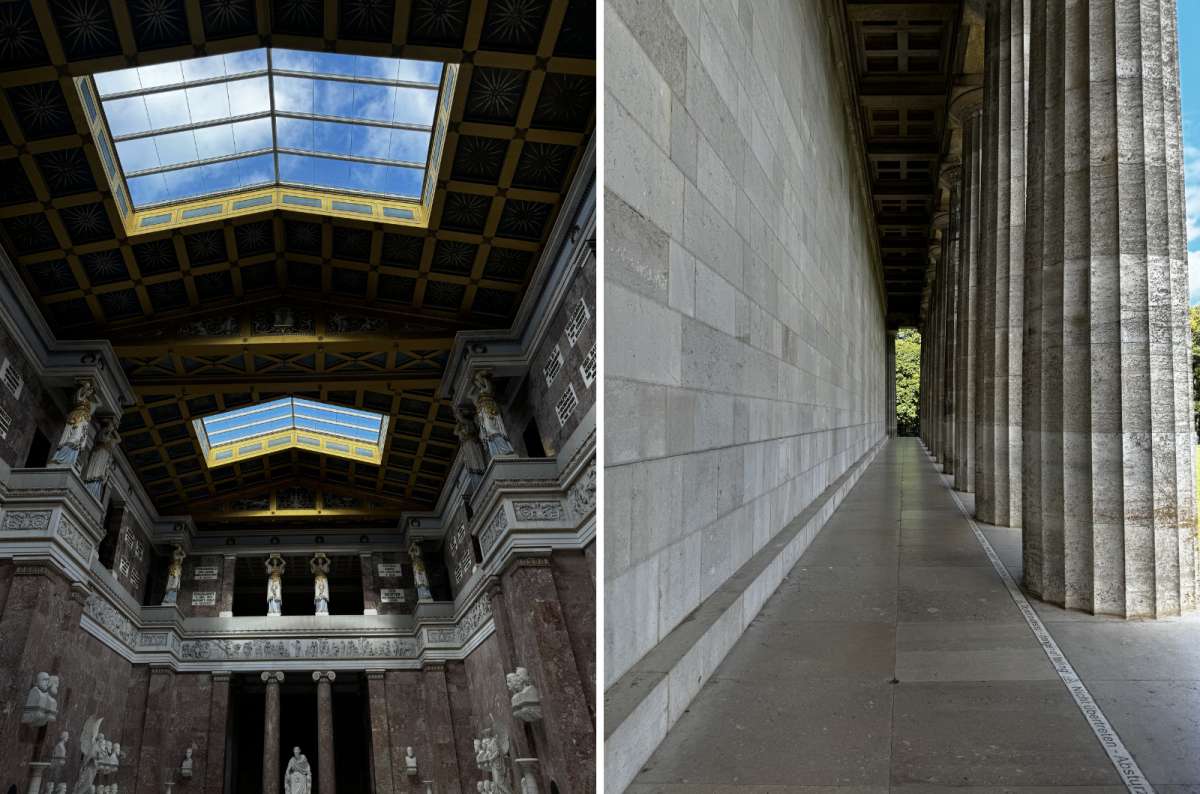
Walhalla near Regensburg
- Priority: Medium
- Time needed: Half day to 1 day
- Worth paying for? Maybe—House of Bavarian History or Thurn und Taxis Palace if interested
- Best for: Bavaria road trips, medieval city atmosphere, easy day trips
- Skip if short on time? Skip before Berlin, Bavaria, Hamburg, or Nuremberg.
Regensburg is one of the best-preserved medieval cities in Germany, and it is easy to pair with Nuremberg or Munich.
It is not a huge destination, which is exactly why it works. You don’t need to invent three days of meaning. Walk the Stone Bridge, see St. Peter’s Cathedral, wander the old town squares, look for Roman leftovers, and maybe visit the House of Bavarian History.
Best stops in Regensburg:
- Stone Bridge
- St. Peter’s Cathedral
- Old Town
- Porta Praetoria
- Goliathhaus
- Old Town Hall
- House of Bavarian History
- Walhalla Memorial outside the city
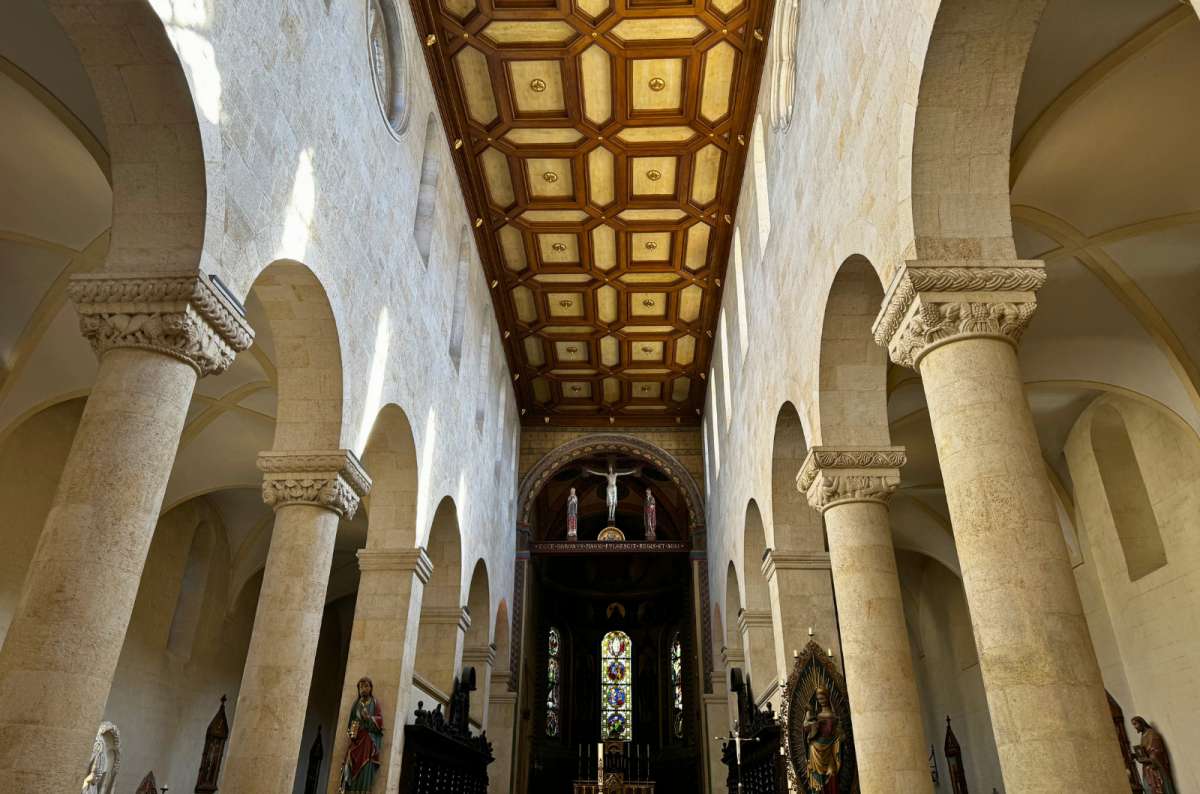
The interior of St. Peter’s Cathedral
Regensburg is a good example of a place that becomes better when you don’t overburden it. Use it as a smart stop on a Bavaria route, not as the emotional climax of your Germany itinerary.
I went mostly for the Walhalla Memorial, and it was the best attraction. I am not sure whether Regensburg would be on this list.
Regensburg is a smart Bavaria stop, not a headline Germany destination. Use it that way, and you’ll like it more.
13. Take the Eagle’s Nest seriously—as scenery and history
Views from the Eagle’s Nest above Berchtesgaden
- Priority: Medium-high if already in Berchtesgaden
- Time needed: Half day
- Worth paying for? Yes, but weather matters
- Best for: Mountain views, WWII history, Berchtesgaden route
- Skip if short on time? Skip in bad weather.
The Eagle’s Nest is not a “cool Hitler house.” Please do not be that traveler.
It is a historically loaded place with excellent mountain scenery and a strange, uncomfortable atmosphere. The building itself is not the highlight. It is basically a stone lodge with a restaurant. The reason to go is the mix of views, logistics, and dark historical context.
If you want the
full breakdown, I wrote a separate
Eagle’s Nest review covering whether it’s actually worth visiting, how to get there, and what to realistically expect once you arrive.
Eagle’s Nest views carry the entire experience
You can hike up or take the bus and elevator. I’d only prioritize it in clear weather because the views are a major part of the experience. In fog, the whole thing can become an expensive exercise in staring at a white wall and thinking about logistics.
Pair it with Berchtesgaden, Königssee, or a wider Bavaria road trip. Don’t cross Germany just for it.
And when you go, give the historical side some mental space. This is not just another mountain viewpoint with a dramatic backstory tacked on for marketing. The discomfort is part of why it matters.
Worth it once if you’re already in Berchtesgaden and the weather is clear. Not worth forcing in bad weather.
14. Explore Bavaria’s lakes
Bavaria’s lakes really love making regular walks feel unnecessarily dramatic
- Priority: Medium
- Time needed: 1 day to several days
- Worth paying for? Yes—boats, parking, cable cars, hotels
- Best for: Bavaria road trips, scenery, summer travel
- Skip if short on time? Pick 1–2 lakes instead of collecting them.
Bavaria’s lakes are not just pretty water. The good ones work because they come with mountains, boats, hikes, castles, islands, viewpoints, or all of the above.
The lakes in Bavaria I’d focus on:
- Königssee and Obersee: best overall, especially with Berchtesgaden
- Eibsee: best paired with Zugspitze
- Chiemsee: good for islands and palace energy
- Alpsee: useful with Neuschwanstein
- Tegernsee: easy scenic add-on
- Walchensee/Kochelsee: strong road-trip scenery
Bavaria really said “here, have another unreal lake”
Do not list 11 lakes equally in your itinerary unless your hobby is moving between parking lots. Most travelers need 2–3 maximum.
Also, some lakes near Munich can get very busy in good weather. Beautiful, yes. Lonely Alpine fantasy? Not always. Expect other humans. They also read the internet.
Bavaria’s lakes are a great scenic add-on, but Königssee/Obersee should be the priority if you only choose one lake experience.
15. Build a Germany road trip instead of trying to train-hop everything
Mountain river near Königssee
- Priority: Essential planning logic
- Time needed: Depends on route
- Worth paying for? Yes—car rental for Bavaria/nature routes, trains for city routes
- Best for: Avoiding itinerary stupidity
- Skip if short on time? No. This is the part that saves your trip.
This is less an attraction and more the difference between enjoying Germany and turning it into a transport spreadsheet with snacks.
Germany is train-friendly for major cities. Use trains for:
- Berlin
- Hamburg
- Dresden
- Leipzig
- Nuremberg
- Cologne, if included
- Frankfurt, if needed as a hub
Use a car for:
- Bavaria
- Berchtesgaden
- Neuschwanstein
- Bavarian lakes
- Alps
- smaller towns
- castles
- nature routes
The biggest mistake is building one heroic itinerary that zigzags across the country because a generic list told you every place is essential. It is not.
Germany gets much better once you stop trying to cram all of this into one chaotic road trip
Choose a theme:
- History-heavy: Berlin + Nuremberg + Dresden/Leipzig + Trier
- Bavaria-heavy: Nuremberg + Regensburg + Berchtesgaden + Garmisch + Neuschwanstein
- City-heavy: Berlin + Hamburg + Dresden + Leipzig
- Christmas-heavy: Nuremberg + Dresden + Regensburg + Munich
- Nature-heavy: Berchtesgaden + Königssee + Zugspitze + Bavarian lakes
Germany rewards planning. It punishes greed. This is not a moral lesson. It is geography.
Verdict: Build the route before you fall in love with random pins on a map.
How many days do you need in Germany?
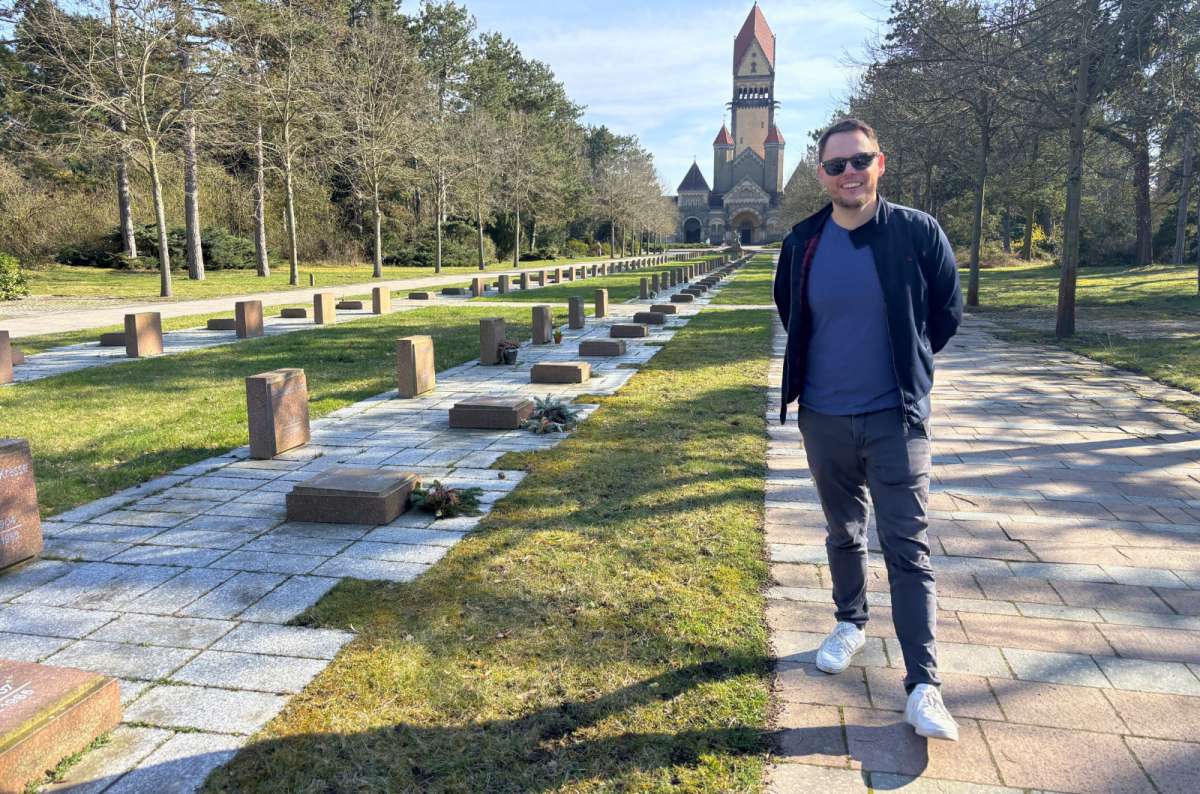
The Mahnmal Cemetery at Leipzig
You need at least 5–7 days for one focused Germany route and 10–14 days for a proper first trip with variety.
Here’s how I’d think about it:
- 3–4 days: Berlin only or Hamburg only
- 5–7 days: Bavaria road trip or Berlin + Dresden/Leipzig
- 10 days: Berlin + Dresden/Leipzig + Bavaria
- 14 days: Berlin + Hamburg + Dresden/Leipzig + Nuremberg + Bavaria/Alps
- December trip: 5–7 days around Nuremberg, Dresden, Regensburg, Munich, or Hamburg
Germany is not small enough to “just add” every famous place. Adding Hamburg to Bavaria is not the same as adding one more café stop. It is a different region.
If you have one week, choose a lane. If you have two weeks, combine regions intelligently. If you have three days, stop pretending you’re seeing Germany and enjoy one city properly.
Best time to visit Germany
Kaiserthermen Roman Baths in Trier
The best time to visit Germany overall is May–June or September–October.
That gives you decent weather, manageable crowds, and better conditions for cities and road trips.
Season logic:
- May–June: best overall balance
- July–August: good for Alps and lakes, busier and pricier
- September–October: strong for city trips, Bavaria, and fall weath
- December: Christmas
- Winter: good for cities and Christmas mood, darker and colder for sightseeing
Oktoberfest is mostly in September, because Germany likes to keep visitors humble.
For Alps and lakes, summer weather helps. For Berlin, Hamburg, Dresden, and Leipzig, the shoulder season is easier. For Christmas markets, December is the point, but hotel prices and crowds know that too.
Best Germany itinerary ideas
Best 5-day Germany itinerary: Berlin + Dresden or Leipzig
From the Berlin Wall to Leipzig’s Stasi history
- Best for: History, museums, first-time city trip
- Transport: Train or car
- Verdict: Best no-car Germany itinerary
- Days 1–4: Berlin
- Day 5 Dresden or Leipzig
Choose Dresden if you want architecture and museums. Choose Leipzig if you want music history, modern energy, and the Battle of the Nations Memorial.
This is a sensible first Germany trip because it does not pretend you can see the whole country in five days. Already a revolutionary concept.
Best 7-day Germany itinerary: Bavaria road trip
Bavaria is really out here showing off again
- Best for: Castles, Alps, lakes, old towns
- Verdict: Best first Germany road trip
- Day 1: Nuremberg
- Day 2: Regensburg
- Day 3: Eagle’s Nest
- Day 4: Berchtesgaden
- Day 5: Königssee/Obersee
- Day 6: Garmisch-Partenkirchen, Zugspitze, Partnach Gorge
- Day 7: Neuschwanstein
This is the trip I’d recommend if someone asked for classic Germany with scenery, history, and enough variety to stay interesting.
Best 10-day Germany itinerary: Berlin + Saxony + Bavaria
Dresden really went all in on the “let’s make everything dramatic” aesthetic
- Best for: Big Germany sampler
- Transport: Train + car
- Verdict: Best variety without completely losing your mind
- Days 1–4: Berlin
- Day 5: Leipzig
- Day 6: Dresden
- Day 7: Nuremberg
- Days 8–10: Berchtesgaden, Königssee, Neuschwanstein, or Bavarian Alps
This is busy, but not insane. Progress.
The key is not trying to add Hamburg, Cologne, the Rhine, and the Black Forest “because we’re already there.” You are not already there. That is the trap.
Best 14-day Germany itinerary
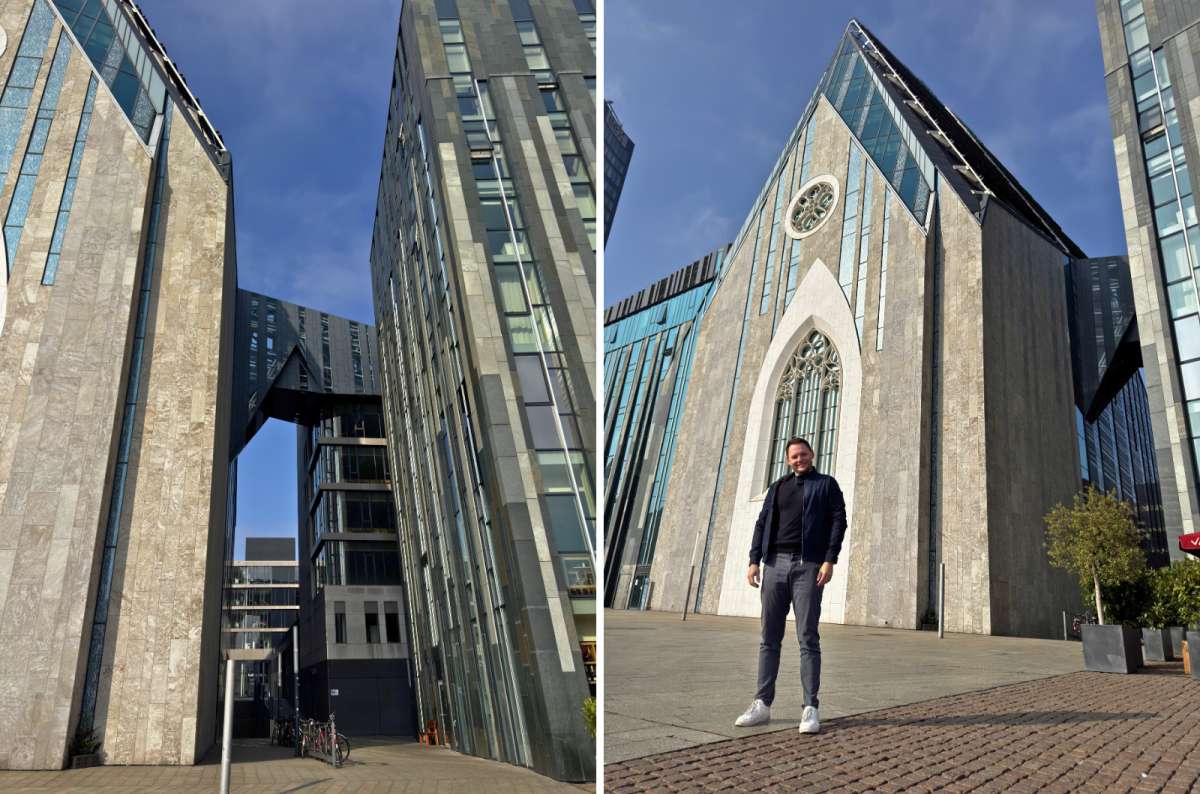
Leipzig’s two landmarks: the New Town Hall and the Monument to the Battle of the Nations
- Best for: First big Germany trip
- Transport: Train + car
- Verdict: Best if you want cities, history, and scenery
- Days 1–4: Berlin
- Days 5–7: Hamburg
- Days 8–9: Dresden and/or Leipzig
- Days 10–14: Bavaria road trip
This gives you northern Germany, eastern Germany, and Bavaria without pretending geography is optional.
It also gives the trip some emotional range: Berlin’s heavy history, Hamburg’s water and city energy, Dresden/Leipzig’s culture, and then Bavaria’s scenery and old towns.
Best bases for a Germany trip
- Berlin: best city base for history, museums, food, and modern energy
- Hamburg: the best northern city base
- Dresden or Leipzig: the best eastern Germany base after Berlin
- Nuremberg: best northern Bavaria base
- Munich: best flight/train hub for Bavaria, but not enough by itself
- Berchtesgaden: best Alpine/nature base
- Garmisch-Partenkirchen: best Zugspitze/Neuschwanstein-ish mountain base
- Trier: best Roman/Moselle/Luxembourg add-on base
My hotel-based advice: don’t change hotels every night unless the route really demands it. Germany is efficient, but packing your bag every morning still makes you a person with a bag instead of a traveler enjoying a trip.
For cities, stay central and use trains or public transport. For Bavaria, choose bases that reduce backtracking. Berchtesgaden and Garmisch are worth sleeping in if you’re serious about mountains.
What I would not overrate in Germany
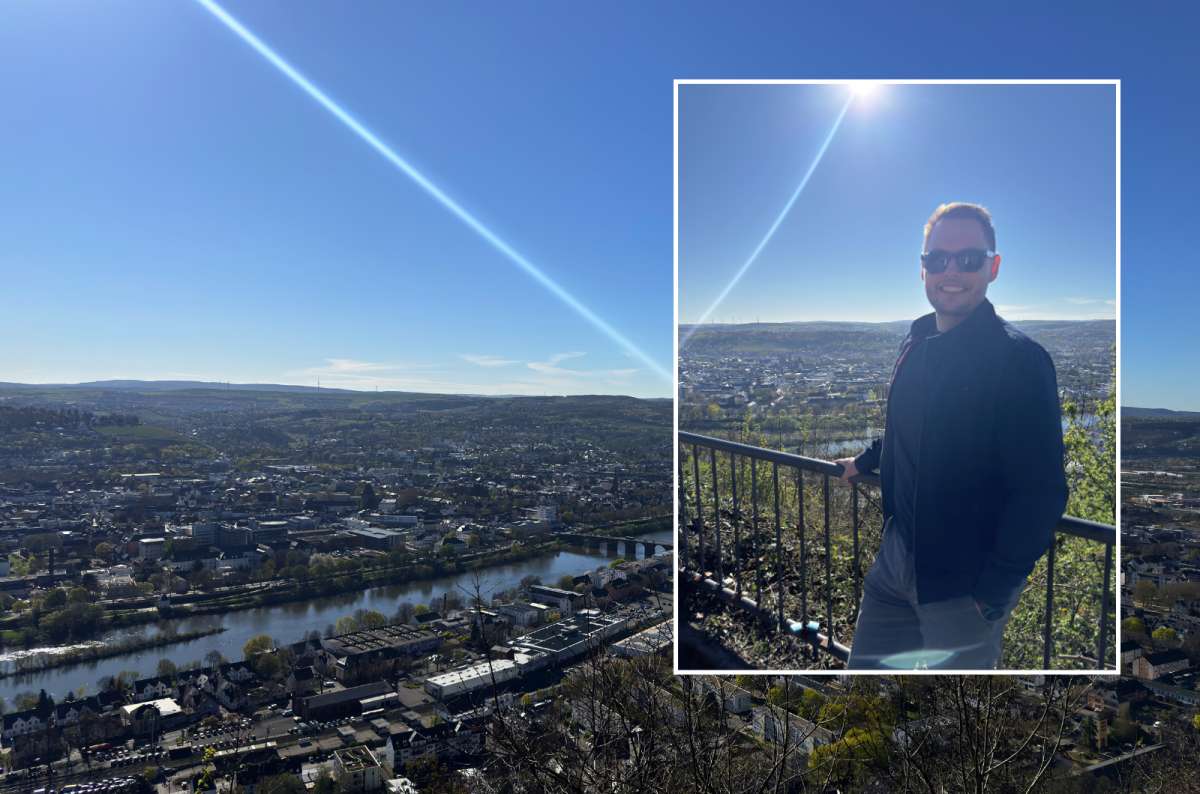
Trier views
- Germany has excellent sights, but not everything deserves your limited vacation days.
- Neuschwanstein interior: Go for the exterior, viewpoints, and story. The room tour is not the main reason.
- Trying to visit every major city: Germany is big enough to punish greed.
- Castle overload: After a few interiors, they blur into furniture, portraits, and slippers.
- Too many Christmas markets: Magical at first. Repetitive by the fourth.
- Only visiting Munich and saying you saw Bavaria: Bavaria’s best parts are outside the city.
- Treating WWII sites as checklist attractions: Give them time and context. Don’t rush through trauma tourism between lunch and a selfie.
- Tiny old towns without a reason: Some are beautiful. Not all deserve itinerary space.
- Long scenic detours in bad weather: A viewpoint is not a viewpoint if the view has left the building.
Final verdict: what are the best things to do in Germany?
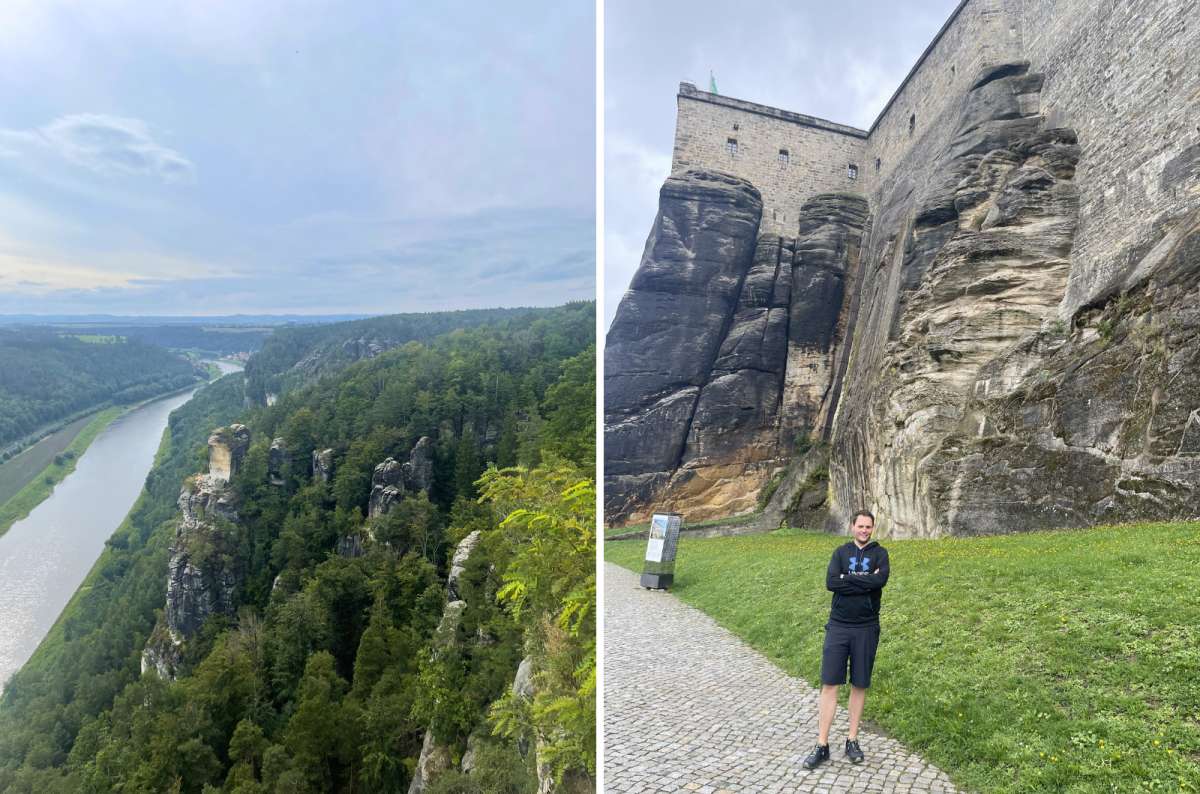
Saxon Switzerland somehow makes giant rocks and fortresses feel completely normal
The best things to do in Germany are Berlin for history and museums, Bavaria for a road trip, Neuschwanstein for the classic castle view, Berchtesgaden and Königssee for scenery, Nuremberg for medieval streets and Nazi history, Hamburg for modern city energy, Dresden and Leipzig for eastern Germany, Trier for Roman ruins, and Christmas markets if you visit in December.
- But the real answer is this: choose your Germany.
- Best first Germany trip? Berlin + Bavaria.
- Best no-car Germany trip? Berlin + Dresden + Leipzig + Hamburg.
- Best road trip? One week in Bavaria.
- Best nature/scenery? Berchtesgaden, Königssee, Bavarian lakes, Zugspitze, and Neuschwanstein area.
- Best underrated additions? Leipzig, Trier, and Regensburg.
Germany is not a country to tick off like a checklist. It works best when you stop pretending you can see Berlin, Hamburg, Bavaria, the Rhine, the Black Forest, Dresden, Cologne, and Neuschwanstein in one heroic week.
Pick your version. Then do it properly.
FAQs about things to do in Germany
What is the number one thing to do in Germany?
For first-timers, the number one thing to do in Germany is spend several days in Berlin. It gives you the strongest mix of WWII history, Cold War history, museums, monuments, food, and modern city life. For scenery and castles, the best thing to do is a Bavaria road trip.
How many days do you need in Germany?
You need at least 5–7 days for one focused Germany route and 10–14 days for a proper first trip. With 5 days, choose Berlin plus Dresden or Leipzig, or do a shorter Bavaria route. With 10–14 days, you can combine Berlin, Hamburg, eastern Germany, and Bavaria.
Is Germany better by train or car?
Germany is better by train for major cities and better by car for Bavaria, lakes, castles, Alps, and smaller towns. Use trains for Berlin, Hamburg, Dresden, Leipzig, and Nuremberg. Rent a car for Berchtesgaden, Neuschwanstein, Bavarian lakes, and mountain routes.
What is the best city to visit in Germany?
Berlin is the best German city overall for first-timers because it has the strongest history, museums, food, and modern energy. Hamburg is better for a cooler northern city break, while Nuremberg is better for a compact mix of medieval streets and Nazi history.
Is Neuschwanstein Castle worth visiting?
Yes, Neuschwanstein Castle is worth visiting, but mainly for the exterior, viewpoints, scenery, and Ludwig II history. The interior tour is not the main reason to go, and I would not panic if tickets are sold out.
What is the most beautiful part of Germany?
From the places I’ve visited, the most beautiful part of Germany is the Bavarian Alps, especially Berchtesgaden, Königssee, Obersee, Eibsee, and the area around Zugspitze and Neuschwanstein.
What should I skip in Germany?
Skip overstuffed cross-country itineraries, too many castle interiors, too many Christmas markets, and Neuschwanstein’s interior if expectations are high. Also skip tiny old towns that don’t fit your route just because someone called them “essential.”
What is the best time to visit Germany?
The best time to visit Germany is May–June or September–October for general travel. Visit in December for Christmas markets, and in July–August if your priority is Alps, lakes, and mountain scenery.
Is Bavaria enough for a full Germany trip?
Yes, Bavaria is enough for a full one-week Germany trip. A good Bavaria road trip can include Nuremberg, Regensburg, Eagle’s Nest, Berchtesgaden, Königssee, Garmisch-Partenkirchen, Zugspitze, Partnach Gorge, and Neuschwanstein.
kod_faq010
Book!
Find an awesome hotel
Sometimes, all you need to do is take the first step... I've filtered out the best hotels in Berlin for you
Share!
Share this article
Save it for yourself to come back to later, or share with your friends on social media!
Plan!
Ready to take the leap?
I've already planned your itinerary for the trip, complete with my travel tips.
Follow!
Join me on social media
Find more travel content, photos, and fun on:
This post contains affiliate links. If you make a booking through one of my links, I may earn a small commission—at no additional cost to you. Thank you for your support!













Comments | Thoughts? Give us a shout!