


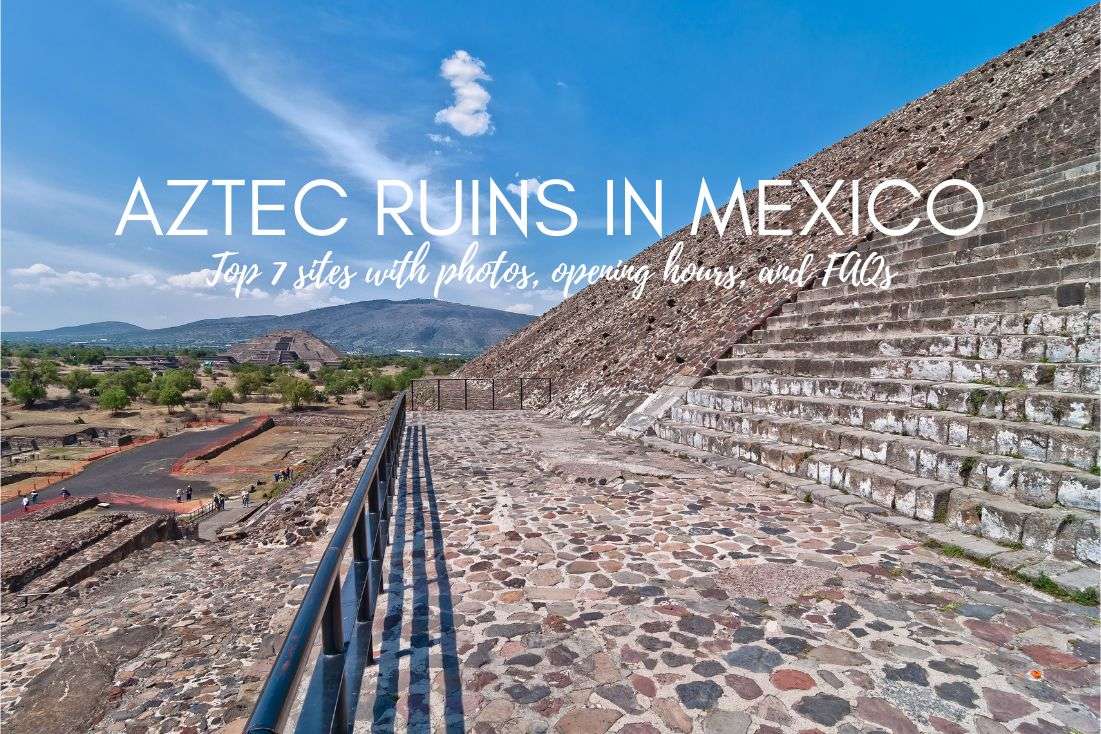


I traveled across so many Aztec ruins in Mexico; I’m still getting accustomed to modern civilization. The Aztecs were crazy successful conquerors so their cities are all over the country. Thanks to their, ahem, greediness, I’m here to tell you which Aztec ruins in Mexico are actually worth your travel time. Seriously, these guys built a lot of cities. Not all of them can be winners.
Just a heads up, I’m not talking about every archaeological site in Mexico in this article. That would be crazy. But if you’re itching for more ancient Mexico, I do have a guide to the best Mayan cities in Mexico.
Here, though, I’m talking just about the best Aztec ruins in Mexico. And boy, are there still a lot of ruins to cover. The Aztecs were about as talented at building cities as they were at being ruthless. Which is to say, very. Let’s check out the ultimate Mexican Aztec ruins!
You might also be interested in reading:
As ironic as it may sound, the most famous Mayan ruins in Mexico are much better preserved than the Aztec ones, even though they’re older. Check out 5 top Mayan cities in Mexico for more details about ancient Mayan ruins, or the scoop on one of the most famous ones: Chichén Itzá.
Aztec ruins:
Mayan ruins:
Quick ancient ruin comparison chart
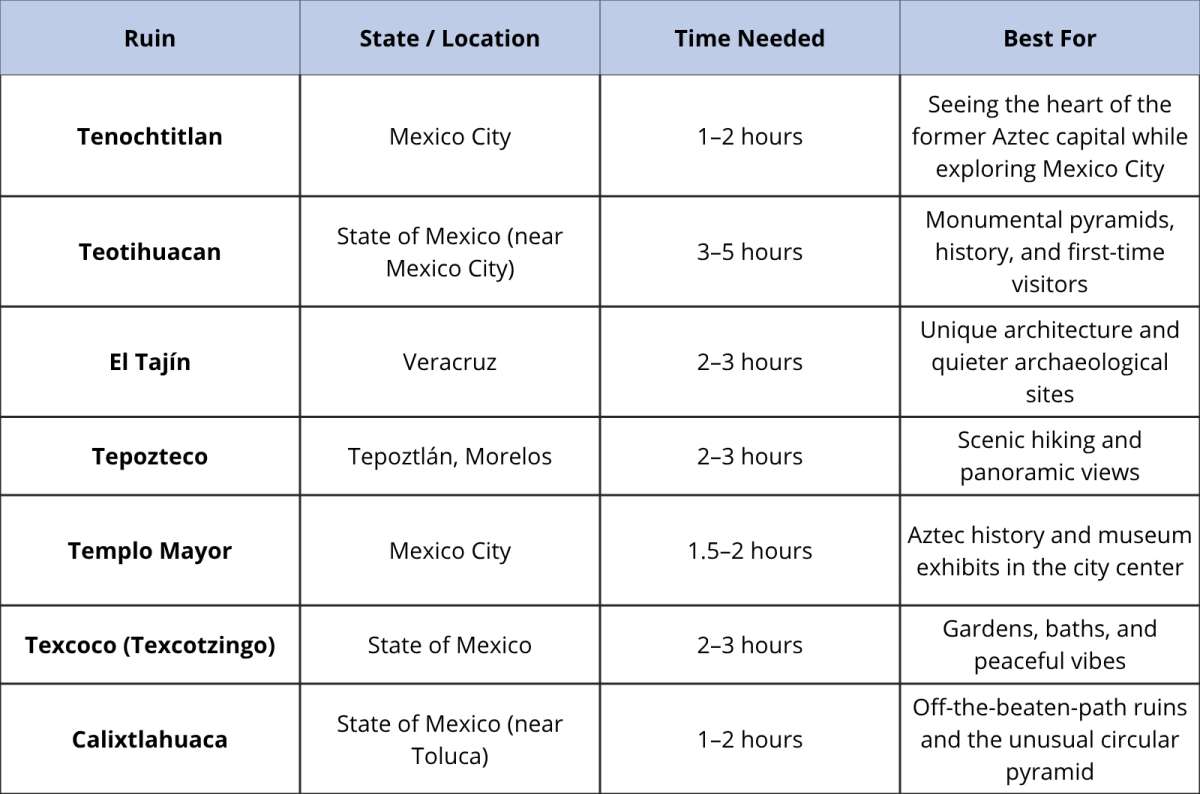
Trying to figure out which Aztec ruins in Mexico will fit into your itinerary? I put this chart together to help you decide.
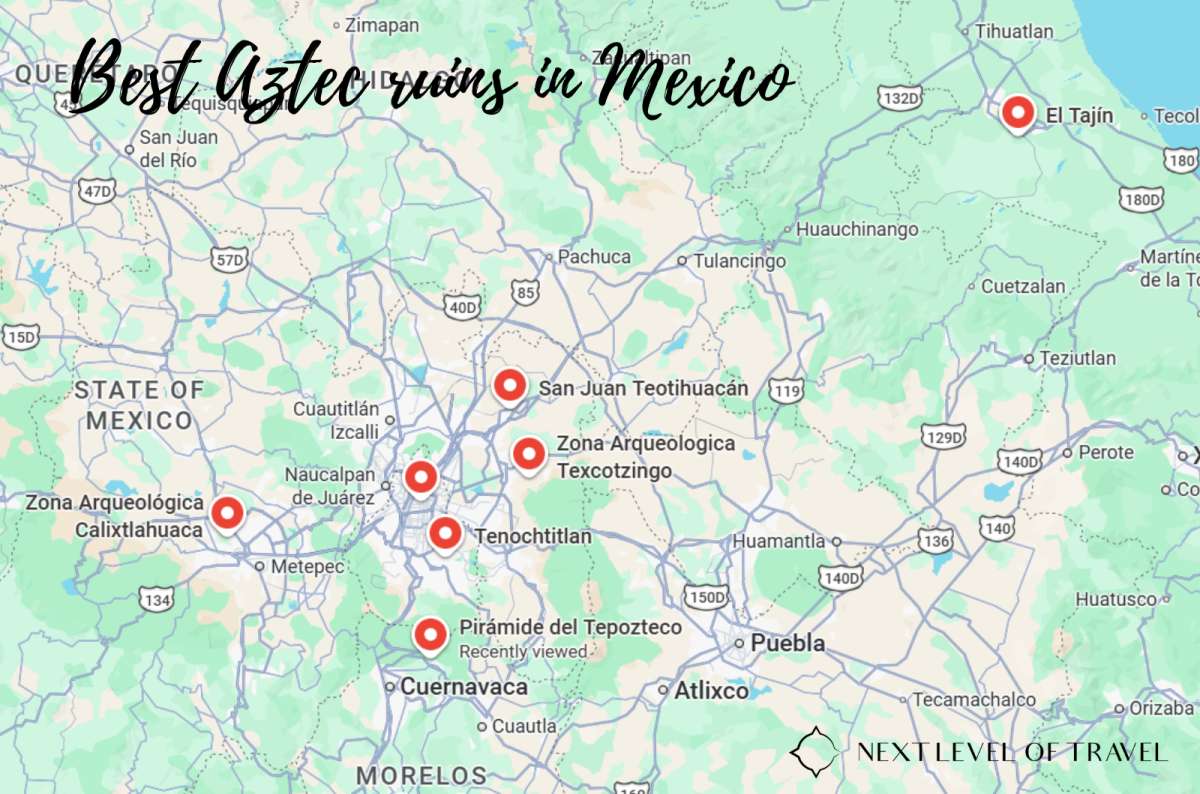
Look at the map highlighting the best Aztec ruins in Mexico
Here’s a quick overview to help you figure out which Aztec ruin will make you say, “I’m glad these guys conquered all this land and built this ancient city. Who cares about all their victims? Psh, not me.”
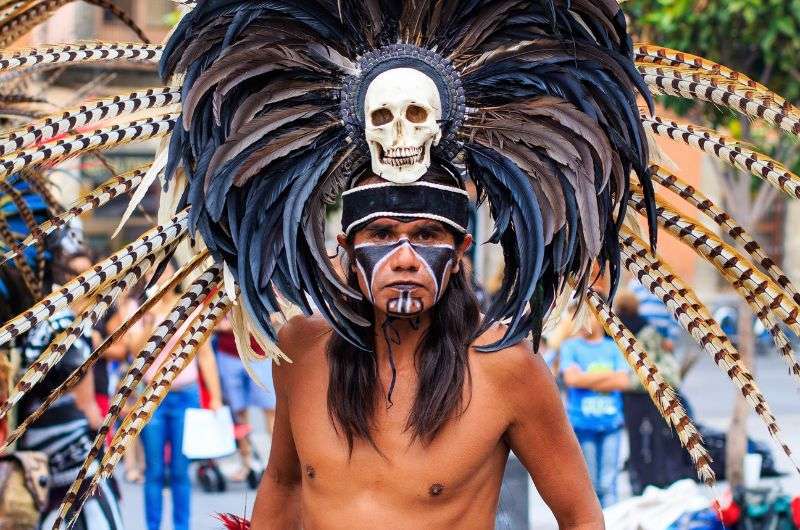
You don't want to mess with Aztec warriors
The Aztecs were no innocent peace lovers. On the contrary, they were fond of money and blood. What do we know about this odious ancient tribe of Mexico?
The Aztec Empire was a military confederation of three cities:
The term “Aztecs” is often used not only to refer to the members of the empire but also in a broader sense, to describe all tribes in Central Mexico who spoke the Nahuatl language from 1300 to 1521 CE.
The Aztecs were bloodthirsty warriors, canny economists, and devoted worshippers. Result? Everybody who wasn’t an Aztec hated the Aztecs. They demanded large tributes from the tribes they ruled and indulged in human sacrifice. It’s said that once, in the course of only four days, they slaughtered 80,000 prisoners of war.
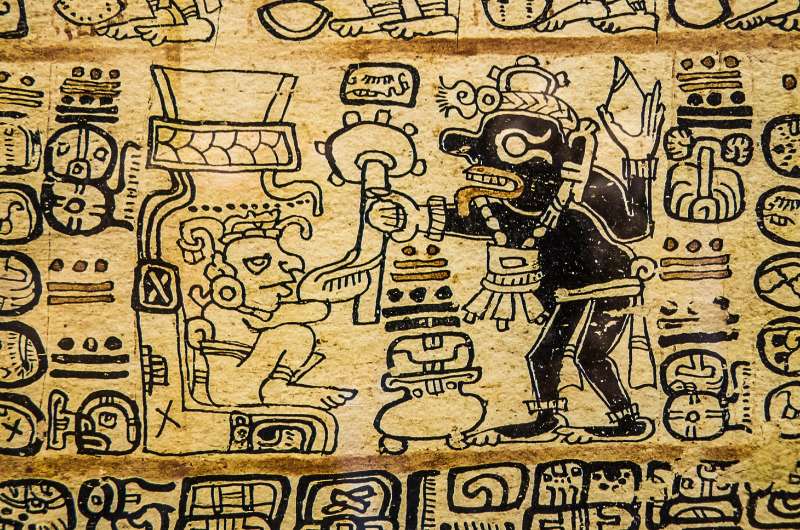
A representation of an Aztec ritual
When the infamous Spanish conqueror Hernán Cortés arrived in 1521, he was a welcomed savior for many of the oppressed tribes. Several city-states helped the Spanish; they overthrew the Aztec Empire together and started a new chapter of history.
Fun fact: The Aztecs were also called the Mexica. That’s where the name of Mexico comes from.

These are the top 7 Aztec ruins you shouldn’t miss when you travel to Mexico:
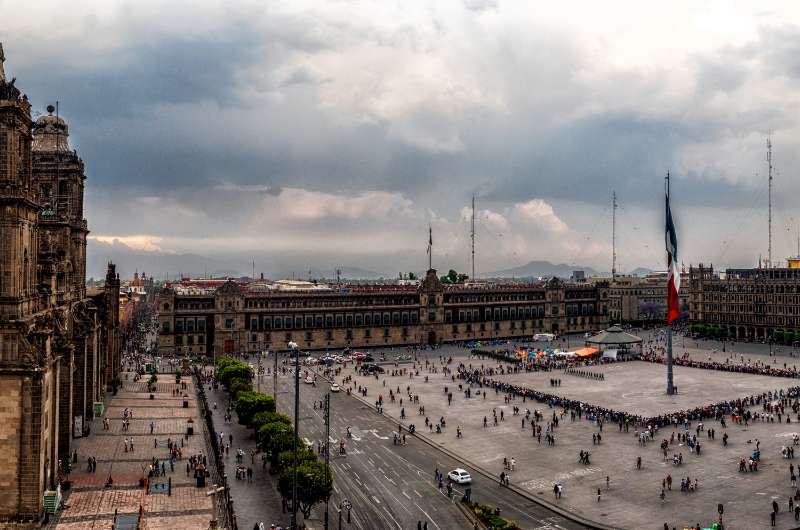
The Tenochtitlan ruins in Mexico City—former Aztec Empire
Today’s Mexico City is entirely built on the ruins of Tenochtitlan, the city-state that served as the capital of the empire. That means: whenever you’re in Mexico City, you’re in the center of the Aztec Empire! Tenochtitlan covered approximately 13 square kilometers (5 square miles) of land and was home to 200,000 people. That’s almost twice as many as the number of people who live in modern-day Cambridge.
I have to say I loved walking around knowing that I was in the heart of ancient Aztec civilization. Bet you can’t say that about your hometown, can you?
Tenochtitlan was the most influential city-state of its epoch. The Aztec ruler Montezuma, residing in Tenochtitlan, supposedly ruled a total of 5 million people in the whole realm. That was before Hernán Cortés came and conquered Tenochtitlan because the Aztecs were butchers and everybody hated their guts.

Hotel in Mexico City—Fiesta Americana Viaducto Aeropuerto
Hotel tip: Hotel Fiesta Americana Viaducto Aeropuerto is perfect if you don’t want to stay in Mexico City but want to travel around due to its location close to the airport and the highway. It’s perfect for traveling around Aztec ruins; they have nice rooms, tasty breakfast, and an excellent atmosphere overall.
Pro tip: If you're bad at planning multi-stop days, here's a guided tour that already lines up Teotihuacan, Tlatelolco, and the Basilica of Guadalupe for you.
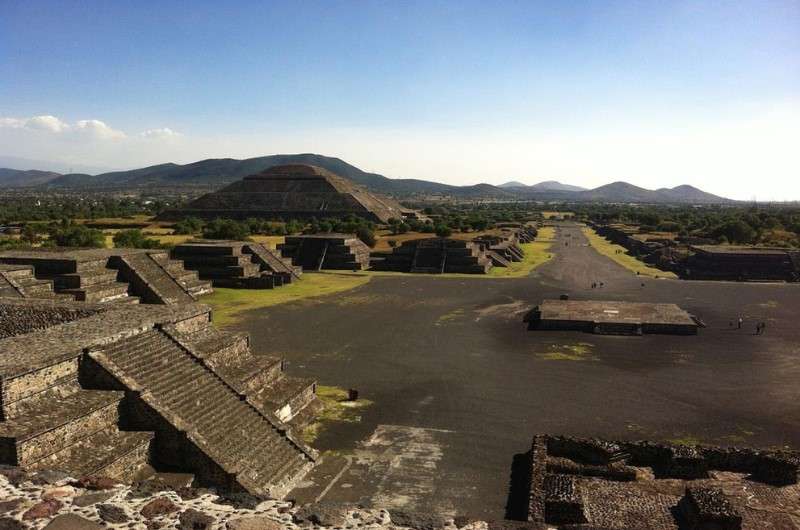
The pyramids and temples in Teotihuacan
Teotihuacan is a UNESCO World Heritage Site shrouded in a cloud of mystery—nobody, not even the biggest brains of our time, knows who built it. The Aztecs discovered this mysterious ruin in Mexico when it was already abandoned. They gave it a fitting name: "the place where the gods were created“.
I absolutely loved the Aztec monuments and monumental buildings in the large archeological site, particularly the famous Pyramid of the Sun, Pyramid of the Moon, or the Temple of the Feathered Serpent. As it’s just an hour’s drive from Mexico City and it’s one of the top 10 places to visit in Mexico, it was super easy to squeeze into my Mexico itinerary!
iTravel tip: Make your trip to Teotihuacan extraordinary by booking a balloon flight or Tequila tasting.
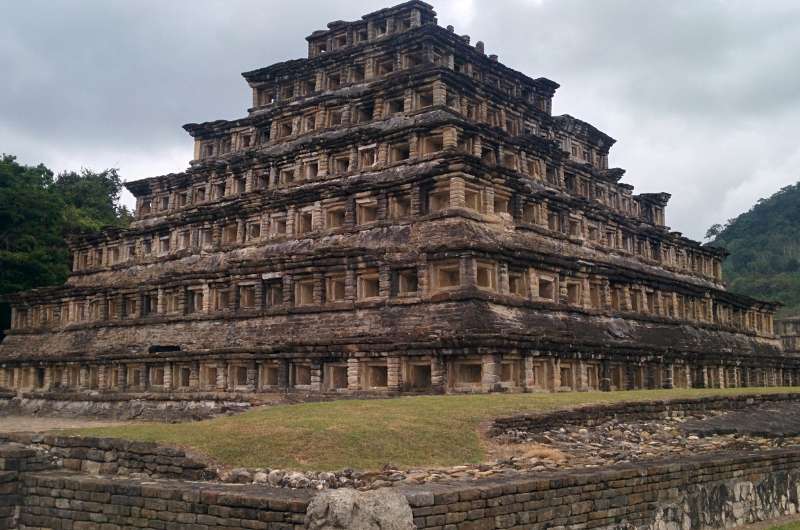
The Aztec Temple in El Tajín
El Tajín was an Aztec city that flourished between 600 and 1200 CE, mostly thanks to its strategic position next to important trading routes. It extends for 10 square kilometers (4 square miles), which is not a lot. But what makes the ruins stand out is not the extension—it’s the structures, which are absolutely unique and can’t be seen anywhere else in Mexico.
My favorite building in the complex is the Pyramid of the Niches (in the picture), made of flagstones and richly decorated with Aztec monuments. Whoever built it had a good sense of design.
See other interesting places to visit in Veracruz State.
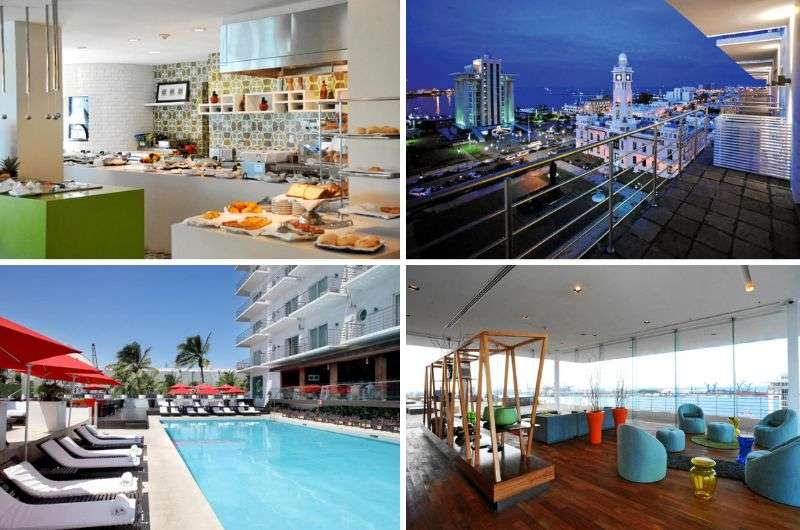
Luxurious Hotel Emporio Veracruz!
Hotel tip: Hotel Emporio Veracruz, in a great location, equipped with 3 swimming pools, a spa, and 3 restaurants with delicious breakfast, is a perfect choice you’ll appreciate after a day full of walking.
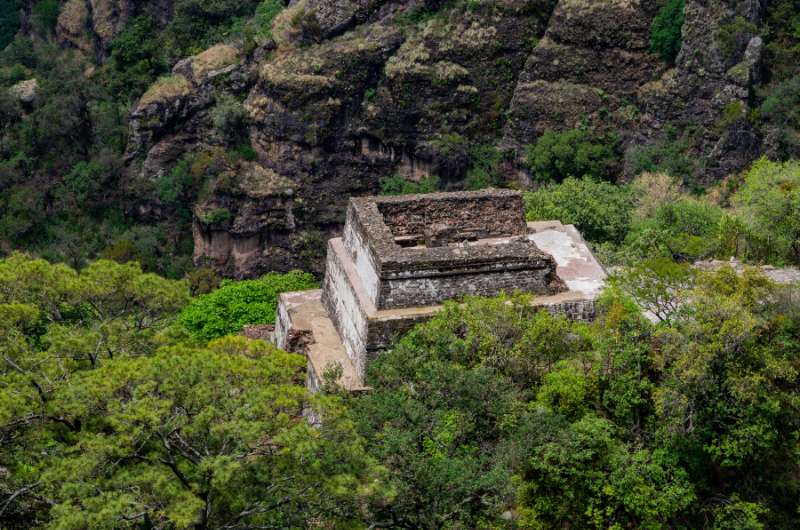
The most interesting Aztec ruin—Tepozteco
Not only is Tepozteco one of the most interesting Aztec ruins in Mexico, but it also completely makes up for missing gym day! The temple overlooks the town of Tepoztlán from a hill, and I had to work up a sweat to get there. The hike is up, up, up!
Tepozteco is an Aztec temple devoted to the god of pulque, an alcoholic beverage traditionally made in Central Mexico. The ruin only has two chambers, so don’t expect miracles. But what you can expect is a hike rewarding you with spectacular views from the mountaintop.
I didn’t encounter too many fellow hikers on my trek up the hill, but granted, I left early in the morning, like any good tourist hoping to avoid the other tourists. Which is what I recommend you do too. This is a popular hike and gets crowded as the day goes on.
(Have you noticed that most ancient religions worship a god of alcohol? Dionysus in Greece, Bacchus in Rome, Nephthys in Egypt…Which means pouring yourself a good shot of, let’s say, Tequila, is nothing bad! Have a look at my guide to the beverages and food in Mexico)
Travel tip: Don’t drive right under the hill—the streets there are extremely narrow and full of one-ways. Instead, find a parking space in one of the private gardens where locals offer parking for a relatively small price. In certain locations in Mexico, finding a good parking space is like catching lightning in a bottle—as a wise traveler mentioned in one of his articles about driving in Mexico.
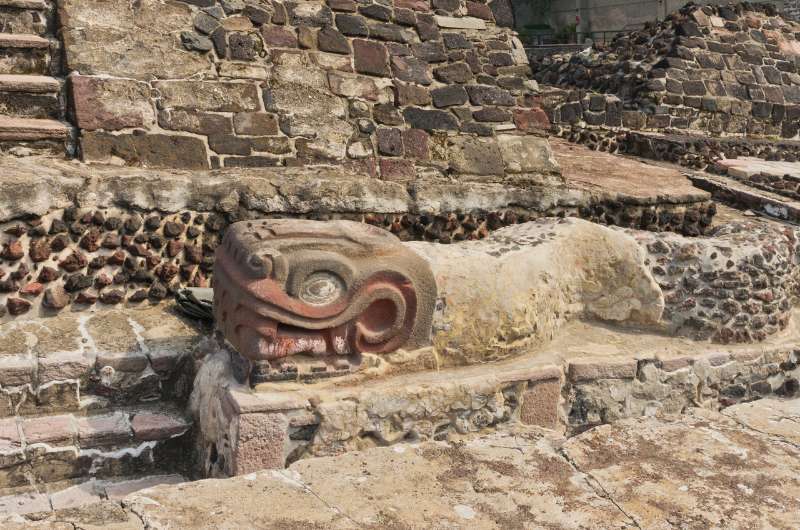
Statue in the Templo Mayor Museum
The history nerd in me really came out at the ruins of Templo Mayor, the main temple of Tenochtitlan. It's part of the Historic Center of Mexico City, and it's right by the Zocalo, or "main square."
It used to have the form of a pyramid, dedicated to Tlaloc (the god of rain) and Huitzilopochtli (the god of war). As the most important religious site in Tenochtitlan, it was soaked with blood. Hundreds of skulls were found in front of the temple.
Today, the Templo Mayor Museum houses the findings, and I recommend you take your time looking at it all. I enjoyed all eight halls that display various pieces of Aztec culture: hair-raising stuff, such as knives and offerings, but also peaceful artifacts, such as musical instruments and agricultural technologies. The other sites only have the ruins, but Templo Mayor’s exhibits gave me a much fuller understanding of Aztec society. And honestly, it was probably the highlight of my Templo Mayor visit.
Pro tip: If you hate waiting in line more than you love ancient ruins, grab a skip-the-line ticket to Templo Mayor and go straight in.
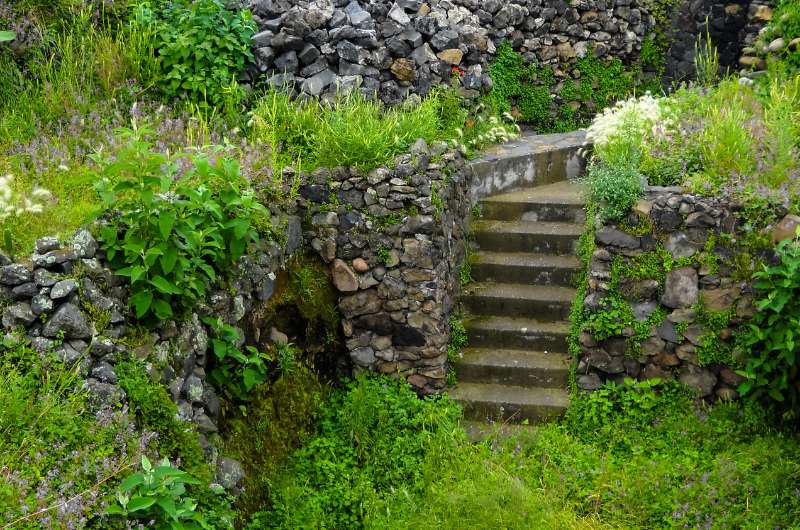
Texcoco—center of learning
Texcoco, one of the city-states forming the Aztec Empire, was the center of learning. And apparently also the center of baths. A lovely hike among Aztec ruins gave me a peek at the Baths of Nezahualcoyotl (Texcotzingo), where the former inhabitants of the city used to bathe in pools carved from rock and surrounded by gardens and waterworks.
I really enjoyed this hike. It was much more zen and less crowded than the Tepozteco one, but just as much of a workout. I honestly couldn’t believe how few tourists there were given how many ruins there were to see. But hey, more for me.
By the way, Nezahualcoyotl was the king of Texcoco. I stumbled not only upon his bath but also upon the Palace of Nezahualcoyotl. That was an unexpected treat!
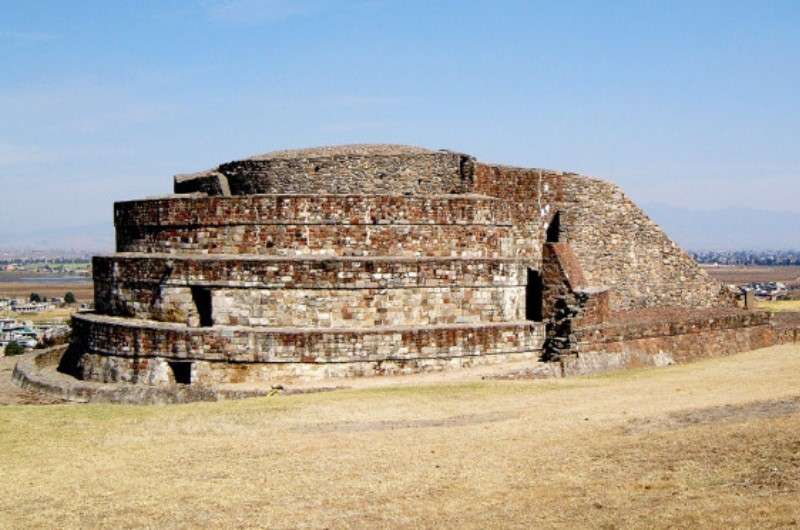
The city of Calixtlahuaca
The city of Calixtlahuaca has an unusual, round main pyramid that's one of the most unique ancient structures I've ever seen. First, it served as the religious center and the destination of pilgrimage, but later an agricultural town grew around it. It was built by an influential tribe, the Otomi, and conquered by an even more influential one: the Aztecs. They wanted corn, which was plentiful in the region.
The Aztecs ruled with a firm hand—they slaughtered and imposed taxes. No one knew which was worse. After the uprising against Montezuma, the Aztecs decided to show them who's boss and burned the city to the ground. That’s why these ruins in Mexico are everything that’s left of Calixtlahuaca.
I found it hard to imagine that all that went down at this funky little dome. But the small museum contextualized it for me. You know I love a bonus museum. Not to mention the views at the top were gorgeous, and I didn’t need to strain my legs like crazy in the process.
This post contains affiliate links. If you make a booking through one of my links, I may earn a small commission—at no additional cost to you. Thank you for your support!


Hi, I’m Jan. I travel fast and intensely, whether I’m exploring the buzz of Tokyo in 3 days or road-tripping through mountains and beaches on a 3-week Thailand adventure. And no matter where I am, you’ll always find me in a comfortable hotel at night and eating the best food.
If that sounds like your kind of journey, hop on board, and let’s explore the world together!
I started this blog after realizing how tough it can be to find reliable, authentic travel info. You wouldn’t believe how many “travel bloggers” never even visit the places they write about! On Next Level of Travel, you can count on my full honesty and insights drawn from my firsthand experiences.
Here’s the deal: not every destination is all superlatives and unicorns. I’ll let you know if a tourist attraction isn’t worth your time, like skipping overrated stops in my 2-week Spain itinerary. And when I find something truly special—like the perfect mix of culture and nature in Cape Town—you can trust that it’s worth adding to your itinerary.

Comments | Thoughts? Give us a shout!