





Mexico is one of the most diverse countries you can travel to—and also one of the easiest to get wrong. It’s also one of my favorites. If you’re planning to visit Mexico for the first time, this list of the best places to visit in Mexico will save you from random choices and disappointments.
This list is my personal ranking based on my real experiences. This isn’t meant to be exhaustive, and that’s intentional. It mixes famous highlights with locations most travelers skip when they explore Mexico—including a few hidden gems.
Some are spectacular natural sights, others are historic cities or ancient ruins. Some of these places take effort to visit, so if you prefer active travel and don’t need every stop to be easy or polished, this list will suit you well.
If you’re looking for a realistic, experience-based answer to where to go in Mexico, I’m glad you found my article. These are the places to visit that genuinely stood out to me, without pretending every stop is a life-changing miracle.
Read more from my Mexico travel blog.
This is my top 10, and trust me, I’m pretty picky and have very high expectations! This isn’t a generic list, because not every famous place in Mexico deserves your time.
Here is a quick overview of my top picks of things to see in Mexico, followed by detailed guides for each place so you can decide which ones belong in your Mexico itinerary.

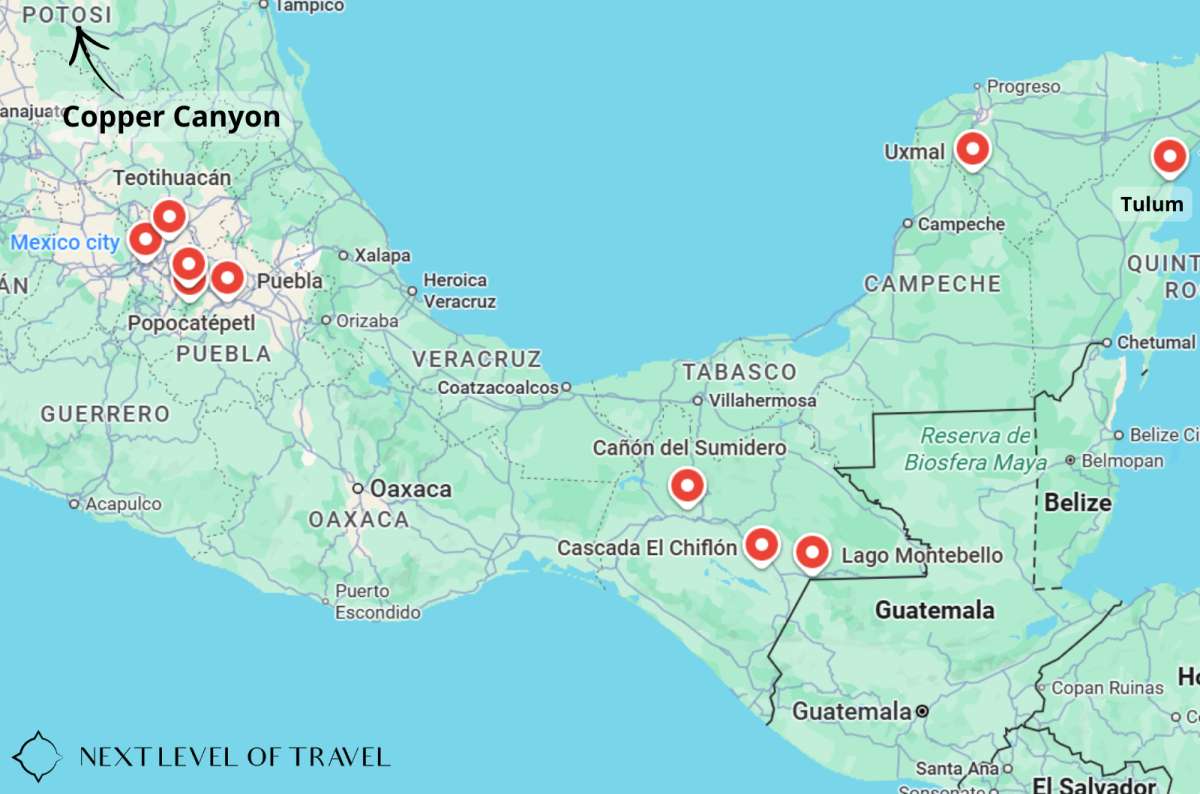
Map highlighting the top destinations to visit in Mexico
Most “best places to visit in Mexico” lists recycle the same stops without explaining why you’d choose one place over another. They treat beach towns, megacities, ruins, and national parks as if they were interchangeable, like some generic Mexico bucket list.
I want my content to be genuinely useful. This list mixes cities, natural beauty, Mexican culture, and ancient sites on purpose, and each place earns its spot for a specific reason.
This list intentionally skips beach-heavy stops like Cabo San Lucas or Puerto Escondido in favor of places that offer more variety. I don’t include any destinations just because they’re famous.
The goal is not to see everything, but to choose places that fit how you travel.
Here’s my top 10 in detail:
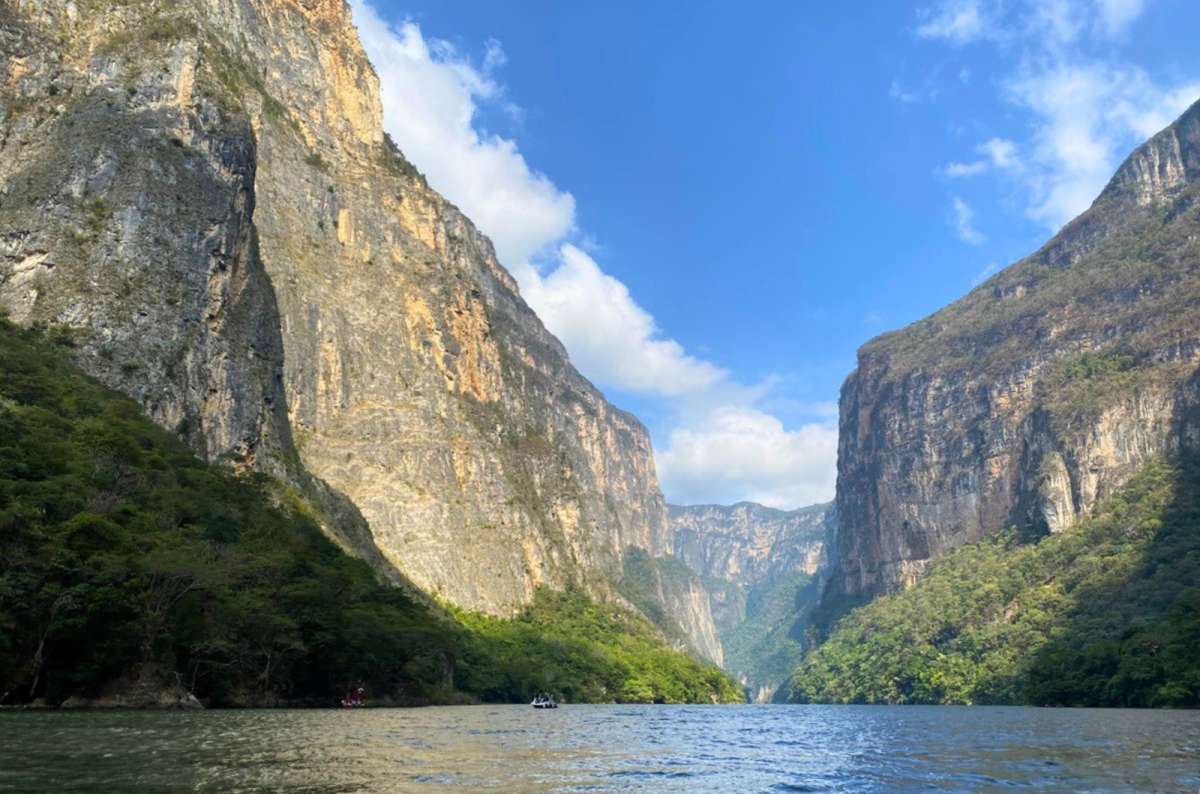
Behold, the awesomeness of Sumidero Canyon from the little blue tourist boat
My favorite place to visit in Mexico? Sumidero Canyon (Cañón del Sumidero), hands down. This national park is the Yosemite of Mexico. And almost nobody knows about it!
Sumidero Canyon is 200 meters (655 feet) wide, and 13 kilometers (8 miles) long with a river running through it, so obviously, there’s a boat tour out there calling your name.
The 1,000-meter (3,280 feet) high walls jutting almost vertically up from the water are unlike anything you’ve ever seen from a little blue boat. You’ll feel tiny and vulnerable with the towering masses of rock looming above you. If they had feet, they’d squash you like a fly.
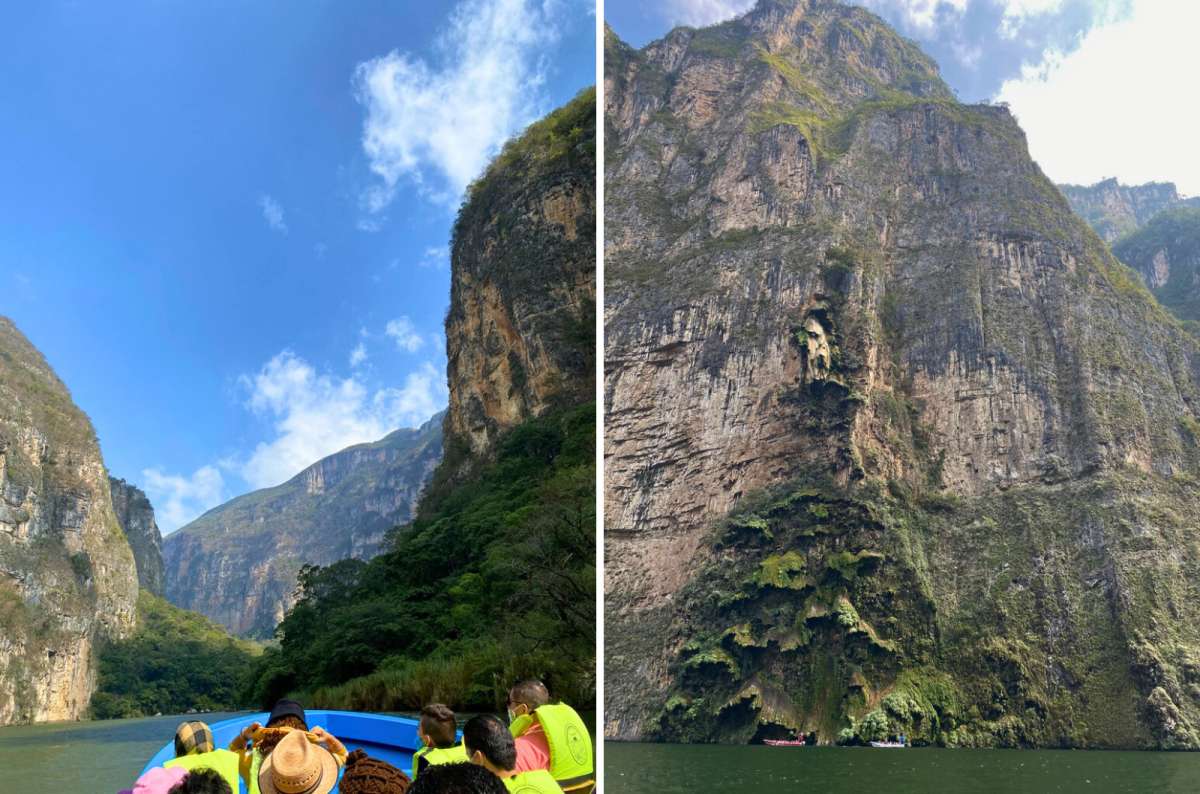
Looking up at the massive canyon walls of Sumidero Canyon, and on the right: Christmas Tree Waterfall
Going through the canyon on a boat tour is the way to go. It takes 3 hours and leaves from a small town called Chiapa de Corzo. You’ll get a unique look at the waterfalls, caves, rock formations, birds, and crocodiles, one that you just won’t be able to enjoy from the road above it.
That said, the road called Miradores del Cañón del Sumidero takes you through no less than four stunning viewpoints on the 17 km (10-mile) road.
One of the most famous waterfalls of Sumidero is the Christmas Tree Waterfall, or Árbol de Navidad. You’ll see why it’s called that right away.
Or, climb up a ladder straight from your boat to the Cave of Colors. It serves as a chapel and glistens in shades of pink thanks to the minerals in the rocks.
Book a room at City Express Comitán. The staff there are so welcoming, I still remember how great it felt to stay there and how high they set the bar for every other hotel staff after that.
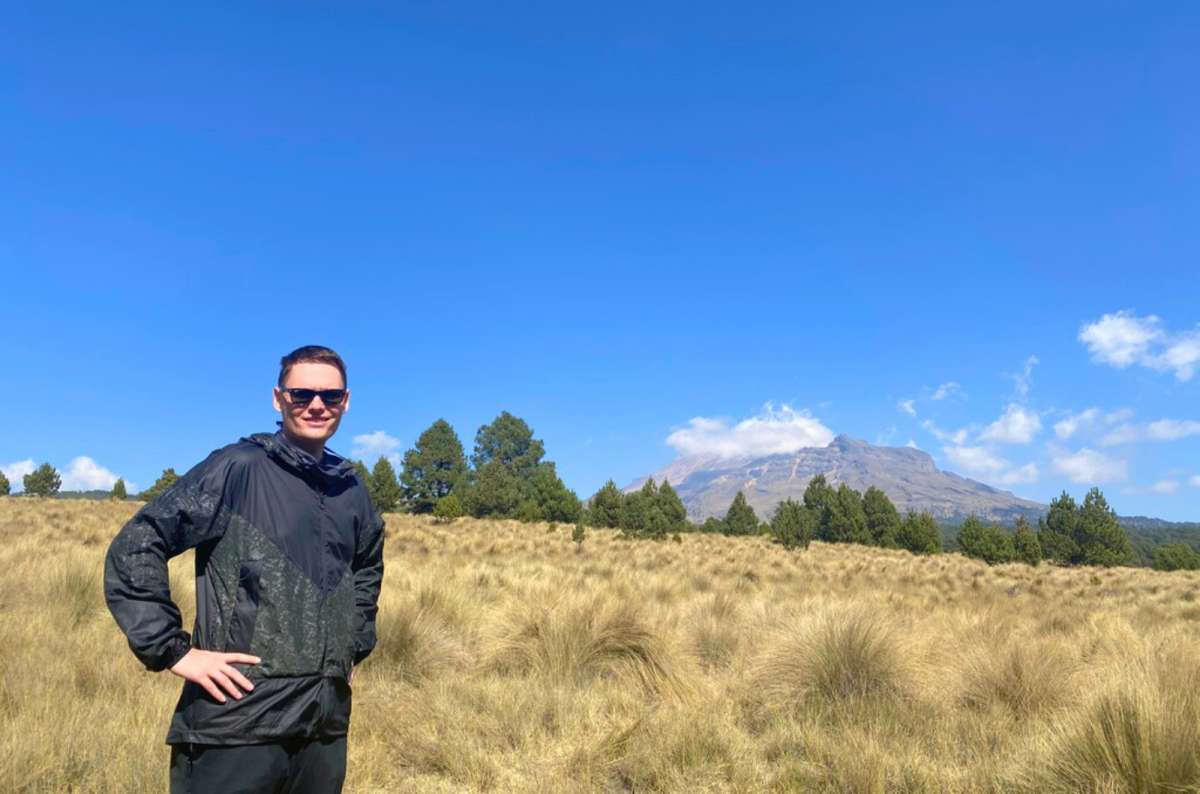
Standing in the highlands with Popocatépetl volcano rising in the distance—one of Mexico’s most iconic natural landmarks
Both of these volcanoes are within the Izta Popo National Park. I had high hopes for this park, and it still managed to exceed my expectations. The scenery is amazing—a truly unforgettable place to visit in Mexico. It’s not every day you get to see a breathtaking natural wonder.
Before even setting out on a hike, you will be impressed. Even if you are just sitting in your car in the parking lot.
Fun fact: Did you know Mexico has around 40 active volcanoes? And that Popocatépetl is considered one of the most dangerous in the world? Not only is it active and, in 2026, still erupting (since 2005!), but if someone got the gods really angry, a proper eruption could cover nearby Puebla and even Mexico City under Popocatépetl’s lava.
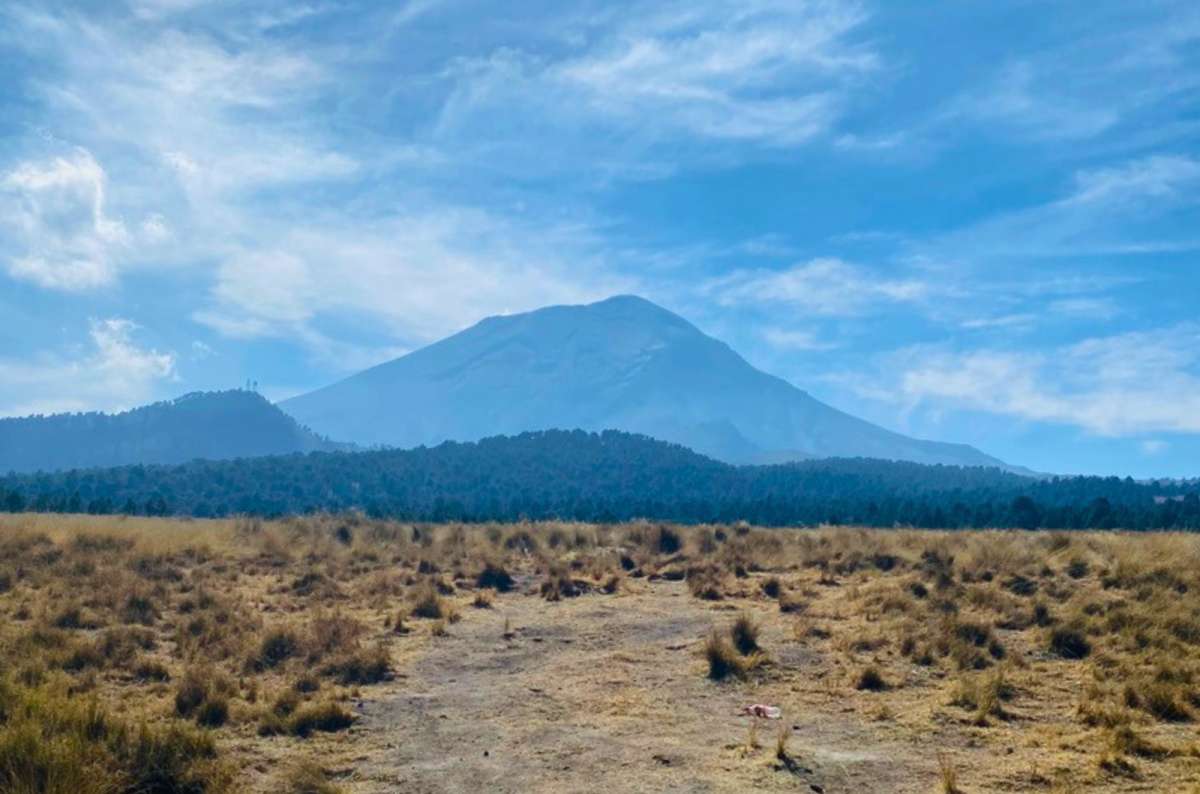
Popocatépetl rises above the high-altitude plains of Izta-Popo National Park, one of the most impressive volcanic landscapes in Mexico
Luckily, volcanologists can predict spikes in activity, so visiting the area is deemed safe. You still can’t climb the actual volcano. That would be just plain stupid.
How to see Popocatépetl and Iztaccihuatl
You can climb Iztaccíhuatl, because it is active but dormant. That means it’s still going to erupt sometime in the future, but it’s currently taking a long nap.
As I said, you can’t climb Popocatépetl, so you will be hiking under the volcano, and it’s a once-in-a-lifetime experience.
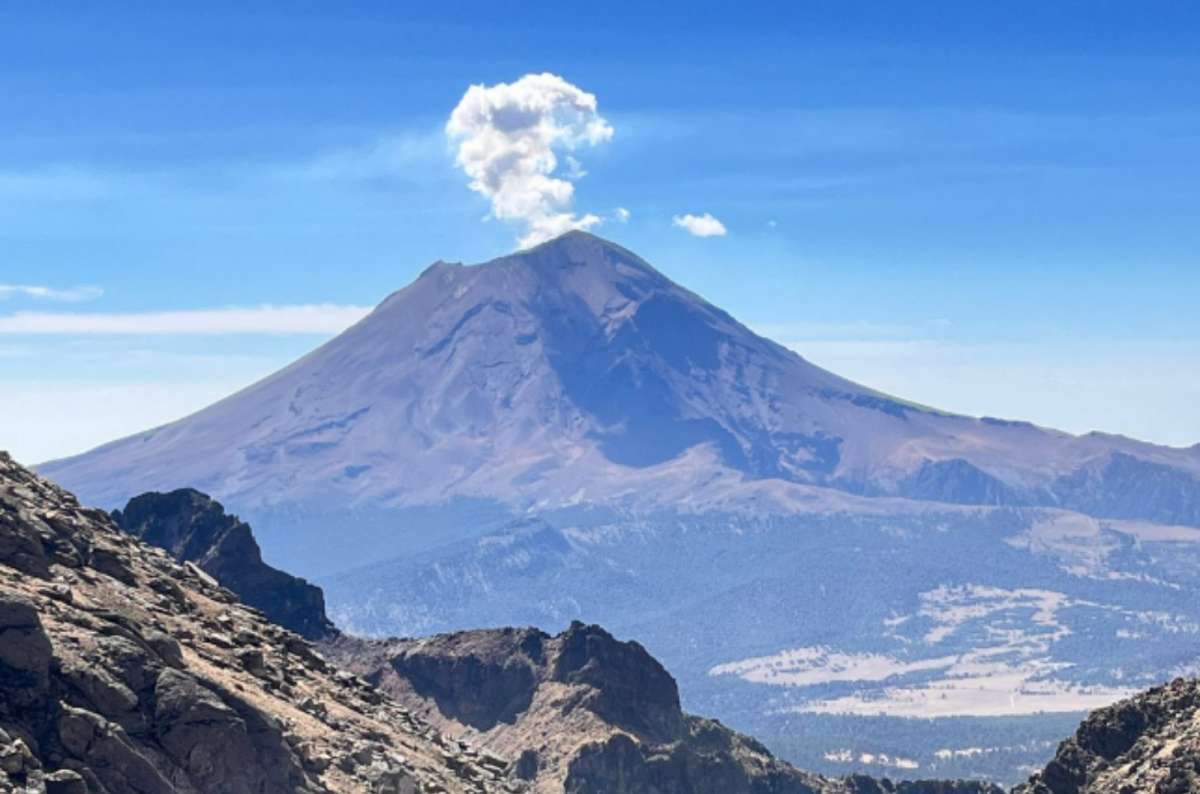
Popocatépetl is releasing a plume of smoke above Izta-Popo National Park
There are 3 trails ranging from easy to hard (there are more hiking options, just ask a guide, but these are the three official ones).
It’s important to keep in mind that most areas of the park are at least 3,000 meters (9,840 feet) above sea level, meaning thinner air. That alone could make even the easy trail unmanageable for some people.
Me being me, I’m going to recommend the hard trail that leads to none other than Iztaccíhuatl. You will sweat, you will groan, and it will be awesome
The slope is steep, and the elevation gain is enormous. The part just below the summit is really challenging. And the views from the top are arguably the best out of all Mexican volcanoes.
You can either sink your teeth in and hike all the way to the peak (13 kilometers (8 miles) there and back), or you can just get a taste of Iztaccíhuatl and turn around at Tercer Portillo, which is before the going gets really tough. Taking a guide is a good idea either way.
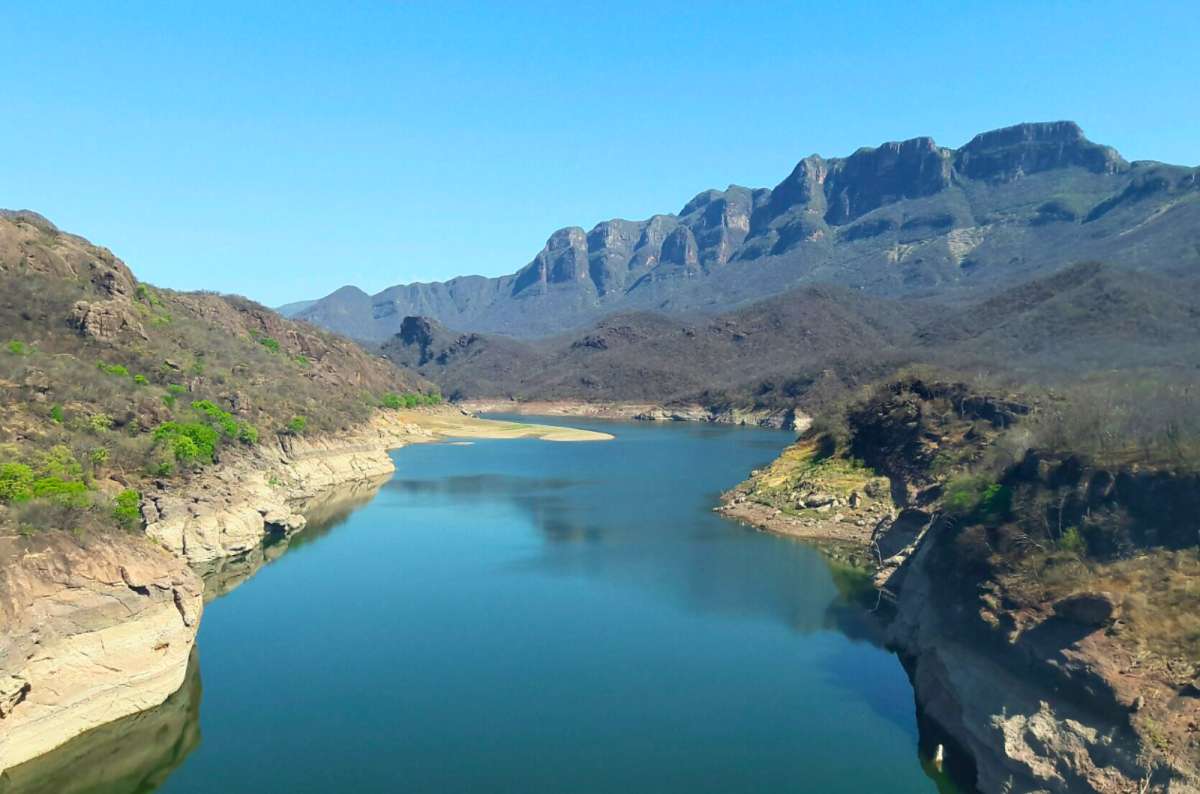
A calm stretch of river cutting through Copper Canyon, an epic canyon system in northern Mexico
Copper Canyon is a group of 6 distinct canyons all hugging each other, creating one humongous canyon four times as big as the Grand Canyon. Each individual canyon was created by one river. They eventually all merge into the Rio Fuerte and drain out into the Gulf of California, and, from there, the Pacific Ocean.
But what makes this one of the best places to visit in Mexico is that you can take a train to do so. I boarded the Copper Canyon Train, otherwise known as El Chepe, on part of its 670 km (415-mile) route from Chihuahua to Los Mochis.
Needless to say, chugging along the mountains, through tunnels and over bridges, peering deep into the canyon, is a spectacular and very memorable way to see the area.
How to visit Copper Canyon
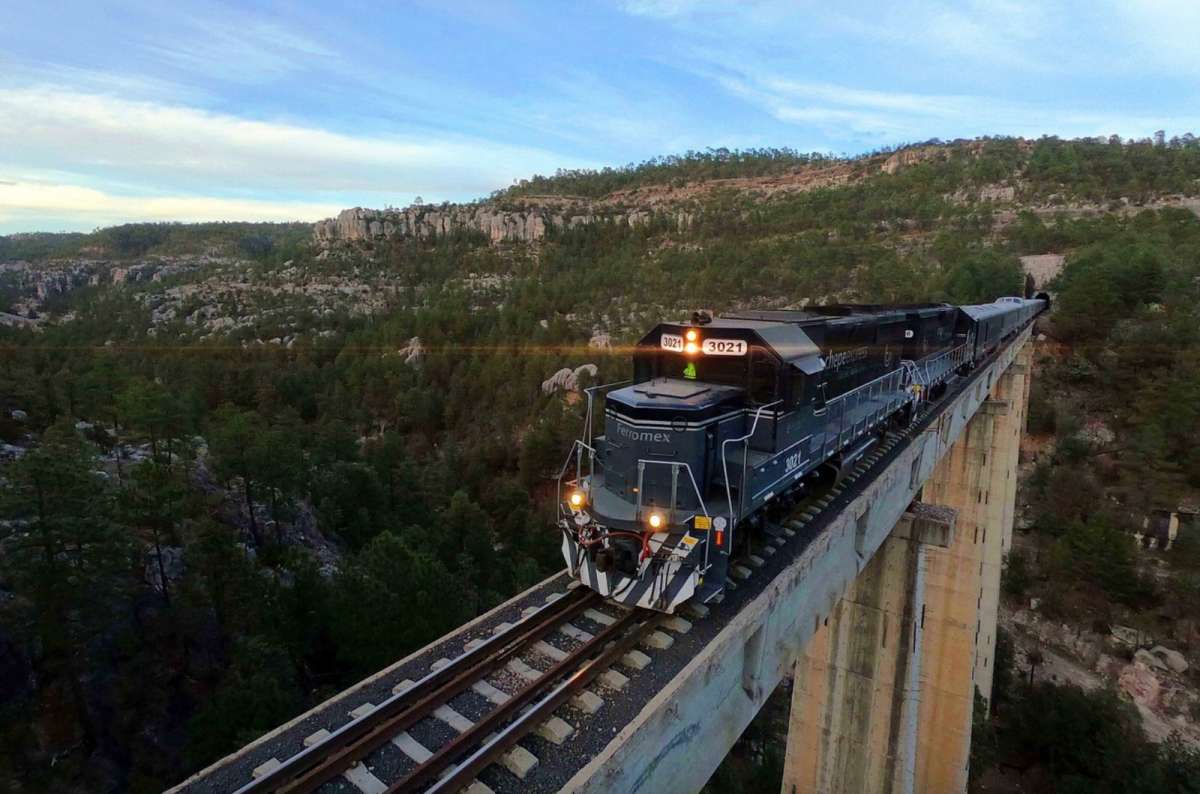
The Copper Canyon Train is one of the most fun things to do in Mexico
You can visit Copper Canyon on foot (hire a guide!), on a horse, or on a mountain bike (head to Creel for those options). You can even zip over it at Barrancas del Cobre Adventure Park.
But the most popular way to go is by train—this is a must-do activity in Mexico if you’re able to find the time to travel out to the northwest corner of the country to Chihuahua state, where it is located.
The popular option is to take the Copper Canyon Train from Los Mochis and continue through the towns, hopping on and off, sometimes staying the night in the canyon. You wouldn’t want to go further than Creel. Without stopping, the trip takes about 4 hours.
Consider travel medical insurance before Mexico. This trip can easily include boat rides, hikes, waterfalls, ruins, volcano views, long transfers, and the occasional “why did I think this was logistically simple?” moment. SafetyWing’s Nomad Insurance Essential is travel medical insurance for international travelers and can include emergency medical coverage, eligible hospital stays, and travel assistance, depending on your plan and policy terms.
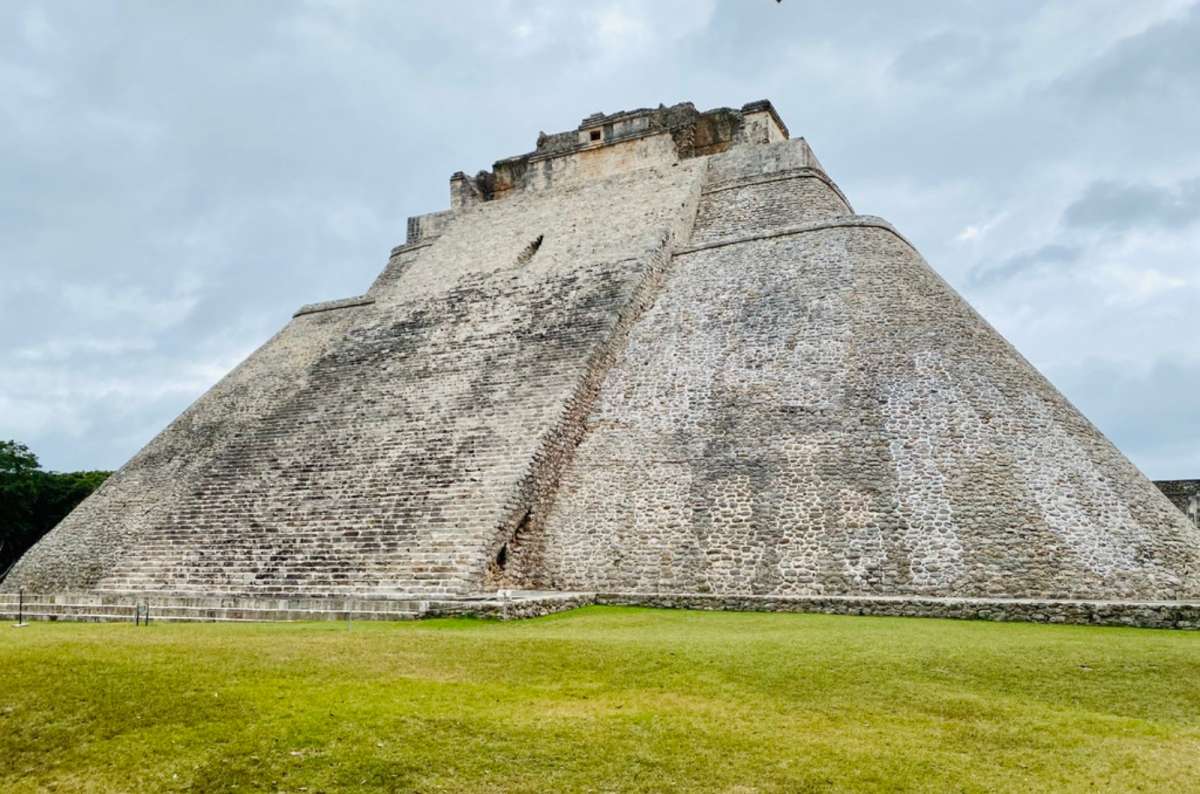
The iconic Pyramid of the Magician in Uxmal in Mexico’s Yucatán Peninsula
Uxmal is special because there’s a ball game field, and they sometimes sacrificed the losers of the game there. I mean, come on, wouldn’t you come here just after reading that? Ok, ok, I admit, the main pyramid is particularly striking and also worth your attention. Now will you visit?
Good news: it’s an easy day trip from Mérida and far less crowded than Chichén Itzá, which is why I prefer it.
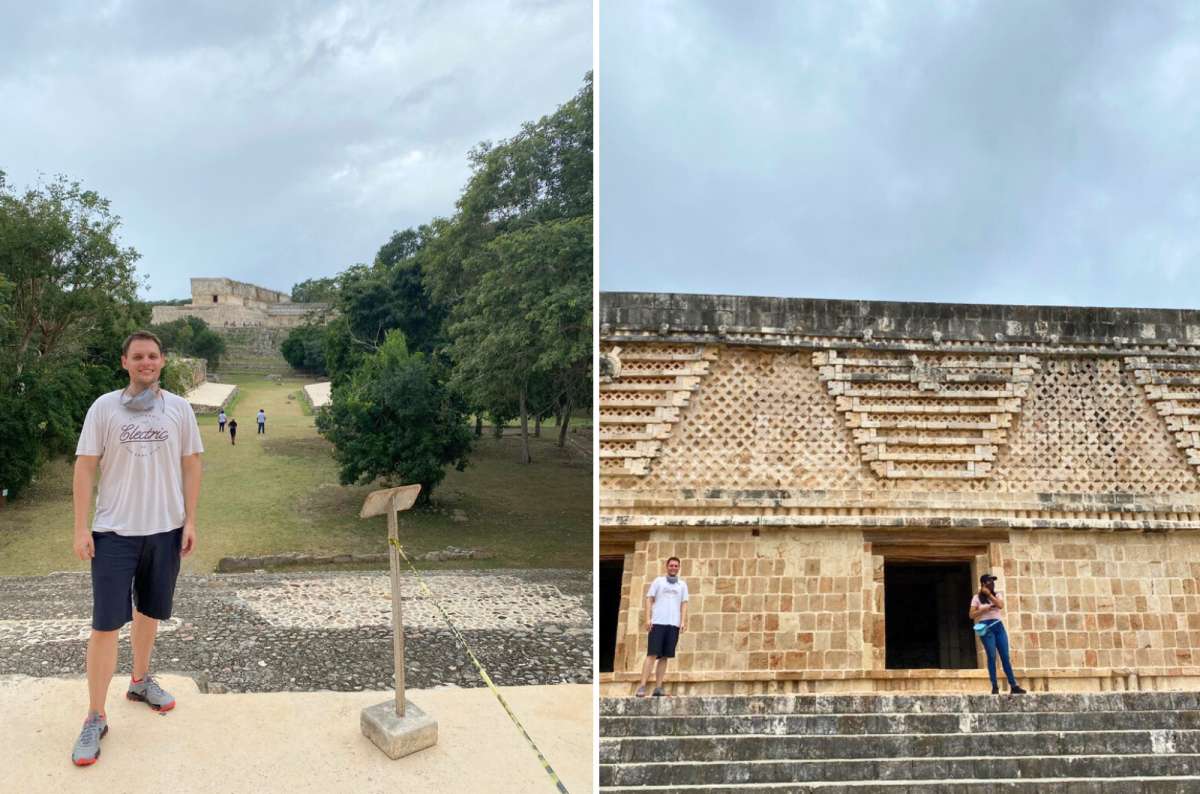
The Maya ruins of Uxmal are known for their elegant stonework and grand ceremonial architecture
Uxmal is about 1 hour from Mérida, making it one of the easiest major Mayan sites to visit independently. The city sitsin the jungle on the Yucatan Peninsula and was home to 25,000 people at its height.
The buildings are built in the typical Puuc style: smooth walls, columns, detailed cut stones (stucco), and reliefs representing snakes.
The Pyramid of the Magician is the tallest structure in the city. It is different from other pyramids and, with its elliptical base and rounded sides, is definitely the most unique Mayan structure of the Yucatan Peninsula.
You can’t climb this particular pyramid, but you can climb onto and into just about everywhere else. This is specific to Uxmal; you really can get up close and personal with the historical artifacts, which lands it high on my list of things to see in Mexico. Go on top of the Grand Pyramid for the best views of the ancient city.
The one thing that grabbed my attention was the basketball court. The Maya were absolutely obsessed with tlachtli, a game in which they had to toss a ball through a stone hoop. It’s kind of like basketball, but you can’t use your hands. Lots of elbow and hip action. And sometimes, the losing team was ritually sacrificed. How very… different. Talk about pre-game jitters!
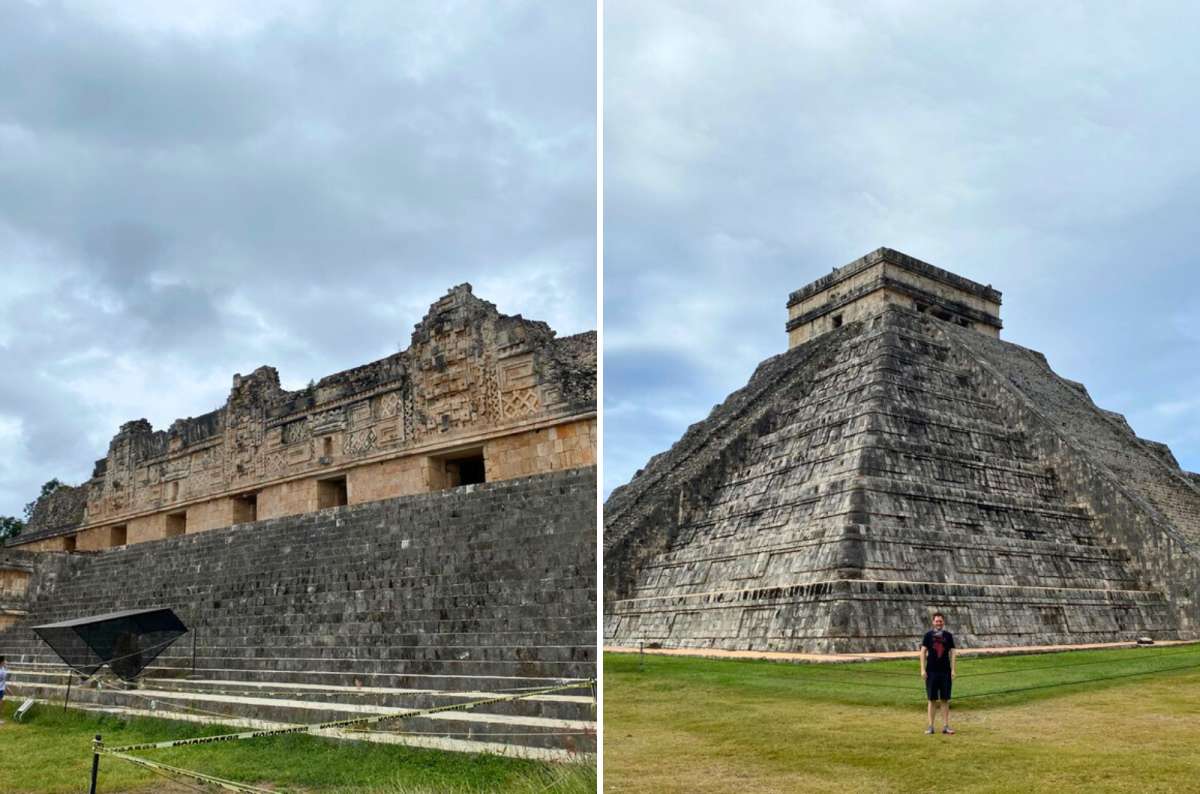
Uxmal (left) versus Chichén Itzá (right): two Mayan cities, offering very different experiences
Uxmal is often fighting for attention with Chichen Itza. And granted, they are both equally impressive.
Why choose Uxmal? First of all, Uxmal is the best example of the elaborate carvings of Puuc architecture. And being the less famous and not one of the Seven Wonders of the World, the crowds at Uxmal are nothing compared to Chichen Itza.
And I still recommend getting to Uxmal as soon as possible in the morning; otherwise, parking becomes impossible.
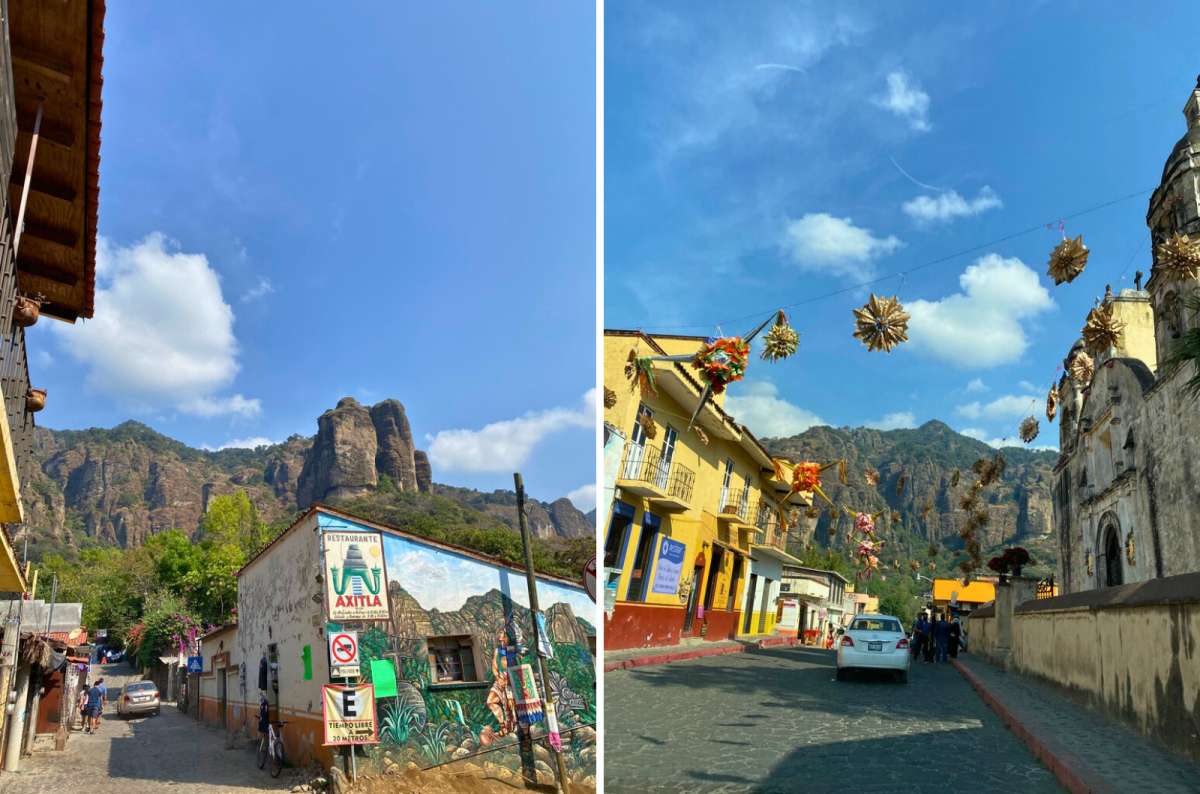
Street scenes from Puebla’s historic center, showcasing colonial architecture set against the surrounding mountains
What’s my second-favorite city in the Americas? Puebla!
Puebla’s historic center is so beautiful I put it right behind Washington DC in my favorites list. It’s stunning! It’s also a UNESCO World Heritage Site. Apparently, it goes on that list too: copycats.
Compared to Mexico City, Puebla is calmer, more compact, and far easier to visit on foot. Puebla played a key role in Mexico’s colonial history, and to me, as a history buff, that was another bonus point.
The streets of Puebla city center are narrow, lined with historical and sometimes very colorful colonial buildings. These house shops and cafes are inviting for some good old tourist walks with no real destination in mind.
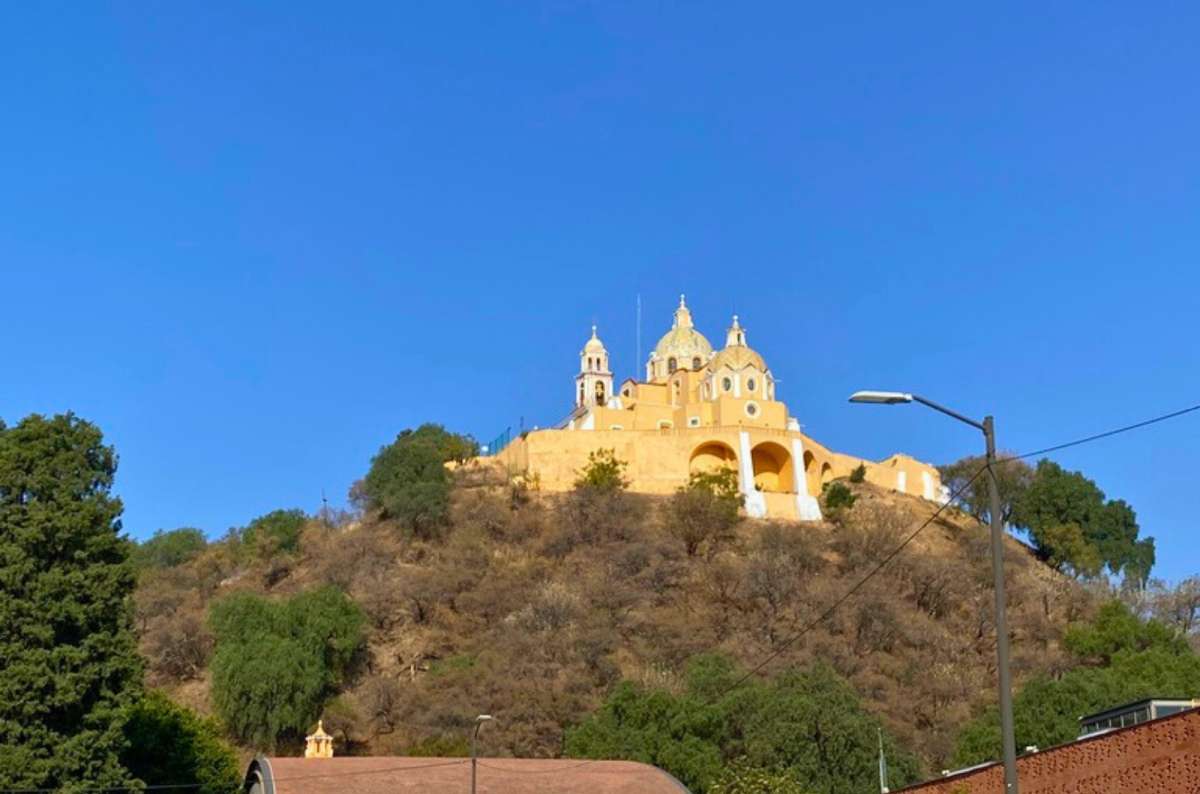
The church of Nuestra Señora de los Remedios, sitting on the Great Pyramid of Cholula,is one of the most distinctive landmarks in Puebla
Puebla is one of the easiest cities to visit in Mexico independently, especially if you’re coming from Mexico City. Puebla is close enough to Mexico City to reach easily (about 2 hours by car), but far enough to feel like a completely different place in central Mexico. I recommend staying at least 2 full days here (big shoutout to Banyan Tree Hotel, my stay there was amazing), because there’s so much to see:
Head to the Chapel of the Rosario in the Church of Santo Domingo. The amount of gold used to decorate this thing will make your eyes pop out of your head. Maybe that’s why it was described as the Eighth Wonder of the World when it was built in the 17th century.
Shop for souvenirs at the El Parián handicraft market. The market stands look like Hansel and Gretel could be locked up inside, though feeding them with bricks would probably be counterproductive.
You can also step back in time—400 years to be exact—to the oldest public library in the Americas. The Biblioteca Palafoxiana breathes rich history, with dark wooden everything and tons of old, dusty books. Some from the 14th century!
Worth a mention is Cholula, about 30 minutes away from Puebla. This actually is home to the largest pyramid in the world—Tlachihualtepetl! It’s almost twice as wide as the one in Giza. Didn’t know that, did ya? Be warned that the Catholics worked their magic here, so the top part of what was once a pyramid looks like a boring old hill with a church on top. Still, there is a lot to see, and you can even climb the stairs in the bottom section. At least that still resembles a pyramid.
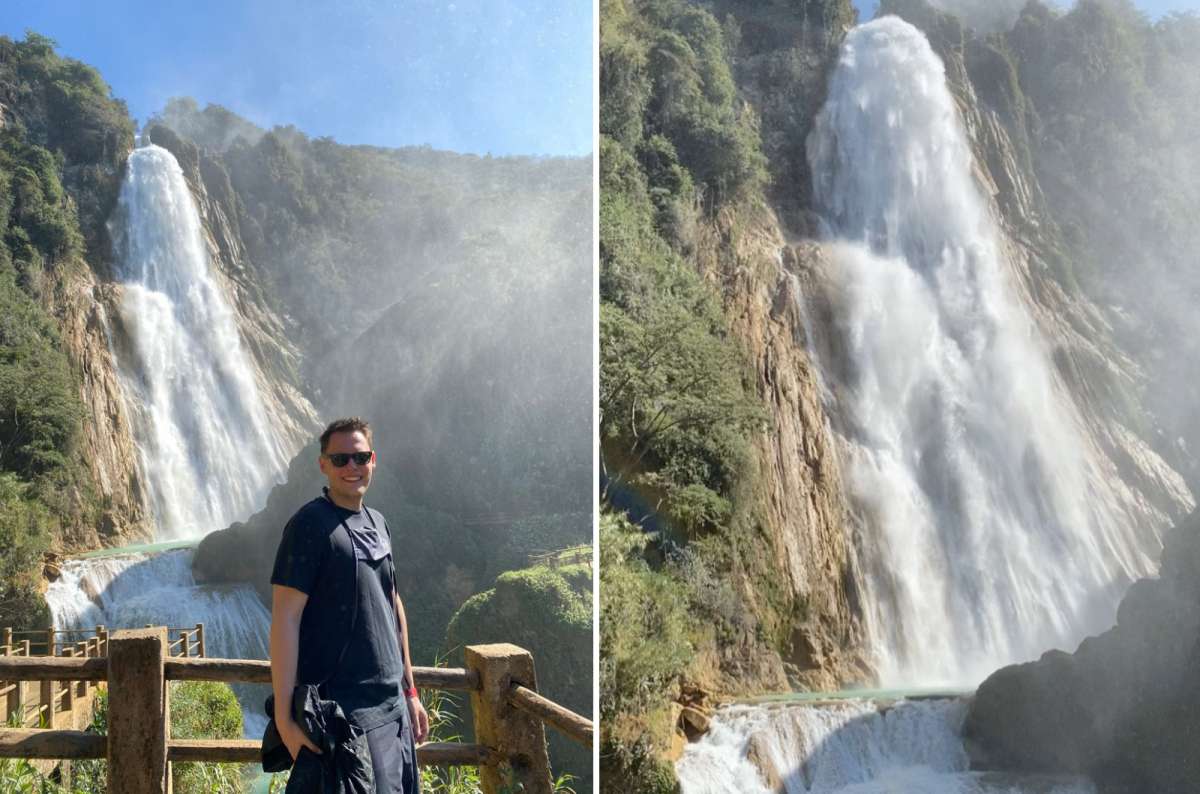
Cascada Velo de Novia, the tallest and most powerful waterfall at El Chiflón
El Chiflón is a series of five roaring waterfalls on a crystal clear river just a hop and a skip away from the Montebello Lakes (see next item in this list) located in the southern Mexican state of Chiapas.
It’s one of the easiest high-reward nature stops in the region, and one of the easiest to visit in Mexico, requiring very little effort for a big visual payoff. It fits neatly into a Chiapas itinerary and pairs well with Montebello Lakes on the same trip.
The El Chiflon waterfalls are located 2.5 hours from San Cristobal city, and there is a wonderful, easy hike of about 5 km (3 miles) that you’ll head out on to see them.
The trail goes along the river and offers almost surreal views of the roaring waterfalls, crystal-clear pools, and turquoise river. I enjoyed walking on a well-set-up wooden walkway that offered numerous photo opportunities.
I even climbed all the way up to the tallest of the waterfalls, Cascada Velo de Novia. I mean, it’s just water falling from the rocks, but the power of nature is indisputable! I’ve seen a lot of waterfalls in my day, but this one might be the best one yet.
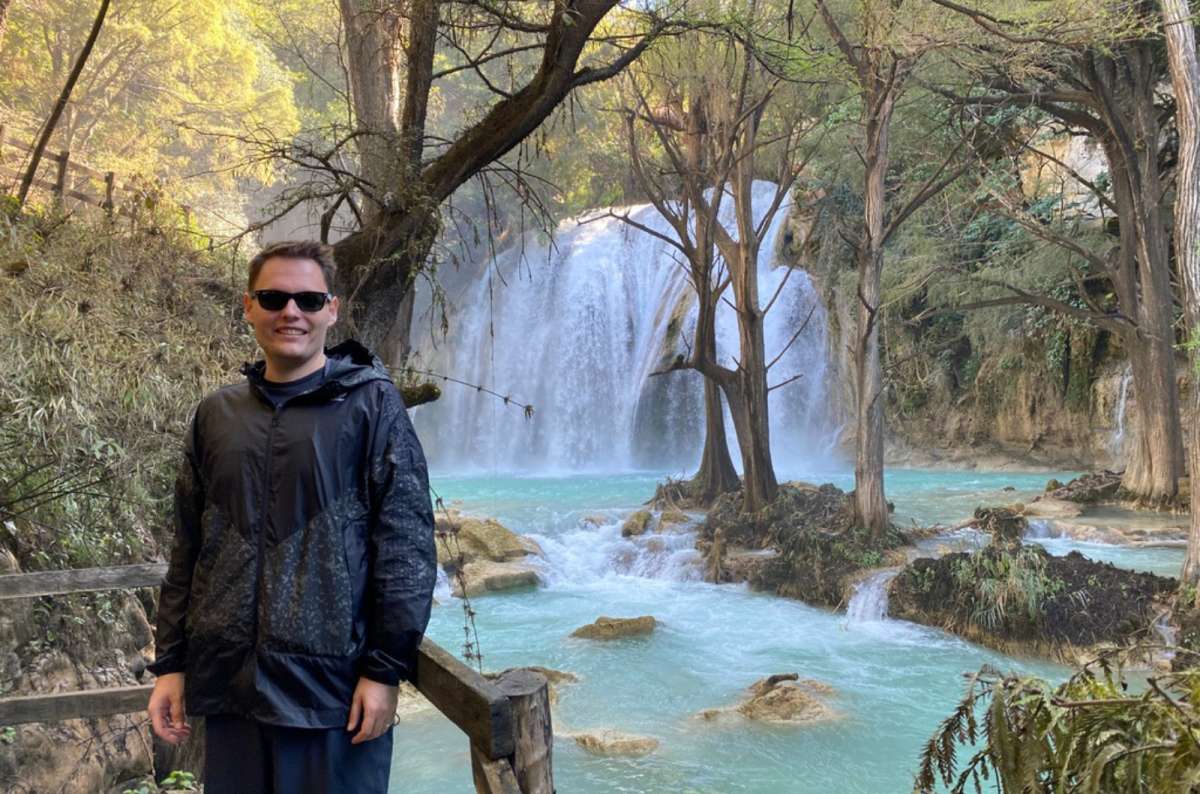
Lower cascades and turquoise pools along the El Chiflón waterfall trail in Chiapas
Make sure to stay in the designated areas if you want to swim under the waterfalls. Some parts of the river and pools have dangerous currents that could make your dip more adventurous than you would’ve hoped.
If you want to walk the whole trail, take a dip, and take time on each side of the river, you can spend half a day at El Chiflón, easily.
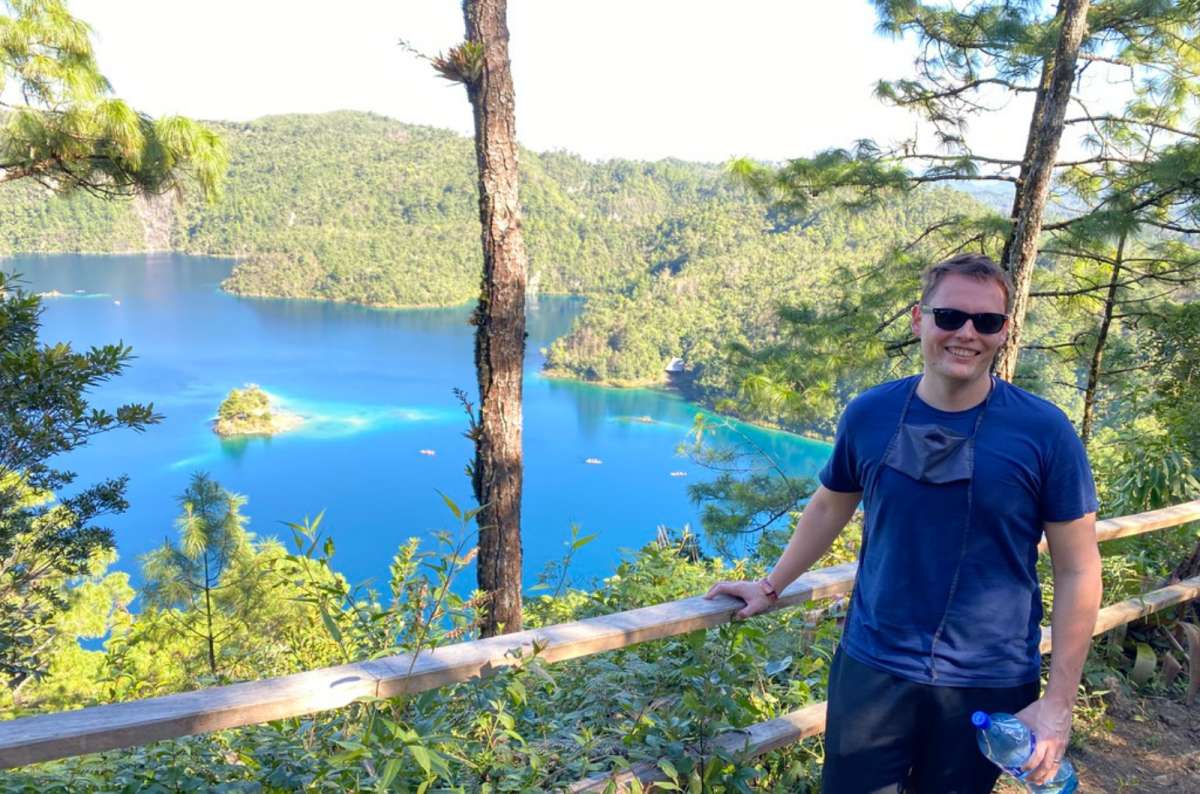
Overlooking the vivid blue waters of the Montebello Lakes, one of the most peaceful and visually striking natural areas in Chiapas
Lagunas de Montebello is a national park with a system of 59 crystal-clear lakes connected through underground rivers—a natural wonder.
The lakes sit amongst a rich pine forest and offer truly enchanting views: limestone rocks, special red moss, and underwater caves which can be seen clearly thanks to the purity of the water.
The park, which sits in the very south of Mexico in the state of Chiapas, has been designated a biosphere reserve by UNESCO. The lakes change color depending on mineral content, ranging from turquoise and deep green to almost purple-black.
It’s a place best experienced slowly, with just a handful of lakes accessible and the rest left deliberately untouched.
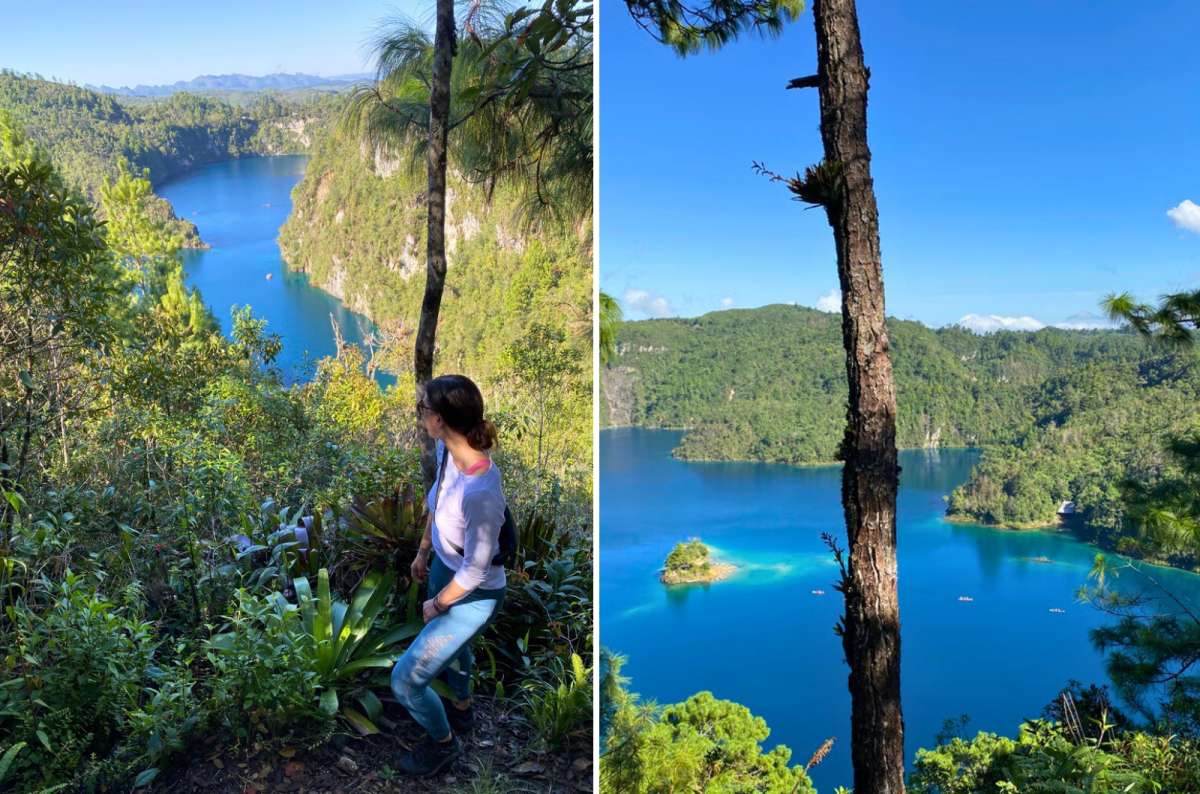
Those unreal blue hues at Lagunas de Montebello
The area is vast, and only about 15 of the lakes are easily accessible by car or on short walks.
The closest you can get to the water is on a simple wooden raft operated by a local guide, so of course I chose to do that. The rafts are long and narrow, made from several logs tied together, with a basic wooden seat in the middle.
Luckily, the lakes are not wild rivers, so you won’t get an unexpected dip in the water unless you start jumping around too much. Otherwise, I wouldn’t exactly trust these things with my life.
Chiapas is a great destination with many things to do if you like adventures and nature: rock climbing, zip-lining, hikes. You name it, Chiapas has got it.
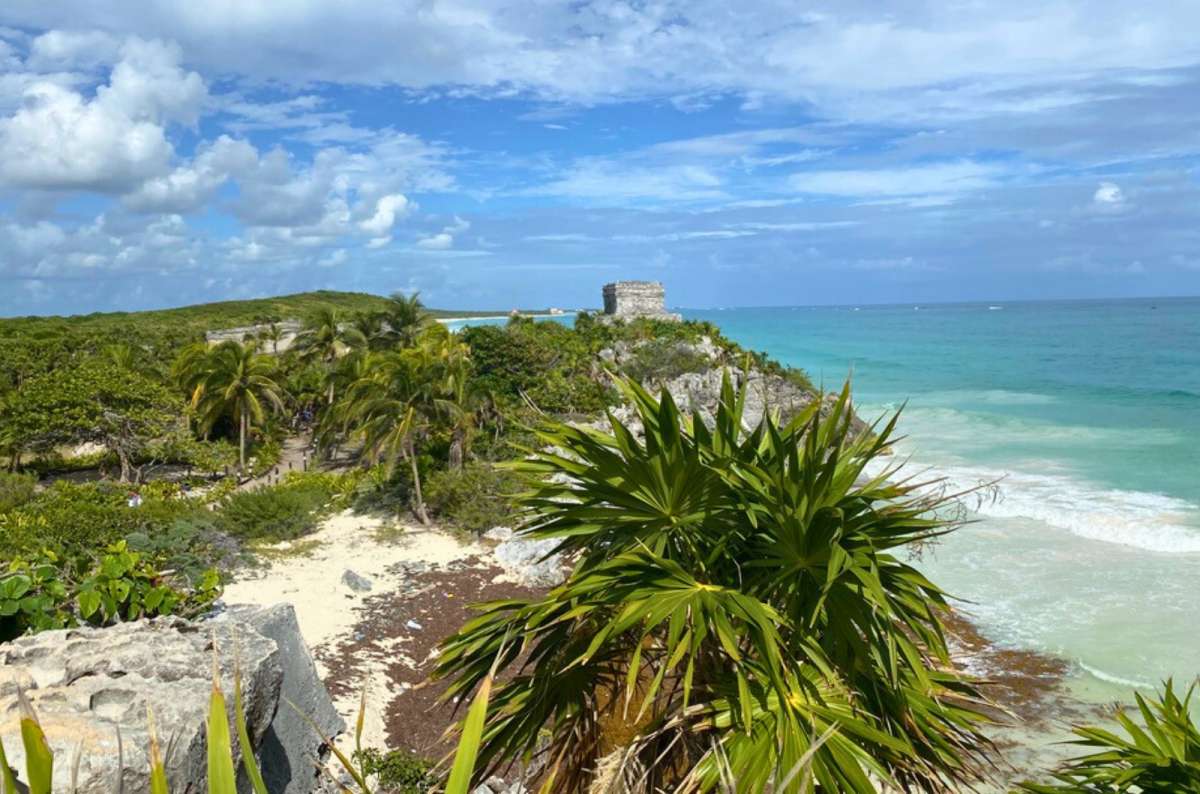
Ancient Maya ruins perched above turquoise Caribbean waters in Tulum
Tulum earns its place on most lists of the best places to visit in Mexico. I’m usually skeptical of places that become a crazy popular tourist destination, but Tulum has a rare combination that actually holds up once you’re there (if you can ignore the beach clubs and boho crowd). The same applies for unique places to visit in South Africa as well.
Tulum is a walled Mayan city that flourished as the main port of Yucatan between the 13th and 15th centuries. The city thrived, and that’s why local people built many beautiful monuments, resulting in beautiful Mayan ruins
Now they’re some of the most famous in Mexico, meaning crowds and more crowds. The fact that the crowds are often the ones that come on tourist buses from party centra,l Cancun, makes it a bit of a stress test for introverts or those that aren’t in the mood for that scene. Me. I’m not in the mood.
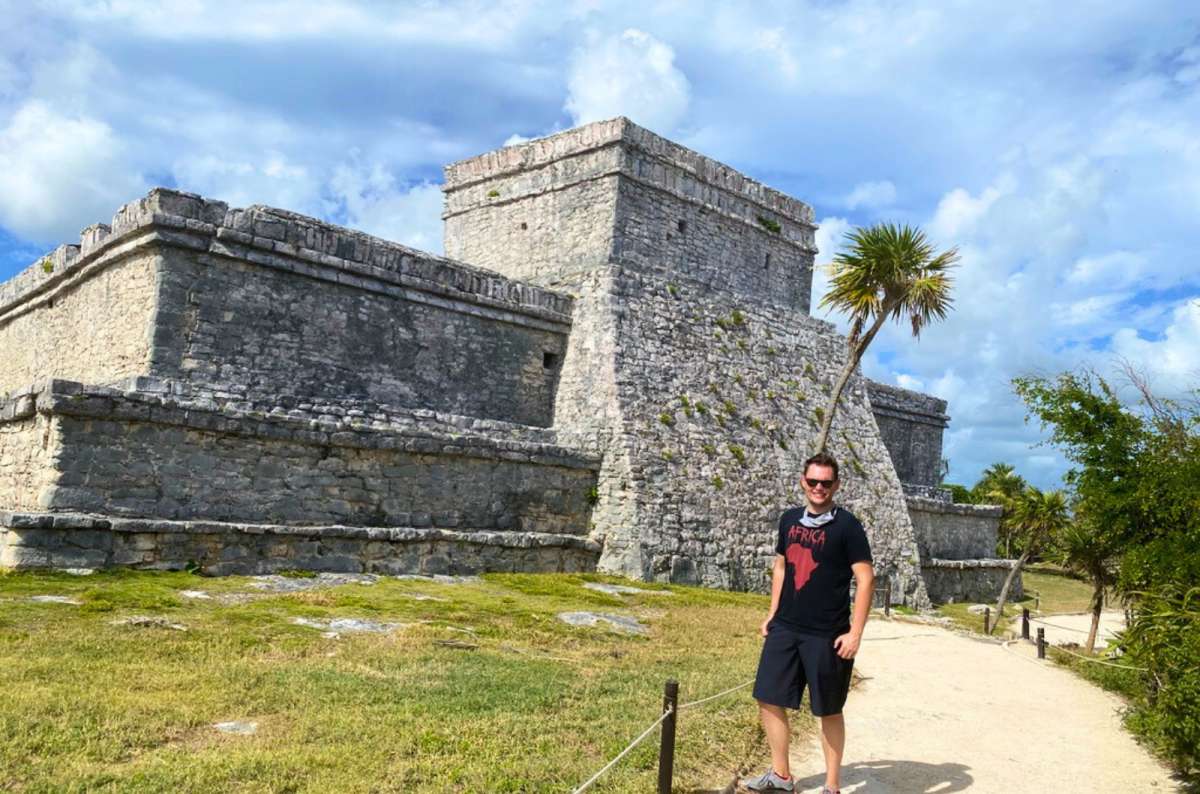
Checking out the ruins in Tulum
I will say that what really sets Tulum apart is the setting and natural beauty. The ruins sit directly above sandy beaches, with the Caribbean stretching out below and jungle pressing in from behind. Tulum is not a relaxed seaside town, but it is where Mexico’s east coast is at its most dramatic.
How to visit Tulum
It’s important to look beyond the ruins, because Tulum works exceptionally well as a base for adventure travel in the Yucatan Peninsula (not to mention the crystal clear turquoise water of the sea in the area!).
From here, I tried out a myriad of limestone sinkholes called cenotes, snorkeling, whale watching, and diving spots, ATV and zipline rides, and short day trips that add variety well beyond a single archaeological site. I’ve described each of these in detail in my Unique Things to Do in Tulum article.
Pro tip: If you want to swim in relative peace, choose some of the less popular cenotes, such as Zacil-Ha.
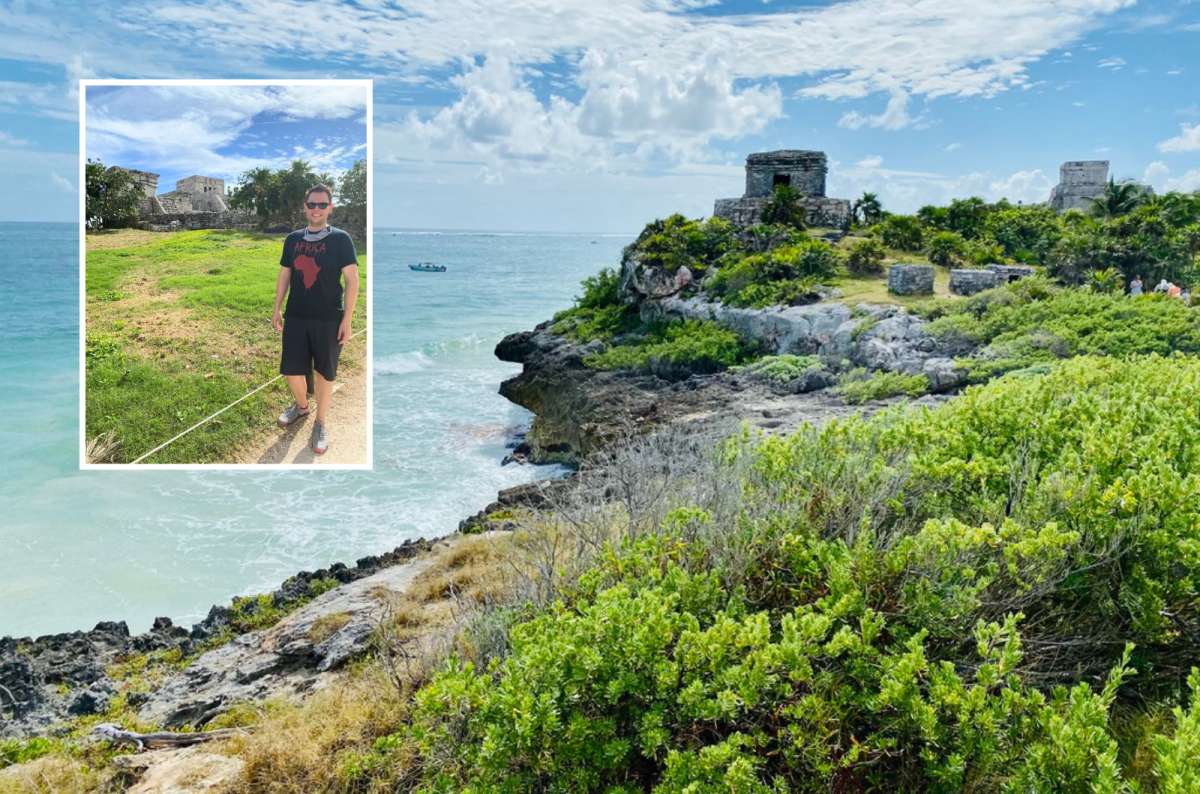
Tulum is great for people who like a little history with their beach vacation
Tulum also makes a practical jumping-off point for places like Akumal or the Sian Ka’an Biosphere Reserve. Used this way, Tulum becomes less about the hippie scene and more about convenience if you want a fun, adventurous place to visit in Mexico.
For logistics, the easiest option is to fly into Cancún and rent a car, or fly directly into Tulum now that the airport opened in late 2023. Either way, I wouldn’t visit the region without renting a car. You won’t actually spend that much time in Tulum itself—the real value is using it as a base. I show you how in my Yucatán itinerary.
Pro tip: Mexico is a long-haul flight from most of Europe, so check out my long-haul flight survival tips before you book.
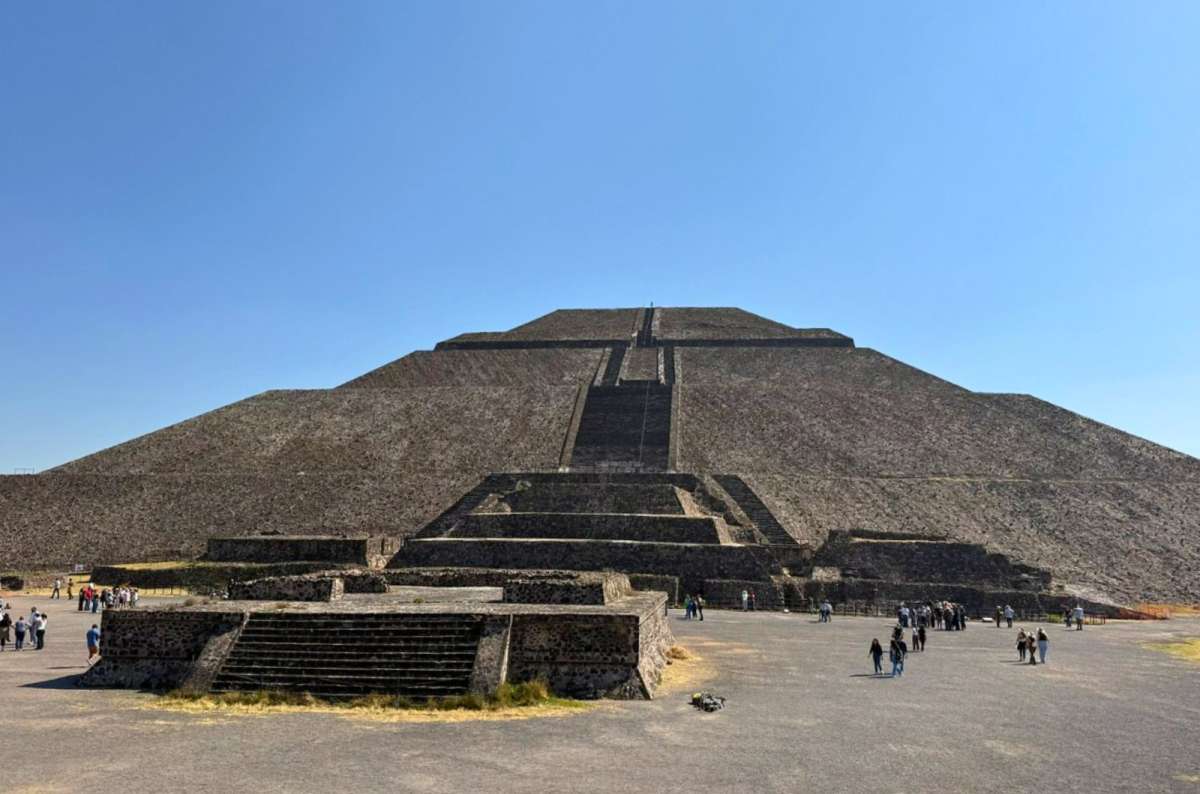
The Pyramid of the Sun at Teotihuacan
Teotihuacan, or “The City of the Gods,” was the largest city in the Western Hemisphere in its heyday, and the historical significance will knock your socks off even when you visit it today. This pyramid-filled city has a huge avenue, residential buildings, and fascinating murals.
Teotihuacan is mysterious to this day, with tunnels still being discovered and interesting finds being excavated. Just a few years ago, 1800-year-old bouquets of flowers were found underneath a pyramid! Perhaps the biggest mystery of them all is why or how this superpower of a city collapsed. Did it come under attack? Was it caused by extreme weather? An internal uprising? Nobody knows for sure, but it’s interesting to read the different theories, and deserves a comfortable spot on the top places to visit in Mexico.
Teotihuacan is an easy half-day trip from Mexico City and works best if you arrive early, before the tour buses take over.
Check out the city’s pyramids, one dedicated to the sun, and one to the moon. The Pyramid of the Sun probably served as the city center. It’s 220 meters (730 feet) wide, just like the Giza pyramid, but only about half as tall. You can only look, as climbing it is prohibited.
The Pyramid of the Moon served as a place of public ritual sacrifice. The vibe is very different than that of the Pyramid of the Sun. They reopened the Pyramid of the Moon’s stairs to tourists, and, since May 2025, you can once again climb up it (halfway).
Connecting the two pyramids is the Avenue of the Dead, kind of like a Main Street. No word on the shops and cafes of the past, but there are many ruins of multi-family residential buildings that line this street. The vibrant murals are a bonus.
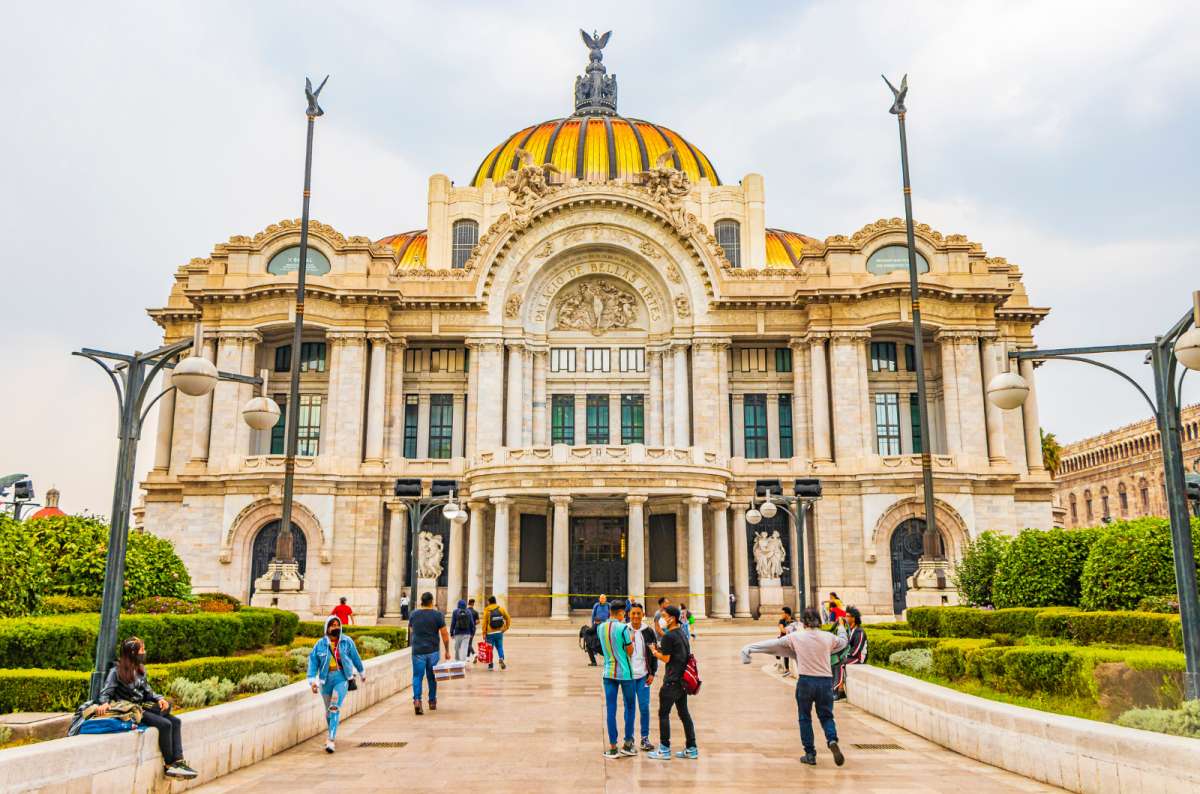
Palacio de Bellas Artes is a stunner
Mexico City is one of those cities you will either love or hate. It’s intense, has a bad reputation, is dense with humans, but it has a charm. I wouldn’t marry it, but I like it.
The air is dirty, but it is better than in the 90s, when birds would drop dead out of the sky and Mexico City was on top of all the wrong lists. Nowadays, you can see not only your hand in front of your face, but also the sky and surrounding mountains (on a clear day).
What makes Mexico City interesting enough to land a spot on my top 10 places in Mexico list isn’t one landmark or neighborhood. It’s the layers. Ancient ruins sit next to colonial buildings, which sit next to modern neighborhoods that feel like small cities of their own.
You’ll enjoy proper Mexican cuisine one minute, and go off diving with whale sharks the next. It’s got plenty of tourist attractions—just don’t make the mistake of staying only inside the city.
Mexico City is sprawling, so where you base yourself matters more than trying to see everything. Staying near the historic center gives you the densest concentration of sights and makes it easier to get your bearings on a first visit.
As for the best places to visit, start at the over-the-top-huge central plaza, Plaza de la Constitución. You could (and probably should) visit the ruins of the main temple of Tenochtitlan, the city on which Mexico City was built. The Templo Mayor Museum tells you all about the Mexica people who used to live here.
From the historic center, branch out deliberately rather than randomly. Mexico City is not a place to tick boxes quickly. Pick a few neighborhoods, a few museums, and leave the rest for another trip.
Here are my favorite things to do in Mexico City:
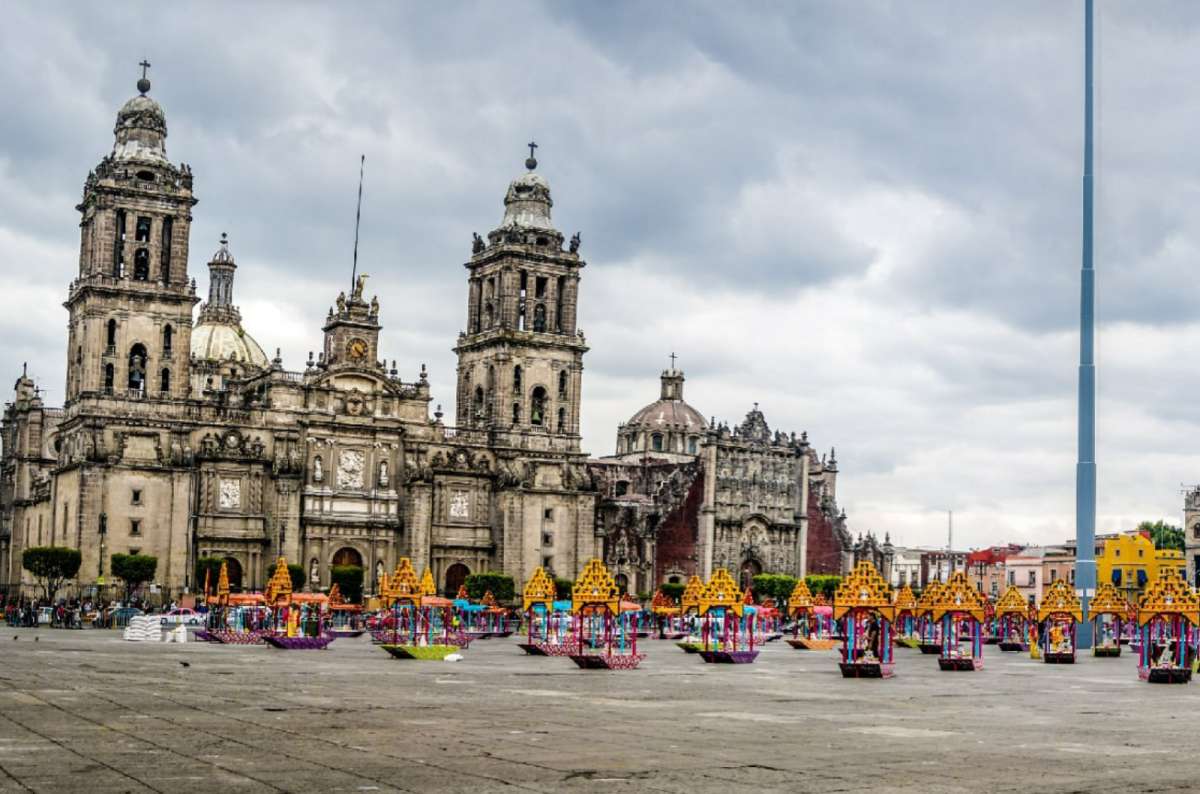
Colorful installations in the Zócalo, with the Metropolitan Cathedral towering behind them
Fun fact: Mexico City is sinking. I mentioned above that Mexico City was built on the ruins of an ancient city. That is true. But this city was on an island in the middle of a lake. The lake was, for various reasons, drained.
That has had consequences not only on the water supply, but also makes Mexico City sink 50 cm into the ground every year. That’s 20 inches! Every year! It’s basically digging itself a hole because of the compacting soil underneath. It should stop eventually, they hope.
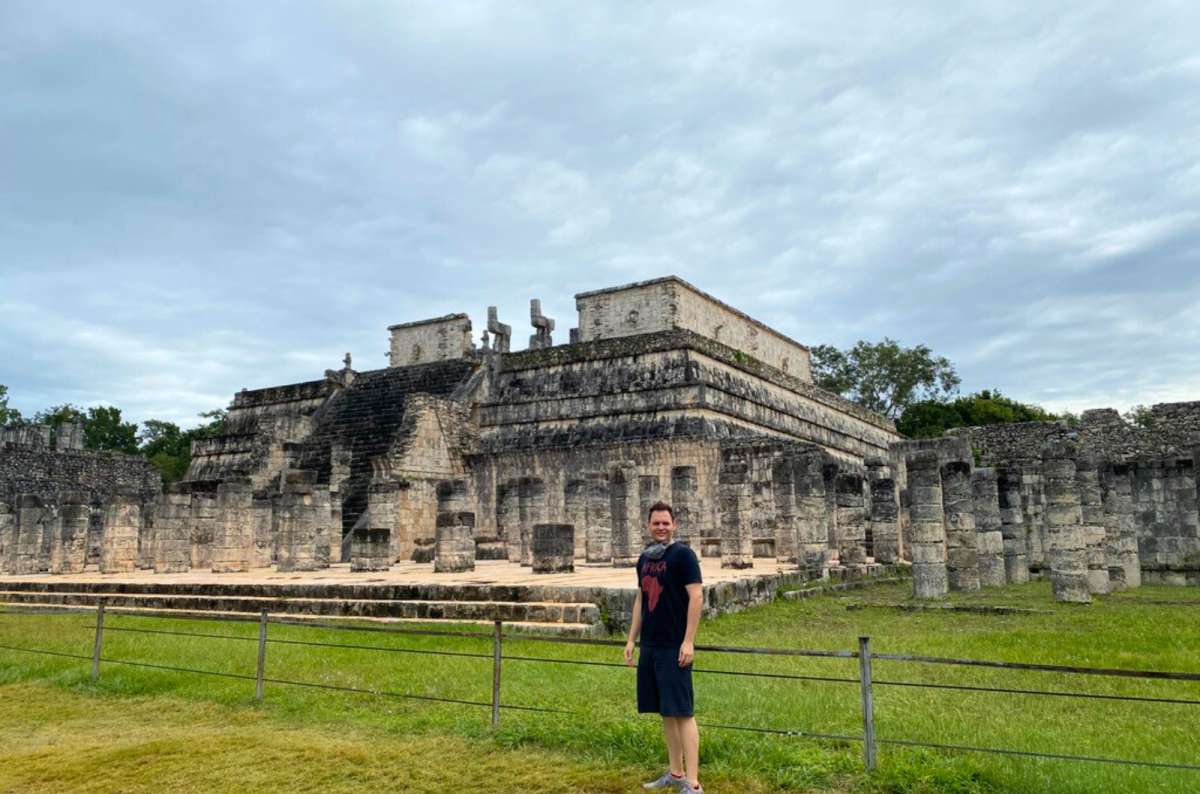
A reminder of Mexico’s incredible range—ancient cities, deep history, and places that still leave you in awe long after the trip ends
You don’t need to see all ten places to have a great trip to Mexico. In fact, trying to do that is the fastest way to end up tired and frustrated unless you have generous amounts of vacation days.
Mexico is too big for random hopping from site to site. If you’re short on time, stick to a single region: one stop for natural beauty, one city, and one ruin that actually make sense together.
For example, pair Puebla or Mexico City with Teotihuacan, or focus just on Mexico’s Yucatan Peninsula with Tulum and Merida as your cities to explore from (see my 2-week Yucatan itinerary). That way, you get variety without spending half your trip in transit.
Psst, I have a little secret: If you’re ambitious enough, you actually can see almost everything. I’ve planned an EPIC 2-week Mexico itinerary.
This post contains affiliate links. If you make a booking through one of my links, I may earn a small commission—at no additional cost to you. Thank you for your support!


Hi, I’m Jan. I travel fast and intensely, whether I’m exploring the buzz of Tokyo in 3 days or road-tripping through mountains and beaches on a 3-week Thailand adventure. And no matter where I am, you’ll always find me in a comfortable hotel at night and eating the best food.
If that sounds like your kind of journey, hop on board, and let’s explore the world together!
I started this blog after realizing how tough it can be to find reliable, authentic travel info. You wouldn’t believe how many “travel bloggers” never even visit the places they write about! On Next Level of Travel, you can count on my full honesty and insights drawn from my firsthand experiences.
Here’s the deal: not every destination is all superlatives and unicorns. I’ll let you know if a tourist attraction isn’t worth your time, like skipping overrated stops in my 2-week Spain itinerary. And when I find something truly special—like the perfect mix of culture and nature in Cape Town—you can trust that it’s worth adding to your itinerary.

Comments | Thoughts? Give us a shout!