


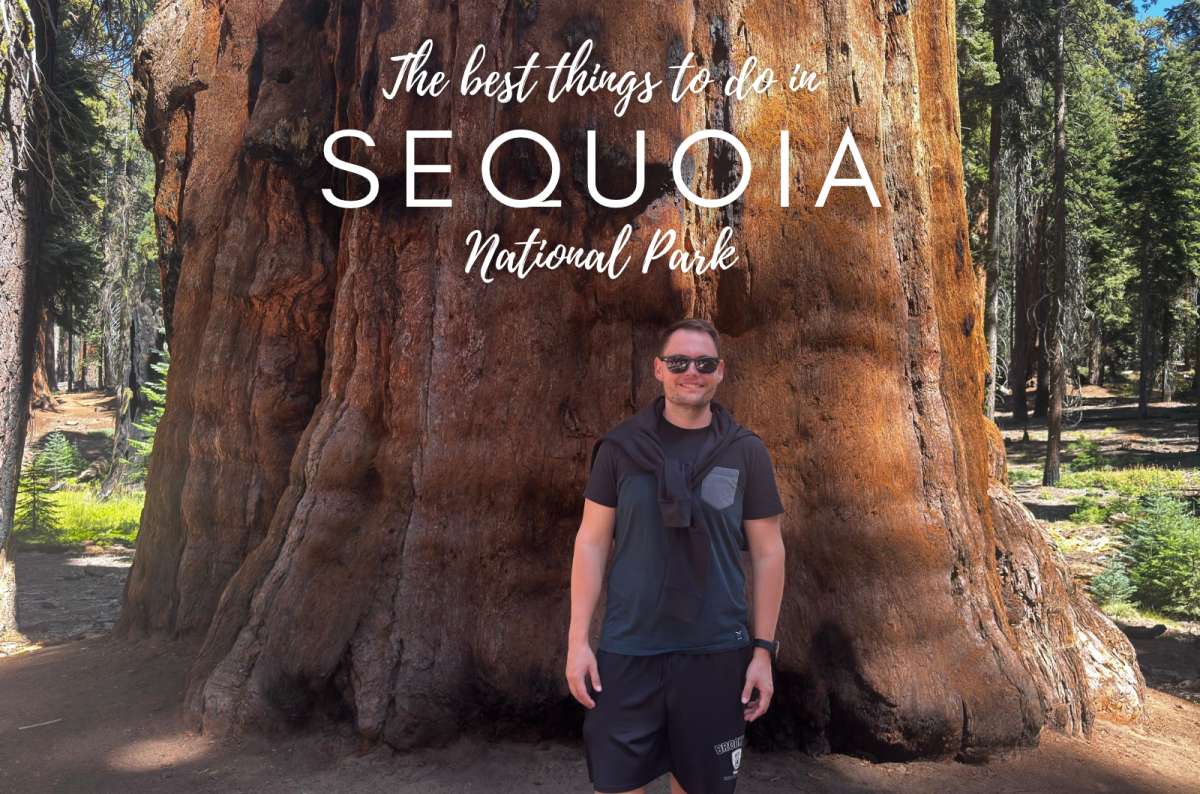


I've visited Sequoia National Park twice, in 2018 and 2026, and I like it a lot. The sequoias just don't fit the “tree” pattern. Here are my favorite things to do in Sequoia National Park, with Congress Trail above General Shermanand a worthwhile detour into Kings Canyon at number one.
Unless you're doing some serious hiking, I'd call the main Sequoia sights a half-day visit once you're up in Giant Forest. Add Kings Canyon and Zumwalt Meadow, which I did, and you need considerably more time. They are absolute bangers, but they aren't next door to Sherman.
Read more from my California travel blog.
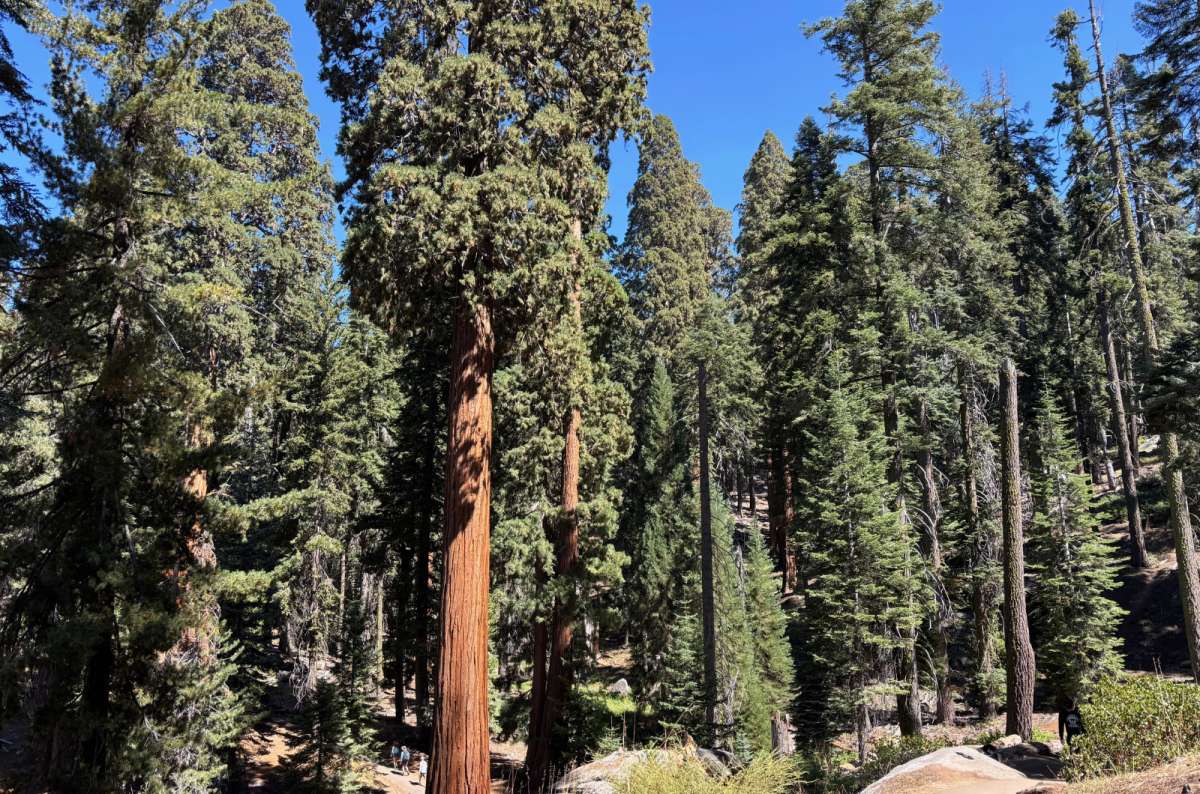
My ranking below is personal preference. The routes at the end put the stops in driving order.
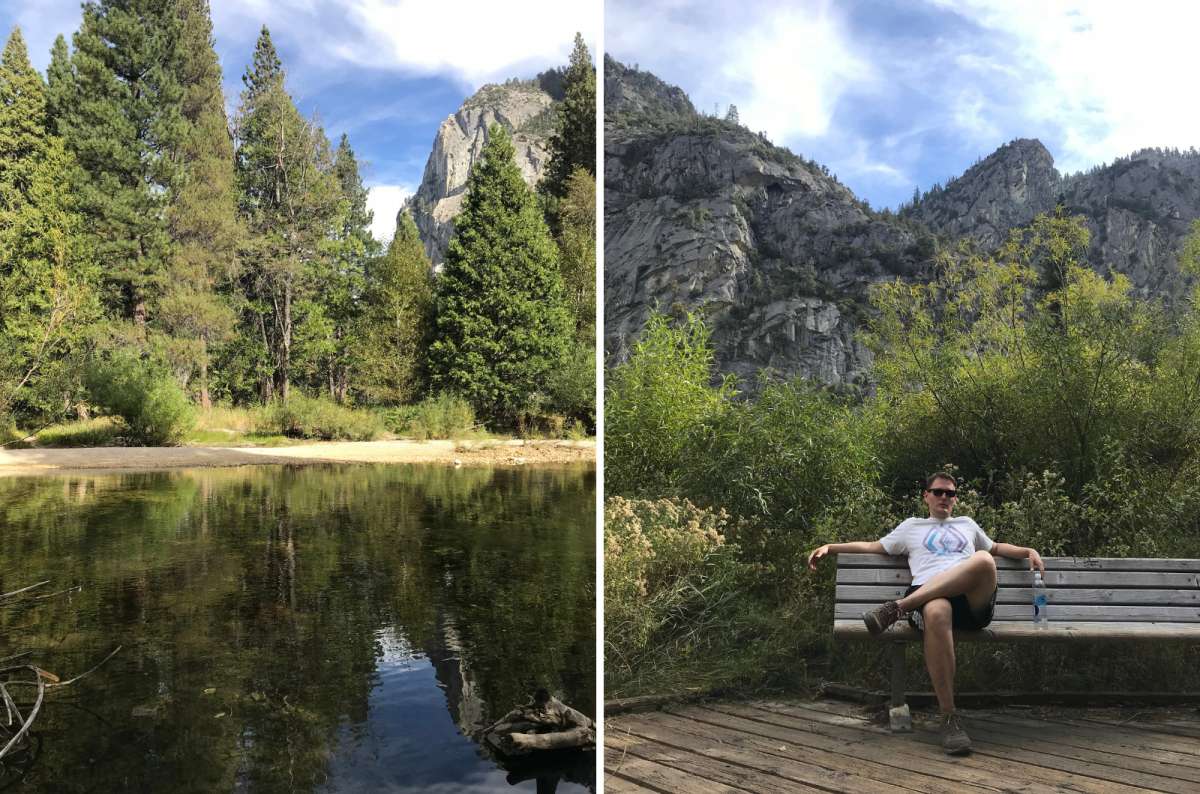
If you have a lot of time, it's worth visiting Kings Canyon too, which I did. Zumwalt Meadow and Kings Canyon are absolute bangers. This is my favorite part of the combined visit.
Here you get granite walls, the Kings River and meadow views, rather than another collection of enormous trunks. If you're choosing between more Sequoia National Park attractions and a full excursion into the canyon, this is where I'd put the extra day.
The important distinction is Grant Grove versus Cedar Grove. General Grant is in Kings Canyon National Park, but seeing that tree doesn't mean you've seen the deep canyon. To reach Zumwalt, continue along Highway 180 into the Cedar Grove area.
The NPS driving guide allows roughly 45–60 minutes from Grant Grove to Cedar Grove. From Giant Forest, budget about two hours each way to Cedar Grove before the final drive to the meadow and sightseeing stops. That is why I wouldn't bolt this onto a packed Sequoia afternoon.
Pro tip: Rent a car to make traveling between the stops easier.

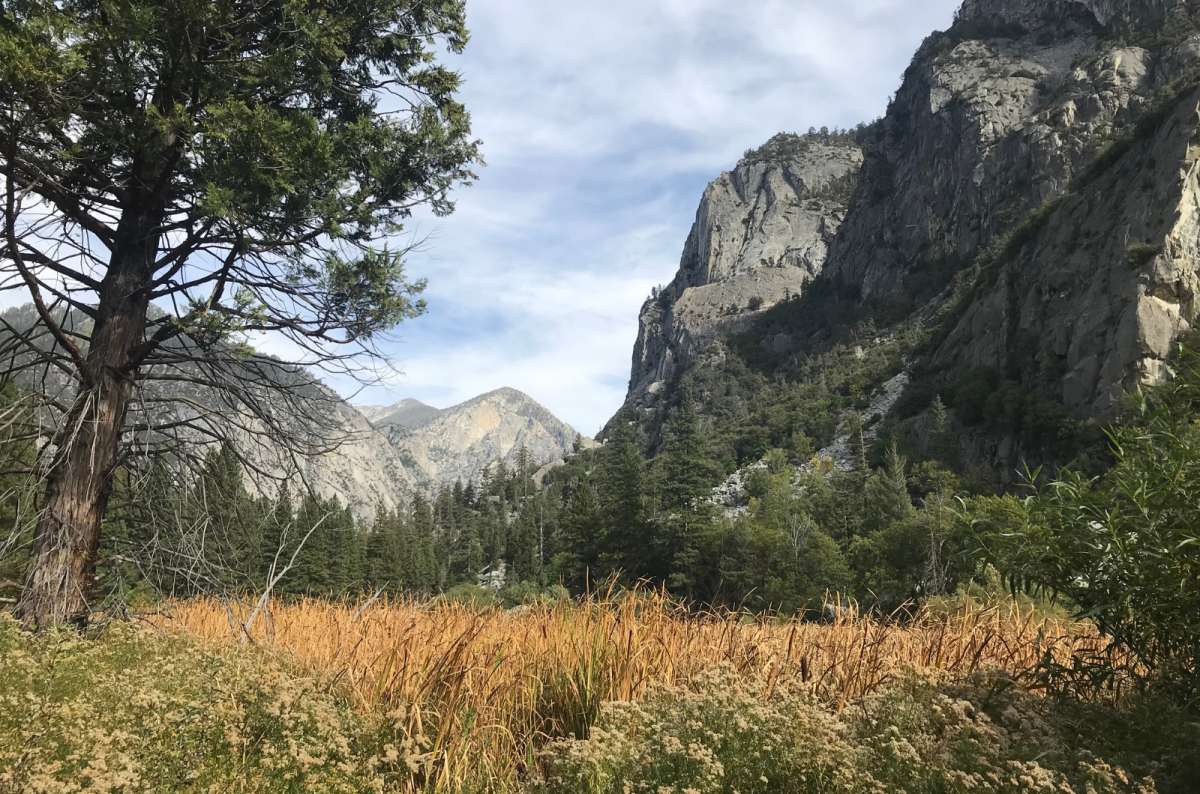
Flooding washed out parts of the old loop in 2019. The current NPS trail description follows the river crossing, woods and rocky slopes to meadow views. Plan an out-and-back, not the former meadow circuit.
The canyon road closes in winter. Check NPS road conditions before arranging your day around this stop.
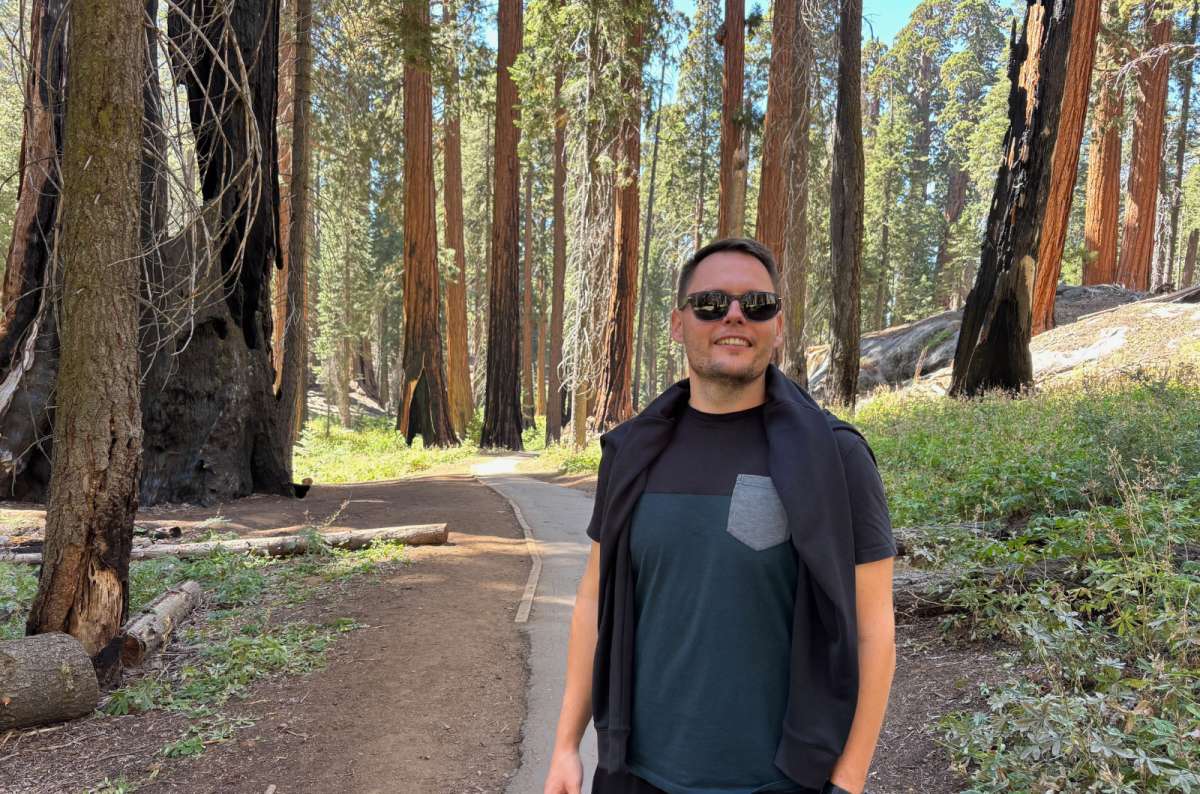
For me, this trail is the hero of the park. I love this trail. It's just so tranquil with the giants, and it was a lot emptier than the tree areas with easier access.
Some of the mightiest and prettiest sequoias are here. The colonies of them are so pretty. The House was the best for me, with The Senate and McKinley among the other notable trees. It's strange how much some of these trees survive.
The standard Congress Trail hike is a 2-mile (3.2 km) paved loop starting near Sherman, not from the main parking lot. Include the Sherman access trail and you're walking about 3 miles (4.8 km) altogether. It's the obvious combination: see the famous tree, then spend longer among the groups.
I spent about 1.5 hours in this area in 2026, versus three hours in 2018, including the walk from the parking lot. Time flies when you're hiking here. It's interesting all the time. Allow 2–3 hours for Sherman and the standard Congress route together, longer if you keep stopping.
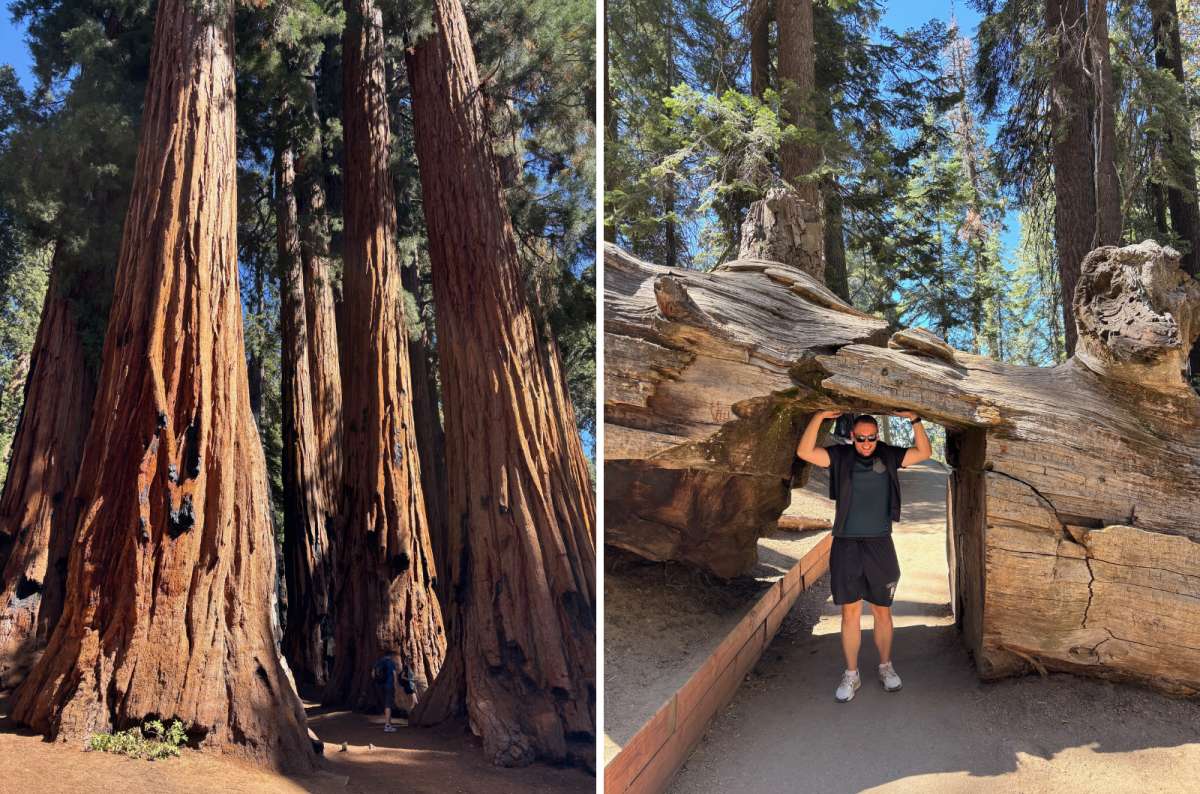
Initially it looked closed. There wasn't any easily reachable information about the closure, and I usually read everything I come across. In the end it was only detoured, but finding the entrance was difficult.
NPS scheduled partial reconstruction through September 2026, affecting a shorter loop option while leaving other access available. Check the current trail information and ask about any detours before setting off.
Take your time at this elevation, around 7,000 feet (2,100 m). If you want a longer outing, the surrounding trail network also connects with the Alta Trail.
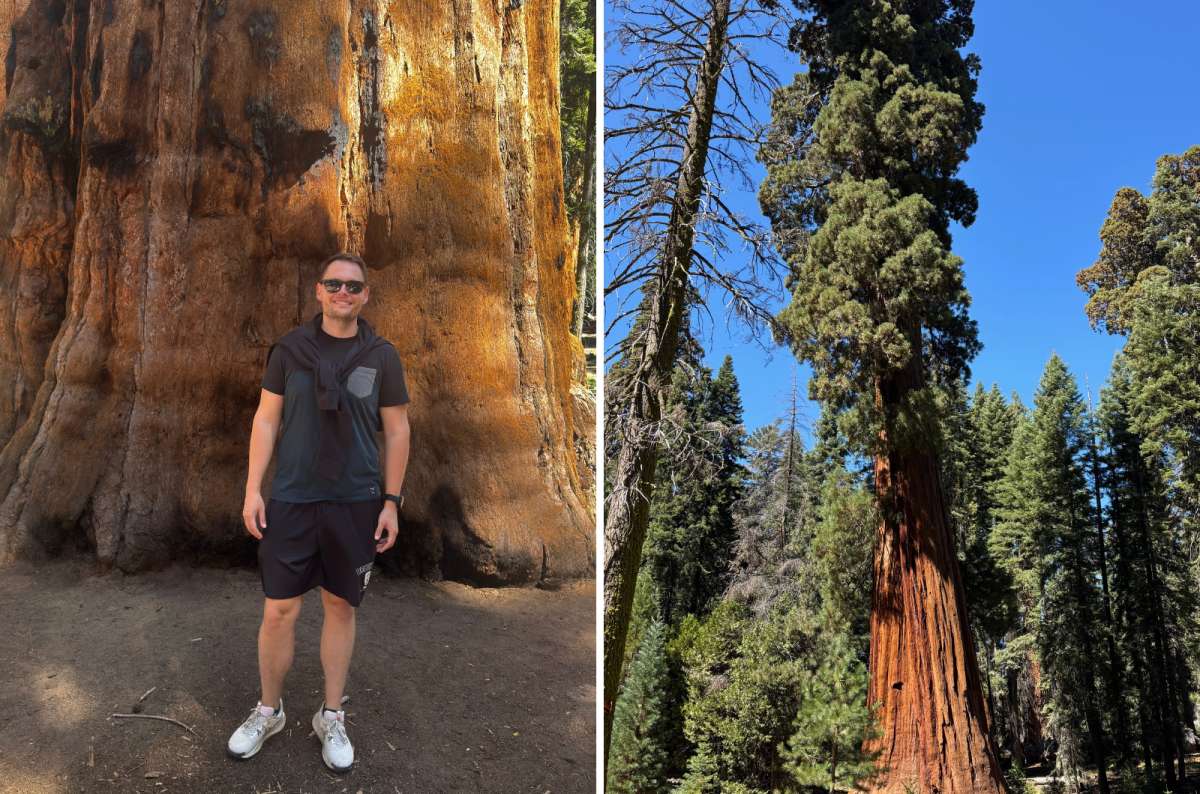
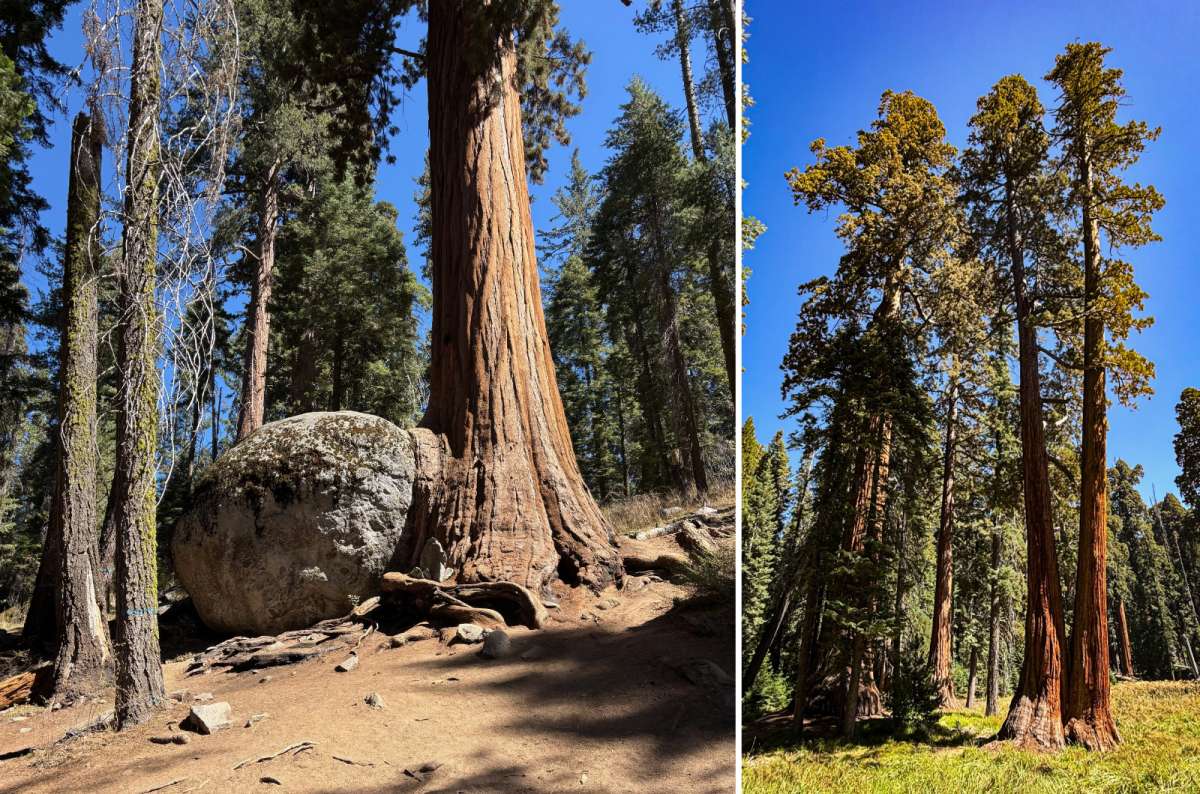
I just love the girth of the trees. I like them most from far away, where I can appreciate the size. Big Trees Trail gives you that distance across Round Meadow.
It's a short educational trail that's accessible. So it has it all. Mostly you see sequoias from below, but here the meadow lets you step back without leaving the path. I loved how the other trees, which are fairly large themselves, looked like needles.
It's extremely hard not to be amazed. The red bark adds another layer of magnificence. Baby sequoias are pretty big, too.
My attempts to take pictures with the trees were mostly futile. This is still among the best places for photographs in the park because the meadow gives you the necessary distance. Stay on the path rather than walking into the meadow to improve your angle.
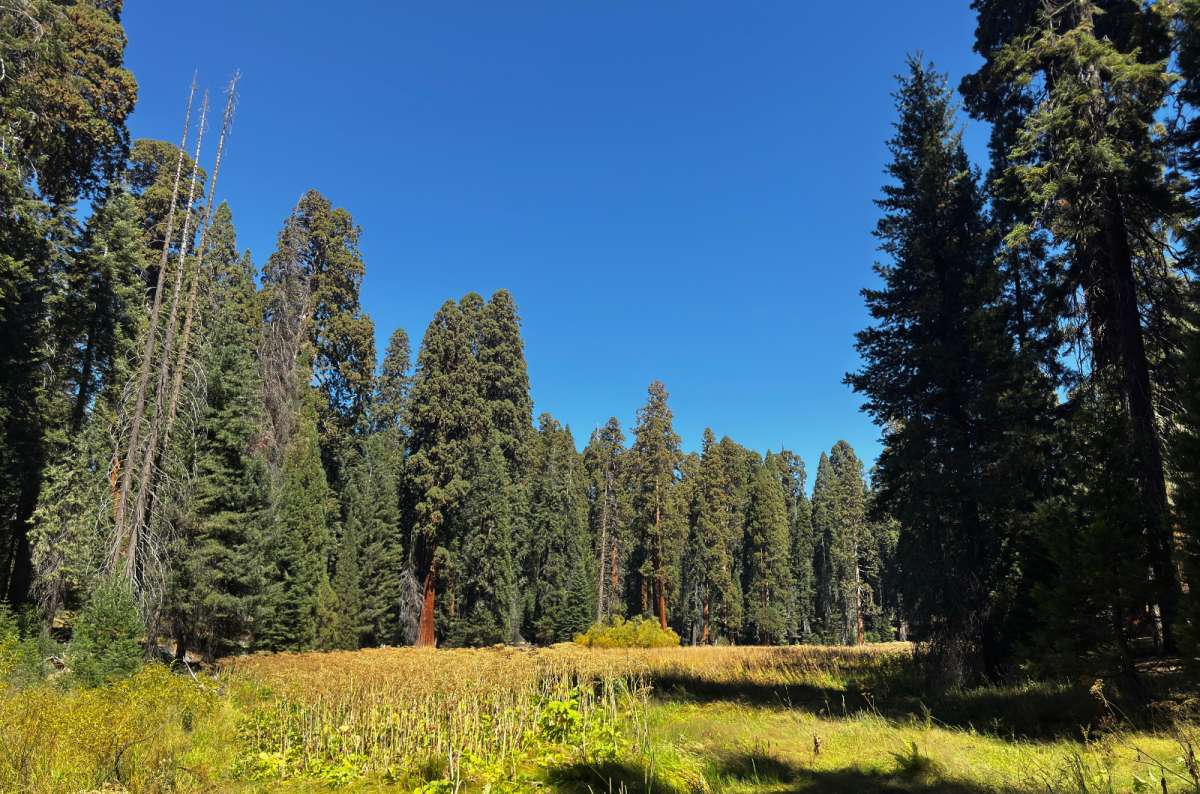
I'd visited Sequoia before, but I only visited this trail in 2026. It took me less than an hour. It wildly depends on how often you pause to be amazed.
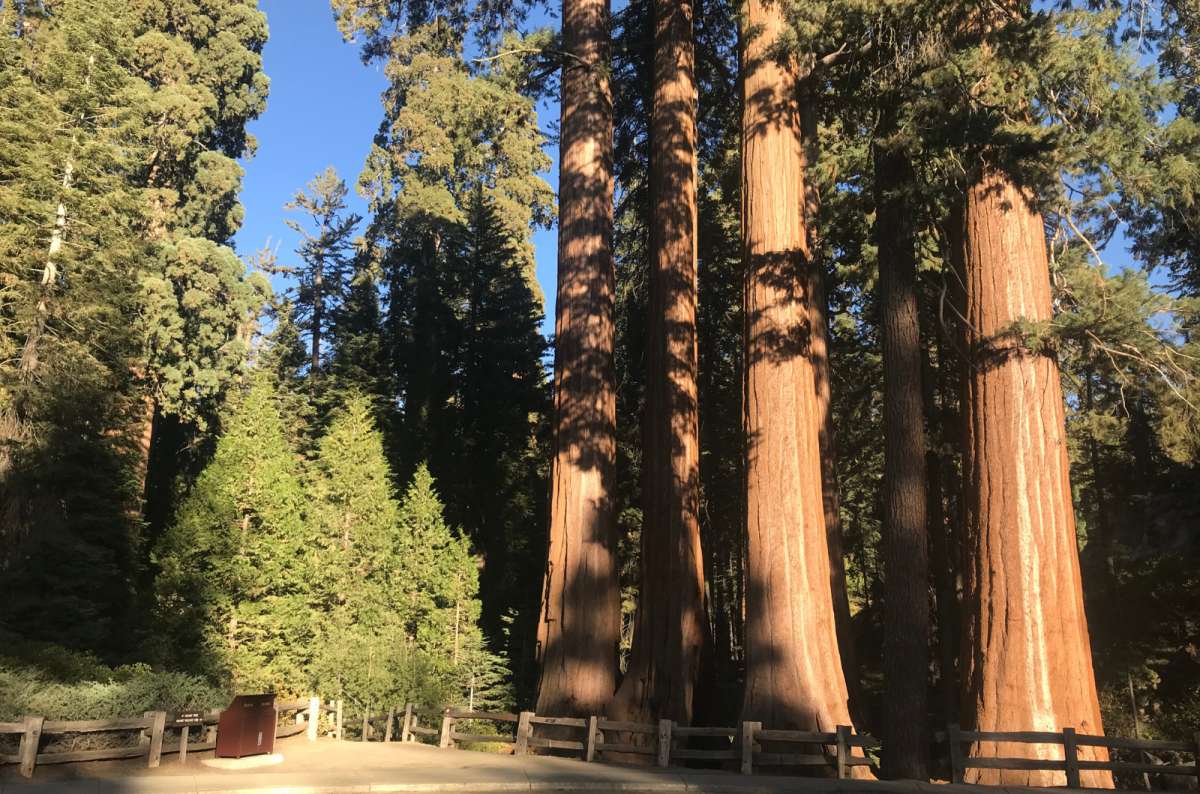
General Grant is fourth in my ranking, ahead of Sherman. It's in Grant Grove in Kings Canyon National Park, about an hour's drive north of the Giant Forest area. This is a separate grove from Giant Forest, which contains the Sequoia National Park attractions around Sherman and the museum.
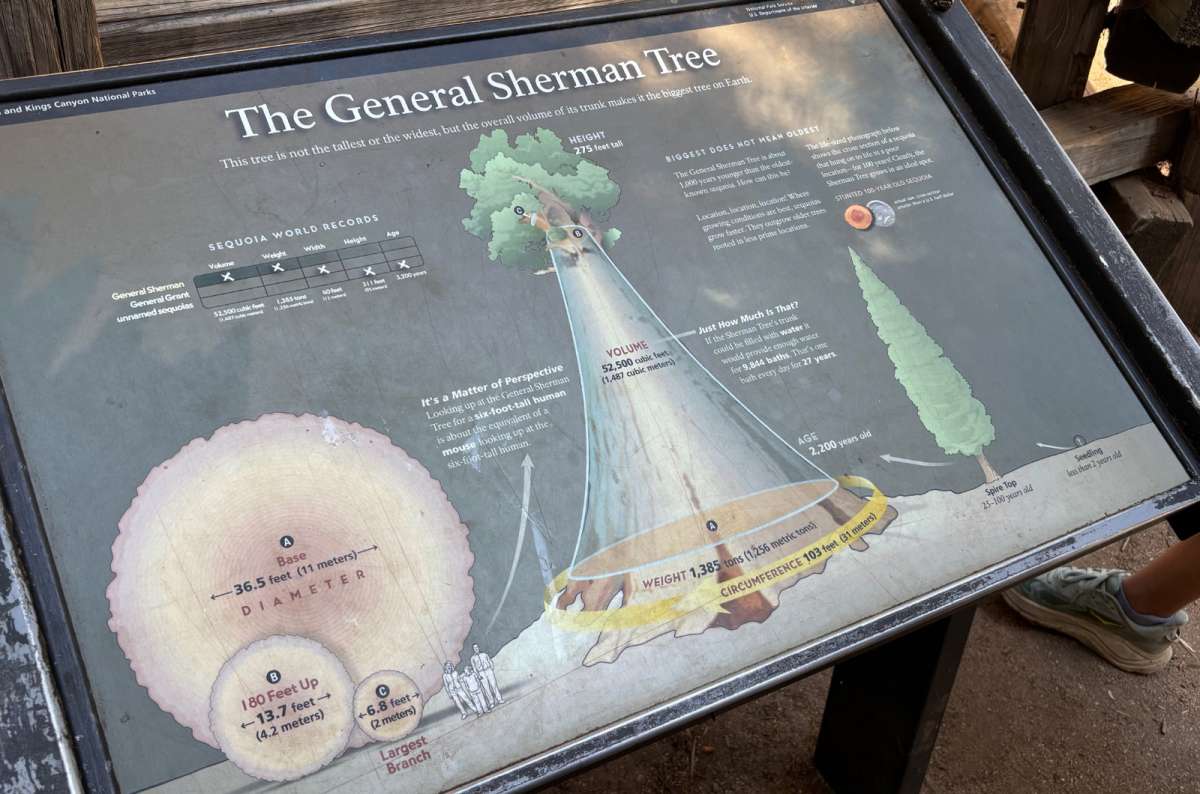
On the NPS list of largest trees, Grant is second by trunk volume, at about 46,608 cubic feet (1,320 cubic meters). Sherman is first. Including branches changes the ranking, so the measurement matters.
The short paved loop also passes the Fallen Monarch, Gamlin Cabin and Centennial Stump. Allow about 30–45 minutes. General Grant has been designated the Nation's Christmas Tree since 1926.
It fits naturally on the way to or from Cedar Grove. If you're staying entirely around Giant Forest, however, allow for the extra driving rather than treating Grant as another nearby tree stop.
Pro tip: If you're not too sure about finding your way around the park, consider booking a guided tour.
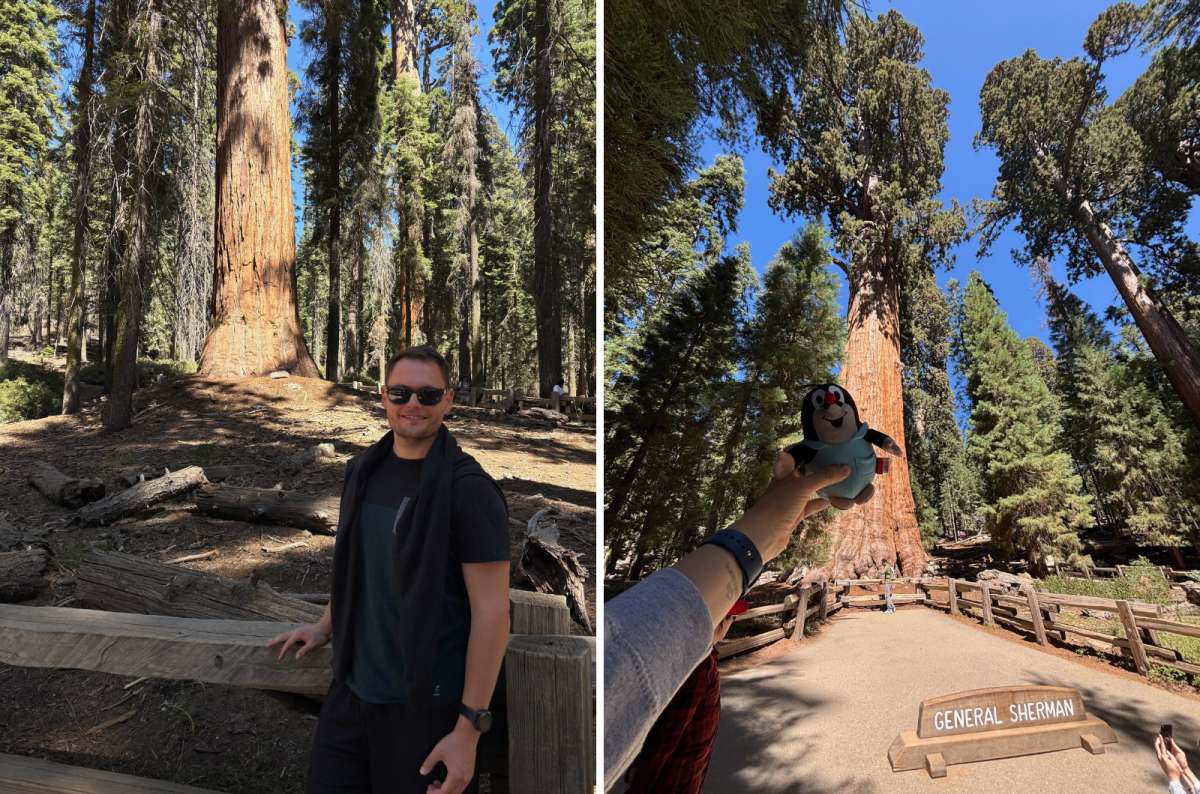
It's just brutally massive. The largest tree in the world by trunk volume. Enough said.
Sherman's maximum diameter at the base is about 36.5 feet (11.1 m). Its trunk contains roughly 52,508 cubic feet (1,487 cubic meters) of wood. It's not the tallest or widest tree, but it has the most trunk volume. The trees around it are absolutely massive, too.
Equip yourself with patience. There is a huge parking lot, but it can still be full. The main lot is off Wolverton Road, not the small accessible parking area beside Generals Highway.
The General Sherman Tree trail runs 0.5 mile (0.8 km) downhill to the tree. It's paved, includes stairs and drops roughly 200 feet (60 m), which you climb back up afterward. Allow 45–60 minutes for Sherman alone, plus parking delays.
I would connect it with Congress Trail. Sherman is the famous individual; Congress is where I'd spend more of my walking time. The access walk is shared, so don't budget two separate returns to the parking lot.
Visitors with disability placards can use the smaller Generals Highway lot and its shorter accessible trail. During the operating season, the park shuttle also serves that accessible approach and can save other visitors the uphill return. Check the Sherman visitor information for your season.
Bears use this area. Keep your distance, don't leave food unattended and use the provided storage lockers as directed.
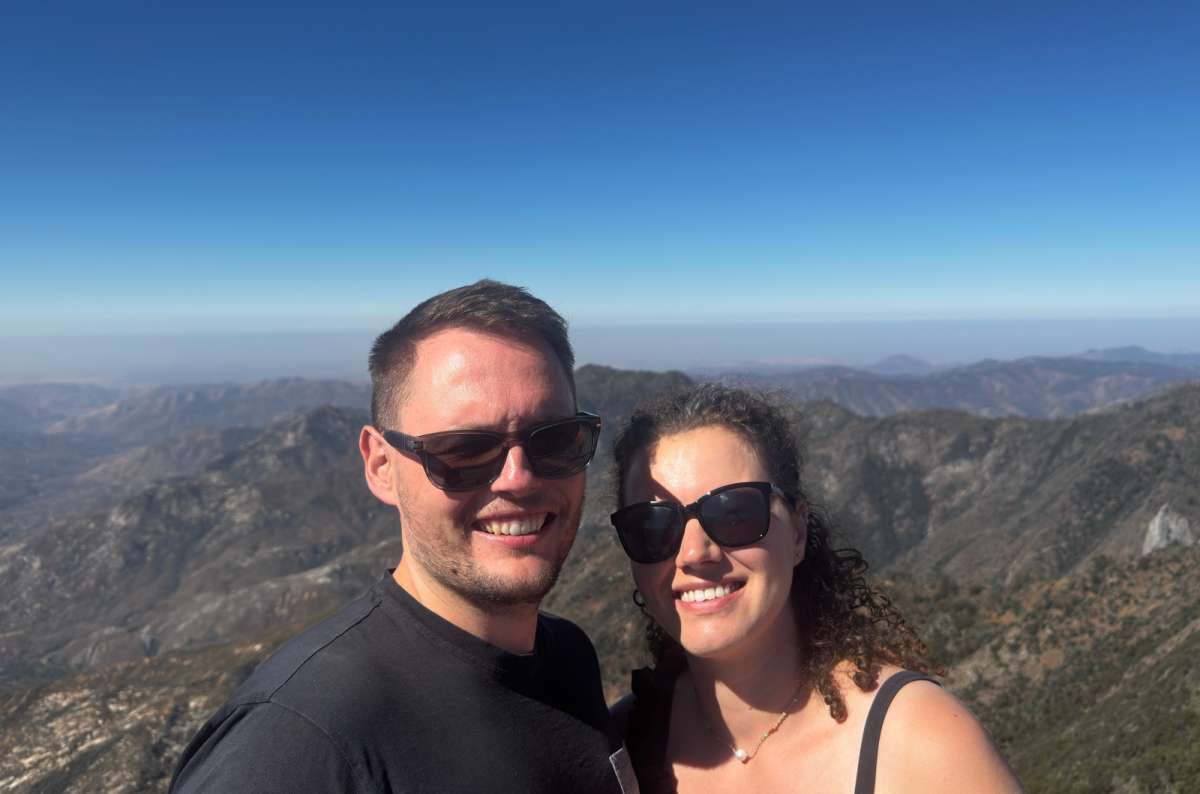
These are proper mountain views. Even the drive here is interesting because you pass through sequoia forest before reaching the granite dome.
The climb felt very easy to me, and it took me about 30 minutes total. There are more than 350 steps, however, so allow 45–60 minutes or more if you need breaks. The short Moro Rock hike gains about 300 feet (90 m) over 0.25 mile (0.4 km) to the top; double the distance for the return.
The views are 360 degrees, which is pretty great. You look toward the Great Western Divide and across the San Joaquin Valley. Mount Whitney is hidden behind the divide. The orchards below look like a sea.
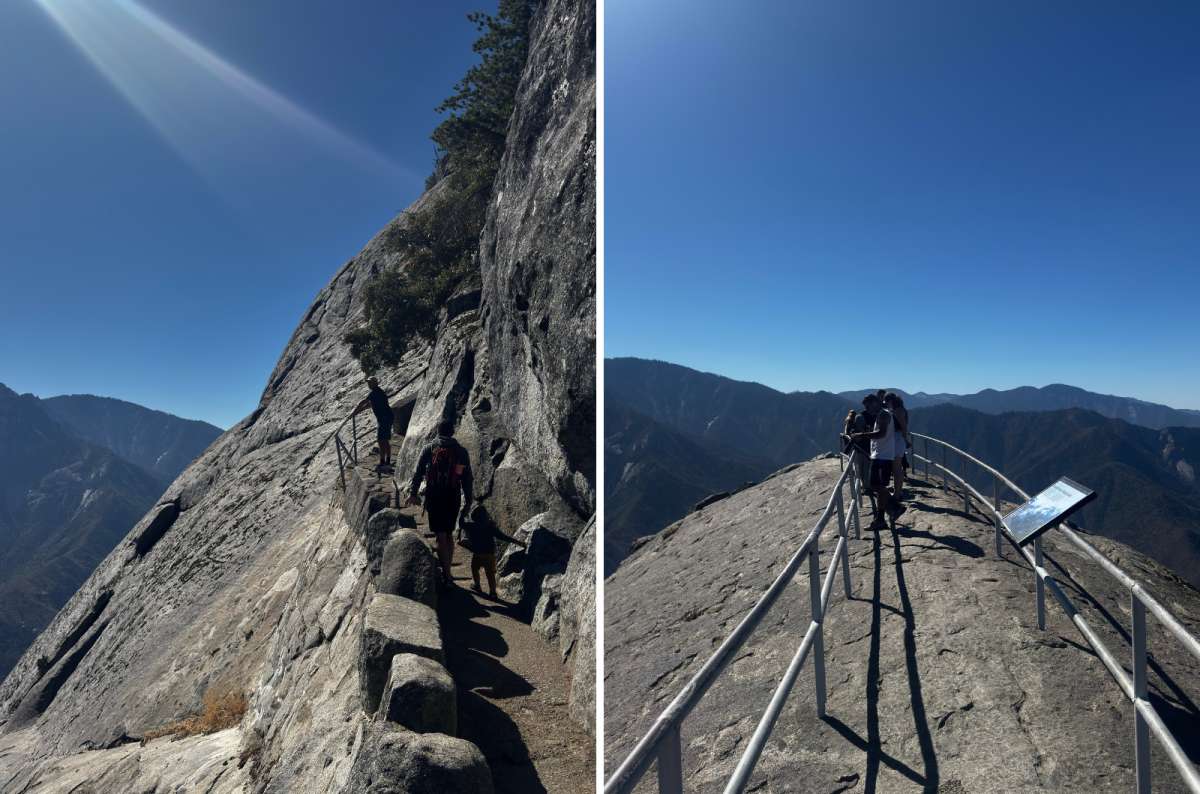
The drop-offs felt a bit unpleasant, and I don't have vertigo. There are railings, but this isn't a hike I'd recommend to someone who dislikes exposure. Keep children close. Don't climb snowy or icy stairs, or head up during an approaching thunderstorm.
I'd start or end the day here. The parking lot is very small and fills quickly. Late afternoon would also be my choice for the light in views and pictures.
Summer access: when shuttles operate, the road closes to general private vehicles on summer weekends and holidays. Use the free shuttle from Giant Forest Museum; disability placard exceptions apply. At other times, road access depends on snow and conditions. Check the NPS shuttle information.
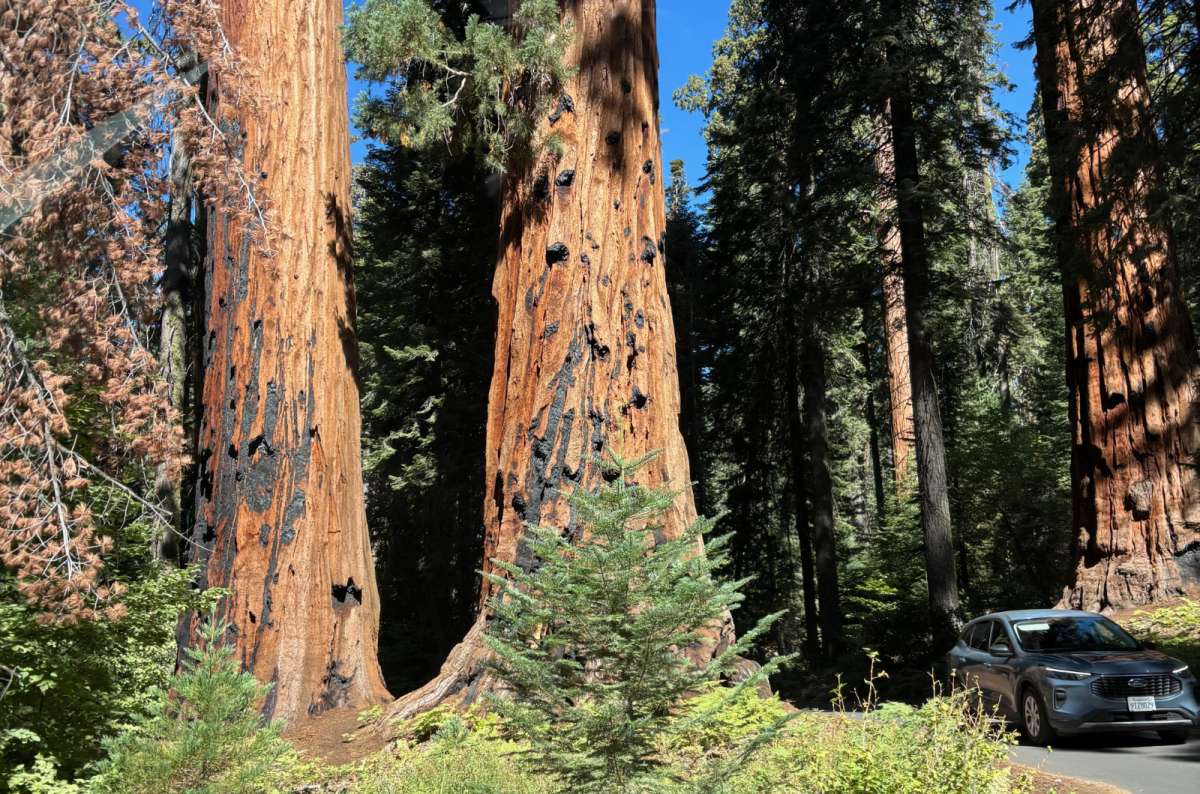
It's a short drive along the same road as Moro Rock, with massive sequoia groups such as the Parker Group. I loved how you can appreciate the size best when you see the fallen trees.
Tunnel Log is a fallen sequoia with a passage cut through it. Vehicles over 8 feet (2.4 m) high use the bypass. Parking is tight; don't stop in the roadway for photographs.
Allow around half an hour for the quick road stops. That doesn't cover a leisurely walk around Crescent Meadow: the full loop is 1.5 miles (2.4 km), for which I'd allow about an hour, plus the road stops.
I love the look of sequoias, how they're burned and reborn. The blackened trunks still standing among the giants make the forest's relationship with fire visible. These trees are partly fire-resistant, not fireproof.
If you're short on time, keep this to the roadside stops or leave it out. Congress and Big Trees Trail are higher priorities for me.
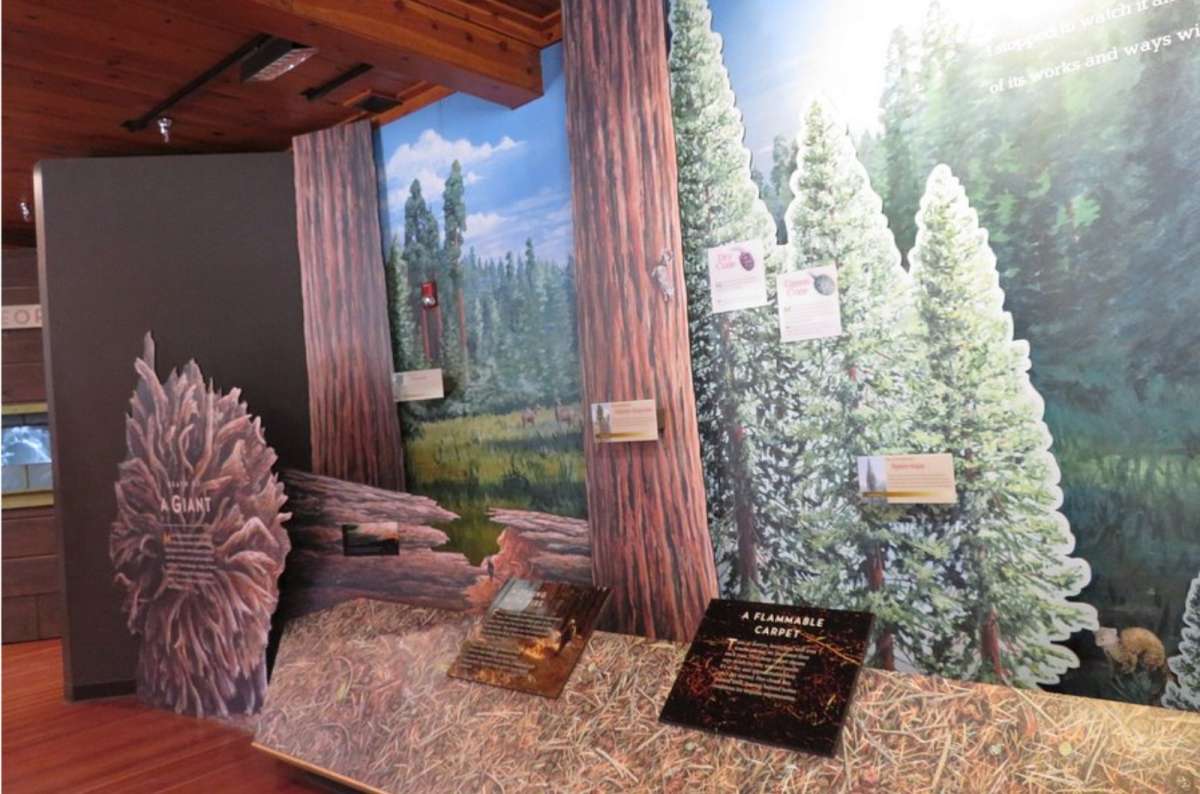
I suggest visiting the museum before the trails. Learning more before seeing the trees improves the visit significantly. It's perhaps a 15-minute stop; allow 15–30 minutes if you want to read the exhibits.
I loved the story of how people wanted to protect the forest by preventing fires, not knowing that fire was necessary for a healthy sequoia forest. It clears competing vegetation, exposes mineral soil and helps create the light seedlings need. Today's high-severity fires can also kill mature giants.
I learned that they're great survivalists once grown, but vulnerable and choosy as saplings, only establishing in suitable places. Their protective bark can be up to 18 inches (46 cm) thick, according to NPS. Some giant sequoias live for more than 3,000 years. We're getting back toward the age of the Trojan War.
Sequoias were once logged for timber. What a shame. You can't replace a centuries-old giant on a human timetable. Their natural groves also extend beyond national park boundaries along the western Sierra Nevada; they aren't confined to Sequoia and Yosemite.
The museum is next to the access road for Moro Rock and Crescent Meadow, and a useful starting point for Big Trees Trail.
Choosing what to do in Sequoia National Park depends on where you enter and how much driving you can accept. The following routes assume the roads and trails are open. Sightseeing time starts in Giant Forest; allow roughly another hour from the Ash Mountain entrance, plus entrance queues.
Allow roughly 4–5 hours with short transfers and a buffer. If you want views more than a longer forest walk, replace Congress with Moro Rock, allowing for the drive or shuttle. Leave Grant Grove and deep Kings Canyon for another day.
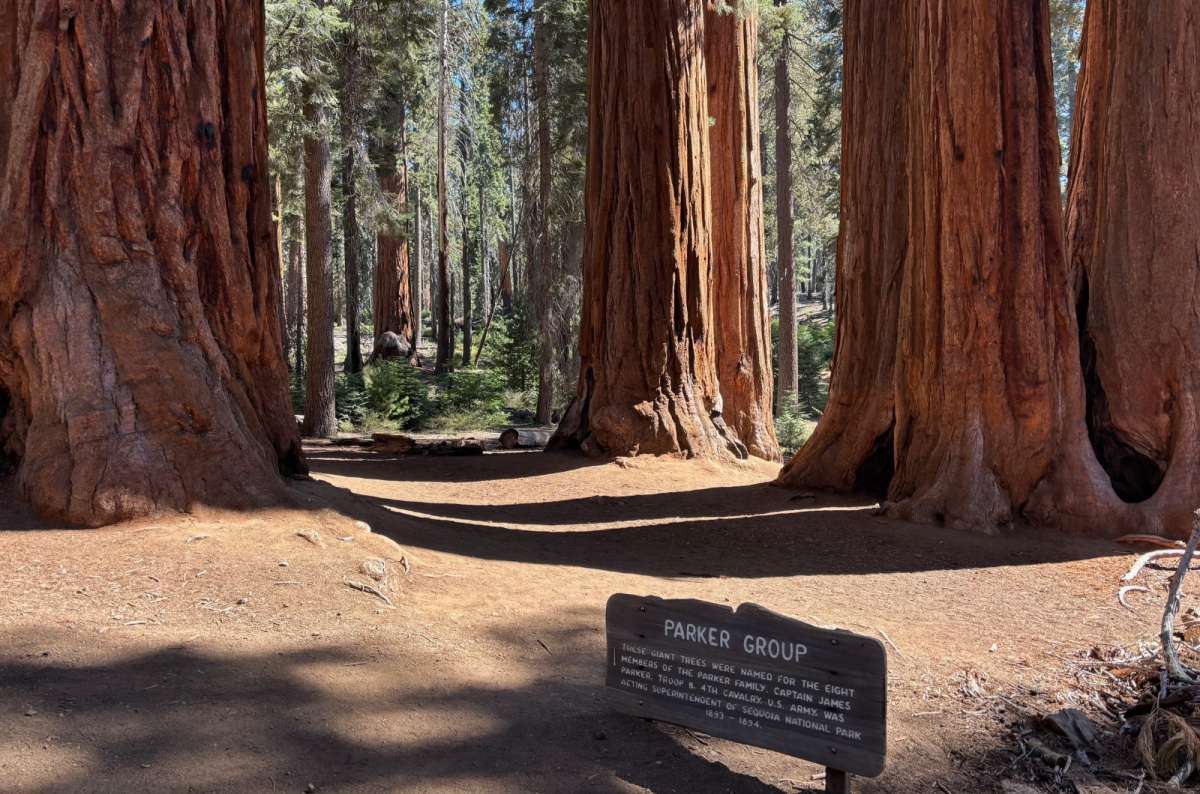
You can cover the main things to do in Sequoia without racing between every parking lot:
Add lunch, parking and shuttle waits. This is a 6–8-hour sightseeing day, longer with the full meadow loop or congestion. I wouldn't add the drive to Zumwalt afterward.
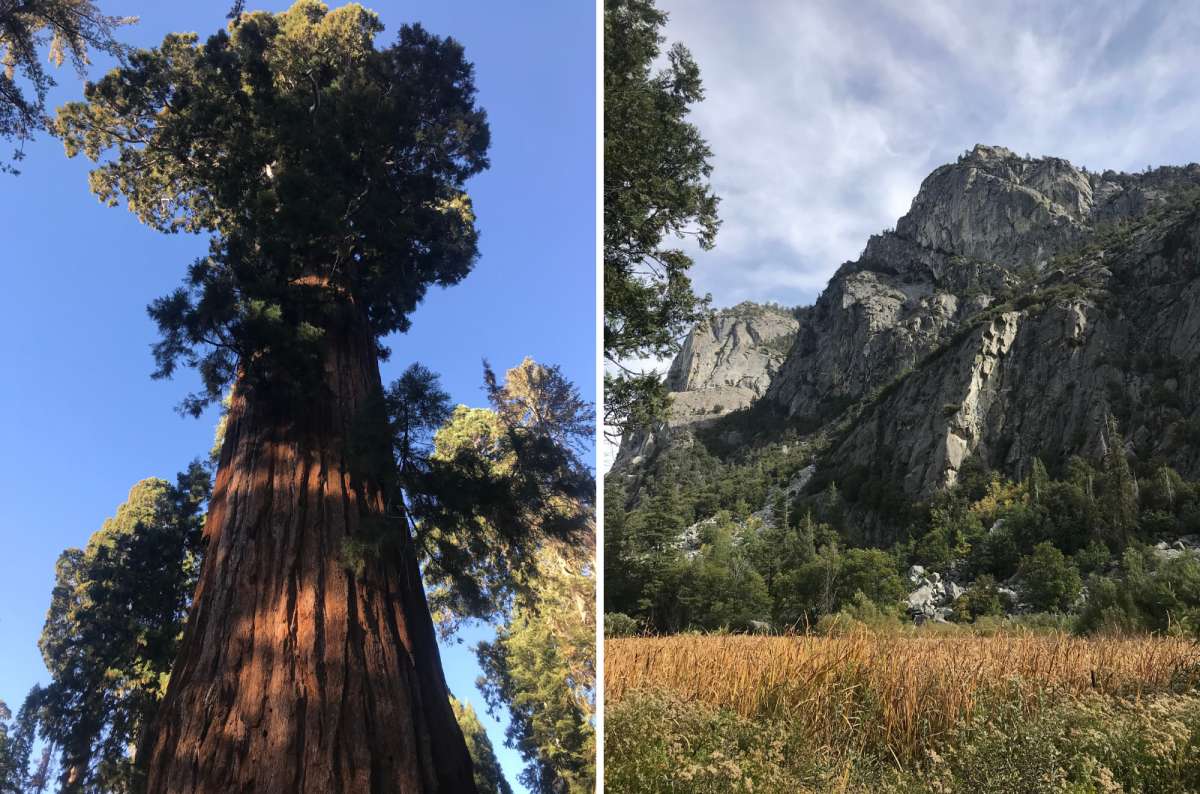
Use day one for the Giant Forest route above. On day two, follow General Grant → Highway 180 → Cedar Grove → Zumwalt Meadow, then return along Highway 180.
Allow 30–45 minutes at Grant, about an hour to Cedar Grove, then the final drive and 1–1.5 hours at Zumwalt. Add the return drive, lunch and canyon viewpoints. From Giant Forest, the full excursion is roughly 6–8 hours before lengthy detours or road delays.
The standard private-vehicle entrance fee is $35 for seven days, covering both parks. In 2026, non-US residents aged 16 or older also pay $100 per person unless covered by an eligible pass. The America the Beautiful annual pass is $80 for US residents or $250 for nonresidents. Check the official fee and pass rules for your group.
No reservation is required simply to enter. Summer park shuttles help around Giant Forest, but they don't connect Sequoia with Kings Canyon. Download your maps and fill your fuel tank before entering; there are no gas stations within the national parks.
For an Ash Mountain entrance start, compare stays in Three Rivers on Booking.com, allowing for the winding drive up to Giant Forest. If Kings Canyon is your priority, consider Grant Grove or accommodation along Highway 180 instead of repeatedly driving across from Three Rivers.
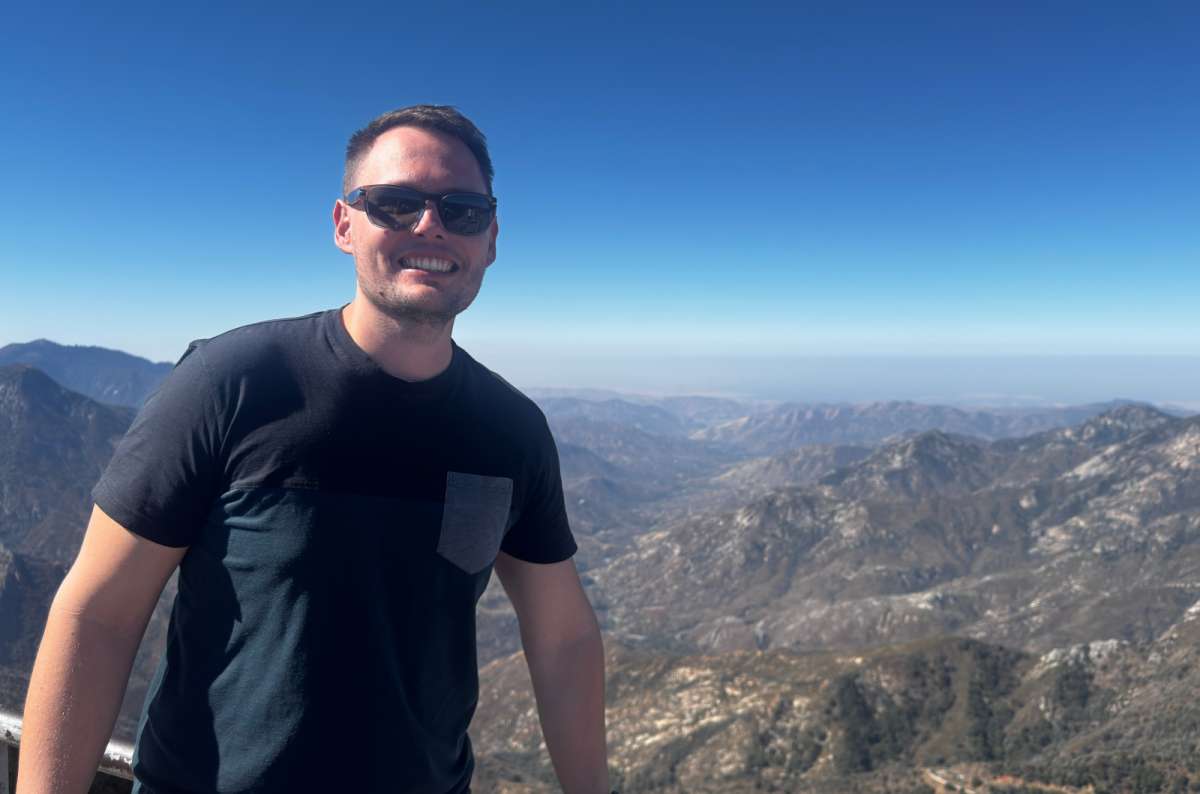
For me, it's an easy 10/10. It's so different from other parks, and many of these Sequoia National Park attractions are straightforward to reach without serious hiking. I love that there are options for wheelchair users and strollers. There were tons of children when I visited.
I'd skip it only if you're short on time and not that interested in trees. You can see giant sequoias in Yosemite, but if time allows, I would absolutely visit here too. Go in good weather if you can: sunshine gives another layer to the visuals.
This post contains affiliate links. I earn a small commission if you make bookings through my links, at no additional cost to you. Thank you for your support!


Hi, I’m Jan. I travel fast and intensely, whether I’m exploring the buzz of Tokyo in 3 days or road-tripping through mountains and beaches on a 3-week Thailand adventure. And no matter where I am, you’ll always find me in a comfortable hotel at night and eating the best food.
If that sounds like your kind of journey, hop on board, and let’s explore the world together!
I started this blog after realizing how tough it can be to find reliable, authentic travel info. You wouldn’t believe how many “travel bloggers” never even visit the places they write about! On Next Level of Travel, you can count on my full honesty and insights drawn from my firsthand experiences.
Here’s the deal: not every destination is all superlatives and unicorns. I’ll let you know if a tourist attraction isn’t worth your time, like skipping overrated stops in my 2-week Spain itinerary. And when I find something truly special—like the perfect mix of culture and nature in Cape Town—you can trust that it’s worth adding to your itinerary.

Comments | Thoughts? Give us a shout!