


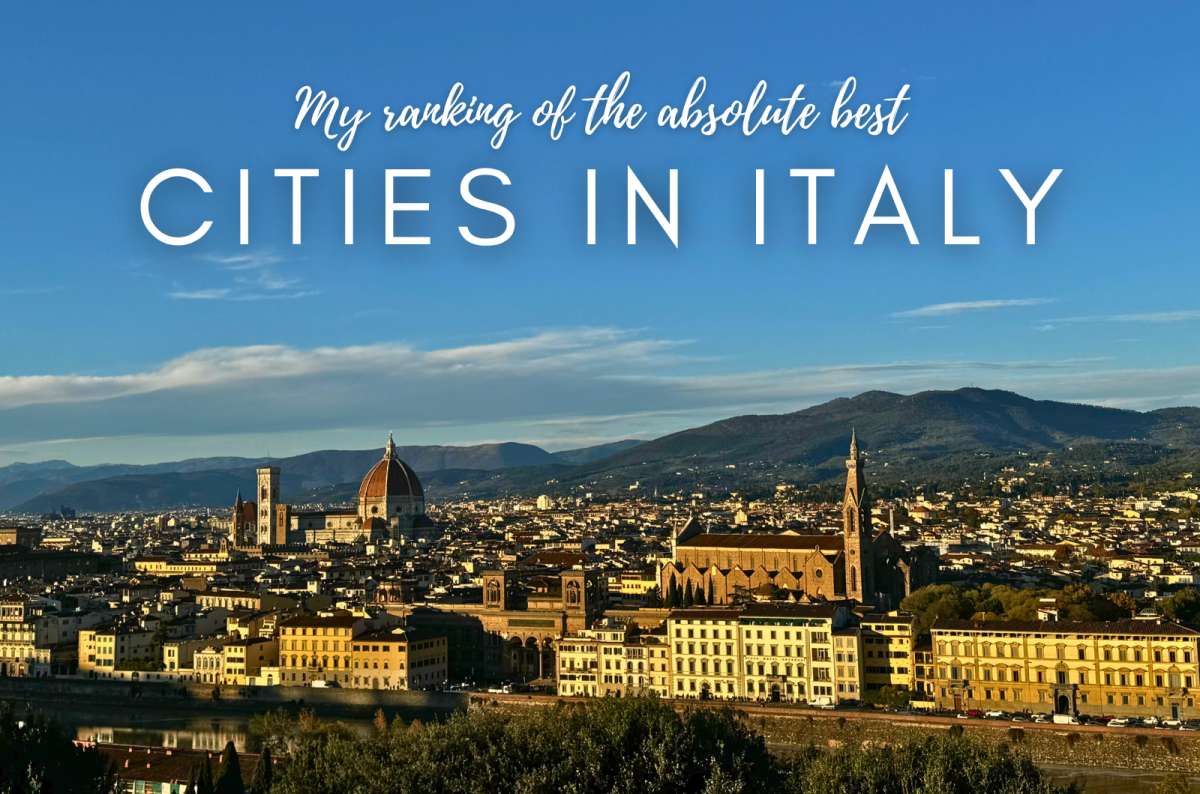


At a glance: My list of the best cities to visit in Italy
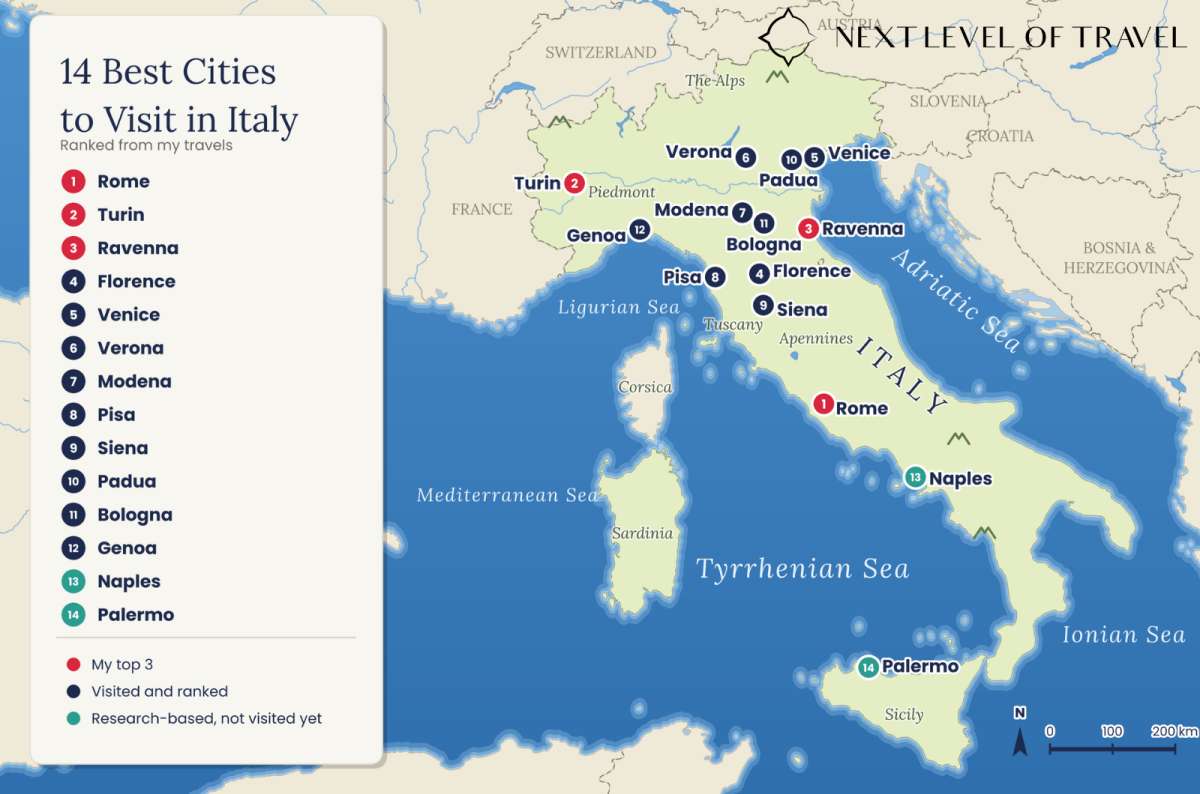
Map: The best cities to visit in Italy
1. Rome—the Eternal City and the one every other Italian city has to compete with
2. Turin—Italy's most underrated museum city
3. Ravenna—eight UNESCO monuments and one massive surprise
4. Florence—Renaissance masterpieces and serious art overload
5. Venice—the world's most beautiful tourist trap?
6. Verona—Roman ruins, medieval fortresses, and Juliet's House circus
7. Modena—where my backup plans beat the main attractions
8. Pisa—I expected a two-hour stop. I was wrong.
9. Siena—the cathedral is even better than the famous square
10. Padua—an underrated city with more substance than showmanship
11. Bologna—the food is a 10/10. The sightseeing isn't.
12. Genoa—a powerful maritime city that didn't quite surprise me
13. Naples—ancient history, great pizza, and a city I still need to visit
14. Palermo—Sicily's cultural crossroads deserves a place on the list
Final thoughts: Which cities are best for a first Italy trip?
I'll cut right to the chase: these are the best cities to visit in Italy, ranked by what I think is actually worth your time. And no, the most famous cities don't automatically get the top spots.
After more than 20 trips to Italy, I've seen enough cathedrals, Roman ruins, Renaissance masterpieces, and tourist traps to have some pretty strong opinions. Rome takes first place, but Turin and Ravenna are right behind it. Surprised? So was I, especially by Ravenna.
This isn't a list of the prettiest Italian cities or the ones with the most Instagram photos. I'm ranking them by how much they impressed me and whether I'd recommend spending your precious vacation time there. A couple of southern cities are included based on research rather than my own visits, and I'll make that clear when we get to them.
And a few famous attractions? Let's just say I wouldn't pay to see them twice.
Here's my ranking.
Read more from my Italy travel guide.
Pro tip: If you plan on having yourself a nice Italian road trip, consider renting a car.
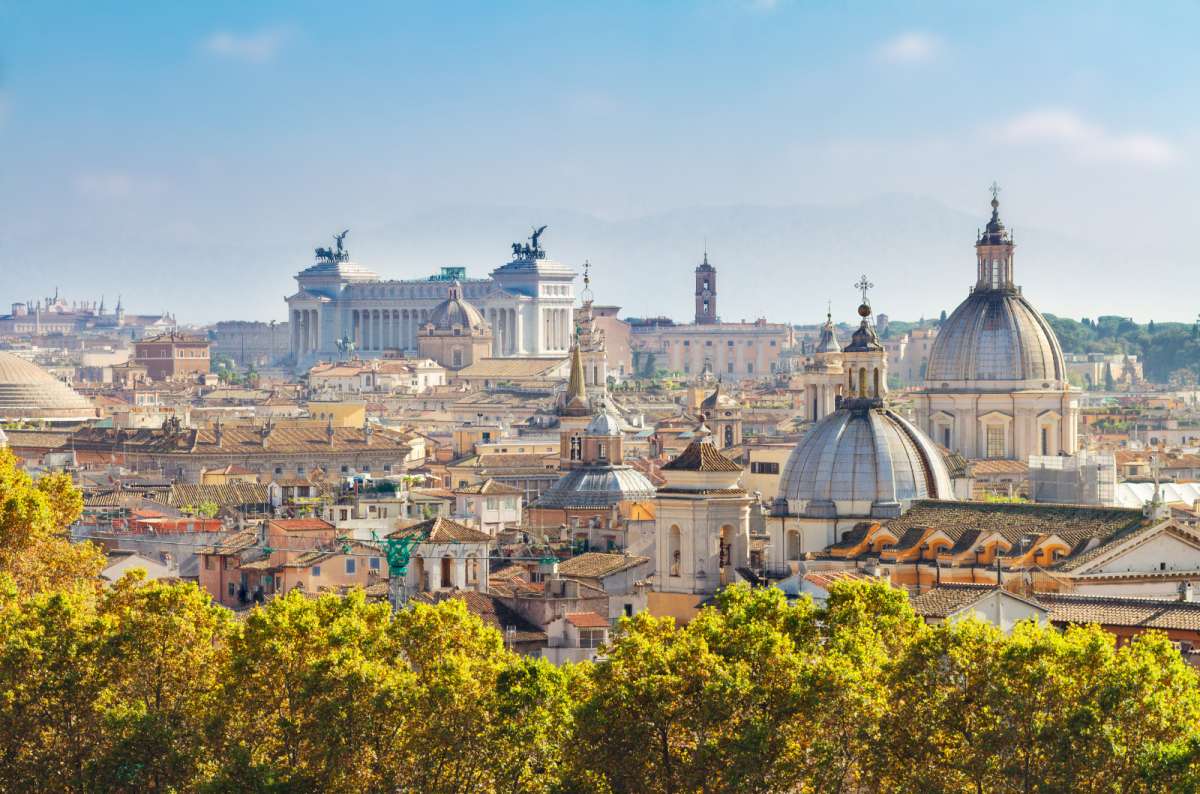
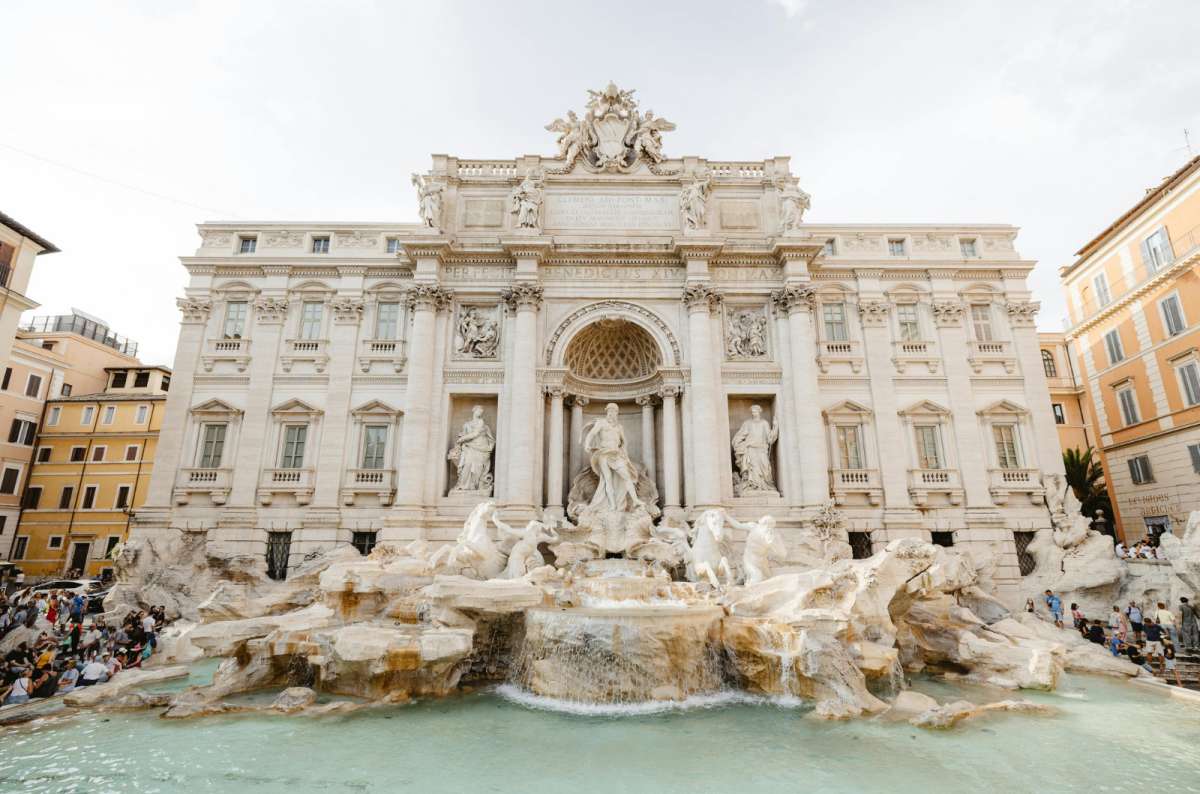
Rome takes first place on my list of the best cities to visit in Italy, and it's not because it's the capital or because everyone expects it to win. It's the sheer concentration of history. The Colosseum, Roman Forum, and Palatine Hill would be enough to make most cities famous on their own. And that's before you even get to the Pantheon, Castel Sant'Angelo, the Vatican Museums, and St. Peter's Basilica.
I actually visited Rome many years ago, although it's been so long that I don't remember much of the trip. What stuck with me was the Roman Forum and the ancient tombs along Via Appia. Apparently, give me some Roman ruins and old burial sites, and I'll remember them decades later. I've visited plenty of Roman sites elsewhere in Italy, but Rome has an entire ancient capital to explore.
There's a catch, of course. Rome isn't a city I'd try to conquer in one day. You can easily spend half your trip standing in lines if you treat reservations as an optional extra. And since my own visit was so long ago, I'm ranking Rome mainly on its historical importance and the sights I'd want to explore properly on a return trip.
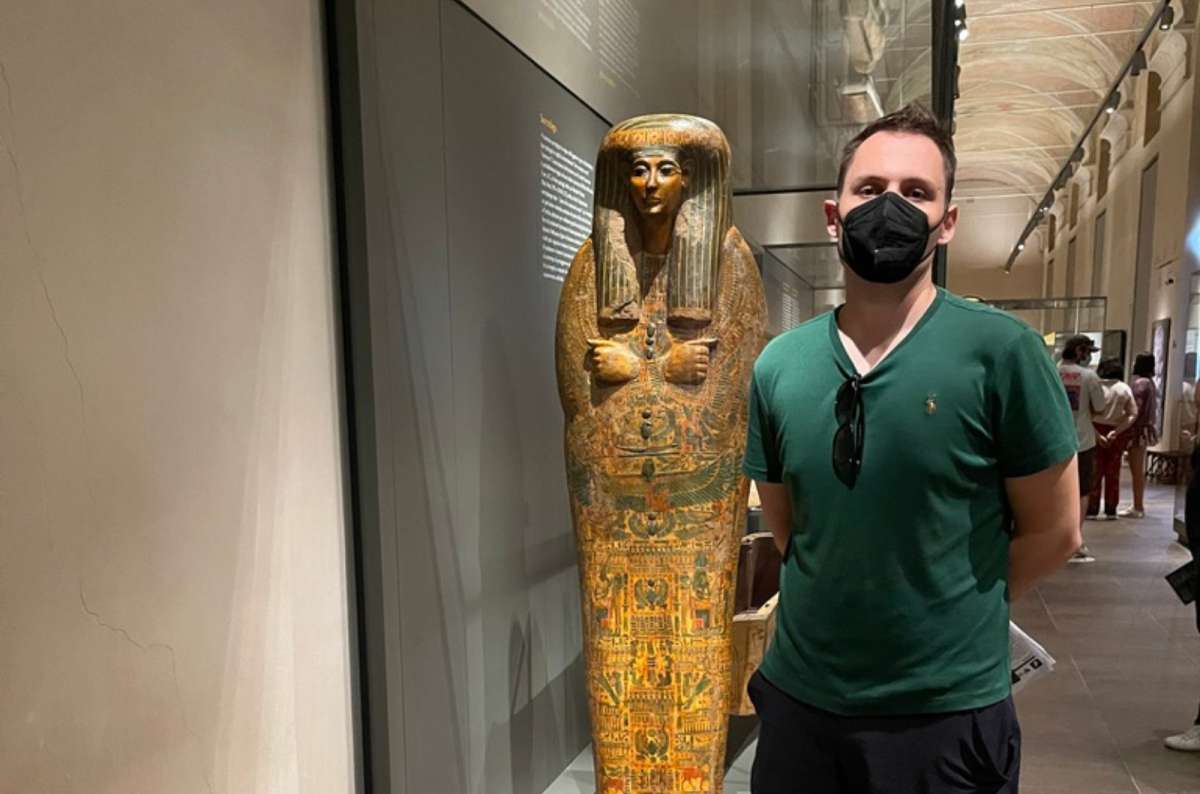
Turin is my number-one Italian city apart from Rome, and I don't understand why more people aren't talking about it. I've visited three times, and it still manages to surprise me. I originally went knowing very little about the city, but its royal palaces, excellent museums, and Alpine backdrop quickly made it one of my favorite places in Italy.
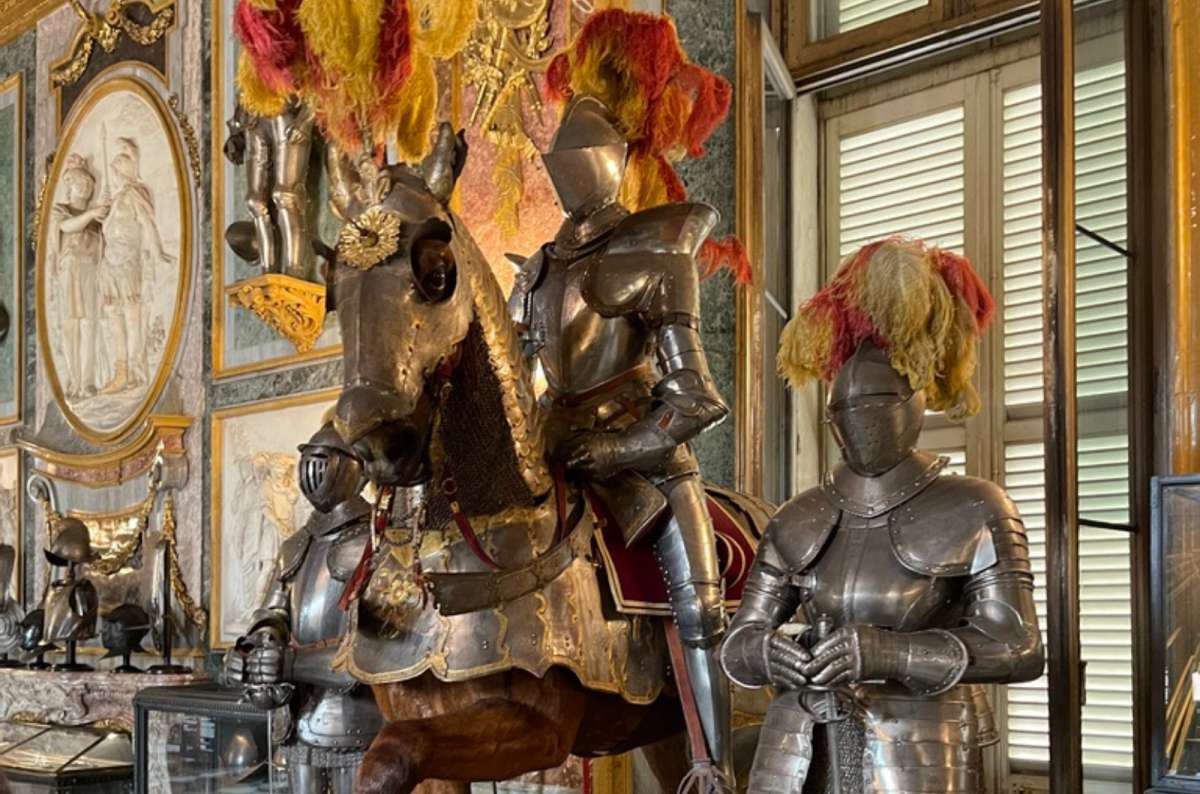
The Egyptian Museum is the main reason Turin ranks so high. I expected a decent collection and got an enormous museum packed with ancient artifacts and actual mummies. Then there's the Royal Palace, which I initially visited just to see the armory. Instead, I ended up walking through some of the most ridiculously lavish palace interiors I've seen in Italy. Apparently, the Savoy dynasty wasn't struggling financially.
And Turin doesn't stop there. The National Cinema Museum inside Mole Antonelliana is fantastic, especially with the panoramic elevator. The Automobile Museum is worth visiting too, although, as a car enthusiast, I actually expected more from it. Even with that disappointment, Turin easily earns its second-place ranking.
For the full experience, read my 14 places to visit in Turin.

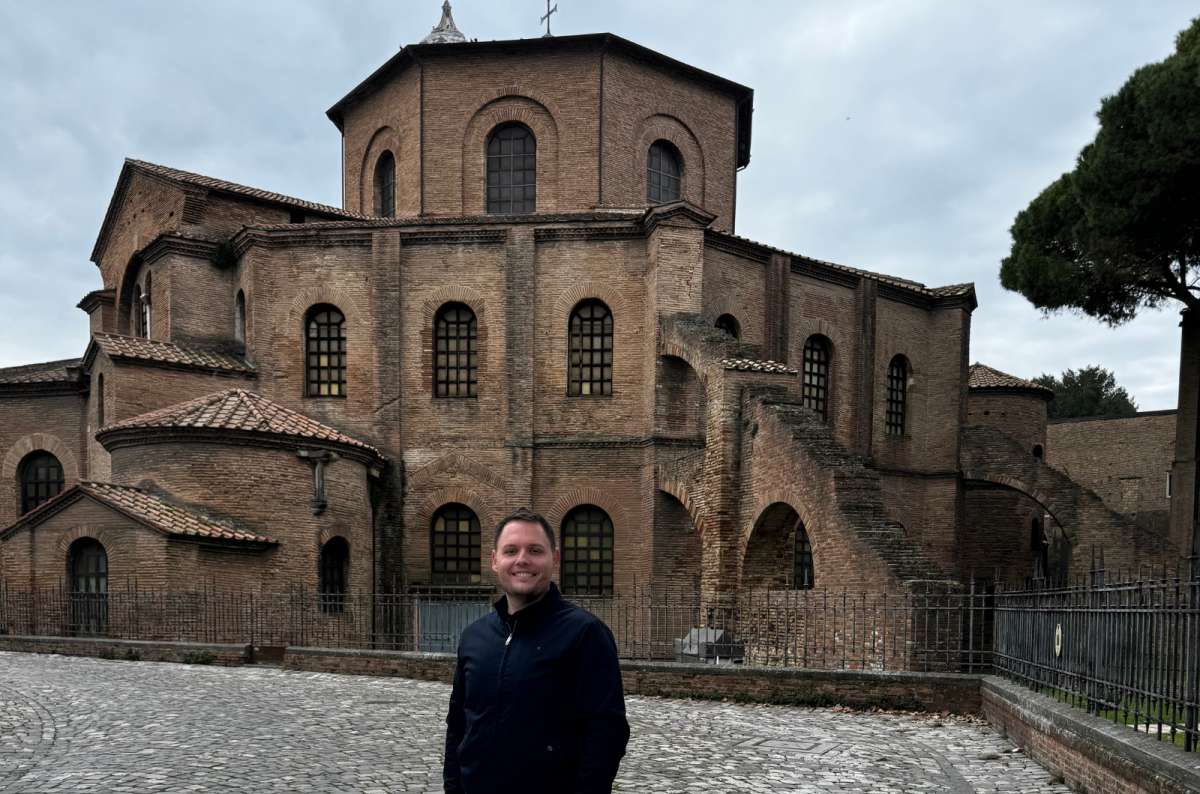
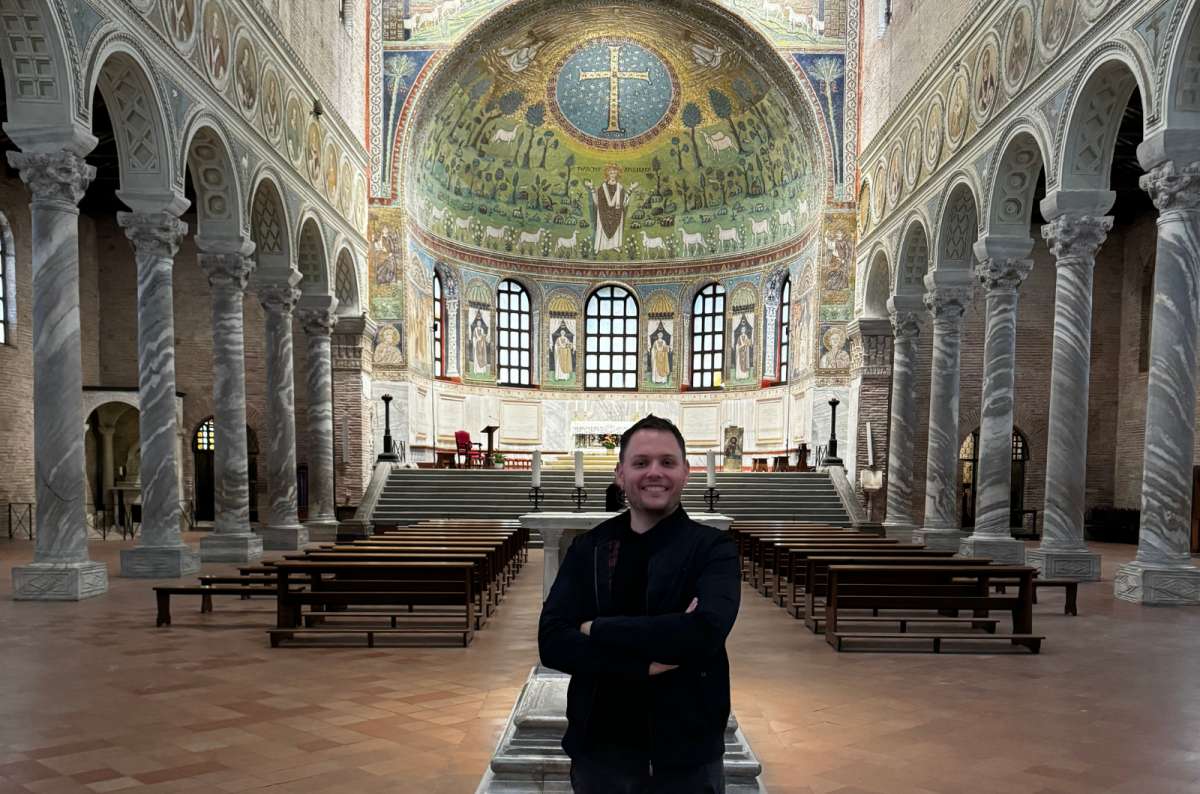
When I was a kid, I thought Ravenna was just another Italian seaside resort. Not exactly the kind of place I'd travel across Europe to visit. Turns out, I couldn't have been more wrong. After three visits, Ravenna has earned its place among my top three Italian cities.
What changed my mind? Eight UNESCO World Heritage monuments packed with some of the most spectacular Roman and Byzantine mosaics I've ever seen. Ravenna was once the capital of the Western Roman Empire, and its 1,500-year-old mosaics are ridiculously well preserved. The Basilica of San Vitale alone is worth the trip. Then there's the Mausoleum of Galla Placidia, which looks rather ordinary from outside but has an interior that'll make you forget what century you're in.
What I particularly love about Ravenna is how much history fits into such a compact city. You can walk between most of the major monuments in minutes. And unlike Florence, I didn't have to spend half my day navigating crowds and enormous museums to appreciate the art.
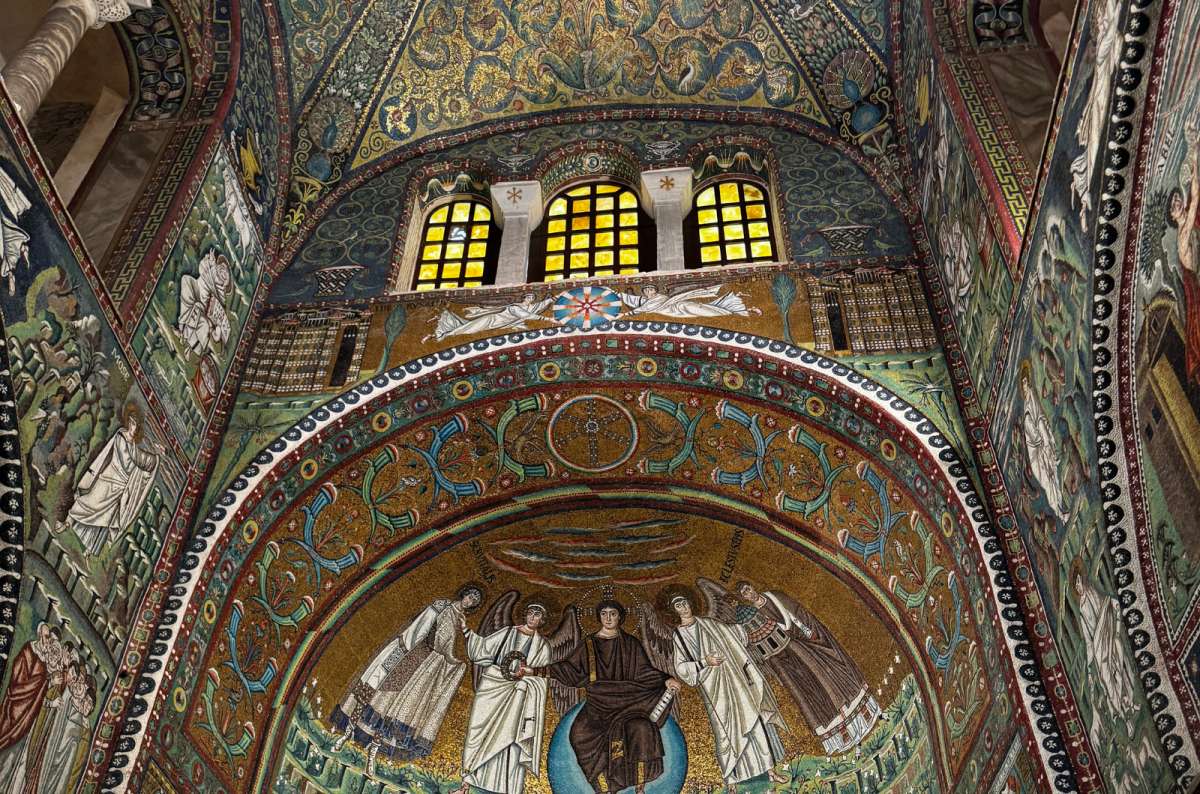
Read my Ravenna travel guide for the complete attraction ranking and practical visiting tips.
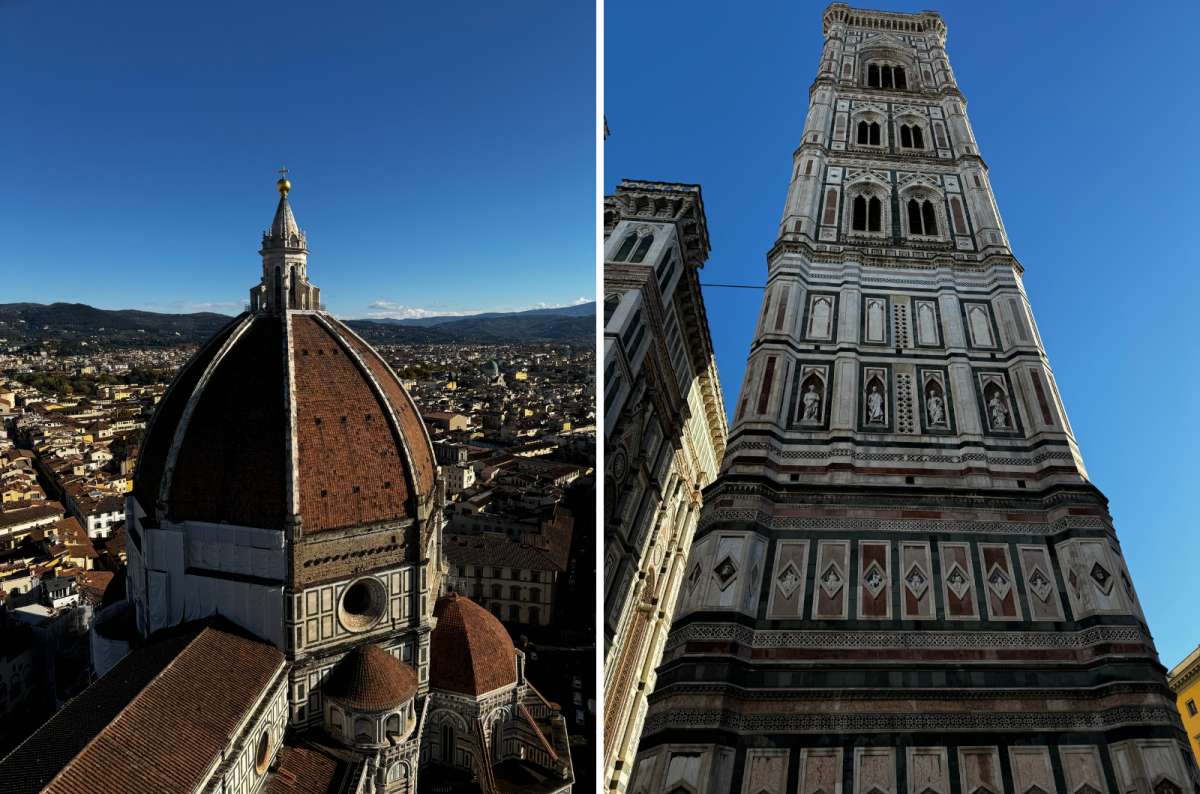
Florence is one of the best cities to visit in Italy if you love art, architecture, and history. The amount of world-class art packed into this city is ridiculous. You can see Michelangelo's David, explore the Uffizi, and climb Giotto's Bell Tower, all within walking distance. The problem? Every major attraction comes with another ticket, another reservation, and another crowd to fight through. I loved it, but after a while, even I started suffering from museum fatigue. There are only so many Madonnas, halos, and naked marble men one person can appreciate in a day.
The Duomo is spectacular, especially from the outside, but my favorite part of the complex was climbing Giotto's Bell Tower. You get the famous dome in your view instead of standing on top of it. Michelangelo's David at the Accademia genuinely impressed me, while the Uffizi was excellent without quite living up to the enormous expectations. And the Opera del Duomo Museum? One of my biggest surprises.
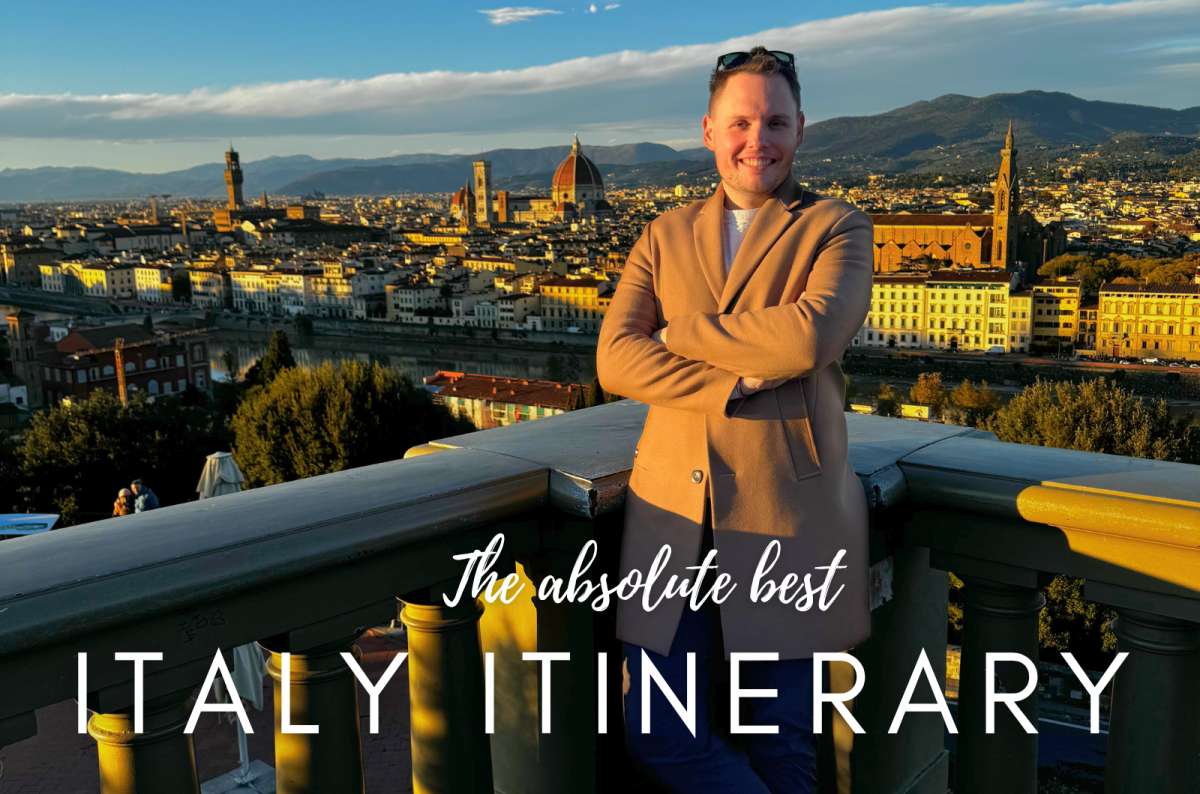
Florence ranks fourth because its artistic heavyweight status is undeniable, but enjoying it takes work. Tickets add up, and reservations dictate your schedule. My advice is to see the masterpieces you care about, then escape to the Arno River or Piazzale Michelangelo for a sunset that doesn't require another museum ticket.
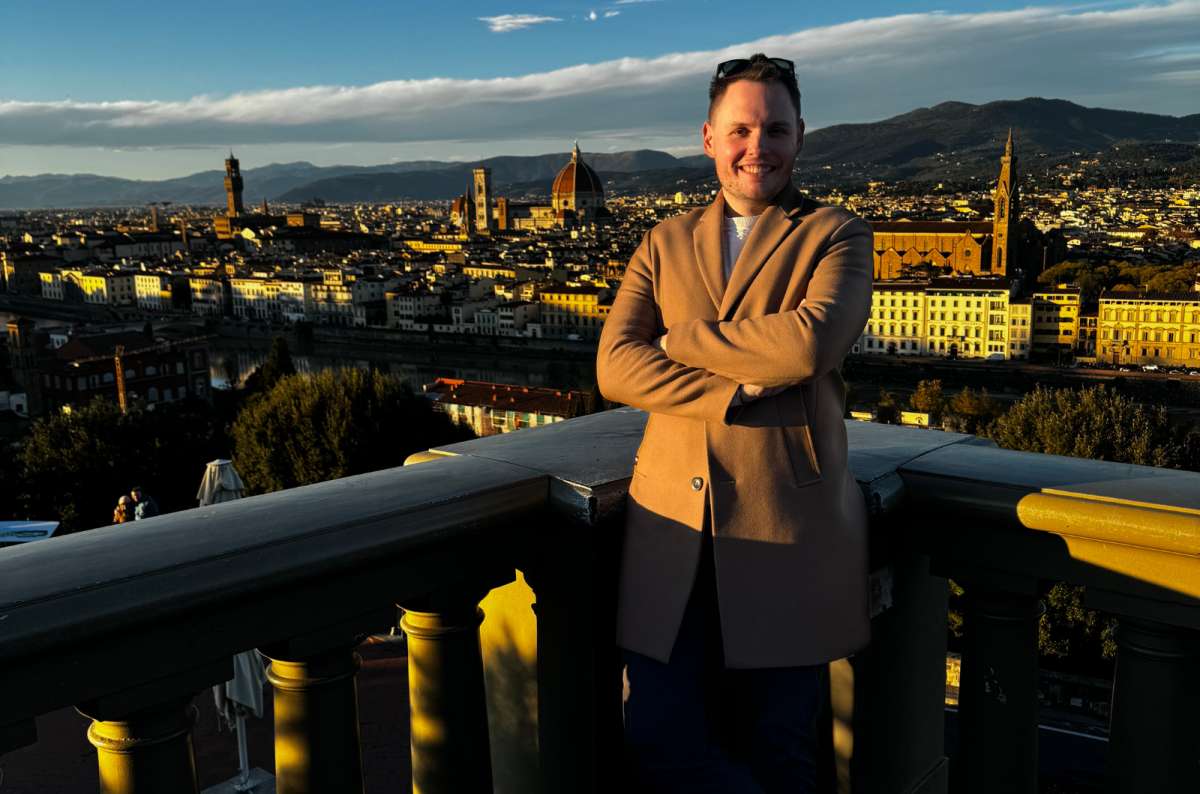
I've put together a 3-day Florence itinerary with the route I'd recommend, plus is Florence worth visiting?
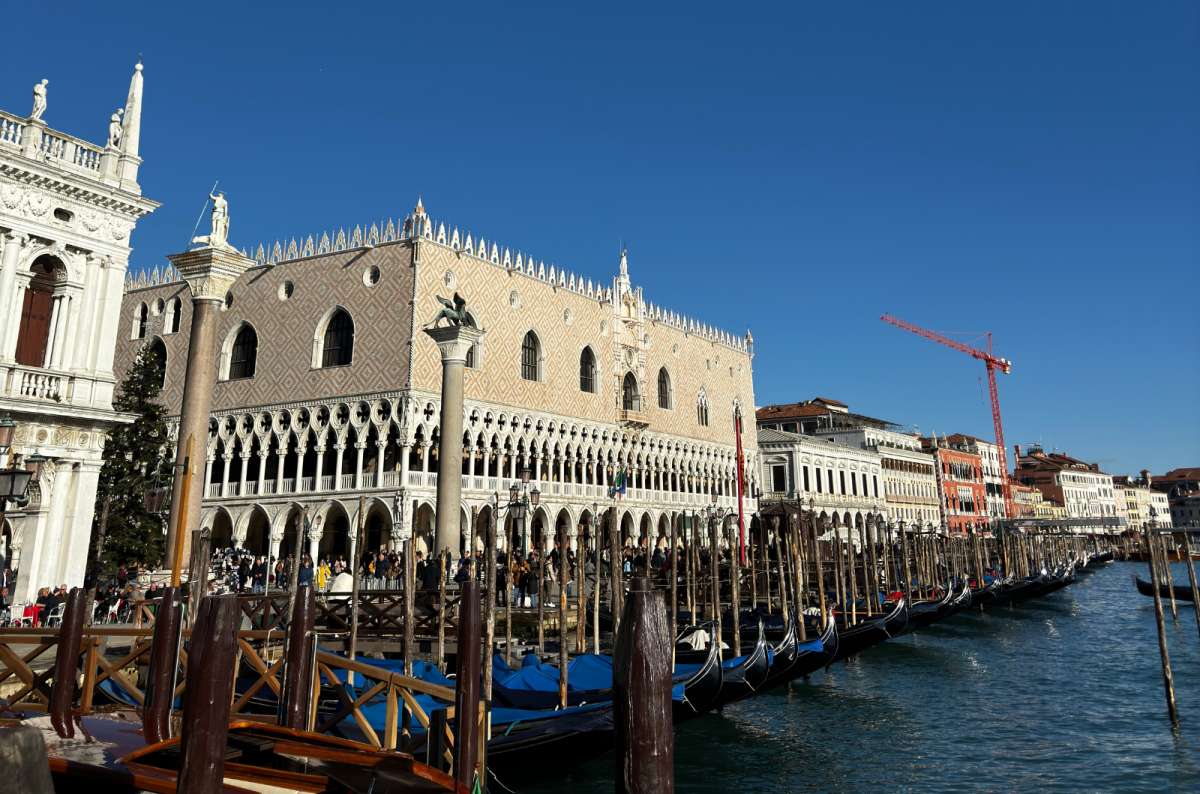
I've been to Venice three times over the past 15 years, and my opinion hasn't changed much: it's extraordinary, but it's not the greatest city on Earth. Yes, the canals, bridges, and palaces are unlike anything else. Yes, St. Mark's Square is breathtaking. But Venice can also be crowded, shabby, and so aggressively tourist-oriented that you occasionally wonder whether anyone actually lives there.
St. Mark's Basilica is spectacular, especially the golden mosaics, and the Doge's Palace is much more interesting than just another collection of fancy rooms. I particularly loved the armory. The Naval History Museum was another highlight—I spent hours there, which probably tells you everything you need to know about my interests.
The trick with Venice is to stop expecting every alley to be magical. Walk along the canals after sunset, when the day-trippers start disappearing, and the city suddenly reminds you why it's famous. That's the Venice I like most.
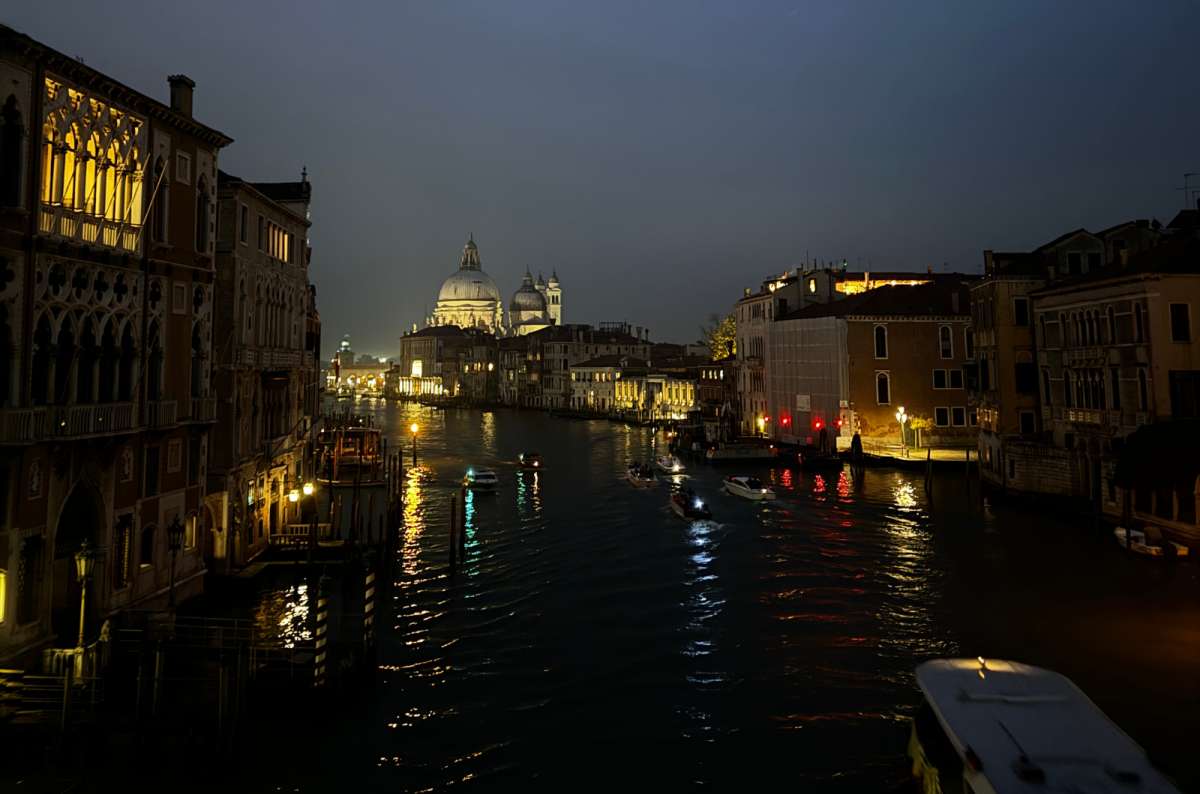
If you're visiting several Italian cities, my Italy travel tips explain why booking major attractions ahead of time matters—especially somewhere as popular as Venice.
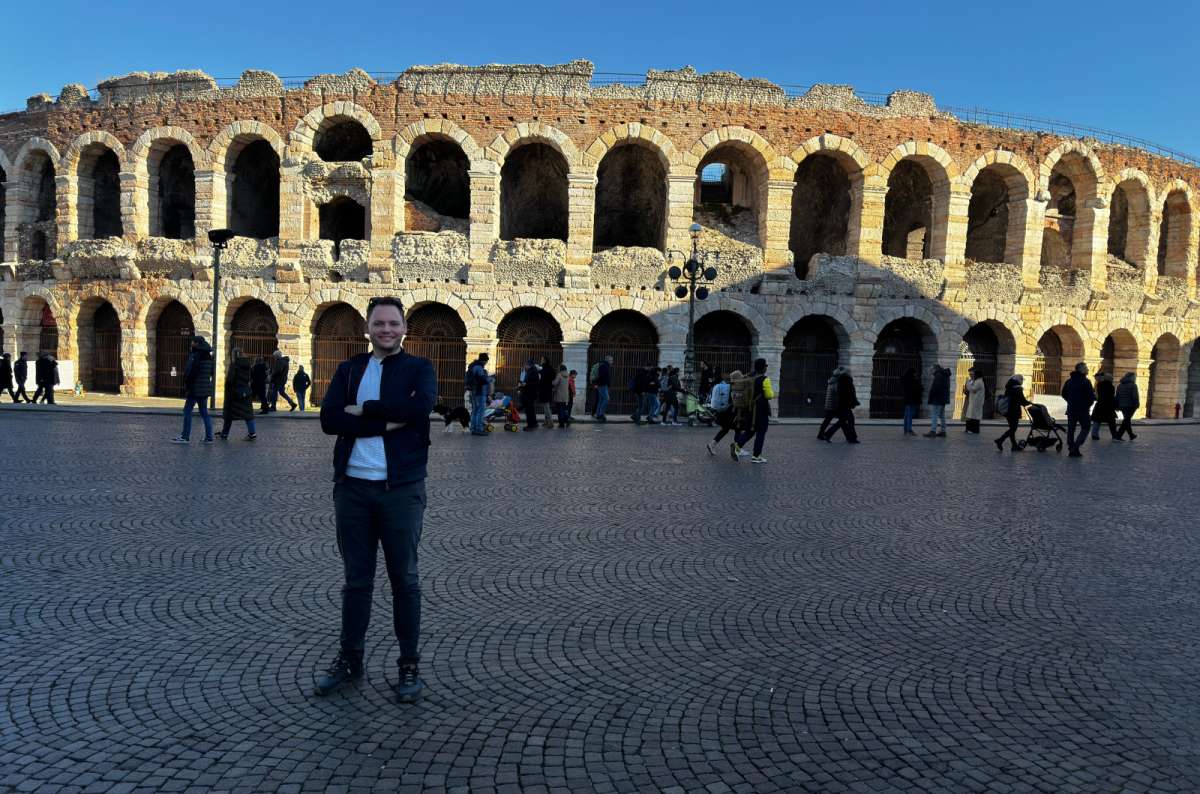
Verona is one of my favorite combinations of Roman history and medieval architecture in Italy. You get ancient ruins, medieval fortifications, and the Alps in the background. Honestly, it's almost suspiciously well-suited to my interests. And unlike some Italian cities where the attractions are scattered everywhere, Verona is wonderfully walkable.
The Arena di Verona is the obvious starting point. It's enormous, remarkably well preserved, and older than Rome's Colosseum. Then there's Castelvecchio, where you can explore the castle, admire the weapons and armor, and walk across the ridiculously photogenic Ponte Scaligero bridge. But my favorite viewpoint is Piazzale Castel, San Pietro. The climb is easy enough, and the panorama over the river, rooftops, and distant mountains is fantastic.
What surprised me most was the crowds. I visited in November, and Verona was absolutely packed—worse than I'd expected, even compared with Florence and Venice. And Juliet's House? I genuinely don't understand the obsession. People queue to photograph a balcony associated with a fictional character, then pay to visit an underwhelming museum. Shakespeare has a lot to answer for.
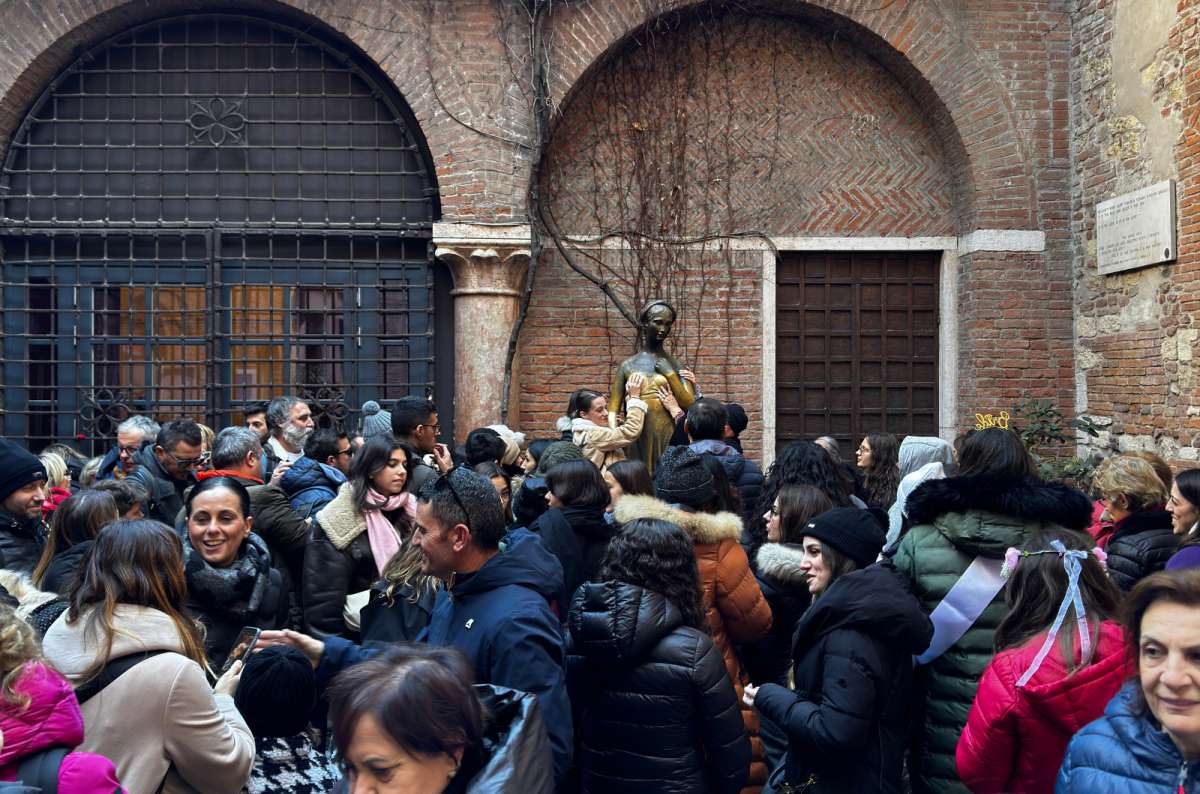
My advice? Spend less time chasing Juliet's balcony and more time exploring the real history. Verona has enough of it to keep you busy without the fictional romance.
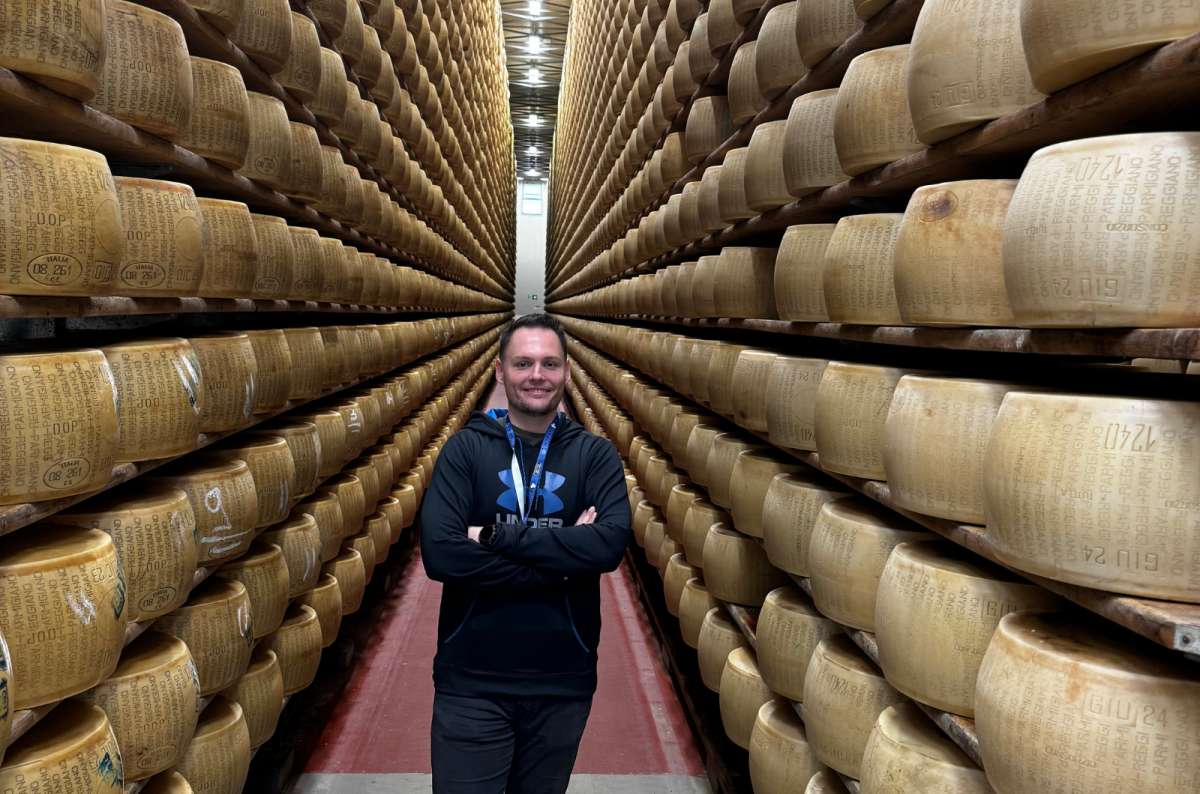
Modena is a funny one. Some of the things I'd been most excited about ended up disappointing me, while places I visited almost by accident turned out to be fantastic.
The Ferrari Museum in nearby Maranello is a good example. The cars are gorgeous, particularly the F40 and SF90 Stradale, and the exhibition is beautifully presented. But I finished in roughly an hour and couldn't help feeling that the ticket was expensive for such a short visit. I'm a car enthusiast, so imagine how someone less obsessed with Ferraris might feel.
The unexpected winners were the food experiences. I loved learning how Parmigiano Reggiano is made at the 4 Madonne dairy, and the visit to Acetaia Giusti was even better than I'd anticipated. It turns out that watching cheese mature and learning about balsamic vinegar can be surprisingly entertaining.
Modena Cathedral and the Torre Ghirlandina bell tower are beautiful, especially in the evening. Read more about things to see in Modena here.
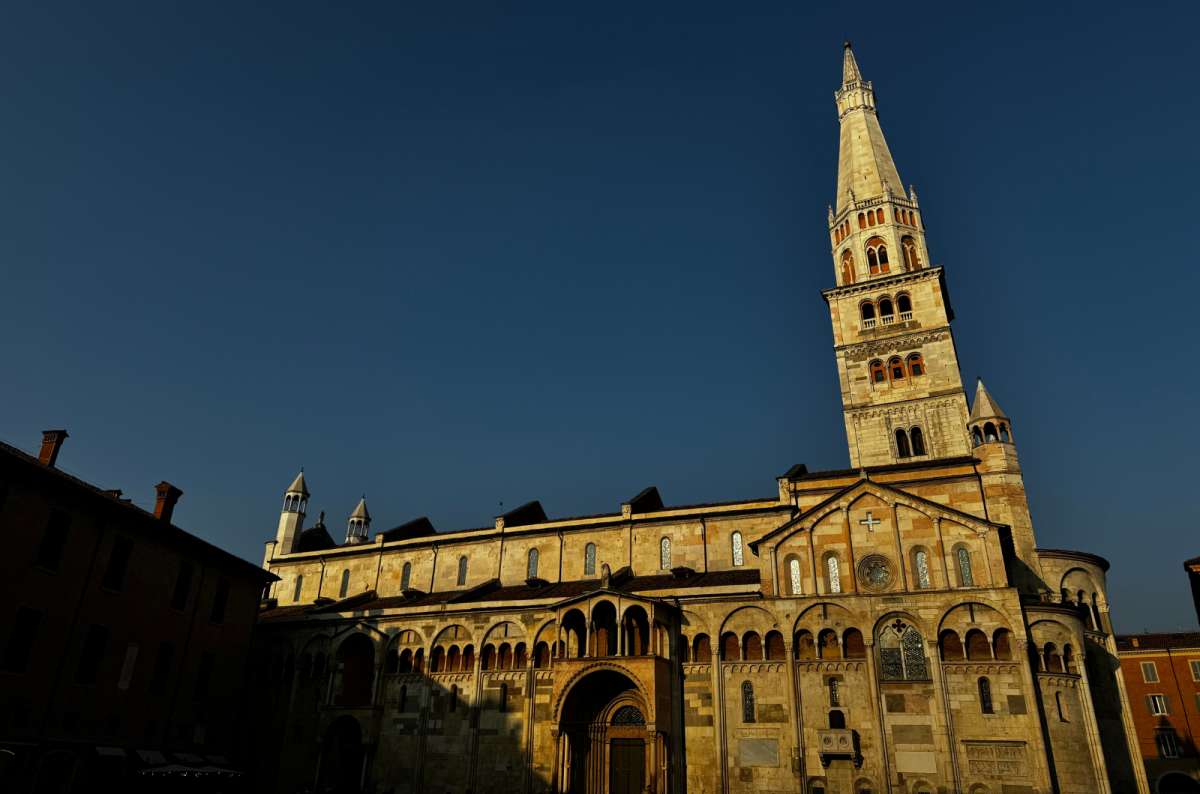
For more ideas around Modena, including its food experiences and nearby attractions, see my Emilia-Romagna itinerary.
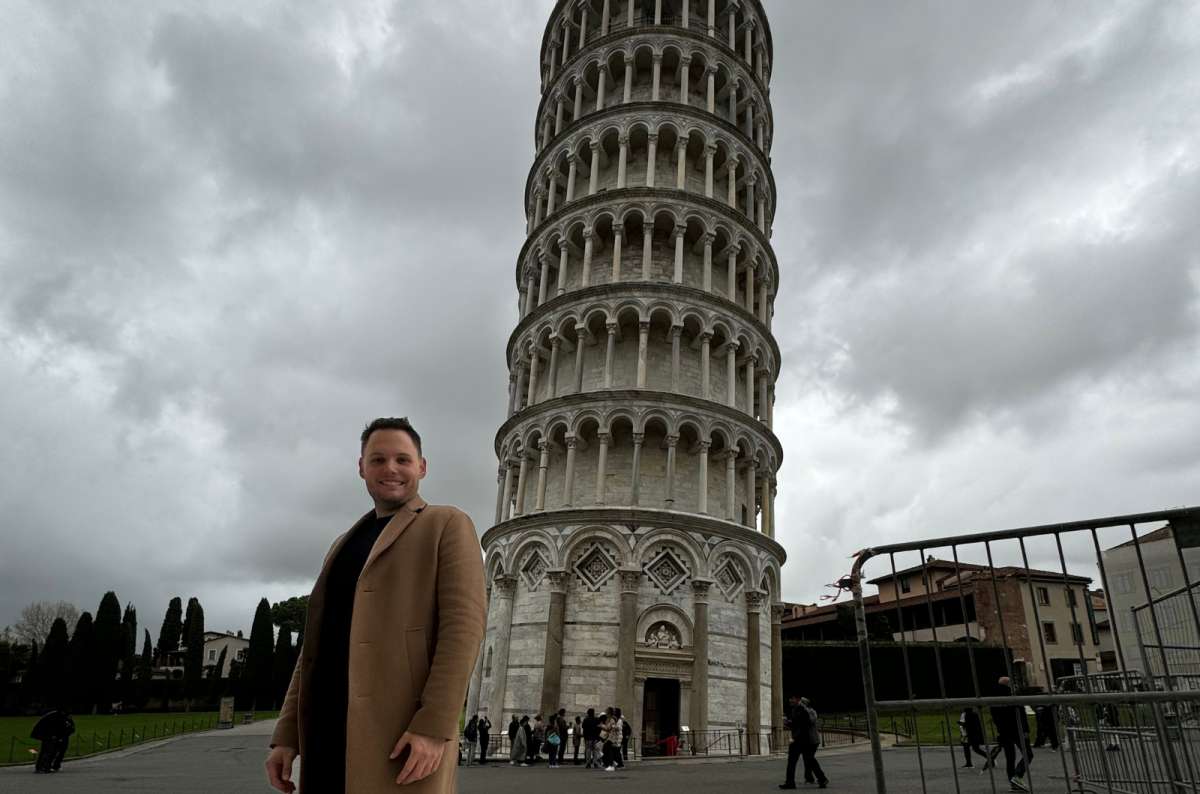
Before visiting Pisa, everyone seemed to have the same advice: see the Leaning Tower, take the obligatory photo, and leave. I went in with pretty low expectations. Turns out, Pisa has far more to offer than a tower that can't stand up straight.
First, Piazza dei Miracoli is spectacular. The Leaning Tower is genuinely impressive in person—and much more tilted than I expected—but the cathedral, Baptistery, and monumental buildings around it make the whole square extraordinary. I even climbed the tower, which is a slightly surreal experience when the staircase itself feels crooked. And yes, despite making fun of everyone pretending to hold up the tower, I took that photo too.
What surprised me beyond the famous square was how much I enjoyed Pisa's historic center. Piazza dei Cavalieri, Borgo Stretto, and the streets along the Arno give the city a lot more character than its reputation suggests. Pisa was once a powerful maritime republic, and its grand architecture makes considerably more sense when you know that history.
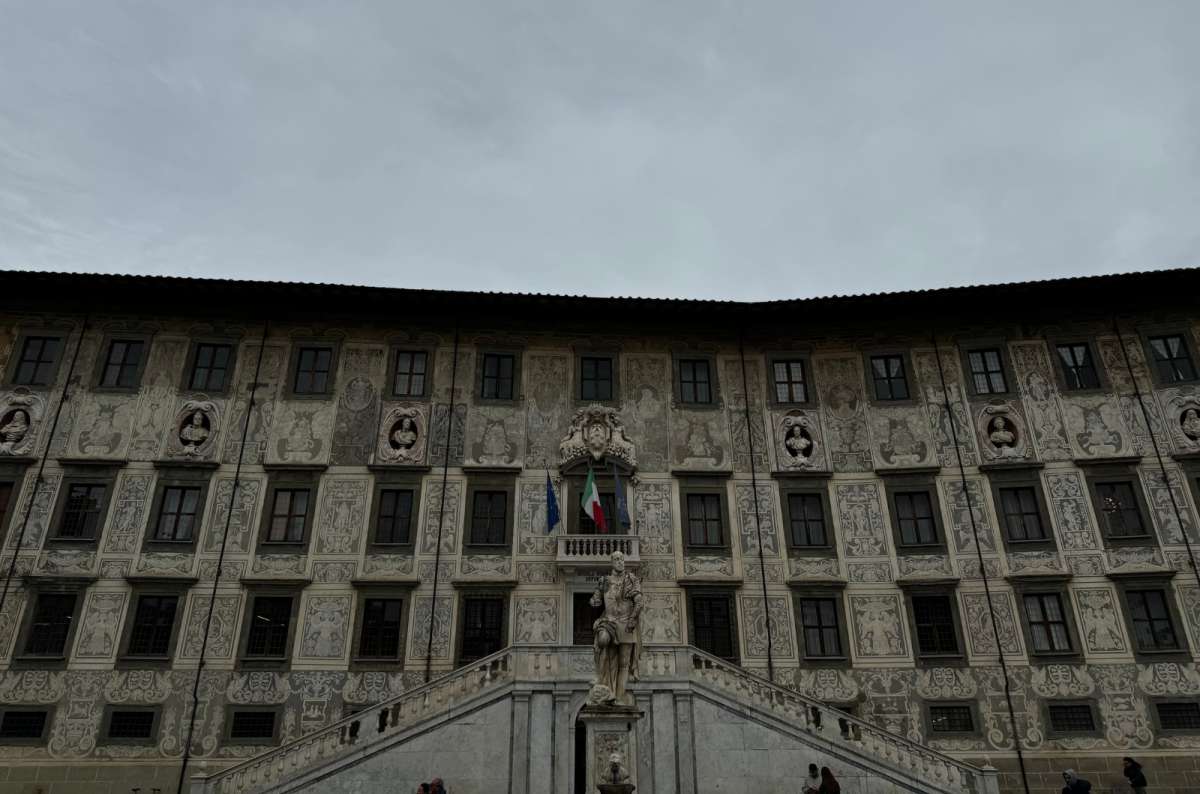
Pisa is also easy to combine with Lucca on a Tuscany trip, although I'd give it more than the token two hours people keep recommending.
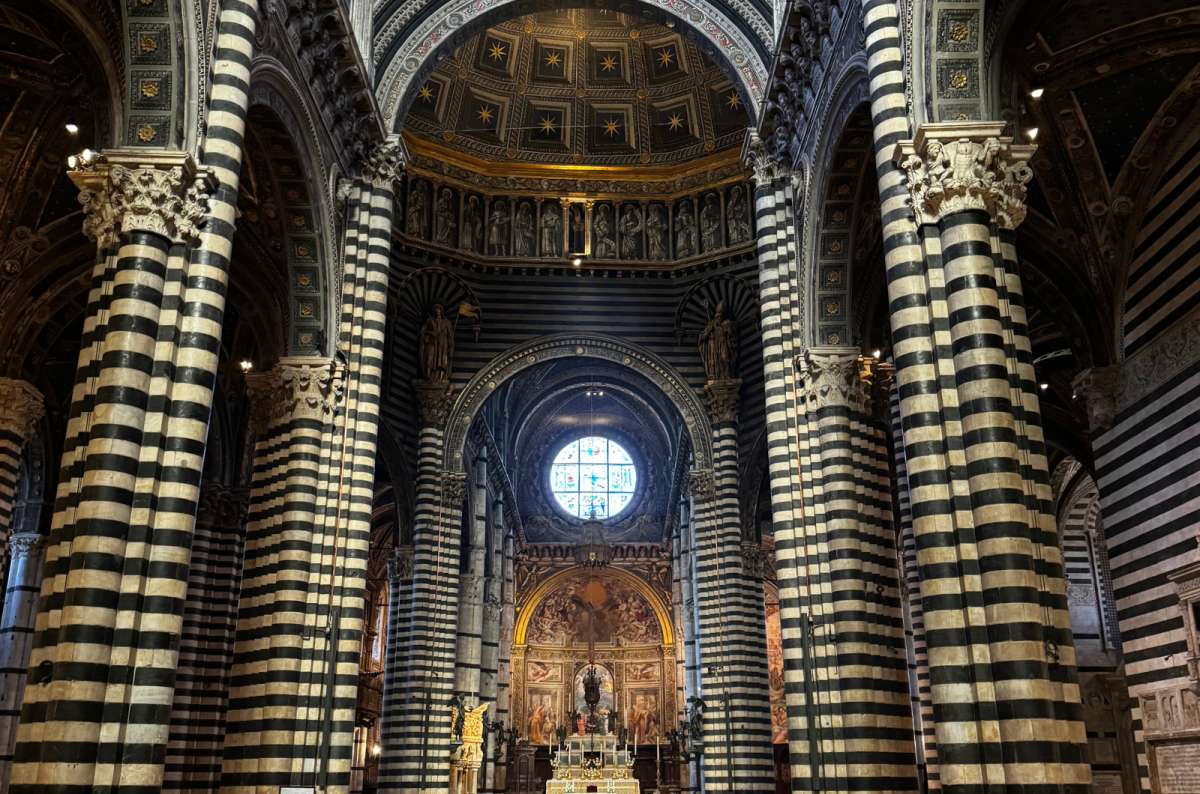
Siena is one of the best cities in Italy for medieval architecture. Its narrow streets, brick buildings, and dramatic hilltop setting make it feel very different from Renaissance-heavy Florence. But the attraction that really won me over was Siena Cathedral. And that's saying something, because by the time I arrived, I'd seen enough Italian churches to last me several vacations.
The Duomo is spectacular from the outside, but I actually think the interior is even better. The striped marble columns, intricate stone floors, and intricate decorations are almost ridiculous. It's one of those rare churches where I kept looking around thinking, Surely they can't have decorated that bit too? They had. Don't miss the Piccolomini Library either, with its brilliantly colorful frescoes.
Then there's Piazza del Campo, Siena's famous shell-shaped main square. It's impressive, and the surrounding medieval buildings are beautiful. But I've seen it described as Italy's most beautiful square, and I wouldn't go that far. It's a great square, not a religious experience.
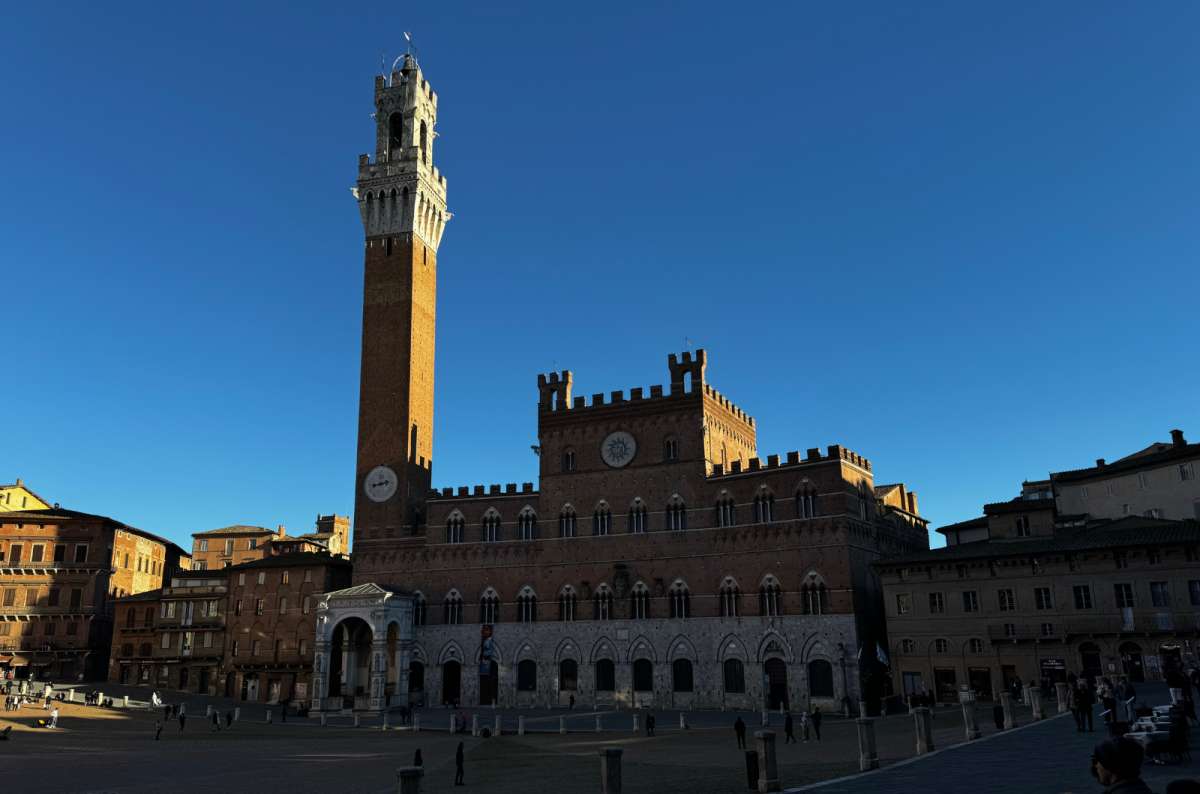
If you have extra time, head to Fortezza Medicea for views over Siena's rooftops. And for a properly planned visit, follow my one-day Siena itinerary.
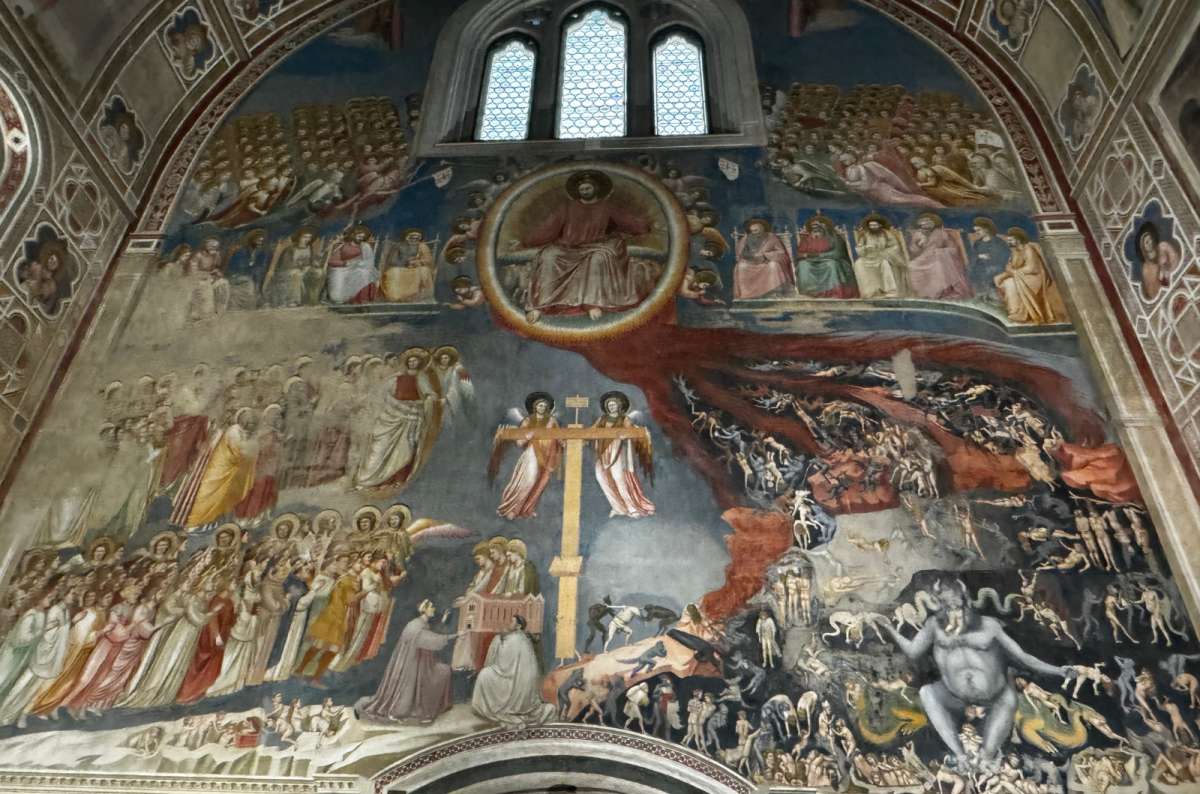
Padua ranks tenth, but it has some museums I'd happily recommend over more famous Italian attractions. The Scrovegni Chapel was the highlight for me, especially Giotto's Last Judgment fresco. The punishments are pretty brutal for a painting from the 1300s.
Then there's MUSME, the Museum of the History of Medicine, where I spent over an hour exploring interactive exhibits on anatomy and medical history. I also stumbled upon the University of Padua's Museum of Geography almost by accident, and it turned out to be one of my favorite surprises. The University of Padua, founded in 1222, gives the city a serious intellectual angle.
I also think the Palazzo della Ragione, with its enormous medieval hall, deserves a spot on your itinerary, although I skipped its interior during my visit.
After several days of battling the crowds in Italy's superstar cities, Padua was a welcome change.
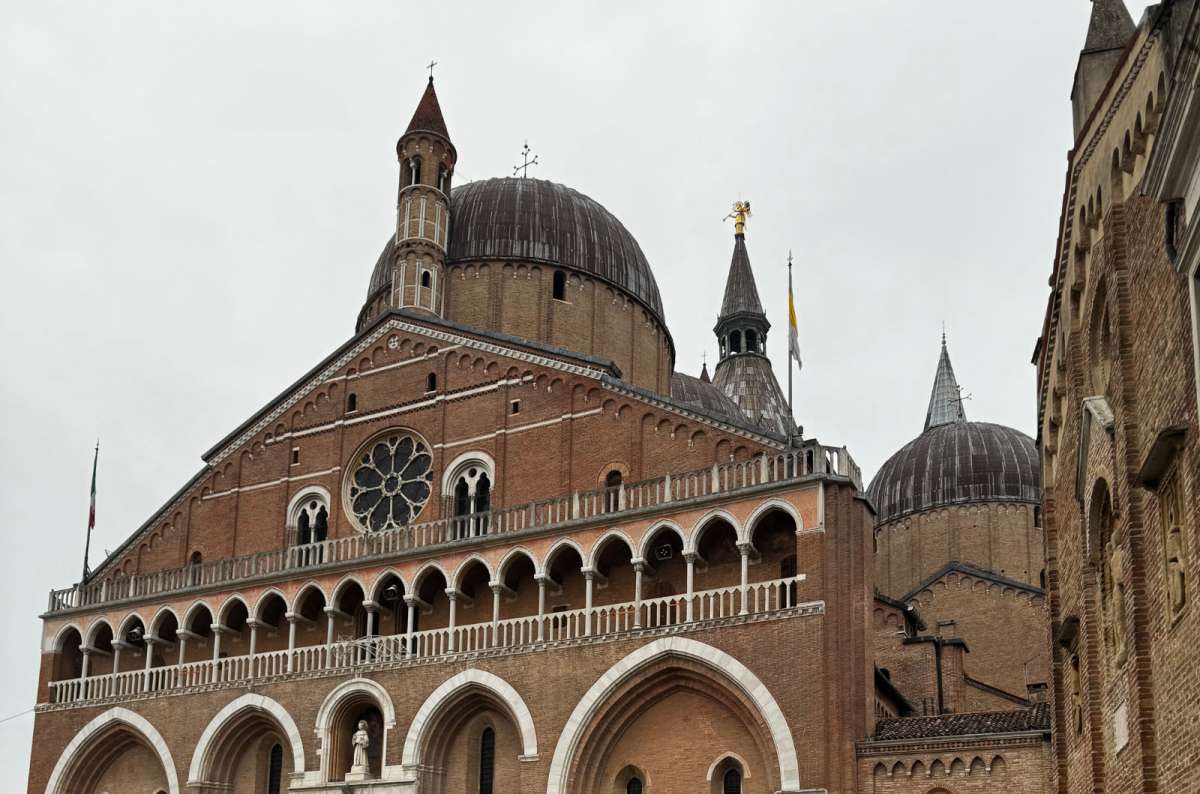
For a detailed plan, see my guide for things to do in Padua.
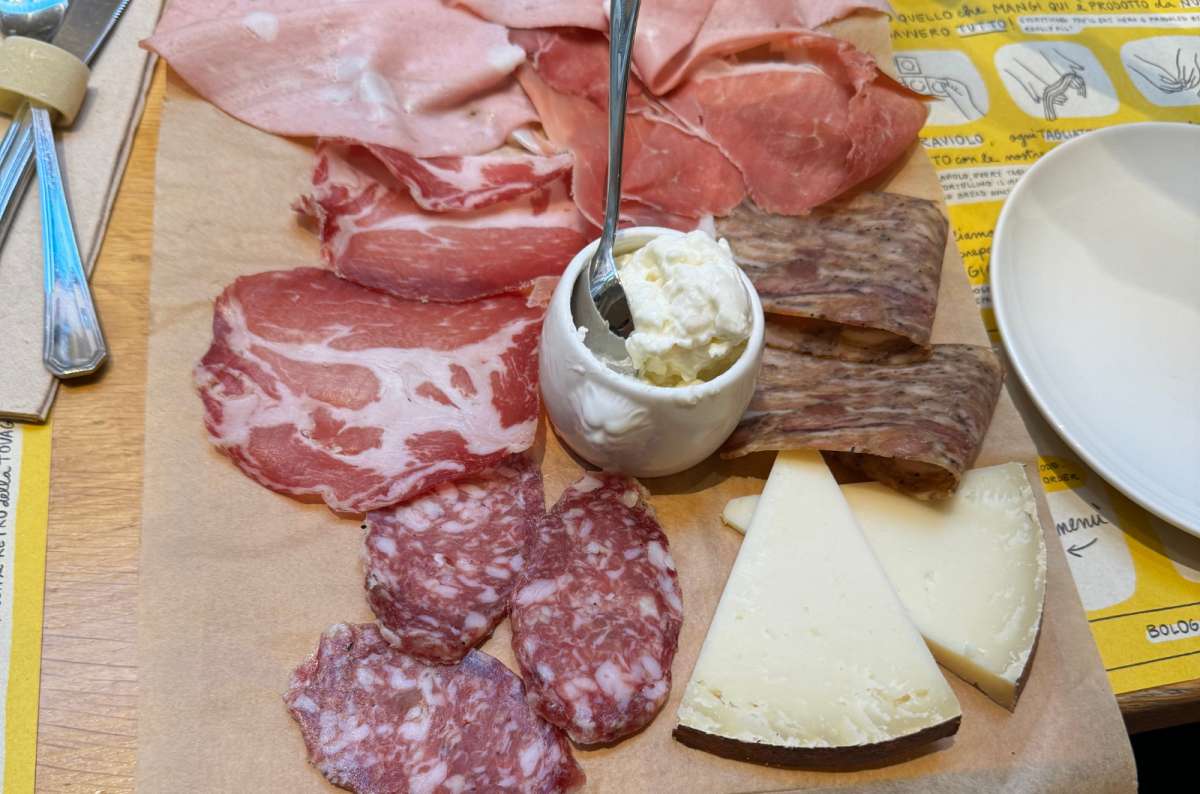
Bologna is one of those Italian cities people love to describe as underrated. And in some ways, I agree. The food is fantastic, the porticoes are distinctive, and there's plenty of history to explore. But would I rank Bologna above Florence, Venice, or Ravenna for sightseeing? Absolutely not.
Let's start with the best part: eating. Bologna is in Emilia-Romagna, which might be Italy's most dangerous region for anyone pretending to follow a diet. Fresh pasta, ragù, tortellini, mortadella—this is a city where lunch can easily become the highlight of your day. And I'm perfectly fine with that.
Architecturally, Bologna has its moments. Piazza Maggiore is impressive, the Basilica of San Petronio is enormous, and the medieval towers give the skyline some character. But the city also has rougher edges, and I didn't find its major sights as consistently impressive as those in Italy's higher-ranked cities.
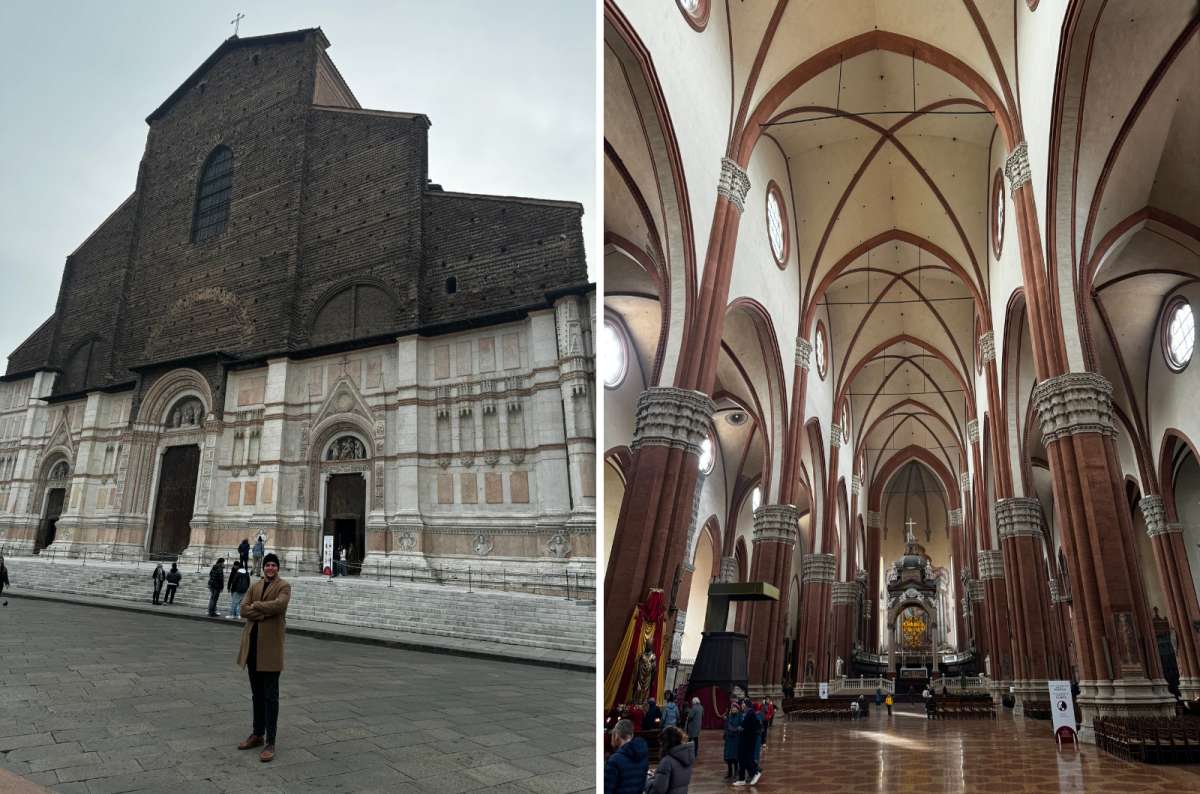
I still recommend Bologna, especially if food is a major reason you travel. You can read about it in detail in my article Is Bologna worth visiting?
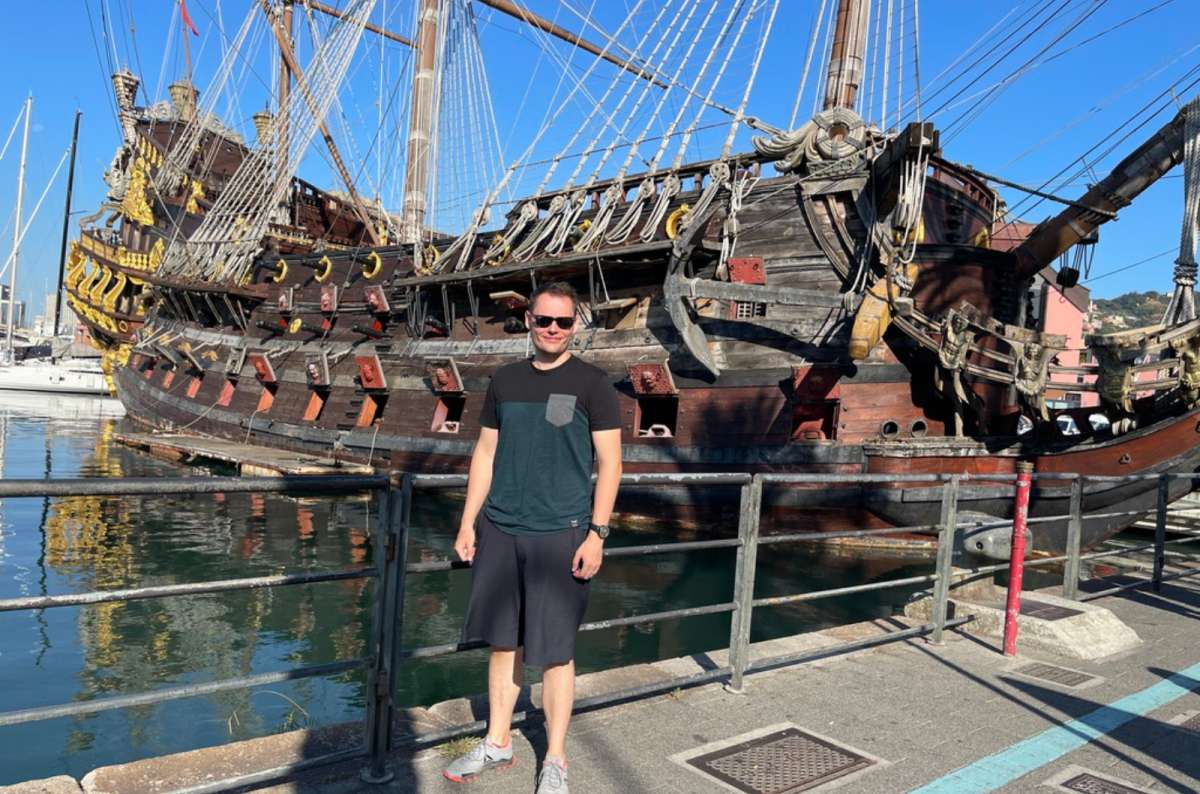
What impressed me about Genoa was how much of its maritime past is still visible. For centuries, it was one of the Mediterranean's great maritime powers, competing with Venice and making a fortune through seafaring and trade. And the city's richest families clearly knew how to spend it. Just look at the grand palaces along Via Garibaldi.
Meanwhile, the historic center is a maze of narrow streets, and the old harbor still has that gritty port-city atmosphere. I particularly liked San Lorenzo Cathedral's black-and-white striped façade, and the monumental Staglieno Cemetery turned out to be much more interesting than I'd expected from a cemetery.
So why only twelfth place? The Galata Maritime Museum was a major disappointment. I went in expecting plenty of ships and models, but found mostly paintings and text. After spending six hours at Venice's Naval History Museum, I was done with Genoa's in about an hour. Not exactly what I'd hoped for from one of Europe's great maritime cities.
Read about the best things to see in Genoa.
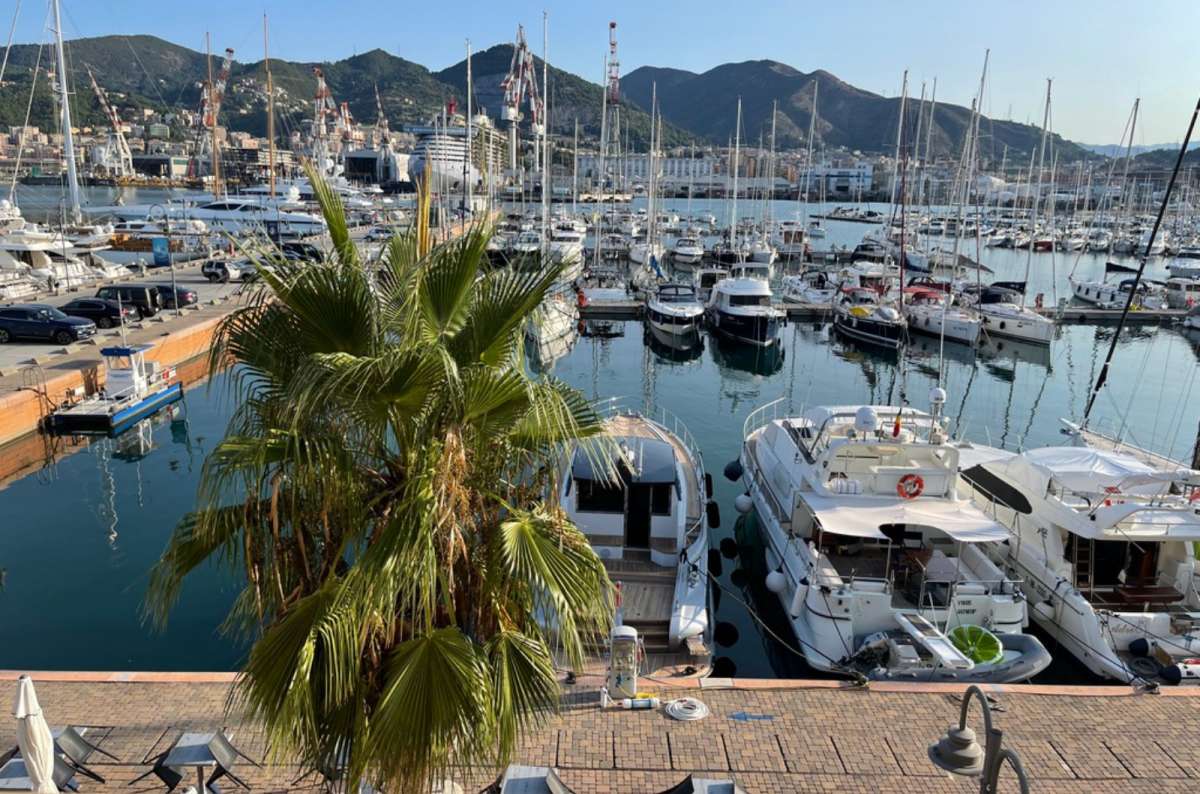
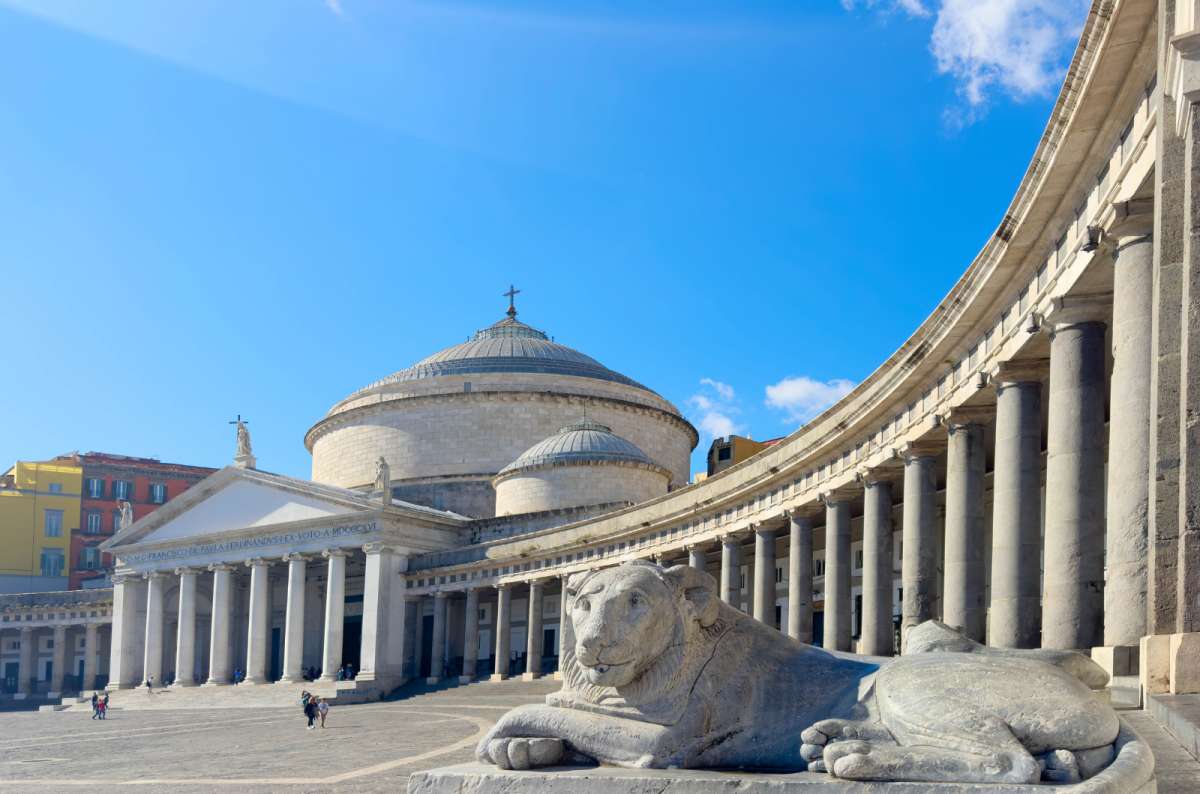
A note before we start: Naples is on this list based on research, not my own travels. I haven't visited yet, so I'm not going to pretend I have a personal verdict on its streets, restaurants, or atmosphere.
Naples sits on the Bay of Naples, with Mount Vesuvius nearby. Its historic center is a UNESCO World Heritage Site, and the city is a convenient base for exploring Pompeii and Herculaneum, two of the most important Roman archaeological sites in Europe. For someone who loves Roman history as much as I do, that's a pretty compelling argument.
Within Naples itself, the National Archaeological Museum is a major reason to visit. It has finds from Pompeii and Herculaneum, including mosaics, sculptures, and everyday objects preserved by the eruption of Vesuvius in AD 79. Add the city's long tradition of Neapolitan pizza, and there's plenty here to put Naples on my future Italy itinerary.
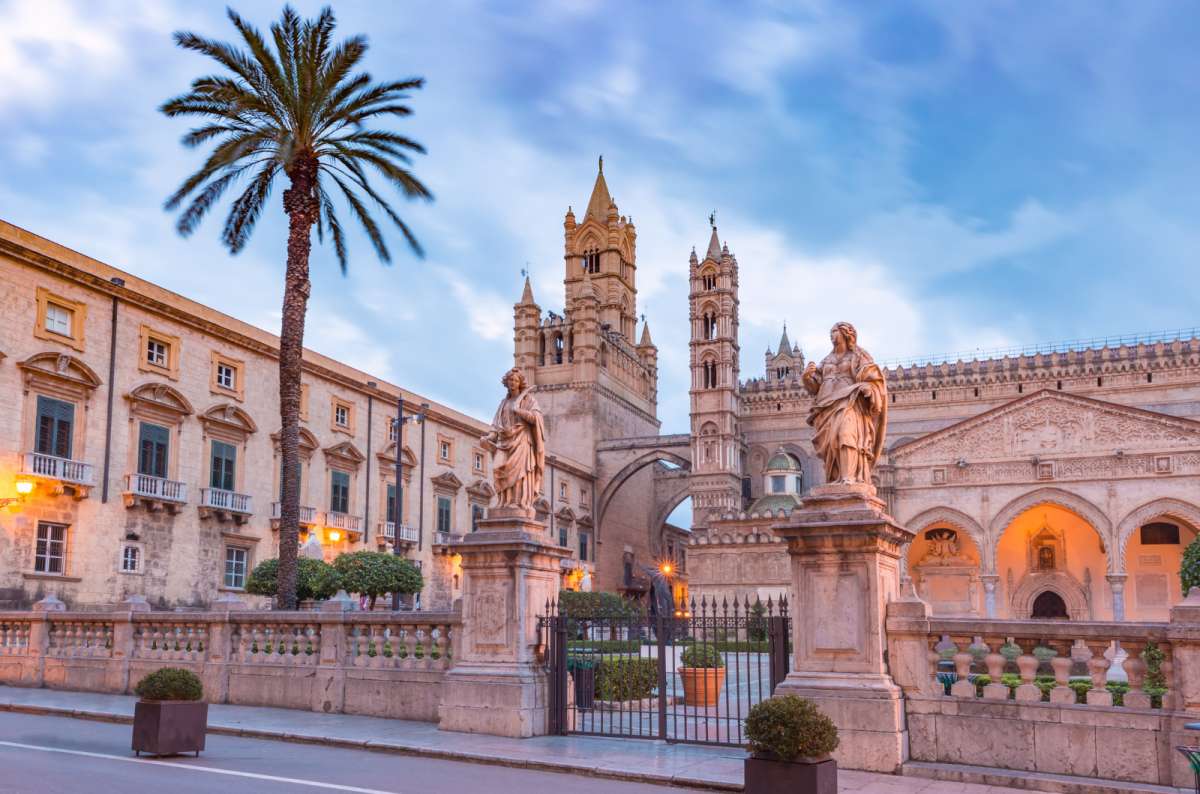
Another research-based inclusion: I haven't visited Palermo yet either. It's here because its architectural and cultural heritage is too important to leave out of a list of Italy's most interesting cities.
Palermo's architecture is what happens when several civilizations leave their mark on the same city. Sicily passed through Greek, Roman, Byzantine, Arab, Norman, and other periods of rule, but the Arab-Norman buildings really stand out. Take the Palatine Chapel, where Byzantine mosaics meet a wooden ceiling with Islamic-style carvings. Or San Giovanni degli Eremiti, with its famous red domes. The Norman rulers brought these different architectural styles together and clearly weren't afraid to mix things up.
The Palatine Chapel is part of the Norman Palace, but there's plenty more to see. Palermo Cathedral is another major landmark, along with the churches of La Martorana and San Cataldo. Several of these monuments are part of the UNESCO-listed Arab-Norman Palermo site, which also includes cathedrals in nearby Monreale and Cefalù.
Palermo's architecture tells a different story from the Renaissance palaces and Roman ruins found in many other Italian cities. When the Normans took control of Sicily in the 11th century, they didn't simply replace what was already there. They brought together Arab, Byzantine, and Western European styles, often using local craftsmen. The result is a mix of architecture you won't find in quite the same way elsewhere in Italy.
If you're visiting Italy for the first time, Rome, Florence, and Venice are the obvious starting points. They're famous for good reasons, but don't overlook Turin and Ravenna—two cities I'd happily recommend beyond the usual itinerary.
For a shorter trip, don't try to visit all 14 cities. You'll spend more time packing bags and catching trains than enjoying Italy. Pick a few destinations that match your interests and explore them properly.
Rome wins for ancient history, but Ravenna's Byzantine mosaics and Verona's Roman and medieval monuments aren't far behind. Turin is my pick if you'd rather explore history through museums.
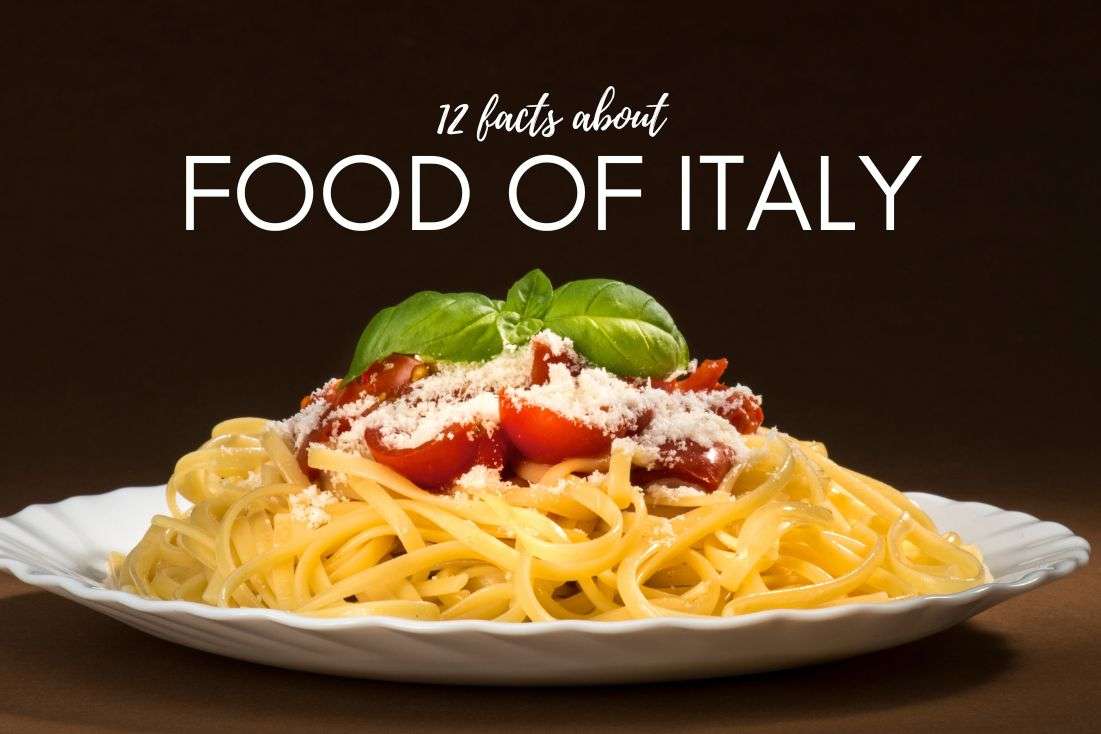
Bologna gets my vote for food, even if its sightseeing doesn't impress me nearly as much. Modena is excellent for Parmigiano Reggiano and balsamic vinegar experiences. Naples is famous for pizza, although I haven't tested that claim personally yet.
Florence is the obvious choice for Renaissance masterpieces. Ravenna's mosaics are just as memorable in a completely different way, while Padua's Scrovegni Chapel deserves more attention than it gets.
Verona, Ravenna, Siena, and Padua are all manageable in one full day. Pisa works too, but please give it more than the obligatory two-hour Leaning Tower photo session.
There's always another Italian city worth discovering—and occasionally one that makes me reconsider my entire ranking.
This post contains affiliate links. I earn a small commission if you make bookings through my links, at no additional cost to you. Thank you for your support!
At a glance: My list of the best cities to visit in Italy
Map: The best cities to visit in Italy
1. Rome—the Eternal City and the one every other Italian city has to compete with
2. Turin—Italy's most underrated museum city
3. Ravenna—eight UNESCO monuments and one massive surprise
4. Florence—Renaissance masterpieces and serious art overload
5. Venice—the world's most beautiful tourist trap?
6. Verona—Roman ruins, medieval fortresses, and Juliet's House circus
7. Modena—where my backup plans beat the main attractions
8. Pisa—I expected a two-hour stop. I was wrong.
9. Siena—the cathedral is even better than the famous square
10. Padua—an underrated city with more substance than showmanship
11. Bologna—the food is a 10/10. The sightseeing isn't.
12. Genoa—a powerful maritime city that didn't quite surprise me
13. Naples—ancient history, great pizza, and a city I still need to visit
14. Palermo—Sicily's cultural crossroads deserves a place on the list
Final thoughts: Which cities are best for a first Italy trip?


Hi, I’m Jan. I travel fast and intensely, whether I’m exploring the buzz of Tokyo in 3 days or road-tripping through mountains and beaches on a 3-week Thailand adventure. And no matter where I am, you’ll always find me in a comfortable hotel at night and eating the best food.
If that sounds like your kind of journey, hop on board, and let’s explore the world together!
I started this blog after realizing how tough it can be to find reliable, authentic travel info. You wouldn’t believe how many “travel bloggers” never even visit the places they write about! On Next Level of Travel, you can count on my full honesty and insights drawn from my firsthand experiences.
Here’s the deal: not every destination is all superlatives and unicorns. I’ll let you know if a tourist attraction isn’t worth your time, like skipping overrated stops in my 2-week Spain itinerary. And when I find something truly special—like the perfect mix of culture and nature in Cape Town—you can trust that it’s worth adding to your itinerary.


Comments | Thoughts? Give us a shout!