




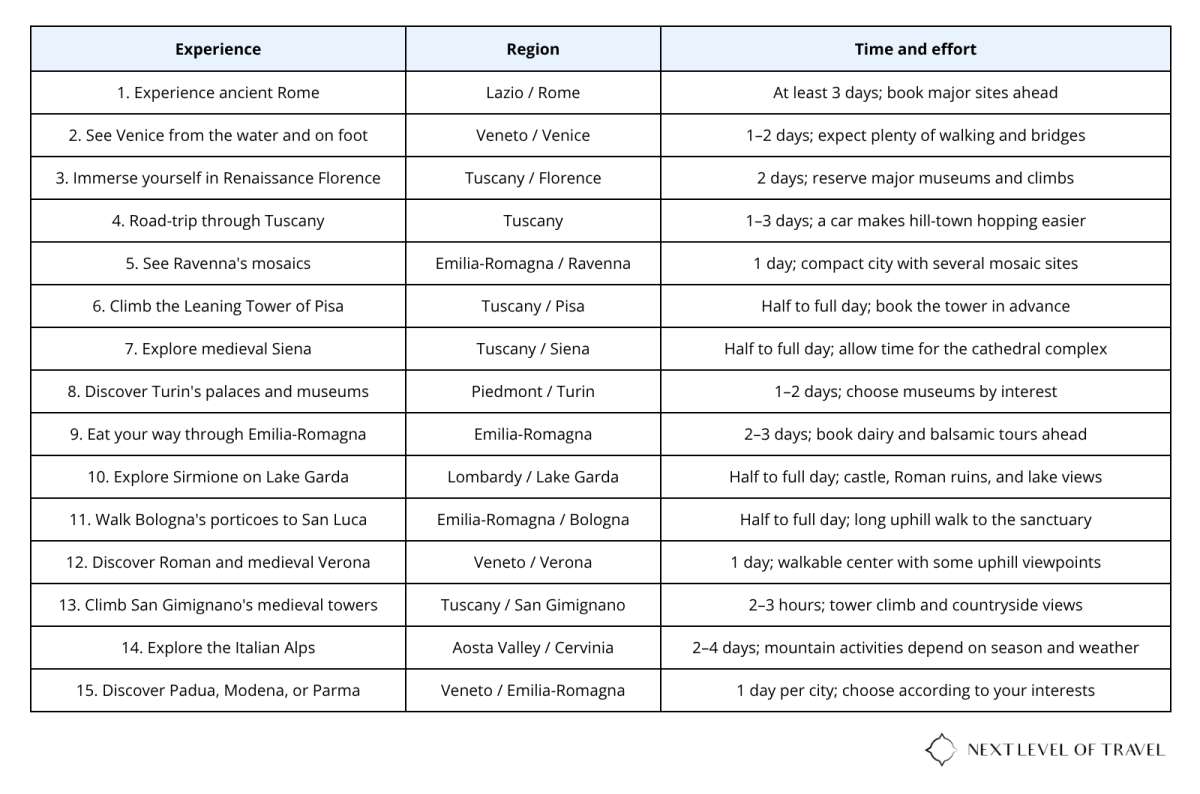
At a glance: The best things to do in Italy
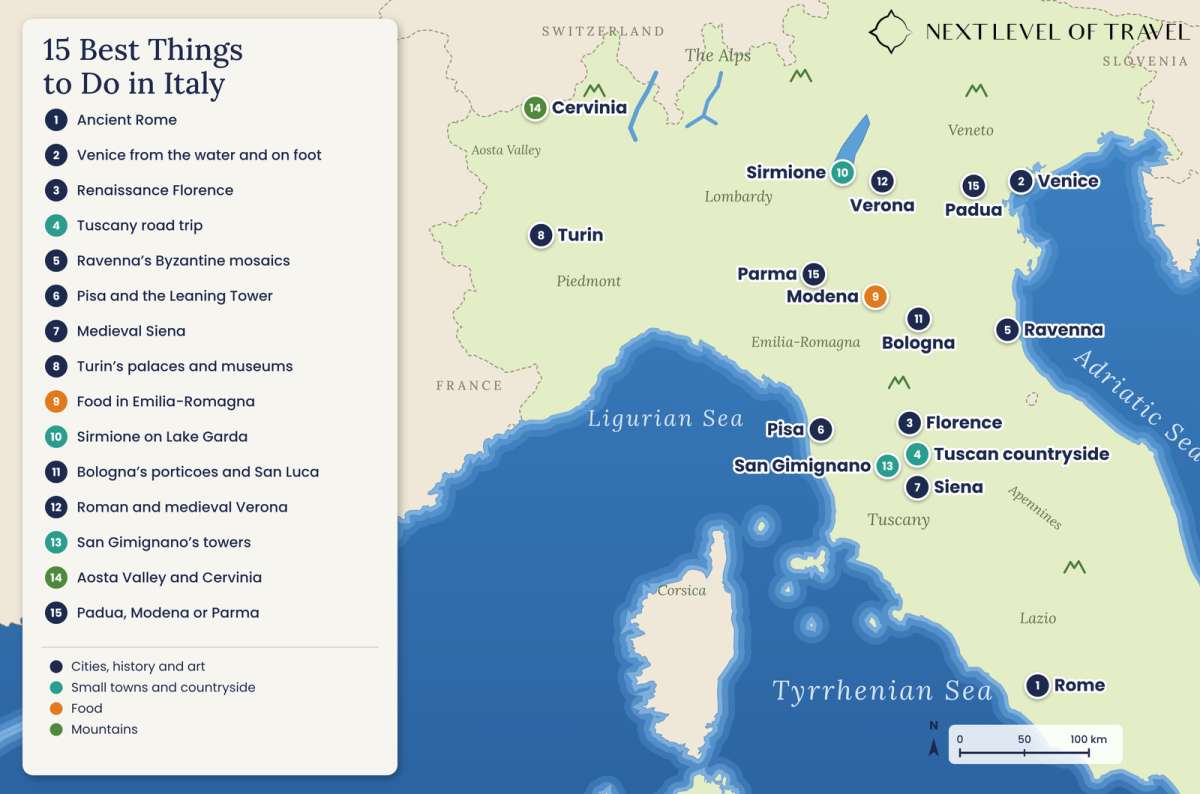
Map of the best things to do in Italy
2. See Venice from the water and explore it on foot
3. Immerse yourself in Renaissance Florence
4. Road trip through Tuscany's hill towns and countryside
5. See Ravenna's extraordinary Byzantine mosaics
6. Climb the Leaning Tower and explore Pisa's Piazza dei Miracoli
7. Experience medieval Siena and its cathedral complex
8. Explore Turin's royal palaces and world-class museums
9. Eat your way through Emilia-Romagna
10. Explore Sirmione on Lake Garda
11. Walk Bologna's porticoes and visit San Luca
12. Explore Verona's Roman and medieval layers
13. Climb San Gimignano's medieval towers
14. Explore the Italian Alps around Aosta Valley and Cervinia
15. Discover a smaller Italian city that overdelivers
After more than 20 trips to Italy, you'd think I'd have had enough of Roman ruins, beautiful churches, medieval towns, and pasta. Apparently not. I keep going back, and Italy keeps finding ways to surprise me.
Italy has an impressive variety of things to do. You can explore ancient Roman ruins, see Renaissance masterpieces in Florence, climb medieval towers in Tuscany, or visit a Parmesan cheese dairy. And when you've had enough churches and museums (trust me, it happens), there are the Alps and Lake Garda.
These are my 15 best things to do in Italy, based mostly on my own travels. Some were obvious highlights; others turned out to be much better than I expected. My experience is strongest in northern and central Italy, so the list reflects that. Rome is the exception: I visited years ago, but my memories are limited to the Roman Forum and ancient tombs along the Appian Way.
For more destination ideas, see my best cities to visit in Italy or use my 10-day Italy itinerary to plan your route.
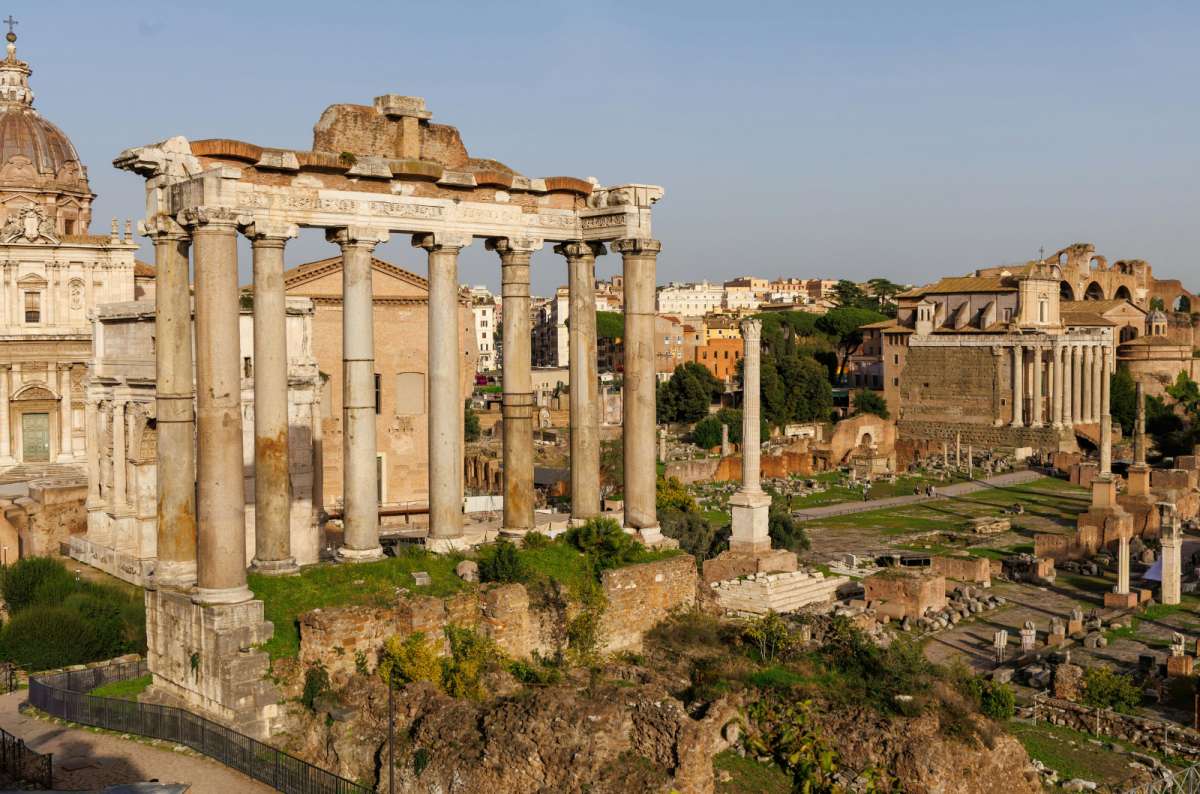
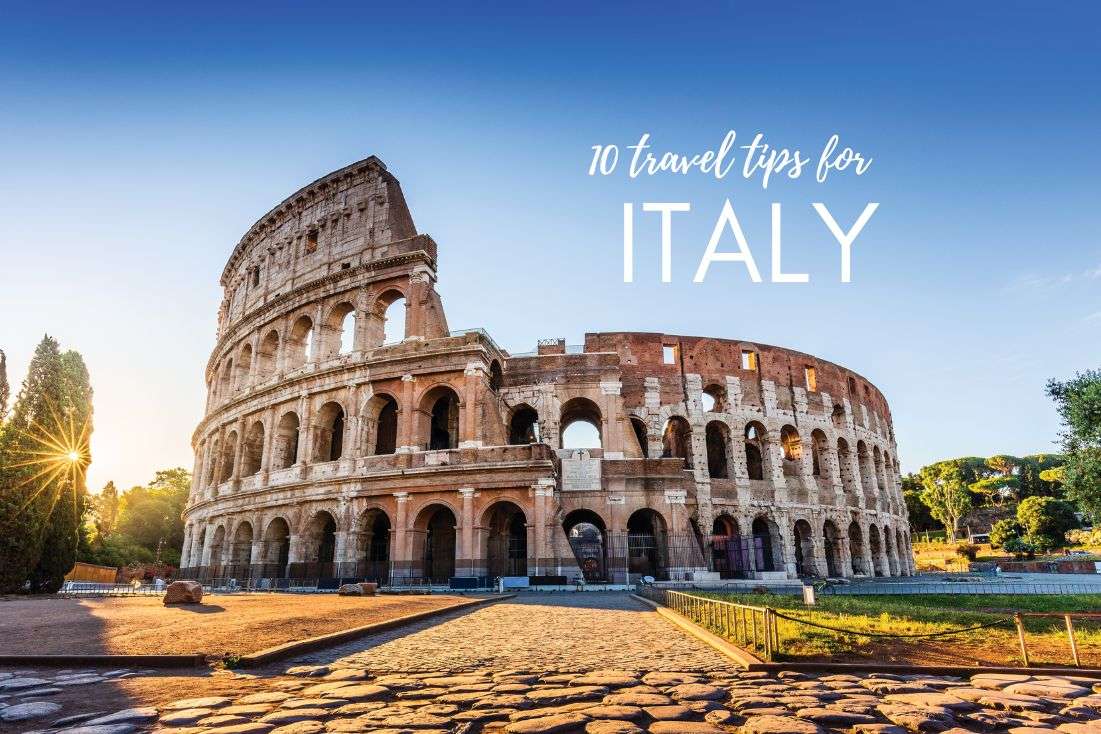
If you're interested in history, Rome is hard to beat. The Colosseum, Roman Forum, and Palatine Hill put you right in the middle of the Roman Empire, while the Pantheon is still standing nearly 2,000 years after it was rebuilt. And that's before you get to Vatican City, St. Peter's Basilica, and the Sistine Chapel.
I visited Rome many years ago, and honestly, I don't remember much of that trip. But the Roman Forum and the ancient tombs along Via Appia stuck with me. I've seen Roman ruins elsewhere in Italy, from Verona to Aosta, but the Eternal City is somewhere I'd like to return to and explore properly. There's clearly a lot I missed the first time.
Practical info

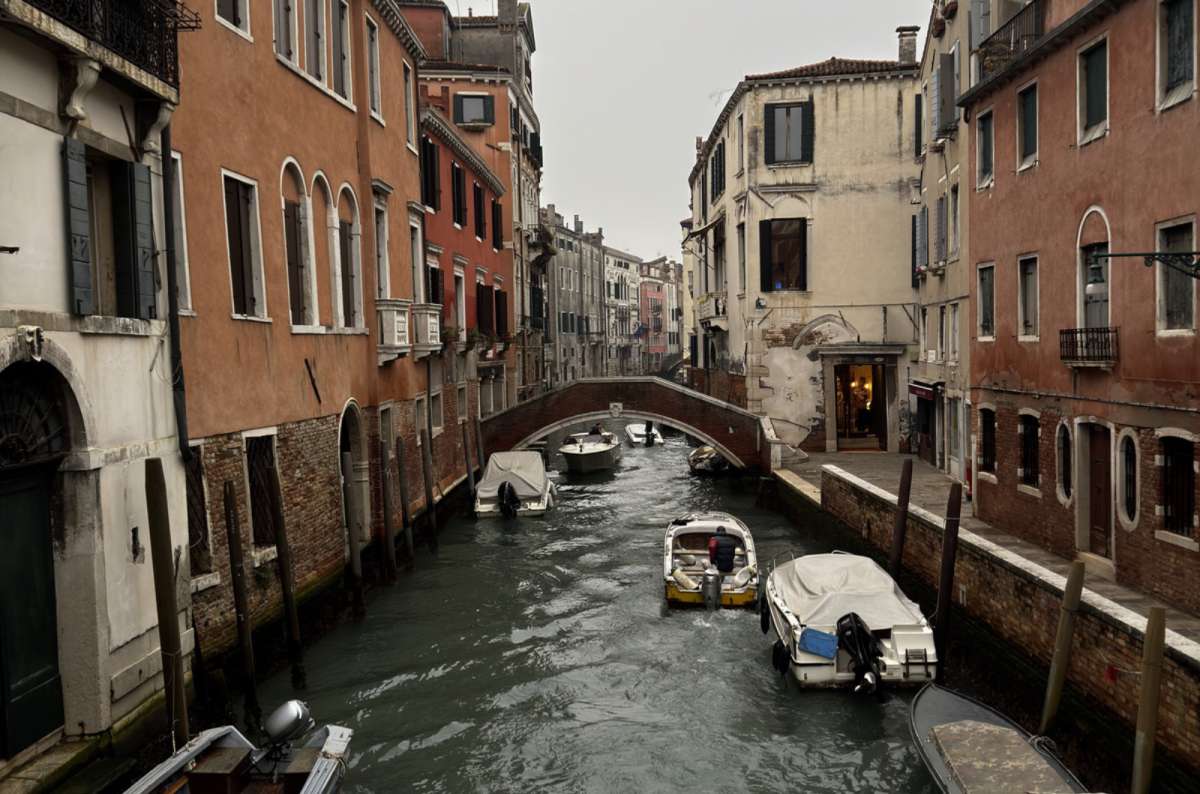
Venice is one of those places that really does look different from everywhere else. Built across a lagoon, the city has canals instead of roads, more than 400 bridges, and enough narrow streets to make navigation surprisingly entertaining. St. Mark's Basilica, the Doge's Palace, and the Grand Canal are the obvious highlights, but there's much more to Venice than its busiest landmarks.
I've visited Venice three times over 15 years, and I still prefer to experience it on foot. On one visit, I walked about 25 km in a day, regularly ending up at dead ends or canals where I expected streets. That's part of the fun. I also recommend seeing Venice from a vaporetto on the Grand Canal.
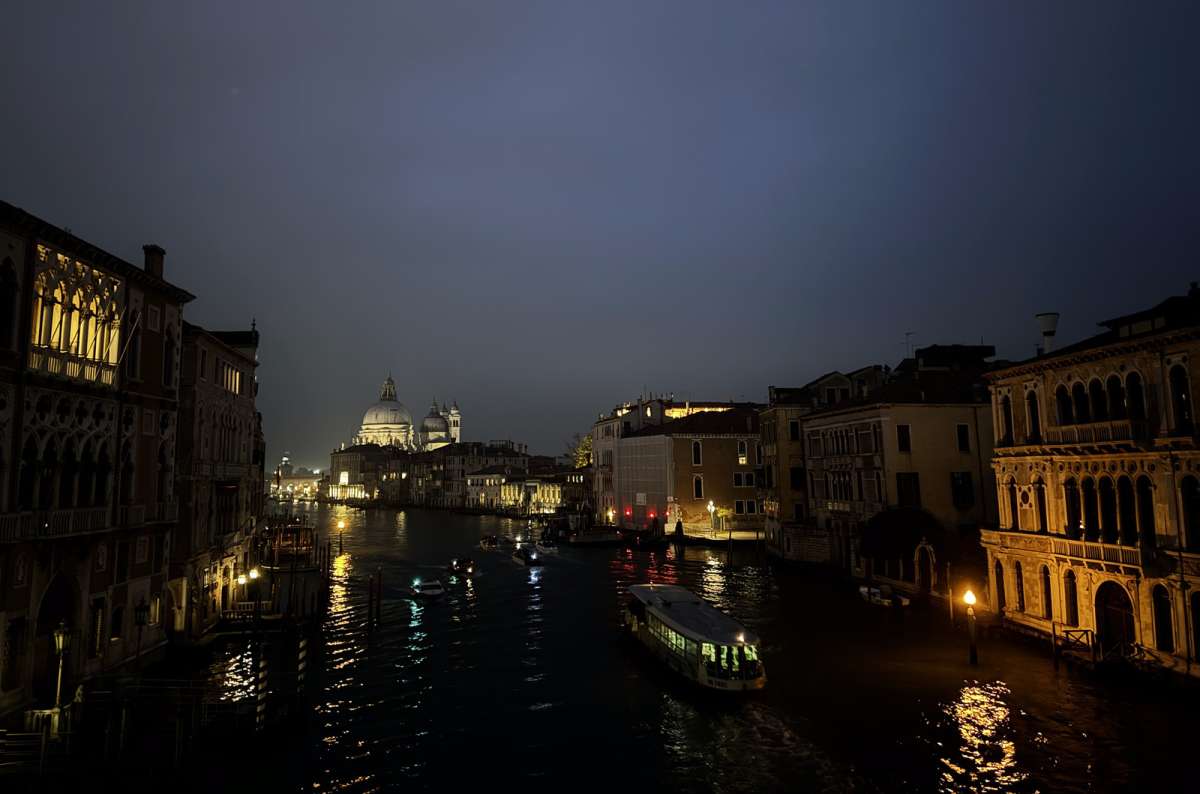
The city can be shabby, overcrowded, and expensive, but it’s still the only place in the world like it. It's at its best late in the evening when the day-trippers have left. A gondola ride is an option if you want the classic Venice experience, but it's expensive and certainly not essential when you can see so much by vaporetto and on foot.
Top tip: For a great view of the Grand Canal, I'd choose the Accademia Bridge over the packed Rialto Bridge.
Practical info
Plan your Venice trip with my two-day Venice itinerary article.
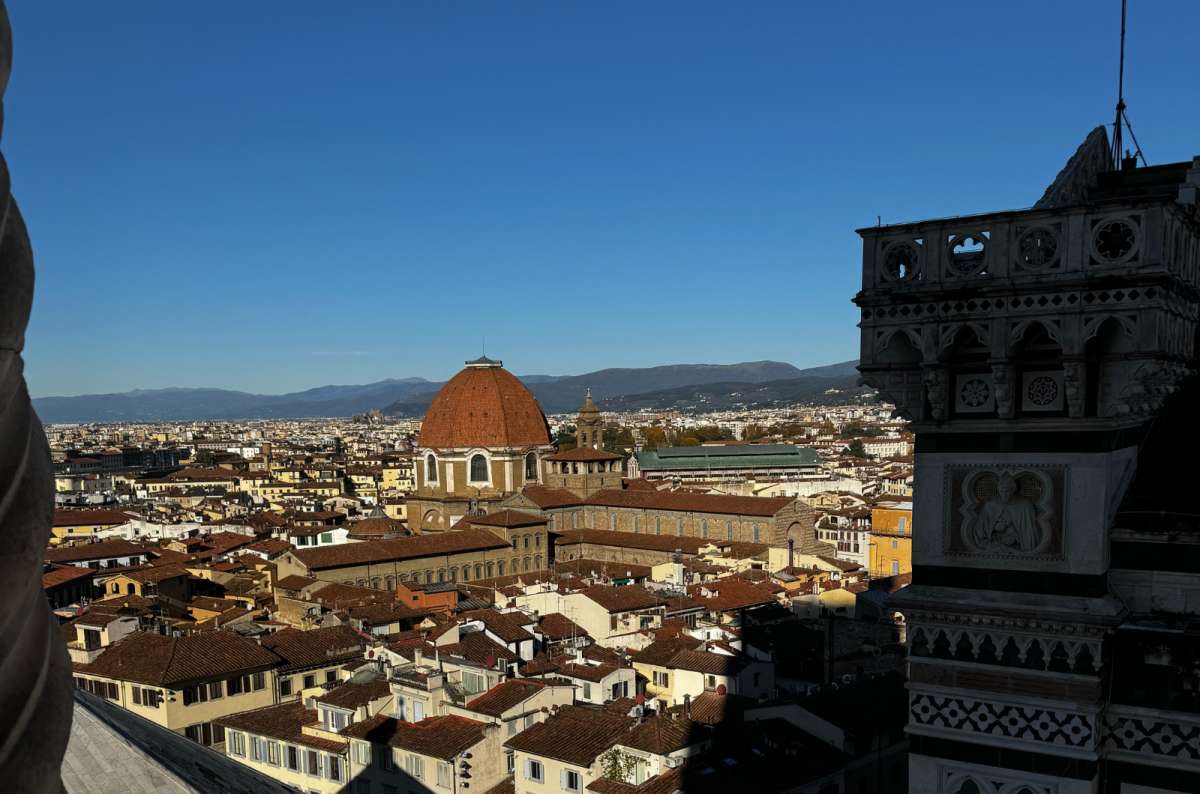
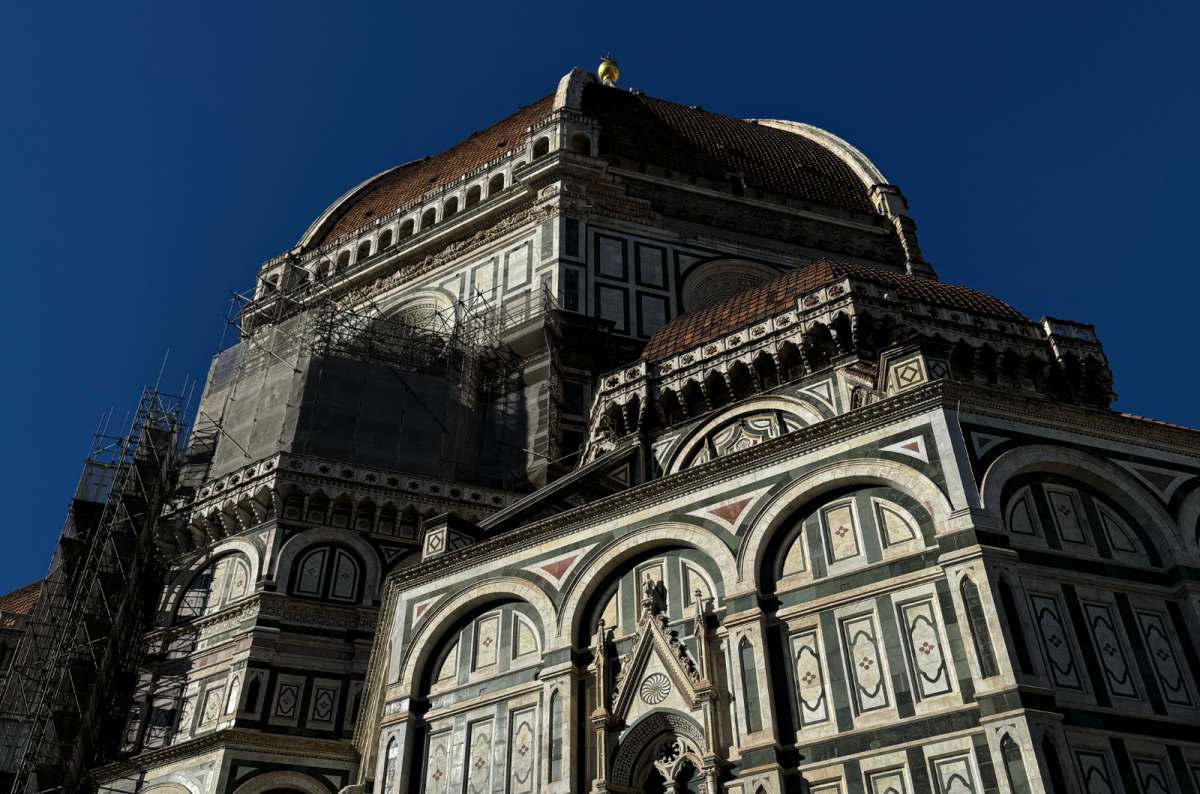
Florence is the heart of the Italian Renaissance, with Michelangelo's David, Botticelli's paintings at the Uffizi Gallery, and Brunelleschi's enormous cathedral dome. The historic center is compact, but the concentration of major art and architecture is almost absurd. And beyond the museums, places like Palazzo Vecchio and the surrounding streets make the historic center worth exploring on its own.
For me, the highlight was climbing Giotto's Bell Tower. The climb takes about 30–45 minutes, and the view of the Duomo's dome is fantastic, although the protective wire mesh gets in the way of photos. I also loved seeing David at the Accademia; at over five meters tall, it's far more impressive in person.
The Uffizi was worth visiting, but even with an advance reservation in November, it was crowded. And after enough galleries, I was ready for something other than another Renaissance painting. The Duomo itself? Much more impressive outside than inside.
Practical info
For my suggested sightseeing route, see my 3-day Florence itinerary.
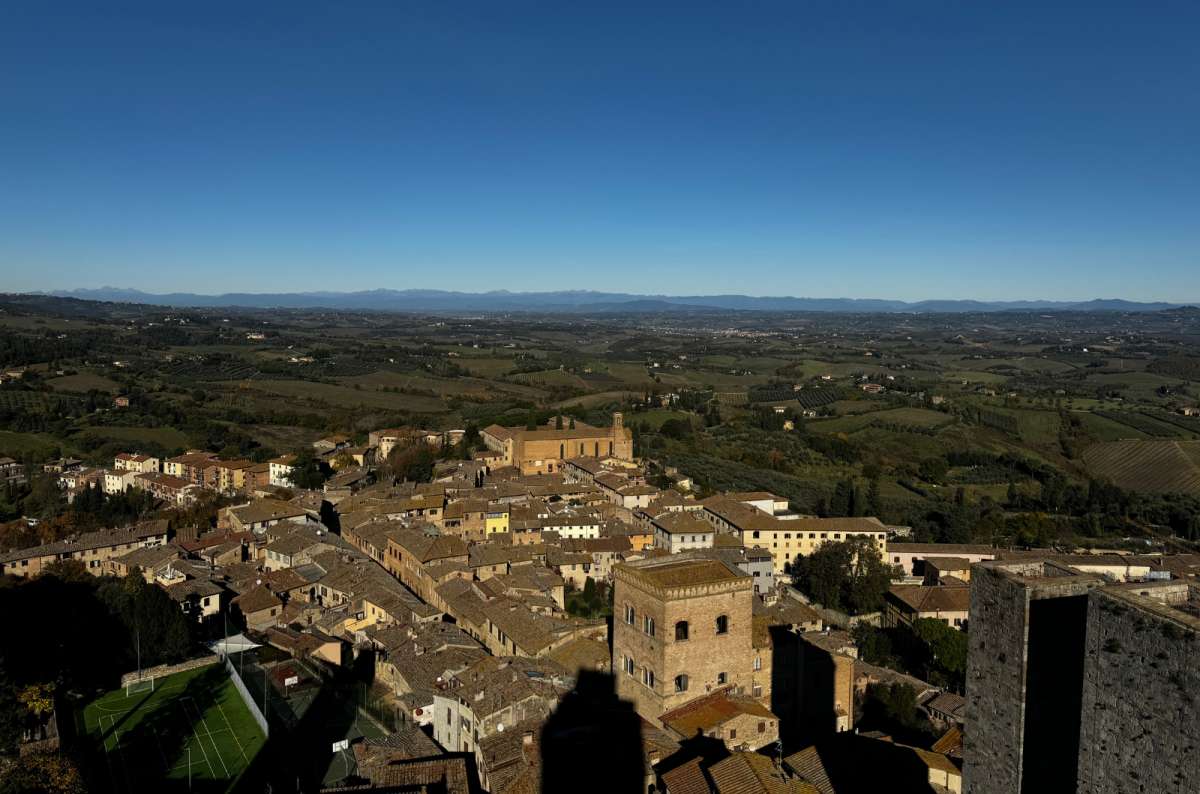
Tuscany isn't just Florence and vineyards. Its countryside is full of medieval hill towns, winding roads, olive groves, and viewpoints worth stopping for. A car gives you the freedom to explore Chianti's vineyard-covered hills and combine places like Siena, San Gimignano, Pisa, and Lucca.
I visited San Gimignano and Siena in a single day, starting with San Gimignano. The best views of the Tuscan countryside weren't actually from the road, but from the top of Torre Grossa, a medieval tower in San Gimignano. Looking out over those famous rolling hills, I finally understood what all the fuss was about. San Gimignano itself only needs a few hours, and I'd save more time for Siena.
I visited during truffle season, when practically everything in San Gimignano seemed to contain truffles. As a truffle fan, I was happy. I also had an excellent truffle-heavy meal at Osteria di Casa Chianti, out in the Tuscan hills.
If you want a break between San Gimignano and Siena, consider a short detour to the Sentierelsa trail for a walk along the river. I'd prioritize Siena's cathedral once you arrive, rather than trying to fit in every museum. After Florence, I'd already had my fill of art galleries.
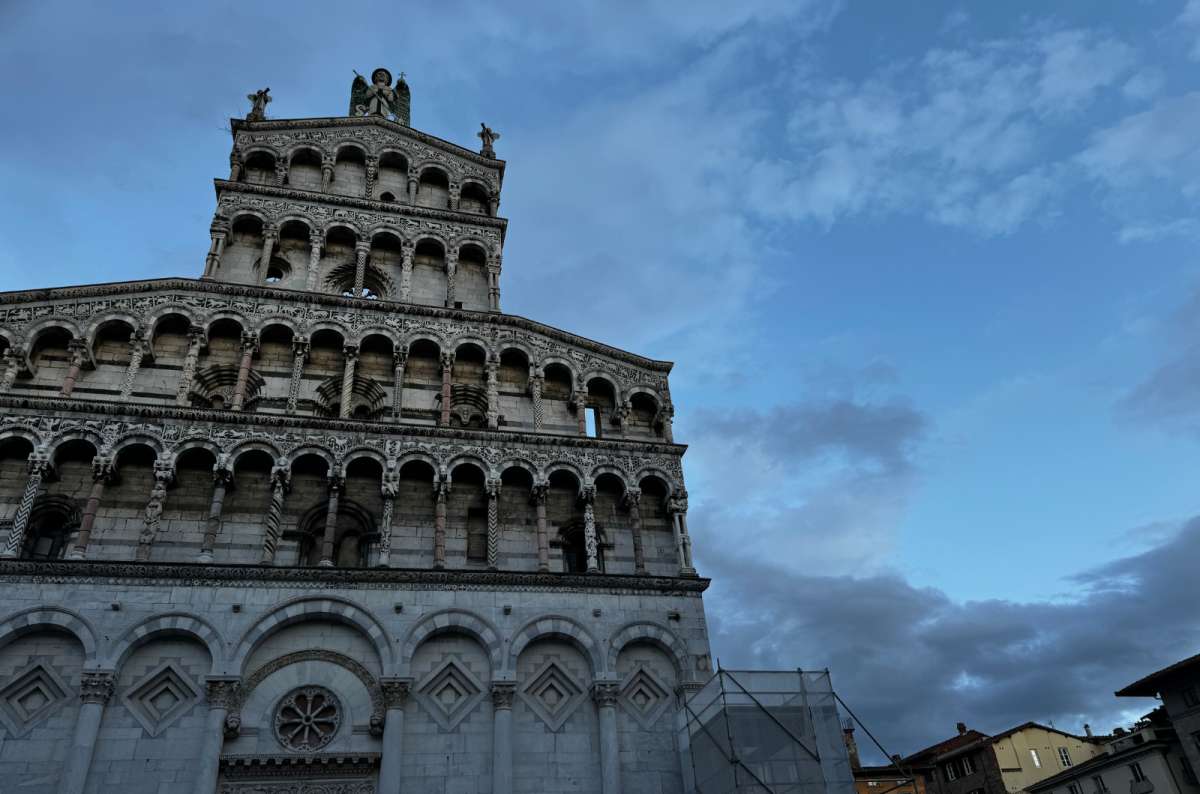
I also did Pisa and Lucca together on a separate day, and they're another easy pairing. Pisa surprised me most: everyone told me it only needed two hours, but there was far more to see. Parking was already difficult at 9:30 am in November, so I'd arrive early. Lucca was easier to park in outside peak season, and half a day worked well for me. I'd keep these as a separate outing rather than trying to squeeze all four towns into one day.
For detailed sightseeing, see my separate San Gimignano, Siena, Pisa, and Lucca guides.
Practical info
For more details, see my guides to Siena in one day and whether Lucca is worth visiting.
Top tip: I always use DiscoverCars for car rentals.
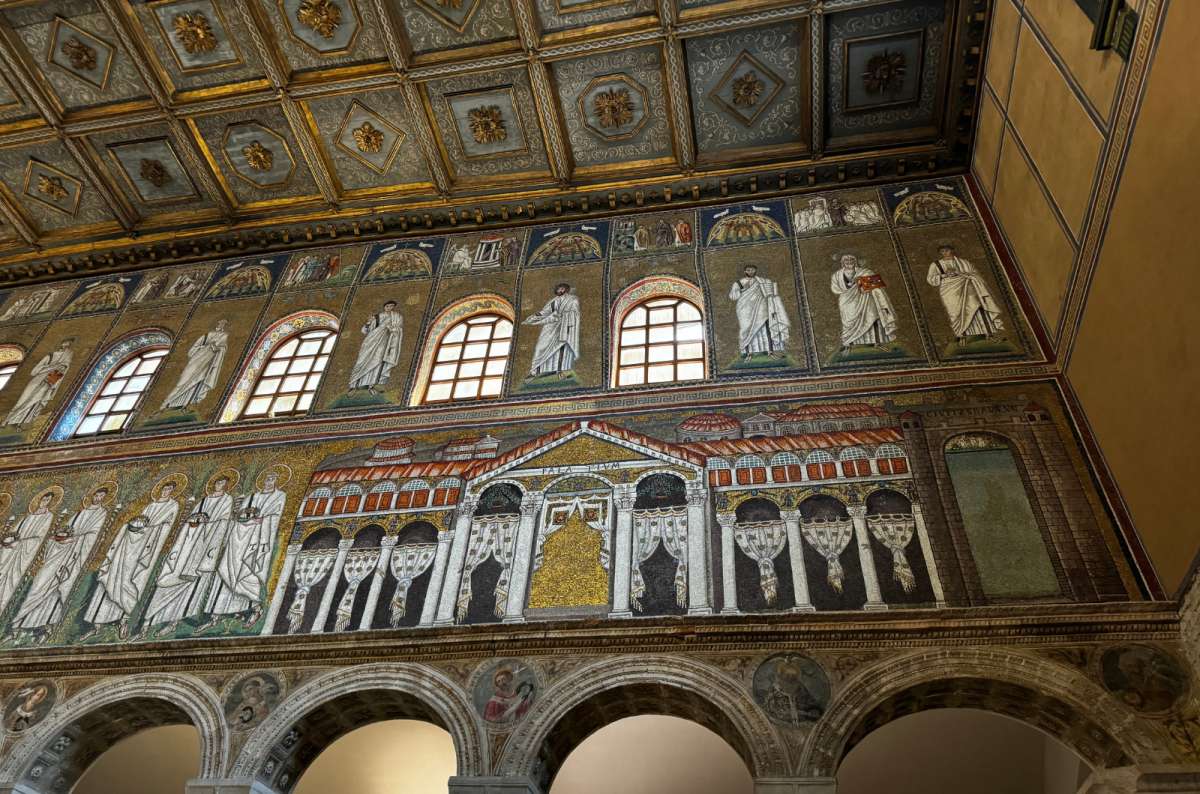
Ravenna was once the capital of the Western Roman Empire and later an important Byzantine center. Today, it's famous for its UNESCO-listed early Christian monuments, especially the Basilica of San Vitale and the Mausoleum of Galla Placidia, where intricate mosaics cover walls, ceilings, and domes.
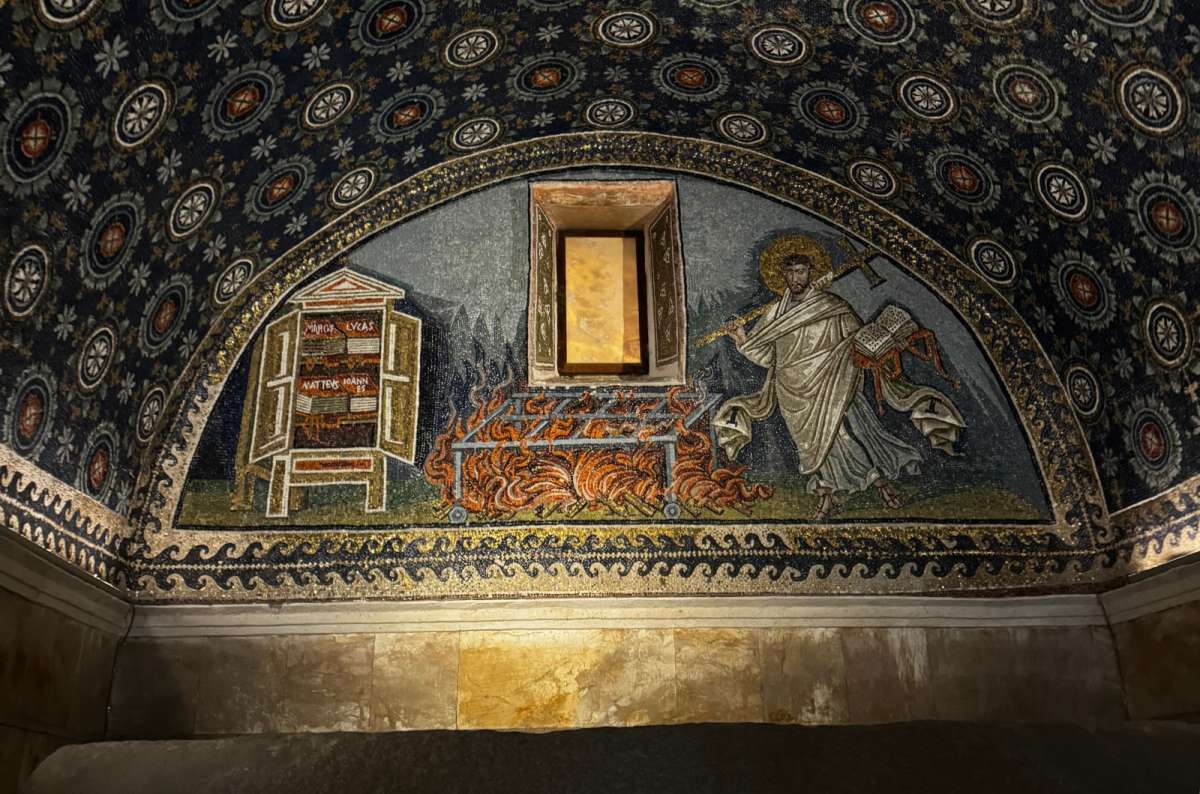
If you're visiting Ravenna, I'd start with the Basilica of San Vitale and the Mausoleum of Galla Placidia. They're close together, and both are worth seeing, but for different reasons. San Vitale impresses with the scale and detail of its Byzantine mosaics, while the tiny mausoleum has a deep-blue ceiling covered in golden stars.
I've visited Ravenna three times, and Galla Placidia's mausoleum is still the place that stands out most to me. You don't need to spend days going from museum to museum to appreciate Ravenna, either. Several of its extraordinary monuments are within walking distance of one another, so you can see the highlights in a day without exhausting yourself.
Practical info
Spend one day in Ravenna and see the city’s best sights.
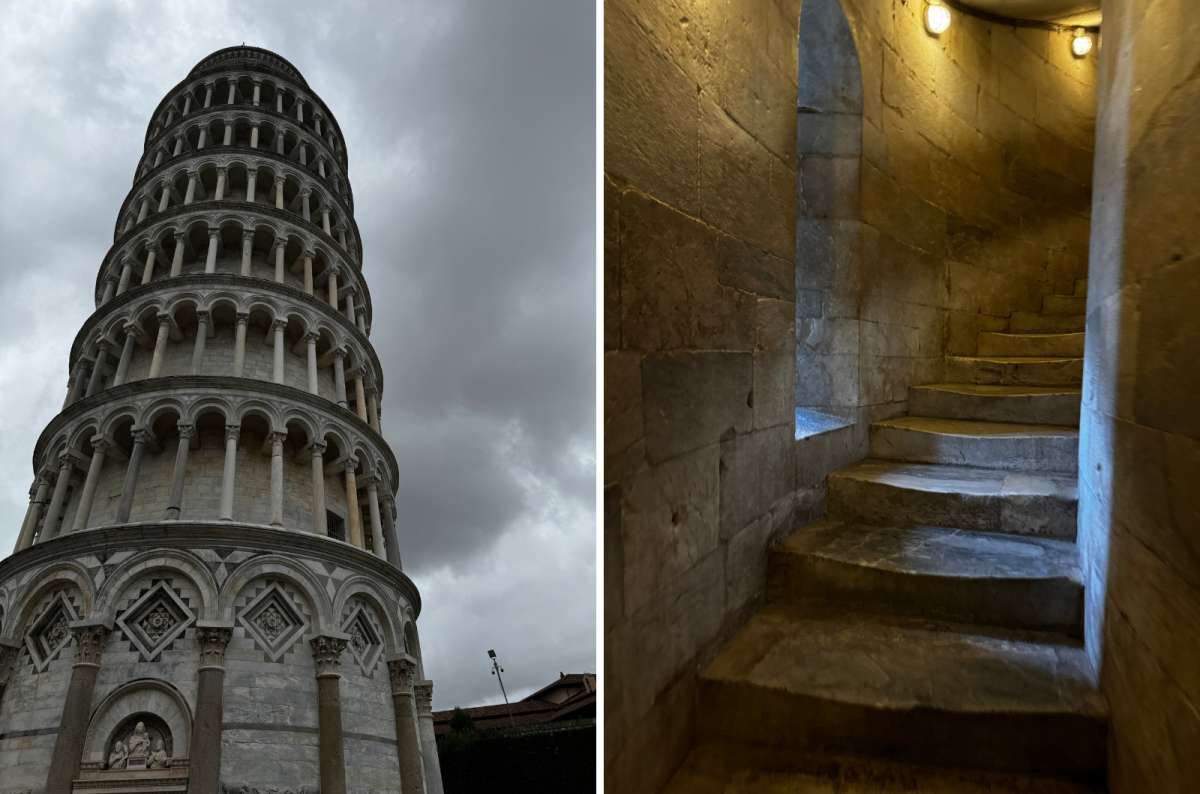
Pisa's famous Leaning Tower is actually the bell tower of its cathedral, and both stand in the UNESCO-listed Piazza dei Miracoli alongside the Baptistery and Camposanto cemetery. It's one of Italy's most recognizable sights, even if most people seem more interested in pretending to hold up the tower.
I expected Pisa to be an overrated tourist trap. Instead, it turned out to be one of my biggest surprises in Tuscany. The entire square is impressive, and I'd make time for all four monuments rather than just the tower.
I'd also recommend climbing the Leaning Tower instead of settling for the obligatory photo outside. The tilt is much more noticeable in person than I expected, and climbing the slanted staircase is a strange experience.
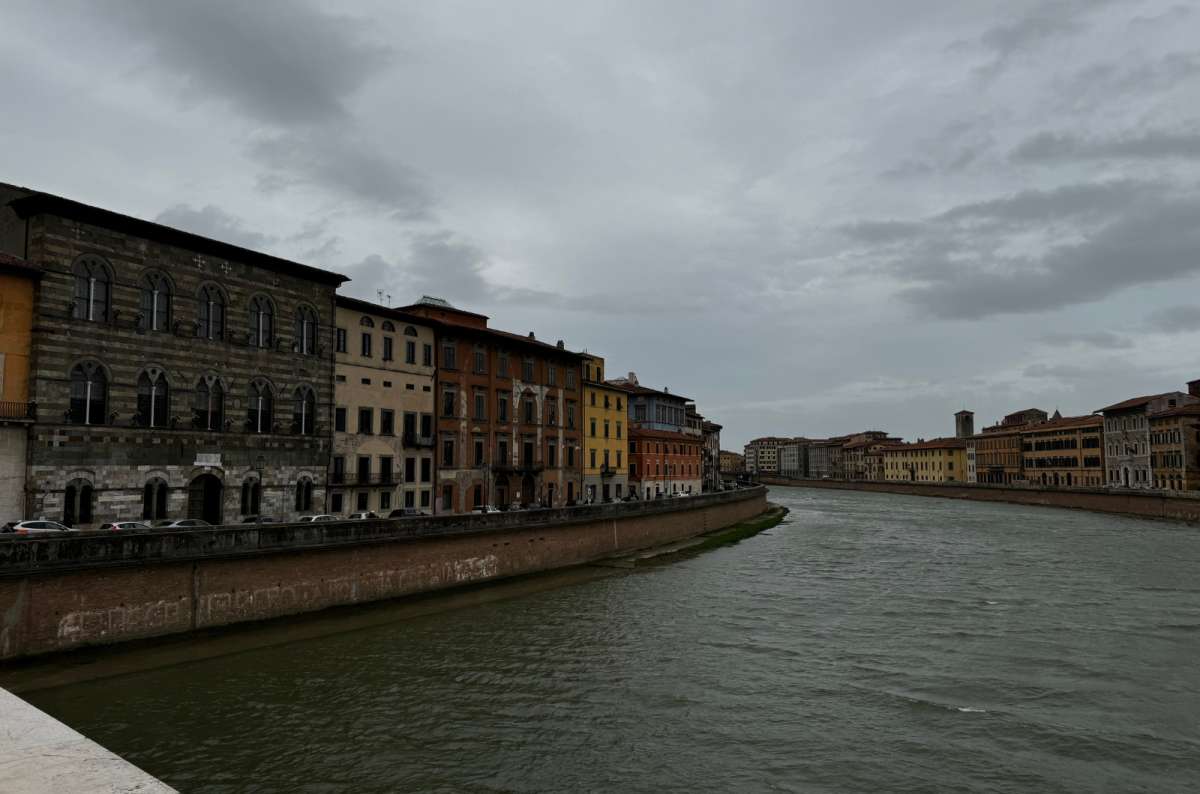
Once you've explored Piazza dei Miracoli, head toward Piazza dei Cavalieri and the Arno River. I enjoyed that part of Pisa more than I'd expected, and it's another reason I'd give the city more than the two hours people often recommend.
Practical info
One-day in Pisa is the perfect amount of time to see the sights.
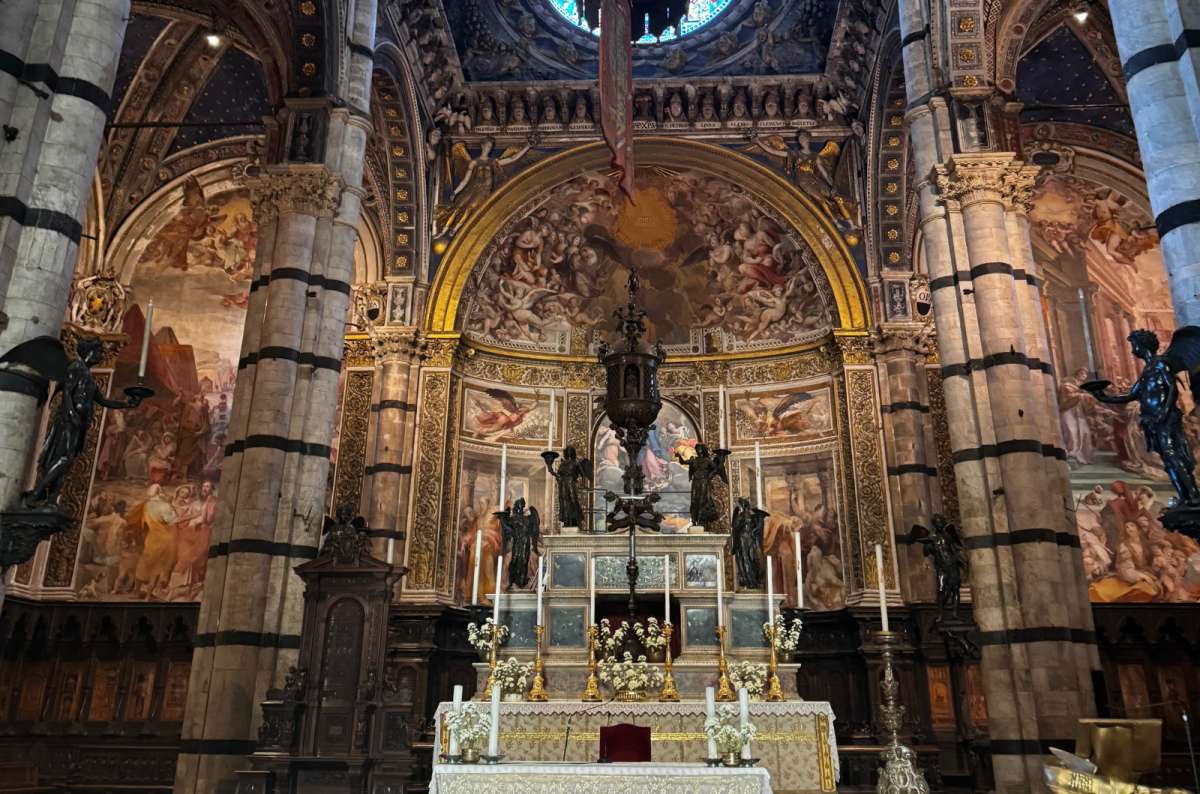
Siena is one of Tuscany's best-preserved medieval cities, famous for its shell-shaped Piazza del Campo and Gothic cathedral. The historic center is a maze of narrow streets, steep lanes, and brick buildings, but the cathedral complex is the main reason I'd recommend visiting.
I explored Siena on the same day as San Gimignano, and the cathedral was easily the highlight. Its striped black-and-white marble interior is extraordinary, and the frescoes in the Piccolomini Library are worth seeing even if you think you've had enough Italian churches.
I also climbed to the Facciatone viewpoint for excellent views over Siena. The Gate of Heaven tour, on the other hand, didn't impress me quite as much. If you're short on time, I'd prioritize the cathedral, library, and Facciatone.
Practical info
See my one-day Siena guide for the route and cathedral highlights.
Turin was Italy's first capital, and you can tell there was serious money behind its royal palaces. The Savoy dynasty clearly didn't believe in modest interiors. Luckily, they left behind some excellent museums, too.
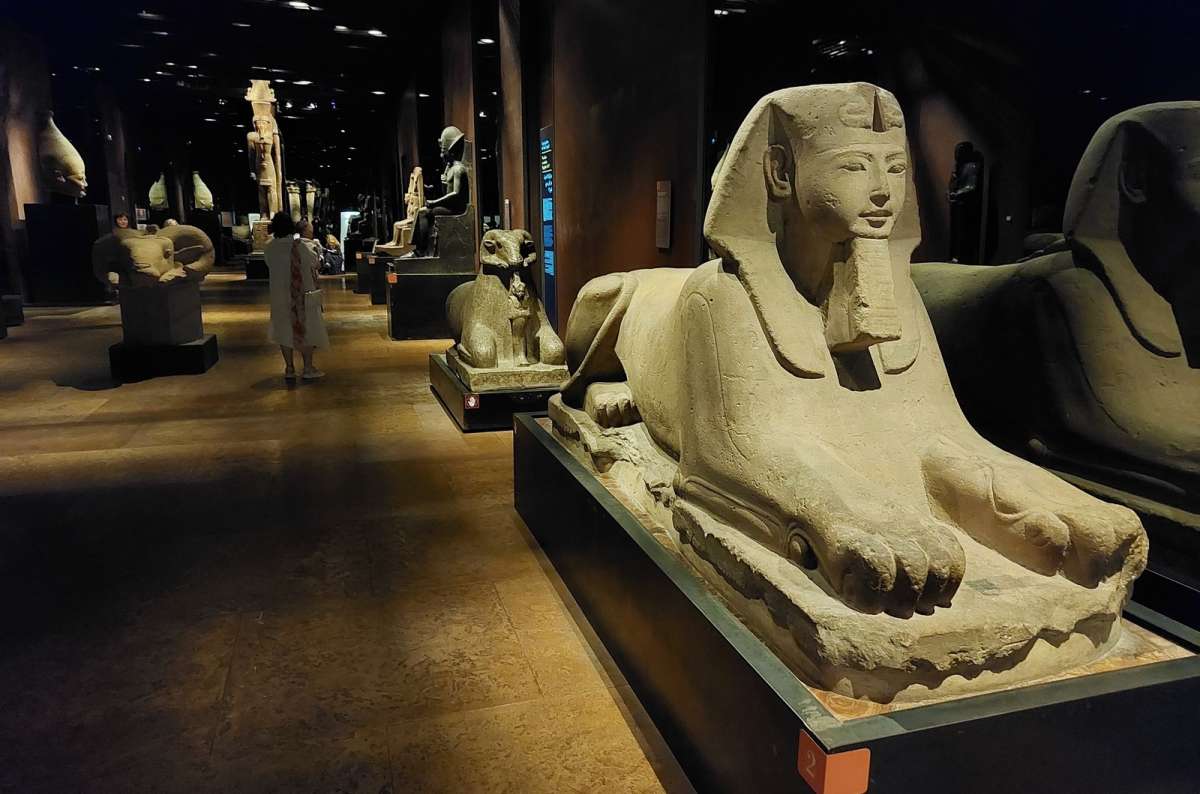
After three visits to Turin, I'd still put the Egyptian Museum at the top of my list. Its collection of mummies and ancient artifacts is outstanding, and it's the museum I'd prioritize if you only have time for one.
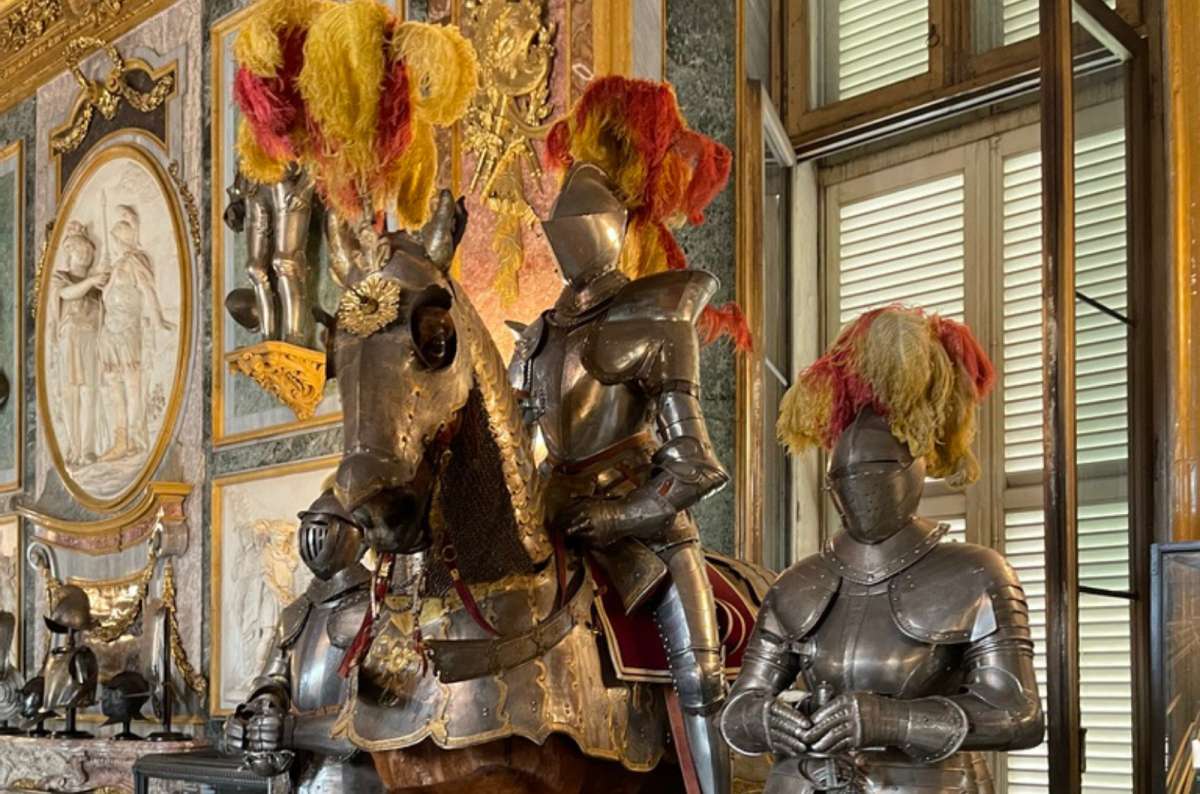
Next, I'd visit the Royal Palace, particularly its armory. The palace interiors are impressive, but the weapons and armor were a highlight for me. I also enjoyed the National Cinema Museum inside the Mole Antonelliana, especially the panoramic elevator.
If you're deciding which museum to leave out, I'd skip the Automobile Museum before any of those three. I love cars, but it didn't live up to my expectations, especially compared with Turin's other museums.
Practical info
Read about the best things to see in Turin here.
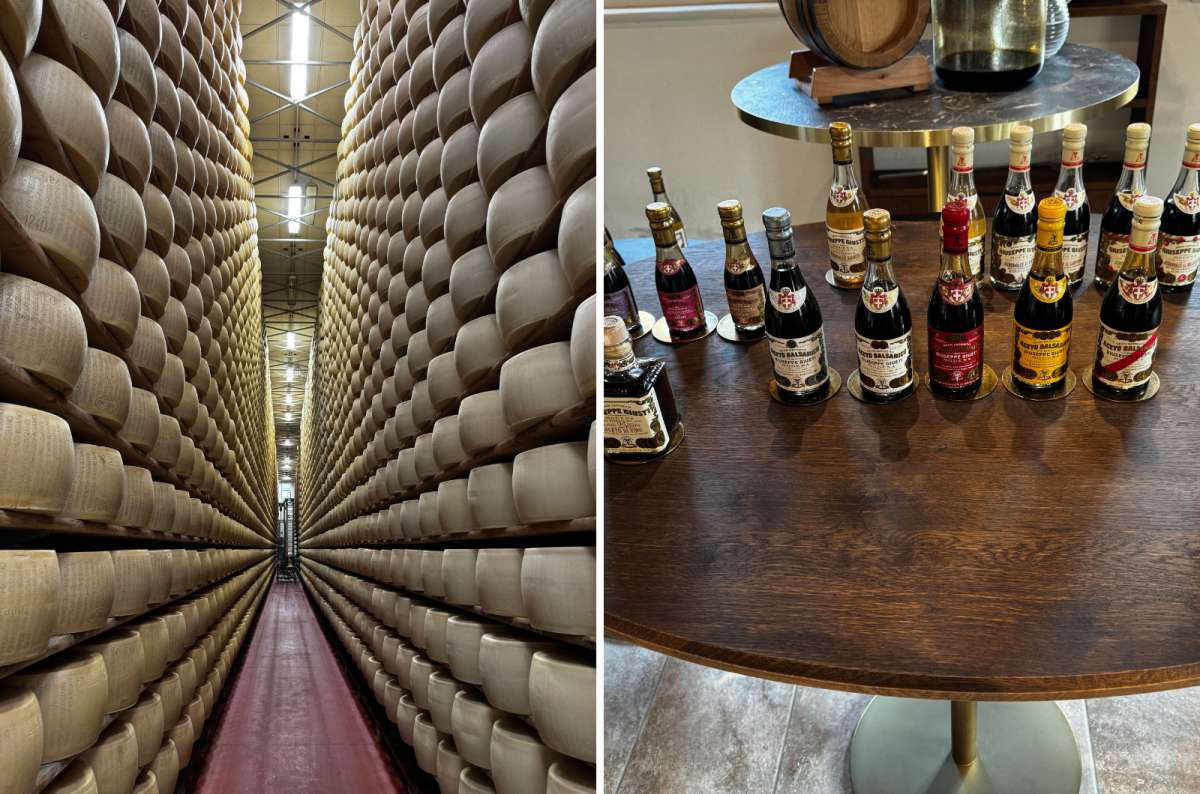
Emilia-Romagna is where you’ll find some of Italy's most famous foods, including Parmigiano Reggiano, mortadella, prosciutto, traditional balsamic vinegar, and several excellent pasta dishes. Bologna, Modena, and Parma make a particularly good food-focused route, with producers you can visit rather than just restaurants where you can eat.
I visited the 4 Madonne cheese dairy near Modena and Acetaia Giusti for traditional balsamic vinegar. Both were much more interesting than simply buying the products in a shop, especially seeing how much work goes into making them.
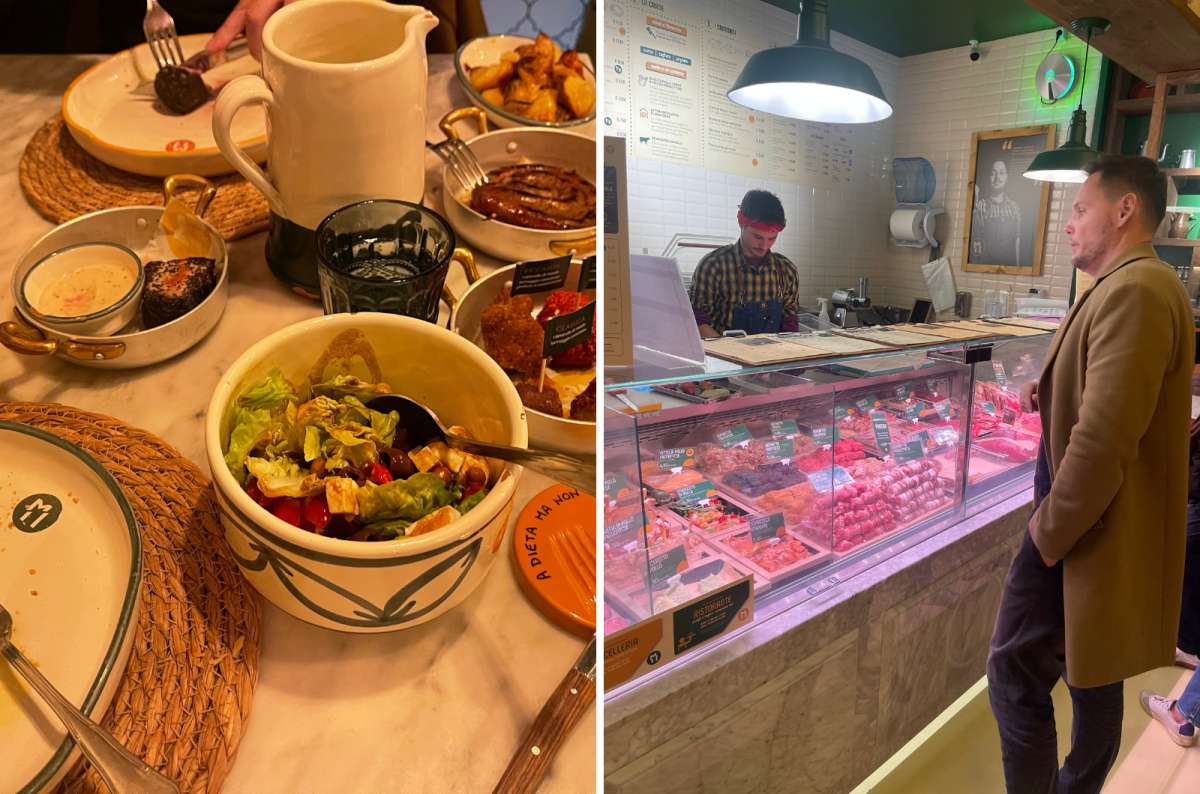
Around Parma, I also visited a dairy and tasted freshly made Parmesan. And yes, the restaurants are another excellent reason to come. Trattoria Ai Due Platani near Parma was a particular favorite. After several days of churches and museums, spending time learning about cheese felt like a very sensible decision.
Practical info
For a food-focused trip, see my Emilia-Romagna itinerary. If you're particularly interested in Parma, I've also written a Parma guide.
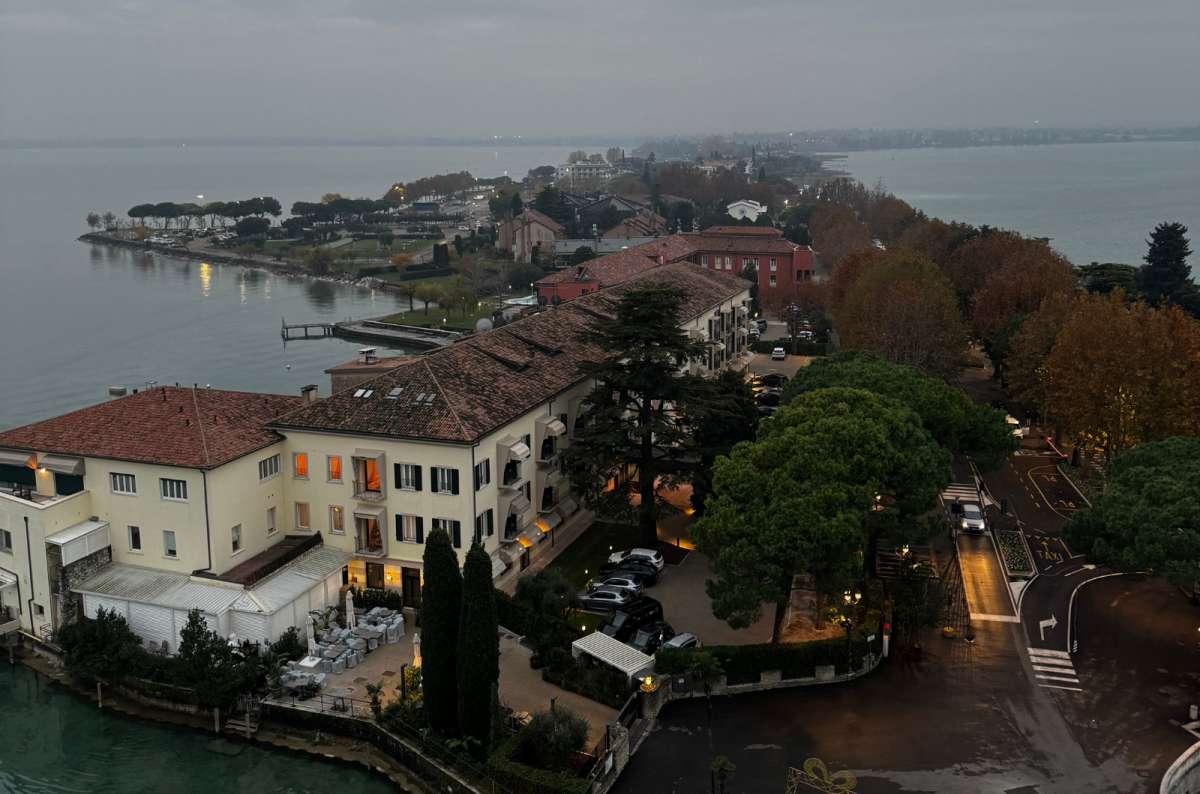
Lake Garda is Italy's largest lake, and Sirmione sits on a narrow peninsula extending into its southern end. The town combines a medieval castle, Roman villa ruins, and lake views that sometimes look more like the Mediterranean Sea than an inland lake.
I visited in autumn, and even outside peak season, Sirmione was busy.
The Scaliger Castle is particularly photogenic from outside, with its walls rising straight out of the water, although the interior is less exciting. I preferred exploring the Grotte di Catullo, the extensive remains of a Roman villa at the end of the peninsula.
The walk through the ruins and olive groves, with Lake Garda stretching out on both sides, was the best part of the visit. Jamaica Beach is another worthwhile stop nearby.
Practical info
Read more about things to do in Sirmione here.
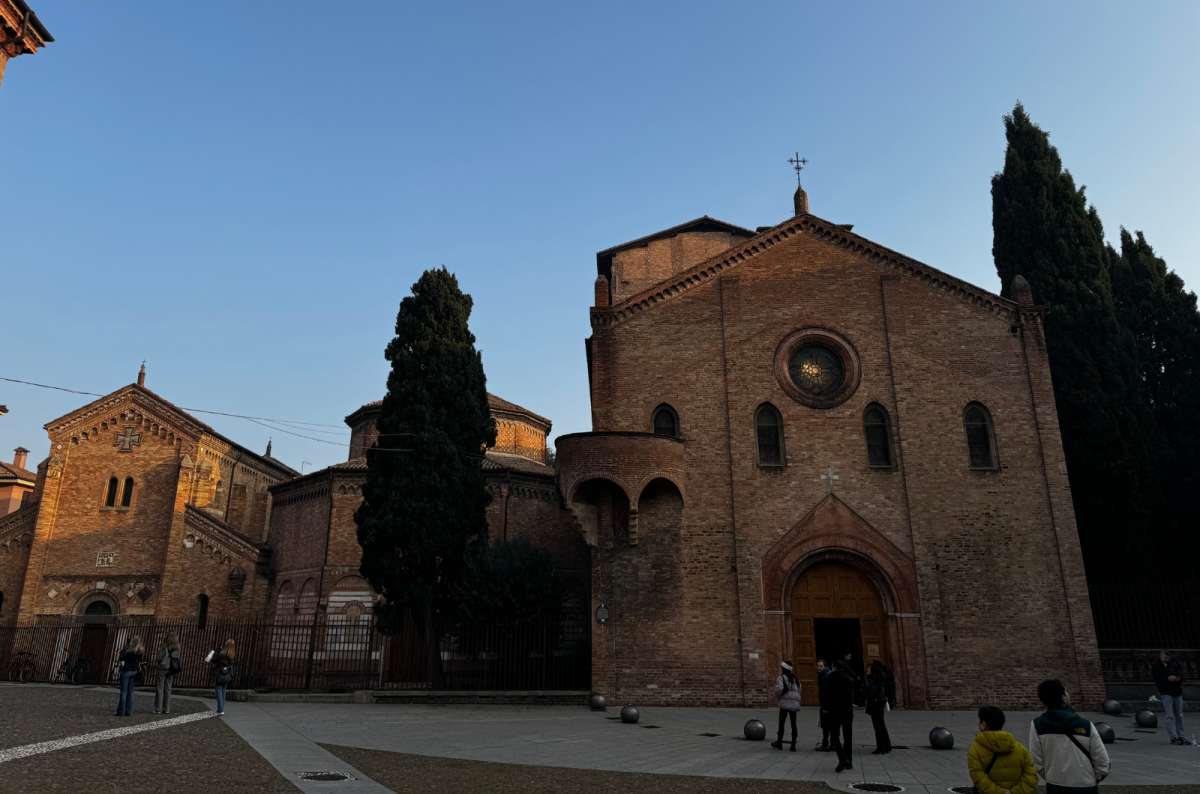
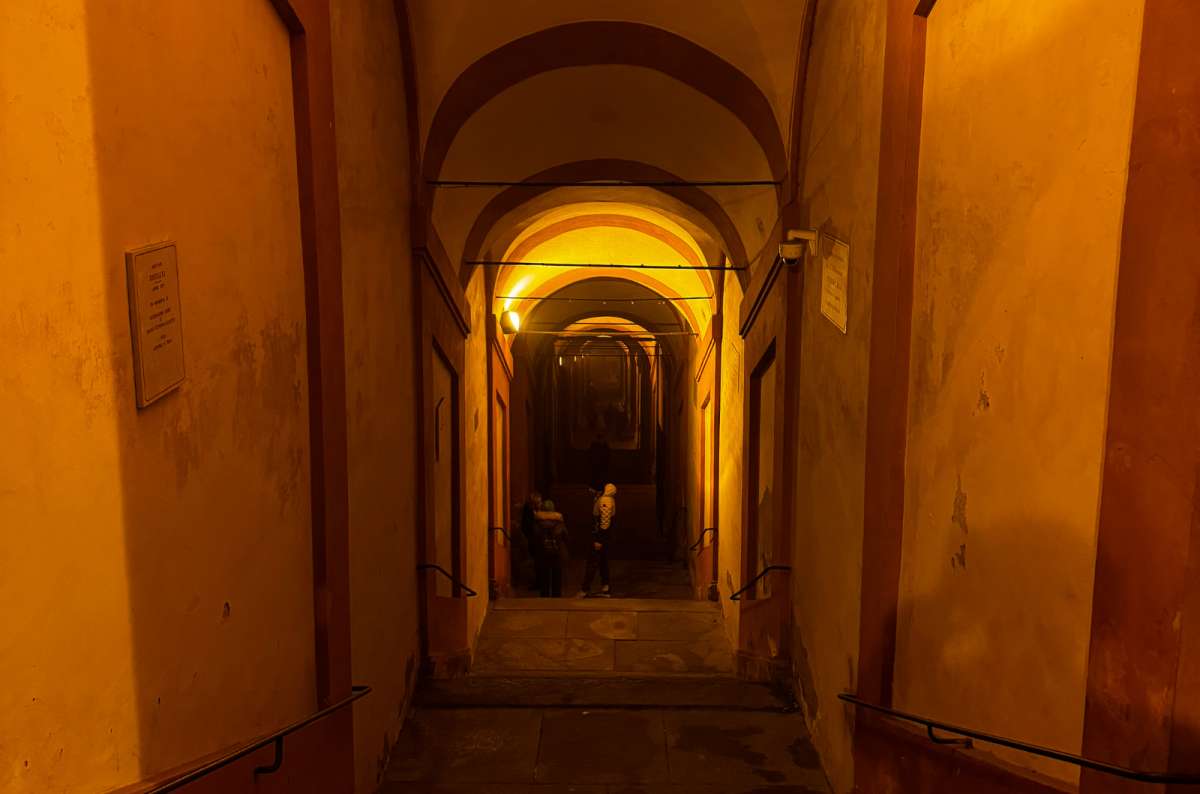
Bologna is famous for its kilometers of covered porticoes, part of which are UNESCO-listed. The most ambitious walk follows the long porticoed route from the city toward the Sanctuary of San Luca, which stands on a hill overlooking Bologna.
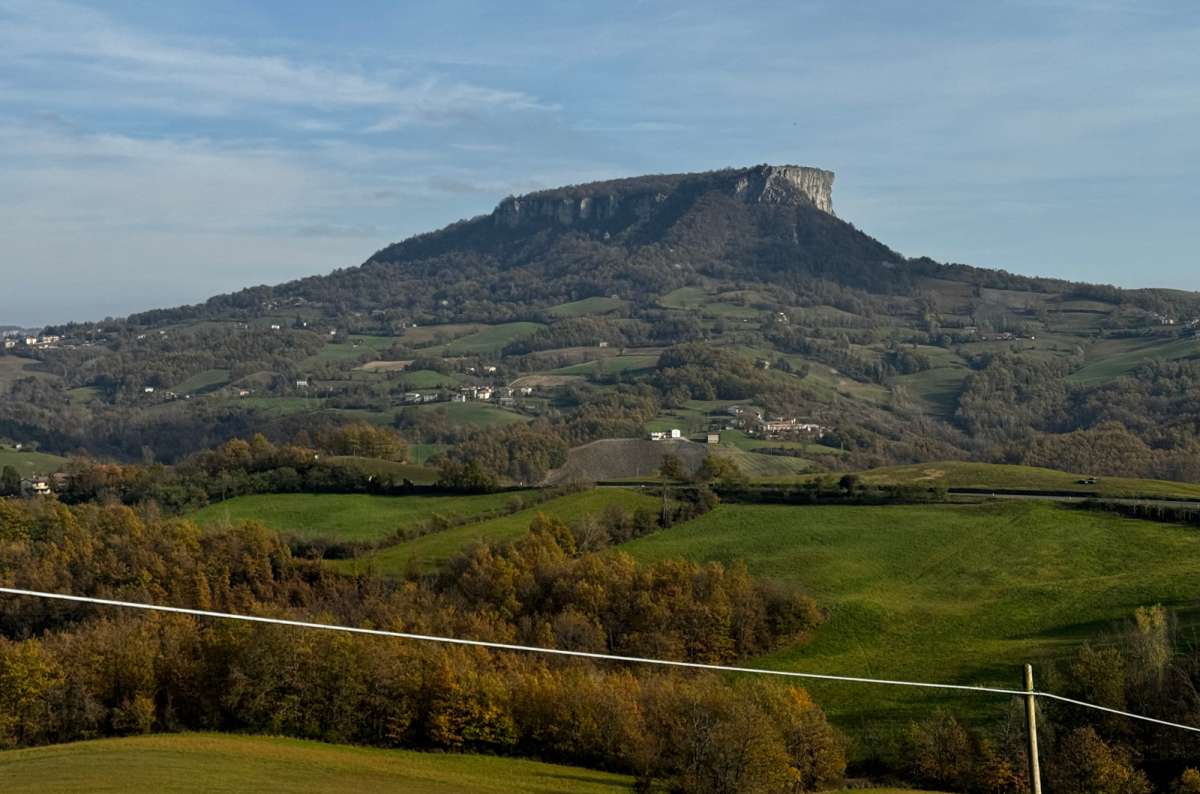
What I liked most about Bologna was simply walking around. The porticoes give the city a distinctive character, and there's always another square, church, or food shop to investigate. The 3.5 km Portico di San Luca is especially impressive. I drove alongside it rather than walking uphill—I've got nothing to prove—and parked near the sanctuary. Seeing the basilica lit up in the autumn fog, looking like a haunted castle, was worth the trip.
Bologna's museums didn't impress me as much as those in Turin or Florence, but the streets and food more than compensated. This is a city I'd visit for the atmosphere rather than a checklist of major attractions.
Bologna is also home to the University of Bologna, dating back to 1088 and considered the oldest university in the Western world. Not bad for a city where I was mostly distracted by porticoes and pasta.
Practical info
Is Bologna worth visiting? You be the judge (after reading my article, of course)!
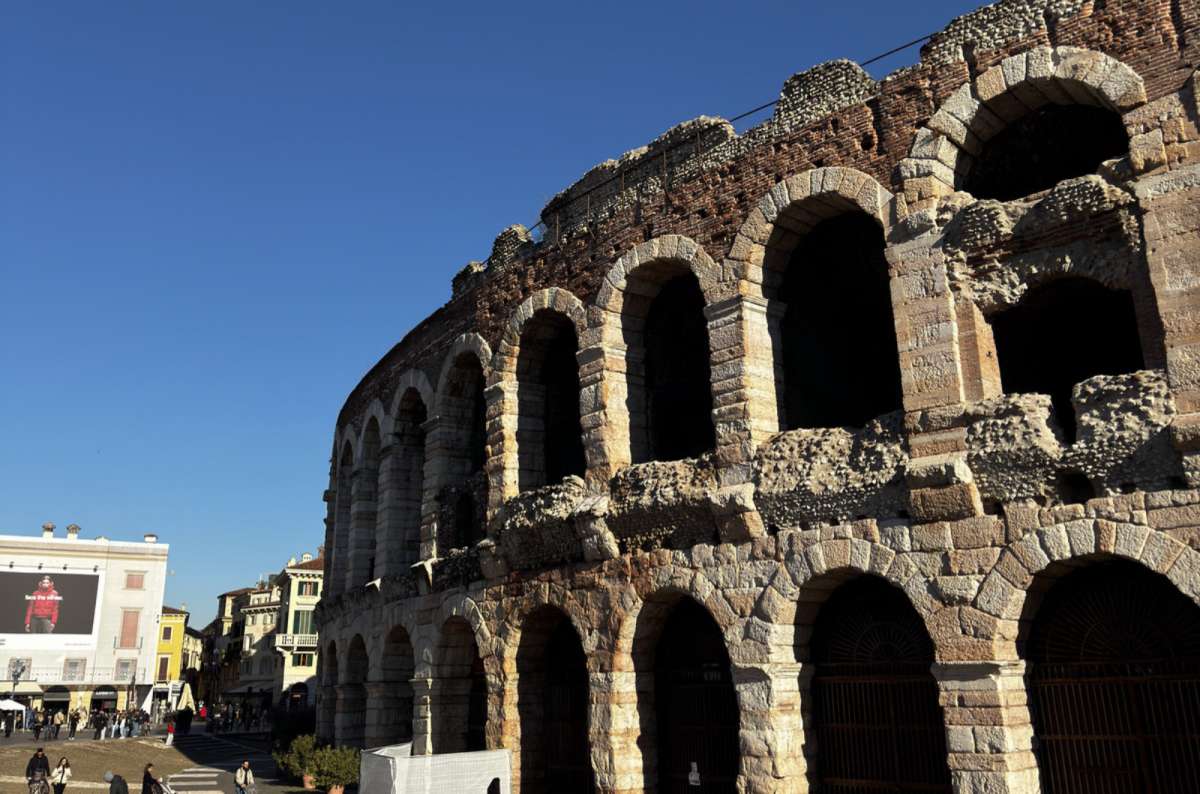
What I like about Verona is how easily you can move between its Roman and medieval history on foot. One minute you're standing in front of a nearly 2,000-year-old arena; a short walk later, you're crossing a medieval bridge or exploring a fortified castle. It's the kind of city where the sightseeing route is half the fun.
Start at Piazza Bra and approach the Arena through the Portoni della Bra. That first view is pretty spectacular. The Arena is almost 2,000 years old and absolutely massive. Unfortunately, it was undergoing restoration during my first visit. I'm all for preserving ancient monuments, but did it have to happen when I was there?
My favorite way to experience Verona's Roman history is to cross Ponte Pietra and walk up to Castel San Pietro.You'll pass the remains of a Roman theater on the way, and the view from the top is fantastic. You can see how the Adige curves around the historic center, with the old walls, towers, and even the Alps in the distance when the weather is good. There's a funicular too, if you've already had enough cardio.
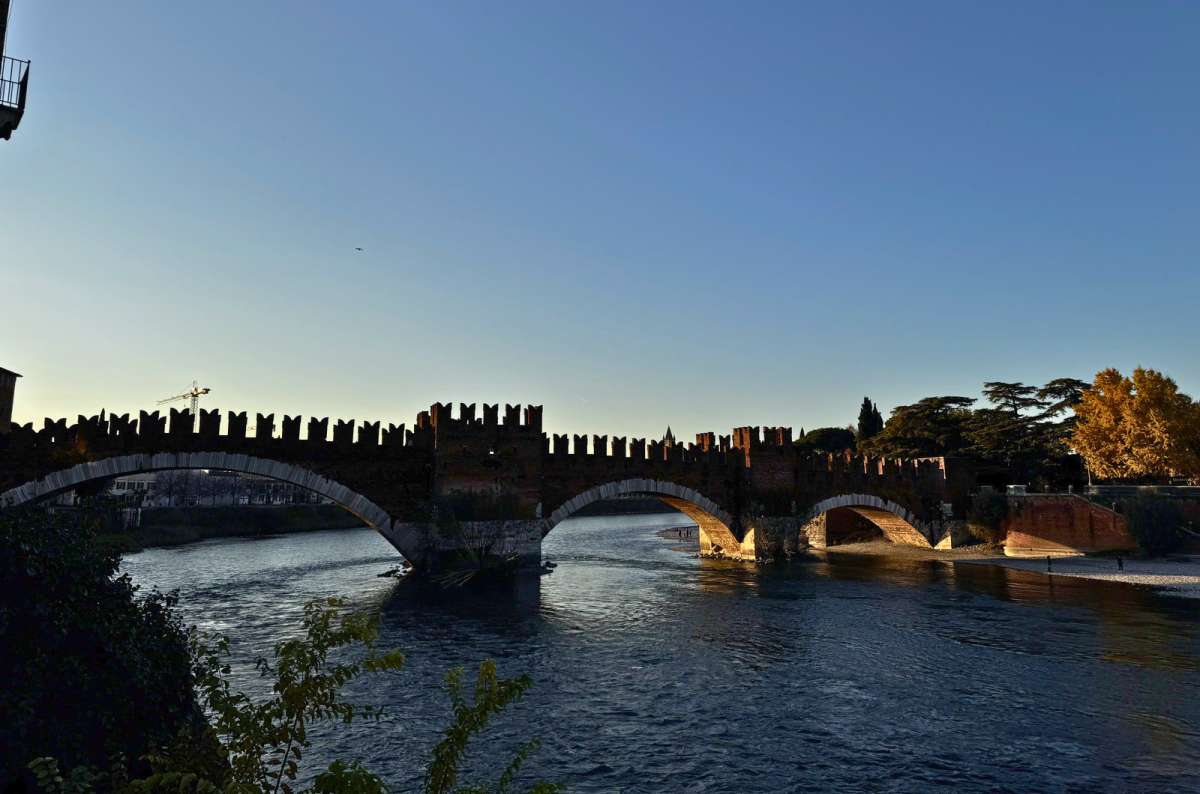
Then make time for Castelvecchio. Give yourself at least an hour to explore the castle, its courtyards, and the museum. I particularly liked the weapons and armor, and the fact that I could wander around at my own pace. Afterward, cross Ponte Scaligero and walk along the opposite riverbank. The bridge looks even better from there.
I'd skip the paid visit to Juliet's House unless you're a serious Shakespeare fan. Even in November, the crowds around that balcony were ridiculous. Personally, I'd rather spend the time at San Fermo, which has an unusual two-level interior and a wooden ceiling unlike anything I'd seen in an Italian church before.
Practical info
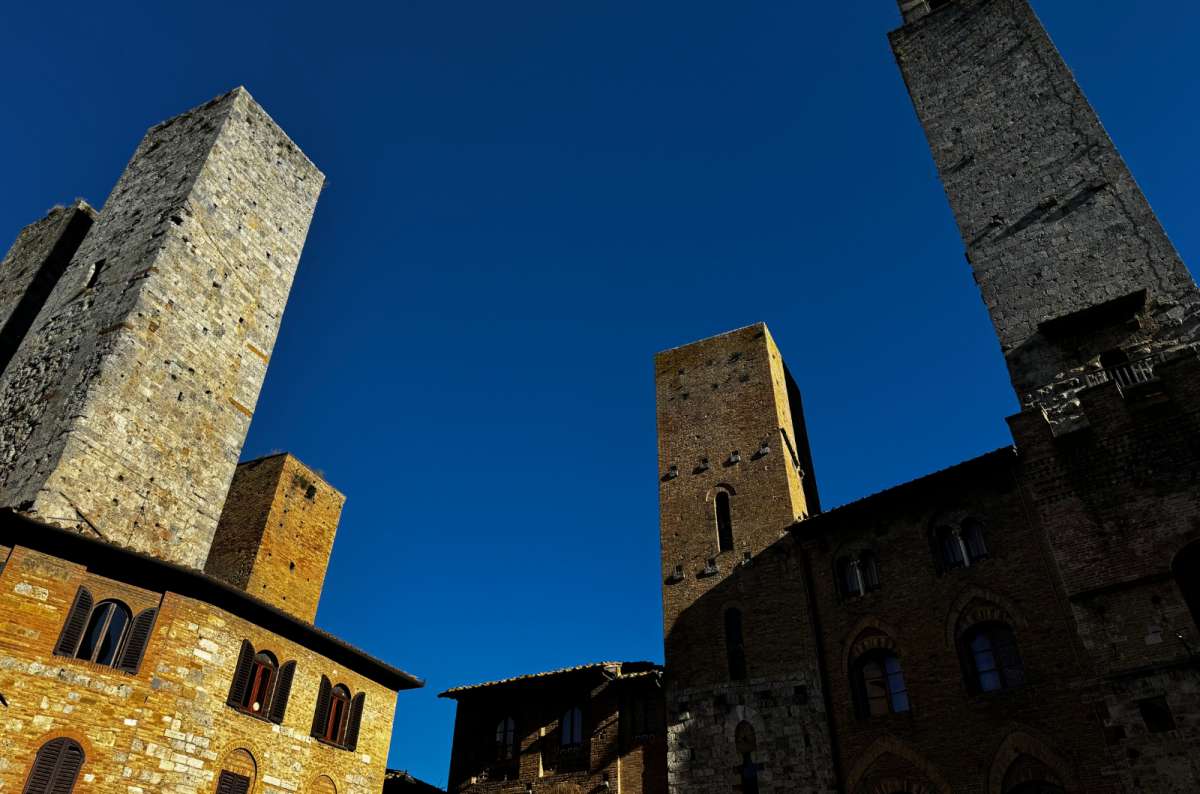
San Gimignano is famous for its surviving medieval towers, which once advertised the wealth and status of the town's powerful families. Today, the towers create one of Tuscany's most recognizable skylines, especially when viewed from the surrounding countryside.
I visited San Gimignano before heading to Siena, and my feelings were mixed. The skyline is impressive, and climbing Torre Grossa, the town's tallest surviving tower at about 54 meters, rewards you with excellent views over the Tuscan hills. I also liked the views from Parco della Rocca.
But the town itself felt more touristy and less interesting than its reputation suggested. It’s worth visiting, particularly on a Tuscany road trip, but I wouldn't put it ahead of Siena.
Practical info
Looking for things to do in San Gimignano? Have a look at my article.
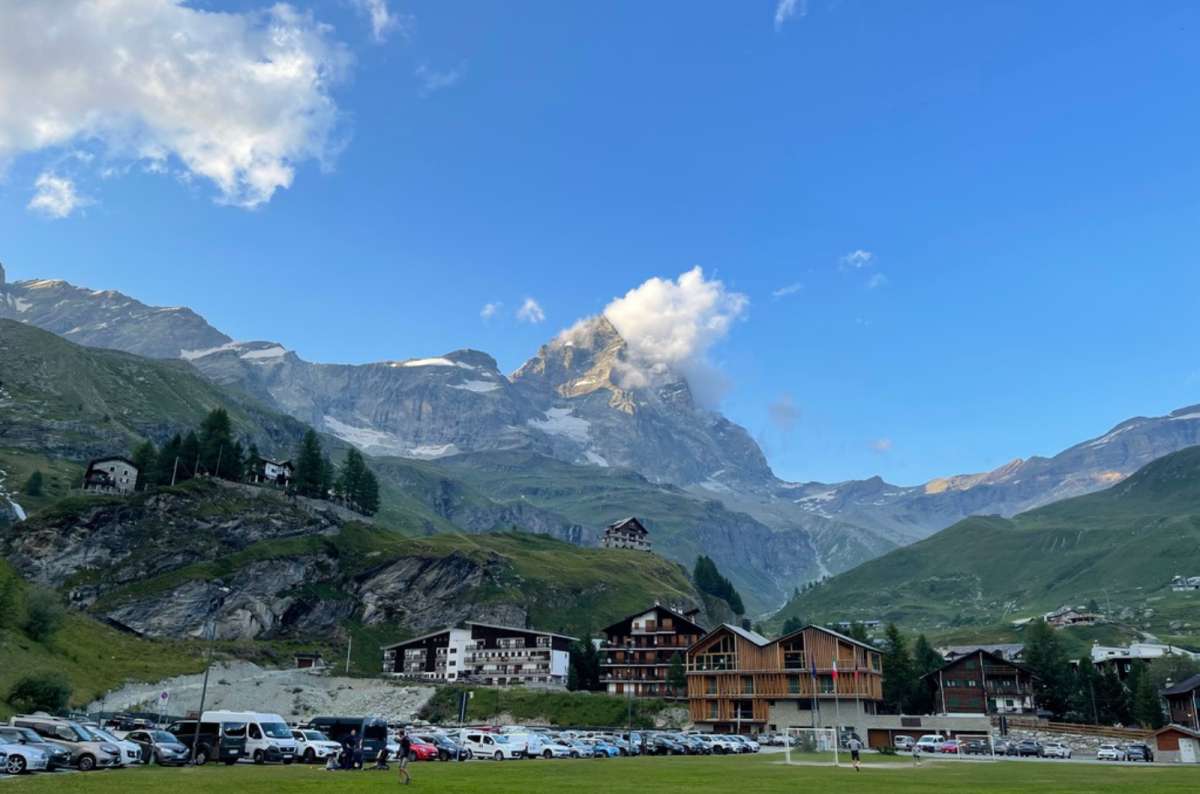
I spent four days hiking around Cervinia, with the Matterhorn looking good from just about every angle. One hike to Lago Blu took longer than planned after I went the wrong way. Doing it with a nasty cold wasn't my smartest travel decision either.
In the northwest, Aosta Valley offers high mountains, alpine villages, hiking trails, and views toward some of Europe's most famous peaks, including the Matterhorn and Mont Blanc. Aosta even has Roman ruins, just in case you haven’t seen enough of those yet.
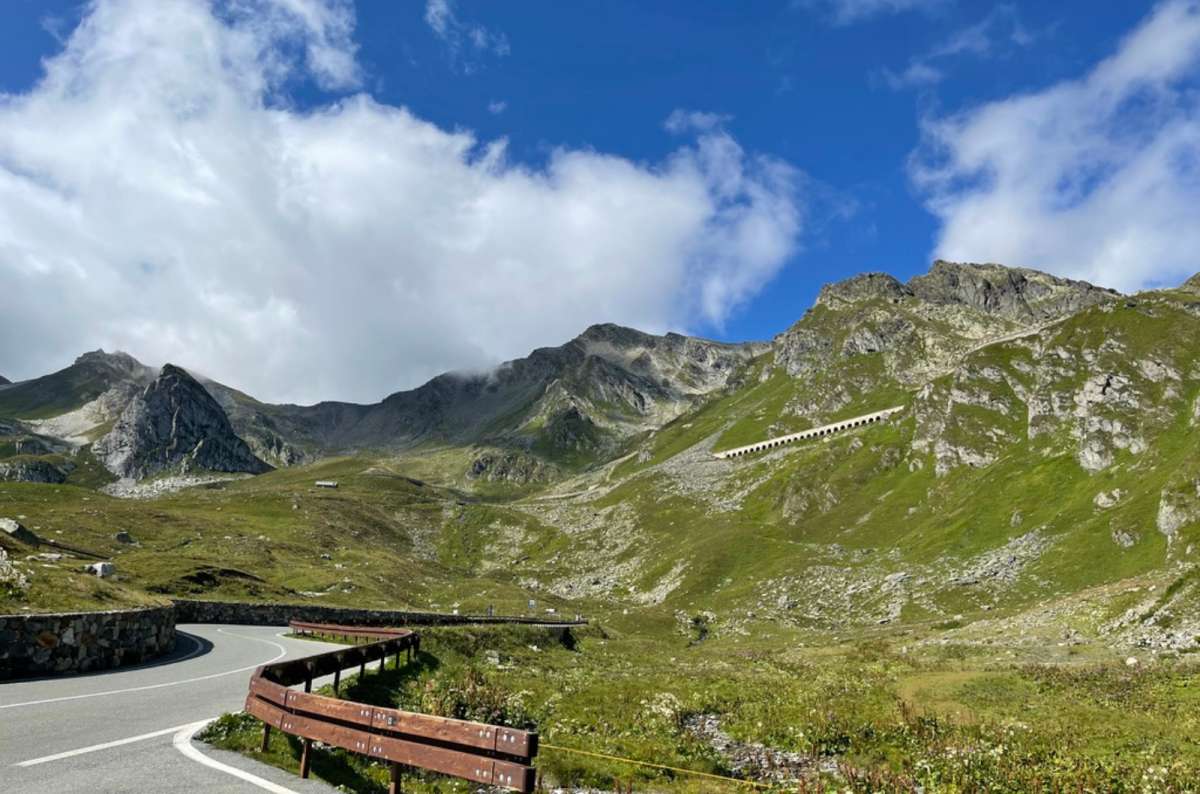
I also took the Skyway Monte Bianco cable car near Courmayeur. The cabins rotate on the way up, so you get the views without having to fight everyone for a window. The drive over the Great Saint Bernard Pass was another highlight.
Practical info
For more hikes, mountain drives, and Roman ruins, see my best things to do in Aosta Valley.
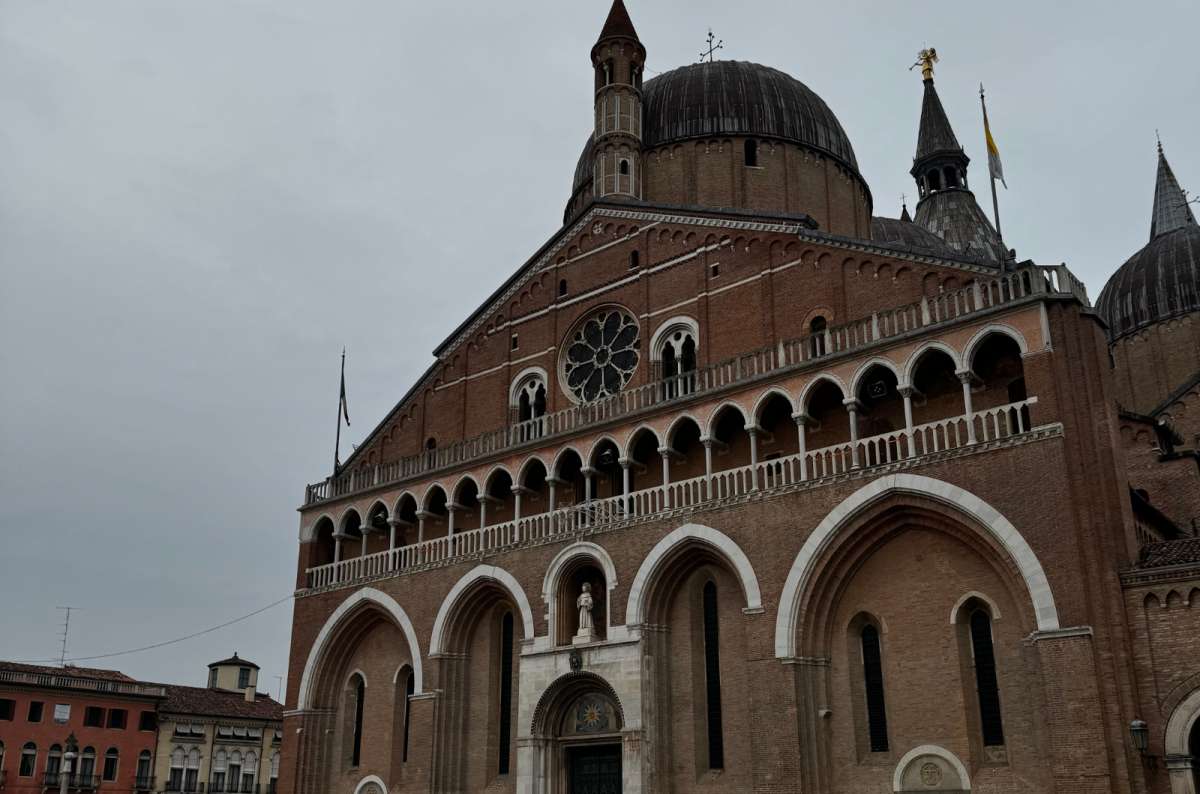
I'd choose between Padua, Modena, and Parma based on what you're interested in. They're all worth a day, but I wouldn't visit them for the same reasons.
If you choose Padua, reserve the Scrovegni Chapel in advance and pay particular attention to Giotto's Last Judgment. Some of those medieval punishments are pretty creative. Afterward, I'd head to MUSME, the Museum of the History of Medicine. I spent more than an hour there exploring the interactive exhibits. I also found the University of Padua's Museum of Geography almost by accident, and it turned out to be a great stop.
In Modena, I'd actually spend more time on food production than sightseeing. Visit Acetaia Giusti to learn how traditional balsamic vinegar is aged, and make room for a proper restaurant meal. The Ferrari Museum in Maranello is worth considering if you love cars. Seeing the F40 and SF90 Stradale was great, although I was finished surprisingly quickly for what the ticket cost.
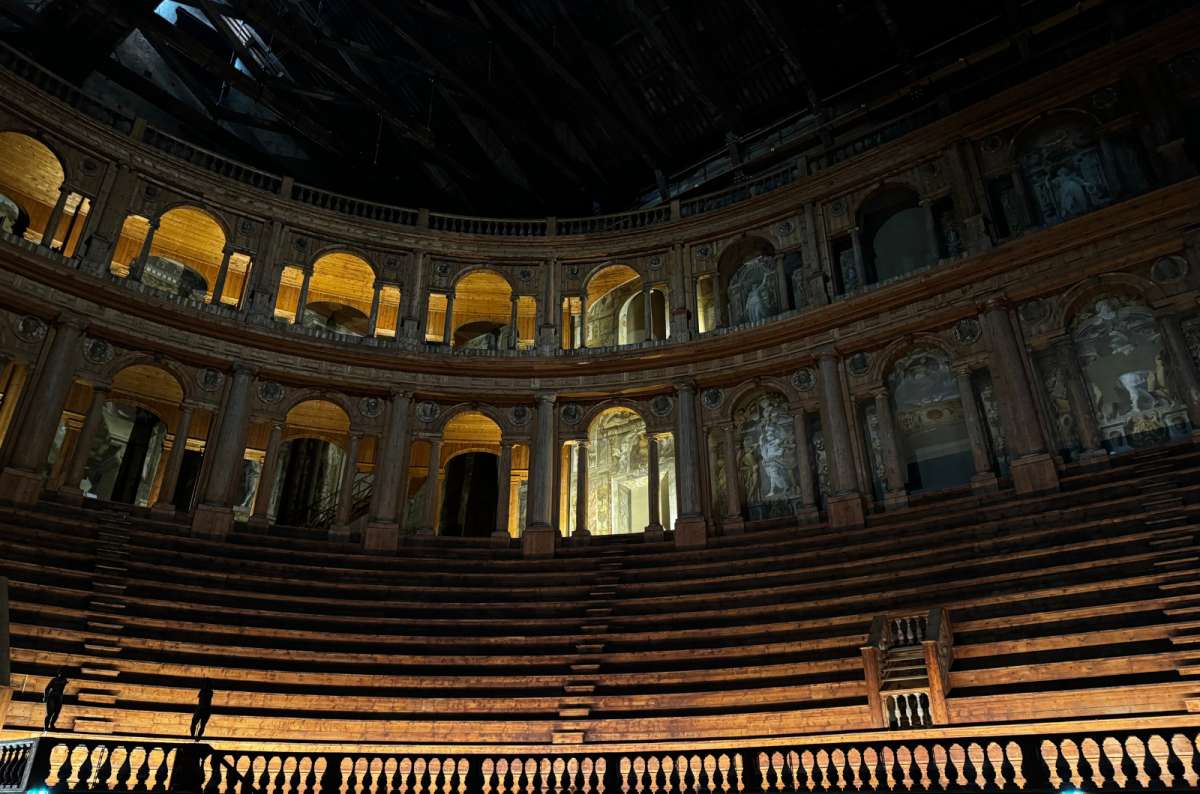
For Parma, try to arrange a morning visit to a Parmigiano Reggiano dairy so you can see the cheese being made. I found that much more interesting than simply tasting the finished product. Back in the city, don't miss the Farnese Theater, built largely from wood. And definitely leave room for a proper meal. Trattoria Ai Due Platani, just outside Parma in Coloreto, was one of my favorite restaurants in the area. Book ahead, though—it's not somewhere I'd count on getting a table by walking in.
I wouldn't try to squeeze all three into one day. Pick Padua for art, Modena for balsamic vinegar and Ferraris, or Parma if your priorities are mostly edible.
Practical info
For more ideas, see my Padua guide.
Start with Venice, Florence, and Rome, then add a smaller city like Siena or Ravenna if you have time.
Ten days is a good introduction. Stick to three or four bases rather than spending your holiday changing hotels.
I prefer autumn for fewer crowds and comfortable sightseeing. For hiking in the Alps, go in summer.
Take trains between major cities. Rent a car for Tuscany's countryside, rural food producers, and Aosta Valley.
This post contains affiliate links. I earn a small commission if you make bookings through my links, at no additional cost to you. Thank you for your support!
At a glance: The best things to do in Italy
Map of the best things to do in Italy
2. See Venice from the water and explore it on foot
3. Immerse yourself in Renaissance Florence
4. Road trip through Tuscany's hill towns and countryside
5. See Ravenna's extraordinary Byzantine mosaics
6. Climb the Leaning Tower and explore Pisa's Piazza dei Miracoli
7. Experience medieval Siena and its cathedral complex
8. Explore Turin's royal palaces and world-class museums
9. Eat your way through Emilia-Romagna
10. Explore Sirmione on Lake Garda
11. Walk Bologna's porticoes and visit San Luca
12. Explore Verona's Roman and medieval layers
13. Climb San Gimignano's medieval towers
14. Explore the Italian Alps around Aosta Valley and Cervinia
15. Discover a smaller Italian city that overdelivers


Hi, I’m Jan. I travel fast and intensely, whether I’m exploring the buzz of Tokyo in 3 days or road-tripping through mountains and beaches on a 3-week Thailand adventure. And no matter where I am, you’ll always find me in a comfortable hotel at night and eating the best food.
If that sounds like your kind of journey, hop on board, and let’s explore the world together!
I started this blog after realizing how tough it can be to find reliable, authentic travel info. You wouldn’t believe how many “travel bloggers” never even visit the places they write about! On Next Level of Travel, you can count on my full honesty and insights drawn from my firsthand experiences.
Here’s the deal: not every destination is all superlatives and unicorns. I’ll let you know if a tourist attraction isn’t worth your time, like skipping overrated stops in my 2-week Spain itinerary. And when I find something truly special—like the perfect mix of culture and nature in Cape Town—you can trust that it’s worth adding to your itinerary.

Comments | Thoughts? Give us a shout!