




You could also be interested in reading:
General safety tips for South Africa
Is South Africa safe for female tourists?
Cape Town safety for tourists (generally applies to all major cities)
Hiking trails and safety in South Africa
Safety in safaris generally and Kruger National Park specifically
Safety around wild animals in South Africa
The question I get all the time is “Is it safe to travel to South Africa?” or even “How safe is South Africa for white people?”. Hey, we aren’t colorblind here at Next Level of Travel, it’s a thing, ok.
Those safety hesitations aren’t surprising considering a quick Google search on crime in South Africa shows alarming statistics—in the most recent official data I could find (from 2024), about 76 people were murdered per day, and more than 42,800 rape cases were reported over the year, averaging roughly 117 per day.
It’s astonishing that South Africa gets any tourists at all!
Really though, you just need to read the fine print on safety statistics before you chicken out and skip visiting South Africa.
You need to embrace South Africa with cautious optimism—the violent crime and armed robbery stats are bonkers (almost the highest in the world), but unless you’re in a gang, buying drugs, very poor and living locally (and hanging out with the wrong crowd), or are an extremely stupid tourist, you will be fine if you take basic personal safety precautions.
Despite headlines about violent crime or even rare terrorist attacks, tourists are rarely targeted directly. Safety issues didn’t bother me one bit during my multiple trips to South Africa. Ok, there are a few exceptions, but they are fairly easy to mitigate if you know what to look for and keep your wits about you.
Read more from my South Africa itinerary.
You can stay safe even in Cape Town, on the roads, and in the presence of wild animals. Here’s how (no matter your skin color):
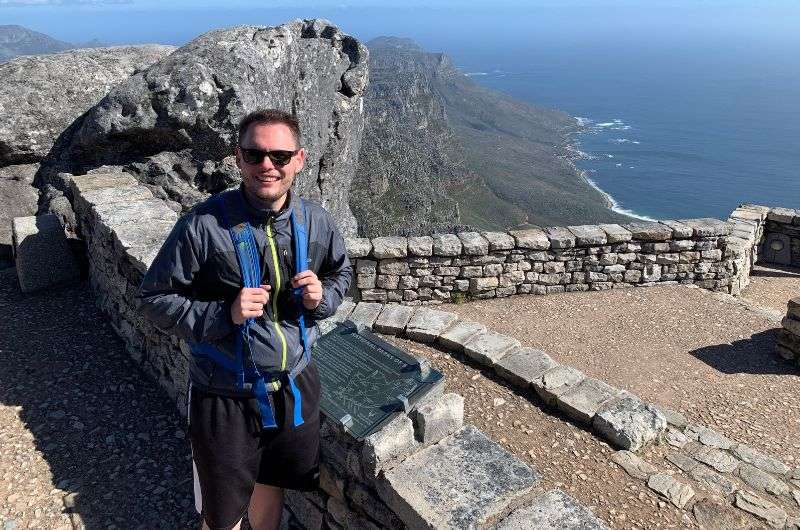
Let me give you some tips on how to stay safe in South Africa, my friends!
First, let's talk about the somewhat obvious but oh-so-important general rules for staying safe in South Africa. If you’re not following these then I can’t help you, and neither can anyone else. Good luck out there!
These golden nuggets of wisdom are not entirely exclusive to this country and are common sense in other parts of the world too.
So, pay attention and take notes:
Stick to places where women and kids roam freely. It's like a safety badge, signaling that you're in a relatively secure environment. If you find yourself surrounded by a pack of men, well, let's just say it might be time to give your sixth sense a nudge. Avoiding remote areas and unfamiliar neighborhoods hopefully goes without saying.
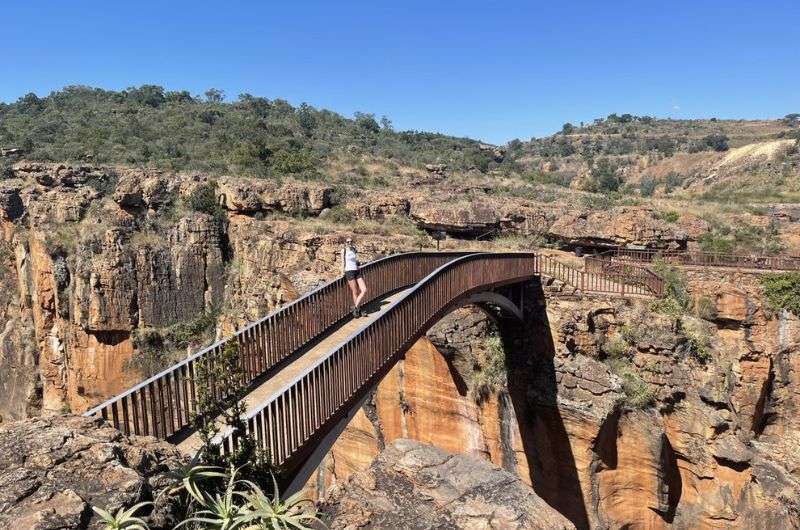
Feeling safe on the Panorama Route
Now, let's talk about those township photo, especially the adorable but obviously not-well-off kids that love the camera ops (townships are the poorest areas where the most criminal activity takes place). Not only is it sick and disrespectful to walk around all entitled taking photos of those that are in a deep rut, but those innocent little ones might also come with some not-so-innocent company. Honestly even just visiting townships like they’re some kind of zoo seems off to me. If you insist on visiting any townships or remote areas in general, opt for reputable and professional guides to help you navigate the situation.
Don’t hassle with anyone over what’s probably small change to you. Ask yourself: is it really worth the trouble? A parking guard (or is he?) demanding a fee, a police officer hinting at a bribe, or a beggar seeking loose change, sometimes it's easier (and safer) to just pay up and move on.
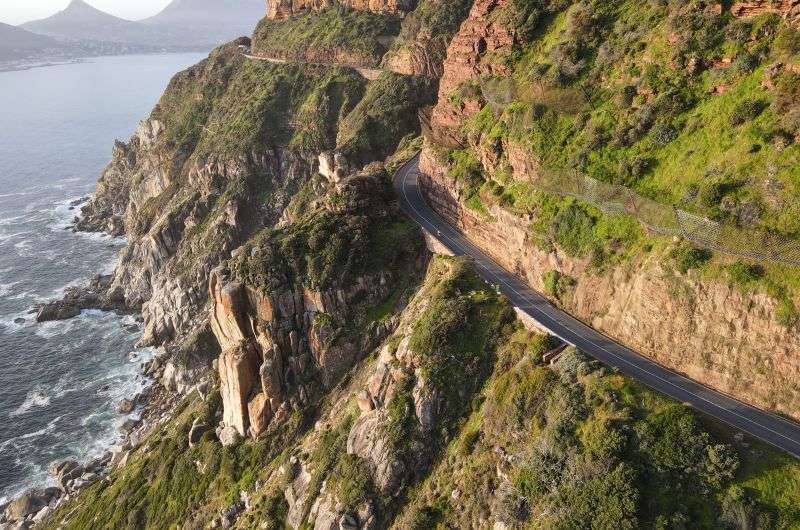
Google maps are not enough for South Africa
While driving, resist the temptation to stop and assist strangers on the roadside. They might not be as innocent as they may seem, and you need to prioritize your own safety. Carjackings are a thing in South Africa. Some are cleverly staged, so just keep moving and lock your doors. In rare cases kidnappings do happen. The smart thing to do is to keep driving and contacting local authorities or local police.
When it comes to rental cars, bigger is better in South Africa. Think along the lines of a mighty Toyota Fortuner. The size and presence of a larger vehicle can make potential muggers think twice before messing with you.


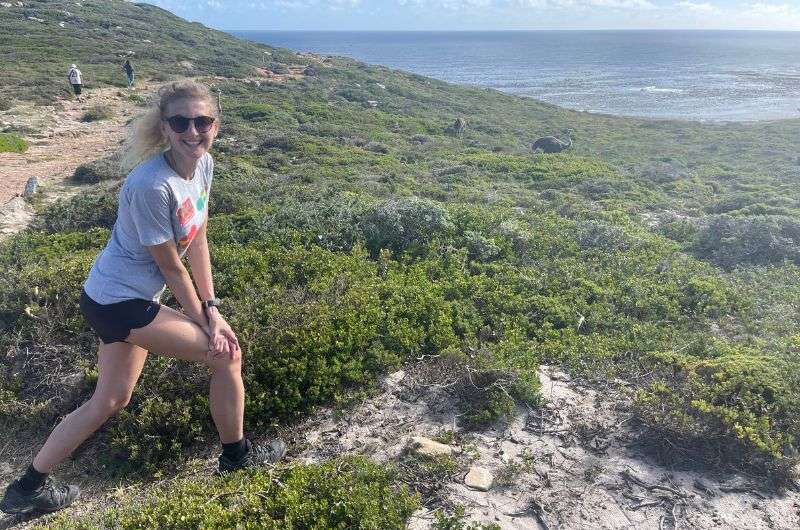
Women can do anything—and a safe visit to South Africa is no exception!
Yes, I’m a guy, but let me channel my inner feminist and try my best advising you on the matter of women traveler safety in South Africa. I always travel as part of a heterosexual couple, so I can attest to our experiences in this constellation (less on solo female travel).
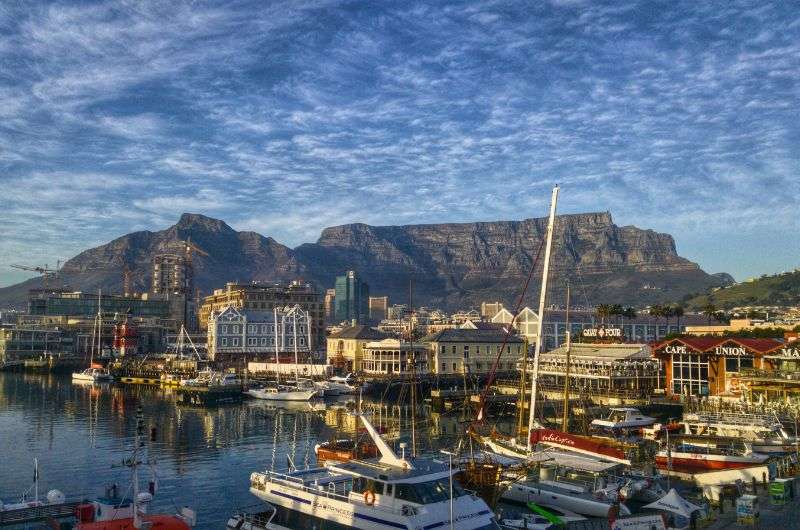
Cape Town port area
Remember, Cape Town's general population isn't as fortunate as us folks from Europe and the US. Some may go to extremes for what you consider worthless. Let's show a little compassion and understanding, shall we?
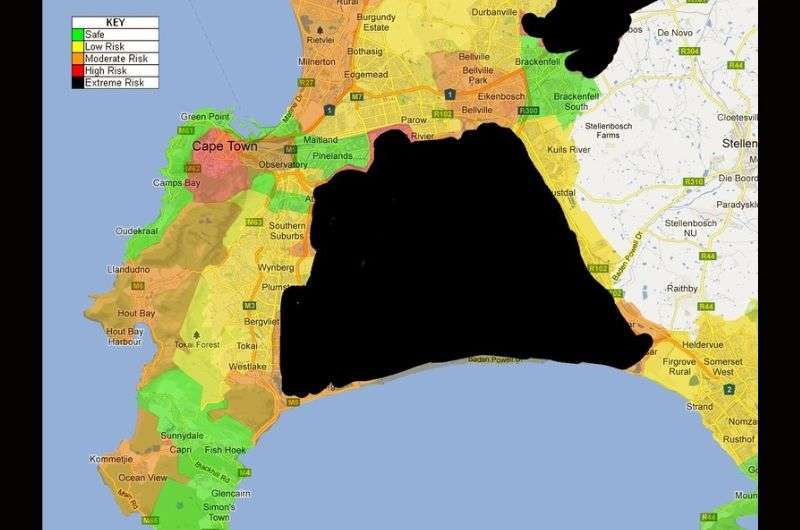
Stay out of the reds and blacks at all costs!
This city has its fair share of danger, ranking high in crime statistics. You'll find violent crime against women, armed robberies, muggings, and a touch of drug-related chaos. To keep things in perspective though, most of this trouble sadly happens in the local townships where the poorer residents live, and you have no business going to these places in the first place. Why would you go actively looking for trouble?
During daylight hours in toruist areas and arounf majortourist attractions you will very unlikely meet any danger in the touristy areas of Cape Town (like around Table Mountain, Cape of Good Hope or the Victoria & Alfred (V&A) Waterfront).
Hotels in Cape Town that I can vouch for: Home Suite Hotels Station House, The Glen Boutique Hotel & Spa, Kronendal Heritage. Here’s my article on all my hotel recommendations in South Africa.
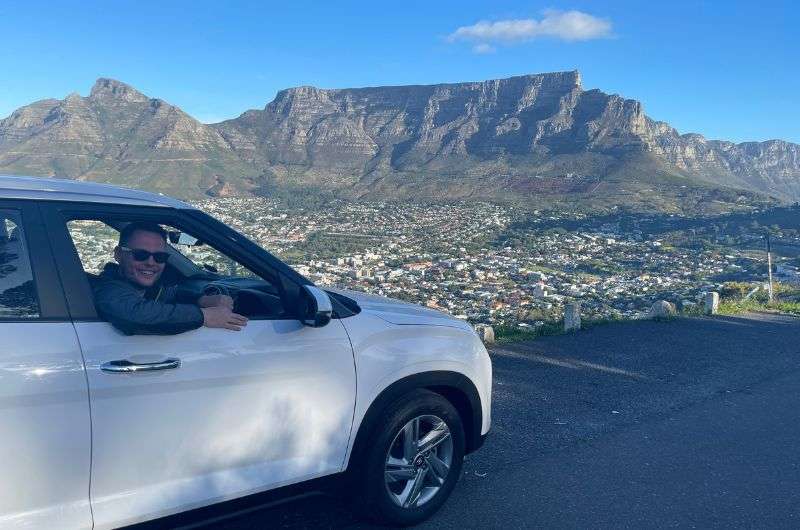
Driving in South Africa is comfortable... just keep those doors locked and don’t trust Google Maps when it takes you through the boonies
It all boils down to the state of their cars. Picture this: two cars collide in the US, you might have 1 or 2 casualties. But in South Africa? You're looking at easily 10 or more lives lost. You’ll understand the reasoning once you see the minivans packed to the brim with people, rolling around in a questionable technical state.
Now, let's dive into some survival tips:
You can come across problems in cities, too. At a red light or in slow traffic it’s super easy for a criminal to try to open your door or reach into your car through your window. Keep windows closed and doors locked at all times. Exercise increased caution and try to be aware of where the nearest police station is.
Keep valuables out of sight and out of reach in vehicles. It goes without saying if you’re leaving your car parked somewhere, but it’s easier than you think for a clever bad guy to take your cell phone from your seat at a traffic light (or the gas station).
The police were always very nice to me,, and local authorities were generally calm and professional in our experience. Even when asking for a bribe managed to keep a smile on both of our faces. So one minute I’m giving him a bribe and the next minute I’m engaged in a conversation about the best road to take to Kruger National Parkand what to see there, all with the same policeman. Well, that’s South Africa for you. Understanding local laws helps you avoid bigger problems
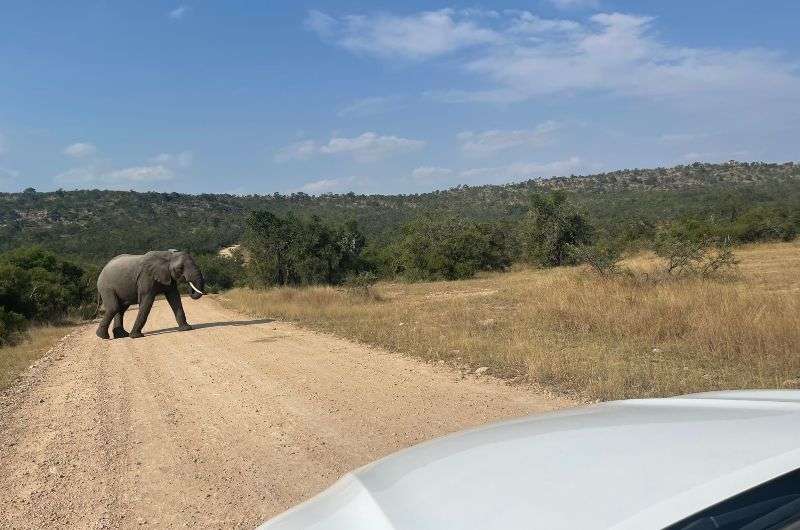
This elephant didn't care about us. But I was still prepared to make a quick exit if we happened to fall out of favor with him
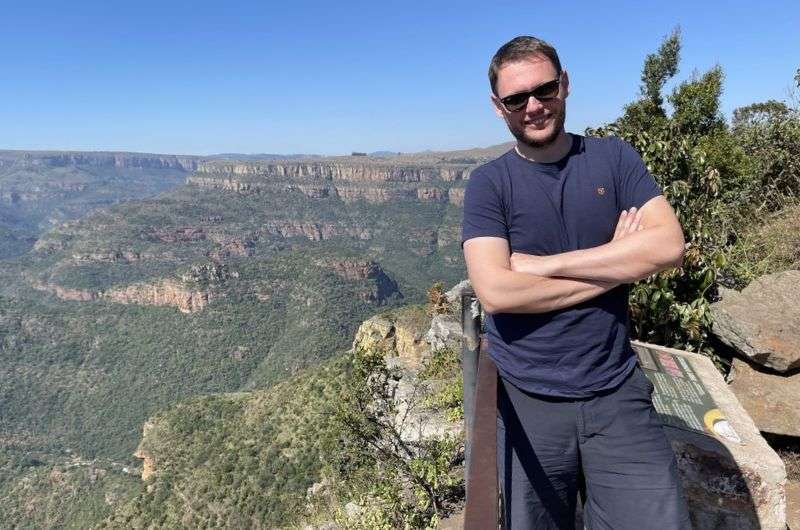
We felt safe driving the Panorama Route
While you probably won’t be a victim of the most terrible crimes, petty theft and scams are pretty common in South Africa. If you’ve traveled a lot before, your red flag radar will sound at the first encounter, but for others, these scams might not be so obvious:
ATM machines. It’s probably obvious, but choose ATMs in frequented areas (the best are at hotels or banks) and don’t withdraw money at night. If someone tries to assist you while you’re there to withdraw cash, it’s a red flag. Some ATMs have guards on duty, so you may want to pick those (if you can tell that the guard isn’t a fake).
Fake guides in national parks. If you want to hike with a guide, make sure they are official and not just a fony. Otherwise they might take you not to nice viewpoints, but to where their buddies are waiting to rob you. This is quite a common occurrence at Table Mountain and in the Drakensberg Mountains. I book my tours on GetYourGuide—thank you for using my affiliate links to support my work by the way. They come at zero extra cost to you!
Very friendly locals. This can be a tough one since South Africans are naturally friendly, and I warn against being too paranoid, but if someone’s being too chatty and goes in for that handshake too quickly and too intimately, they’re likely pulling your wallet out of your bag in the meantime.
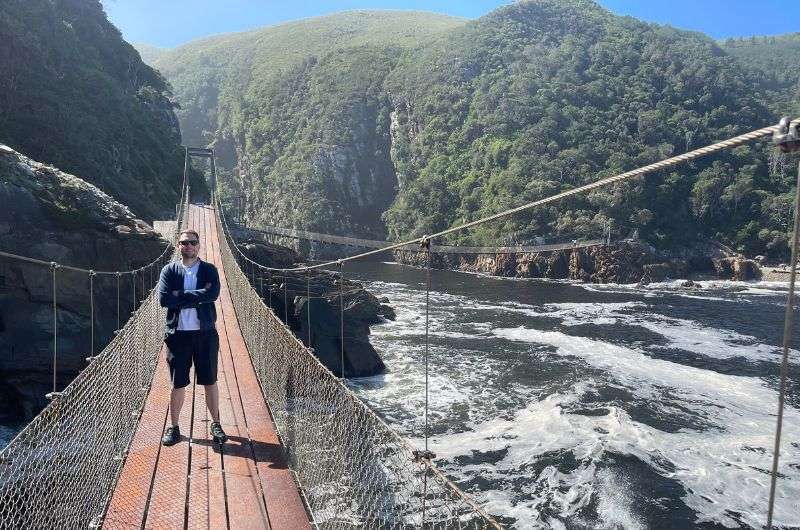
In South Africa, the hikes are very adventurous (Garden Route)
Let's debunk some of the fear-mongering nonsense you might come across while researching your South African vacation. Trust me, hiking here—whether on Table Mountain or along the Garden Route—is an experience you don't want to miss, and no, you don't have to worry about natural disasters.
Brace yourself, because this ain't Austria, folks! There are some extra rules, but it’s nothing that should keep you grounded and walking around your house. You know what they say, “Nothing ventured, nothing gained!“, and yes, travel insurance is absolutely worth having here.
Hike in groups of two or more. Not only will you have company for those entertaining trail stories, but it's also a smart move to deter any potential troublemakers. It's much harder to rob or engage in nefarious activities when faced with a group of hikers armed with witty banter. And at least one of you should carry first aid supplies in case of a medical emergency.
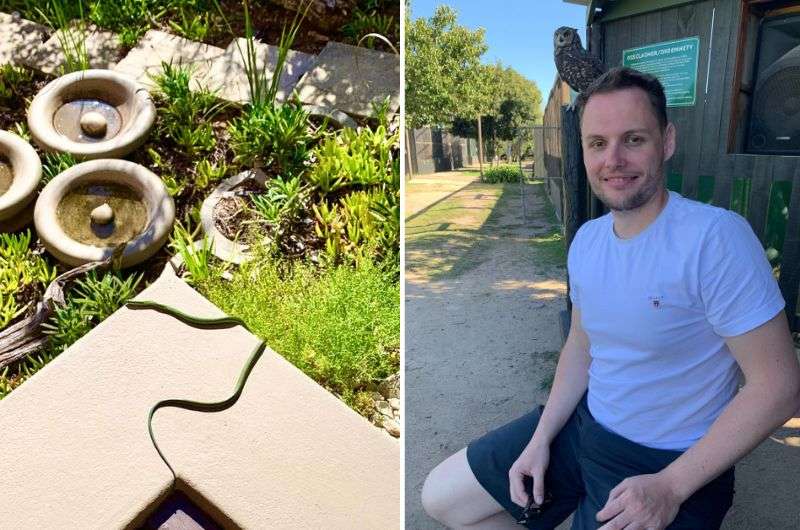
On the left, I accidentally took a very close-up photo of one of Africa's most venomous snakes. On the right, I took a liking to this little owl guy
Watch out for snakes! These creatures are as dangerous as they are stunning in South Africa, and they're everywhere (we even encountered the deadly boomslang). And while that makes snake enthusiasts like me happy, I can see that not everyone will be jumping for joy. Make noise while hiking and keep your distance, and they'll do the same. If something does go wrong, medical evacuation is available but expensive, which is why travel insurance is a must-have.
Pro tip: Steer clear of ticks too, they may not look that threatning but African tick bite fever is probably not one of the souvenirs you'd want to take home with you.
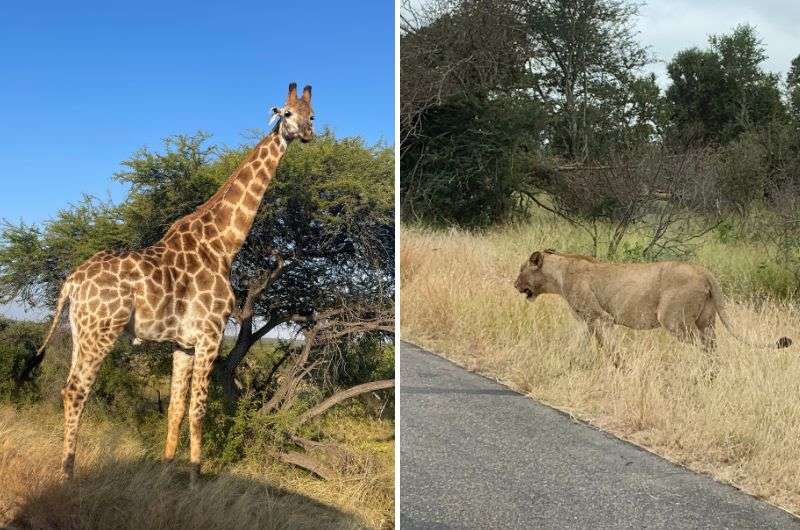
Seeing animals up close like this was fascinating. But remember, this is the wilderness, not a toy store
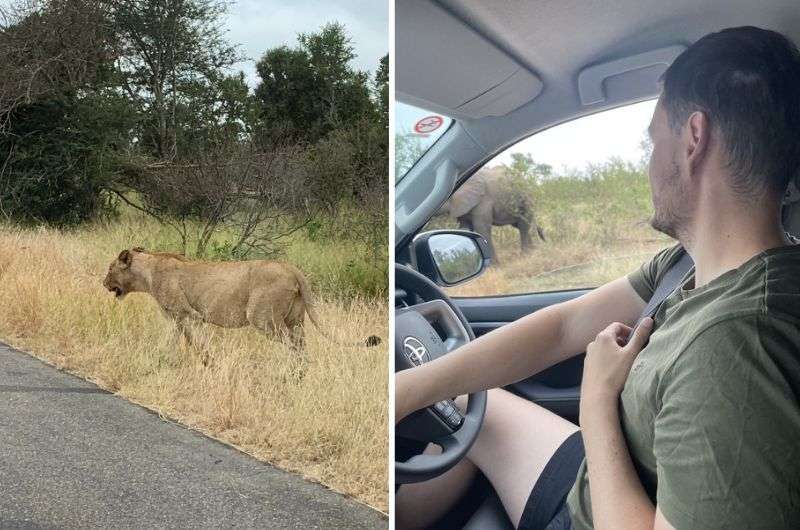
Keep your limbs inside your vehicle at all times
While animals aren't inherently dangerous anywhere in the world (I’d watch out more for humans), there are times when they can be more hazardous than in your home country, and South Africa happens to be one of those places.
Throughout my travels, I've gathered some useful tips to stay safe:

Officially, local authorities explain that it's all about how the rapid growth in population has caused strain on the electricity supply, so they plan power outages to make sure they don’t run out of juice completely. Sounds, fun, right?
As plausible as that official version sounds, you have to remember that this is Africa, so there's probably more to this tale. Sure, the population grew rapidly. But somewhere along the way, someone may have misplaced the funds for electric infrastructure and proper maintenance. Oops!
So now, the country plays a little game of "Lights On, Lights Off", leaving you guessing when the power will return. Sometimes the blackout takes just a couple of hours, sometimes it takes 16 hours at a time. See, fun! You can Google the load-shedding schedule for your cities prior to arrival so you know what to expect. See, fun! You can Google the load-shedding schedule.
Large and high-end hotels and restaurants have power generators, so if you don’t want to be left in the dark halfway through your shower, check beforehand what the situation is at the place you plan to stay in.
Little Kubu Lodge (Panorama Route)
Safari Moon Luxury Bush Lodge (Kruger NP)
Kanonkop House (Garden Route)
Home Suite Hotels Station House (Cape Town)
Cathedral Peak Hotel (Drakensberg)
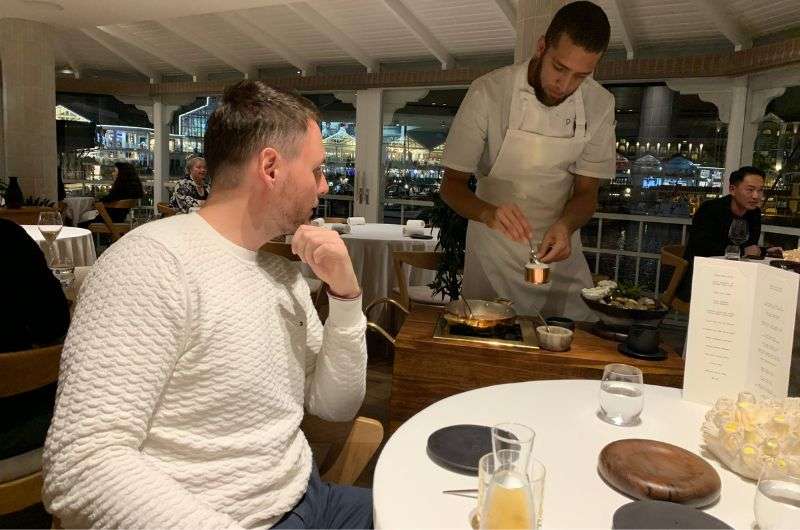
I really enjoyed the South African restaurants
One thing’s for sure—you’ll need to keep yourself fueled to navigate all that South Africa throws at you! I’m talking national parks, wild animal encounters, incredible hikes and even epic drives. Can you drink the water in South Africa? Will you get food poisoning? Well, let me tell you:
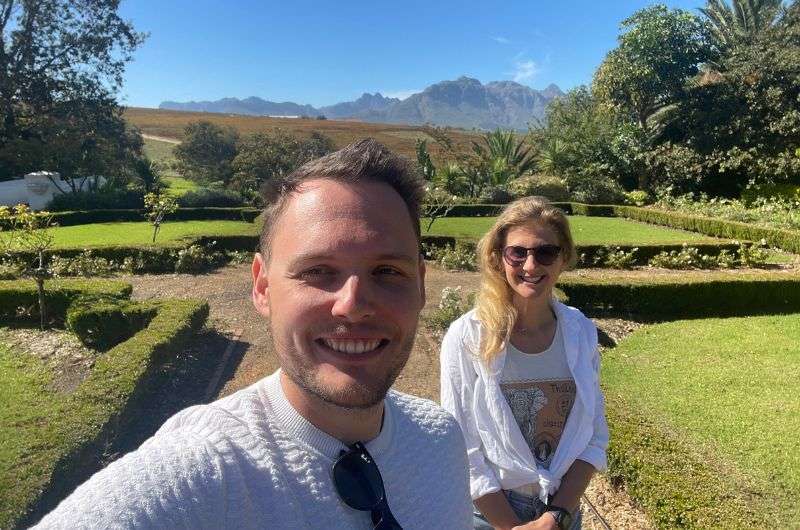
We love South Africa!
You see, it’s a lot, but it’s not really anything that should deter you from traveling to South Africa. The country is one of the most spectacular on my list, and you’d seriously be missing out if it were on for safety concerns.
Just make sure you check entry and exit requirements with the South African Department before you enter the country, especially if you’re re-entering South Africa from other African countries or using a South Africa postal address for documentation.
Be a smart traveler and you’ll be safe in South Africa.
This post contains affiliate links. If you make a booking through one of my links, I may earn a small commission—at no additional cost to you. Thank you for your support
You could also be interested in reading:
General safety tips for South Africa
Is South Africa safe for female tourists?
Cape Town safety for tourists (generally applies to all major cities)
Hiking trails and safety in South Africa
Safety in safaris generally and Kruger National Park specifically
Safety around wild animals in South Africa


Hi, I’m Jan. I travel fast and intensely, whether I’m exploring the buzz of Tokyo in 3 days or road-tripping through mountains and beaches on a 3-week Thailand adventure. And no matter where I am, you’ll always find me in a comfortable hotel at night and eating the best food.
If that sounds like your kind of journey, hop on board, and let’s explore the world together!
I started this blog after realizing how tough it can be to find reliable, authentic travel info. You wouldn’t believe how many “travel bloggers” never even visit the places they write about! On Next Level of Travel, you can count on my full honesty and insights drawn from my firsthand experiences.
Here’s the deal: not every destination is all superlatives and unicorns. I’ll let you know if a tourist attraction isn’t worth your time, like skipping overrated stops in my 2-week Spain itinerary. And when I find something truly special—like the perfect mix of culture and nature in Cape Town—you can trust that it’s worth adding to your itinerary.

Comments | Thoughts? Give us a shout!
Thank you for such a comprehensive article on safety, because it was definitely playing on my mind for my upcoming trip to SA. Could you please help me out with the safest route to take from Joburg airport to Kruger and from Addo to Port Elizabeth? How do I ensure that any exit I take is onto a safe road and doesn't lead me to shady areas.
Thanks again for this!