


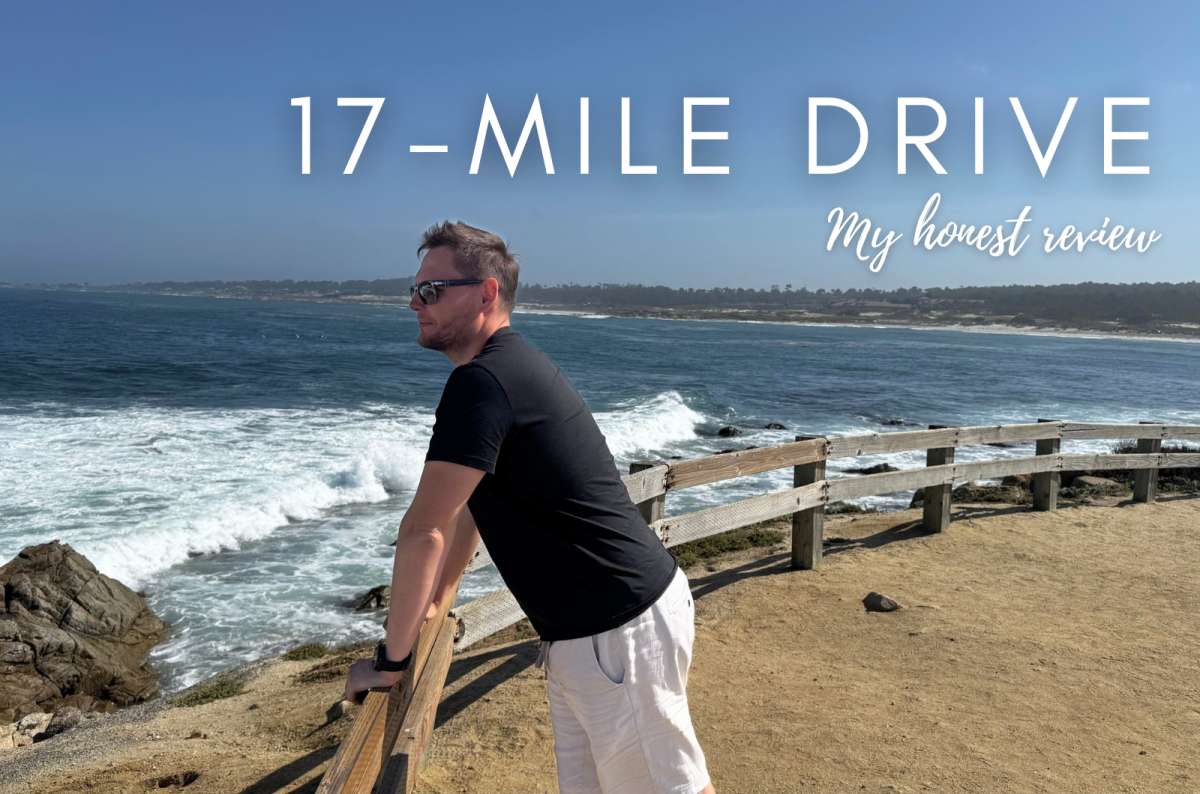


I stumbled upon 17-Mile Drive by accident during my September 2026 California trip. I was surprised it was a paid drive. Then it turned out to be absolutely epic: cypress forest, rough coastline, and ultra-luxury houses.
Honestly, it does poor marketing. I didn’t know it existed until the morning I drove it. It’s among the best coastal drives I’ve done in my life, and it reminded me very much of South Africa’s Garden Route.
There are many stops. Better to say there are so many stops that you can easily spend 3–4 hours here. Below are the places I’d concentrate on, how to choose your entrance, and what to keep if you only have 90 minutes.
Read more from my California travel guide.
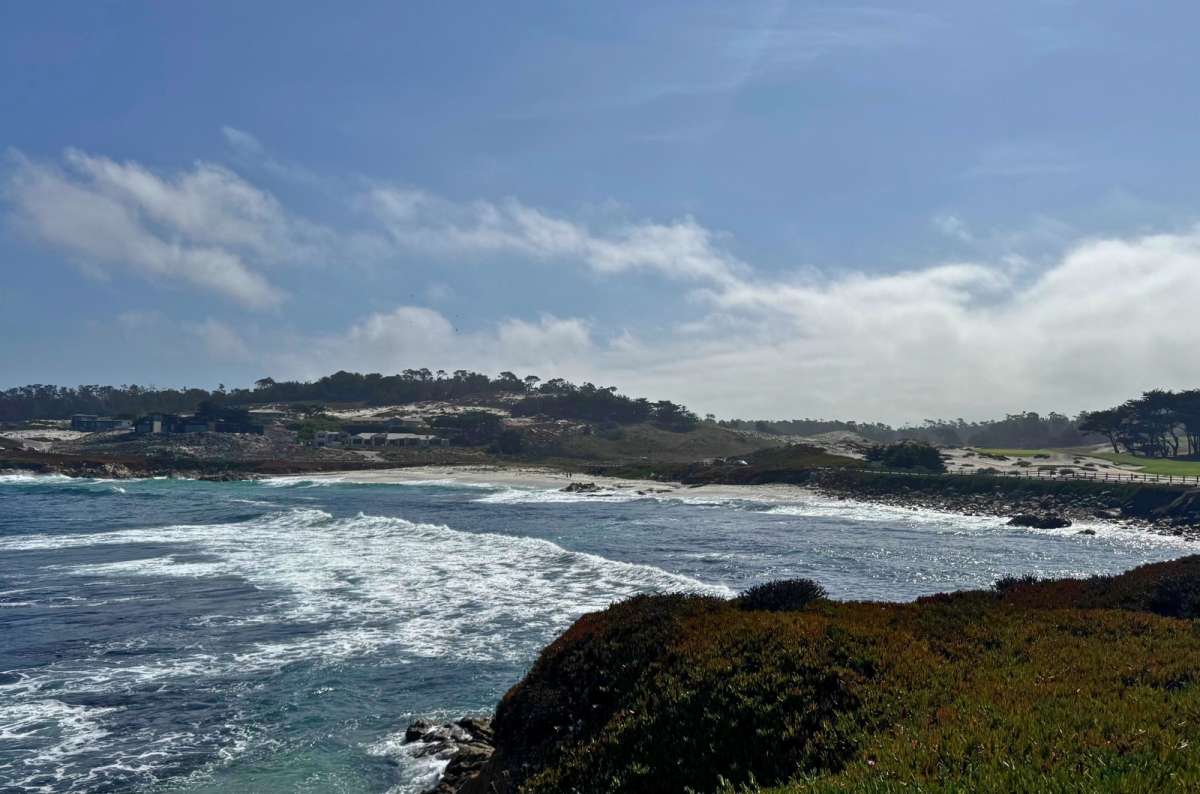
Coast, cypress, and a golf course in one frame, the $12.50 explains itself
Yes, for me it was easily worth the entrance fee. The drive alternates between magnificent cypress forest and the coast, with those ultra-luxury houses adding to the experience. You don’t have to play golf to enjoy that combination.
This became one of my favorite things on the California coast, right behind Redwood National Park and the Golden Gate Bridge. Another great thing is that you can connect Monterey with Carmel-by-the-Sea, one of my favorite towns in the US.
The bigger decision is how much time to give it:
If thick fog hides the coast and your schedule is flexible, change the timing. The views are a large part of what you’re paying to see.
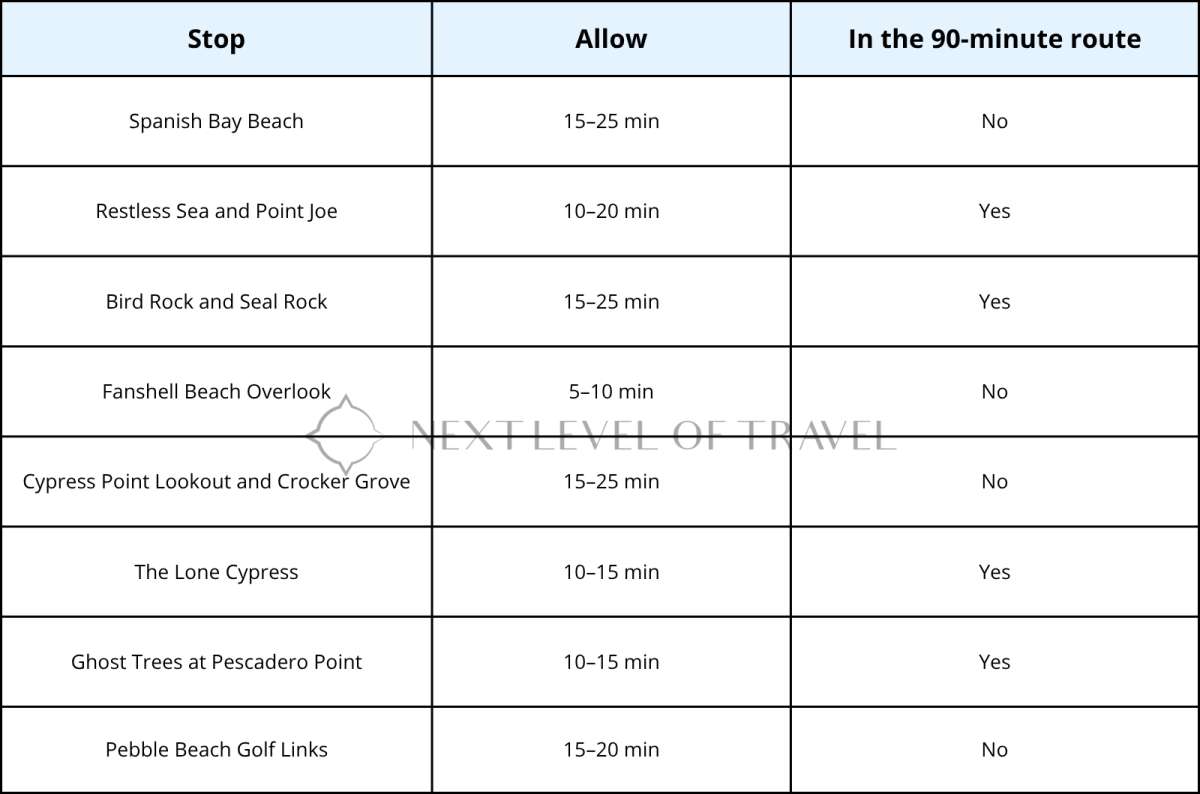
Four stops make my 90-minute cut; the rest are the reason I’d give it 3 to 4 hours
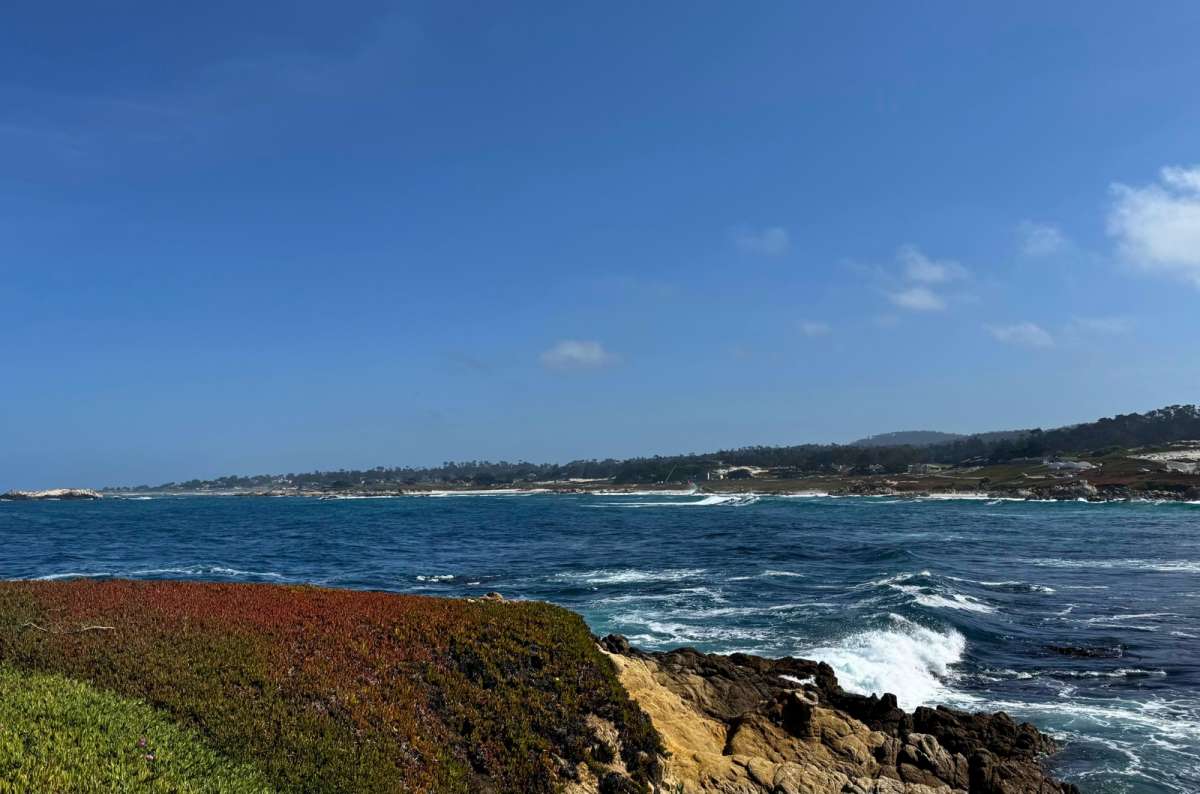
The coastal stretch is the reason to pick your gate wisely; nobody pays $12.50 for the inland part
The scenic route runs through privately managed Pebble Beach on the Monterey Peninsula. The full loop is about 17 miles / 27 km, but a coastal visit between different gates doesn’t require driving every inland section.
Download the official 17-Mile Drive map before setting off. It marks the route, numbered stops, parking, restrooms, and picnic areas. Follow the red-dashed road markings and signs rather than letting navigation send you through residential shortcuts.
I like that you can make a loop and return to something you missed. For a first coastal visit, though, the gate-to-gate route below is simpler than repeatedly doubling back.
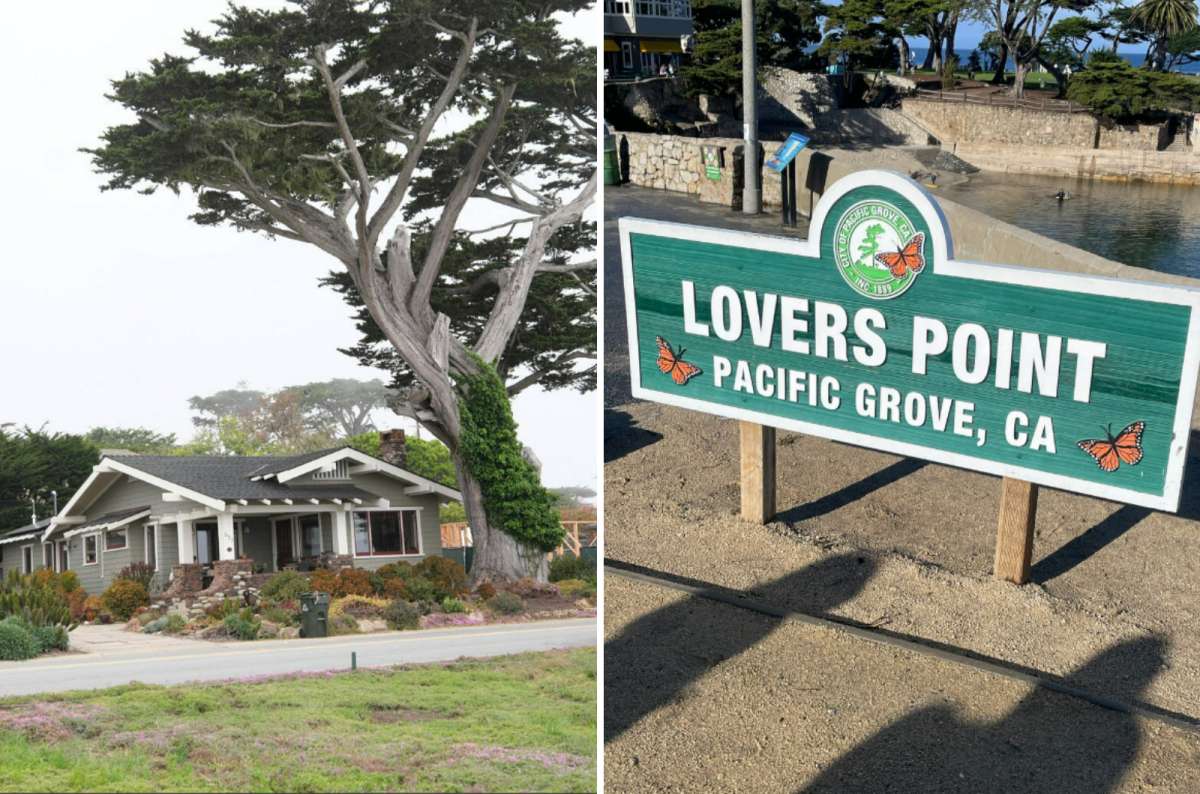
Pacific Grove, the sleepy town I’d start from, and the reason Pacific Grove Gate is my pick
There are five 17-Mile Drive entrance gates: Pacific Grove, Country Club, S.F.B. Morse, Highway 1, and Carmel. Your approach and onward destination matter more than completing an official circuit.
North to south puts the sea on your right along the main coastal stretch. The road carries traffic in both directions; you aren’t committed to a one-way tour.
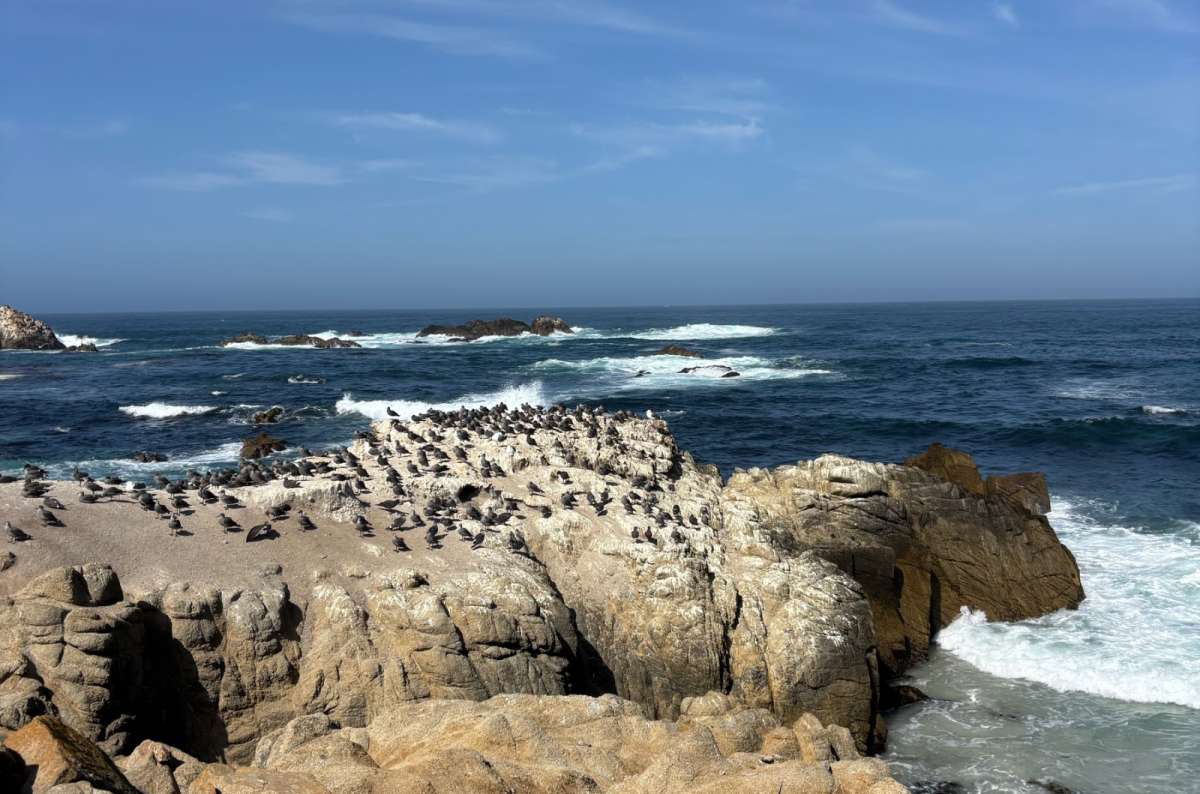
Bird Rock’s residents don’t pay the $12.50, they just make sure you smell your money’s worth
The 17-Mile Drive entrance fee is $12.50 per vehicle, according to the operator’s current information. Public opening hours are sunrise to sunset. Motorcycles are prohibited.
You can have the gate fee reimbursed with a purchase of $35 or more at a qualifying Pebble Beach Resorts restaurant, excluding Pebble Beach Market. Keep the gate receipt. I wouldn’t buy an expensive meal purely to recover $12.50, but it’s useful if you already want lunch there.
Entry is complimentary for overnight guests of The Lodge at Pebble Beach, The Inn at Spanish Bay and Casa Palmero. That isn’t a reason to book a resort you otherwise don’t want.
Check the operator’s admission and access information before visiting, particularly around major events. A staffed gate outside public sightseeing hours doesn’t mean unrestricted visitor access.

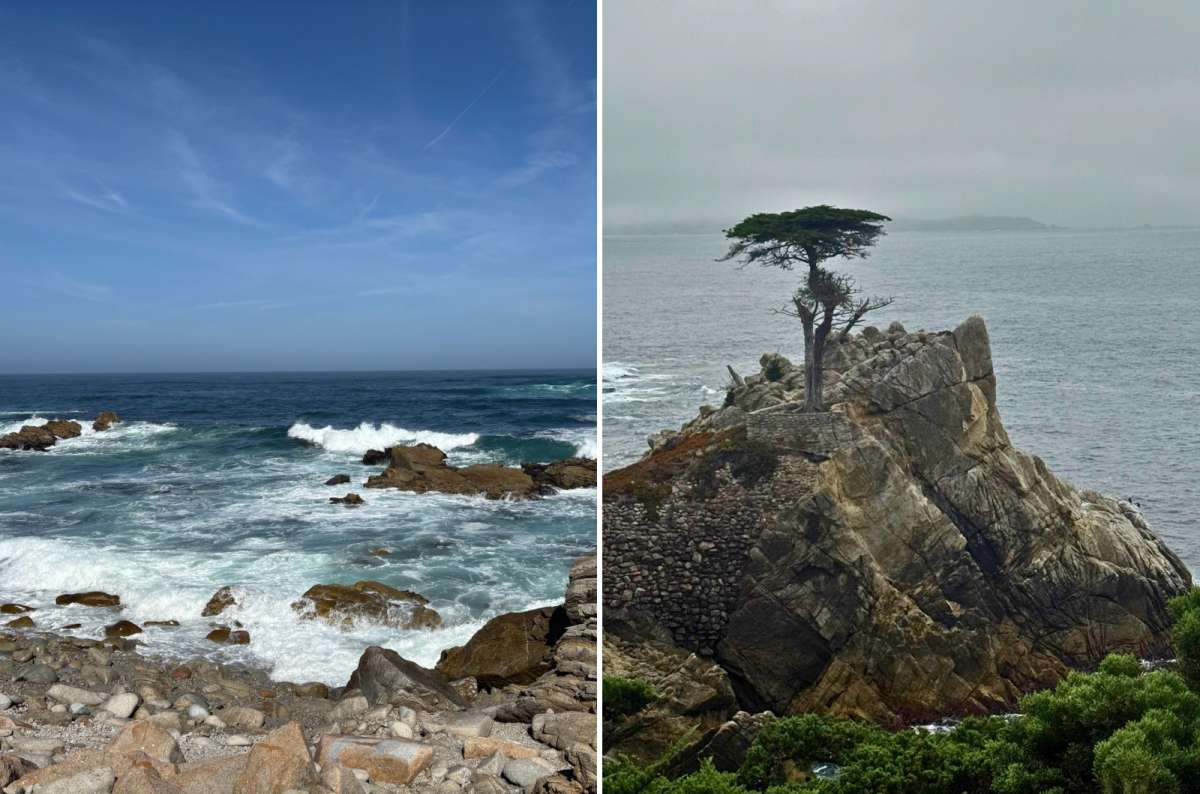
Same drive, same afternoon, the sunshine stayed at the Restless Sea and the fog waited at the Lone Cypress
These stops follow the coast from Pacific Grove toward Carmel. The numbers refer to the official map. Some neighboring viewpoints share a section because they make one sensible stop.
Time allowances are approximate sightseeing estimates, with driving and parking added in the route plans below.
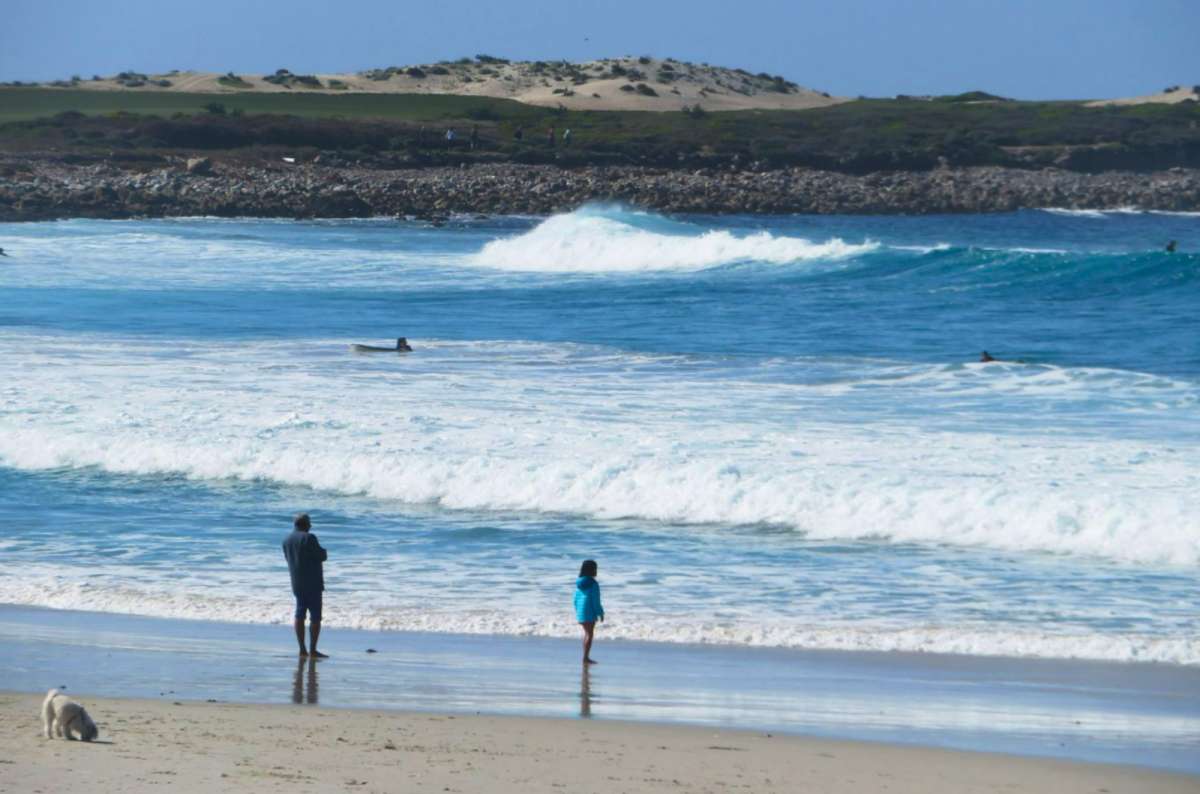
Spanish Bay, white sand and dunes, the place to stretch your legs before the coast gets rough
Map stop 3. Allow 15–25 minutes.
Spanish Bay is an easy place to begin the coastal section: white sand, dunes, and the ocean, with shoreline walking access where open. Keep the walk short if you’re doing the 90-minute version; otherwise, this is where you can start spending longer outside the car.
The neighboring golf course is undergoing reconstruction in 2026–27. Follow signs for the beach and any permitted paths rather than assuming every boardwalk connection is accessible.
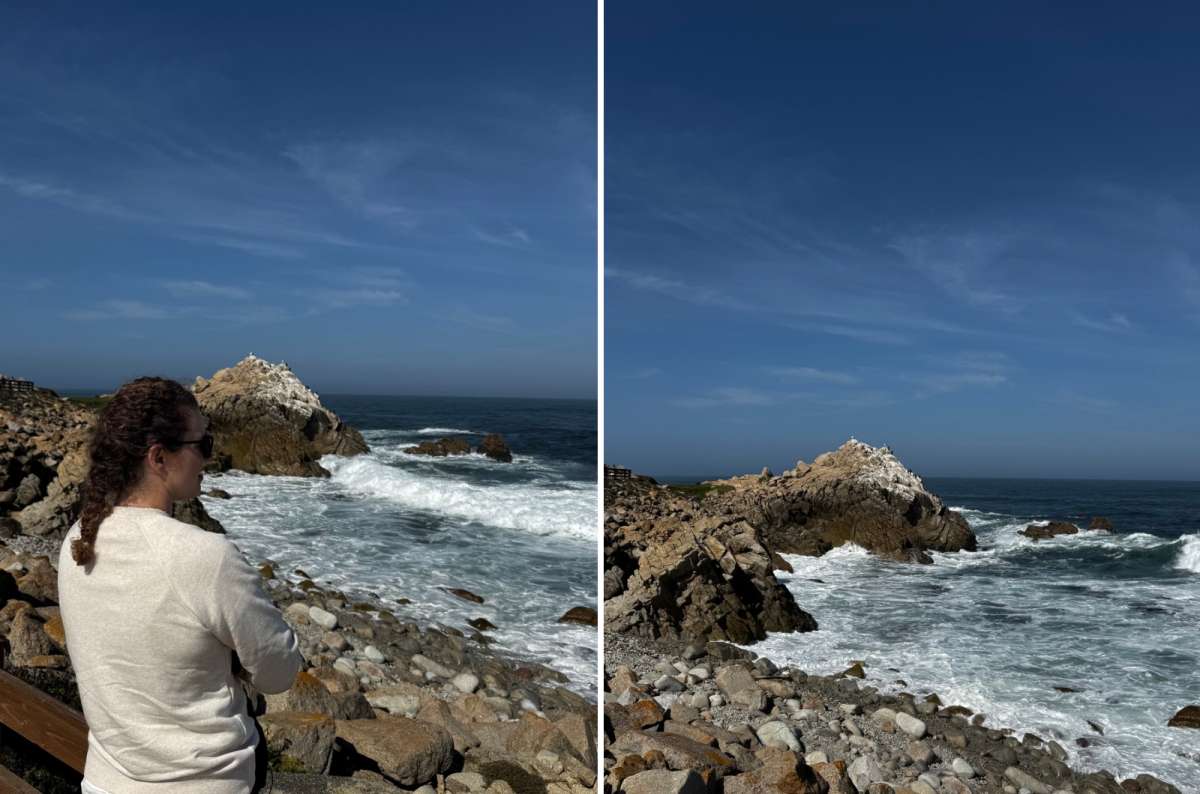
The Restless Sea, best watched from behind the fence
The Restless Sea was one of my favorites. Don’t rush this early coastal stretch just to reach the famous cypress. I found the first part of my drive more scenic, while the later part was foggier.
At the Restless Sea, waves meet over submerged rocks. Point Joe is immediately nearby, so there’s little sense in treating them as two completely separate outings. The attraction is the rough water and rocky coast rather than a long walk to a distant landmark.
Stay in the designated viewing areas. The official map warns against climbing or walking on coastal rocks, swimming, and wading because of dangerous waves and currents.
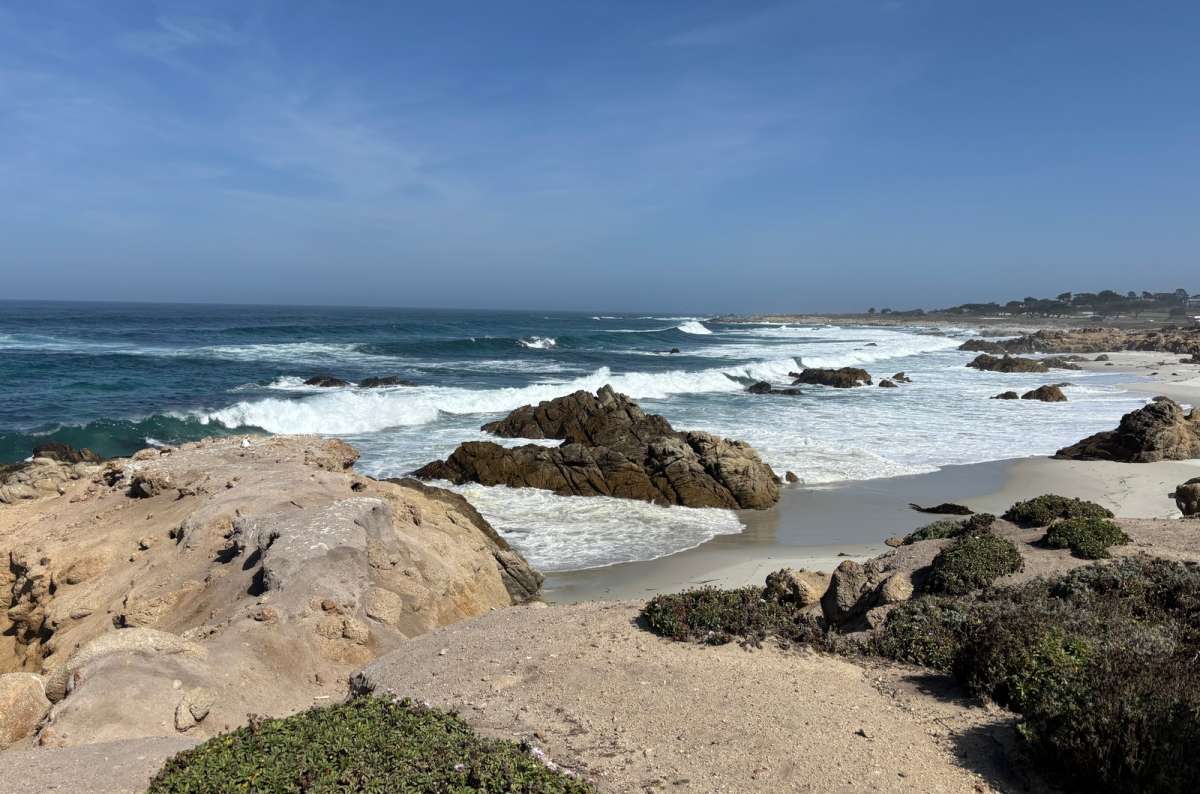
Group Bird Rock and Seal Rock into one stop, the coast between them is half the point
Bird Rock made my favorites list, although it smells of bird poop.
This is a good section for watching birds and looking for harbor seals and sea lions around the offshore rocks. Bring binoculars if wildlife interests you.
Seal Rock is the neighboring stop, with another section of coastline and space for a break. Group the two rather than spending time relocating the car for every small change in view. Use permitted paths and keep away from resting wildlife.
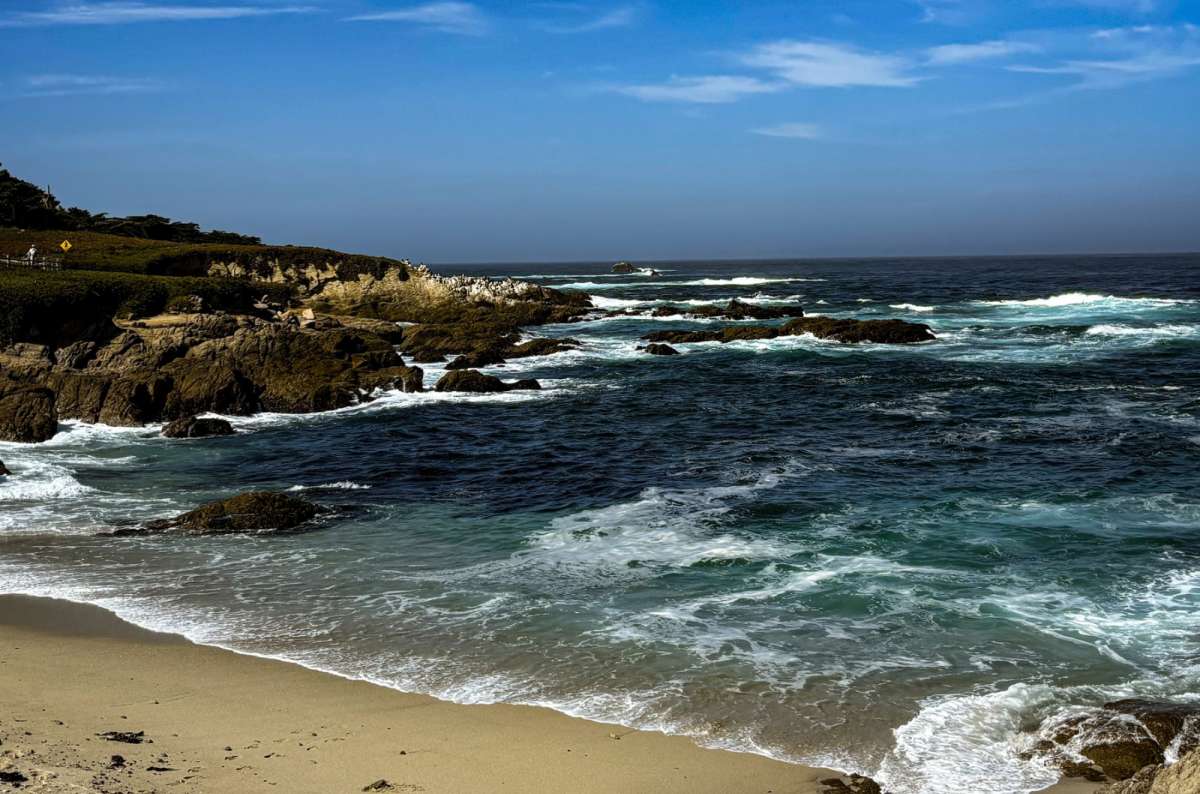
Fanshell Beach, a harbor seal pupping area, minus the seals on my visit
Fanshell was another place I specifically liked. It’s known as a harbor seal pupping area. I didn’t see any seals here, so don’t make your entire wildlife plan depend on this one stop.
It still fits naturally into the coastal drive. Allow about 5–10 minutes at map stop 9 when the viewing area is accessible. If you’ve already spent a long time at Bird Rock and are running late, this is an easier stop to shorten.
Seasonal seal-protection restrictions affect this area in spring. Respect the closures even if the beach looks empty from where you’re standing.
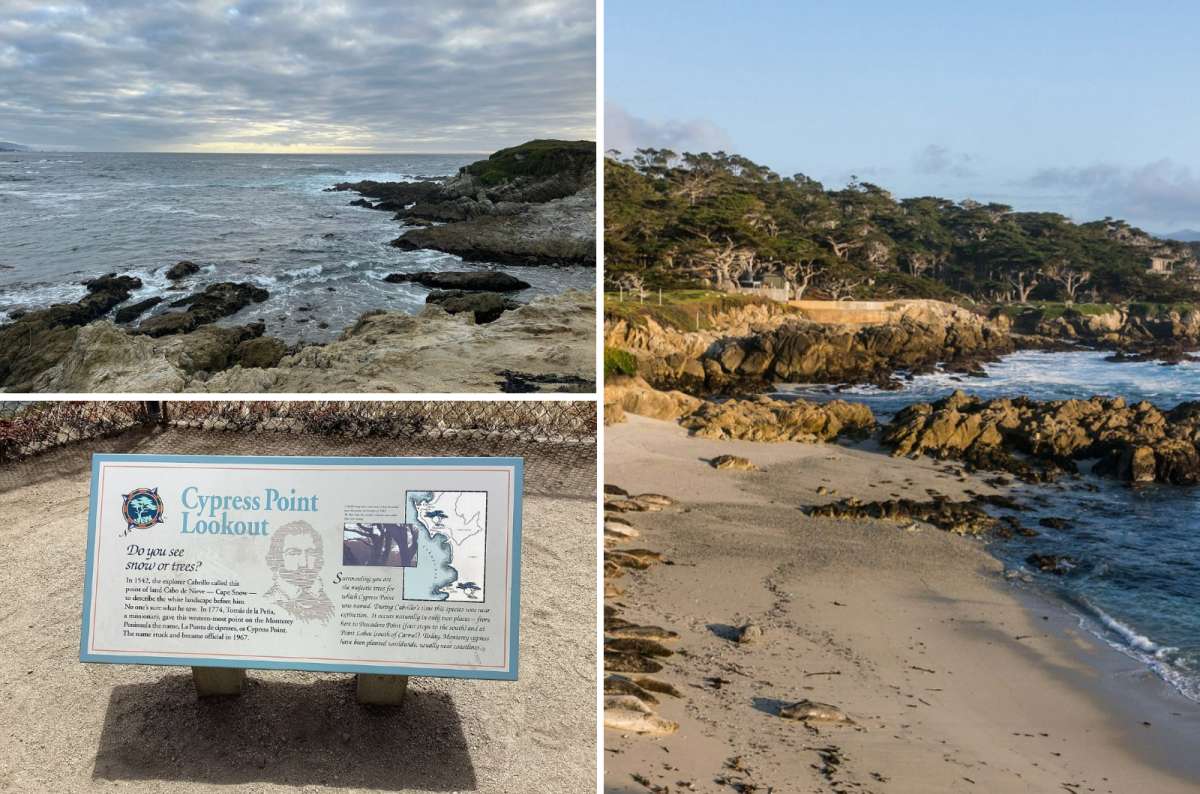
Cypress Point Lookout, where rocky coastline meets sheltered coves and Monterey cypress trees
These neighboring stops show the contrast between the open coast and the forest. Cypress Point Lookout is stop 10; Crocker Grove is stop 11. Allow about 15–25 minutes together if access is open.
Crocker Grove protects unusually large, old Monterey cypresses. The species grows naturally in just two areas: here around Pebble Beach and across Carmel Bay at Point Lobos. The sheltered trees look different from the wind-shaped ones along the exposed shore.
The cypress forest was a major part of what I loved about the whole drive. You don’t need to make every tree a separate attraction, but I wouldn’t concentrate exclusively on ocean photographs and ignore the woods.
Cypress Point Lookout normally closes April 1–June 1 for seal pupping. If it’s closed, continue along the signed route; don’t seek an unofficial way down.
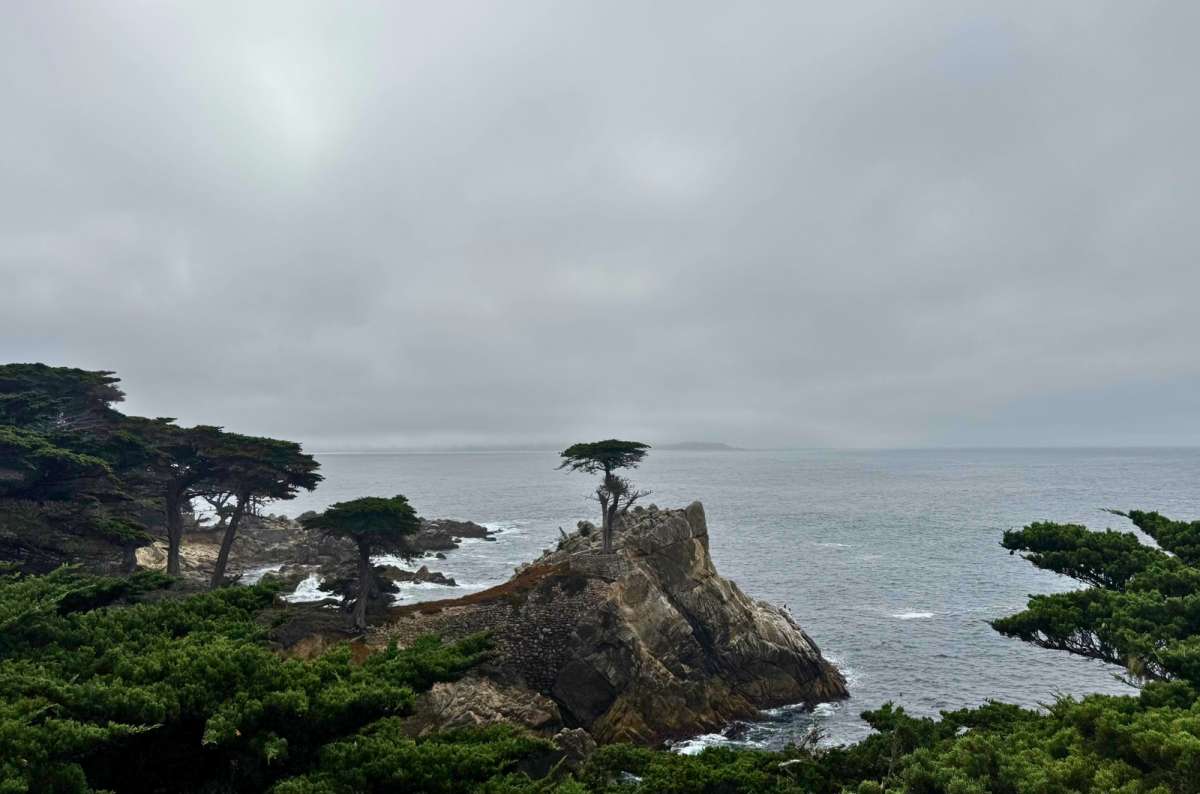
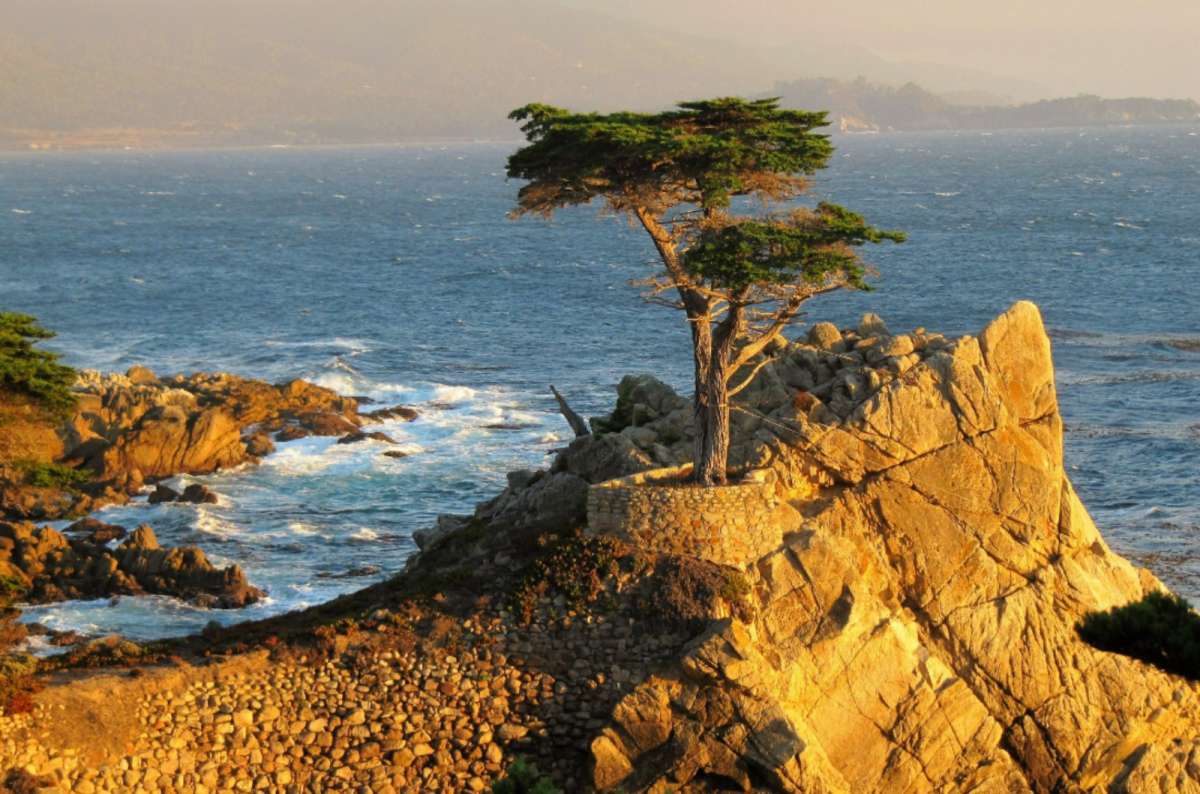
250 years on a rock and still the most famous tree on the drive
The most famous viewpoint on 17-Mile Drive is the lone cypress on its rocky perch above the sea. It was one of my favorites too.
The Lone Cypress is map stop 12. Older descriptions and maps can use different numbering, so navigate by the name as well as the number.
The tree is estimated to be more than 250 years old and has been Pebble Beach Resorts’ emblem since 1919. Allow 10–15 minutes for the viewpoint and photographs, with extra time if parking is busy.
Keep it on the short route, but leave enough time for the coast before it. The famous tree is one stop within a drive that I liked enormously as a whole.
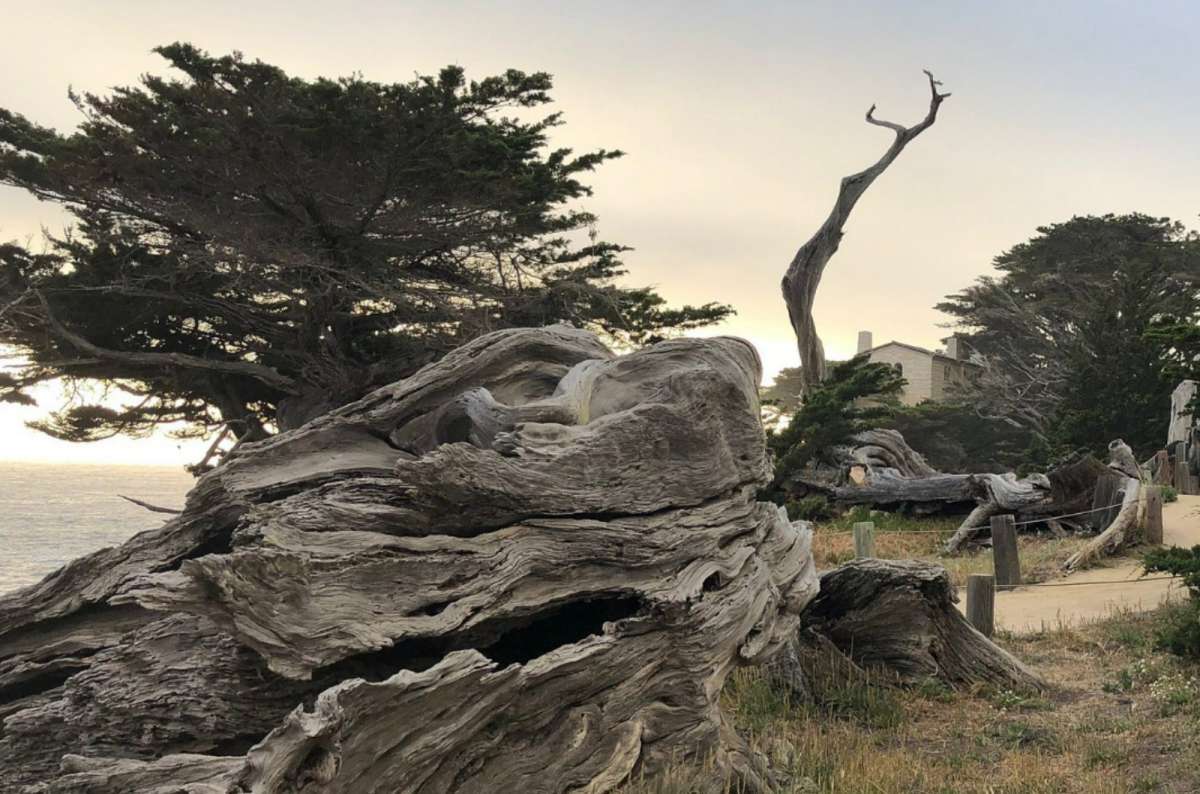
The Ghost Trees, proof that cypress look even better after a rough life
The Ghost Trees were also on my personal favorites list. These are the pale, weathered cypresses at Pescadero Point, with the rocky shoreline and views toward Carmel Bay around them.
Allow 10–15 minutes at map stop 13. Use the established viewing paths. The wind-shaped trees and the coast are enough; there’s no need to scramble over the rocks for a slightly different photograph.
This is the last of my core coastal picks before continuing toward the Pebble Beach resort area and the Carmel exit.
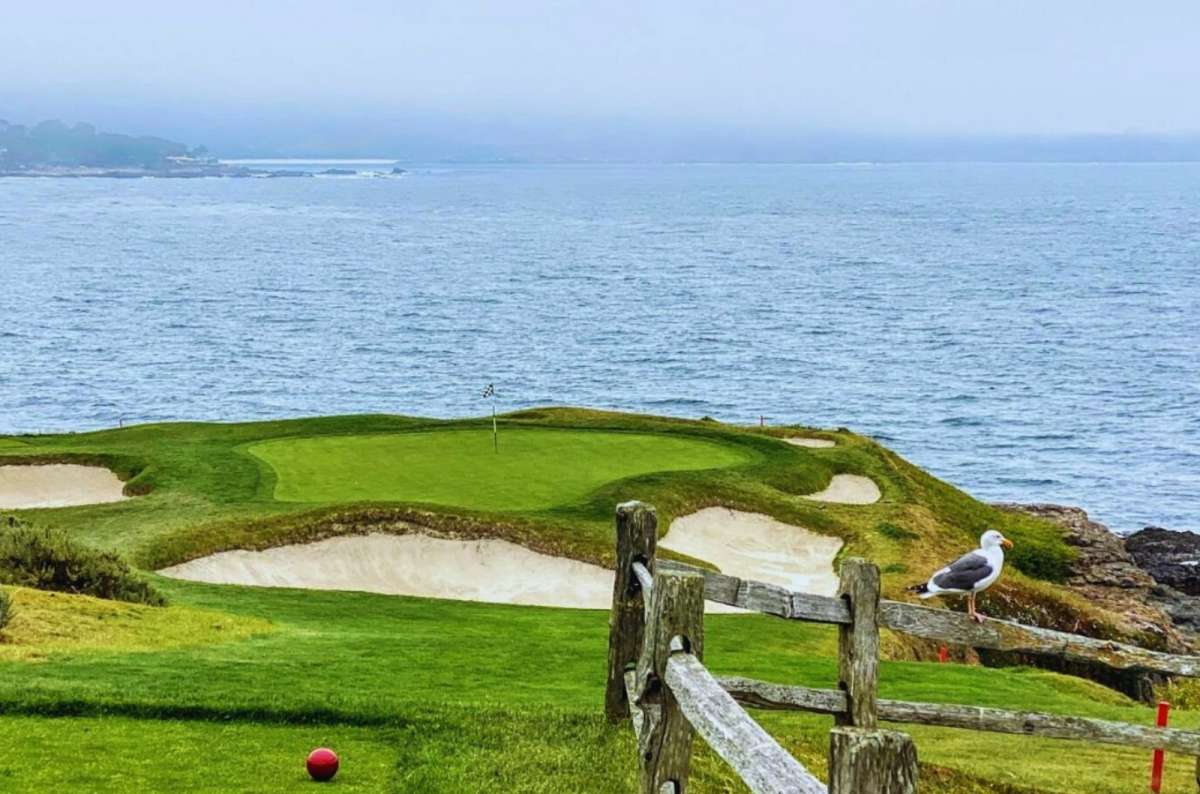
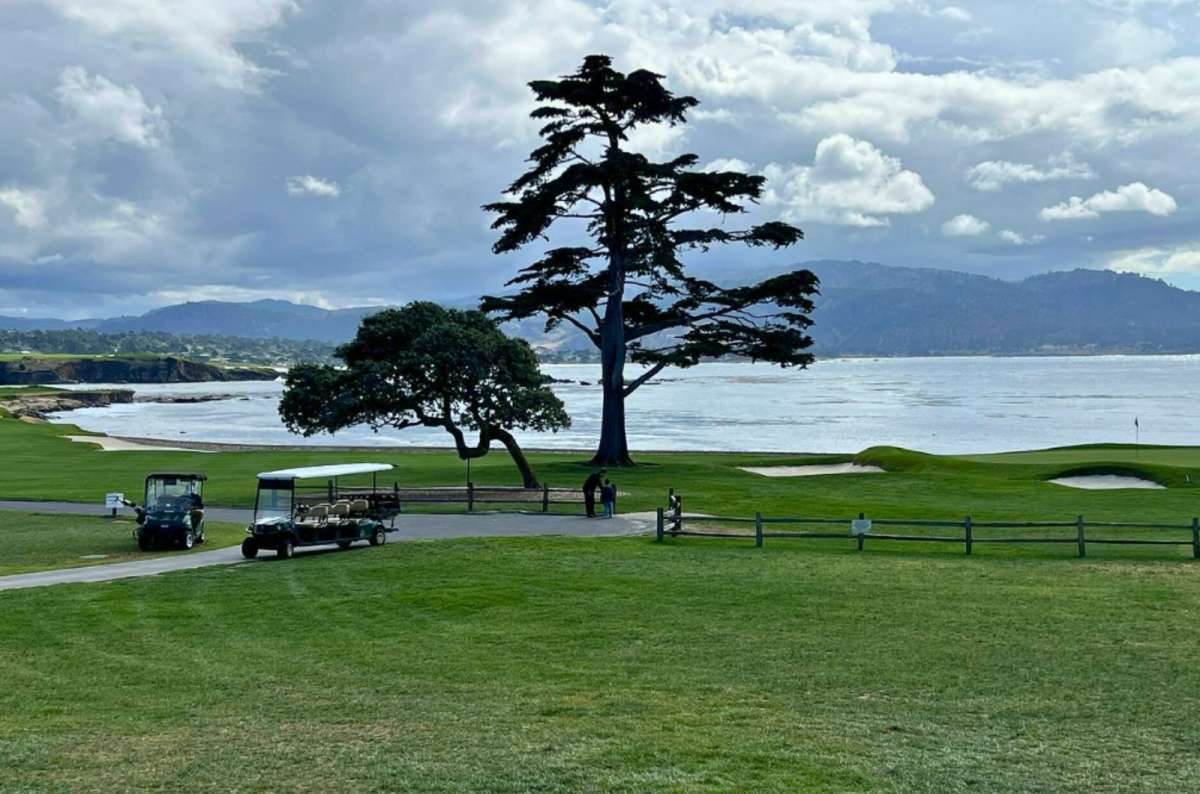
Pebble Beach Golf Links, the Wimbledon of golf, and the seagull has the best seat
I wondered why there were so many golf courses and golfers here. Then I realized where I was. It’s like being at Wimbledon in tennis. Everything is pretty expensive here, too.
Pebble Beach Golf Links is map stop 15. You can appreciate its setting without booking a round; the public visitor areas around The Lodge offer views of the famous finishing hole. Stay out of play and follow access signs.
Allow 15–20 minutes for a brief look, more for food or the visitor center. If golf means nothing to you and you only have 90 minutes, keep moving toward Carmel. Golfers will probably make the opposite calculation.
The inland viewpoints, visitor center, and The Hay can extend the visit. They don’t all need to become compulsory stops on a first coastal drive.
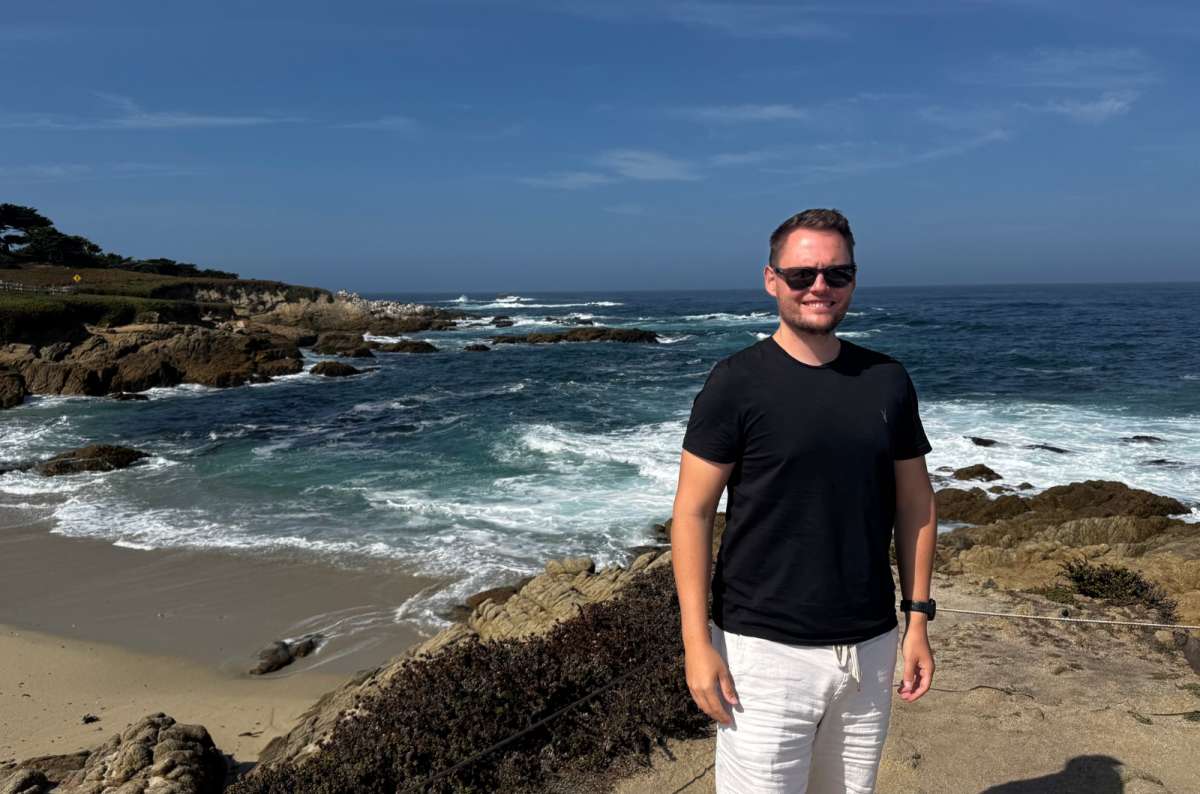
The best minutes of 17-Mile Drive happen outside the car
I’d allow 3–4 hours with stops. You can drive through much faster, but the time outside the car is a large part of the visit. A 45-minute pass leaves little room for the places I liked most.
These suggested routes start at Pacific Grove Gate and finish at Carmel Gate. They prioritize the coast rather than completing every mile of the full loop. Reverse the order if you enter from Carmel.
For a short 17-Mile Drive route, keep four groups:
That uses the full 90 minutes. It leaves Spanish Bay, Fanshell, the Grove, and golf as drive-past or omitted stops, with no restaurant meal. If the gate or parking takes longer, shorten a stop rather than speeding to recover the time.
With more time, use the same southbound sequence and add the walks and viewpoints:
That is roughly 3 hours 5 minutes, leaving room within four hours for a simple meal or longer walks. A leisurely restaurant lunch may need more. Don’t also promise yourself every inland stop and an unhurried afternoon in Carmel.
This is the view you’re hoping for, check the live cameras before you pay
For me, visibility matters more than choosing a supposedly perfect hour. On my September visit, the weather changed along the route and the second part was foggier. Nearby sunshine doesn’t guarantee a clear coast.
Spring and fall are generally good seasons to consider; summer can bring persistent coastal fog, while winter can bring rain. If your dates are fixed, check conditions rather than assuming the season will deliver the view.
Before paying, look at the Pebble Beach live cameras. They show particular locations, not every cove, but they’re more useful than relying entirely on the forecast for Monterey.
For current 17-Mile Drive closures, check the operator’s notices and the gate staff. Spring restrictions protect seal pupping areas, and major golf or motoring events can affect access and traffic.
2026–27 update: The Links at Spanish Bay golf course is under reconstruction, with reopening scheduled for April 17, 2027. The official renovation notice concerns the golf course; it isn’t an announcement that the entire scenic drive is closed.
Bring a windproof layer, even if Carmel feels warm. The coast is exposed, and a short photograph stop can become an unpleasantly cold one.
Car, bike or golf cart, I’d still take the car
I drove. For flexibility with stops and the weather, having the car worked well for this visit. If you’re hiring one for a wider California trip, compare pickup locations, insurance, and total fees before booking.
Pro tip: 17-Mile Drive is made for a car, and so is the rest of the California coast. Compare total rental prices on DiscoverCars before you book
Biking and walking entry is free, but that doesn’t make the full route an easy walk. I can see the appeal of walking sections of the coast; doing a long outing in the wind and sun could become tedious. Don’t assume there’s a separate shoreline footpath for every mile.
For 17-Mile Drive by bike, consider your confidence on hills and roads shared with cars. If you’d rather not do it on your own, this guided e-bike tour by Big Sur Adventures starts in Pacific Grove and stops at the Lone Cypress. I haven’t taken it myself.
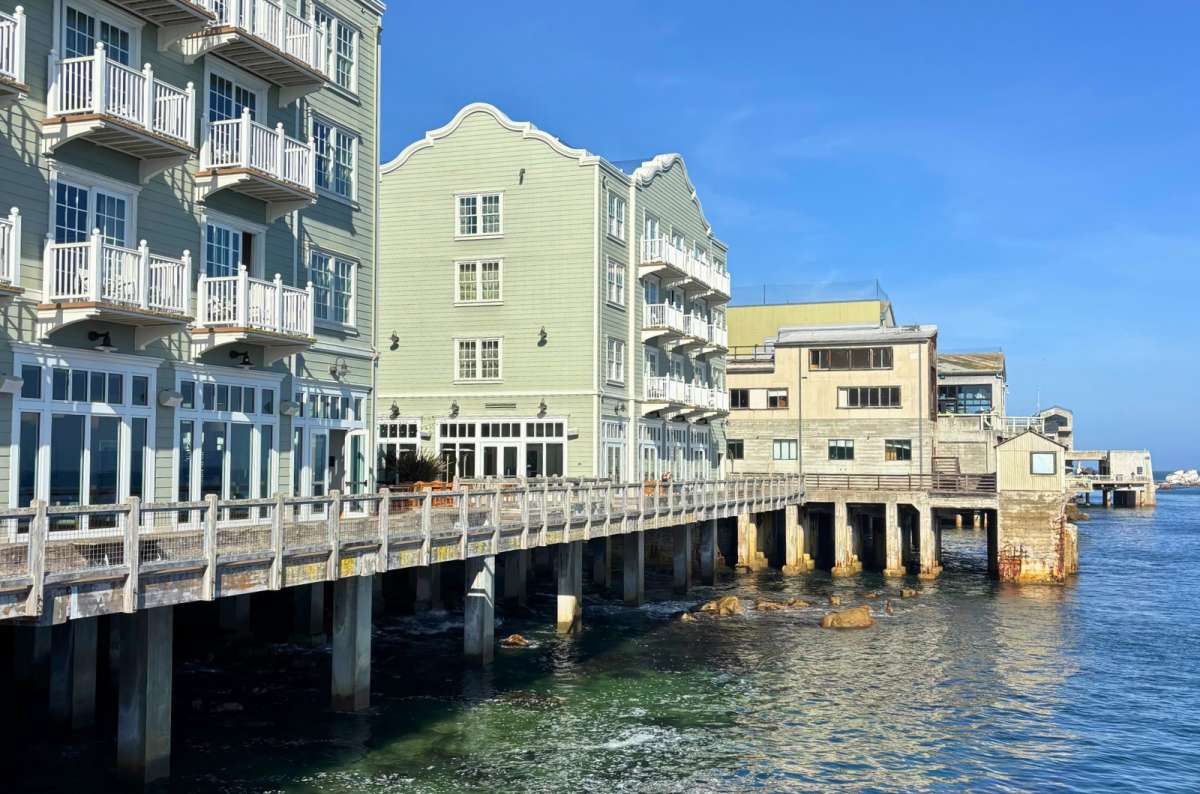
Monterey first, then 17-Mile Drive, then Carmel, the order I’d do it again
Monterey → 17-Mile Drive → Carmel-by-the-Sea is the combination I like. Leave time for Carmel rather than arriving after using every available minute at viewpoints.
I like Carmel more than Monterey: it’s upscale, wooded, and looks like an old English village in an unusual place. It reminded me of Wales, which I love. Ocean Avenue and Carmel Beach are worth walking around.
Monterey’s Cannery Row, wharves, and coastal walk are lovely too. We ate breakfast at Wave Street Cafe. I haven’t visited the aquarium, so I wouldn’t casually add that substantial visit to an already full sightseeing day.
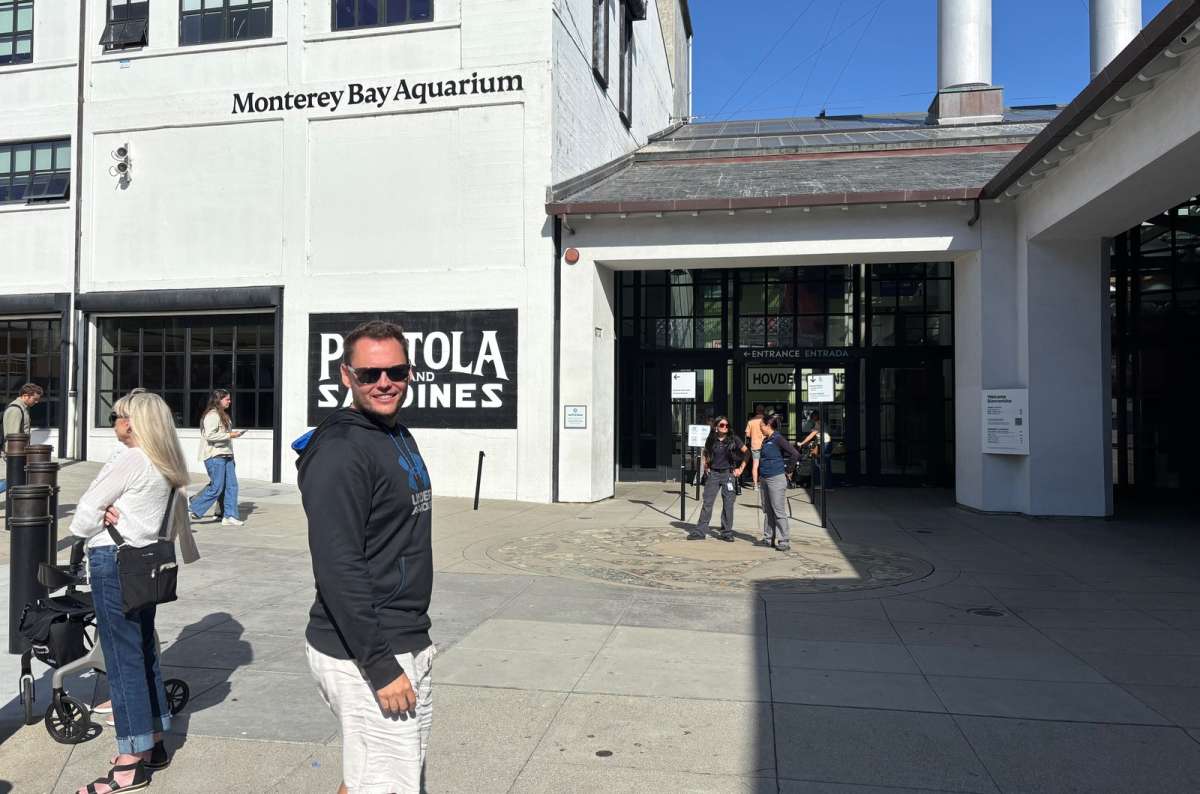
A tourist at the Monterey Bay Aquarium, which is as far inside as I got
For an overnight base, compare Carmel if you want the village and beach nearby, checking parking and whether the hotel is genuinely walkable to the center.
Compare Monterey if your plans center on Cannery Row, the waterfront, or an early start from the northern side of the peninsula.
Big Sur and Point Lobos deserve separate time allowances. The paid drive gives you short, accessible coastal stops and forest; Point Lobos suits a walking-focused outing, while Big Sur is a much larger coastal journey. With one short afternoon, choose what you most want to do instead of trying to finish all three.
This post contains affiliate links. If you make a booking through one of my links, I may earn a small commission—at no additional cost to you. Thank you for your support!


Hi, I’m Jan. I travel fast and intensely, whether I’m exploring the buzz of Tokyo in 3 days or road-tripping through mountains and beaches on a 3-week Thailand adventure. And no matter where I am, you’ll always find me in a comfortable hotel at night and eating the best food.
If that sounds like your kind of journey, hop on board, and let’s explore the world together!
I started this blog after realizing how tough it can be to find reliable, authentic travel info. You wouldn’t believe how many “travel bloggers” never even visit the places they write about! On Next Level of Travel, you can count on my full honesty and insights drawn from my firsthand experiences.
Here’s the deal: not every destination is all superlatives and unicorns. I’ll let you know if a tourist attraction isn’t worth your time, like skipping overrated stops in my 2-week Spain itinerary. And when I find something truly special—like the perfect mix of culture and nature in Cape Town—you can trust that it’s worth adding to your itinerary.




Comments | Thoughts? Give us a shout!