




The best time to visit California for a first road trip is usually September, particularly if you want to combine San Francisco, the coast, and Yosemite's high country. I would also consider early October, provided the mountain roads you need are still open. If Death Valley hiking or Yosemite's waterfalls are the main reason for going, I would choose differently.
California is my American soulmate, rivaled only by Italy in the quality of things to do and places to visit. I've visited in 2014, 2017, 2018, and 2026, spending more than eight weeks there altogether. Every few hundred kilometers, it completely changes. Just within a few hours of driving.
That variety is exactly why one statewide weather average is so unhelpful. I've walked through fog at Point Lobos while Carmel was sunny a few miles away. I've seen Nevada Fall as a trickle and as a massive, thundering waterfall. In Death Valley, even my October hike was hot and hard.
My firsthand comparisons here are mainly from summer and fall. For spring and winter, I also use the parks' published seasonal guidance.
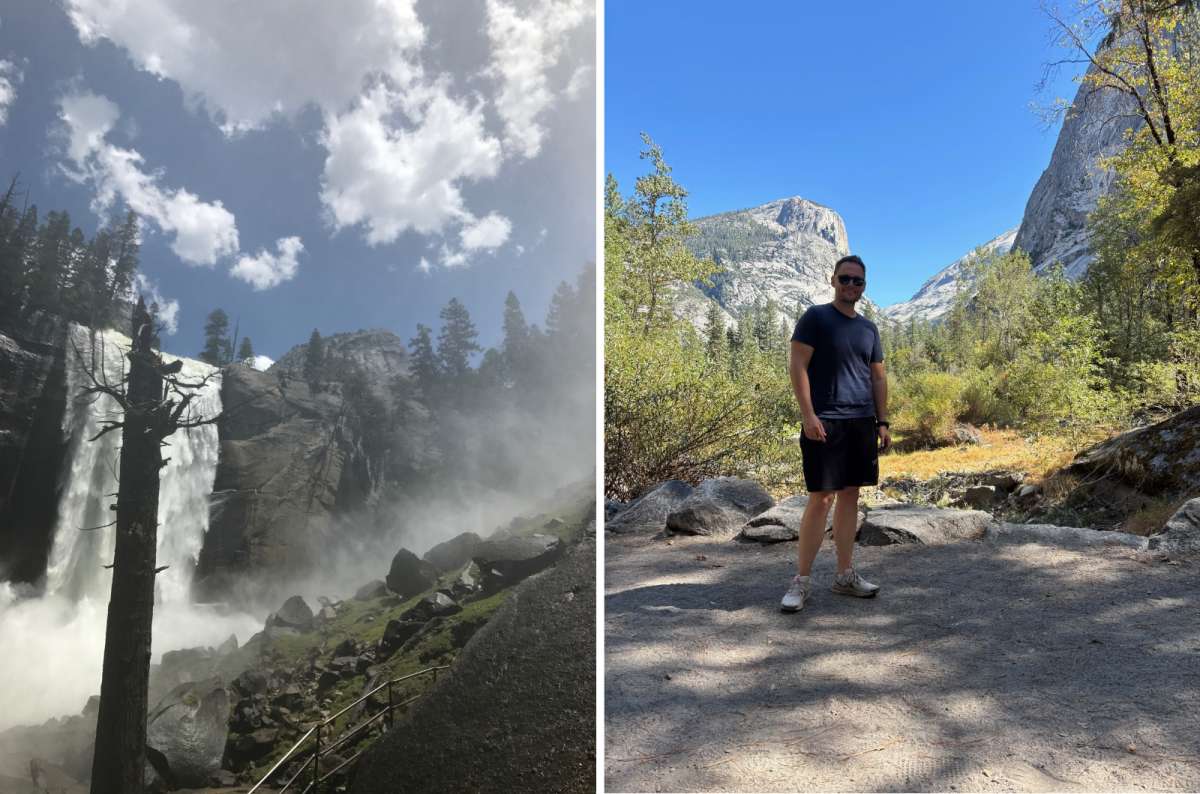
Nevada Fall at full roar and Mirror Lake with no mirror left. Same Yosemite, two very different trips depending on the month you book
The best time to visit California for a road trip depends on whether your route crosses the Sierra Nevada, includes the deserts, or stays near the coast. Start with the places you would be most disappointed to miss.
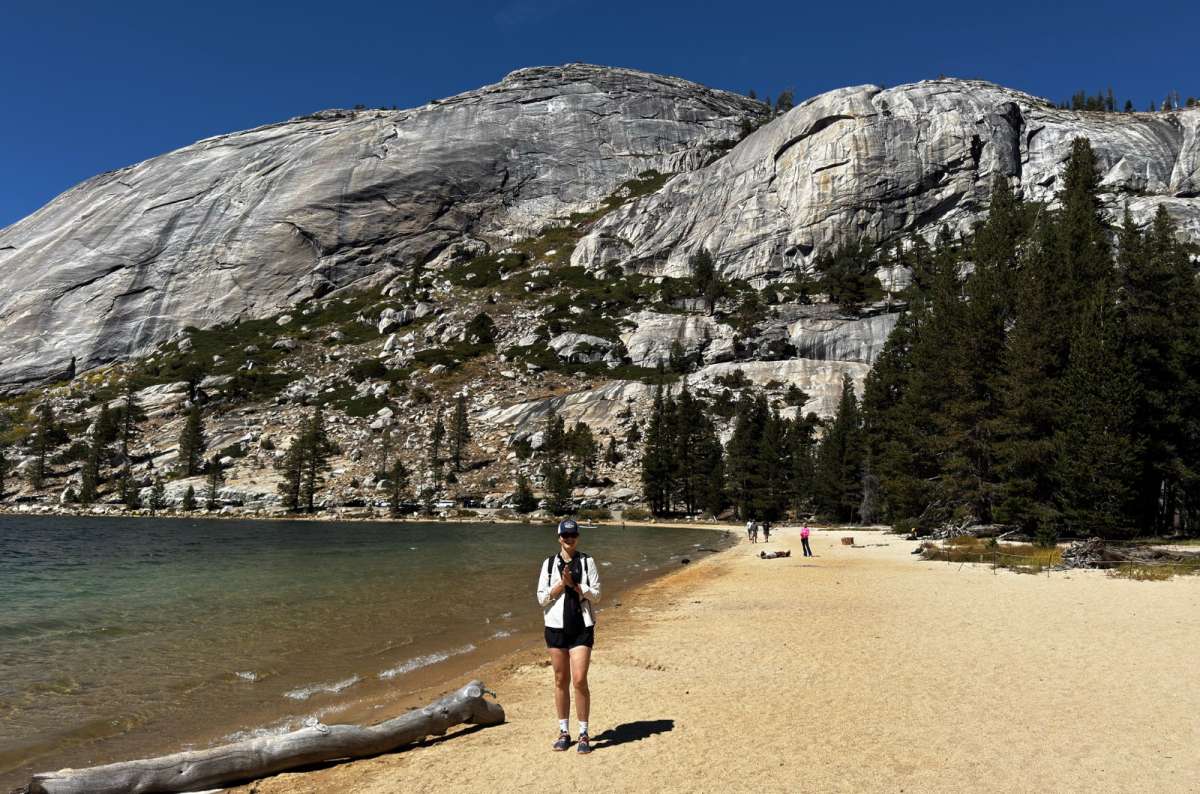
Yes, this is Yosemite, and yes, that is a beach. Tenaya Lake only makes the itinerary once Tioga Road opens for the season
If you need one answer to the best month to visit California, mine is September for a varied first trip. That is a compromise between several destinations. It isn't my recommendation for spending full days hiking in Death Valley.
Keep your hotel locations tied to that choice. A cheaper room well outside a park can cost you the early morning you wanted to spend inside it. Compare California accommodation by location, parking, and cancellation terms as well as price.
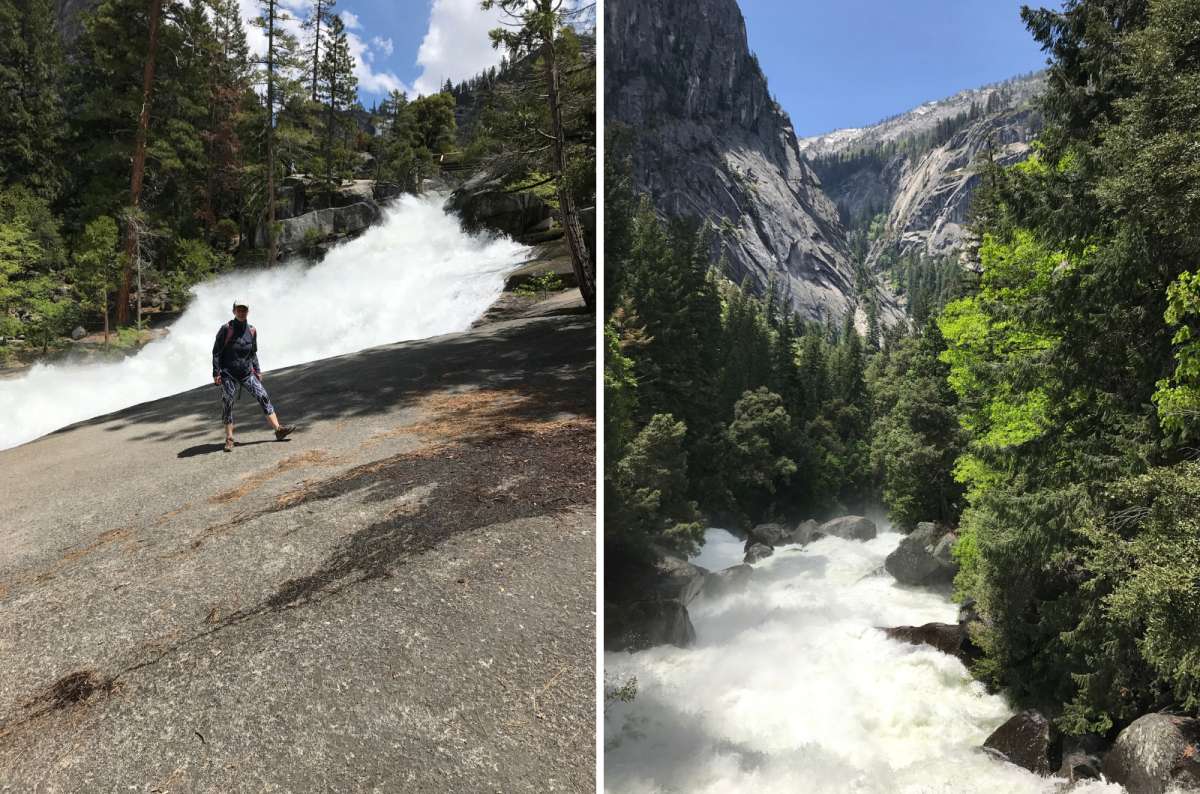
This is the Mist Trail in Yosemite when spring does its job. Come back in late summer, and the same cascade can shrink to a trickle
May and early June can be the best time to visit California if Yosemite's waterfalls are your priority. NPS places typical peak runoff in May or June. Some falls can be very weak or dry by August, while Vernal and Nevada continue flowing with much reduced volume.
I recall Nevada Fall being only a trickle and also a massive, thundering waterfall. Hiking here in early summer is unparalleled because of the waterfalls, though I almost always ended up soaking wet. That is fine when it's warm and very unpleasant in colder weather.
Bridalveil was lacking water on most of my visits. On my September return to Mirror Lake, there wasn't any water. They should have mentioned that at the ranger stand. Yosemite is still my favorite park, but the water changes what you actually see.
For the strongest waterfall experience, check the NPS waterfall guidance and current trail conditions. Spray, slippery rock, and powerful currents deserve more attention than whether your photographs look dramatic. Stay on the trails and away from river edges.
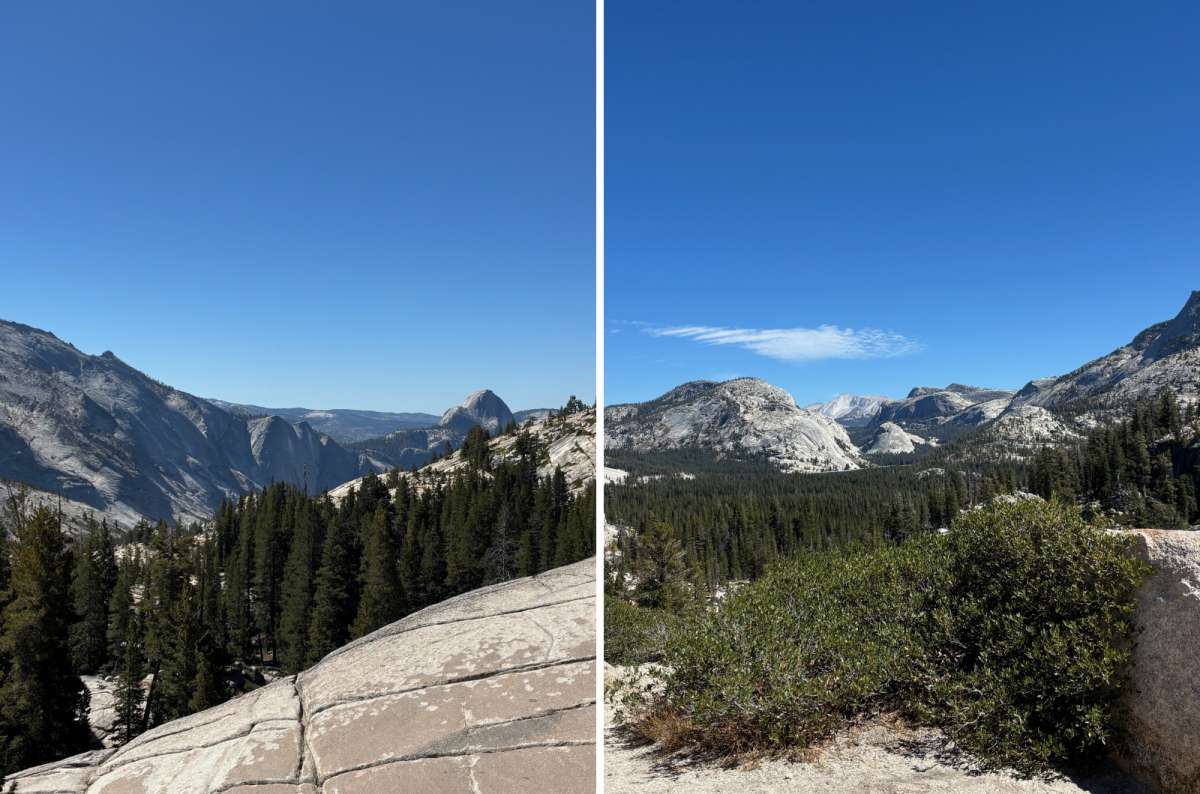
Up on Tioga Road, the Yosemite season starts weeks or months after the Valley. Same park, completely different calendar
If you're choosing when to visit California around hiking, separate Yosemite Valley from the high country before booking. The Valley can be accessible while snow still blocks roads and trails above it.
Without a car, this day trip from San Francisco to Yosemite sticks to the Valley, with Tunnel View, El Capitan and Bridalveil Fall, so a closed Tioga Road doesn’t affect it.
Tioga Road is normally a late-spring or summer opening, but the range is substantial. It opened on May 27 in 2022 and July 22 in 2023. Those are historical examples, not predicted dates for your trip. The NPS opening history makes the uncertainty very clear.
A closed Tioga Road also changes the drive between Yosemite and the Eastern Sierra. You cannot simply continue through the park to Lee Vining, Mono Lake, or the route south toward Death Valley. Recalculate the journey before selecting accommodation on the other side.
Spring also brings green hills and potential wildflowers in the deserts and foothills. Bloom timing and abundance depend on rain, temperature, and wind. I wouldn't book an entire trip around a promised superbloom. Choose places you still want to visit if the flowers don't cooperate.

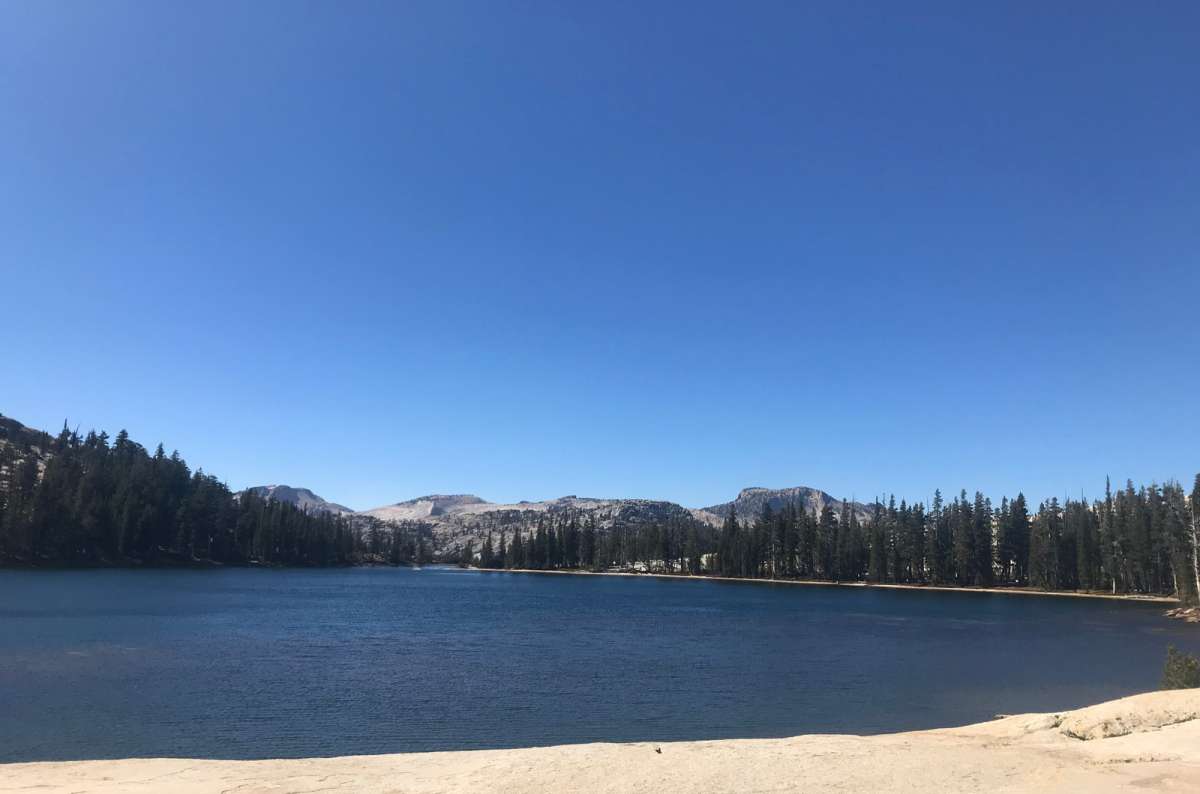
Summer in Yosemite’s high country looks like this at Cathedral Lake, which is exactly why I wouldn’t write off July and August
People often dismiss July and August when looking for the best time to visit California. I wouldn't dismiss them for a trip focused on the High Sierra, Lake Tahoe, and northern mountain parks. The trade-offs are busy places, advance booking, and possible smoke, alongside the better chance of high-elevation access.
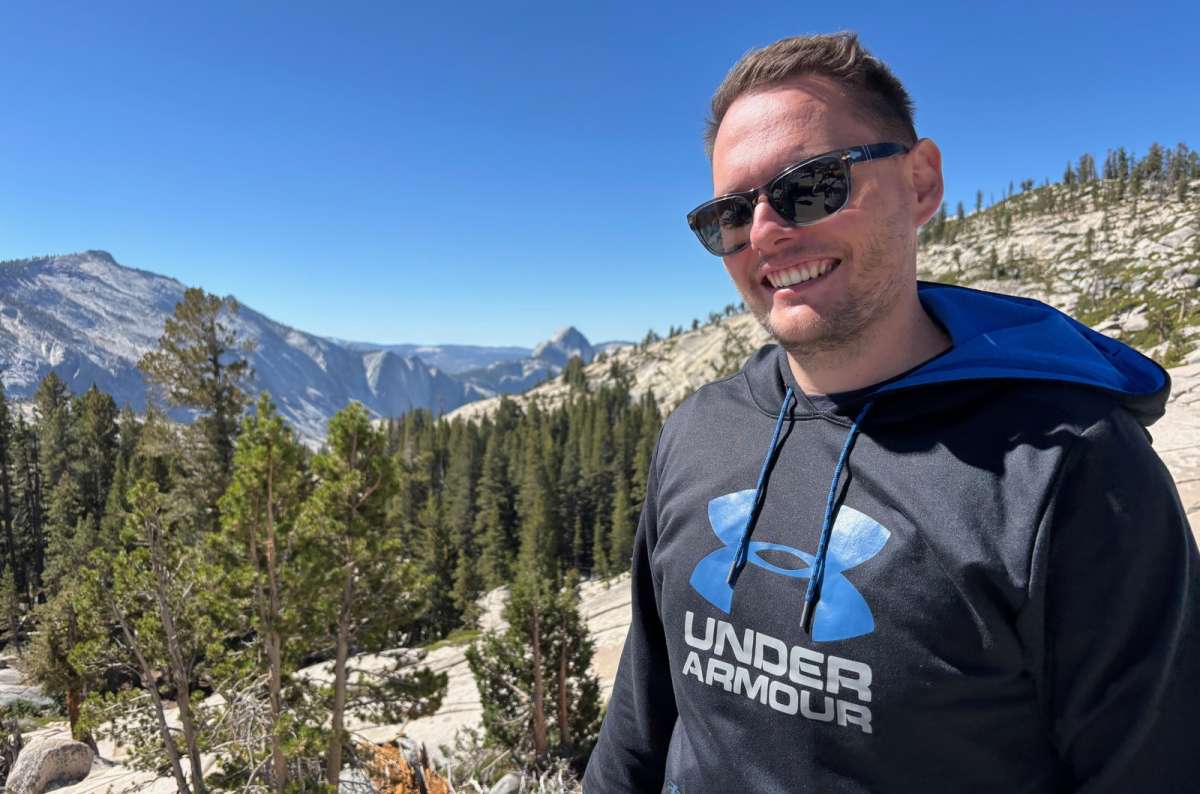
Tioga Road in the High Sierra, where the Valley forecast tells you very little about the weather up here
Even with an open road, a high-country trail can retain snow. Check the actual route you want to walk. Yosemite Valley can also be much warmer than Tuolumne Meadows, so pack for both rather than using the Valley forecast for the whole park.
In Yosemite, arrive early for popular trailheads and leave time for driving. The park is absolutely massive: you can easily spend three to four hours getting from one part to another. Planning is essential. An open park does not mean you can casually fit the Valley, Glacier Point, and Tioga Road into a relaxed afternoon.
Long daylight helps on Highway 1, too. I drove it in August and September, and we always had to be aware of daylight. There was always another place I wanted to stop. Allow room for those stops rather than treating the coastal drive as the time your navigation app displays.
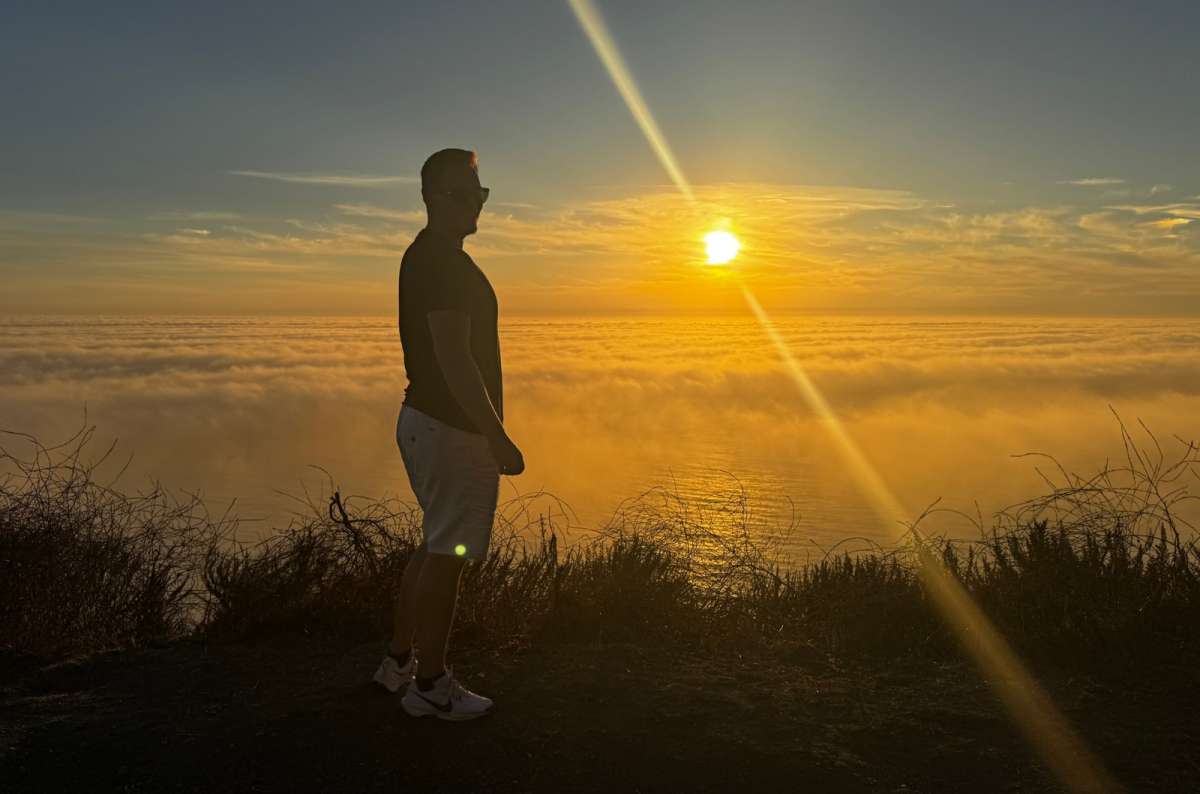
Summer daylight on Highway 1 in Big Sur is generous, but it still runs out before the list of stops does
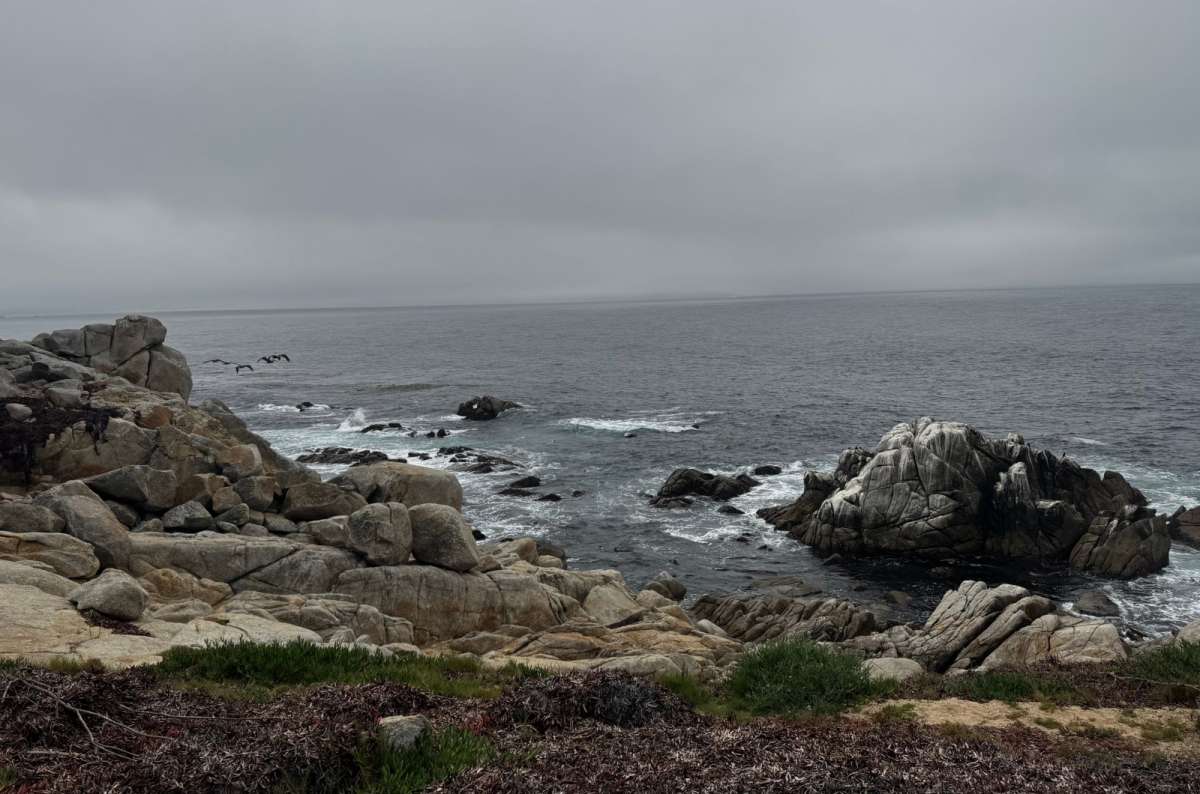
Point Lobos doing its best impression of the North Sea. The California coast never got the memo about summer
Summer does not guarantee clear coastal views. At Point Lobos, the weather was a trickster: there was fog on the coast while a few miles away in Carmel it was sunny. On another part of the coastal drive, we were above the clouds and saw one of the most beautiful sunsets I've ever seen.
In Southern California, the marine layer is especially familiar in late spring and early summer as May Gray and June Gloom. It can affect a beach morning even when inland sightseeing is sunny. Bring a warm layer for San Francisco in summer; walking beside the Pacific and swimming in it are different activities.
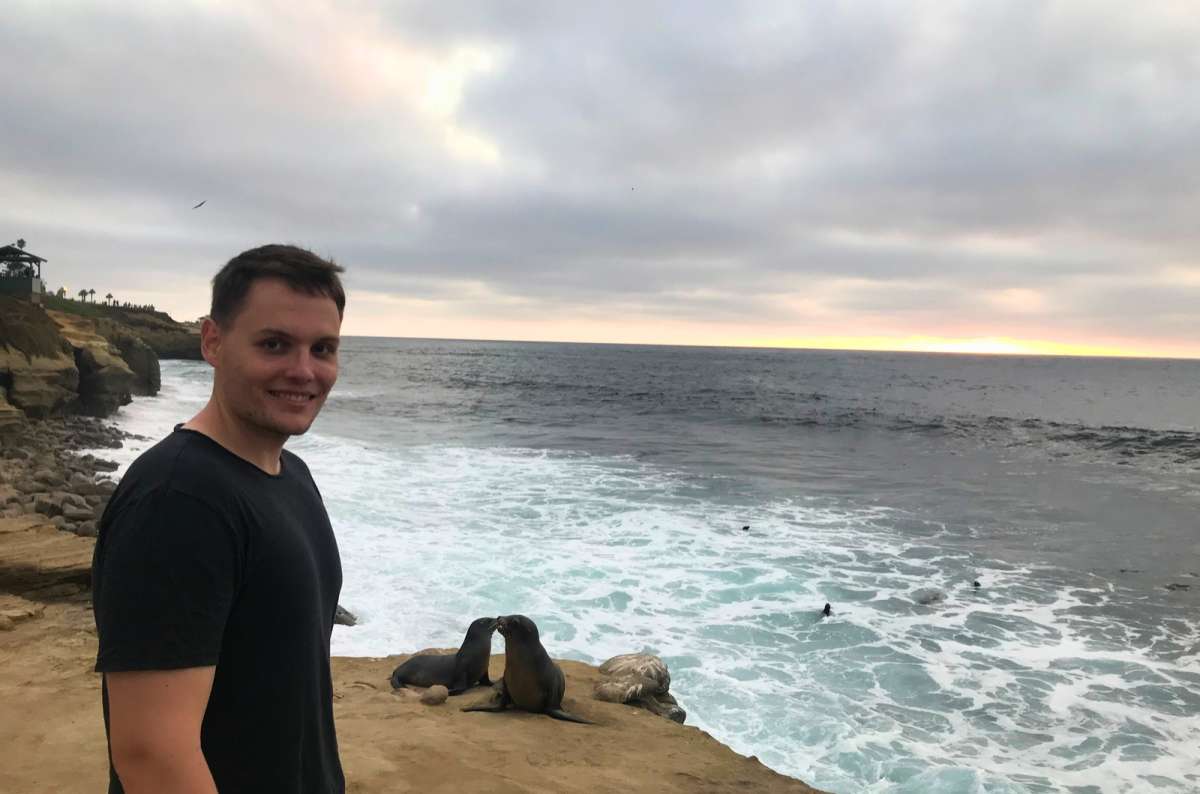
La Jolla in San Diego under the classic marine layer. The beach is there; the sun is just running late
Death Valley is the major summer exception to my mountain recommendation. NPS reports summer temperatures often exceeding 120°F (49°C) in the shade, with very warm nights. A sunrise arrival doesn't turn an ambitious hike into a sensible plan for the day.
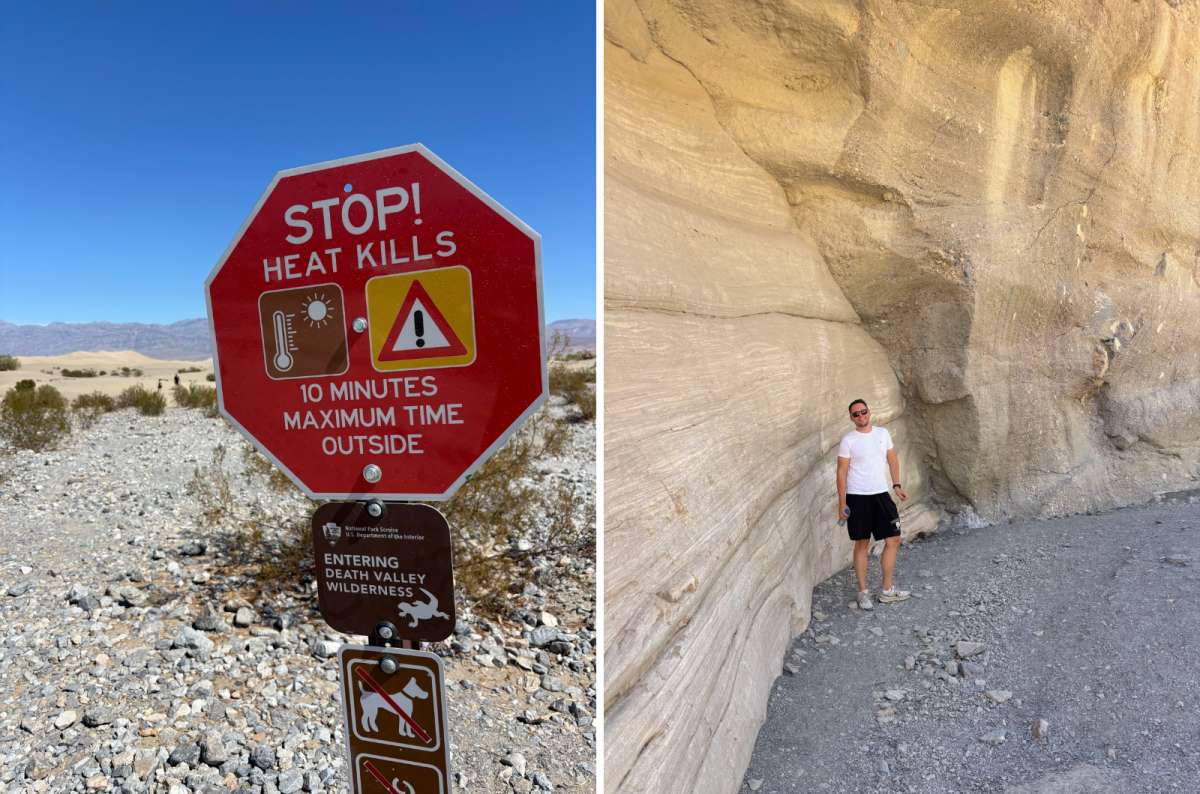
The friendliest welcome sign in Death Valley National Park
I made the mistake of initially treating Death Valley as a place to take a picture of the heat and leave. Don't drive for hours just to take a picture. The park has so much more to offer, but you need a season that lets you explore it. For summer, I would usually remove a substantial desert visit from the route rather than pretend every stop remains equally worthwhile.
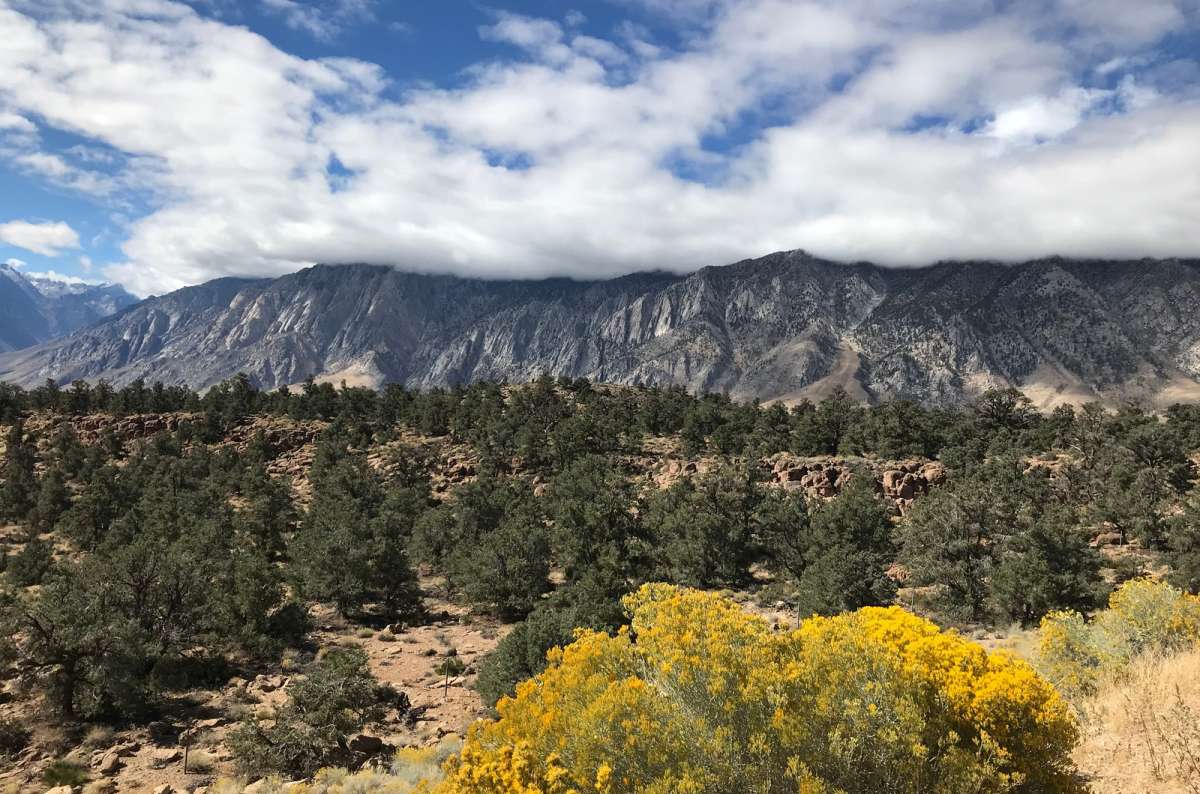
Fall in the Eastern Sierra, when the rabbitbrush turns yellow and the mountain roads still deserve a second check
For a coast-and-mountains combination, September is the best time to visit California for my priorities. I can connect places I love without relying on an early mountain-road opening. I still check the forecast, smoke, and access; autumn is no promise of clear skies.
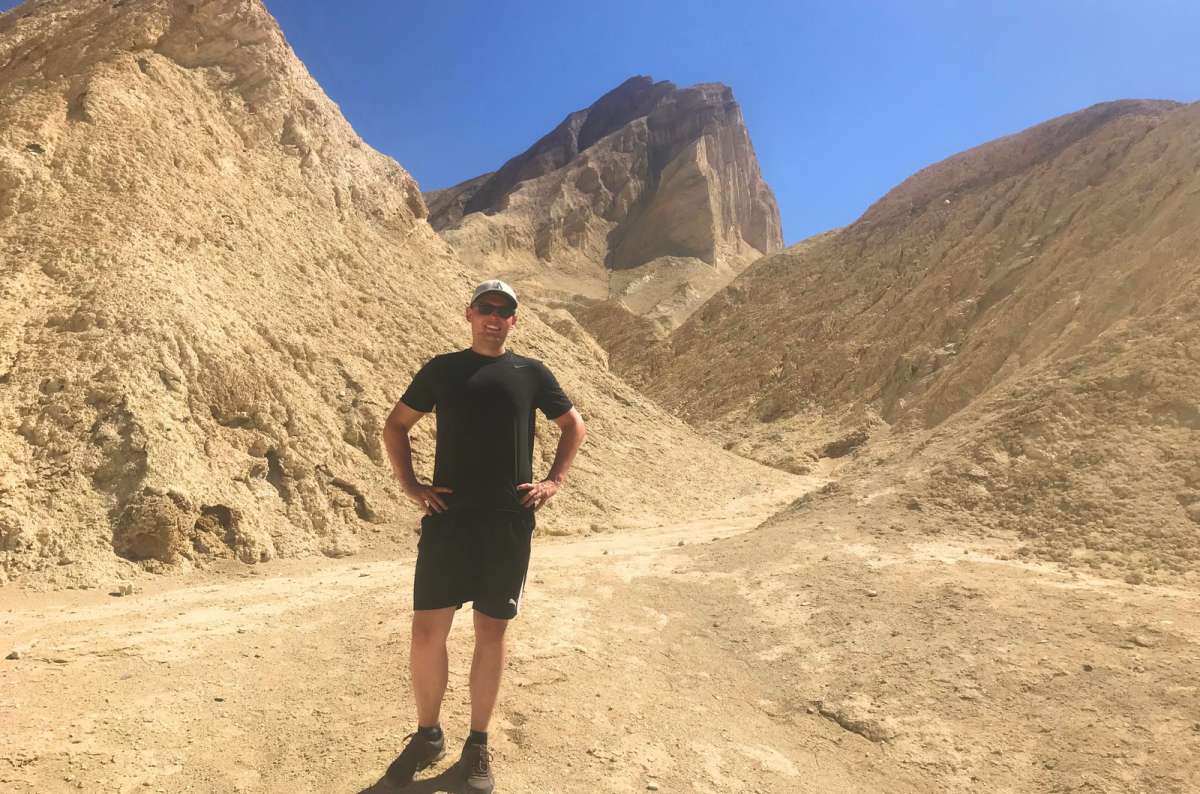
Golden Canyon in Death Valley
September favors a broader mountain-and-coast trip. October shifts the balance toward cooler desert sightseeing, while adding uncertainty in the mountains. Later autumn is not simply September with cheaper hotels.
I visited Death Valley in August, September, and late October, and unsurprisingly late October was the best of those visits. It was still hot. I walked Golden Canyon to Zabriskie and back on my second visit; it was hot and hard even in October. I liked the hike, but if you're short on time, you're fine stopping at Zabriskie Point.
Joshua Tree needs the same caution about assuming autumn has solved the heat. I did Hidden Valley in October on my first visit and in September on my latest one. It is full of surreal granite boulders, and it's so nice I've repeated it, which I usually don't do unless a hike is special. At Cholla Cactus Garden, we visited at 9:30, and it was already ultra hot.
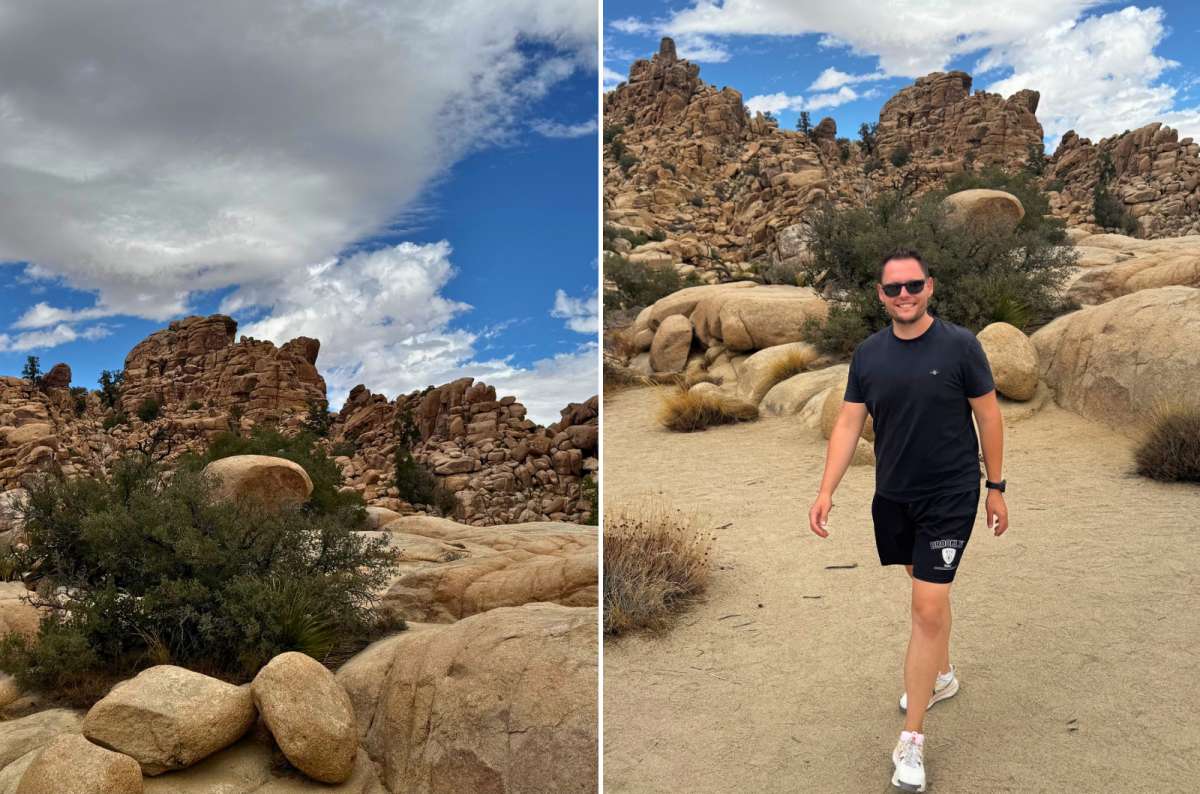
Joshua Tree’s Hidden Valley in fall
In Lassen in 2018, I had cold, miserable weather near the end of the season, with much of the scenery in clouds. I saw the main sights, but the visit left me with a fairly mixed impression and a return on my to-do list. NPS describes fall there as transitional: early snow or lingering heat and smoke can both affect a visit.
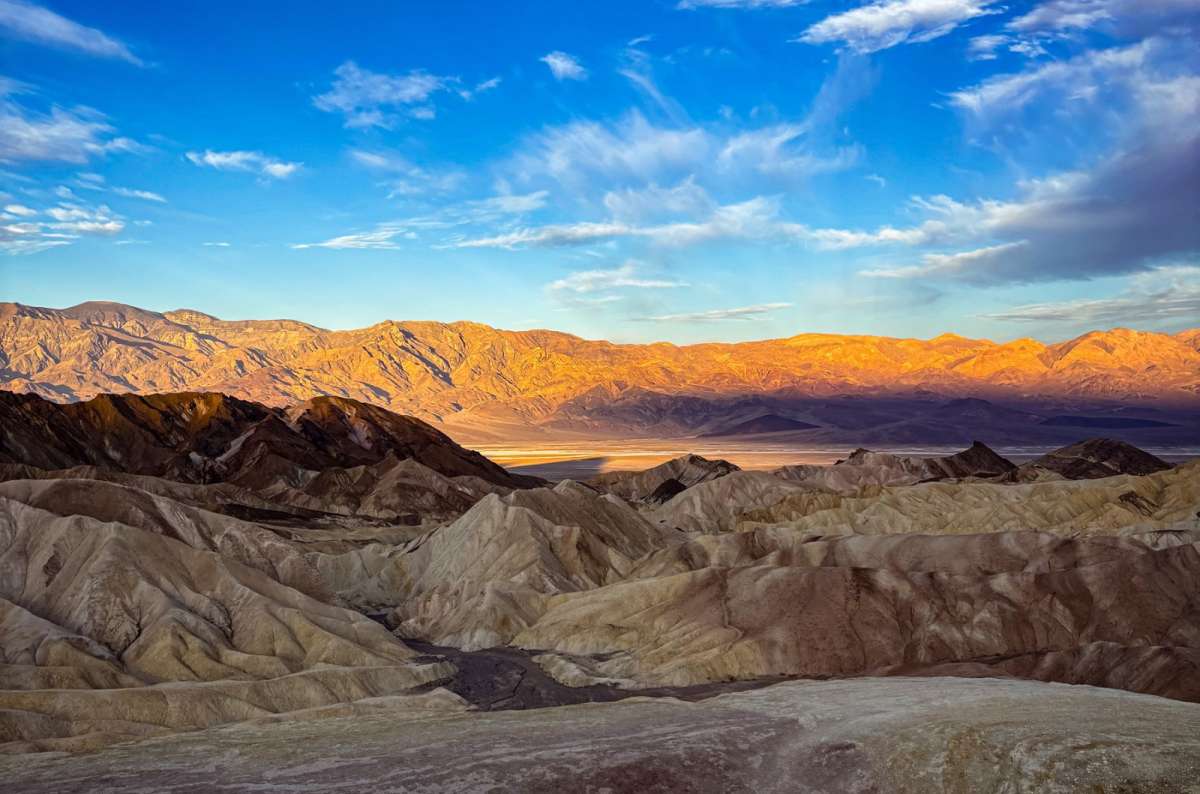
Sleeping close to Zabriskie Point in Death Valley turns sunrise from an expedition into a short drive
Staying at The Inn at Death Valley made sense for reaching Zabriskie Point early for sunrise. If that were the only reason, it would still be worth it for me. But it wasn't just that: I loved the warm pool, the date palms, and having a golf cart with the room. The hotel was an experience itself.
Compare its actual rate and cancellation conditions for your dates. A room near Furnace Creek helps with early sightseeing; it doesn't make a hot day suitable for a long walk. The NPS Death Valley weather information is the more useful starting point for that decision.
I also found Alcatraz needed advance booking on my August visit, whereas it was less necessary on my September visit. If your dates are already fixed, book your Alcatraz ticket before anything else in San Francisco. One easier visit isn't evidence that you can always turn up without planning.
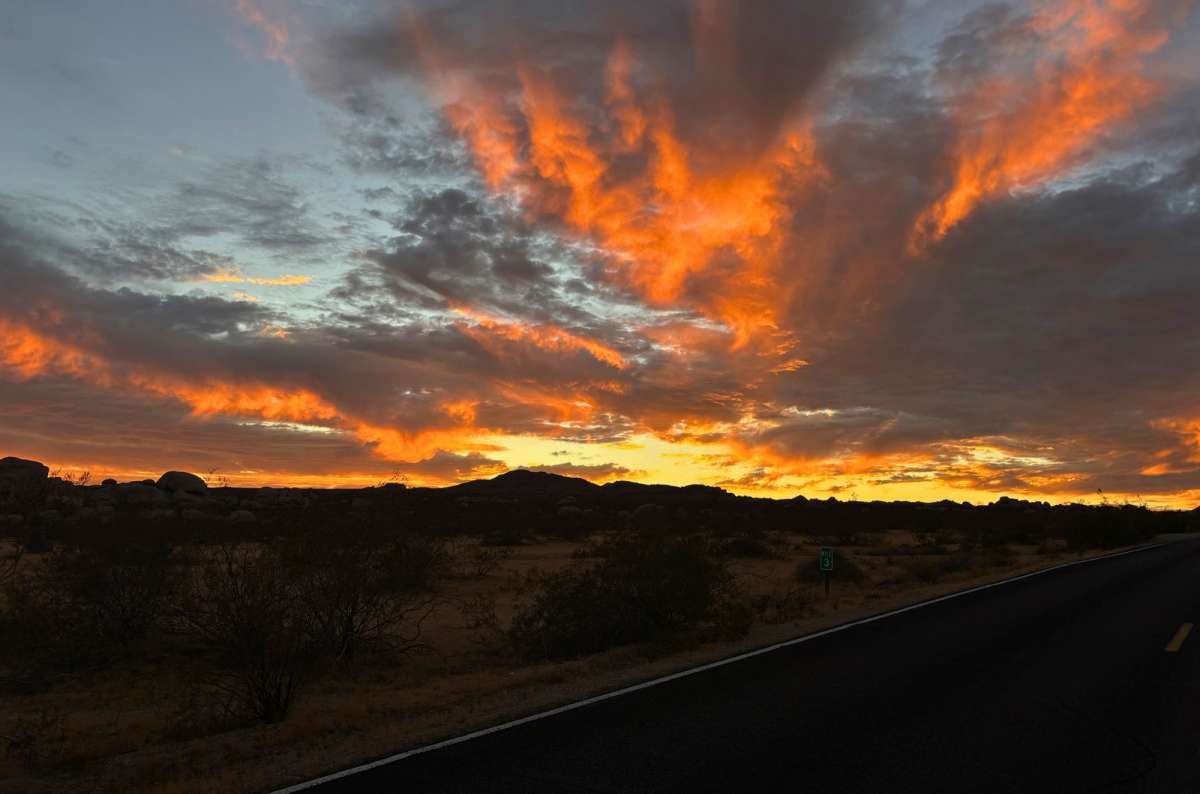
Sunsets in Joshua Tree look warm
For desert hiking rather than a statewide circuit, winter can be the best time to visit California. Death Valley's low elevations generally have milder days and cool nights. Joshua Tree is higher and can be surprisingly cold, with freezing nights and occasional snow.
LA and San Diego can also work for city sightseeing, museums, and coastal walks. Winter brings more rain risk, and I wouldn't build the trip around warm ocean swimming. Give outdoor viewpoints some flexibility and keep indoor visits available for wet days.
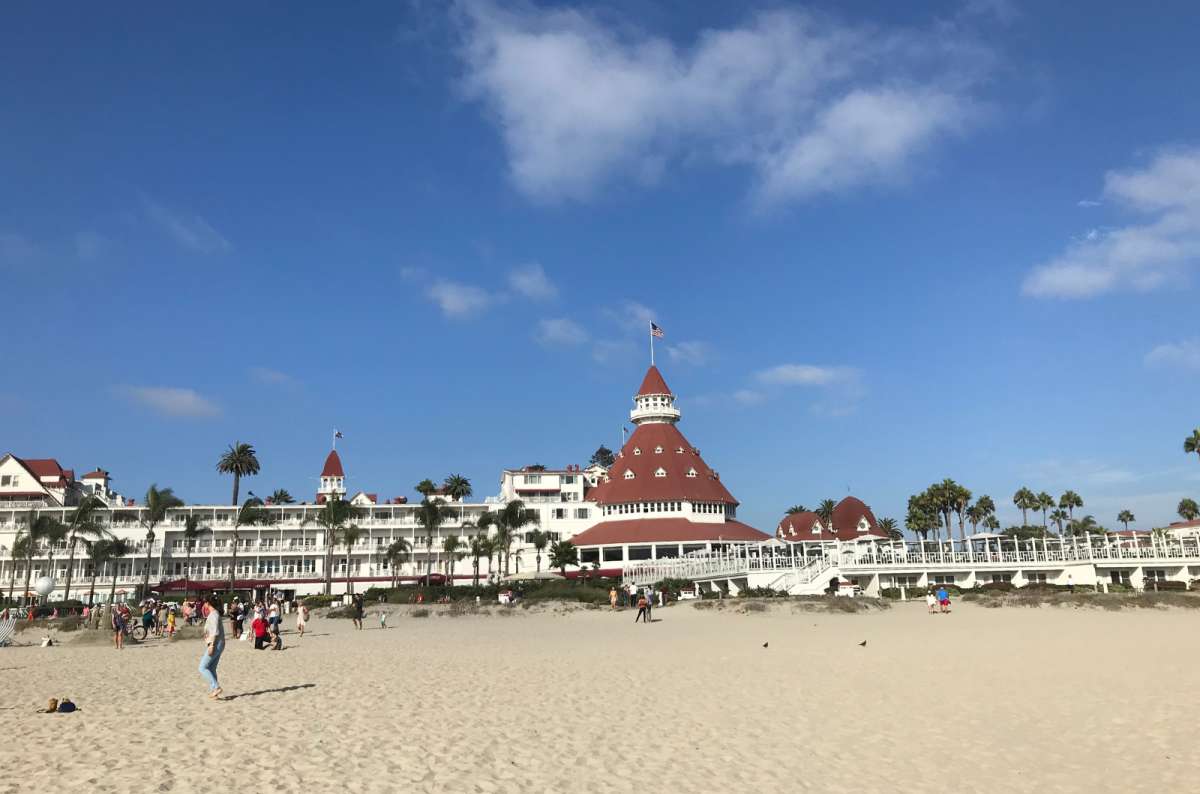
Coronado Beach in San Diego works for a winter walk. A winter swim is a different conversation
In the Sierra Nevada, winter means a different trip. Yosemite Valley remains accessible year-round, but Tioga Road closes seasonally. Storms can affect the roads that remain in use, and tire-chain controls may apply. A winter Valley visit cannot substitute for the same list of high-country hikes.
Sequoia and Kings Canyon also need route-specific checks. Access to giant-tree areas is different from driving down to Cedar Grove, whose Highway 180 approach closes for winter. Roads connecting the parks can also be affected by snow. Check the entrances and connecting segments separately.
If skiing is the reason for going, Tahoe and Mammoth belong on a winter shortlist, subject to operating conditions and snow. I wouldn't combine that purpose with an assumption that the usual summer mountain roads will be open. Ask the rental company about permitted equipment and winter-driving requirements before paying for the car.
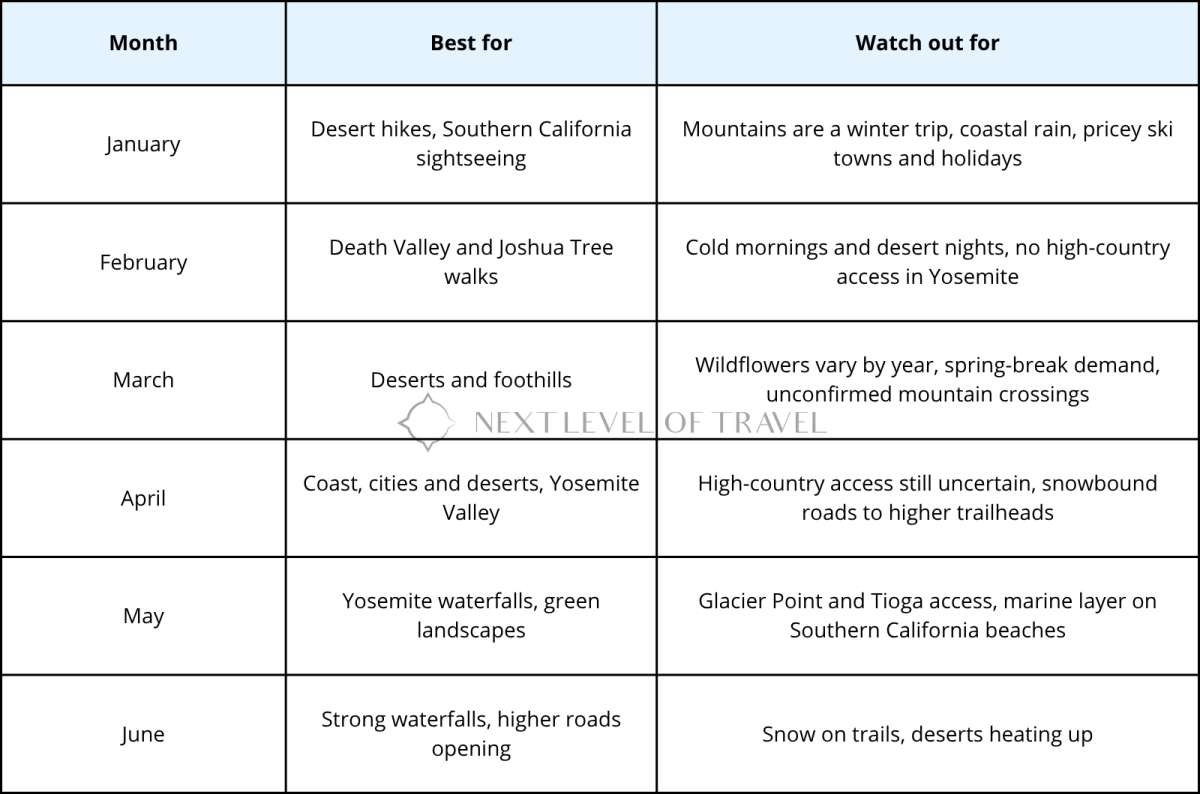
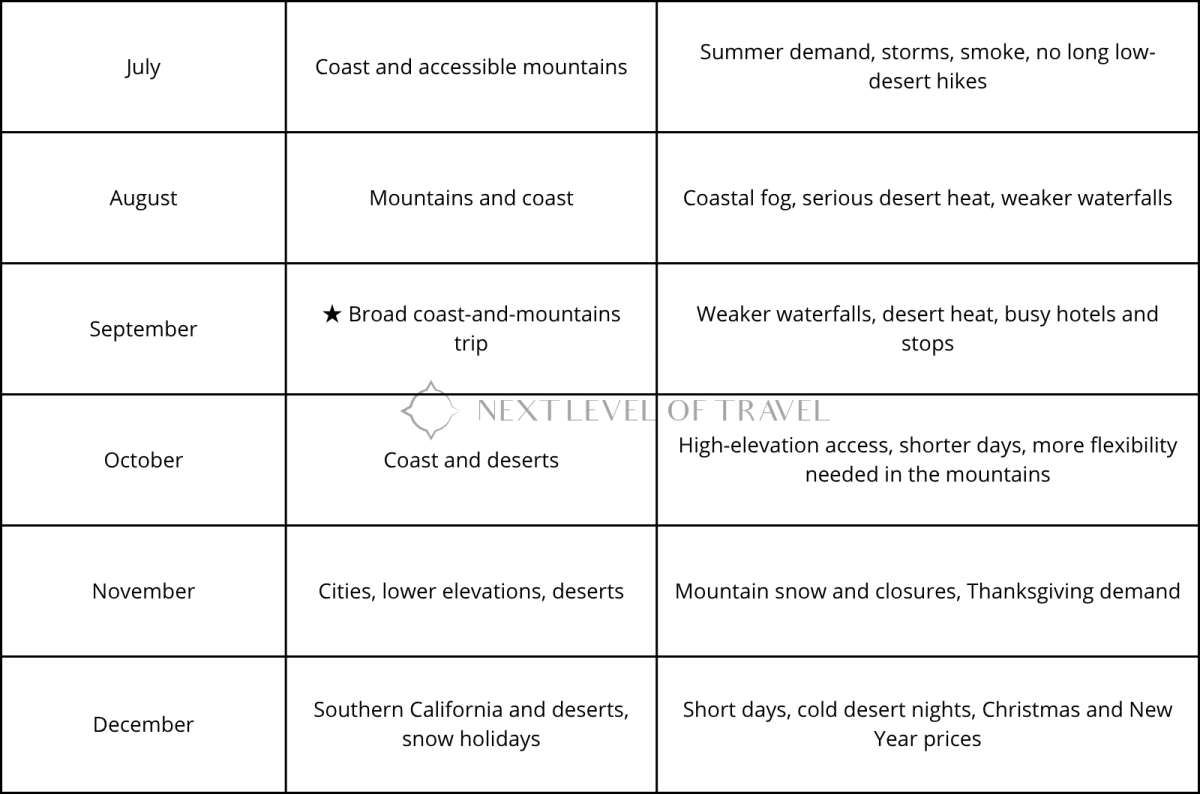
Use this California weather by month overview to narrow the route. It describes typical planning conditions, not a forecast or a promise that a particular road will be open.
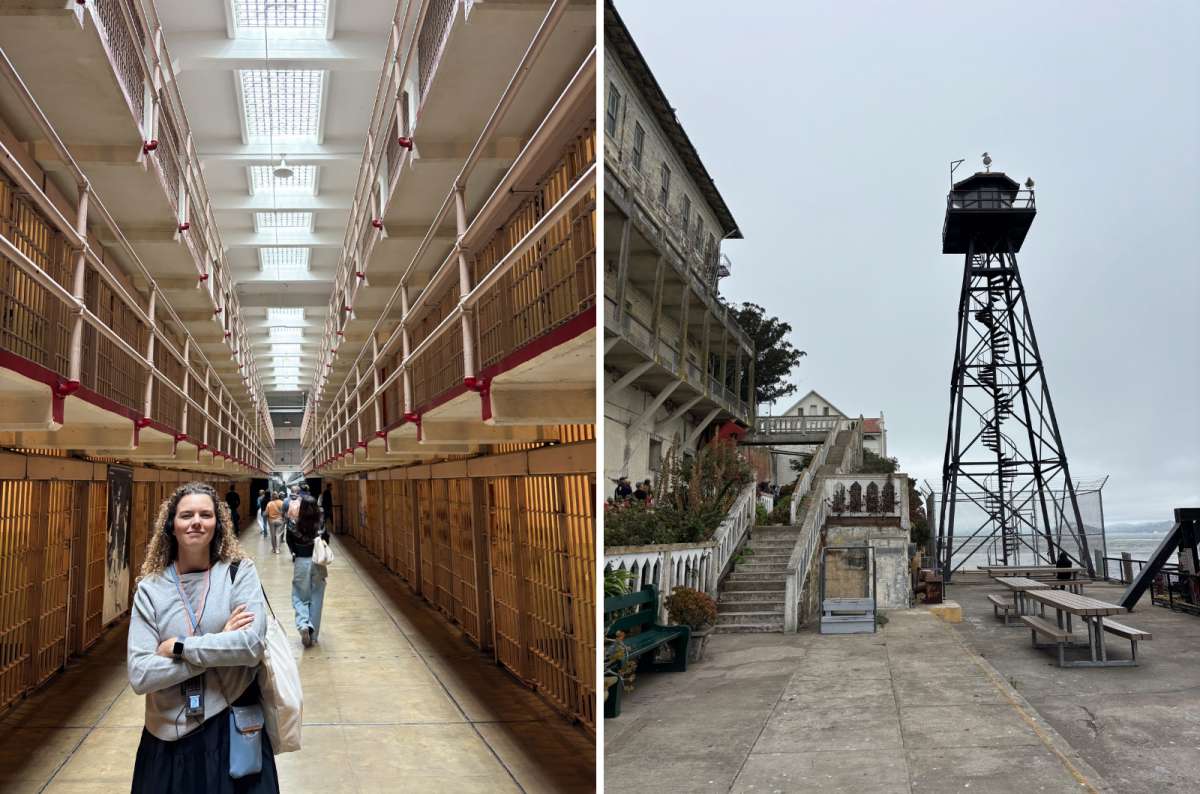
Alcatraz is the kind of San Francisco stop where waiting for a deal just means waiting outside
The cheapest dates and the best time to visit California for your preferred route aren't necessarily the same. A low room rate has limited value if the road to the place you came for is closed.
Outside major holidays, winter can offer better value on parts of the coast, while ski destinations are busy. Spring and fall can reduce summer pressure in some areas, but the desert parks have their own popular seasons. Joshua Tree's visitation increases as temperatures become more comfortable and peaks in spring. Avoid applying one statewide low-season label to the whole route.
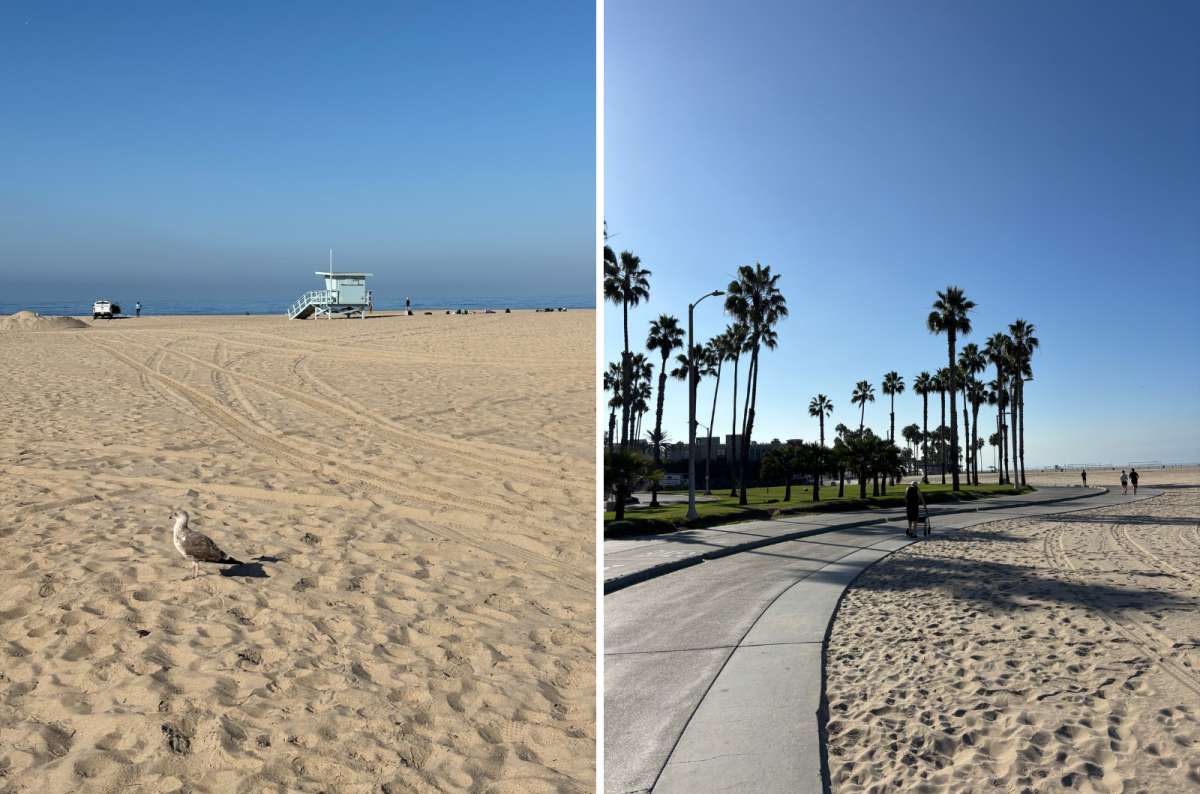
This is the Los Angeles beach crowd outside peak season
Flexibility about when to visit California helps most when you compare actual alternatives: the same hotel midweek and at the weekend, a few days before and after a holiday, or a nearby base with a different driving requirement. Include parking, resort fees where applicable, taxes, and cancellation conditions in the comparison.
I always liked being outside central San Francisco with a car: hotels can be cheaper and parking arrangements better. But check the particular property and your daily driving, rather than assuming every suburban room includes free parking. My hotel booking tips cover the checks I make before reserving.
Don't wait for a seasonal discount to secure something central to your trip. Alcatraz, park lodging, and popular campgrounds need their own booking checks. Avoiding a holiday weekend and arriving early may improve a visit more than shifting the entire holiday into a month that doesn't suit the route.
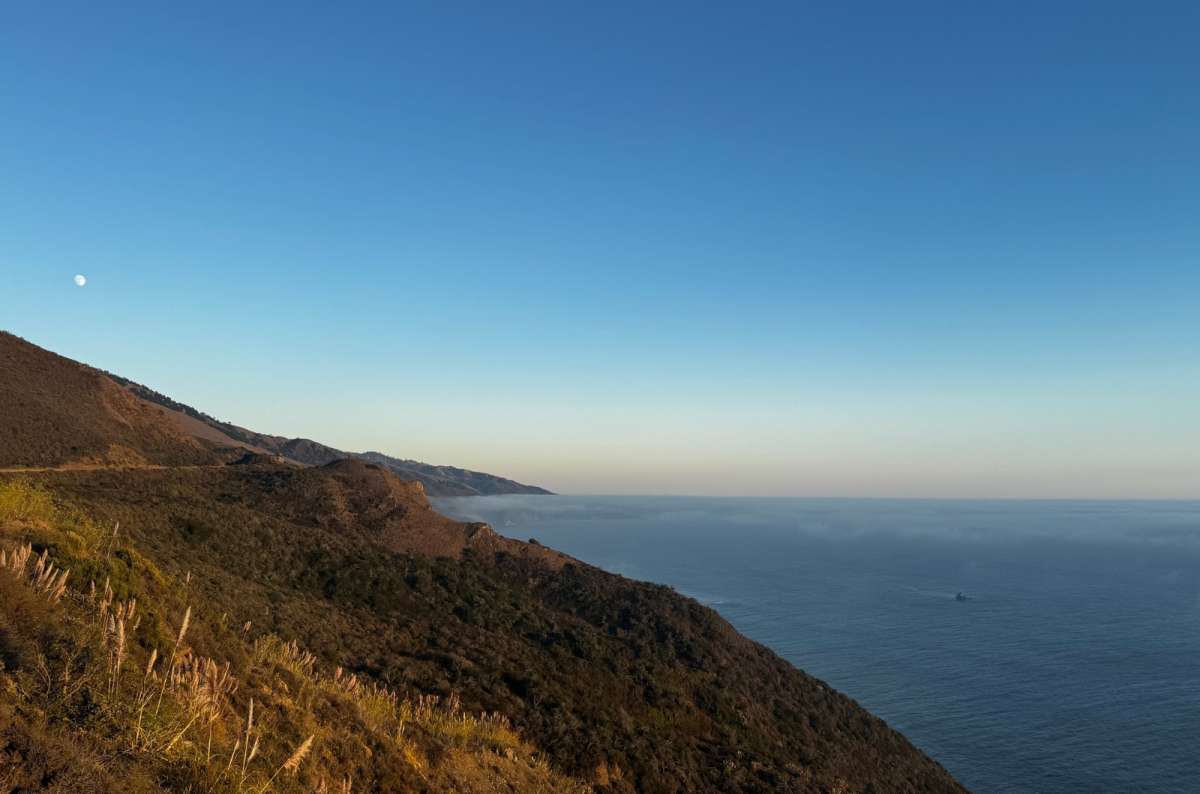
The Big Sur stretch of Highway 1, the road worth checking twice before any booking along it
Once you've decided when to visit California, check these four things before making nonrefundable bookings:
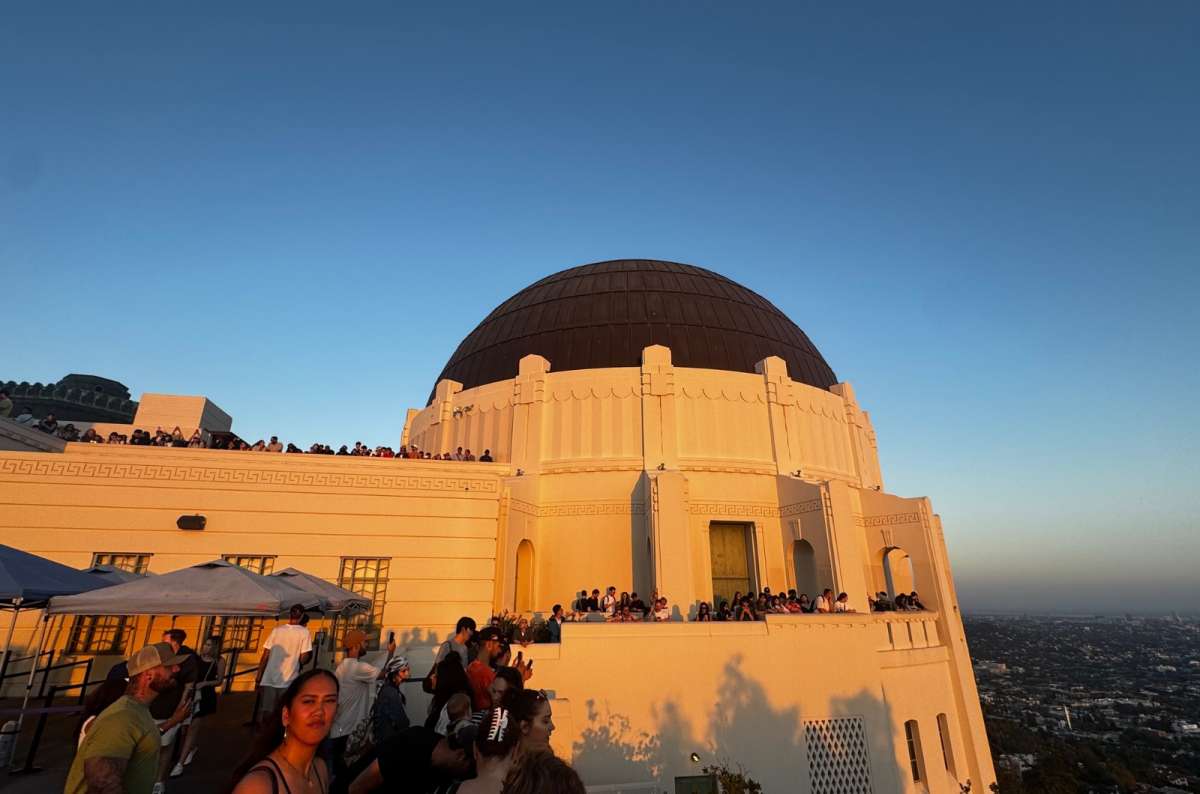
Griffith Observatory in Los Angeles is a clear-day plan
Keep some room to change the order of outdoor stops. On a clear day, protect the viewpoint or mountain walk that depends on visibility; museums are usually easier to move. California gives you plenty of alternatives, but that flexibility works best when the essential roads and bookings already fit your dates.
This post contains affiliate links. If you make a booking through one of my links, I may earn a small commission—at no additional cost to you. Thank you for your support!


Hi, I’m Jan. I travel fast and intensely, whether I’m exploring the buzz of Tokyo in 3 days or road-tripping through mountains and beaches on a 3-week Thailand adventure. And no matter where I am, you’ll always find me in a comfortable hotel at night and eating the best food.
If that sounds like your kind of journey, hop on board, and let’s explore the world together!
I started this blog after realizing how tough it can be to find reliable, authentic travel info. You wouldn’t believe how many “travel bloggers” never even visit the places they write about! On Next Level of Travel, you can count on my full honesty and insights drawn from my firsthand experiences.
Here’s the deal: not every destination is all superlatives and unicorns. I’ll let you know if a tourist attraction isn’t worth your time, like skipping overrated stops in my 2-week Spain itinerary. And when I find something truly special—like the perfect mix of culture and nature in Cape Town—you can trust that it’s worth adding to your itinerary.

Comments | Thoughts? Give us a shout!