




Tenerife or Gran Canaria: The quick answer
Gran Canaria vs Tenerife: Which island wins?
Which Canary island has more wow moments?
Tenerife vs Gran Canaria for hiking and outdoor travel
Tenerife or Gran Canaria for beaches?
Tenerife or Gran Canaria for families?
Which is better for cities, towns, and local atmosphere?
Tenerife or Gran Canaria without a car: Which is easier to get around?
Tenerife vs Gran Canaria: Where is it better to stay?
My biggest surprises and disappointments
Tenerife or Gran Canaria: Which island is best for you?
I visited Tenerife and Gran Canaria on the same trip, drove extensively around both, stayed in the resort areas, escaped into the mountains whenever possible, and did the whole thing with a six-month-old baby. So if you're trying to decide between Tenerife vs Gran Canaria, I have opinions. Quite a few of them.
The biggest difference for me is this: Tenerife has the stronger individual wow moments. Teide is on another level, Anaga looks like it accidentally wandered over from a different continent, and the mountains around Masca are ridiculous.
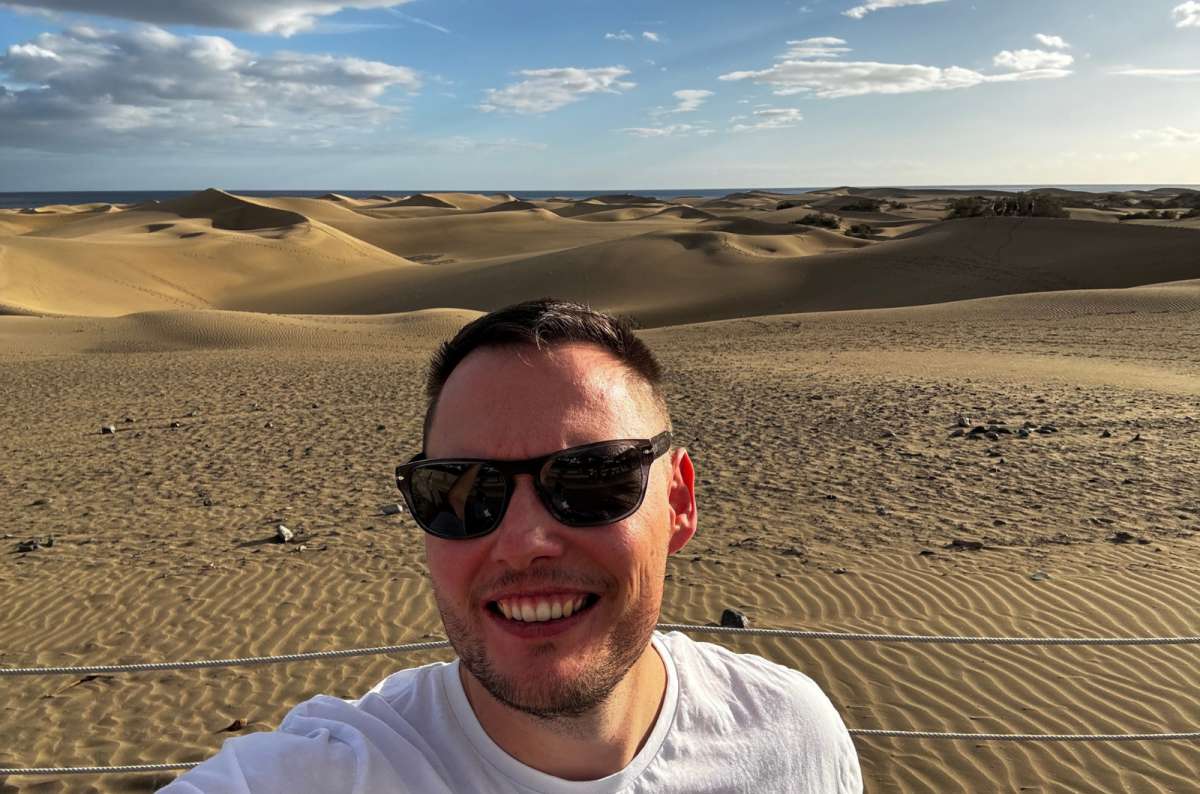
But Gran Canaria surprised me more as a complete destination. I expected beaches and resorts. Instead, I got dunes, volcanic mountains, pine forests, enormous ravines, pretty towns, and Las Palmas—a proper city with one of the best urban beaches I've visited.
So, which is better, Tenerife or Gran Canaria? Annoyingly, it depends on what kind of trip you want. But I do have an overall winner, and no, I'm not going to end this comparison by telling you they're both equally wonderful.
Have a look at my comprehensive guide to the Canary Islands.
For most first-time visitors, I'd choose Gran Canaria. It's easier to combine beaches, mountains, towns, resorts, and a proper city without feeling like you're constantly crossing the island to get to the next thing.
Choose Tenerife if you want:
Choose Gran Canaria if you want:
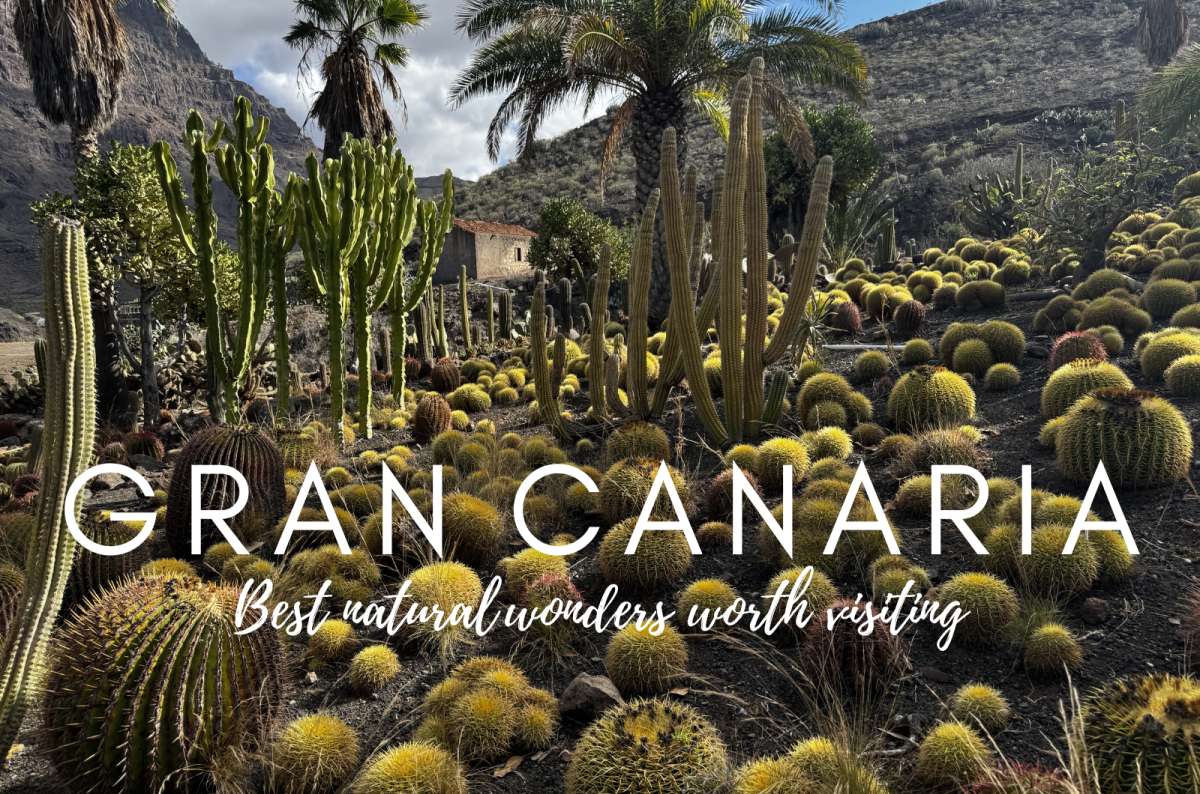
My personal winner is Gran Canaria too. Its mountain interior surprised me far more than I expected, and I simply enjoyed the island more as a whole. If you're already leaning that way, my Gran Canaria Travel guide covers everything you need to actually plan the trip.
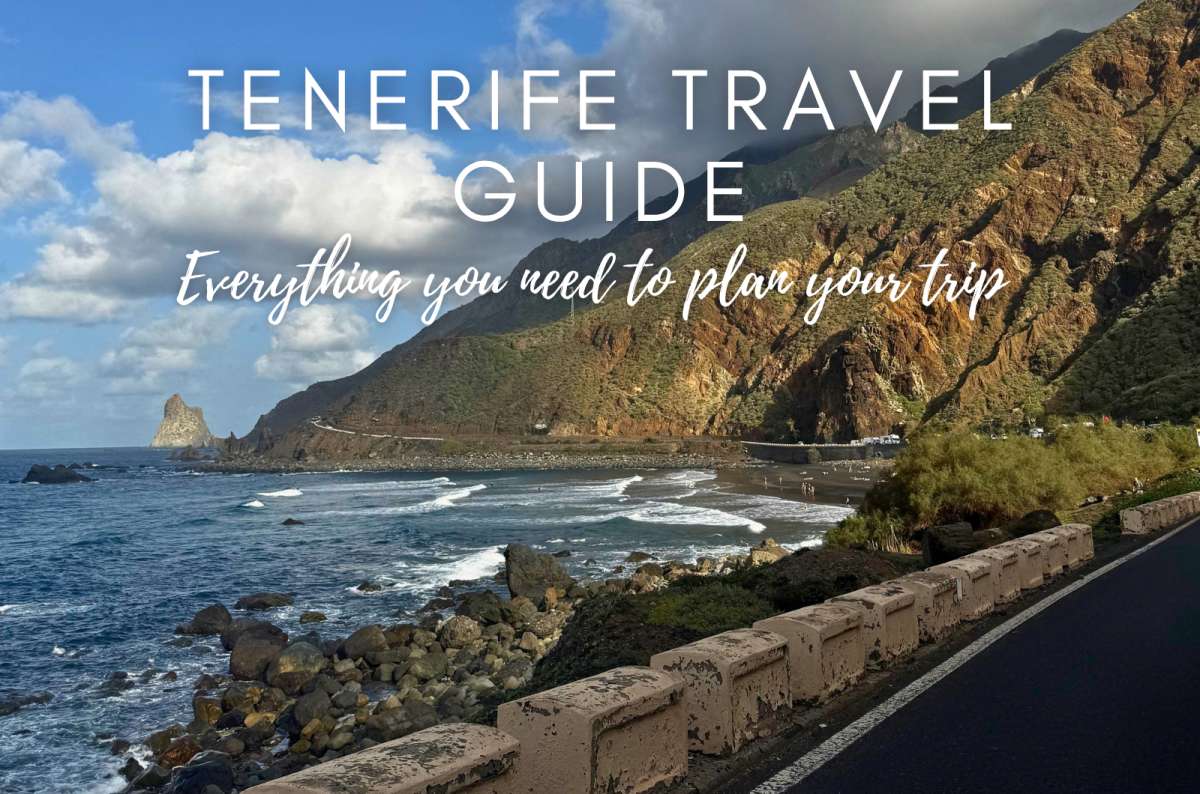
If hiking and dramatic nature are the main reason you're going, though, choose Tenerife. That's the one situation where my recommendation changes without much hesitation. If Tenerife is already sounding more like your kind of trip, my Tenerife Travel guide covers the practical planning in much more detail.
If you don't want to read thousands of words about me driving around volcanic islands with a baby, here's the comparison in one table.
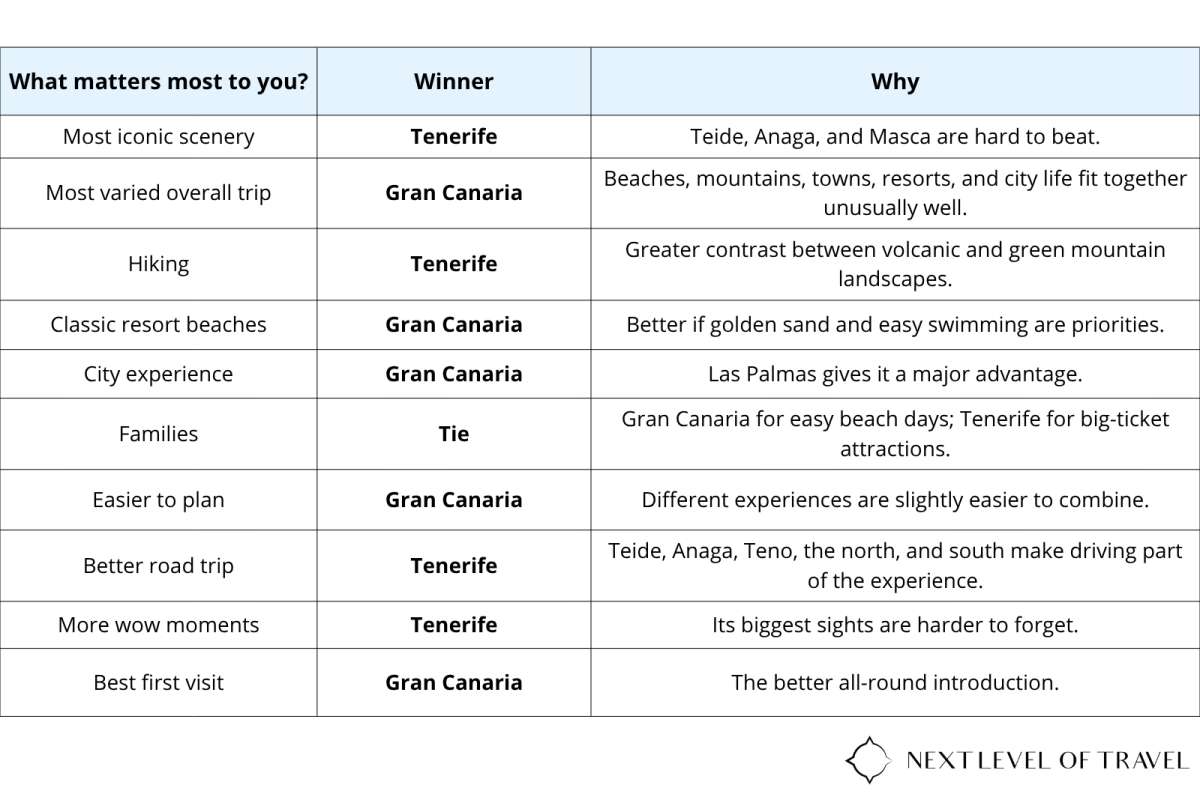
Overall? Gran Canaria wins—but barely. Tenerife takes several categories I personally care about most, especially hiking and scenery. Gran Canaria wins because it was the more complete trip, not because it beats Tenerife at everything.

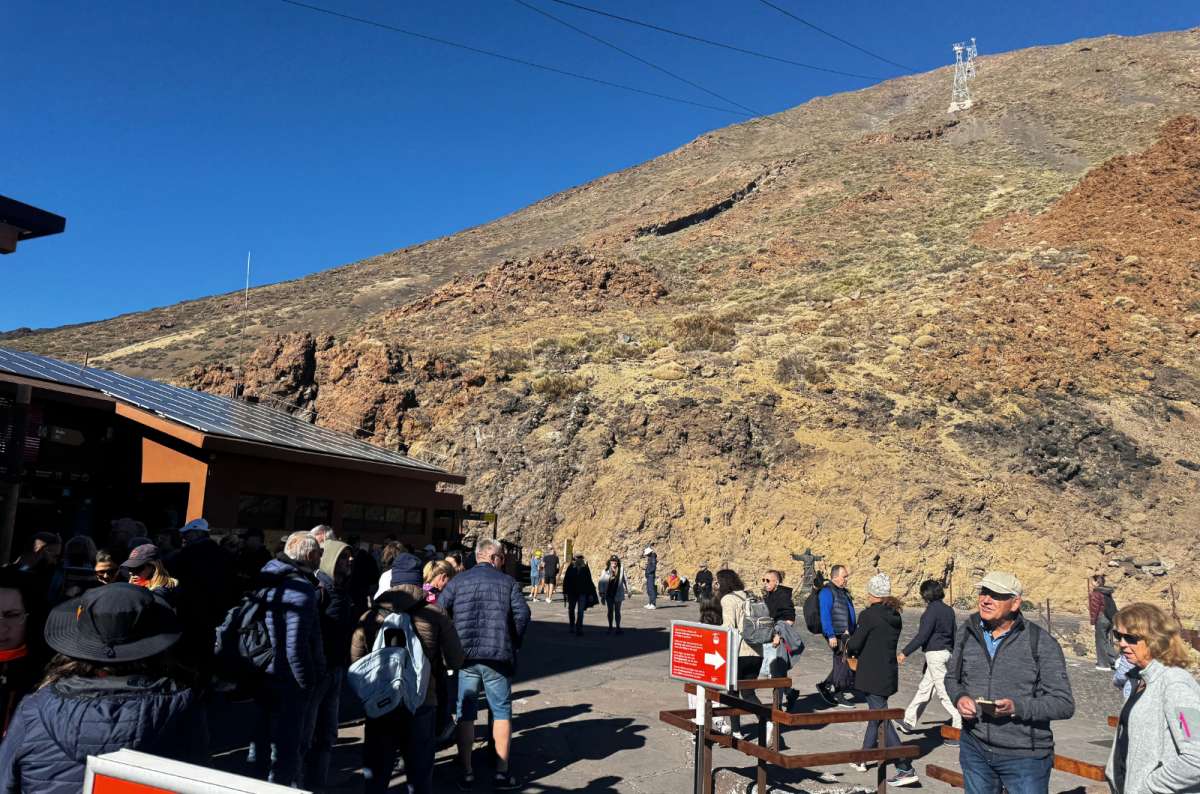
Tenerife has the stronger individual attractions. Teide National Park is the obvious one. Driving into that enormous volcanic landscape feels like you've left the rest of Tenerife behind, and nothing I saw on Gran Canaria quite matched it for sheer scale.
Then there's Anaga Rural Park. I planned one day there and ended up spending three exploring cloud forest, green ridges, and roads where finding somewhere to park occasionally felt like the day's main activity.
Add Masca, the Teno Mountains, and Los Gigantes, and Tenerife keeps producing these huge standalone sights. I cover them properly in my Tenerife nature guide.
Pro tip: Consider booking the Mt. Teide Tour with a cable car ticket to save some time on your trip.
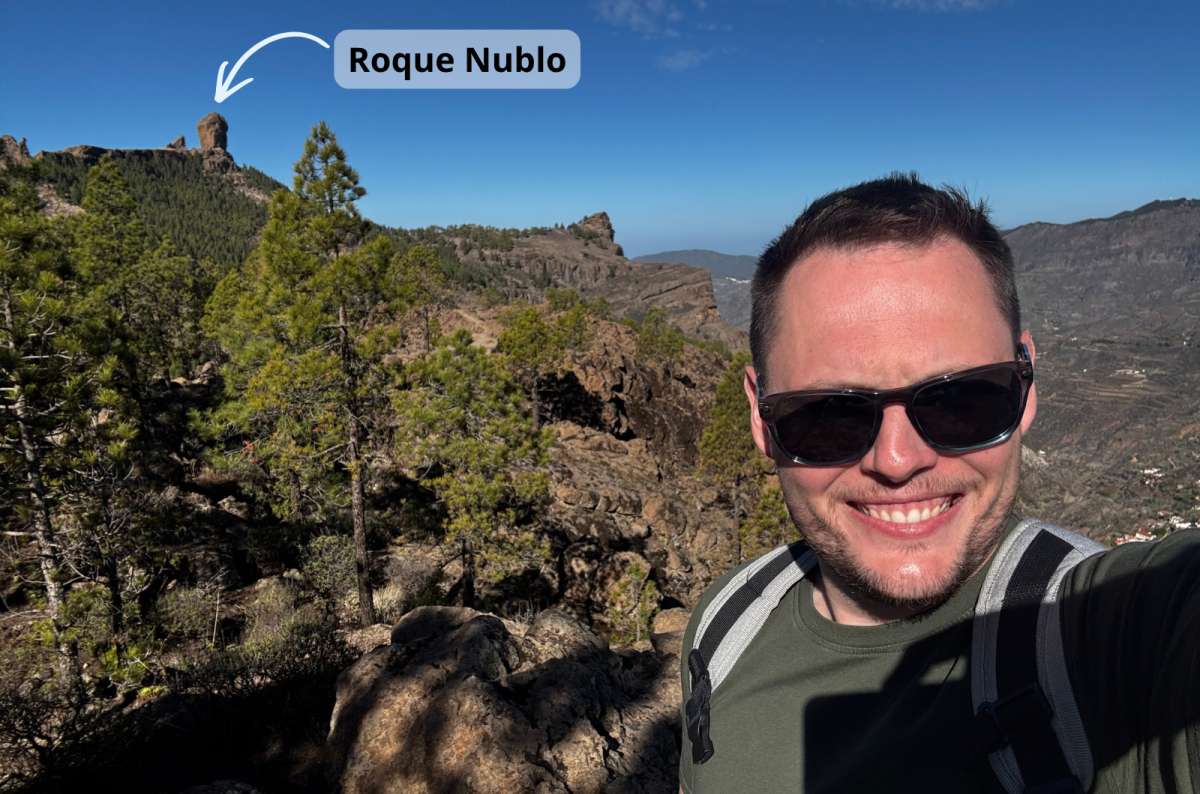
Gran Canaria's wow factor crept up on me instead. Maspalomas gives you enormous dunes running toward the Atlantic, while inland you suddenly get pine forests, deep ravines, cliffs, and landscapes that sometimes look more like Arizona or Utah than a Spanish island.
Pico de las Nieves was one of my favorite mountain experiences; Roque Bentayga delivered an absurd amount of scenery for very little effort, and Roque Nublo is iconic for a reason—even if the crowds did their best to ruin our relationship.
You can see the landscapes that changed my opinion of the island in my Gran Canaria nature guide.
Winner: Tenerife. For pure wow moments, Teide, Anaga, and Masca are difficult to beat. Gran Canaria never quite matched Tenerife's biggest individual highs, but it kept surprising me in completely different ways—and I ultimately enjoyed that more
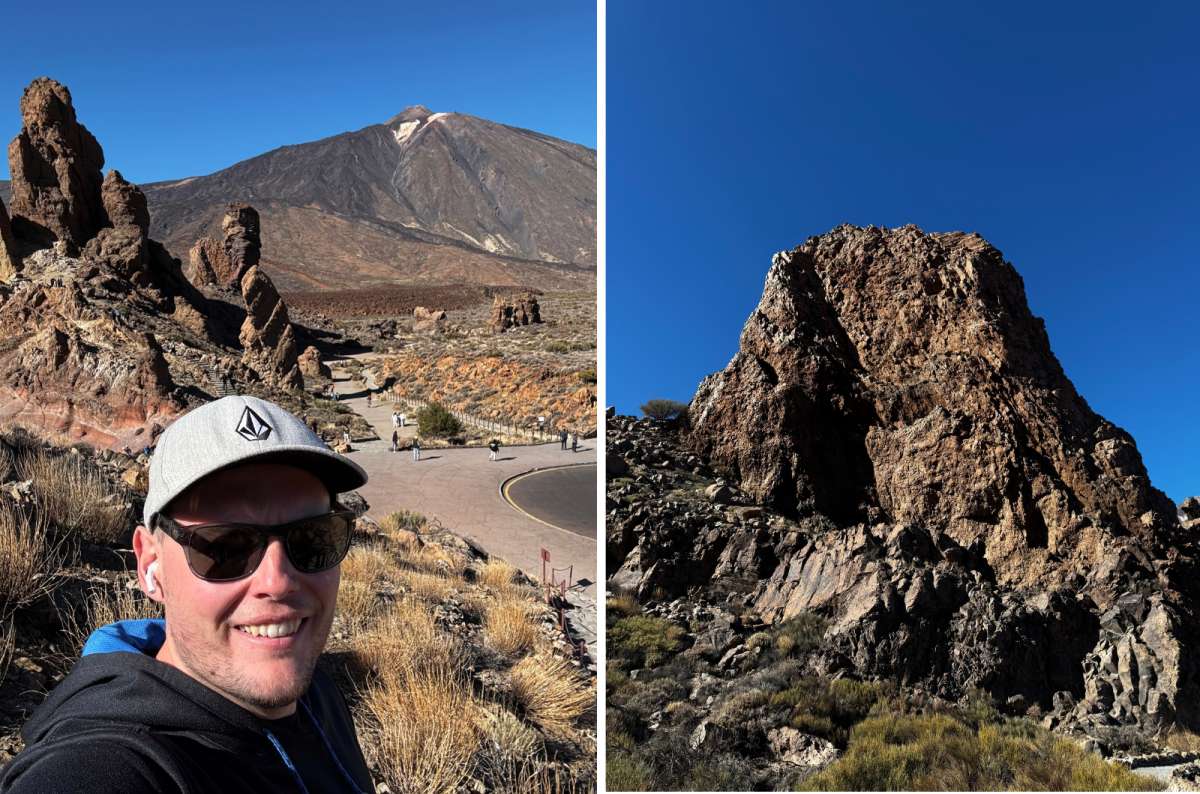
If hiking is one of the main reasons you're booking the trip, I'd choose Tenerife.
Around Teide, you're walking through barren volcanic terrain at serious altitude; in Anaga, you're suddenly surrounded by laurel forest, green ridges, and Atlantic views. Then you still have Masca and the Teno Mountains in the west. These places barely look like they belong on the same island.
Pro tip: If you want to experience the awesomeness of Anaga, but don't feel sure about planning the hike yourself, you can just book a guided tour.
I didn't complete every famous route, but the hikes I did were enough to make Tenerife the stronger hiking destination for me. Roque de Taborno in Anaga was one of my favorites for scenery, while even a relatively short walk around Teide delivered an absurd amount of volcanic drama. You can see the routes I actually completed in my guide to hiking in Tenerife.
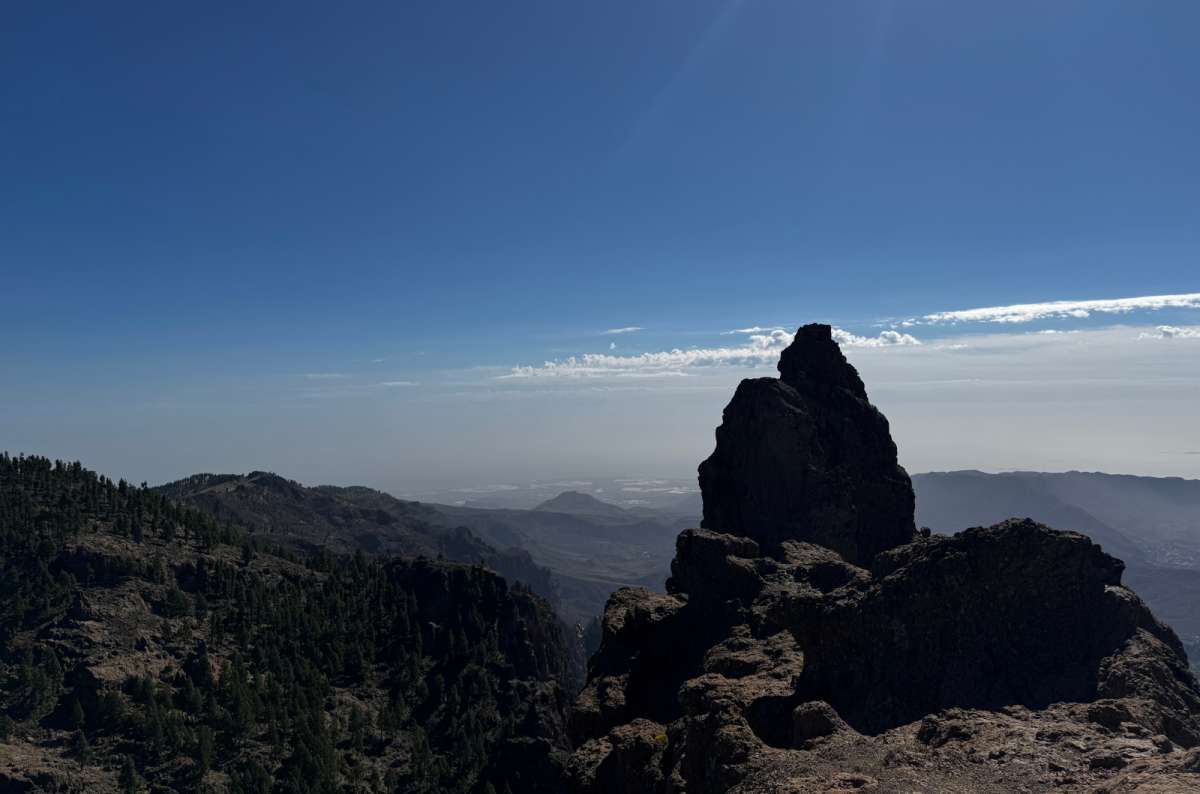
That doesn't mean Gran Canaria disappointed me on foot. Quite the opposite. Pico de las Nieves, Roque Nublo, and Roque Bentayga give you great hikes among pine forests, ravines, volcanic rock, and huge mountain views. Several also deliver a lot of scenery without demanding an entire day. My Gran Canaria hiking guide describes the routes I tried.
Both islands have logistical annoyances: limited trailhead parking, changing mountain weather, and routes where permits or reservations matter. Tenerife felt slightly more demanding to plan, particularly around Teide. My Mount Teide hiking guide explains that particular administrative romance.
Winner: Tenerife. Gran Canaria has excellent hiking, but Tenerife offers the stronger combination of volcanic terrain, altitude, cloud forest, exposed ridges, and headline hikes.
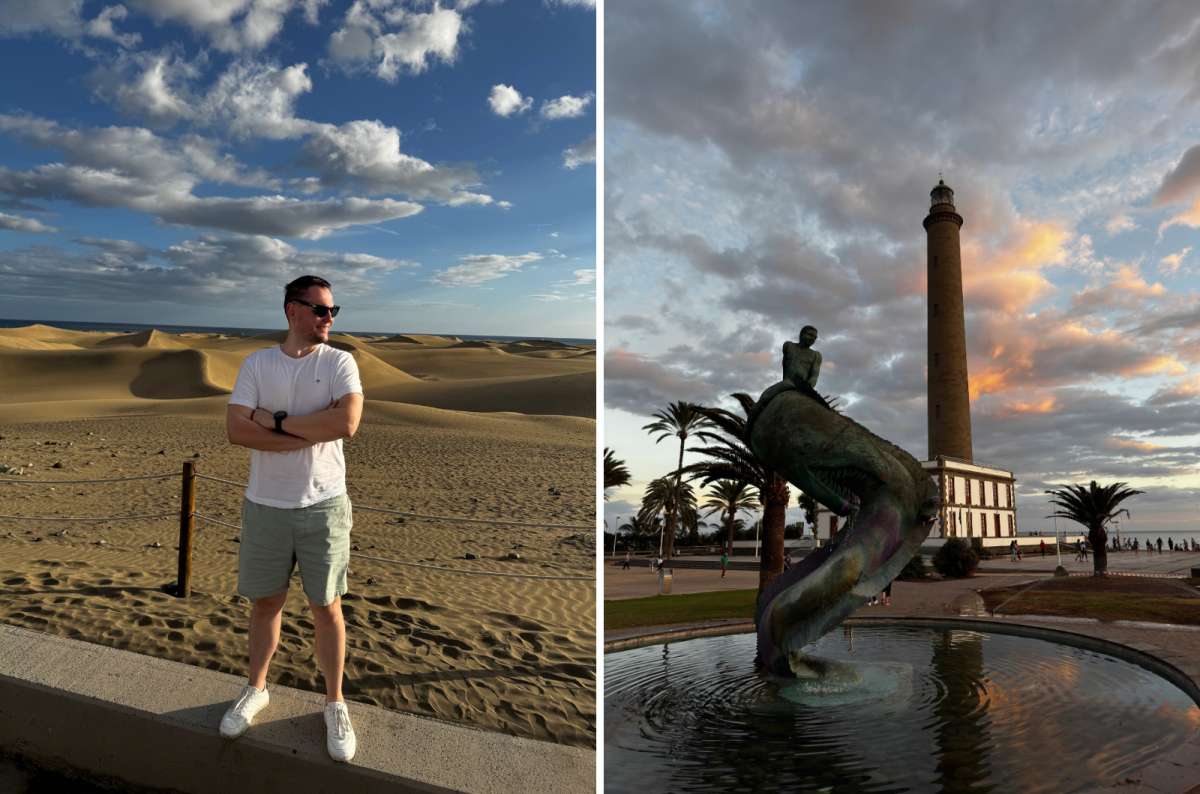
If beaches are a major part of your holiday, I'd choose Gran Canaria. Tenerife has memorable places to swim, but Gran Canaria is just better for the classic beach holiday.
Maspalomas is the obvious standout: a huge sandy beach backed by dunes that feels like a destination (an exotic one at that) in itself. Playa del Inglés gives you another long, well-serviced option, while Amadores works better if calm water and an easy swimming day are the priority.
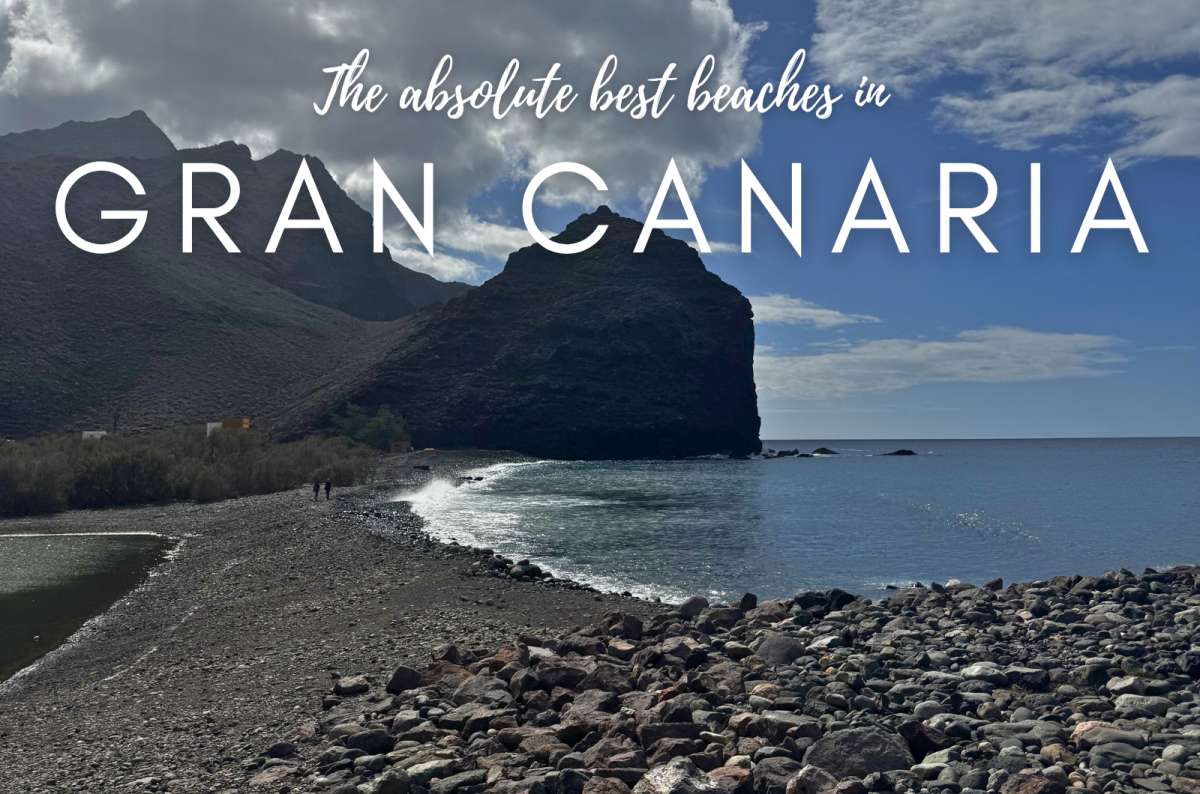
Then there's Las Canteras. Having a genuinely good sandy beach in the middle of Las Palmas means you can sightsee in the morning, swim in the afternoon, and find dinner without getting back into the car. I ranked the beaches I visited in my guide to the best beaches in Gran Canaria.
Tenerife does beaches differently. Its volcanic coastline is more dramatic, with black sand, cliffs, and natural pools that feel much wilder than polished resort beaches. Garachico and the northern coast are better examples of what Tenerife does well.
Playa del Duque is clean and convenient. I just wouldn't fly to Tenerife specifically for it.
Winner: Gran Canaria for beaches overall. Tenerife wins for dramatic coastal scenery and natural pools. If golden sand and easy swimming matter most, this one's straightforward.
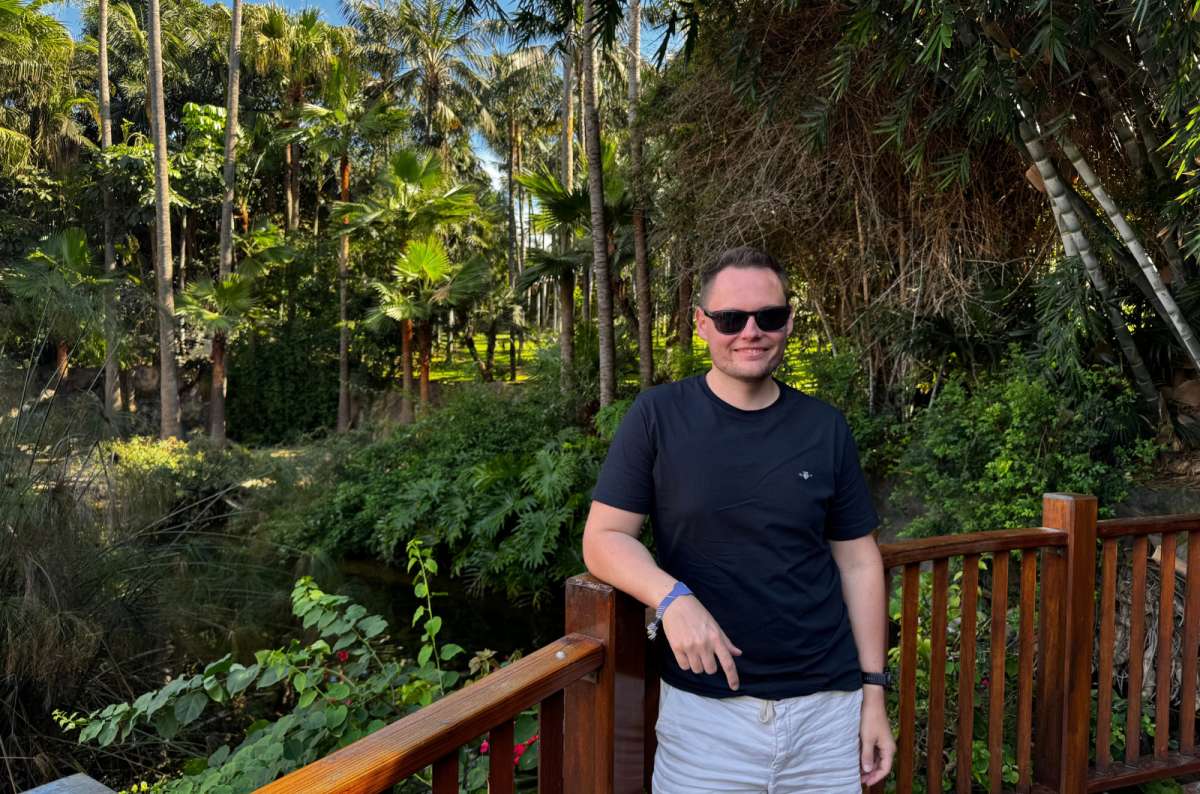
I traveled around both islands with a six-month-old baby, which changes your definition of a successful day quite dramatically. Suddenly shade, parking, stroller access, and whether an attraction requires six hours of military-grade planning become surprisingly exciting topics.
For families with babies or toddlers, I'd lean toward Gran Canaria. We found the south particularly easy with our six-month-old: around Maspalomas and Meloneras, we had beaches, promenades, restaurants, and our resort all close together, so we didn't need to spend half the day driving. We stayed at Lopesan Villa del Conde in Meloneras, where the huge pool area and easy parking made slower days with a baby genuinely easy.
Tenerife, however, has the stronger big-ticket family attractions. Loro Parque was surprisingly manageable with our six-month-old. There was plenty of shade, the park was compact enough not to become an expedition, and our son seemed quite interested in the sea lions—which I obviously interpreted as excellent parenting. I cover the practical details in my Loro Parque review.
Pro tip: You can also buy tickets online to save yourself from standing in a line.
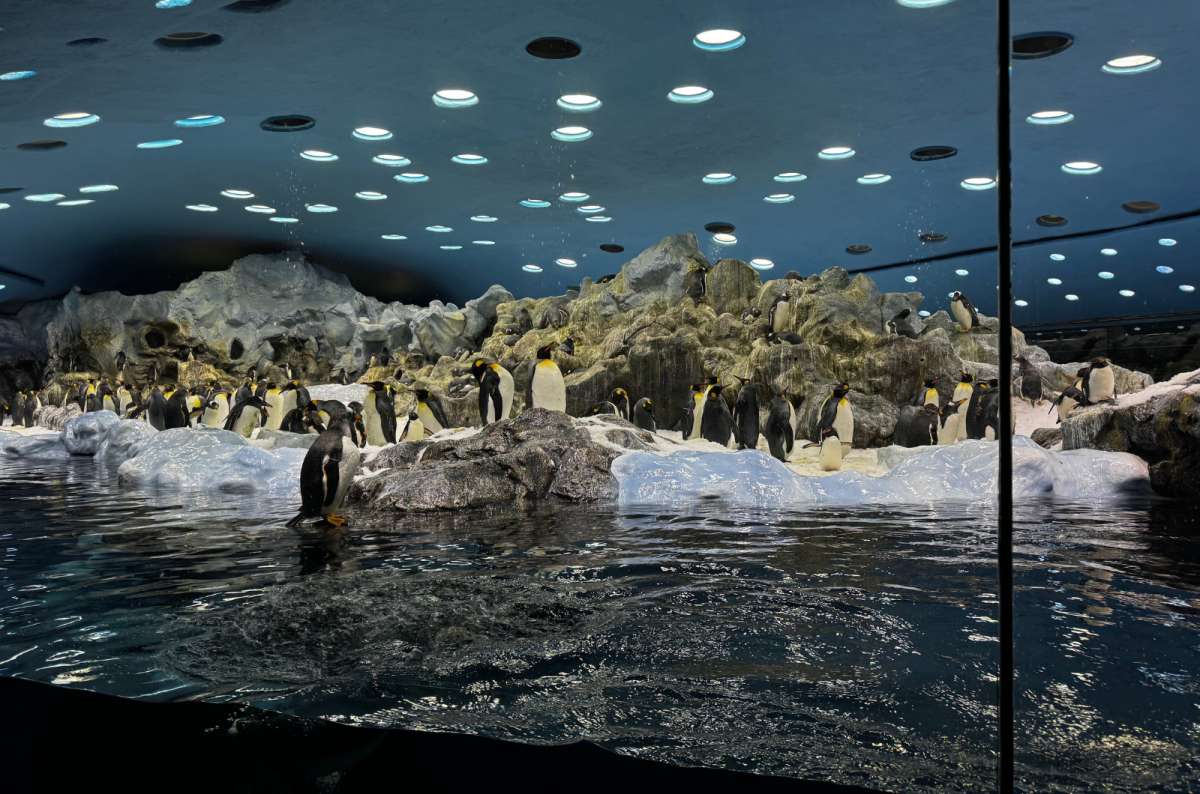
For older children, Tenerife gets more tempting because you can add Siam Park, Teide, boat trips, and more active sightseeing. The downside is that its best experiences are more spread out and some nature-heavy days involve winding roads or limited parking.
Winner: Tie. I'd choose Gran Canaria with a baby or toddler for the easier beach-and-resort rhythm. With older children who want water parks, animals, and bigger sightseeing days, I'd choose Tenerife.
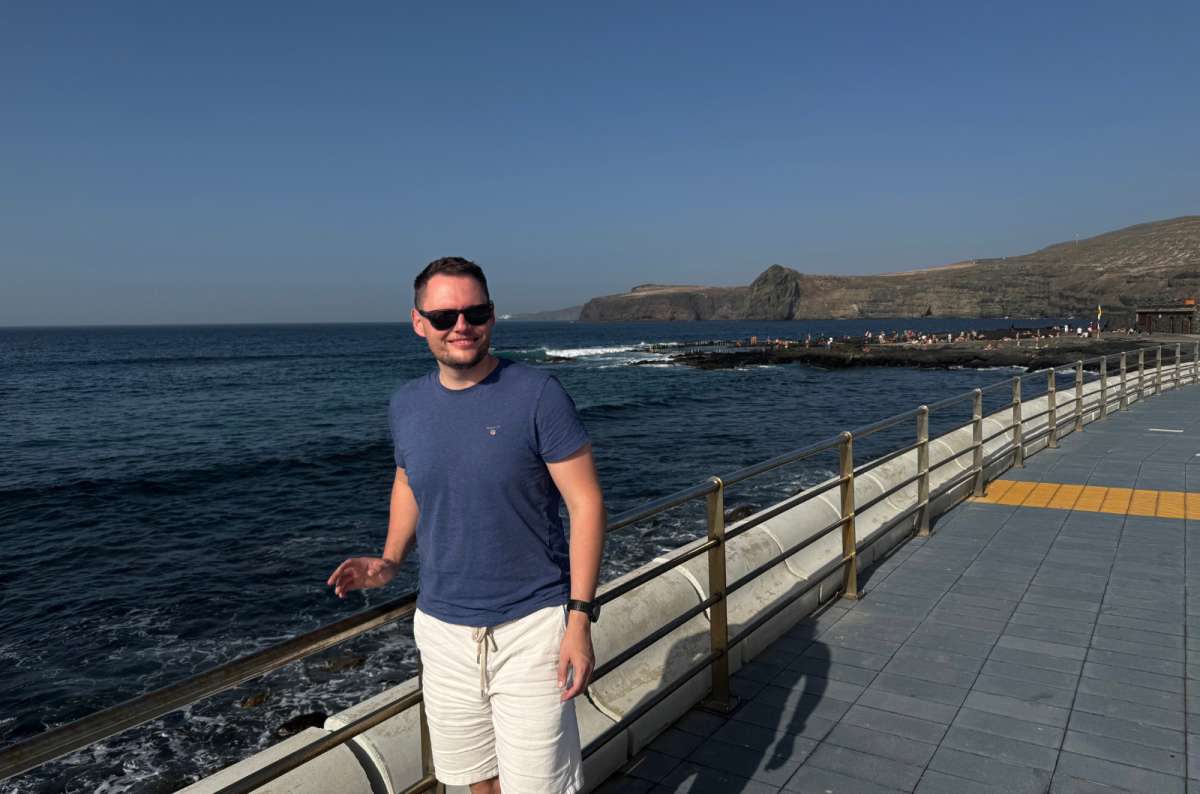
Gran Canaria wins the city comparison, and the reason is Las Palmas.
It feels like somewhere people actually live rather than a city you visit because you've run out of beaches. You get proper neighborhoods, restaurants, historic Vegueta, shopping, and Las Canteras right in the city. My things to do in Las Palmas article covers it properly.
Gran Canaria also has excellent smaller places. Tejeda comes with ridiculous mountain scenery, Teror has a more traditional Canarian feel, and Agaete was one of the coastal towns I enjoyed most. Puerto de Mogán is prettier than most purpose-built resort areas have any right to be, although it definitely knows it's pretty.
Tenerife doesn't have a city that impressed me as much as Las Palmas, but I preferred its historic towns overall. La Laguna is the standout, while La Orotava and Garachico give the north much more character than you'd expect after seeing the southern resorts.
Winner: Gran Canaria. Las Palmas is the best city experience on either island. Tenerife gets the edge for historic small towns, so I'd choose it if wandering old centers matters more to you than having a proper city in the mix.
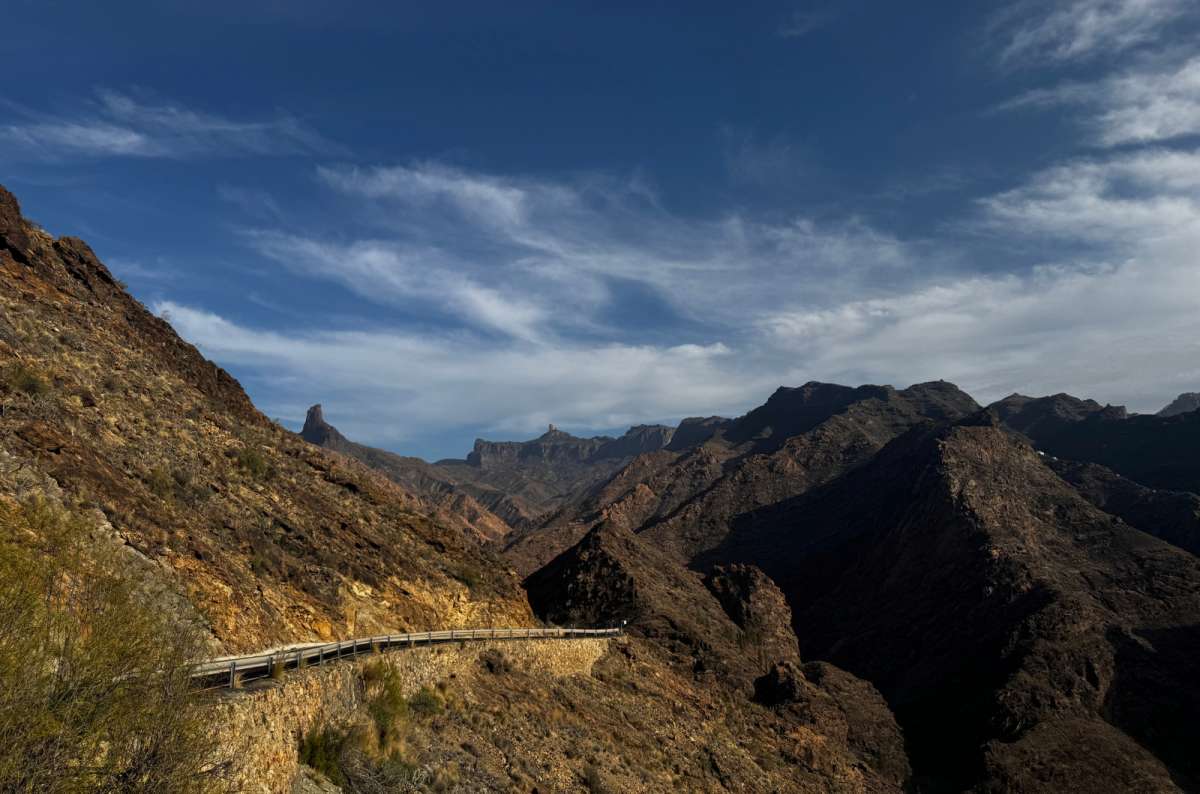
I rented a car on both islands, and I'd recommend doing the same if you want to explore them properly. The main roads are generally excellent. It's when you disappear into the mountains that your average speed and optimism start dropping together.
Tenerife was more frustrating to plan. Anaga has narrow mountain roads, tiny parking areas, and popular trailheads where finding a space can become an activity in itself. Teide is easier to drive around, but some experiences require more advance planning. Add Masca and Teno, and a day that looks perfectly reasonable on a map can involve a lot of winding roads. Tenerife also requires more advance reservations overall, especially if Teide and popular hikes are on your itinerary.
Gran Canaria isn't exactly flat and convenient either. Mountain drives are slow, and places that look close can take much longer to reach than you'd expect. Overall, though, I found Gran Canaria slightly easier to organize efficiently.
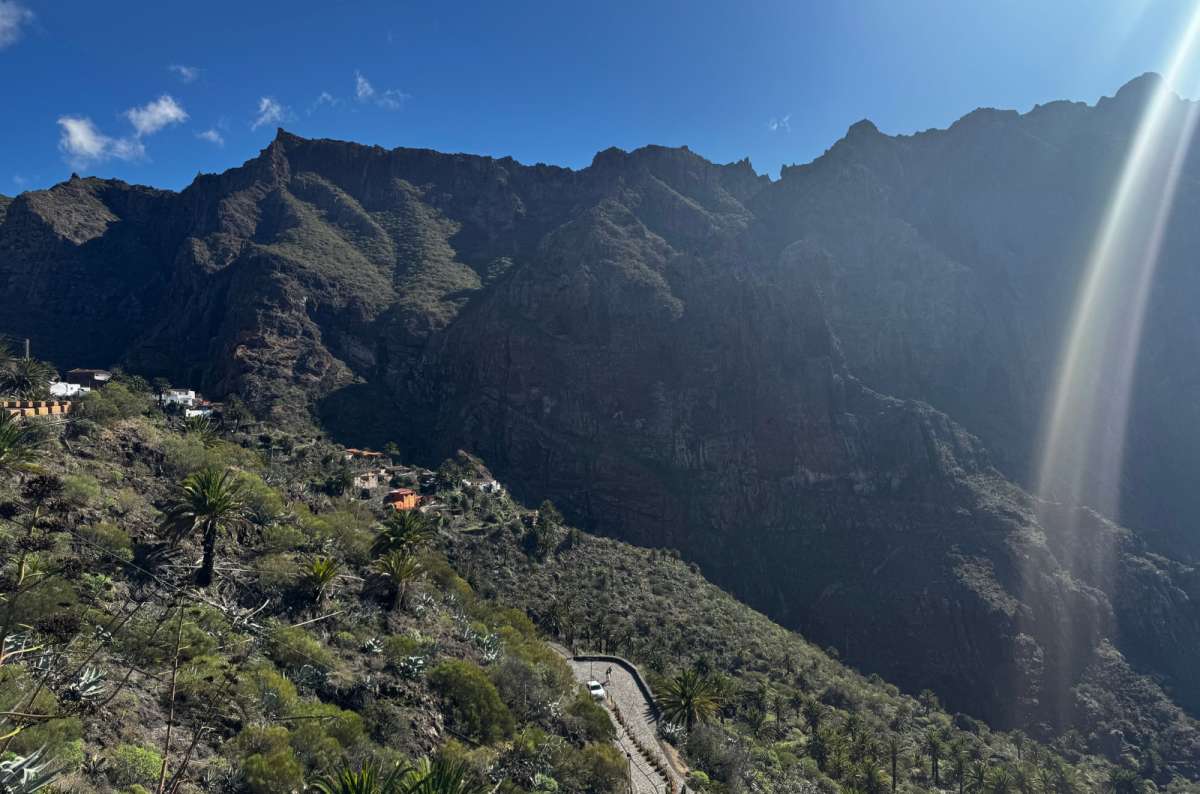
So, Tenerife or Gran Canaria without a car? Gran Canaria wins, mainly because you have a stronger car-free option in Las Palmas, and I found it required less advance planning and fewer reservations overall. Tenerife is possible without a car, but you'd sacrifice more of what I think makes the island special.
For the parking headaches and routes I'd actually use, see my guide to driving in Tenerife and guide to driving in Gran Canaria.
Winner: Gran Canaria for easier logistics and traveling without a car. Tenerife is the better road trip, but you have to work harder for it.
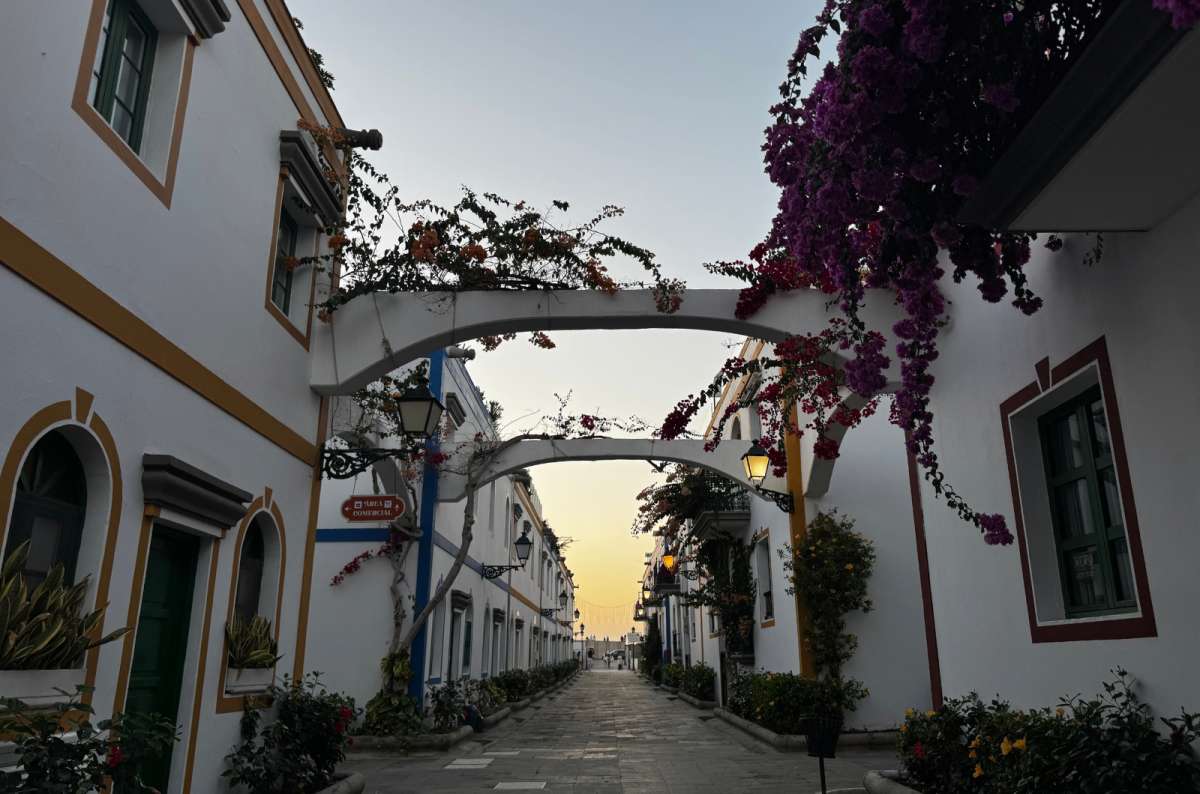
Both islands do resorts very well, but Gran Canaria makes for an easier one-base holiday.
For a straightforward beach or family trip, I'd happily stay around Maspalomas or Meloneras. Puerto de Mogán works if you want something smaller and prettier, while Las Palmas makes sense for city life and beach time.
Tenerife requires more thought because where you stay affects the trip more. Costa Adeje and Playa de las Américas are convenient for resorts and the south, but they aren't where I'd stay for exploring Anaga, La Laguna, or the greener north. Puerto de la Cruz works much better for that.
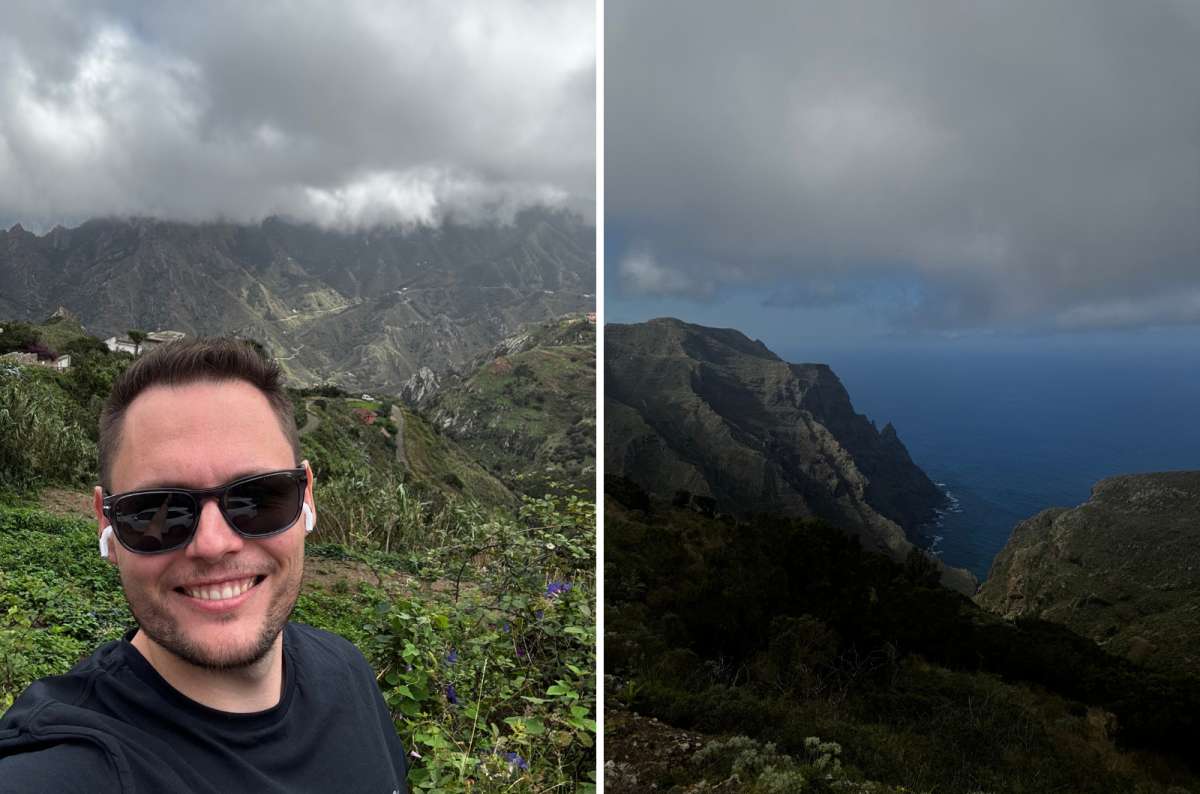
For an active Tenerife road trip, I'd split the stay between north and south. That's also how I'd approach a longer trip—my 7-day Tenerife itinerary shows how I'd divide the island without wasting half the week driving back and forth.
Gran Canaria can benefit from splitting accommodation too, but I found it easier to make one southern base work.
For the detailed breakdowns, see my where to stay in Tenerife guide and where to stay in Gran Canaria guide.
Winner: Gran Canaria. It's more flexible for a simple resort or family holiday. Tenerife makes more sense if you're happy to split your stay and turn accommodation into part of the road-trip planning.
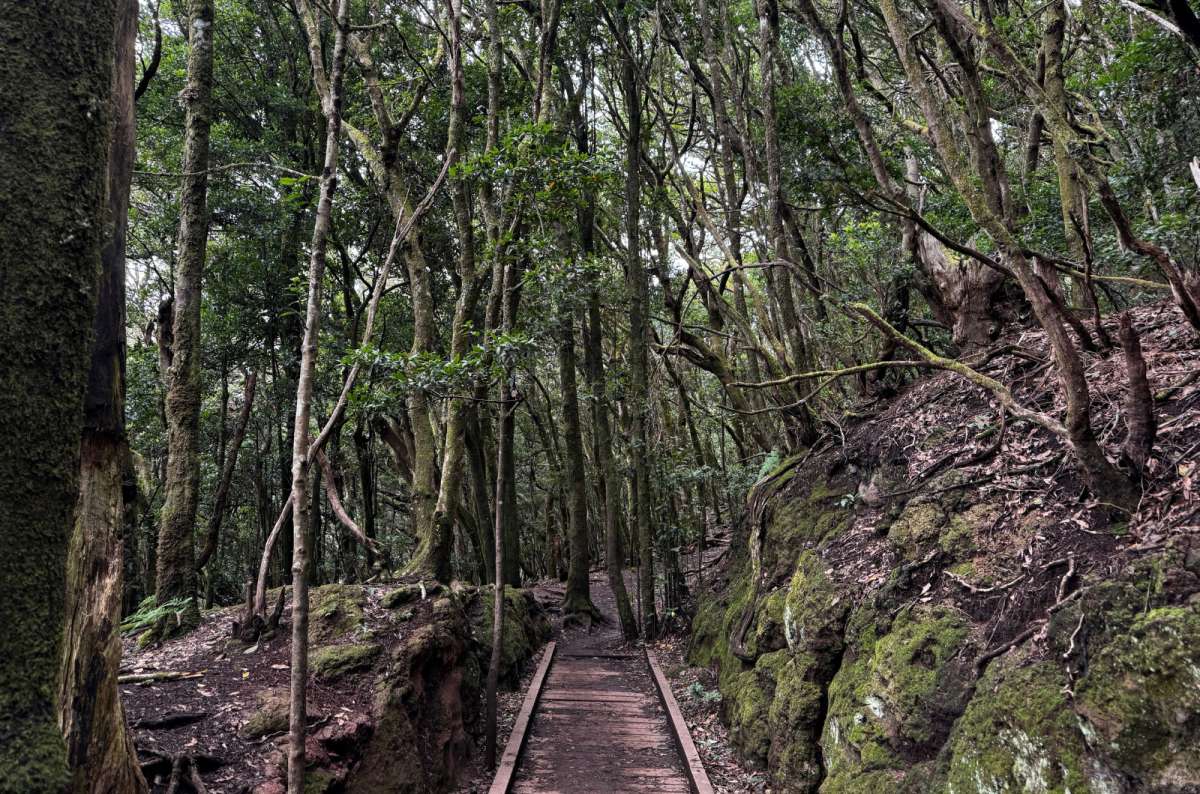
Anaga Rural Park. I knew Teide would be impressive; it's basically impossible to research Tenerife without being told that repeatedly. I wasn't expecting Anaga to compete for my attention quite so successfully.
I planned one day there and ended up spending three. The cloud forest, green ridges, villages, and Atlantic views felt completely removed from the volcanic Tenerife I'd pictured before the trip.
The mountain interior, easily. I expected Gran Canaria to be stronger on beaches and resorts. I didn't expect Pico de las Nieves, Roque Bentayga, Roque Nublo, pine forests, and huge ravines to become some of my favorite parts of the trip.
That's probably the biggest reason Gran Canaria caught me so off guard: it was far more dramatic away from the coast than its resort-heavy reputation had led me to expect.

Los Gigantes. The cliffs are undeniably huge, but after Teide, Anaga, and Masca, the land-based viewpoint didn't hit me with quite the same force. Impressive? Yes. Something I'd plan an entire day around by itself? No.
Roque Nublo's crowds and logistics. The rock itself deserves its reputation; the experience around it was less romantic. It's one of Gran Canaria's most famous sights, and unfortunately plenty of other people have also discovered this.
Neither disappointment would stop me from going back. They were just the places where expectation and reality weren't quite as passionately in love as the internet had suggested.
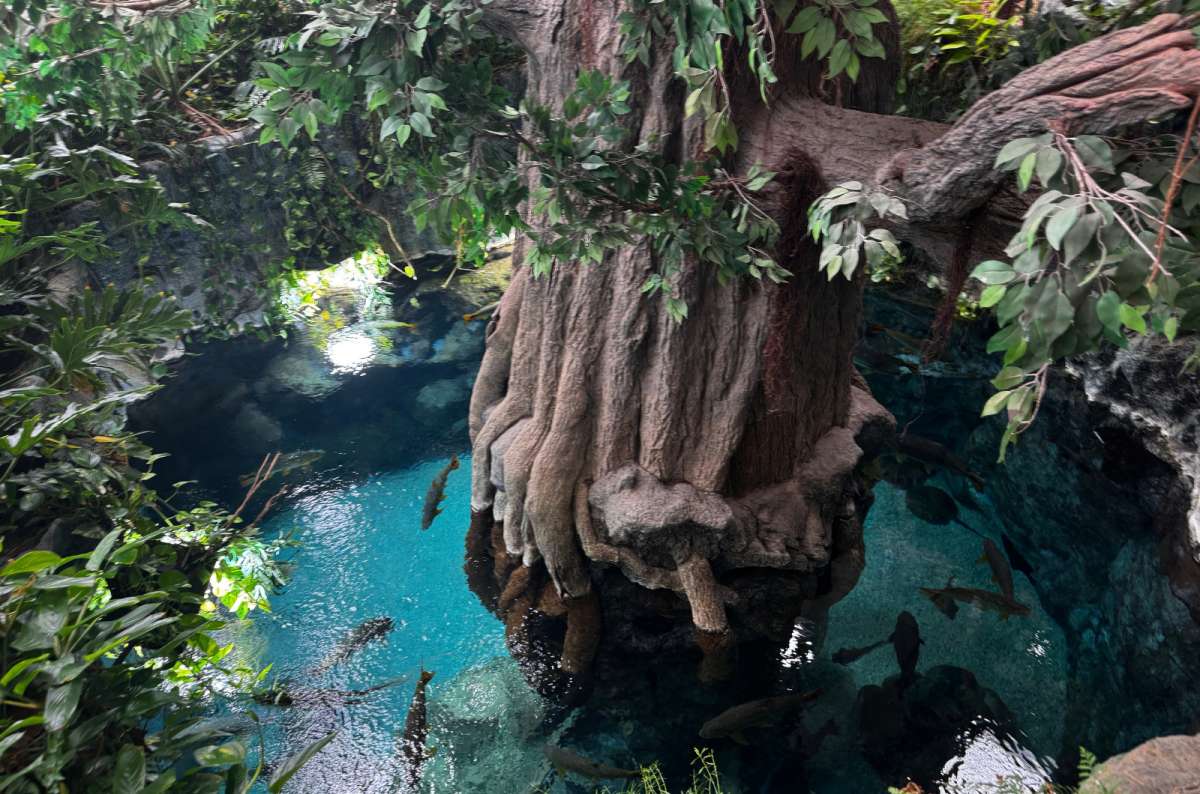
Still undecided? Here's how I'd choose.
First-time Canary Islands visitors: Gran Canaria. The most balanced introduction.
Hikers: Tenerife. Better headline hiking areas and more landscape contrast.
Beach travelers: Gran Canaria. Long sandy beaches and easier swimming.
Families with babies or toddlers: Gran Canaria. Easier slow days in the southern resorts.
Families with older children: Tenerife. Siam Park, Loro Parque, Teide, and more active sightseeing.
Couples: Gran Canaria. I'd take the mix of mountain drives, beaches, towns, and evenings by the coast.
Resort travelers: Gran Canaria. Maspalomas and Meloneras make this extremely easy.
City travelers: Gran Canaria. Las Palmas settles it.
Photographers: Tenerife. Teide, Anaga, Masca, black-sand coastlines, and dramatic cliffs give you more visual extremes.
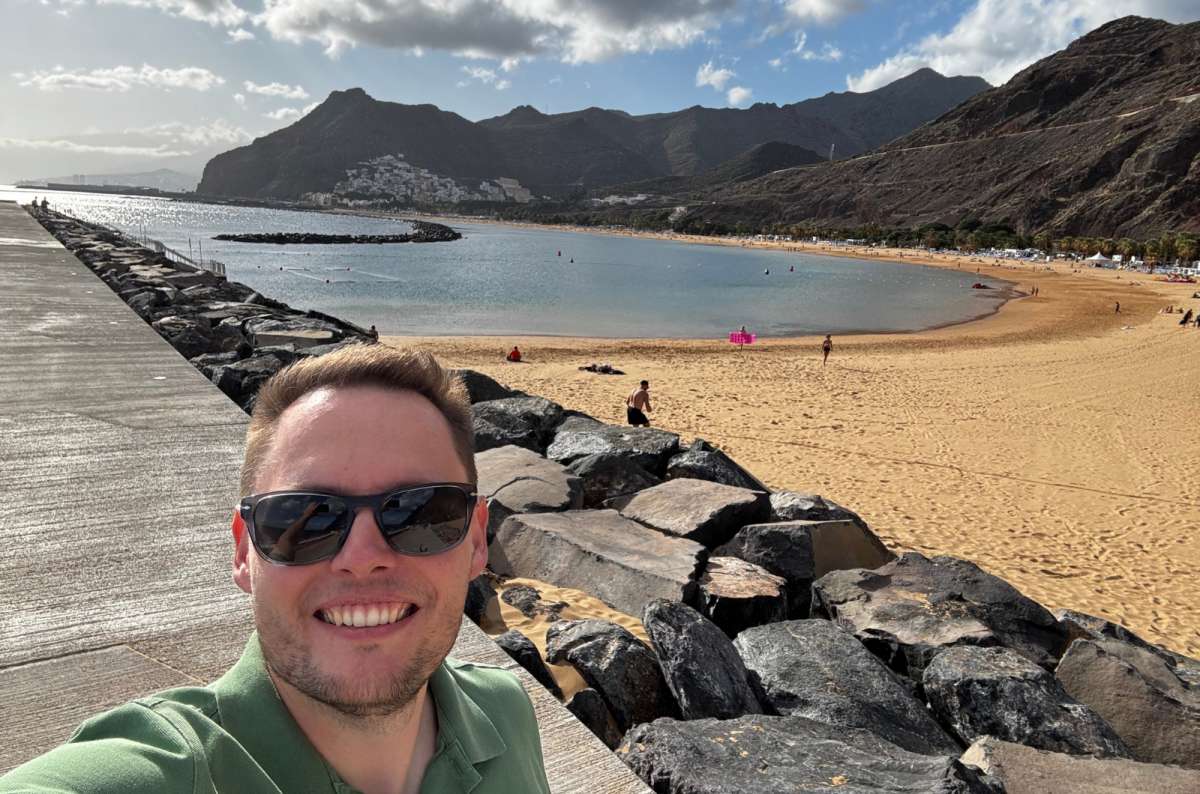
Travelers without a car: Gran Canaria. You have a stronger car-free base.
Short trips: Gran Canaria. It's easier to combine several types of days efficiently.
Long road trips: Tenerife. Give it time and the contrast between Teide, Anaga, Teno, the north, and the south pays off.
If none of those describes you, I'd default to Gran Canaria for a first visit and Tenerife for a nature-focused trip.
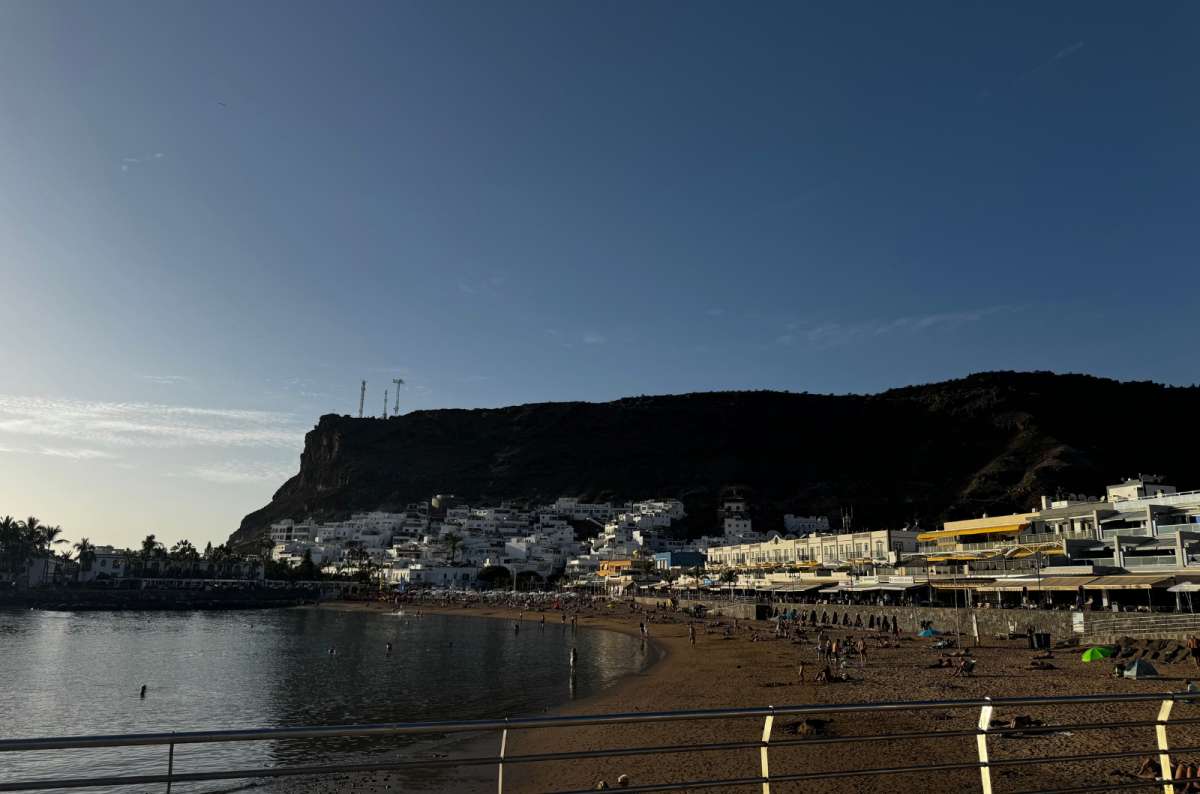
That's slightly strange considering Tenerife wins several categories I care about most. Teide was the biggest individual natural attraction of the trip, Anaga completely messed up my itinerary in the best possible way, and Tenerife still has plenty I'd happily return to explore.
But if you gave me two plane tickets tomorrow, I'd go back to Gran Canaria first.
Part of that is unfinished business. Mostly, though, I simply enjoyed being there more. I could have a ridiculous mountain day, spend the next around Maspalomas, and then switch gears again completely.
Tenerife created some of my strongest individual memories. Gran Canaria gave me the trip I'd most like to repeat.
That's the difference between my personal favorite and simply counting which island has the most spectacular attractions.
So, which is better, Tenerife or Gran Canaria? For most first-time visitors, I'd choose Gran Canaria.
It's the more complete all-round trip, and it's my personal winner too. It surprised me more, I preferred the rhythm of traveling around it, and it's the island I'd revisit first.
But there's one very good reason to choose Tenerife instead: nature.
If your holiday revolves around hiking, volcanic landscapes, and collecting as many “how is this all on one island?” moments as possible, Tenerife is stronger.
So my final Tenerife vs Gran Canaria verdict is simple:
Book Gran Canaria for the better all-round holiday. Book Tenerife if the landscapes are the holiday.
This post contains affiliate links. If you make a booking through one of my links, I may earn a small commission—at no additional cost to you. Thank you for your support!
Tenerife or Gran Canaria: The quick answer
Gran Canaria vs Tenerife: Which island wins?
Which Canary island has more wow moments?
Tenerife vs Gran Canaria for hiking and outdoor travel
Tenerife or Gran Canaria for beaches?
Tenerife or Gran Canaria for families?
Which is better for cities, towns, and local atmosphere?
Tenerife or Gran Canaria without a car: Which is easier to get around?
Tenerife vs Gran Canaria: Where is it better to stay?
My biggest surprises and disappointments
Tenerife or Gran Canaria: Which island is best for you?


Hi, I’m Jan. I travel fast and intensely, whether I’m exploring the buzz of Tokyo in 3 days or road-tripping through mountains and beaches on a 3-week Thailand adventure. And no matter where I am, you’ll always find me in a comfortable hotel at night and eating the best food.
If that sounds like your kind of journey, hop on board, and let’s explore the world together!
I started this blog after realizing how tough it can be to find reliable, authentic travel info. You wouldn’t believe how many “travel bloggers” never even visit the places they write about! On Next Level of Travel, you can count on my full honesty and insights drawn from my firsthand experiences.
Here’s the deal: not every destination is all superlatives and unicorns. I’ll let you know if a tourist attraction isn’t worth your time, like skipping overrated stops in my 2-week Spain itinerary. And when I find something truly special—like the perfect mix of culture and nature in Cape Town—you can trust that it’s worth adding to your itinerary.

Comments | Thoughts? Give us a shout!