




How much time do you need in Hamburg?
The best Things to do in Hamburg
3. International Maritime Museum
4. Speicherstadt and HafenCity
10. St. Michael’s Church or St. Nikolai Memorial
18. What NOT to do in Hamburg: St. Pauli, Red Light District
Conclusion: Is Hamburg worth visiting?
I’ve been to Hamburg a couple of times now (to make extra sure it’s worth visiting) and can confirm: it deserves a trip, and for longer than a day. It may not be the prettiest city, but it more than makes up for it with the amount of fun activities I filled my weekend with.
Unlike Munich, which is about grand architecture, or Berlin, which is about history and nightlife, Hamburg revolves around its port. The city's biggest attractions are museums, ships, warehouses, waterfront walks, and engineering marvels. If that sounds appealing, Hamburg is one of Germany's most rewarding city breaks.
To get more specific, I had a blast particularly at the Miniature Wunderland, Maritime Museum, and the Kunsthalle. All of them immediately made it clear to me that Hamburg is a super fun city to visit in Germany. And surrounding everything is the Elbe River with the huge, Nordic-esque port that really reminded me of Copenhagen and London. What more could you ask for from a major German city?
I’ve created this list of the best things to do in Hamburg based on my own real experiences, plus the itinerary I followed and a map to keep you from getting lost. I won’t add any tourist traps, but I will add one warning about a place that’s not worth your time.
Pro tip: If you’ve already settled on Hamburg as your next destination, let me usher you over to my 3-day Hamburg itinerary. Most of the places on this list are on there.
Read more from my Germany travel guide.
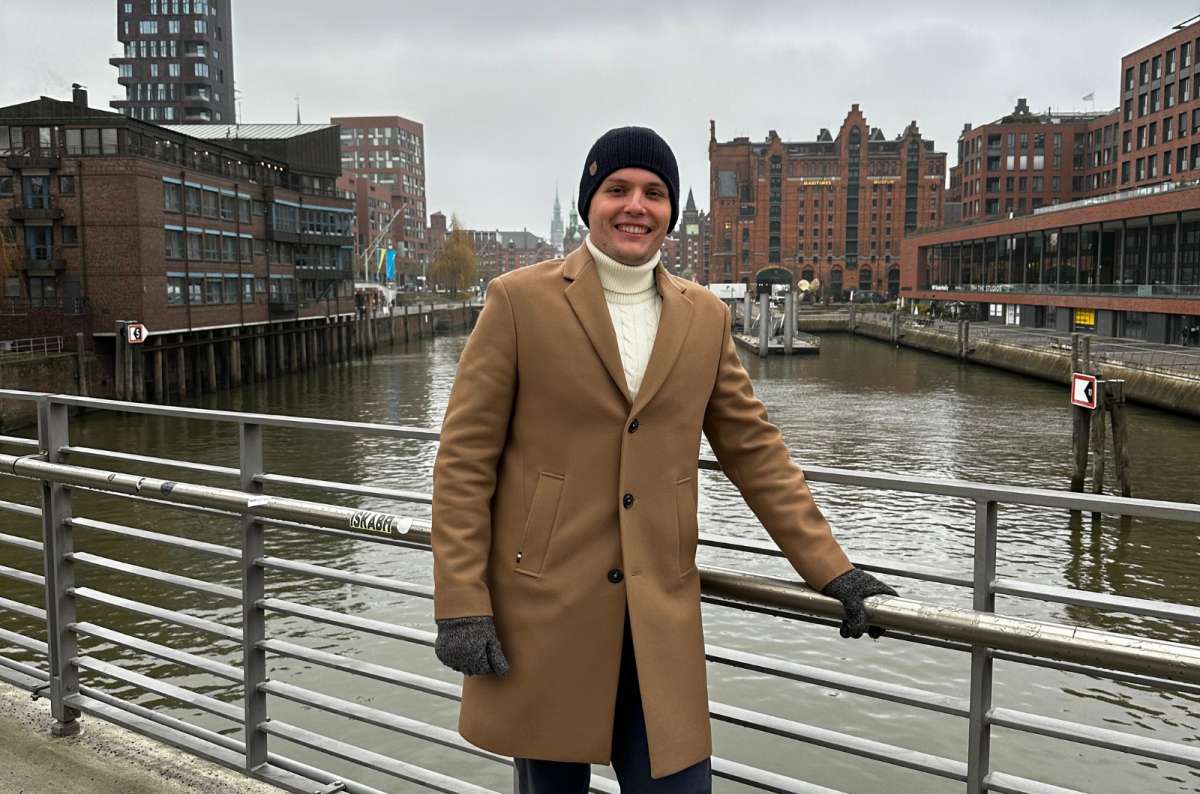
Hamburg’s architecture is okayish with its modern buildings, so this is not the city for you if you’re looking to fall in love with gorgeous spots on every corner. But the waterfront views of the Elbe are pretty nice. You’ll always see cranes and container ships when you’re in Hamburg, which helps balance out the metropolitan vibe.
I found Hamburg’s population cool and collected, and restaurants and infrastructure are fantastic too—it’s a big city, but easy to get around and feel comfortable in. I never felt overwhelmed or lost on the U-Bahn. Which was a relief because I definitely got confused a few times in Berlin.
Stay in the wider center since the hotels in Old Town are excessively expensive. Hamburg’s infrastructure is so good that there is no reason to pay a premium when you can get a fantastic hotel a little further away and easily get to the Old Town when you need to.
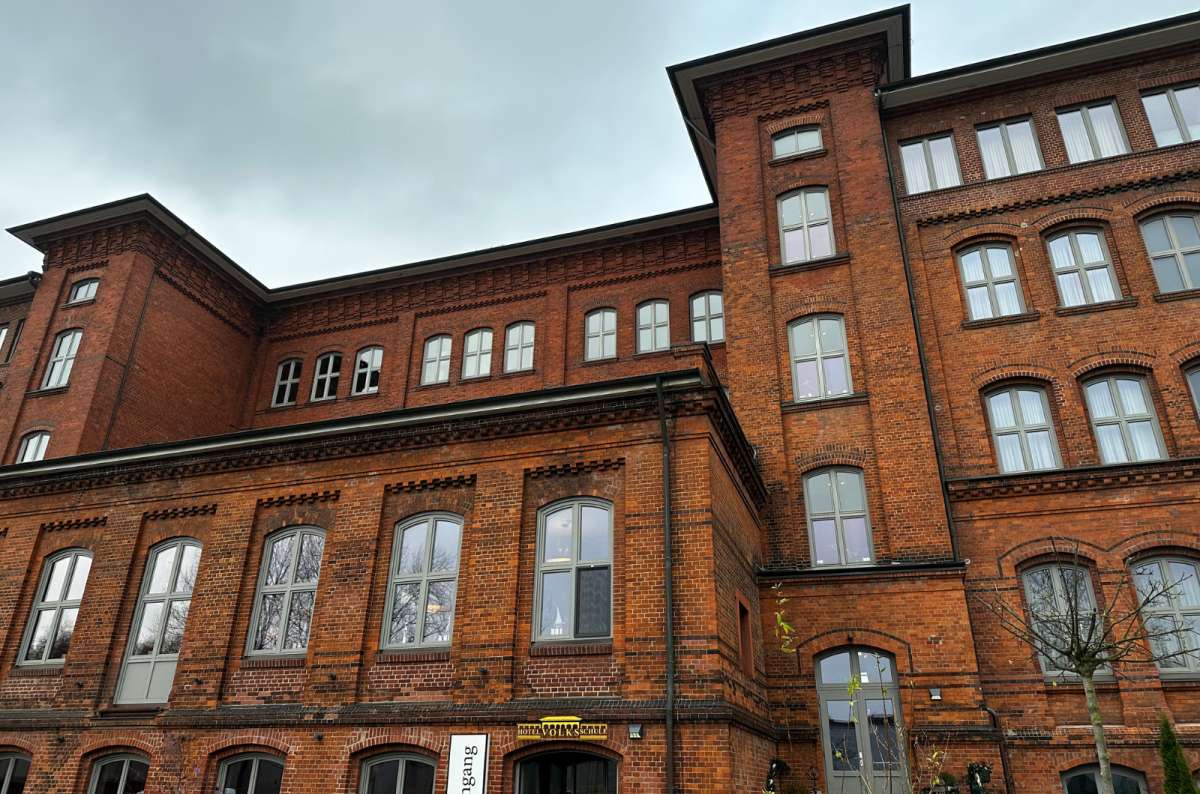
Hotel Volksschule is the hotel we stayed at and LOVED IT. It’s one of my favorite hotels not just in Hamburg but in all of Germany.
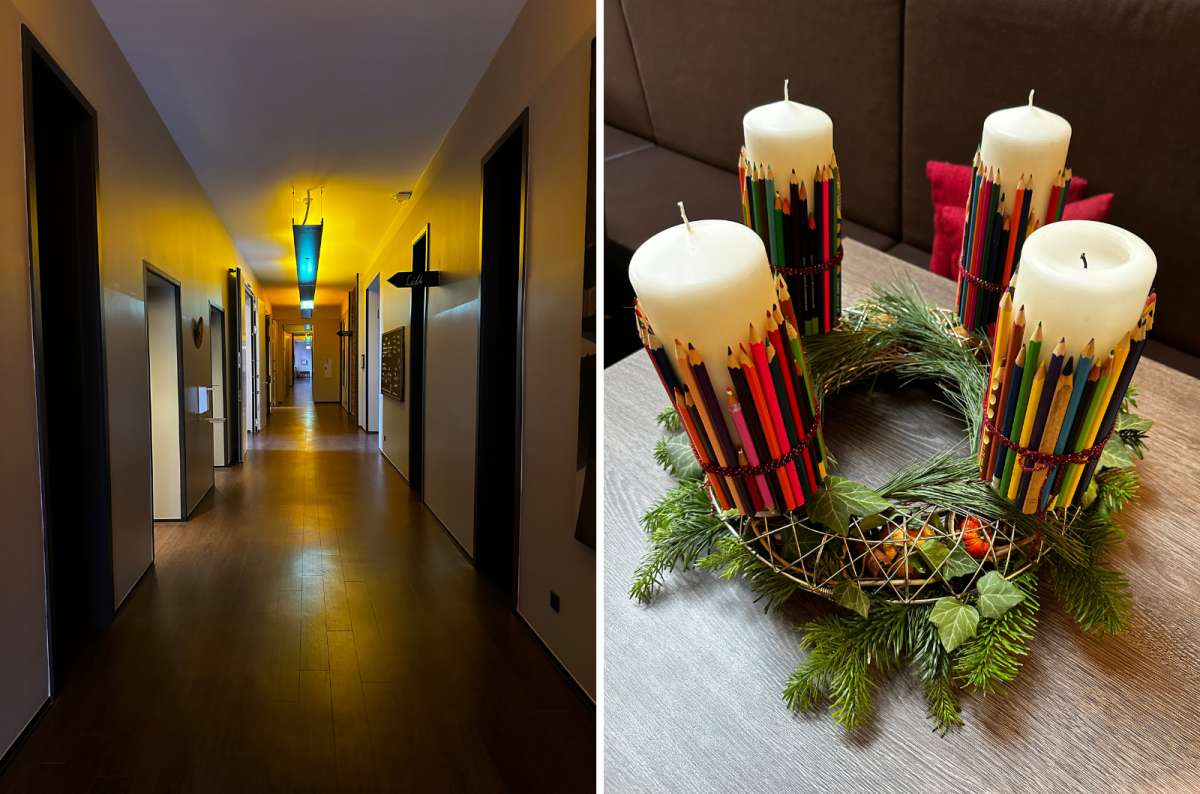
This 4-star hotel is set inside a former school building, which made it a surprising stay in a positive, memorable way. The breakfast was great and everyone from the reception staff to housekeeping was genuinely friendly.
And it’s only about a 15 minute drive from the city center. Combined with Hamburg’s fantastic public transit, it’s both a convenient and affordable stay.
Honestly, not much. The only downside is the location if you want to walk everywhere. It's outside the city center, so you'll need to drive or use public transport to get to most of the sites. But I personally didn’t have a problem with that.
Would I stay again? Absolutely. I gave Hotel Volksschule a 10/10 after my stay, and I'd happily book it again.

The minimum is 2 days, but 3 is ideal. I personally spent 3 days in Hamburg, which I was very happy with. It gave me enough time to see everything I wanted to without feeling like I was racing from place to place.
You could also squeeze everything into just a weekend. I’d still recommend 3, but I’ll show you how to put together a 2-day Hamburg itinerary without running around like a chicken with its head cut off.
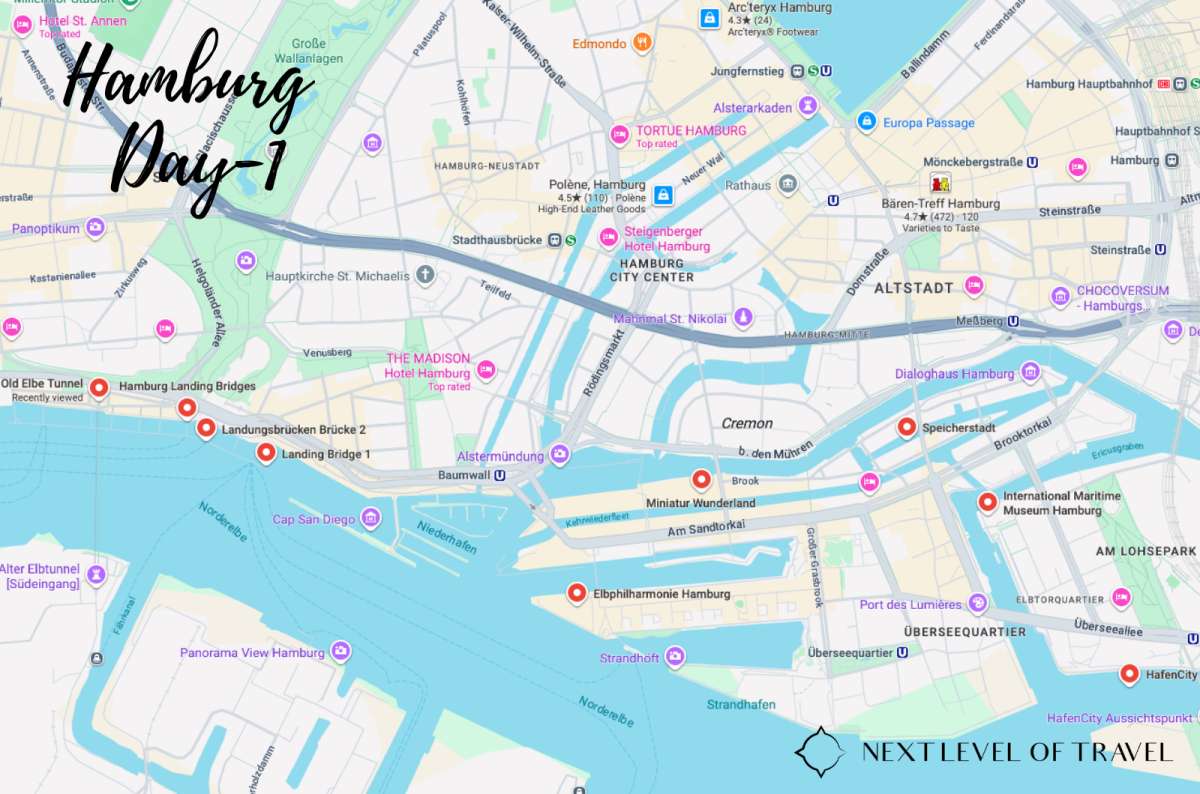
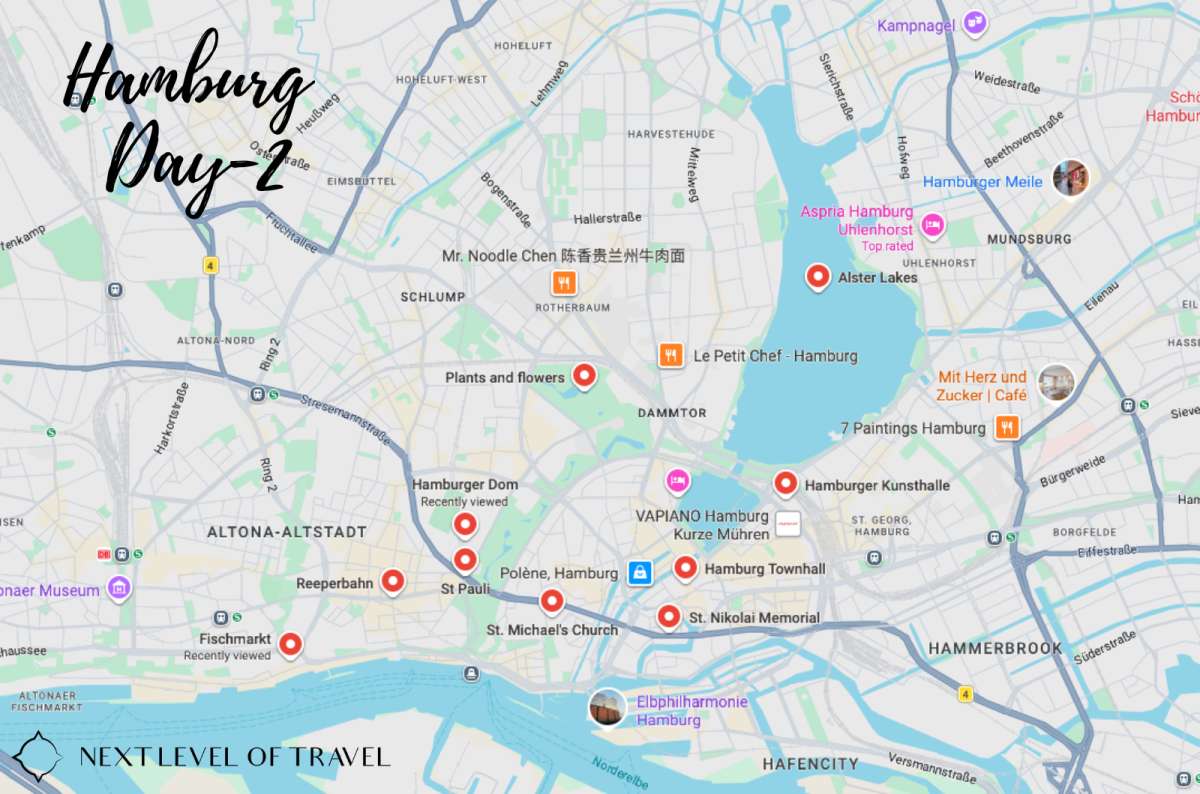
Without further ado, here are the top things to do in Hamburg:
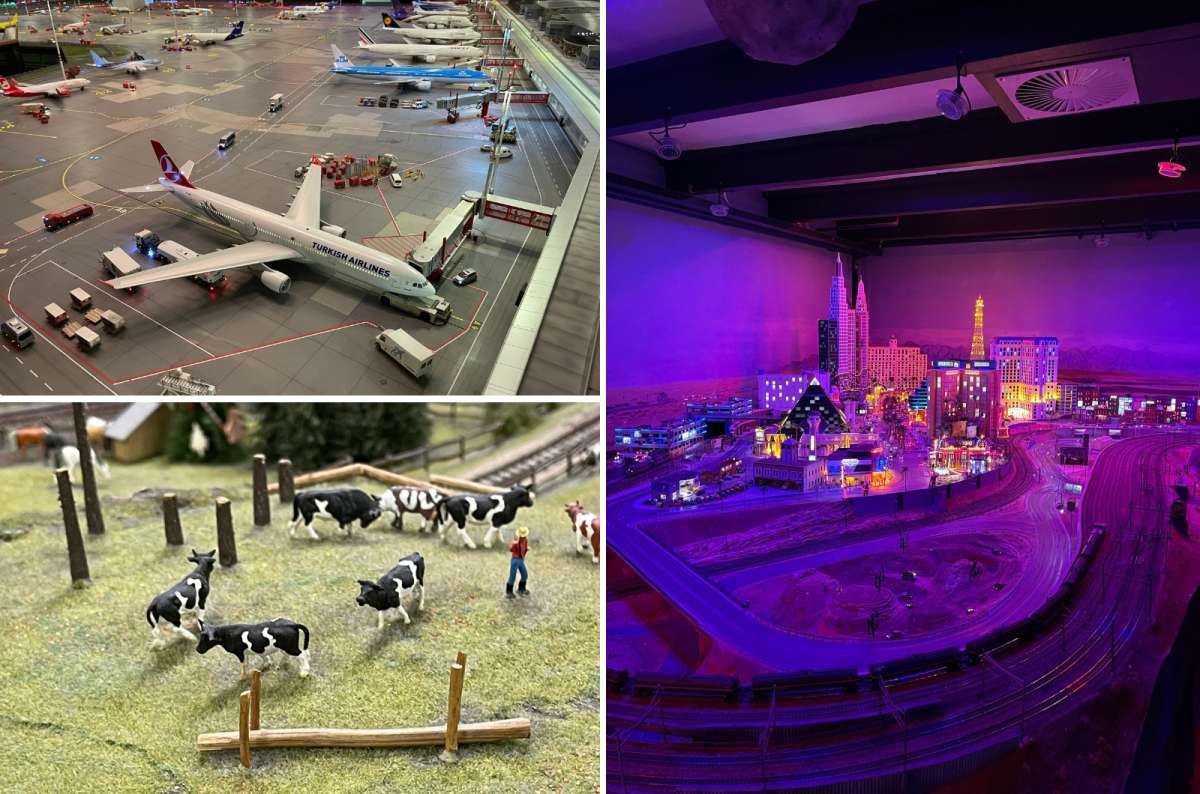
If you’re an adult kid like me, you’ll absolutely love it in Miniatur Wunderland (=miniature wonderland). Miniatur Wunderland is certainly among the top places to visit in Hamburg… heck, it’s one of the best places I’ve visited in any city in the world! It really lives up to the hype and then some.
In simple terms, it’s a model railway. In reality, it’s a tiny but vast world of incredible detail. It was so f*cking fun and sooo overwhelming, there’s so much going on!
The whole thing is based on famous sites from around the world, with thousands of people, but also fantasy characters, all over the place, each with their own thing going on. I spent half an hour walking 10 meters (30 ft)—and it’s on several floors! There are so many stories to witness, and so many quirky details to find. That means expect to spend several hours exploring this place.
For example, day and night, realistic topography, a modern airport, Atlantis under the sea… but then also weird things like penguins at the train station, a guy taking a dump under a tree, Snow White and the Seven Dwarves on a hike. And of course, how else to summarize humankind than including kinks like someone flashing the police, a lady giving her bf a BJ in a field, and lots of examples of baby-making procedures.

Just be expecting TMI around every (tiny) corner. My eyes started hurting from staring at a million things that I noticed.
You even get a checklist of peculiarities to try to find in Miniatur Wunderland—definitely one of the most interesting places in Hamburg if you have any curiosity left in you:

Pro tip: Make sure to buy your tickets in advance. We didn’t and had to wait until the next day to get in. They limit the number of people that go in on any particular day, but you’ll still feel like there’s a million people inside at once. Get ready to be in everybody’s personal bubbles.
Miniatur Wunderland is located in Speicherstadt, the cool warehouse district.
New for 2026: This year marks Miniatur Wunderland’s 25th anniversary and it’ll have special events throughout the year to celebrate. If it wasn’t big enough already, a huge new rainforest section will open late 2026.
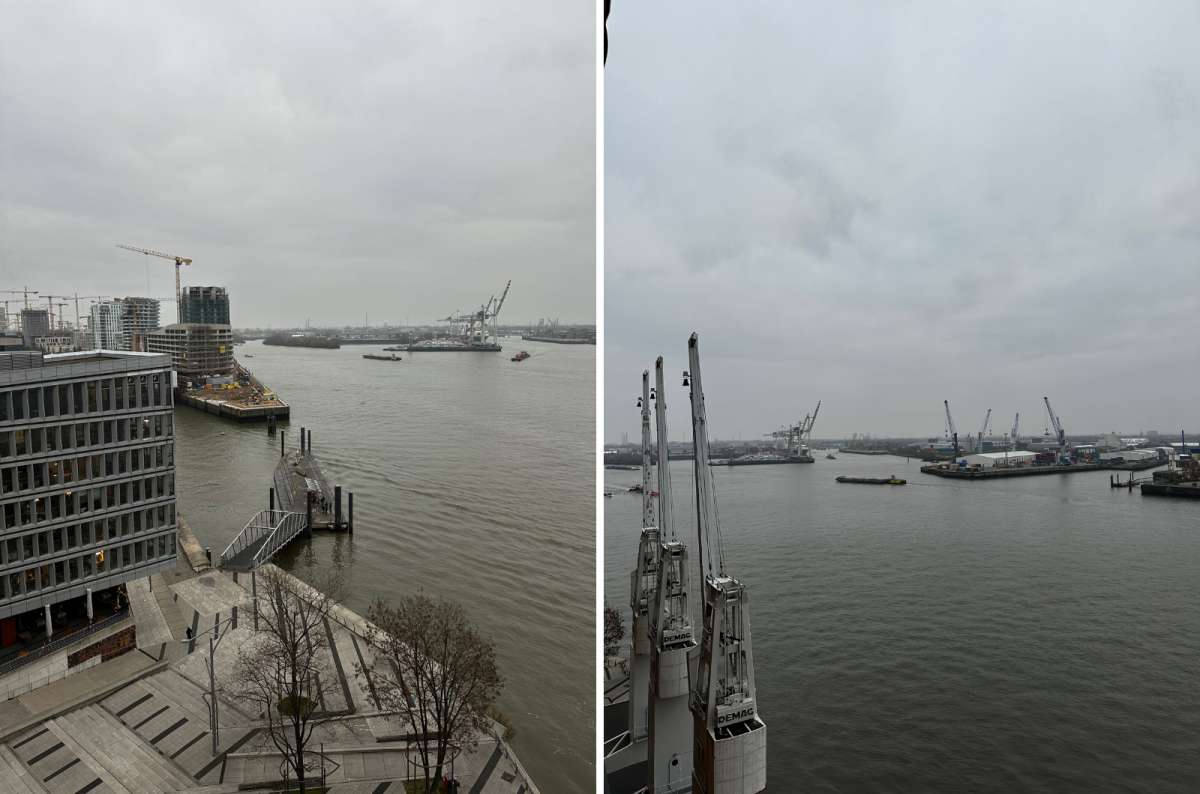
Remember when I said Hamburg wasn’t that pretty? Well that’s still true...but seeing it from the Elbe on the Harbor Cruise gave me a new appreciation for it.
I took the standard 1-hour tour, which was plenty: I passed by Speicherstadt, HafenCity, the Elbphilharmonie, and the container port. There’s also a 2-hour tour that takes you to extra locations, but nothing I’d go out of my way for.
The Alster cruise is another option, but if you only have time for one, skip it and do the harbor instead—it's much more distinctive and gives you a much better appreciation of Hamburg’s uniqueness. Plus you get to go in these funky little barkassen: traditional boats that are narrow enough to fit into the canals.
Just be aware that commentary is usually in German. Me and the other English speaking tourists were sitting there confused as the Germans chuckled at whatever jokes they were hearing. Talk about feeling left out.
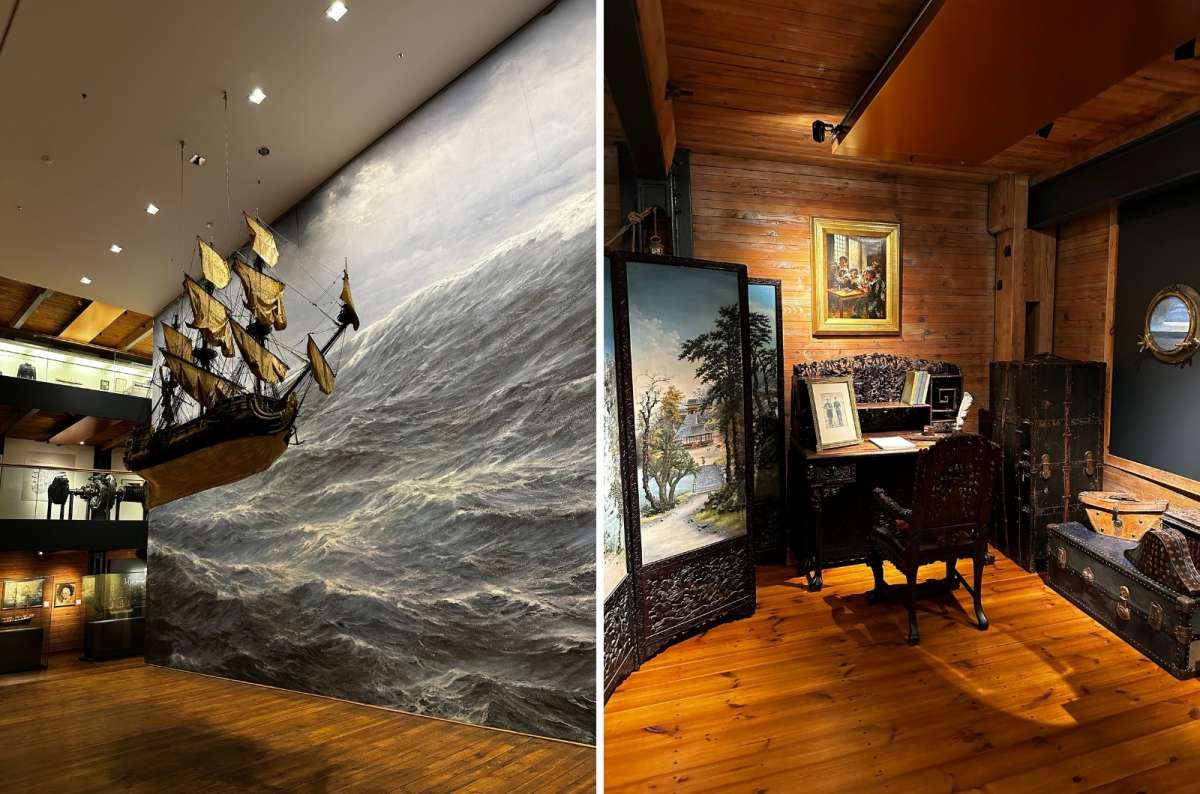
Hamburg strikes again! This time with possibly the best maritime museum in the world. It’s 9 floors of pure joy and… ships. And it’s very close to Miniatur Wunderland (both in distance and ranking).
Plan to spend at least 4 hours there, or 7 if you’re going with me. There is literally everything boat-related: from the start of boatbuilding and sailing, to trade navies, world navies, the age of exploration, history, wars, and everything in a very educational and fun manner.
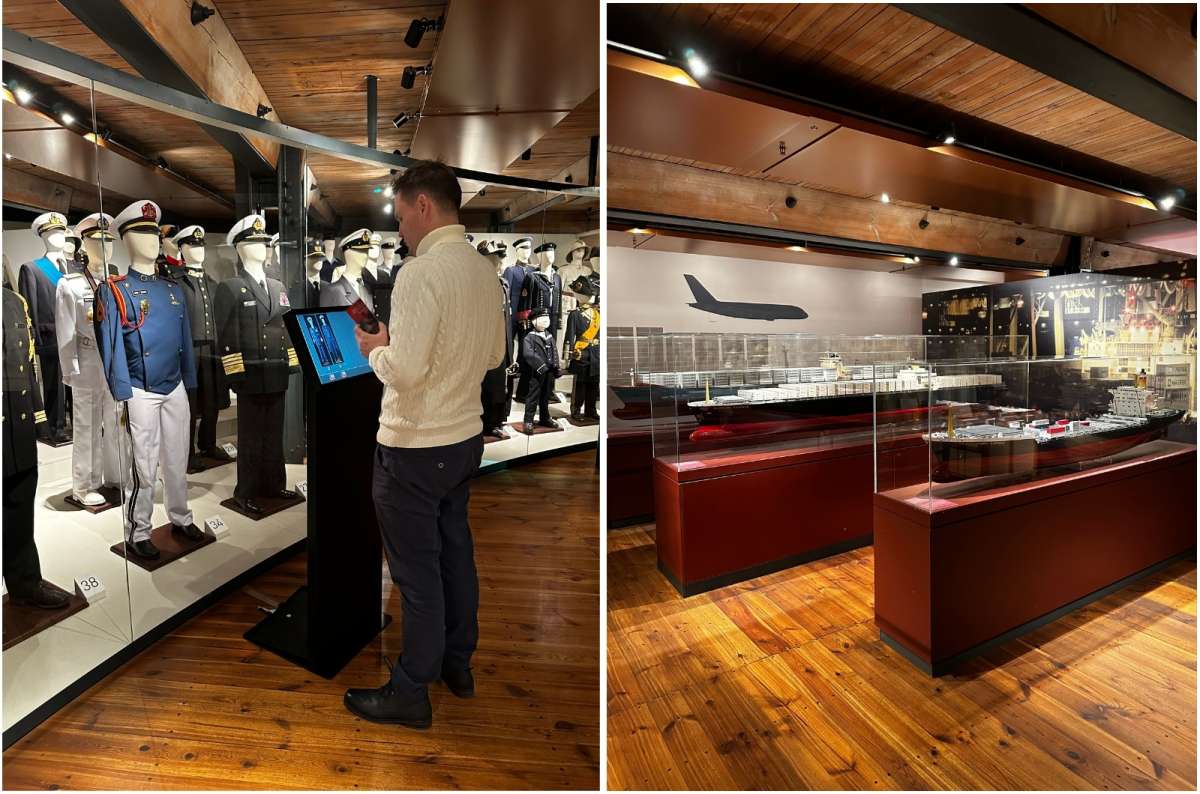
Signs are mostly in English but sometimes only in German (boo for that, Hamburg).
Have I mentioned that there are thousands of models, big and small? And the entire 9th floor is dedicated to just miniatures. I mean, what’s going on with the miniatures, Hamburg? You got a really cool but pervy fetish going on there, buddy. It’s yet another example of the things to do in Hamburg that make it stand out from other German tourist cities.
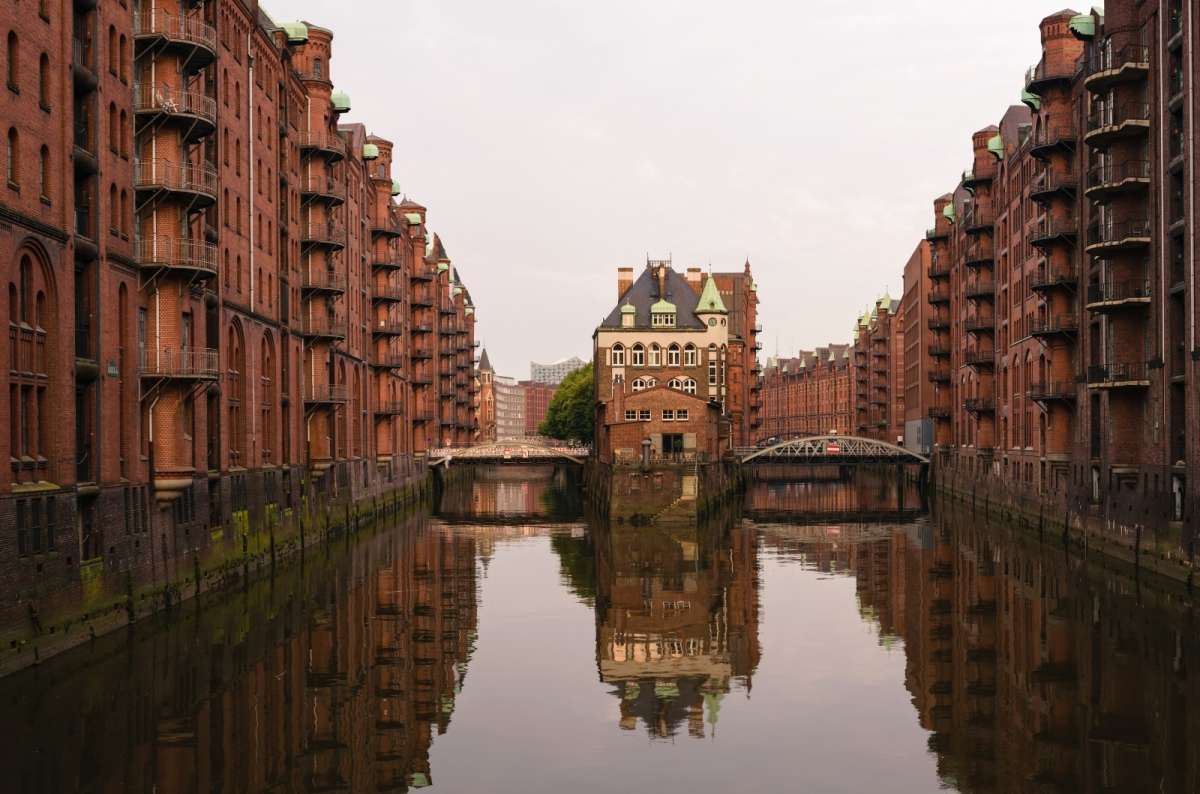
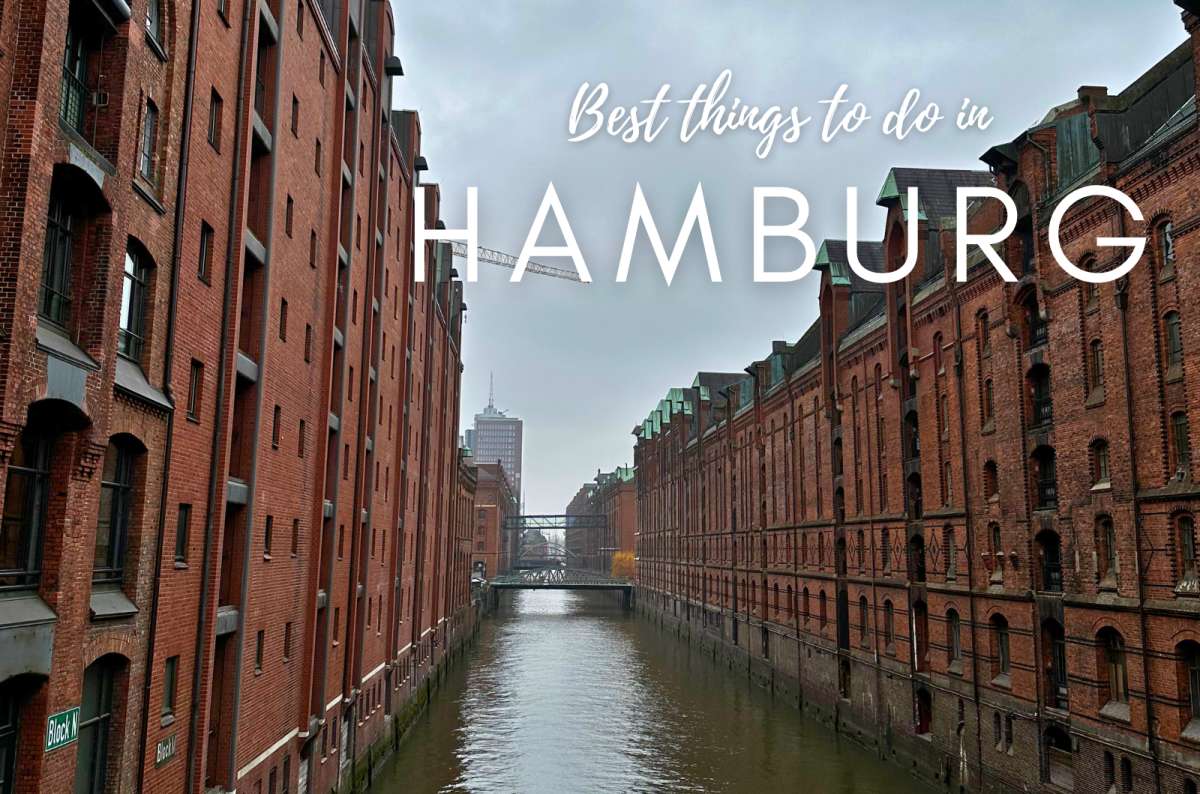
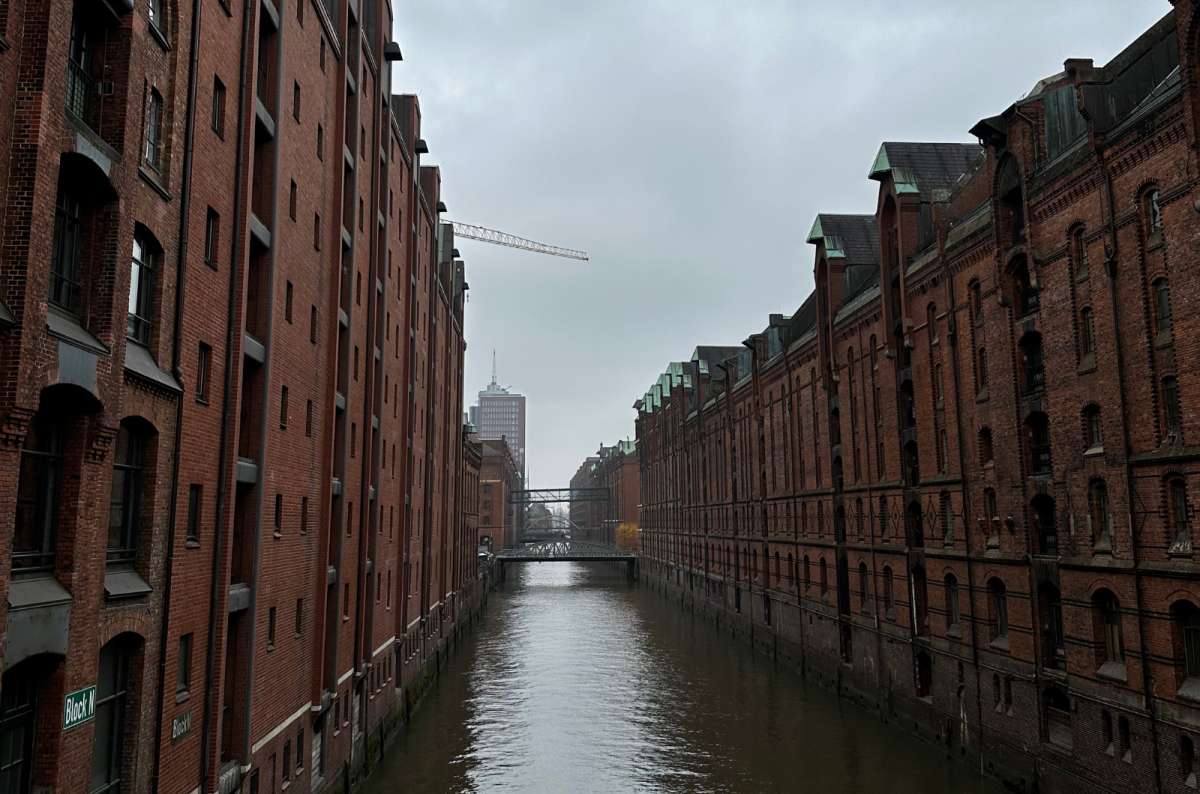
The Speicherstadt district is part of the HafenCity quarter, but I couldn’t tell where one ends and the other starts. All you need to know is that it’s the warehouse/port district. One look at the red brick facades and you’ll know you’ve found it.
Many of the attractions on this list of things to do in Hamburg are within the area (like the Elbphilharmonie, Miniatur Wunderland, and Chilehaus close by), and it’s just generally a cool area that has undergone a lot of redevelopment. I enjoyed a walk around because it has a specific atmosphere that reminds me of Copenhagen.
Think bars, restaurants, shops, etc., all right by the water, giving Spericherstadt and HafenCity a great vibe.
Head to Wasserschloss viewpoint for some great photo ops of the buildings between the individual channels of the river.
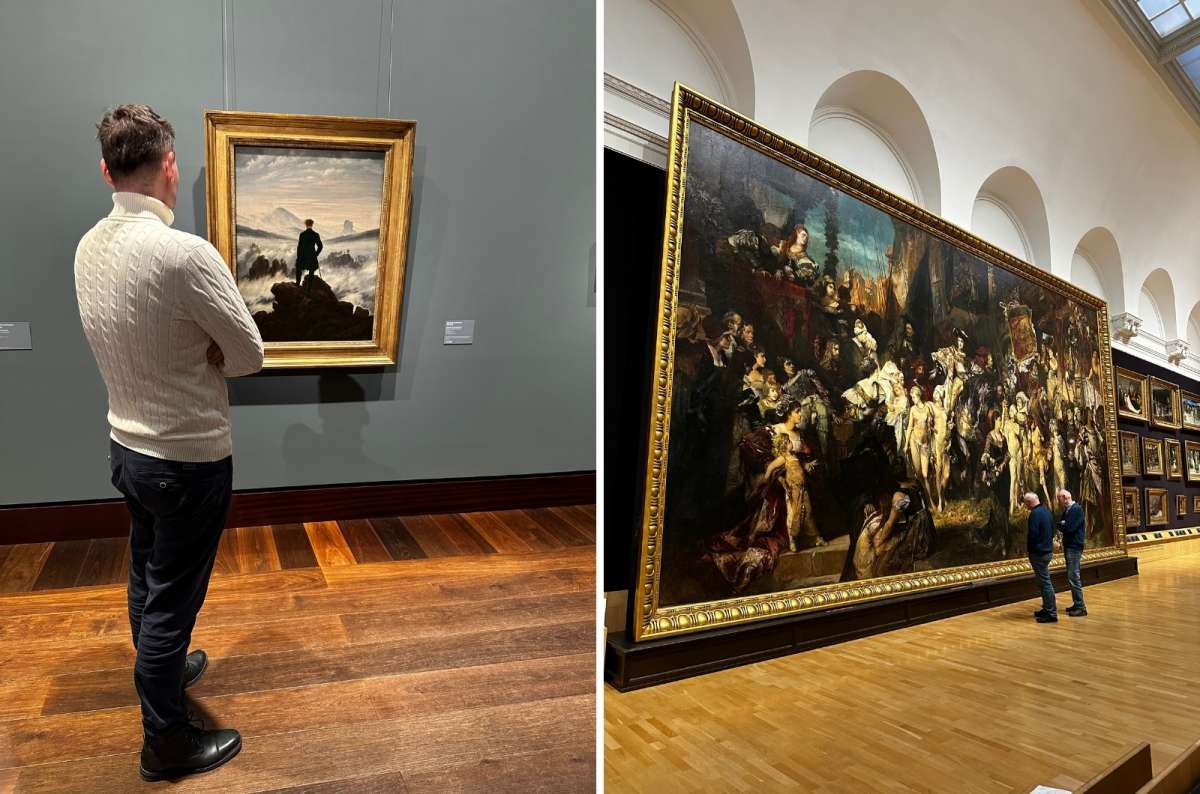
I’m not much into art, but this Kunsthalle (=art hall) is one of the best I’ve ever suffered through (I mean visited).
There is a really good collection of impressionists and paintings of artists like Renoir, Degas, Cézanne, Manet, and Monet. Aside from those, you’ll get the whole spectrum from Old Masters to modern photography.
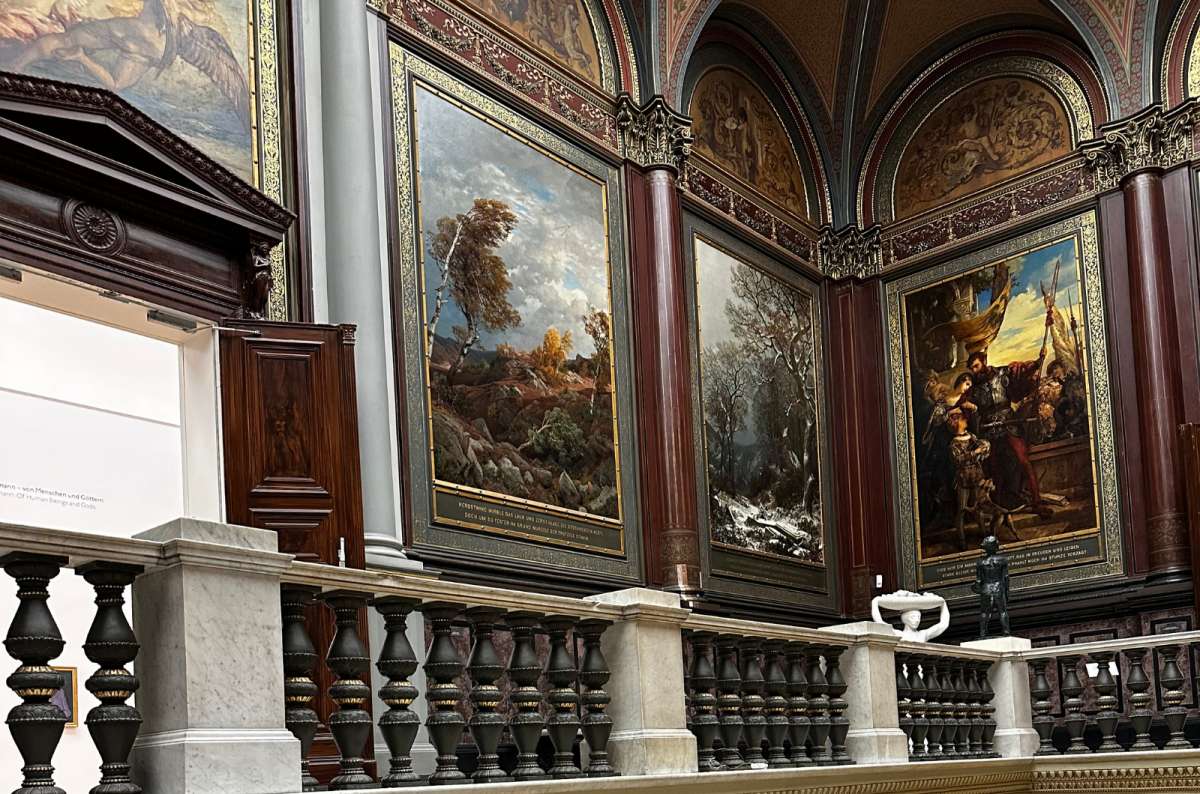
And there’s one specialty—this gallery includes my favorite painting ever. When I was little, I’d thought I was going to buy it when I grew up. Then, when I was older and realized the price and quickly changed my mind, but I saw it in Hamburg’s Kunsthalle and I was smitten.
It’s a painting called “The Wanderer” by Caspar David Friedrich—very dear and special to me. By the way, it’s from the Enlightenment period, which was especially strong in Germany and also made Germany very strong (see what I did there).
You’ll need about 2–3 hours to visit Hamburg’s Kunsthalle. It’s spread across three buildings, so there is a lot to see. You can also get the tickets online.
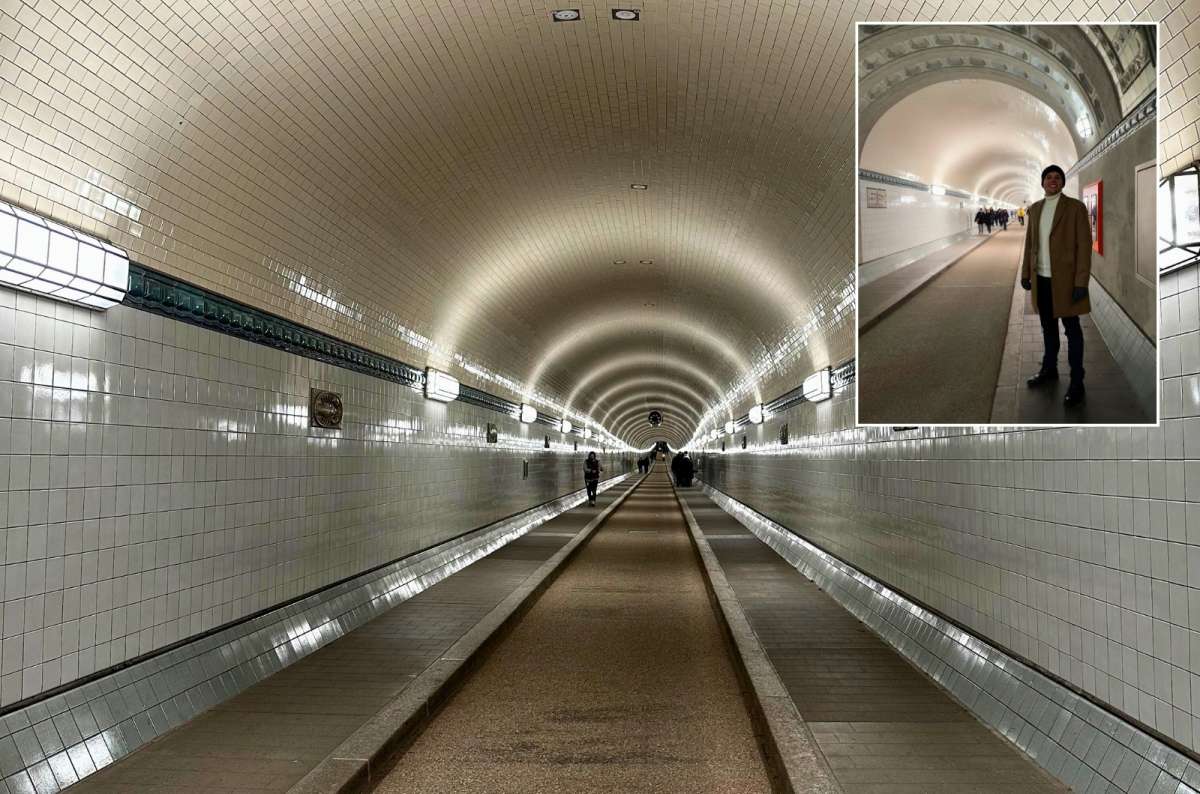
This is kinda cool, I’ve never seen anything like it before. The 100-year-old Alter Elbtunnel is 426 m (1400 ft) long and leads under the river. It was built in 1911 as a path for workers from the pier to the docks.
What’s wrong with bridges?! Jk. They did eventually build those as well, and since then, the Old Elbe Tunnel has stayed as a tourist attraction, but also just a means of getting around for locals. I saw cyclists and pedestrians crossing through at all times.
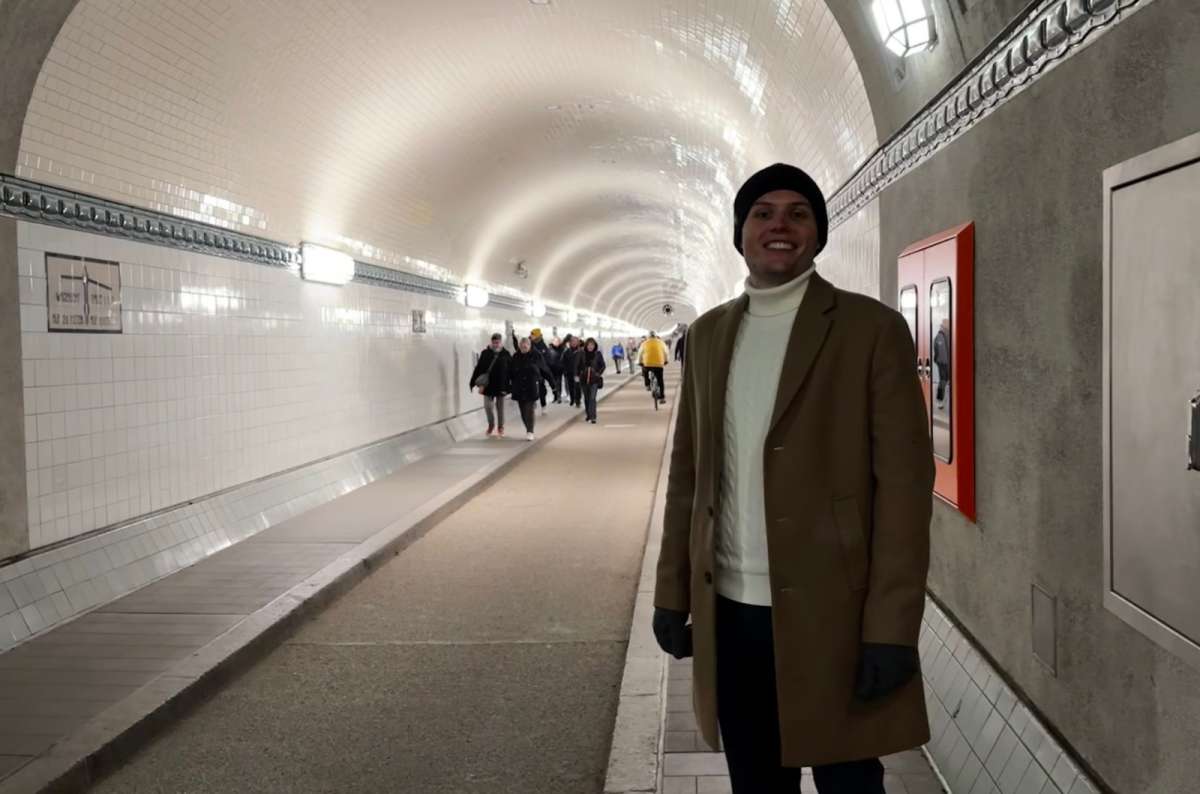
It’s really a novelty and you go for the tunnel itself, because there’s not much to see on either side of the tunnel, but the tunnel itself is one of those interesting places in Hamburg you won’t find in every European city. Though once you get to the other side, there are some serious viewpoints towards the city.
Take 1 hour to visit and walk there and back. There’s no entrance fee. You can take the stairs or the elevators which are basically just cages going up and down. No wonder it was an engineering marvel back in its day.
The Old Elbe Tunnel is right in the middle between the Elbphilharmonie and the U-Boat Museum, both also attractions on this list.
Practical info:
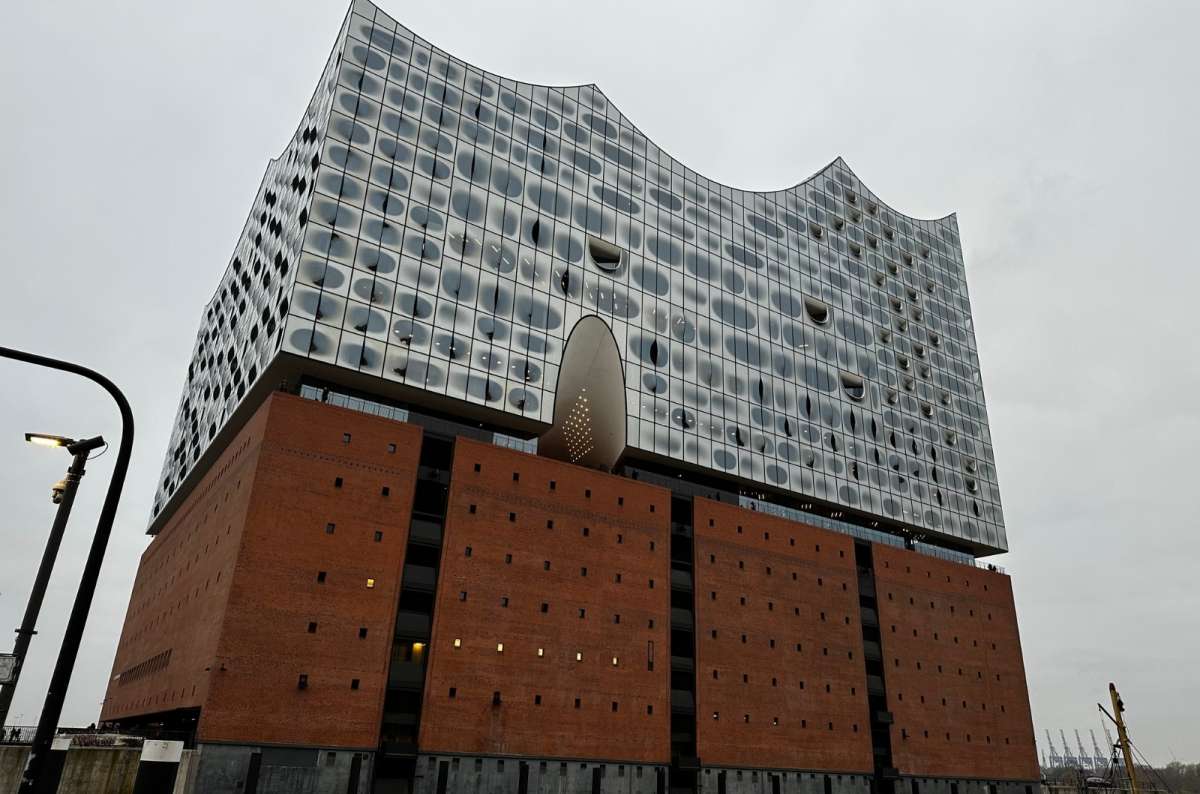
The Elbphilharmonie is the tallest building in Hamburg, so it’s hard to miss. Though it’s no skyscraper, it’s very distinct in its design… and it sits in the middle of the Elbe River.
When you see the wavy glass top section sitting on top of a red brick warehouse from the 60s, you’ll know you’ve found the Elbphilharmonie. It serves not only as a concert hall, but also as a 5-star hotel (the Westin Hamburg, going for a cool EUR 380 a night) and restaurant.
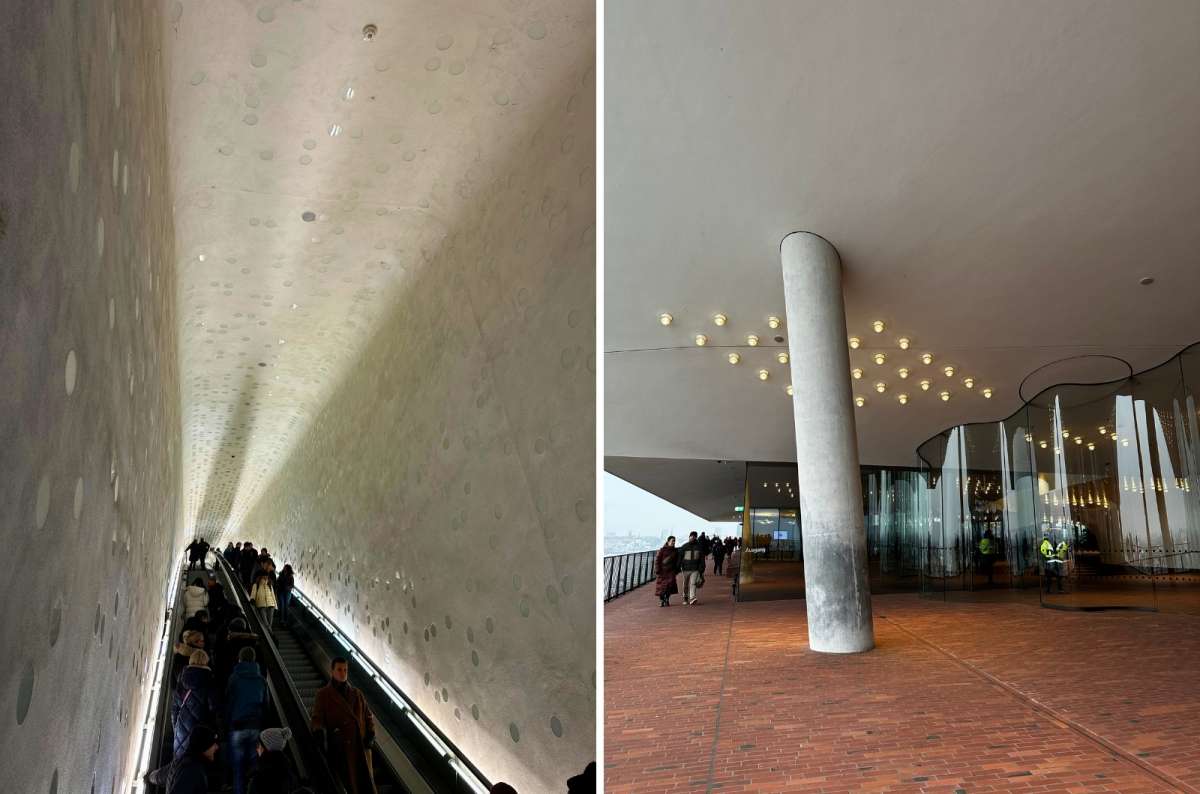
Most importantly, the Elbphilharmonie invites everyone to its public viewing platform called the Plaza. It’s a very cool area right between the glass and brick sections of the building. There’s an indoor and outdoor area.
You can visit the Plaza for a small fee of EUR 3. Not only did I get fantastic views of the city and the massive port, but I got to see the architecture of the Elbphilharmonie from the inside. Even the escalators are awesome! A great place to see in Hamburg, for sure.
If you want to be sure you get to visit the plaza, book your tickets online in advance. There are limits on the number of people visiting, and you get a time when you’ll be allowed in.
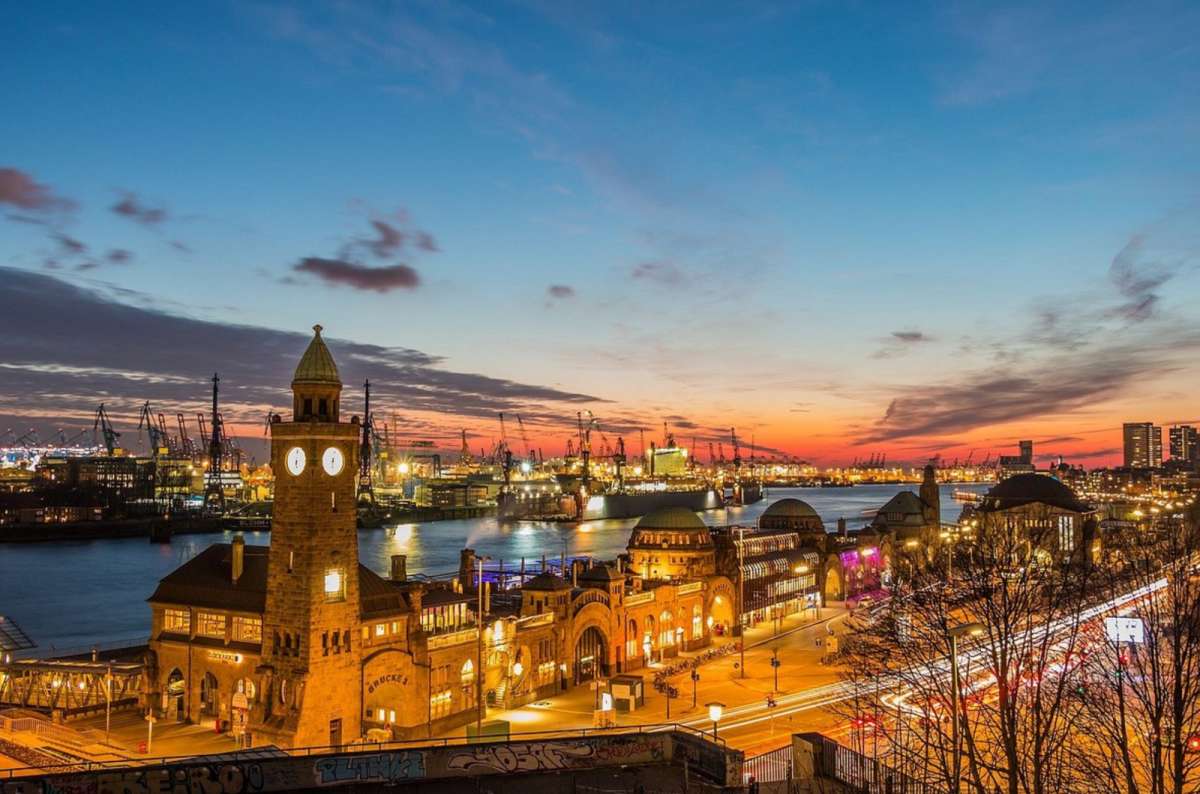
If you don’t go to Hamburg’s docks, it’s like you missed half of the city. Landungsbrücken, AKA the waterfront, is the place to see in Hamburg, especially if you’re visiting for the first time.
But even if you don’t come here with the sole intention to see the riverfront, you’ll probably end up visiting anyway because it’s where Ricker Rickmers, the U-Boat Museum, and the Elbphilharmonie are located. It’s also where I got Hamburg’s famous fish sandwich at Brücke 10 Restaurant.
We froze our butts off at Hamburg’s riverfront, but it’s a great place to just stroll and take in the atmosphere. This is, after all, the “gateway to the world”.
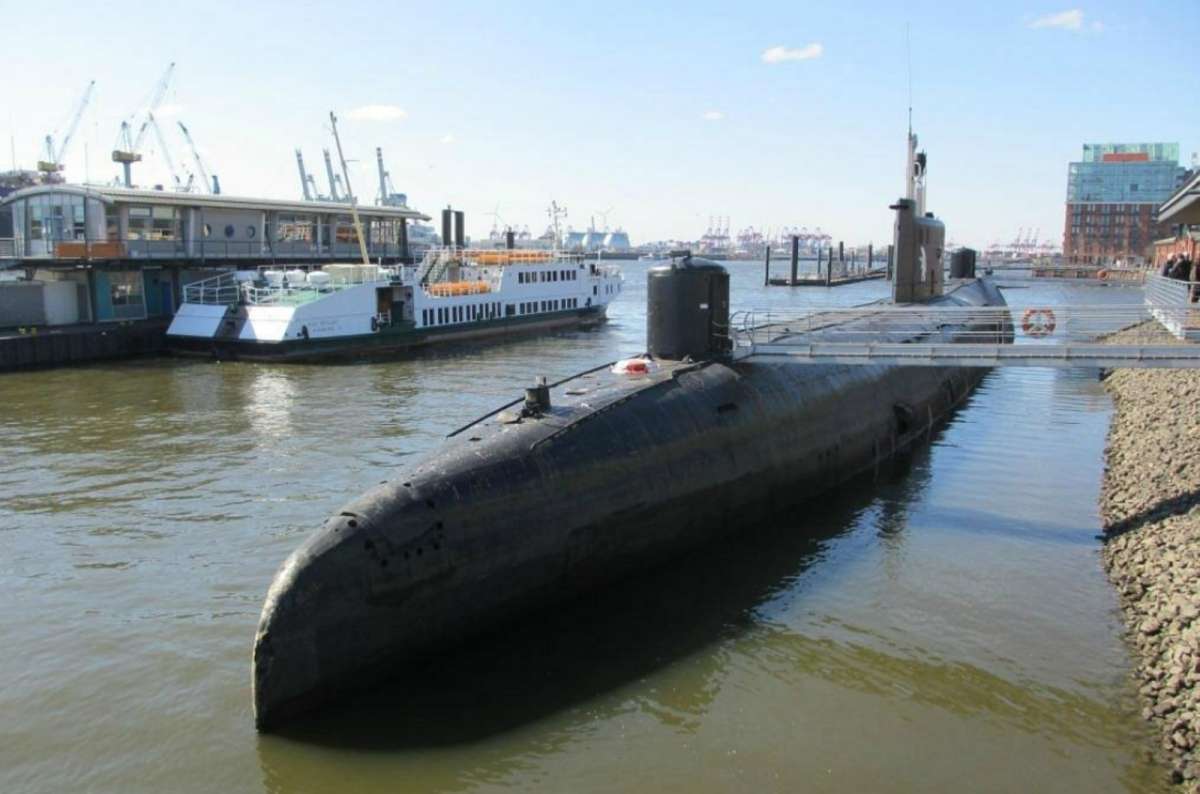
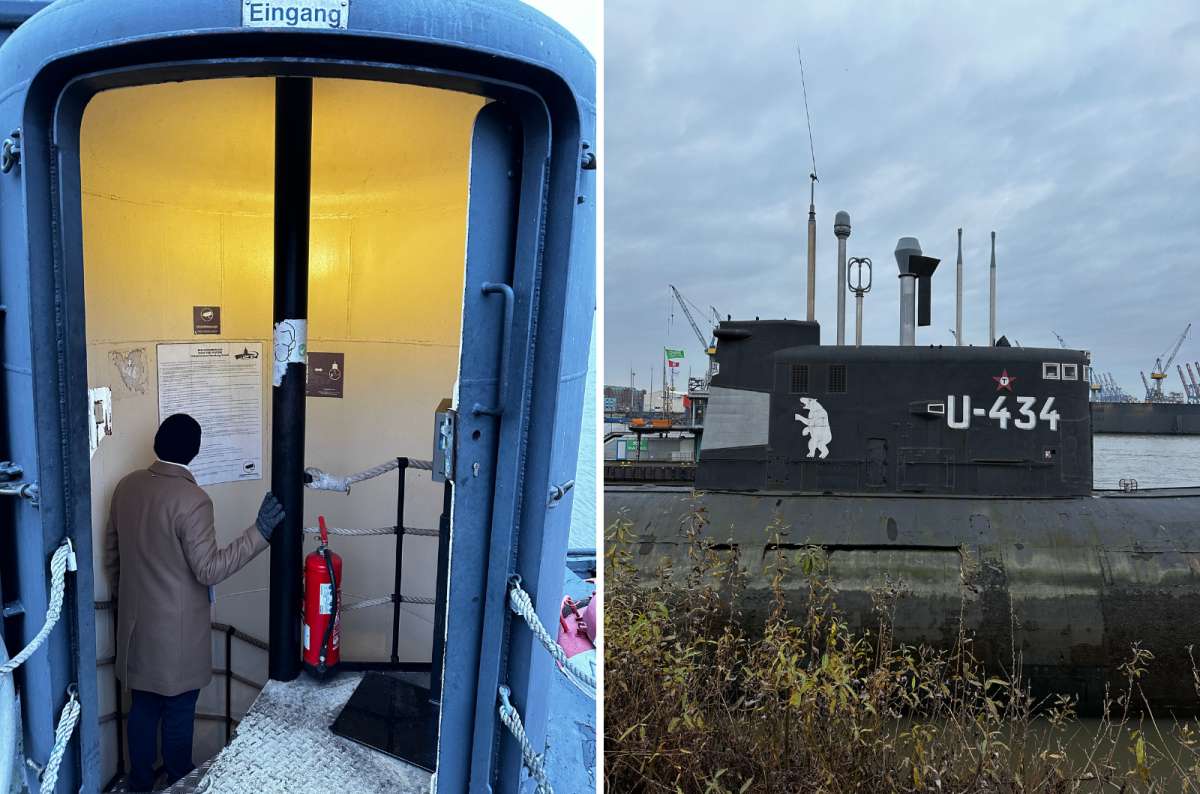
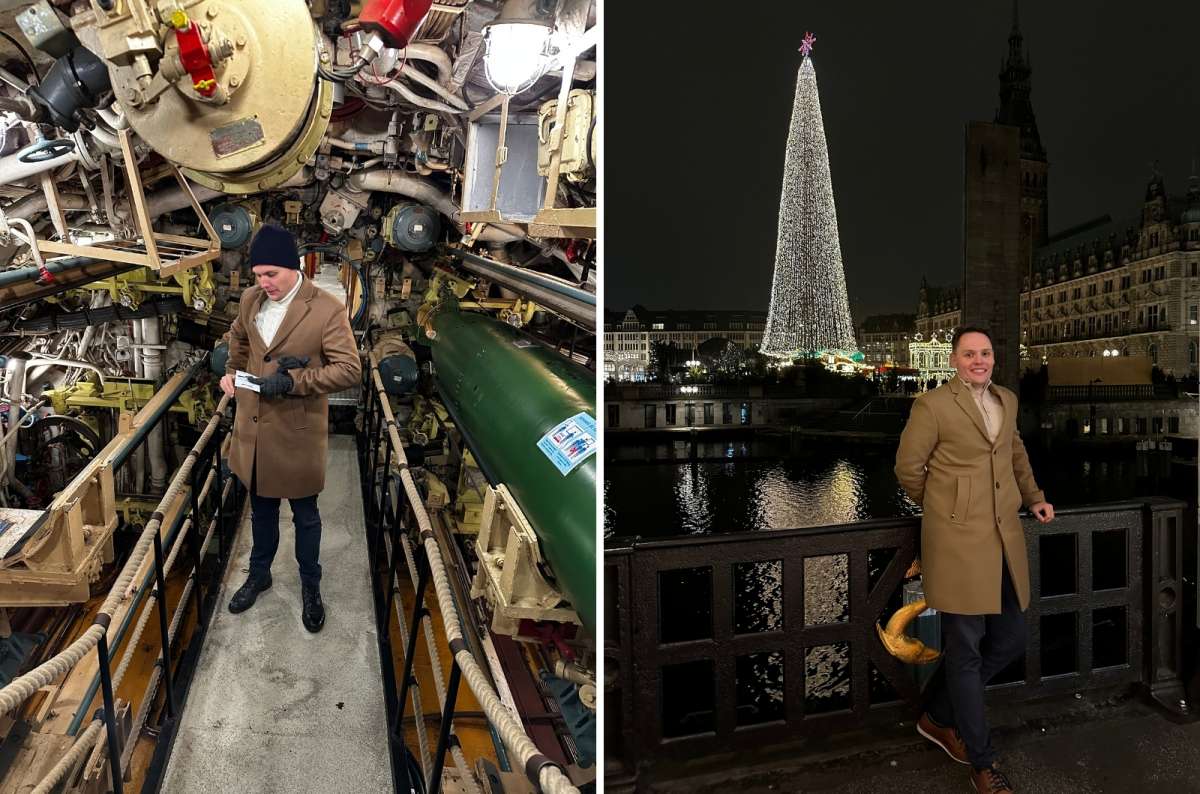
A former Soviet submarine called the U-434 awaits you. The very fact that Germany was able to get Russia to sell the special series submarine for them to exhibit as a museum is something to brag about. It was decommissioned in the 1990s, so it’s relatively new.
A what-boat? U-boat, or U-boot in German, is the shortened version of the word for submarine, Unterseeboot (“undersea boat”).
It’s really cool to get a feeling of how hard it was to serve on the U-boat. A lot of the cabins probably look just like they were 20 years ago when the boat arrived in Germany—messy.
Claustrophobes beware: I needed to watch my step and bend over, step over, and get through narrow passages.
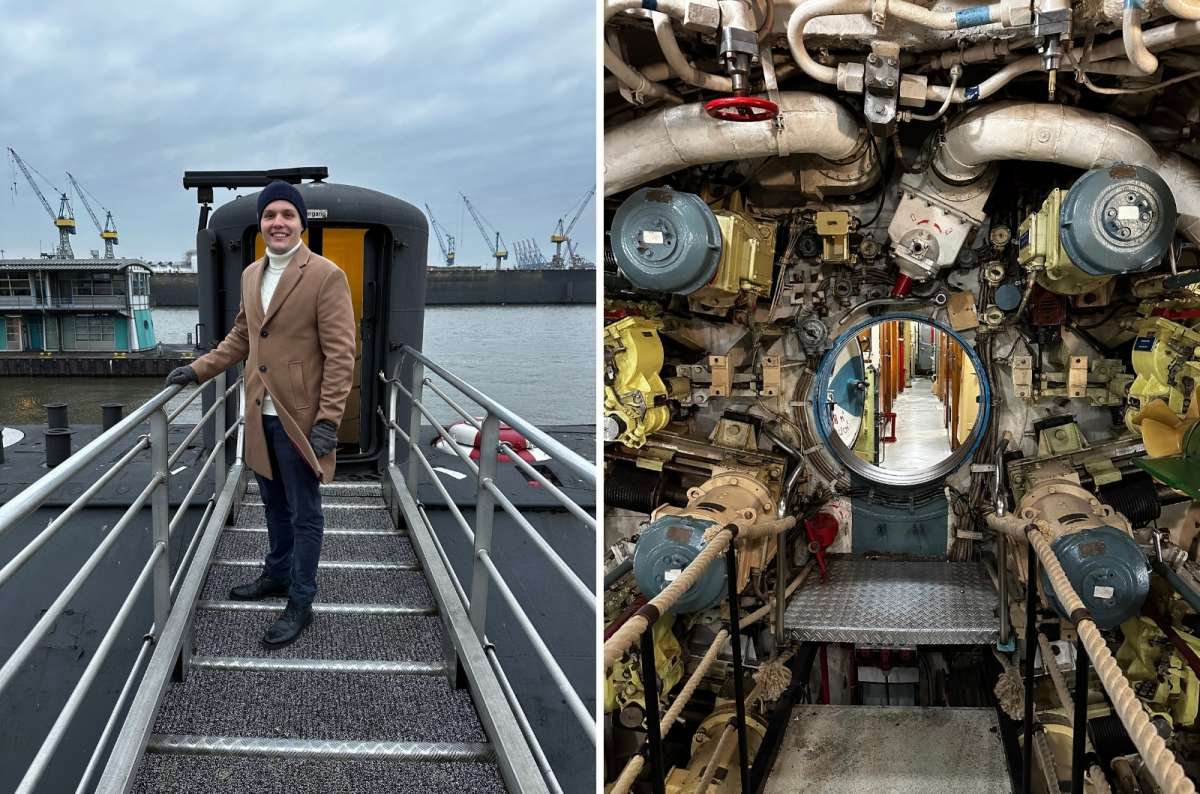
There are some English signs inside, but not many. If you visit with a guide, there’s no English being spoken, just German. But you do get to visit the command center, which isn’t accessible without a tour guide.
It took me about 1 hour to visit (with or without a guide). Tour groups are very small, so you may need to wait for an available one.
Pro tip: If you can't get enough of German cities and their style, check out unique things to do in Leipzig.
Practical info:
I say or because going to both would be overkill. They’re so similar, there’s kind of no point. Pick one and you’re basically seeing the other anyway.
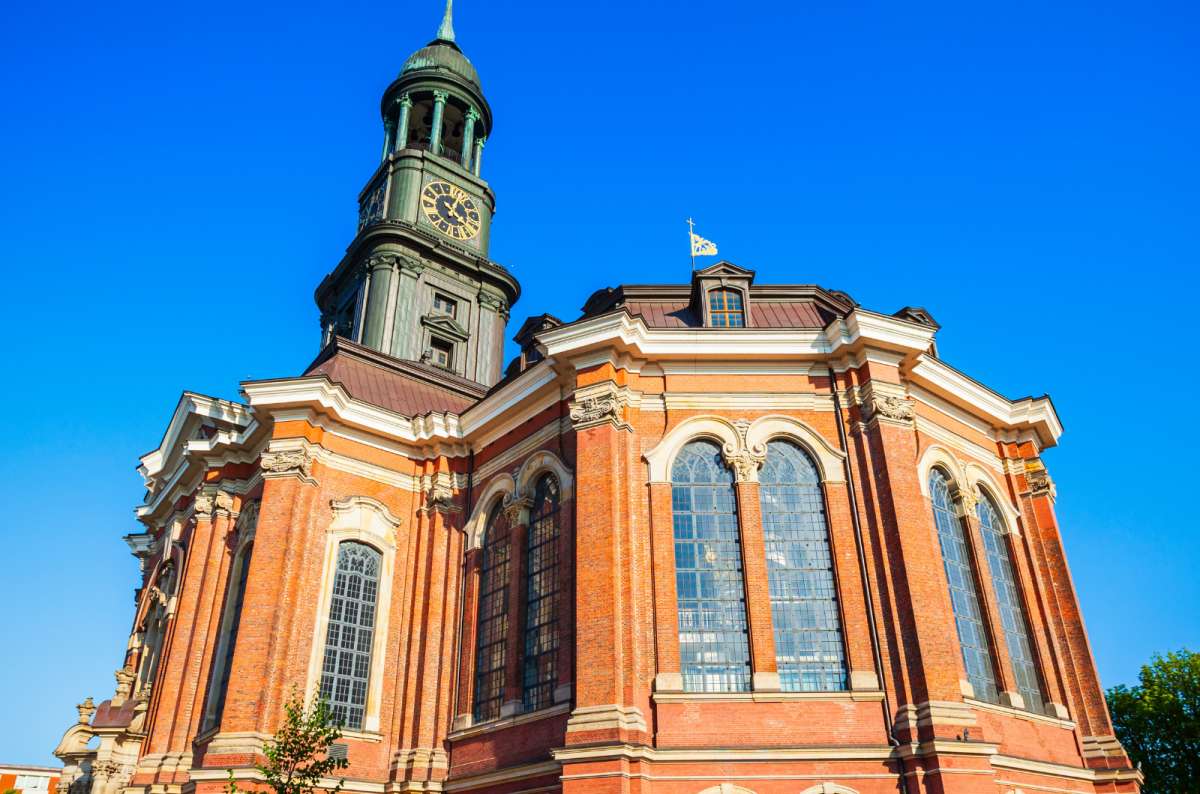
That said, there is a choice to be made here. A minor one, but still. First there’s St. Michael's Church (or simply "Michel", as the locals call it), which is one of Hamburg's most famous landmarks. It’s exactly what you’d expect from a grand historic church: beautiful baroque interior, a tower with great city views.
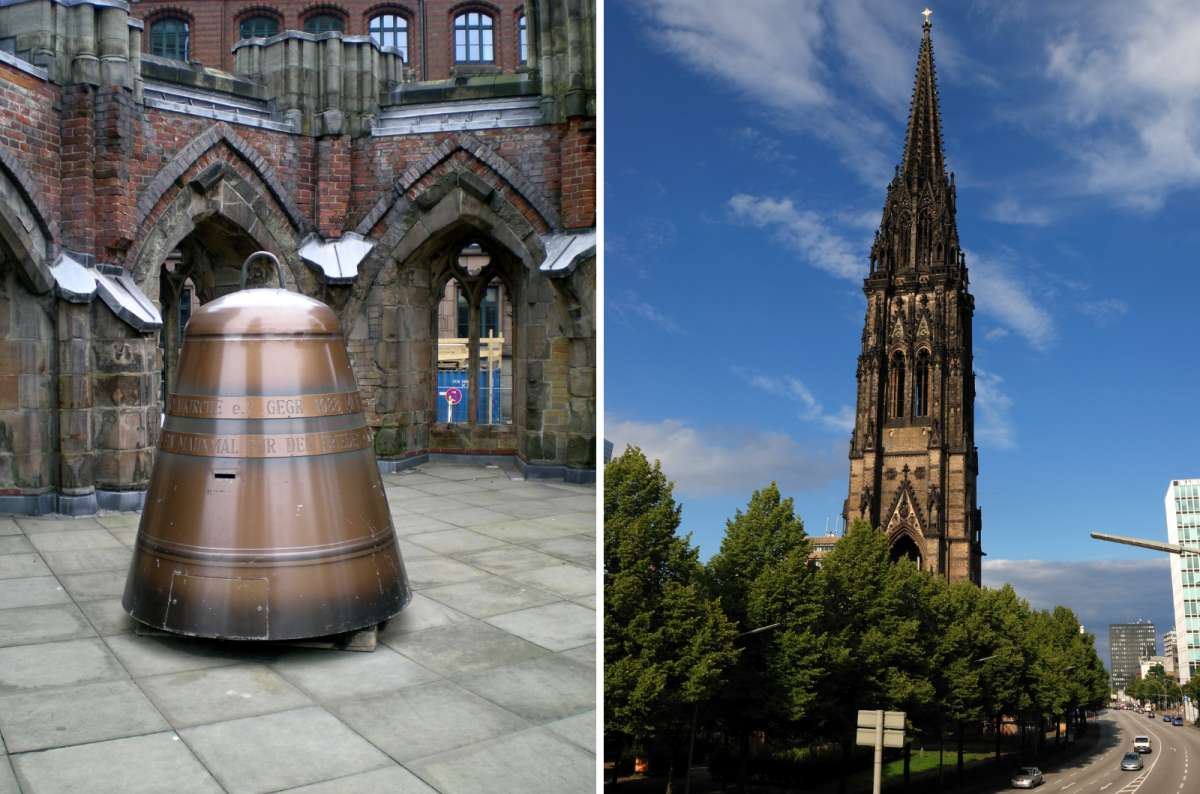
But I think St. Nikolai Memorial is more memorable. Originally one of the tallest churches in the world, St. Nikolai was very destroyed during the Allied bombing of Hamburg in World War II. Instead of rebuilding it, the city preserved the ruined church as a memorial against war.
Today, there’s a museum under the remains where I learned about Operation Gomorrah and Hamburg's destruction. I also got to ride a glass elevator 76 m (250 ft) up the surviving tower for fantastic views over the city. I found it much more unique than visiting another church.
So my pick is St. Nikolai Memorial for the history and, duh, museum. But if you’re more into architecture, you'll probably be happier at St. Michael's. Its observation deck is just as good and it's easily Hamburg's most iconic church.
Practical info:
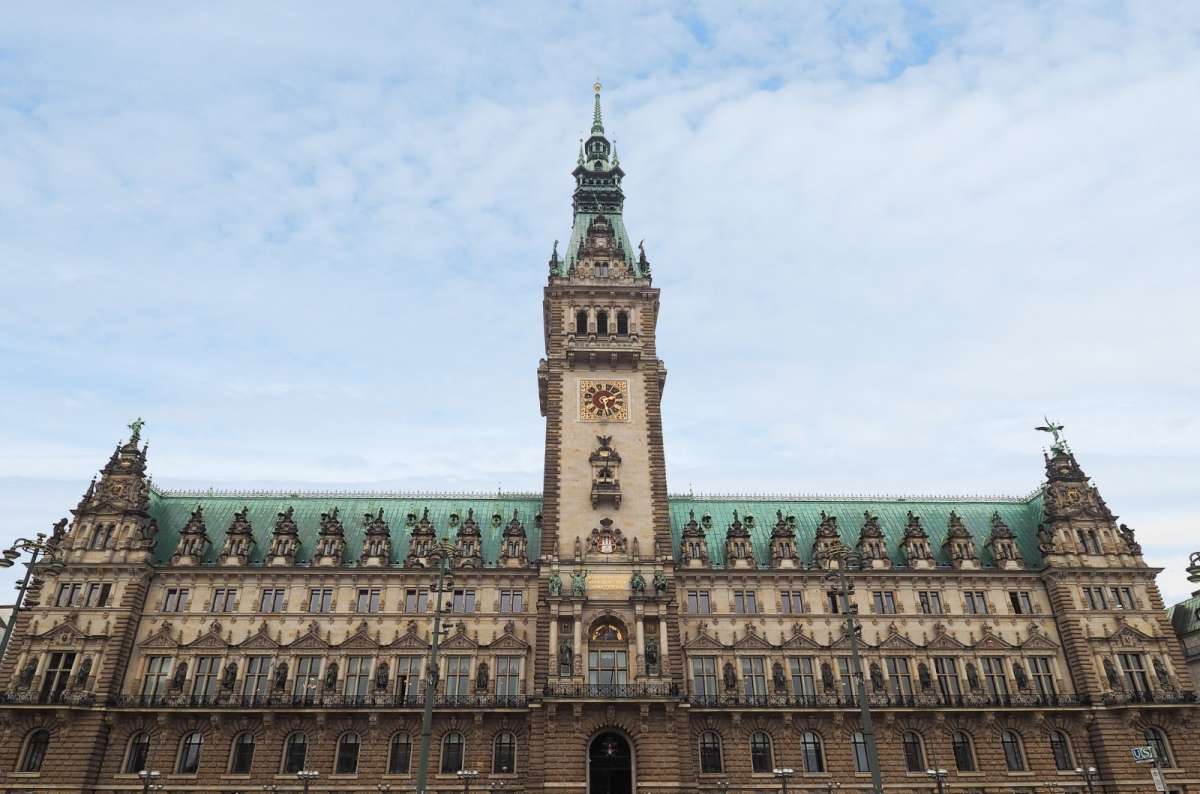
Hamburg’s town hall aka Rathaus is one of the few German town halls that’s actually worth visiting on the inside. It’s easy to find, because you can see the tower from almost everywhere in the city center.
It’s an impressive, beautiful neo-renaissance building with a green roof and a commanding presence.
It sits right by Alster Lake. Building it there was a stupid idea, because muddy shores and huge buildings don’t mix well, but the 4000 wooden poles they had to force into the mud before starting the build solved the problem pretty well.
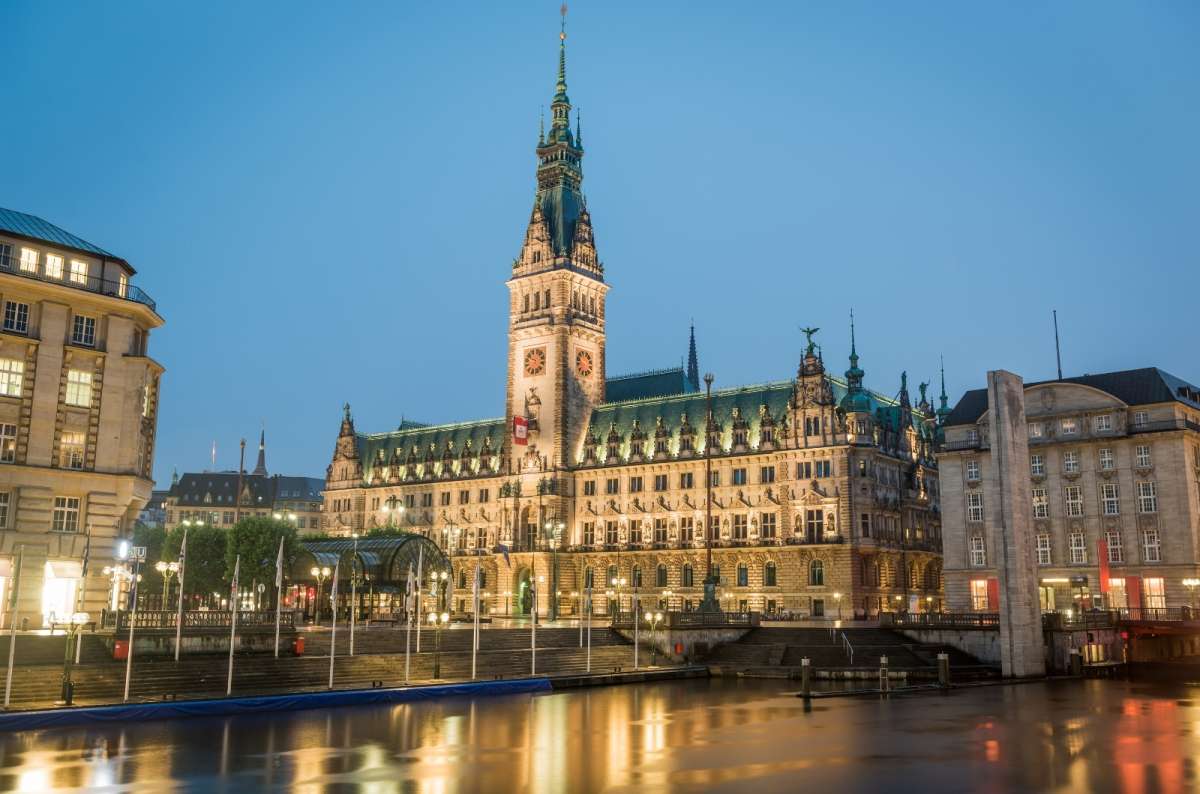
You can enter the foyer and courtyard freely for a small peek. If you manage to catch an English guided tour (they don’t run daily and hours vary each day), you’ll even know what they’re talking about when they show you some of the 600 (!) rooms in the Rathaus. Tours last 1 hour.
As is pretty much mandatory in the German-speaking world, there is a large Christmas market in front of Hamburg’s Town Hall every December. No winding ice-skating rink like in Vienna, but still nice.
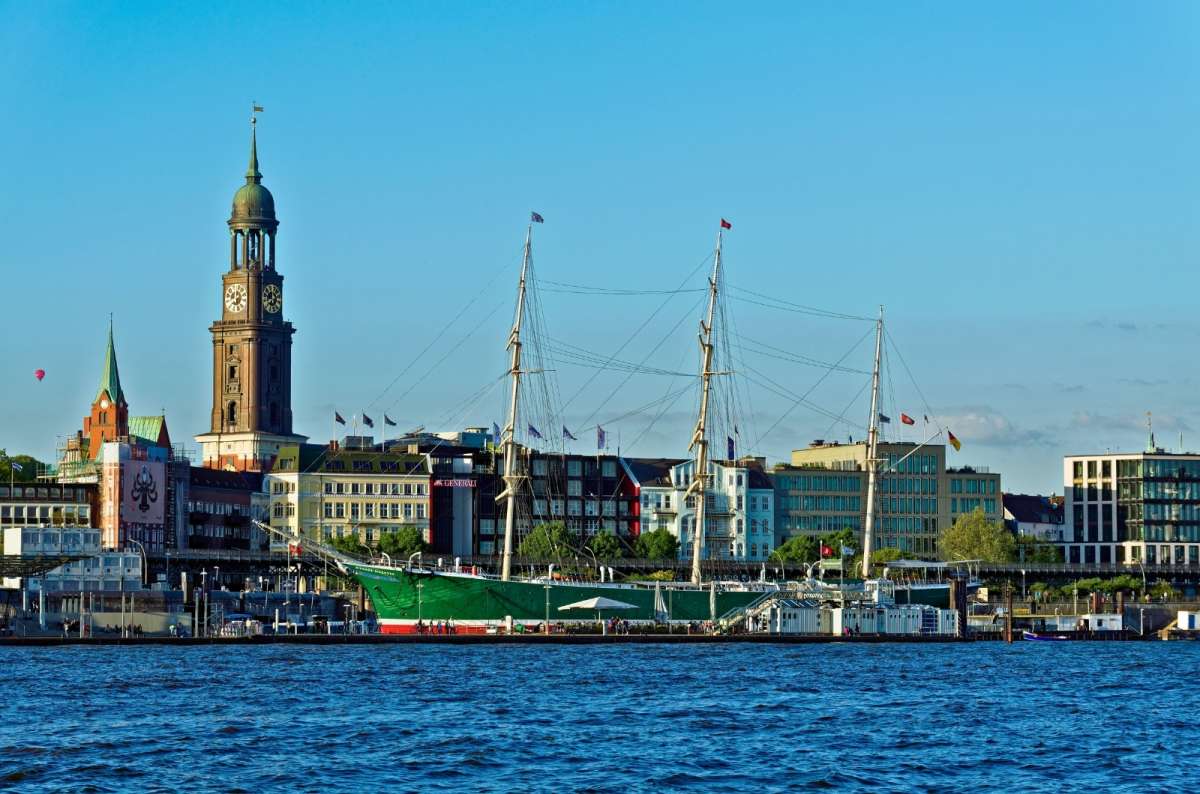
You know me, I’m a huge boat nerd. So of course this list of things to do in Hamburg needs another boat. And this time, I didn’t have to worry about bumping your head or running into a stuffed Soviet!
The restored interiors of this 19th-century cargo ship are a world away from the claustrophobic submarine (see previous item). Going to buy rice and bamboo to Hong Kong on this thing had to be a blast.
Rickmer Rickmers’ run was a whirlwind, ending up rotting away in Portugal. After it was returned to Germany in 1983, it took a few years and dozens of volunteers, unemployed shipbuilders and welders to spruce her back into shape.
The permanent exhibition on the ship took me through Rickmer Rickmers’ busy history. Then there is the special exhibition, which is a gallery space. The paintings/photos there are always thematically connected to either the sea or Hamburg. You can even send your postcards from the post office on board!
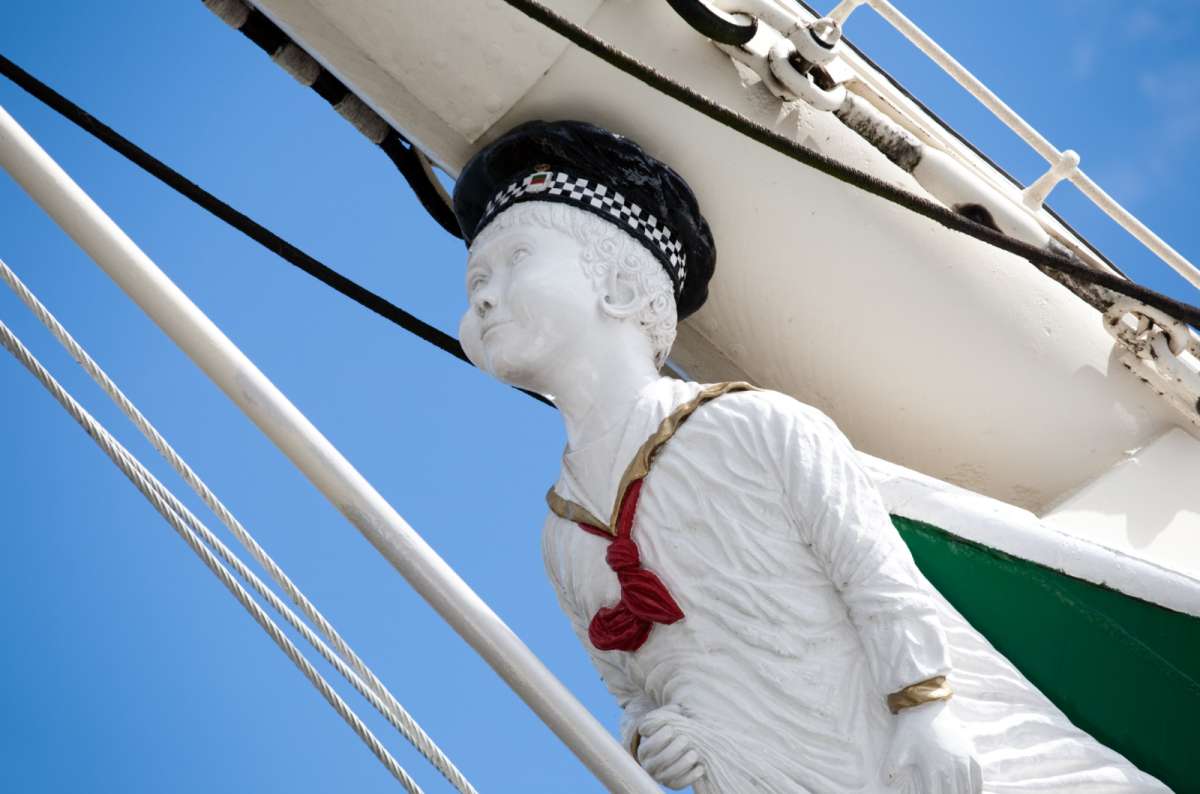
If you need something extra to convince you to visit, note there is also an escape room, a restaurant, and, for you adrenaline junkies, the possibility to climb the masts. That’s not for me though, I hate heights almost as much as I love boats. You can also book tickets online beforehand.
Pro tip: If you’re searching for a less urban German vacation destination, take a look at Bavaria. You can still go to Munich for your city break, but then there are the Alps, beautiful lakes, and attractions like Hitler’s Eagle’s Nest and Neuschwanstein Castle to fill your days with. Consider renting a car, if you plan on traveling through the whole country though.
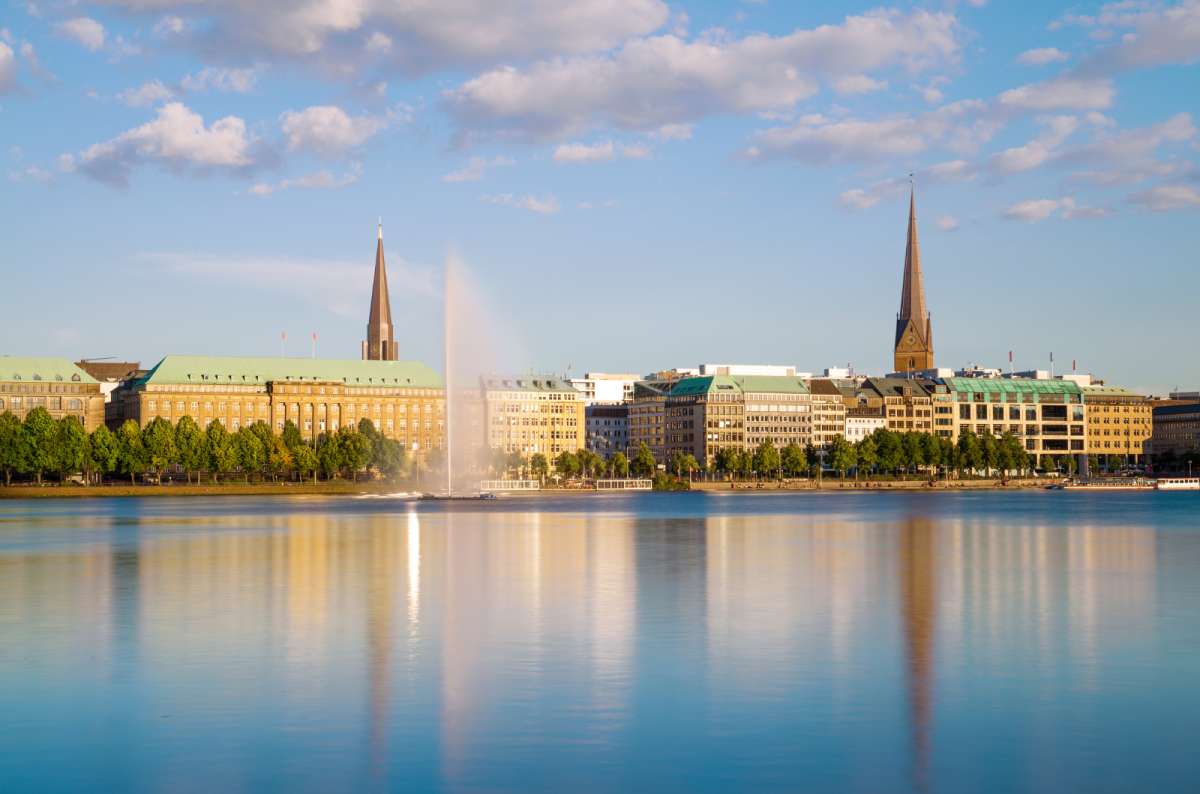
I say Alster lakeS because it isn’t one, it’s two. The Binnenalster (Inner Alster) sits right in the city center, while the much larger Außenalster (Outer Alster) is surrounded by parks, grand villas, and some of Hamburg's nicest neighborhoods.
If you only have time for one, I'd choose the Außenalster. Sure, the Binnenalster is prettier if you're already walking around Rathaus or Jungfernstieg. You'll get postcard views of the city skyline, the famous Alster Fountain (when it's running, it wasn’t in the winter when I visited), and plenty of cafes for a coffee break.
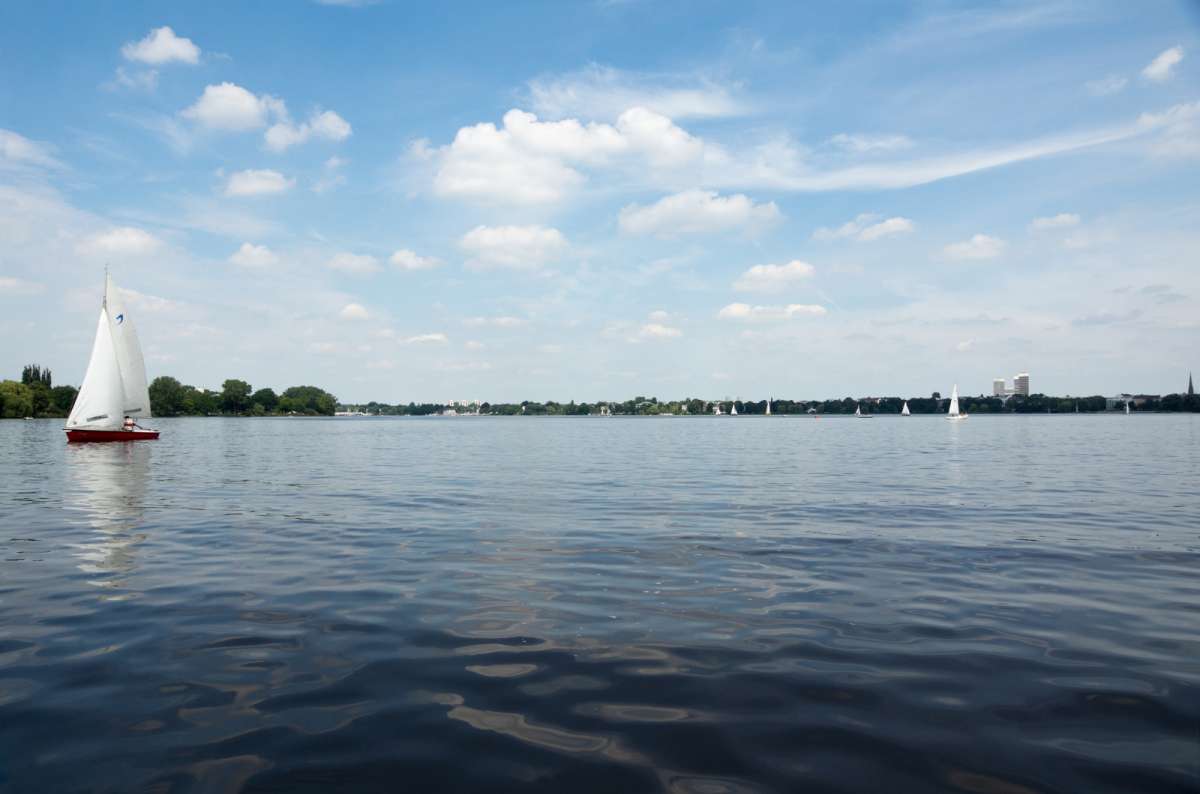
But the Außenalster feels much more like a place where Hamburgers actually spend their free time. I visited in winter, so there weren't many people around, but that was part of the charm. Walking along the quiet lakeshore with the grand villas on one side and the city skyline in the distance was one of the most relaxing parts of my trip.
Unless you're determined to walk the entire 7.4 km (4.6 mi) loop around the Außenalster, I'd just stroll for 30–60 minutes and enjoy the atmosphere.
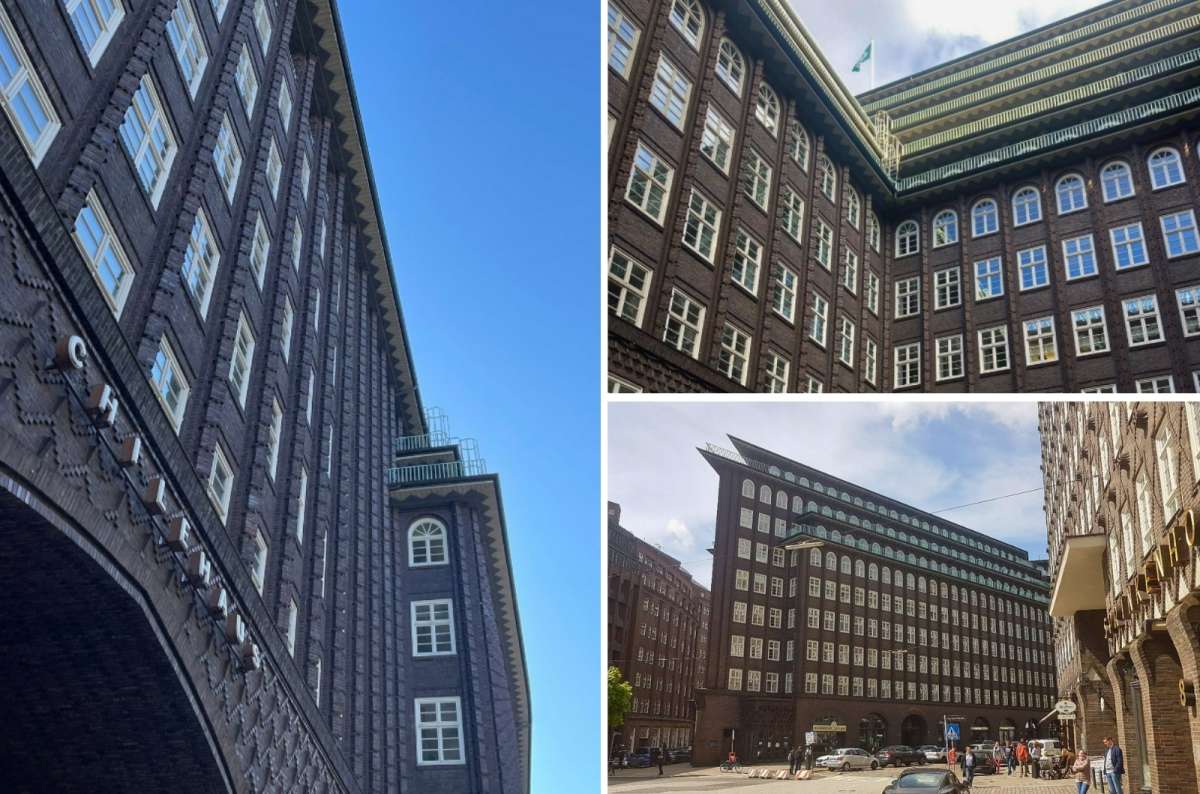
Another place I highly recommend for your Hamburg itinerary is Chilehaus. Built in 1922, it symbolizes Hamburg’s economic recovery after WWI. There’s something special about the iconic expressionist-style building, and it’s not just because it looks like a huge ship.
See its triangular shape from the intersection of Burchadstrasse and Pumpen, and then head into the public courtyard. There are many shops and some restaurants in the Chilehaus, so I was happy to just take a 20-minute wander. Don’t forget to look up! These are the kinds of interesting places in Hamburg that snuck up on me.
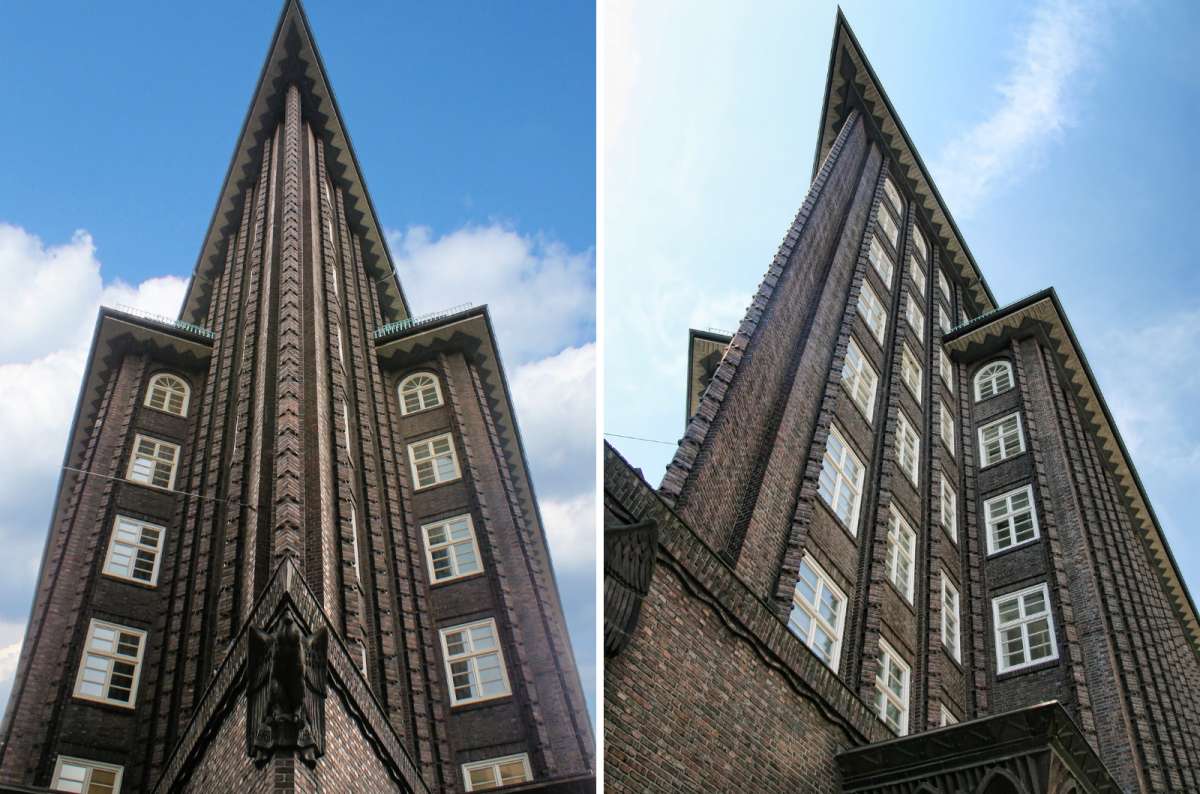
I also recommend taking a look around inside Chilehaus, which serves mainly as an office building. The tiles and the winding stairwells are particularly interesting (and Instagram-friendly).
Tip: If you visit after dark, the lights on the exterior add another layer of visual pleasure.
For more than just a look at the cool design, stop by the World Heritage Information Center to learn about Chilehaus’ history and architecture.
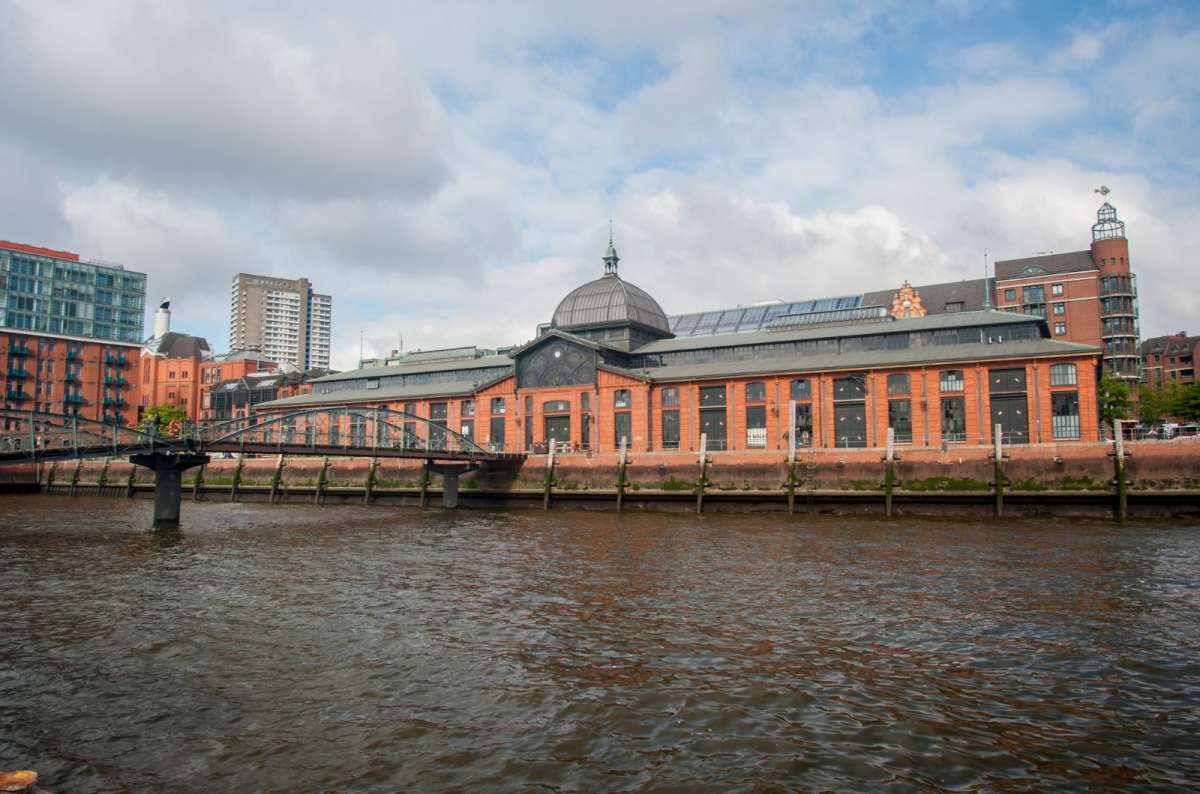
What better way to start your Sunday than by smelling fish first thing in the morning? Now you can too, at the Sunday fish market! They actually have a wide variety of produce on sale, so don’t be afraid and go find your breakfast there.
Yes, that’s right, you can find breakfast at a fish market. I found everything from amazing fish sandwiches and fresh seafood to fruit, flowers, pastries, plants, souvenirs, and even clothes. Half the fun is listening to the market barkers trying to outshout each other as they convince you to buy yet another bag of oranges or smoked salmon. (I assume. I don’t speak German.)
It all closes down at 9:30 am, so this might be the time to set your alarm and see the sun rise over Hamburg’s port cranes. It takes place in the Altona Market Hall and outside along the riverfront.
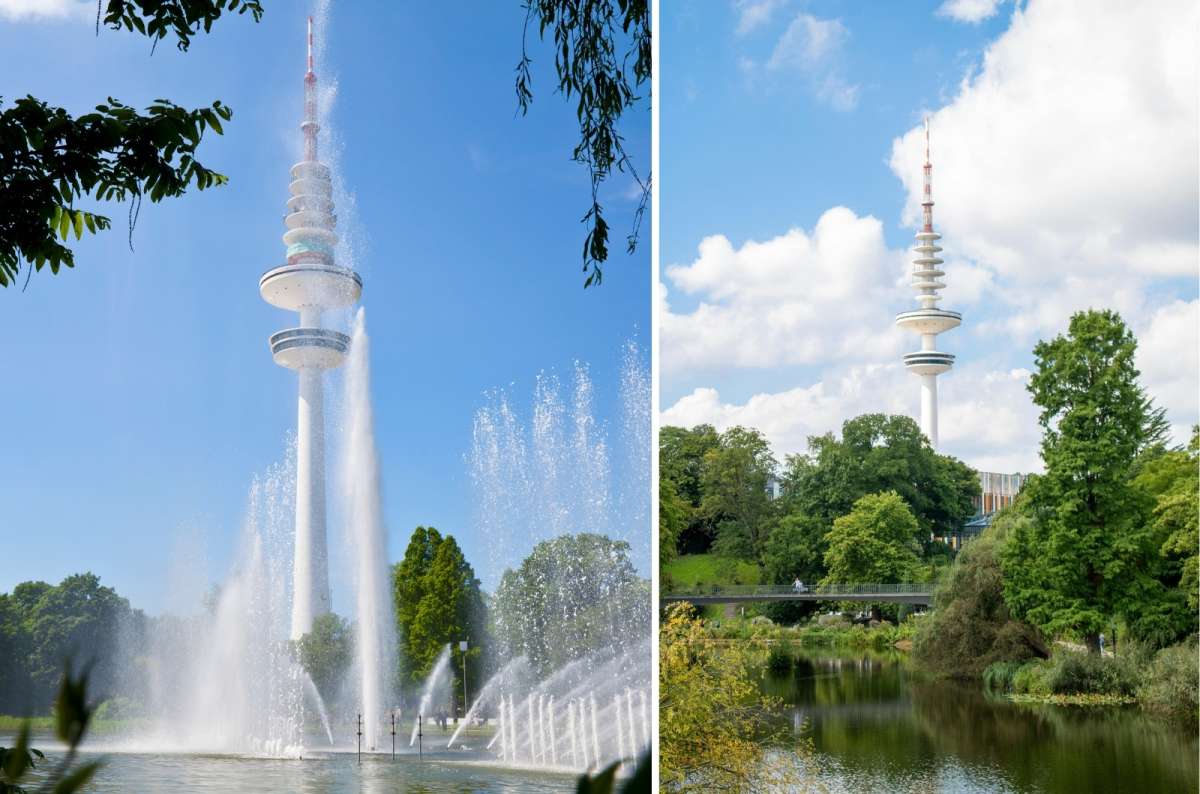
Leading from the docks right up past Hamburg’s New Town and Old Town into its main area next to Alster Lake, is Hamburg’s huge public park called simply “Plants and Flowers” (Planten und Blohmen).
I used the UFO-looking Heinrich Hertz TV tower as my point of navigation, and I was able to stay on track as I walked through the park. Perfect for the directionally challenged. Not that that’s me...
There are several themed areas, a Japanese garden, waterfalls, lakes, cafes, fountains, playgrounds… basically everything that doesn’t seem too out of place in a park, you’ll find it at Plants and Flowers.
It’s a pleasant place if you need to get away from the hustle and bustle, but you’re still close enough to the center so you can hop right back into your Hamburg sightseeing itinerary when you’ve had enough fresh air.
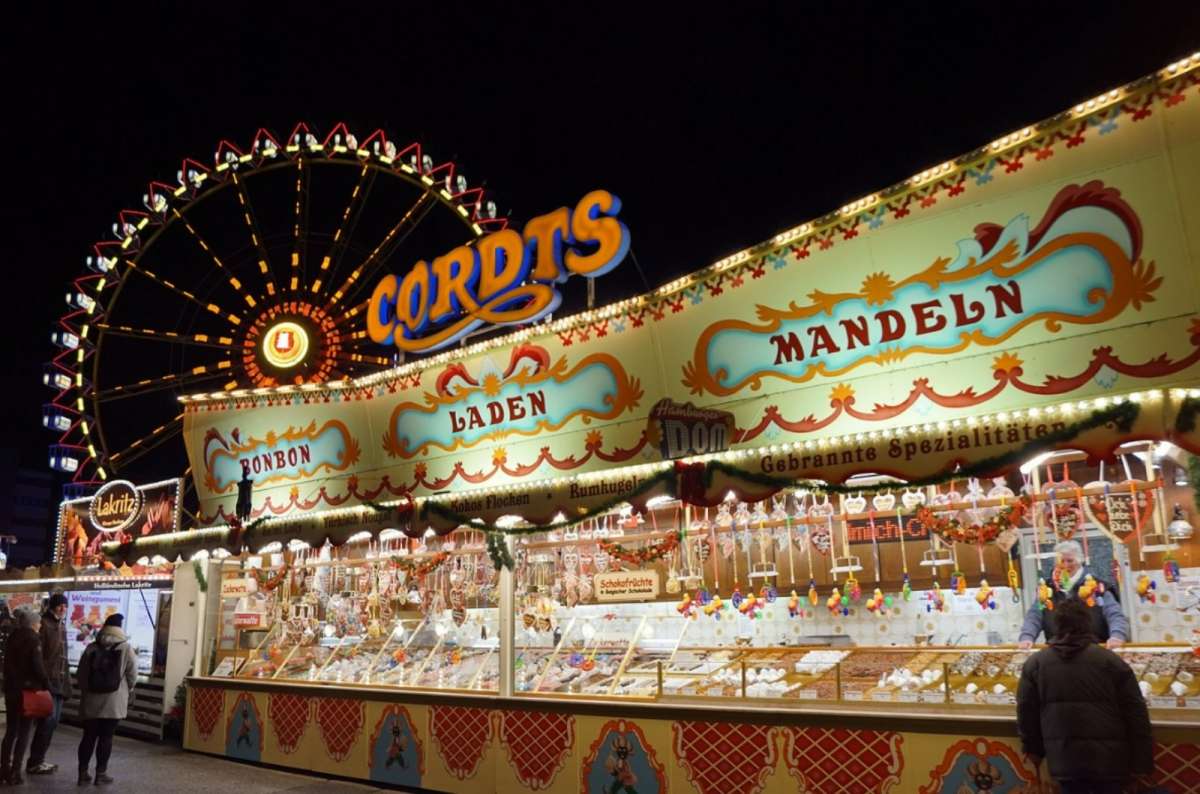
DOM is only on for about 3 months each year. I happened to get lucky since my trip coincided with one of its winter weeks. But generally the odds are against you, so check the calendar if you really want to see it.
The Hamburger DOM is a very nice, pretty big theme park/fair where you can find trash food and great attractions ranging from the vintage kind to the I-want-to-throw-up-my-currywurst kind. So hey, you might be screaming for God on Circus Circus or the other rollercoasters.
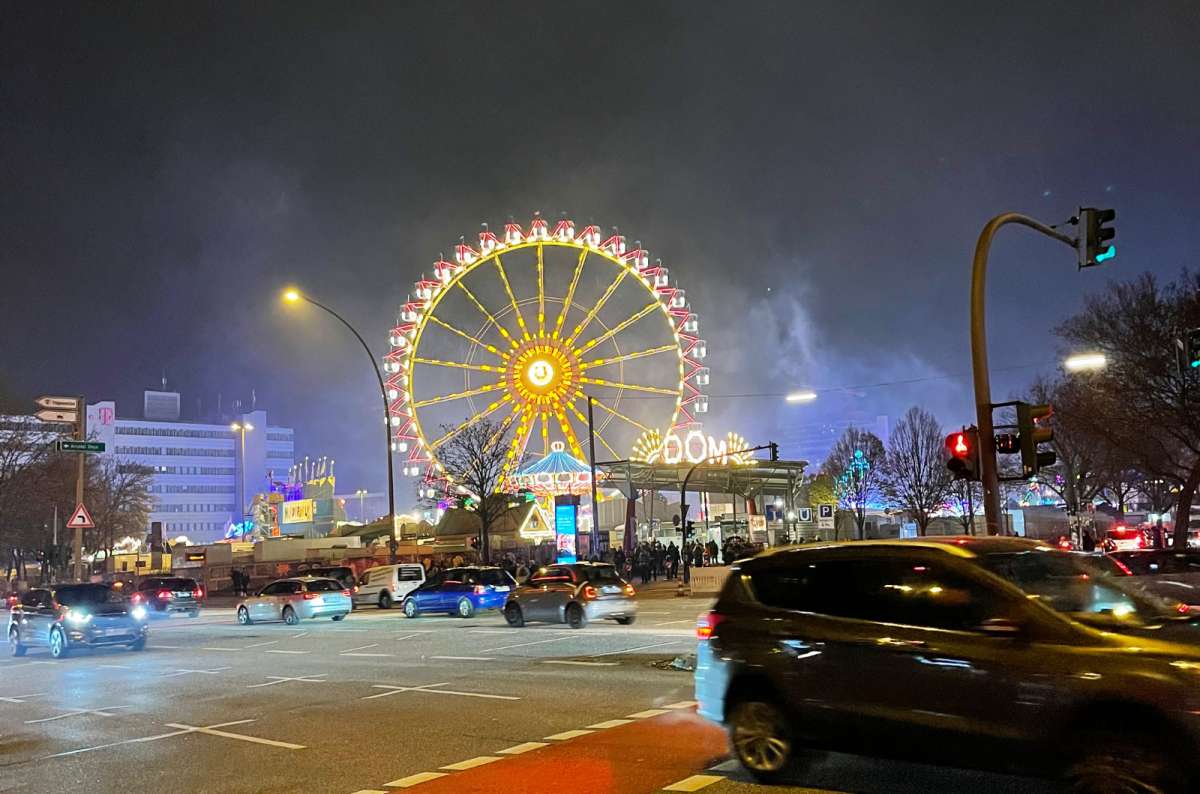
I usually don’t like these types of places but there is something special about it on a winter night with all the lights and sounds. Interestingly, wintertime was actually when the DOM was originally on, with summer and spring only added later.
There’s history behind this (and you’ll understand why it has such a strange name): The old Mariendom (cathedral) was used by merchants and entertainers as a shelter in the winters since the 11th century. Then, when the cathedral was demolished, they all became freezing and homeless, and the city found them a new area to take cover. Yep, it’s the same area that the DOM fair gets built on 3x a year.
2026 bonus: DOM’s summer edition is open for an extra week this year, 5 instead of the usual 4.

I know St. Pauli’s Reeperbahn is always cited as one of the best places to visit in Hamburg, BUT WHY!? There are restaurants, some popular clubs, a football stadium, and it’s close to Hamburger DOM (see above). I’ve even seen it called the best place in the world for nightlife. Wtf?!
It’s also famous for its prostitutes and sex shops, so not exactly a family destination. But even if that entices you, it’s still just one little street—Herbertstraße—and it serves more as a tourist attraction than anything else.
The ladies are really nice (certainly nicer than in Amsterdam), but it's super short and worth going only if you have crazy amounts of spare time or if you’re visiting with a group of guys. In that case, it’ll probably be something like the 4th best place to see in Hamburg, but for everyone else, there are plenty of other cool things in Hamburg that you’ll enjoy way more.

I was skeptical about visiting Hamburg, but since I generally like Germany, I gave it a shot. And now I can confidently say: Yes, Hamburg is very much worth visiting.
In terms of being spectacular—it’s really not. You won’t be blown away by its beauty or find it super unique, but Hamburg’s tourist attractions are well worth your time.
It’s even possible to spend 3 days in Hamburg without it seeming like it’s too much, which is a very rare animal among the cities of the world.
Pro tip: If quirky, offbeat cities are your thing, queue up the unique things to do in Trier next.
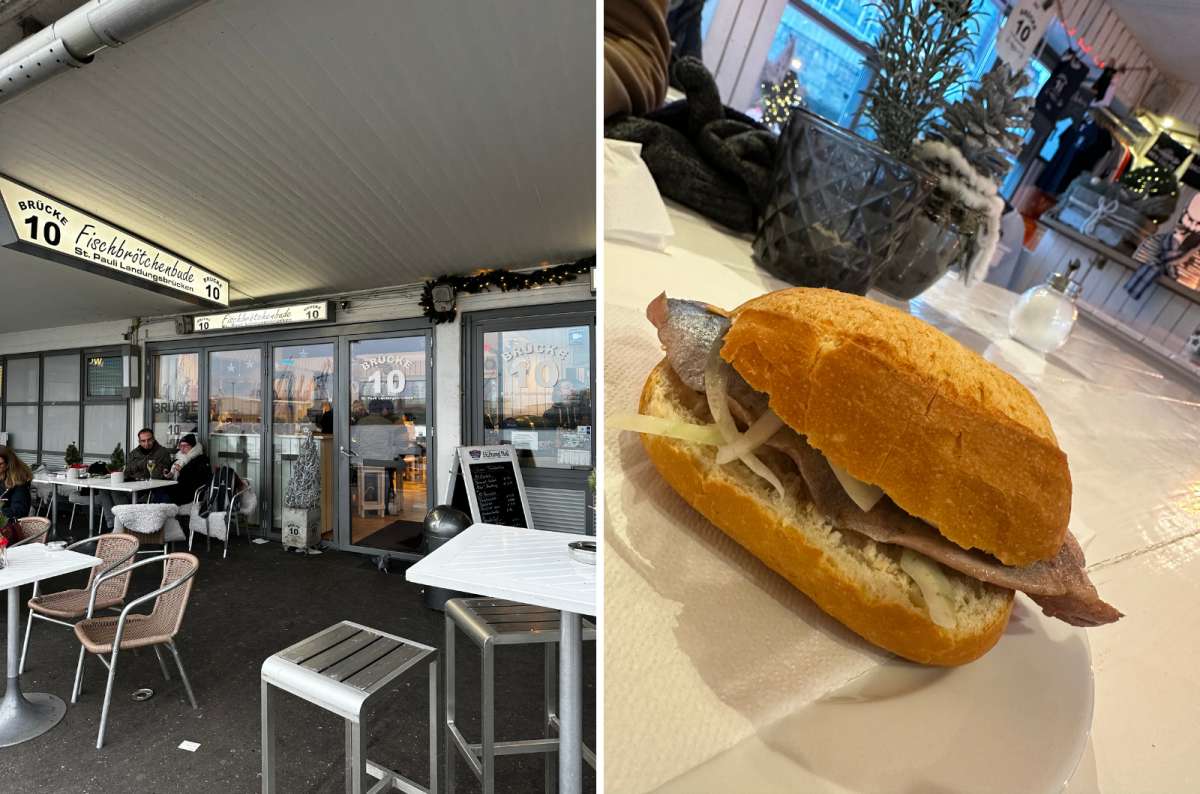
I tried and can recommend these seafood restaurants/bistros:
Daniel Wischer is a great fish restaurant close to Rathaus Square. The fish was made to perfection, and the interior is cool and casual, with high ceilings and brick walls. It’s better to make a reservation in advance to secure yourself a spot.
Brücke 10 is famous for its fish sandwiches (Fischbrötchen). So, again, it's a more casual place, ideal for lunch, exactly what you need during a busy trip to Hamburg. We had a herring with onion in a bread bun, and it was surprisingly delightful. It’s located at the docks close to the Old Elbe Tunnel.
Anytime is suitable to visit Hamburg. It does lie close to the sea, so expect milder weather conditions, but wind and rain shouldn’t surprise you.
Winters are cold but rarely freezing, and then there’s the Christmas market and the winter edition of the DOM as a bonus. There are also awesome museums to take cover in if it gets too much for you outside.
Summers aren’t unbearably hot, with the hottest months being July and August. But they can bring more rain, so just pack accordingly. And even if you’re visiting in the summer, don’t forget a light jacket for the evenings.
This post contains affiliate links. If you make a booking through one of my links, I may earn a small commission—at no additional cost to you. Thank you for your support!
How much time do you need in Hamburg?
The best Things to do in Hamburg
3. International Maritime Museum
4. Speicherstadt and HafenCity
10. St. Michael’s Church or St. Nikolai Memorial
18. What NOT to do in Hamburg: St. Pauli, Red Light District
Conclusion: Is Hamburg worth visiting?


Hi, I’m Jan. I travel fast and intensely, whether I’m exploring the buzz of Tokyo in 3 days or road-tripping through mountains and beaches on a 3-week Thailand adventure. And no matter where I am, you’ll always find me in a comfortable hotel at night and eating the best food.
If that sounds like your kind of journey, hop on board, and let’s explore the world together!
I started this blog after realizing how tough it can be to find reliable, authentic travel info. You wouldn’t believe how many “travel bloggers” never even visit the places they write about! On Next Level of Travel, you can count on my full honesty and insights drawn from my firsthand experiences.
Here’s the deal: not every destination is all superlatives and unicorns. I’ll let you know if a tourist attraction isn’t worth your time, like skipping overrated stops in my 2-week Spain itinerary. And when I find something truly special—like the perfect mix of culture and nature in Cape Town—you can trust that it’s worth adding to your itinerary.



Comments | Thoughts? Give us a shout!