




The best national parks in California are some of my favorite places anywhere. Yosemite is firmly at the top. Death Valley convinced me that a desert could occupy several days of a vacation. Redwood impressed me more than the giant sequoias, although getting there is a different commitment altogether.
I've visited California in 2014, 2017, 2018, and 2026, spending more than eight weeks in the state. It's my American soulmate, rivaled only by Italy for the quality of things to do and places to visit. Every few hundred kilometers, the scenery changes completely. You also spend an enormous amount of time driving. We had country music playing for about a third of one vacation, which tells you something about the mileage.
This is my ranking of the eight California national parks I've visited. Sequoia and Kings Canyon get separate entries because a tree-focused visit and a drive into the canyon require different decisions. Channel Islands appears afterward, outside the personal ranking, followed by three national monuments worth considering alongside the parks.
The order reflects how much I value the experience; it isn't a driving route. Choosing between California's best national parks also depends on where you're going, the season, and what you would have to give up to reach them.
Read more from my California travel blog.
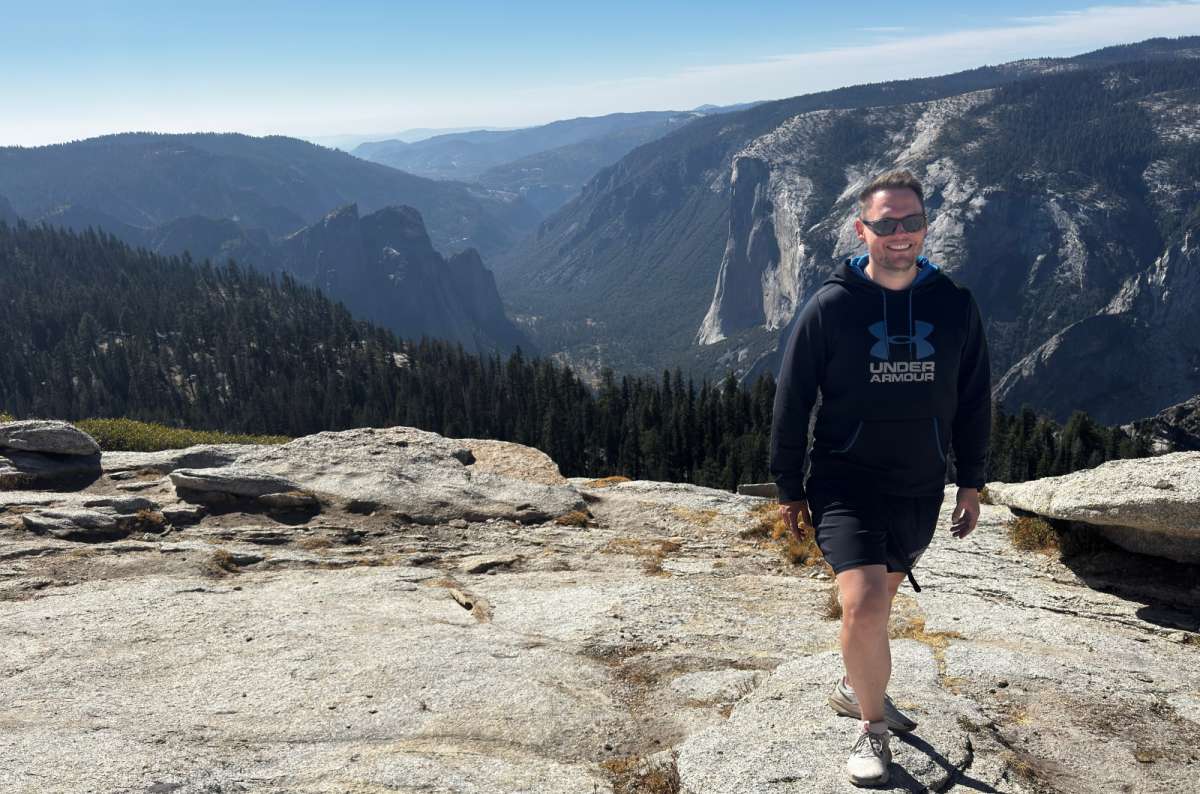
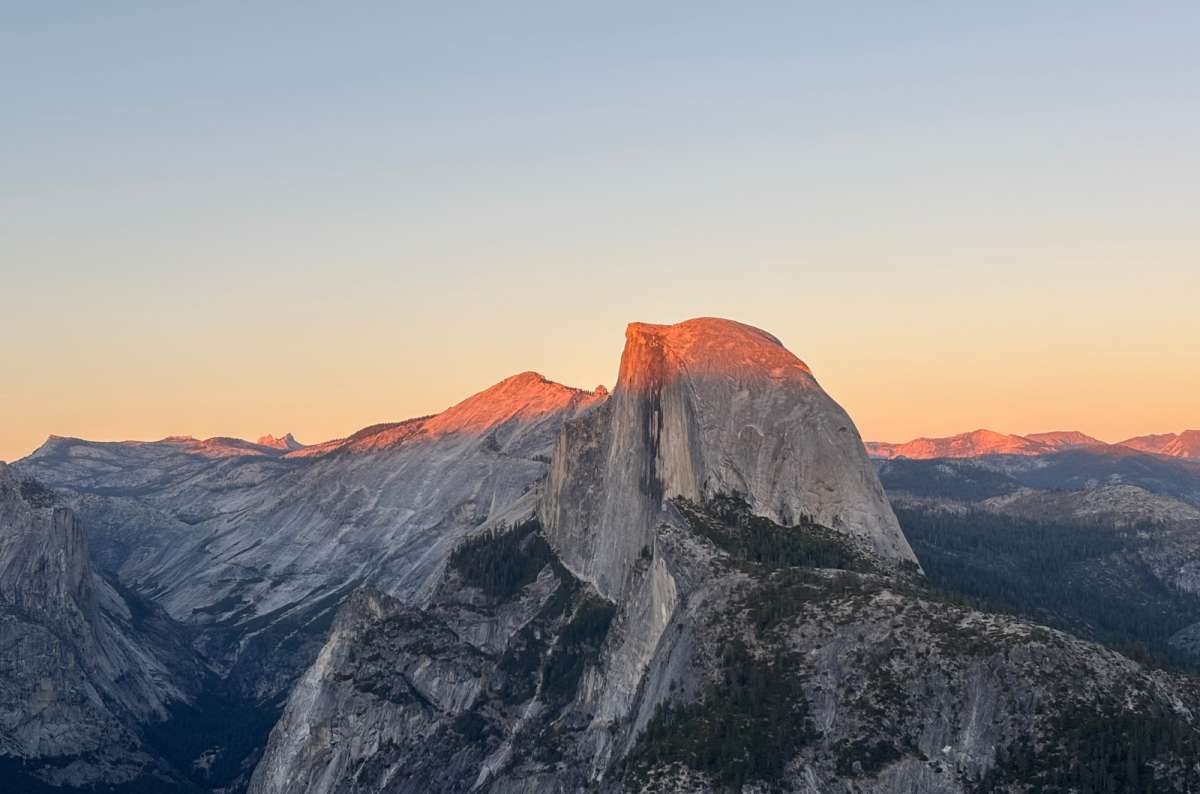
Yosemite is hands down my favorite national park and certainly among my favorite places in the world. I've visited in 2014, 2017, 2018, and 2026, and I still discovered some of my favorite viewpoints on the fourth trip. Apparently, my earlier planning wasn't quite as impressive as the scenery.
It's extremely hard to rank the individual places here because so much is world-class. The Valley gives you granite walls, waterfalls, and meadows; the high country adds lakes, rounded granite mountains, and a completely different perspective. The Valley is an immediate banger. The High Sierra grew on me with every visit.
For a first visit, I would protect time for Yosemite Valley, Glacier Point, and Sentinel Dome with Taft Point. Add Tioga Road when it is open, and you have enough time. I love the rolling granite mountains, the smell of the pines, and the little trees that make the rock faces look even bigger.
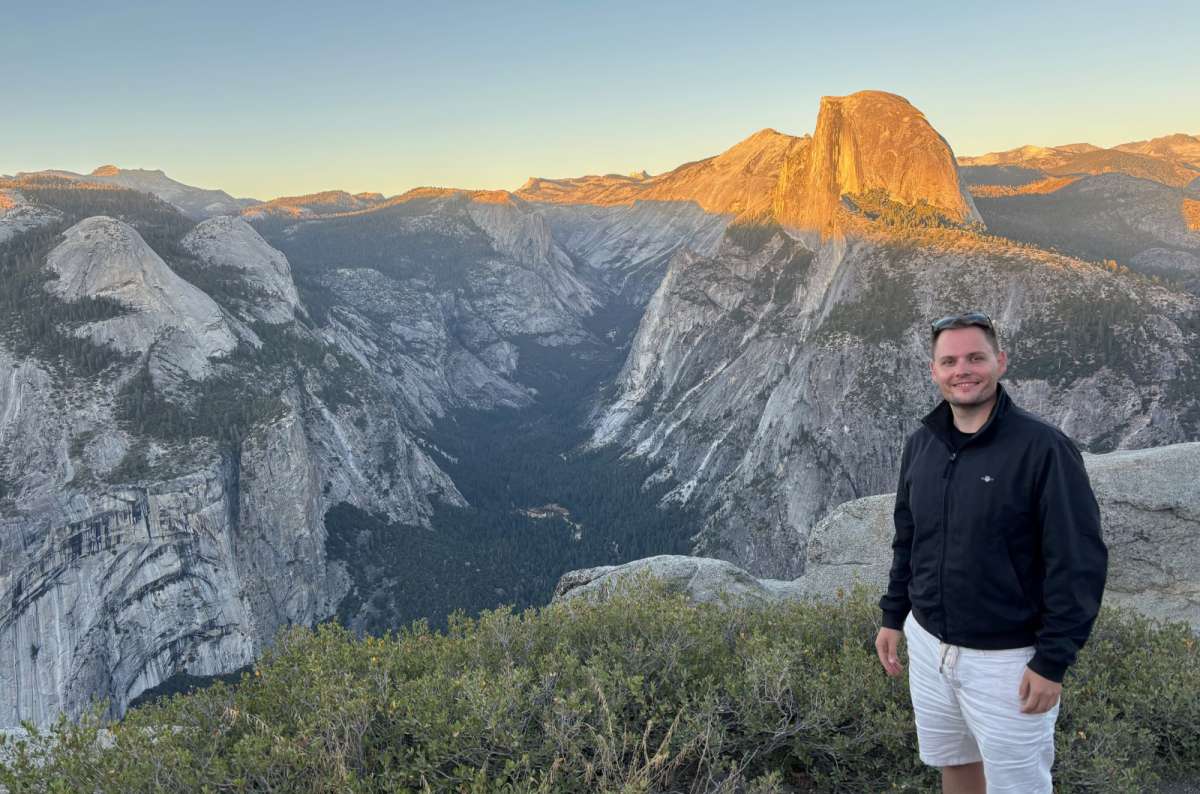
You don't need to climb Half Dome to appreciate Yosemite. I haven't climbed it. Several short walks and viewpoints can give you a remarkable first visit without using your entire day on one demanding hike.
Planning matters. Glacier Point is above the Valley, but getting there by road takes time. Tioga Road is another substantial outing, and snow closes high roads seasonally. Don't schedule every famous viewpoint as though they share a parking lot.
I've slept in Merced, Mariposa, and Oakhurst. I liked Yosemite Southgate Hotel & Suites in Oakhurst for its large rooms, parking, and nearby breakfast options. Oakhurst is a southern-gateway base, not a hotel in Yosemite Valley; compare the actual drive to your chosen activities.
On my first visit, I more or less treated Death Valley as the place where you photograph the temperature and leave. Don't do that. It has so much more to offer.
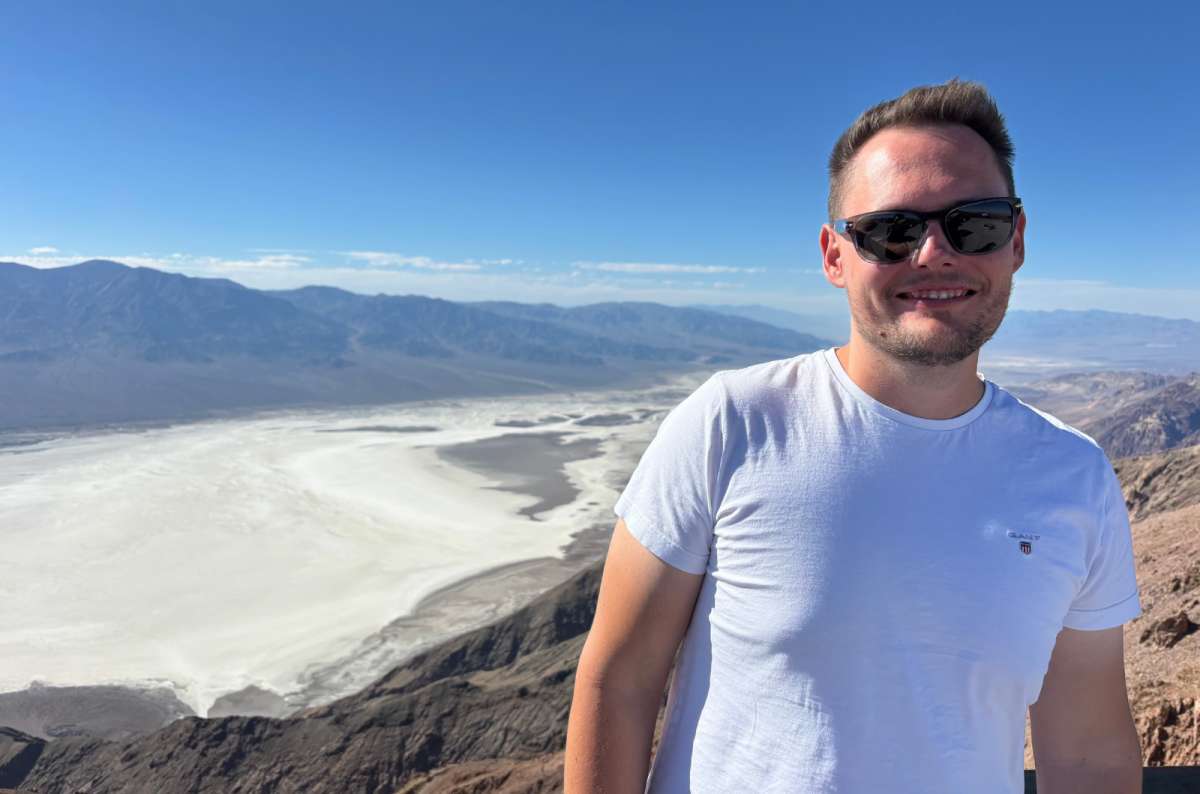
I've visited repeatedly, including in 2014 and 2018. I love how desolate and vast it feels: mountains above the salt flats, different-colored desert formations and dunes. Some of the colorful mountains reminded me of Salta in Argentina. Even the hot, dry air at night felt special. Death Valley is 10/10 for me, based on repeated visits, not just one successful sunset.
My priorities are Dante's View, Badwater Basin, Zabriskie Point, and Artists Drive. Dante's View is where I could really appreciate the scale of the park. Artists Drive is enjoyable as a drive, rather than merely transportation to Artists Palette. I learned that after rushing it the first time.
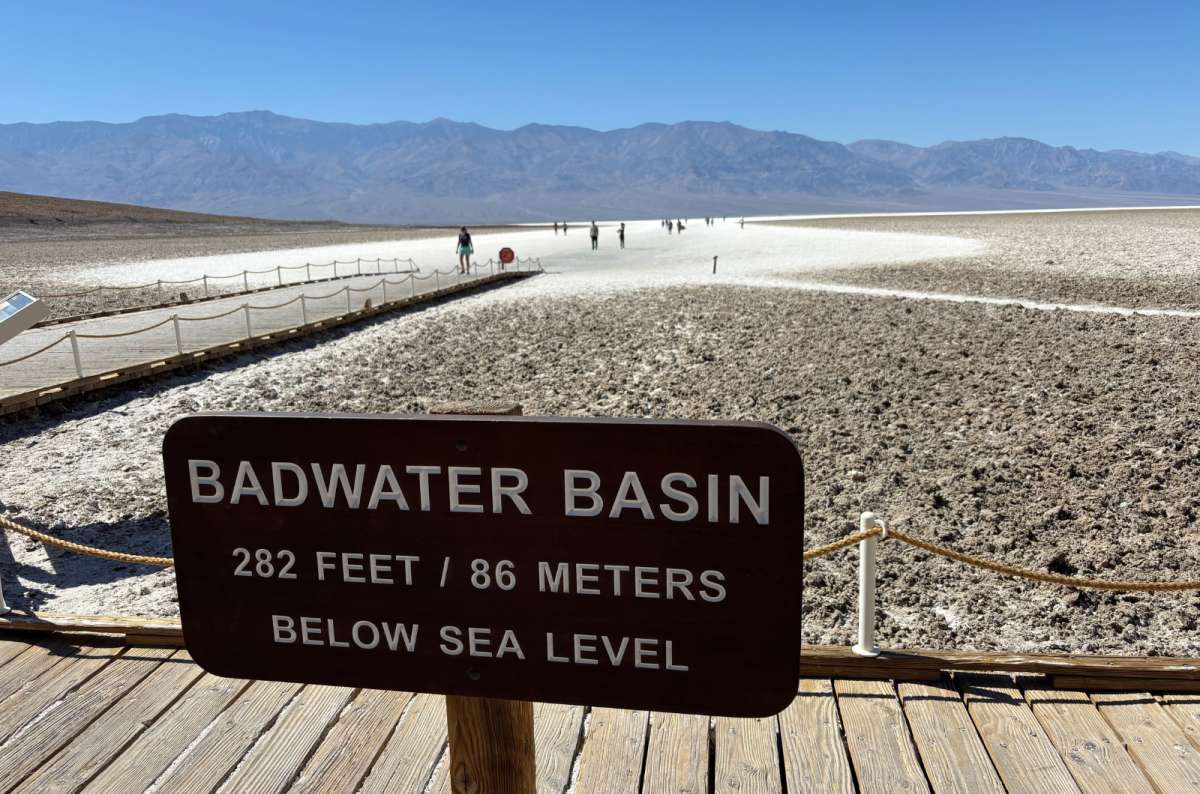
An overnight stay adds sunrise and stargazing instead of making everything happen during the hottest hours. I have never seen such a starry sky as on my stay here. Visibility, moonlight, and weather still determine what you'll see.
Golden Canyon can be optional when the timing and weather don't work. I liked the walk, but Zabriskie Point still gives you an excellent view without committing to a hot canyon hike. Summer sightseeing needs a very different plan from a winter hiking visit: stay close to air-conditioned transport during extreme heat, and don't assume an early start makes every route safe.
I loved staying at The Inn at Death Valley: the warm pool, date palms, stargazing terrace, and the golf cart that came with my casita. Its location also helped with an early Zabriskie Point visit.
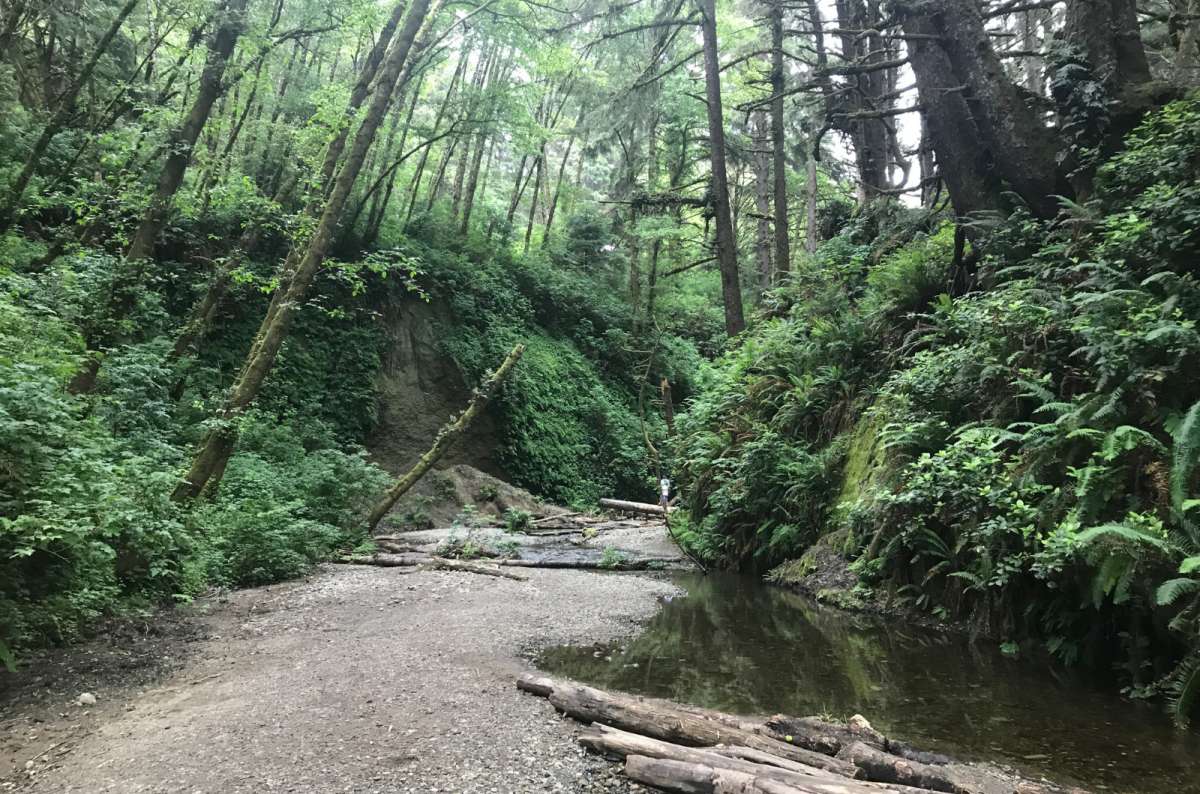
I spent two days here in 2017, and I liked Redwood enormously. More than the giant sequoias, actually.
The coast, fog, and forests make the place insanely dramatic. Add the ferns, and it feels like Jurassic Park. The coastline is worth visiting in its own right. I wouldn't think of this as a trip simply to stand beside one enormous tree, take a photograph, and leave.
Redwood and Sequoia aren't interchangeable forests. Redwood has the stronger overall atmosphere for me; Sequoia has those ridiculously massive trunks. Coast redwoods are a different species from the giant sequoias inland, and the combined Redwood National and State Parks spread the experience across several protected areas.
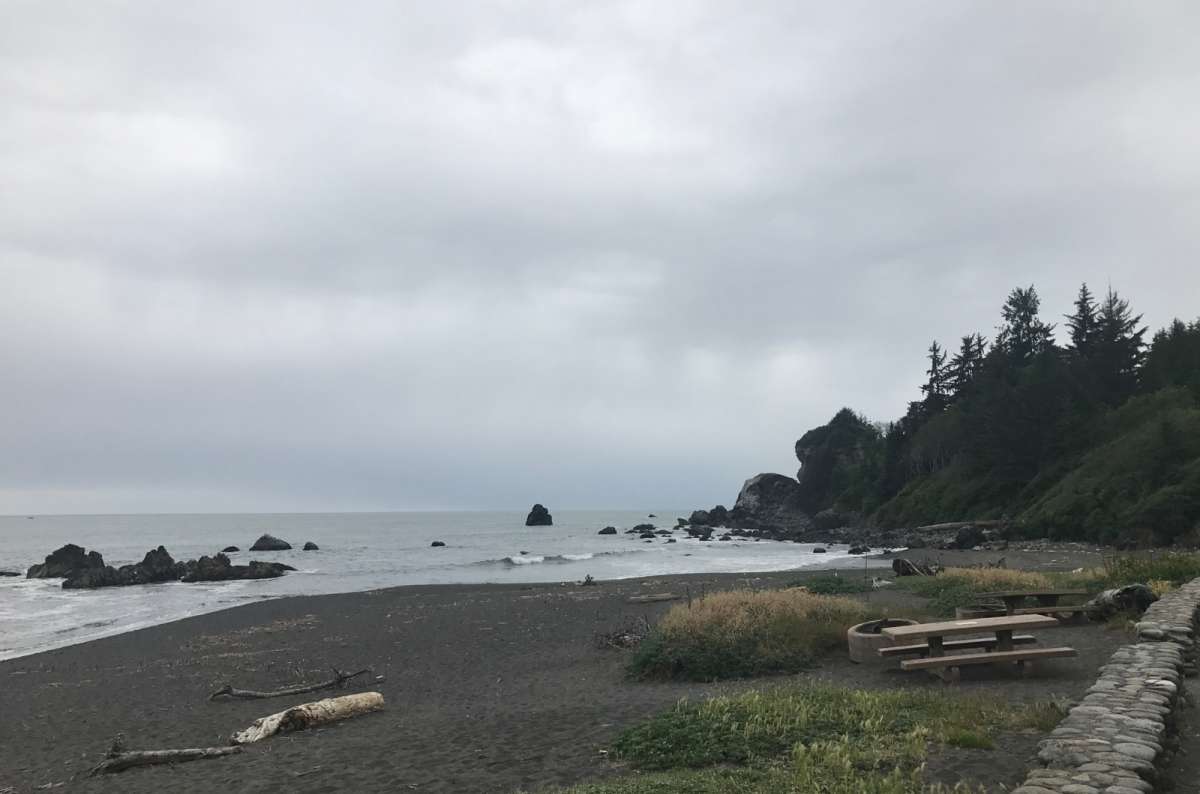
The long journey north is the main argument against including it on every first California vacation. I would plan it with Northern California and possibly Oregon, rather than bolt it onto a rushed LA–Yosemite–San Francisco circuit.
Choose a base near the areas you want to explore: Crescent City works for the northern end, while the Orick area is farther south. Check driving distances between your actual stops before booking one hotel for the whole visit.
Some popular access points require permits. Tall Trees permits are required year-round; Gold Bluffs Beach day-use access, including the Fern Canyon trailhead, requires a permit from May 15 to September 15. Check the current Redwood reservation information. These requirements don't mean the entire park complex needs one universal entry reservation.
Pro tip: Consider booking a guided tour, if dont't want to get your context solely from info-boards.
Get my two free guides to planning better trips and spending less without traveling worse—plus practical travel tips, things on my mind, and my latest guides every few weeks.
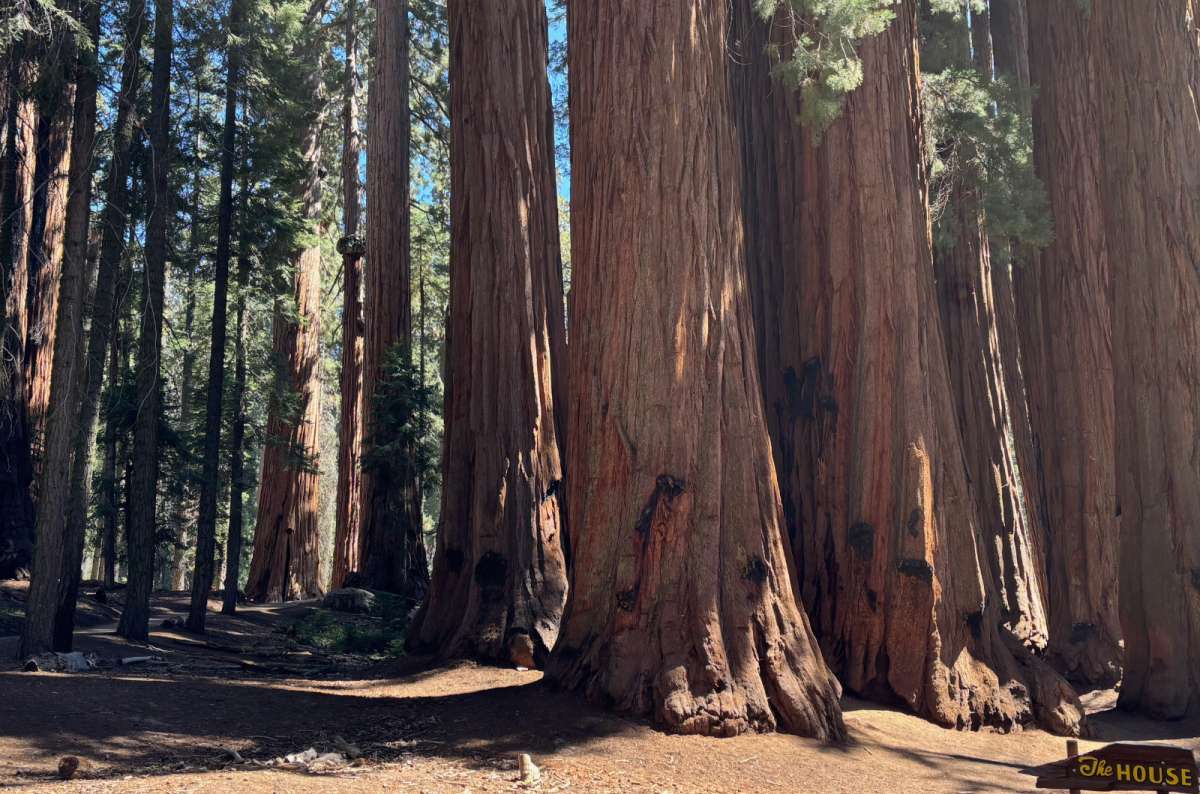
These trees just don't fit the normal tree pattern. I have visited Sequoia twice, in 2018 and 2026, and it is an easy 10/10 for me.
I especially love seeing fallen trees, when you can appreciate the size. Ordinary large trees start looking like needles beside the mature sequoias. Photographing them is another matter: most of my attempts to fit the whole tree into the picture were futile.
Congress Trail is the hero of the park for me. It's tranquil among the groups of giants, away from some of the easiest-access tree stops. Big Trees Trail gives you more distance across the meadow to appreciate their proportions. General Sherman is brutally massive, but I wouldn't come only for the famous individual tree.
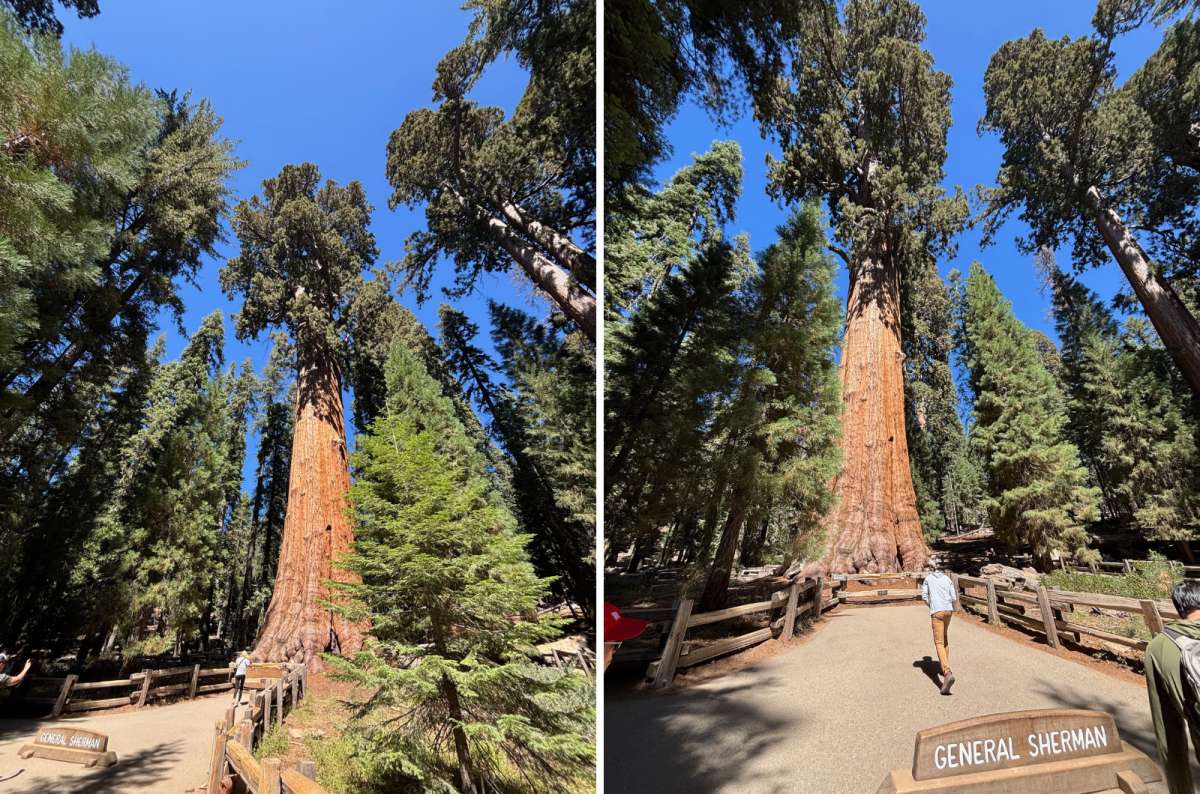
I also liked learning how people once tried to protect the forest by suppressing the fires that a healthy giant-sequoia ecosystem depends on. It is quite an achievement to put that much effort into protecting something in the wrong way.
Yosemite has giant-sequoia groves too. Sequoia's trees are larger, and the park offers more than a grove. If you visit Sequoia, you also don't have to repeat all the Yosemite groves.
I would allow half a day among Sequoia's concentrated highlights without serious hiking. Add the winding approach, parking, and walking time to your travel plan; a full sightseeing day is more comfortable than squeezing the park between distant hotels.
Three Rivers is a base to compare for the southern approach; check its position against your planned stops.

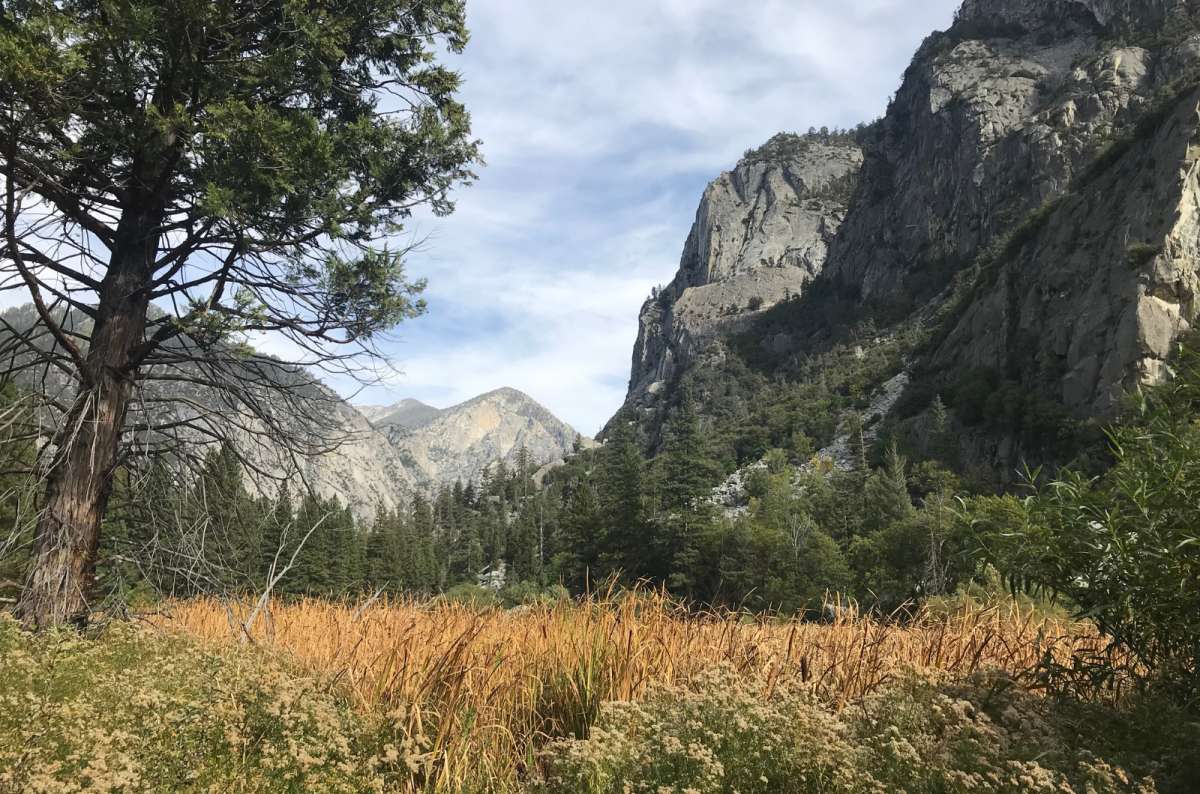
Kings Canyon and Zumwalt Meadow are absolute bangers. They were my favorite sights across the two parks, ahead of the individual tree stops.
There are two different visits to consider. Grant Grove gives you giant sequoias, including General Grant. Continuing into the Cedar Grove area gives you the canyon scenery that makes this more than another tree stop.
It is easy to underestimate that second visit if you're looking at the parks as one patch on a map. The road into the canyon is an outing in its own right, with the drive back to consider as well. You can't continue through the Sierra to Bishop on the other side.
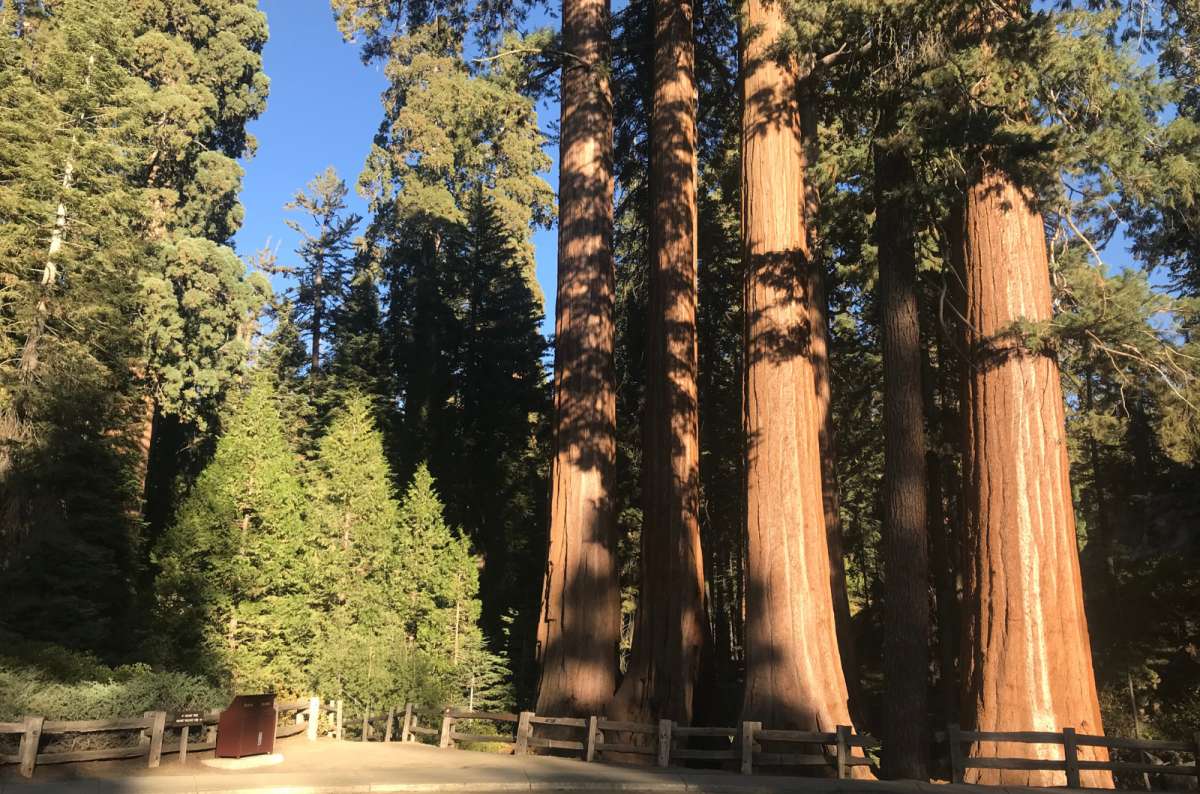
Highway 180 into Cedar Grove closes seasonally. Check Sequoia and Kings Canyon conditions, rather than assuming access to Grant Grove means the canyon road is also available.
Zumwalt Meadow also needs current trail information: historic flood damage changed the route. Don't plan around an old description of an accessible meadow loop. Ask about the currently available walk, surface, and turnaround before setting off.
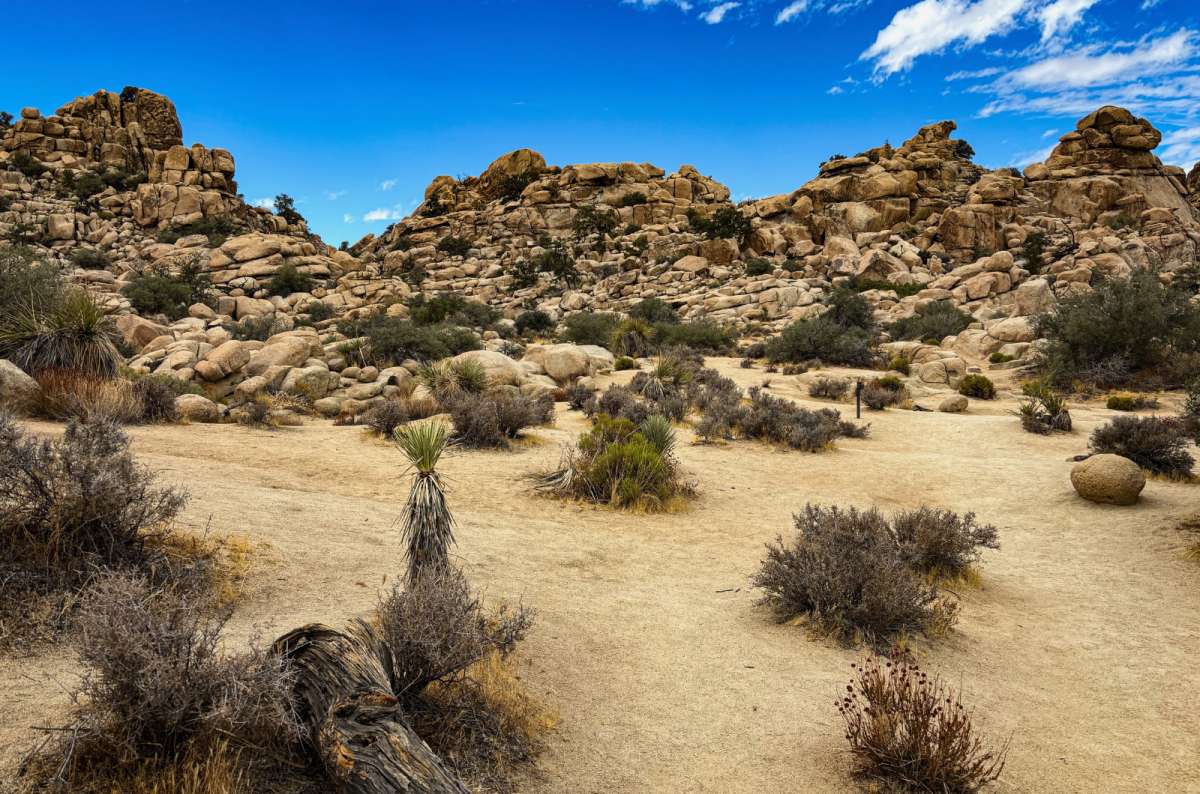
I've been in 2014, 2018, and 2026, and loved it three times. The granite boulders are absolutely surreal. The desert looks like another planet, or primordial Earth, at least as I imagine it.
I would put Hidden Valley first. I repeated that hike, and I usually don't repeat hikes unless they're special. The drive through the Joshua tree forest toward Keys View is worthwhile too. At Arch Rock, I found the surrounding landscape and boulders more interesting than the arch itself.
The Cholla Cactus Garden looks like a forest of fluffy cacti. They are considerably less fluffy when touched. We visited at 9:30 a.m., and it was already extremely hot, so the timing of even a short walk matters.
Pro tip: If you're not too confident about wandering around, book a guided tour to make the most of your trip.
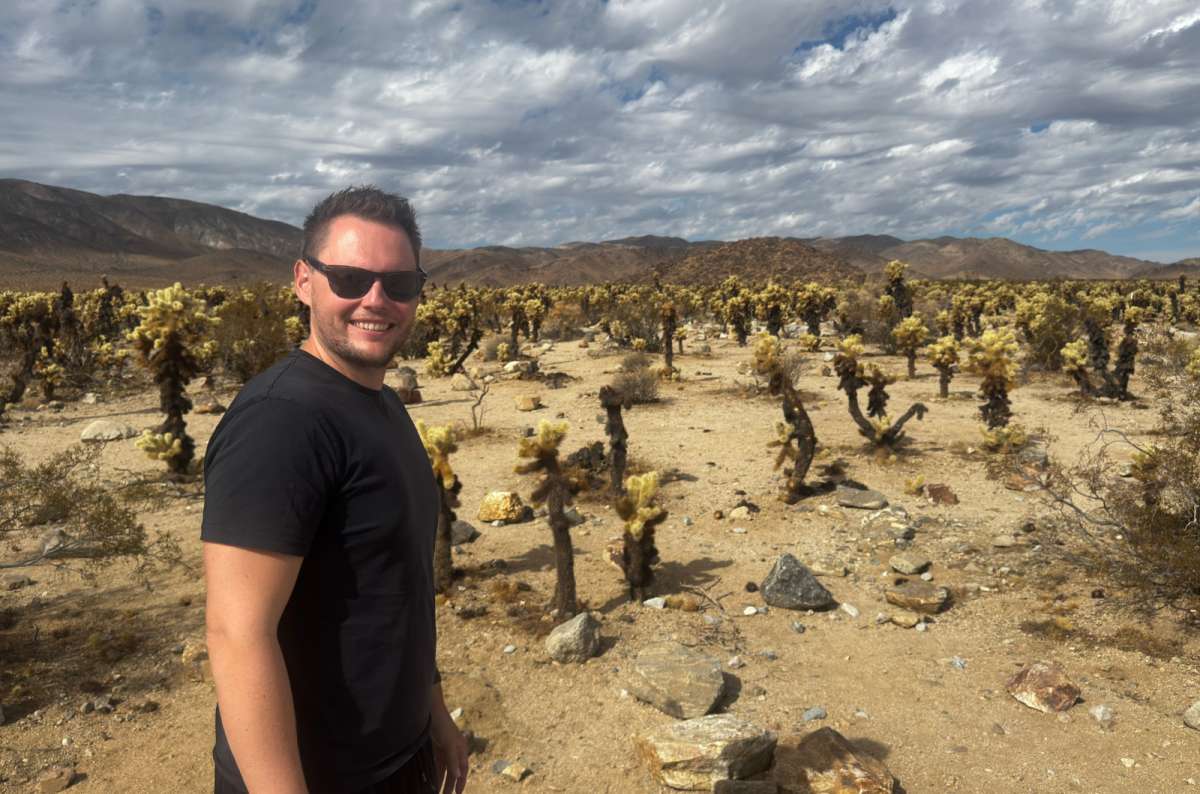
I also like Joshua Tree for wildlife. We saw coyotes within the first few minutes on one visit. You may see very little on another day; don't approach or disturb animals to improve the odds.
I rate Joshua Tree 10/10, but that doesn't make it identical to Death Valley. For me, Death Valley wins on vast panoramas and landscape variety. Joshua Tree is particularly good for wandering among rock formations on short, selected trails.
I liked Ingleside Estate in Palm Springs for its private casitas. It is a Palm Springs stay, not accommodation at the park entrance, so include the transfer when deciding whether it suits your trip.
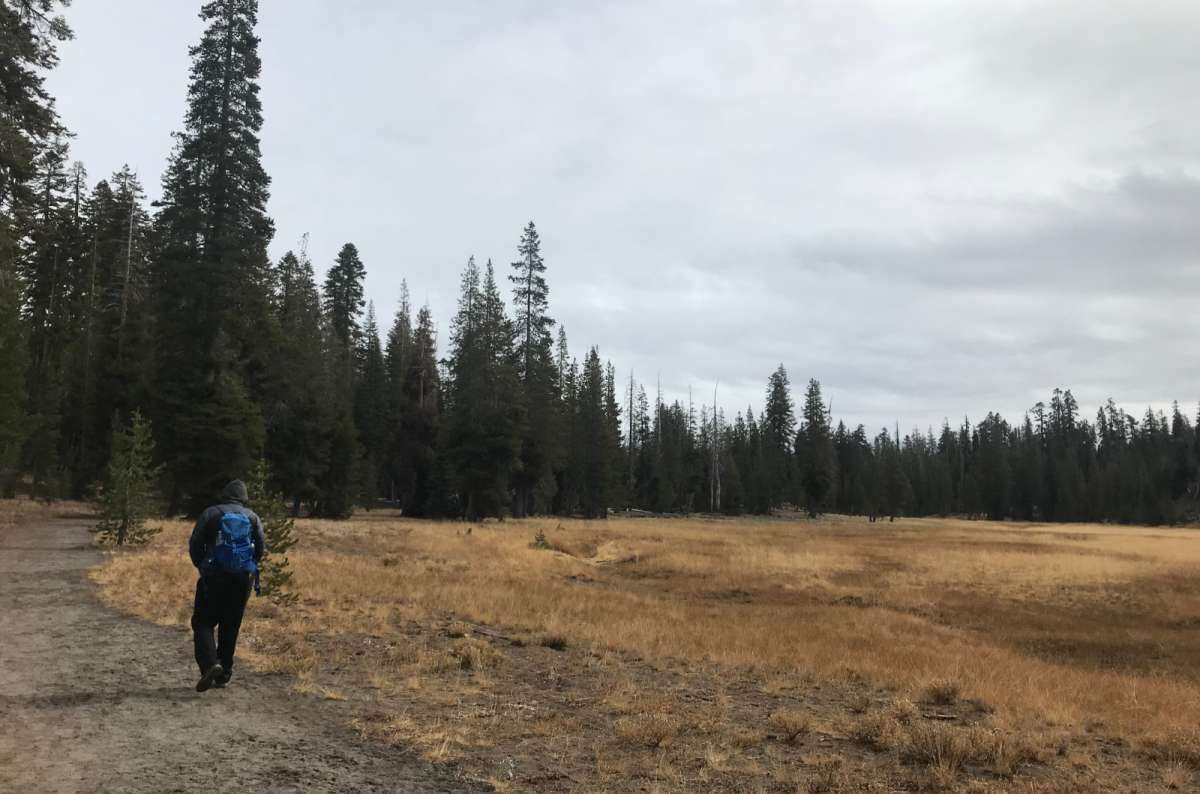
My 2018 visit was late in the season, cold and pretty miserable weather-wise. I saw the main highlights, but a lot was in the clouds. My reaction was a bit meh.
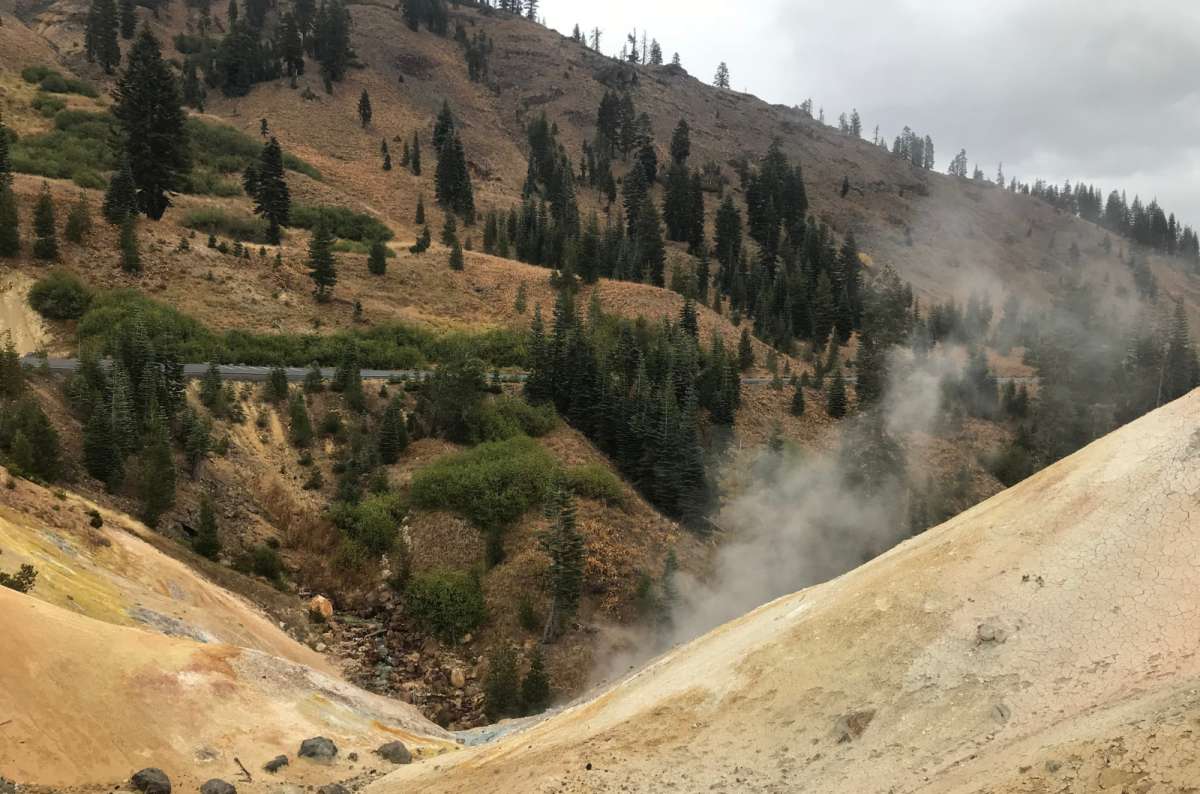
I still want to return. That visit doesn't give me a fair basis for dismissing the park. Its volcanic scenery, geothermal areas, and mountain lakes offer something different from the Sierra's granite and the desert parks farther south.
I would combine Lassen with Northern California and Oregon. Keep the road and trail conditions central to that decision: snow and fire-related recovery can affect what is accessible. Stay on designated routes around geothermal features. You can also book a private tour straight from San Fancisco.
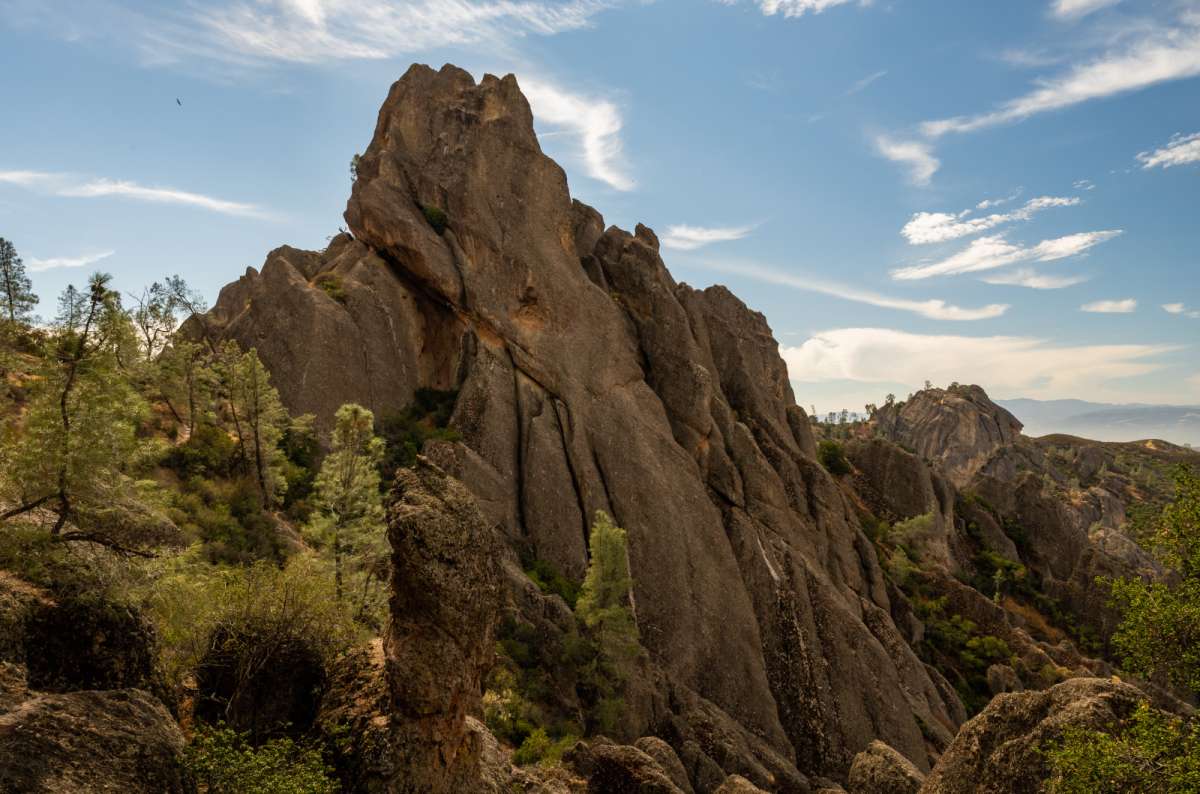
I visited Pinnacles in 2014 and liked it as a half-day park outing added to a coastal trip. It's a worthwhile change from Big Sur, but I wouldn't let it displace my only full Yosemite day.
The practical choice is the entrance. There is no road through the park connecting the east and west sides. Set your navigation to the entrance for your chosen walk, not just to the park name.
Check current trail and cave access before choosing a route. A cave being a headline attraction doesn't mean it is open on your date. Bring water and account for exposed walking. Pinnacles wouldn't lead my list of the best California national parks for a first trip.
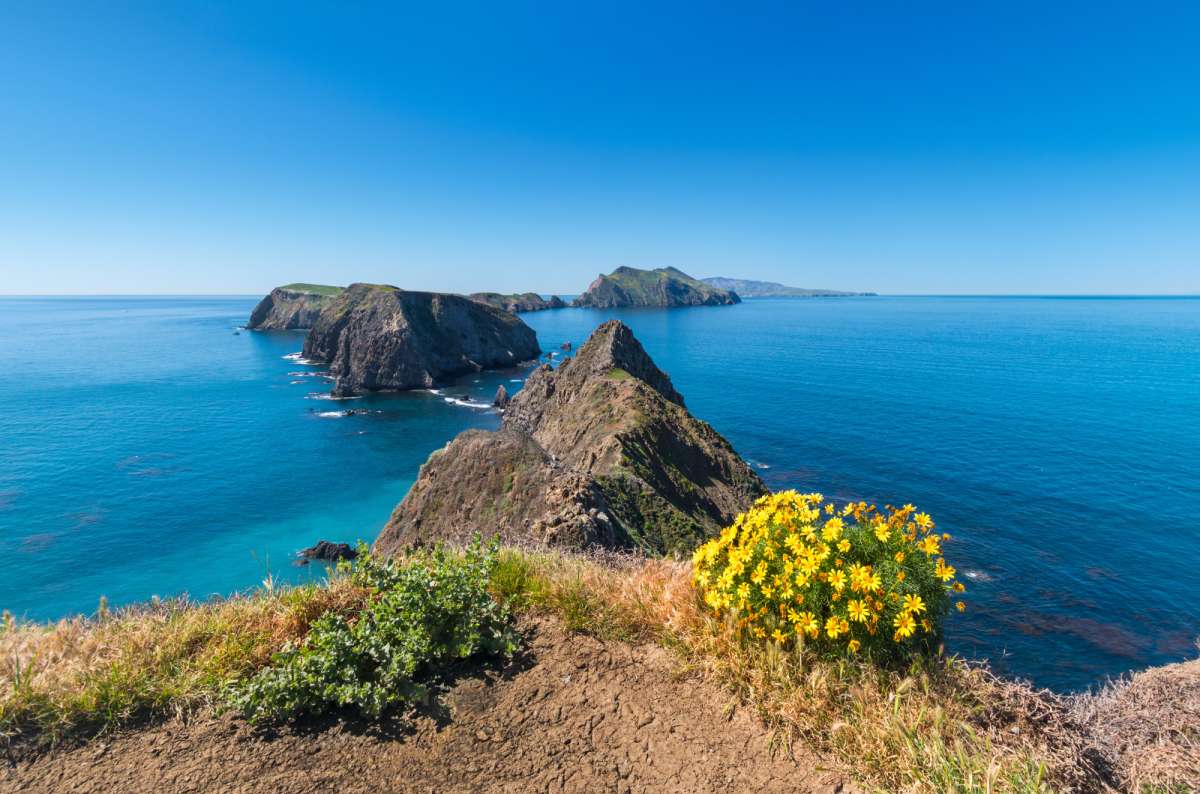
Channel Islands is the ninth official national park in California. It sits outside my personal ranking here, but it is important to account for its very different logistics when comparing California's best national parks.
The park protects five islands. For most visitors, reaching an island involves booking a boat trip from the Ventura area, selecting an island, and working around the transport schedule. A cruise in the surrounding waters and a trip that lands on an island are different products.
Reserve a full day for an island outing, with extra room in your wider travel plans for weather and boat availability. It isn't a quick coastal viewpoint to slot between two mainland stops. Bring the food, water, and equipment required for your chosen visit; the island experience doesn't provide the same services as a mainland town.
Choosing the best national parks in California is partly about what to leave out.
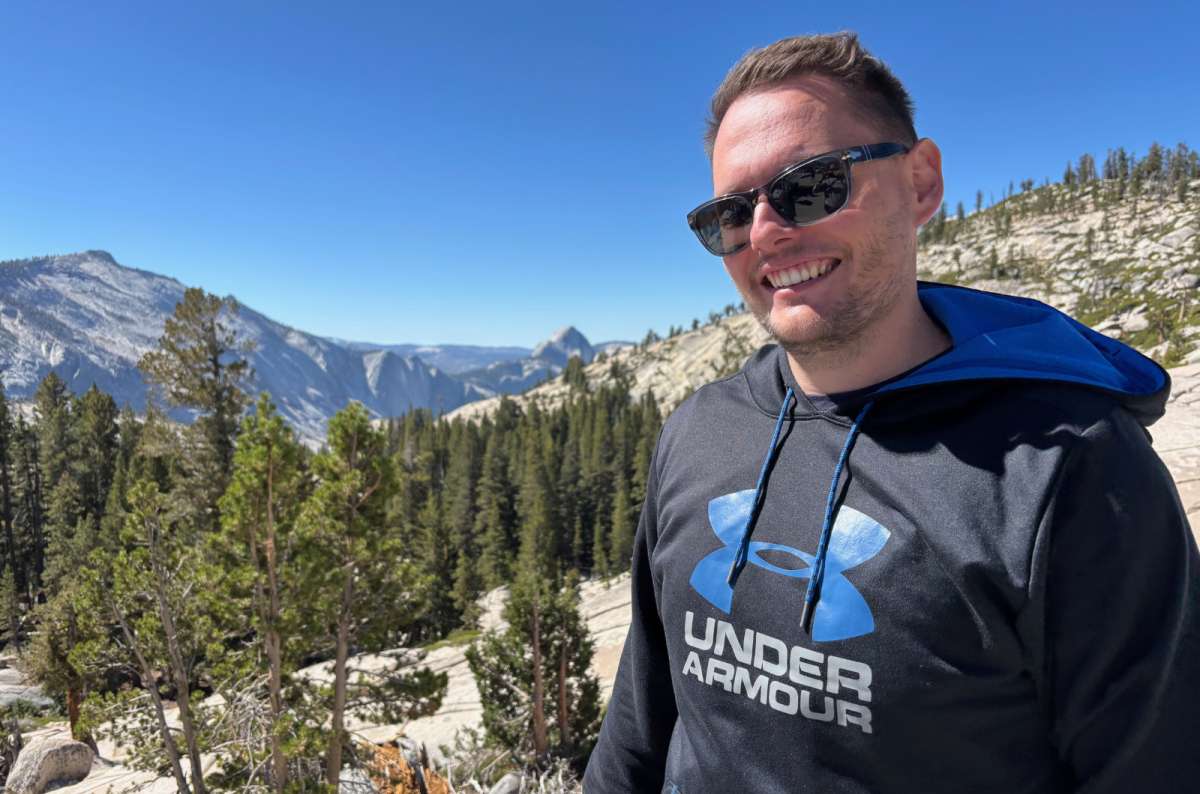
Protect Yosemite first if the season and access suit your plans. Then choose an additional landscape rather than another long transfer for the sake of completeness.
Sequoia and Kings Canyon work as a combined commitment on the western side of the Sierra. Death Valley adds a very different environment, but it needs its own time and weather window. Don't assume the parks connect across the mountains wherever the map looks narrow.
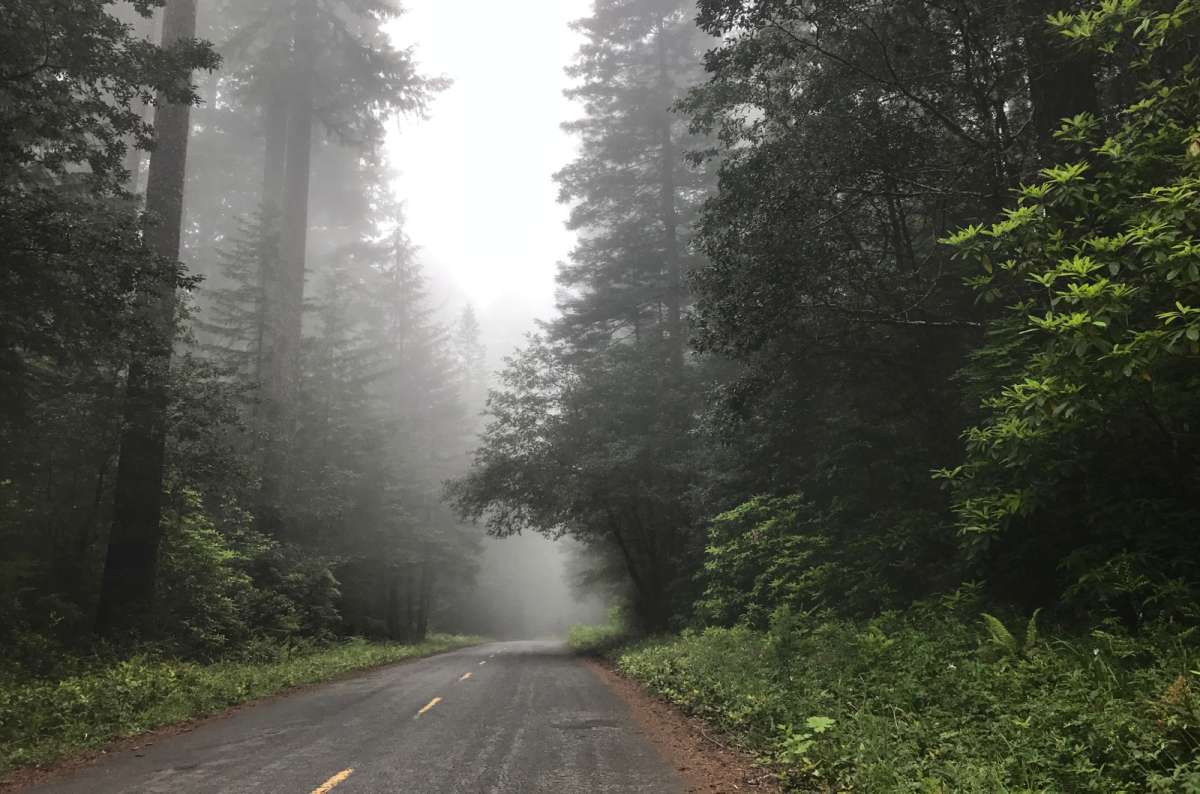
Redwood and Lassen make more sense as substantial parts of a northern trip than as last-minute additions to a southern circuit. Redwood deserves time among both the forests and the coast; Lassen needs a suitable mountain-season visit.
Combining Redwood and Lassen with Oregon can be sensible.
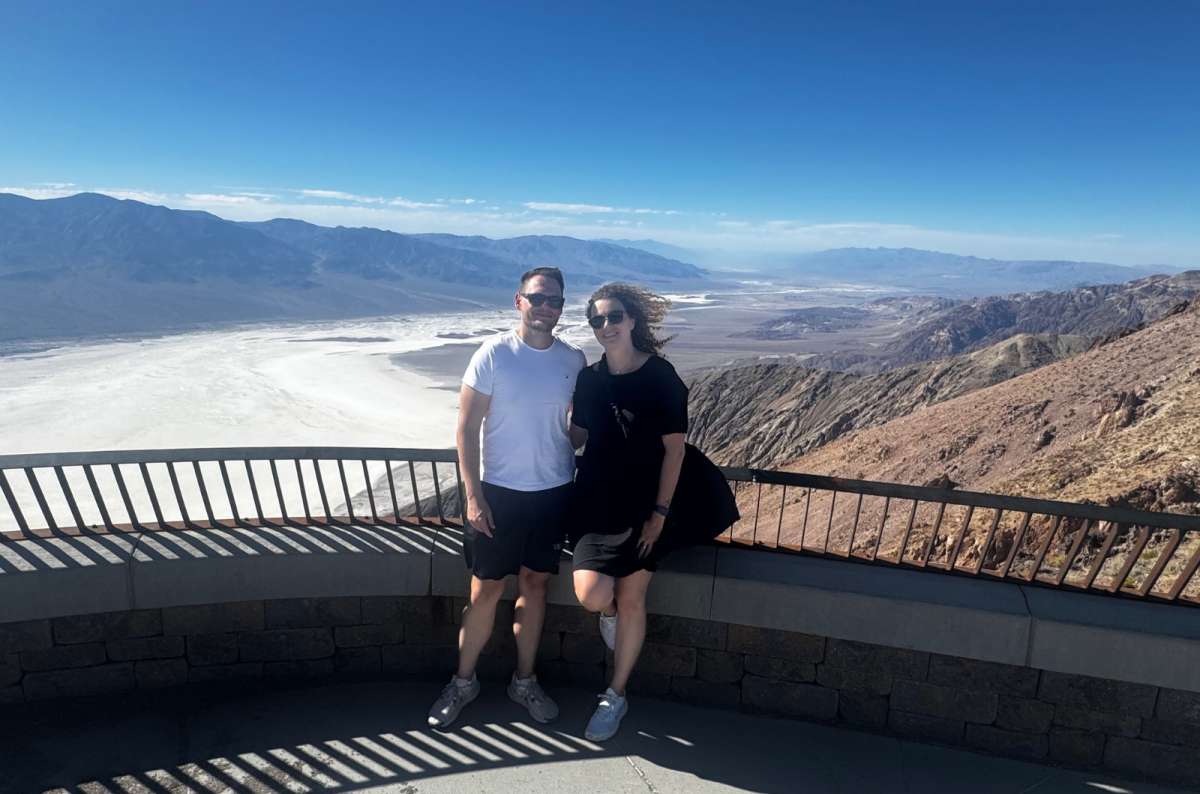
Joshua Tree and Death Valley are the obvious desert comparison. In comfortable weather, a trip with enough days can include both. With limited time, pick according to the experience you want and the actual route, rather than declaring one universally better.
Channel Islands requires a separate boat-based day. Pinnacles belongs with a suitable central-coast or inland plan, rather than being casually added to an LA outing.
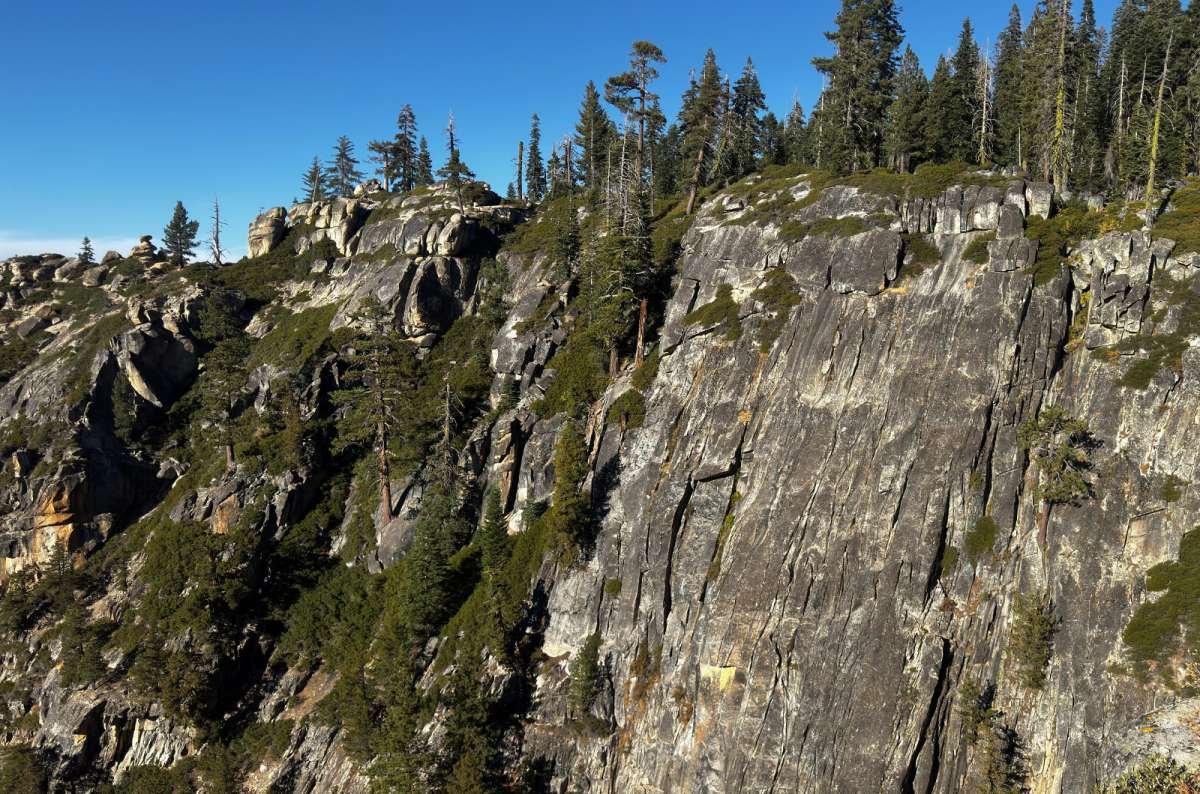
Yosemite gives me the stronger overall experience. If giant sequoias are the main reason you're considering the second park, Yosemite's groves offer a possible substitute. If the huge trees are a major interest, Sequoia earns the extra time.
I preferred Redwood for its combination of forest, fog, ferns, and coastline. Sequoia fits more naturally into a western-Sierra trip.
Compare your rental pickup and return locations while planning the route. One-way fees and total driving matter more than saving a small amount on the daily rate.
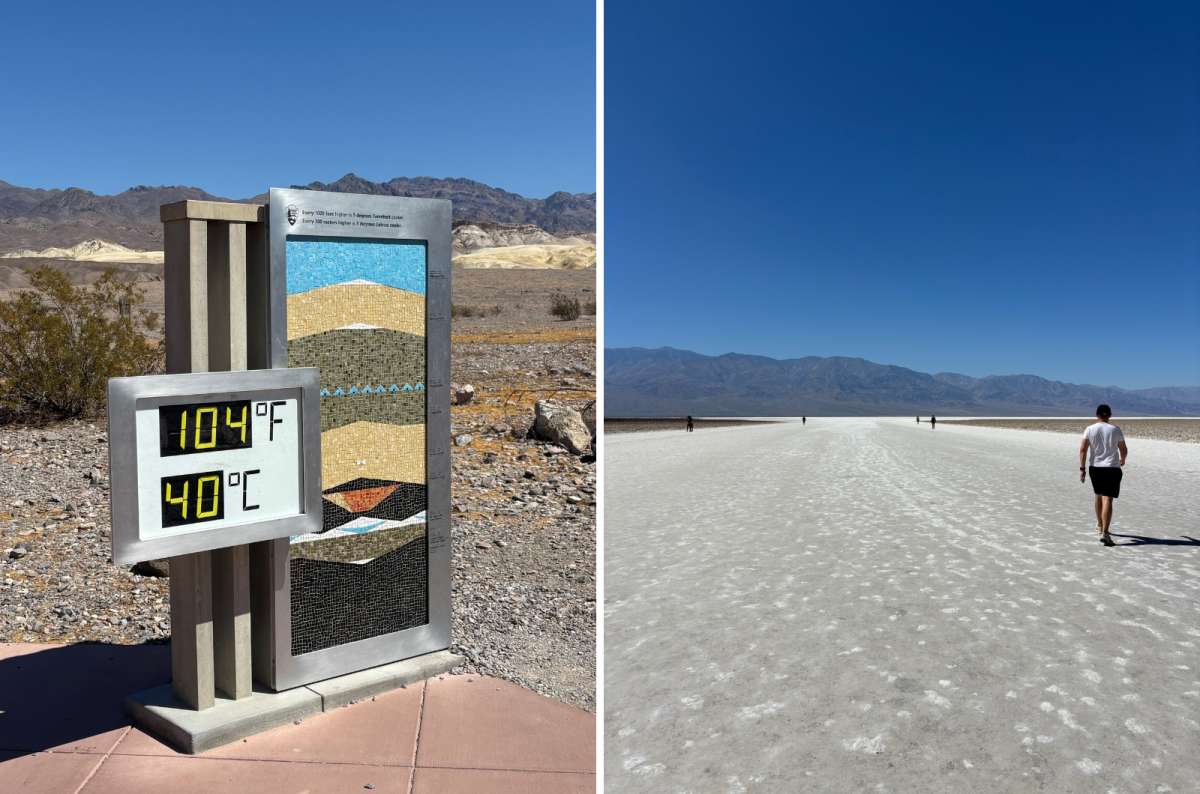
There is no single season that gives every park its best conditions. The desert and high-mountain parks work on different calendars.
For Death Valley and Joshua Tree, favor the cooler months if walking is important. My visits taught me how quickly even a morning becomes hot. A summer photograph of the temperature doesn't substitute for exploring the park.
For Yosemite's high country, Sequoia, Kings Canyon's canyon road, and Lassen, check the specific seasonal roads you need. Summer and early fall generally offer more high-country access, but snow, storms, smoke, or fire can change a trip. Yosemite Valley and the high country don't share exactly the same visiting window.
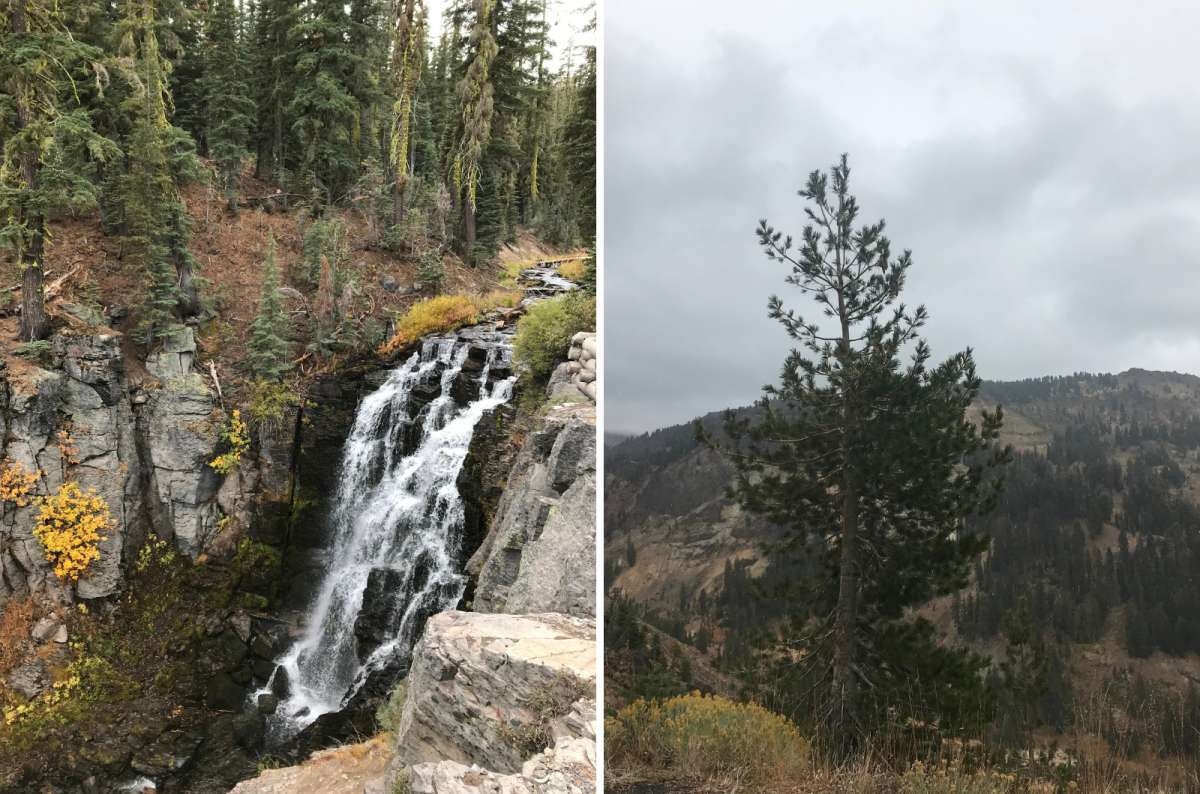
On the redwood coast, bring layers and expect variable visibility. Fog contributed to the atmosphere I loved; it isn't automatically failed sightseeing weather. For Channel Islands, wind, sea conditions, and boat schedules matter alongside the forecast on land.
Spring and fall can offer useful compromises across several California national parks, but verify the park-specific conditions before treating either season as a guarantee.
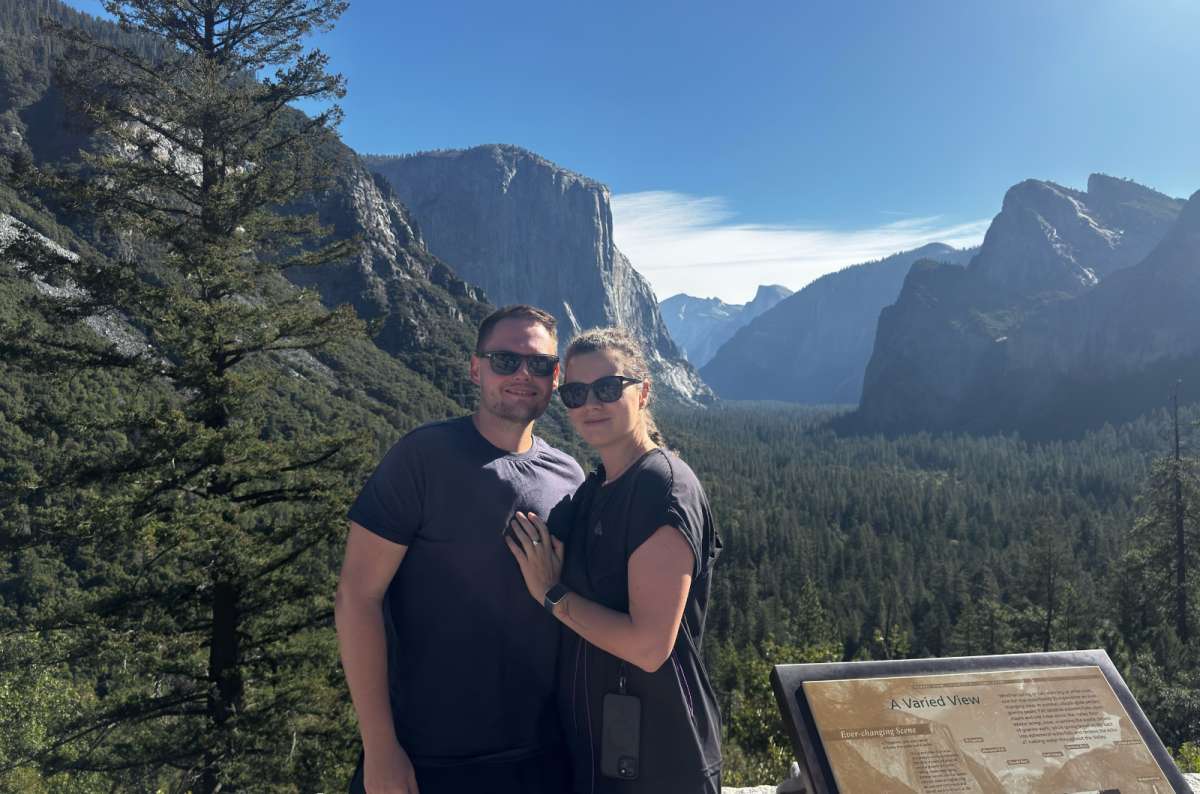
The California national parks pass most travelers mean is the federal America the Beautiful pass. It isn't a universal California state-parks pass, and it doesn't pay for every boat, campsite, tour, or reservation.
Under the 2026 NPS rules, the annual pass costs $80 for eligible US residents and $250 for nonresidents. At Yosemite and Sequoia & Kings Canyon, nonresidents aged 16 and older without a qualifying pass also pay a $100 per-person nonresident fee, in addition to normal entrance fees. A valid qualifying pass covers the nonresident surcharge under the NPS rules.
For illustration, two nonresident adults entering Yosemite in a private vehicle without a pass would pay the $35 vehicle entrance fee plus $200 in nonresident fees: $235. A $250 nonresident annual pass is only $15 more in that example. Different group sizes, valid existing passes, and the parks you actually visit change the calculation. Check the official NPS nonresident fee rules before buying.
I considered the pass excellent value on my own trip. Don't be cheap about protecting the places you've traveled so far to see. Just buy the correct product for your residency and party.
Entry, access reservations, and accommodation are separate questions. A pass doesn't reserve a campsite or guarantee a space at a permitted trailhead. Redwood has specific access permits; Channel Islands needs transport arrangements.
National monuments and other NPS sites have different designations from national parks. These are planning alternatives, not additional positions in the personal ranking above.
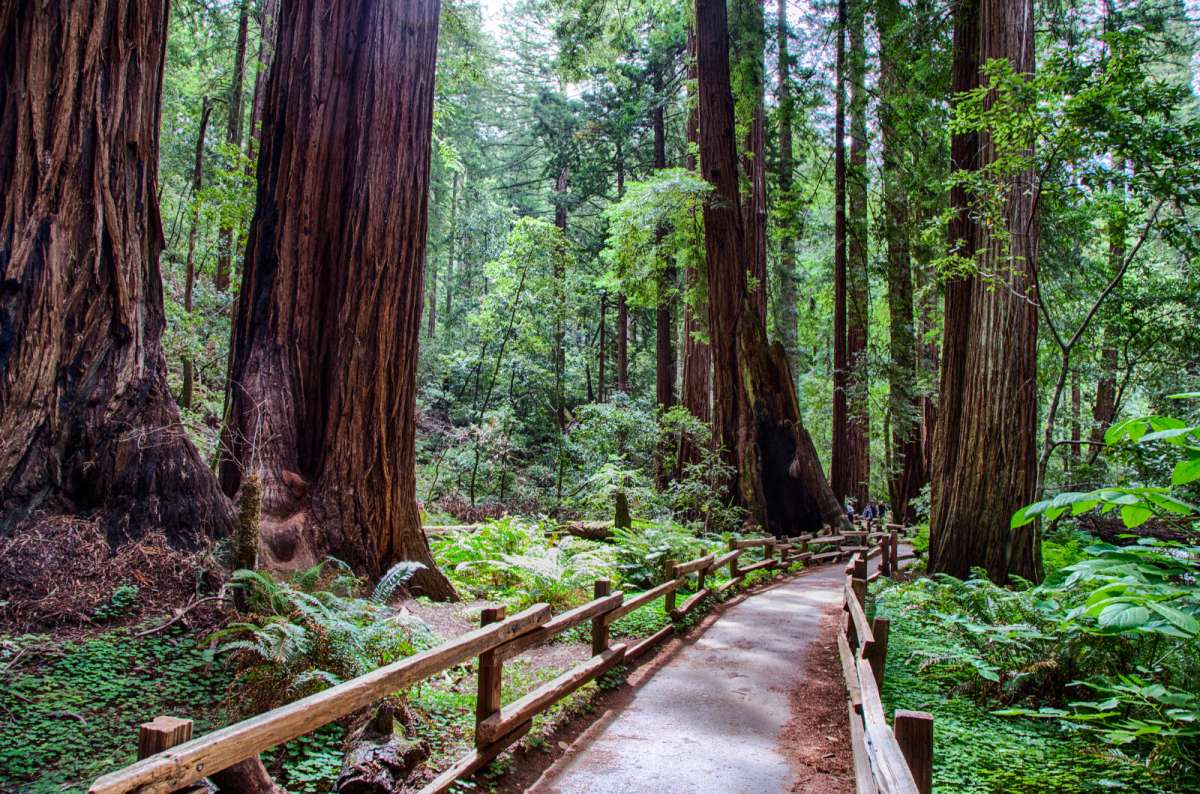
Muir Woods provides coast-redwood forest near San Francisco. Allow two to three hours on site, plus the approach, and arrange the required parking or shuttle reservation before going. Check the Muir Woods visitor information for the current booking instructions.
It can answer a practical question: do you want a redwood walk near the Bay Area, or several days exploring the far North Coast? Muir Woods isn't the same trip as Redwood National and State Parks. It can nevertheless make much more sense when you don't have the time to go north.
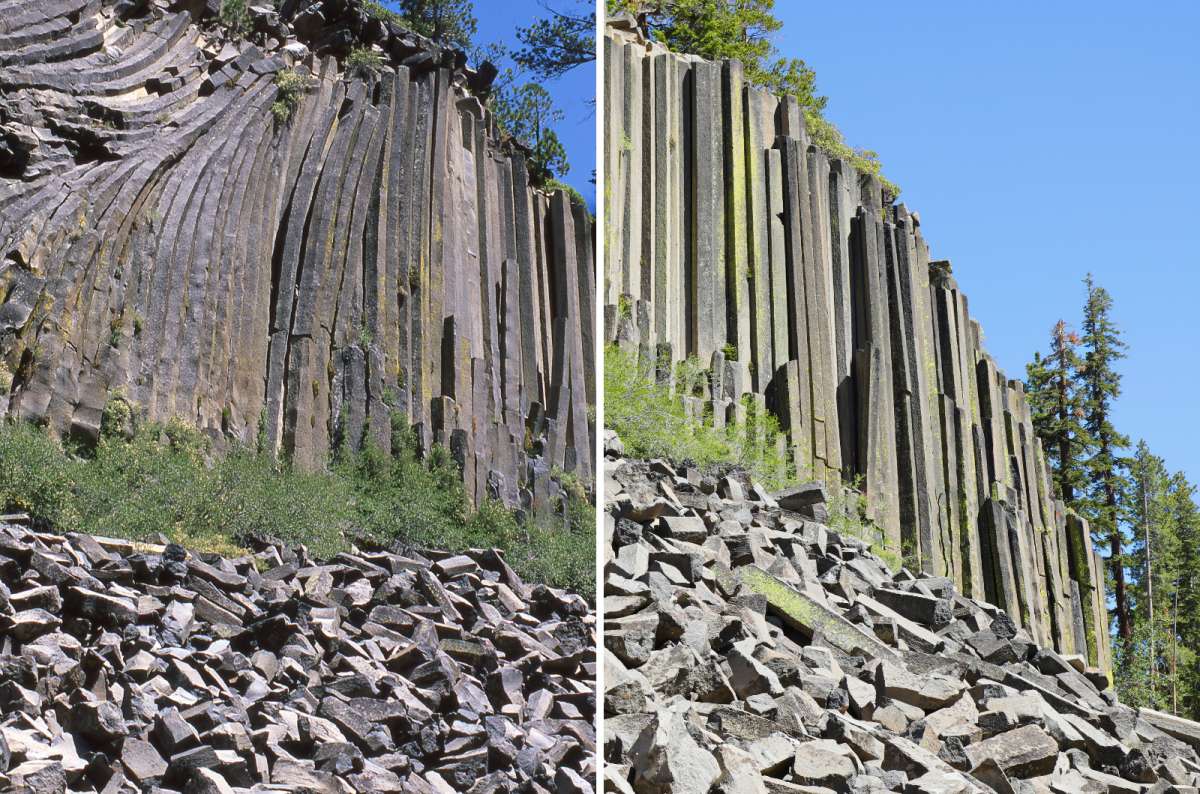
Devils Postpile offers columnar basalt scenery near Mammoth Lakes. Consider it when your trip already follows the Eastern Sierra, rather than adding it as though it were beside Yosemite Valley.
Set aside half a day for a selected visit once based in the Mammoth area, and verify transport before fixing the program. Reds Meadow Road is seasonal, with reconstruction affecting access and shuttle service. The current Devils Postpile conditions are more useful than an old assumption that you can drive straight to the trailhead. Add time if you want a longer walk beyond the formation.
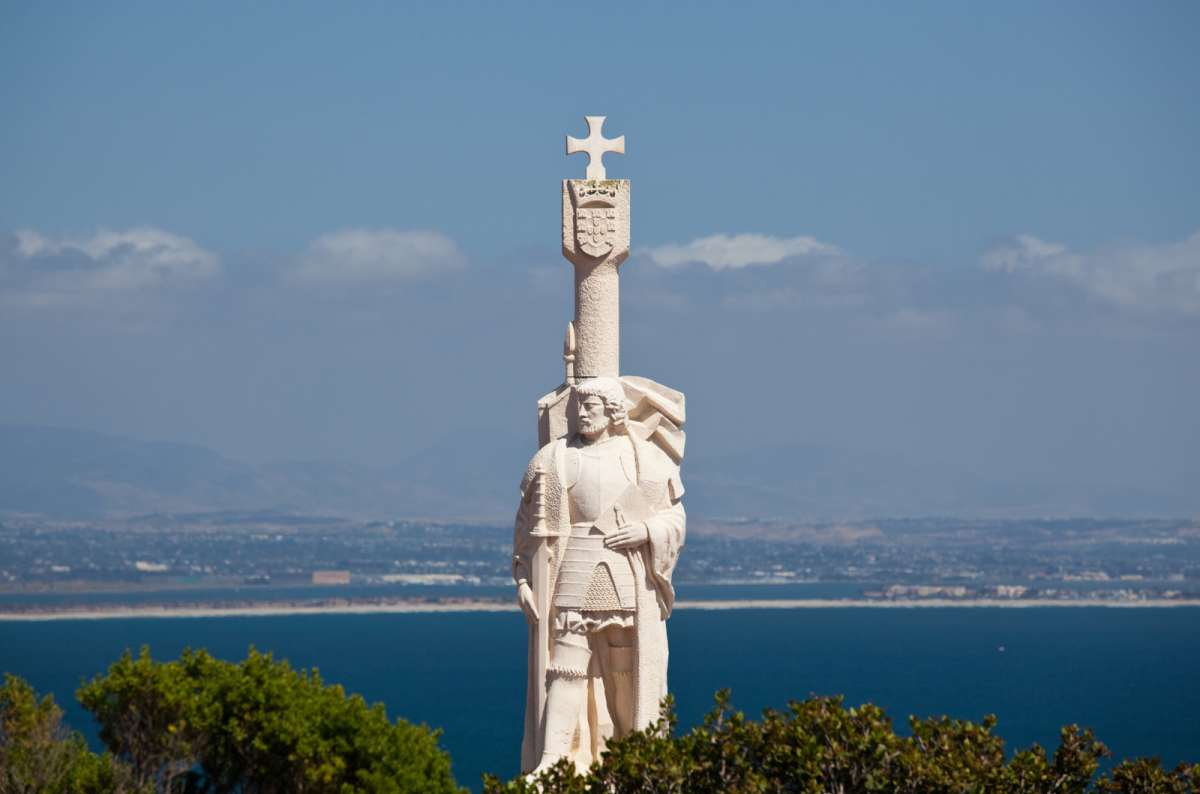
Cabrillo sits on Point Loma in San Diego and combines coastal views with historical interpretation. Allow two to three hours, depending on the areas you choose. Check opening hours and, if tide pools are part of your plan, the tide and access conditions.
It's a San Diego addition, not a replacement for Yosemite or a reason to drive the length of California.
This post contains affiliate links. If you make a booking through one of my links, I may earn a small commission—at no additional cost to you. Thank you for your support!


Hi, I’m Jan. I travel fast and intensely, whether I’m exploring the buzz of Tokyo in 3 days or road-tripping through mountains and beaches on a 3-week Thailand adventure. And no matter where I am, you’ll always find me in a comfortable hotel at night and eating the best food.
If that sounds like your kind of journey, hop on board, and let’s explore the world together!
I started this blog after realizing how tough it can be to find reliable, authentic travel info. You wouldn’t believe how many “travel bloggers” never even visit the places they write about! On Next Level of Travel, you can count on my full honesty and insights drawn from my firsthand experiences.
Here’s the deal: not every destination is all superlatives and unicorns. I’ll let you know if a tourist attraction isn’t worth your time, like skipping overrated stops in my 2-week Spain itinerary. And when I find something truly special—like the perfect mix of culture and nature in Cape Town—you can trust that it’s worth adding to your itinerary.


Comments | Thoughts? Give us a shout!