
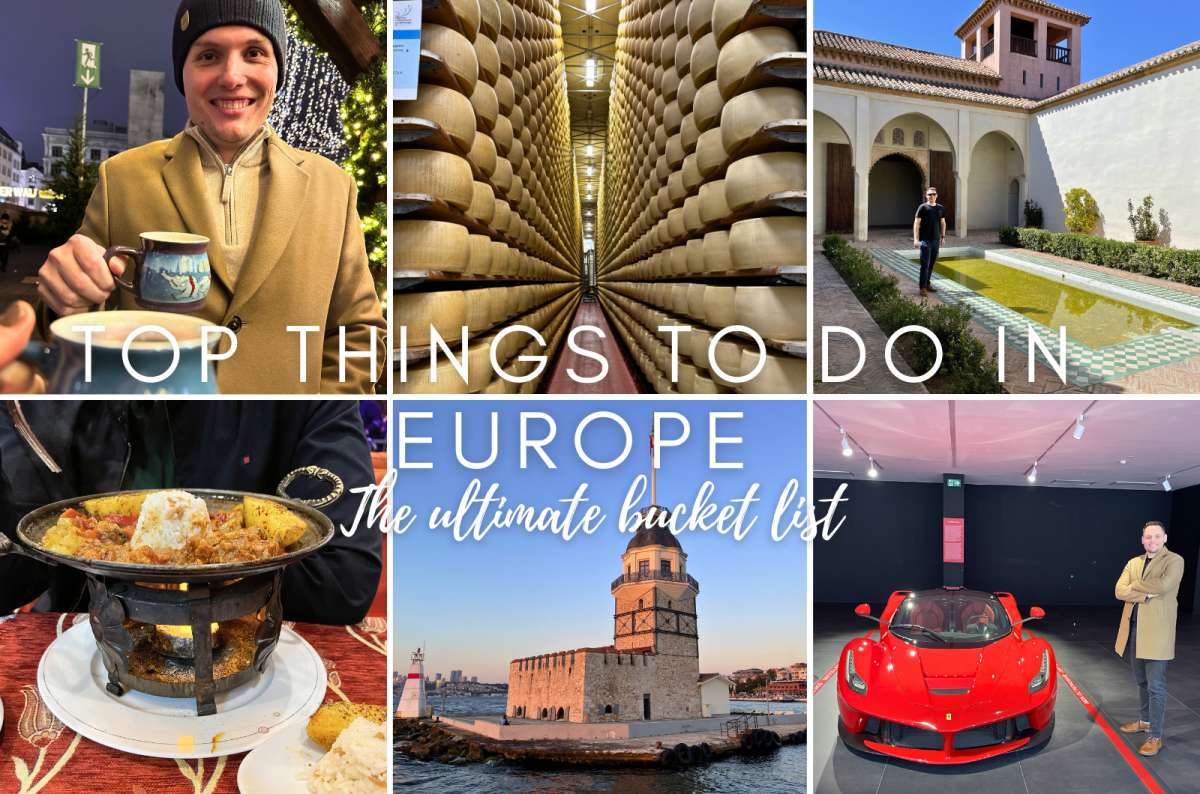

)
My top 10 things to do in Europe: The ultimate bucket list
The best nature and landscapes in Europe
Famous places and tourist attractions in Europe
Food and everyday culture I’d plan a European trip around
Places that surprised me (in a good way)
Places I’d do differently — or skip altogether
What things to do in Europe are actually worth it? This is a first-hand, opinionated list based on places I’ve personally visited—not a generic European bucket list.
I’ll tell where to find the most beautiful nature, fun tourist attractions, the most delicious food, and places that surprised me—in good and bad ways.
It’s not trying to be exhaustive, and it intentionally skips some famous attractions. Yes, the Eiffel Tower is popular for a reason and I know you’ll want to see it when you’re in Paris. That’s fine, you don’t need me to tell you to go there.
What this article is about is truly special spots, both well-known and unusual places, that can take your Europe itinerary to the next level. I want to tell you how these tourist places in Europe actually feel once you’re there, why you’ll love them (or hate them), and how to see them in the best way.
I’ll rank experiences in Europe that surprised me, paid off the effort, or genuinely affected how I remember a trip.
Pro tip: If you’re still deciding where to go, start with my guide to the must-see countries in Europe.
This article is about what’s worth doing once you’re already there.
If you have a short attention span or just want a quick look at the absolute best of the best things to do in Europe, here’s a shortlist of my ultimate favorite 10 European experiences I’ve done/seen/loved:
I’ll describe all of my favorite 47 tourist spots and bucket list Europe items that I think are worth trying or seeing at least once in your life. Planning a trip to Europe? Try these experiences:

If your idea of the best places to visit in Europe involves dramatic scenery rather than museums, this is where the continent really delivers.
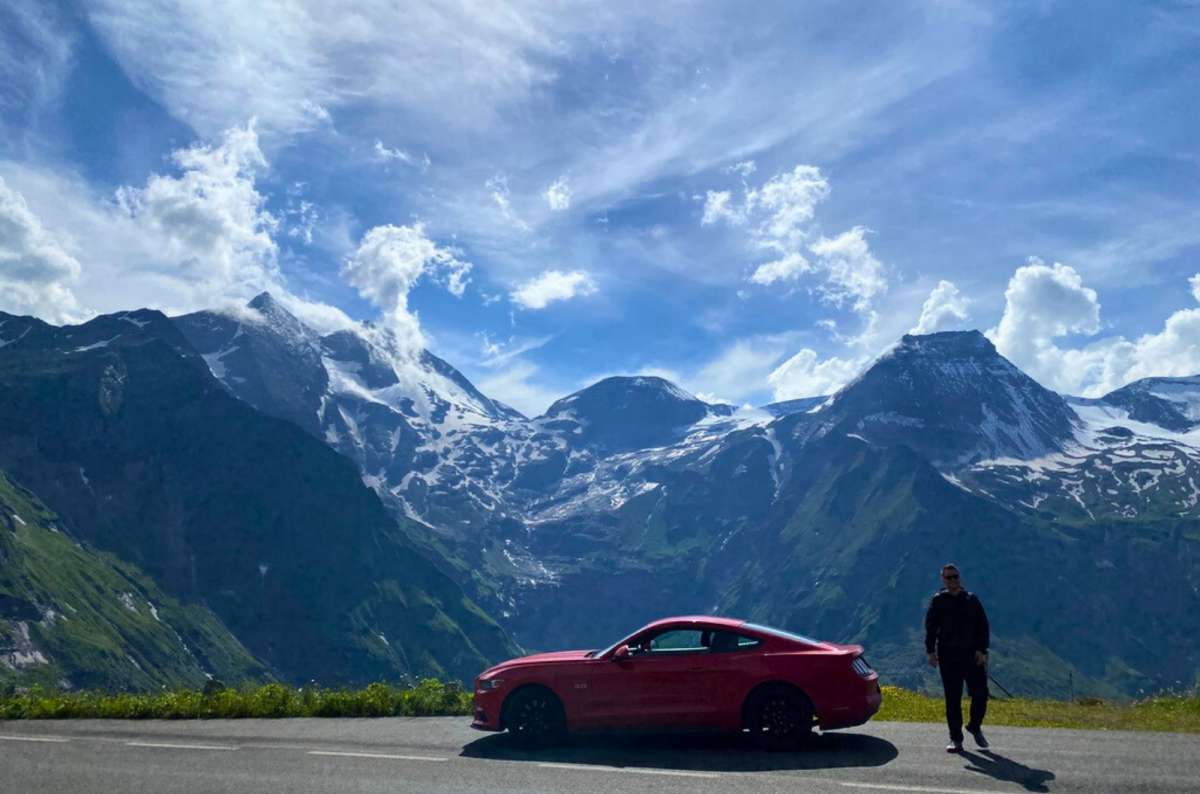
The Grossglockner High Alpine Road is a 48 km/30 mi scenic road in the Austrian Alps. Expect hairpin turns, nonstop viewpoints, short walks to lakes and peaks, and scenery that escalates the higher you go.
Calling it a “drive” is misleading—you’ll stop constantly. I did the drive from Bruck an der Großglocknerstraße (near Zell am See) to Heiligenblut, but you can go either way. The highest paved viewpoint is Edelweißspitze.
One warning: This is a very weather-dependent thing to do in Europe. Be flexible and go another day if there’s fog or clouds.
It’s the best nature attraction in Europe and the best part is that EVERYONE will enjoy it—don't hike? Who cares! You will get incredible mountain views while sitting on your butt in the car. Love nature? You'll be weeping tears of joy before you take our seatbelts off at every single parking area.
Pro tip: Rent a car for your European adventure, it’s the ultimate freedom. I use DiscoverCars to check prices and reviews.
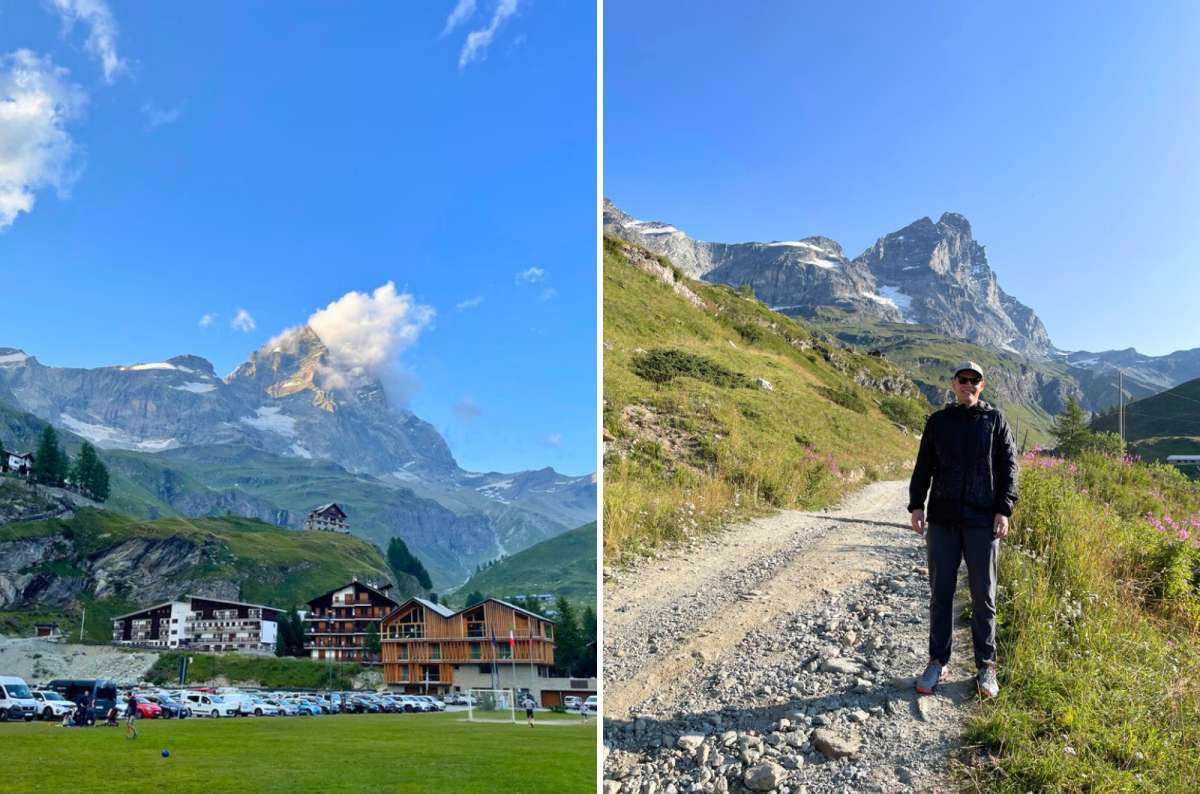
Matterhorn is Europe’s second-highest mountain, but it looks way more dramatic than no. 1 Mont Blanc because it rises sharply on its own. And seeing the Matterhorn from Cervinia in Italy instead of Zermatt across the Swiss border is one of my favorite Europe travel hacks.
I confess that Cervinia is a typical ski resort town, kind of blah, while Zermatt looks like a perfectly curated alpine postcard. But from Cervinia, the Matterhorn feels closer, bigger, and more imposing, almost looming over you, and that’s what makes it a thousand times worth it.
Pro tip: Prices in Cervinia are dramatically lower too (often 30–50% less than in Zermatt).
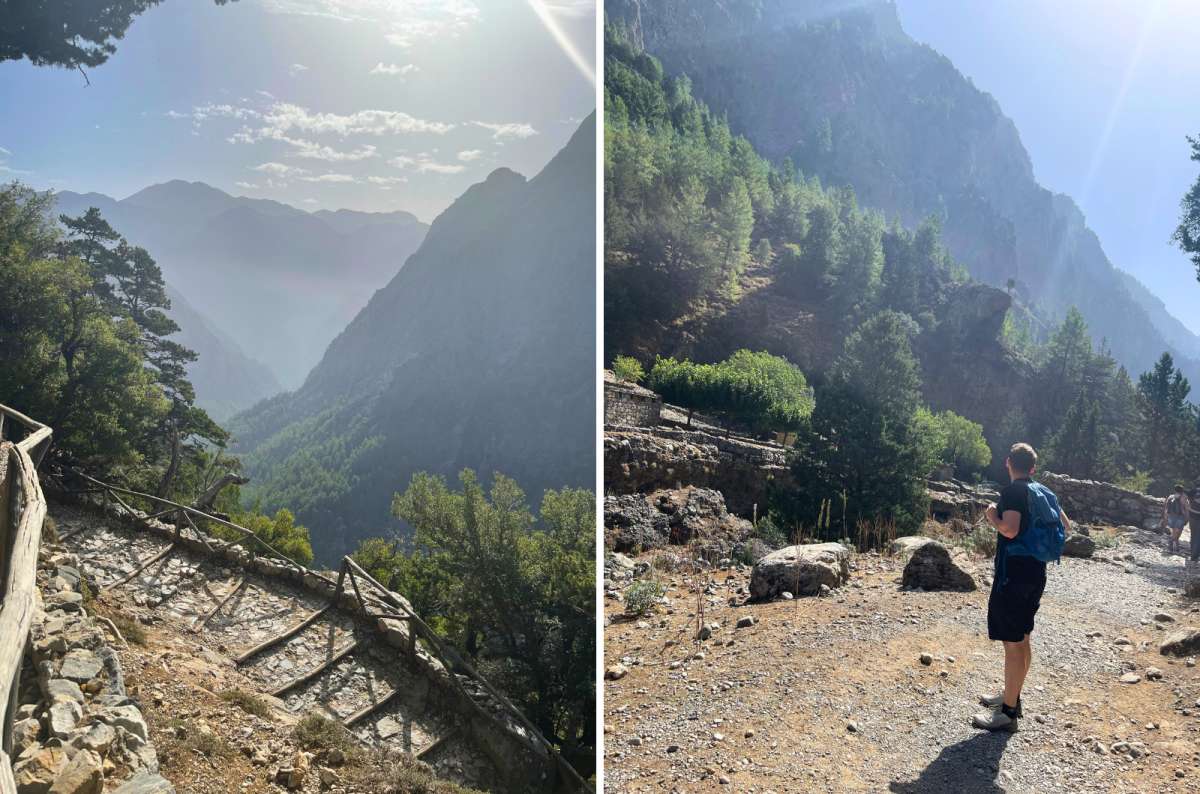
Hiking the gorges in Crete, Greece, completely changed how I see the Greek island—and it’s one of the most underrated things to do in Europe. My recommendation is to rent a car and explore, and don’t waste time just searching for beaches.
Most people lounge around Chania or Heraklion, but Crete is actually rough, mountainous, and built for walking—my favorite pastime.
Gorges like Samaria Gorge surprised me in the most glorious way. Now be warned, it’s not a casual stroll—you need time, water, and planning for transport at the end in order to explore it—but if that sounds adventurous and fun to you, believe me, you’ll love it like I did. Crete’s a hiker’s island with beachy pitstops thrown in.
Summer heat is brutal and many gorges close in winter due to rain or rockfall, so choose spring or fall to visit Crete.
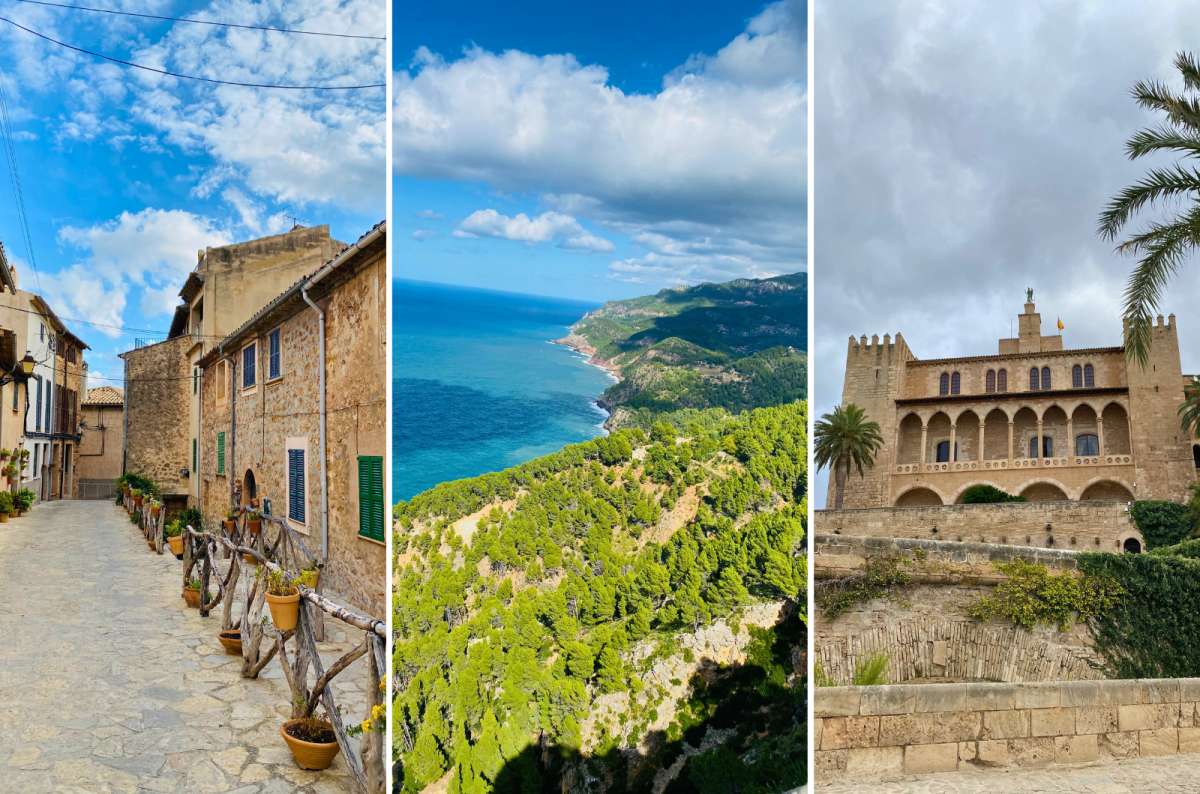
Mallorca, in Spain, is one of the most efficient tourist places in Europe if you want a lot of different experiences in one trip.
The Serra de Tramuntana mountains give the island its dramatic edge. I loved driving out to the edge of the beautiful Cap de Formentor, and hiking up to Alaró Castle—easy enough but very rewarding for views. Fornalutx village is very cute, and there are beaches with some of the most turquoise water I’ve ever seen. There's literally nothing you can't find on Mallorca.
The point is how close everything is. That compactness is what makes Mallorca work so well as a thing to do in Europe, not just a beach holiday.
Pro tip: For my 7-day Mallorca itinerary, I based myself in Sóller, my favorite city on Mallorca—there’s even an old wooden tram that takes you down to the beach!
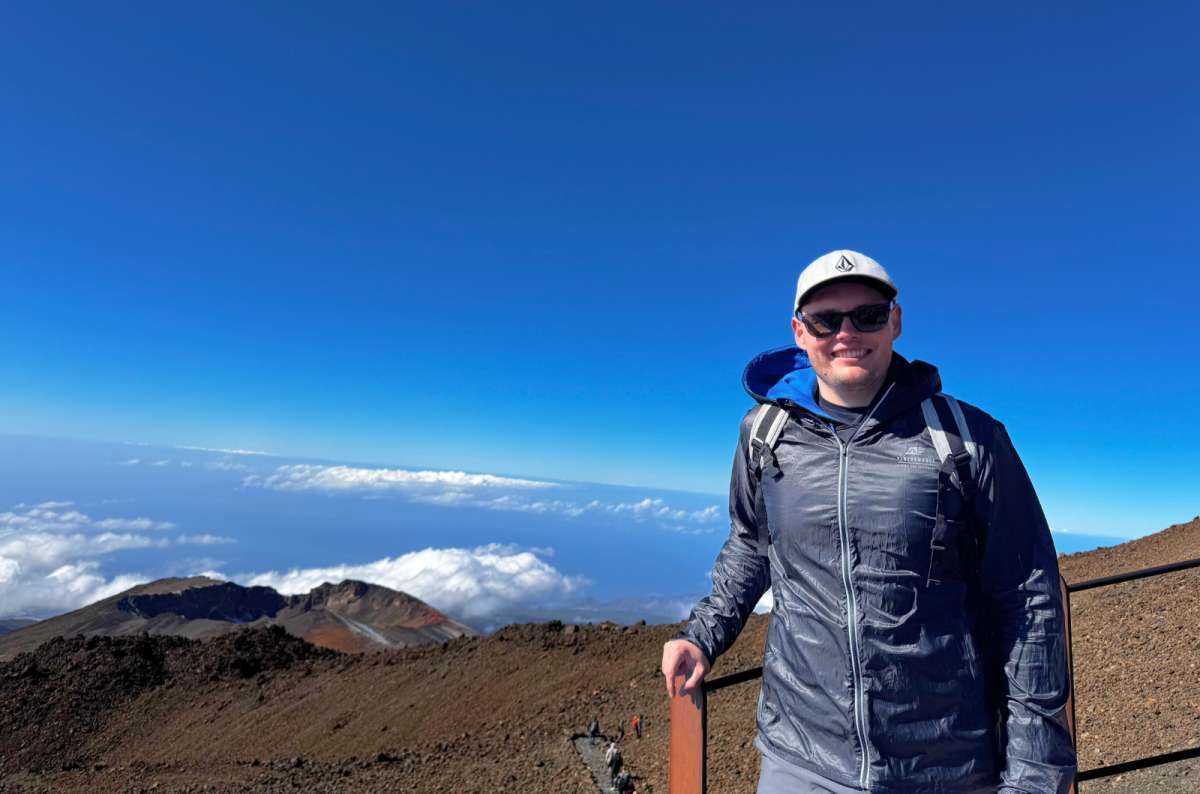
Visiting Mount Teide in the Canary Islands, Spain, is one of the most unusual tourist places in Europe. Teide is Spain’s highest peak at 3,715 m, and, ironically, it doesn’t feel like Europe at all.
Because up there, you’re surrounded by black lava fields, red and ochre rock, almost no vegetation, wide open space, brutal light, and... silence. A unique beauty.
I stayed near Puerto de la Cruz, which made it easy to drive up into Teide National Park and explore different angles of the landscape—this is a must.
I felt the altitude pretty fast—there was cold, wind, and some shortness of breath even if it was warm on the coast. Keep that in mind, because even short hikes can feel harder than they are because of the conditions.
What surprised me most is how empty and quiet it felt once I left the main stops. The views that go on forever—no villages, no churches, no farms, no trees. It was surreal.
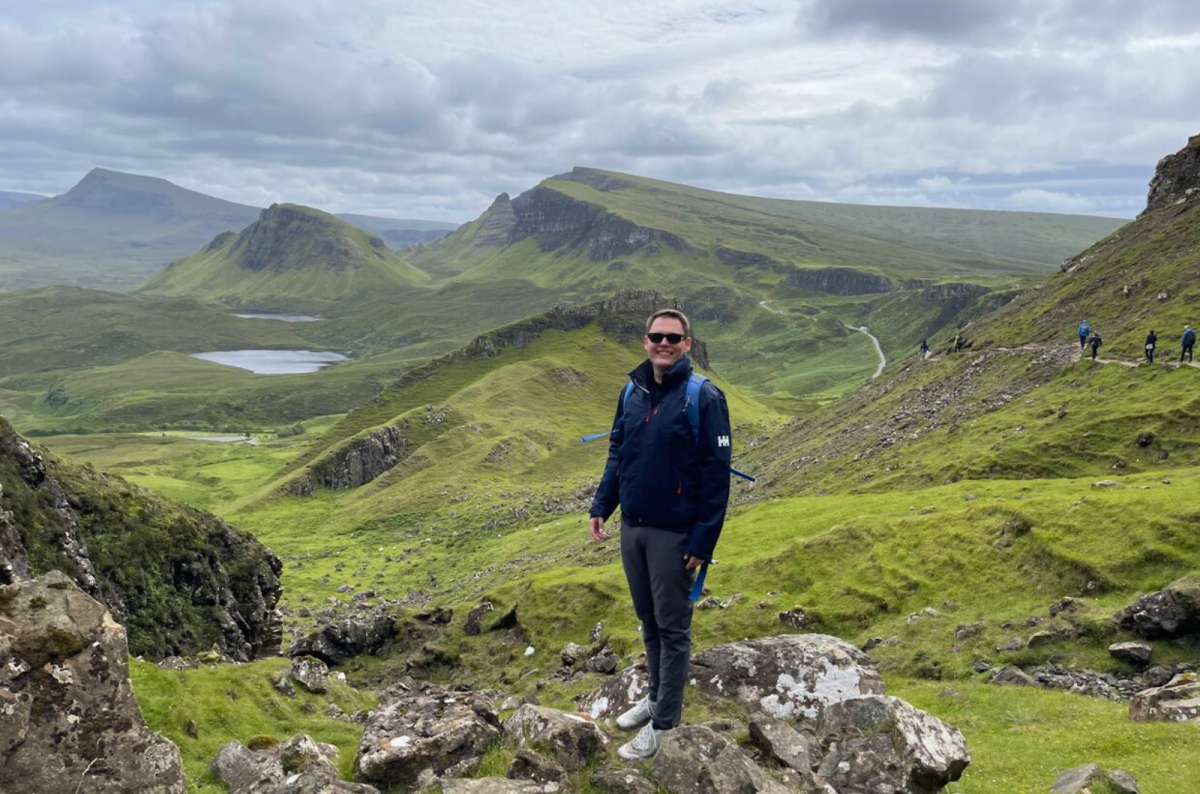
Taking epic road trips through the Highlands in Scotland, United Kingdom, is one of the most rewarding things to do in Europe. Full stop. Mike drop. Not exaggerating! If you want a bucket-list Europe trip where driving and hiking are the activity, Scotland wins and it’s not even close.
I love how the scenery doesn’t wait for you to arrive somewhere “special”—it just keeps happening, all day, everywhere. It doesn’t hurt that the people in Scotland are absolutely lovely, too. Get my 7-day Scottish Highlands itinerary already planned out.
Drives like Lochinver to Ullapool are destinations on their own. I had to keep telling myself to focus on the road. Bealach na Bà is slow, steep, and narrow, and yes, you’ll be pulling over constantly to let cars pass—but that’s part of the fun.
On Skye, head to Quiraing. You park... and that’s it. The views greet you literally right on the parking lot. This is the Scotland people imagine in their heads.
If you can fit it in, add the Glencoe drive on the A82 (aka James Bond road). It’s ridiculous how good it is.
Just don’t underestimate it. Towns are tiny, short distances take forever to cover, and the weather will mess with your plans daily. That’s Scotland for you.
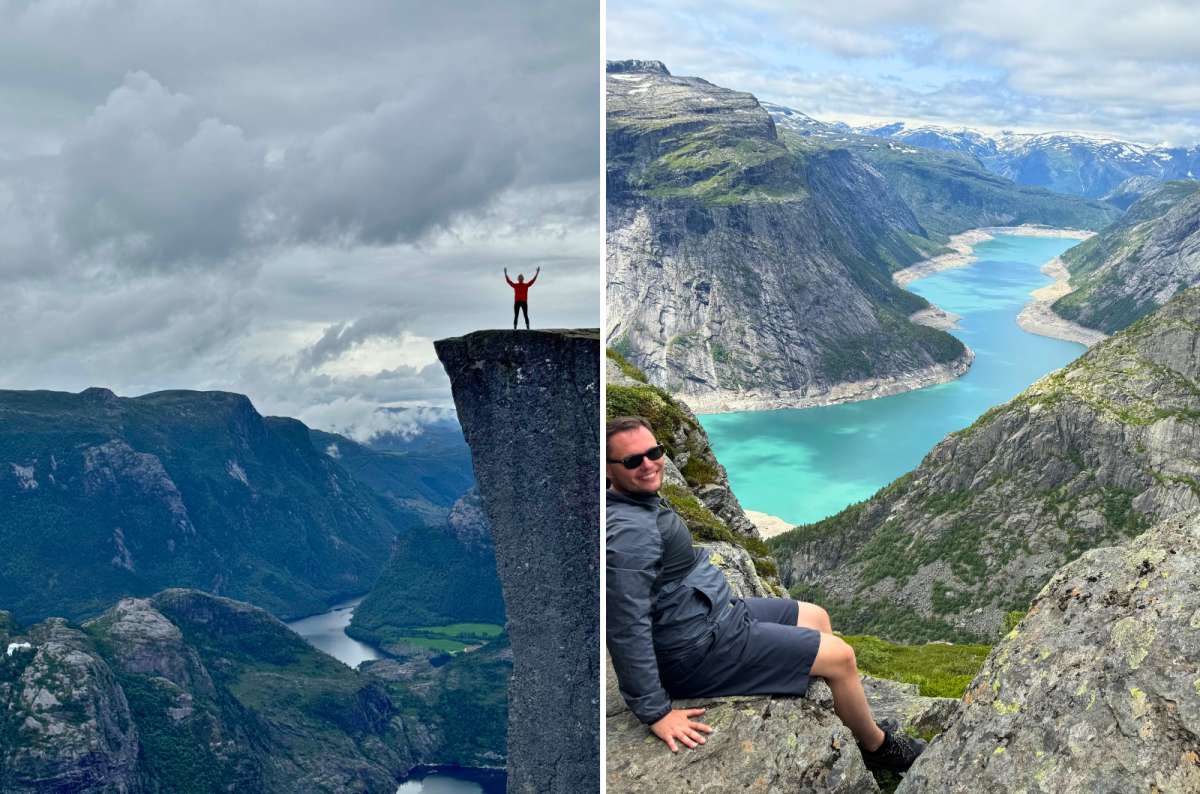
Hiking Norway’s big-name viewpoints is one of those experiences in Europe that I worried would be overhyped but then they completely delivered in real life. (Read my full ranking of Norway's best hikes.)
I focused on the west, around Stavanger and Odda, and guys—Norway’s a place you need to see once in your lifetime. Preikestolen (Pulpit Rock) is the most accessible, Kjerag is rougher and more exposed—just stay off the stupid rock unless you genuinely don’t value your life.
Trolltunga is long and exhausting, but the view and photos of you on the edge that will give your grandma a scare are worth it! And Besseggen Ridge might be my favorite of all because of the constant views to discover along the way.
Note that Norway doesn’t baby you, doesn’t fence things off much, and expects you to know what you’re doing. I honestly love that it isn’t idiot-proof.
Norway earns its place on any Europe bucket list for fjords alone, and if the northern lights show up, that’s just a bonus.
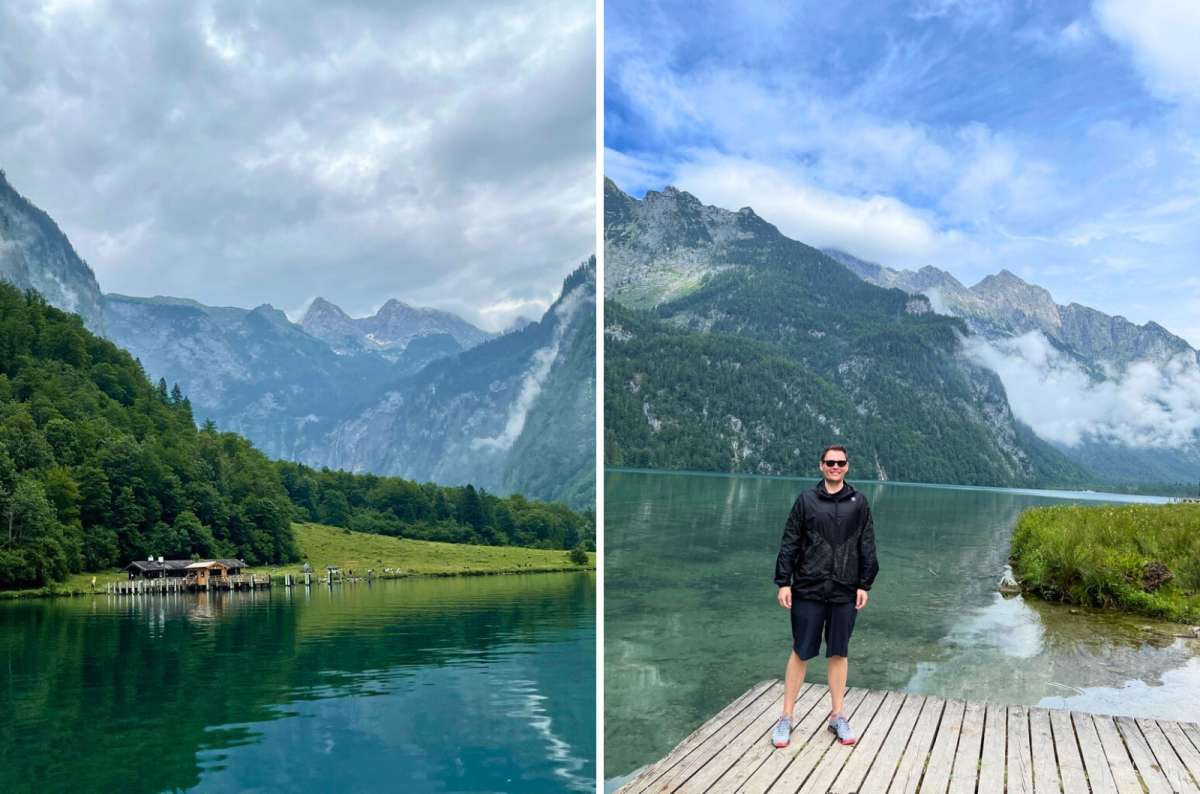
Königssee is easily one of the core stops on any Euro trip built around mountains and lakes (it fits perfectly with Berchtesgaden, Salzburg, and the Alps on a Bavaria itinerary).
The lake sits inside a steep alpine bowl and the water and backdrop is just unreal. Access is via electric boats only, which sounds annoying but keeps the experience serene and preserves the beauty of the place.
Most people treat it as a quick lake visit, but that’s a mistake. To make this a truly memorable experience in Europe, get there early because otherwise you can wait hours for your turn. Take the boat to the far end of the lake, then walk on to Obersee, and keep going!
You reach alpine farms and eventually Röthbach Waterfall, the tallest waterfall in Germany. This is one of those places where extra effort pays off.
Want more to explore? The Jennerbahn cable car gives big views of Königsee and Watzmann, the second-highest mountain in Germany.
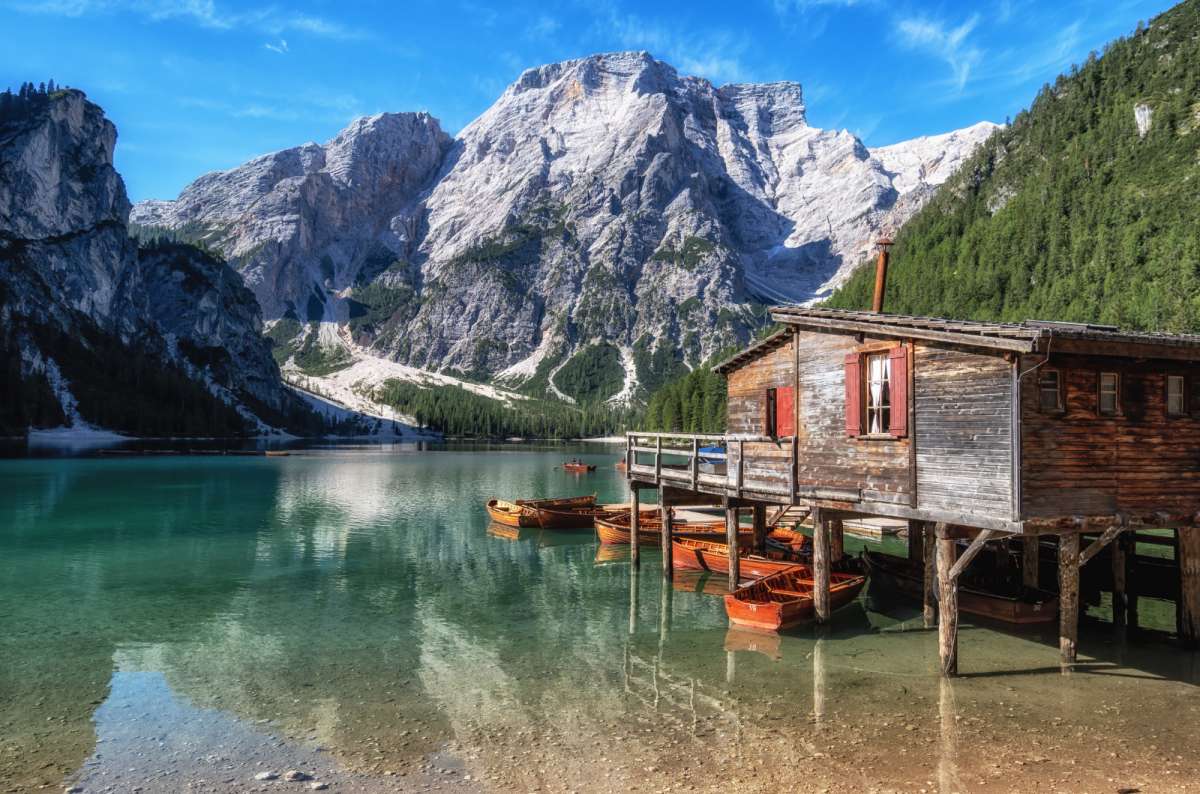
Lago di Braies and Tre Cime di Lavaredo are two Europe bucket list items in the Italian Dolomites—you know, Italy’s sharp, vertical mountains with rock towers and BIG views?
Lago di Braies is a lake near Dobbiaco with turquoise water, steep rock walls, and a perfect short stop, not a hike destination. Walk the loop, take in the view, move on.
Tre Cime, closer to Cortina d’Ampezzo, is the main highlight: an accessible loop hike with constant views that still feels huge even if you’ve seen mountains before. And trust me, I’ve seen mountains before. But this Italian bucket list spot place sits firmly seared into my memory.
Both places are tightly managed with parking rules and shuttles in high season; that’s annoying, but it’s also why the trails are still okayish in terms of crowds. Go early in the day.
These are the iconic landmarks and classic tourist places in Europe—worth seeing, but only if you approach them the right way.
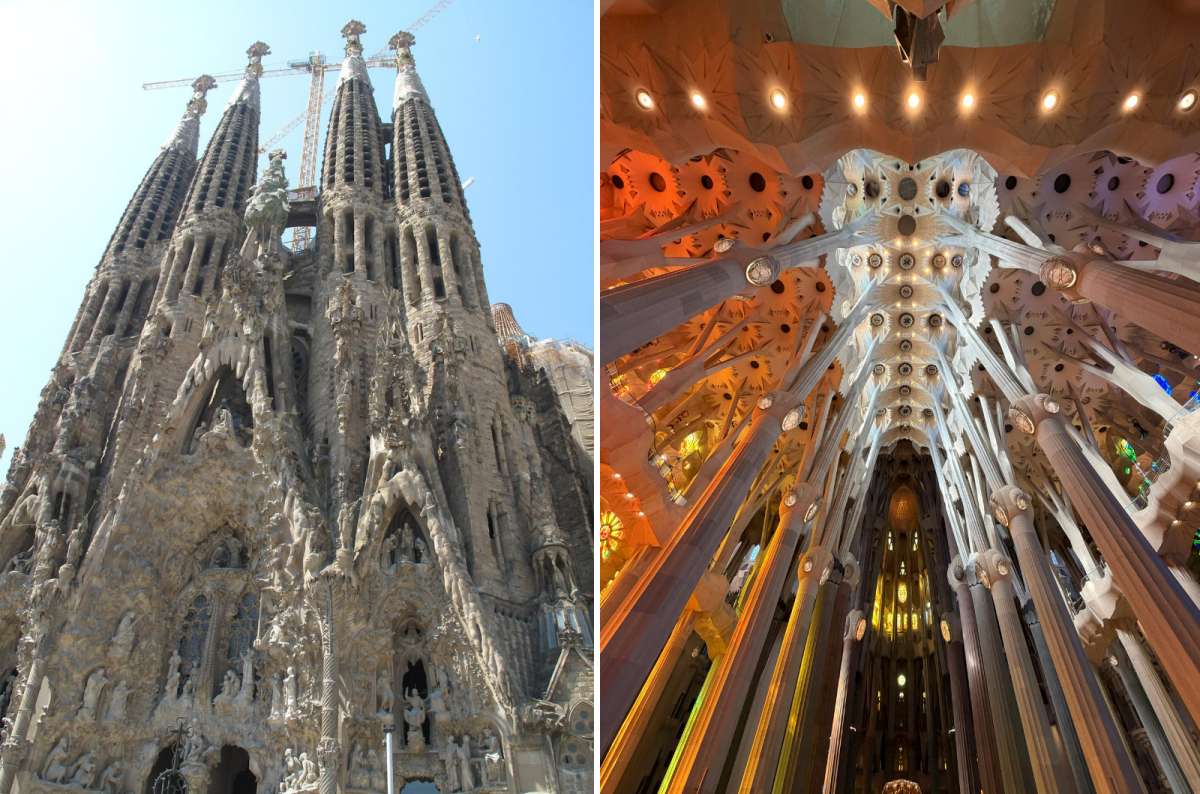
The Sagrada Família in Barcelona, Spain, feels less like a normal church and more like one person pushing an idea as far as it could possibly go. It’s as awe-inspiring as a non-nature stop can be.
The thing I liked most was how the columns branch upward like trees—Gaudí was clearly trying to mirror nature. The columns change color as they rise, changing from darker stone at the base to lighter tones higher up, which reinforces that tree-trunk idea.
When you explore, notice the light—it changes how the space feels. Honestly I’d go once in the morning and then again in the afternoon if I had time, just to feel the difference.
This is one of those tourist places in Europe where slowing down pays off big time. Do it like this: stand still, look up and around, and follow how the structure grows and connects. Not like this: rush a lap, take a few photos for Instagram, and move on.
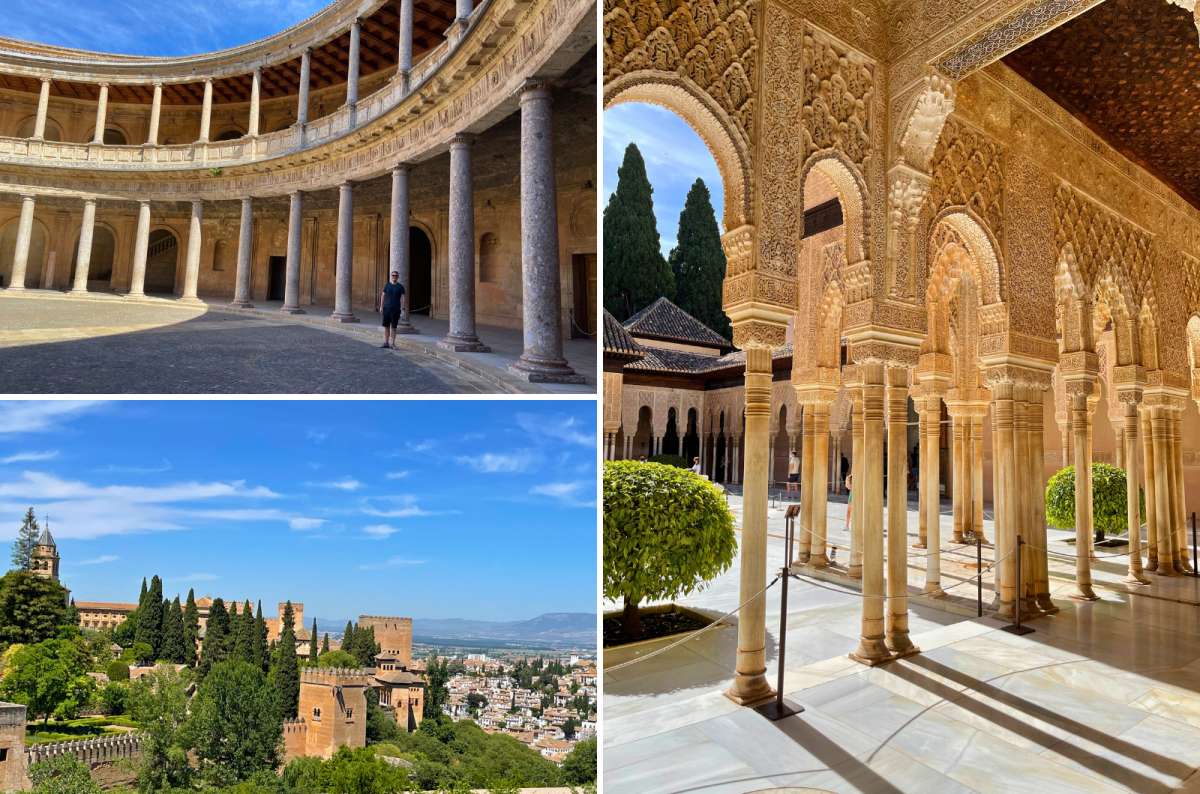
The Alhambra in Granada, Spain, is one of those tourist places in Europe that fully deserves its UNESCO World Heritage title—but it also is Granada, more or less. I visited on a day trip on my Málaga itinerary, and that worked perfectly (don't stay multiple days here).
The Alhambra is an Arabic fortress-palace, and it feels like one: enclosed spaces, courtyards, water channels, and carved walls packed with tiled detail. Views from it are wonderful, but see the orange-tinted walls of the Alhambra at sunset from the surrounding hills is even better.
It’s also a lot of walking—getting up there, moving through the complex, and standing around adds up fast. Go in early spring if you can, and book the earliest morning slot.
Do it like this: explore the Nasrid Palaces, take breaks, and actually look at the patterns and inscriptions. Don’t miss your ticket times (yes, plural!). Not like this: rush the whole complex or treat Granada like a city you need to “cover.” The Alhambra is the point.
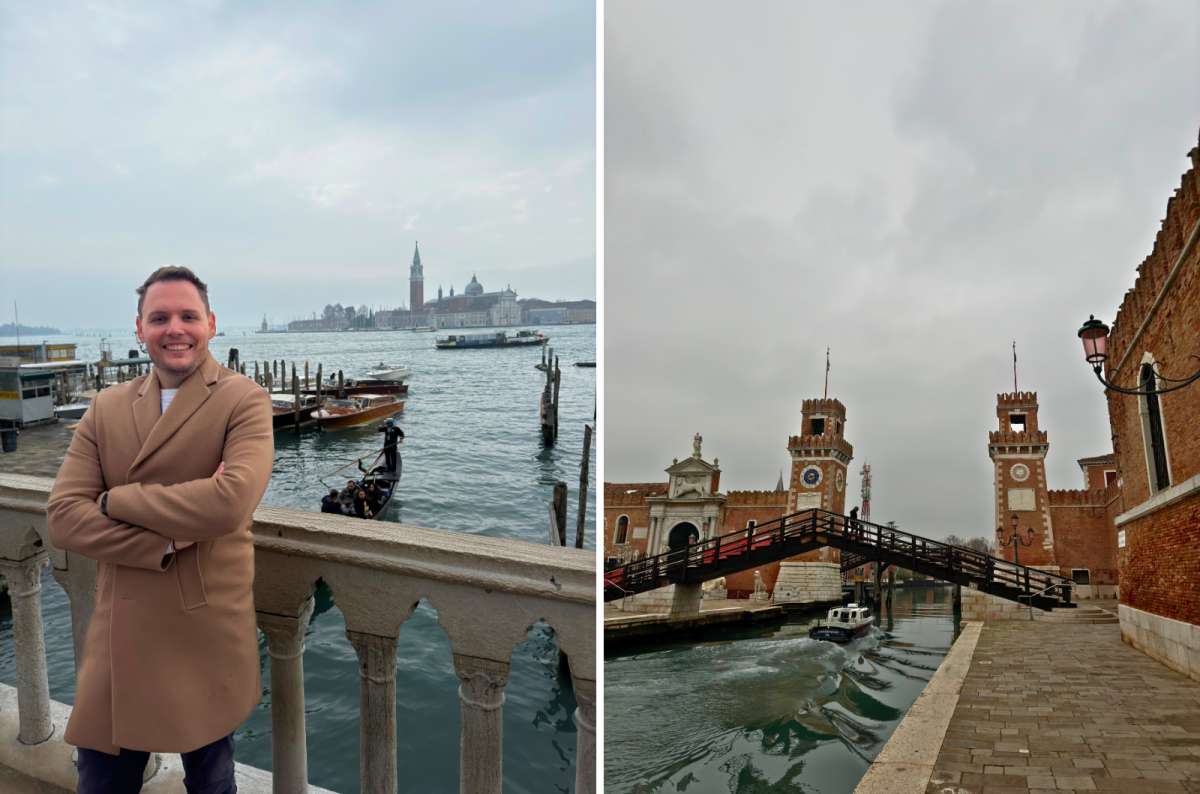
Seeing Venice, Italy, early in the morning is one of the few things to do in Europe that genuinely changes how the place feels. Between 7–9 am, before most day-trippers show up, Venice feels almost normal—locals moving around, shutters going up, deliveries happening. Just a lot of it happens on water.
You don’t need much of a plan. Venice has its iconic sites, but what’s most memorable are the quiet streets and canals between them. Walk, cross random bridges, use the Vaporetto like public transport; skip the gondolas. See San Marco, climb the tower.
A caffeine note: outdoor coffee is rare unless you find a small square or stick close to the Grand Canal. Around the Rialto Bridge is one of the few spots where sitting by the water is possible (and expensive).
Do it like this: stay overnight and go out early. Not like this: arrive at 10 am, get crushed by crowds, and say Venice is overrated.
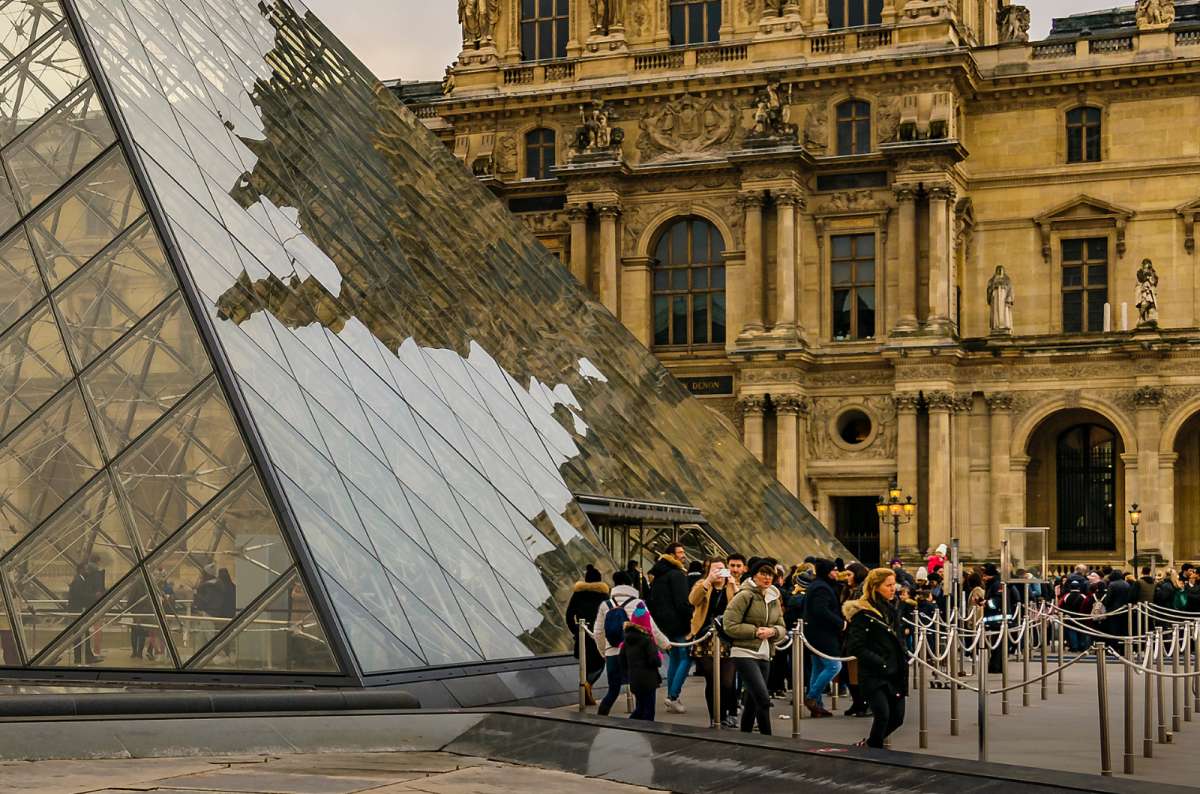
The Louvre Museum in Paris, France, is one of those tourist places in Europe that people love to hate because they try to do too much and then blame it on the museum. The truth is it’s massive and overwhelming if you wander without a plan.
What worked for me was accepting that I’ll never “see the Louvre” and choosing a few sections that actually interest me. Yes, you’ll see the Mona Lisa, it’ll be annoyingly crowded, and that’s to be expected.
I found the real value in admiring pieces that don’t have a crowd wall in front of them—like the Winged Victory, the Great Gallery, or the Code of Hammurabi, where you're not trying to get a look before the tide of other tourists carries you away.
Do it like this: jot down your personal bucket list before you enter and stop when you’re still enjoying it. Not like this:treat it like a full-day mission to suddenly become an art scholar.
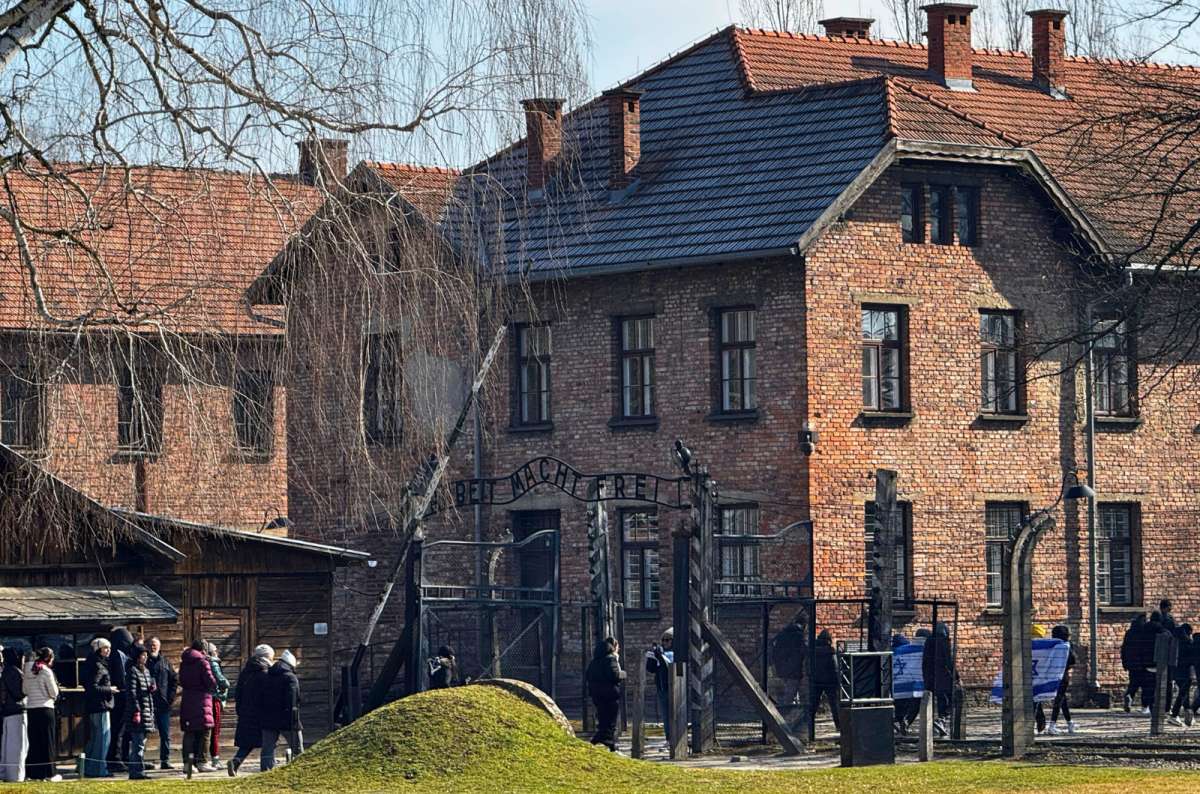
The Auschwitz-Birkenau in Poland, about an hour from Kraków, hit me harder than any place I’ve ever visited. Not because of shock value, but because of how ordinary parts of it feel—and how wrong that is.
Standing there, it’s impossible to distance yourself or treat it as abstract history. For me, this is a 10/10 experience, and one of the very few places I’d call a must-visit anywhere in the world. Not because it’s “interesting,” but because it recalibrates you. You leave more aware of what people are capable of when cruelty is organized and normalized.
Do it like this: book a guided tour in advance, arrive early, and plan for both Auschwitz I and Birkenau—they’re separate sites, with a shuttle between them that could be explained better. Not like this: show up late, try to rush it, or skip the guide.
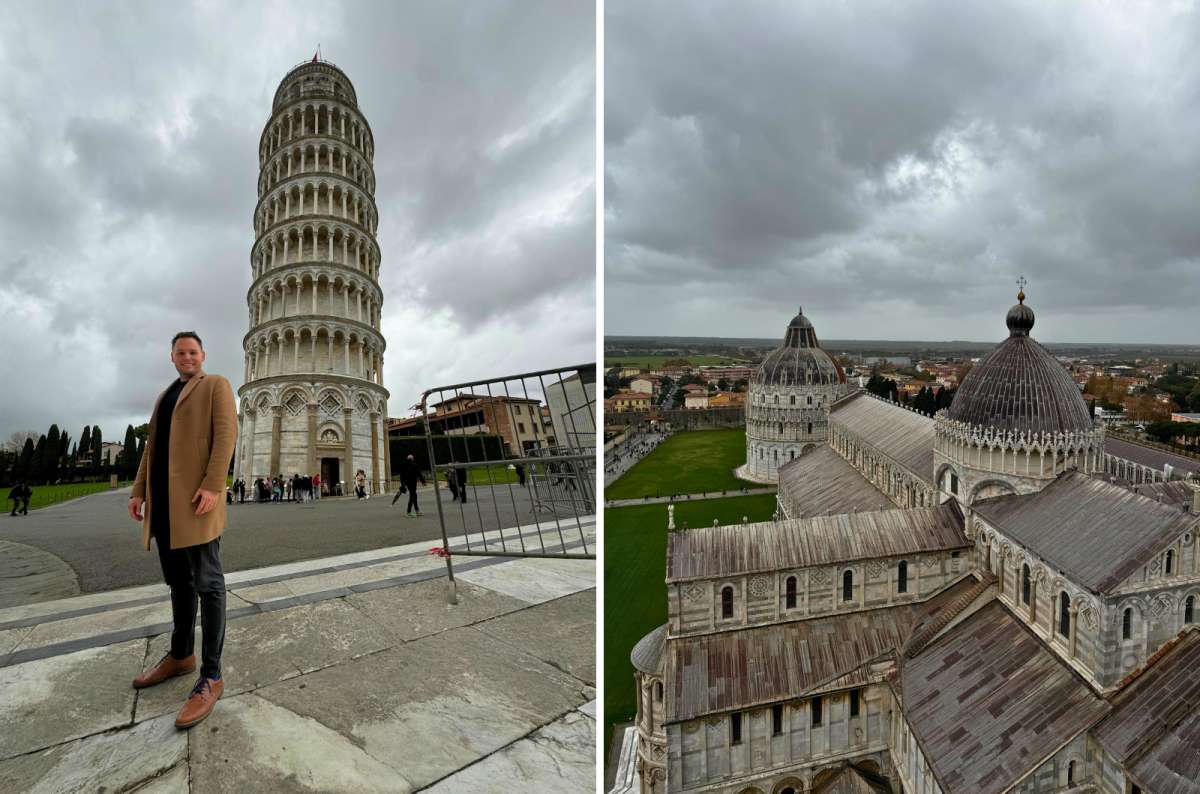
The Leaning Tower of Pisa in Pisa, Italy, is genuinely fun—climbing it is windy, a bit weird, and it looks like it leans far more than it actually does (about 5°).
What surprised me most is that the Leaning Tower and the Piazza dei Miracoli (Square of Miracles) sit right at the edge of Pisa’s historic center, not in the middle of it like I’d always imagined. The square as a whole should be the famous attraction in Pisa. It’s huge and full of much more to see than the tower—I loved it.
Do it like this: spend time on the square, then take the pretty walk into town via Borgo Stretto toward the Arno River. Not like this: take the fun photo of you propping up the tower and leave. This is one of those things to do in Europe that’s way better than its reputation if you give it a bit of time.
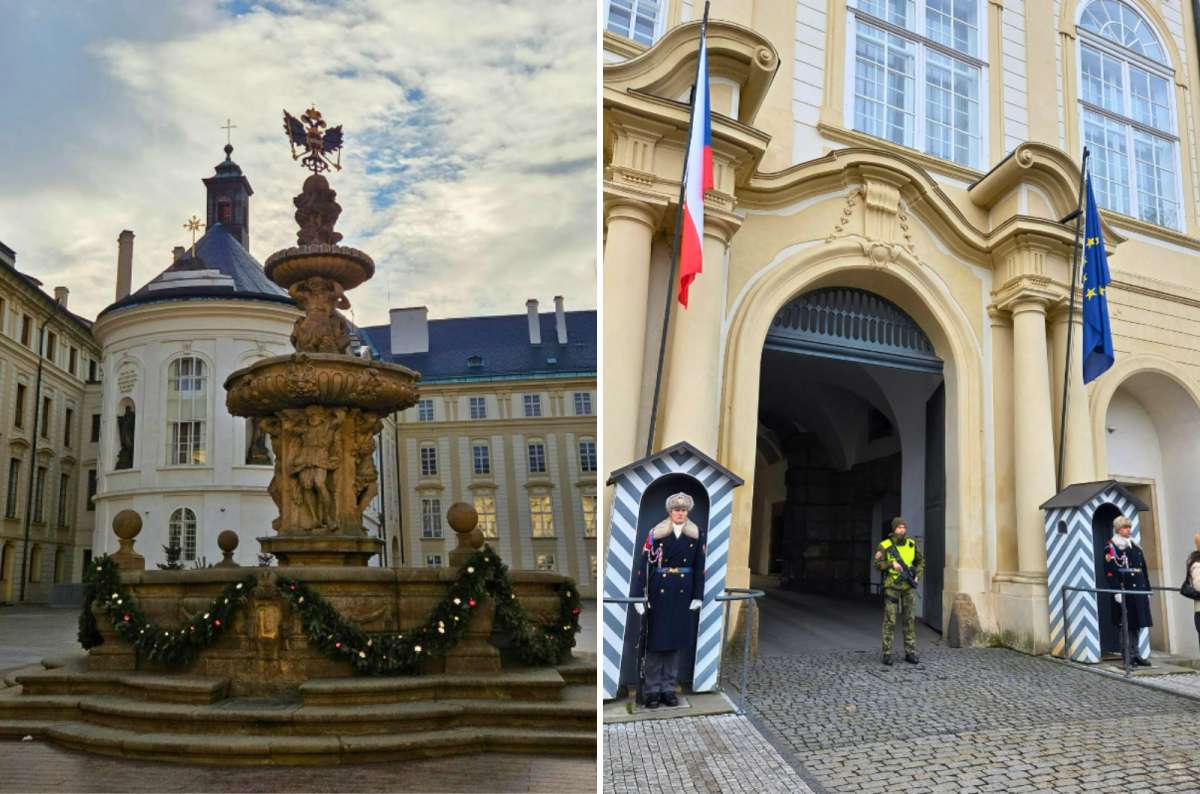
The Prague Castle in Prague, capital city of the Czech Republic, is officially the largest ancient castle complex in the world. And that sprawl is going to define how to explore it best.
It’s a working seat of power that kept expanding over centuries. You have to go inside St. Vitus Cathedral—that’s the part that dominates the Prague skyline and gets all the attention, especially the stained glass (look for the Mucha window).
What I like just as much is how this famous castle sits on a hill, with layers of pretty streets falling away below it. The gardens are worth it too. Wallenstein Garden is my favorite—especially the Sala Terrena, which is great lit up at night—and Fürstenberg Garden is all steps and views, and nobody knows about it.
Do it like this: treat the castle as a district, not a monument. Not like this: rush interiors and leave without walking the hill and gardens. This is one of those things to do in Europe where the surroundings are just as important as what’s behind ticketed doors.
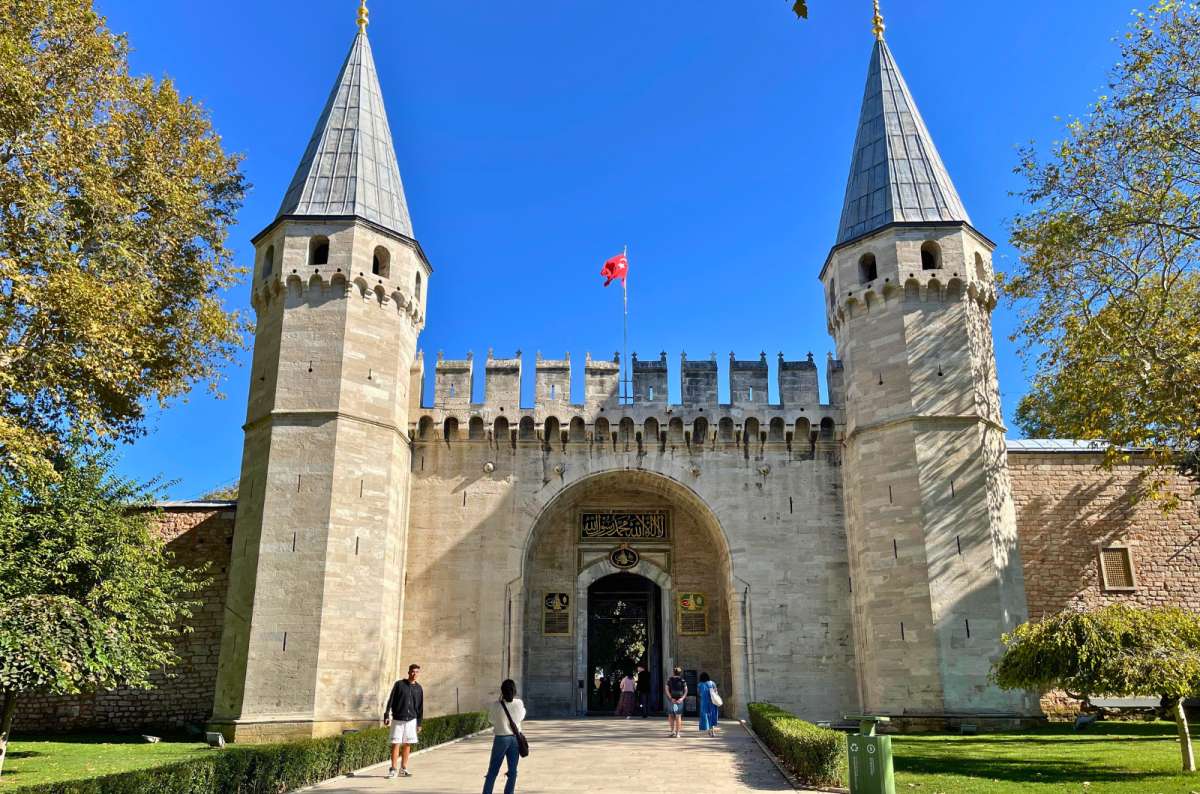
Topkapı Palace is a sprawling UNESCO World Heritage site on the old city’s edge and was home to 30 Ottoman sultans over four centuries. The palace kept expanding as the empire did, which is why you can fill a day here if you linger like I did.
I liked the kitchens more than the harem, mostly because they explain daily life without theatrics. The armory is my favorite—rows of weapons and armor laid out, what more could a boy want. The halls and courtyards were all interesting; there are hundreds of rooms!
One part not to miss is the Hagia Irene. It’s a 4th-century pre-Ottoman church, never converted into a mosque, and one of the oldest unrenovated interiors you’re likely to walk into.
Do it like this: get the fast-track tickets to skip the lines that can stretch for hours, and spend enough time to explore inside. Not like this: get there without a plan and try to see everything in half a morning.
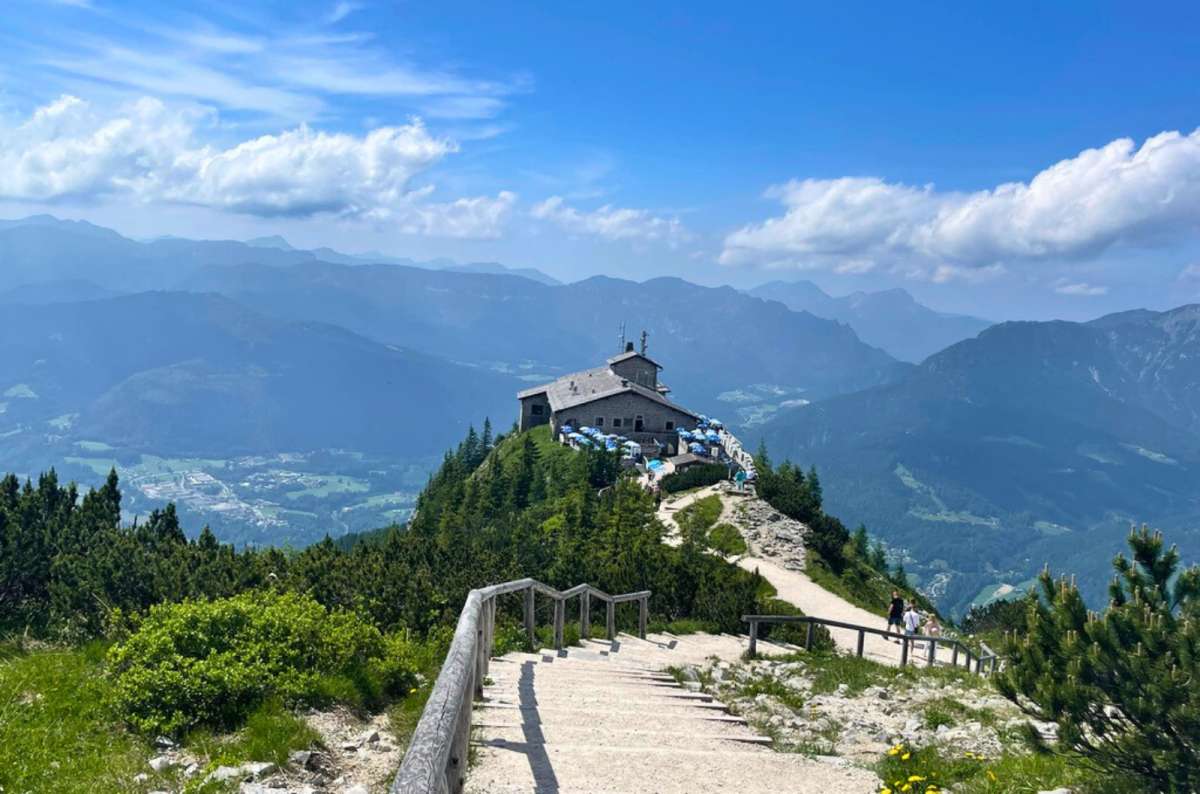
Eagle’s Nest sits above Berchtesgaden and was built as a Nazi-era prestige project. Today it’s a restaurant and mountaintop viewpoint, and the historical weight is there if you know what you’re looking at.
The standard way up is by bus + elevator, but I hiked. You pass through forest, then open alpine terrain, and by the time you reach the top, you feel you’ve really earned those views over the Alps.
The elevator is optional, people like it, but I think missing it doesn’t ruin anything (you can’t take it if you’re not on the bus).
At the top, enjoy the space to sit with a drink or food while looking out across Germany and Austria.
Do it like this: hike up, read a bit of history beforehand, then eat something at the top (take cash!). Not like this: treat it as a bus stop with a photo break. This is one of those things to do in Europe that works best when effort and context come together.
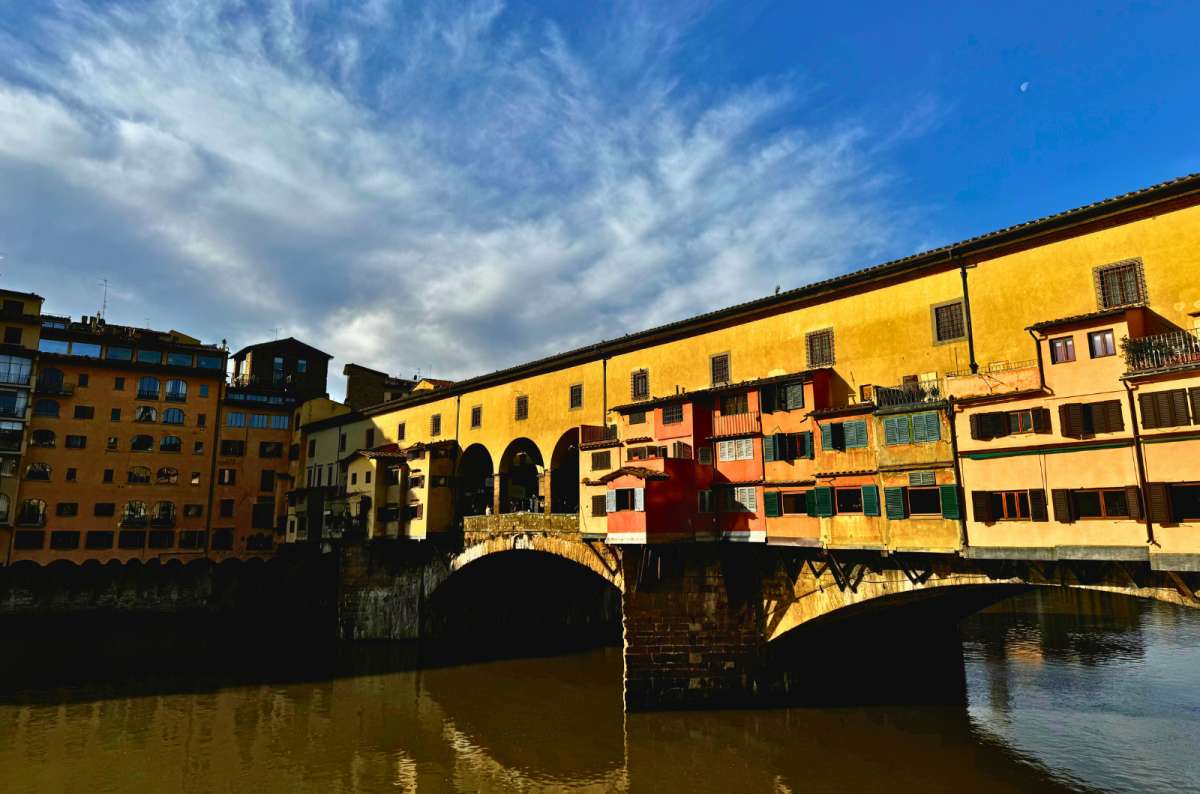
Ponte Vecchio in Florence is famous for good reasons, but they’re mostly historical. It’s the city’s oldest bridge and the only one that survived World War II, which already makes it more interesting once you know that.
Walking across it once is enough—the passage is tight, busy, and there’s not much to do besides pass gold shop windows.
I personally enjoyed it best once I was off of it. The view from Ponte Santa Trinita gives you the full shape of the bridge and explains why it’s been photographed so much for centuries.
Pro tip: If you can walk through the upper level from the Uffizi via the Vasari Corridor, even better—it adds a layer of Medici-era power and makes the bridge feel purposeful.
Do it like this: cross it once, then admire it from a nearby bridge and move on. Not like this: hang around expecting the shops to turn into an experience.
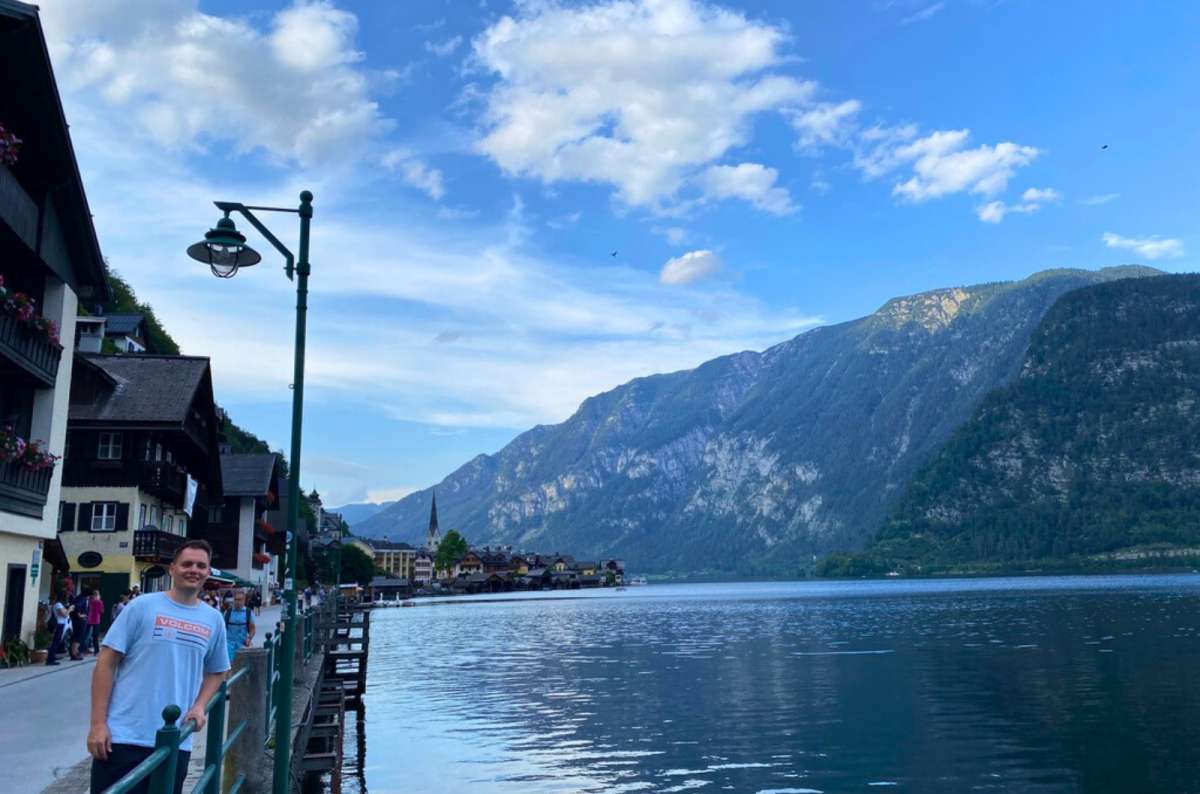
Hallstatt in Austria is exactly the kind of place I expect to roll my eyes at—overly crowded, too postcard-perfect, feels packaged for tourists. But it fooled me, because the combination of lake, steep mountains, and tiny, picturesque village is perfect. I love Hallstatt, because it’s a tourist trap that isn’t one.
A single day in Hallstatt is enough. Start early before day trippers from Salzburg arrive, walk through town, and take a boat ride. Head up toward the Hallstatt Skywalk. The Hallstatt Salt Mine is another solid add-on— it’s different from the lakeside scene and explains why Hallstatt was important long before tourists found it.
Do it like this: plan one focused day and start early, hit the viewpoint and salt mine, then get out to Dachstein. Not like this: assume Hallstatt will feel calm just because it’s small. Taking a quick day trip means you’ll be there at the exact same time as EVERYONE else.
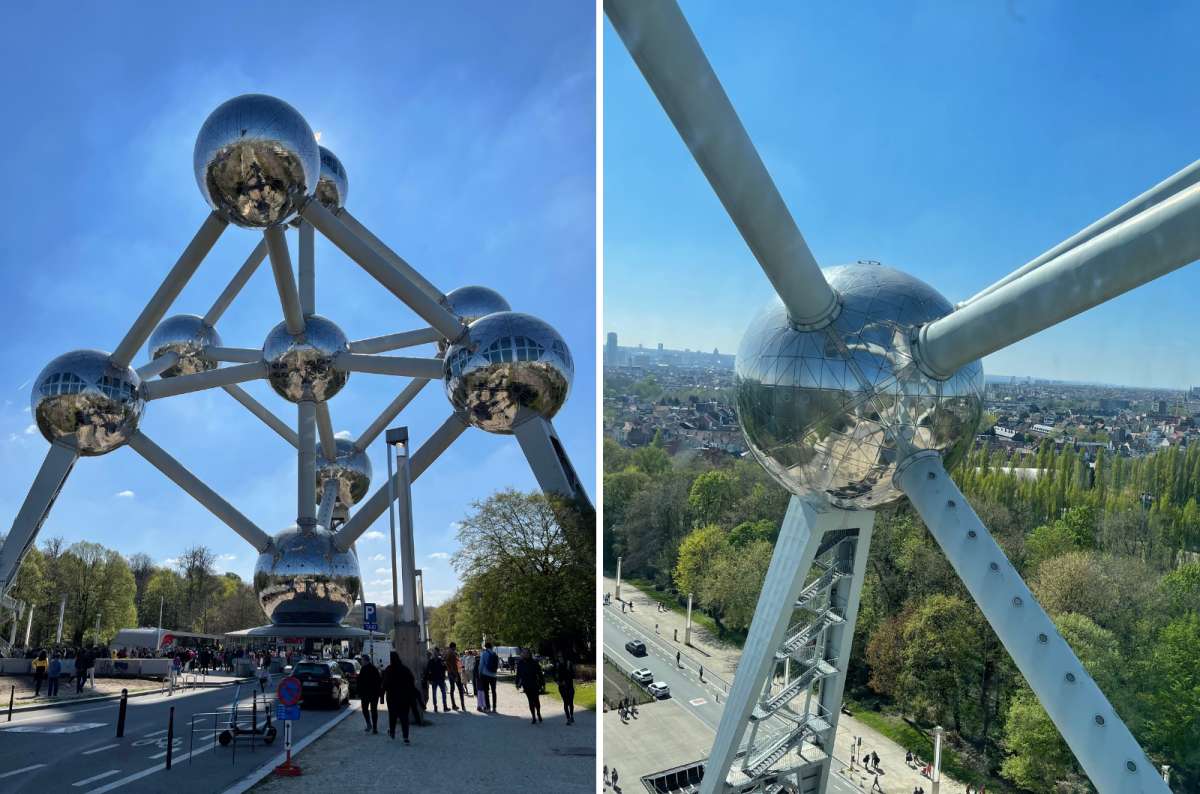
The Atomium is basically Brussels’ version of the Eiffel Tower. Both built for World Expos and both never meant to become permanent icons... but here we are.
The Atomium is playful in a way Brussels usually isn’t. The city is full of beautifully grand, serious buildings—gold details, heavy façades, lots of history—and then suddenly there’s this huge silver atom sitting on the edge of the city.
I liked looking at it and catching it in random photos more than being inside it, which surprised me given how much hype the interior gets. My favorite part were the staircases between the spheres. They were illuminated like some sort of space ship.
Do it like this: treat the Atomium as a visual reset between museums, walk around it, take in the structure, and don’t feel obligated to go inside. Not like this: expect a deep interior experience to match the exterior. This is one of those things to do in Europe that works best as a break, not a main event.
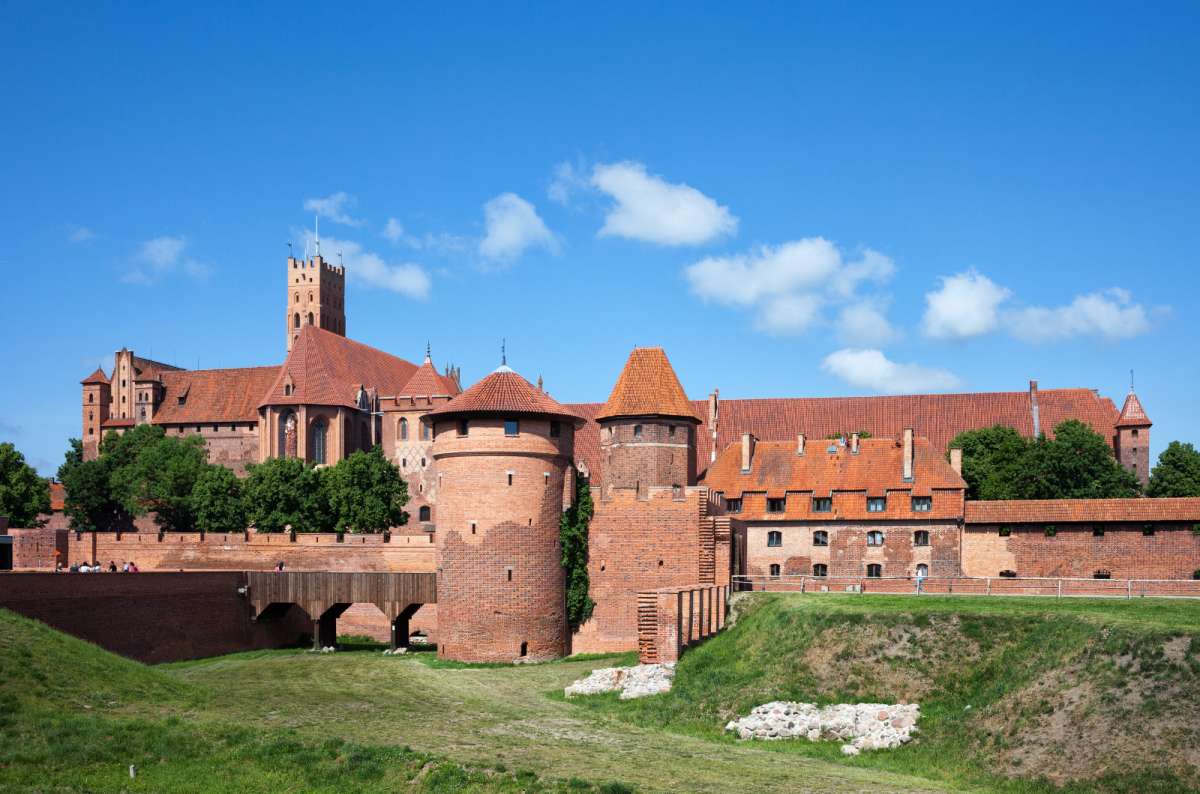
Malbork Castle in Poland is the one famous castle where I stopped comparing and just accepted defeat. Nothing else I’ve seen in Europe matches the scale. It’s the largest brick castle complex in the world, built by the Teutonic Knights. This thing is a full walled city, not just a monument.
The audio guide is not optional. It runs automatically as you move, fills in gaps the signs don’t cover, and makes the place make sense. I spent about four hours inside and still didn’t feel finished. A word of warning: watch your head in the church entrance, it’s lower than you think!
Before going in, I walked to the wooden bridge across the Nogat River for the classic full view of the castle rising above the water. Do it early if you can.
Pro tip for castle lovers: If you have more time in the region, Kwidzyn Castle is an easy add-on, and Wawel Castle makes sense if you’re heading toward Kraków.
Do it like this: plan a full day, get the audio guide, and explore the courtyards slowly. Not like this: treat it as a quick stop on the way from Gdańsk. If you only see one castle in Poland, make it this one.
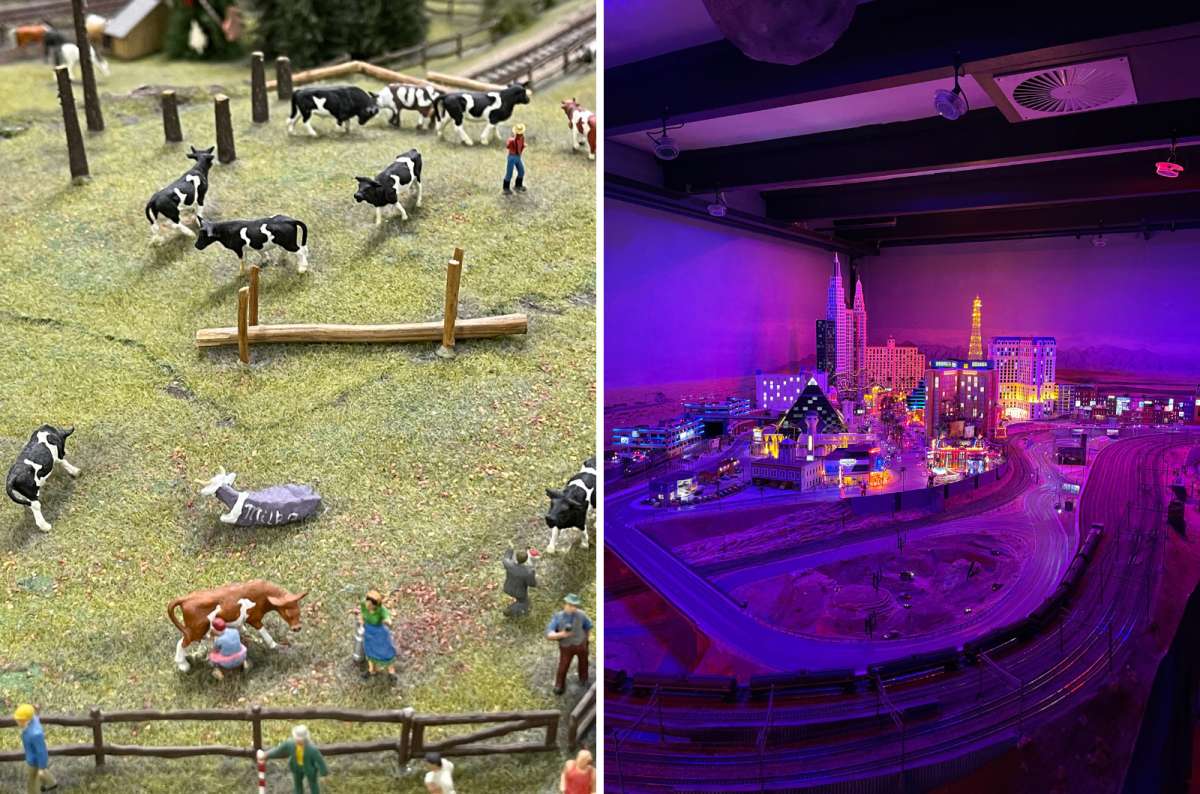
Miniatur Wunderland in Hamburg sounds niche. It isn’t. It’s a massive miniature world spread across several floors in the cool Speicherstadt district, and it hijacks your sense of time. I covered maybe ten meters in half an hour because there’s always something happening just outside your peripheral vision.
Yes, officially, it’s a model railway. But it’s also a functioning airport, shifting day-to-night cycles, entire landscapes, and hundreds of tiny human scenes—some clever, some weird, some borderline inappropriate if you look closely enough. That’s the fun of it. You stop scanning for landmarks and start scanning for stories.
Do it like this: book ahead and allow yourself enough time to move slowly so you notice the details. Not like this: assume you’ll be in and out in an hour.
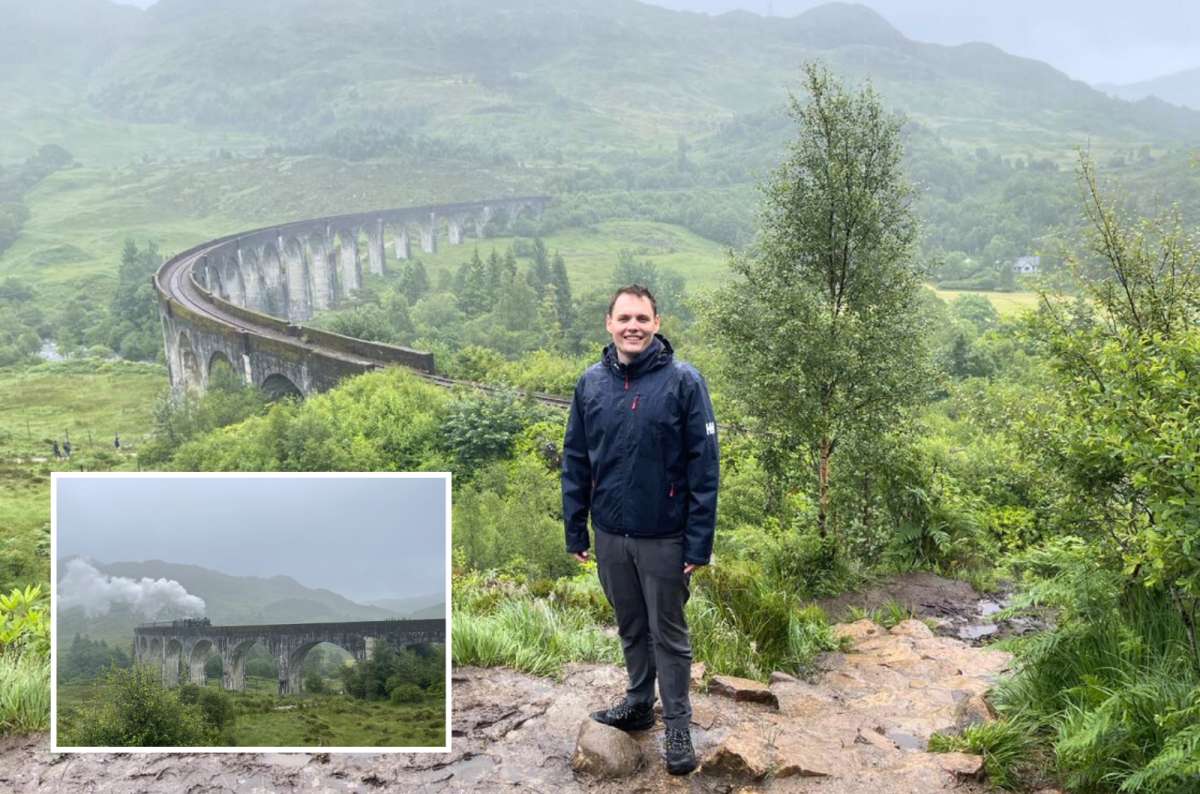
Glenfinnan Viaduct isn’t just a bridge near Fort William in Scotland’s incredible Glencoe. It’s a waiting game. We walked up, found a higher viewpoint, and stood there with a quiet crowd staring at empty tracks.
When the steam train finally curved across the arches, it's such a fun experience as the crowds get excited the moment they see the first puff of steam. You can tell by the size of the grin who grew up with Harry Potter and who didn’t.
Without the train, it’s still a solid Highland view. The sweep of the viaduct against the hills and Loch Shiel is what makes it epic.
Do it like this: check the crossing times, get there at least 15 minutes in advance (you need to walk from the parking lot), and find the best angle. Not like this: show up randomly—the timing is the whole point.
Some cities in Europe reward strategy, not sightseeing checklists.
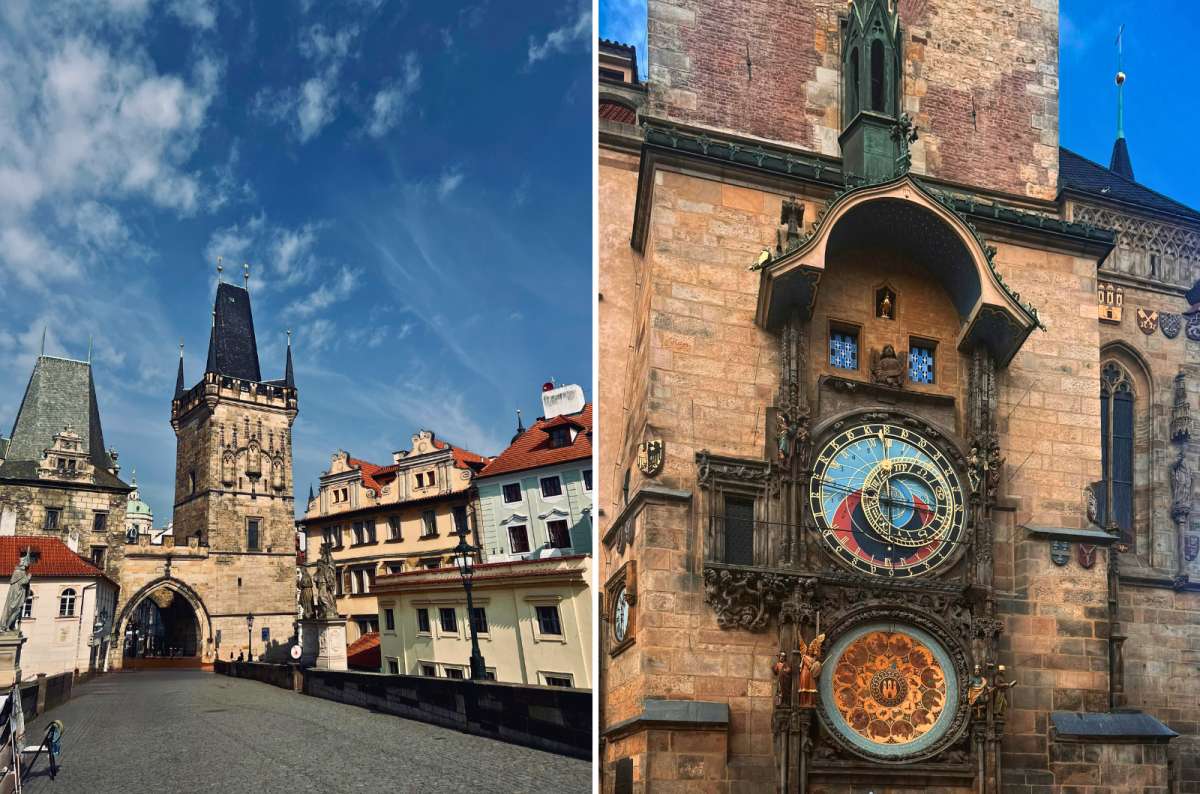
Prague gets split into “Old Town” and “New Town” in most itineraries, as if both deserve equal time. They don’t. I’ve walked both more times than I can count (it’s where I live), and the atmosphere changes immediately once you cross into New Town. Perfectly fine if you live here, but not the reason you fly in.
Old Town, a UNESCO World Heritage site, and the surrounding historic quarters full of some of Europe’s best attractions—enough to fill two days without feeling repetitive. Spend an early morning near the Old Town Square before tour groups arrive, get views from Prague Castle in late afternoon, and don’t forget evening walks across Charles Bridge once the day-trippers thin out.
But most of all it’s the small backstreets, hidden gardens, and local hangouts that make Prague the most charming. I’m not biased, but she’s a beauty!
Do it like this: stay within walking distance of the Old Town and commit to staying inside that orbit. Revisit spots at different times of day and get off the main tourist route.
Not like this: feel obligated to “see New Town too” just because it exists.
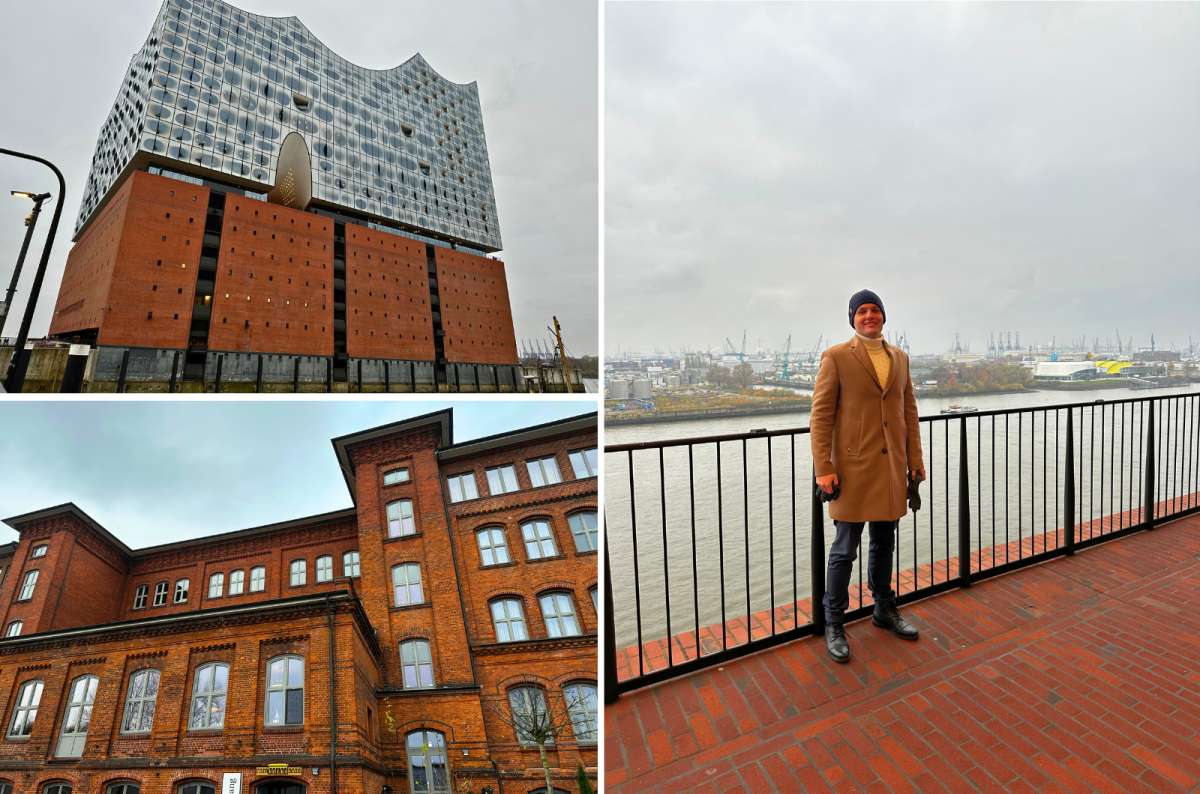
Hamburg is my favorite German city. It’s not on most people’s Europe bucket list, and it doesn’t charm you instantly like Munich or overwhelm you like Berlin.
But it’s cool and has lots of fun things do to: The Speicherstadt area pulls you into red-brick canals, then you notice buildings like Chilehaus. I also loved Hamburg’s museums like the International Maritime Museum and the U-434 Submarine Museum that lets you squeeze through an actual Cold War submarine.
And then there’s Miniatur Wunderland (detail in my list above) which can easily consume half a day on its own.
Do it like this: eat a Fischbrötchen standing up, mix viewpoints with neighborhoods, and let architecture (and the bad weather) guide your walking. Not like this: treat Hamburg as a quick overnight between Berlin and somewhere else. It doesn’t show itself in one day.
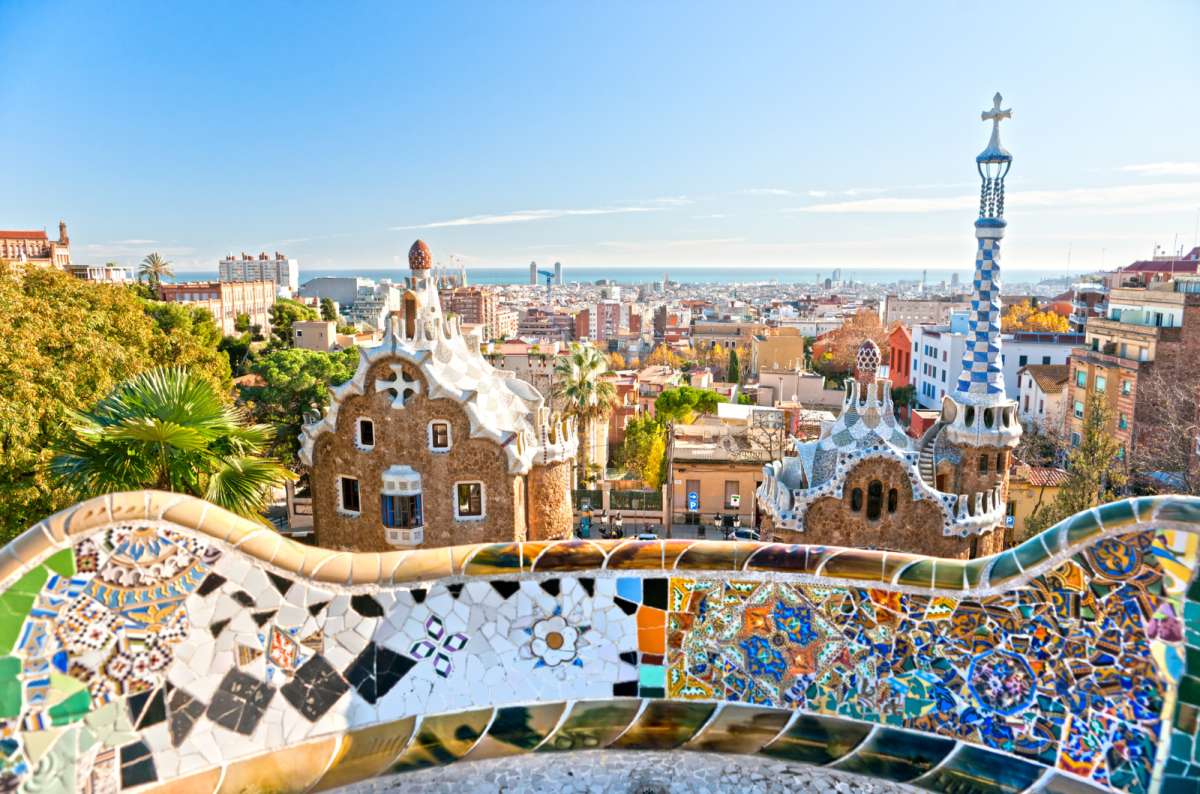
Barcelona only really clicks once you understand Antoni Gaudí. If you don’t read about him first, the buildings can feel random. Once you do, they stop looking weird and start looking deliberate, and you can appreciate his genious (or not).
I recommend spending one full day moving from the Gothic Quarter toward Sagrada Família. Then give Park Güell and Montjuïc their own time. Just those two places alone easily fill a full day.
Skip La Rambla. It’s a crowded street, what’s so fun about that?
Barcelona has beach, vibrant nightlife, food, personality, and a type of nonstop energy that I love. After Prague, it’s my favorite city in Europe.
Do it like this: lock in Sagrada Família tickets early, pair Park Güell on one morning with Montjuïc in the afternoon, and let evenings belong to food and street life.
Not like this: compress every Gaudí site into one marathon day and call it done. It's the mix of architecture and atmosphere that make Barcelona feel really special, and it takes time to enjoy.
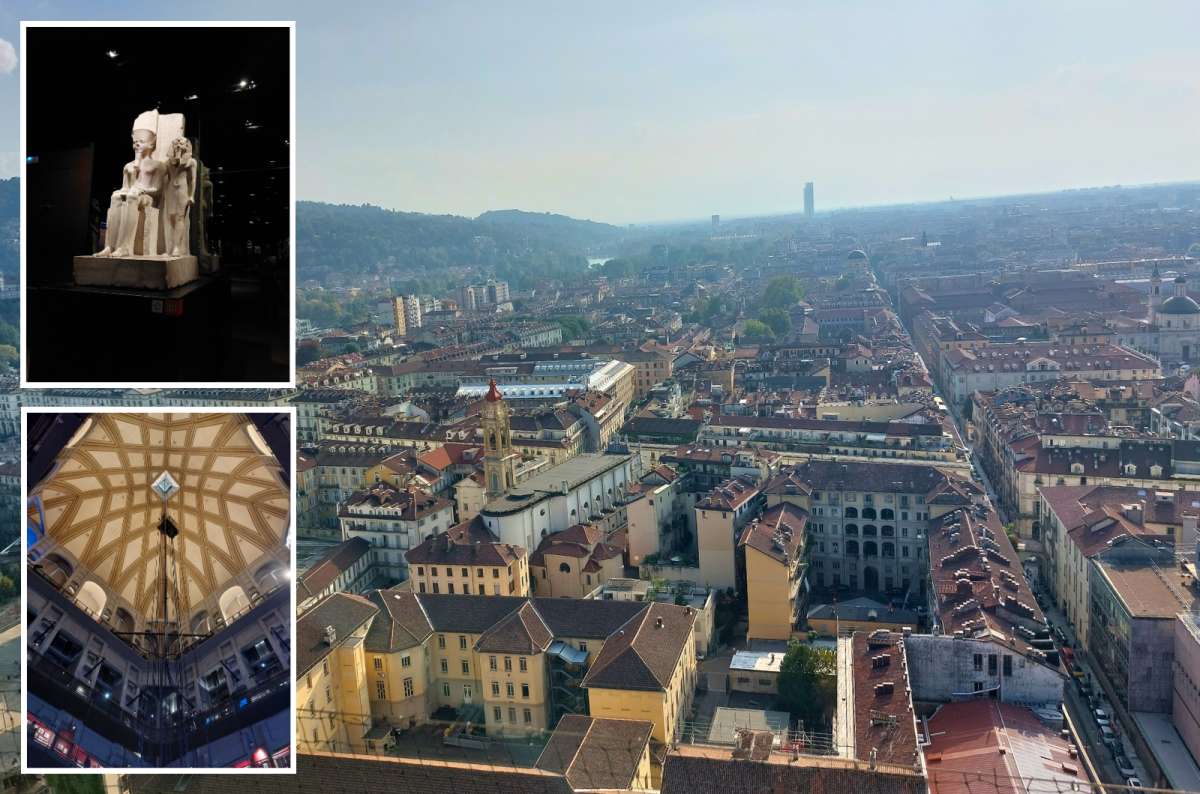
Turin shocked me. Apart from Rome, it’s my favorite place in Italy. It doesn’t fight for attention and it’s less instantly charming than Rome or Florence, but that's probably why it stays underrated. The entire city feels cohesive—not just one good square and then nothing.
The Egyptian Museum of Turin alone turned my trip into an instant winner. I walked in expecting it to be decent, but by the time I walked out, I was super excited about it. It’s massive—the largest Egyptian collection outside Egypt.
The Royal Palace of Turin was the most beautiful palace I’ve seen in Italy, and I only went inside by accident.
Then there’s Mole Antonelliana that houses the Cinematography Museum, with a glass elevator that shoots you up through the center like something out of Willy Wonka!
But there’s still more to do in Turin, like climb up to Monte dei Cappuccini afterward for the full city view with the Alps behind it. Pure magic if you ask me.
Do it like this: build your days around one major museum or palace at a time, then end with a viewpoint toward the mountains. Not like this: skipping Turin or treating it as a secondary destination. Biiig mistake!
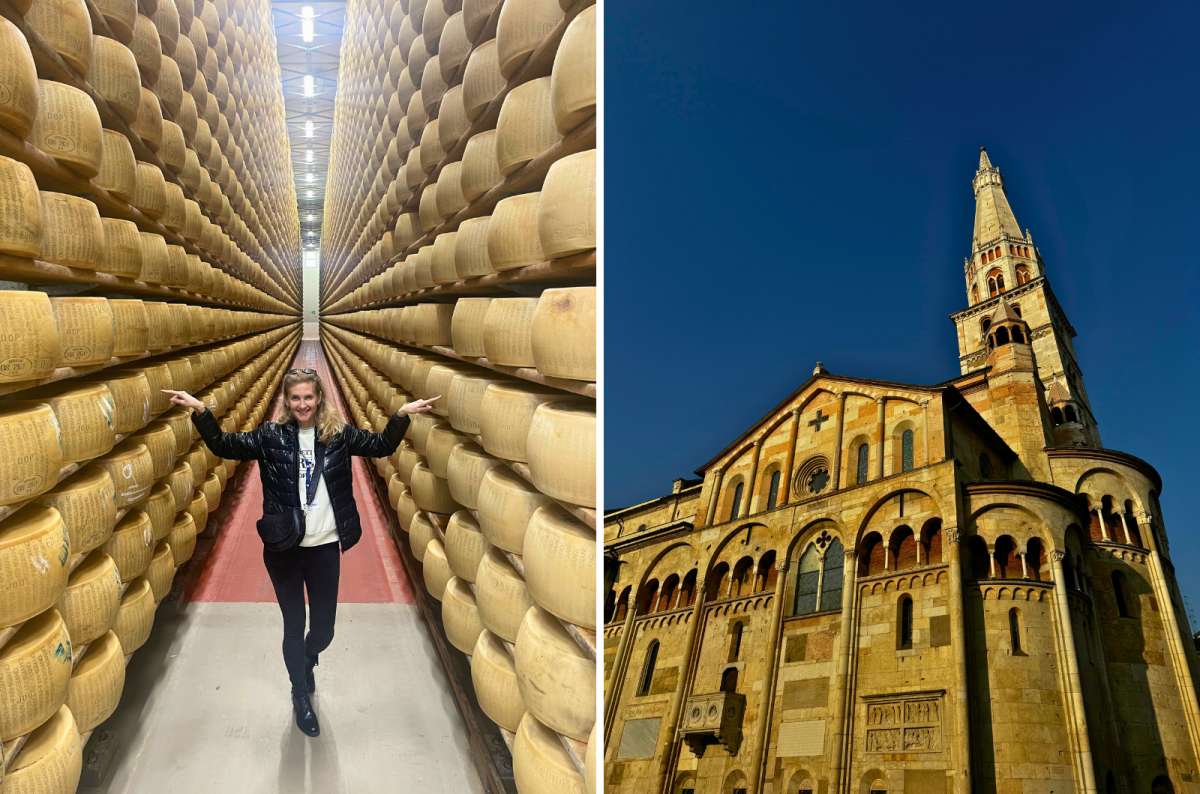
Another unexpected but fantastic tourist place in Europe is Modena--the best base in Emilia-Romagna, the region in Italy best known for food.
I know Bologna usually gets the base role, but Modena works better if you ask me. It’s smaller, calmer, and perfectly positioned for both car culture and eating at all times of the day. Rent a car and explore!
Ferrari museums in Modena get the headlines, but visiting a Parmigiano producer like 4 Madonne Caseificio dell'Emilia or tasting proper balsamic vinegar were my favorite things to do in the city, hands down. I bought (and ate) way more than planned.
Pro tip: The Panini Motor Museum is way better value than Ferrari.
By the way, the hotel I stayed at on my last visit, RMH Modena Des Arts, ended up being one of my favorites in all of Italy.
Do it like this: rent a car, stay several nights in Modena, and structure your days around food and engines. Not like this: try to base yourself somewhere “more famous” and commute in.
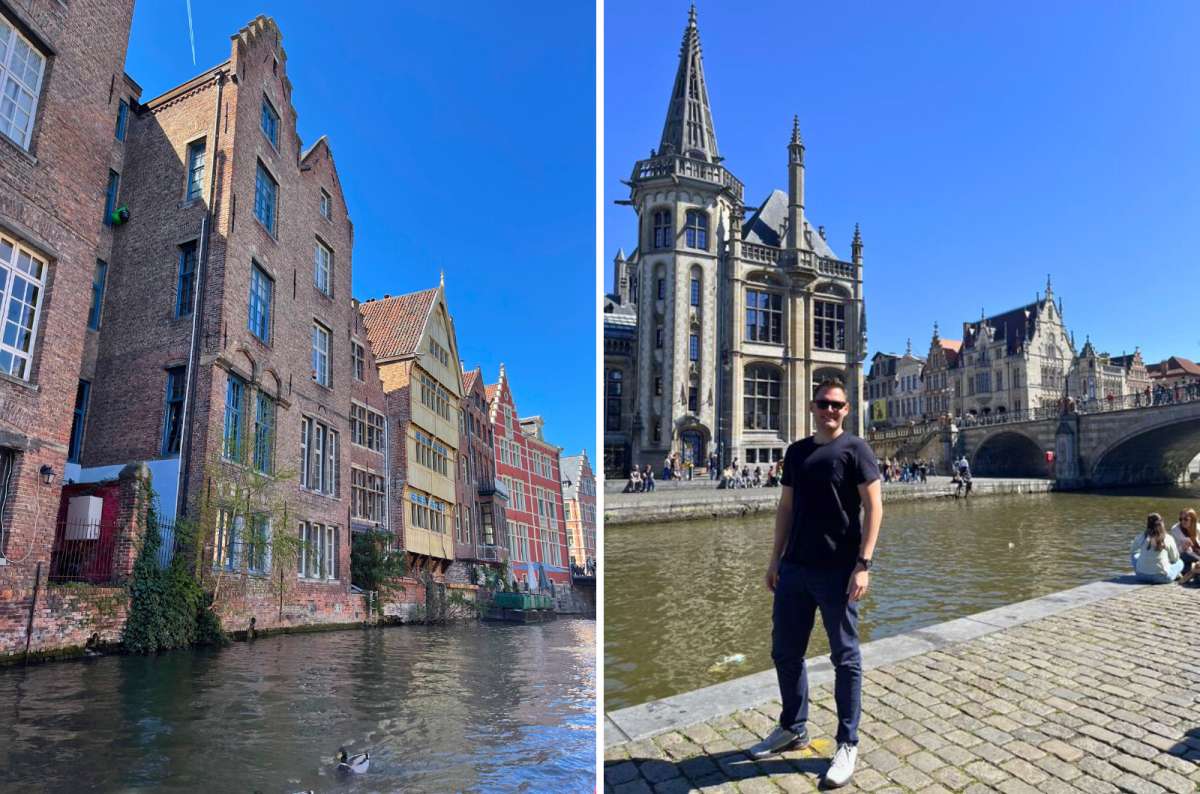
If you’re choosing between Bruges and Ghent, my answer is simple: go to Ghent.
Both cities have canals, Gothic towers, and medieval cores. Bruges is objectively beautiful. It looks like it was built for fame and photos. But it also feels staged during the day, meaning it’s packed with tour groups, souvenir-heavy streets, and prices that assume you won’t be back.
Ghent feels like a real city that happens to have medieval architecture. Students, locals, actual nightlife, better food, and fewer tourists killing the vibe. I found myself staying out later there. I also spend the night in Ghent and take a day trip to Bruges from there.
Bruges is definitely still worth seeing, but you’ll get the polished version of Belgium. It delivers exactly what you expect. Ghent delivers more than you expect.
Do it like this: stay in Ghent for 2–3 nights and take a day trip to Bruges from there. Not like this: default to Bruges just because it’s more photographed.
(I have a full comparison article breaking down Ghent vs. Bruges by traveler type.)
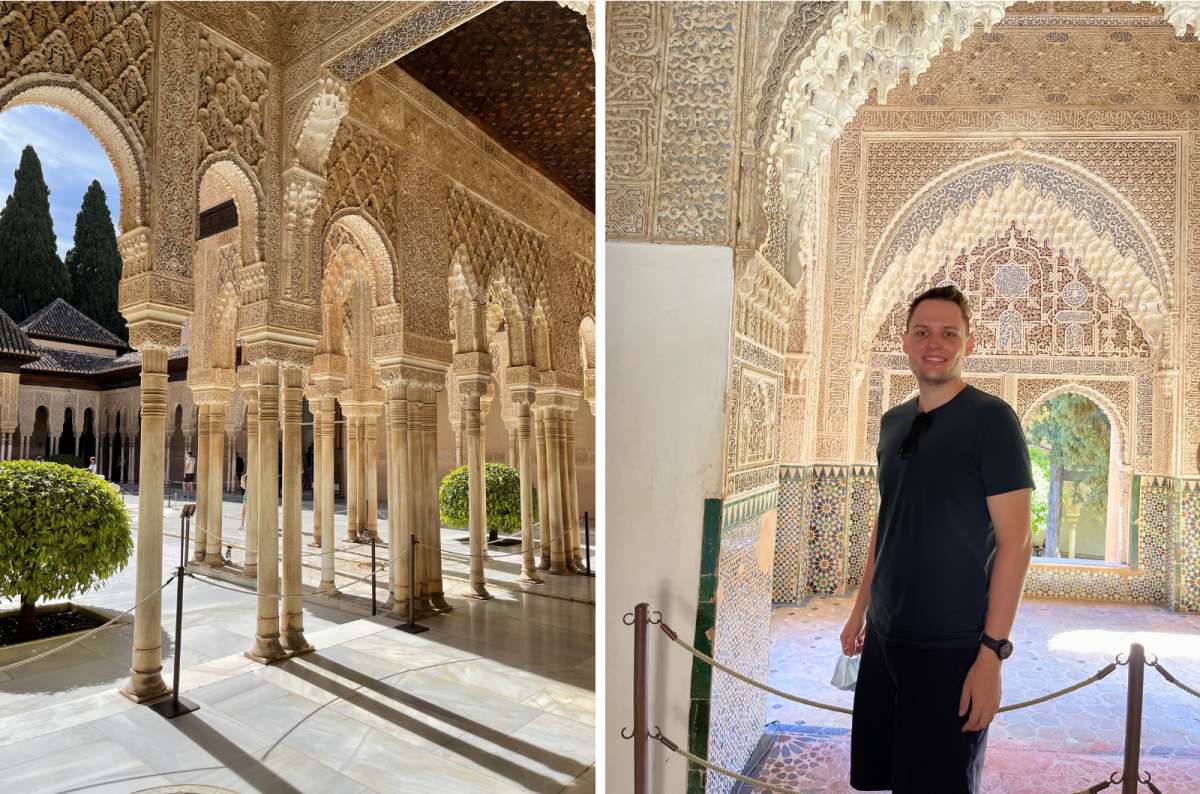
Southern Spain (Andalusia) isn’t about one stop. It’s about the concentration. Sevilla is the stunner and my personal favorite—plazas, tiled courtyards, orange trees, and a huge wooden structure called The Mushrooms. It’s also brutally hot in summer.
Córdoba is a shorter visit, but the Mezquita-Catedral alone makes it non-negotiable (for half a day). Walking into that forest of columns is different from seeing photos. Granada is here for the Alhambra. Book early.
Málaga works as your entry and exit point and is where I stayed when I visited Granada. It’s functional. The highlight is inland. I have to plug this hotel I stayed at, because it was like a dream (adults only): Hacienda Fresneda María by Charming Stay
Do it like this: build your trip around Sevilla and the Alhambra, use Córdoba as a focused stop, and avoid summer at all costs. Not like this: treat Málaga as the main event just because it’s the capital of Andalusia.
If you’re building a Europe bucket list around atmosphere and daily life, these food experiences are reason enough to go.
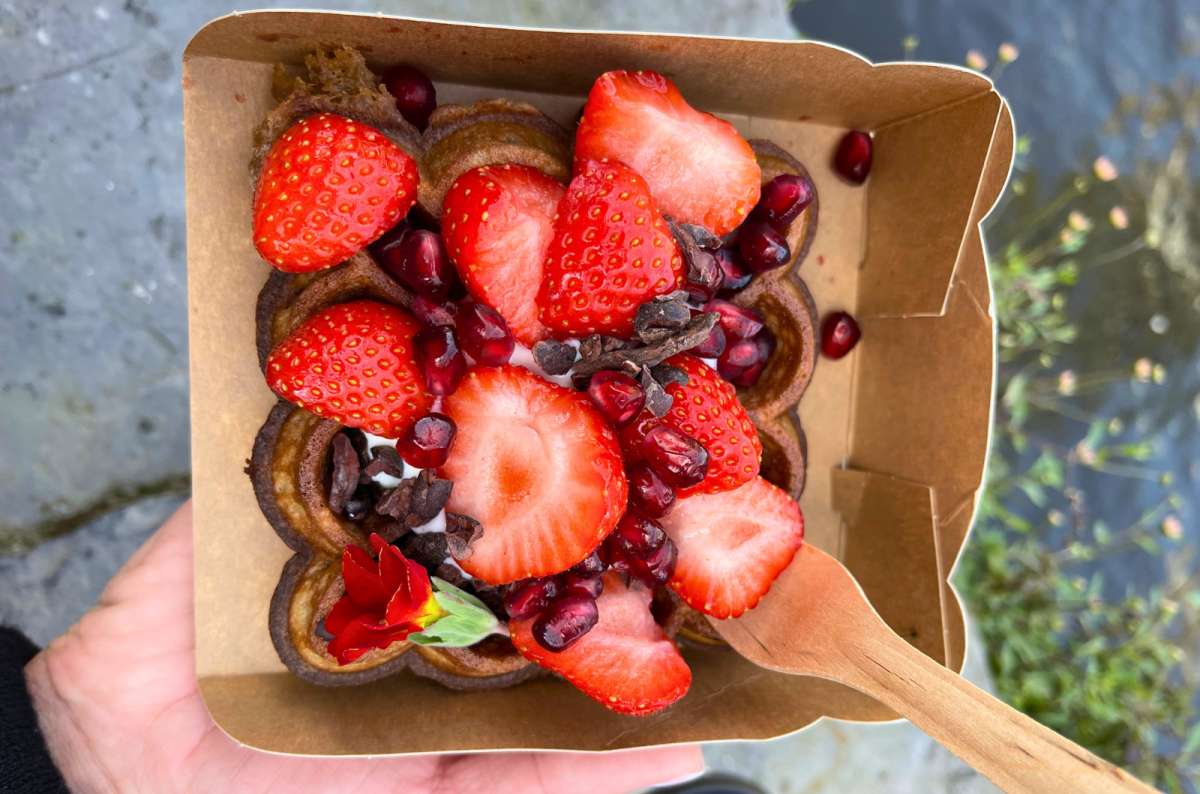
Nobody puts Belgium on their Europe bucket list for food. They should.
I didn’t expect much at first and ended up planning my days around dinner reservations (seriously, make reservations). It's comfort food but done properly, not lazy.
Fries are double-fried and perfectly crisp outside, soft inside, every time. Burgers in Ghent were easily some of the best I’ve had anywhere, and the steak and waffles in Bruges were on point.
Brussels had both excellent restaurants and a few I’d never return to, so you do have to research a little deeper than star ratings.
Beer replaces wine in Belgium. At better restaurants, a zitologue will pair your dish with the right brew as naturally as a sommelier would in France. Stews are cooked in dark beer and sauces are built around it. If you don’t like beer, Belgium will change your mind.
Meals are slow and social. People sit, eat, and talk. You’re not walking around with food unless it’s fries in a paper cone. There’s real regional pride too — waterzooi in Ghent, stoofvlees in Flanders, shrimp croquettes along the coast. Everyone thinks theirs is best, which made me chuckle.
Moules-frites? Texture issue for me. That one I skip.
Do it like this: book one proper dinner per day and treat it as part of your itinerary. Not like this: grabbing the first tourist menu near the Grand Place and deciding Belgian cuisine isn’t worth it.
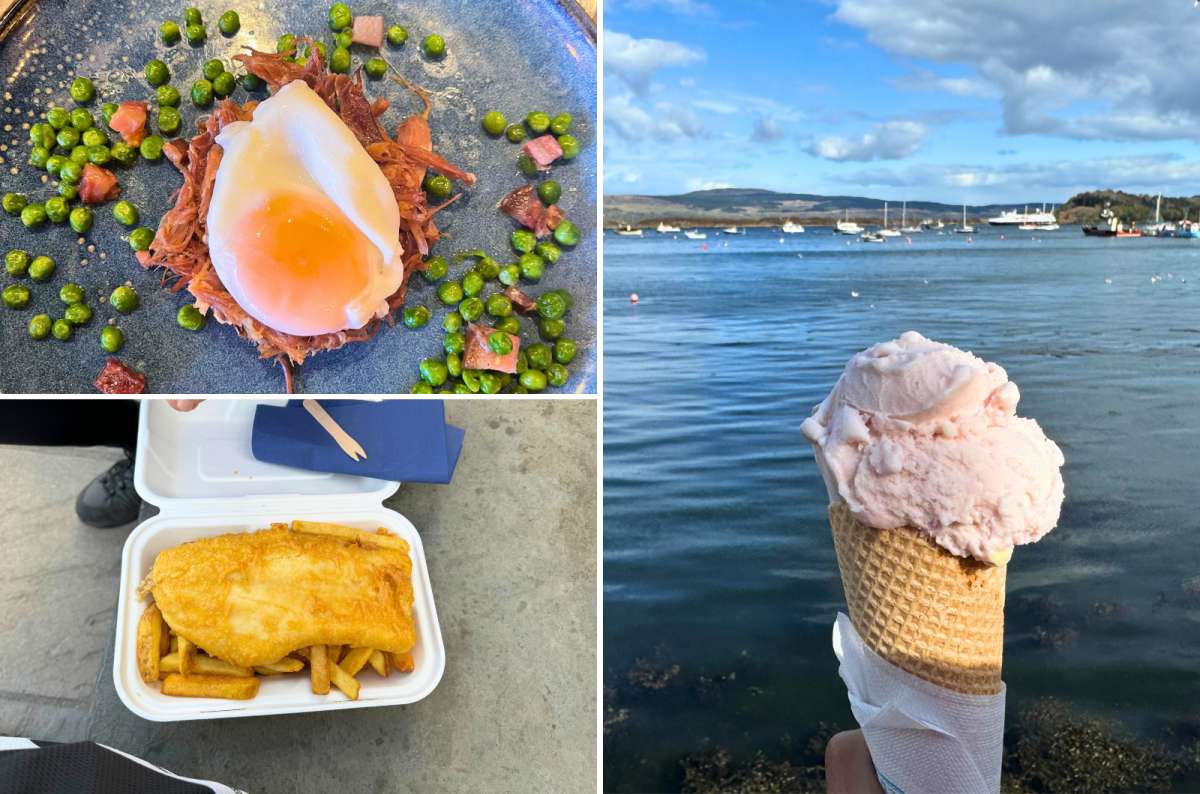
Some of the tastiest meals I’ve had in Europe were in Scotland. You know about the scenery, but this country has so many hidden gem foods, too!
Whisky sits at the top. I know that’s not a meal, but trust me on this one. We toured Torabhaig Distillery on Skye not caring much for it and left converted. Once you understand peat, aging, and regional differences, it stops tasting like “just strong alcohol” and starts tasting like Scotland.
Haggis looks way worse than it tastes. I know that’s not a persuasive sentence, but it’s true. I liked it, and I felt like I deserved a “Scotland pro traveler” medal when I did.
Seafood is Scotland’s secret weapon. It doesn’t get much fresher than this—you’re eating fish and shrimp for lunch that were swimming around in the water just that morning. My tip: Order whatever the daily catch is, especially in coastal towns.
You’ll find excellent seafood in proper restaurants, but also in tiny places that barely look like businesses. The Seafood Shack in Ullapool is one of those—a small stand with no indoor seating and no fixed menu, just whatever the fishermen brought in that day. We had haddock and smoked trout that I still think about.
One correction: smoked haddock or salmon for breakfast is traditional in Scotland. For me, it’s too smoky that early. Have it for lunch instead.
Scotland doesn’t talk about dessert much, but it should. Don’t skip sticky toffee pudding.
Do it like this: mix one proper city dinner with seafood stops on a road trip and add a distillery tour. Not like this: assuming Scottish food means deep-fried stereotypes.
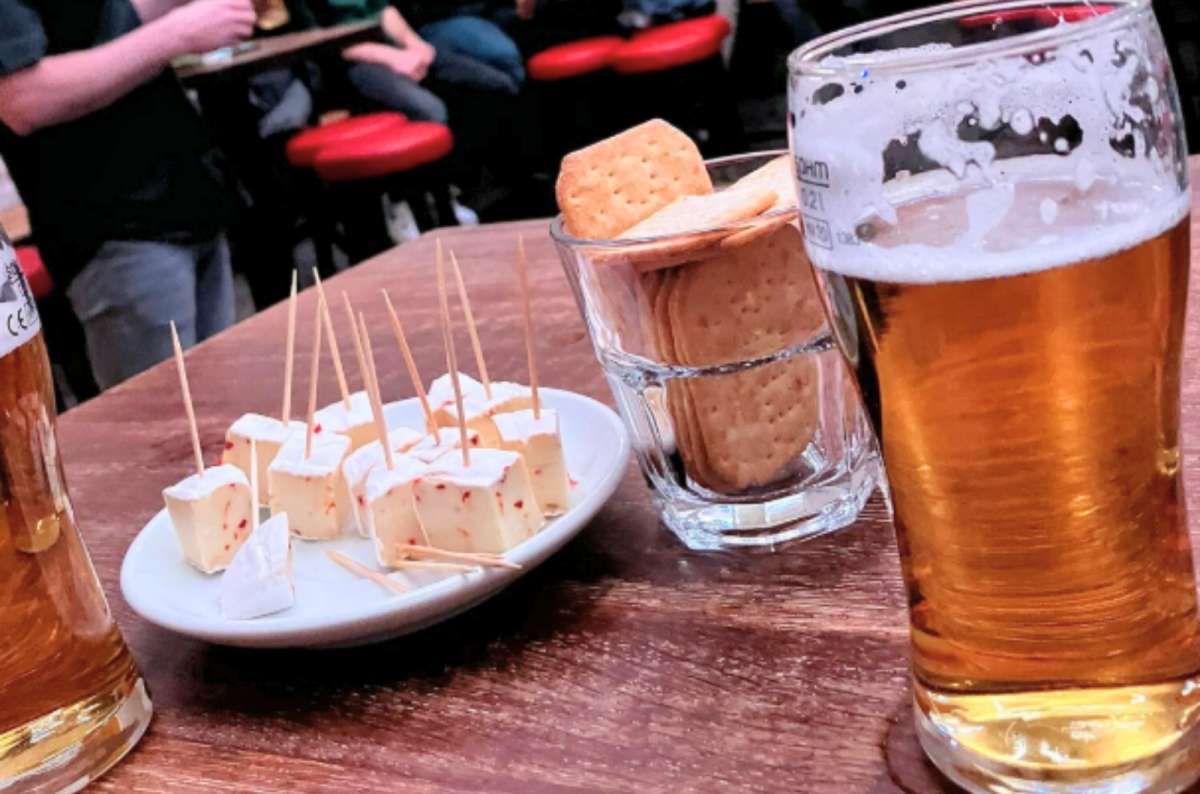
Beer in the Czech Republic isn’t nightlife—it’s just normal life. I’m Czech. I live in Prague. So yes, I could be biased. But after traveling around the world, I still haven’t found beer culture that feels this natural anywhere else.
It’s not about having 40 taps or trying something experimental. Most places serve one or two lagers, and they focus on pouring them right. Foam belongs on beer guys, ok? None of that flat stuff they serve in the US.
Fresh tank beer really does taste different. And then there’s the setting. Traditional pubs with dark wood tables and where nobody is ever in a rush.
In summer, you need to try the beer gardens up on the hills with ridiculous views over Prague’s rooftops and the castle. You sit down for “one” and two hours disappear.
If you’re thinking about things to do in Europe that aren’t just landmarks and viewpoints, this is one of them. It’s simple, but it’s a very real part of the culture here.
Do it like this: walk away from the obvious tourist streets. If locals aren’t hanging out there, it’s not good. Not like this: paying double for a forgettable pint near the Astronomical Clock on Old Town Square and thinking that’s standard.
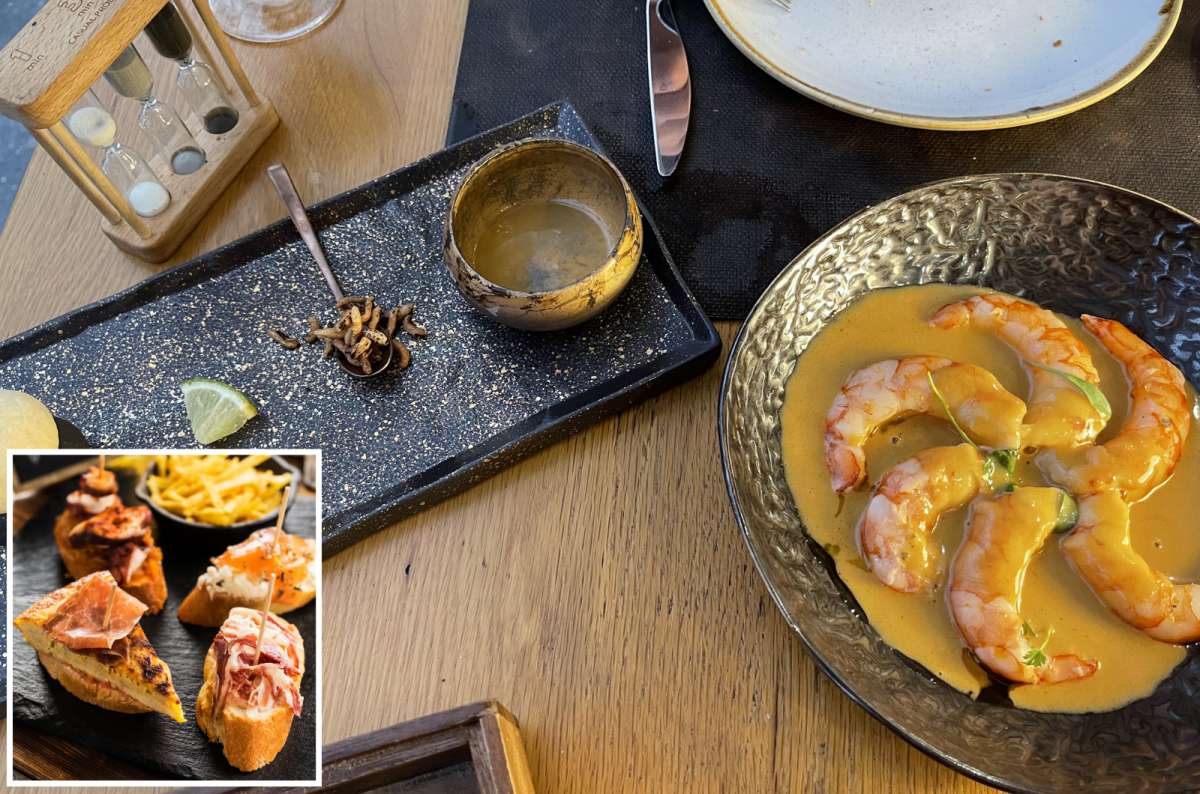
If you’re stuck wondering what to do in Europe after 6 pm, go for tapas in southern Spain. Not dinner. Tapas.
It’s an entire culture—lively in a typically Spanish way, crowded, plates landing in the middle of the table, everyone reaching in at once. European bucket list experience for sure.
I found that in cities like Granada or Jaén, you order a drink and food just appears. It’s free. The logic behind it is simple—salty snacks make you drink more. And the more drinks you order, the better the tapas that land on your table tend to get. It’s like leveling up in a video game.
It's fun when you don’t plan too much, just stand or squeeze into a small table, share whatever lands in front of you, then move on to the next bar. Ir de tapas is more social and slower than a pub crawl, and much more about conversations with friends than getting wasted.
Sevilla and Malaga is perfect for tapas too, but they won't be free. Make sure to wander around the smaller streets instead of committing to one formal restaurant. If you’re indecisive, even better. Order “una cerveza,” a few tapas, and move on.
Just so you know, tapas exist elsewhere in Spain too. Not free though. In Basque Country they’re called pintxos, always on bread and aggressively held together with a toothpick. Bilbao is cool in other ways too, so try it out.
Do it like this: eat late, share everything, don’t overthink the menu. Not like this: booking an early dinner, keeping to yourself, and not sharing.
These weren’t the headliners, but ended up being some of my most memorable spots in Europe.
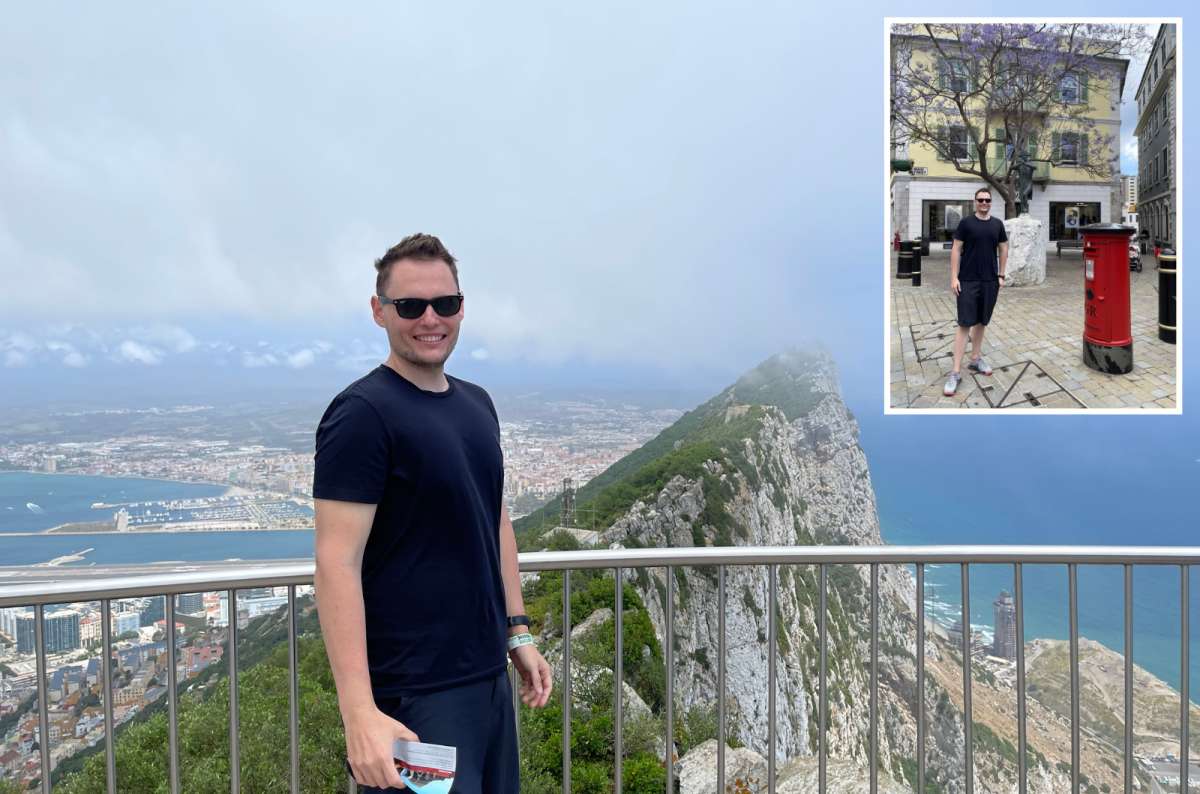
I almost skipped Gibraltar. A British territory squeezed into southern Spain with 33,000 people and one oversized rock. So what?
But I gave it a shot, crossed the border to see what there is to explore, and... heard English everywhere. After days in Andalusia, the sudden British efficiency mixed with Mediterranean weather felt bizarre and strangely refreshing.
The Rock was the obvious highlight—I took the cable car up, walked the nature reserve and suspension bridge, saw the Great Siege Tunnels, and enjoyed epic views all the way to Morocco. It really feels like you’re standing at the edge of something bigger than a little Gibraltar day trip.
There aren’t dozens of attractions. That’s part of it. You can see most of Gibraltar in one day and still have time to sit at Ocean Village with a drink and watch boats come and go.
Gibraltar may be tiny, but it’s one of those tourist places in Europe that completely messes with your expectations. It ended up being my favorite stop on that Andalusia trip.
Do it like this: treat it as a focused one-day visit and walk everywhere.
Not like this: dismiss it as “just a rock” and drive past.
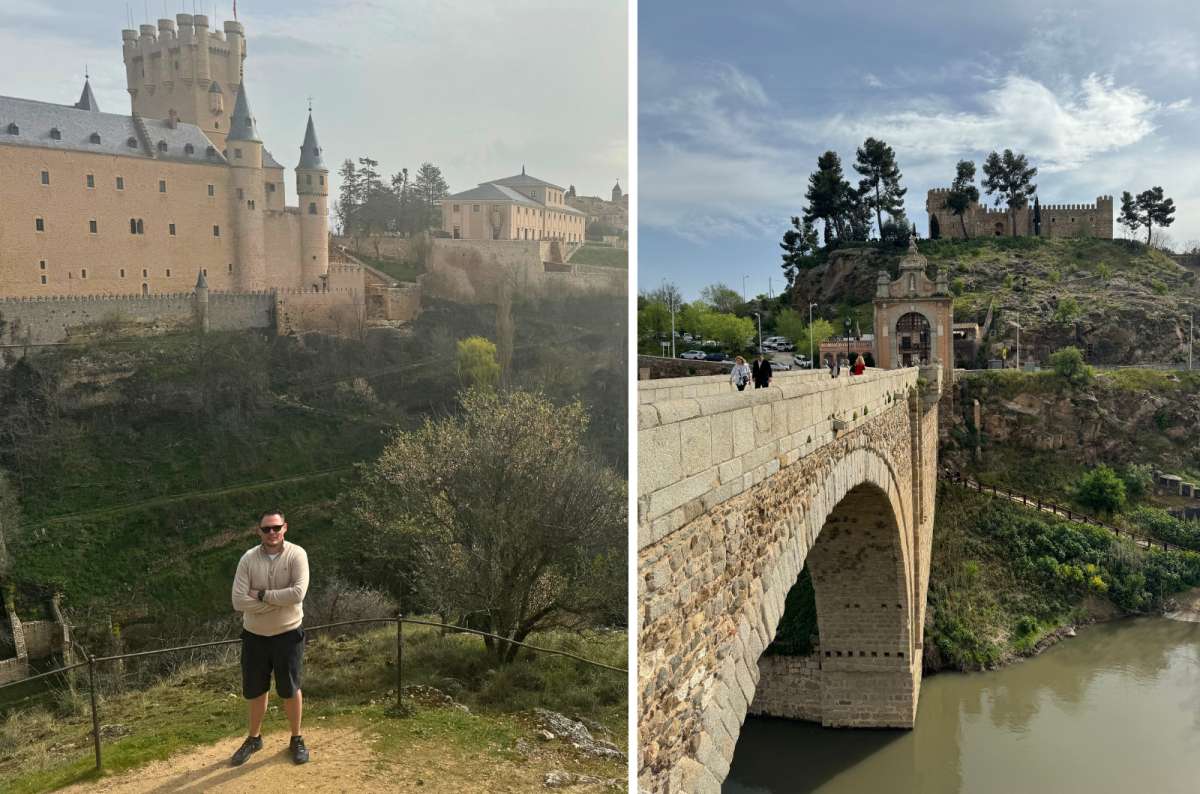
Madrid has great restaurants and serious museums. I don’t regret going. But out of two days in Madrid I spent half of one in El Escorial and then added 3 more to surrounding towns. And that’s when I started loving “Madrid.”
Walking Ávila’s walls was fun. Toledo is steep and chaotic in a medieval way, with outdoor escalators like you’re in an airport. Hilarious and practical, might I add.
Segovia surprised me the most. I thought it was just a nice town with a good view. It’s not. The views are so good! Standing above the cathedral and alcázar, the whole place looks unreal from above.
There towns aren’t hidden gems, but they sure felt like it after Madrid!
Do it like this: use Madrid as a base and build your itinerary around day trips.
Not like this: spending four days in the capital and skipping Ávila, Toledo, or Segovia.
Not every famous place in Europe deserves your time, and some are much better with adjusted expectations.
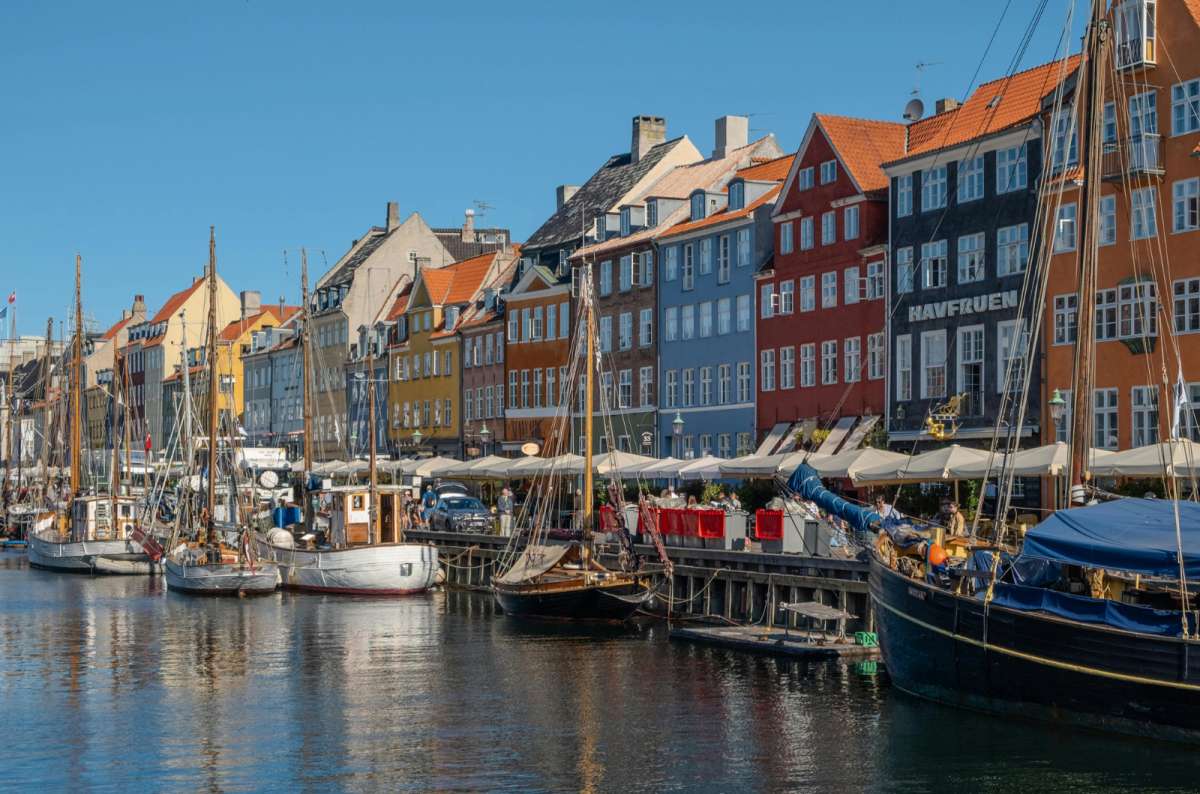
I road-tripped around Denmark and genuinely liked the country. Copenhagen alone made me feel cooler than I actually am—clean design, bikes everywhere, great food, easy confidence.
But I went in August expecting easy summer weather. Instead, I got wind that doesn’t quit and rain that shows up sideways. More than one Dane literally laughed at me and my silly summer plan. Apparently, if they can, even the locals leave in summer.
If you’re aiming for drier weather, late May through June is your safest bet. Even then, pack layers—Denmark doesn’t promise anything.
I still did the dramatic thing at Grenen—one foot in the North Sea, one in the Baltic Sea, and of course got completely soaked while doing it. Good thing I like adventure and counted the discomfort as a bonus.
Do it like this: road trip it, enjoy the cities, pack layers, and be ready to spend time indoors.
Not like this: planning a sunny coastal holiday and assuming August is the best summer month for that.
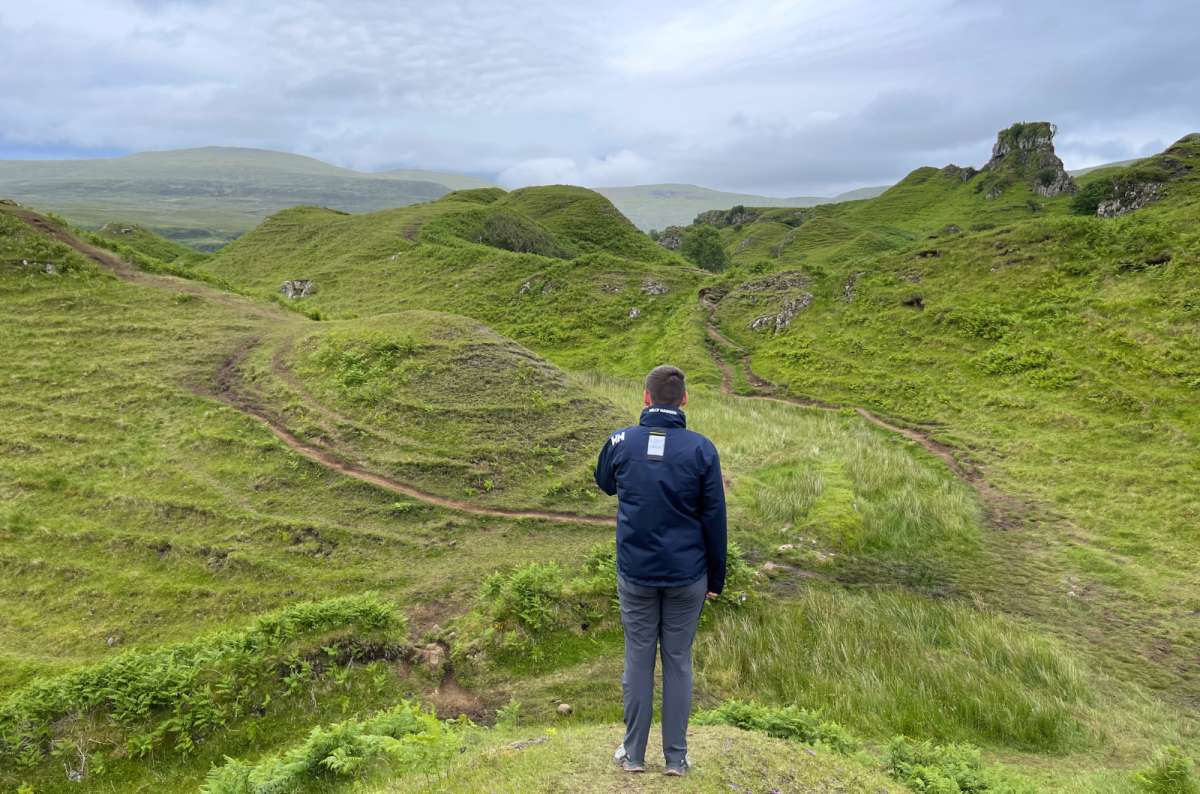
I loved Skye. It’s an absurd amount of dramatic scenery packed into one semi-small island. Cliffs, ridgelines, moody weather, incredible landscapes (and the best whiskey distillery too!).
So maybe I was spoiled by the time I got to Fairy Glen. But honestly, what even is it?? Why is it such a famous attraction? A few grassy mounds and winding footpaths. Wow?
It’s not bad. It’s just… surrounded by much better things. Quiraing is a five-minute drive away and feels like another planet. The Old Man of Storr actually makes you stop walking and stare while movie soundtracks play in your brain.
I guess Fairy Glen is a hidden gem if you like fairies?
Do it like this: treat Fairy Glen as a quick curiosity if you’re passing through and have extra time.
Not like this: expecting magic and going out of your way to see it.
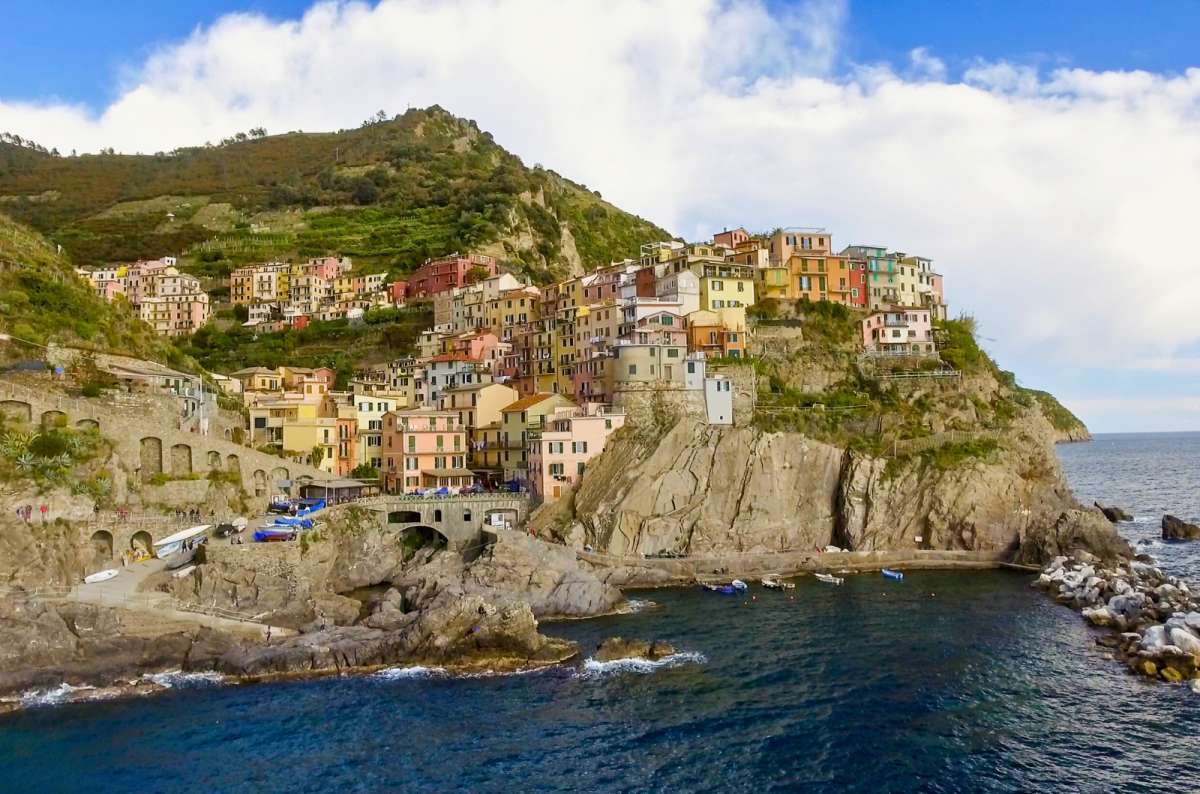
Cinque Terre is one of the most photographed tourist places in Europe, which means most people move between the villages by train. It’s the “easy” option. It’s also chaotic, overcrowded, and very much not a charming Cinque Terre shuttle.
I spent over two hours squeezed into a sweaty carriage. Never again.
Driving isn't any better. Roads are narrow, hilly, winding, and parking doesn’t exist. On one trip, I spent 2 hours—I kid you not—just looking for a spot. There’s nowhere to casually pull over for a photo either.
Hiking is the answer to all your problems in Cinque Terre. The Sentiero Azzurro connects the villages and instantly makes the whole experience so much calmer.
I started in Riomaggiore — colorful houses stacked above the sea, narrow streets, tiny boats in the harbor. After the train ride ordeal, it felt like therapy. Via Beccara between Riomaggiore and Manarola is a leg workout, but worth it. Vernazza and Monterosso are better when you walk into them rather than arrive by train with 400 other people.
Overall, I can say that I liked it most when I was hiking or eating. That’s it.
Do it like this: go in shoulder season, hike between villages, stay two nights max.
Not like this: expect easy transport, sandy beaches, and five full days of activities.
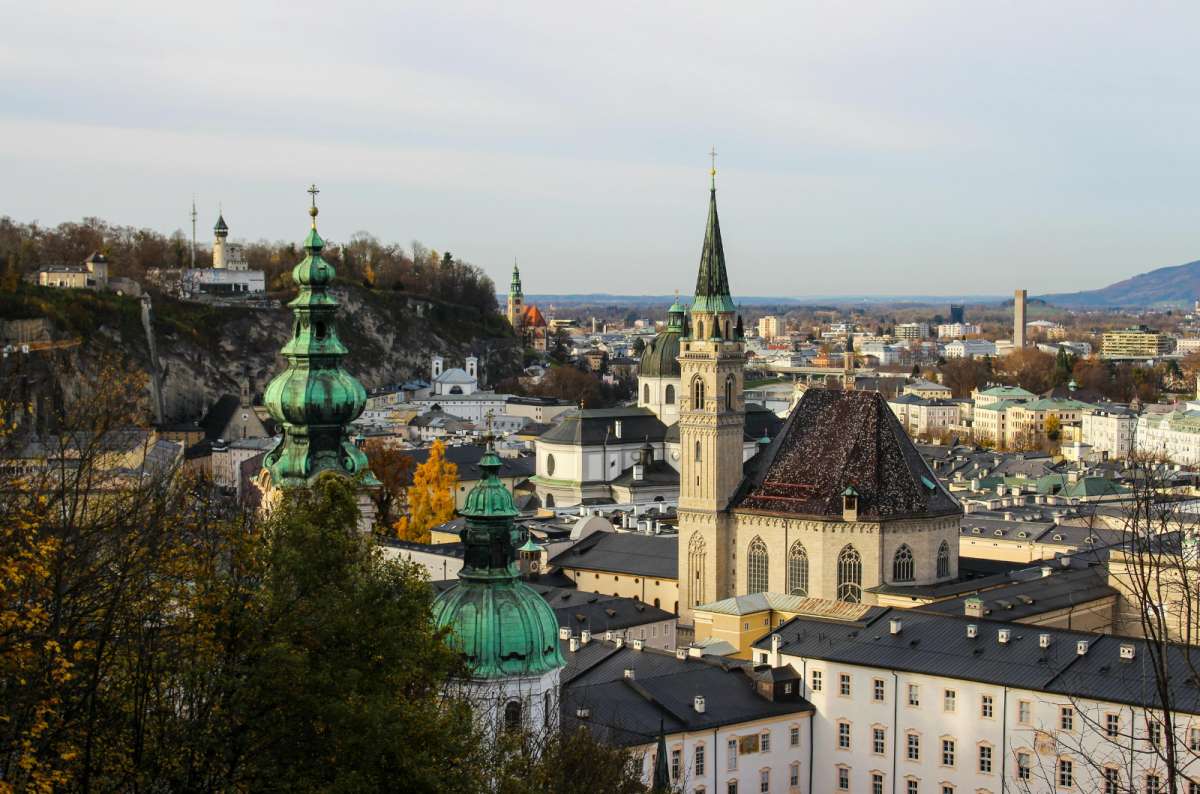
Salzburg looks exactly how you think it does—Baroque façades, church domes, a fortress above it all. It’s neat, photogenic, and almost too tidy. Mozart could probably find his way home without Google Maps.
Hohensalzburg Fortress gives you proper views (walk up via Mönchsberg if you can). Hangar-7 is unexpectedly fun if you like anything fast and shiny. Beyond that, the Old Town starts to repeat itself real fast.
If you’re not genuinely excited about Mozart, there’s not much reason to stay long. I spent a few hours, checked the boxes, and then booked it to Hallstatt and Dachstein. Why stay in a city that looks like a museum when there’s so much more to see in Austria?
Salzburg isn’t bad. It’s just… one-and-done.
Do it like this: stop on your way through the Alps and give it a focused half-day.
Not like this: planning multiple nights or making it the highlight of your Austria trip.
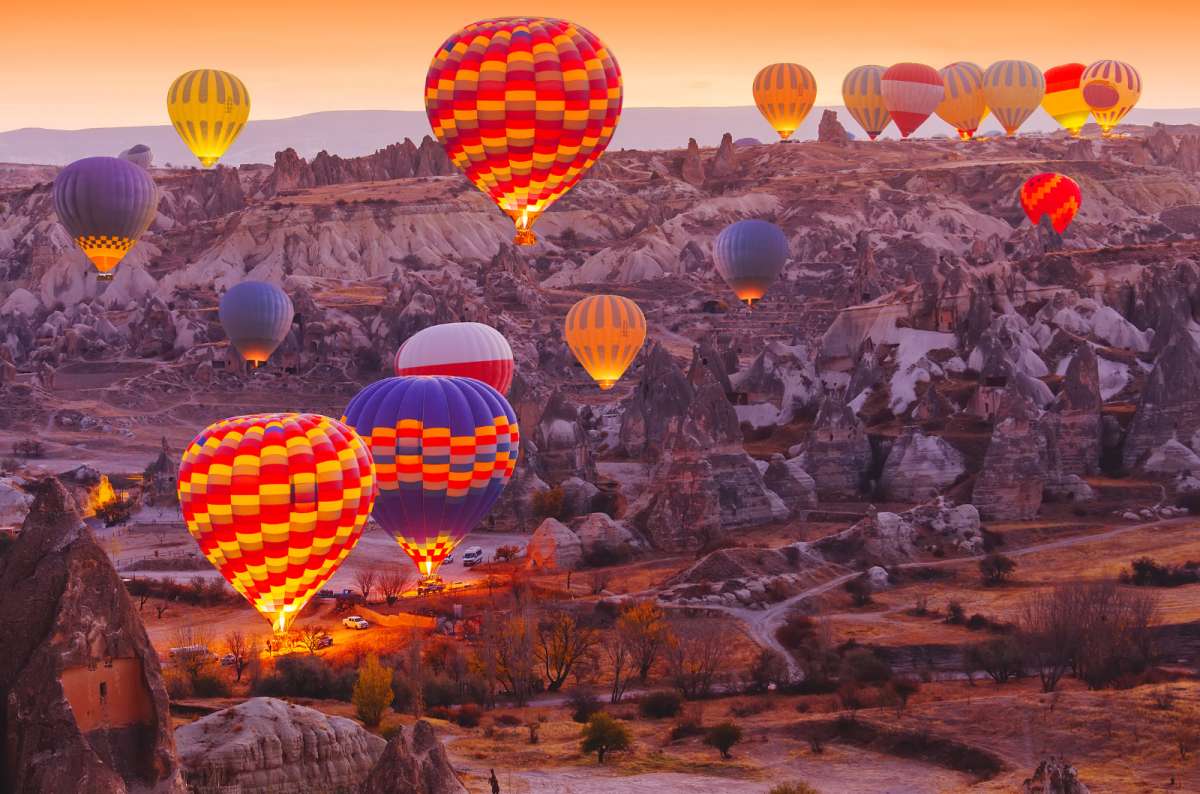
Riding a hot air balloon at sunrise is the famous attraction in Cappadocia, Turkey. It’s the thing everyone books. It’s on every itinerary.
Cappadocia is one of those tourist places in Europe-adjacent Turkey where the landscape keeps you in awe. The fairy chimneys, the soft rock valleys, the way the light hits everything at sunrise—it's such a uniquely beautiful spot.
Riding in a hot air balloon sounds like the obvious move. I’d argue it’s not.
It’s like climbing the tower of a beautiful cathedral versus stepping back to see the whole cathedral from a proper viewpoint.
One morning I woke up before sunrise and sat on my hotel’s rooftop terrace. It was still dark, quiet, and you could hear the burners firing up as the balloons filled with air below. That low roar before the sun even appears builds anticipation in a way that’s hard to explain.
The next morning I hiked out into the fairy chimneys just beyond town and watched dozens of balloons rise over the valleys.
It was… actually magical. I’m not usually the emotional type. But that moment was perfection.
I mean, sure, book a ride if you really want to. I’m not saying it’s bad. I just don’t see much added value from being in the basket instead of watching it all happen. I’d rather spend that money on a very good dinner.
Do it like this: find a rooftop terrace or hike into the valleys before sunrise and watch it unfold.
Not like this: assuming the only way to experience it is to pay for the ride.
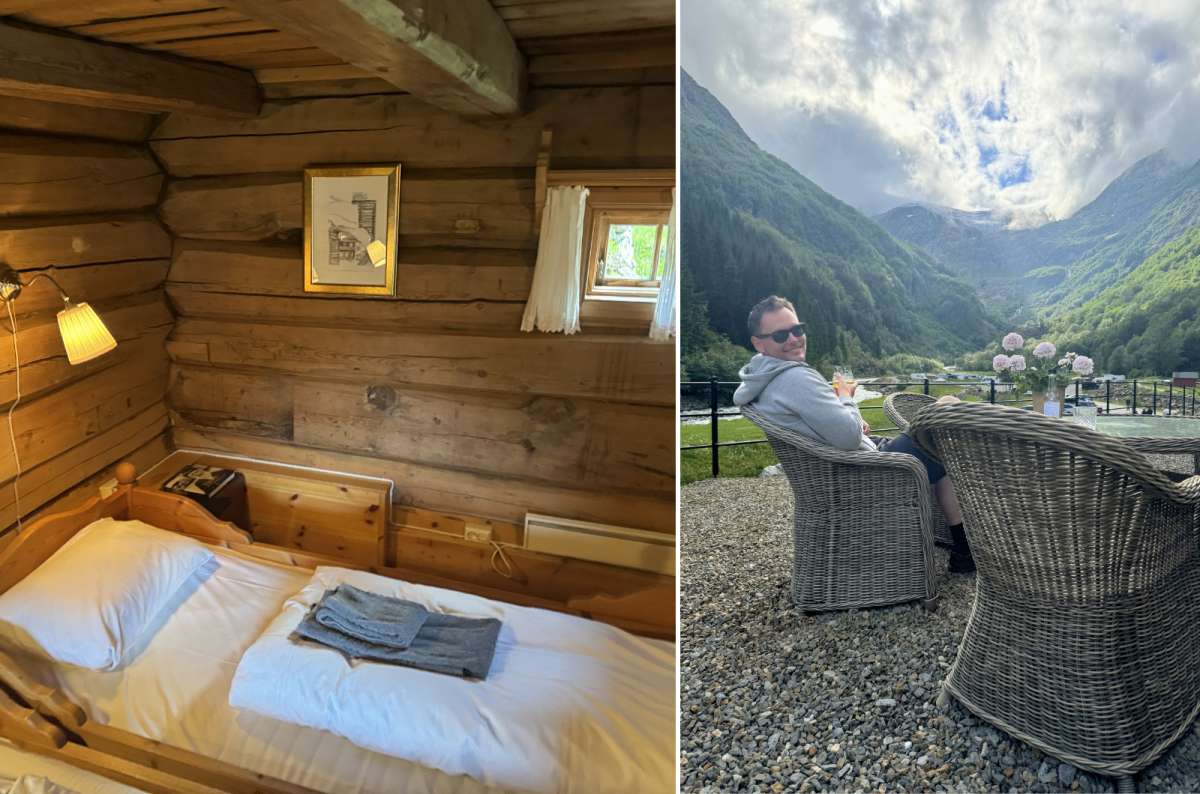
Norway is unreal when it comes to landscapes. Fjords, mountains, and viewpoints like no other. It easily earns its place on any Europe bucket list for nature lovers.
But hotels and restaurants? Different story.
Most places we stayed felt somewhere between “grandma’s cabin” and functional minimalism. You could call it cozy, but it certainly wasn’t my style. Norway’s hotels come with their fair share of sticker shock, so budget accordingly. The bar just seemed overall low.
Restaurant service was… inconsistent. Not rude exactly, but rarely warm. Sometimes you wonder if they’re tired of tourists. Maybe they are.
Lower your expectations and you’ll be fine in Norway. Spend time in nature and you’ll be ecstatic.
Oh, and driving in Norway isn’t a walk in the park either. Prepare yourself mentally for it. Average speeds hover around 70 km/h (43 mi/h) and people stick to it.
Norwegian drivers can be slightly rude and won’t go out of their way to make driving easier for you, the poor foreigner. You’ll also notice some extremely flashy cars cruising through very dramatic landscapes!
And the tunnels. So many tunnels. You’ll feel like a mole at times. Then suddenly you pop out into a fjord view so good it resets your mood.
Do it like this: focus on scenery, treat hotels and restaurants as a functional necessity, not a highlight.
Not like this: expecting warm reception and cool interiors.
Sometimes the fastest way to spot a tourist zone in Europe isn’t the souvenir shops—it’s what’s on the menu. Don’t get fooled by these foods:
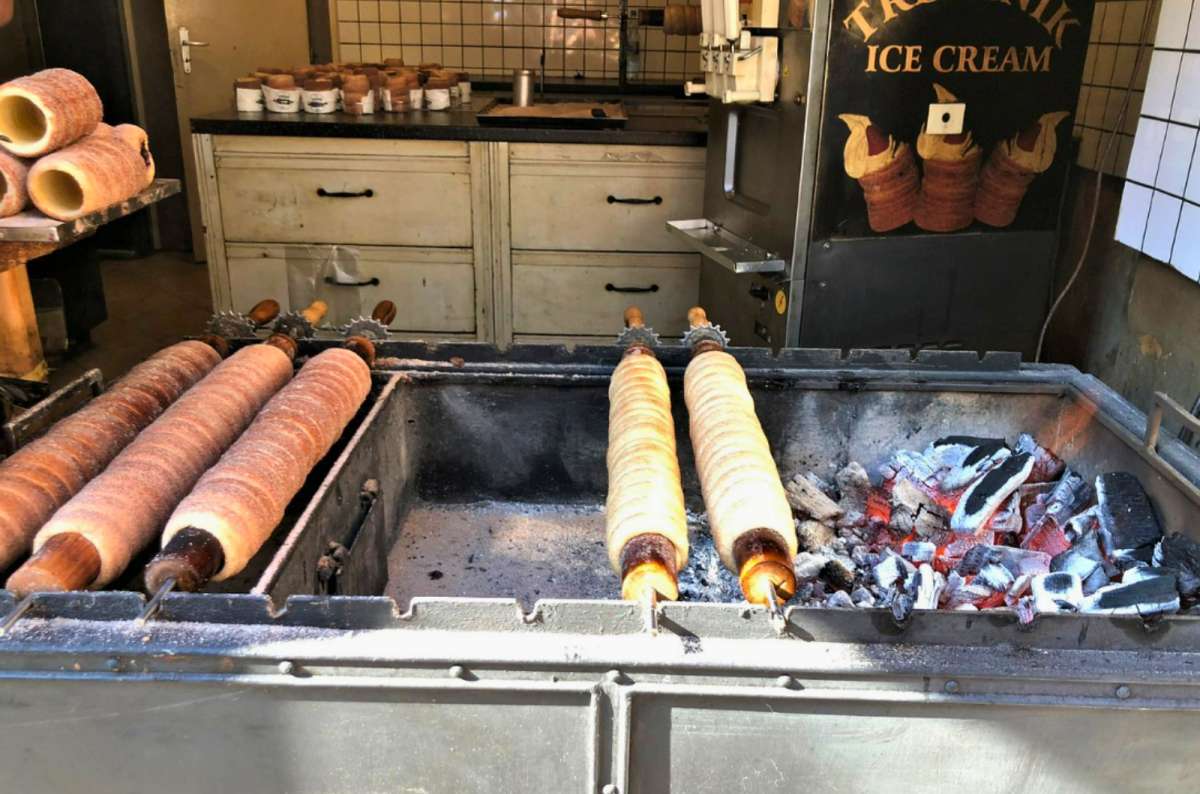
Trdelník looks impressive—the spinning over a fire with sugar, smoke, and Nutella everywhere. It photographs well. It isn’t Czech! It only became “Prague famous” once somebody realized that tourists love it.
Goulash in a bread bowl is similar. It feels rustic and medieval and dramatic. Locals don’t dig out bread bowls for their goulash guys, sorry to burst your bubble. We eat goulash normally, with dumplings, on a plate.
Pro tip: If the menu has ten languages and someone outside is holding a laminated sign, keep walking.
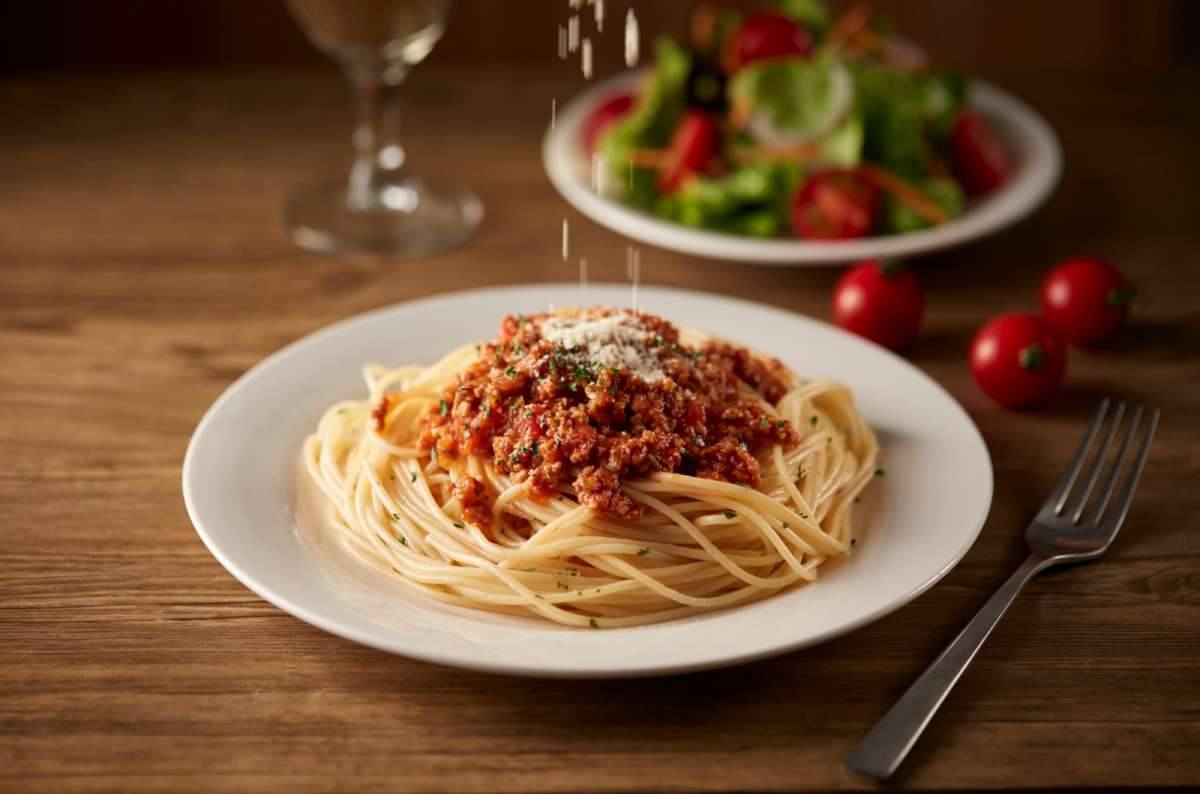
“Spaghetti Bolognese” isn’t really Italian. In Bologna, you’ll get ragù served with tagliatelle. No spaghetti and no giant pile of tomato sauce drowning the pasta.
If you see it listed exactly as “Spaghetti Bolognese” on an English-heavy menu, especially near major tourist places in Europe like Rome or Florence, that’s your hint to keep walking.
Italy is regional. Order what the region is known for and you’ll eat much better.
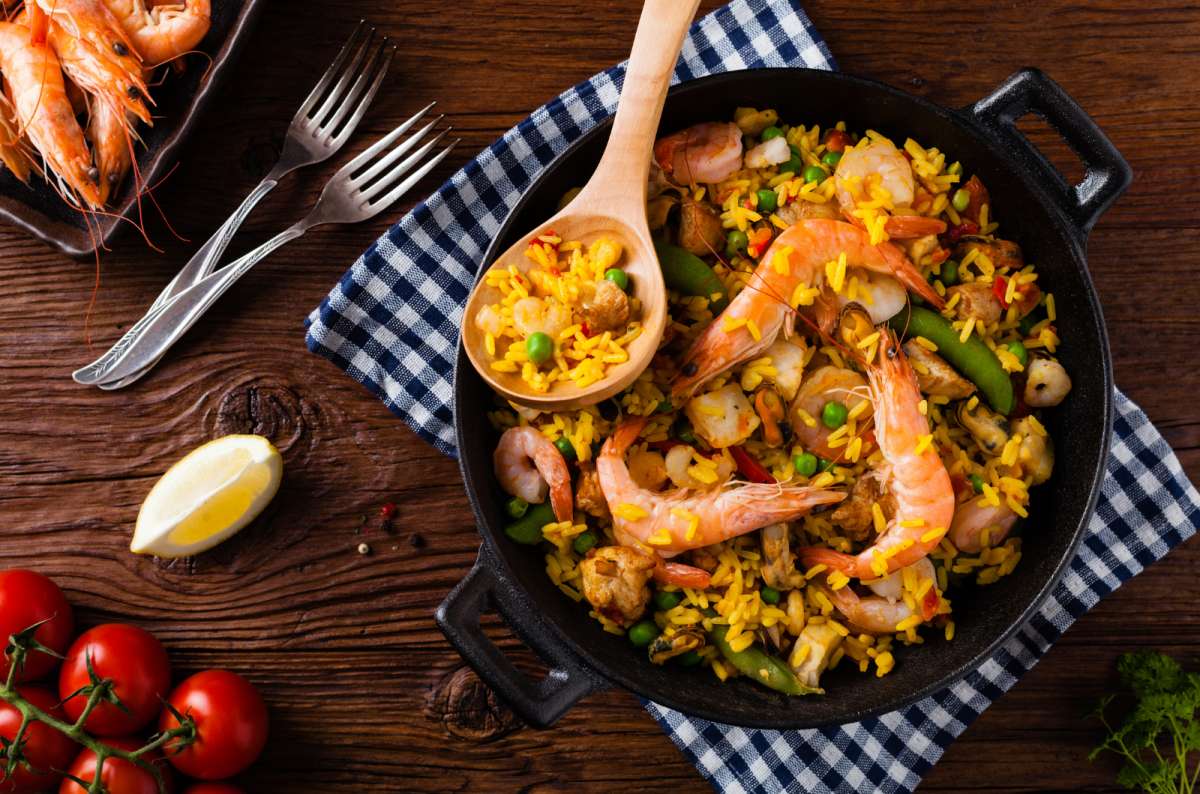
Paella is from Valencia. Not Barcelona. And it’s traditionally made for at least two people, cooked in a wide pan meant for sharing.
If you see “paella for one” on a menu near La Rambla, keep walking. It’s designed for tourists ticking boxes, not for locals. The quality will be nowhere near the real thing.
Barcelona has its own food culture. Eat grilled seafood, bombas, fideuà, whatever’s regional. Don’t force Valencia onto it.
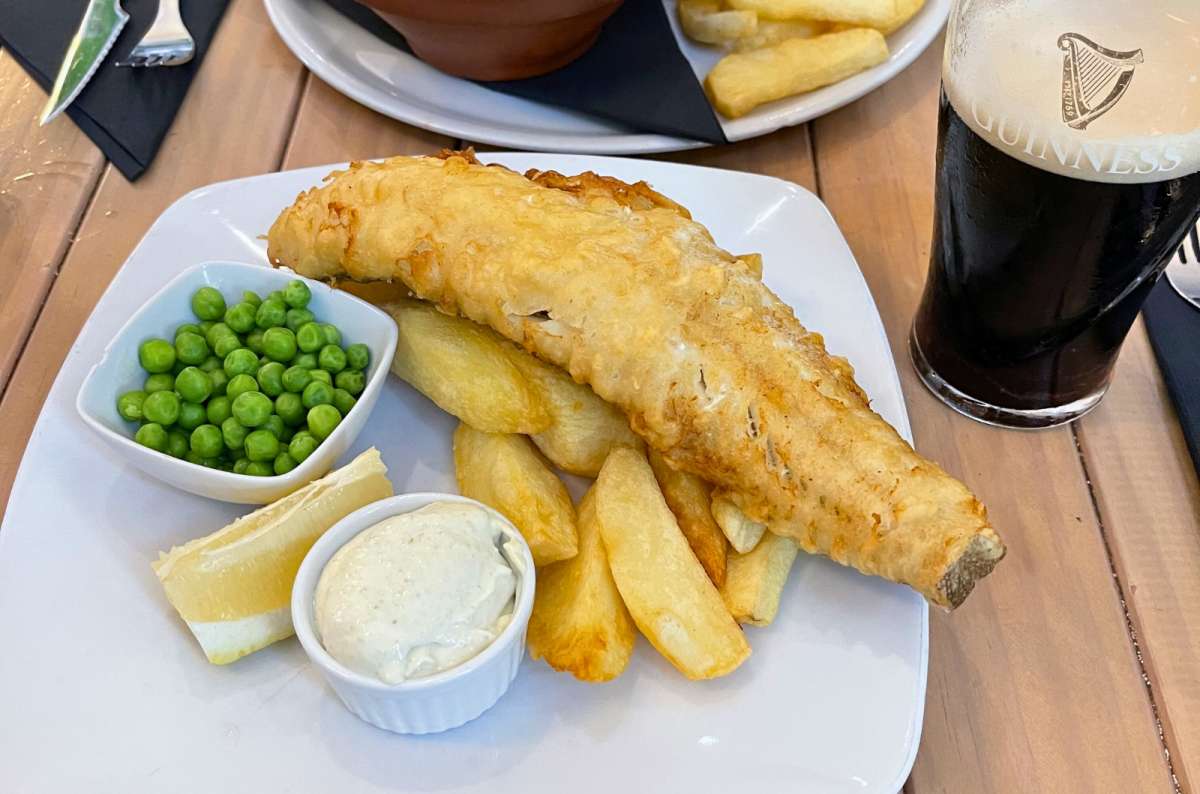
Spain has incredible seafood. Fresh, simple, usually grilled with olive oil and salt. Ordering fish and chips in Barcelona or Málaga feels like flying across Europe to eat airport food.
Yes, you’ll find it. Yes, it’ll probably be fine. But fine isn’t why you’re here.
The one exception? Gibraltar. There, fish and chips actually makes sense. It’s British territory, English menus everywhere, red phone booths, pubs. After weeks of Spanish food, I’ll admit I loved the break. Sitting down with a plate of fish and chips and a pint felt oddly satisfying.
Europe isn’t short on famous landmarks, tourist places, or unique experiences. What it’s short on is time. The best things to do in Europe aren’t just about what’s popular or what everybody is doing—they’re about knowing what’s worth it for you.
Give yourself permission to lean into the places that feel right, and don’t be afraid to ignore the crowd, even if that means skipping Paris. That’s how you build a Europe bucket list that actually makes your own dreams come true.
This post contains affiliate links. If you make a booking through one of my links, I may earn a small commission—at no additional cost to you. Thank you for your support!
My top 10 things to do in Europe: The ultimate bucket list
The best nature and landscapes in Europe
Famous places and tourist attractions in Europe
Food and everyday culture I’d plan a European trip around
Places that surprised me (in a good way)
Places I’d do differently — or skip altogether


Hi, I’m Jan. I travel fast and intensely, whether I’m exploring the buzz of Tokyo in 3 days or road-tripping through mountains and beaches on a 3-week Thailand adventure. And no matter where I am, you’ll always find me in a comfortable hotel at night and eating the best food.
If that sounds like your kind of journey, hop on board, and let’s explore the world together!
I started this blog after realizing how tough it can be to find reliable, authentic travel info. You wouldn’t believe how many “travel bloggers” never even visit the places they write about! On Next Level of Travel, you can count on my full honesty and insights drawn from my firsthand experiences.
Here’s the deal: not every destination is all superlatives and unicorns. I’ll let you know if a tourist attraction isn’t worth your time, like skipping overrated stops in my 2-week Spain itinerary. And when I find something truly special—like the perfect mix of culture and nature in Cape Town—you can trust that it’s worth adding to your itinerary.


Comments | Thoughts? Give us a shout!